Serving Fairfield, CA & nearby
(707) 213-3692
Fairfield, CA

Noises That Mean Something: A Fairfield Homeowner's Guide

Fairfield homes built between 1938 and 2002 carry specific hardware quirks. Here's what grinding, popping, or slapping sounds actually mean on this housing stock.

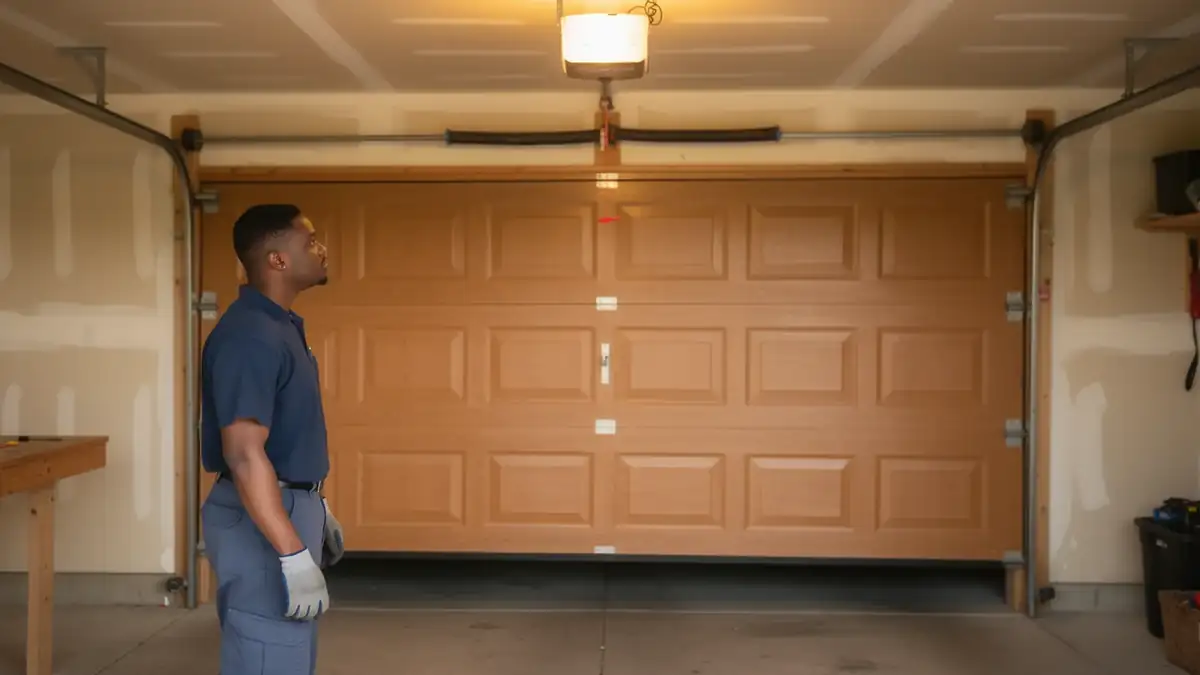
A technician in a blue shirt and gloves stands in front of a closed brown garage door.

What to Check

Before you call anyone, stand at the door and listen for where the sound starts. A grinding noise right as the door lifts usually points to the rollers, especially on houses built before the 1980s where steel rollers were standard and nylon retrofits never happened. A sharp bang partway through the cycle is almost always a torsion spring losing tension or snapping outright - common on doors original to Fairfield's 1960s and '70s tract housing, which still make up a large share of the 19 named areas in this service territory. A rhythmic slapping sound as the door travels is often a bent track section, not a motor problem, so don't assume the opener is at fault just because it's loud. Check the track brackets too - on houses from the 1979 median build year, those brackets are original steel and fatigue shows up as a faint rattle before anything fails outright. Write down when the noise happens: on open, on close, or only under load. That detail is the single most useful thing you can hand a tech on the phone, and it often saves a diagnostic trip.

What Local Conditions Do

Fairfield sits in a mild temperate band, so you're not dealing with the deep freeze-thaw cycling that cracks hardware in colder climates or the humidity swings that rot wood jambs in the Southeast. That's the honest upside here: springs and tracks don't get the extra stress of ice expansion, and most of the noise complaints we see aren't weather-driven at all. What local conditions do instead is slow and steady - decades of daily temperature swings between 40s at night and 80s-90s by afternoon cause metal to expand and contract just enough, cycle after cycle, that lubrication dries out faster than owners expect. On a door built in the 1960s or '70s, that's forty-plus years of those cycles acting on hardware that was never upgraded. The noise you hear today is less about any one storm and more about accumulated wear on original parts that were sized for a different era of use.

Season by Season

Because the climate here stays mild year-round, you won't get the dramatic seasonal spring-snap patterns that colder service areas report in January. What you do get is a slower drift: late summer heat (routinely into the 90s across the Fairfield-area housing stock) dries out lubricant on tracks and hinges faster than owners notice, so a door that was quiet in June can start squeaking by September. Winter brings cooler mornings but nothing close to a hard freeze, so metal contraction is minor - noises that show up in December are usually wear that was already building, not new damage from cold. Spring is when most of our noise-related calls come in, simply because people are opening garage doors more often after months of lighter use, and whatever slack or wear accumulated gets exposed under daily cycling. There's no month here where you can ignore a new noise and assume it's just the weather.

What Is Going On

Put the housing age and the climate together and the pattern is pretty consistent across this area. Original hardware from the 1938-2002 build range, with most of it clustered in the 1960s-70s wave, is reaching the point where lubrication and wear - not sudden damage - explain most sounds. Mild temperatures mean the metal isn't being stressed by freeze cycles, so when something does break, it's almost always fatigue from age and use, not a one-time event. That also means a lot of noises are fixable without full replacement: a lubrication and roller swap handles more cases here than it would in a harsher climate, because the steel itself usually isn't cracked or corroded, just dry and loose at the joints. The honest limitation: if your door is original to a 1960s or '70s build and the spring has already gone, we're not going to tell you a lubrication job will fix that. At that age, a snapped torsion spring usually means the whole spring set needs replacing, and sometimes the drum and cable with it.
How it works

From “it’s stuck” to “it’s fixed”

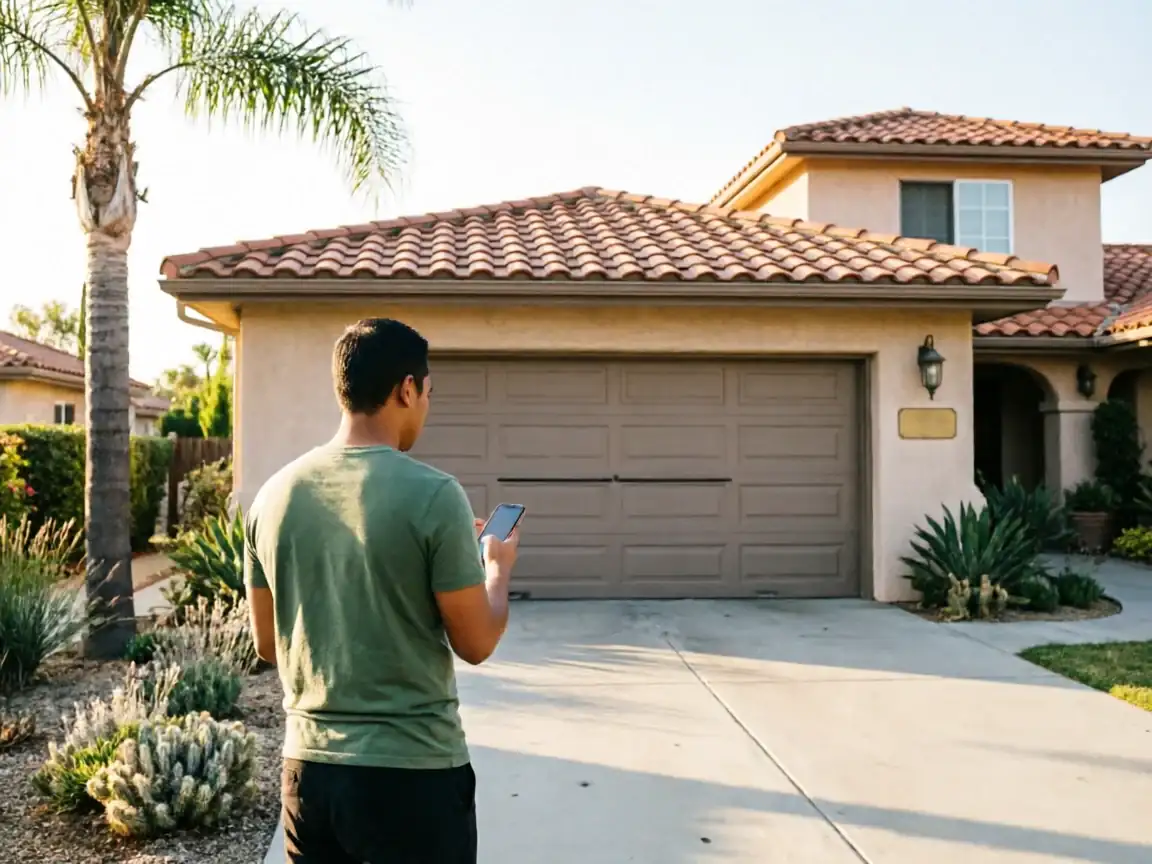
A man stands in a driveway, looking at his phone in front of a house.

Tell us what’s wrong

Describe the symptom - won’t open, loud bang, opener runs but the door won’t move.

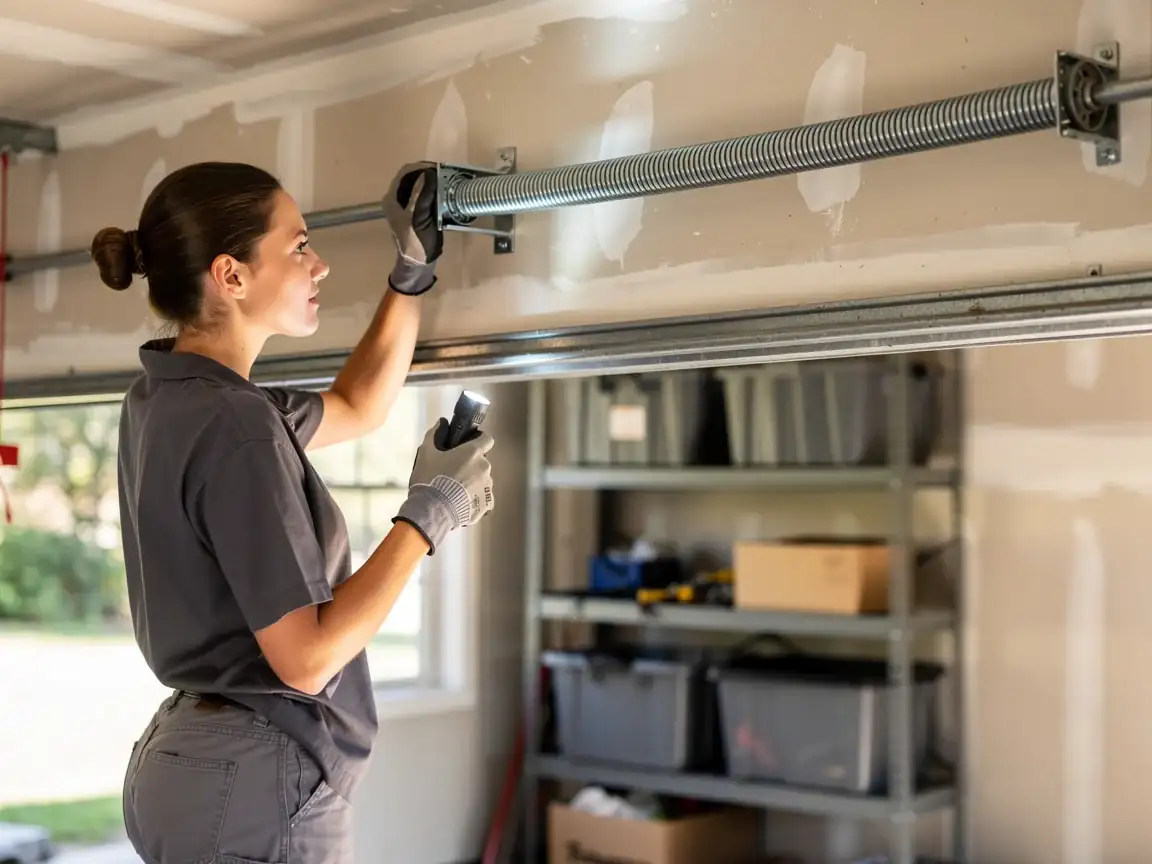
A technician in gloves holds a flashlight while working on a garage door torsion spring.

On-site diagnosis

A technician tests the door under power and by hand and finds what actually failed.

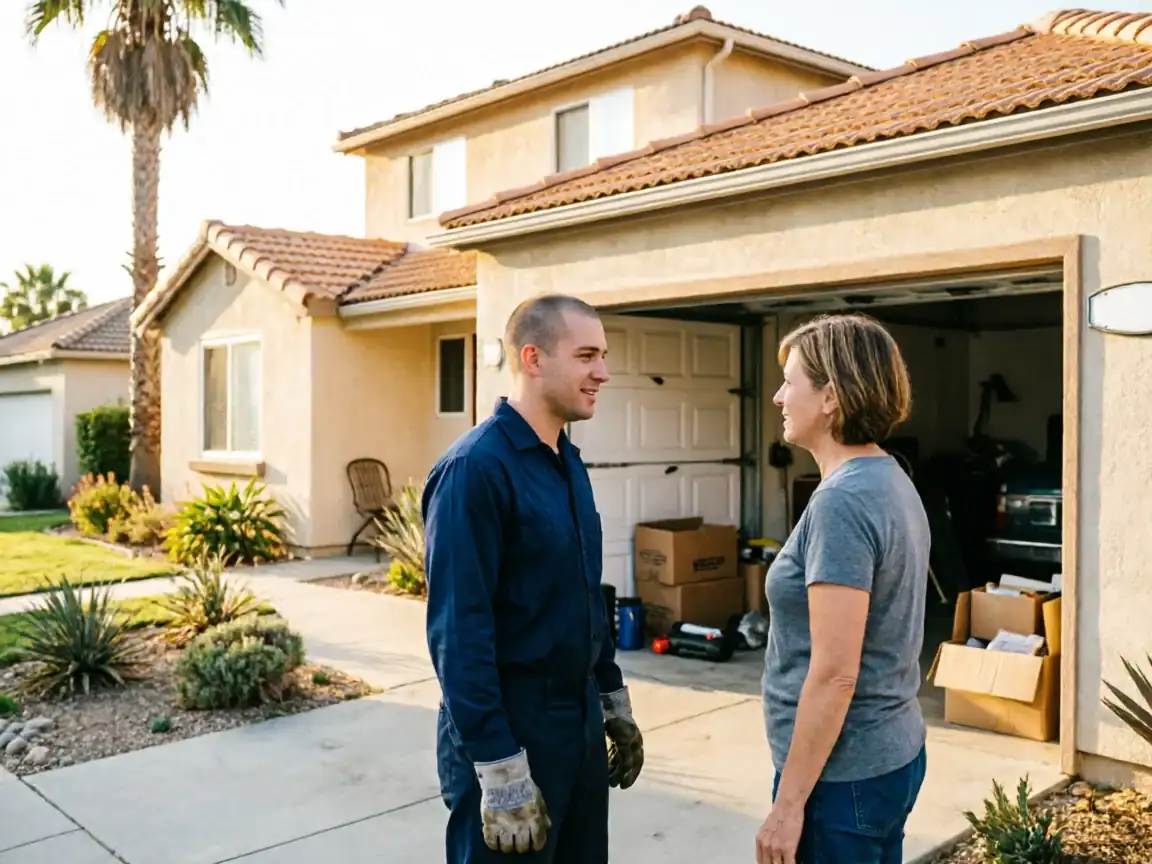
A technician in a blue uniform talks to a woman in front of a house.

Clear, up-front plan

You get the fix that’s needed and what drives the cost - before any work starts.

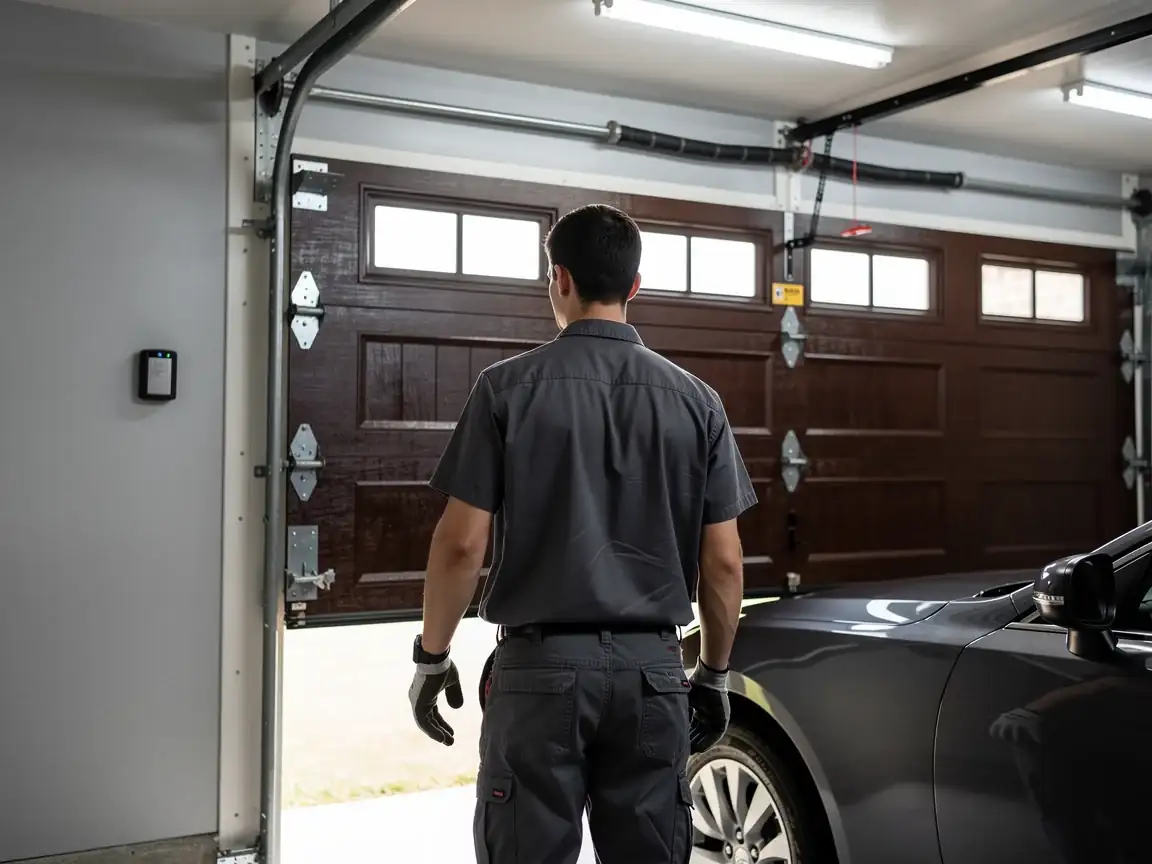
A technician stands in a garage looking at a brown garage door with windows.

Repaired & tested

The repair is done, the door is set true and tested, and the work area left clean.

Not sure which repair your door needs in Fairfield, CA? Describe what it’s doing - every job starts with a diagnosis.

How we work

What to expect

Diagnosis first

Every visit starts by finding what actually failed - not a pre-written parts list.

The right part for the door

Springs and openers matched to the door’s weight and age, so the fix holds up.

Straight answers

When a repair makes more sense than a replacement - or the reverse - you hear it plainly.

Clean, careful work

Tension released safely, hardware set true, the door tested under power before we leave.

What we do

Garage Door Services

Repair and installation work for Fairfield homes and businesses.

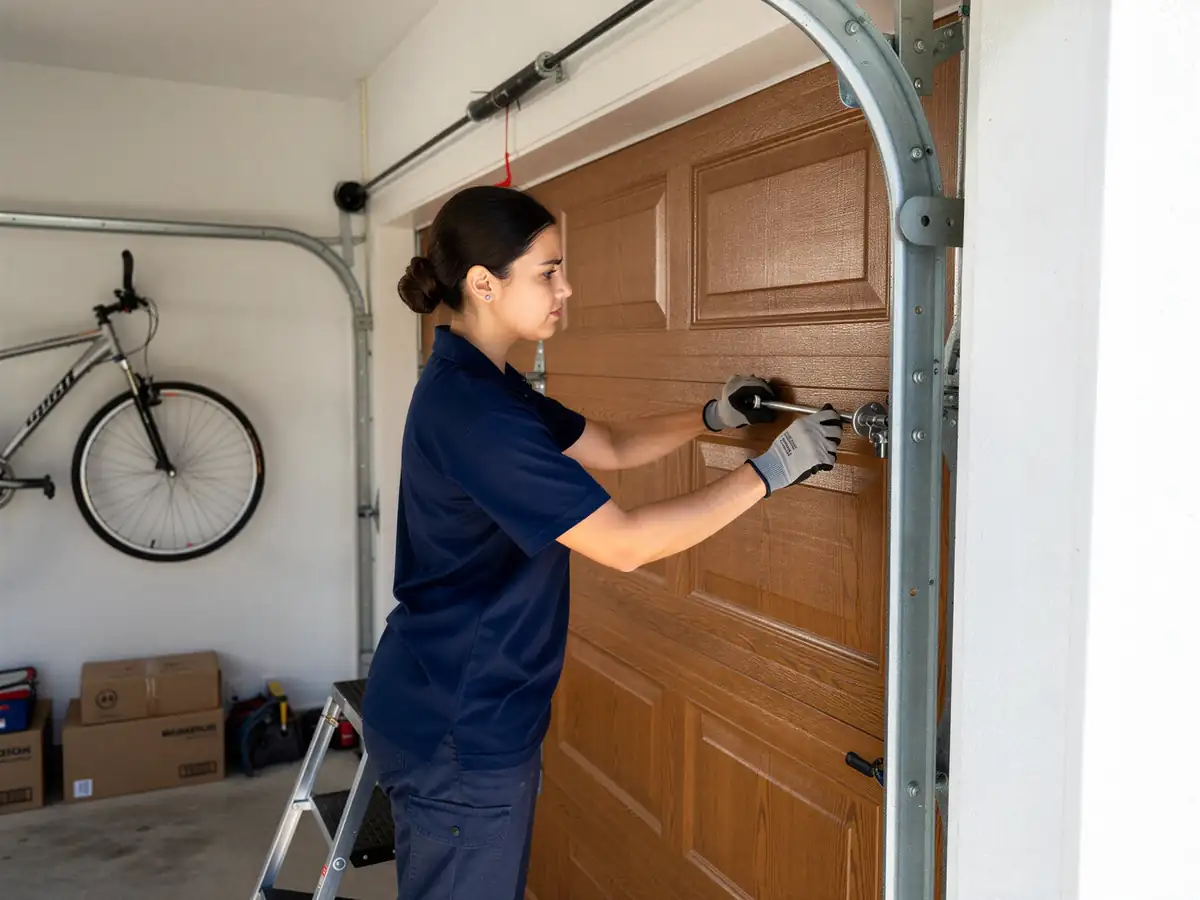
A technician adjusts a brown garage door with a tool.

Garage Door Repair

Fairfield Garage Door Pros fixes springs, openers, and tracks on the 1938-2002 housing stock common across Fairfield's 19 neighborhoods. Same service area, local know-how.

Learn more
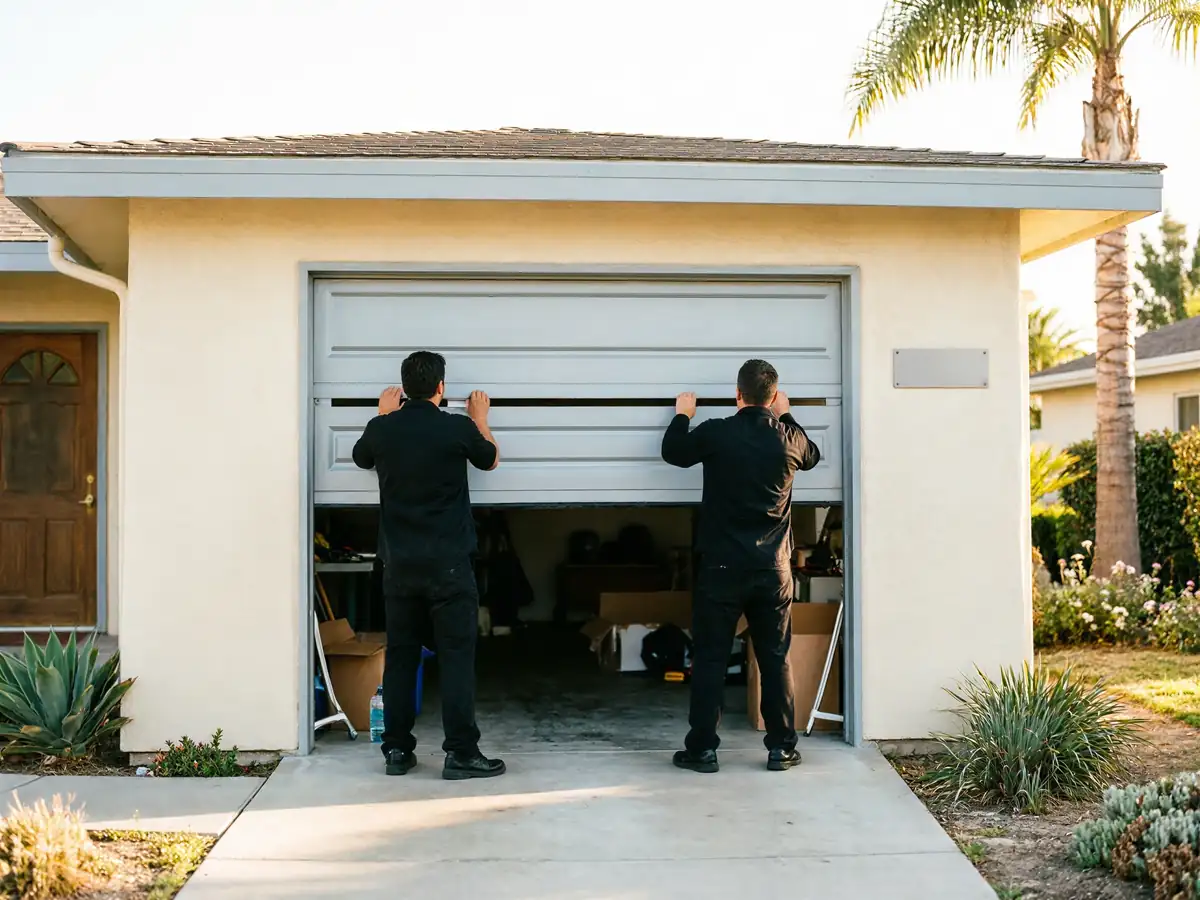
Two technicians are opening a gray garage door on a house.

Garage Door Installation

Fairfield homes built between 1938 and 2002 often need non-standard track and header work. We install doors sized for this area's actual housing stock, not a generic box kit.

Learn more
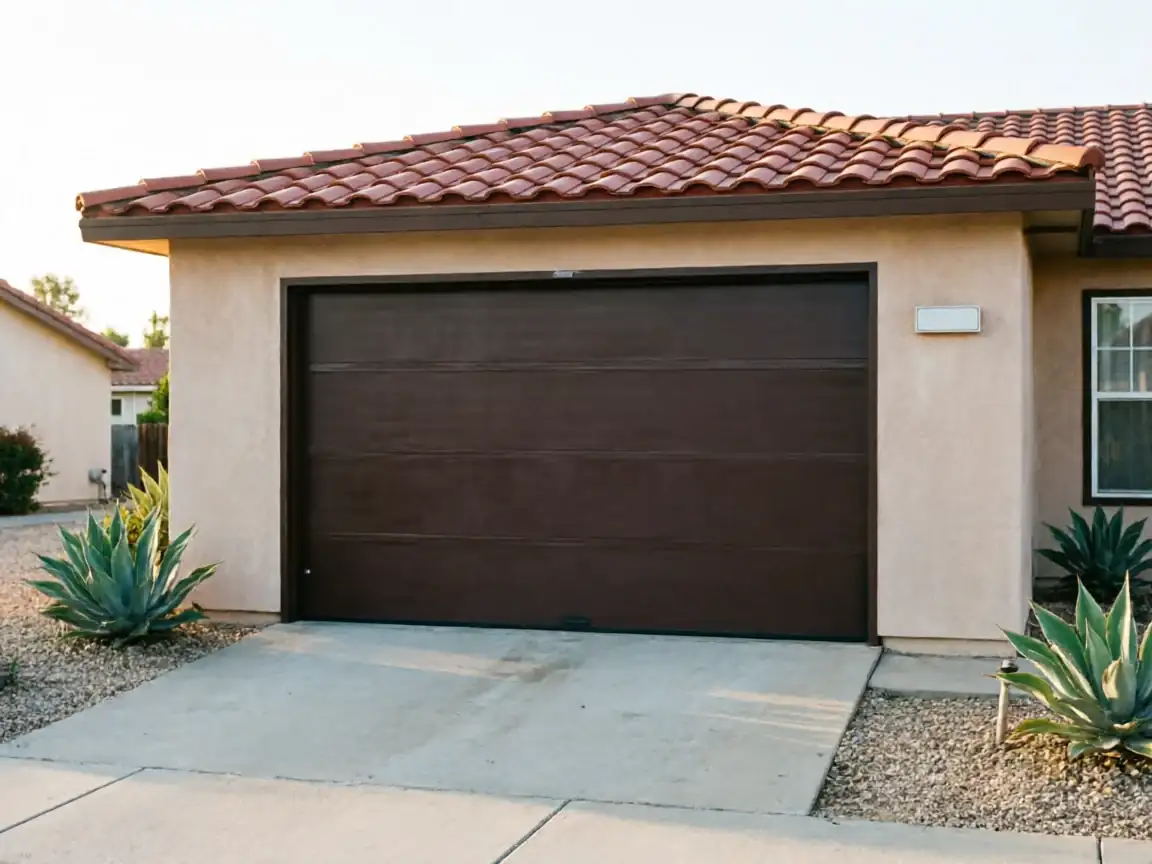
A brown garage door is on a stucco house with a red tile roof.

Garage Door Service

Fairfield Garage Door Pros fixes broken springs, openers, and tracks on homes built 1938-2002 across Fairfield, CA. Straight talk on parts, timing, and cost.

Learn more
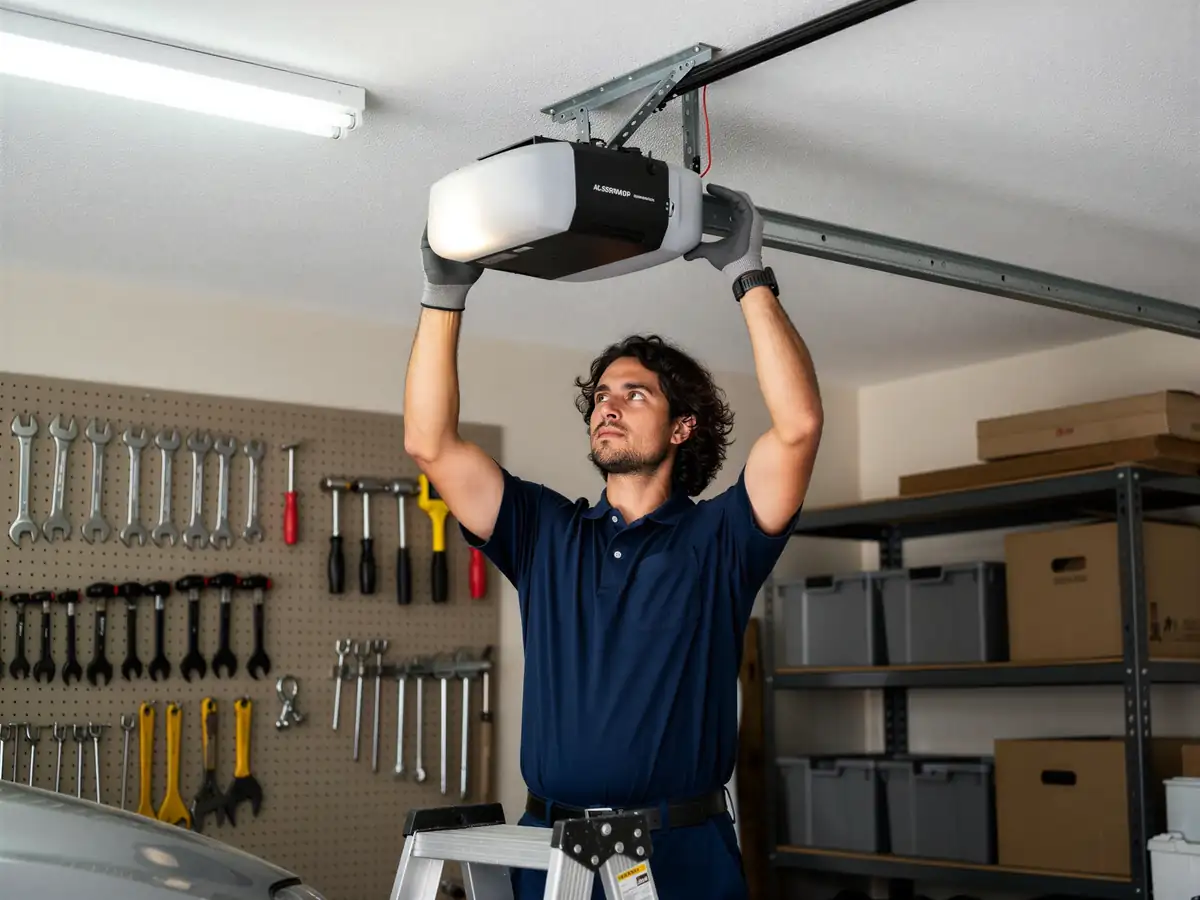
A technician on a ladder installs a garage door opener.

Opener Installation

Opener installation and replacement for Fairfield homes built between 1938 and 2002 - matched to your track, door weight, and the mild Bay Area climate.

Learn more
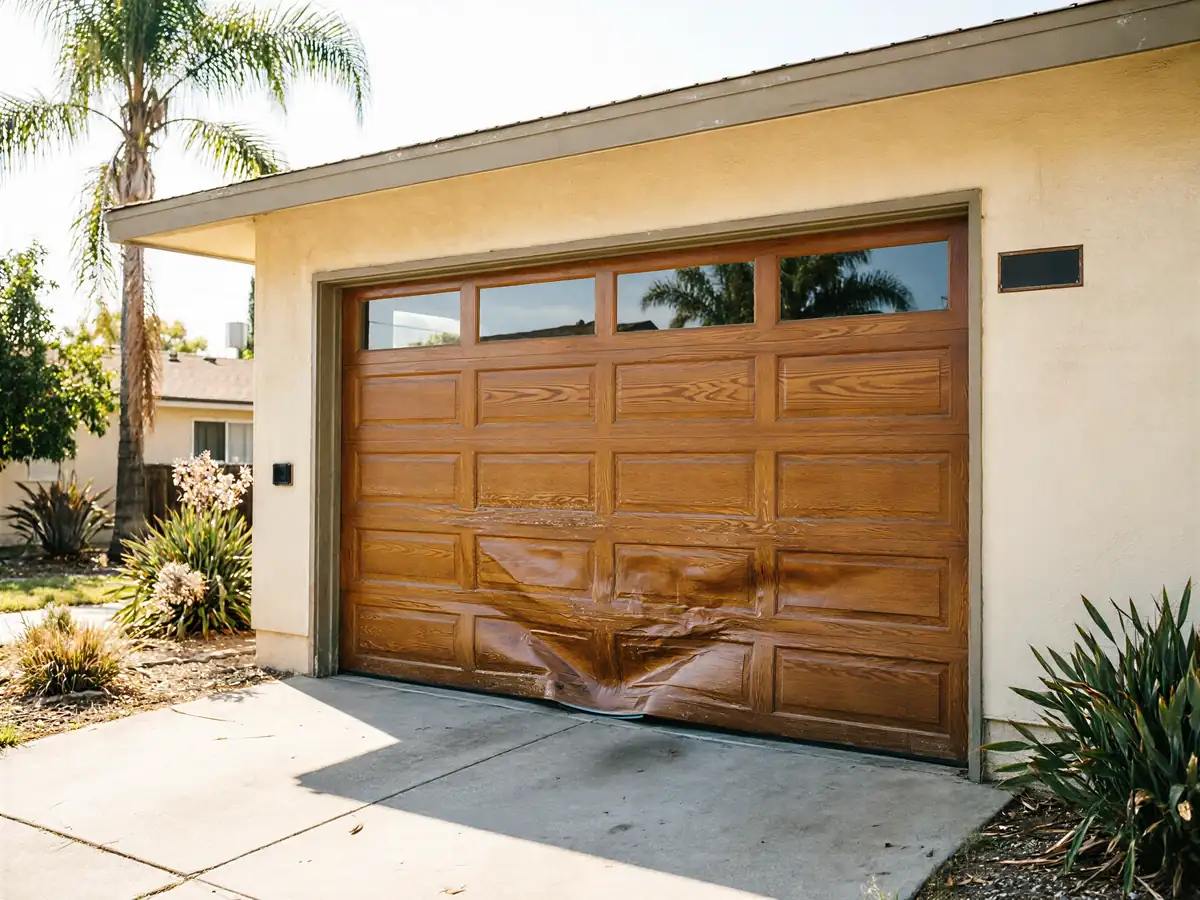
A damaged brown garage door with windows is on a tan house.

Panel Replacement

Dented or cracked garage door panel in Fairfield? We match steel and aluminum panels on 1970s-era sectional doors common across this service area. Call for a look.

Learn more
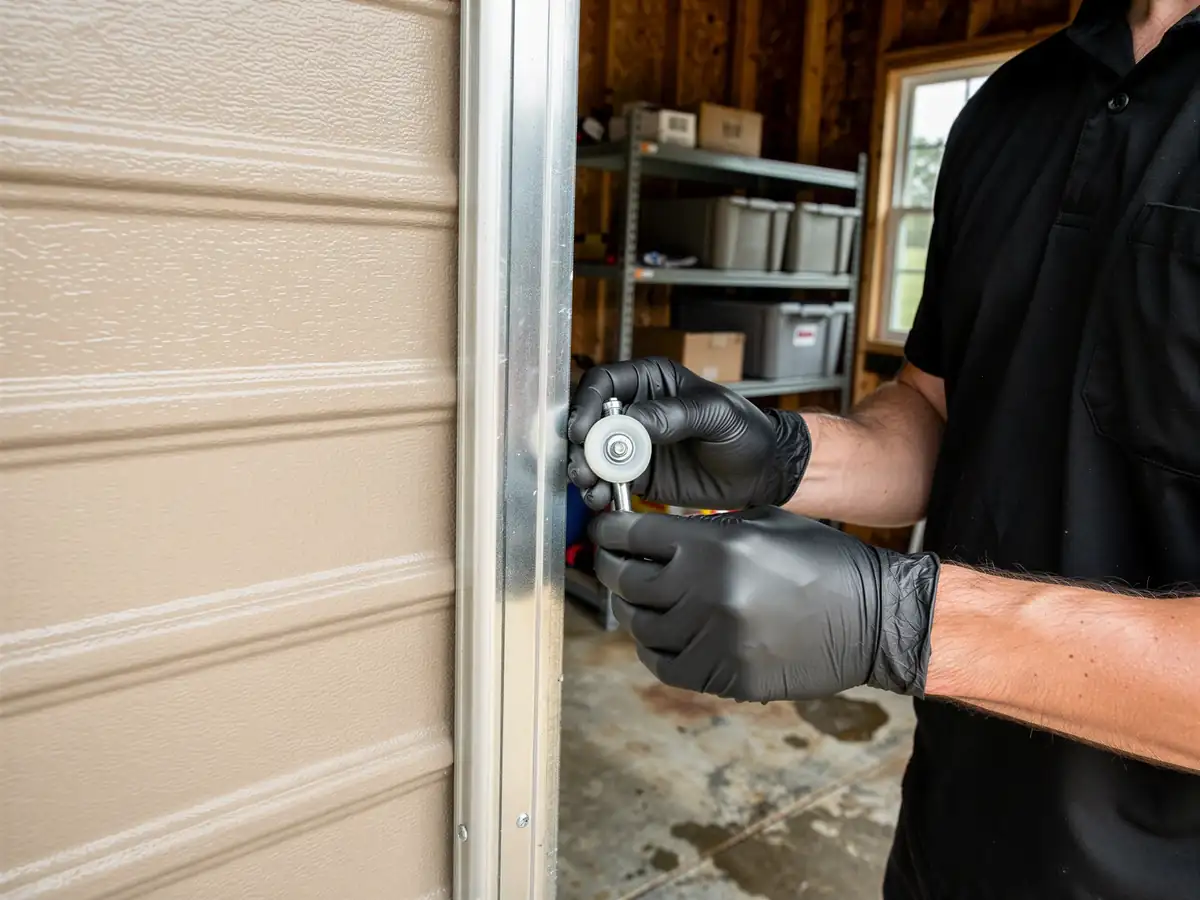
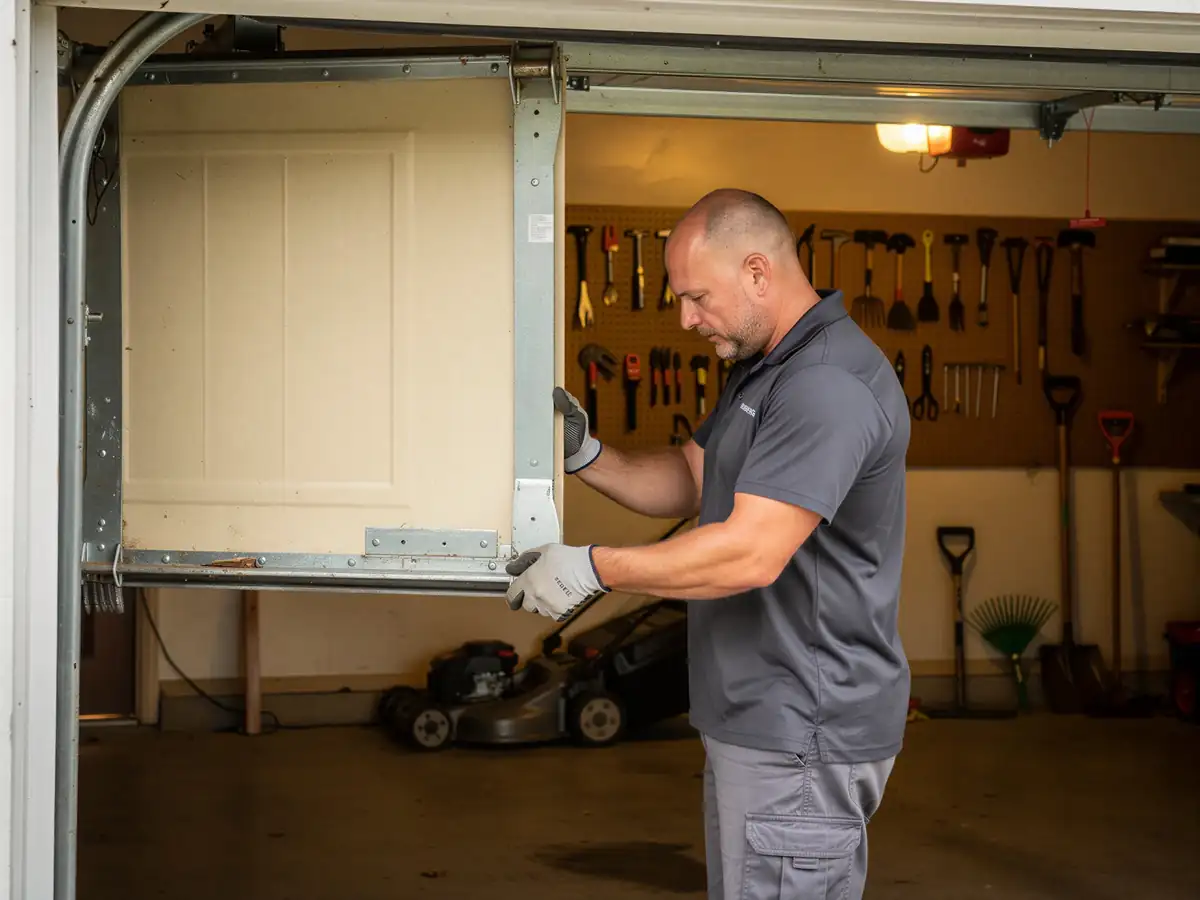
A technician in black gloves holds a garage door roller next to a beige garage door.

Roller Replacement

Roller replacement for Fairfield-area garage doors, covering 1960s-70s stock through newer builds, with what drives roller failure and what the job actually costs here.

Learn more
A technician in a gray shirt is working on a garage door panel.

Maintenance

Garage door maintenance for Fairfield homes built mostly in the 1960s-70s era, where original hardware and mild coastal air wear differently than newer doors.

Learn more
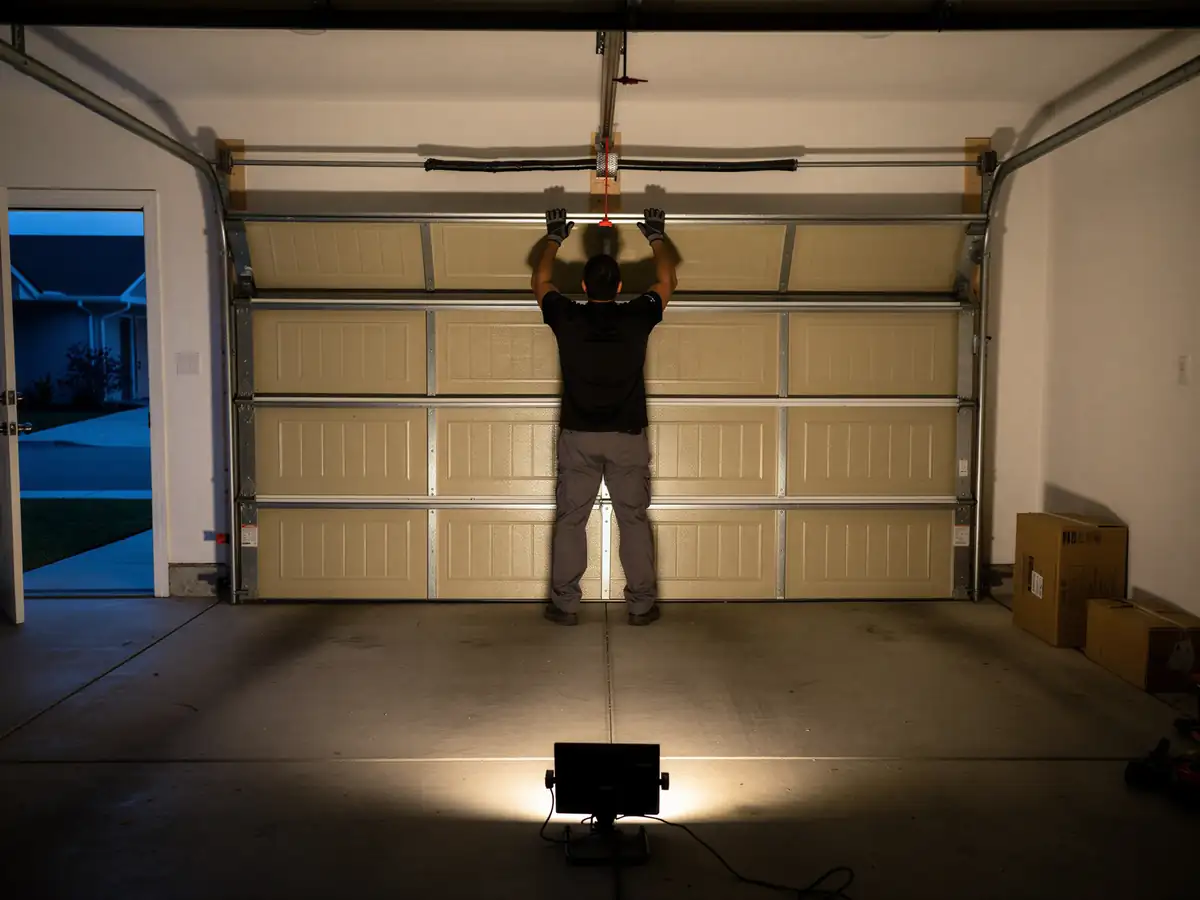
A technician adjusts a beige garage door with a spotlight on the floor.

Emergency Garage Door Repair

Fairfield Garage Door Pros fixes broken springs, stuck doors, and dead openers across Fairfield's older housing stock. Call for same-day emergency repair.

Learn more
Questions

Frequently asked

Straight answers about garage door repair in Fairfield. Still unsure? Ask us directly.

My garage door squeaks only in the morning - is that normal?

It can be, especially on older Fairfield-area homes. Cooler overnight temperatures cause slight contraction in track brackets and hinges, and dried-out lubrication makes that more audible first thing in the morning. It usually eases once the door's been cycled a few times. If it persists past a few open-close cycles, it's worth a lubrication check rather than ignoring it.

Why does my door make noise only in late summer?

Heat dries lubricant faster, and Fairfield-area summers routinely push into the 90s. A door that was quiet in spring can start squeaking by August simply because the grease on tracks and hinges has thinned out under sustained heat. It's one of the most common seasonal patterns we see on original 1960s-70s hardware.

Is a loud bang always a broken spring?

Not always, but it's the most common cause on doors built in the 1960s-70s wave that are still running original torsion springs. A bang partway through the lift cycle, followed by the door feeling heavy or refusing to open smoothly, is a strong sign the spring has gone. Don't force the door - call it in before anyone tries to open it manually.

Does Fairfield's climate cause more garage door problems than other areas?

Less, actually. The mild temperate band here avoids the hard freeze-thaw cycling that stresses hardware in colder regions. Most issues we see are tied to the age of the original hardware - a lot of it dating to the 1960s and '70s - rather than weather extremes.

Ready to get your garage door sorted?

Tell us what it’s doing and where you are in Fairfield - we’ll take it from there.

8Services offered
7Areas covered
Diagnosisfirst, then the fix
Request a QuoteCall