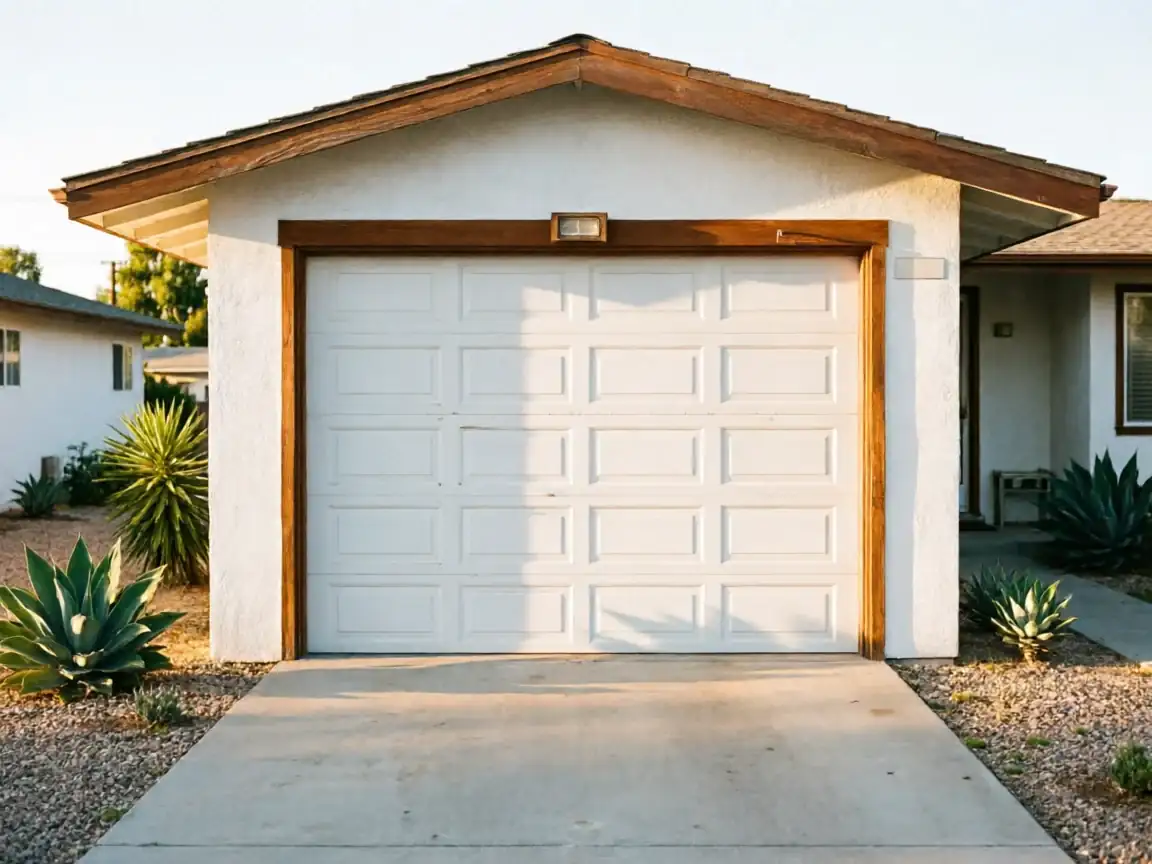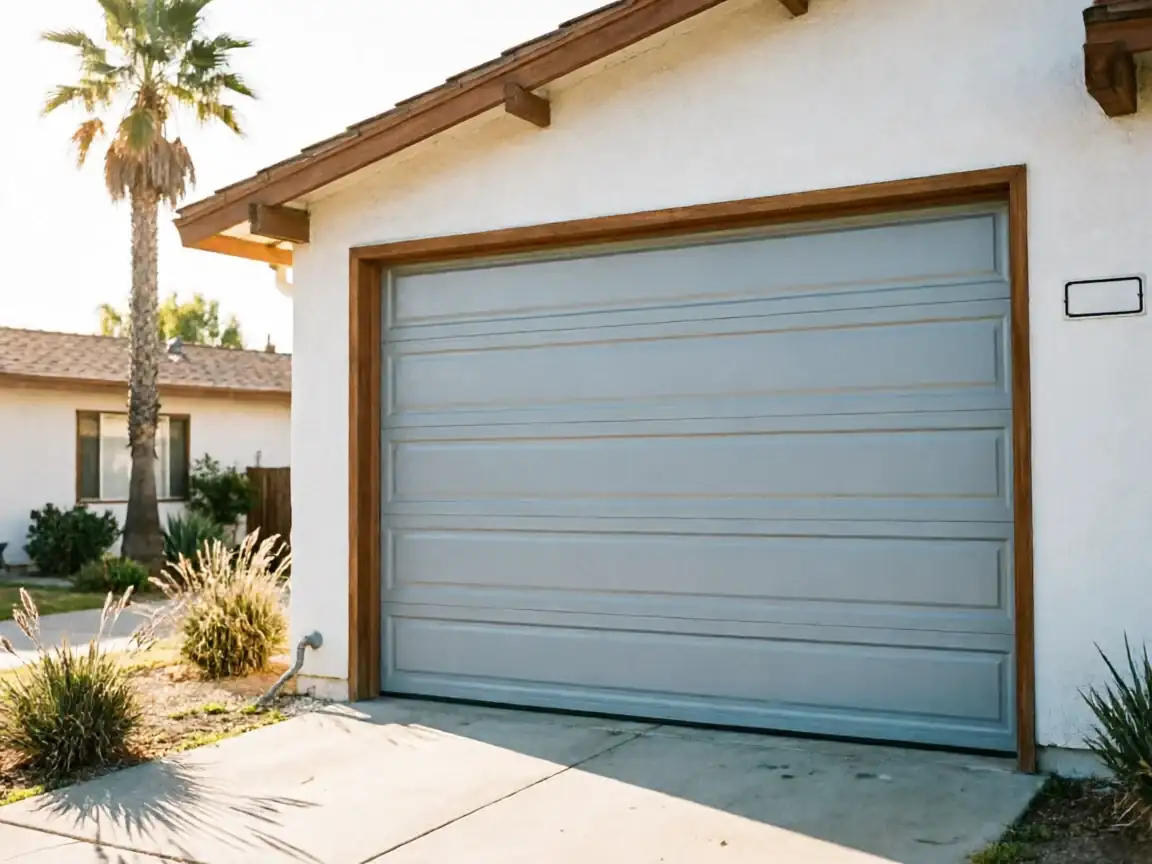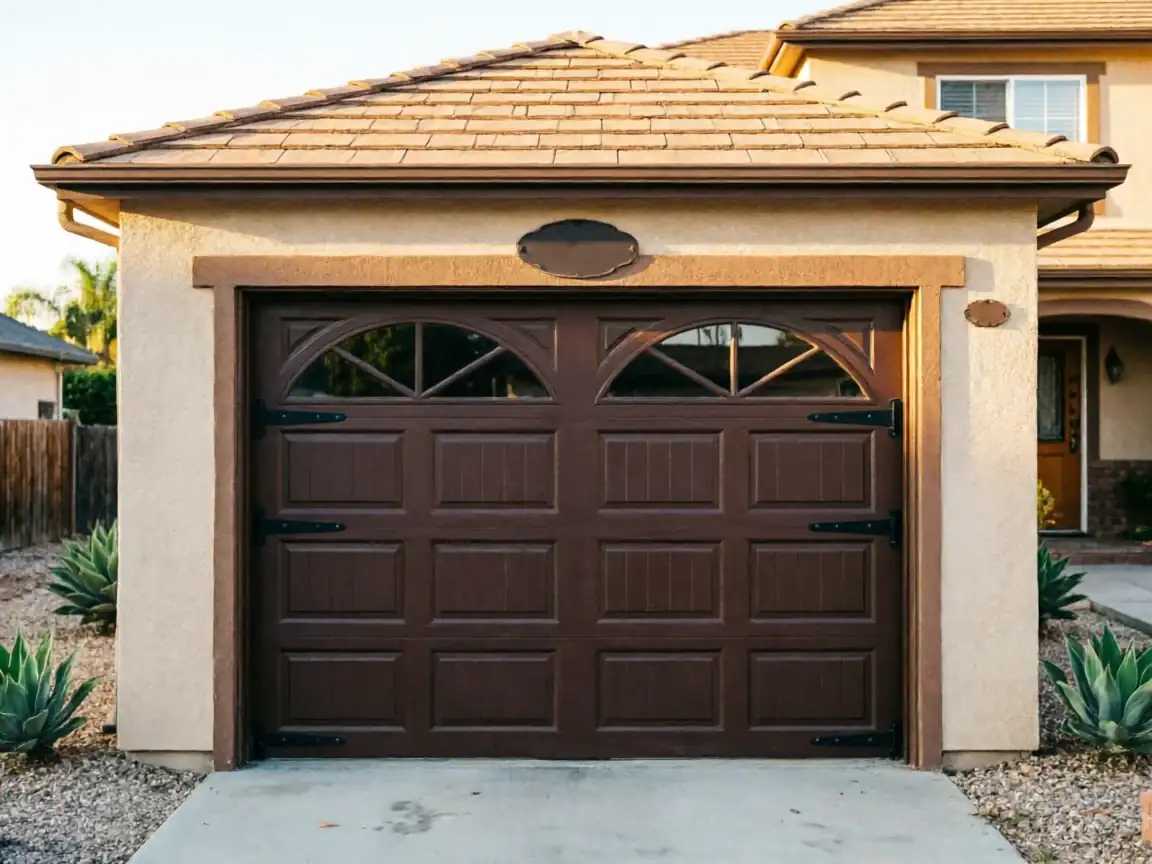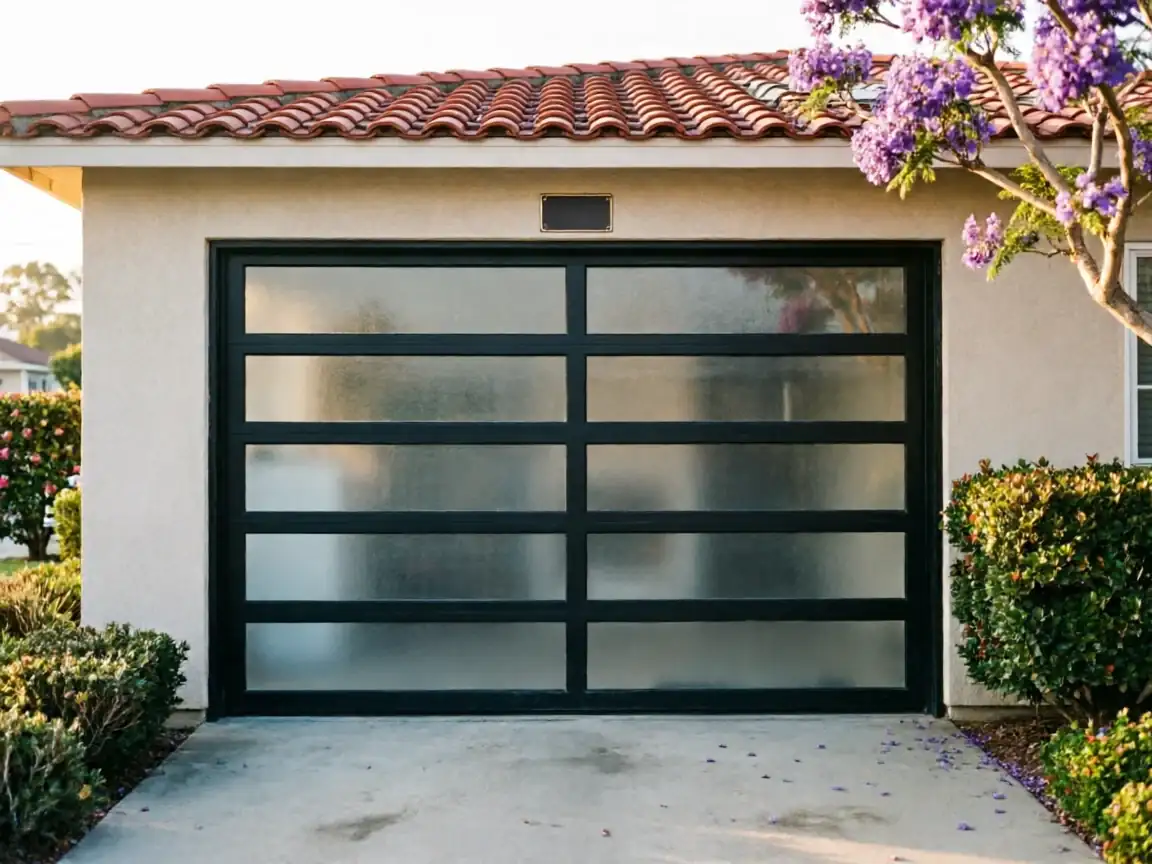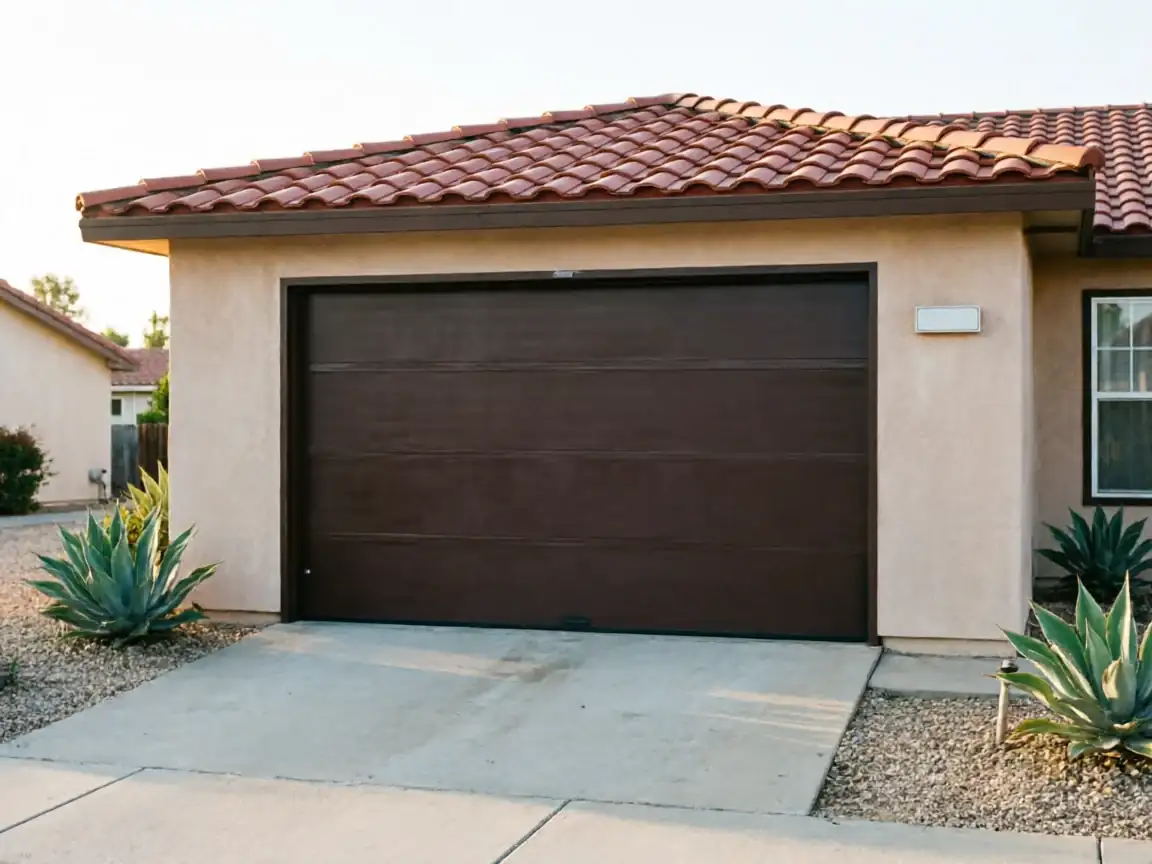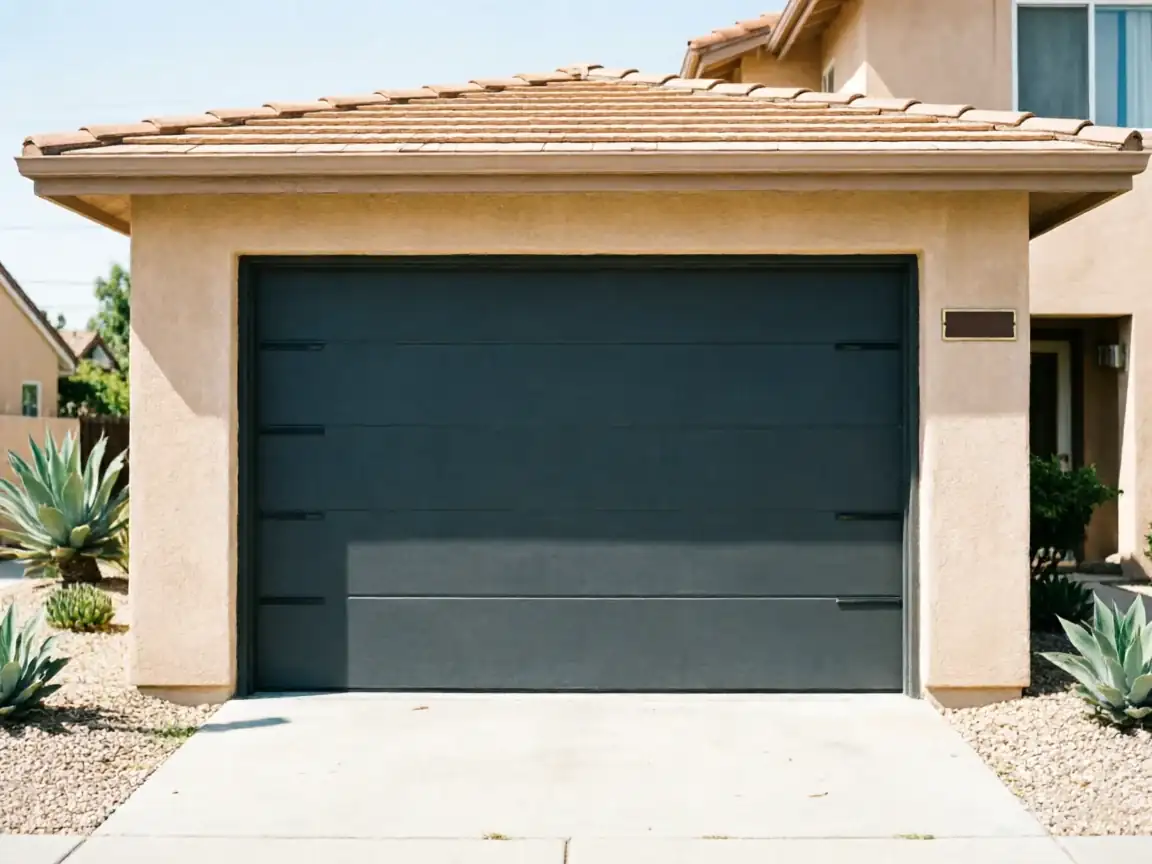
How We Fix It
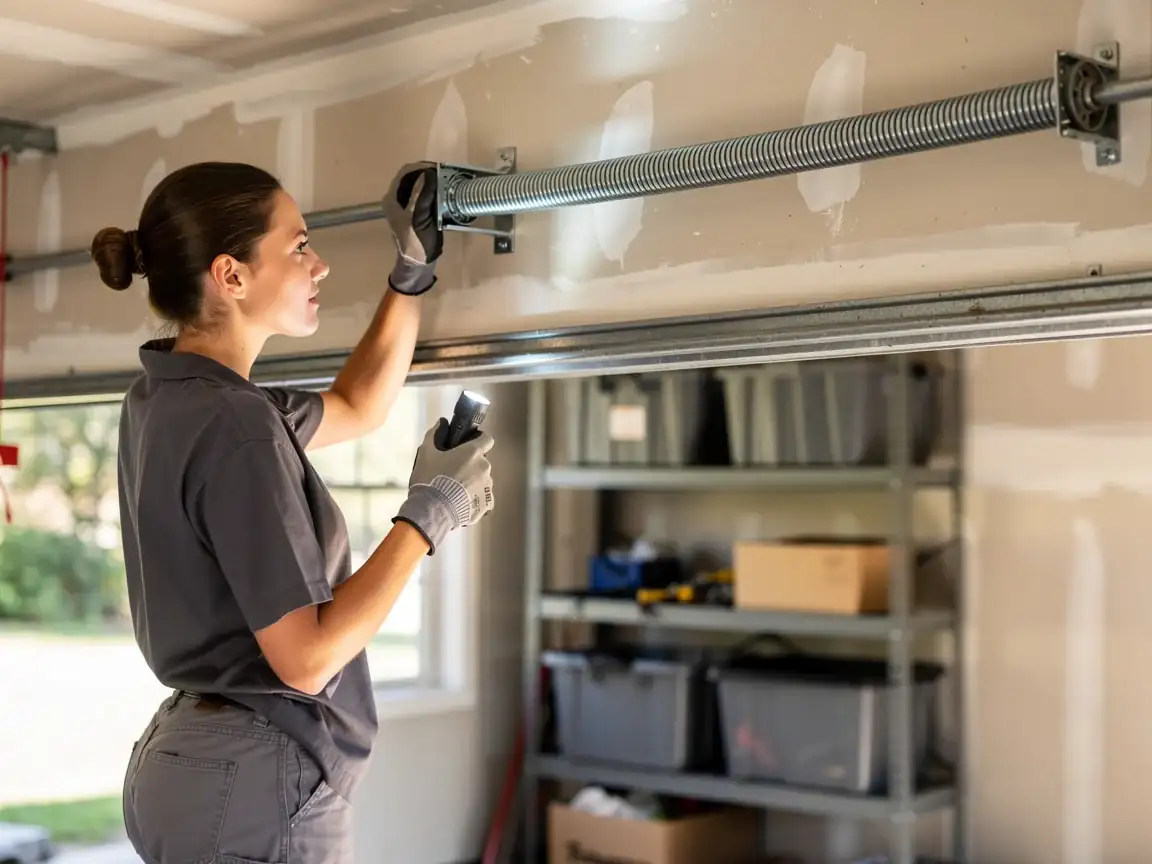
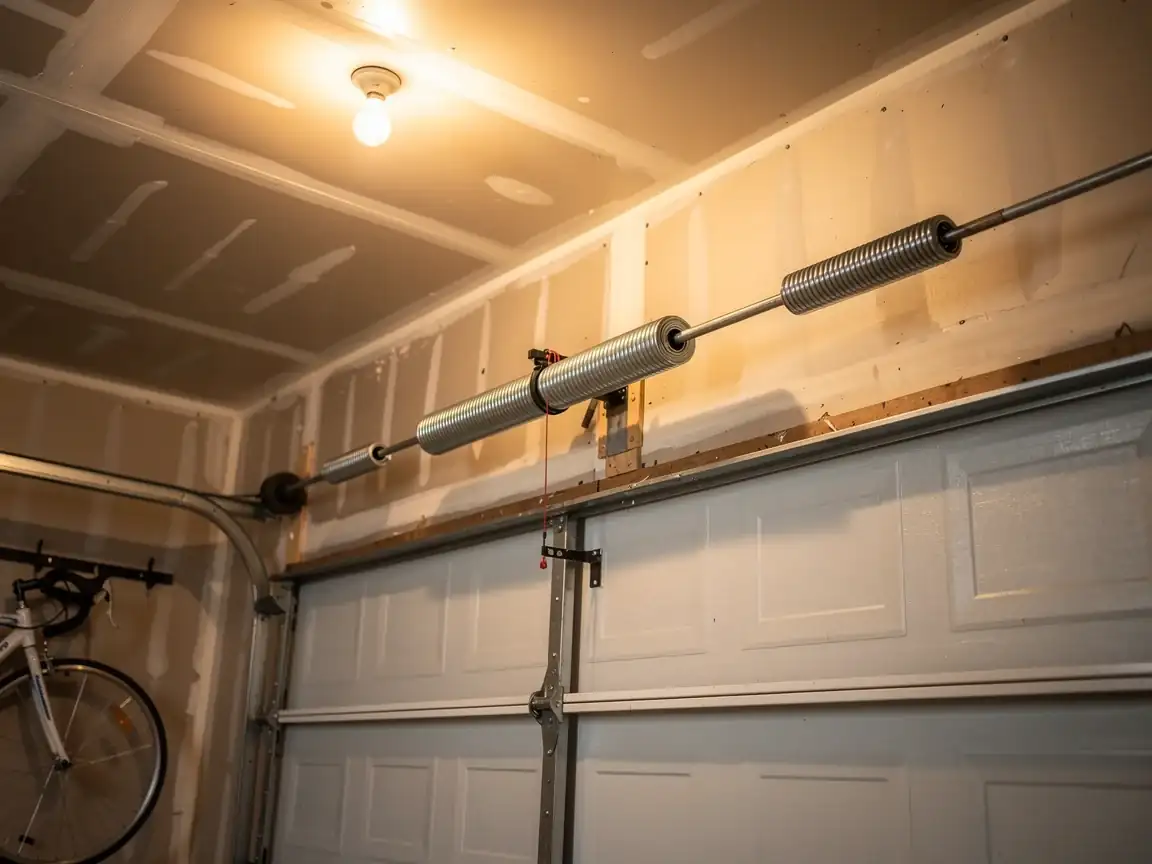
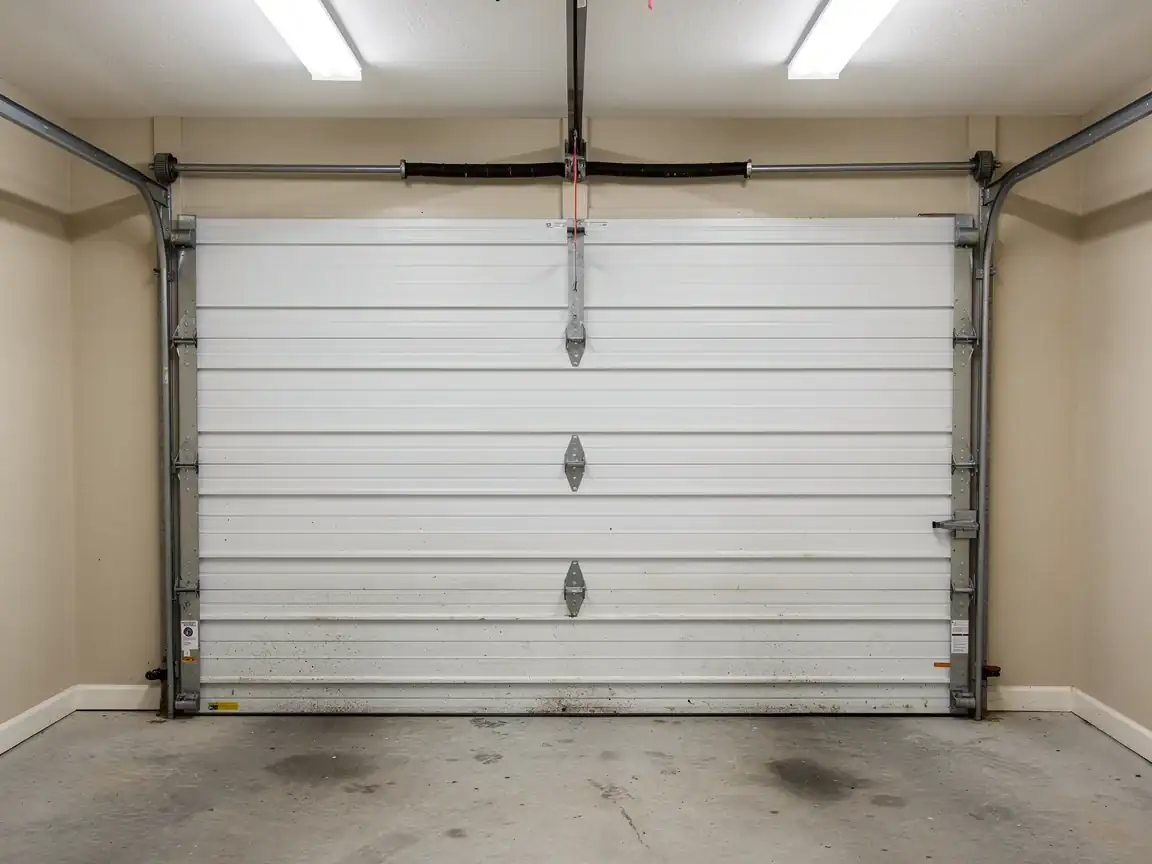
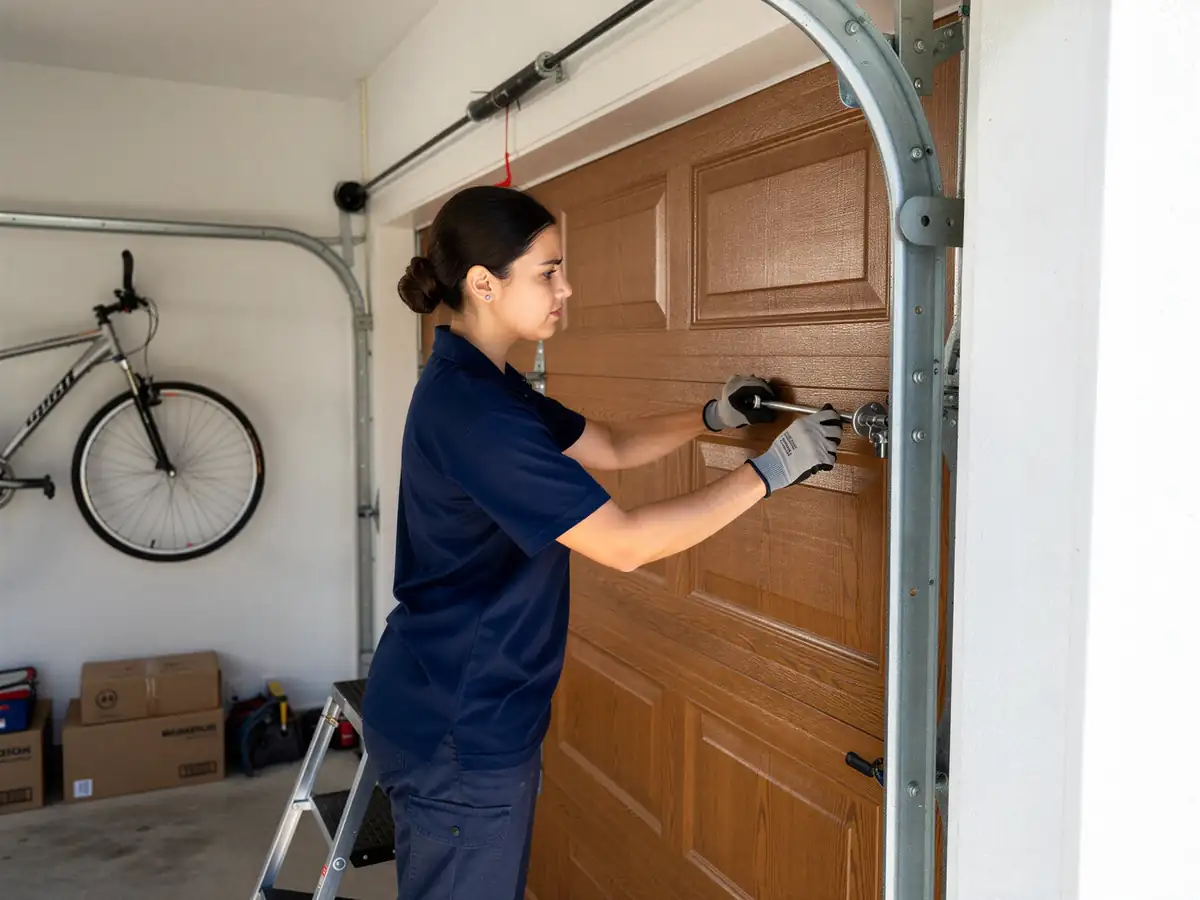
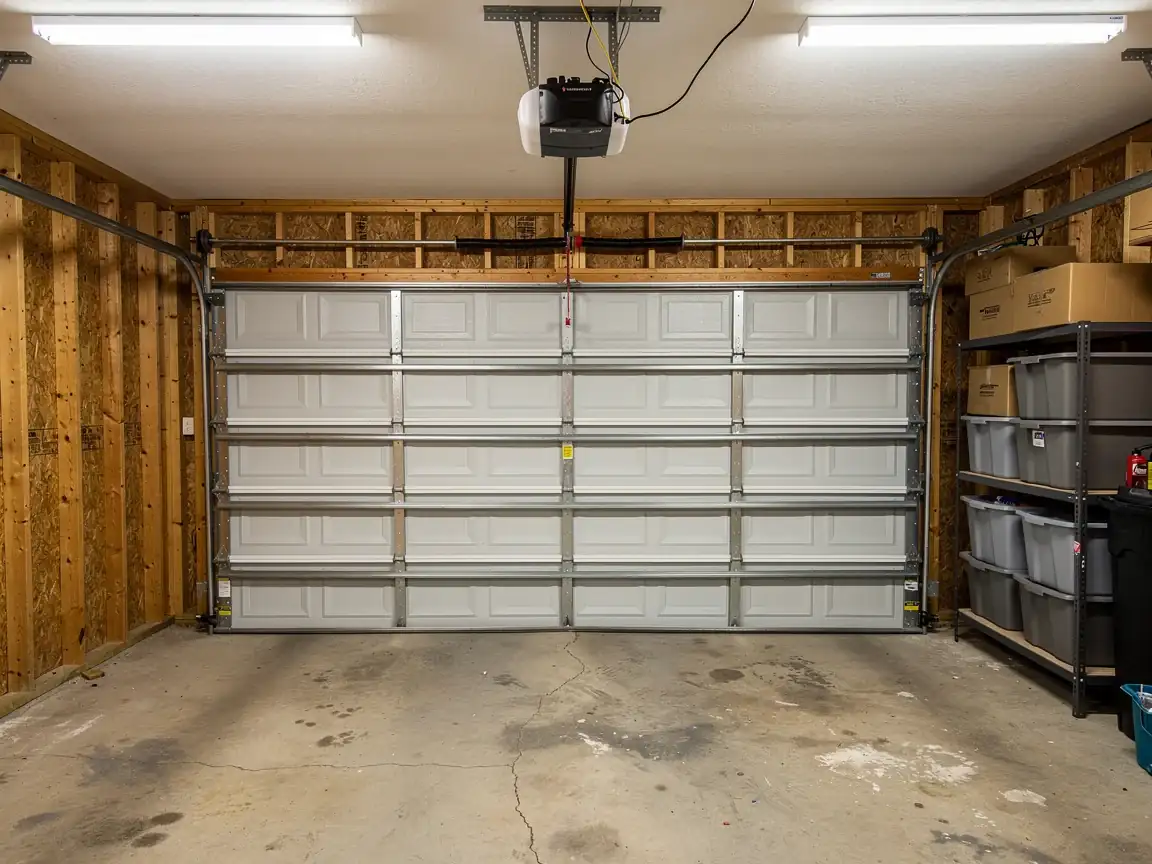
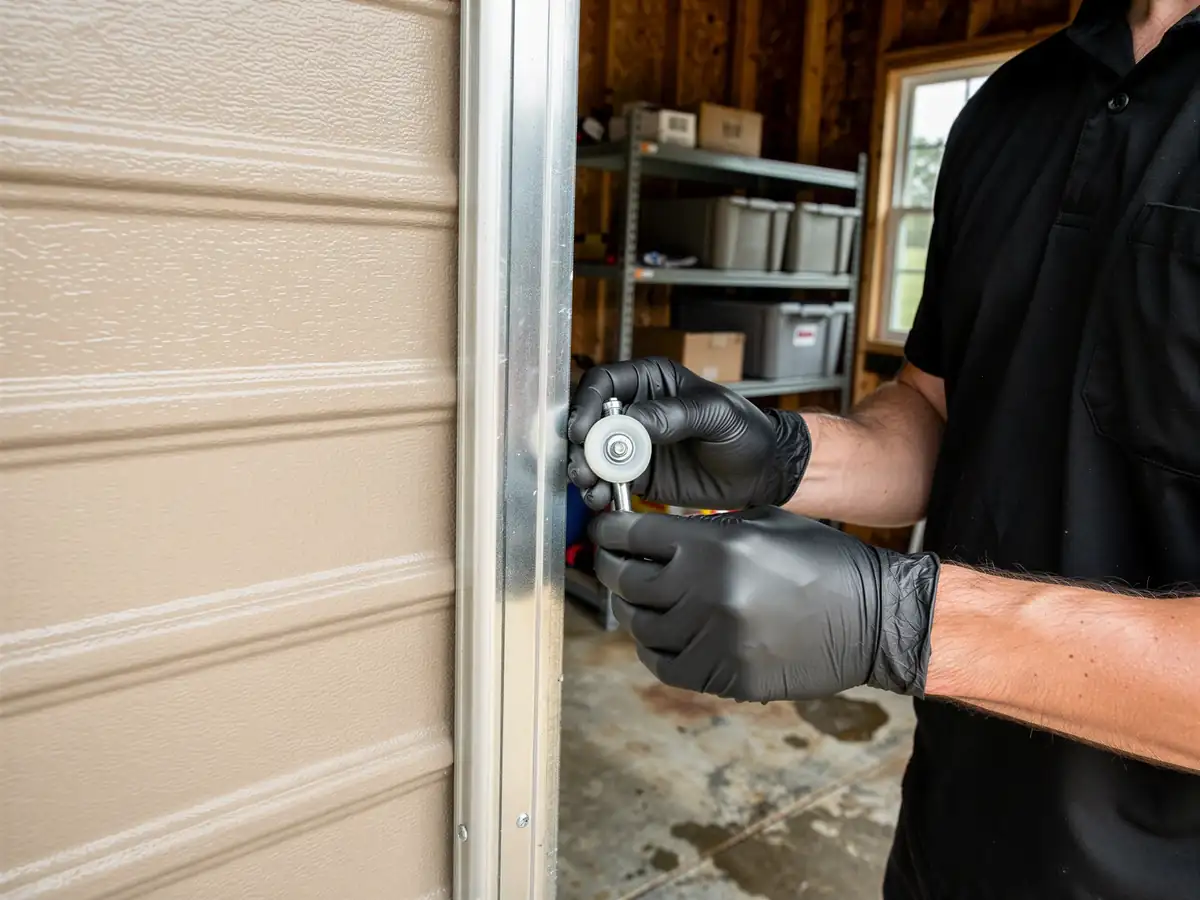
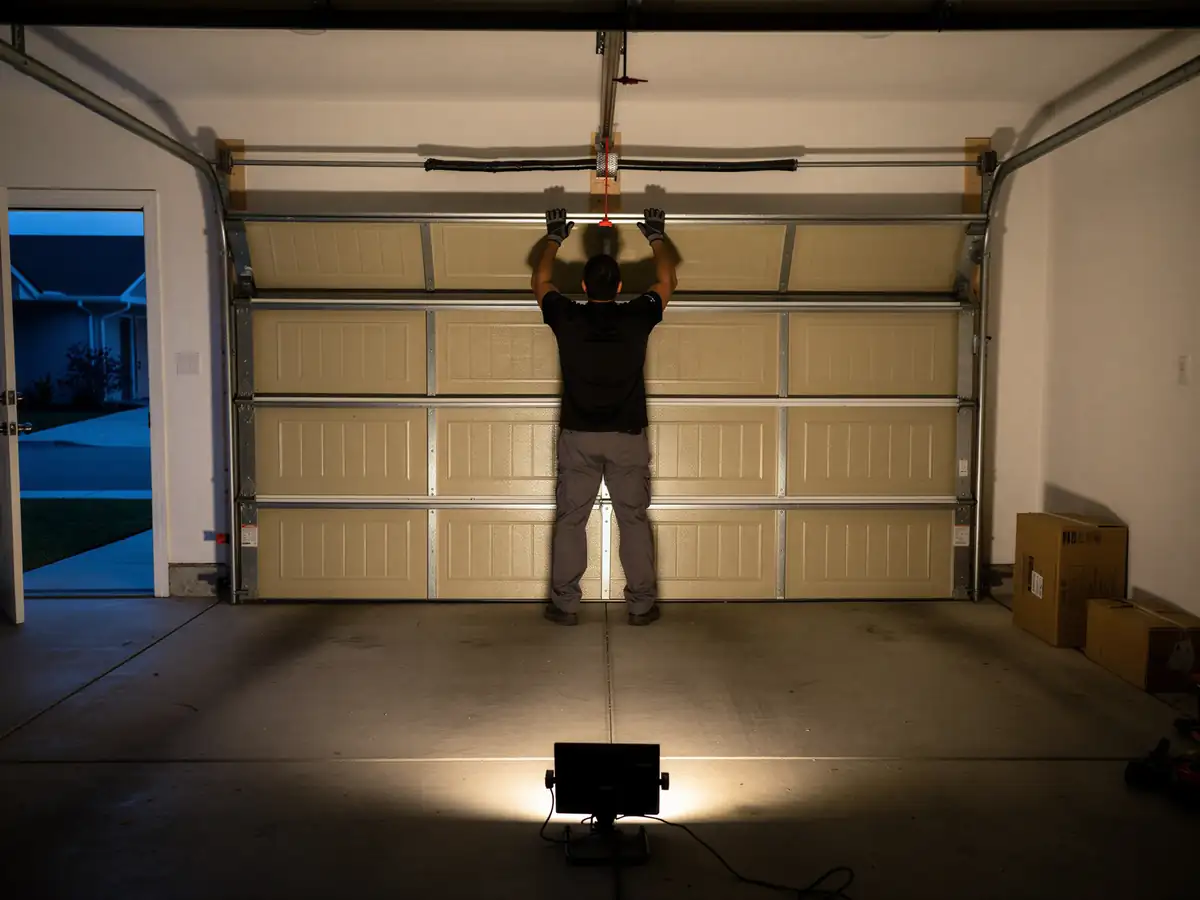
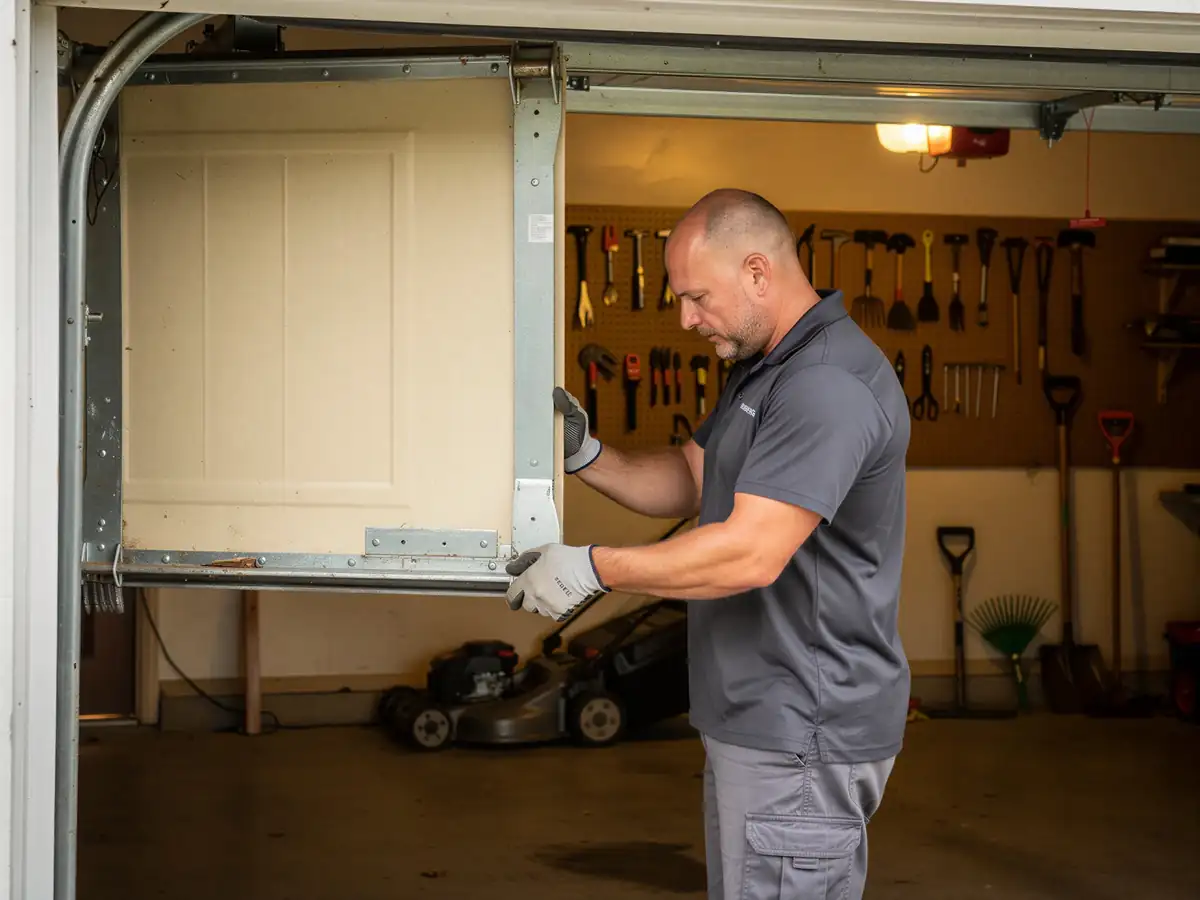
Maintenance on a garage door isn't one job, it's a checklist, and the order matters. We start at the spring, checking tension and winding cone wear, because a spring that's even slightly off balance puts extra load on everything downstream of it. Then the track and rollers: we pull alignment, look for flat spots on the rollers, and check the gap between roller and track where most noise complaints actually come from. Cables get a visual pass for fraying near the drum, and we check the bottom bracket bolts, which loosen over years of door cycles and nobody notices until a cable jumps.
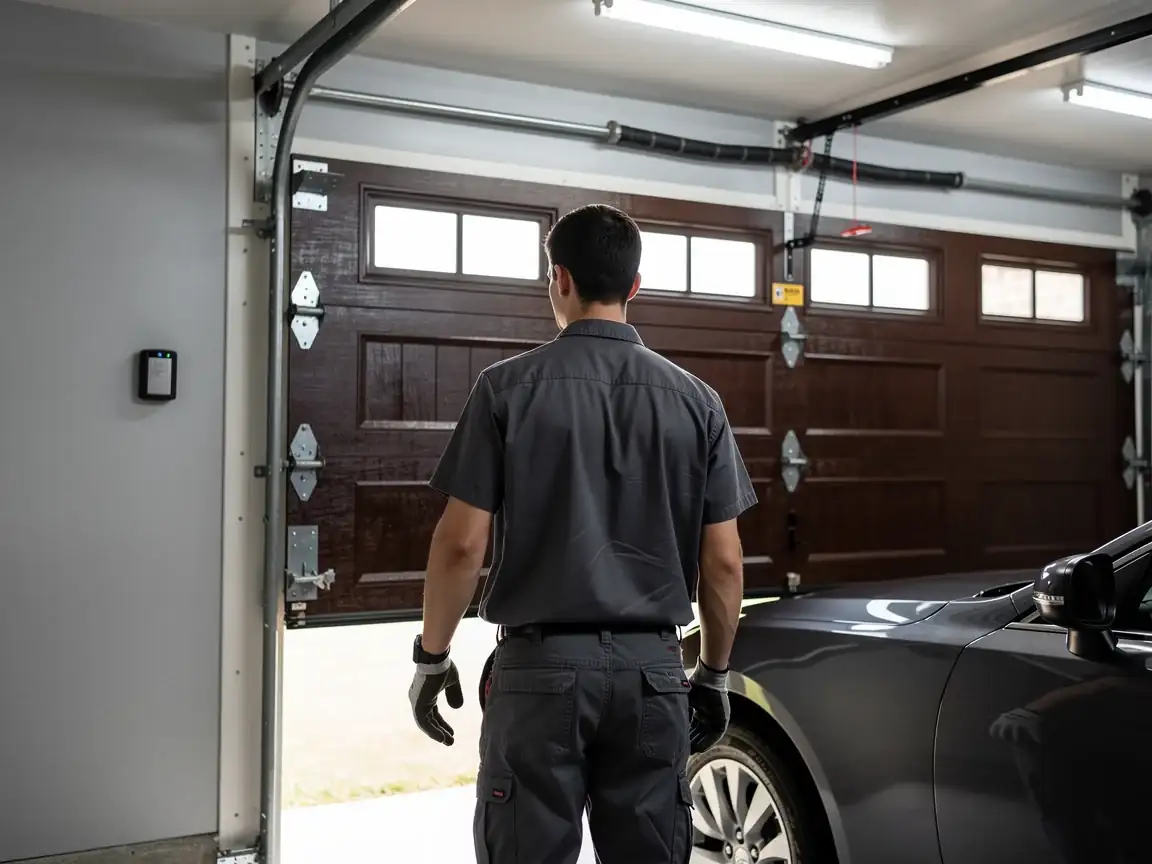
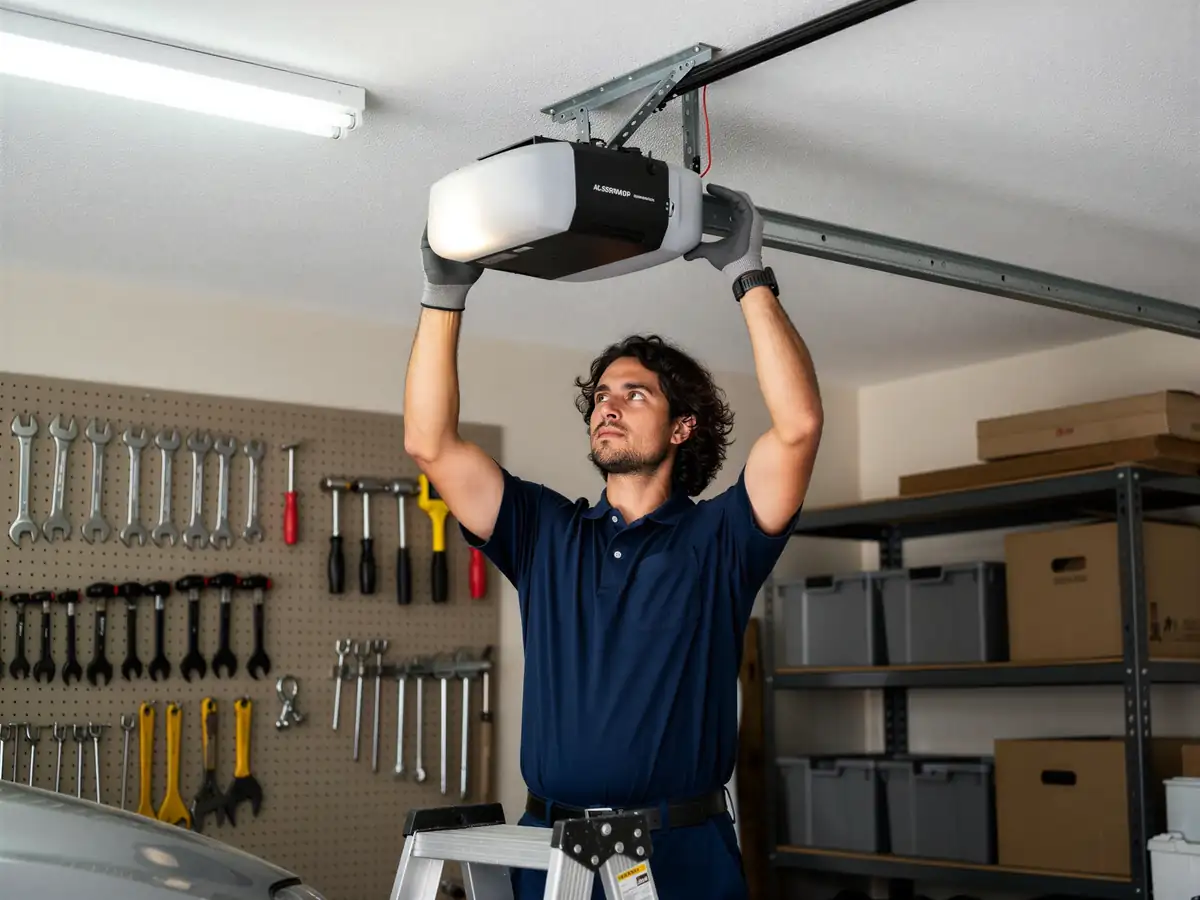
The opener gets tested last, not first, because an opener fighting a misaligned door will throw error codes that have nothing to do with the opener itself. We check the force settings, the safety sensors, and the drive chain or belt tension. On homes with original hardware from the 1938-2002 build range common across Fairfield's housing stock, we also look at the header bracket and jamb attachment points, since lag screws from that era were often undersized by today's standard.
We lubricate hinges, rollers, and the torsion spring itself with the right product, not WD-40, which attracts grit and actually speeds wear. A full maintenance visit takes less time than most people expect, and it's the one service that prevents the 2am emergency call.
What You Are Seeing
Most of what brings people to call us isn't a dead door
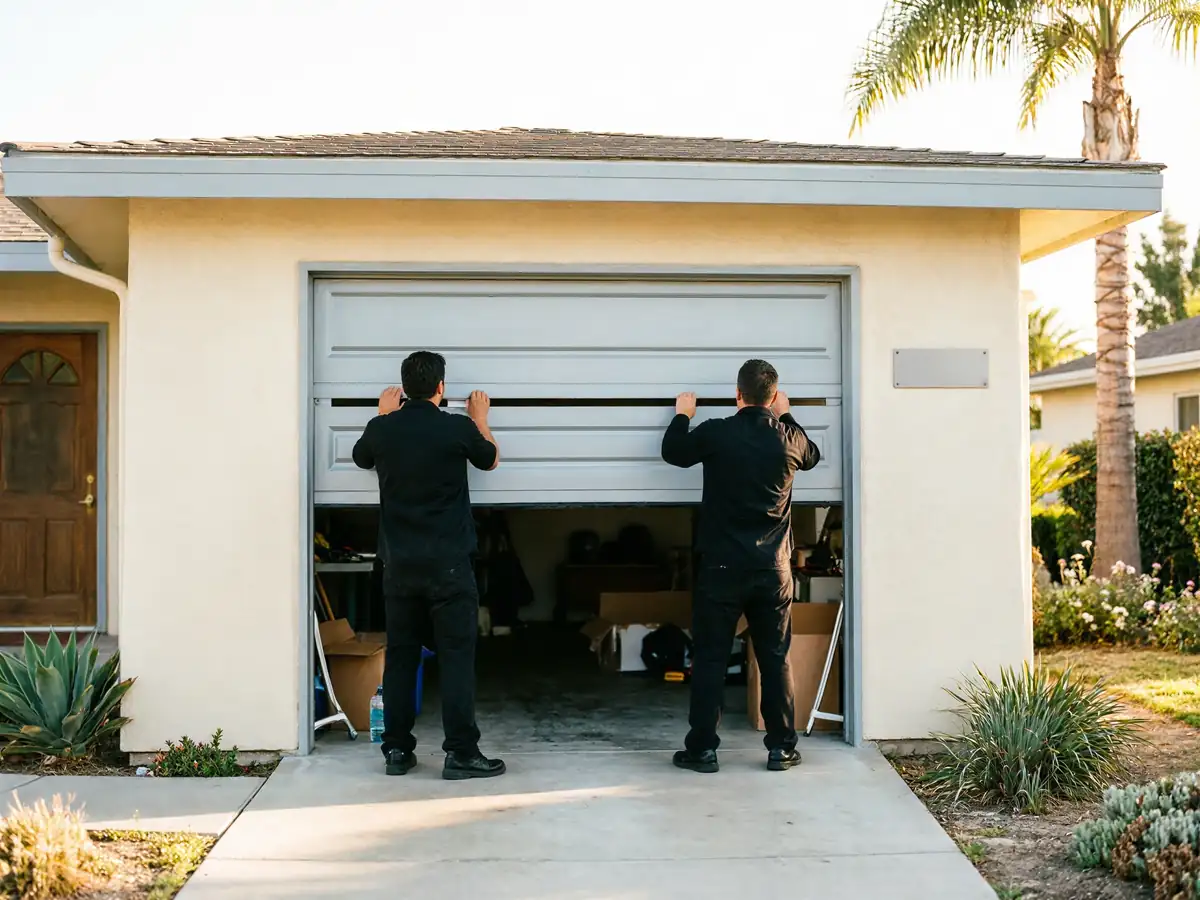
It's a door that's starting to complain. A grinding sound on the way up usually means a roller is worn through its nylon sleeve and running metal on metal. A door that reverses halfway through closing is almost always a sensor alignment issue, not a motor problem, though plenty of people replace the opener before anyone checks the sensors.
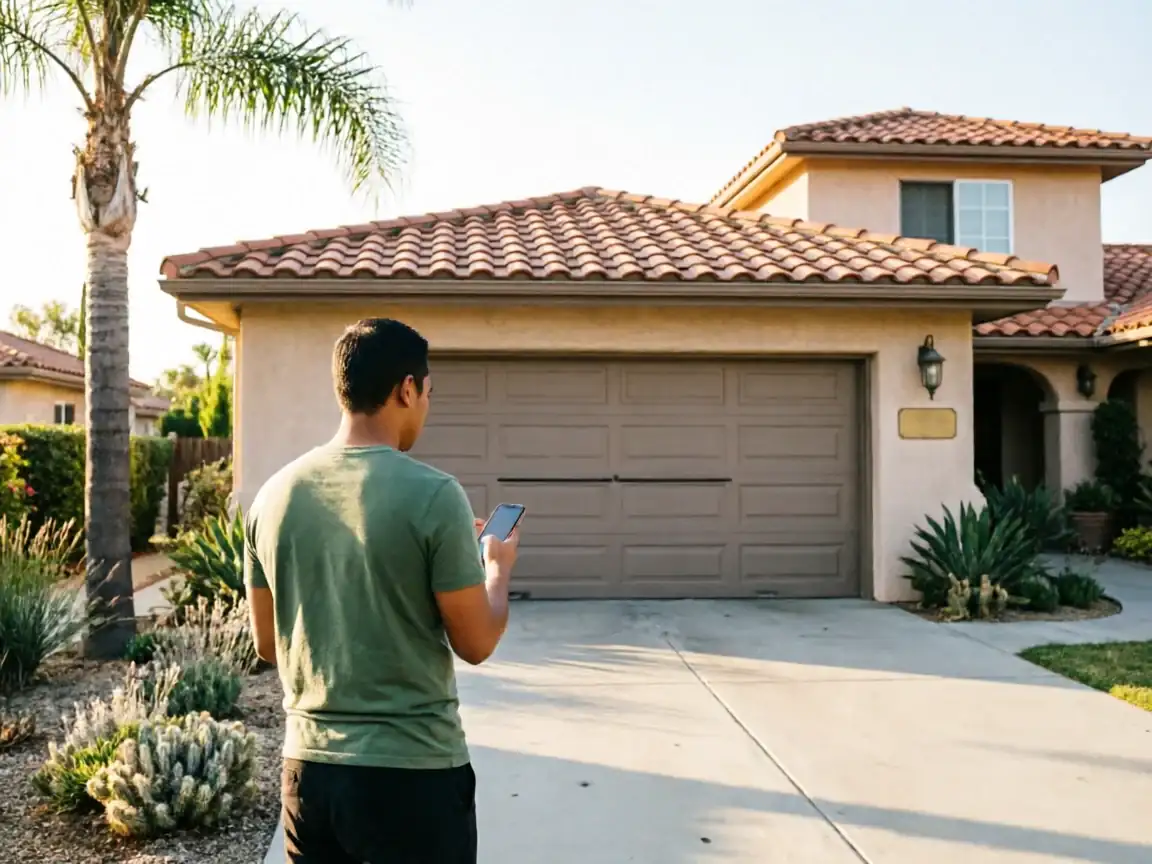
Homes in the service area were mostly built across a wide span, 1938 through 2002
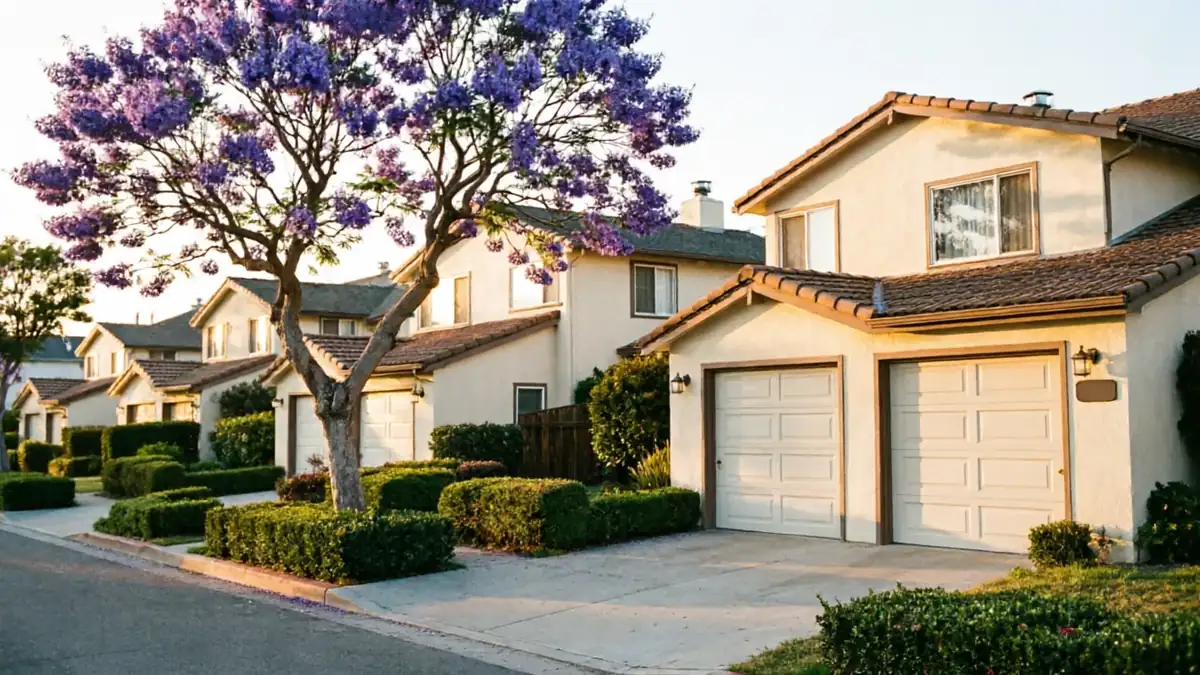
With a concentration in 1960s and 70s construction across the 19 named areas we cover. That means a lot of doors are still running original torsion hardware that was never designed for 25-plus years of daily cycling. The springs on those doors are past their rated cycle count even if they haven't snapped yet, and you can usually hear it before you see it: a faint pop or shudder partway through the lift.
Sagging on one side, a door that won't stay up when disconnected from the opener
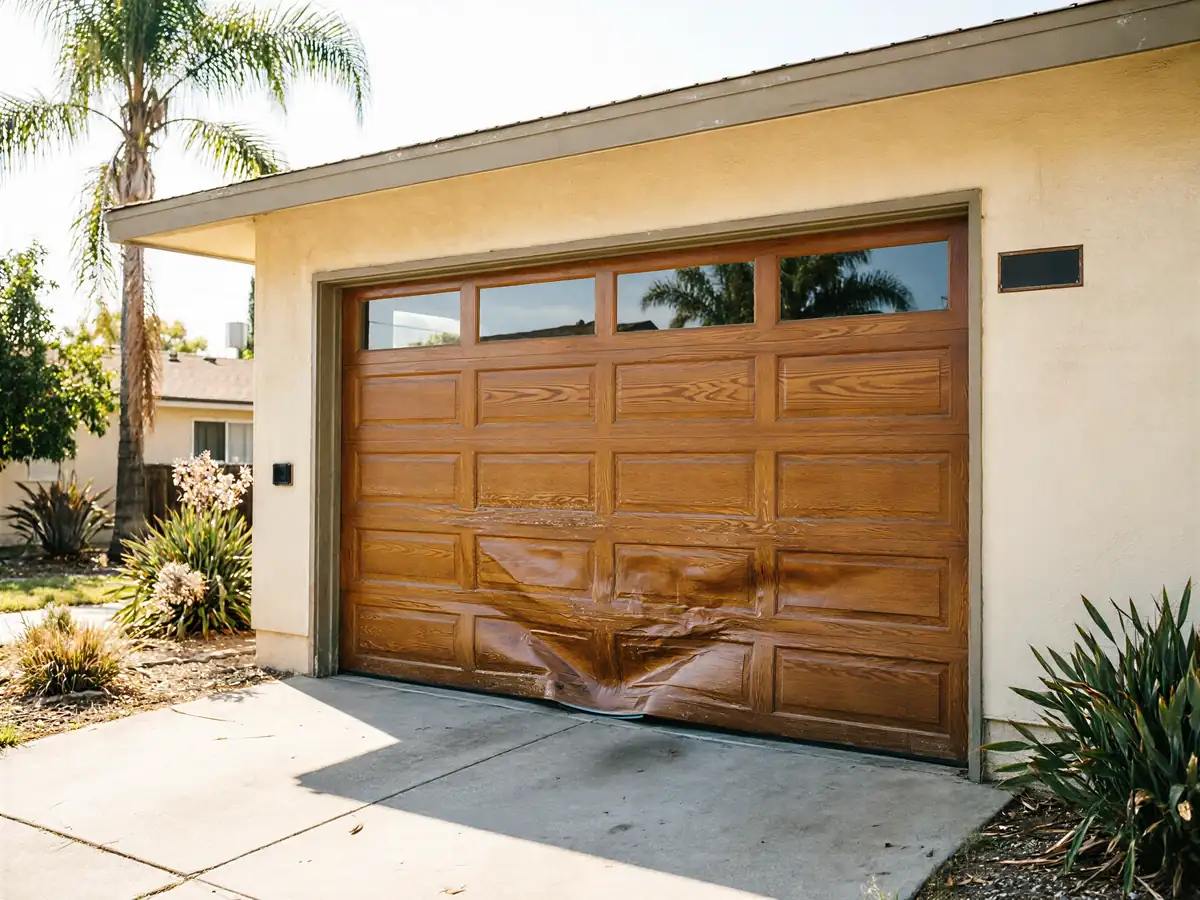
Or a visible gap where the bottom seal meets the slab are all symptoms we see across the area's older housing, not isolated to any one neighborhood. None of these mean the door is done. Most mean it's due for the maintenance visit it probably hasn't had.
What You Pay
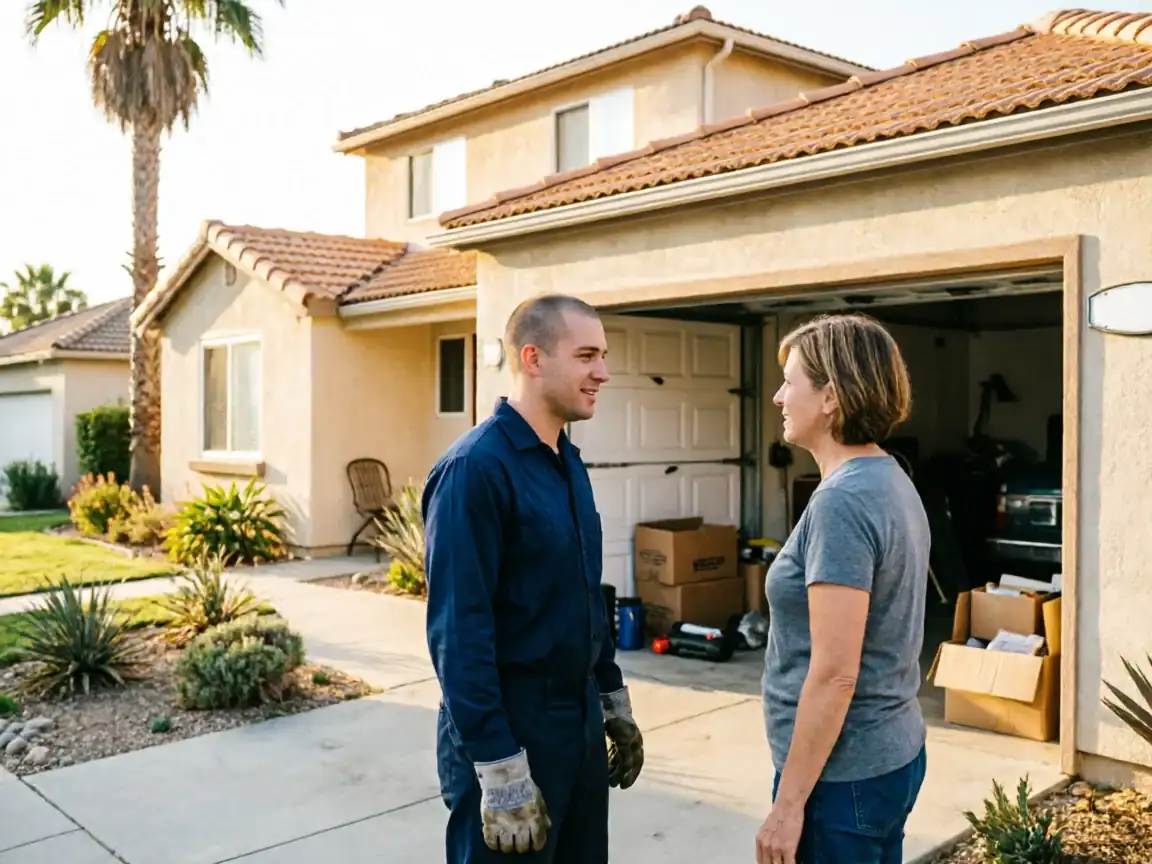
We don't have a flat number to quote here because maintenance scope varies with what the door needs that day, and we'd rather tell you that honestly than post a figure that doesn't hold up once a tech is standing in your driveway. What we can tell you is what drives the cost: whether it's a single inspection and lubrication pass, or whether we're also replacing worn rollers, tightening or resetting cable tension, or recalibrating opener force settings.
Across the service area, median household income sits at $102,938, and most owner-occupied houses were built well before current hardware standards, so maintenance tends to pay for itself by catching a worn roller or a loose bracket before it becomes a cable snap or a bent track. That's the honest pitch for maintenance over waiting: it's cheaper up front than the repair it prevents.
We'll give you a number before we start any additional work beyond the base visit, not after. If your door needs more than maintenance, we say so, and we'd rather tell you a repair isn't worth it on an older door than talk you into one.
What Causes It Around Here
The climate here runs mild temperate, no deep freezes, no prolonged heat extremes, which sounds like it should be easy on a garage door. It mostly is, compared to places with real seasonal swing. But mild and steady still means daily expansion and contraction on metal track and steel panels, and it means condensation on cooler mornings that slowly works into any unsealed bolt or hinge pin.
The bigger factor is age, not weather. With housing built mostly between 1938 and 2002, median around 1979, across the 96,495 households and 46,420 owner-occupied houses we serve, a huge share of doors in this area are running hardware two or three owners past whoever installed it. Springs rated for a certain number of cycles don't care who owns the house. Rollers wear the same whether the door is five miles from Suisun City or further out toward Green Valley or Elmira.
What we see less of here than in harsher climates is rust-through on tracks or brittle plastic parts from UV and heat cycling. What we see more of is simple fatigue: springs, cables, and rollers that have just done their job for decades without anyone checking on them. Maintenance catches that fatigue before it becomes a failure.