What Was Built Here
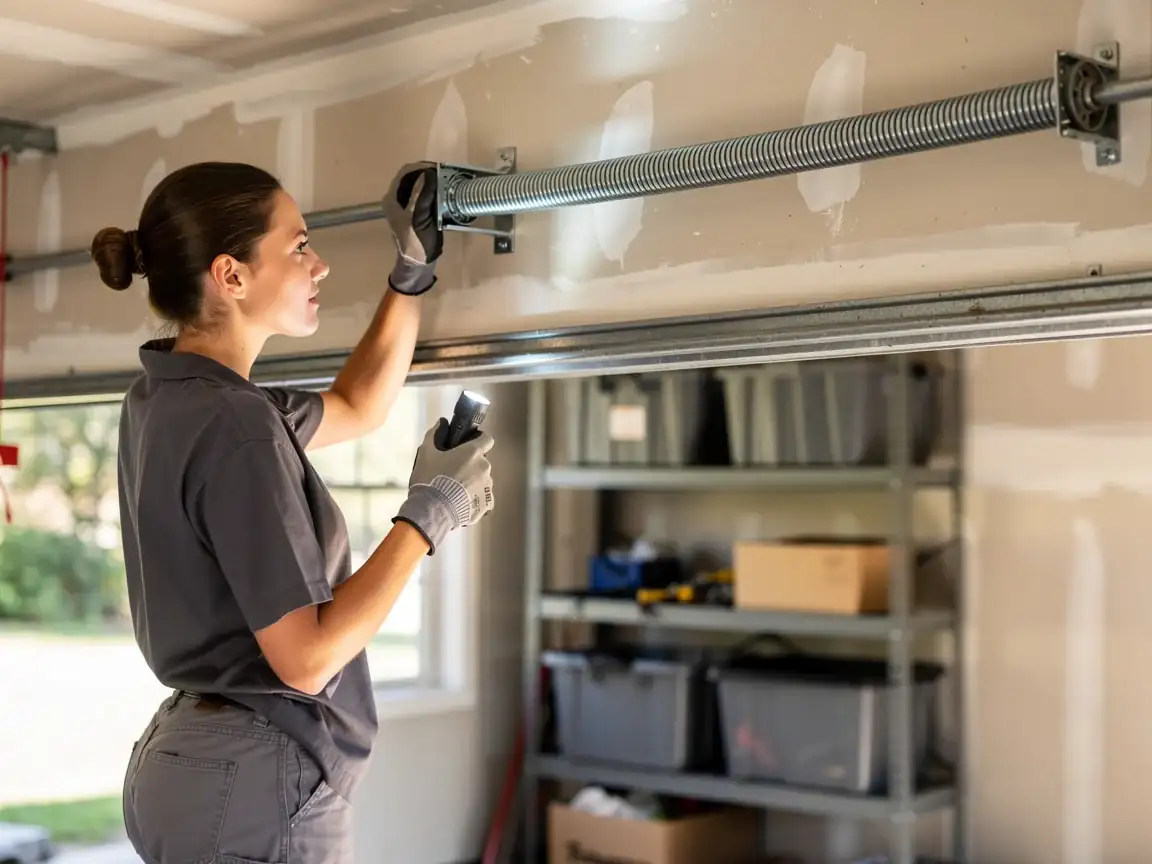
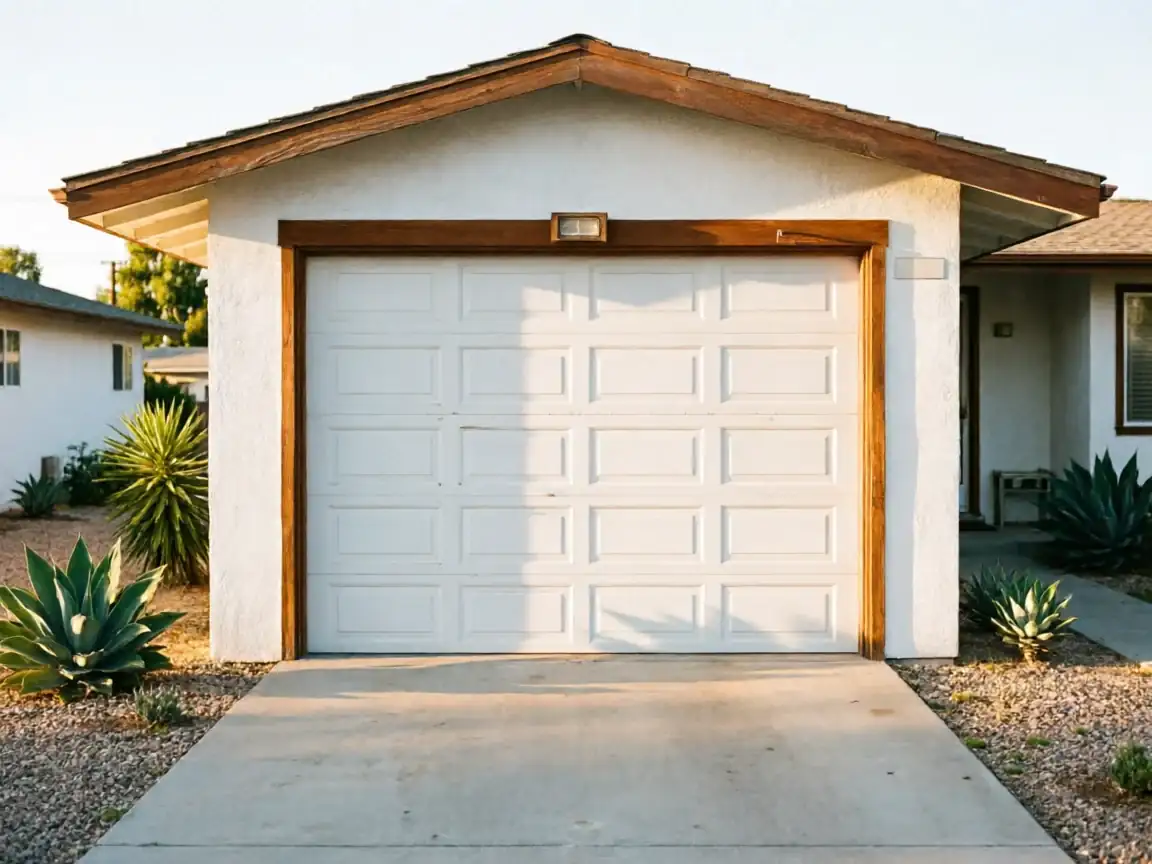
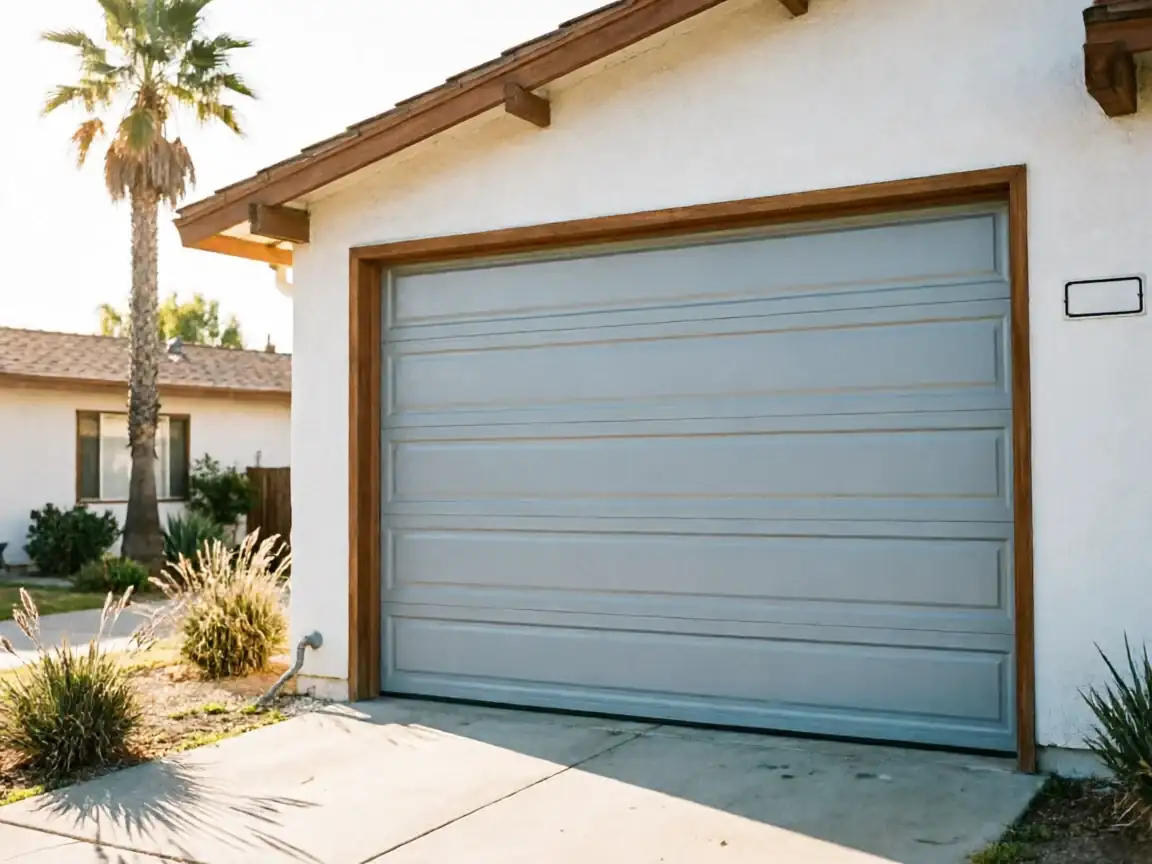
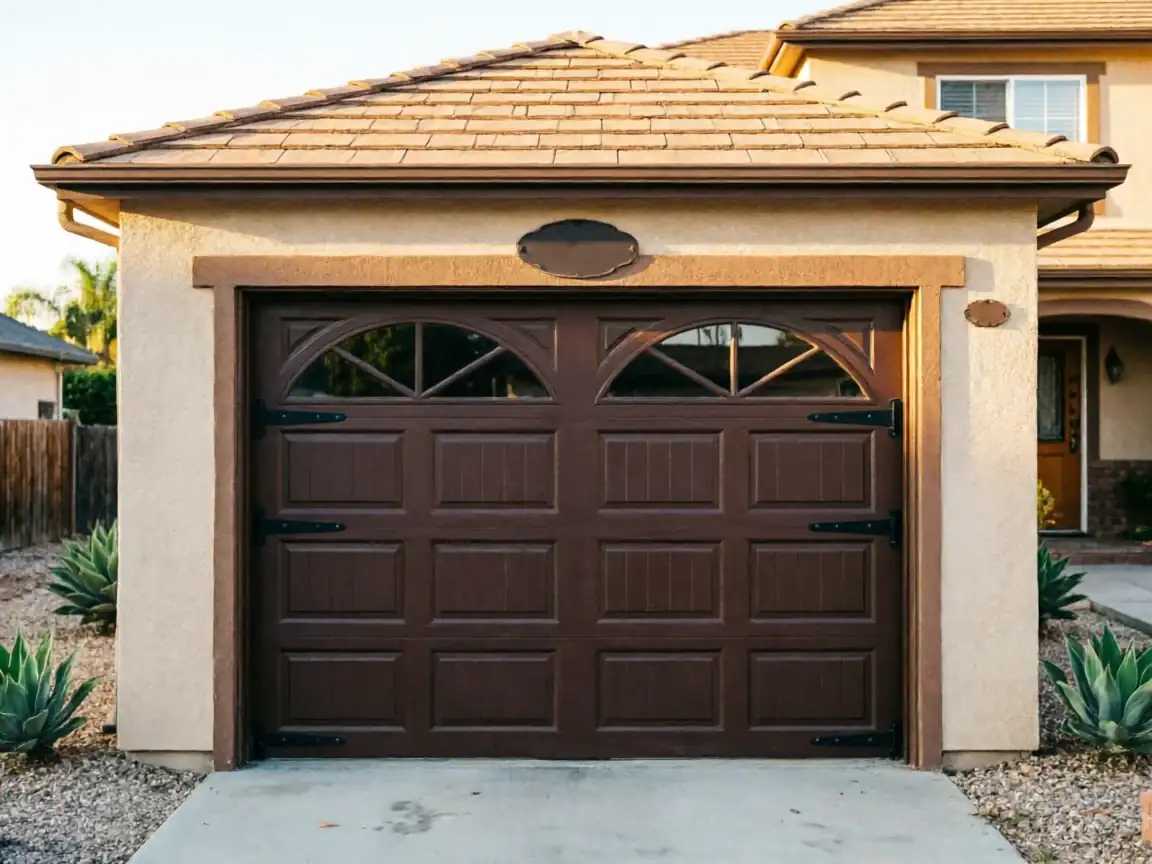
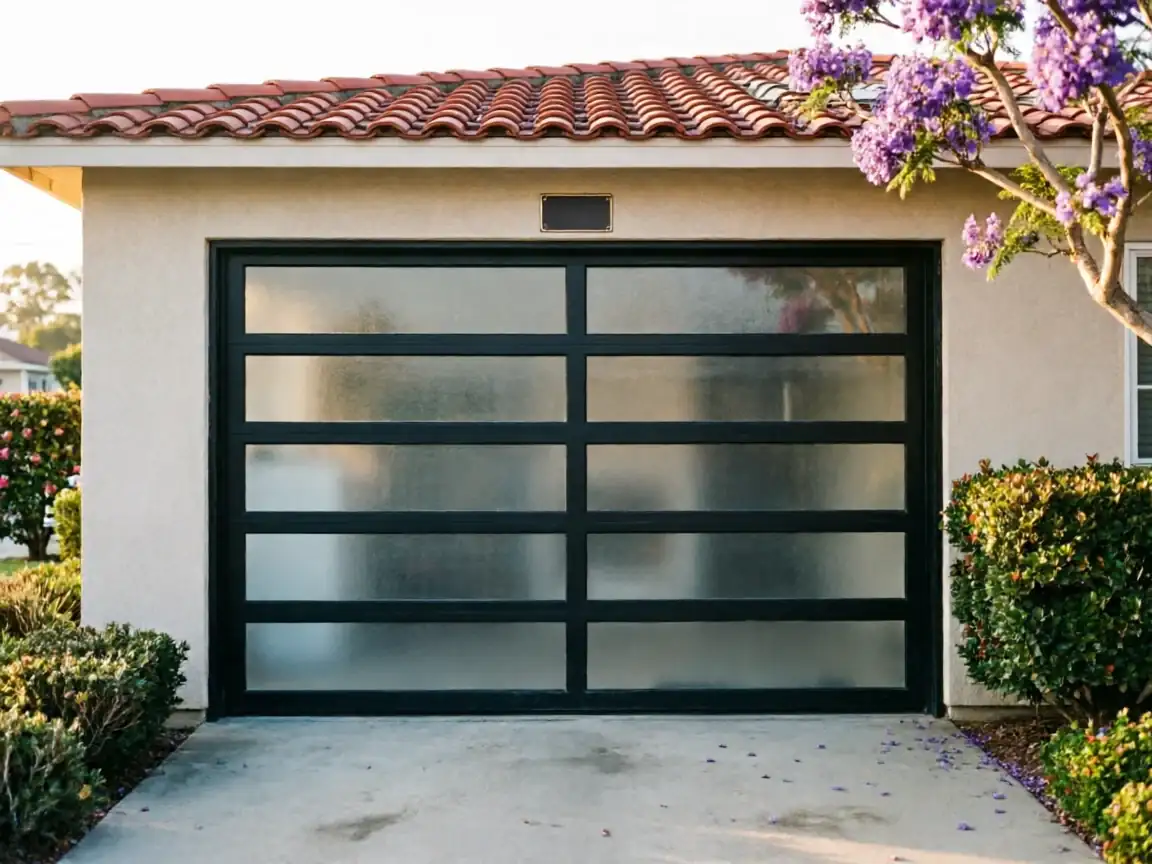
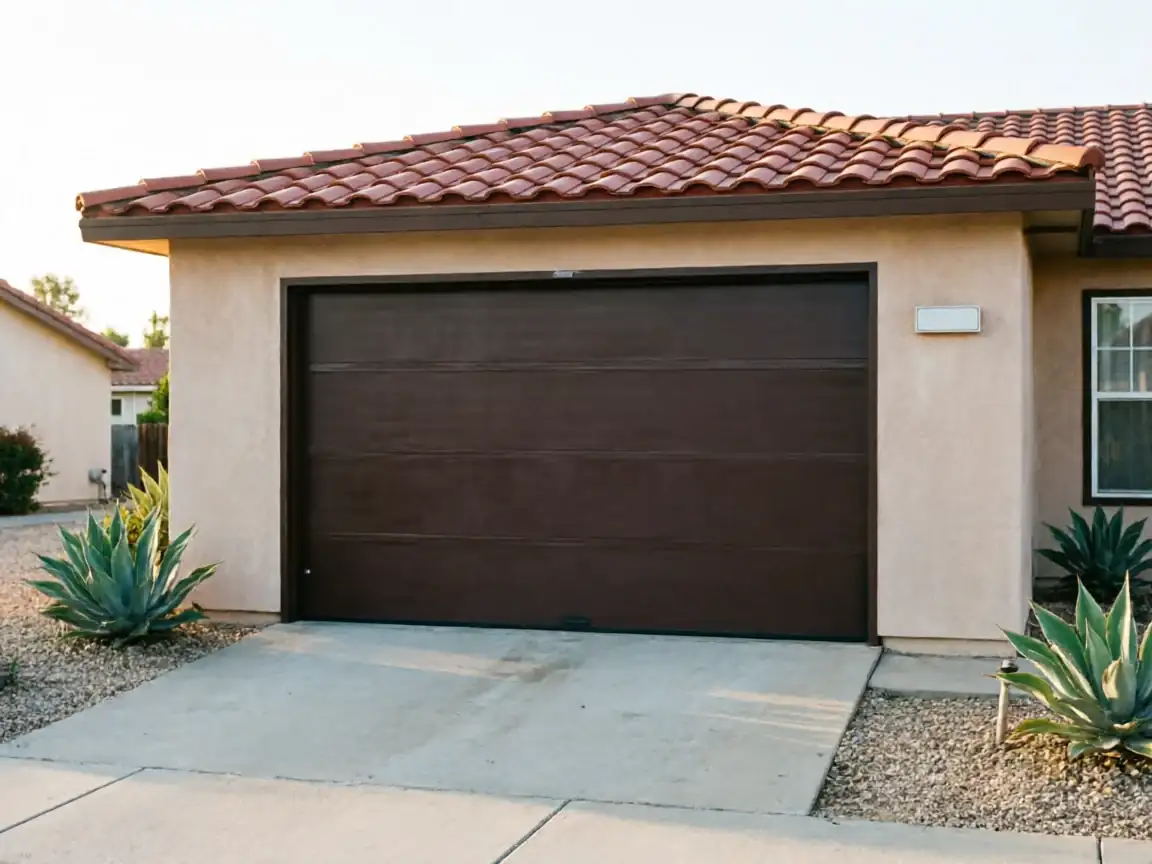
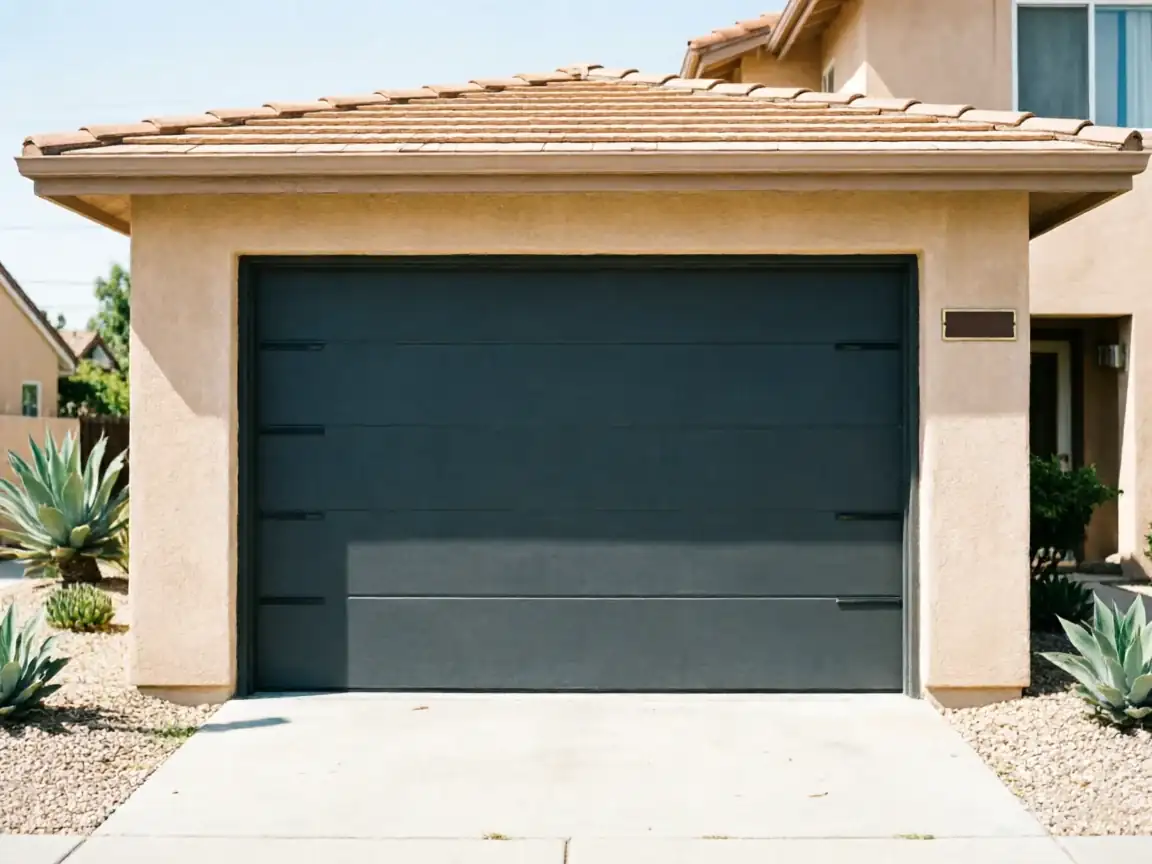
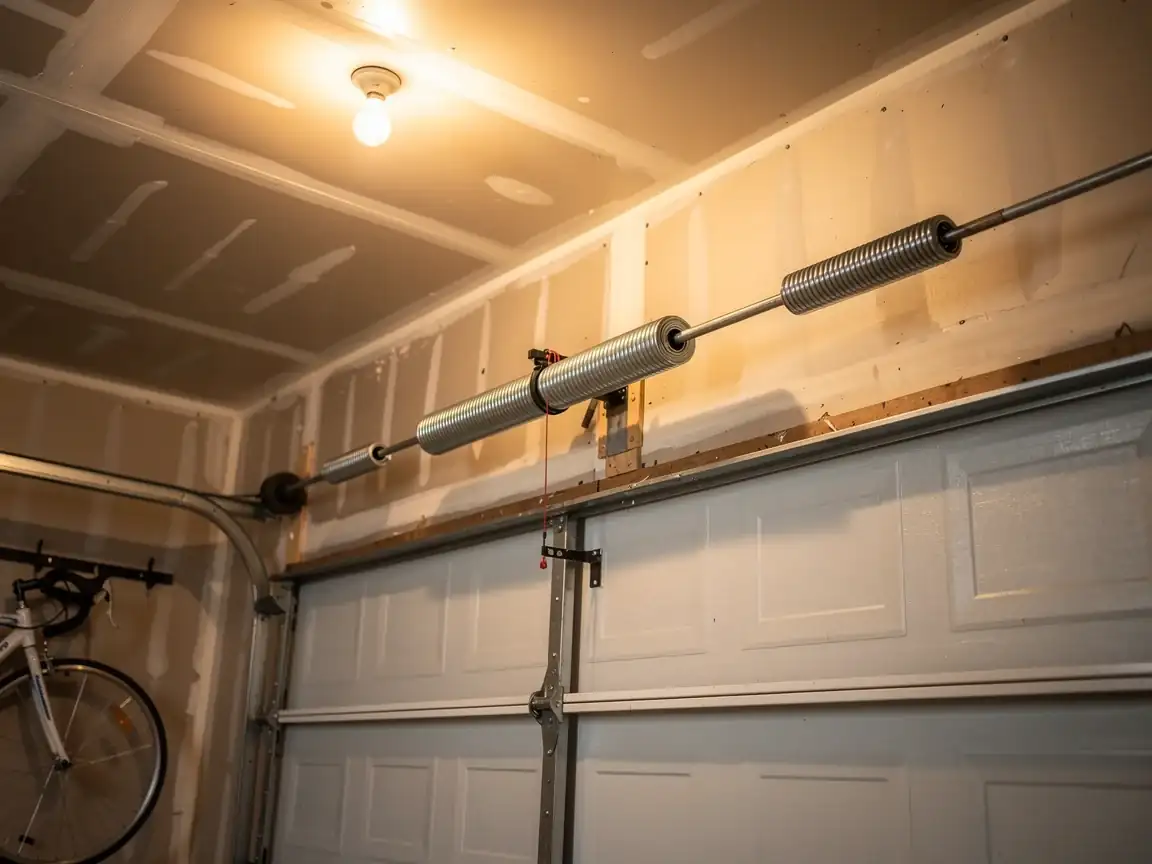
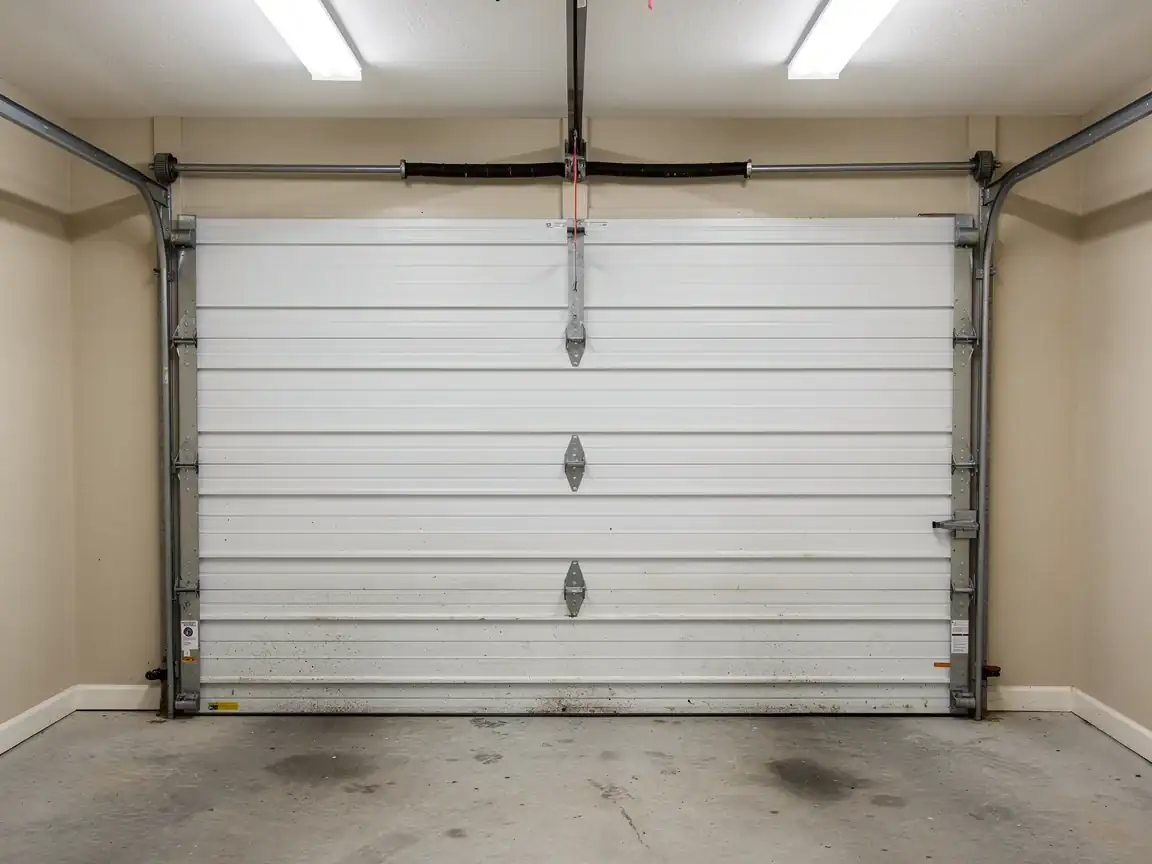
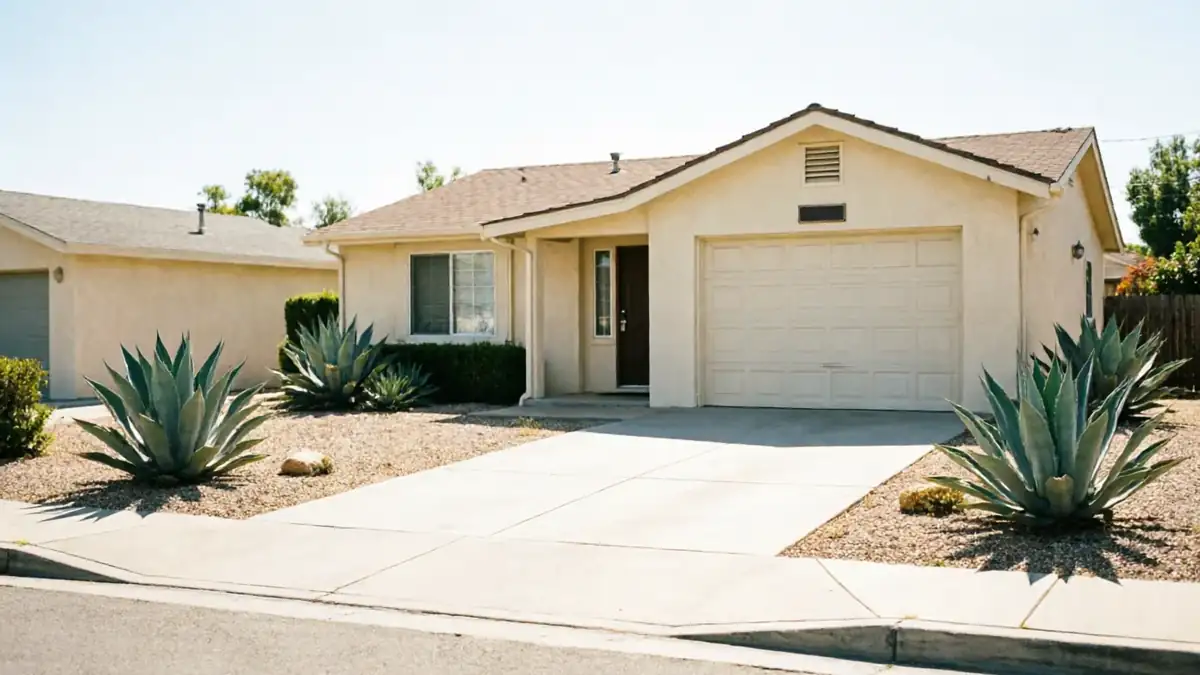
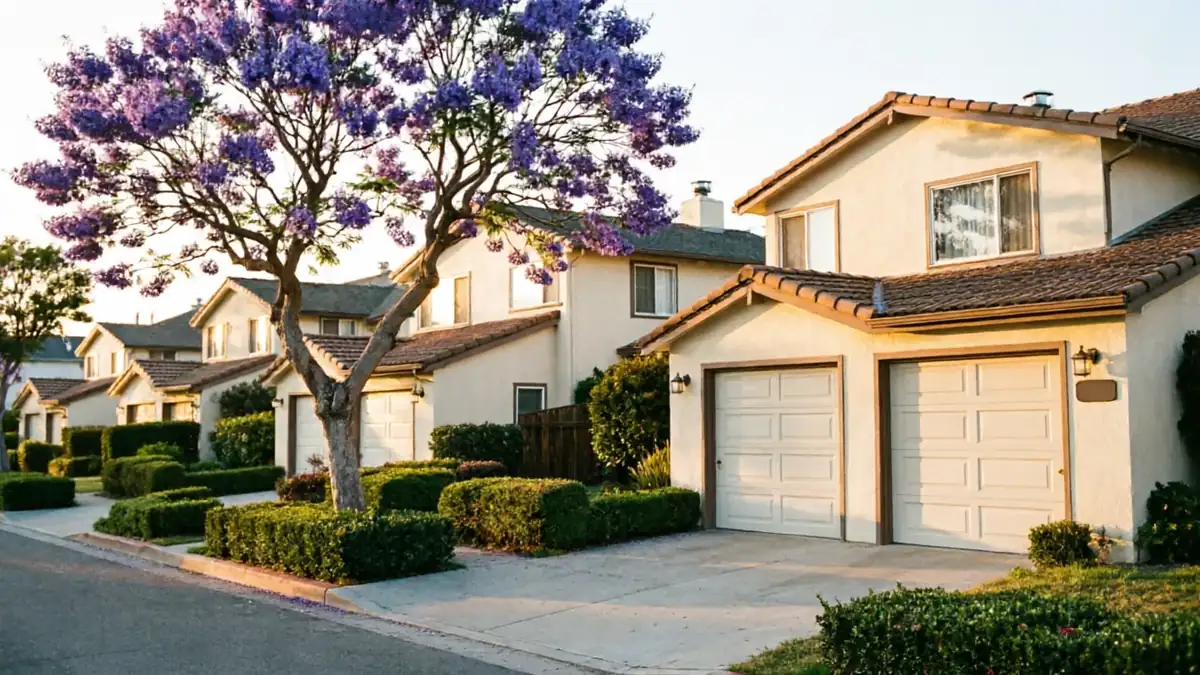
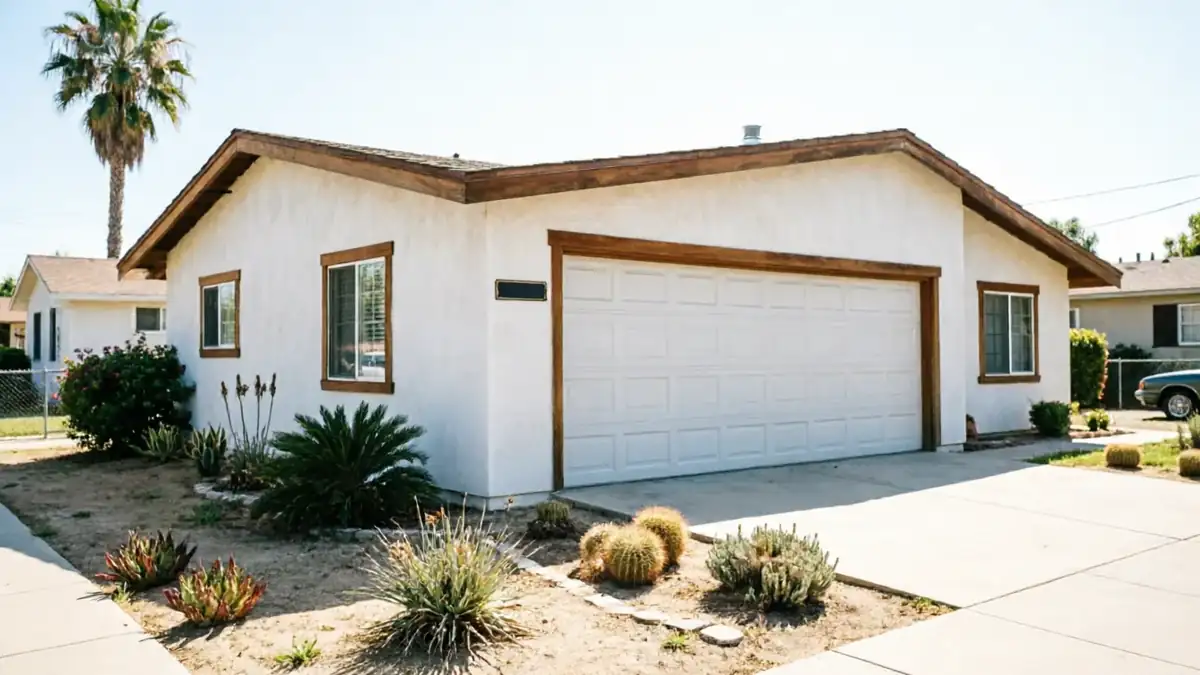
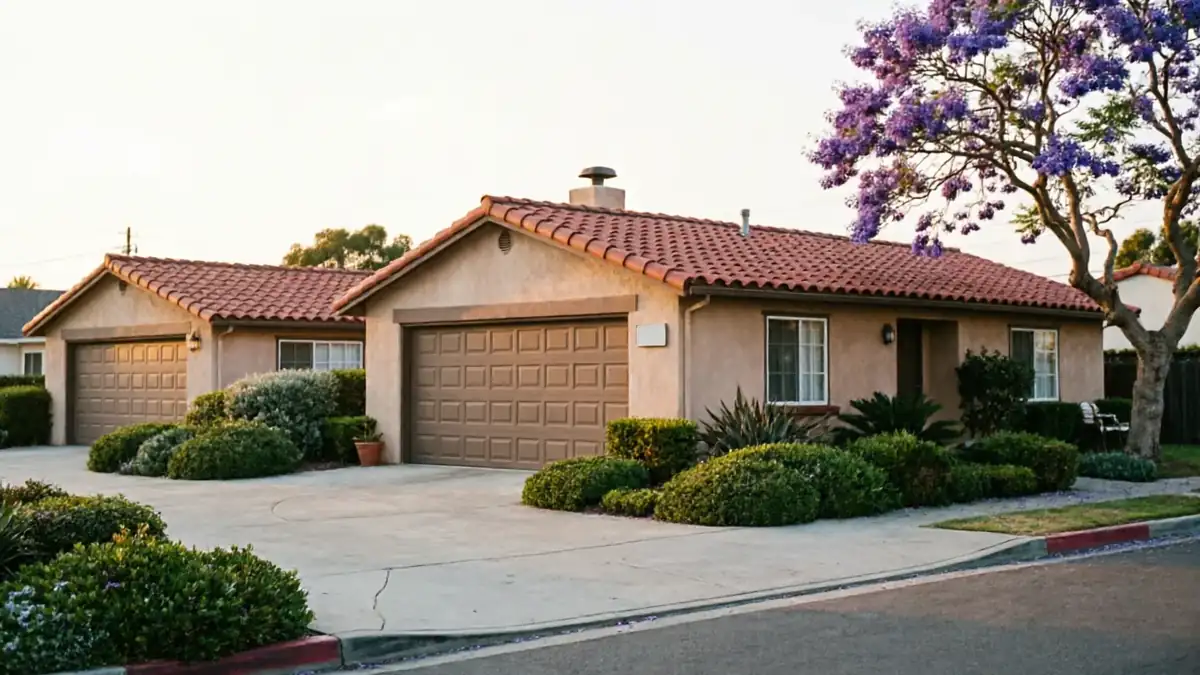
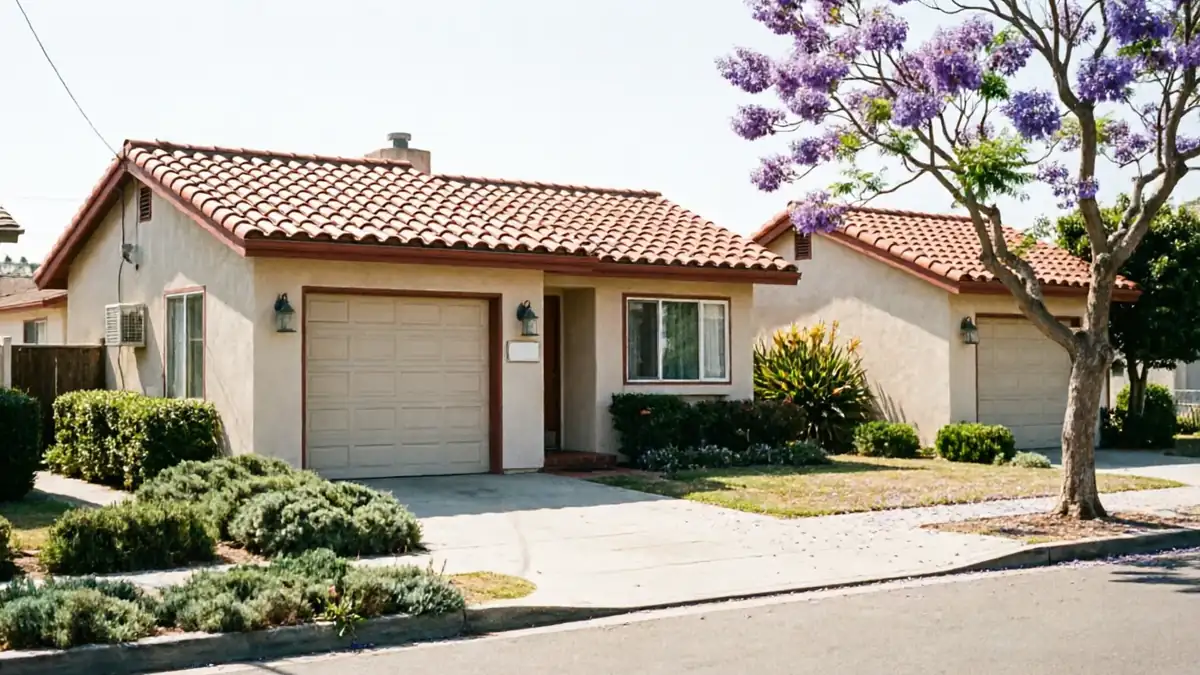
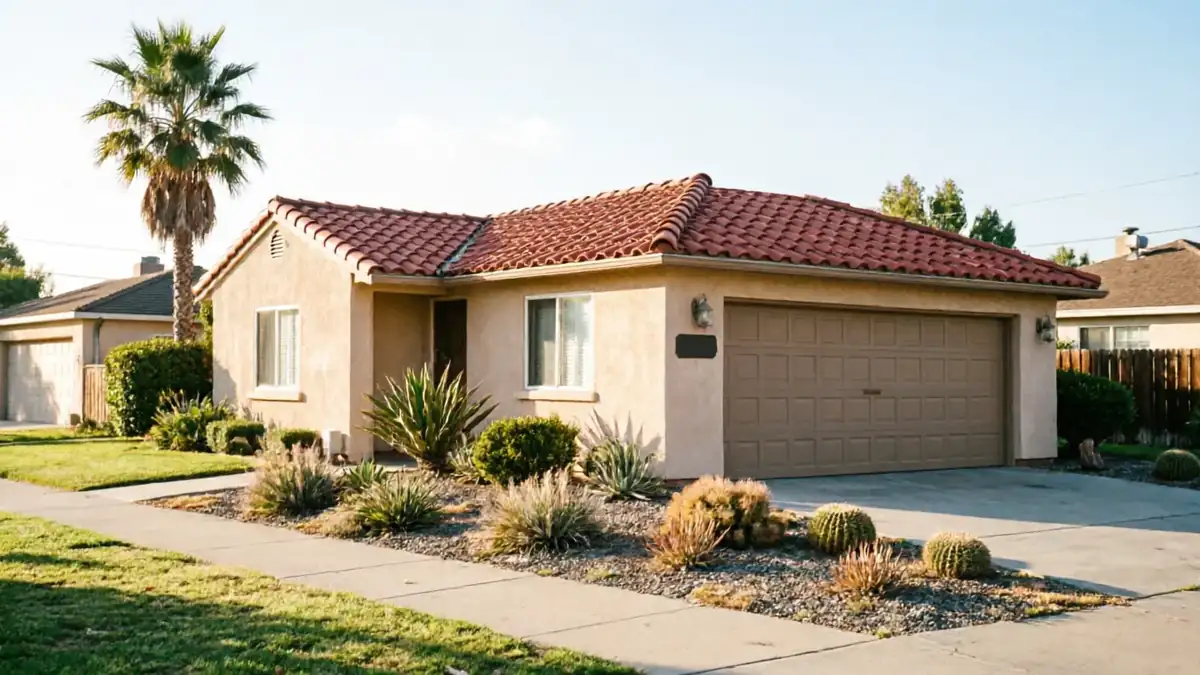
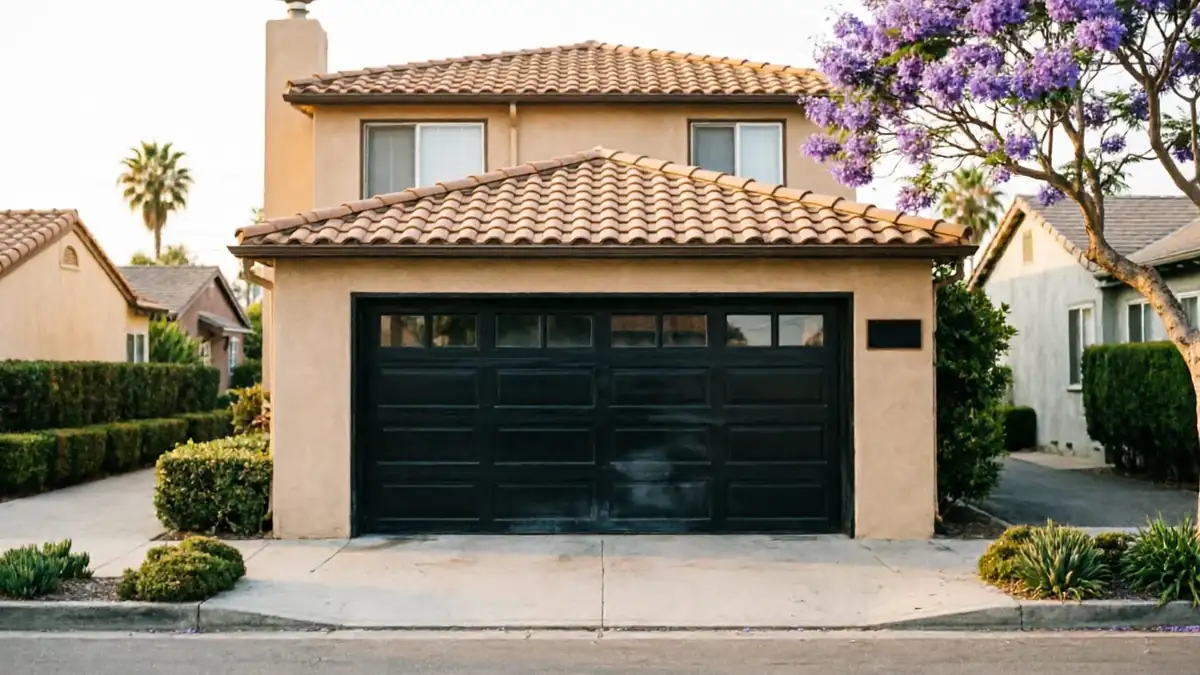
Martinez sits about 19 miles out from our Fairfield shop, and the houses here skew a bit newer than the broader service area. Where the wider coverage area spans 1938 to 2002 with a median around 1979, Martinez itself centers closer to 1976 - close to the regional median but with its own cluster of construction from that decade. That matters because a house built in the mid-1970s was almost always fitted with an extension-spring door, not the torsion setup you'd see on something from the late 1980s or 1990s. The springs sit alongside the horizontal track, two of them, stretching and contracting instead of winding on a shaft above the door. They're a different animal to service, and parts for the original hardware on a 1976 door are getting harder to source new. Most of what we install to replace a failed extension system now is torsion conversion hardware, which changes the opener bracket and sometimes the header clearance too. If your house in Martinez still has the original springs, that's worth knowing before one snaps.
The Usual Work Here
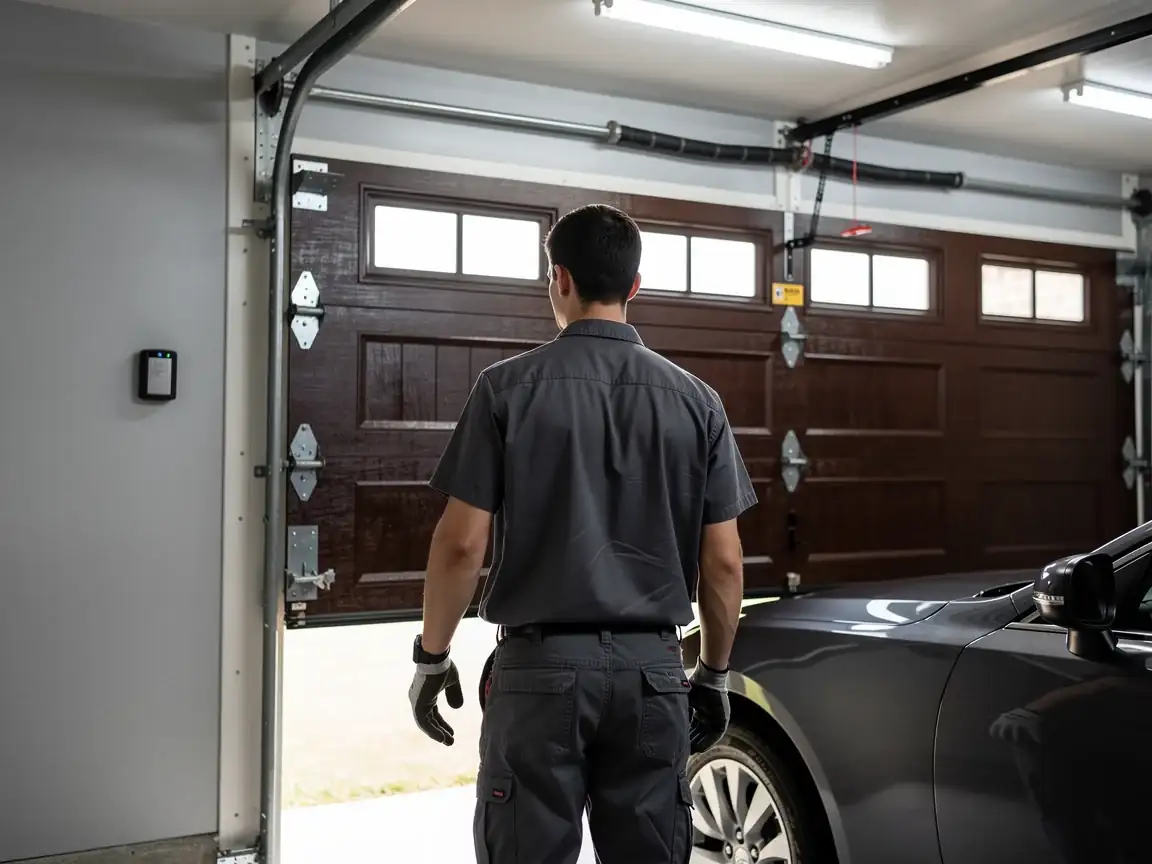
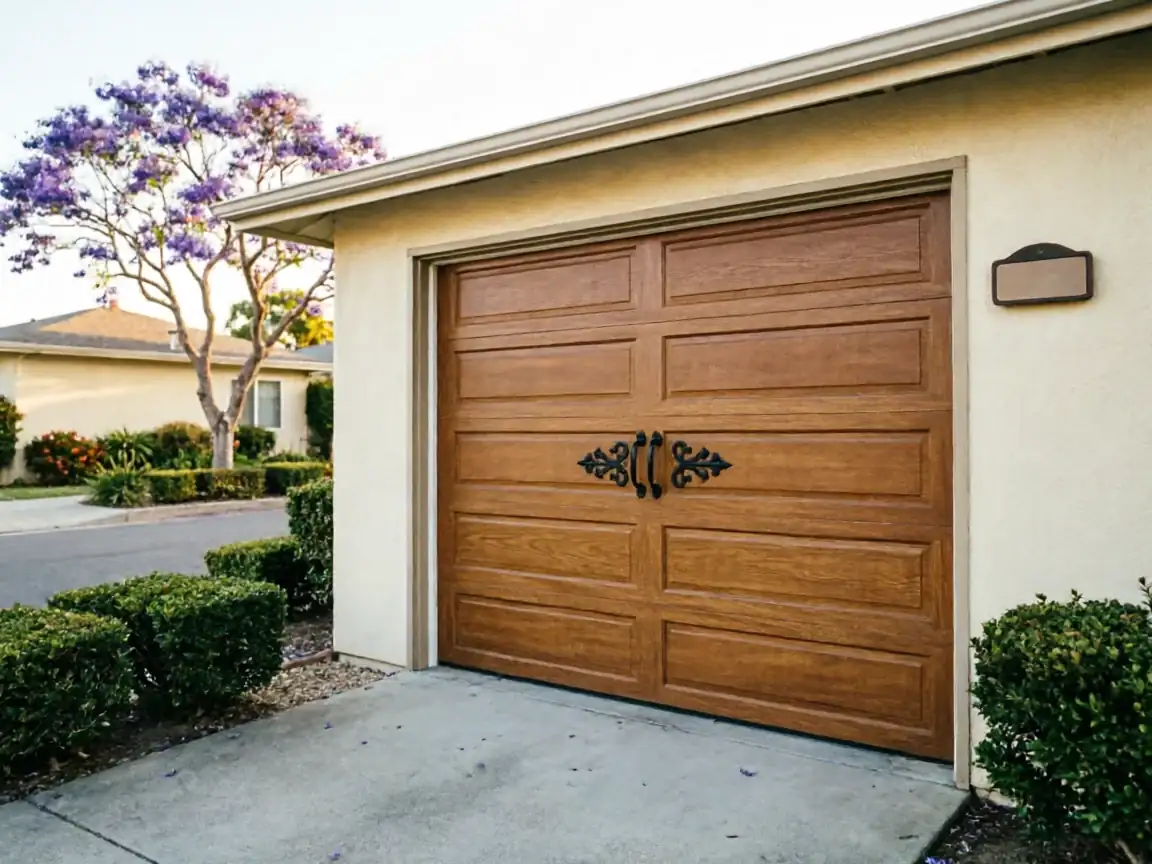
The mild temperate climate in this area means we're not fighting the kind of freeze-thaw cracking or extreme heat warping that garages elsewhere deal with. What we see instead is wear that comes from age and use: broken extension springs on the older end of the stock, worn rollers, cables that have frayed at the drum after years of cycling, and openers that are simply original to a house built decades back and due for replacement. Panel damage from a backed-into door shows up regardless of build year. One thing we don't do on every call is recommend full door replacement - if the track and springs are sound and it's just an opener or a cable, we fix what's broken and leave the rest alone. Replacement only makes sense when the door itself, not just one part, is failing.
What the Housing Means for Your Door
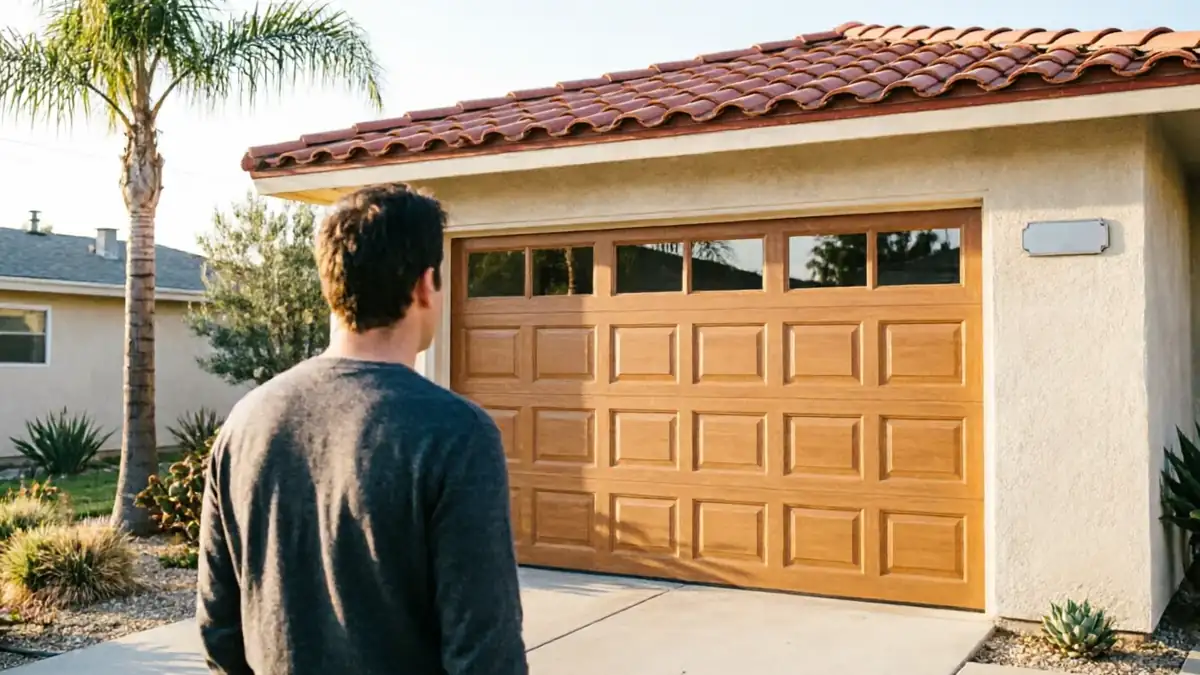
With roughly 14,673 households in Martinez and a median income near $125,436, this is an area where homeowners tend to invest in getting a repair done right rather than patching it twice. That lines up with what we actually recommend: if your door dates to the mid-1970s build era and still has its original extension springs, a full torsion conversion during the next repair is usually the better long-term move, even though it costs more up front than a like-for-like spring swap. It's not the cheapest fix, but spring sizes for that older hardware are getting scarce, and a conversion means parts are easy to find going forward. We make that call door by door, not block by block, because build year alone doesn't tell us what's actually on your garage.