What Was Built Here
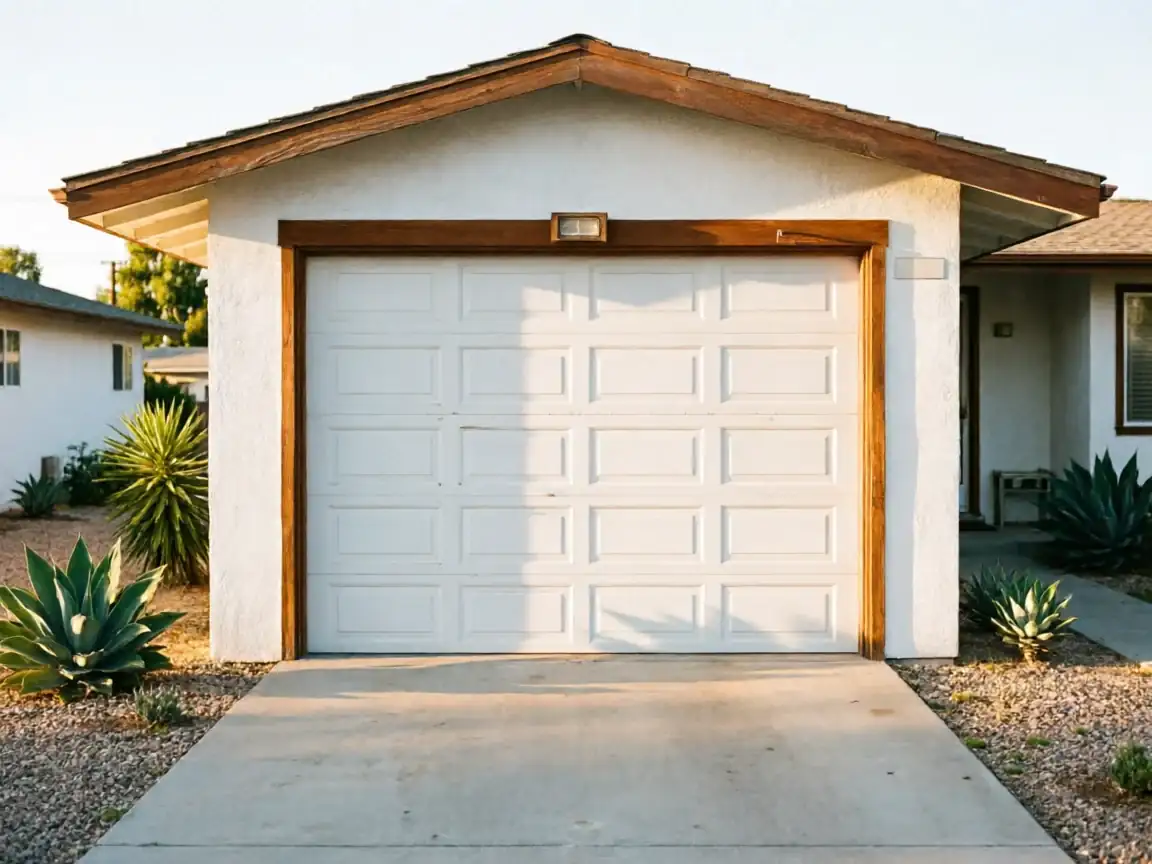
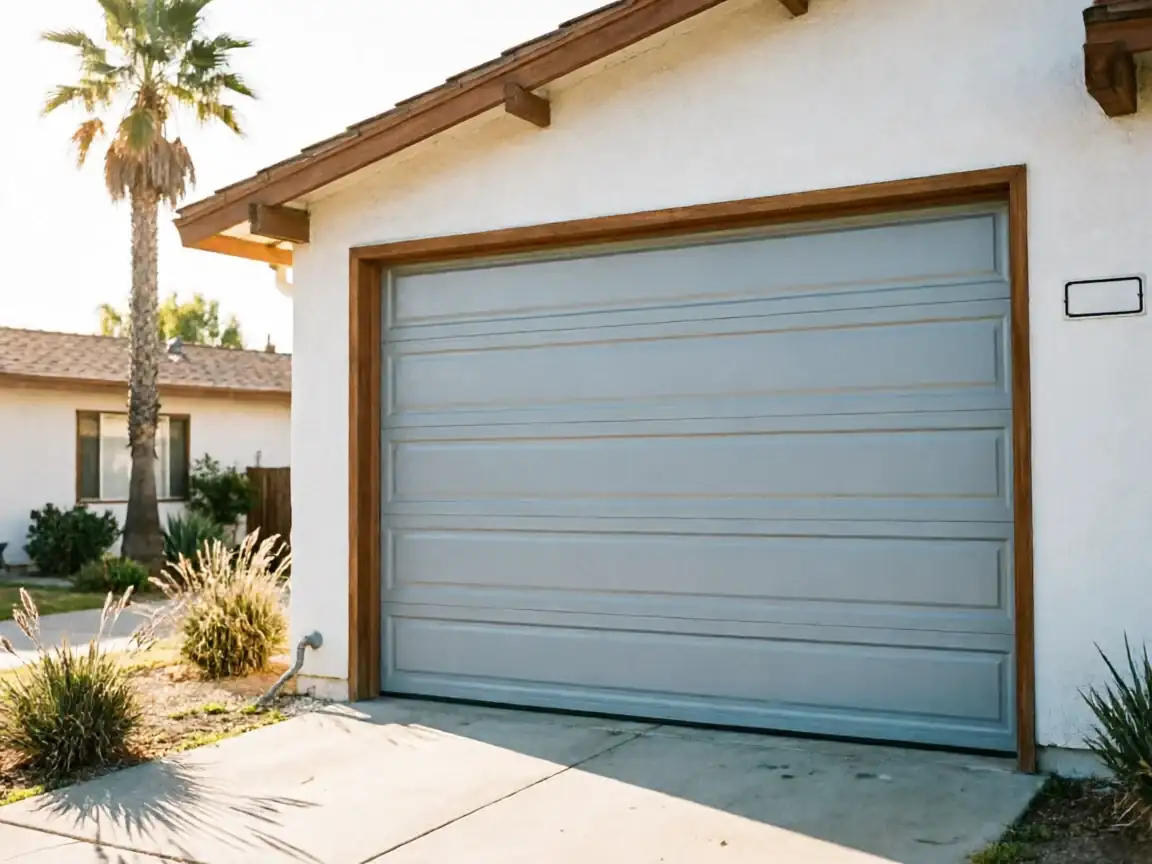
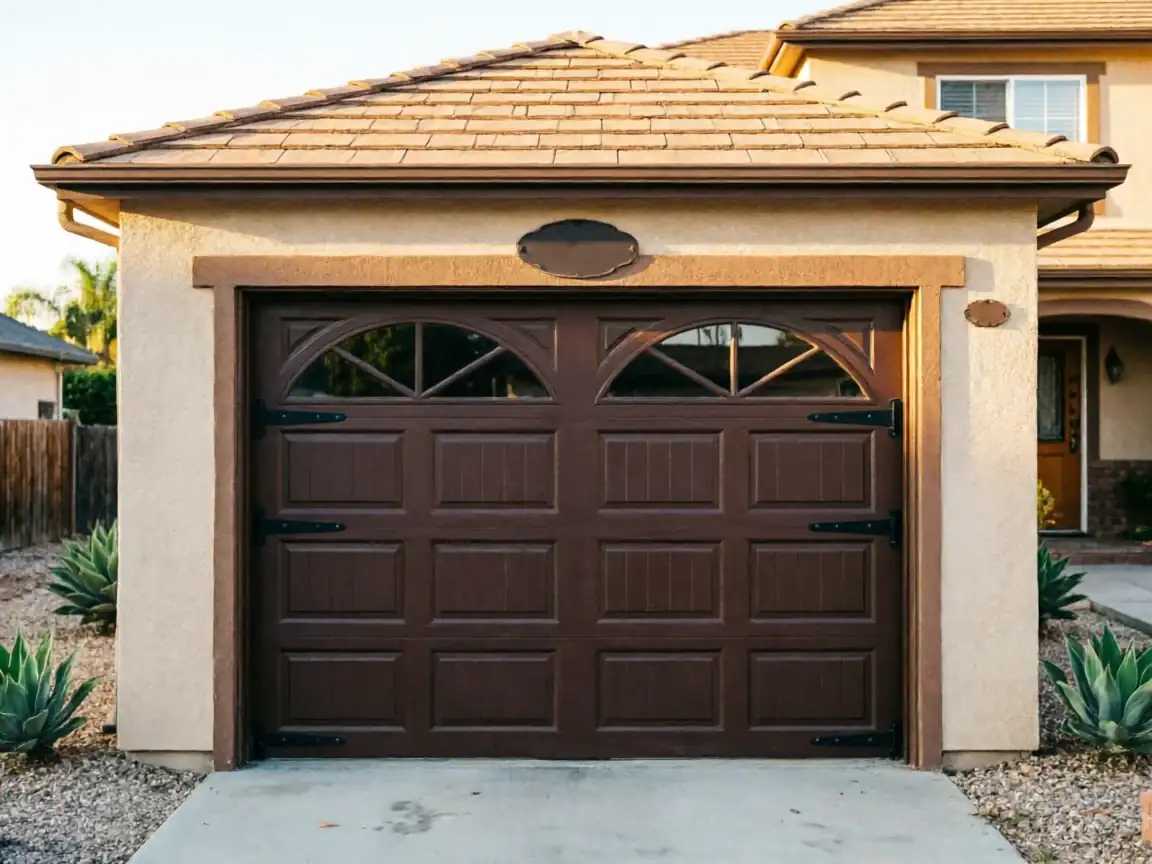
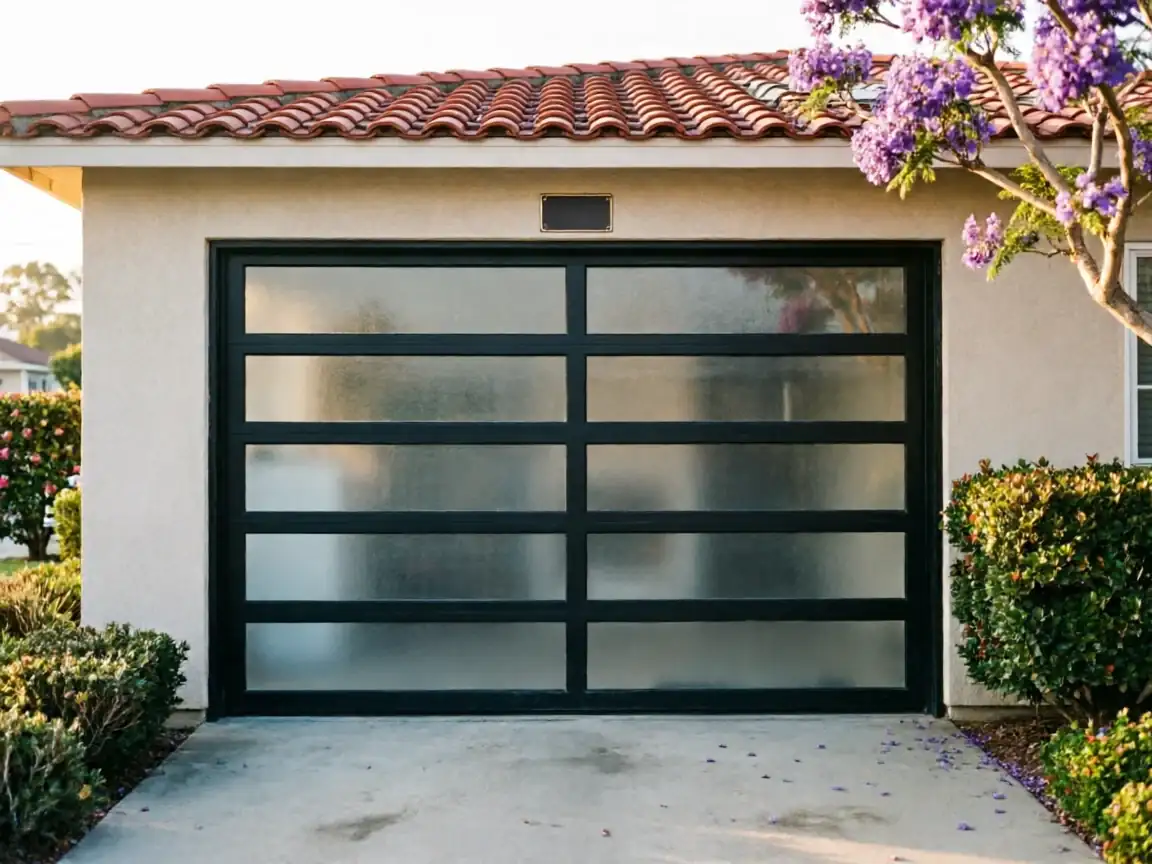
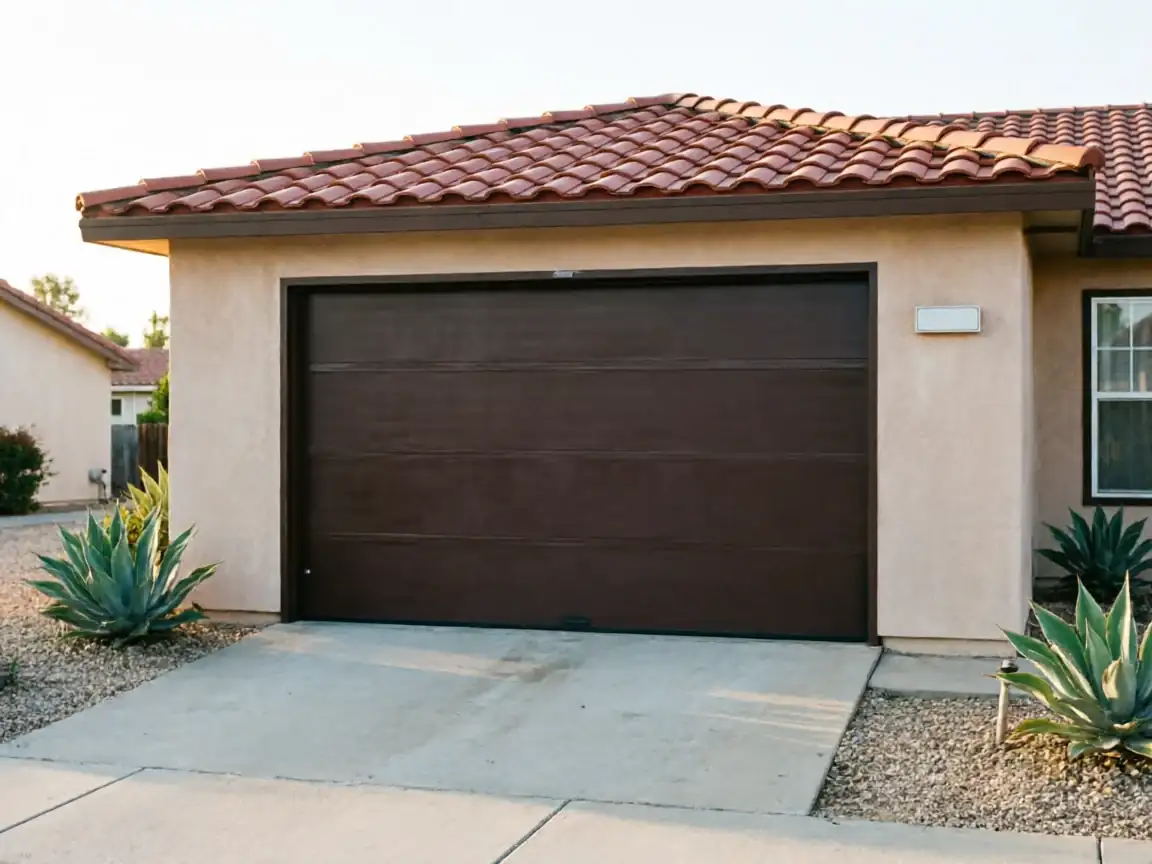
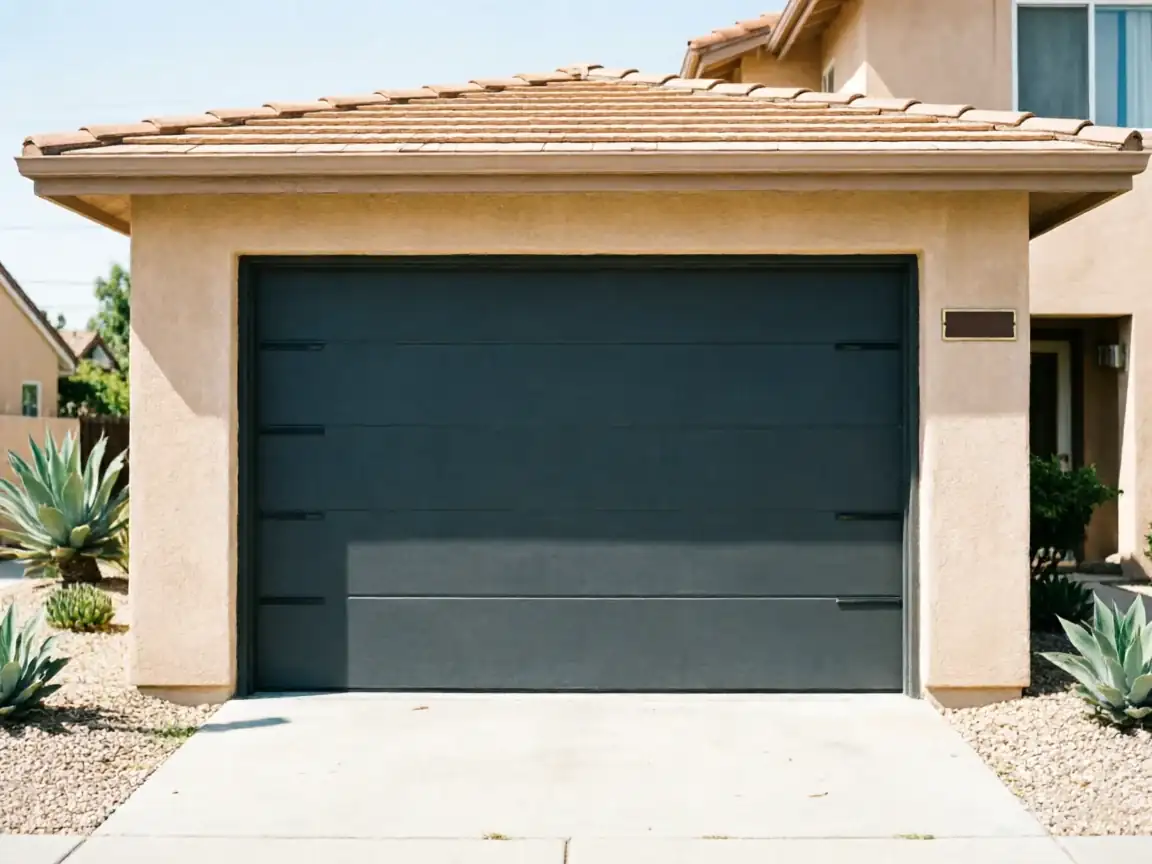
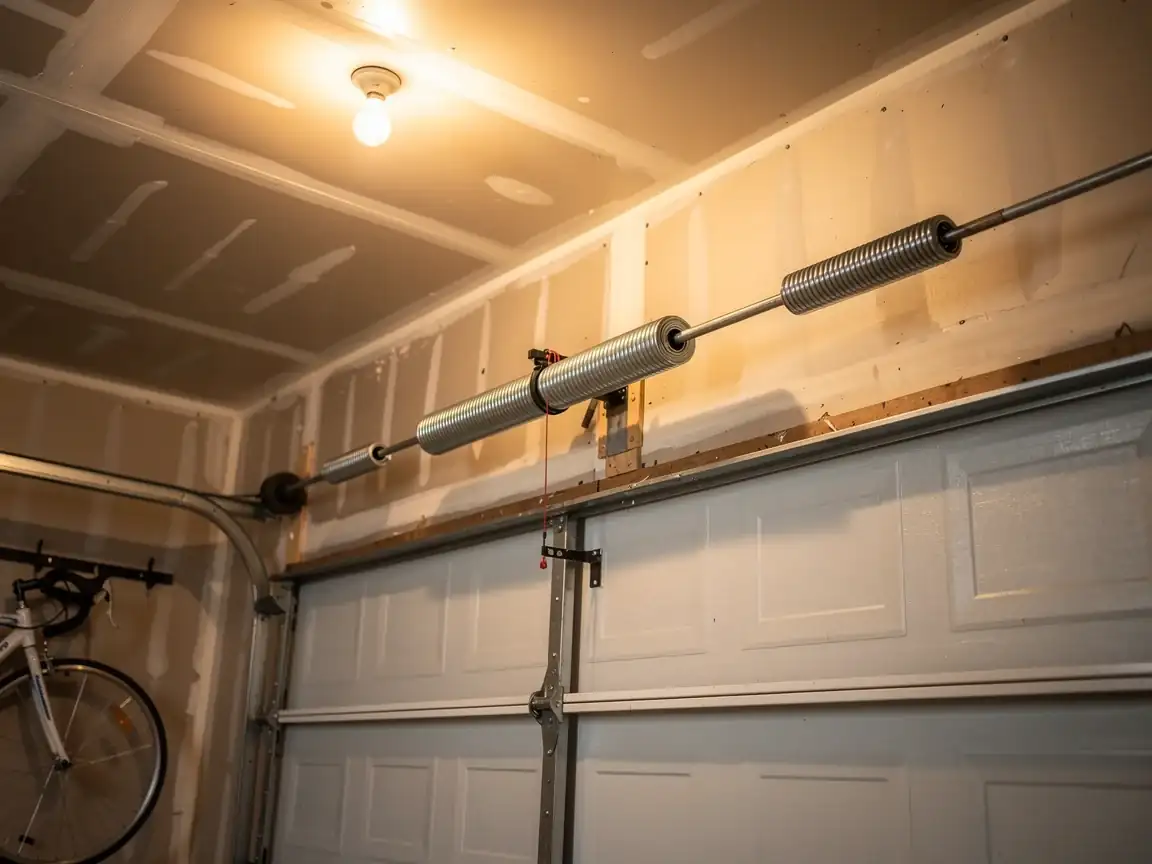
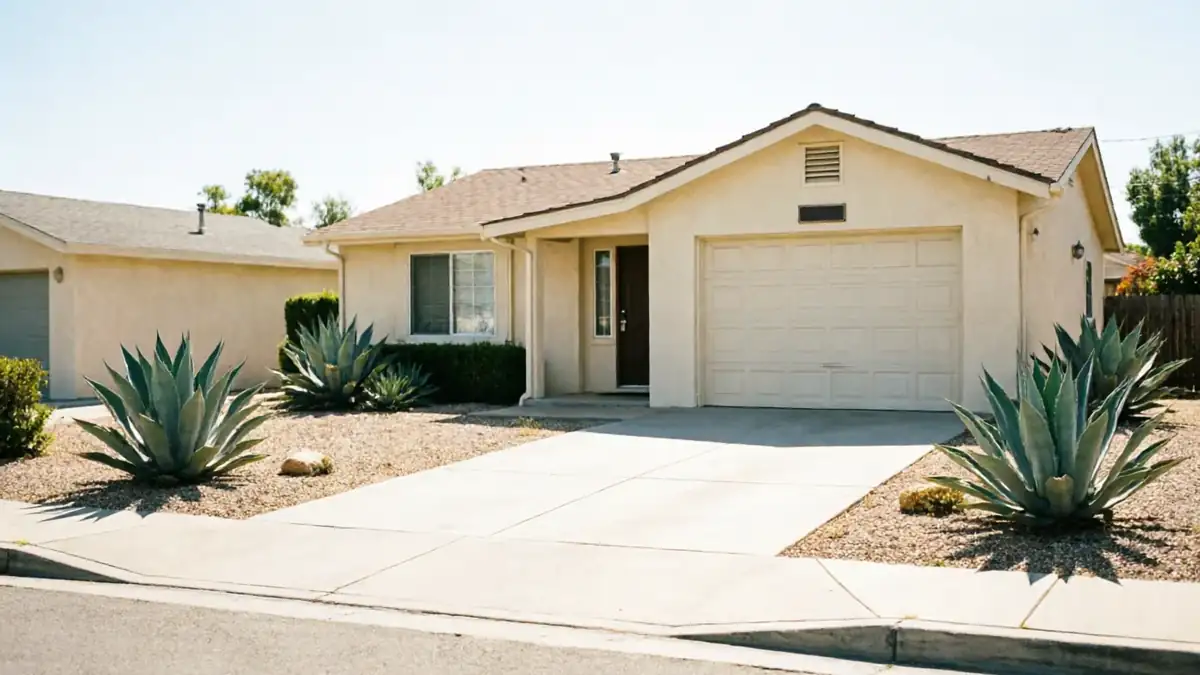
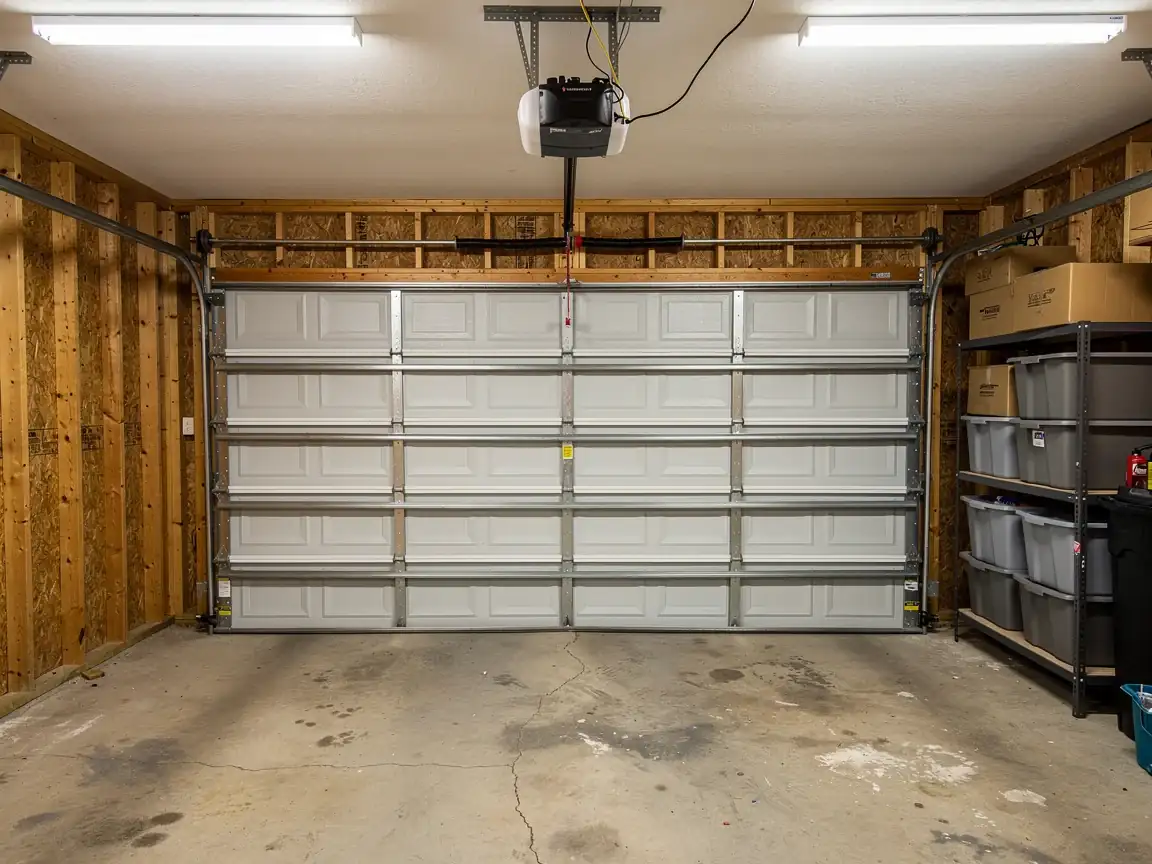
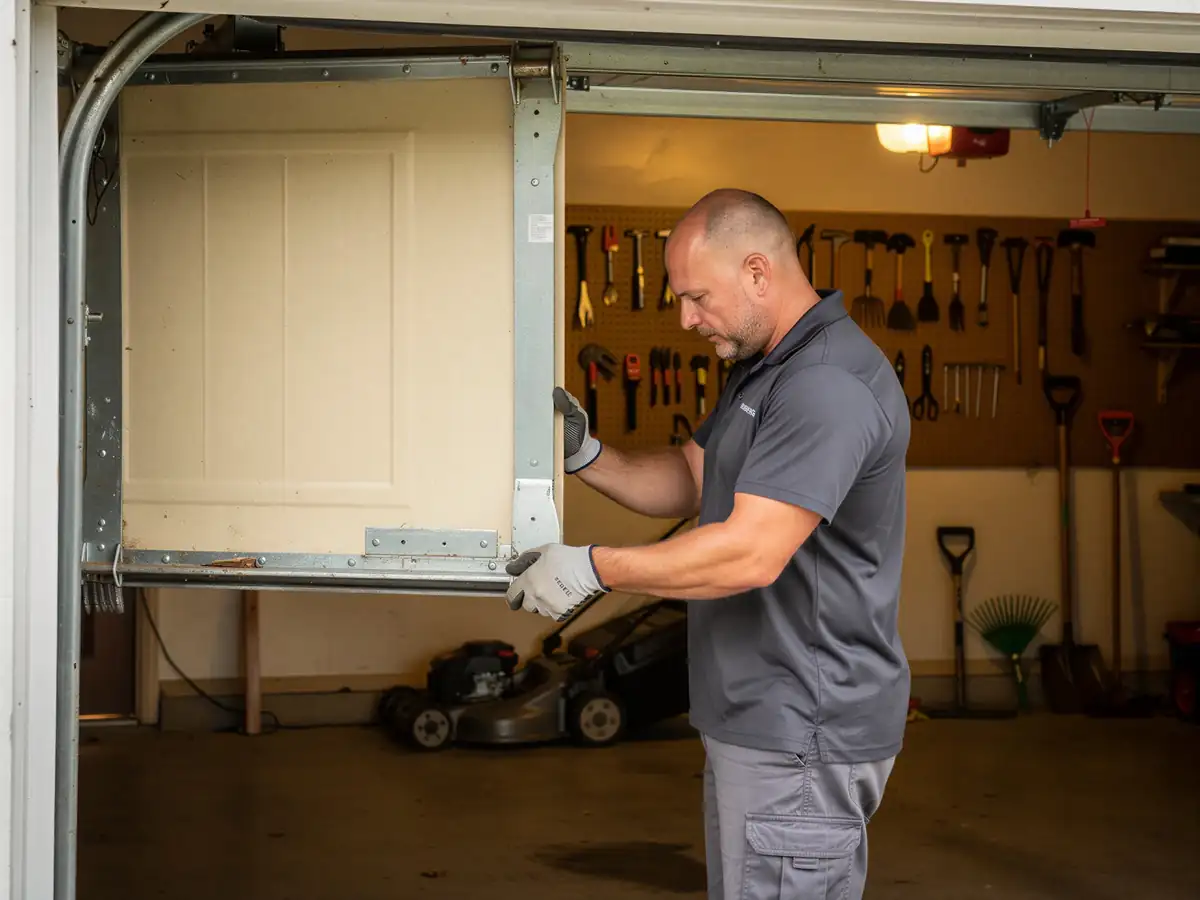
Green Valley's median year built is 1974, which puts it a few years ahead of the 1979 median across the wider Fairfield Garage Door Pros service area. That might sound like a small gap, but five years in garage door hardware can mean a different spring system, a different track width, or an opener mount that nobody makes parts for anymore. Most of this pocket went up in the 1960s and 70s wave that shaped a lot of the nineteen areas we work, so the doors we see out here tend to be older than what you'd find in some of the newer subdivisions closer to the highway. With 558 households in Green Valley, it's a smaller area than some of the others we cover, but the housing stock tells a consistent story: original or first-replacement doors, often on hardware that was standard in the Carter and early Reagan years and has since been phased out everywhere else. We don't guess at what's behind your door panel before we see it, but we go in expecting extension springs and older torsion setups more often than the newer dual-spring systems that show up in post-1990 construction.
The Usual Work Here
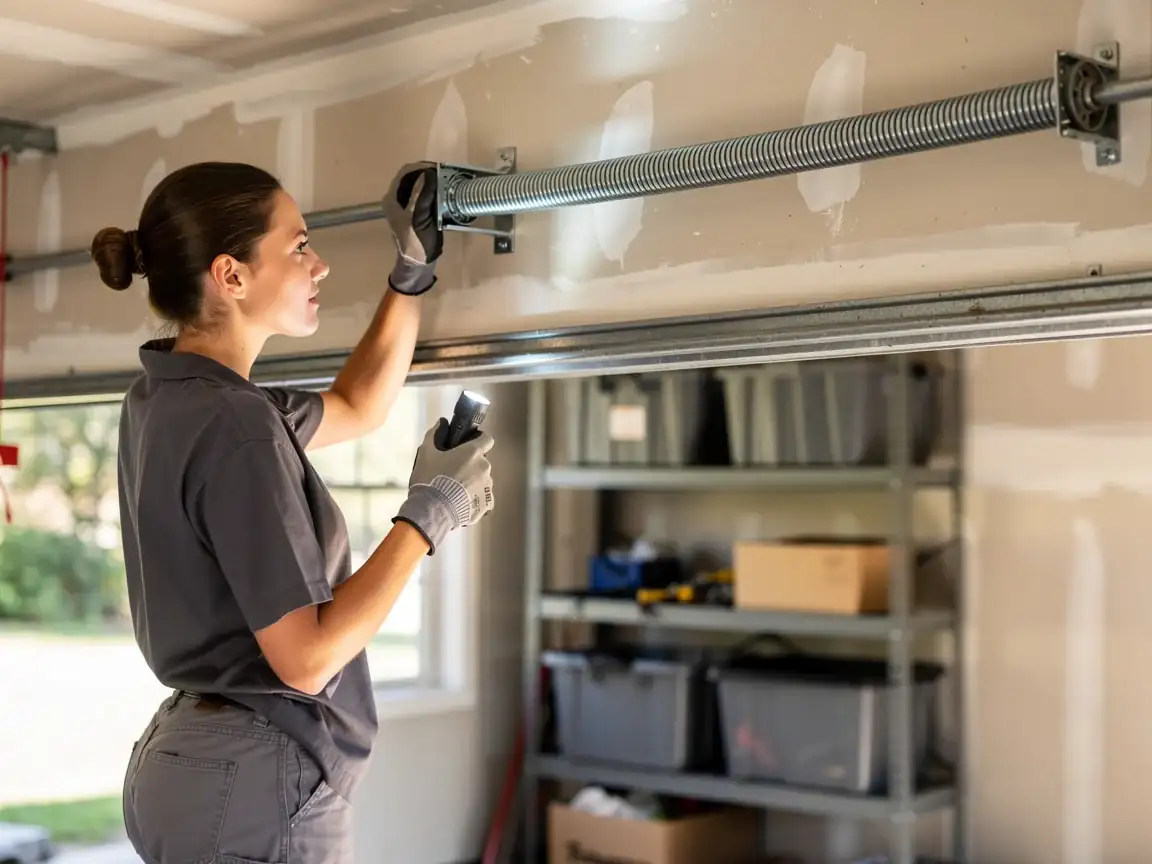
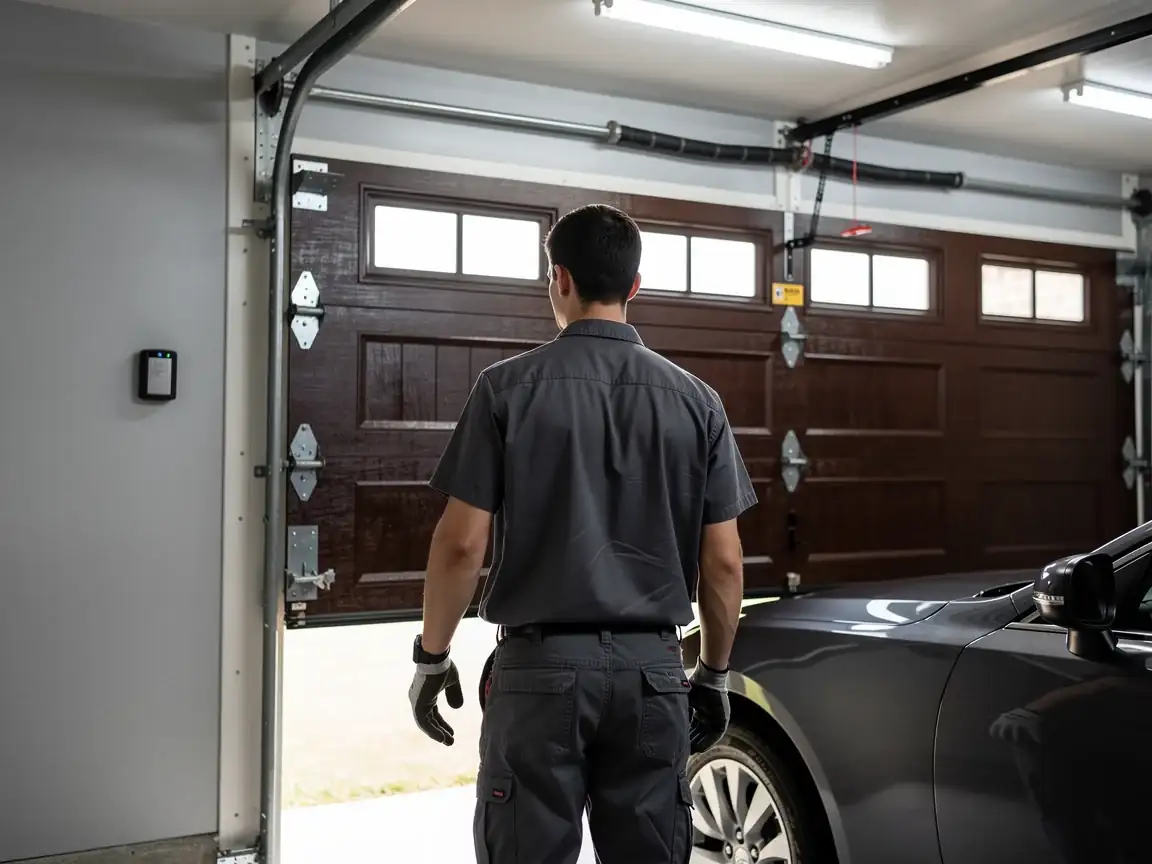
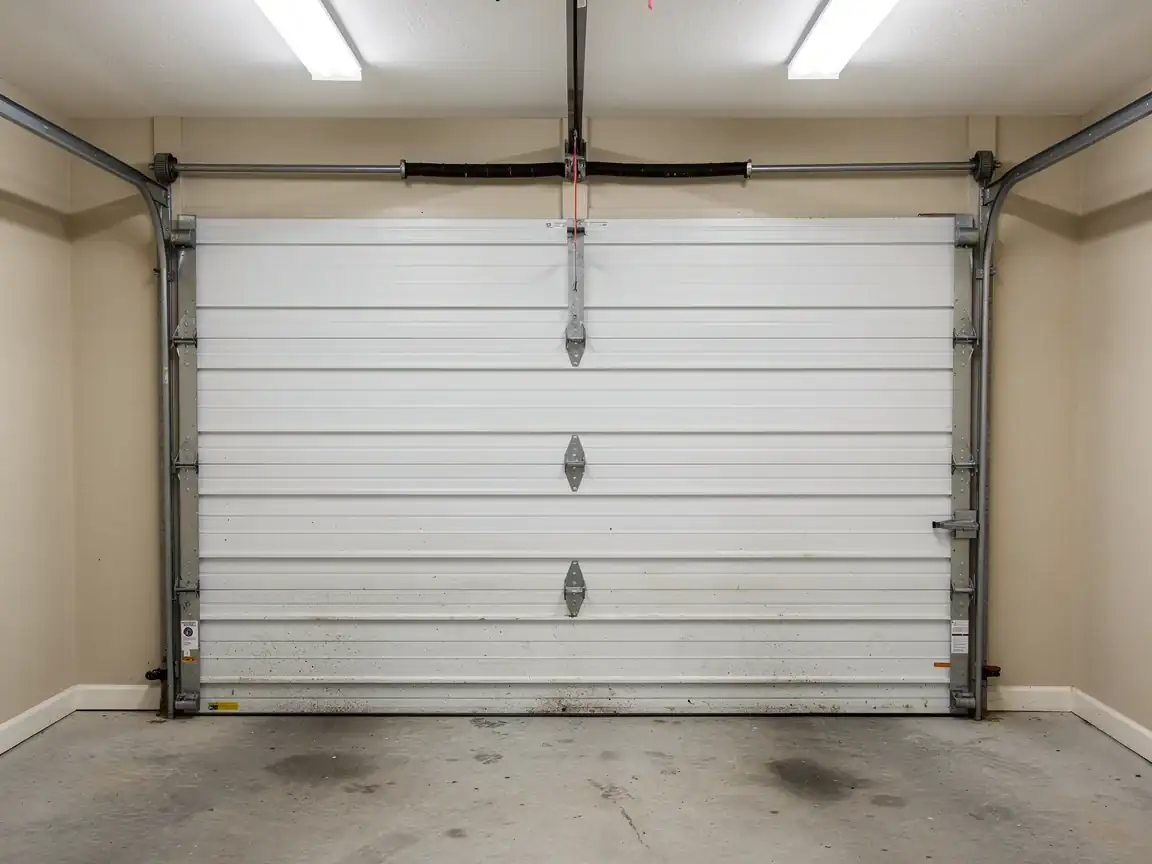
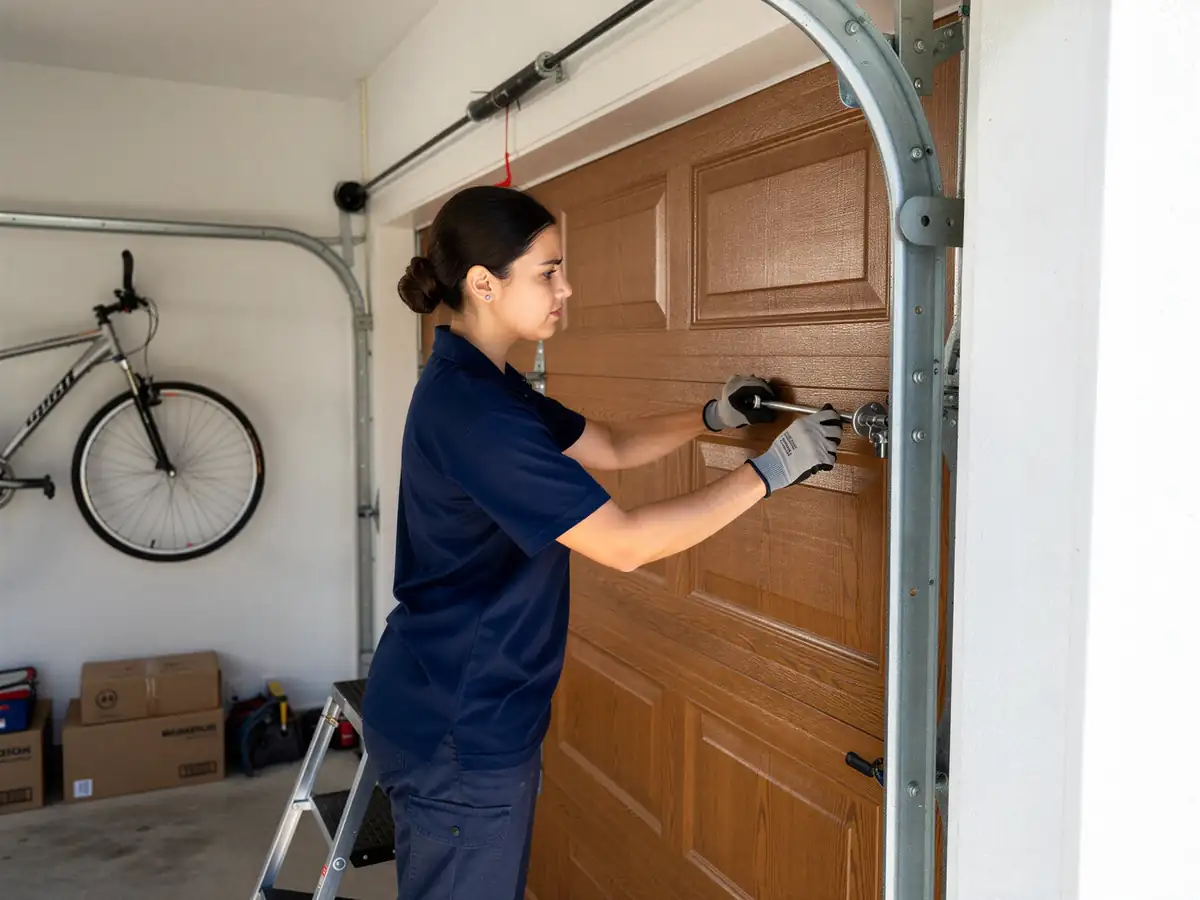
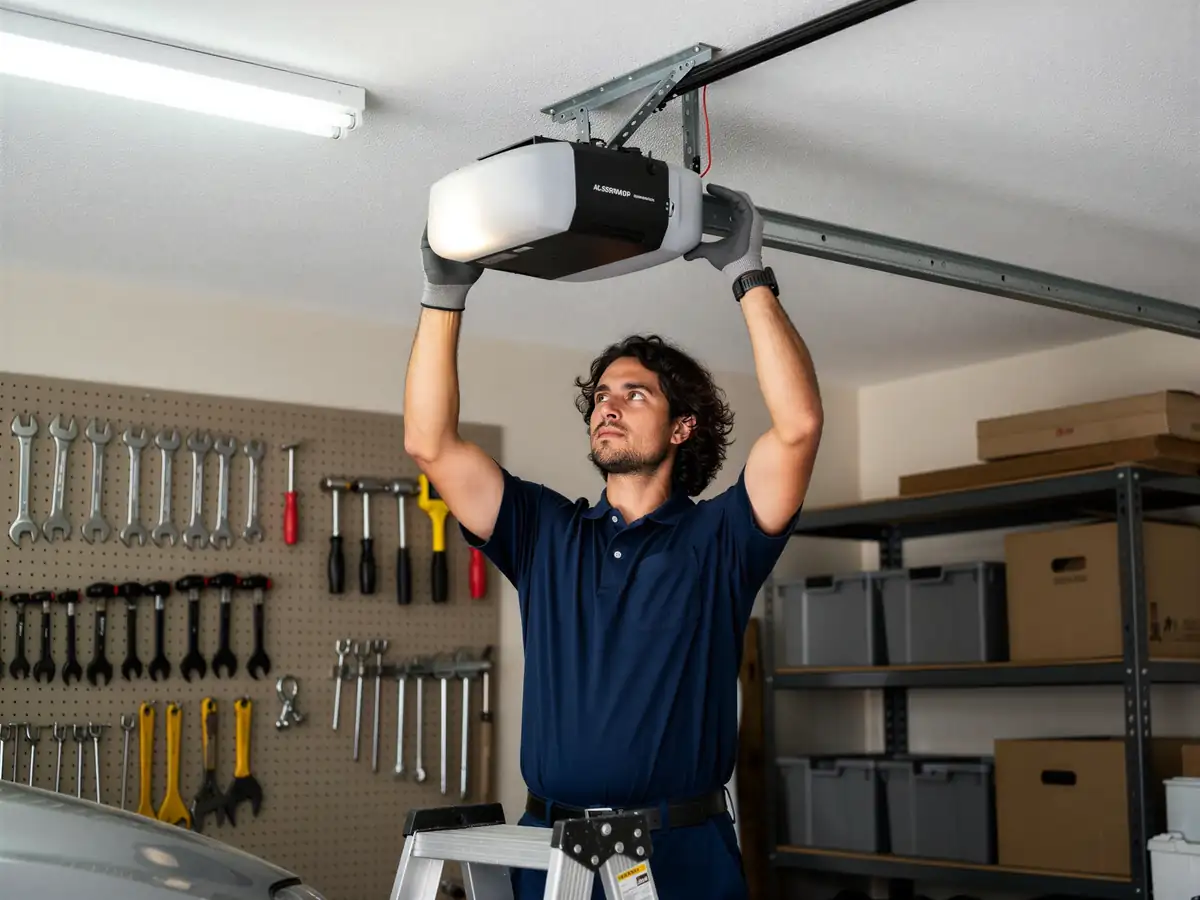
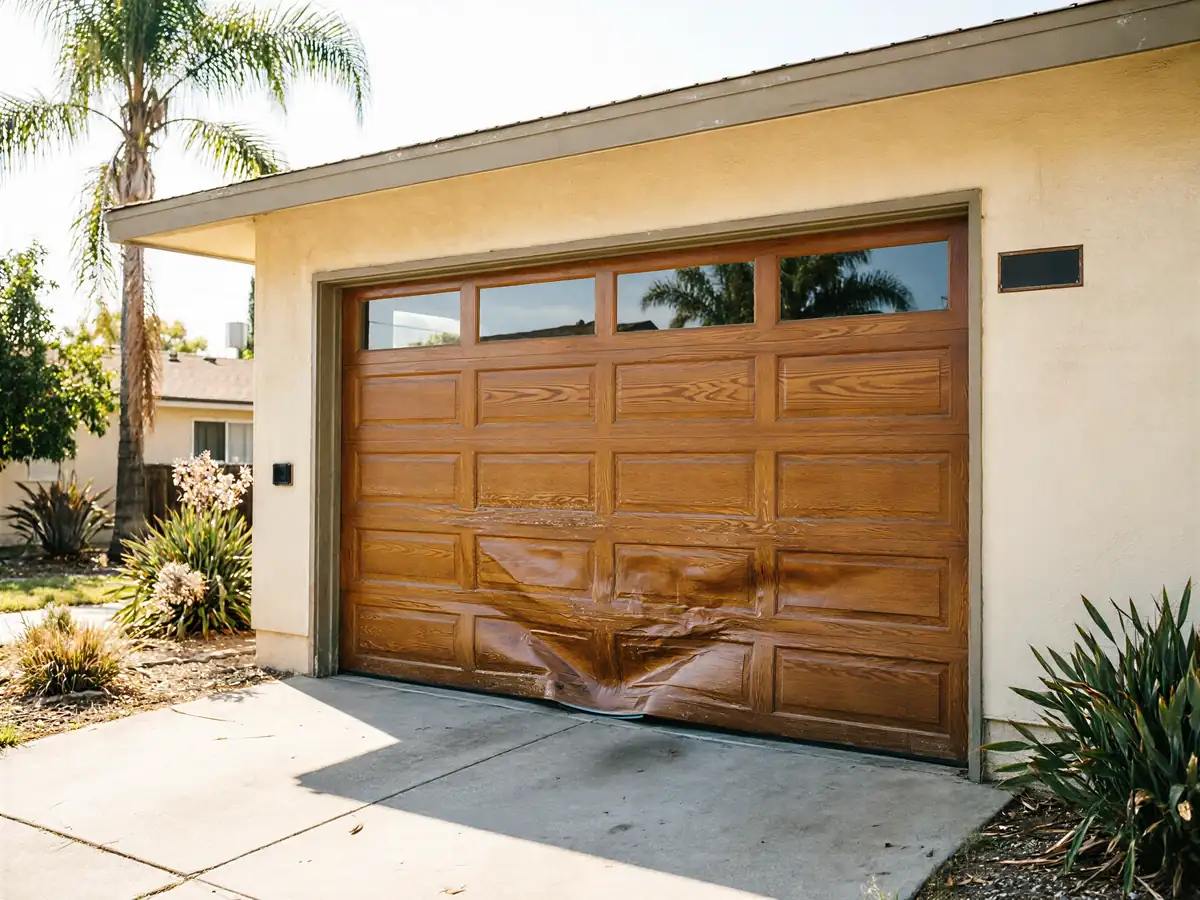
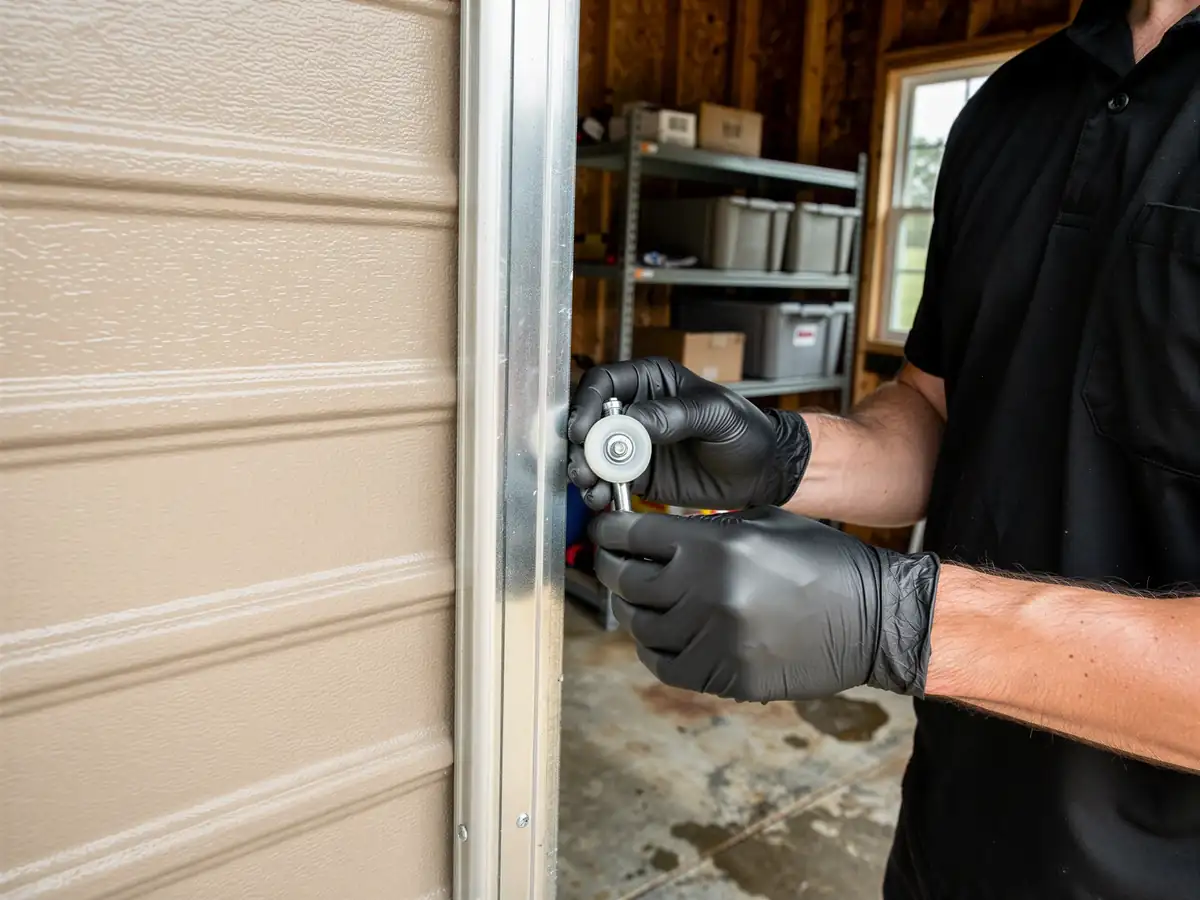
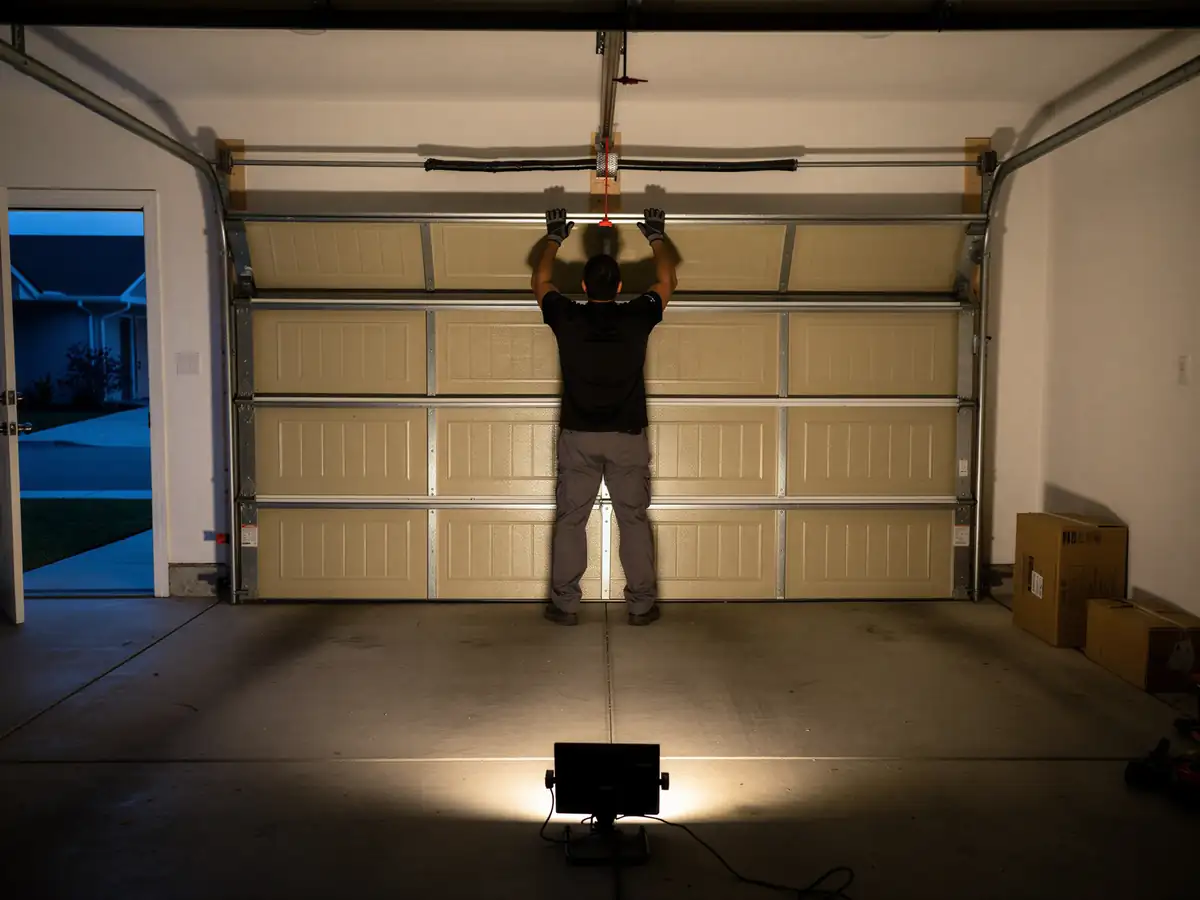
Given the 1974 median and the mild temperate climate across the service area, we're not dealing with the kind of weather extremes that wreck doors fast - no hard freeze-thaw cycles, no coastal salt air eating through tracks. What we do see is age catching up with original hardware: extension springs that have outlived their cycle count, galvanized cable starting to fray at the drum, and openers from the early safety-sensor era that are now a genuine fall hazard if they fail. Rollers on these older doors are often still steel-on-steel, which is noisier and wears the track faster than the nylon rollers that became common later. We also see a fair number of panel dents and alignment issues on doors that have simply been in service for decades without a tune-up. One honest limitation: if a door's spring size or drum isn't a stock match, we may need to order the part rather than finish same-visit, and we'll tell you that up front rather than improvise with the wrong spring.
What the Housing Means for Your Door
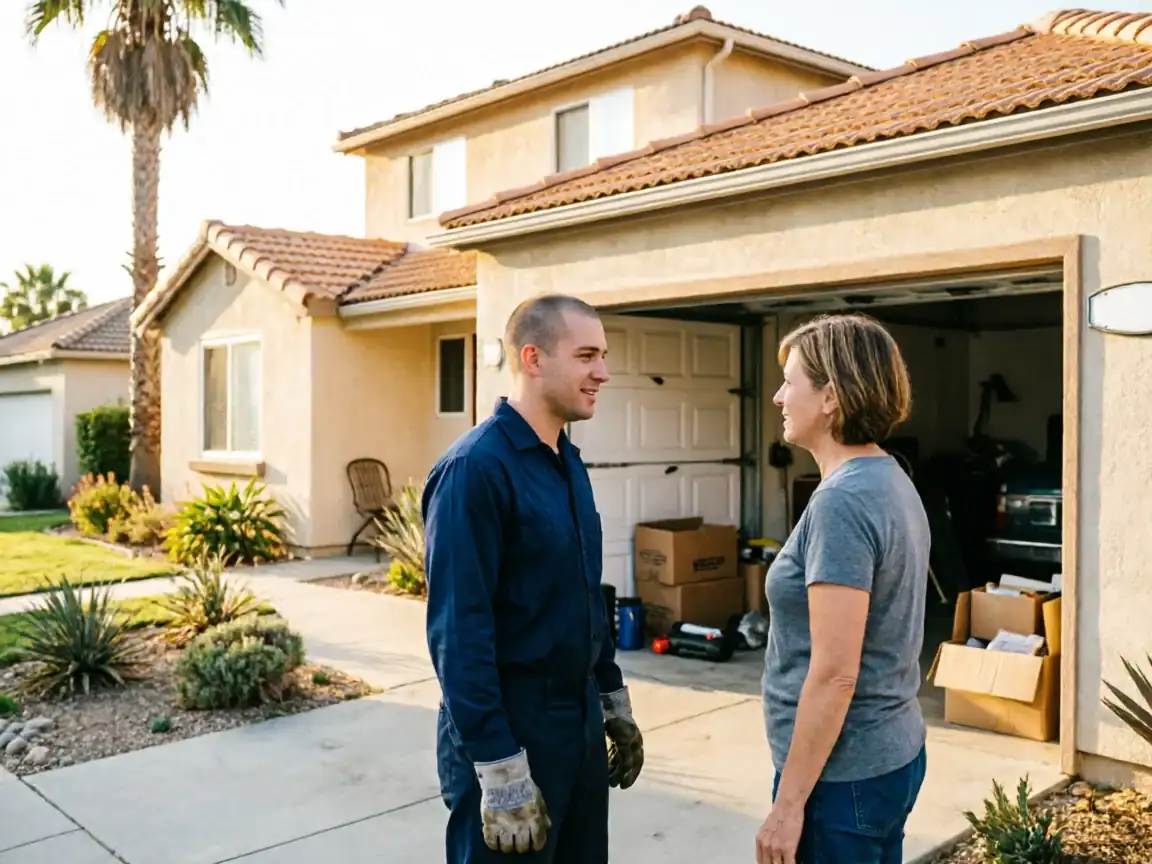
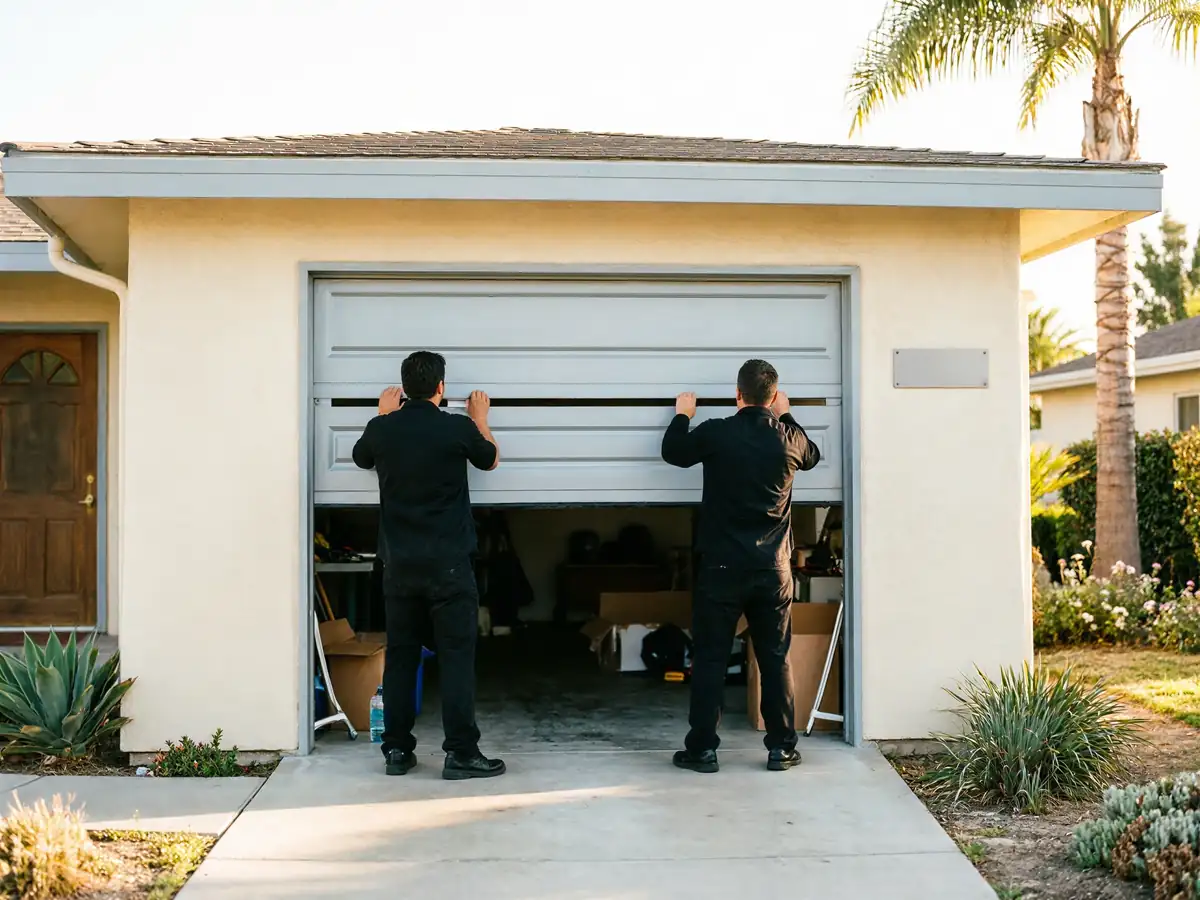
If your house in Green Valley dates to somewhere near 1974, the safe assumption is that you're due, or overdue, for a hardware check even if the door still opens fine. Doors don't fail gradually in a way most owners notice - a spring holds until it doesn't, and a cable frays until it snaps under load. At $114,500 median household income, a fair number of homes here have already put money into kitchen or roof updates and skipped the garage door because it still works. That's understandable, but it's also exactly the kind of deferred system that fails without warning. We travel out from Fairfield for service calls here, so there's no local depot or stocked truck waiting around the corner, but we do bring the parts that match this area's typical hardware era based on what we've learned job to job. If your door is original to a 1970s build, replacement is often the more sensible call over patching a fourth component on hardware that's outlived its intended life.