What Was Built Here
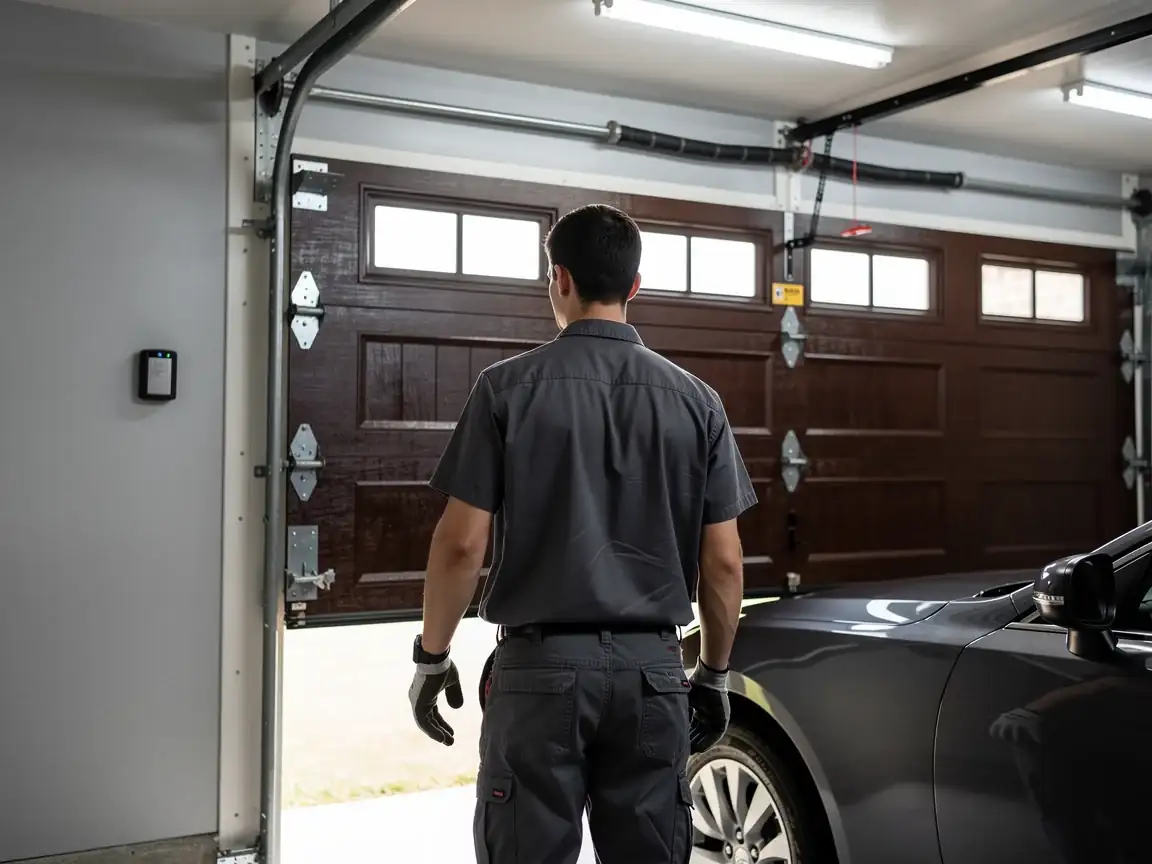
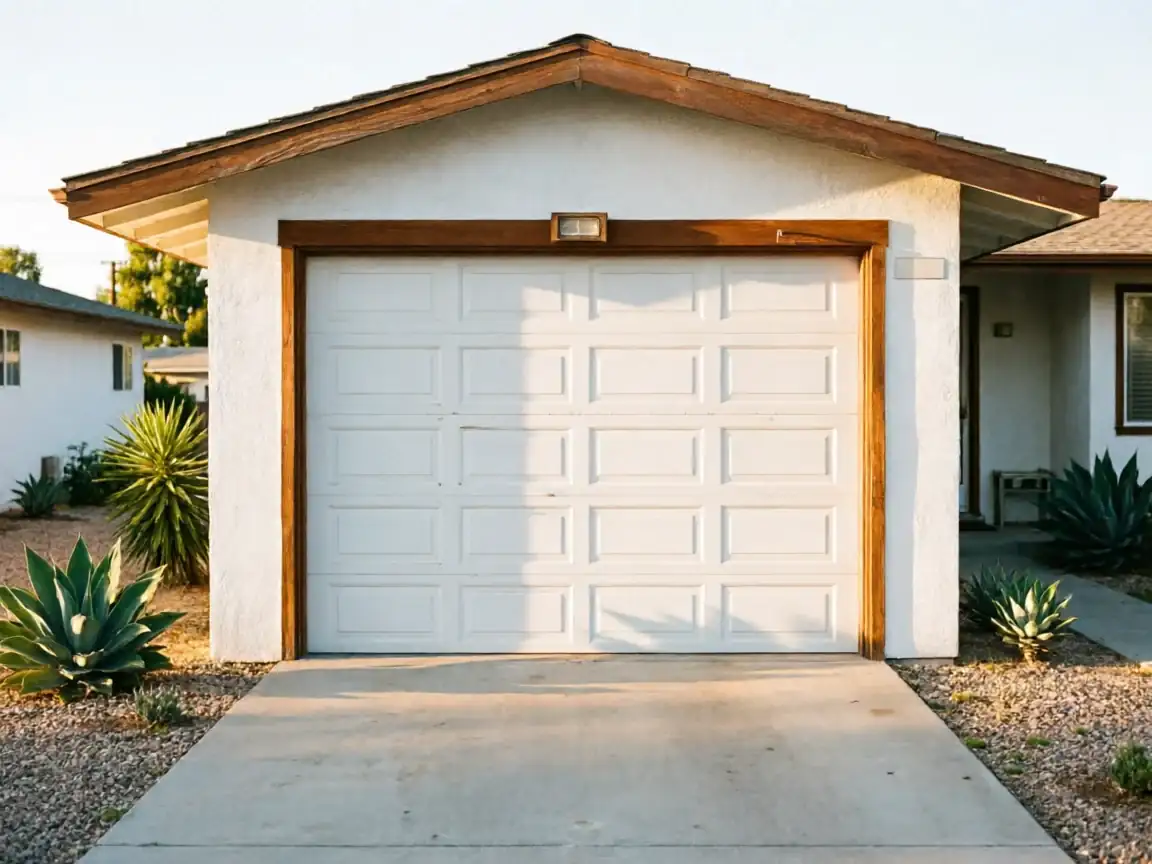
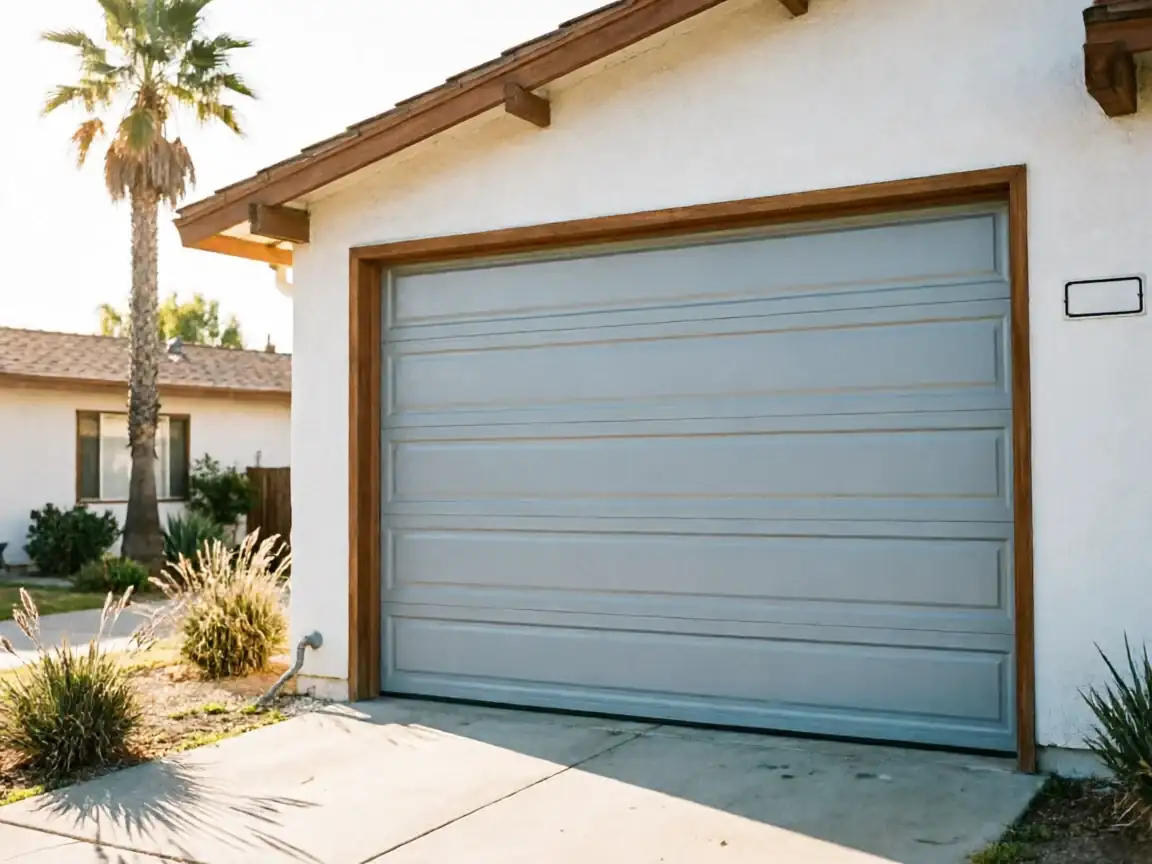
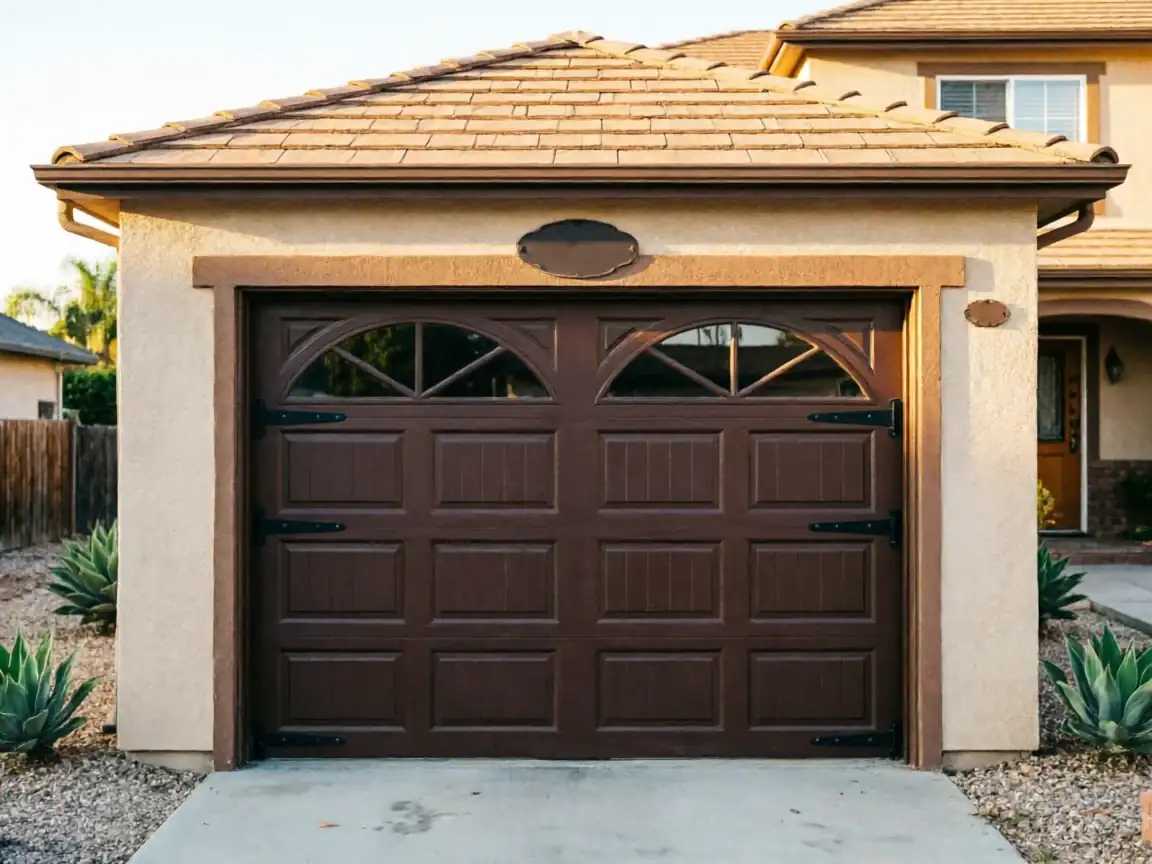
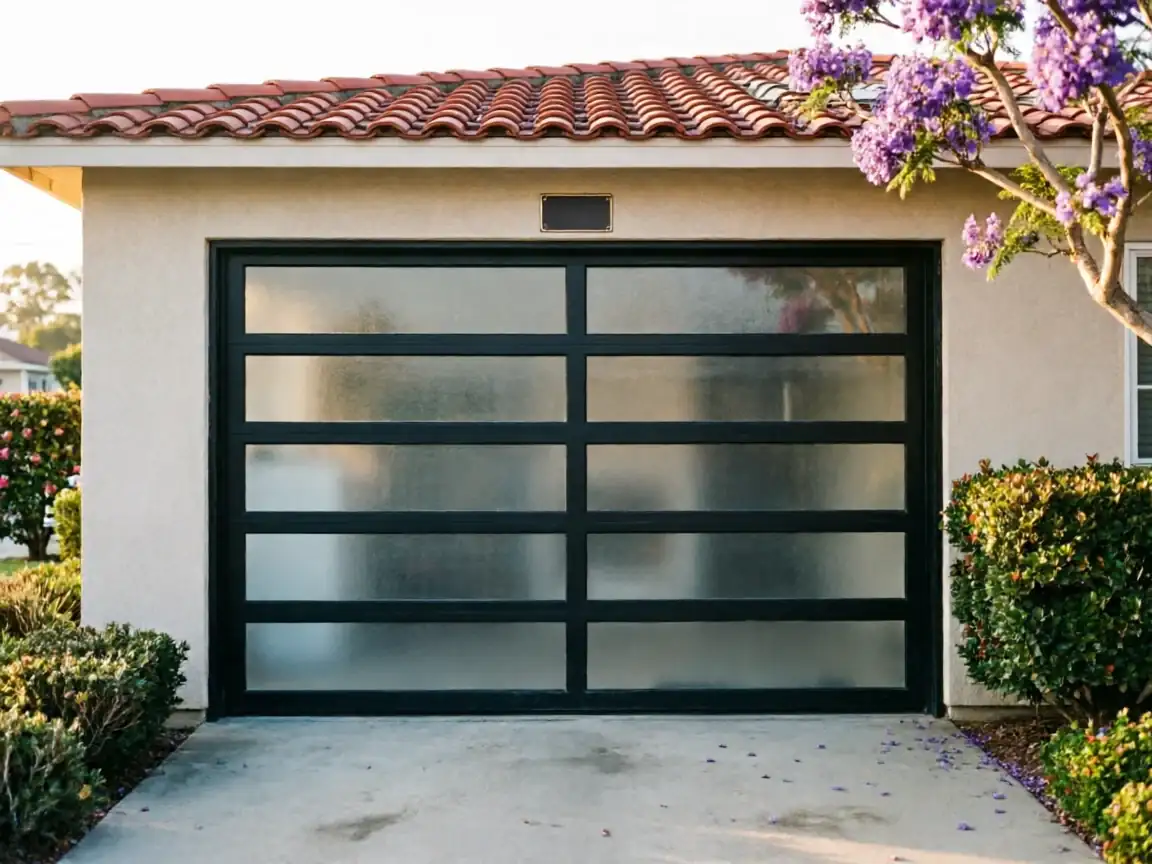
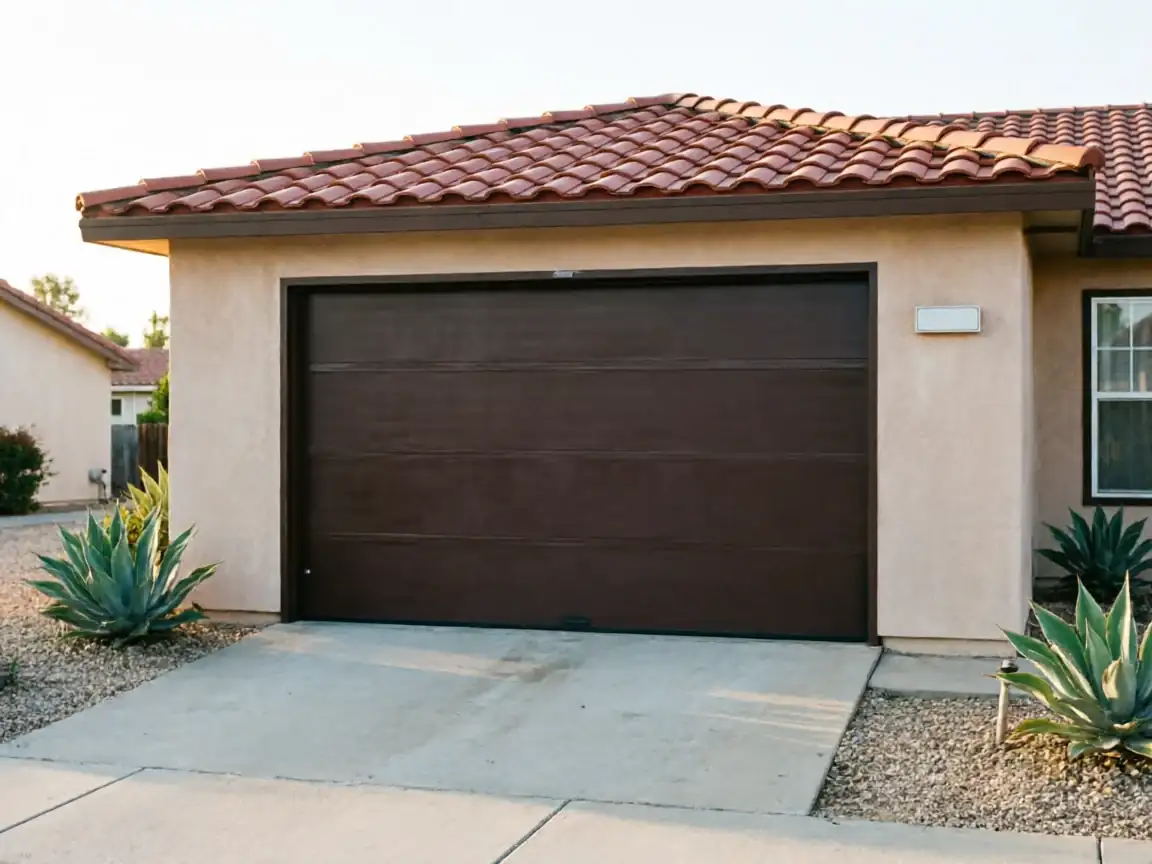
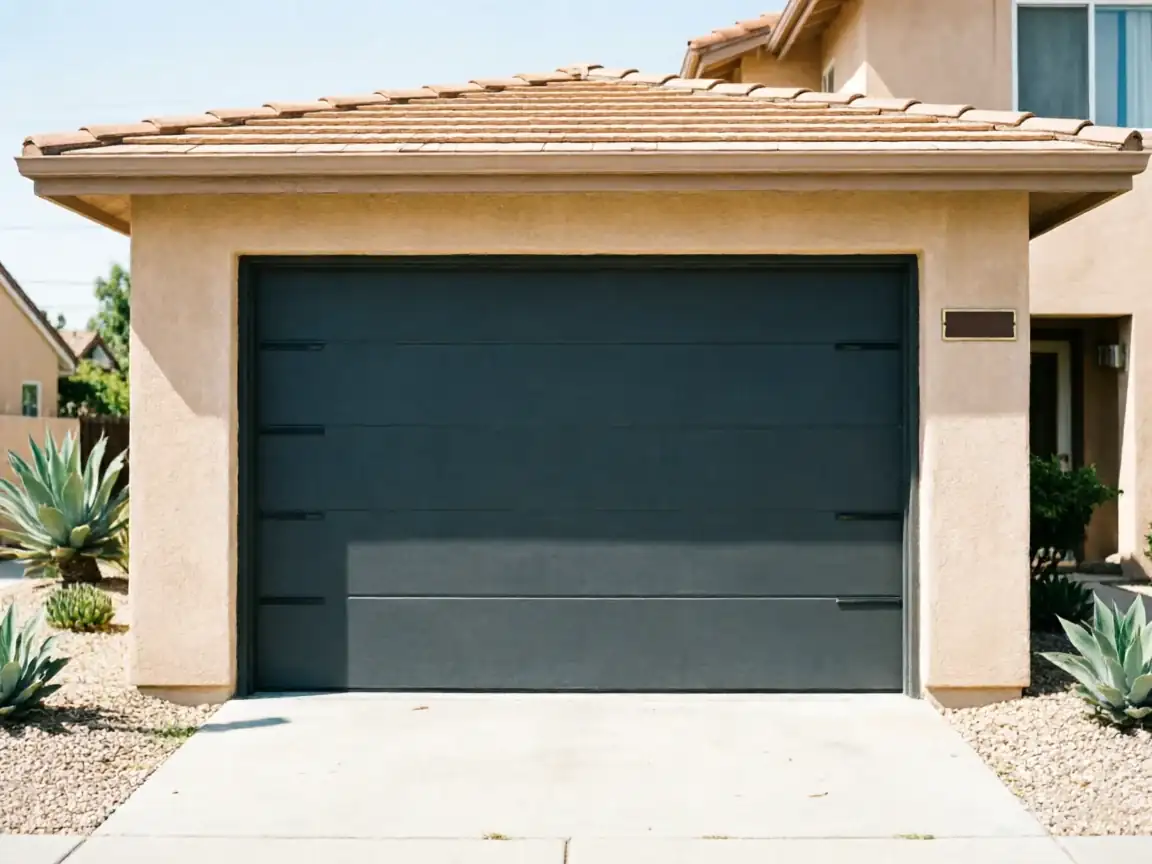
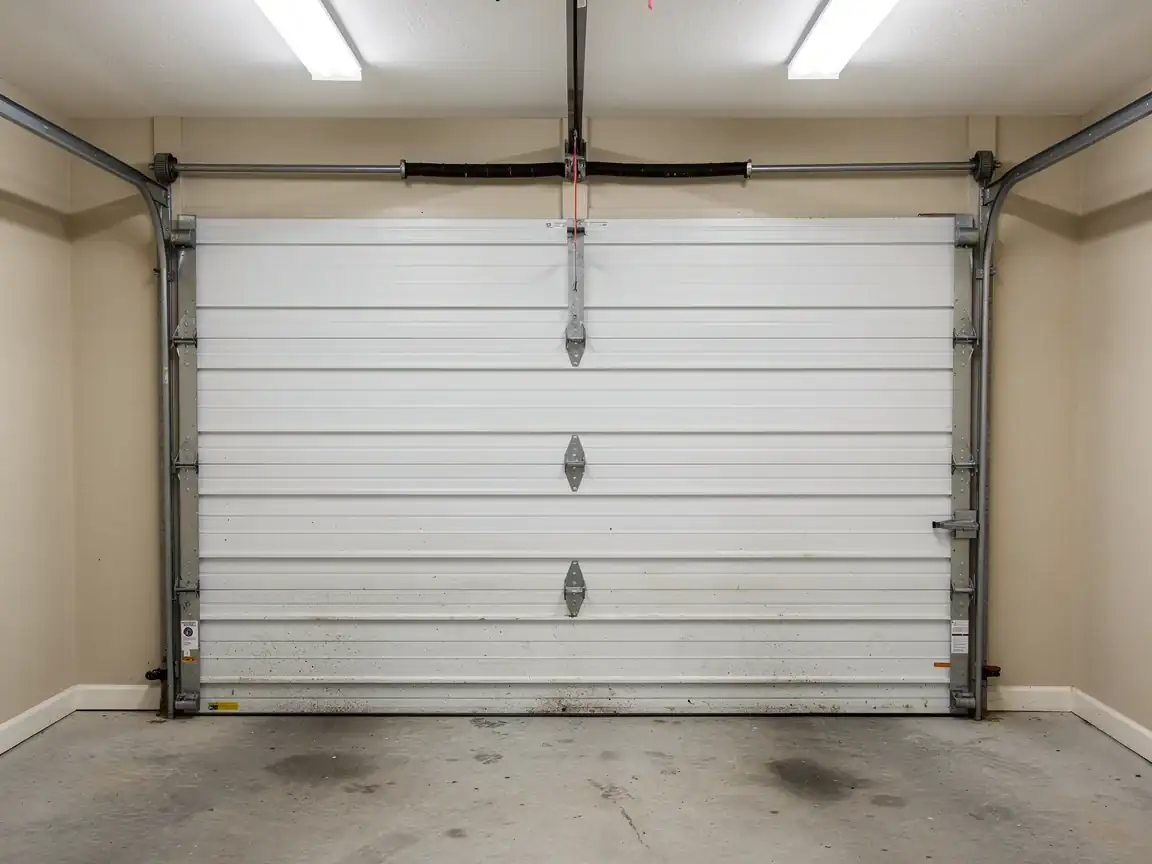
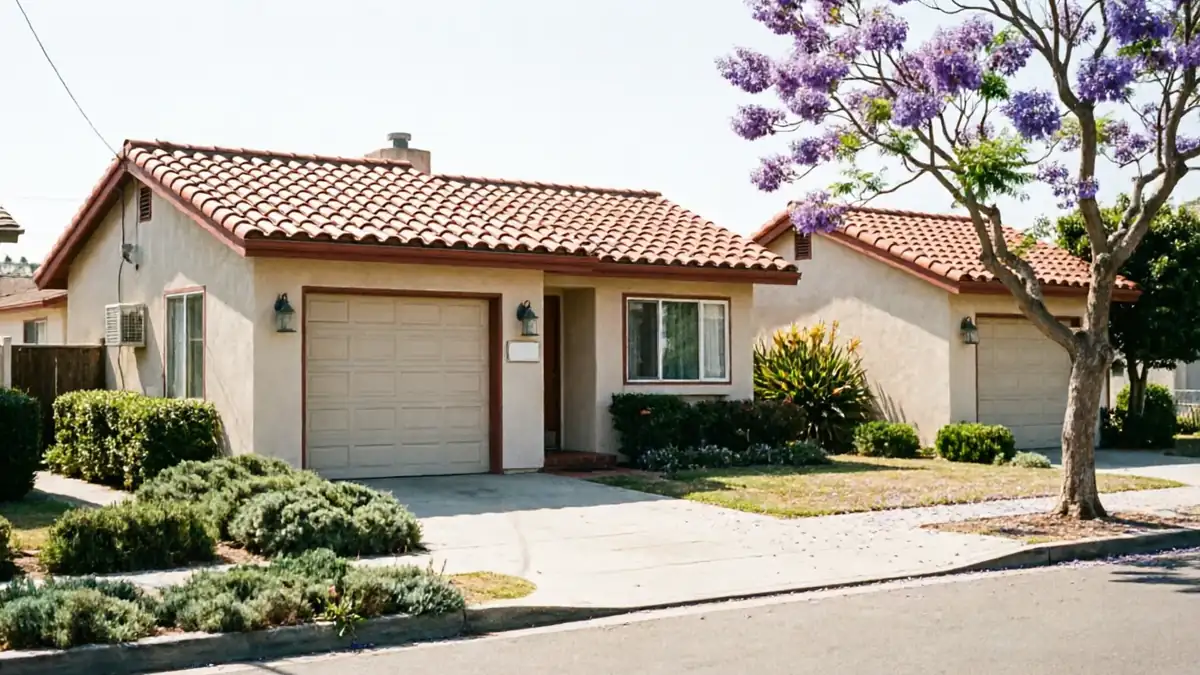
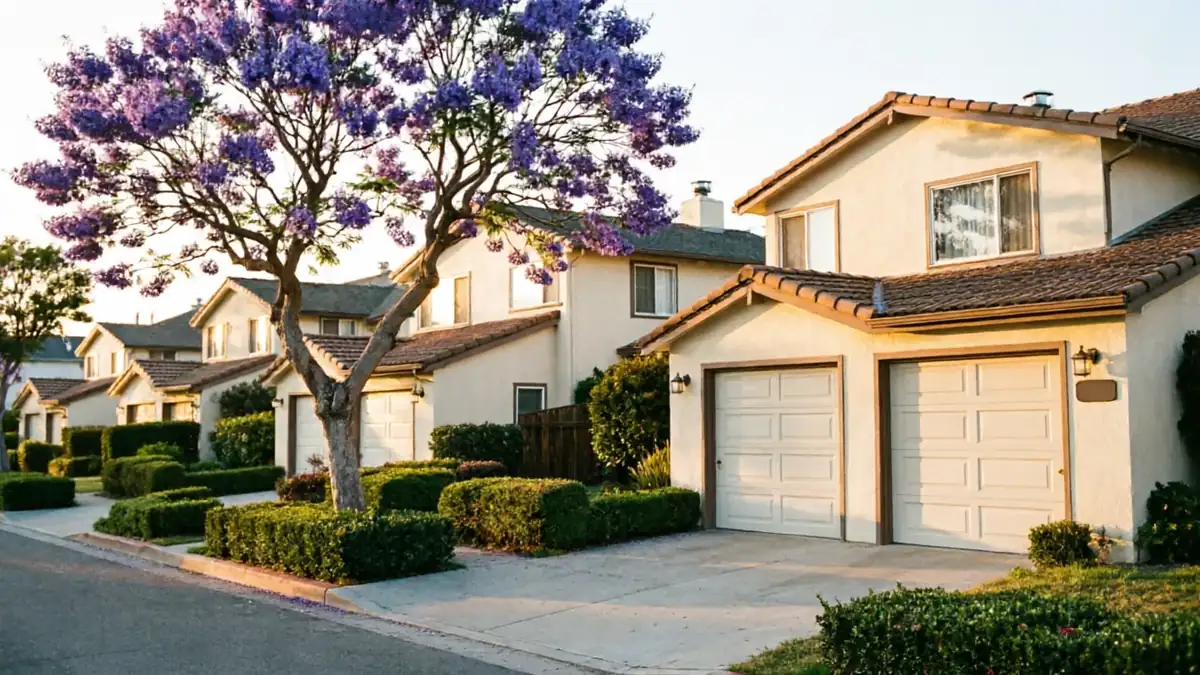
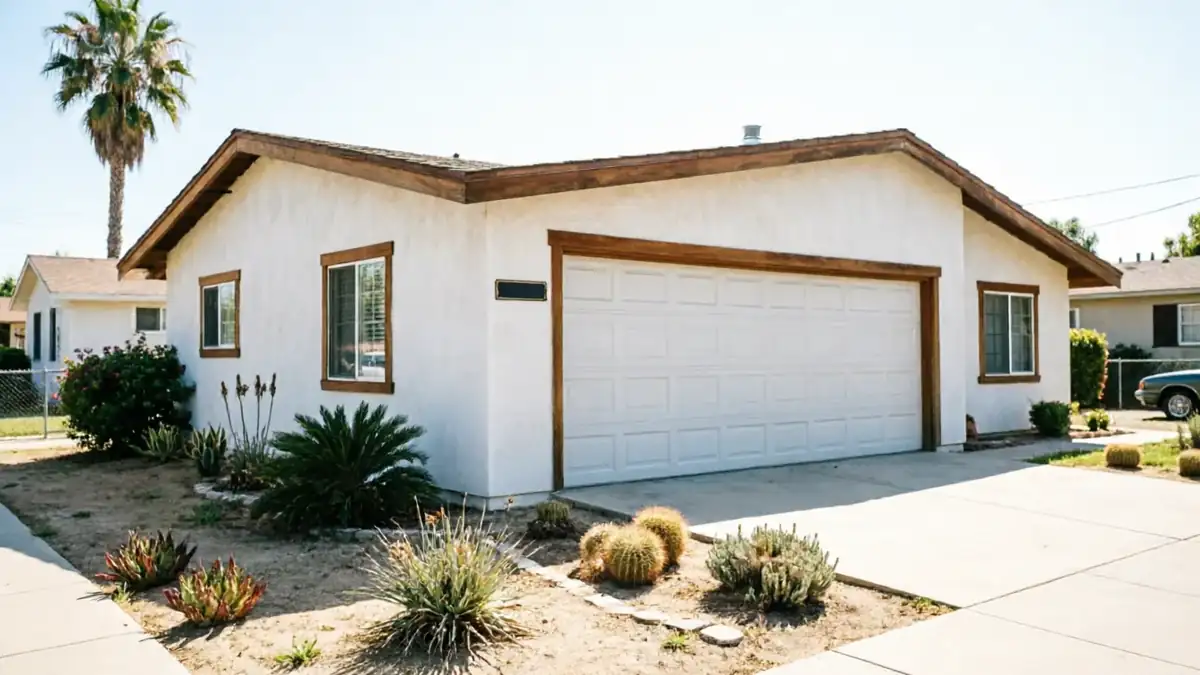
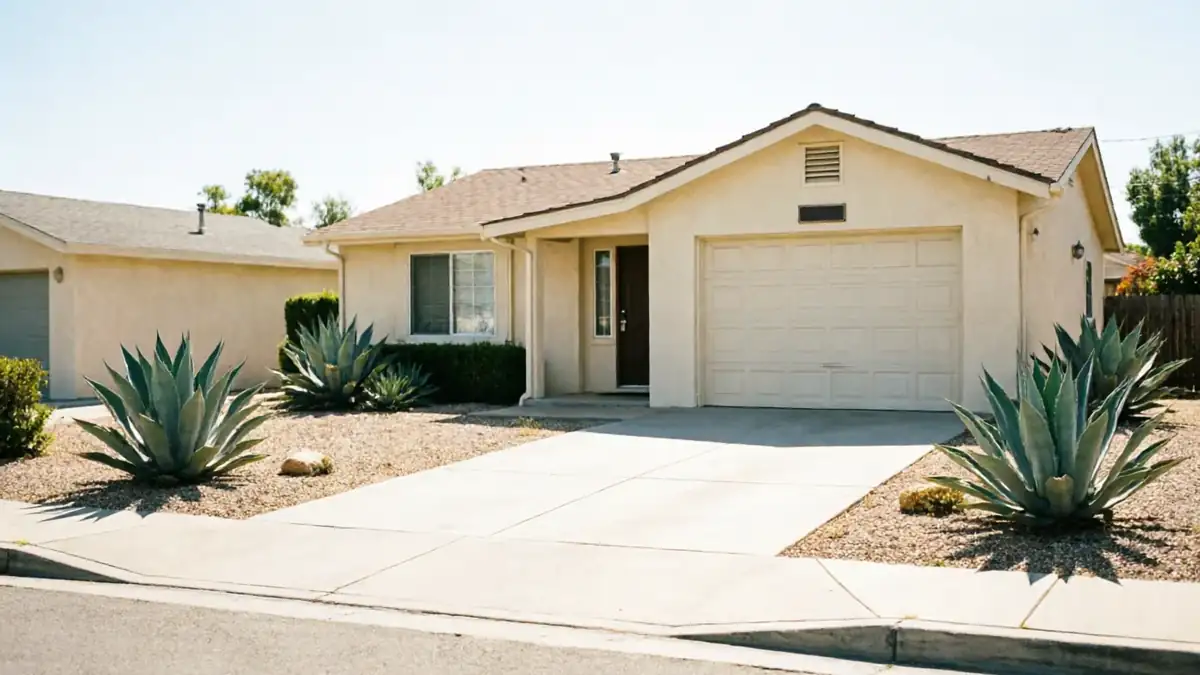
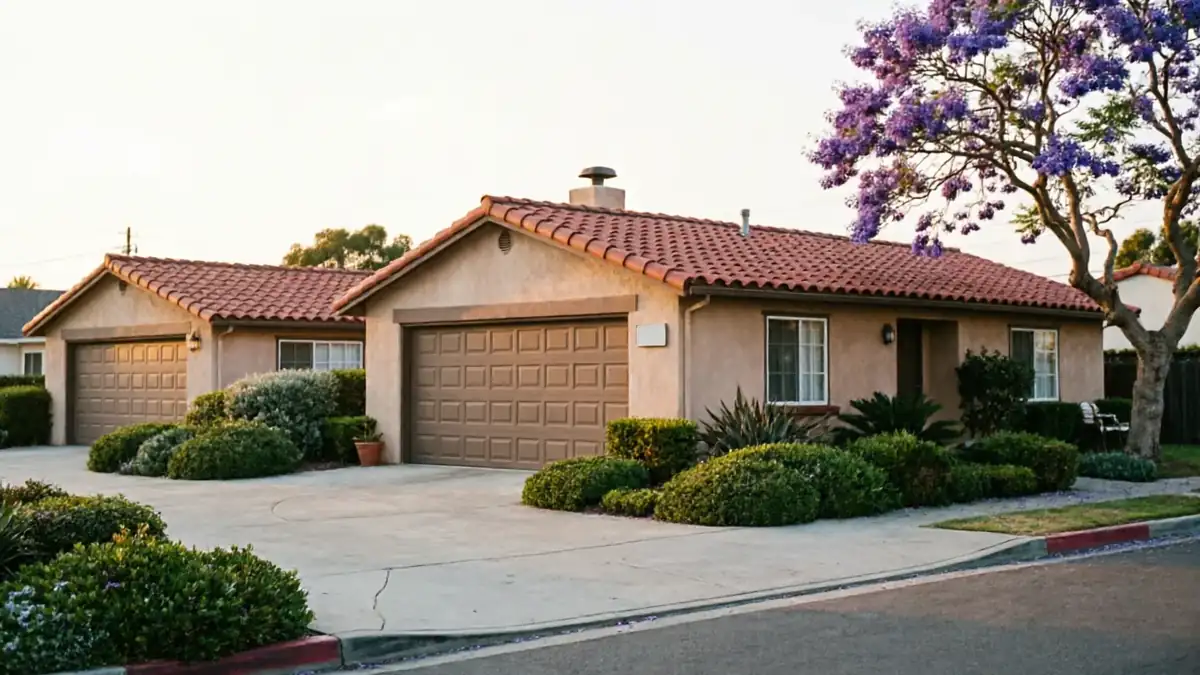
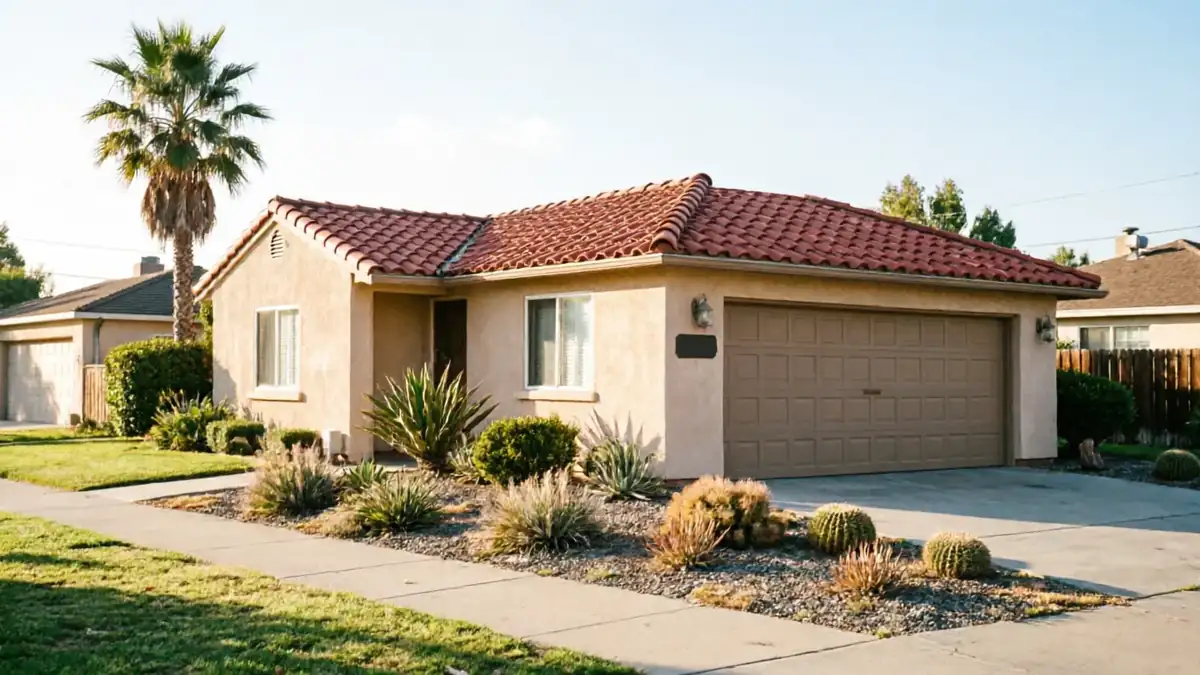
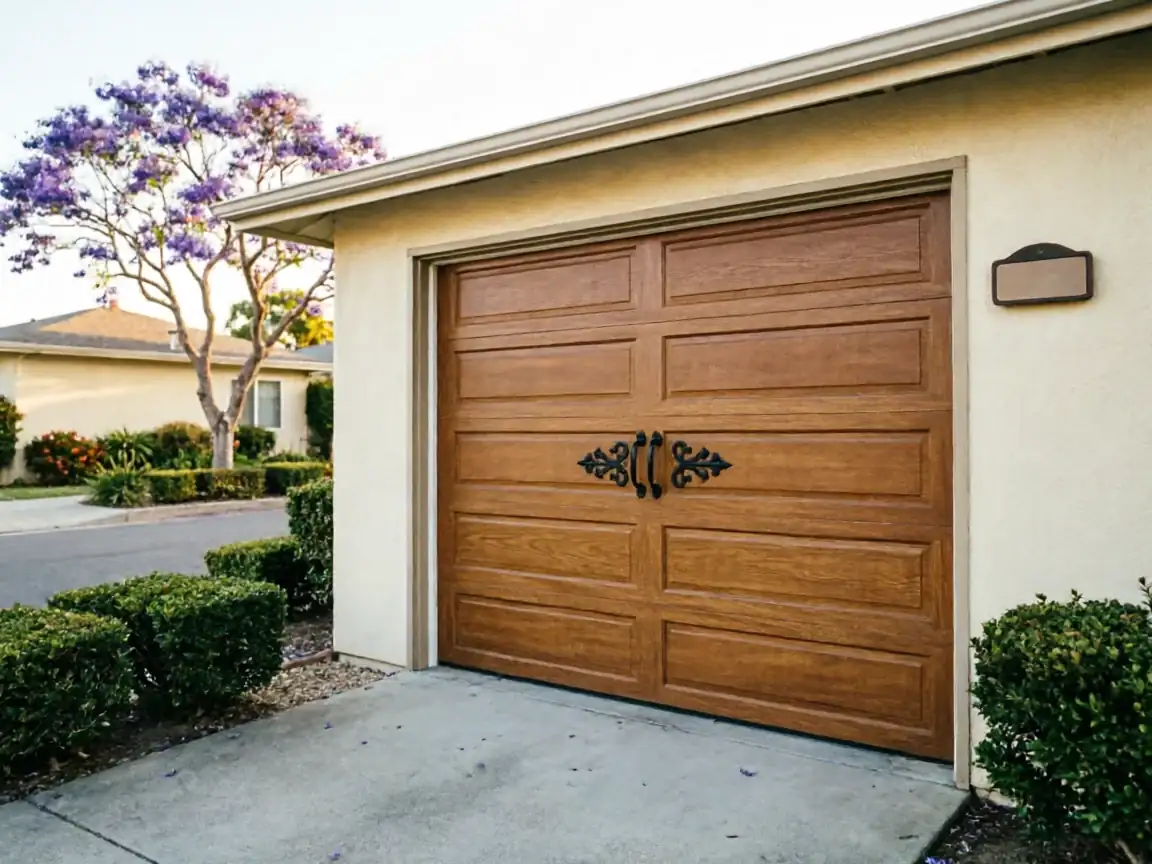
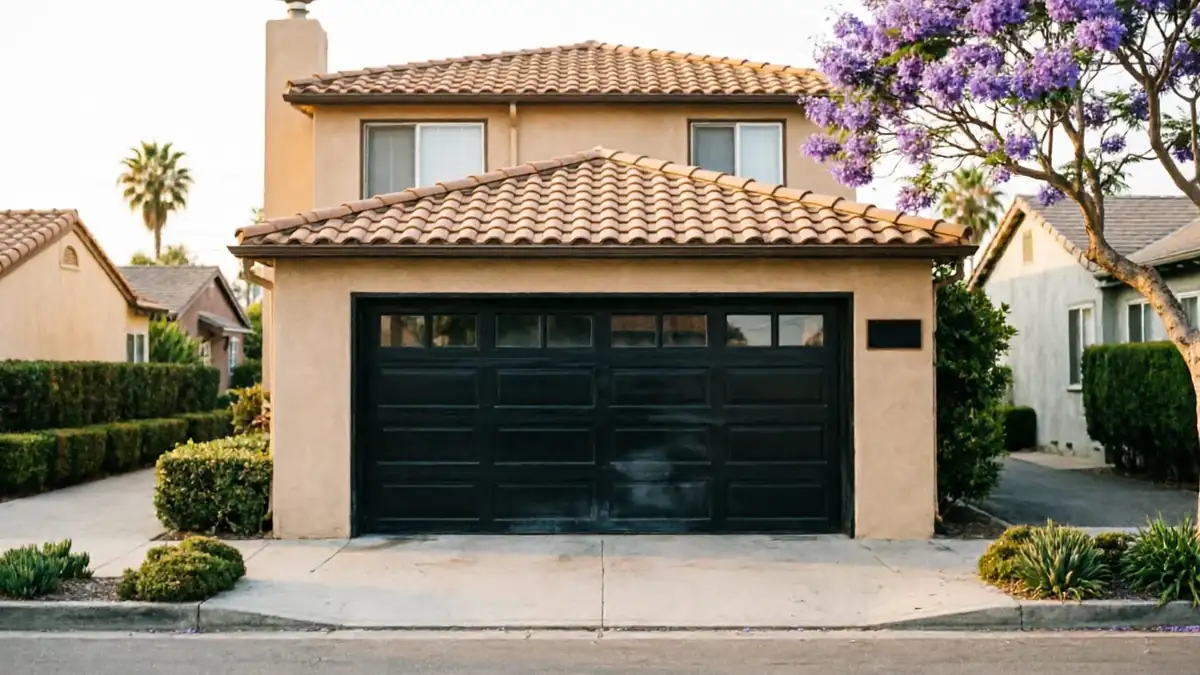
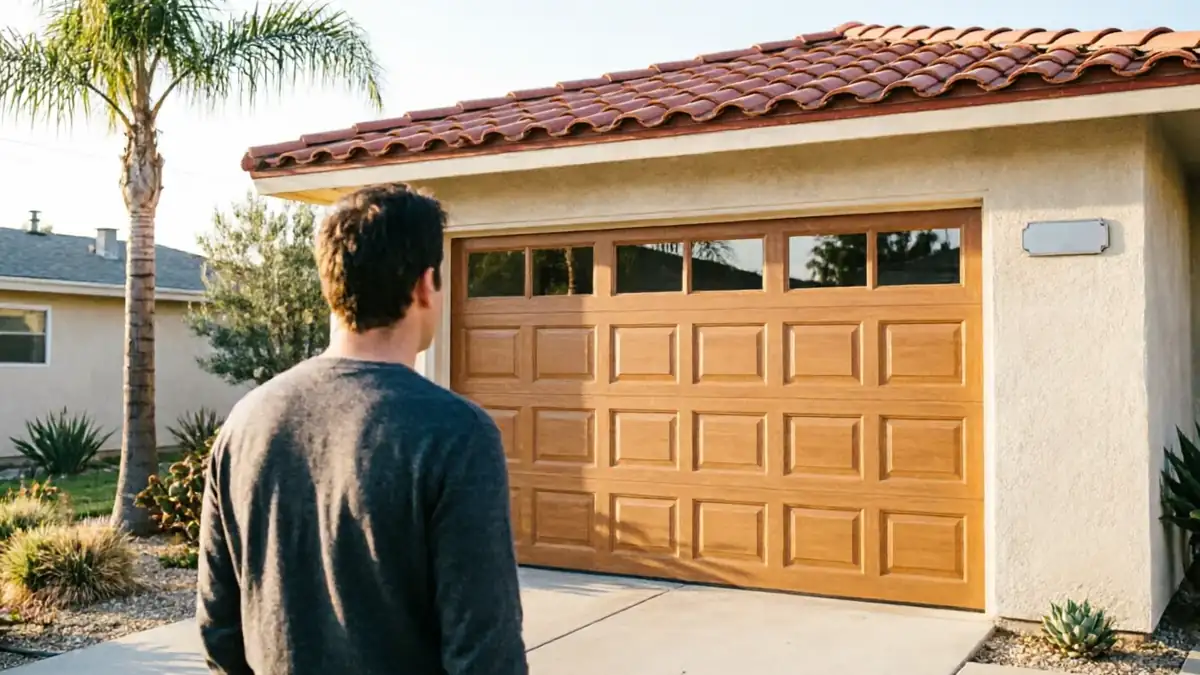
Rio Vista sits apart from the rest of the service area in one big way: the houses are newer. Where the broader Fairfield coverage area runs from 1938 up through 2002 with a median build year of 1979 and most of that stock dating to the 1960s and 70s, Rio Vista's median build year lands right at 2002. That's a gap of over two decades. It means the garage doors and openers out here are, on average, a different generation of hardware entirely - steel panel sectional doors on extension or torsion springs matched to lighter openers, not the heavier one-piece doors and older relay-switch units you still find on the 1960s side of the service area. With about 5,110 households in Rio Vista, the volume of newer-build doors here is real, and it changes what actually breaks.
The Usual Work Here
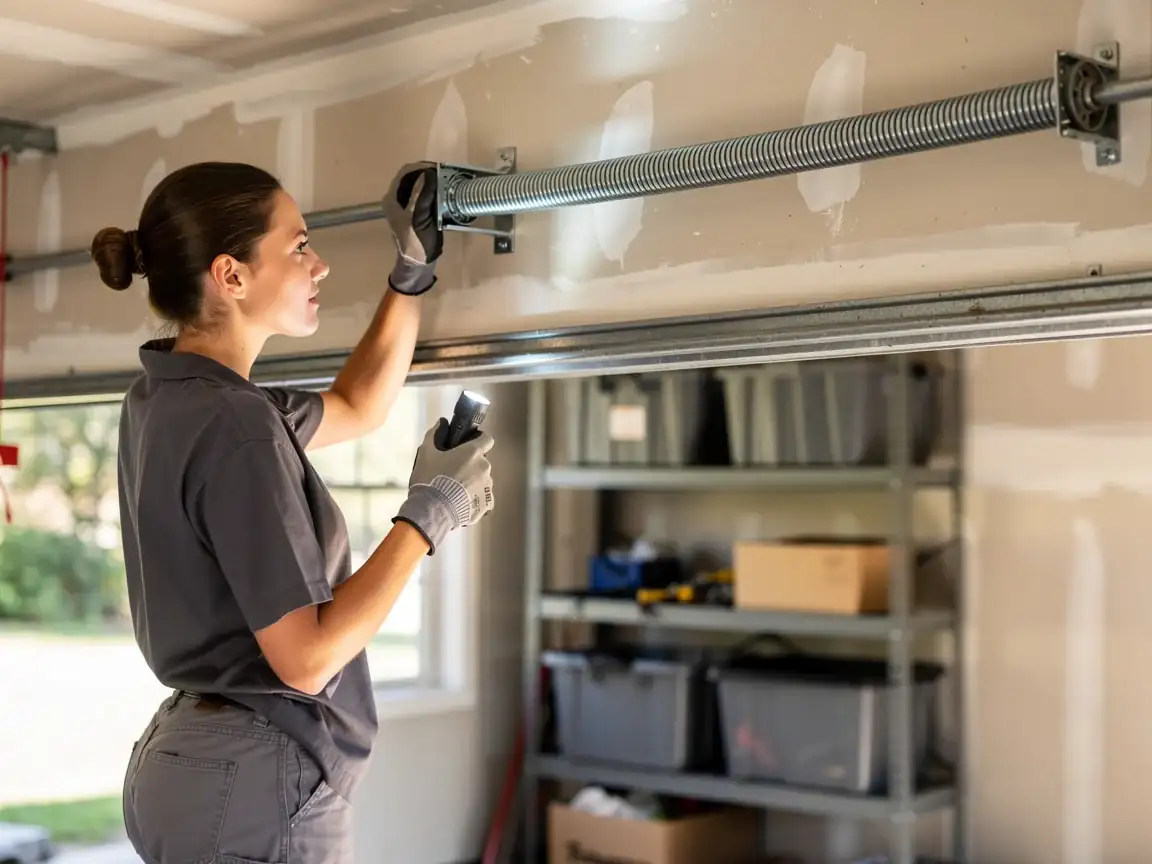
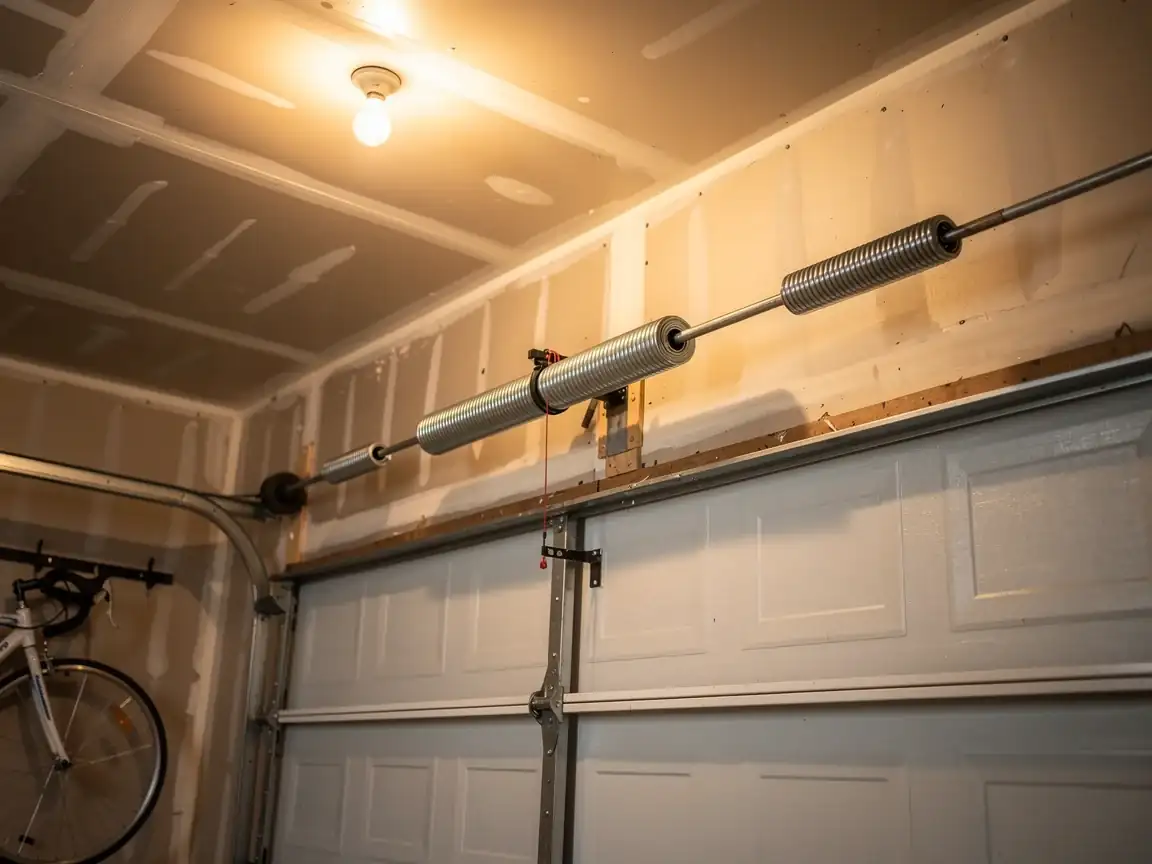
On a 2002-median build, the most common calls are spring replacement on doors hitting their service life, opener logic board failures on first-generation openers that are now two decades old, and worn rollers or cables on doors that have seen daily use since the house was built. We don't see much of the old one-piece hardware or obsolete relay openers that show up on older streets elsewhere in the area - Rio Vista's stock is young enough that most jobs are straightforward parts swaps rather than full system replacements. One honest limit: if a specific opener board is out of production, we'll tell you upfront rather than chase a part that may take weeks to source, and talk through a straight opener swap instead.
What the Housing Means for Your Door
A median household income of $86,970 in Rio Vista, against $102,938 across the wider service area, tends to show up in how owners approach repair versus replace: a targeted spring or roller fix is almost always the better call here than a full door swap, and the newer hardware base makes that math work more often than not. Being about 19 miles out from Fairfield, this is a destination call rather than a stop on a route, so we plan the visit with the parts for the job already on the truck based on what you describe over the phone. Mild temperate conditions here don't put the stress on hardware that freeze-thaw climates do, so most failures trace back to age and use, not weather.