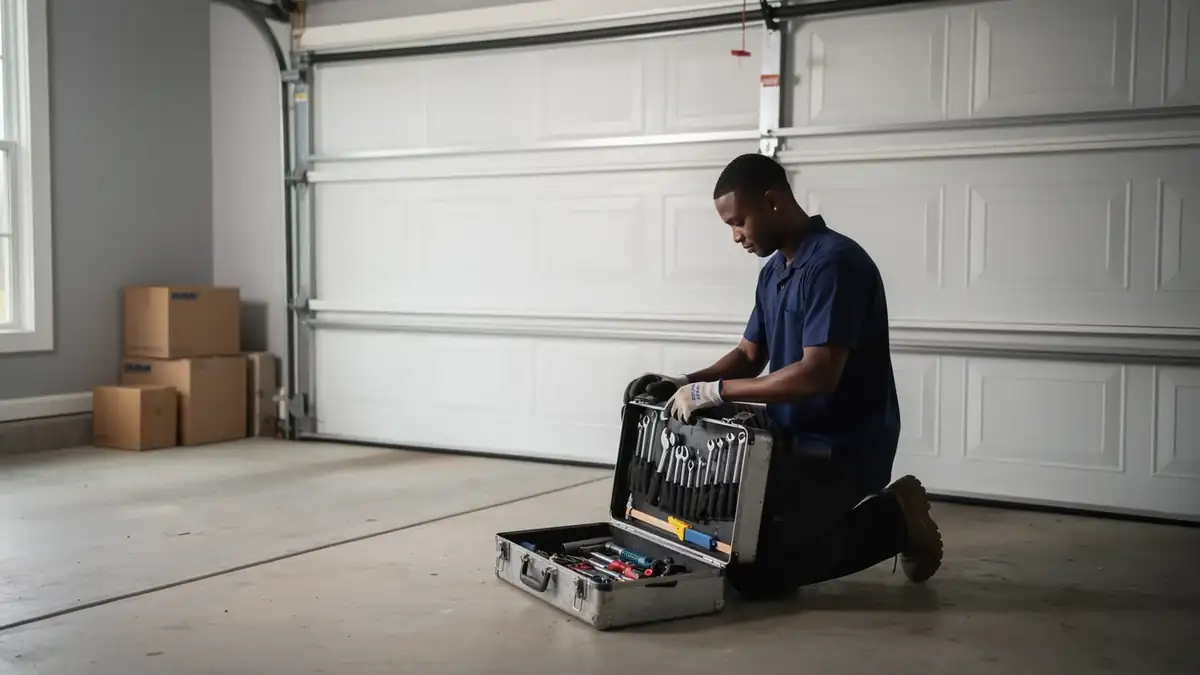
What to Check
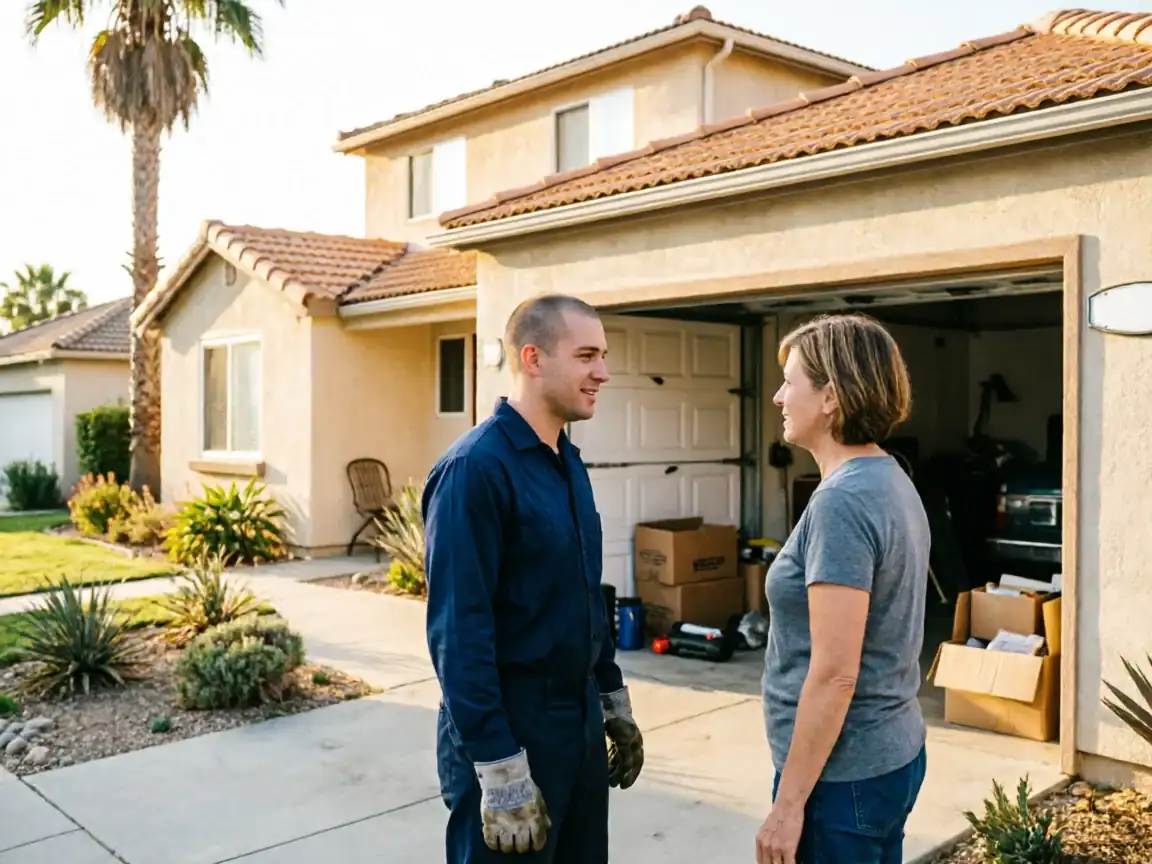
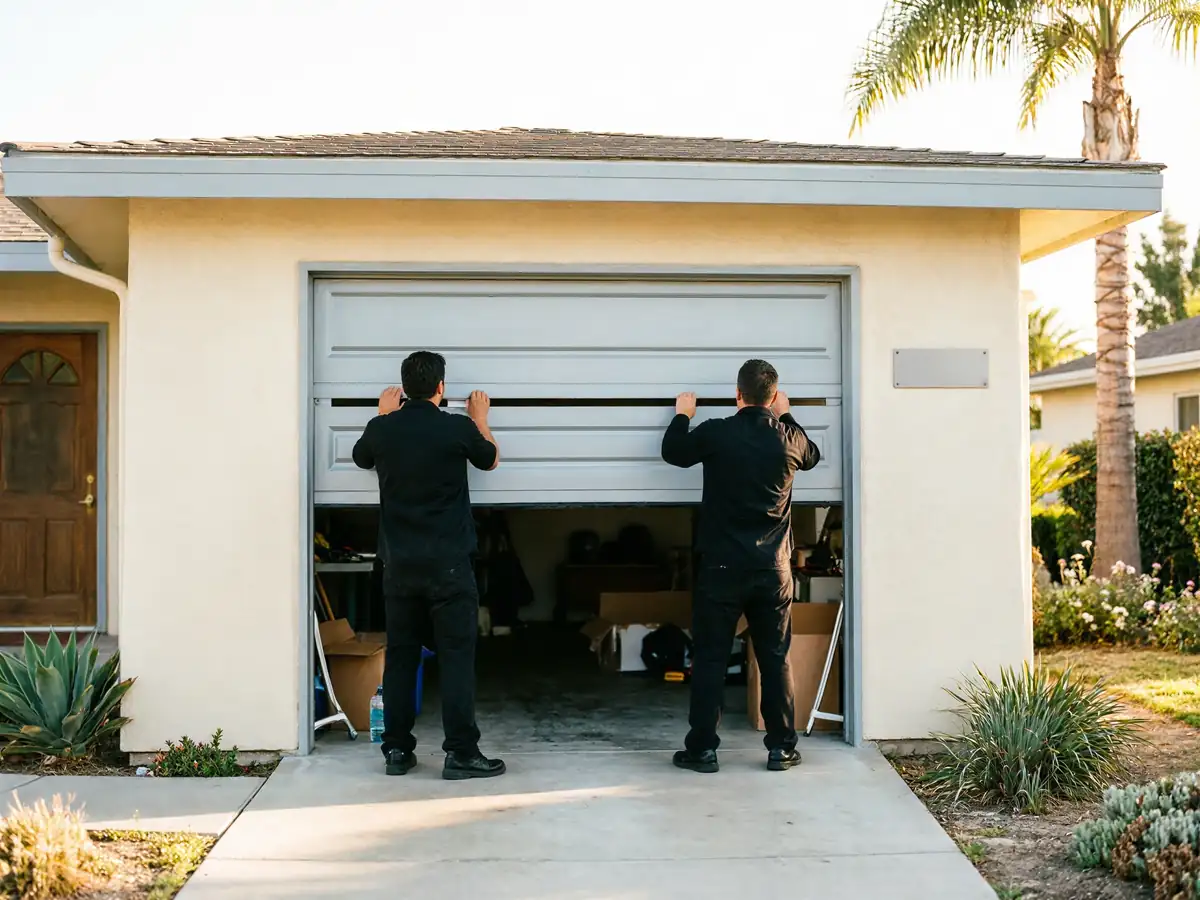
When we show up for a service call in Fairfield, we're not just tightening a bolt and leaving. Most of the houses we work on here were built between 1938 and 2002, with the bulk of that stock going up in the 1960s and 70s across the area's older neighborhoods. That means a lot of original torsion springs, steel rollers that have never been swapped, and openers that are on their second or third remote but still running the same drive gear from decades ago.
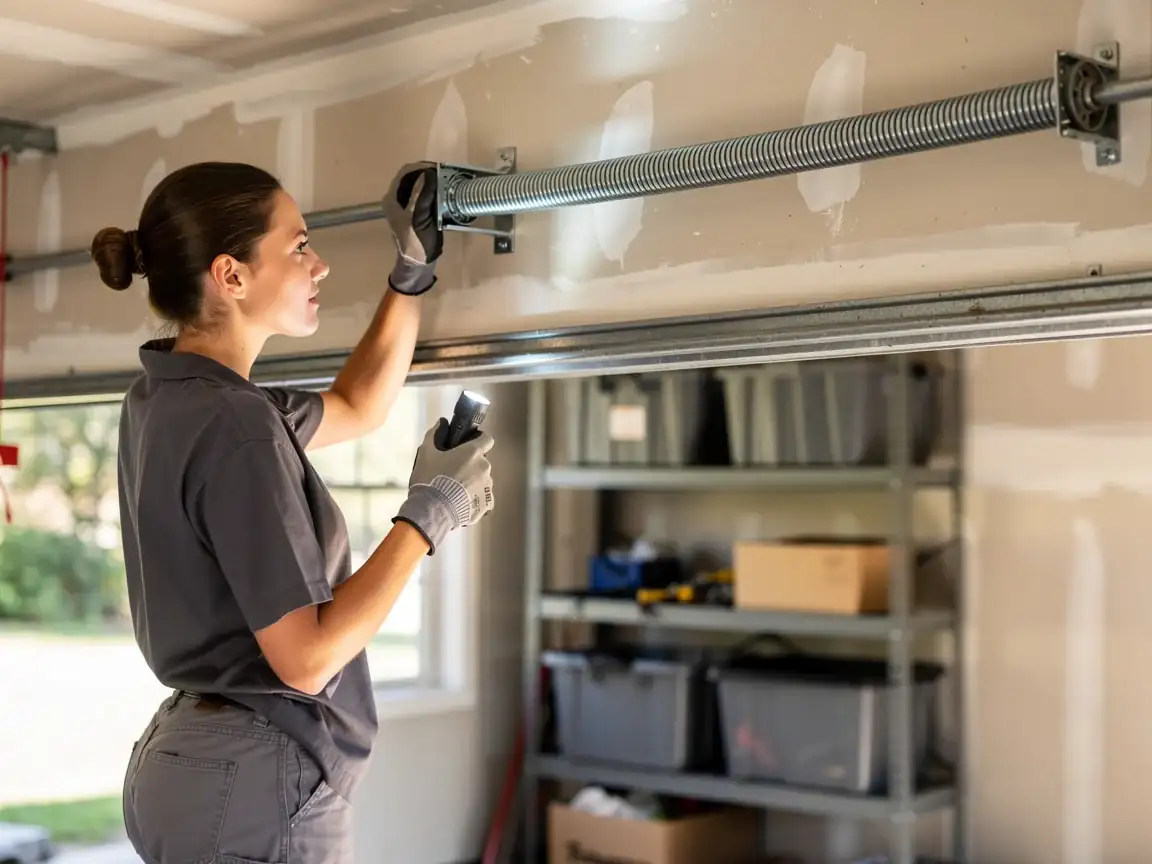
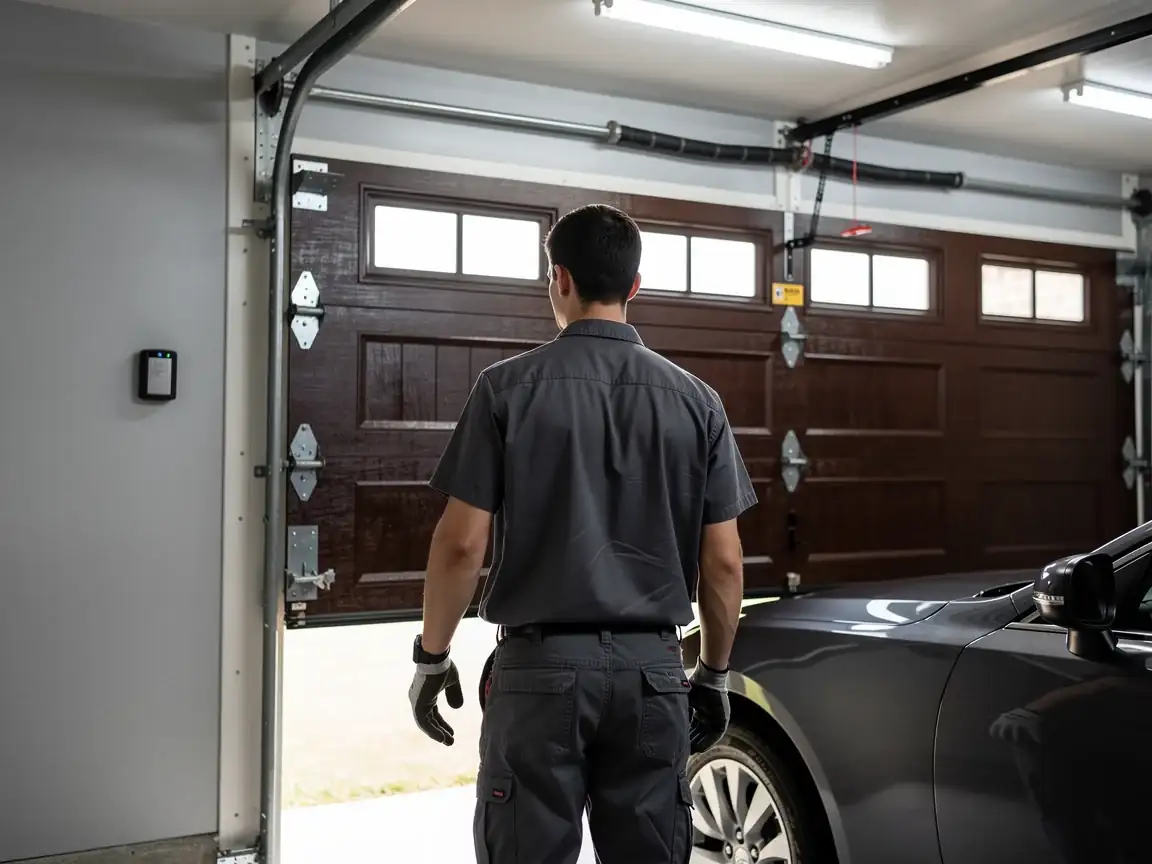
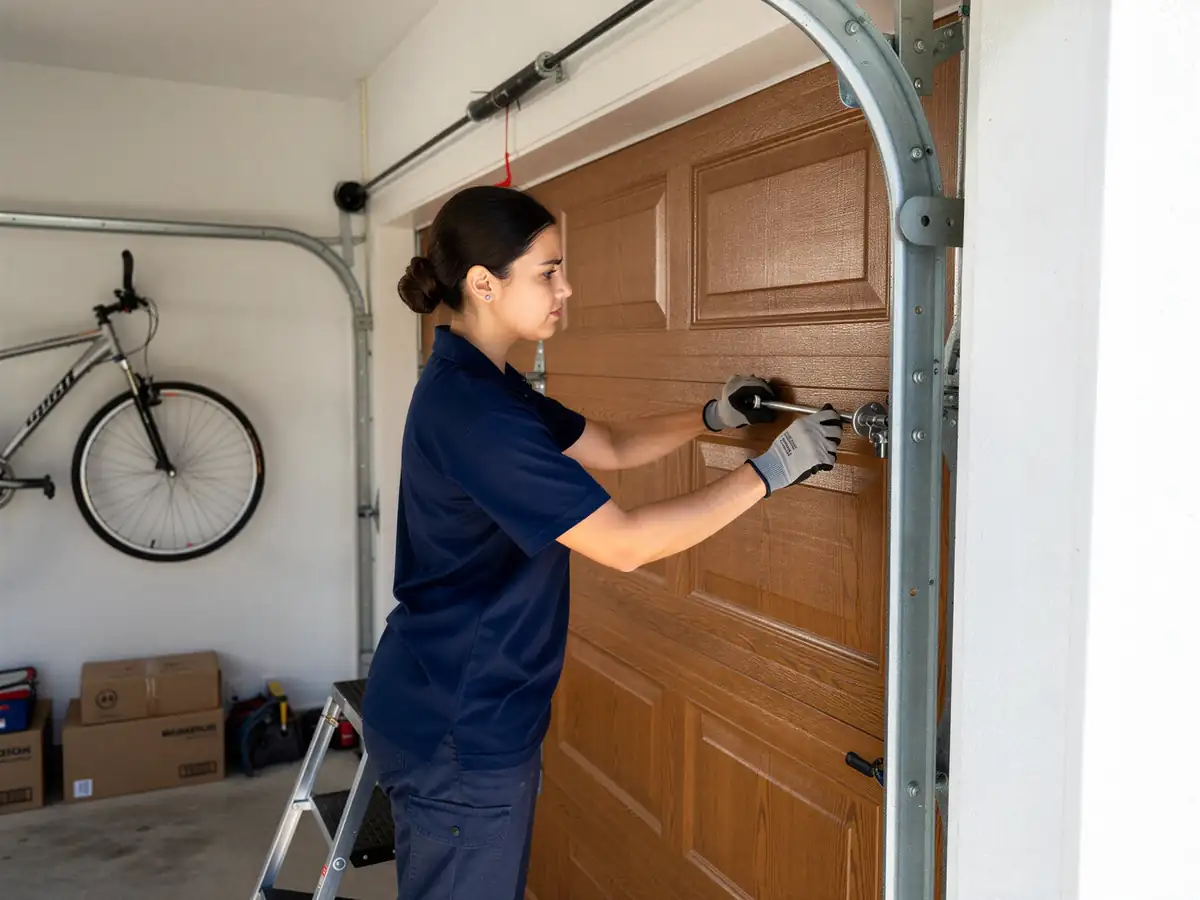
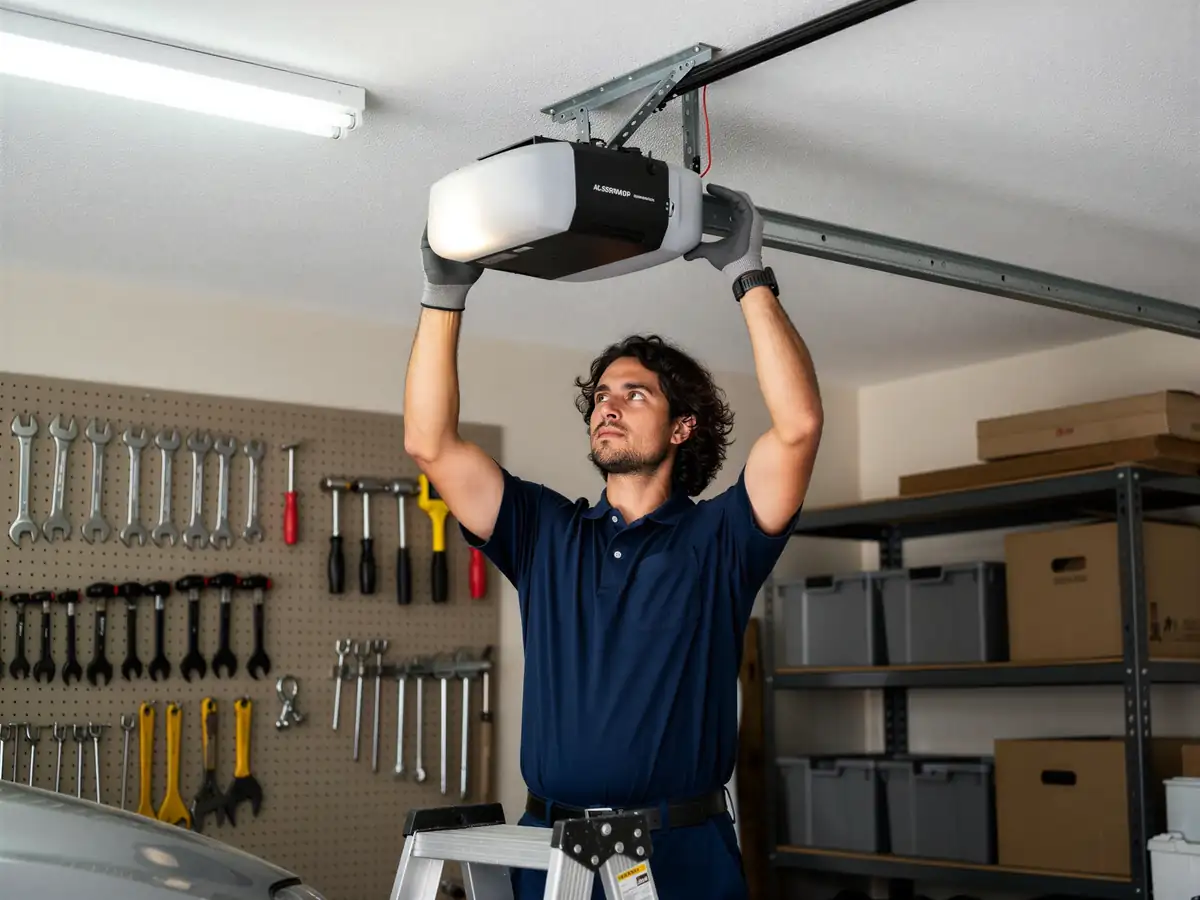
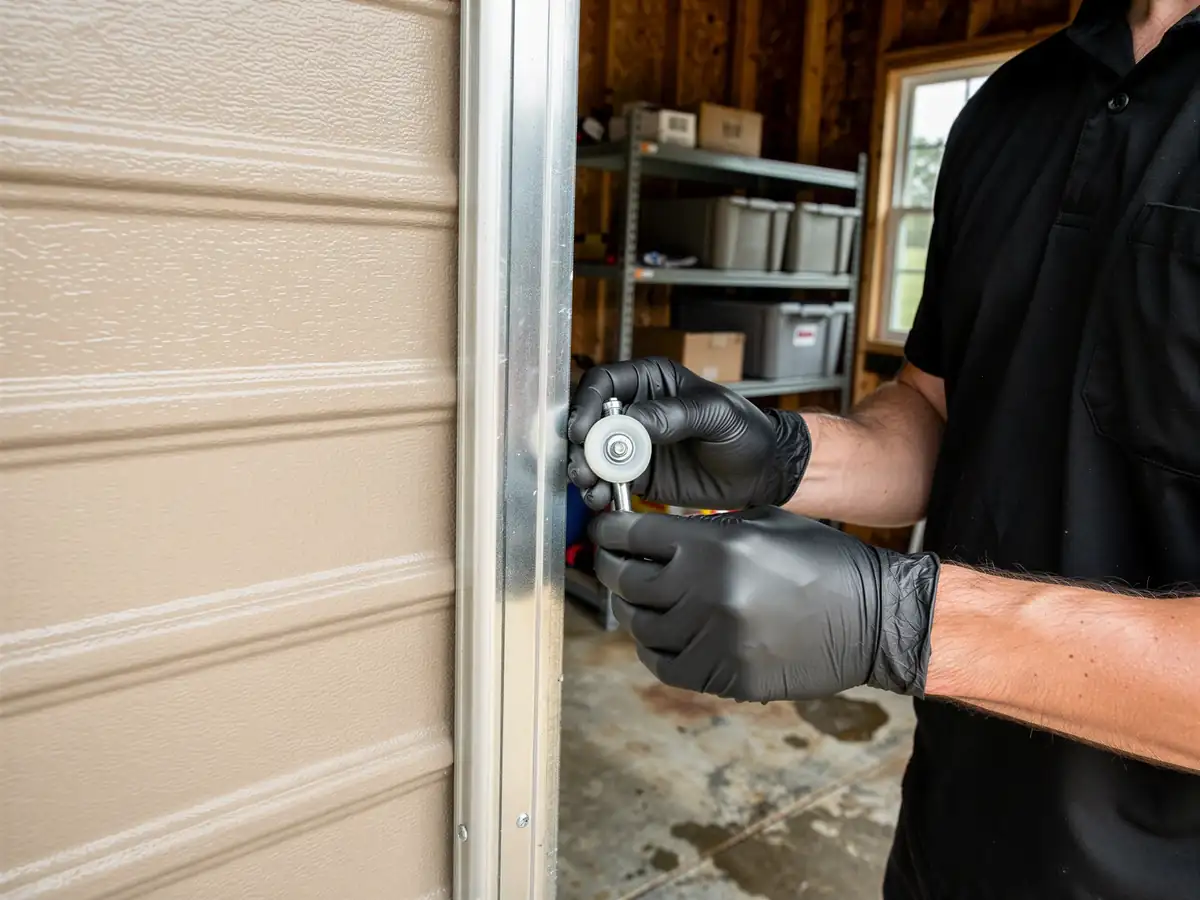
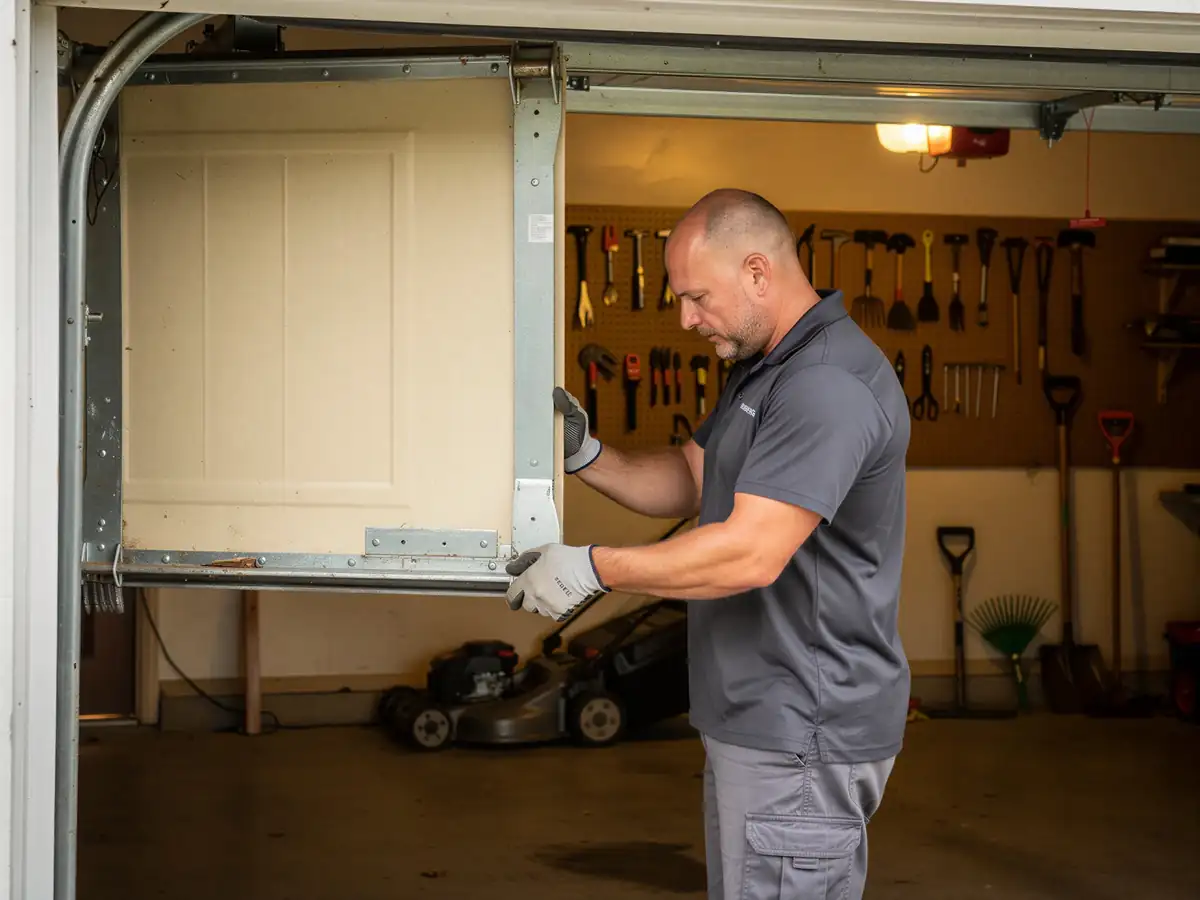
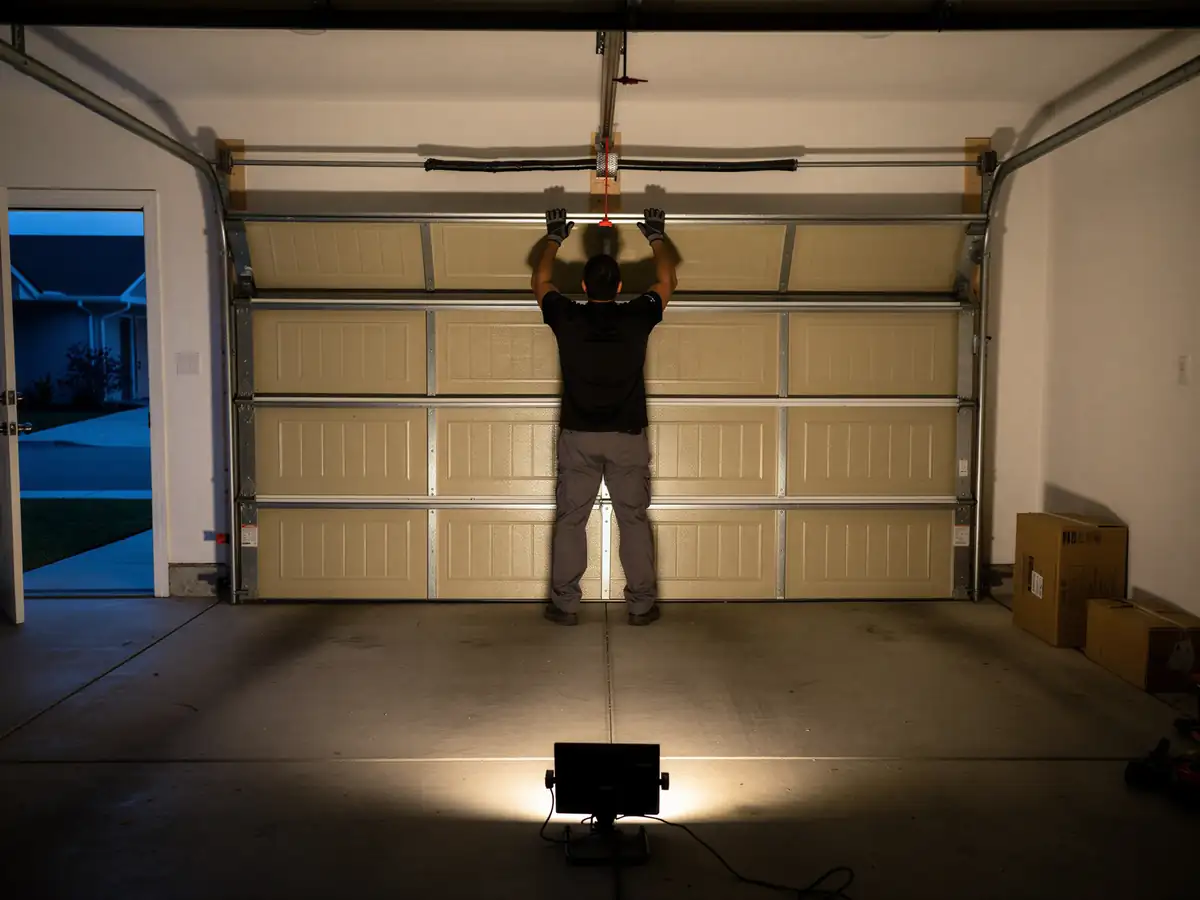
We start at the spring. Torsion springs on a door this age are usually undersized for today's heavier insulated panels, if the door's ever been upgraded. Next we check cable fray at the drum, track alignment (slab foundations shift slowly here and knock tracks out of plumb over the years), and the opener's force settings, which get bumped out of range more often than owners realize. We also check the weatherstrip at the bottom panel and the header seal, since a lot of these garages were never sealed tight to begin with.
We don't replace parts that don't need it. If a spring still has life and the drum isn't grooved, we leave it. A service call should tell you what's actually wearing out, not sell you a full teardown.
What Local Conditions Do
Fairfield sits in a mild temperate band
Which sounds like good news for a garage door, and mostly it is. No deep freeze cracking seals, no monsoon humidity swelling wood panels. But mild doesn't mean static. The swing between a cool, damp morning and a hot afternoon here still works on steel and nylon parts, just slower than it would somewhere with harsher winters.
What we actually see is dry rot in rubber astragal seals that never got replaced
Because nobody thought a mild climate would age them. We see nylon rollers going brittle from UV exposure on west-facing garages, since there's no snow load or ice to distract from sun damage. And we see galvanized hardware holding up fine for decades, longer than it would in a wetter region, which is part of why so many original 1960s and 70s torsion setups are still technically functional, just worn past the point of smooth operation.
The honest version: this climate is easy on a garage door compared to most of the country
It just means the failures that do show up are slow, grinding wear rather than sudden damage, and owners tend to ignore them longer because nothing ever looks urgent until the day it is.
Season by Season
There isn't a hard winter or a monsoon season driving Fairfield's garage door wear, but there's still a rhythm to it. Spring and early summer bring the widest daily temperature swings in this mild band, and that's when we get the most opener calibration calls, doors that worked fine all winter suddenly reversing or stalling as the metal expands and contracts through the day.
Summer heat doesn't crack panels here the way it does in harsher climates, but it does dry out lubricant on rollers and hinges faster, especially on doors facing full sun. That's the season we see the most roller noise complaints.
Fall and winter are the quiet stretch, mechanically speaking. Fewer emergency calls, more routine service requests from owners who noticed something during the slower months and finally got around to calling. If you own a home in one of the older sections built in that 1960s-70s wave, this is the window to get ahead of a spring or cable that's close to the end of its life, before it fails on a day you need the door open.
What Is Going On
Put together, here's the actual picture: a housing stock that runs from 1938 to 2002 with a heavy concentration in the 1960s and 70s, sitting in a mild temperate climate that's gentle on materials but not maintenance-free. That combination means most service calls here aren't dramatic. They're slow failures, a spring that's lost tension over fifteen years, a roller that's gone brittle from sun rather than cold, weatherstripping nobody replaced because the garage never flooded or froze.
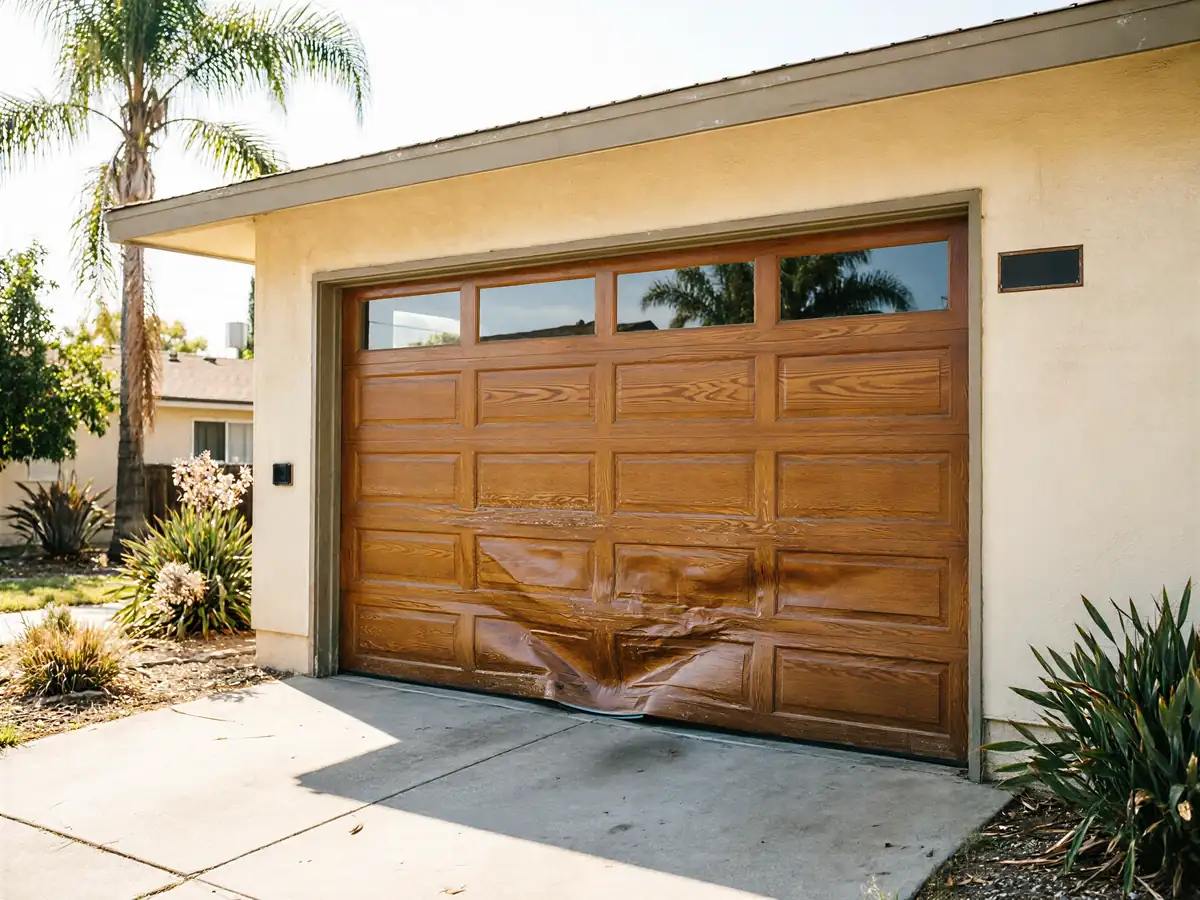
We don't inflate that into something it isn't. A door that's been quietly wearing for decades usually doesn't need full replacement, it needs the specific part that's actually gone. Where we draw the line: if the door itself is an original panel from that older housing wave and the track or opener mounting has been bent or patched more than once, repair stops making financial sense and replacement is the honest answer. That's not common, but it happens, and we'll tell you when it does instead of billing for a patch that won't hold.