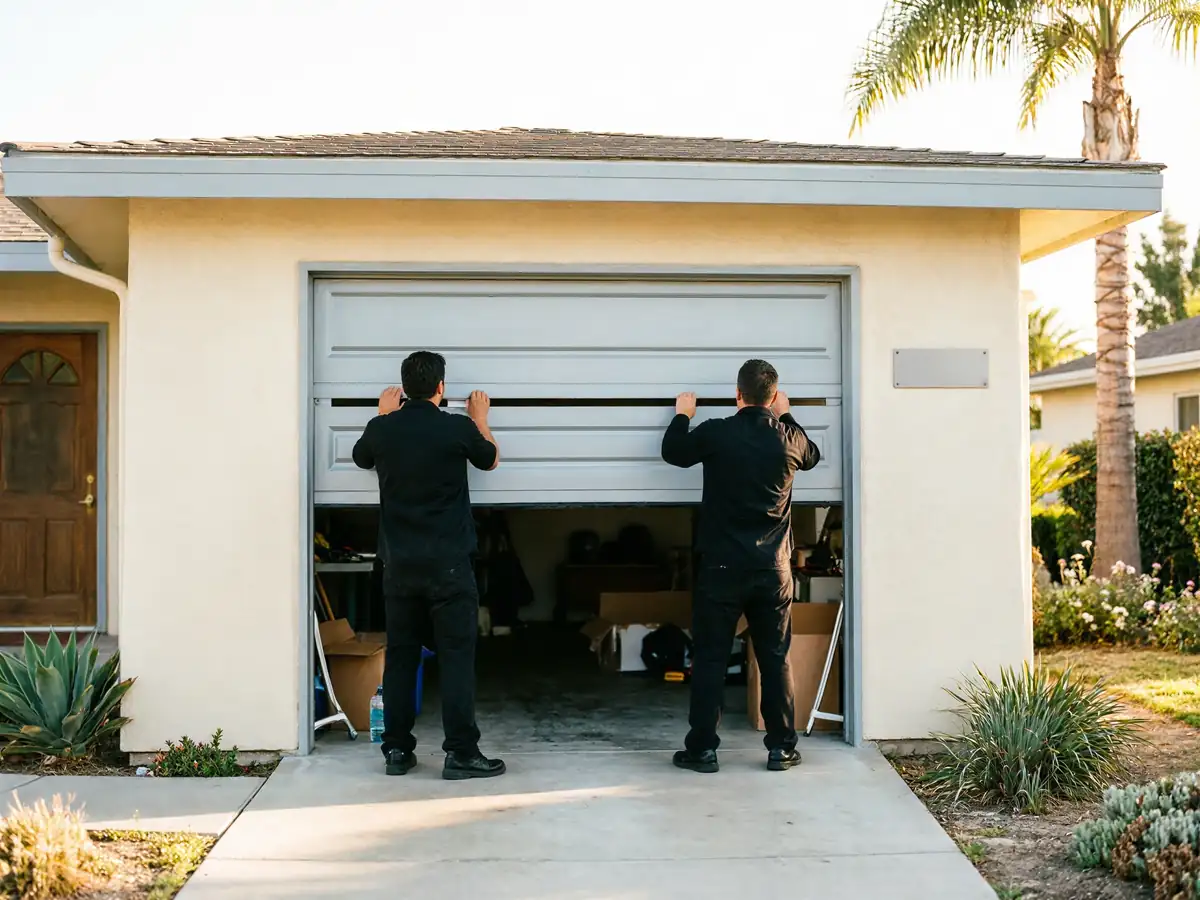
How We Fix It
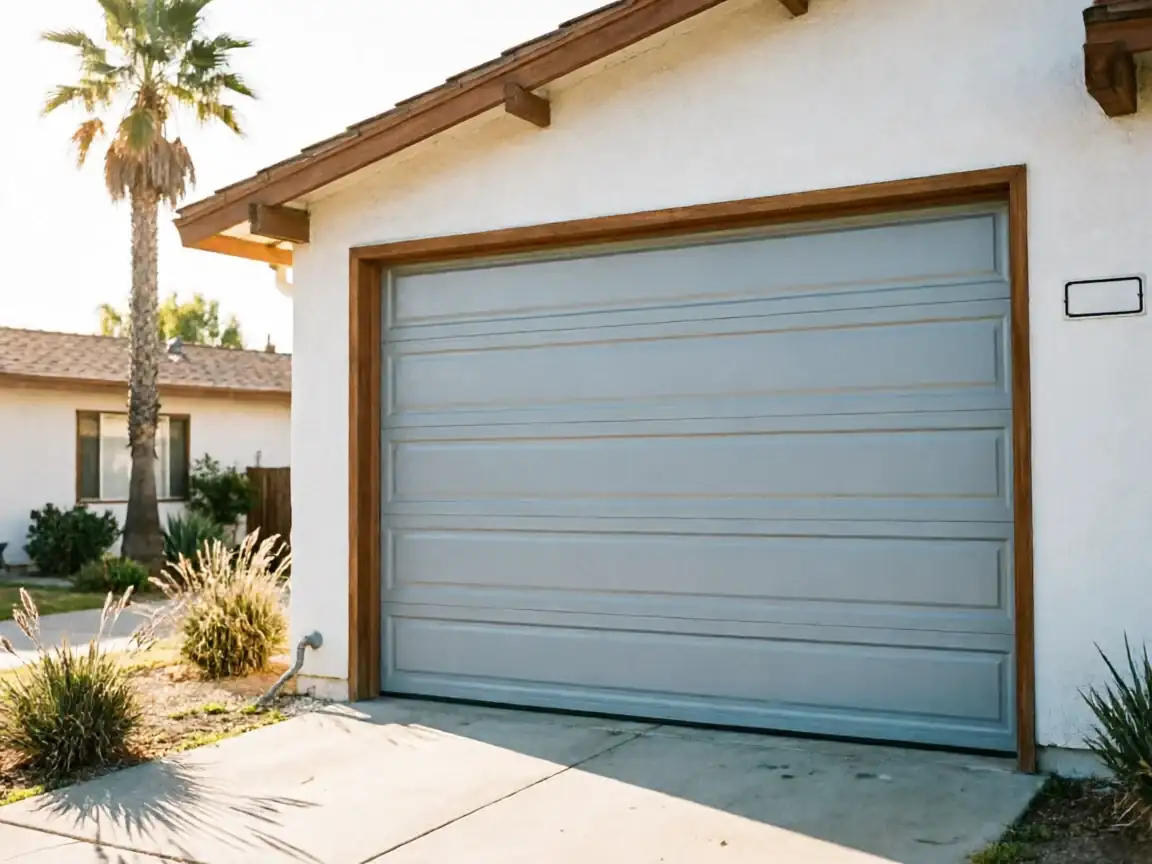
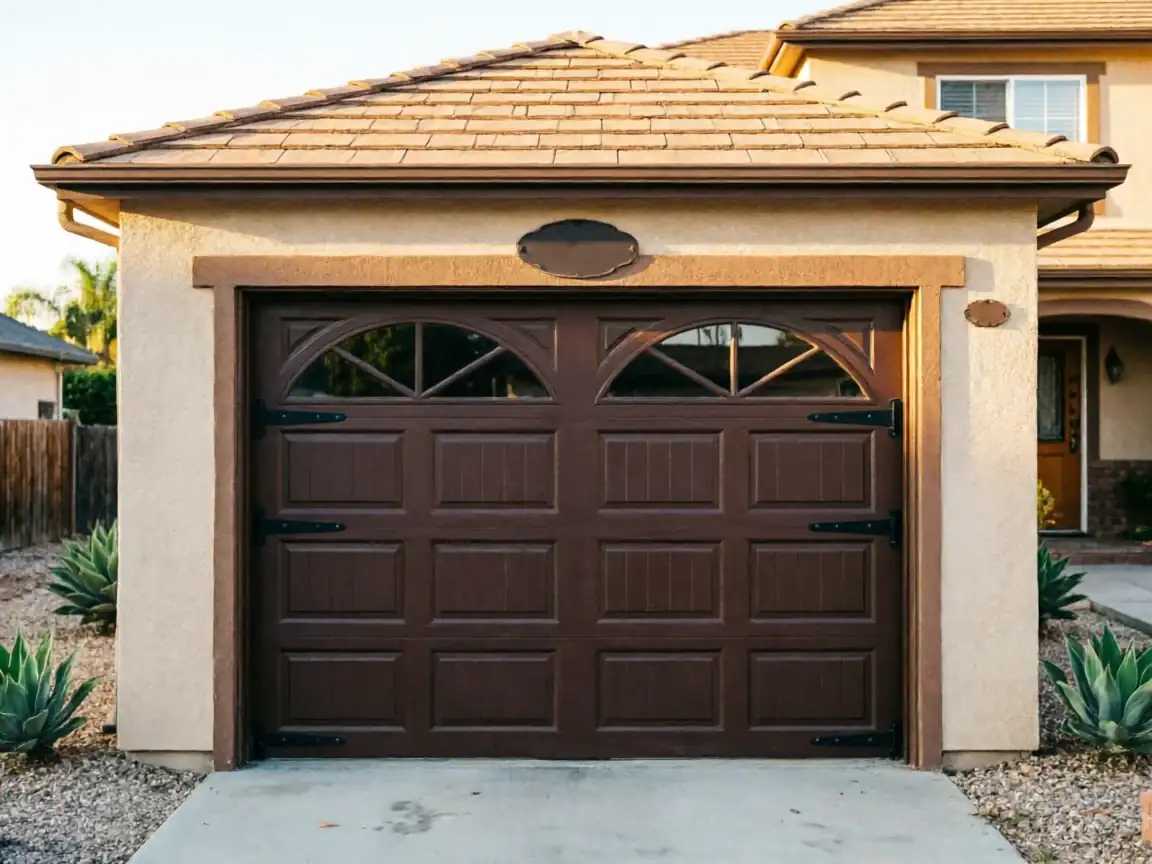
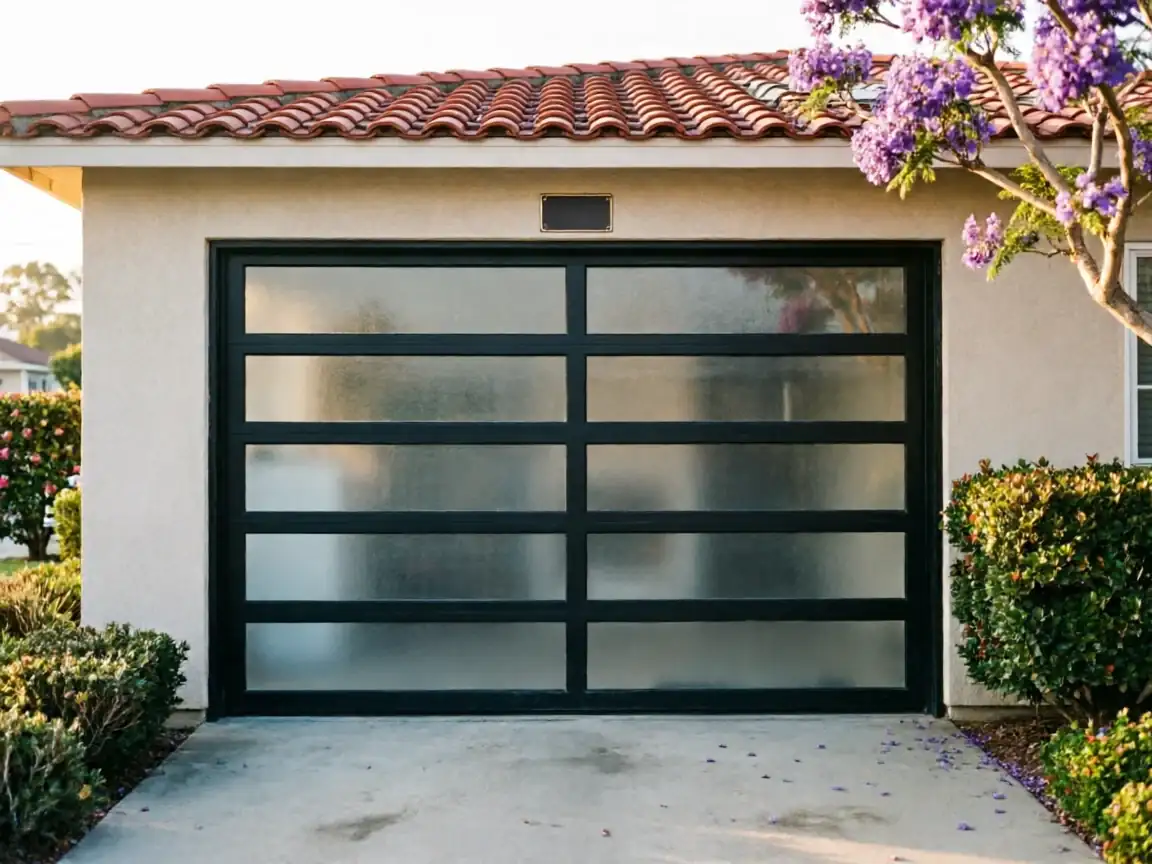
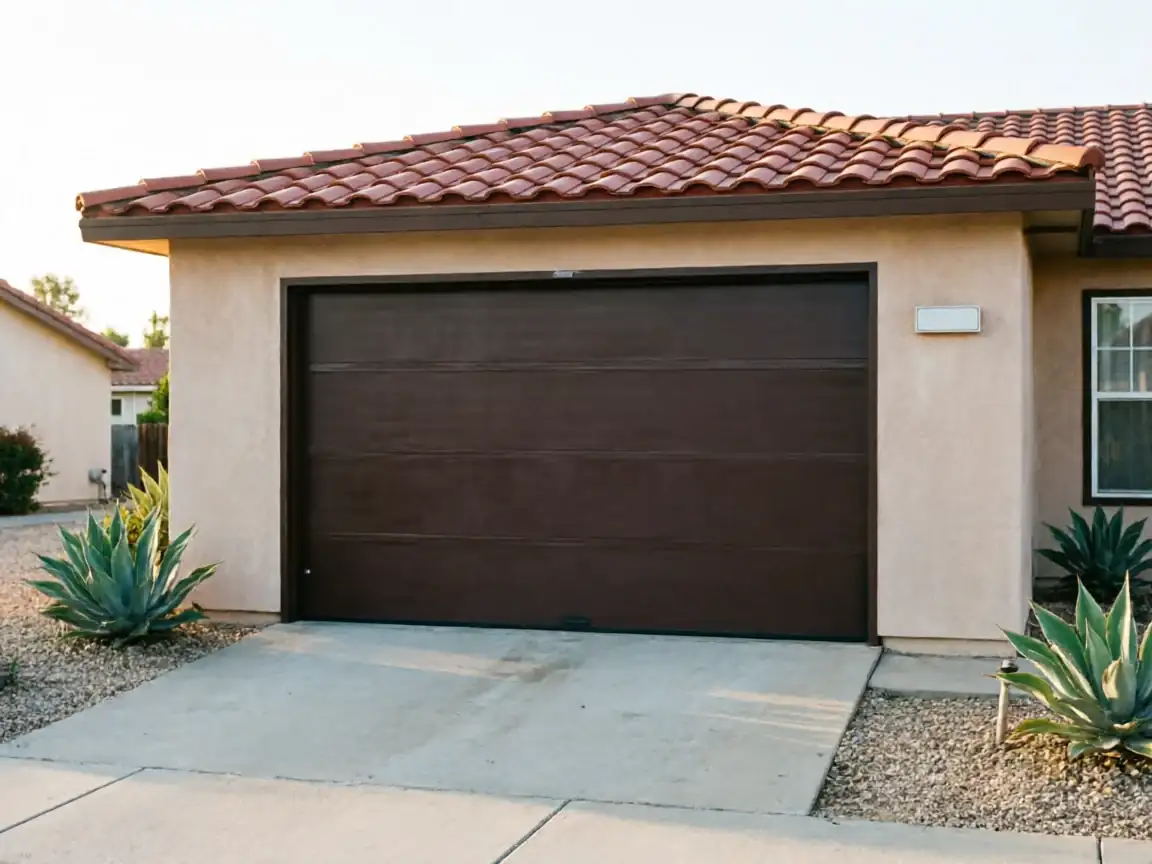
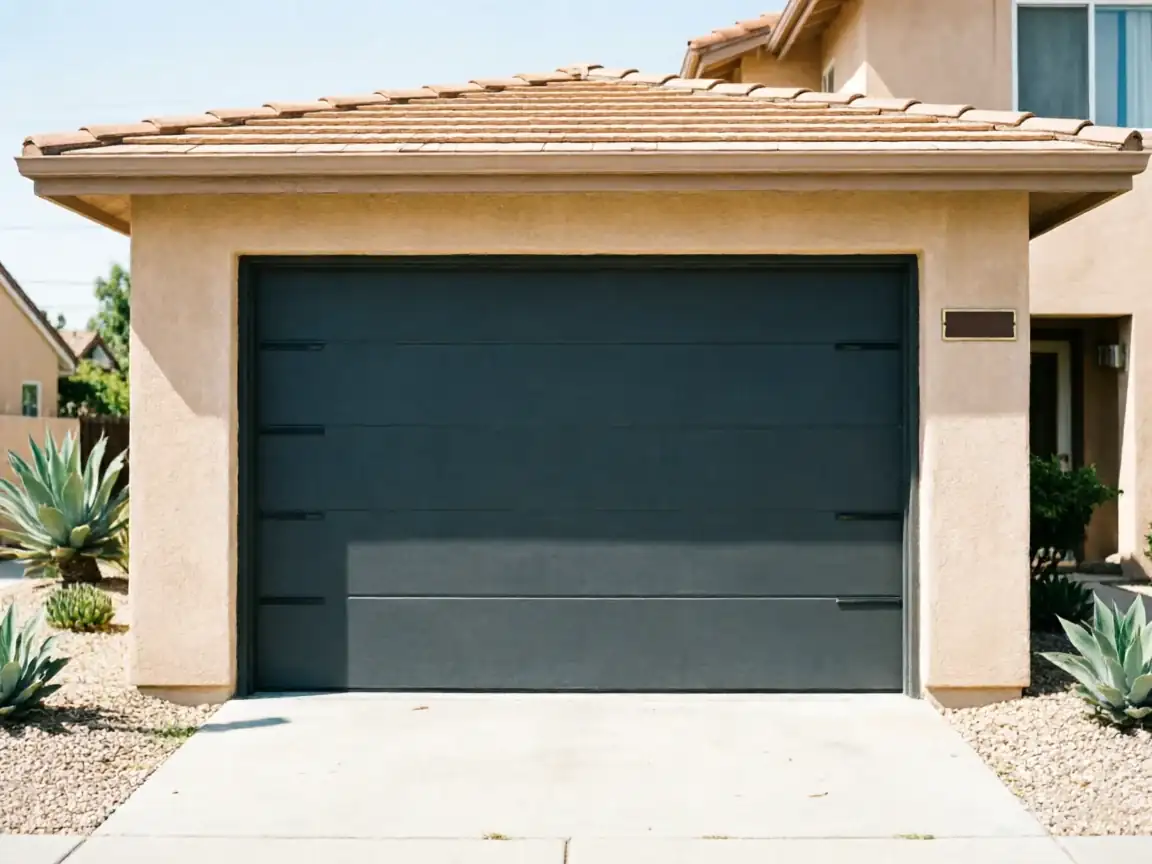
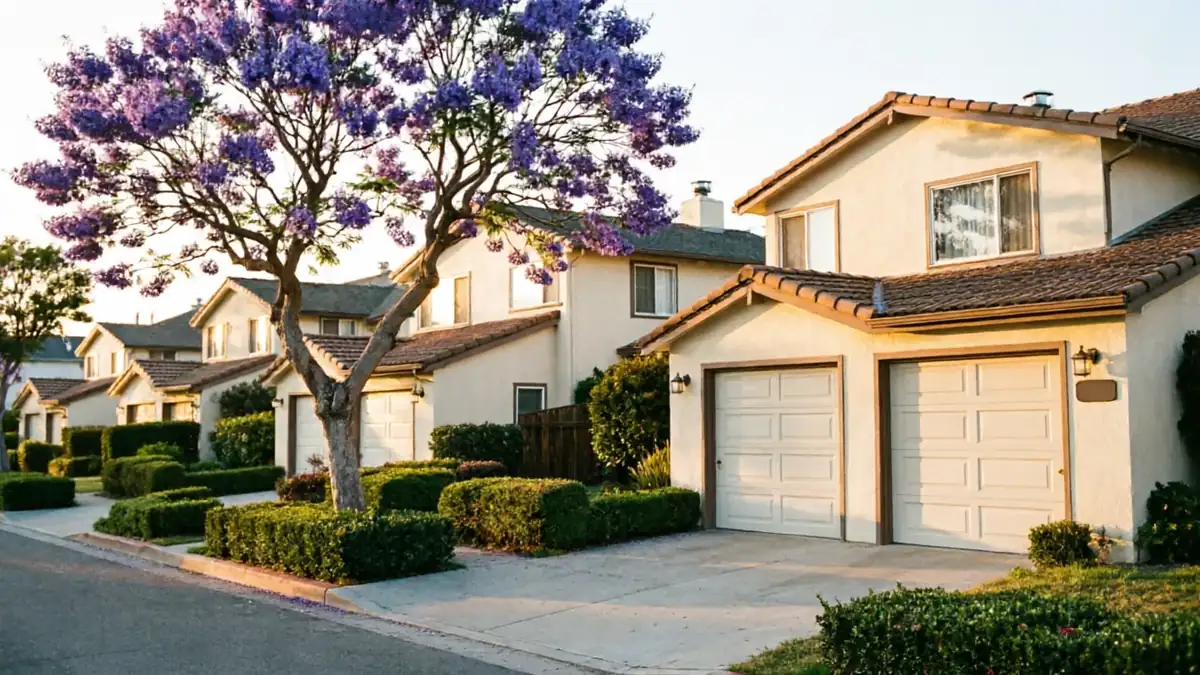
Installation here isn't a one-size job. With housing in this service area built anywhere from 1938 to 2002 and a median build year of 1979, we see three different header and jamb setups depending on which decade a house went up in. Older framing from the 1930s through 1950s often has a shallower header than code calls for now, which means we shim or rebuild before the new door ever goes on the hinges. Homes from the 1960s and 70s stock that dominates many of the 19 named areas we work in usually have wider openings built for single steel doors, so a modern insulated double panel needs track adjustment to clear the opener rail.
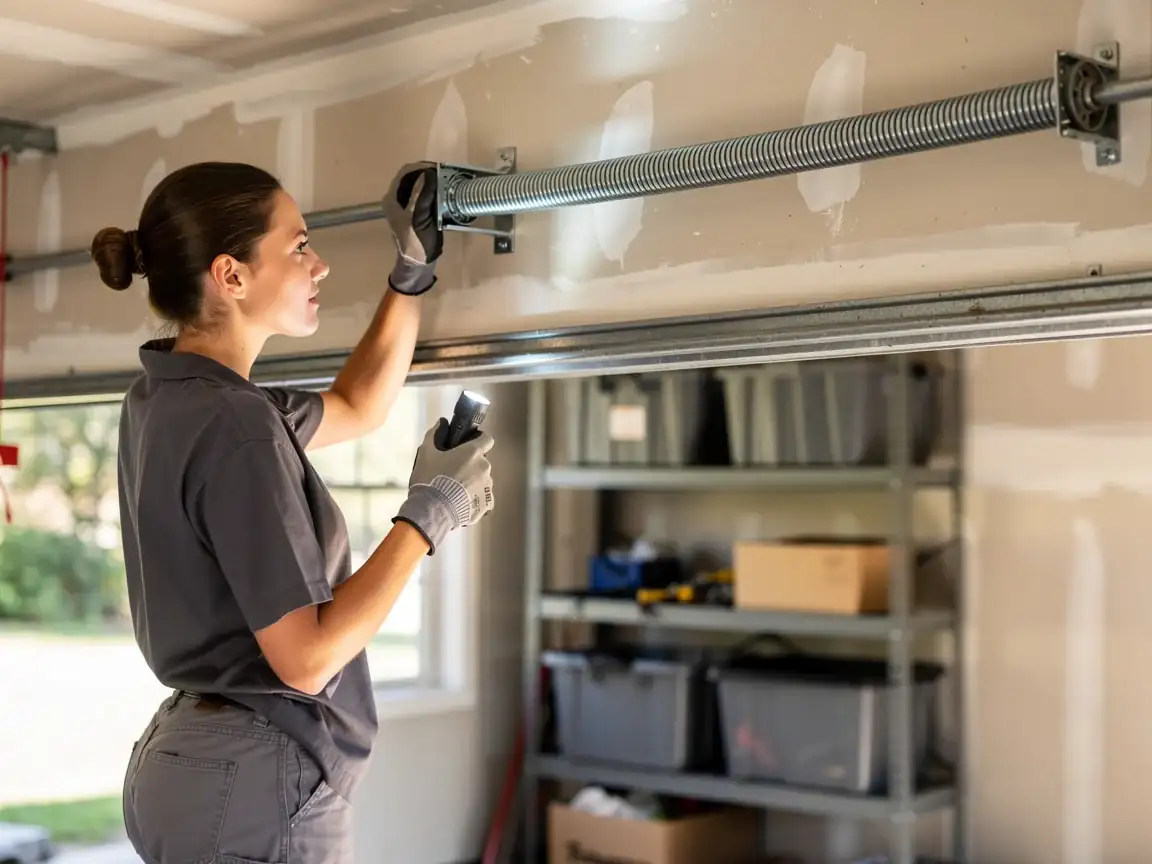
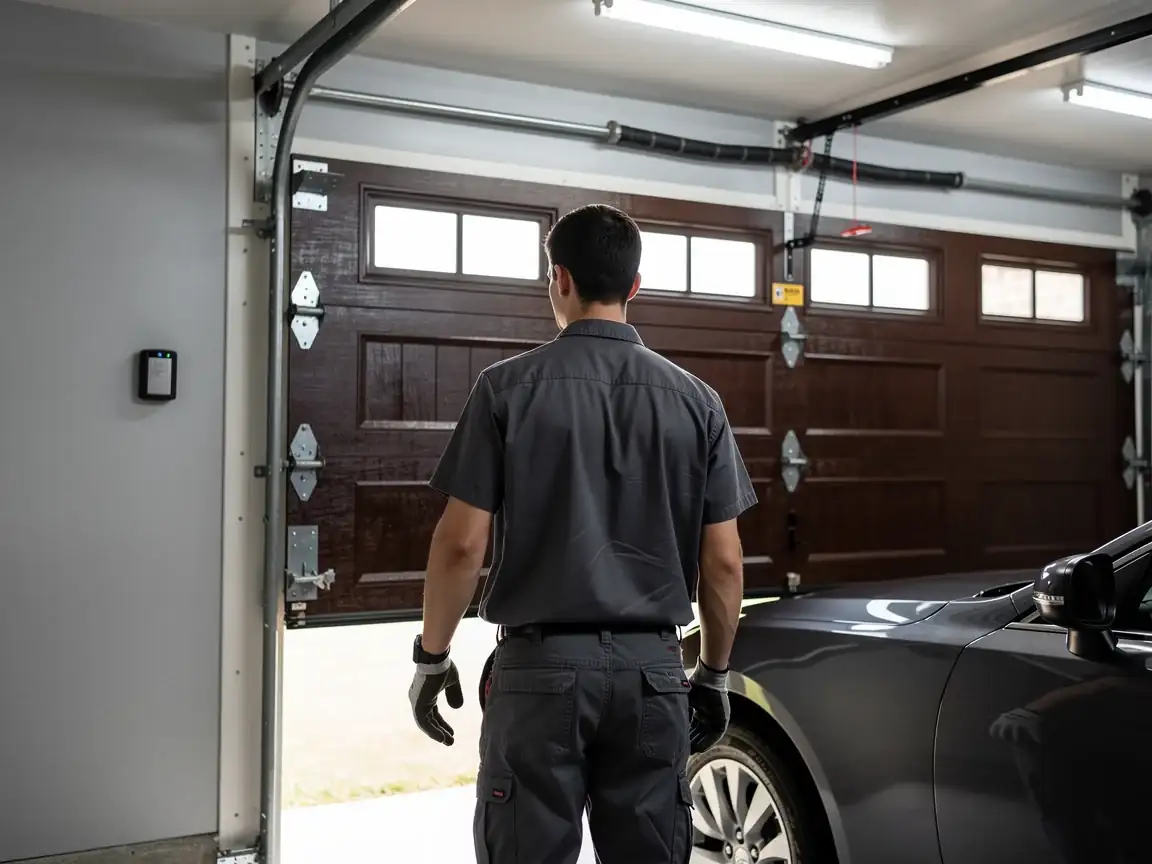
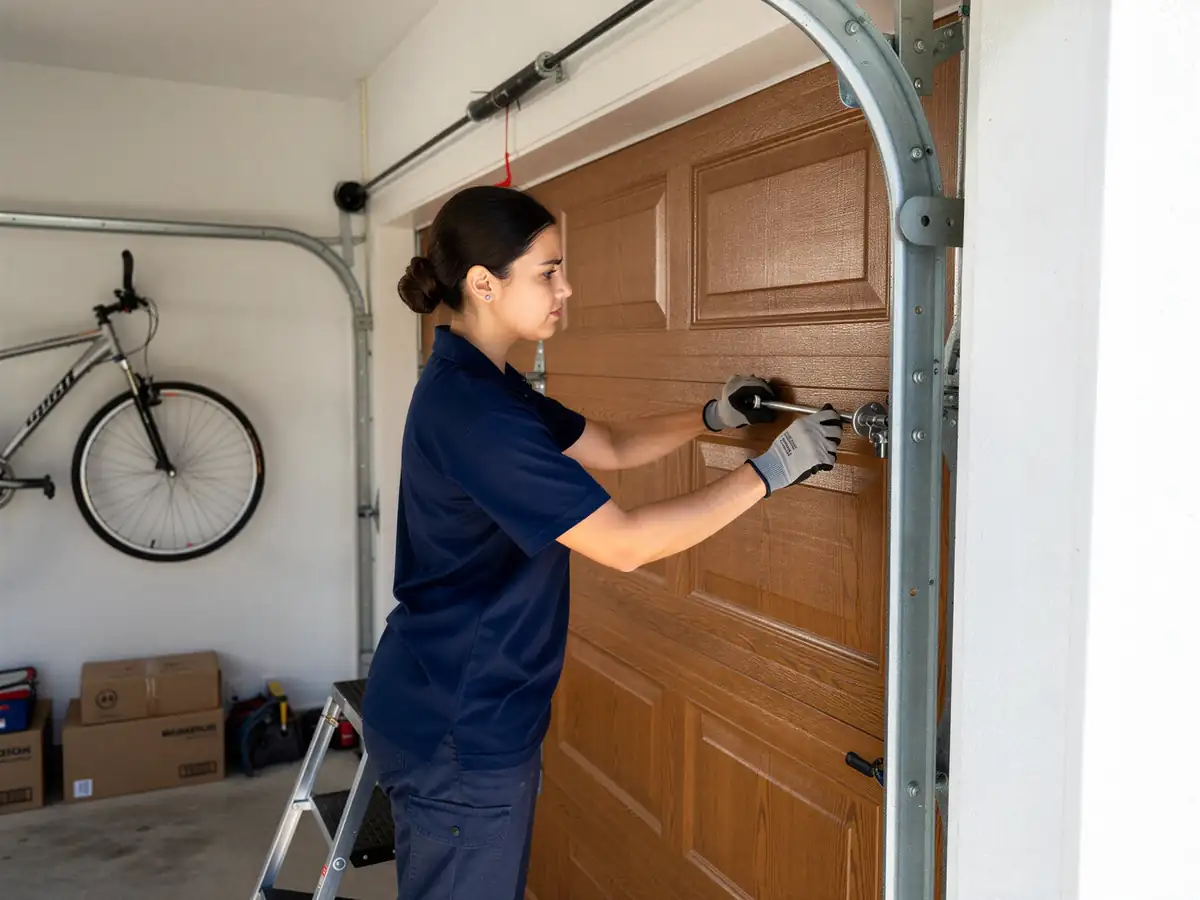
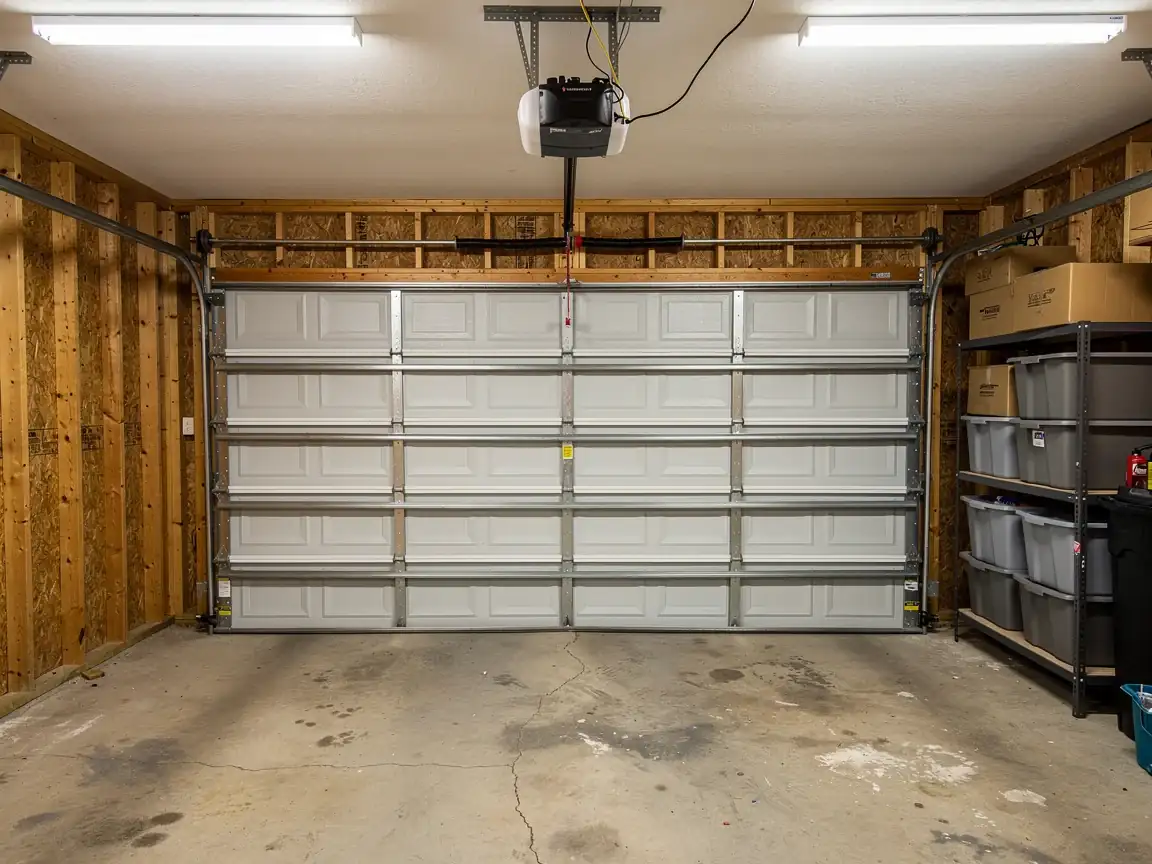
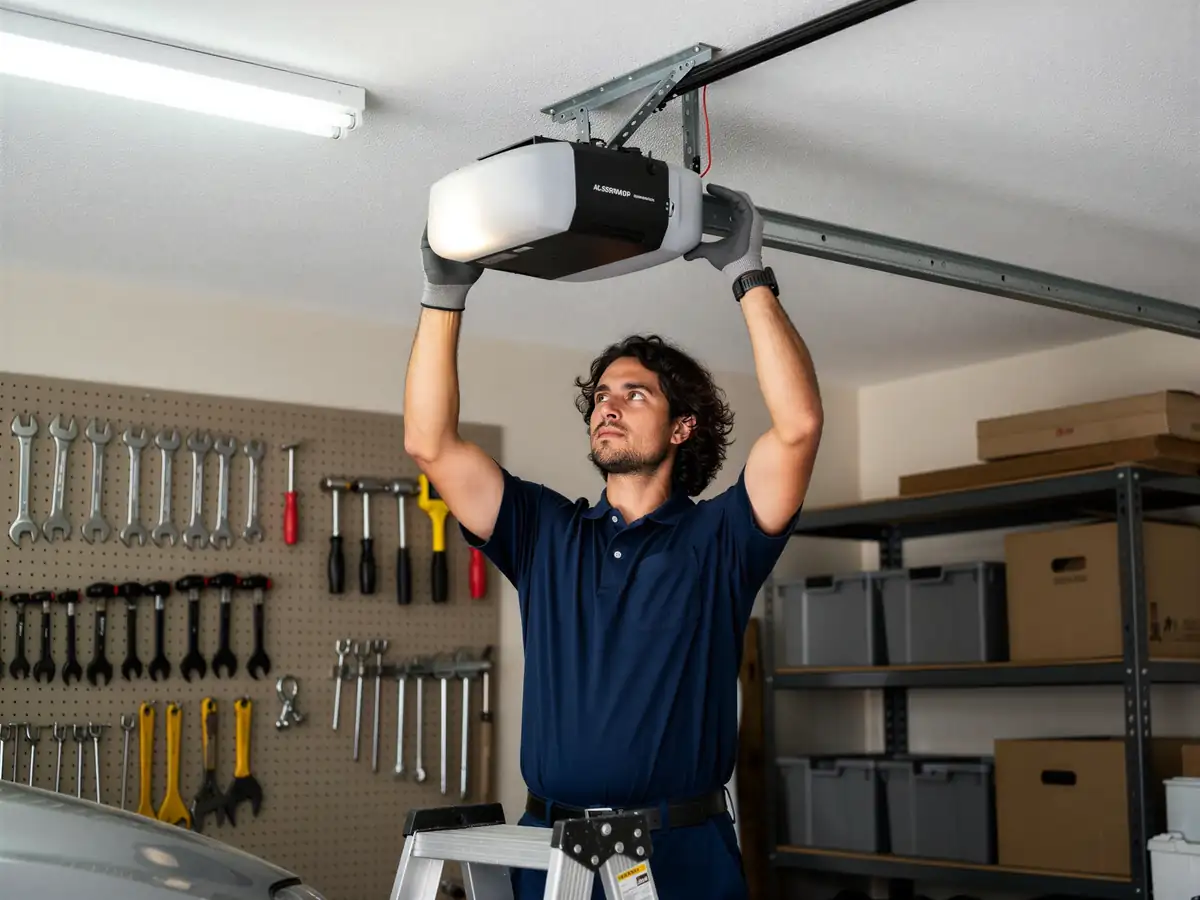
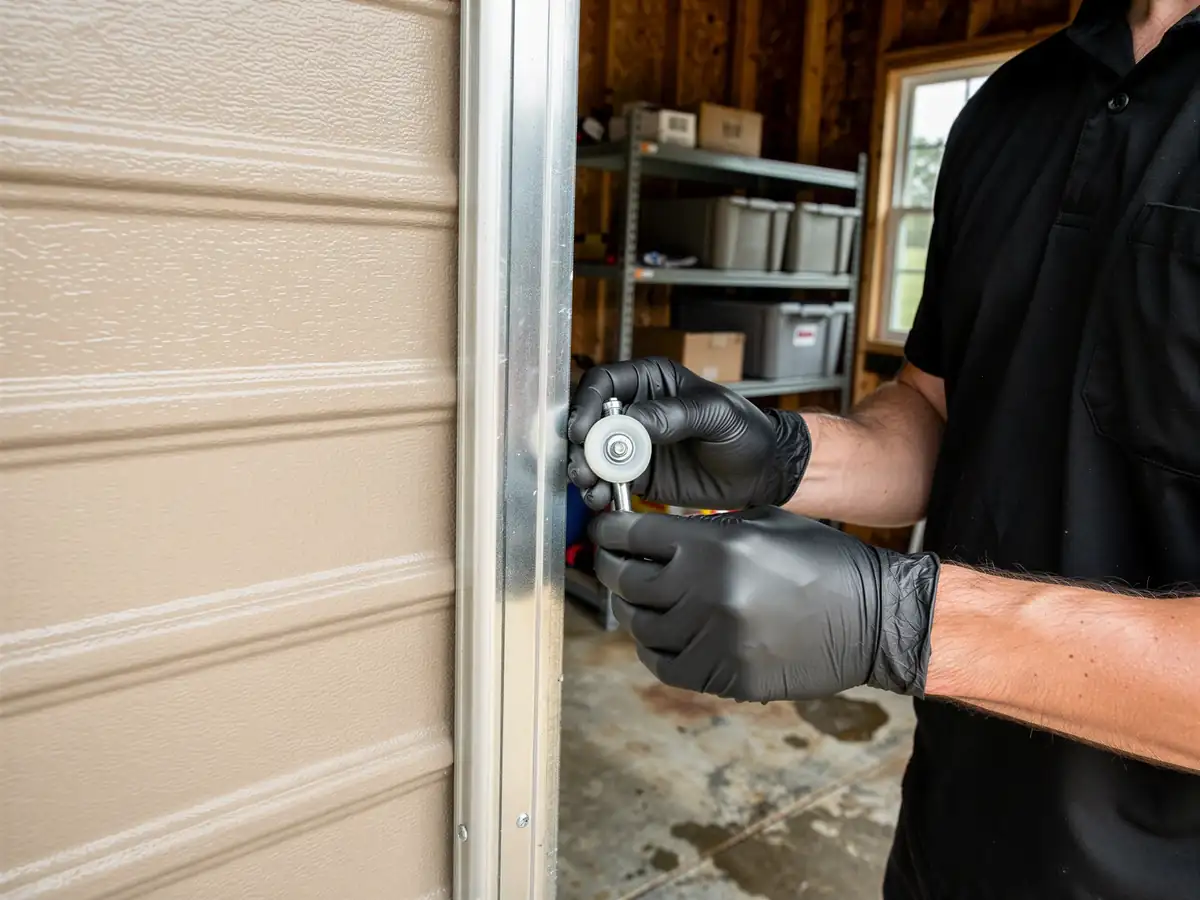
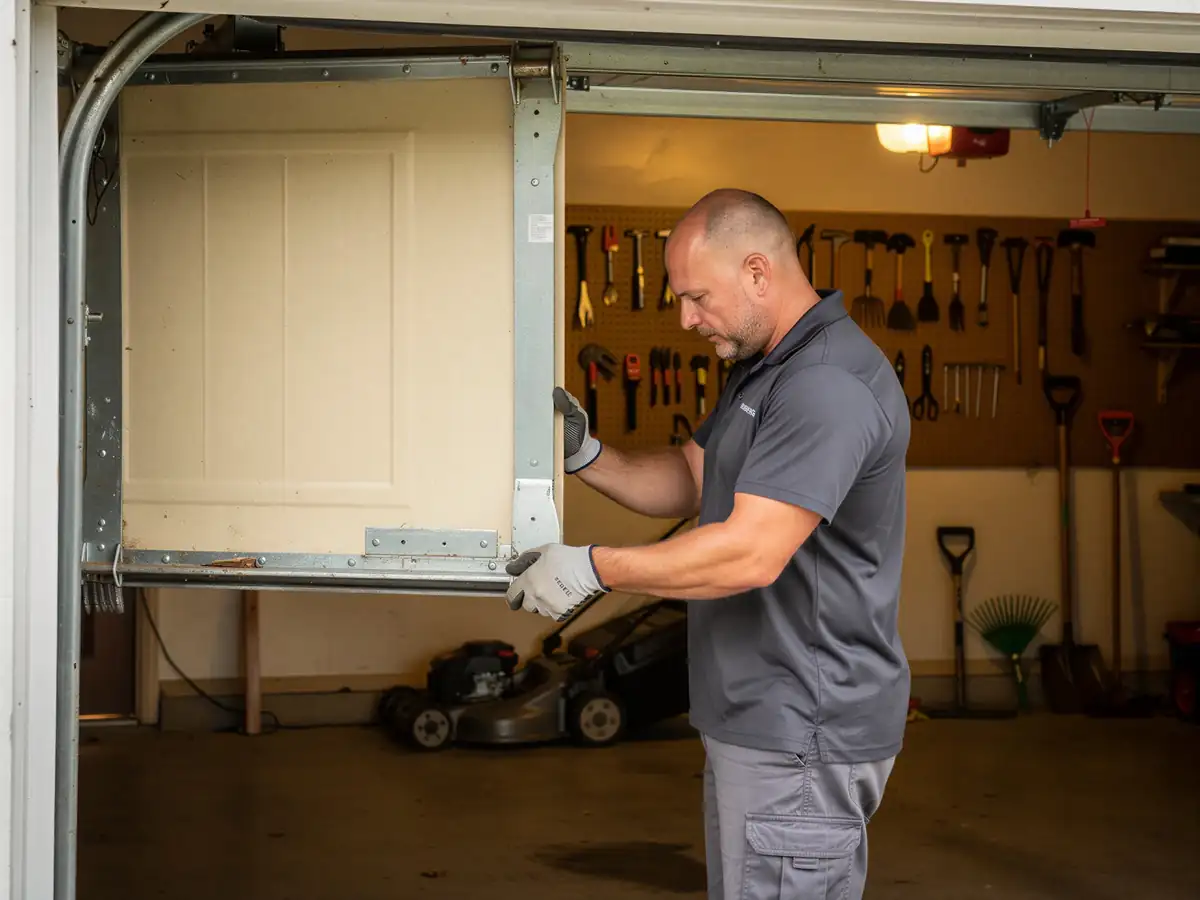
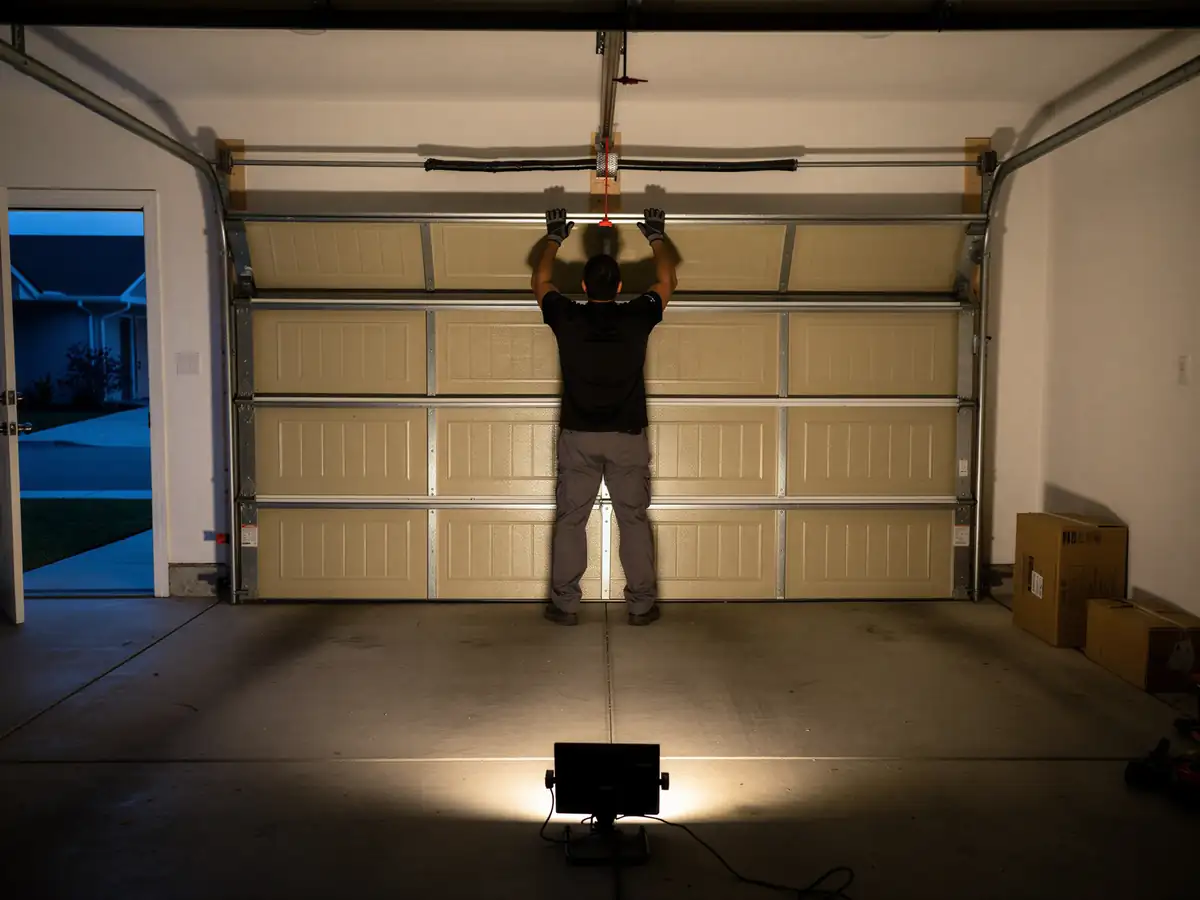
We start by pulling the old door and track completely rather than bolting new hardware to old brackets. That's where most installation callbacks come from - reused brackets that were never square to begin with. Then we set new vertical track, plumb the jambs, and hang the door before wiring the opener. On a straightforward single opening this is a half-day job. Add a custom width or a header rebuild and it runs longer. We won't quote a same-day turnaround on anything that needs framing work, because that part has to be done right once.
What You Are Seeing
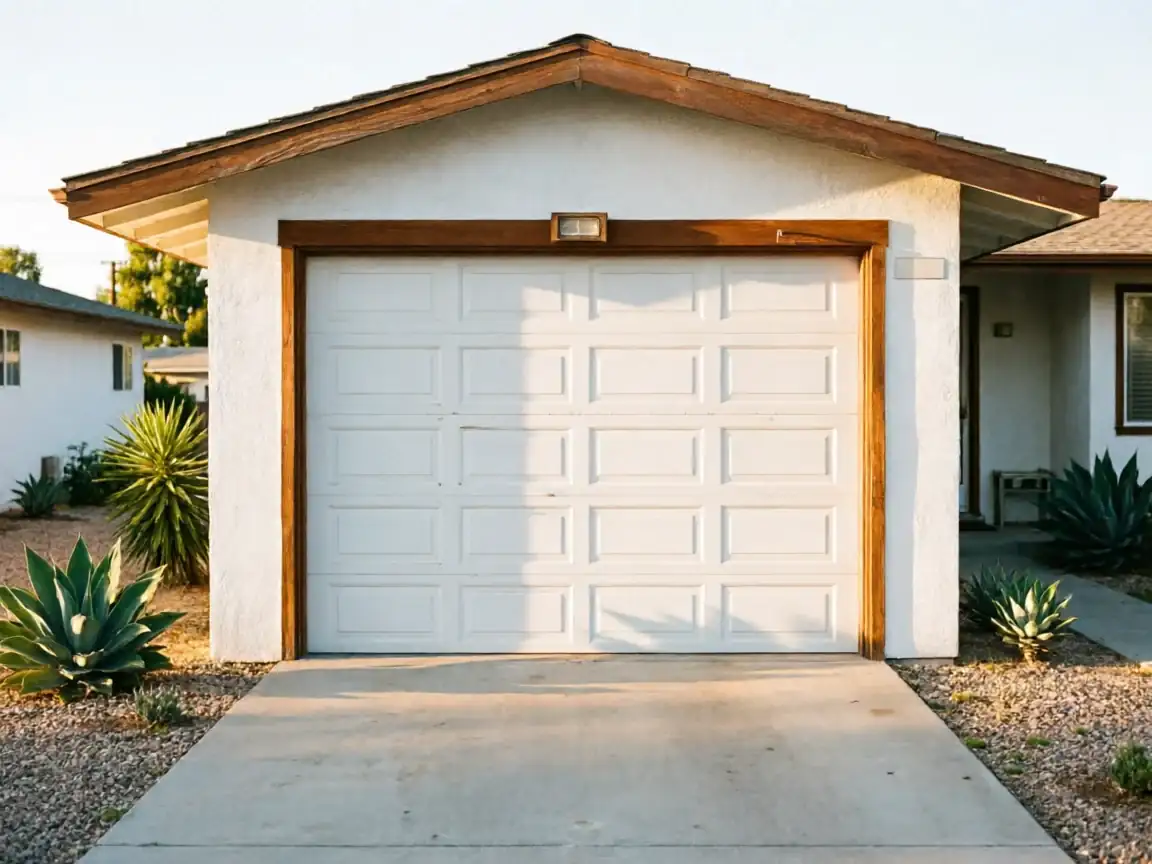
If your house falls into the 1960s-70s band that makes up most of the stock across this area
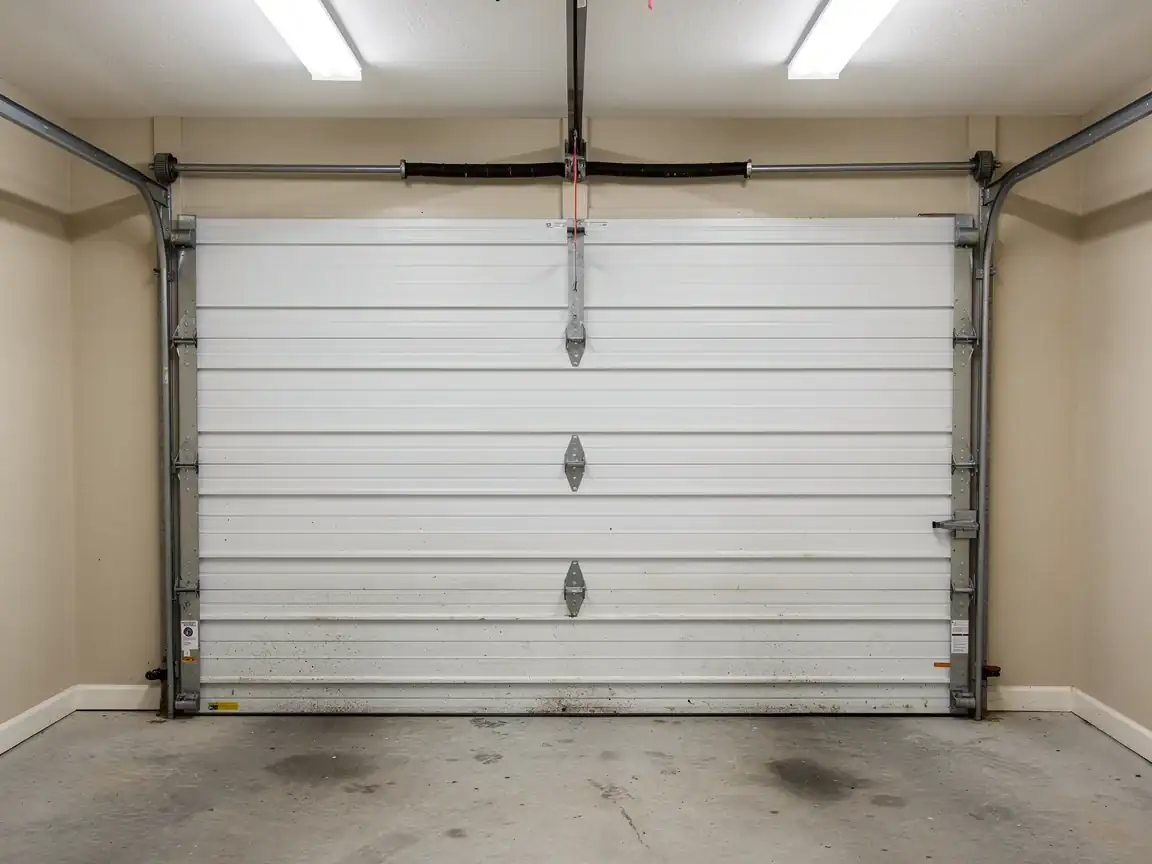
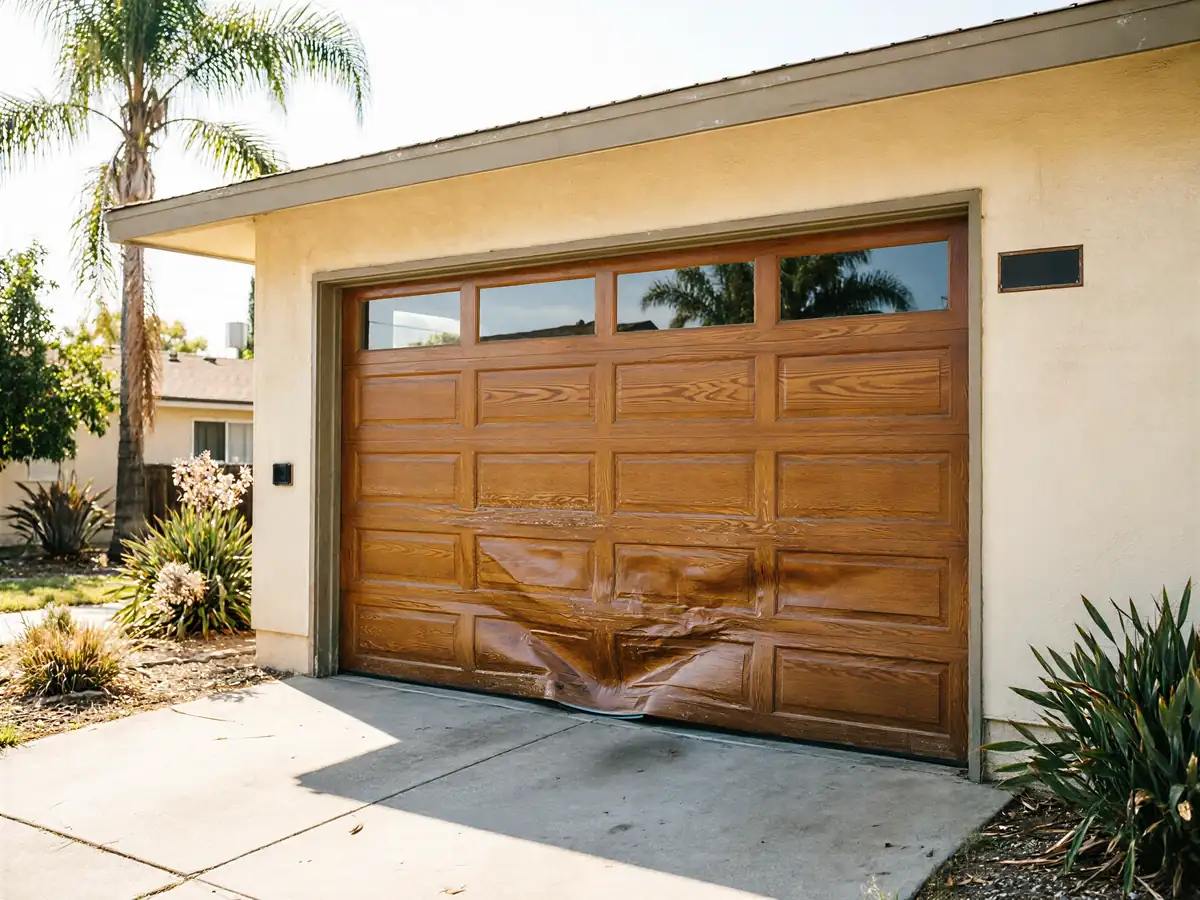
You're likely looking at a single steel door on a track system that was never designed for today's heavier insulated panels or belt-drive openers. Sagging at the top panel, a door that reverses mid-close, or daylight gaps at the corners usually mean the track geometry is off, not that the door itself failed.
On the older end of the range
Houses built closer to 1938 through the 1950s - the giveaway is usually a narrower header or a jamb that's shifted slightly out of plumb over the decades. You'll see the door bind on one side before it ever reaches the floor. That's a framing issue, not a door issue, and no amount of lubricant or spring adjustment fixes it.
In this mild temperate climate we don't see the freeze-cracking or warping that forces early replacement in colder regions
So when a Fairfield door needs replacing, it's almost always wear from decades of cycles, an undersized original opener straining the track, or a homeowner wanting insulation the original steel door never had - not weather damage.
What You Pay
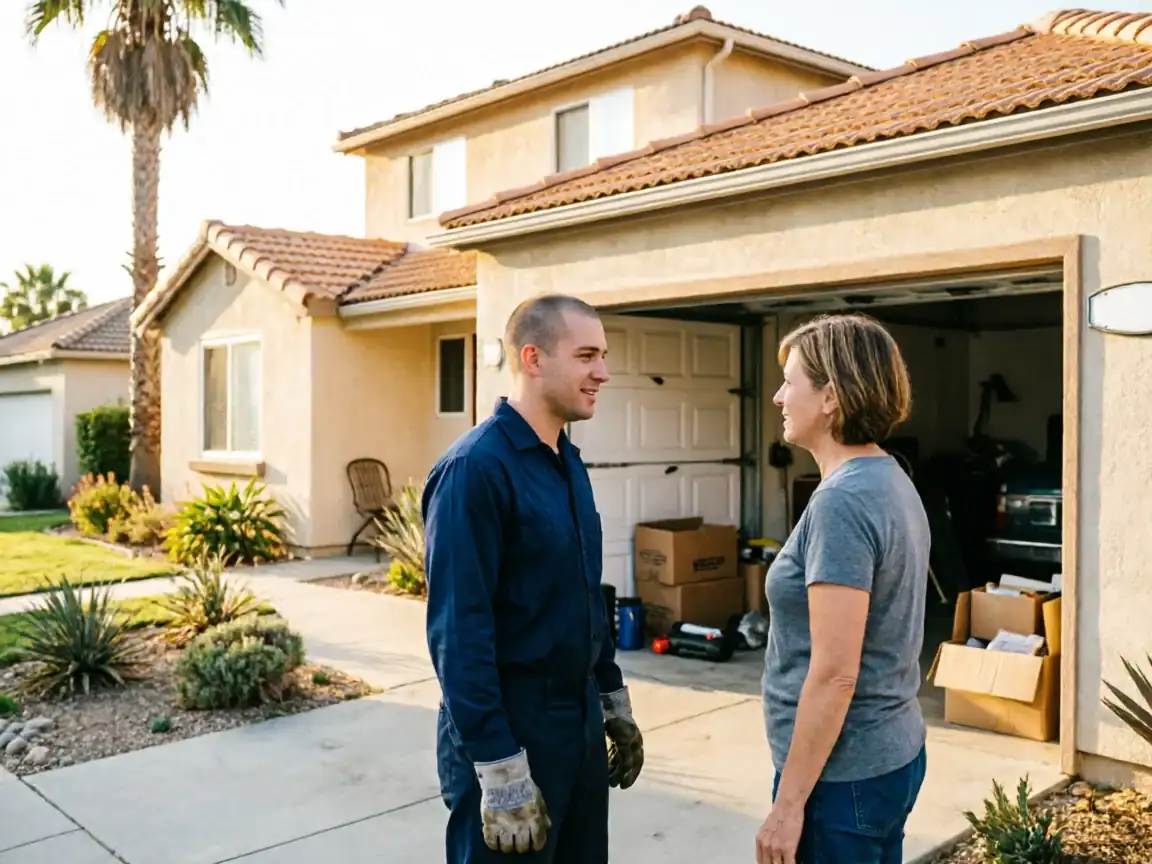
We don't post a flat number here because the two variables that move the cost most - header condition and door width - aren't things we can see until we're standing in your driveway. A straight swap on a standard single opening with sound framing costs less than a double-door install that needs a header rebuild or custom track to clear a low ceiling, which shows up more often in the older end of the 1938-to-1979 housing range.
What we can tell you: median household income across this service area runs $102,938, and we price jobs for homeowners in that range, not for rock-bottom builder-grade doors or high-end custom carriage doors. Most installs we quote land in a middle tier - a solid insulated steel door with decent hardware, nothing exotic.
One honest limitation: if your opening needs a full header rebuild, we're not going to give you a number over the phone. That work varies too much house to house, and quoting it blind does nobody any favors. We'll walk it, measure it, and give you a real figure before any tools come out.
What Causes It Around Here
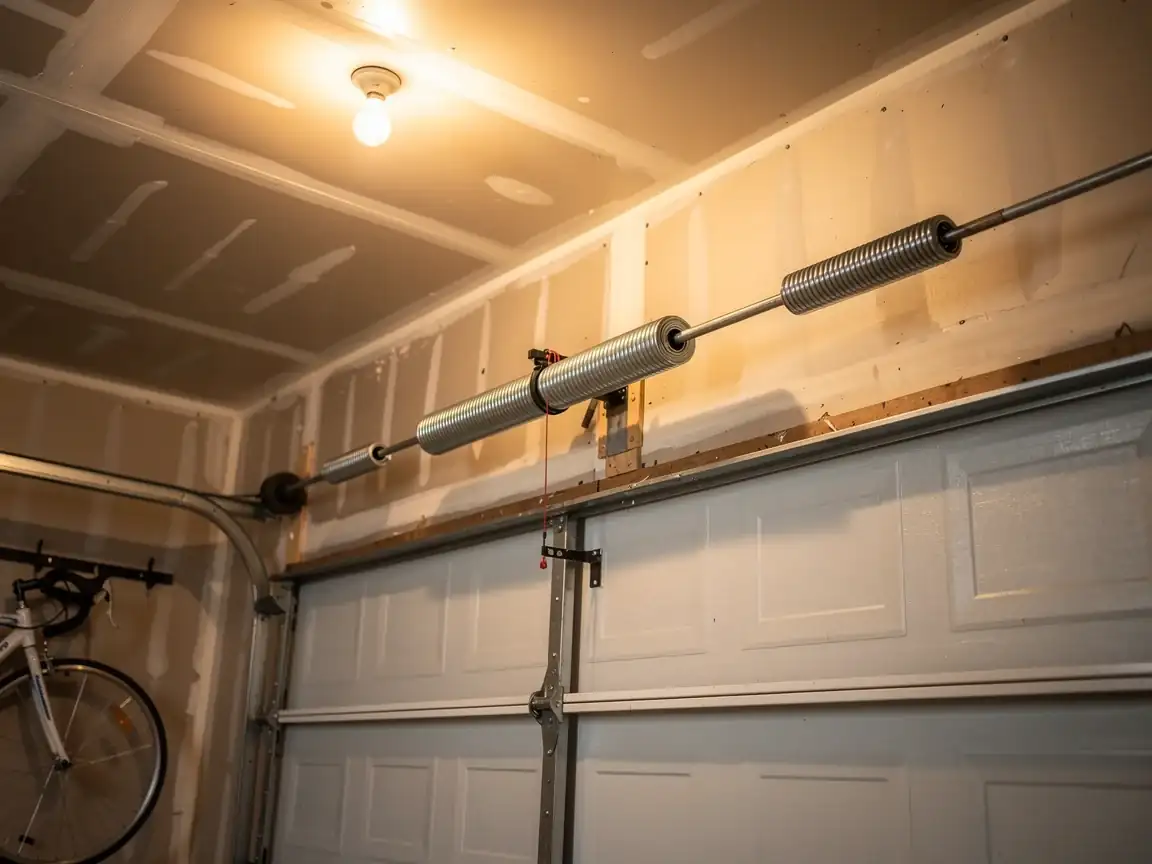
The root cause in this service area is almost always age mismatch, not abuse. With roughly 46,420 owner-occupied houses among the 96,495 households we cover, and most of that stock dating to the 1960s and 70s, you've got a lot of garages built for lighter single-layer doors and openers rated well below what's sold today. When a homeowner upgrades to a heavier insulated door without upgrading the track and springs to match, the system fights itself from day one.
The mild temperate climate here actually works in homeowners' favor - we're not dealing with frost heave shifting foundations or wood rot from freeze-thaw cycling, so the structural problems we find are almost always original-construction quirks rather than weather damage. That said, decades-old tracks that were fine for a 1970s steel door often aren't rated for the dead weight of a modern insulated panel, and that's the single most common reason we get called out to a 'new door install' that turns into a track-and-header job once we open things up.