How We Fix It
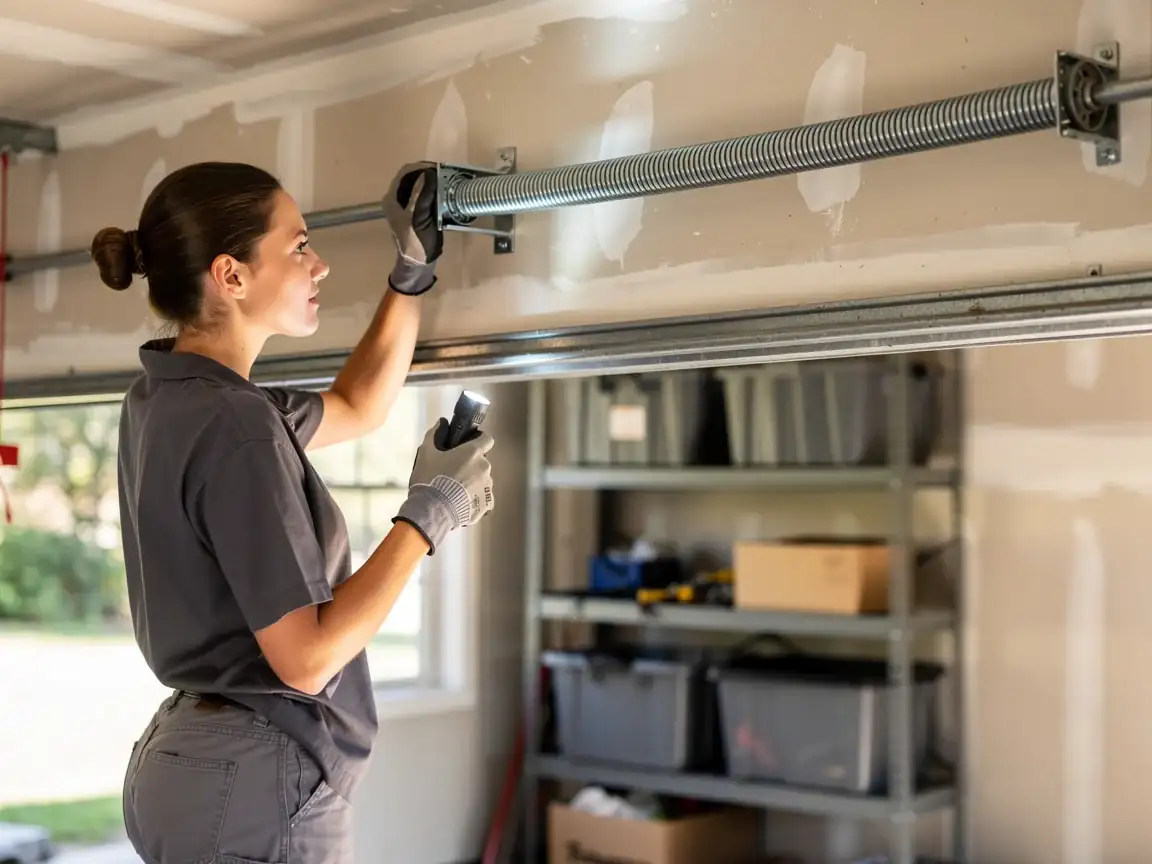
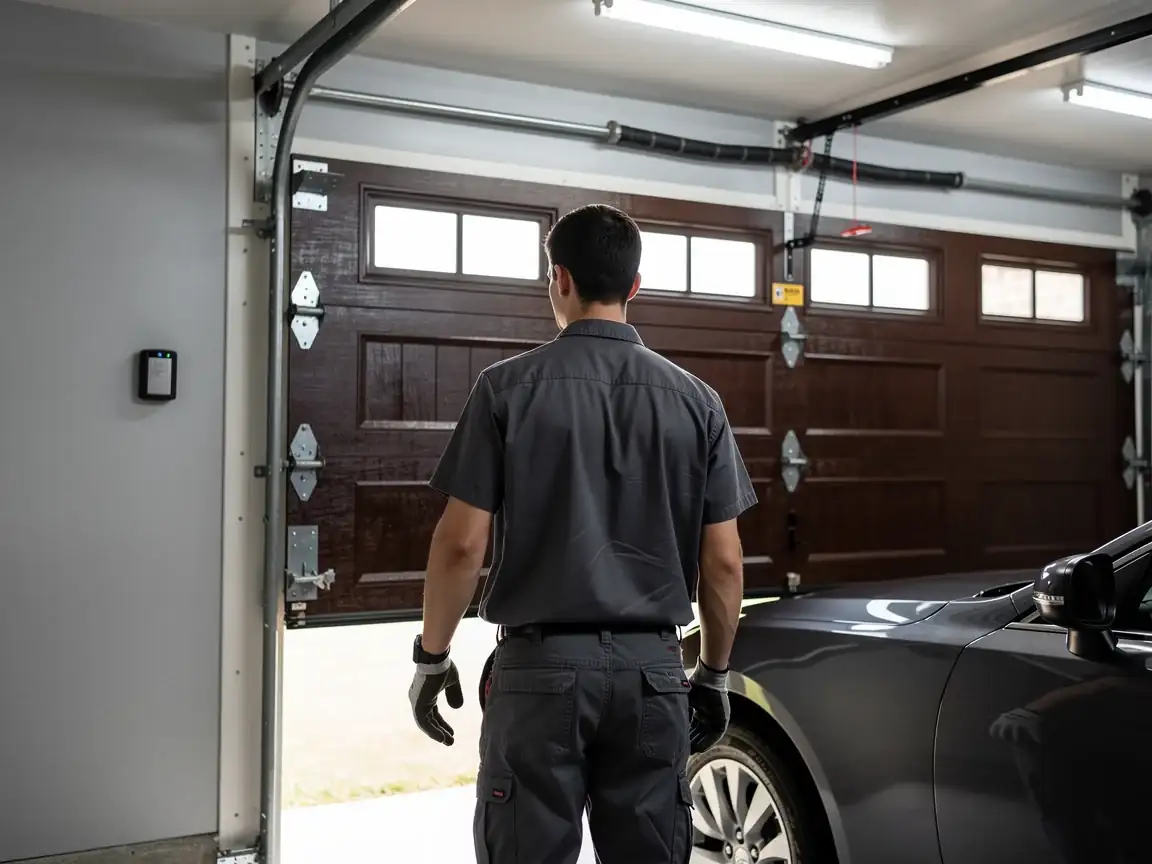
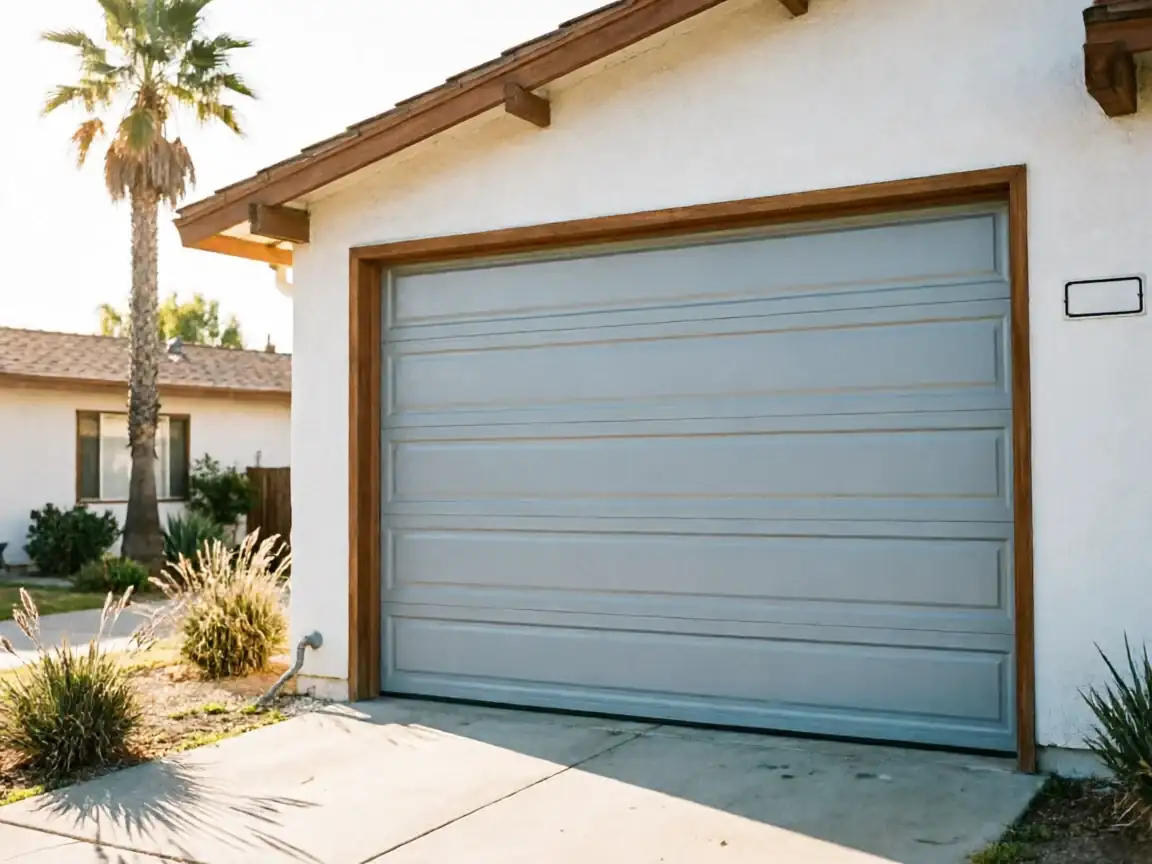
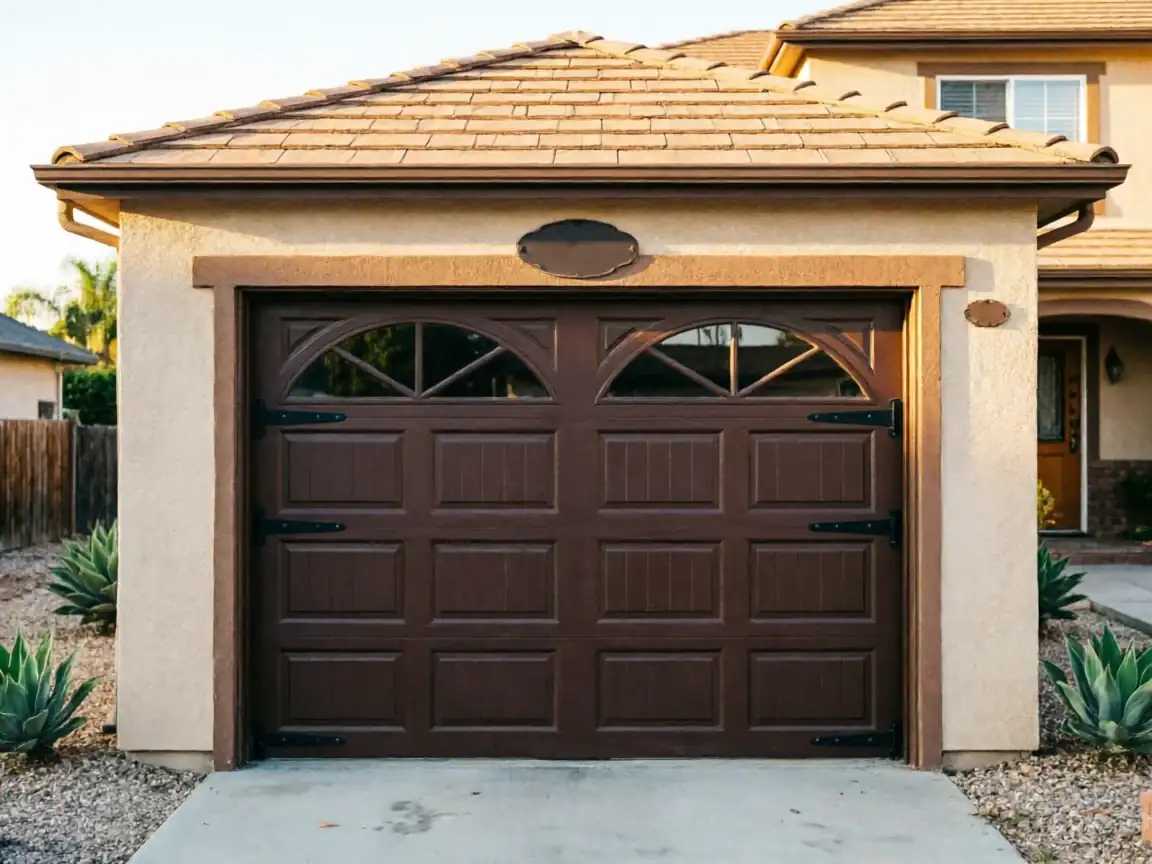
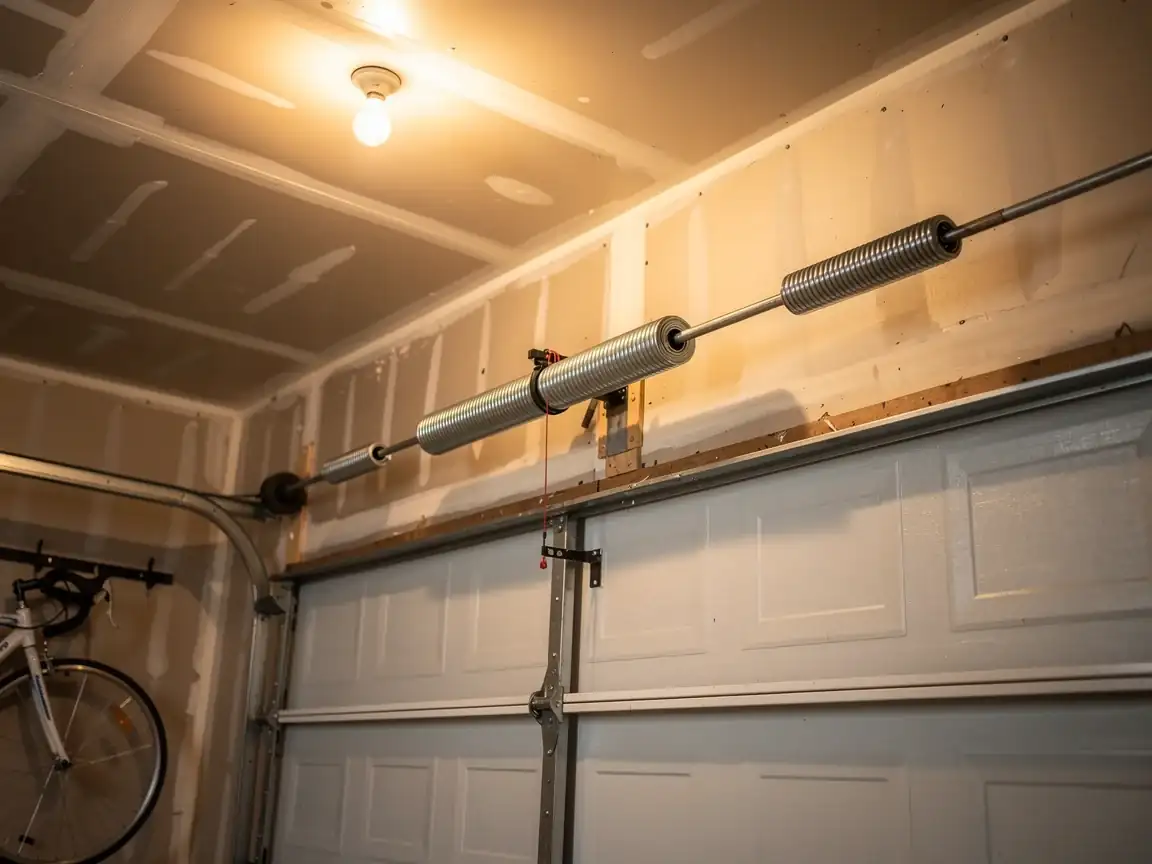
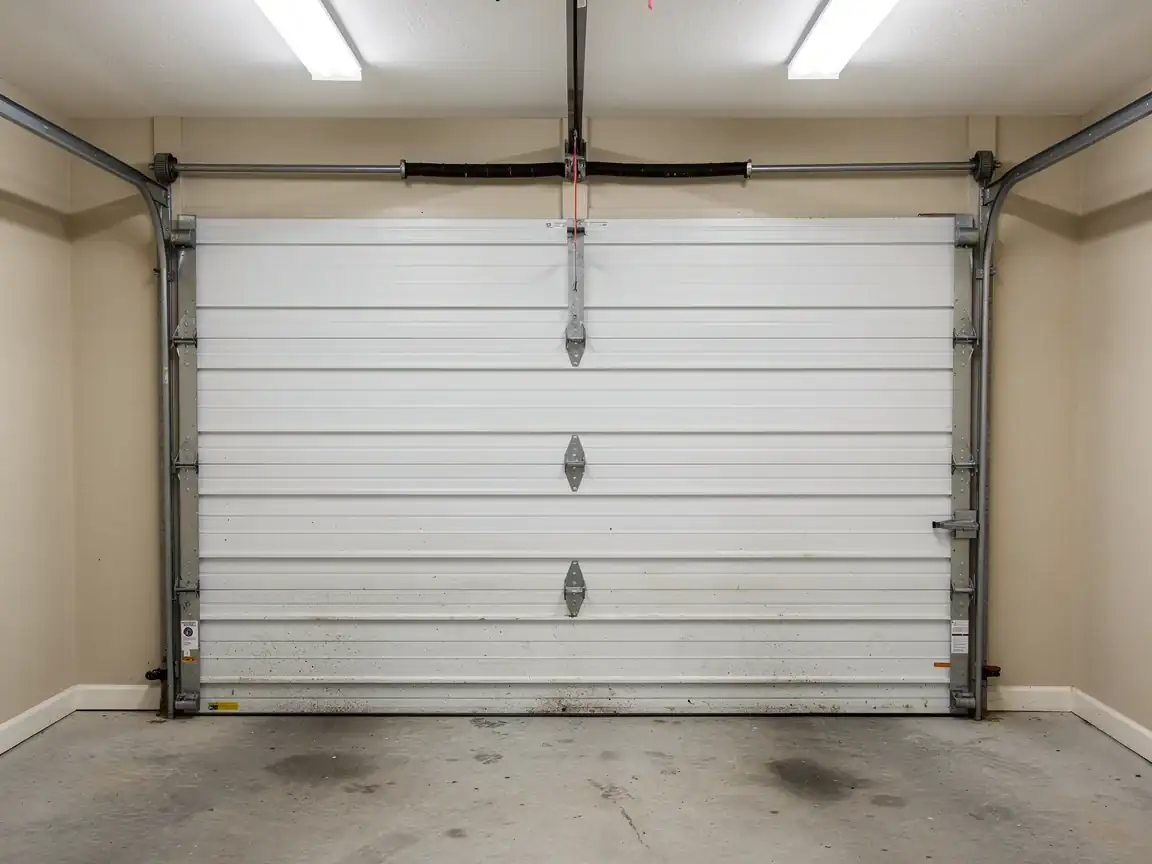
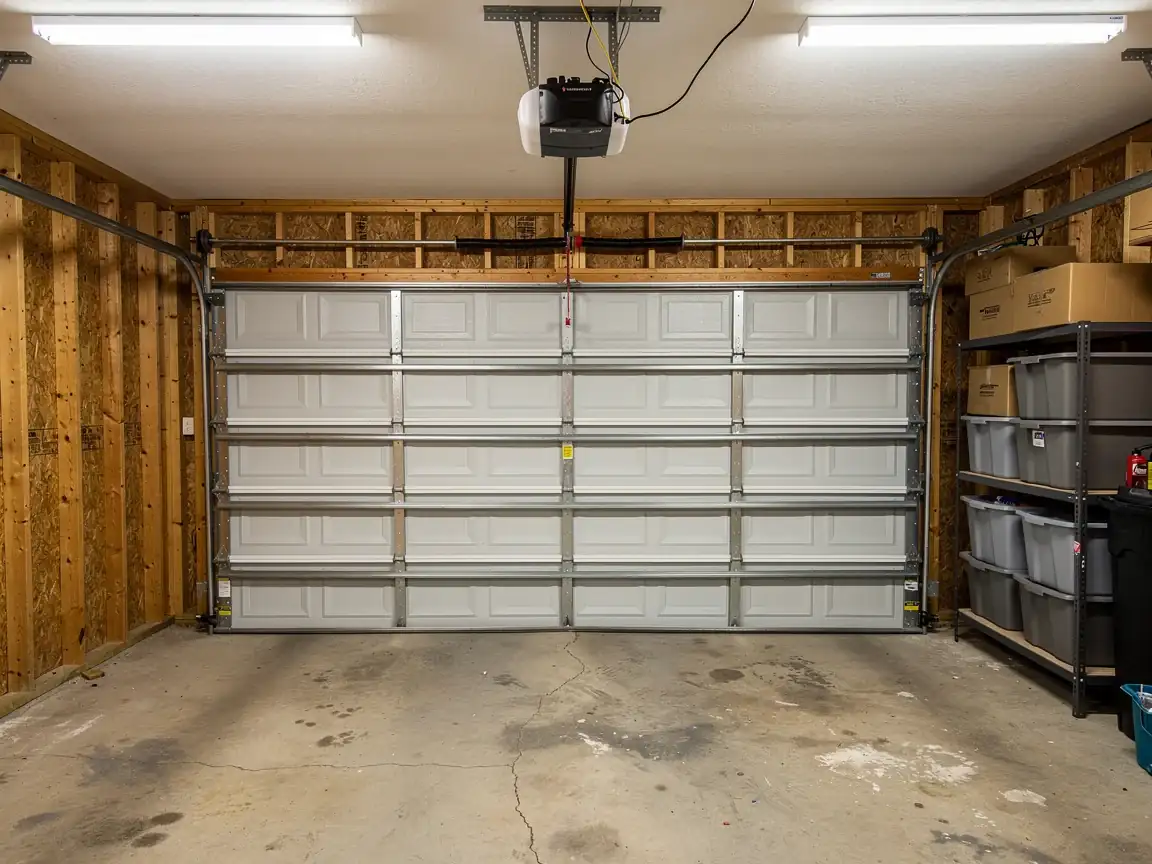
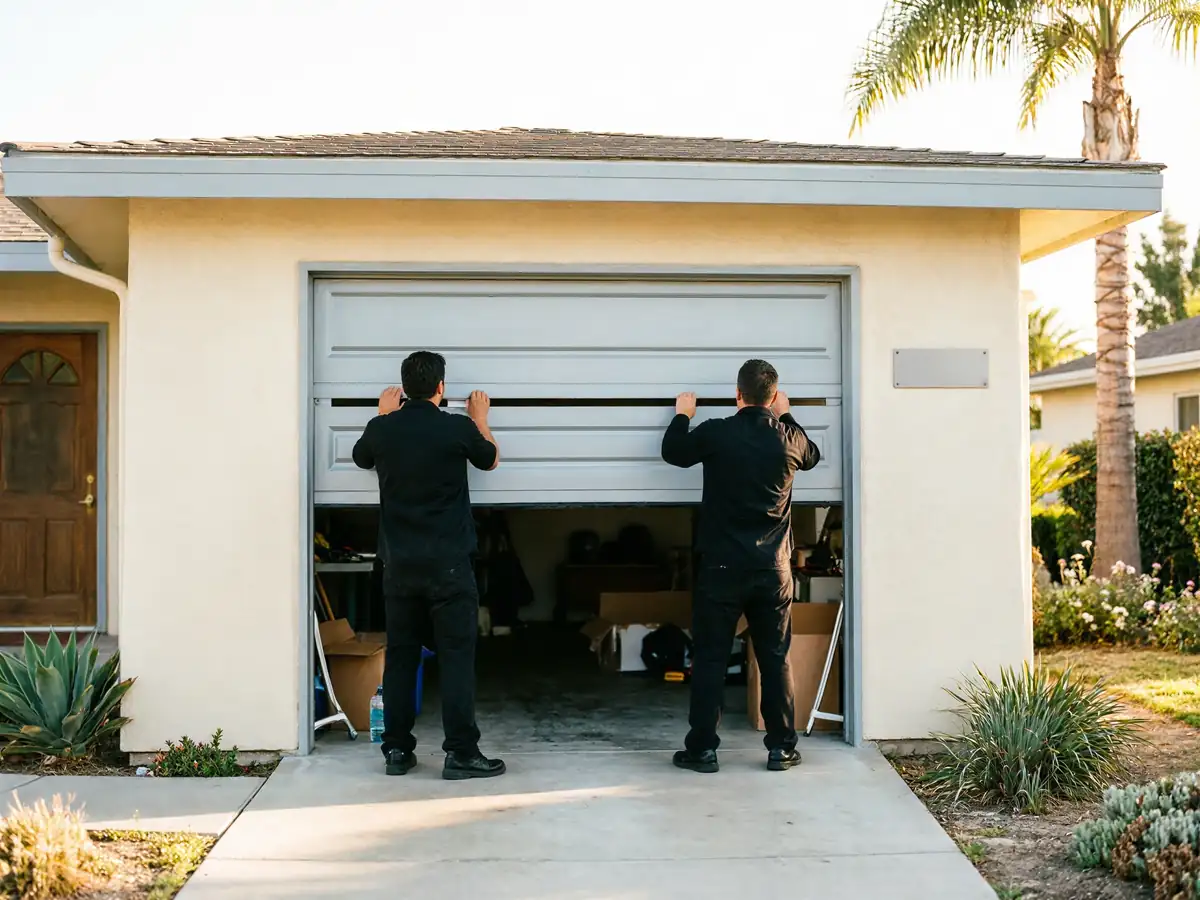
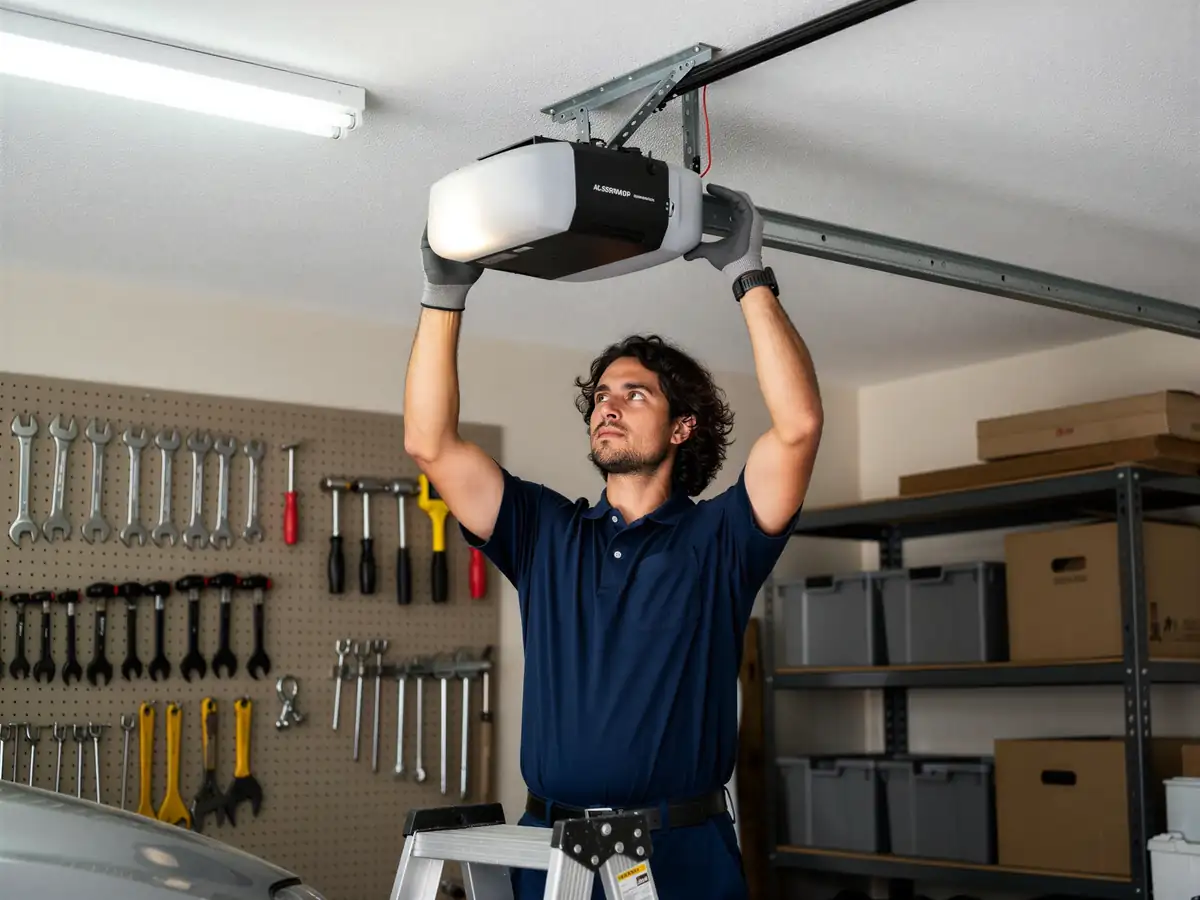
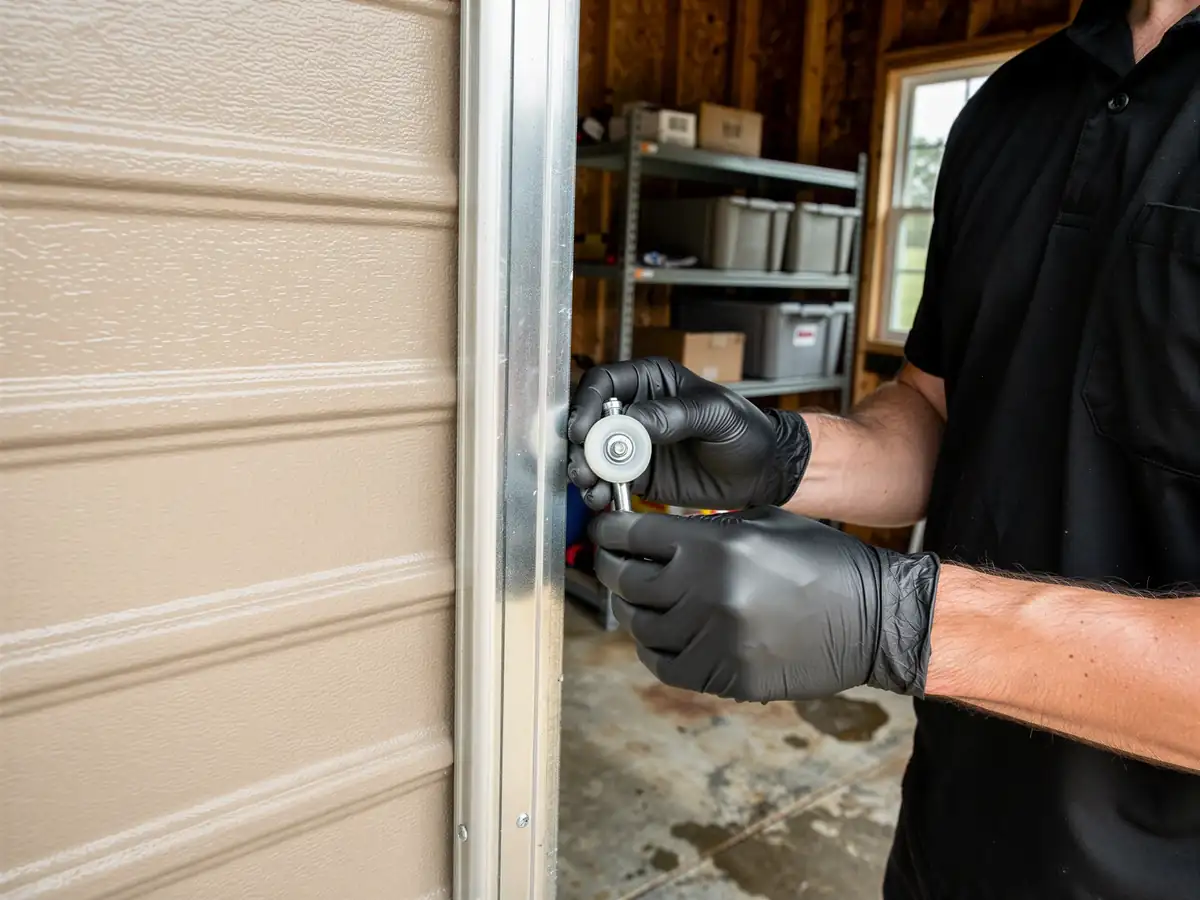
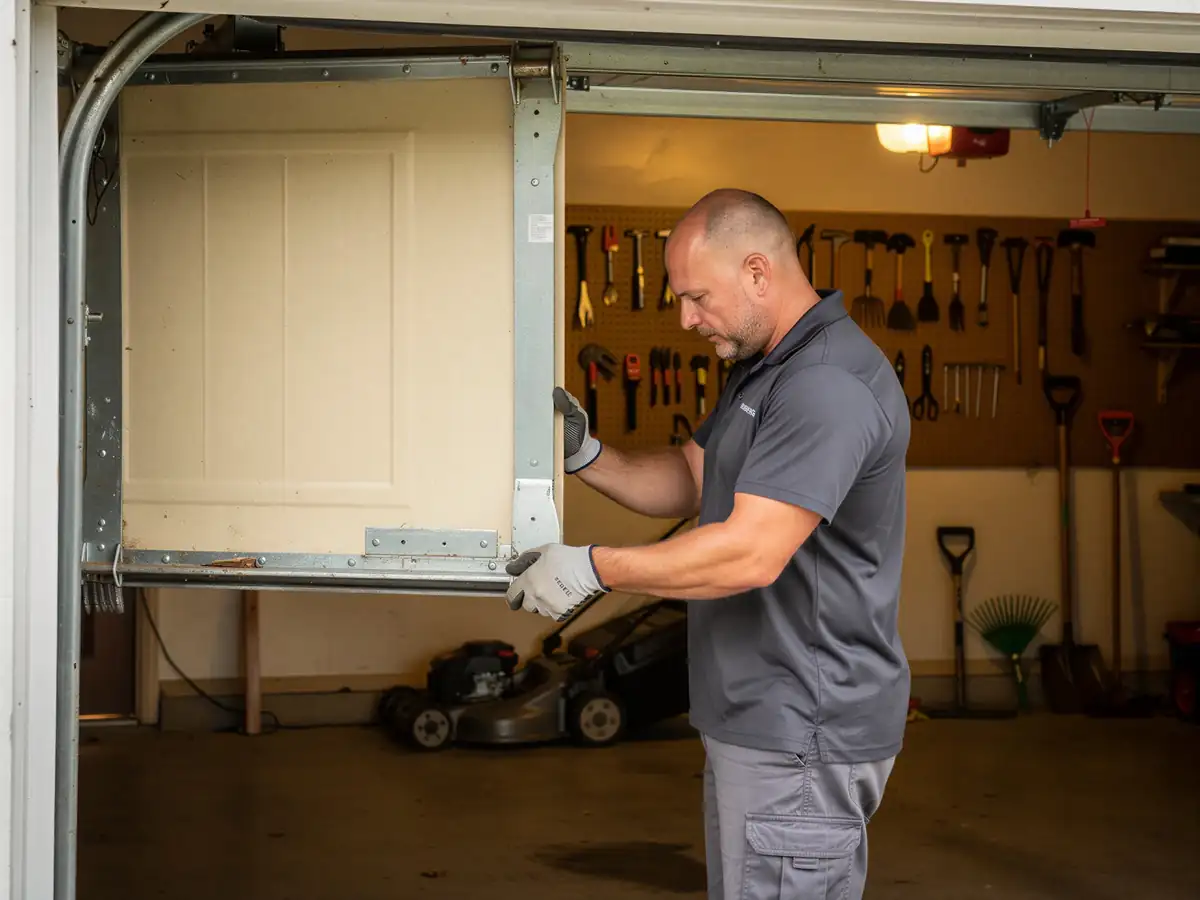
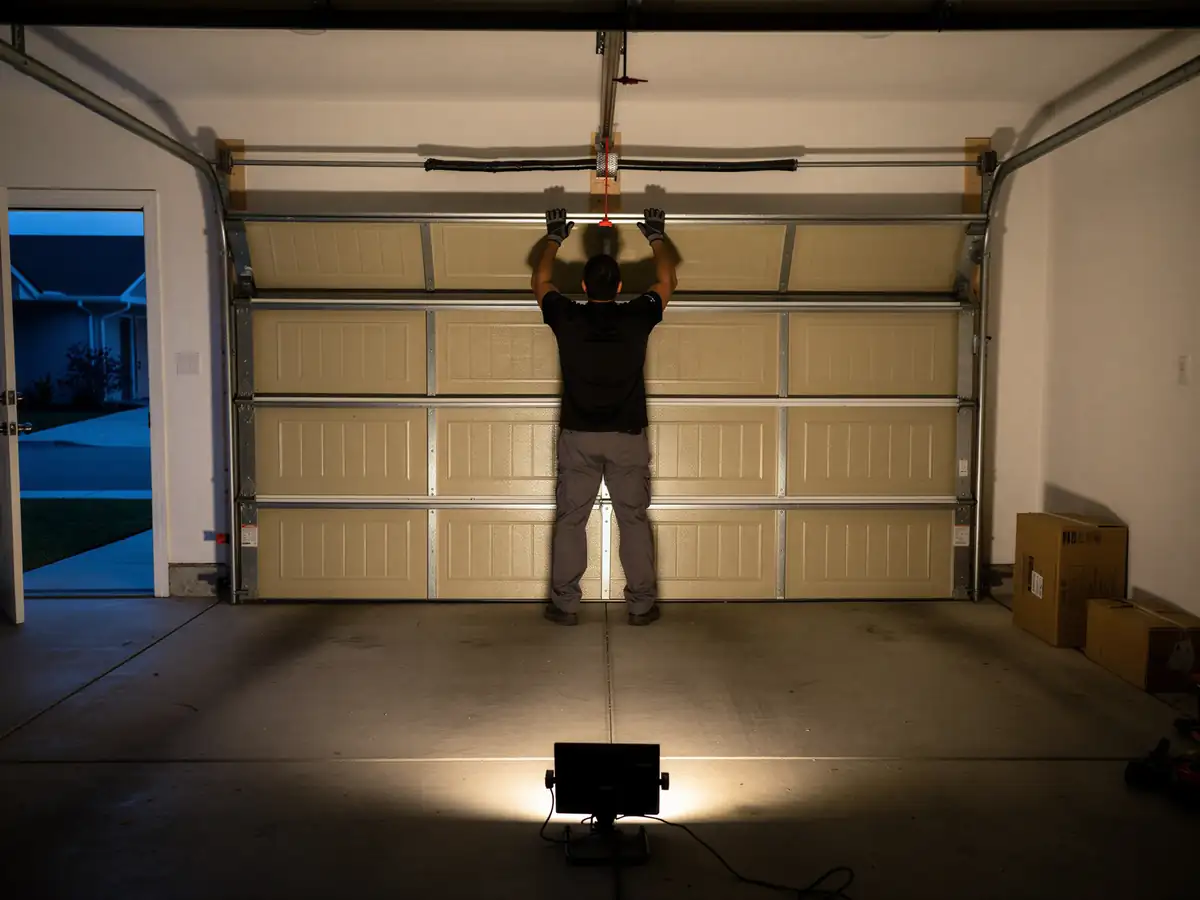
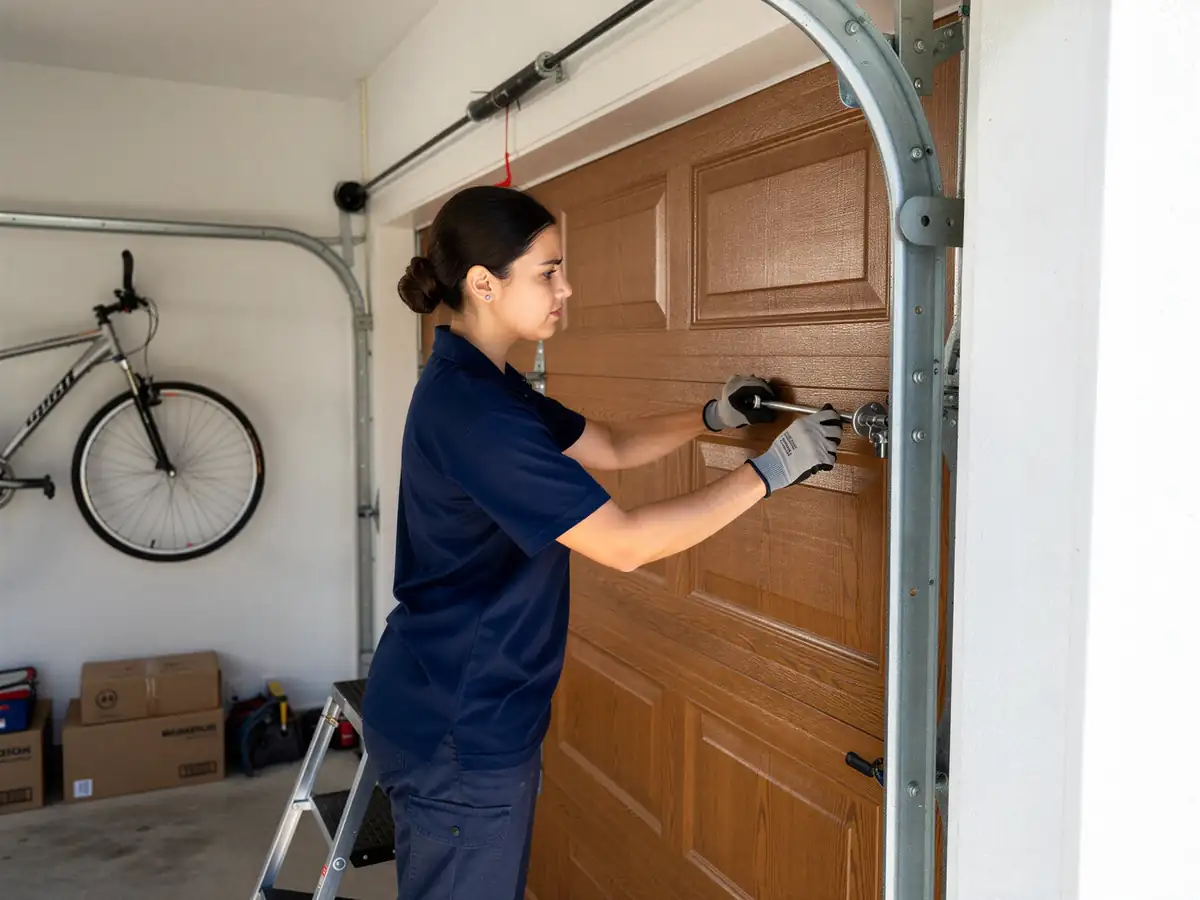
We start by watching the door run a full cycle before we touch anything. A torsion spring that's lost its wind, a cable that's frayed at the drum, a bottom roller that's worn its track groove wide - each one moves differently, and the symptom tells us where to look before we open a panel. On the 1960s and 1970s builds that make up most of Fairfield's stock, that usually means side-mounted torsion hardware on a single-car door, or a center torsion bar setup on the wider two-car doors that came later in the run. We carry common spring sizes and roller types for that era on the truck, because a house built in 1965 and a house built in 1995 often need different parts even on the same block. Openers get checked separately from the door itself - a chain drive from the 80s or 90s has different failure points than a belt drive installed in a remodel. We test the safety reversal, check the travel limits, and look at the logic board before we swap a motor, because half the opener calls we run aren't the motor at all. If a part isn't something we stock, we'll tell you the lead time up front rather than guess.
What You Pay
We don't post a flat number here because what a repair costs depends on what's actually broken, how old the hardware is, and whether a part has to be special-ordered for a door built outside the common range. A worn roller swap is a different job than a full spring replacement on a two-car door, and we'll give you that number on-site once we've seen the door run, not over the phone from a guess. What we can tell you: Fairfield's mild temperate climate means we're not replacing hardware that's rusted through or warped from freeze-thaw cycles the way some regions deal with - most of what we see is straightforward wear from age and cycles, not weather damage. That keeps repair jobs more predictable than in places where corrosion is part of the picture. One honest limit: if a door's track, hardware, and panels are all original from the earliest end of the 1938 to 2002 build range, sometimes the math favors replacing the whole unit over chasing parts for it piece by piece, and we'll say so rather than keep billing small repairs.
What Causes It Around Here
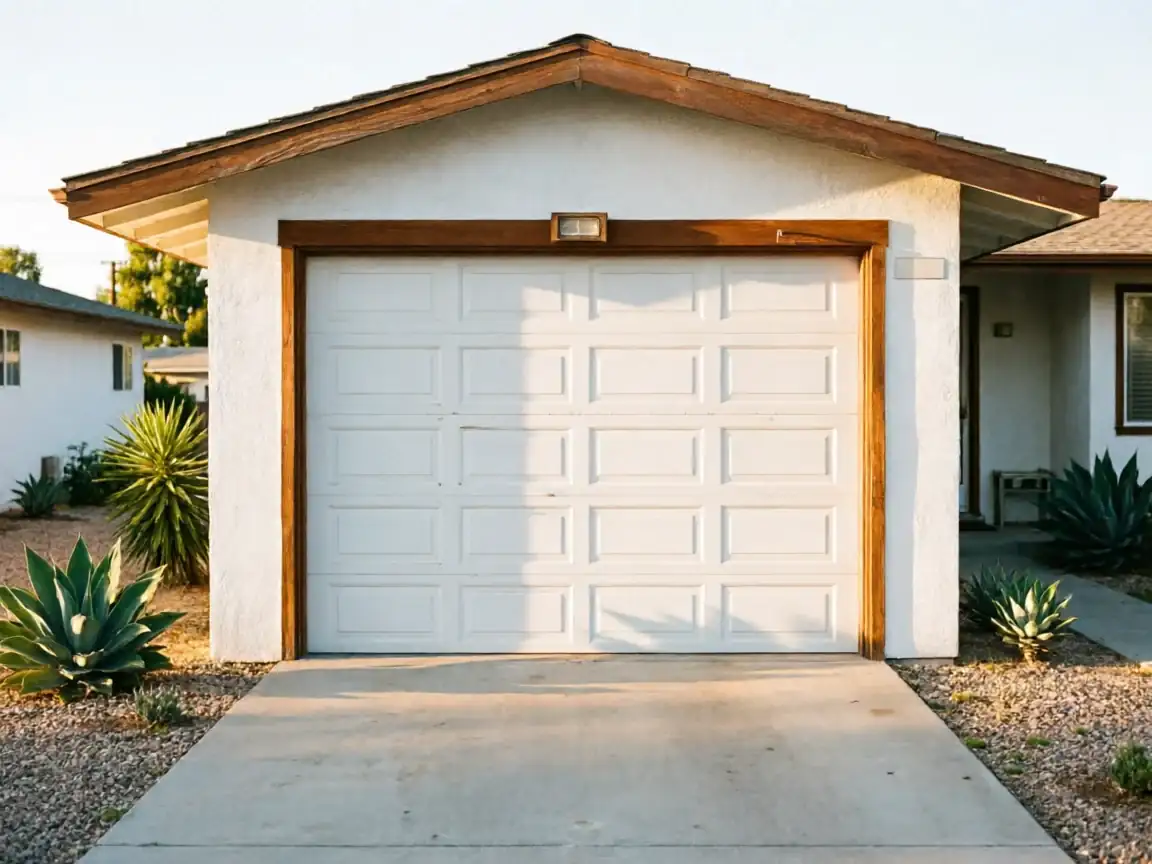
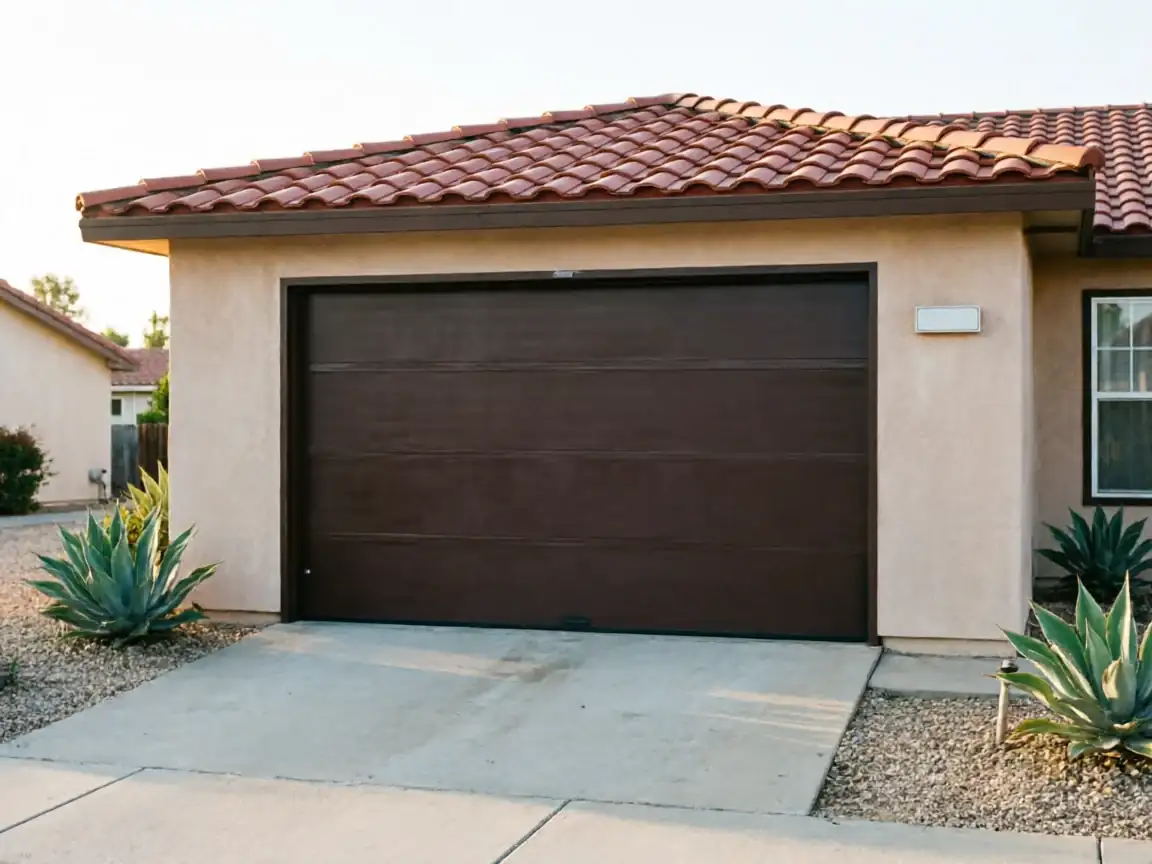
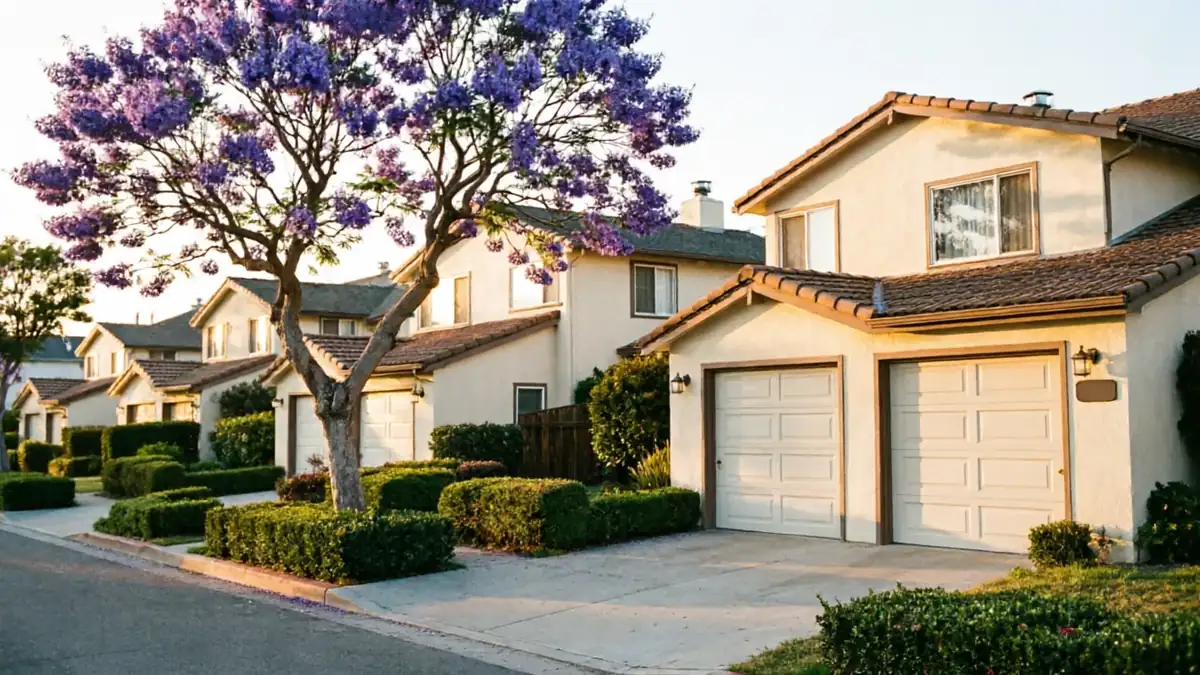
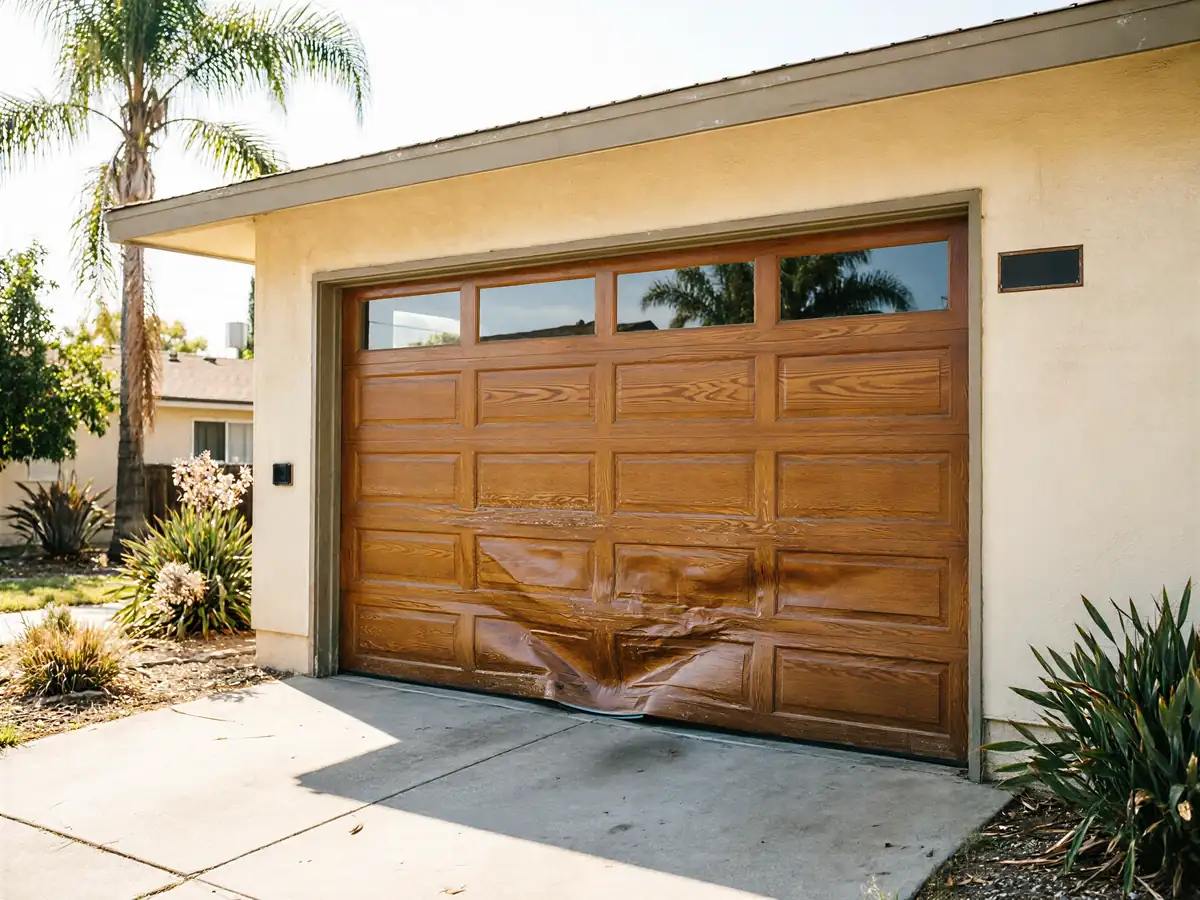
Fairfield's housing stock runs from 1938 up through 2002, with most of it concentrated in that 1960s-70s band spread across the area's named neighborhoods. That matters for repair work because it means a lot of doors on the road today are original or close to it - nobody's replaced the torsion hardware since the house was built, and the springs are well past their rated cycle count even if they look fine from the driveway. The mild temperate climate here helps in one way: we don't see the rust-through and seal failure that garages in wetter or colder regions deal with. But it doesn't stop mechanical wear, and a 50-year-old spring doesn't get a pass just because the weather's been kind to it. We see this pattern most on the older end of the build range - doors installed before double-car openers became standard, now carrying openers and weight they weren't originally matched to. That mismatch between original hardware and later upgrades is the single biggest driver of the repair calls we run.