Serving Fairfield, CA & nearby
(707) 213-3692
Fairfield, CA

Fixing vs. Replacing: What Fairfield's Older Doors Need

Fairfield homes built 1938-2002 carry varied door hardware depending on the decade they went up. Here's how to tell if yours is worth repairing or replacing.

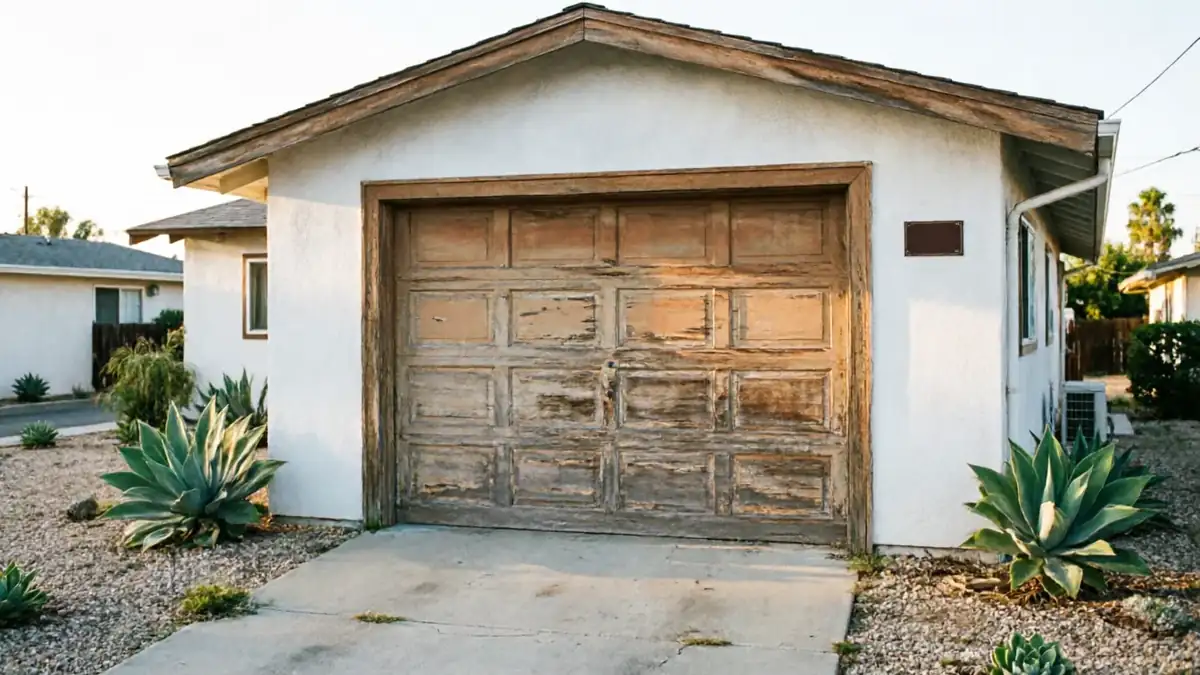
The garage door is old and weathered, with peeling paint and visible wood.

What to Check

Start with the year your house went up, not the year you bought it. Fairfield's housing stock runs from 1938 to 2002, with the median landing at 1979, and across the 19 named areas we work in, the bulk of it dates to the 1960s and 70s. That range matters because the hardware changed a lot in those decades. A house from the early run might still have a one-piece door on side-mounted torsion hardware - parts nobody stocks new anymore, so a repair means sourcing used stock or rebuilding the mount. A house from the 1970s run is more likely to have sectional panels on extension springs, which is a more forgiving repair.

Look at the springs first. If they're exposed coils on either side of the header rather than one spring over the track, you're on older hardware and your options for a cheap fix shrink. Check the track for rust pitting at the rollers and run your hand along the bottom panel for soft spots - wood doors from this era absorb moisture at the base even in a mild climate. Check whether the opener is original or a retrofit; if the door predates openers entirely, the bracket it's mounted to may not be rated for the load.

What Local Conditions Do

  1. Fairfield sits in a mild temperate band, which is good news and a trap at the same time

    You don't get the freeze-thaw cycling that splits seals and warps track in colder climates, so steel hardware here tends to outlast its counterparts elsewhere by sheer lack of abuse. That's why a 1979-built door can still be running on its original torsion spring and nobody's surprised.

  2. But mild doesn't mean static

    The same sun exposure that doesn't crack concrete slabs still dries out wood panels over decades, and a door that's never seen a hard freeze can still have brittle weatherstrip and sun-checked paint that lets moisture in at the seams. The failure mode here isn't sudden - it's gradual fatigue in springs that never got replaced because nothing ever forced the issue. That's the honest limitation: a door that's lasted 45 years on mild weather alone can look fine right up until the spring lets go on a Tuesday, because nothing about this climate gives you an early warning the way freeze damage does elsewhere.

    • 45 years

Season by Season

There isn't a hard winter here to force the issue, so the calendar matters less than it does in places with real freeze-thaw swings. Still, temperature changes through the year tighten and loosen spring tension slightly, and an older spring that's already fatigued is more likely to show it during the hotter stretch when steel expands and a marginal coil finally gives.

Spring and fall are when lubricant dries out fastest if nobody's touched it in years - not from cold, but from accumulated dust settling into old grease on original rollers and hinges. On a door from the 1960s or 70s stock common across this area, that's usually the first visible sign something's due: a grinding roller before anything actually breaks.

One limitation worth saying plainly: we don't push a full teardown on a door that's still running fine just because of its age. If the coil is tight, the track is straight, and the panel's solid, a mild climate like this one means you can often get more years out of original hardware than you'd expect, and we'd rather tell you that than sell a replacement you don't need yet.

What Is Going On

Across the service area there are 96,495 households and 46,420 owner-occupied houses, a lot of them built in that same 1938-to-2002 window with the bulk clustered in the 1960s and 70s. That means a large share of doors out there are sitting at the 50-to-60-year mark on original springs and track, which is well past the point most manufacturers rate the hardware for.

At a median household income of $102,938, replacement is financially within reach for most owners here once the math actually favors it - meaning once repair costs start running close to what a new door costs, or once a second or third spring replacement on the same door starts looking like throwing money at a part that's done. The decision isn't really about the door's age in isolation. It's about whether you're repairing a house-era problem (parts availability on genuinely old hardware) or a wear problem (a spring or roller that just needs swapping). The first one often points toward replacement. The second one usually doesn't.

How it works

From “it’s stuck” to “it’s fixed”

A man stands in a driveway, looking at his phone in front of a house.

Tell us what’s wrong

Describe the symptom - won’t open, loud bang, opener runs but the door won’t move.

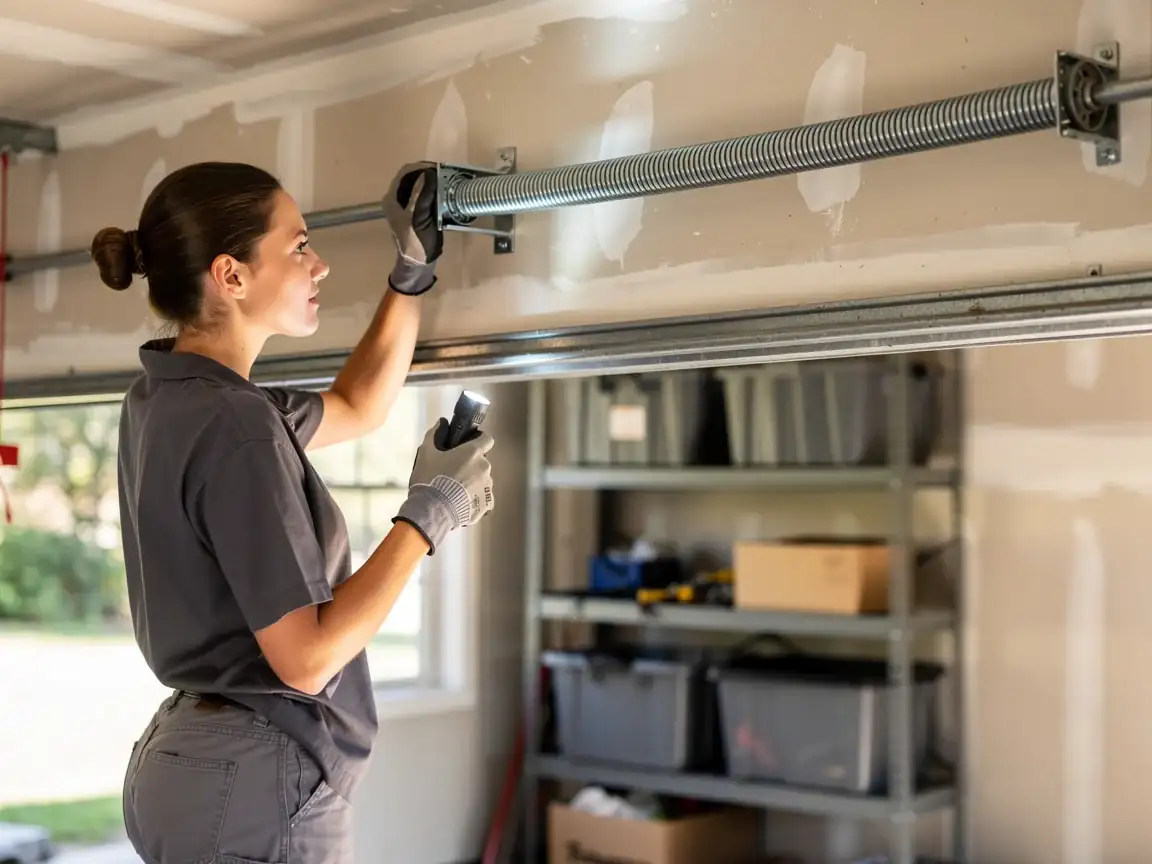
A technician in gloves holds a flashlight while working on a garage door torsion spring.

On-site diagnosis

A technician tests the door under power and by hand and finds what actually failed.

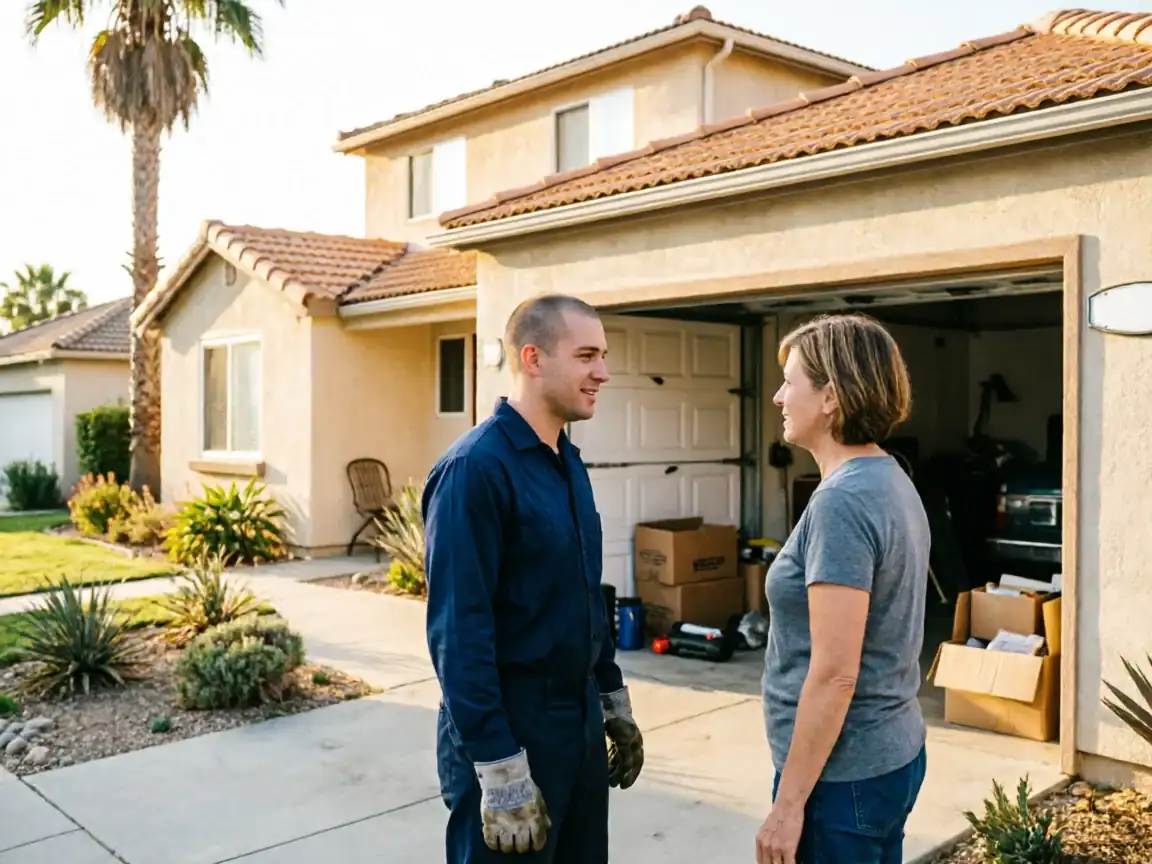
A technician in a blue uniform talks to a woman in front of a house.

Clear, up-front plan

You get the fix that’s needed and what drives the cost - before any work starts.

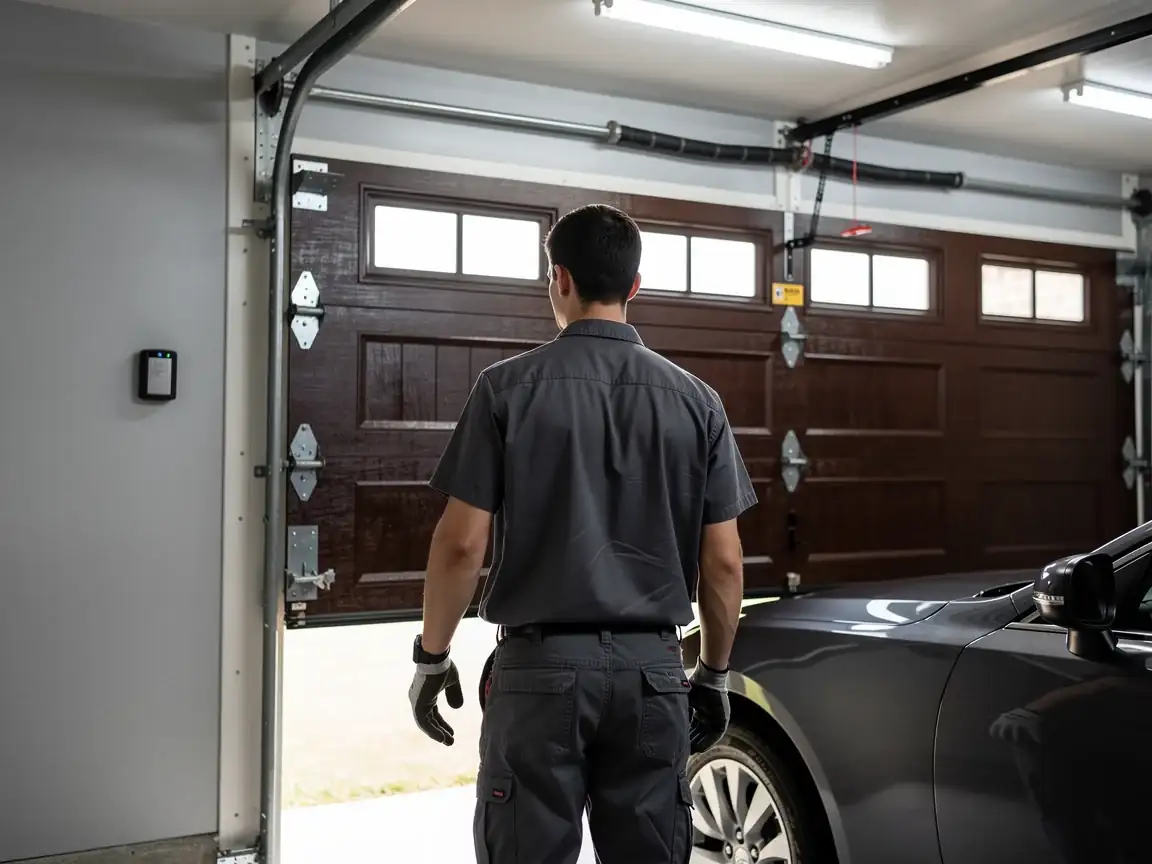
A technician stands in a garage looking at a brown garage door with windows.

Repaired & tested

The repair is done, the door is set true and tested, and the work area left clean.

Not sure which repair your door needs in Fairfield, CA? Describe what it’s doing - every job starts with a diagnosis.

How we work

What to expect

Diagnosis first

Every visit starts by finding what actually failed - not a pre-written parts list.

The right part for the door

Springs and openers matched to the door’s weight and age, so the fix holds up.

Straight answers

When a repair makes more sense than a replacement - or the reverse - you hear it plainly.

Clean, careful work

Tension released safely, hardware set true, the door tested under power before we leave.

What we do

Garage Door Services

Repair and installation work for Fairfield homes and businesses.

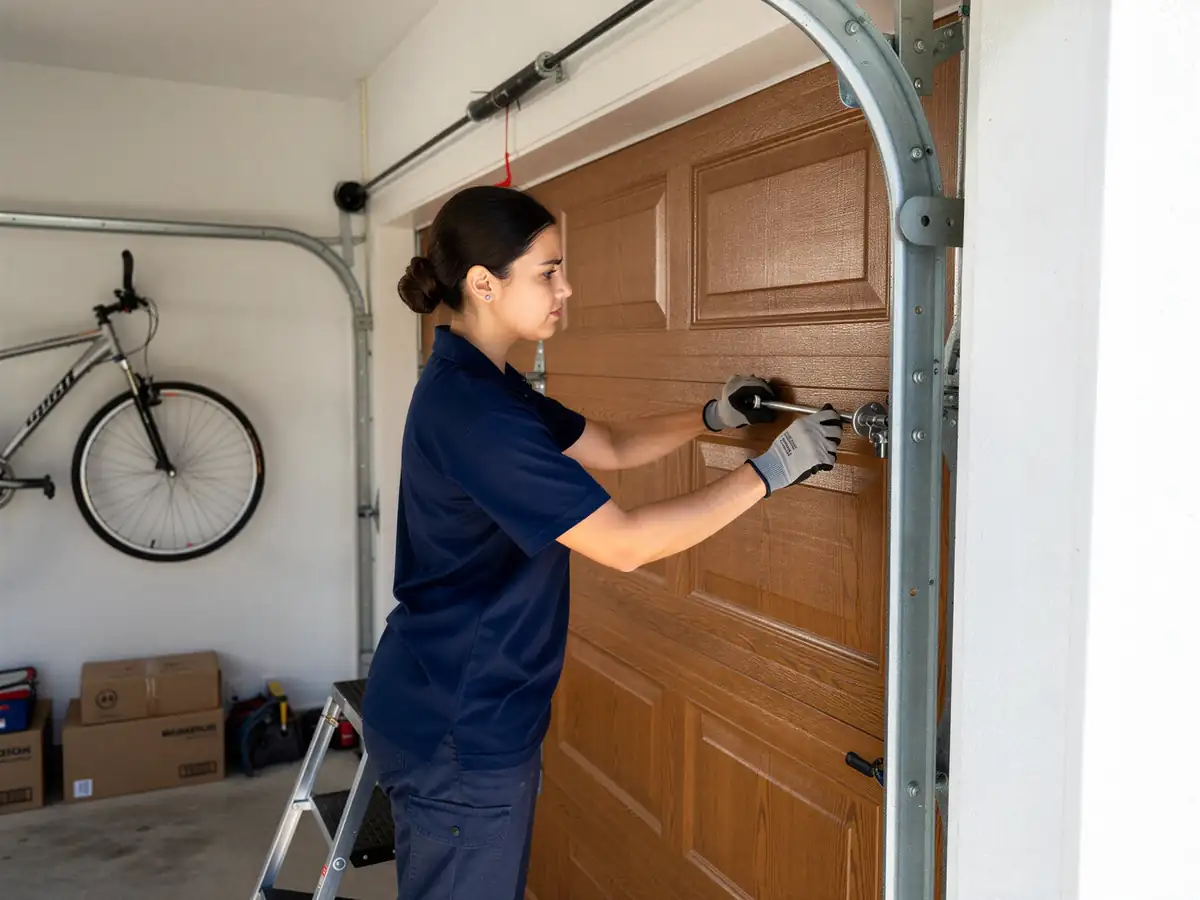
A technician adjusts a brown garage door with a tool.

Garage Door Repair

Fairfield Garage Door Pros fixes springs, openers, and tracks on the 1938-2002 housing stock common across Fairfield's 19 neighborhoods. Same service area, local know-how.

Learn more
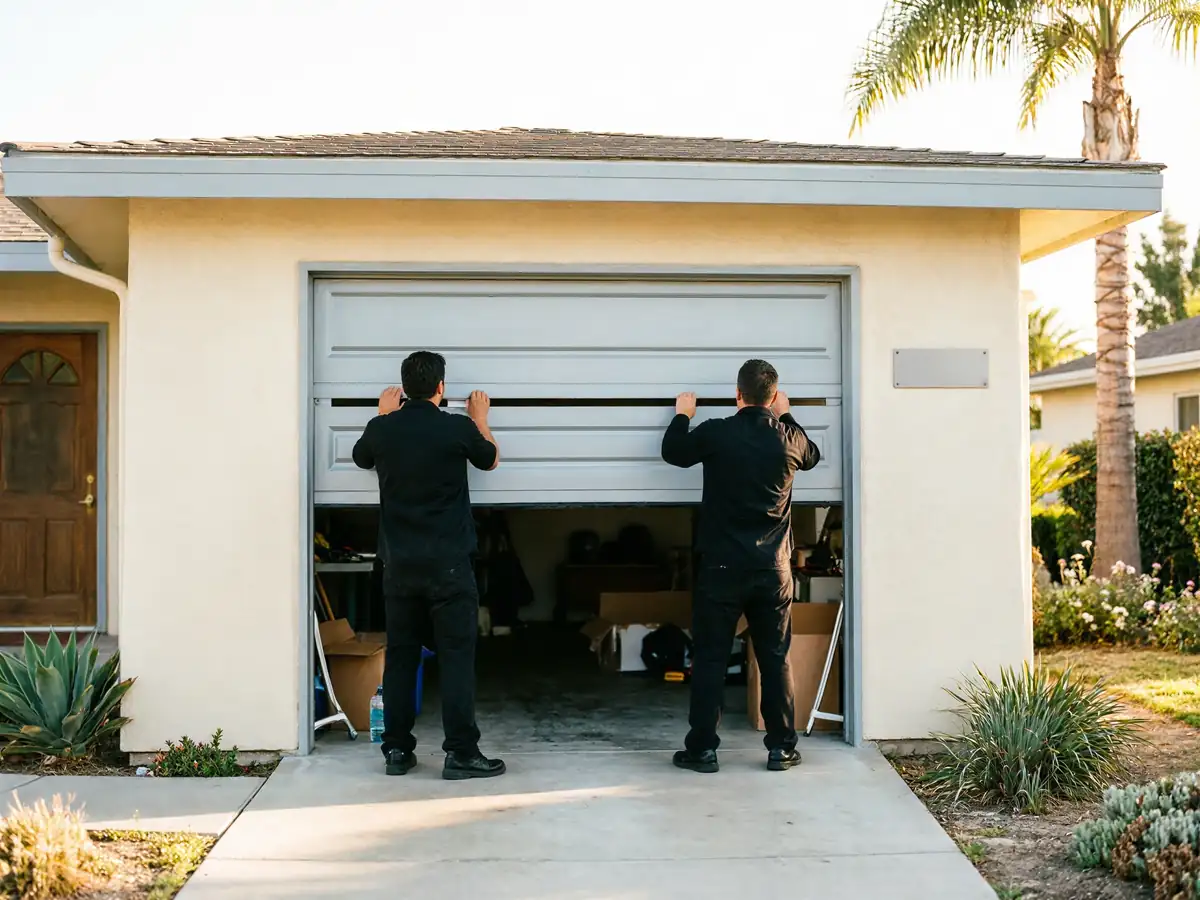
Two technicians are opening a gray garage door on a house.

Garage Door Installation

Fairfield homes built between 1938 and 2002 often need non-standard track and header work. We install doors sized for this area's actual housing stock, not a generic box kit.

Learn more
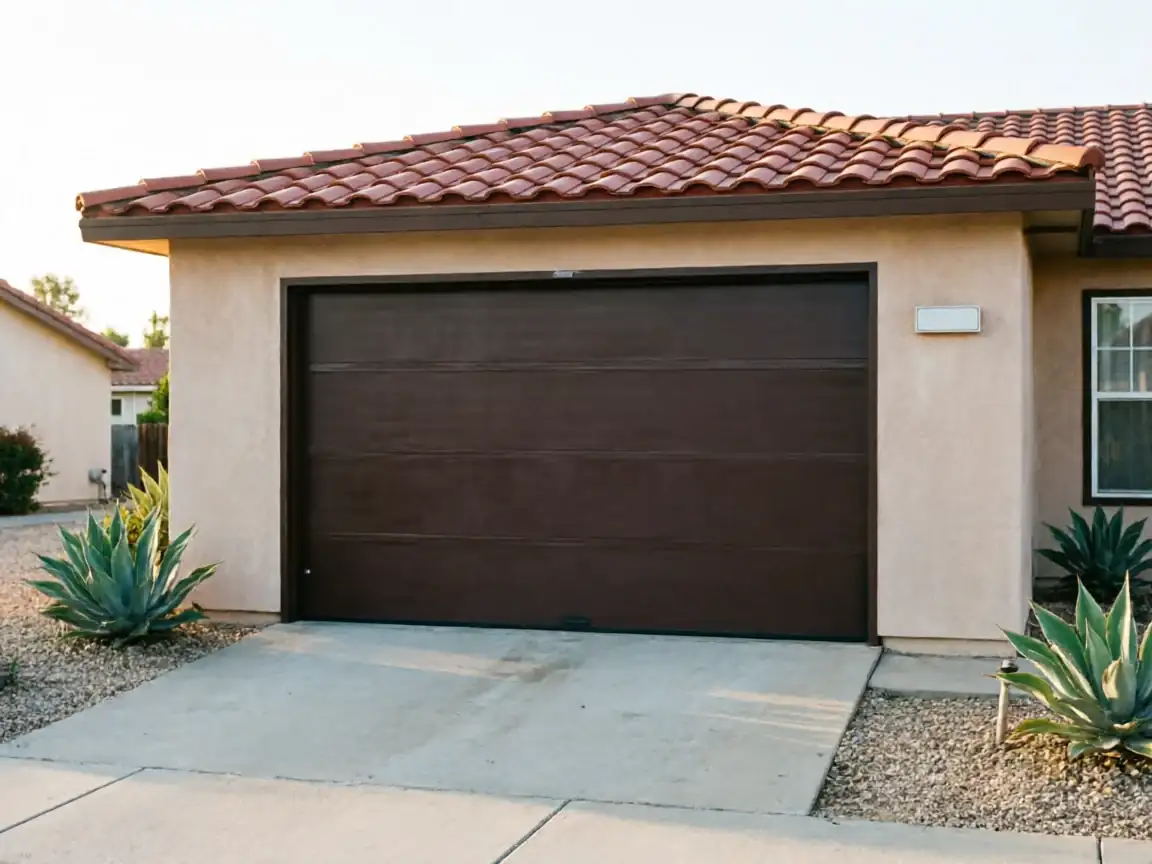
A brown garage door is on a stucco house with a red tile roof.

Garage Door Service

Fairfield Garage Door Pros fixes broken springs, openers, and tracks on homes built 1938-2002 across Fairfield, CA. Straight talk on parts, timing, and cost.

Learn more
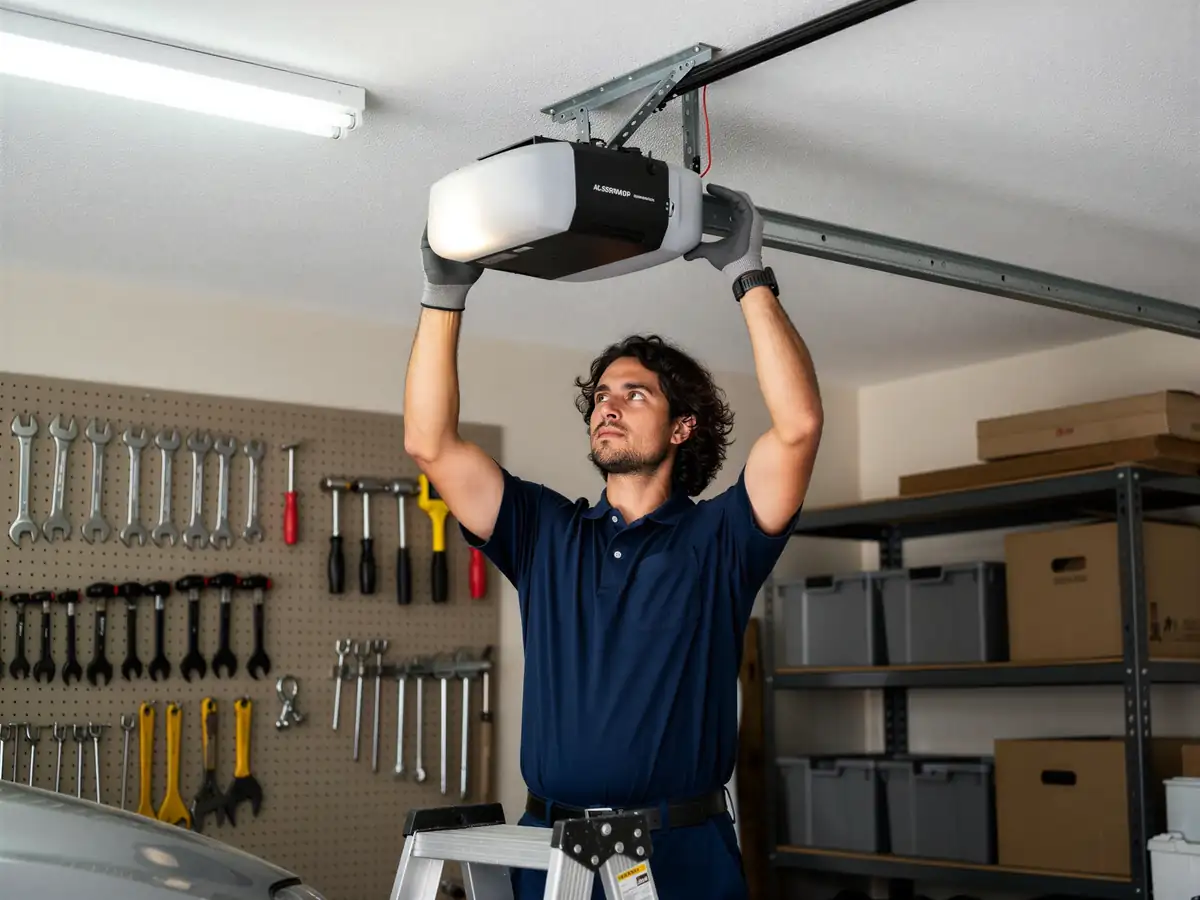
A technician on a ladder installs a garage door opener.

Opener Installation

Opener installation and replacement for Fairfield homes built between 1938 and 2002 - matched to your track, door weight, and the mild Bay Area climate.

Learn more
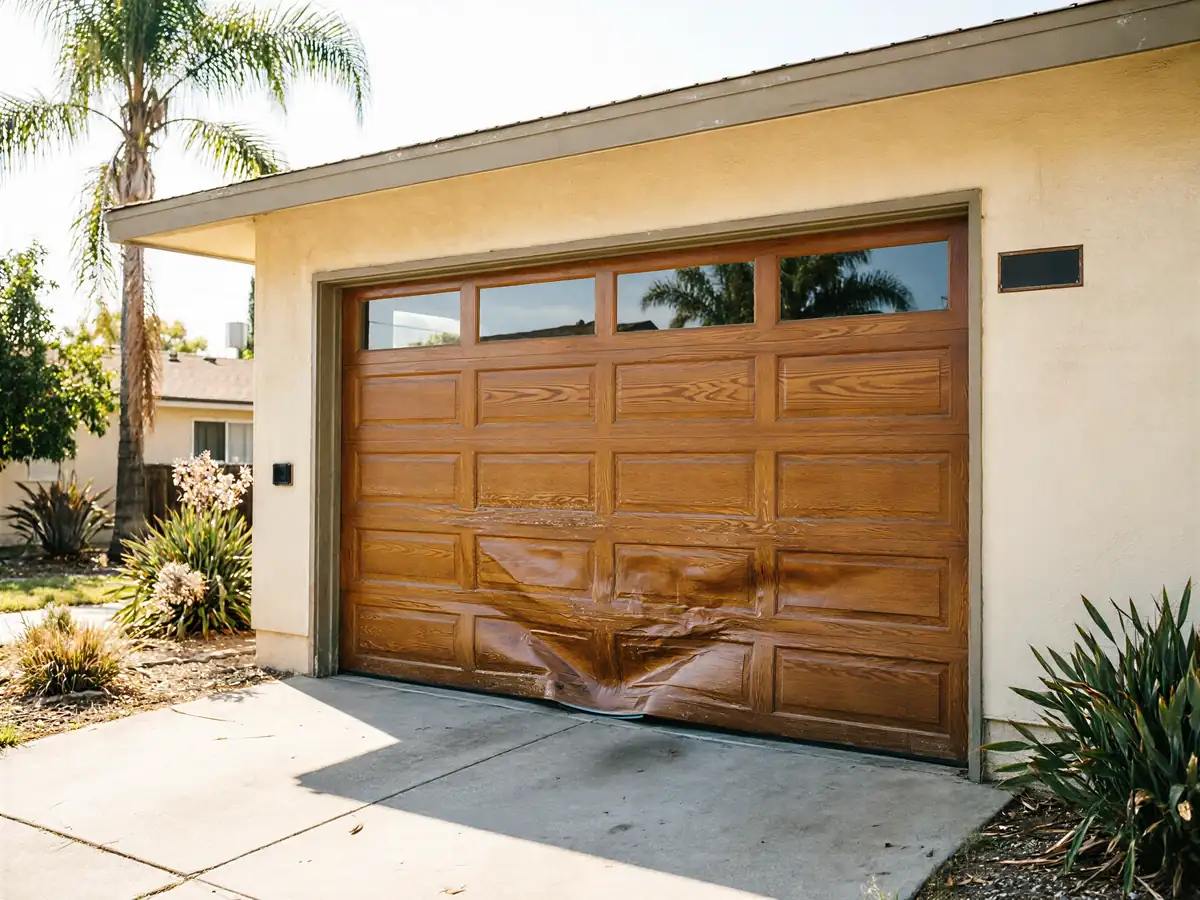
A damaged brown garage door with windows is on a tan house.

Panel Replacement

Dented or cracked garage door panel in Fairfield? We match steel and aluminum panels on 1970s-era sectional doors common across this service area. Call for a look.

Learn more
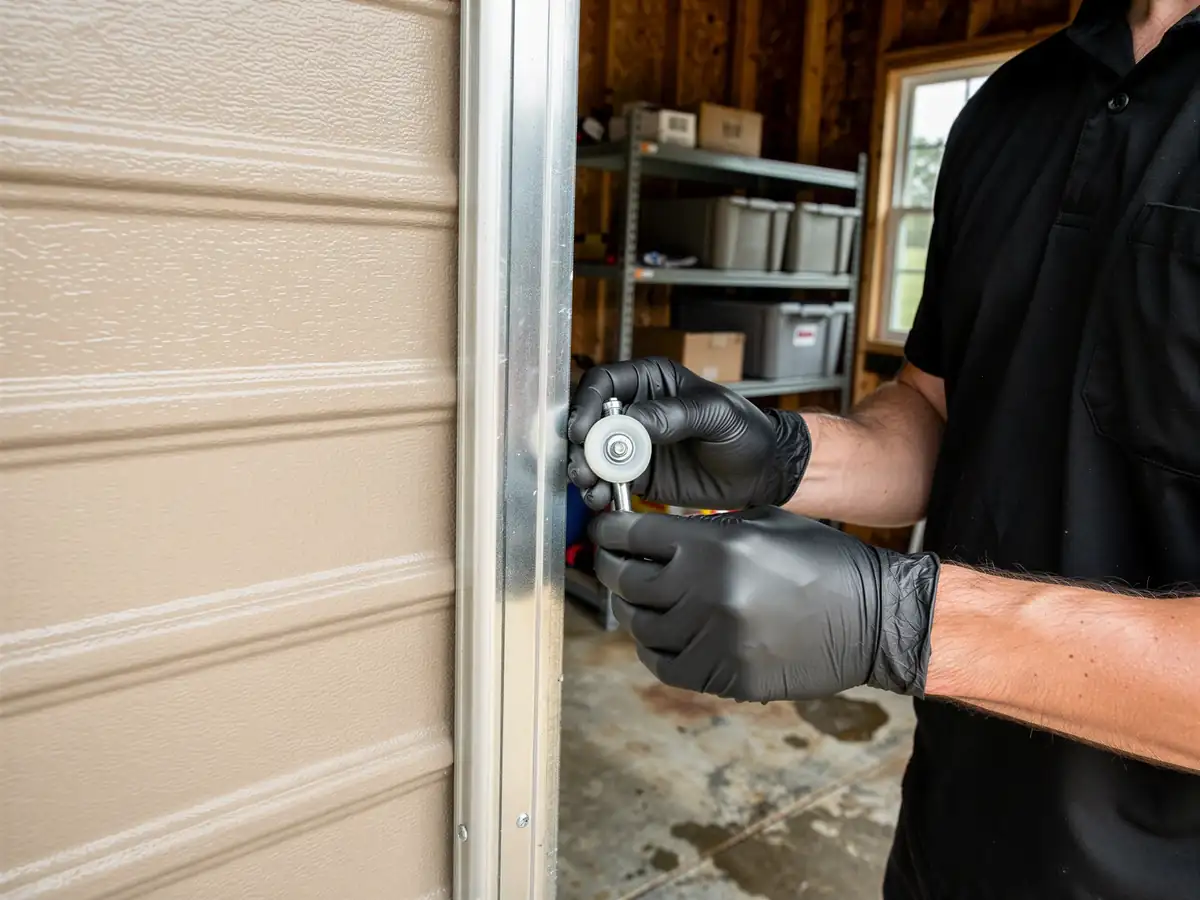
A technician in black gloves holds a garage door roller next to a beige garage door.

Roller Replacement

Roller replacement for Fairfield-area garage doors, covering 1960s-70s stock through newer builds, with what drives roller failure and what the job actually costs here.

Learn more
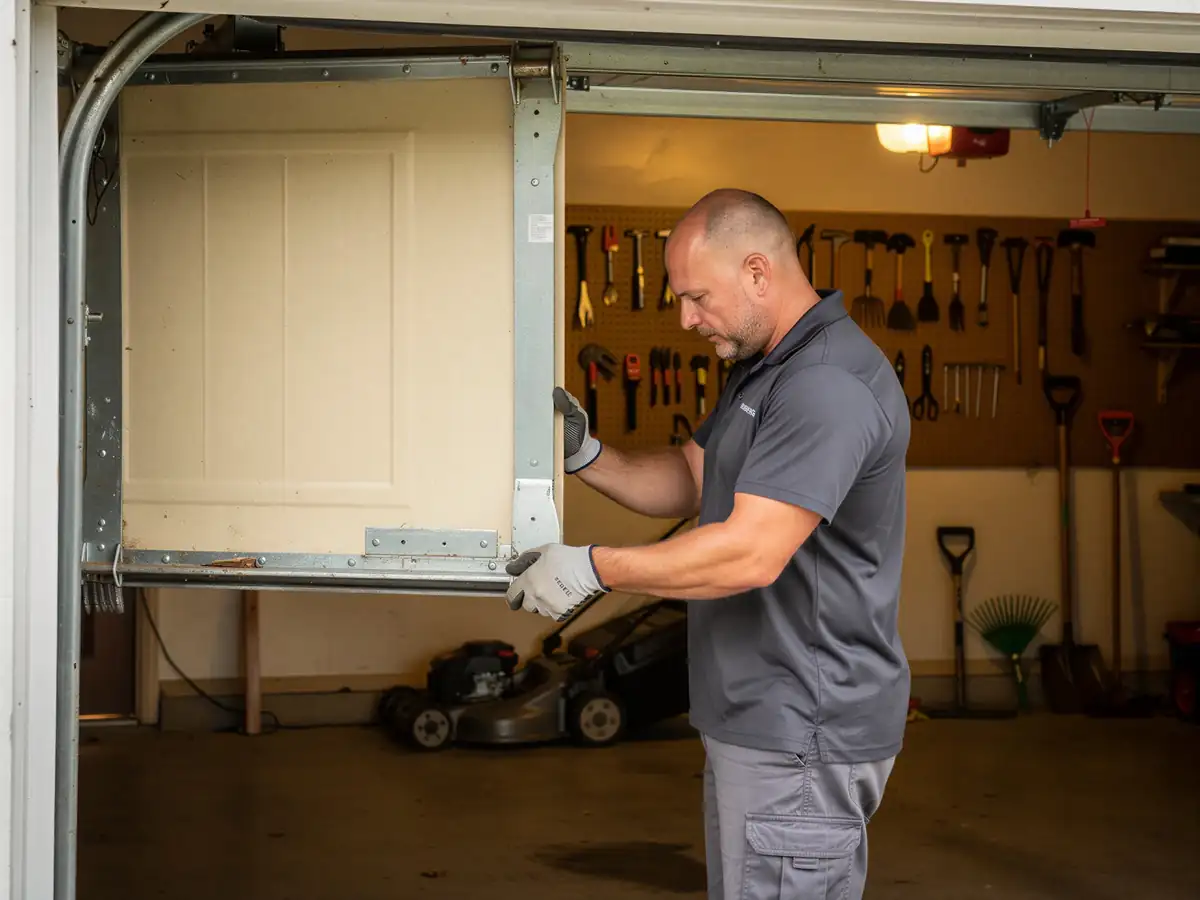
A technician in a gray shirt is working on a garage door panel.

Maintenance

Garage door maintenance for Fairfield homes built mostly in the 1960s-70s era, where original hardware and mild coastal air wear differently than newer doors.

Learn more
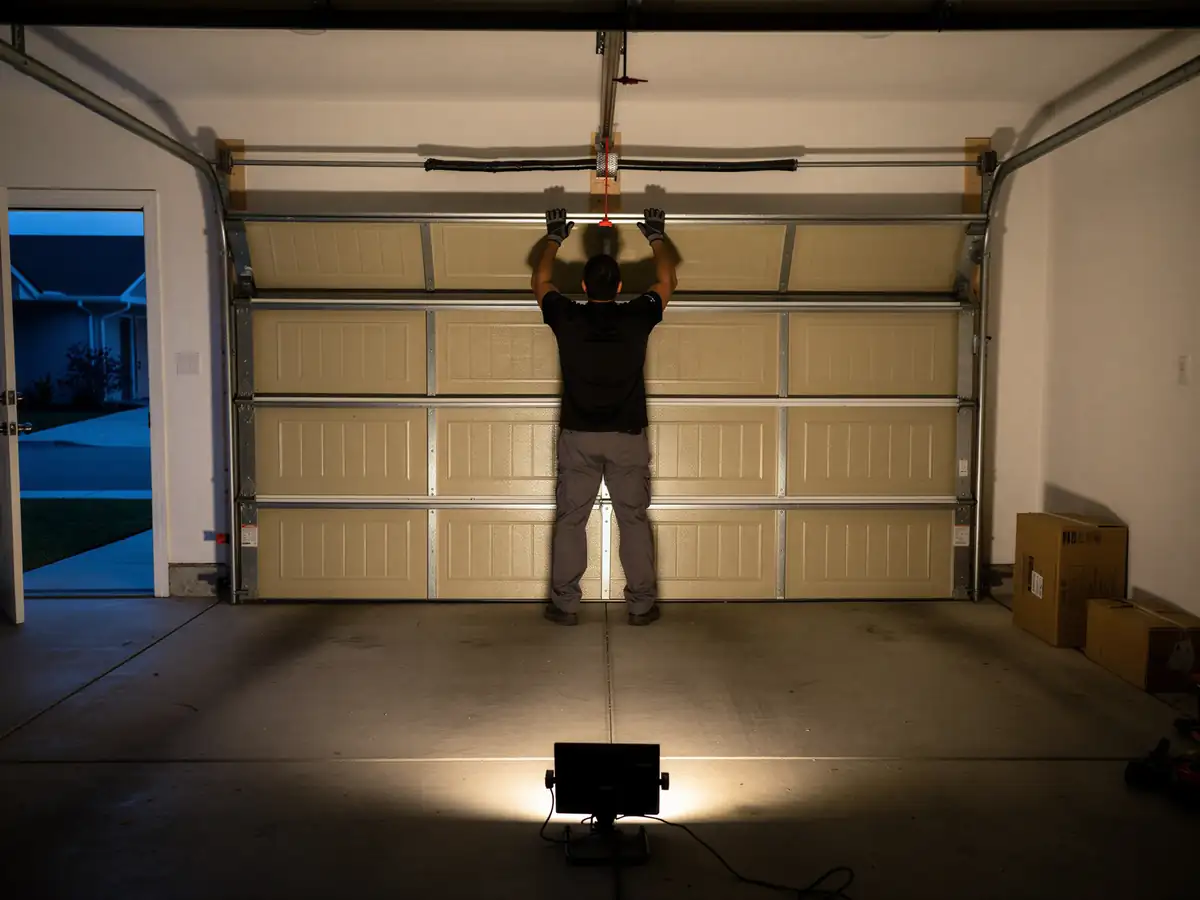
A technician adjusts a beige garage door with a spotlight on the floor.

Emergency Garage Door Repair

Fairfield Garage Door Pros fixes broken springs, stuck doors, and dead openers across Fairfield's older housing stock. Call for same-day emergency repair.

Learn more
Questions

Frequently asked

Straight answers about garage door repair in Fairfield. Still unsure? Ask us directly.

How do I know if my garage door is too old to repair?

Age by itself isn't the test. If your door is from the 1960s or 70s stock common in this area and still has its original torsion hardware, the question is whether parts for that specific mount are even available. If the track and panel are solid and it's just a spring, repair almost always makes more sense than replacing the whole door.

Does Fairfield's climate wear out garage doors faster?

No - if anything the mild temperate conditions here are easier on hardware than a colder climate with freeze-thaw cycling. The trade-off is that wear is gradual and quiet. A door can look fine for decades and then have a spring fail with little warning, since there's no hard freeze forcing visible damage earlier.

Is it worth replacing a door that's still working?

Usually not, if the track is straight, the spring is tight, and the panel has no soft spots. We don't recommend swapping out hardware that's still doing its job just because of its age. Replacement makes more sense once repair costs start stacking up or original parts stop being available.

Ready to get your garage door sorted?

Tell us what it’s doing and where you are in Fairfield - we’ll take it from there.

8Services offered
7Areas covered
Diagnosisfirst, then the fix
Request a QuoteCall