What to Check
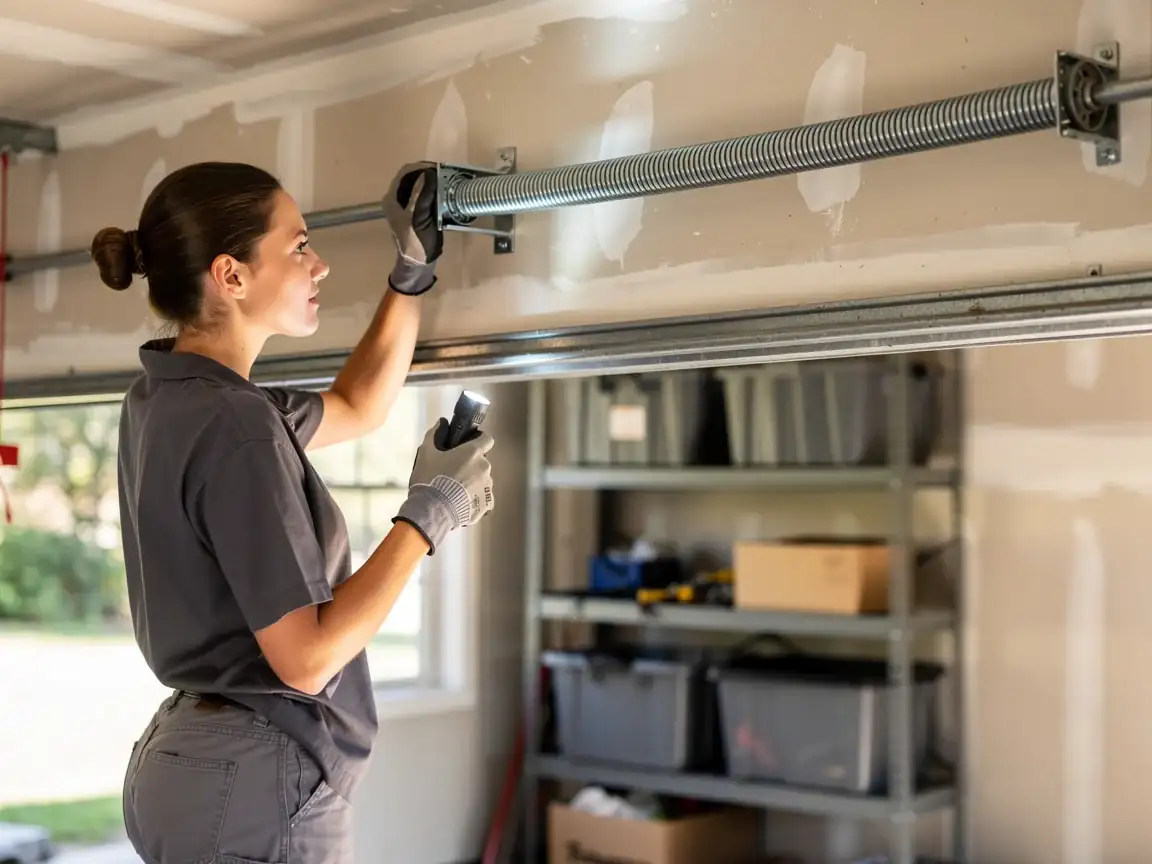
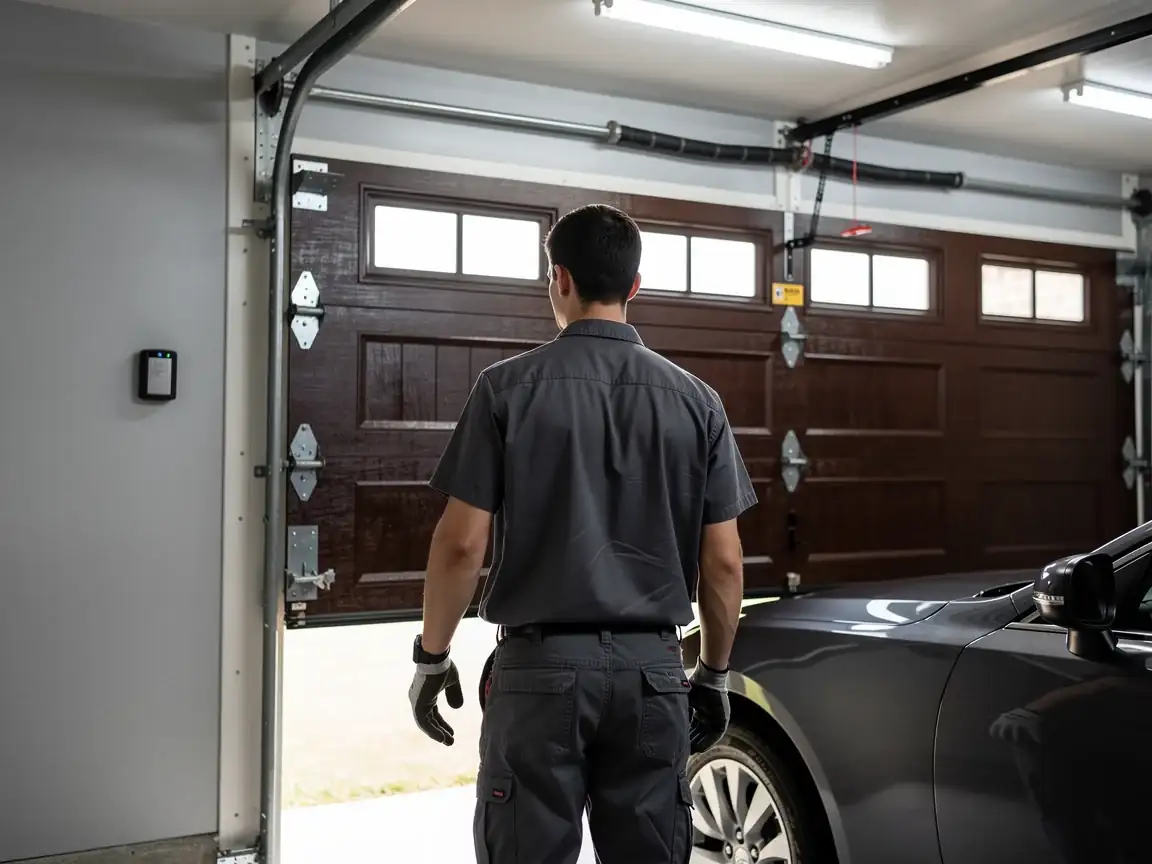
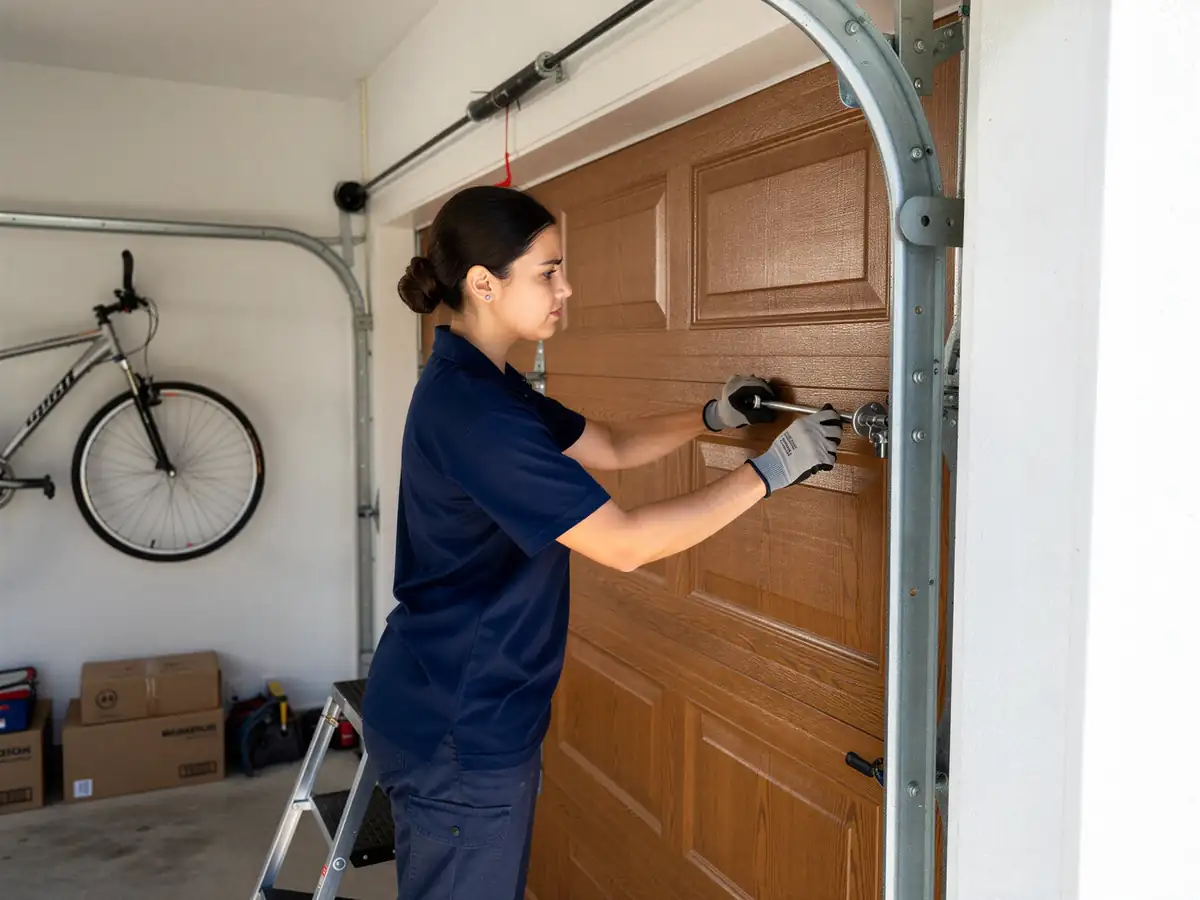
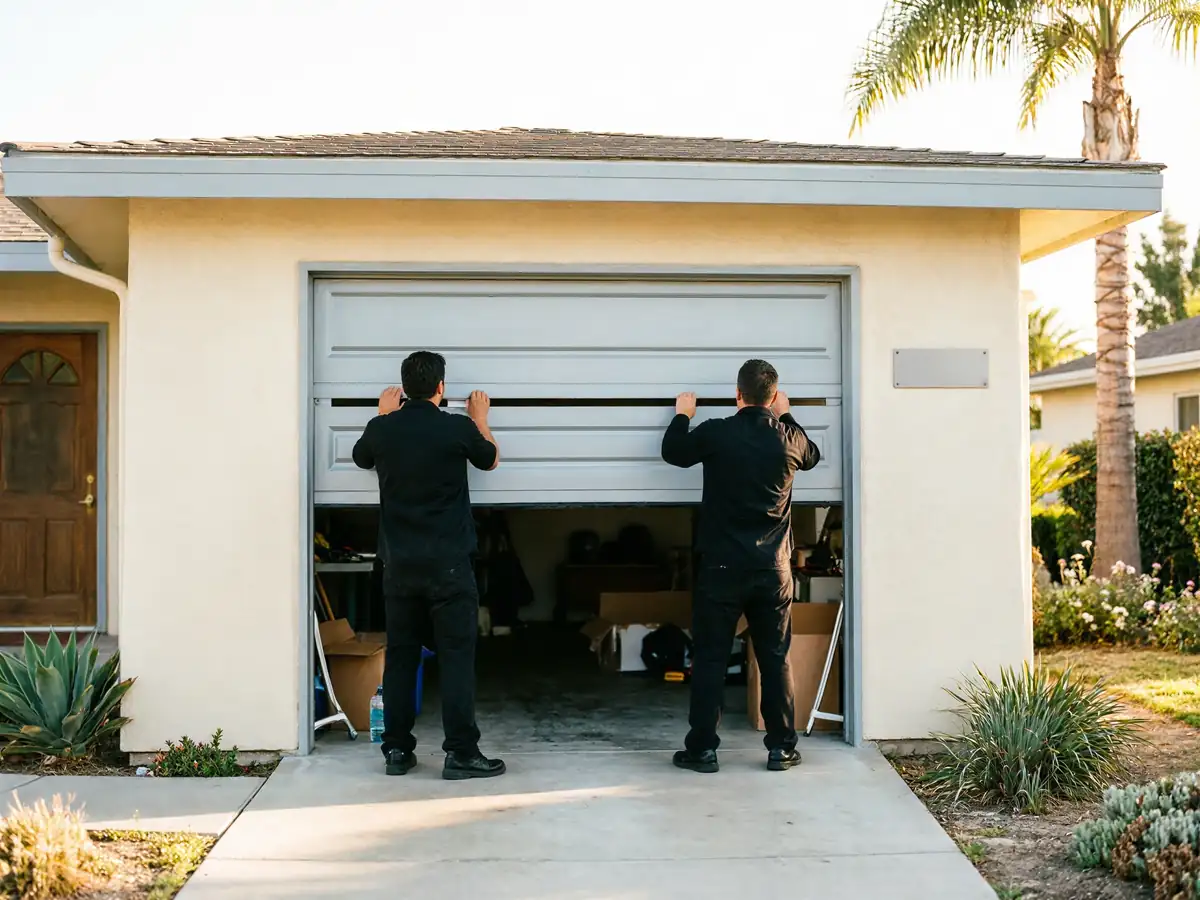
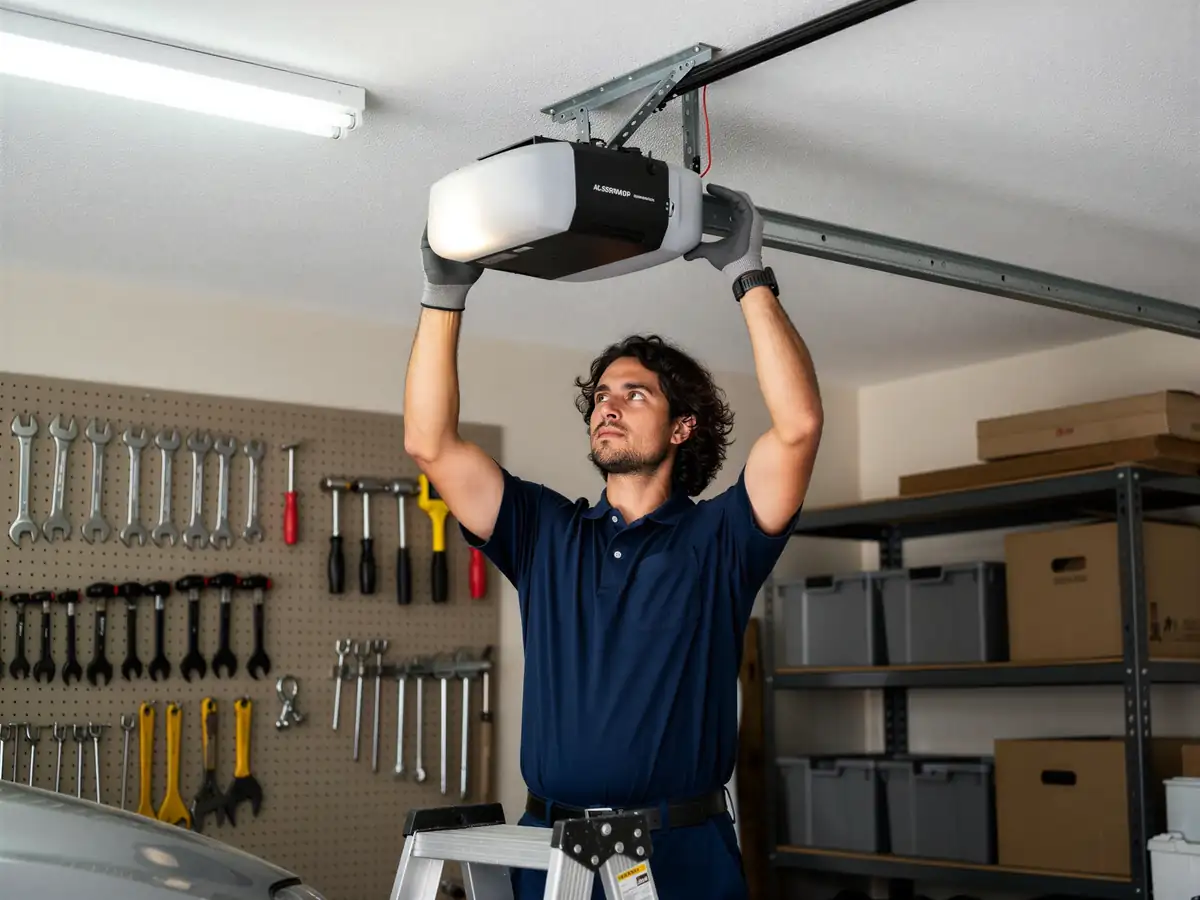
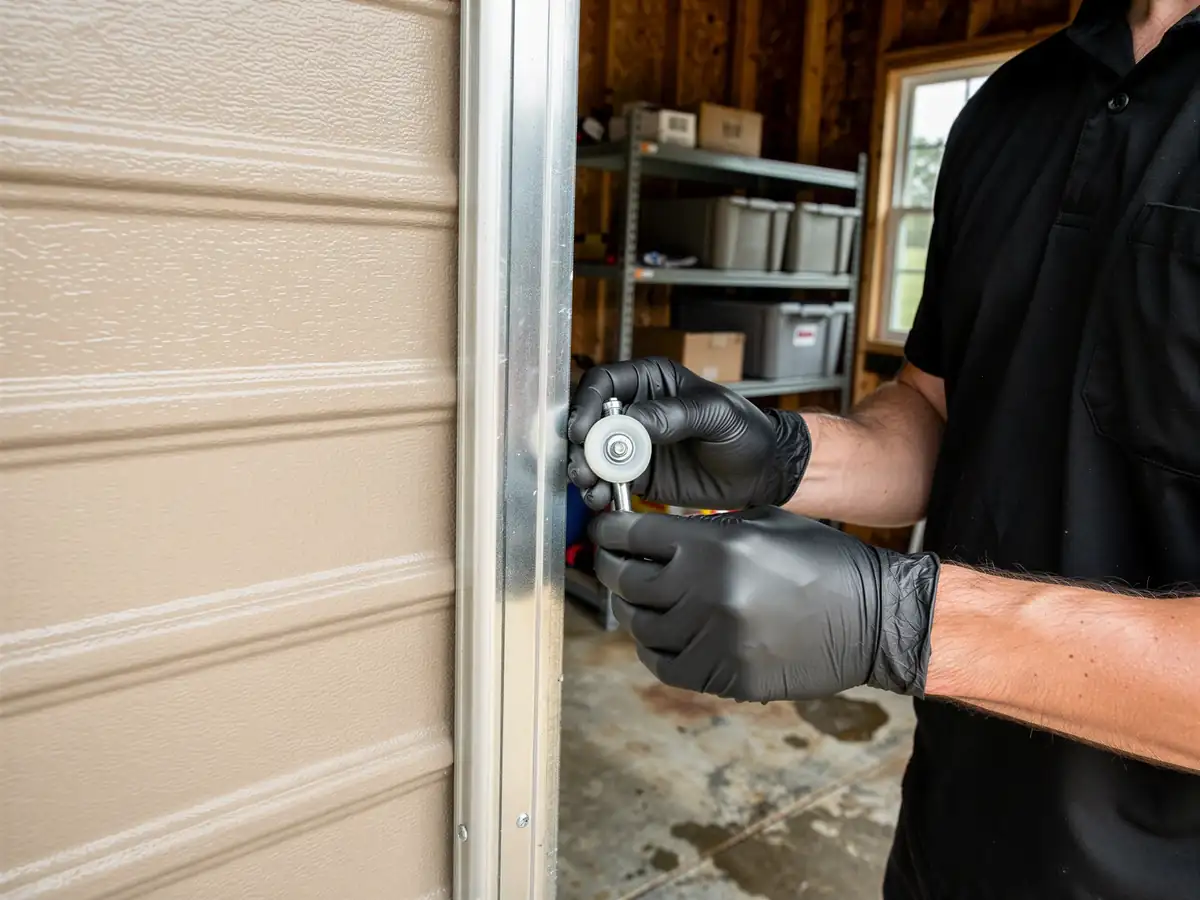
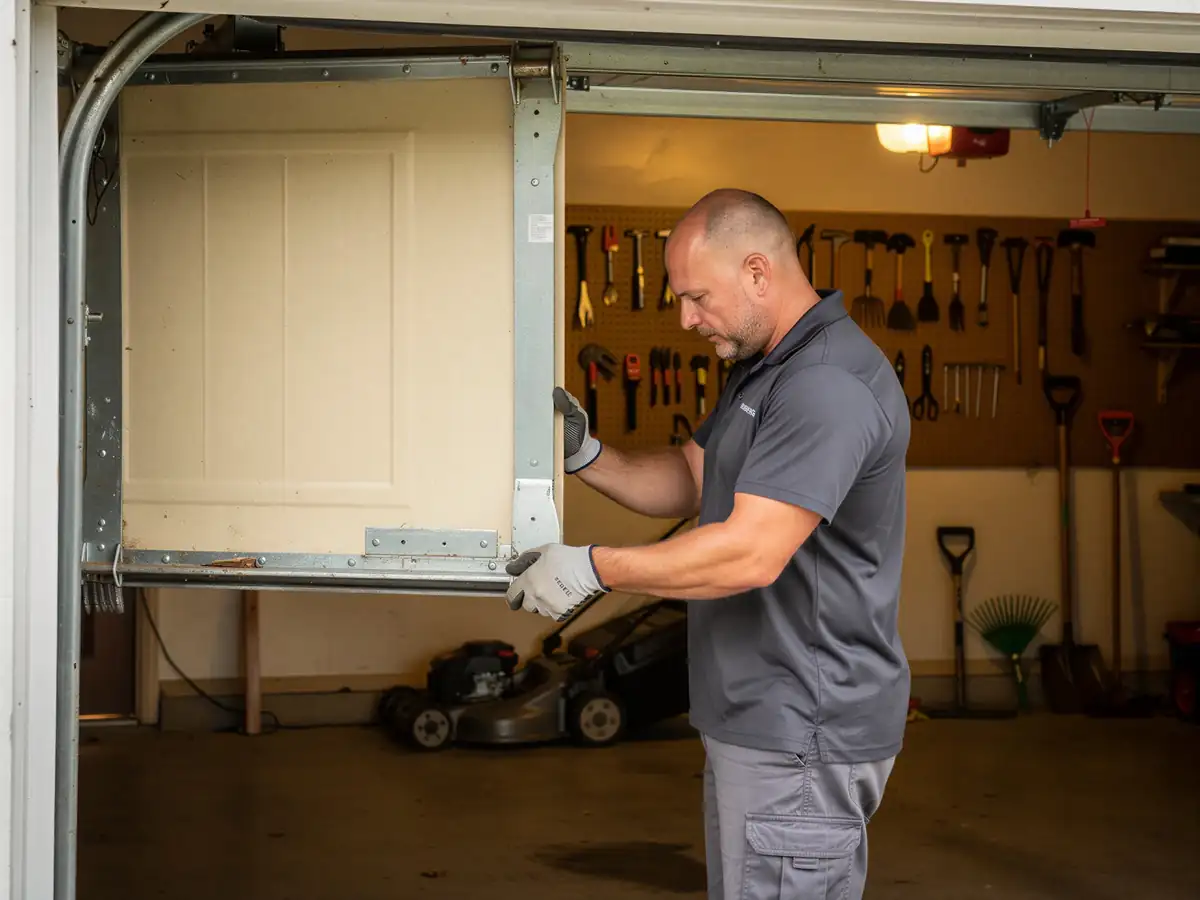
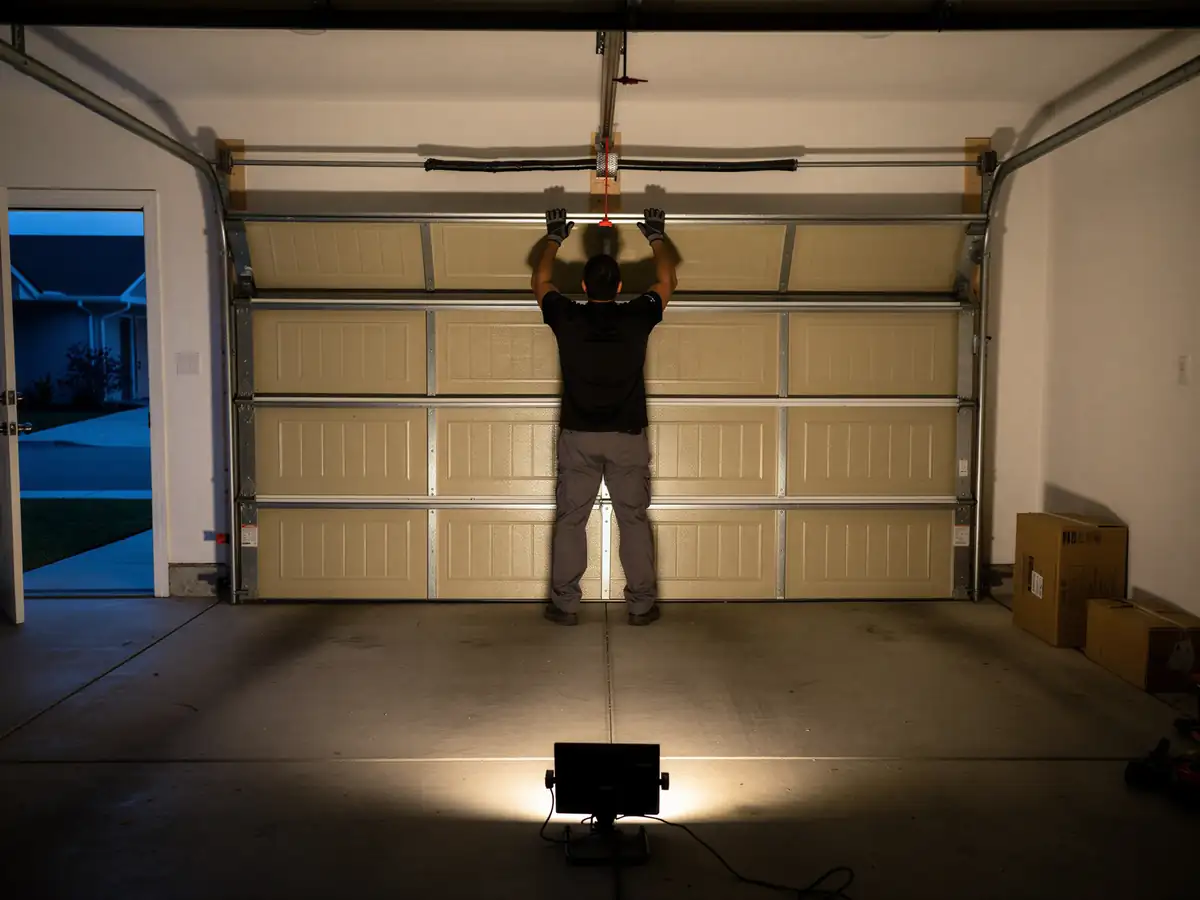
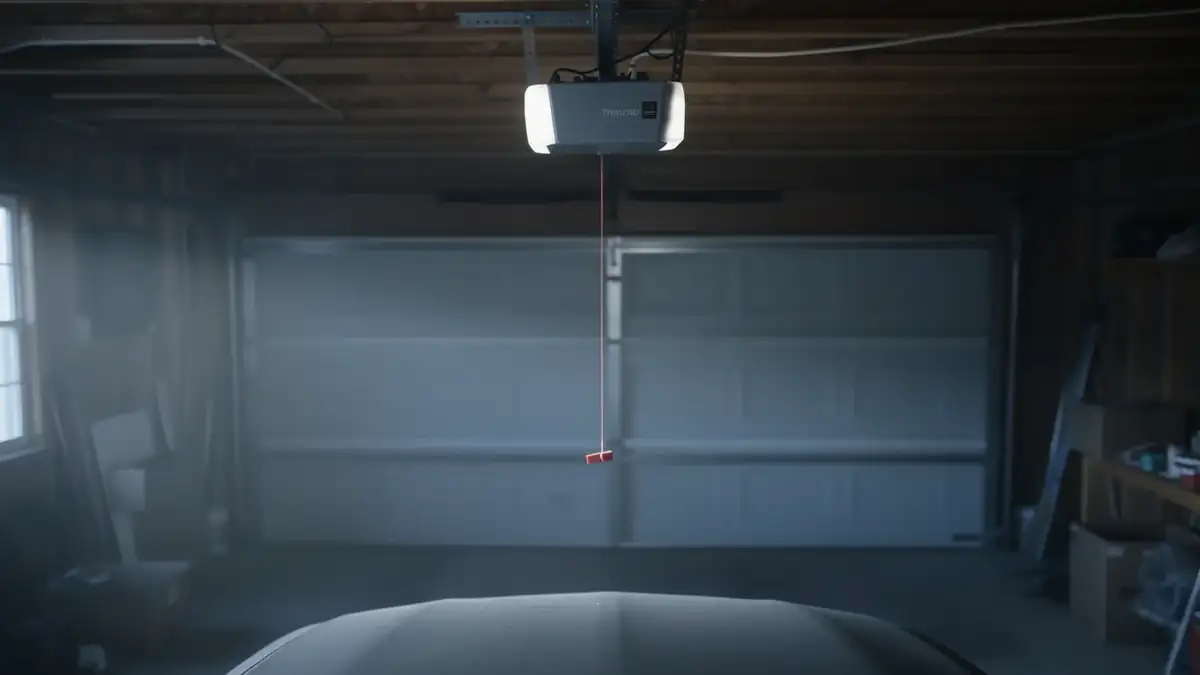
Start with the manual release cord - the red handle hanging from the trolley. If your house dates to the 1960s or 70s stretch that makes up most of this area's stock, that cord may not have been pulled in years and the mechanism behind it can be stiff or even seized with old grease. Pull it with the door closed, not open, so the door doesn't come down on you. Next, check the opener's manufacture plate. A lot of openers in this area were installed or replaced sometime between the 1979 median build year and now, which means you could have anything from a chain-drive unit with no backup power at all to a newer belt-drive with a built-in battery. If you don't know which you have, now is the time to find out, not during an outage. Also check the wall console battery if your opener has keypad backup - those batteries die quietly and nobody notices until the power's already out. Finally, look at the track where it meets the header. On original installs from the 1960s-70s wave, brackets have had decades to work loose, and a dead opener forces you to lift the door by hand, which puts weight right on that bracket.
Season by Season
Because the climate here stays mild rather than swinging hard between seasons, opener strain doesn't follow the sharp seasonal pattern you'd see in a colder or more humid region. What does change is use. Summer means more trips in and out, more heat soak in the garage during the day, and more draw on an opener that might already be original to a 1960s or 70s build. Winter brings shorter days, so the opener runs in the dark more often, and if your photo-eye sensors are original equipment, dust and age make false stops more common. Neither season in this area produces the extreme load that destroys openers outright. Instead, it's a slow wear pattern - motors and gears from the older end of the 1938-2002 build range finally giving out, often without warning, rather than quitting all at once from a weather event. The practical result: don't wait for a season to tell you something's wrong. Age and the building's wiring vintage matter more here than time of year.
What Is Going On
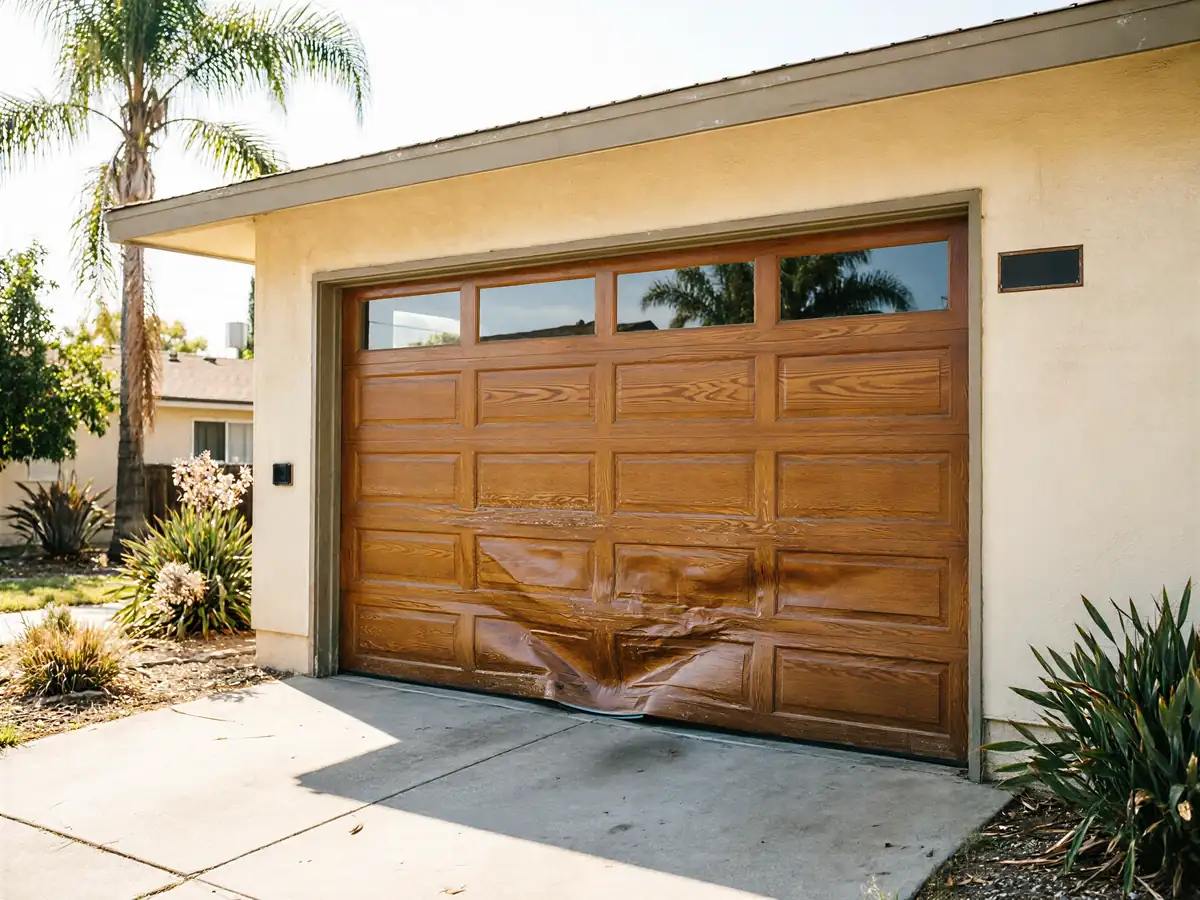
Put it together and the picture for this area is pretty consistent. Housing stock running from 1938 up to 2002, with the bulk of it from the 1960s and 70s, means a wide spread of opener ages and wiring setups across the 96,495 households and roughly 46,420 owner-occupied houses in the service area. Mild weather keeps physical door damage low, which is good, but it also means opener failure shows up as an electrical and mechanical issue rather than a weather one - a dead battery backup, a worn gear, a manual release nobody's touched since the house changed hands. We don't rewire garage circuits or replace household batteries - that's an electrician's job, not ours. What we do handle is the opener itself: battery backup units, manual release repair, and getting a door back on track once the opener fails. If you're not sure whether your setup has backup power at all, that's worth checking before the next outage finds out for you.