How We Fix It
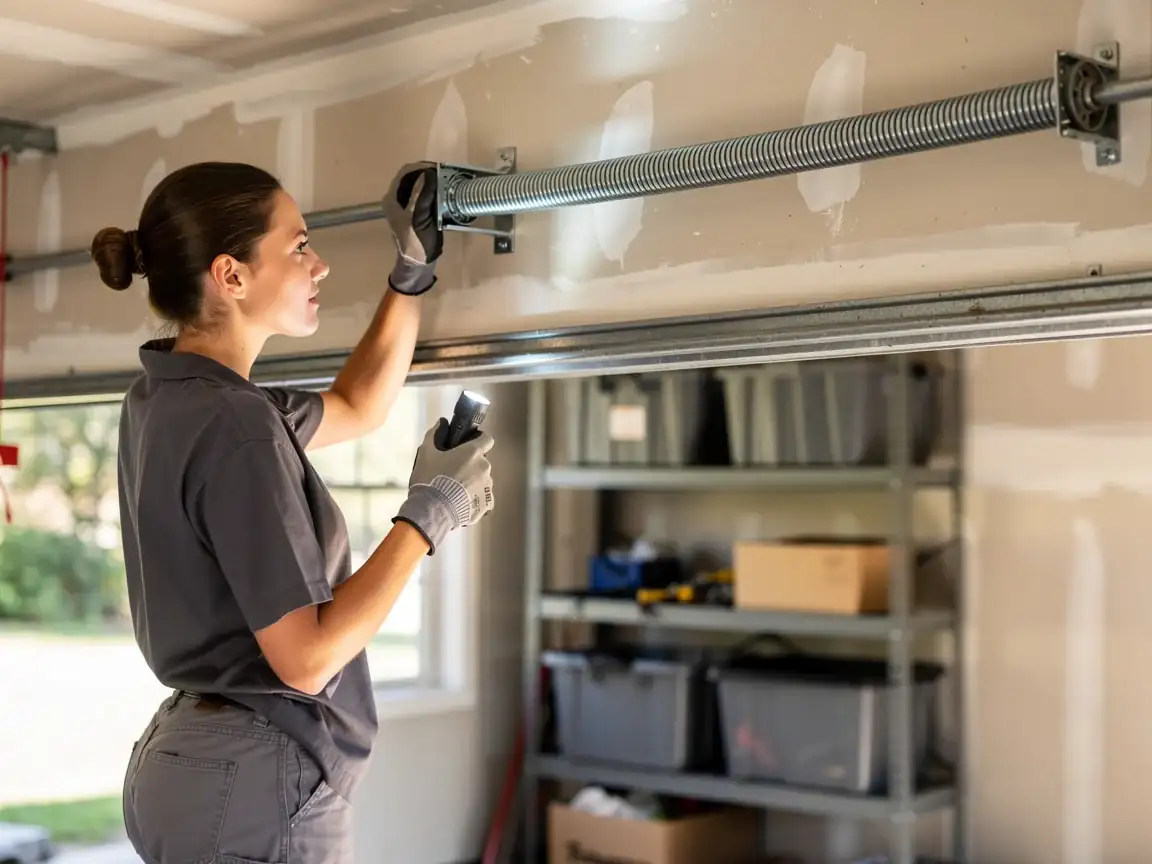
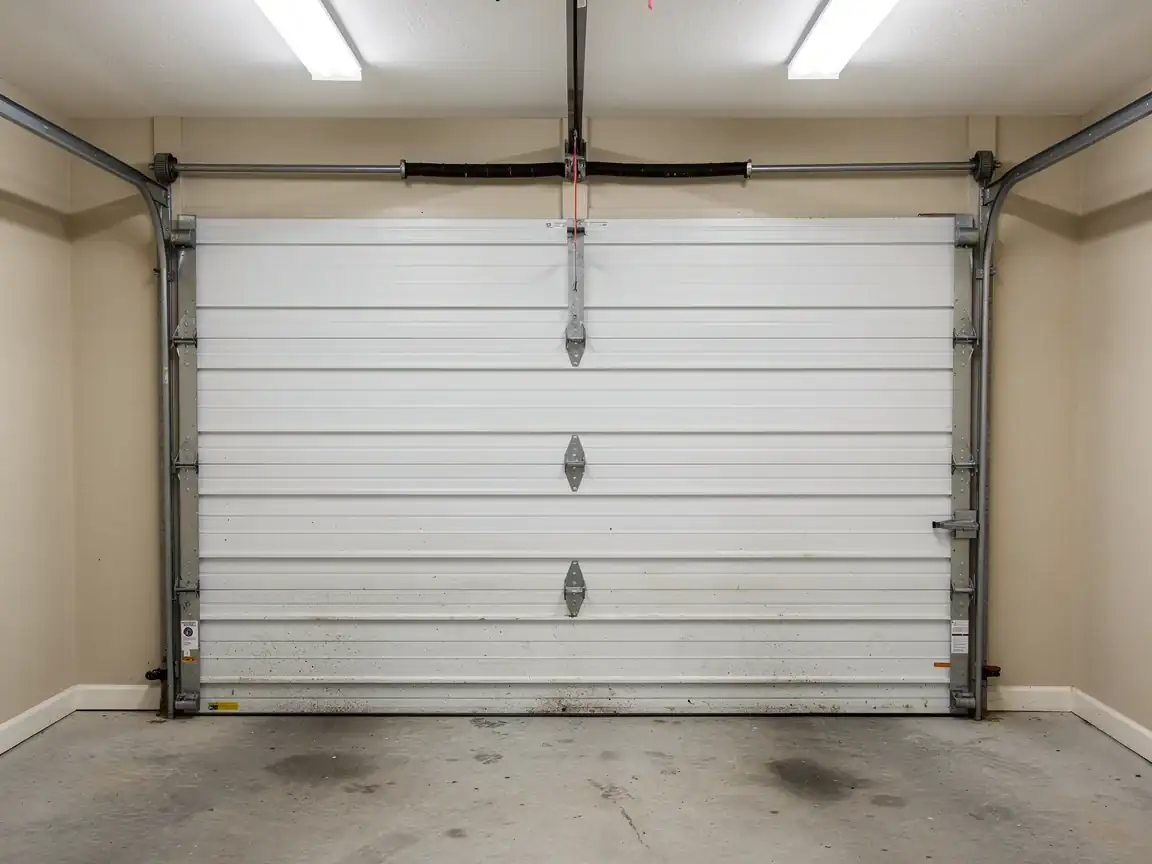
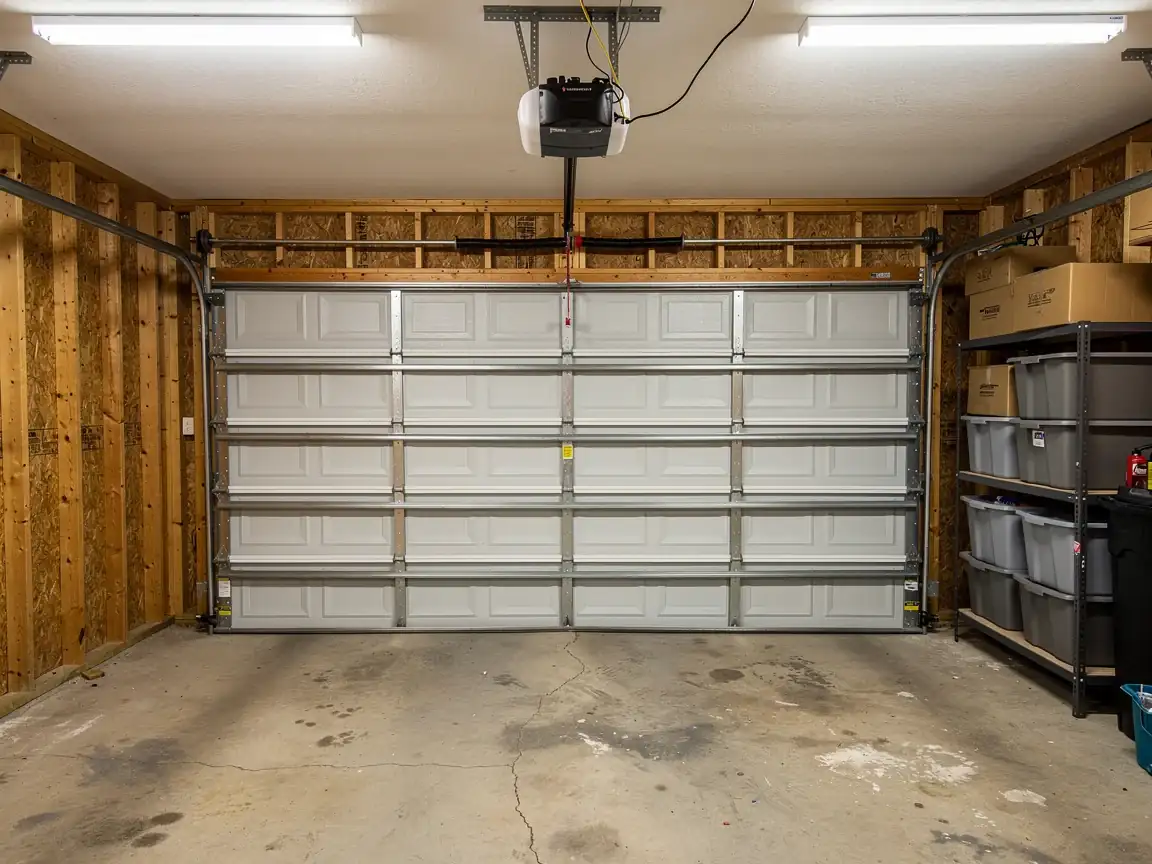
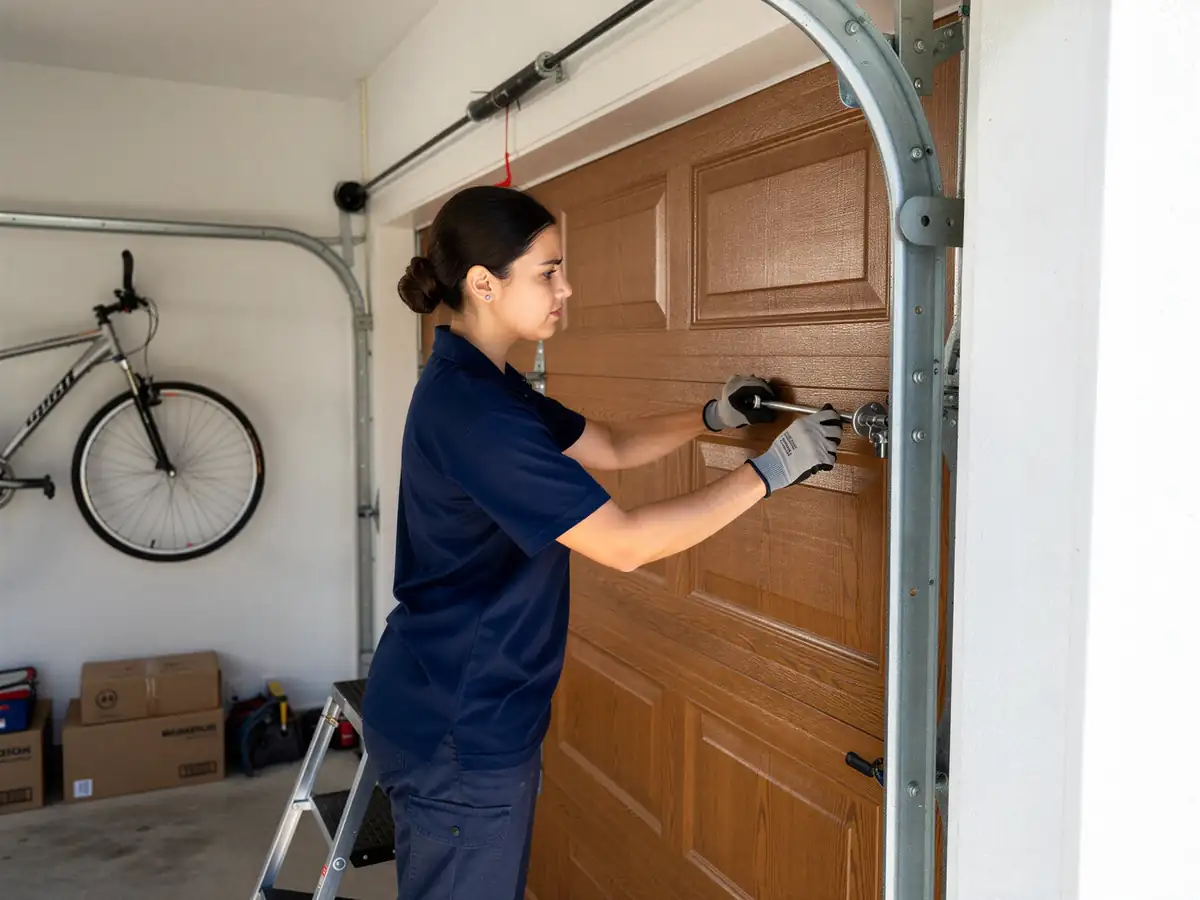
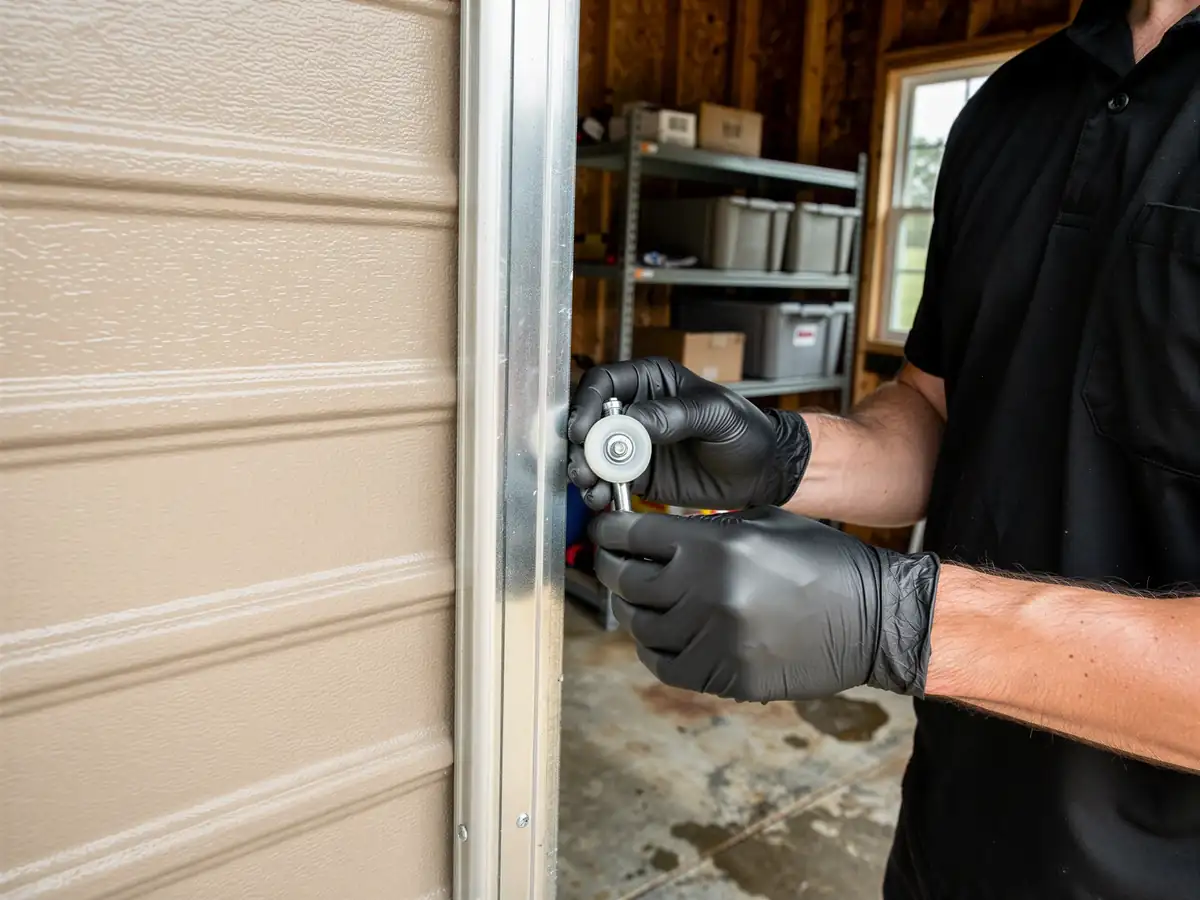
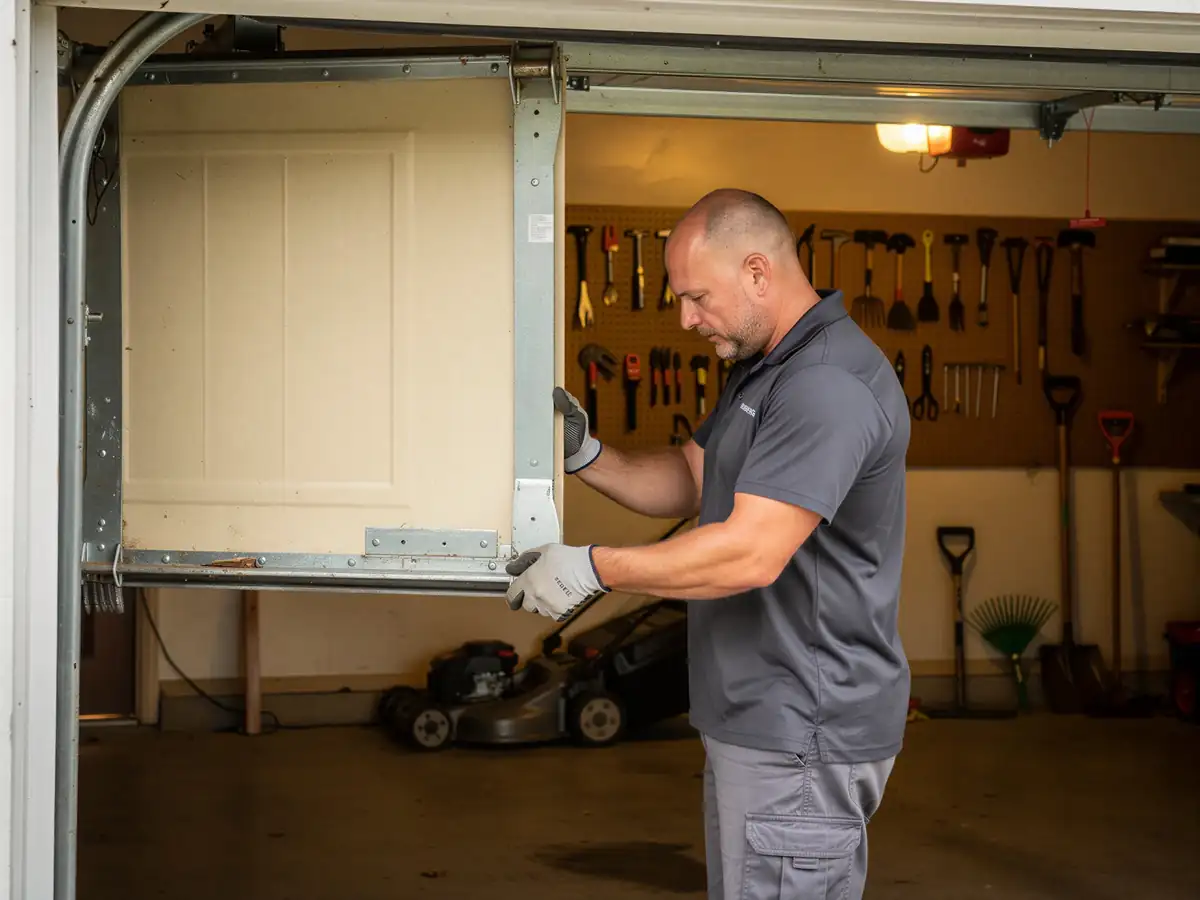
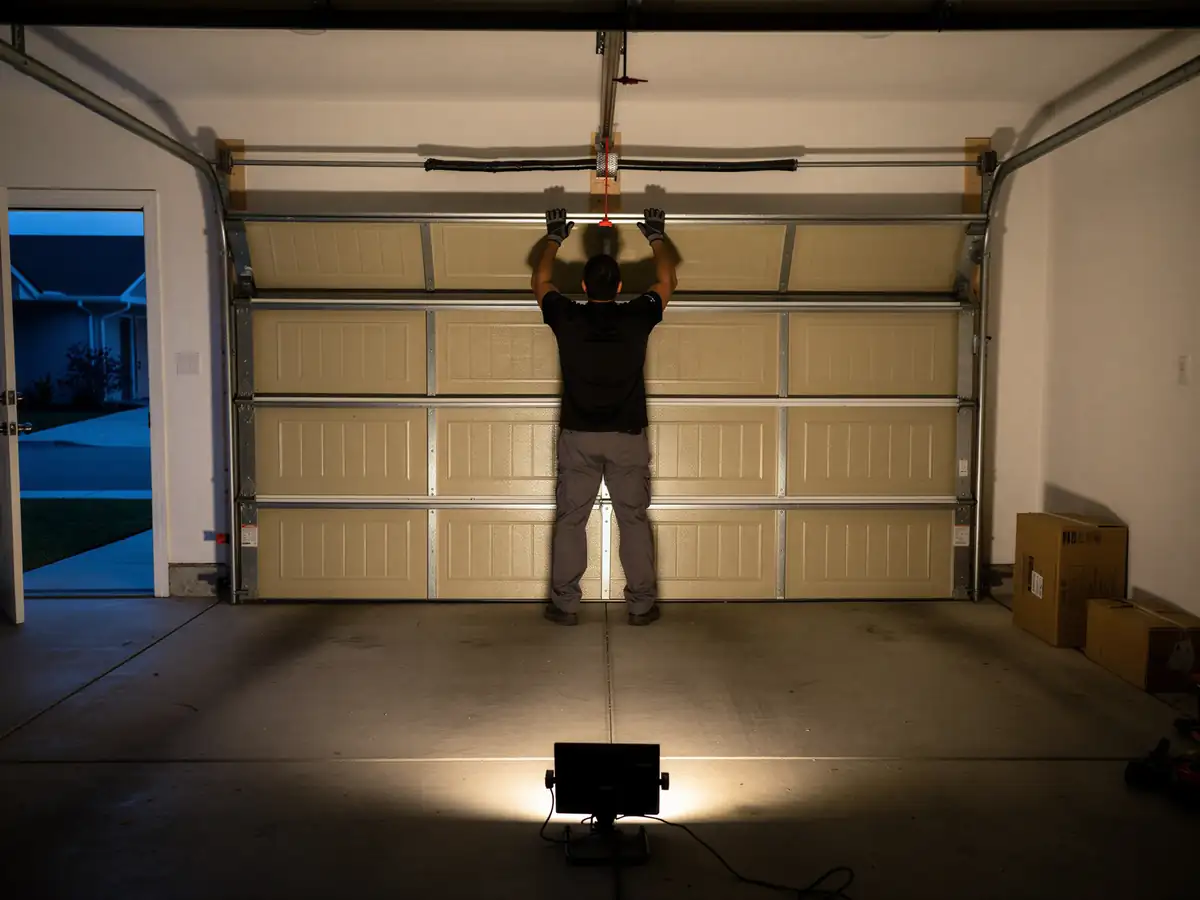
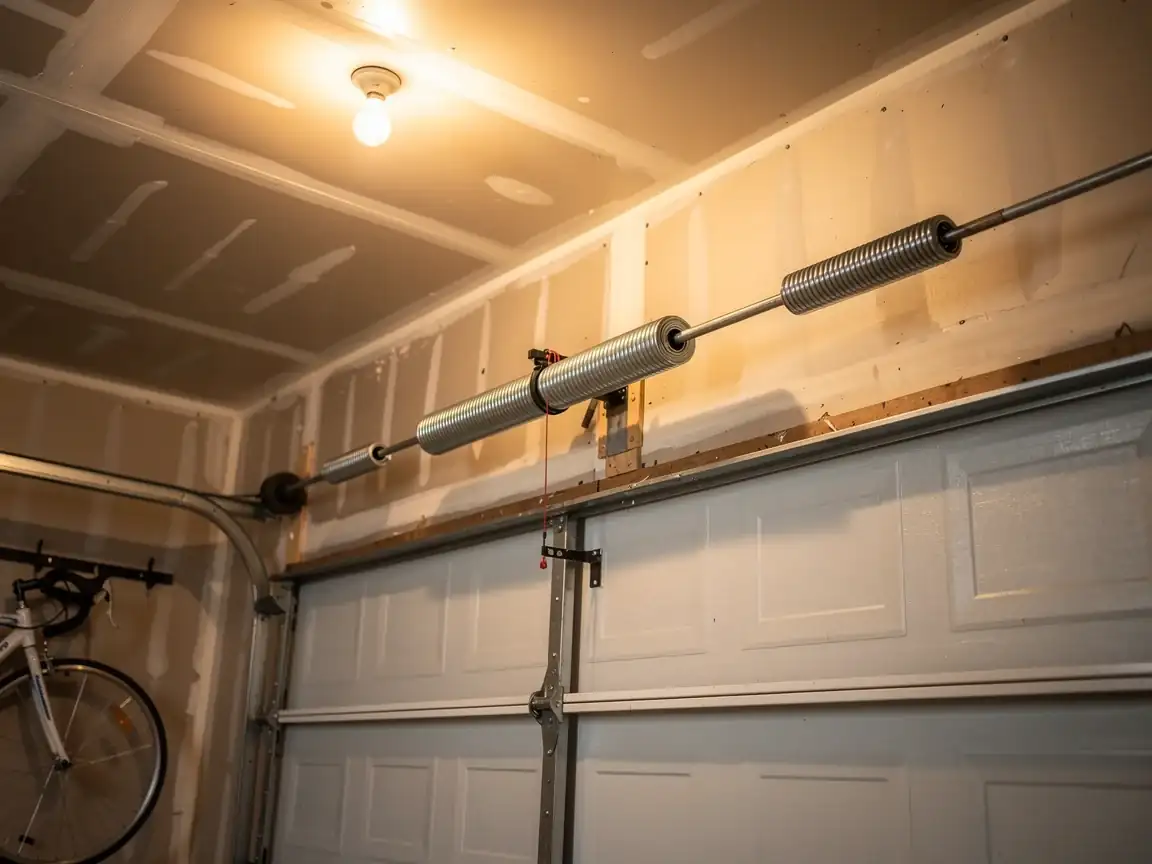
We start by watching the door run, not by guessing over the phone. A tech comes out, cycles the door, checks spring tension, tracks, cables, rollers, and the opener's force settings, and tells you what's actually wrong before any part gets replaced. Most calls in Fairfield end up being one of three things: a broken torsion spring, a worn opener that's been straining against bad hardware for years, or a track that's bent just enough to bind a roller.
We carry common spring sizes and roller types on the truck because so much of the housing stock here falls in a narrow build window - 1938 to 2002, with the typical home going up around 1979. That means a lot of doors still running original torsion hardware, sized for a door that's heavier or lighter than what's hanging on it now if it's ever been swapped.
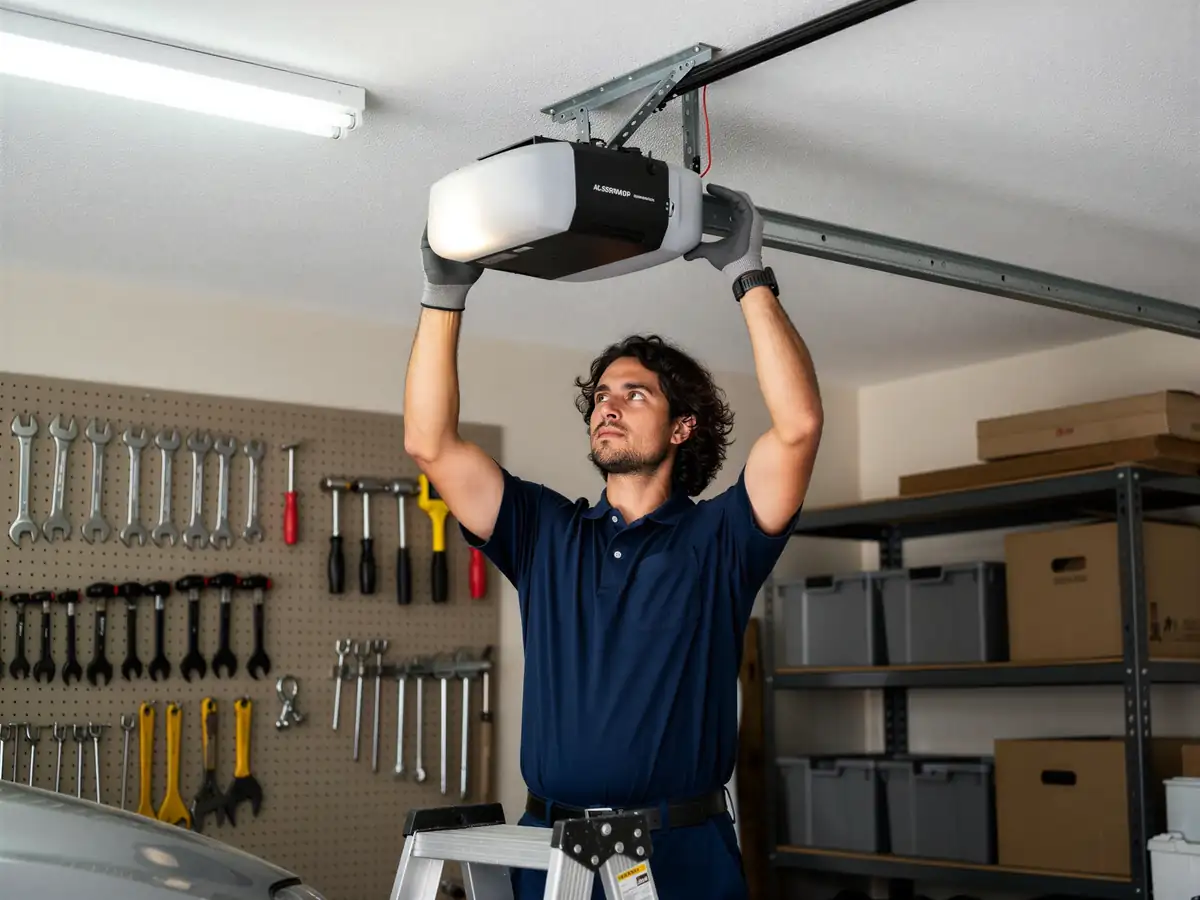
We don't replace a whole opener because one sensor is dirty, and we don't sell a new door when a $40 roller and a cable fixes it. If a repair isn't worth doing - because the door is at the end of its life or the opener is obsolete and parts aren't coming - we'll say so and walk you through what replacement actually involves instead.
What You Are Seeing
The door reverses halfway up for no reason
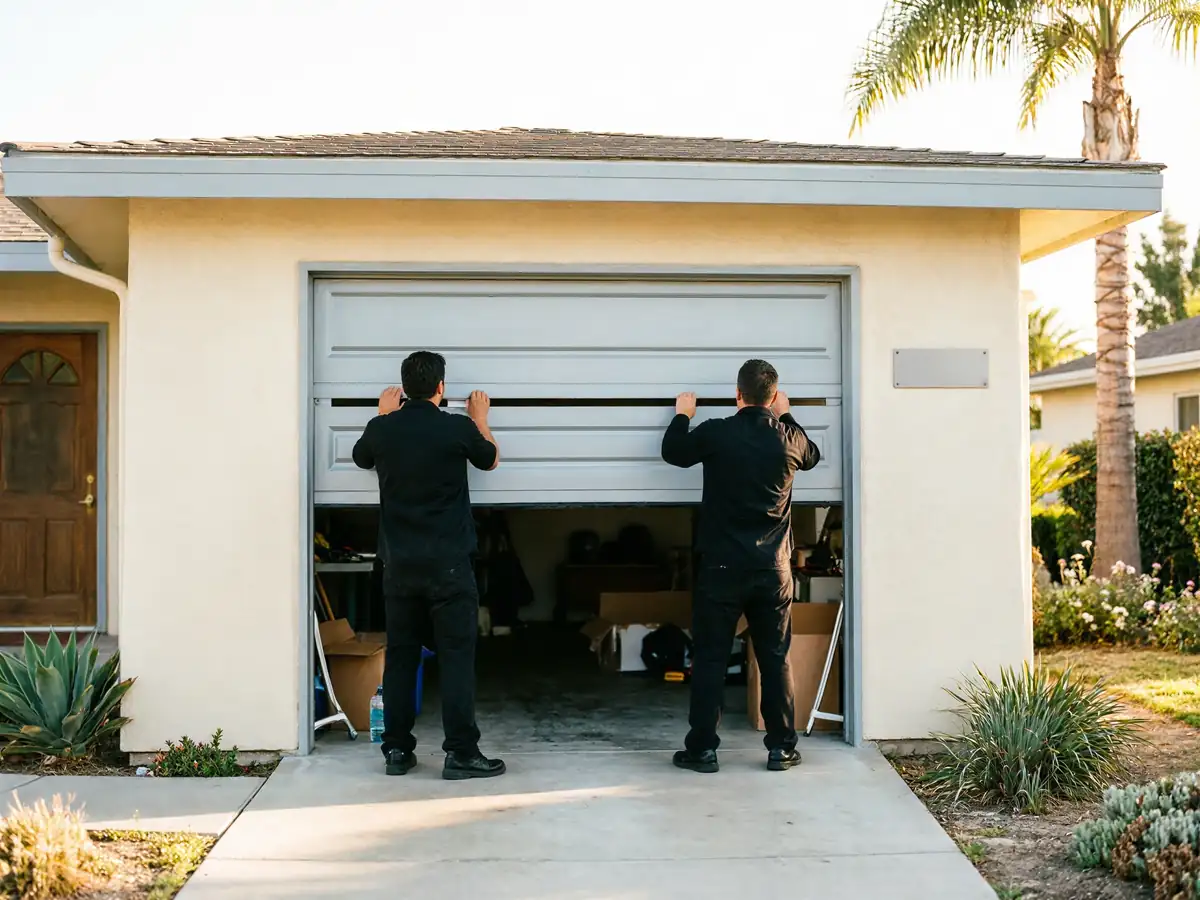
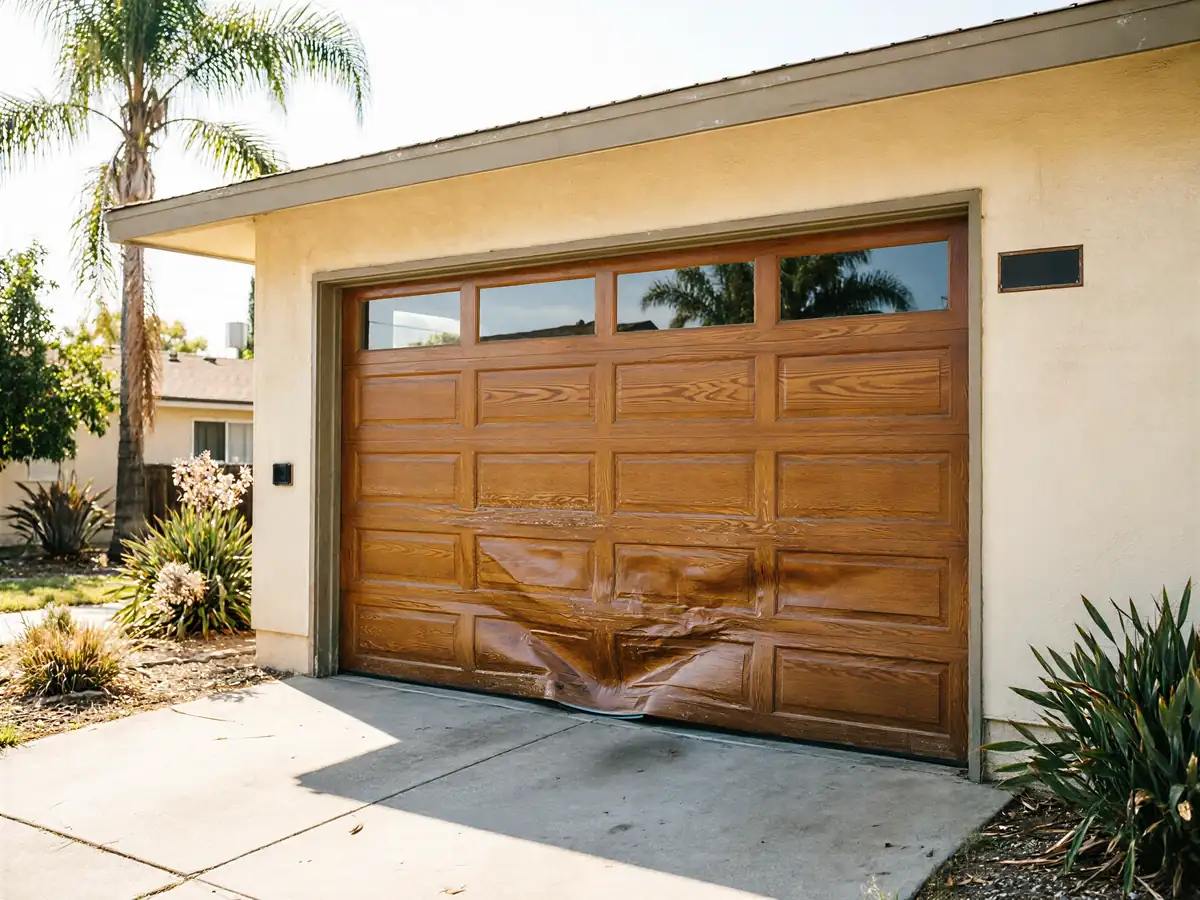
It groans before it moves. One side drops faster than the other and the panel racks in the track. Or it just stops working entirely - the opener light comes on, the motor hums, and nothing happens because a spring let go overnight.
A lot of what we see in Fairfield traces back to age, not abuse
With median housing here dating to 1979, original torsion springs are well past the cycle count they were rated for, even on a door that's only been used a few times a day. Rollers get loud and start chattering in the track around the same age. Openers from that era - or the first replacement opener installed on an older door - often lack the auto-reverse sensors that are standard now, which is its own kind of problem if there are kids or cars in the way.
The mild temperate climate here works in your favor on one count
We're not chasing rust-frozen tracks or ice-cracked seals the way a tech in a harsher climate would be. What fails here fails from use and age, which is actually more predictable - and more fixable before it strands you - than weather damage.
What You Pay
We don't post a flat number here because a broken spring on a single door and a full opener swap aren't the same job, and anyone who quotes you a price before seeing the door is guessing. What we can tell you is how we price: parts plus labor, quoted after the tech looks at the door, not after a phone description.
Across the households we serve - more than 46,000 owner-occupied houses in this area - the most common job by far is a spring replacement, and the second most common is an opener that's failing electrically while the door itself is still sound. Those two repairs cost differently, and a tech on site can tell you which one you're looking at within a few minutes.
One honest limit: if your door is a less common size or a discontinued opener model, the part may not be on the truck and may need to be ordered, which adds a few days before the final fix, even though we can usually get the door safe and operable the same visit.
What Causes It Around Here
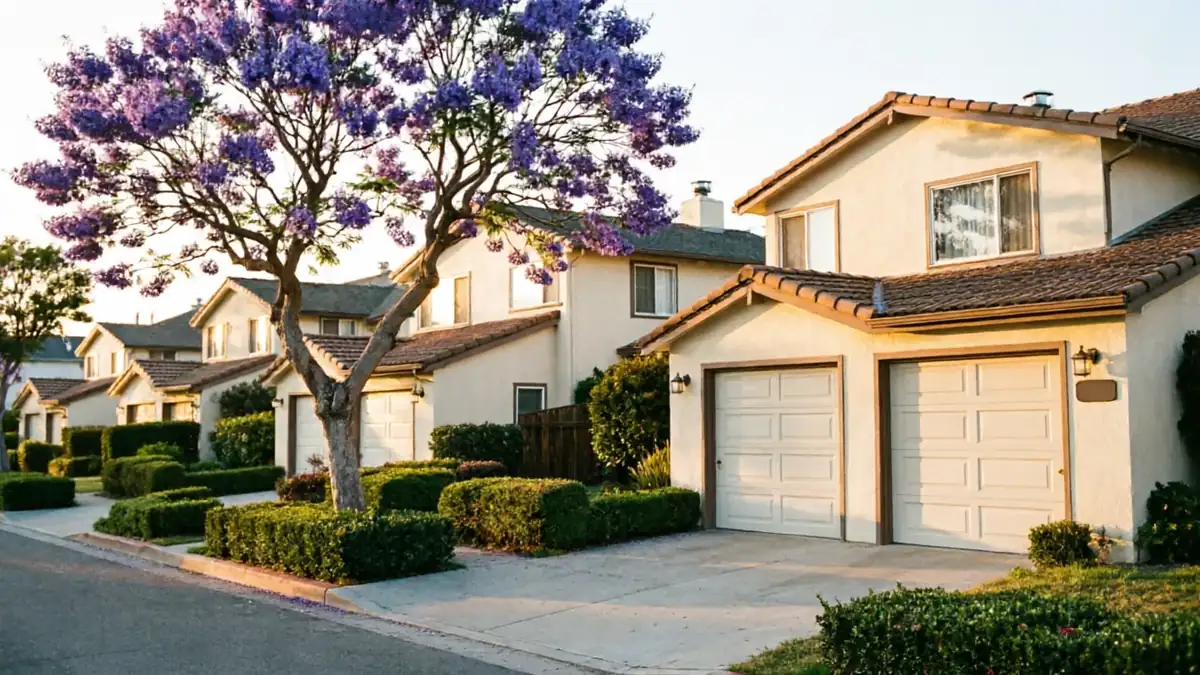
Fairfield's housing stock spans 1938 to 2002, with most of it concentrated in the 1960s and 70s across the roughly 19 named areas that make up this part of the county. That generation of garage door hardware - steel panel doors, torsion springs sized for the lighter doors common at the time, openers with chain drives and no modern sensors - is still doing daily work on a lot of these houses, decades past when any of it was designed to last.
The mild temperate climate here doesn't add the stress that cold-climate towns deal with - no ice locking a track, no metal contracting and cracking overnight. Instead, the failures are almost entirely about cycle count and age: a spring rated for so many open-close cycles that finally runs out, a roller that's worn its bearing down after years of daily use, a cable that's frayed from the same motion repeated thousands of times.
We see this pattern across the service area, from Suisun City two miles out to the farther stretches toward Green Valley and beyond - older doors on older houses, wearing out the way mechanical parts do, not failing because of a storm or a single bad event. That's good news in one sense: it means most garage door trouble here is predictable, and a lot of it shows warning signs - noise, uneven travel, slow response - before it actually strands the door shut.