What to Check
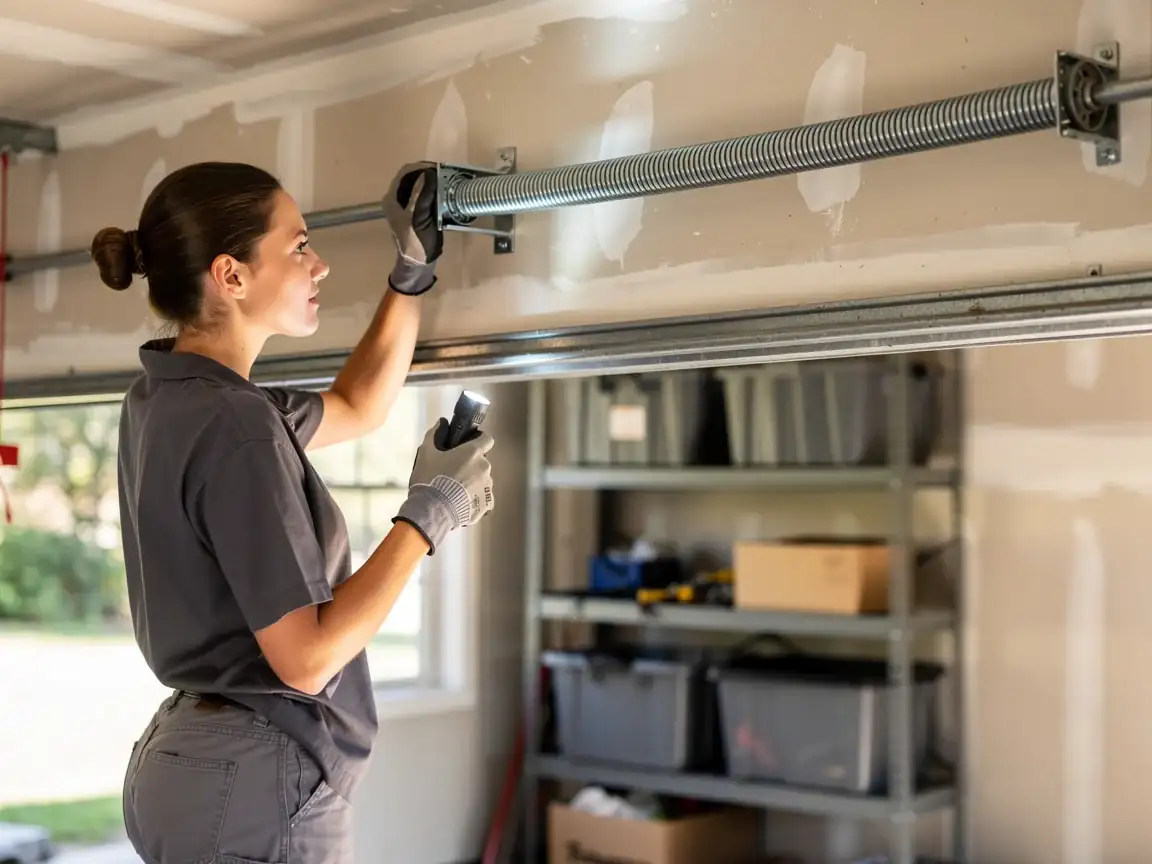
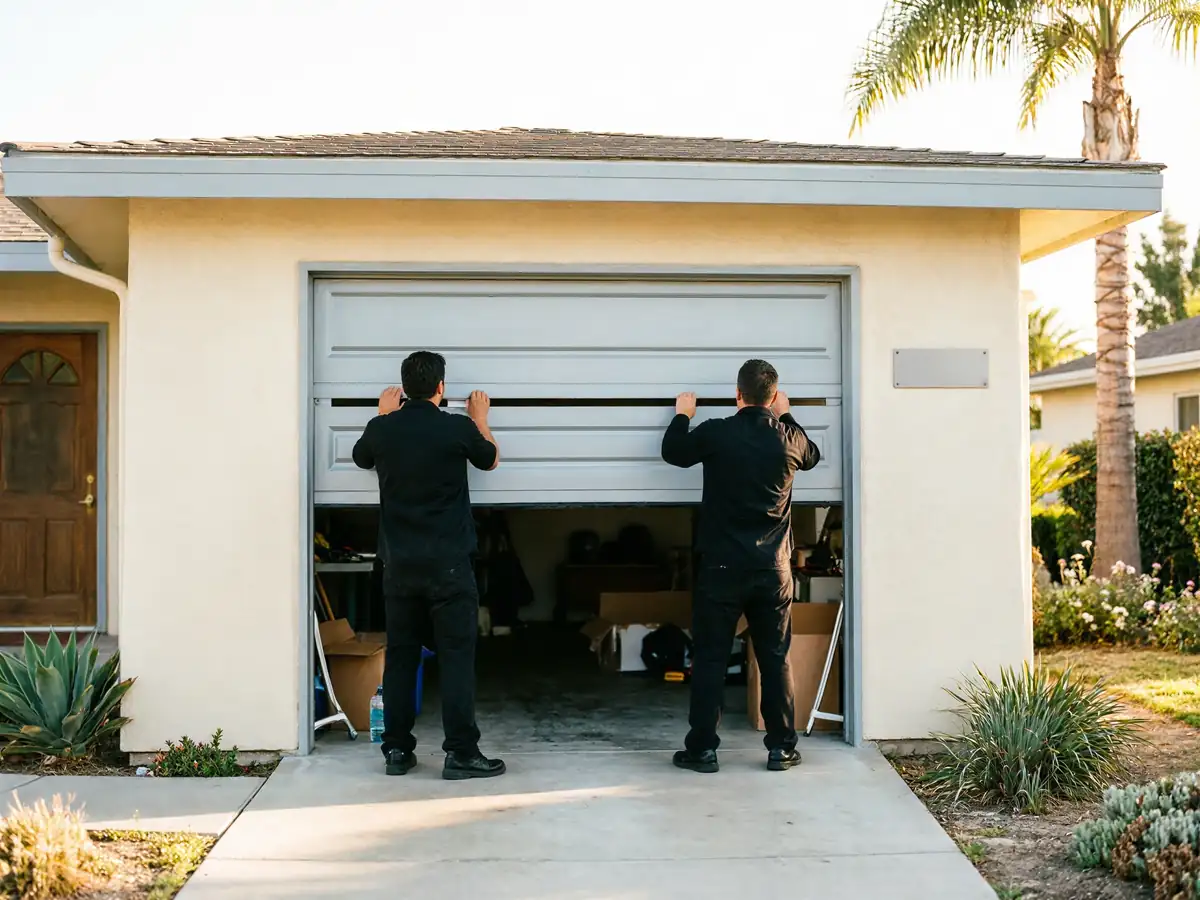
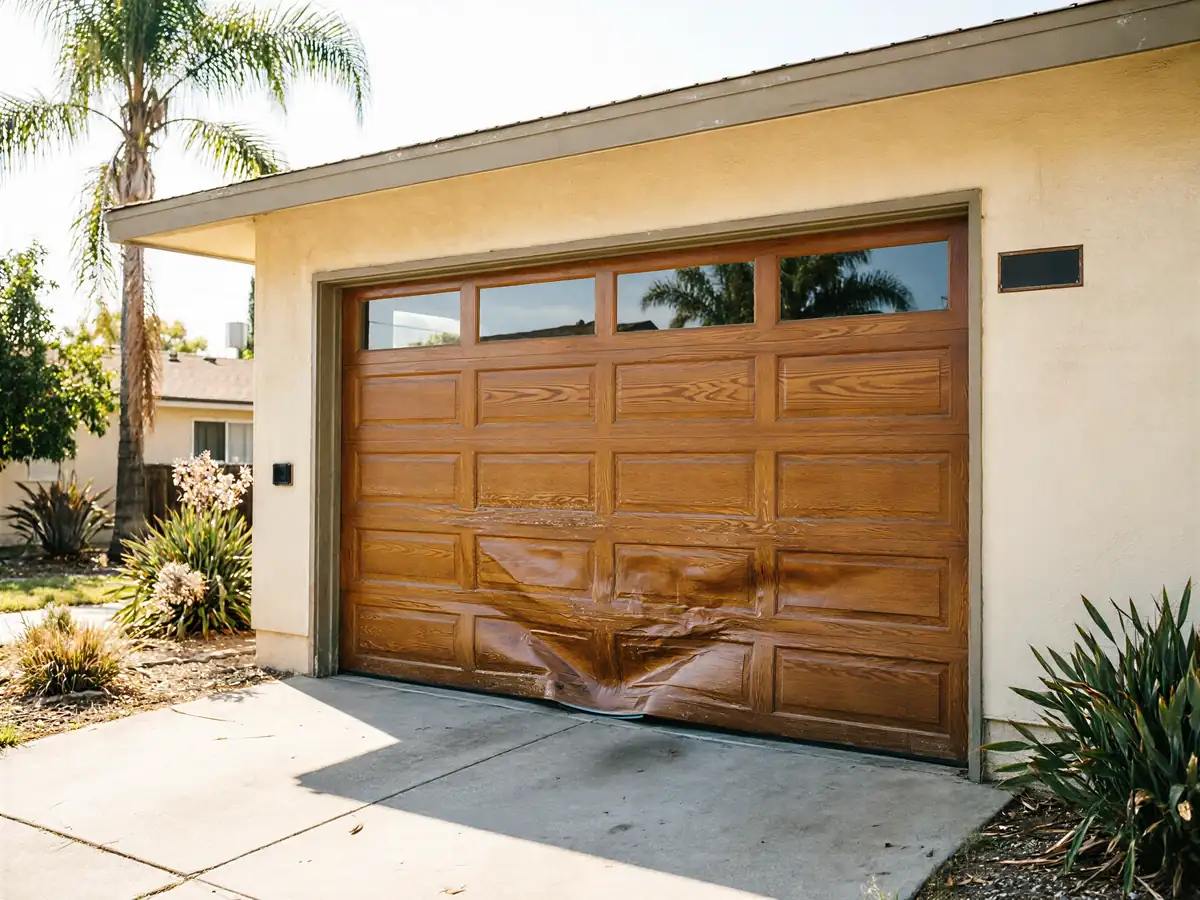
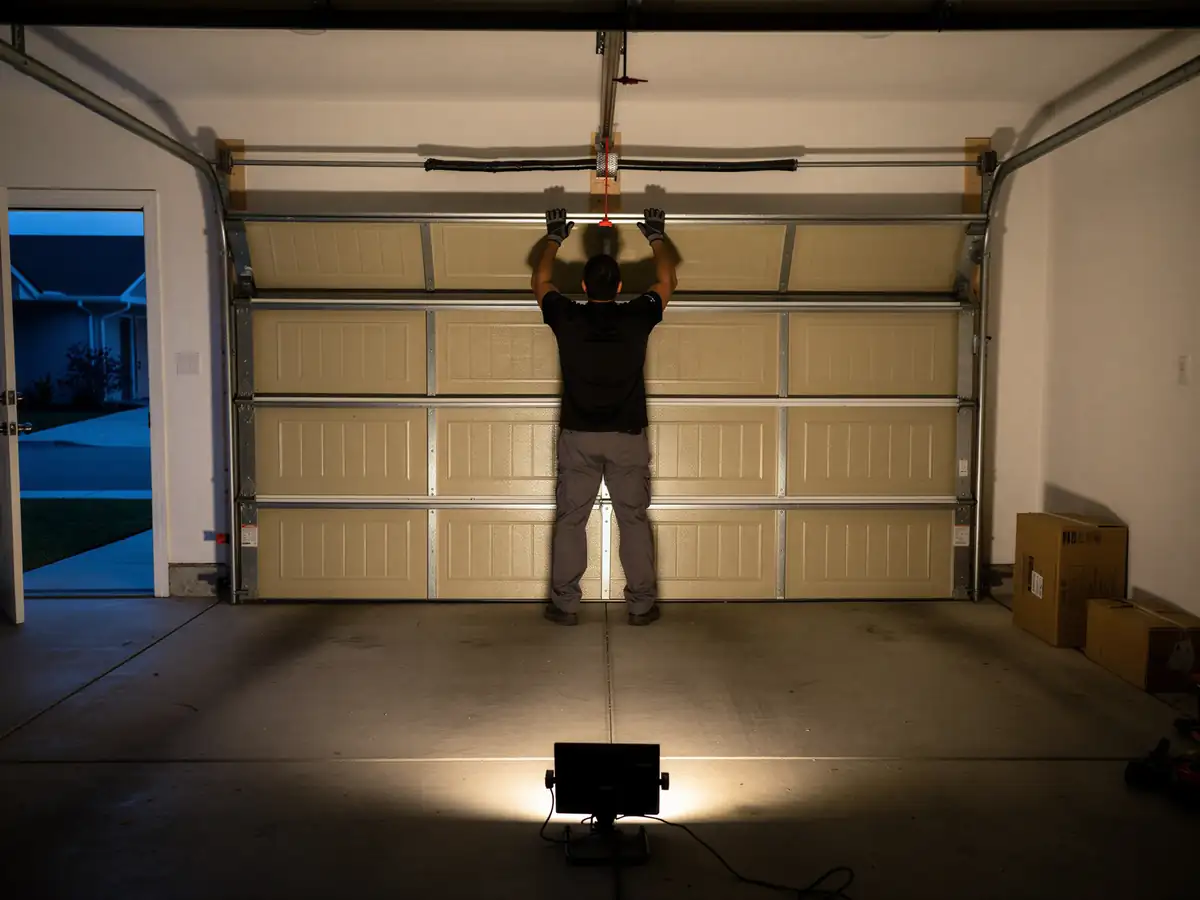
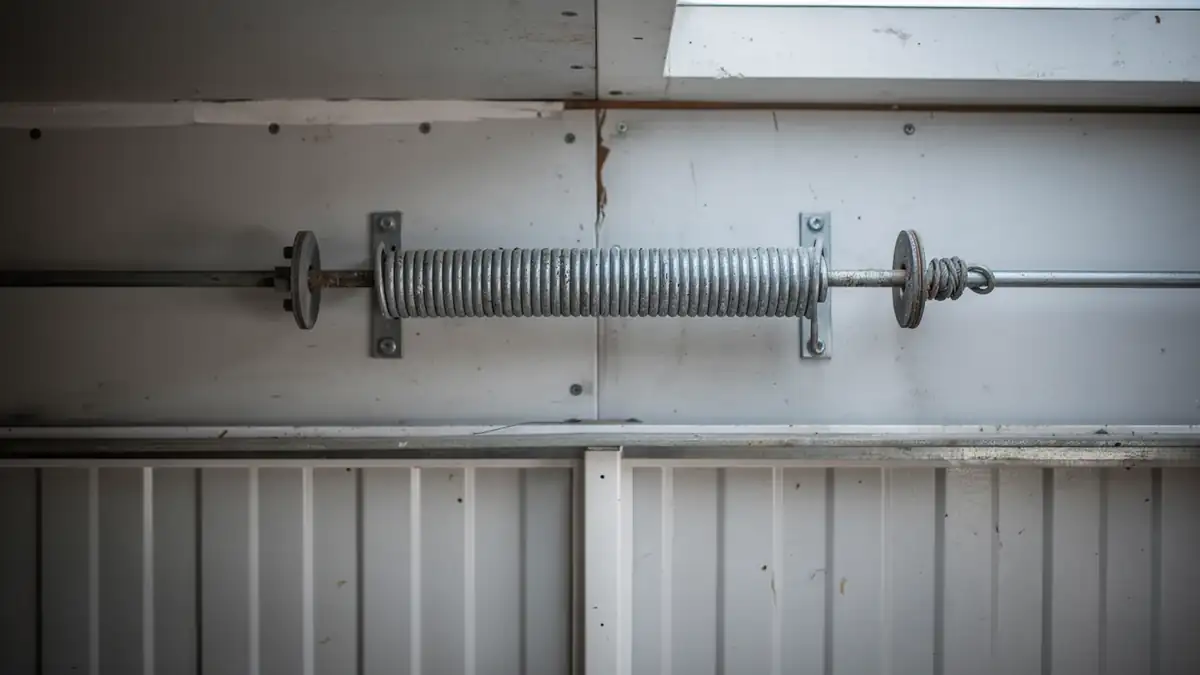
If your door won't lift, or it lifts a few inches and stops, look up at the spring above the door before you touch anything else. A torsion spring that's broken will show a visible gap in the coil, usually right in the middle. On older homes here - and a lot of Fairfield's housing dates back to 1938 through 2002, with the bulk of it from the 1960s and 70s - that spring is often the original unit or a direct swap for it, matched to hardware from that era. Check the cable at the bottom corners too; a snapped spring sends the drum spinning and can kink or fray the cable within seconds. Don't pull the release cord and try to lift the door by hand once a spring has let go on a double-car door - without the spring doing its share of the lifting, the door is pure dead weight, and panels from this build era are often heavier steel than what's installed new today. If you hear a bang from the garage overnight or early morning, that's almost always the spring letting go, not the opener.
Season by Season
Late fall through February is when we see the jump in spring calls, tied directly to those cooler mornings rather than any one storm. Spring and summer in this climate band are easier on the hardware - temperatures stay in a narrower range and springs that survive the winter usually make it through the warm months without drama. The exception is houses where the spring was already near its rated cycle count going into winter; those can go at almost any time of year once they're that worn. Given that most of the housing stock across the area's 19 named neighborhoods was built in the 1960s and 70s, a large share of these springs have been cycling for decades, so age is doing more of the work than the cold is. If your door has started making a grinding or popping noise on the first open of the day, that's worth a look before the coldest stretch of the season, not after it breaks.
What Is Going On
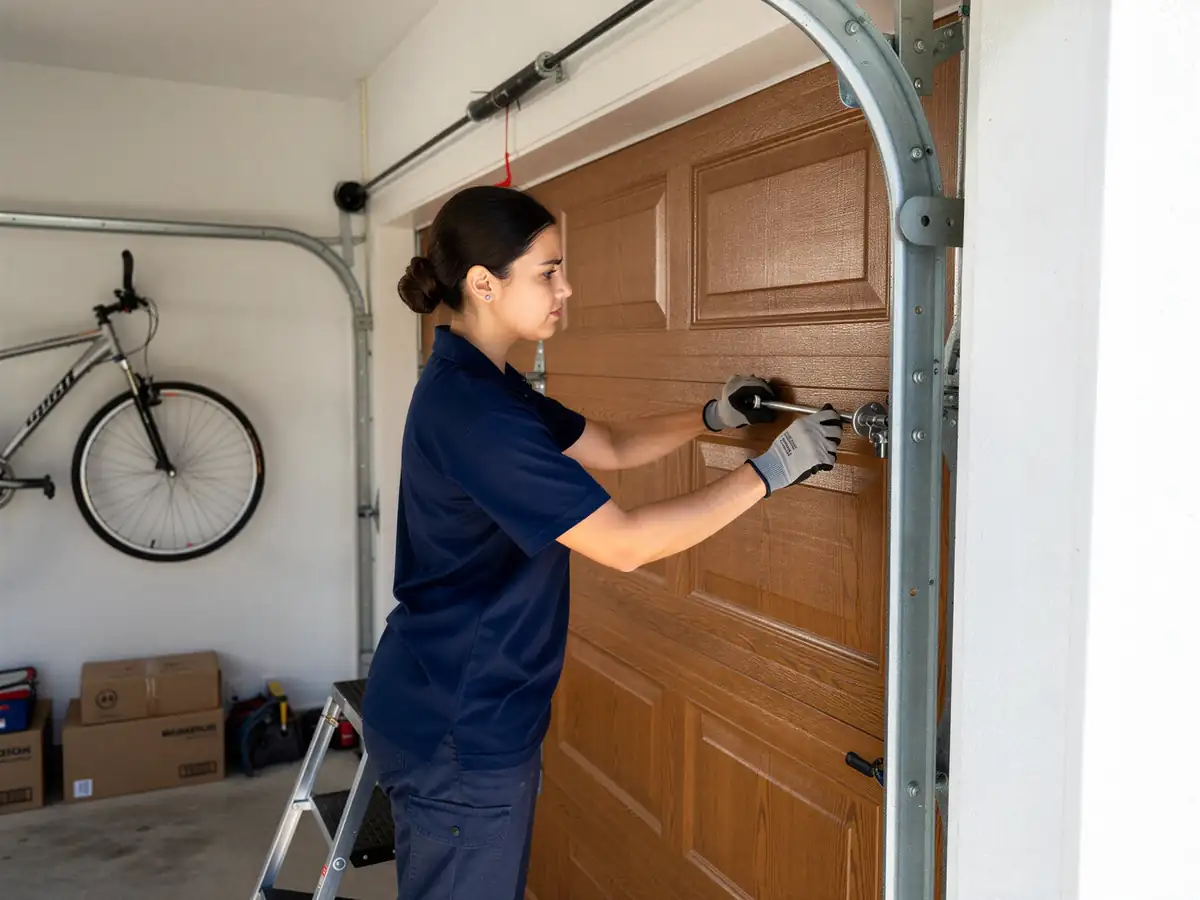
A torsion spring is rated for a set number of open-close cycles, and once it's near that number, temperature swings just move up the date of the break rather than causing it outright. With median home age in this area sitting around 1979, a lot of springs have put in well past a normal service life already. Here's the honest limitation: we can't tell you over the phone whether your spring is original or already replaced once, and guessing wrong wastes a trip. The safest move is a quick visual check for the gap in the coil, and if you find it, a call before you try to force the door open. Replacing a spring on a double door usually means both springs go together even if only one broke, since the other is the same age and close to the same wear.