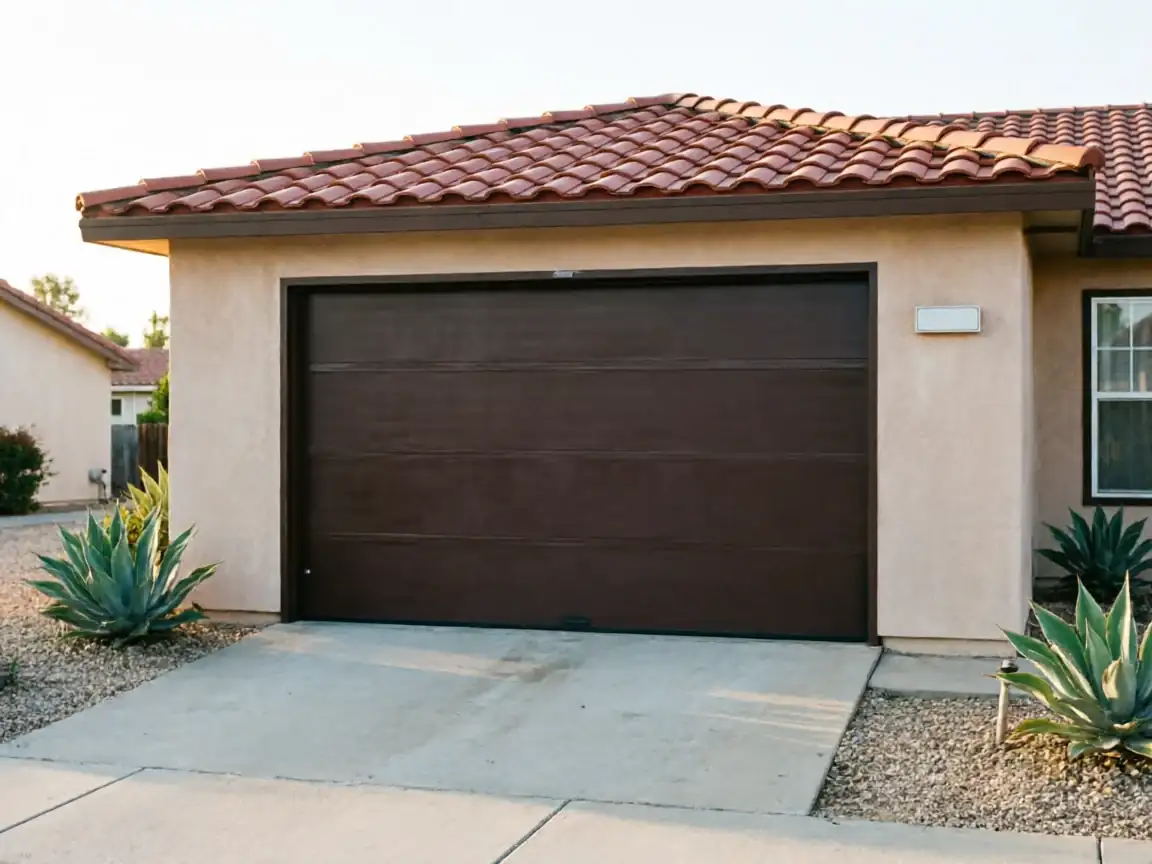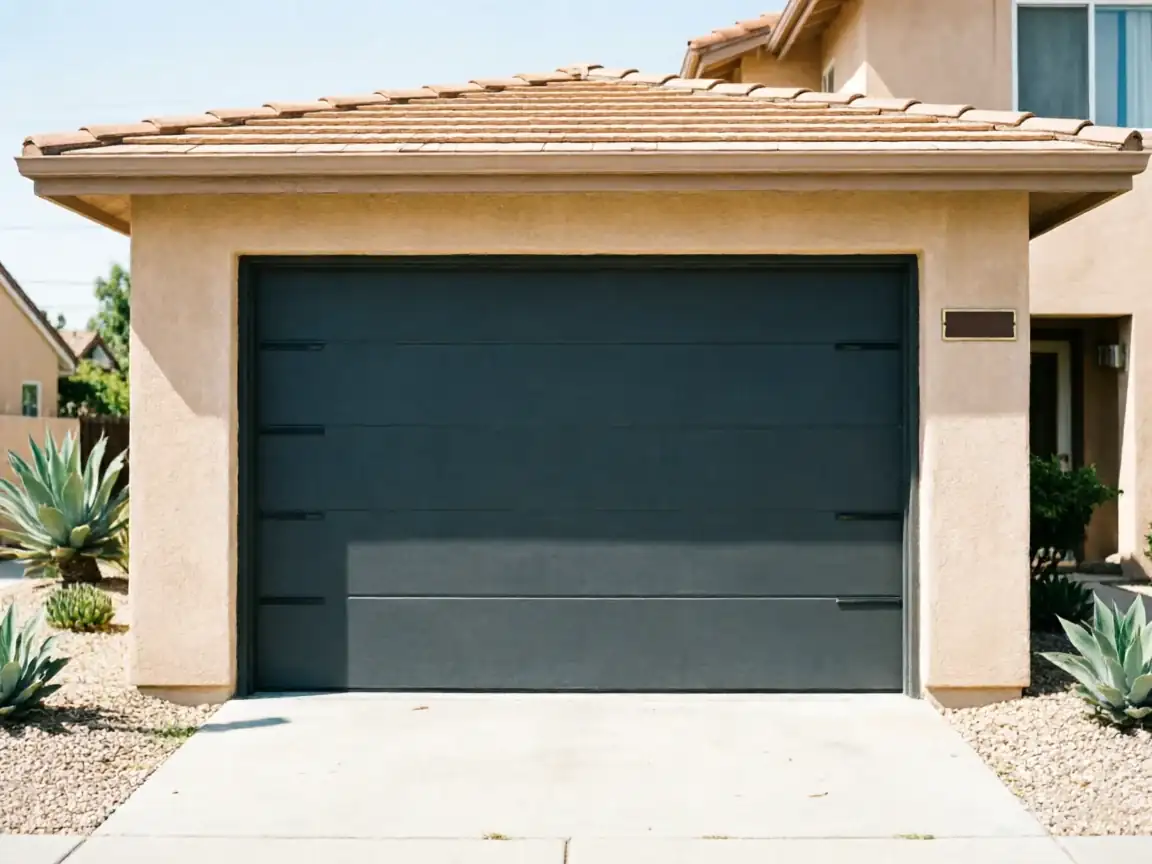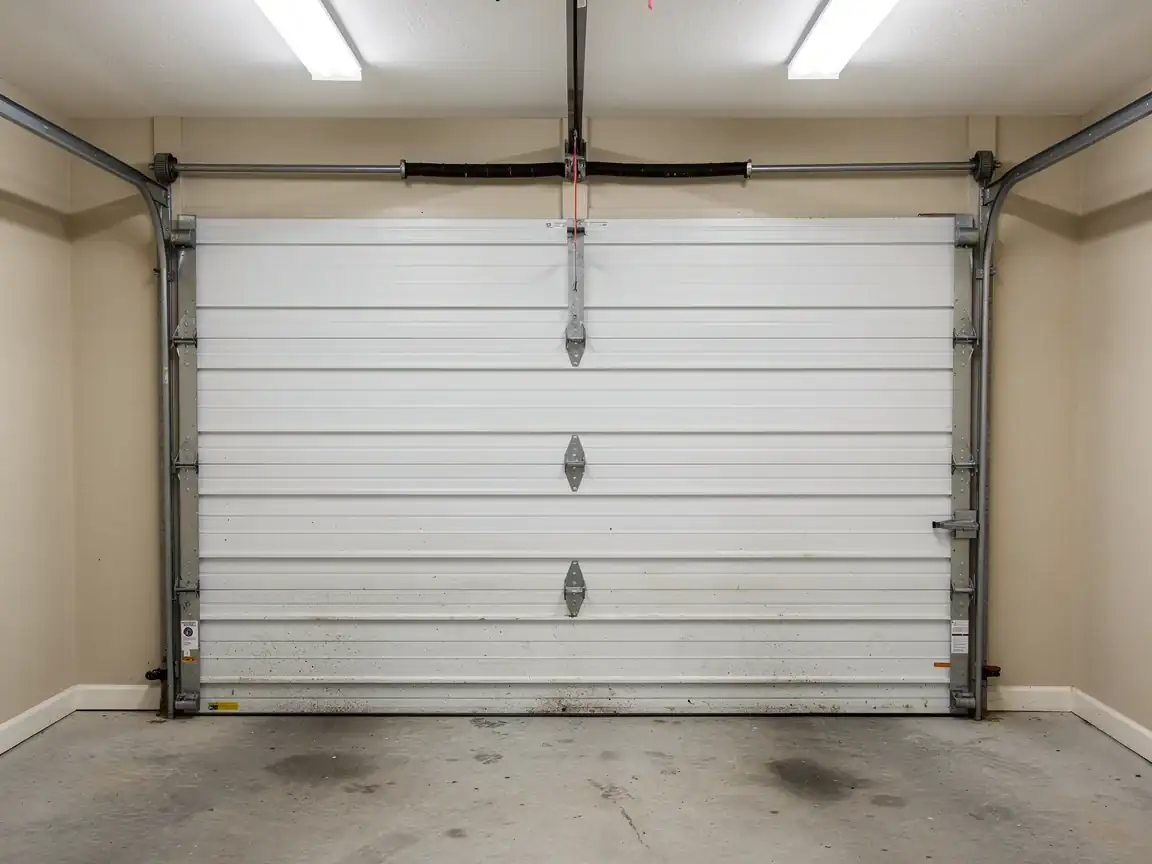
How We Fix It
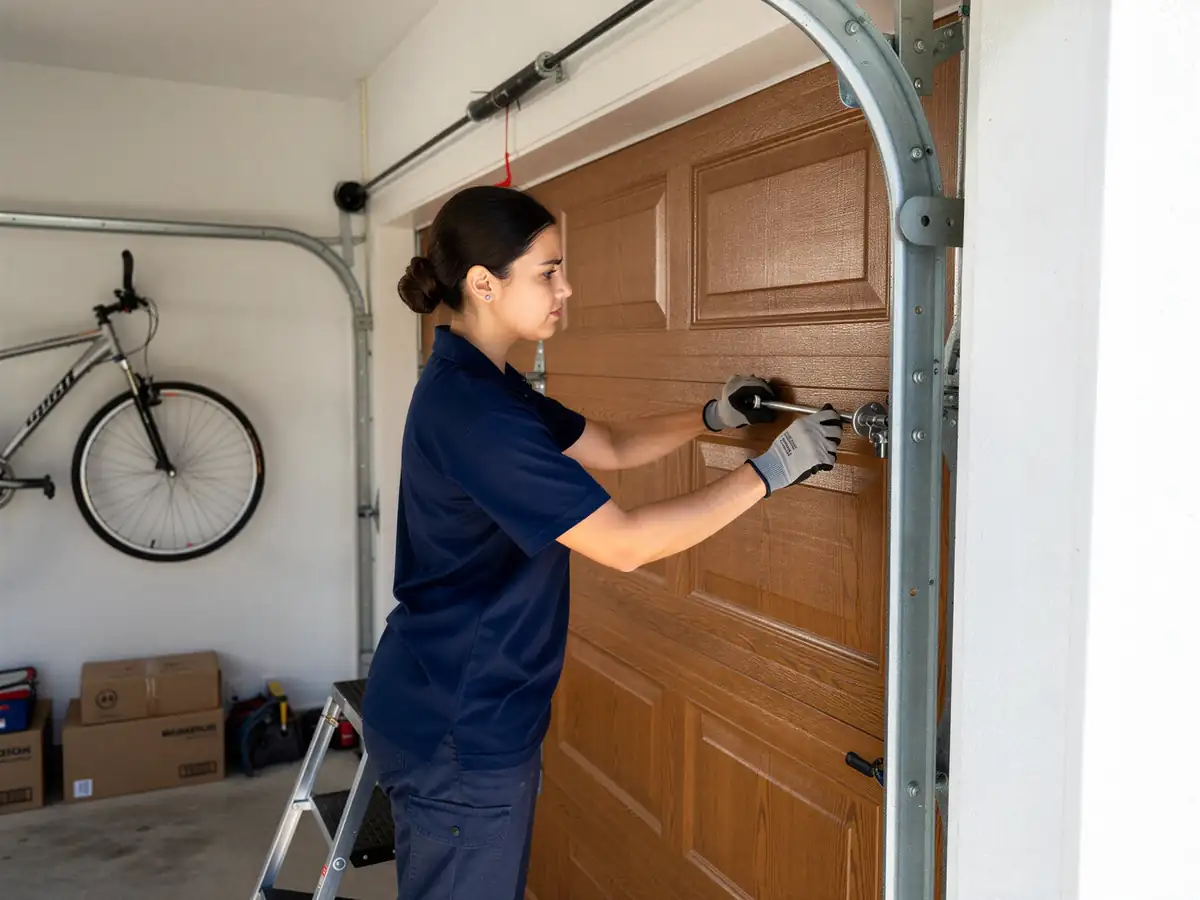
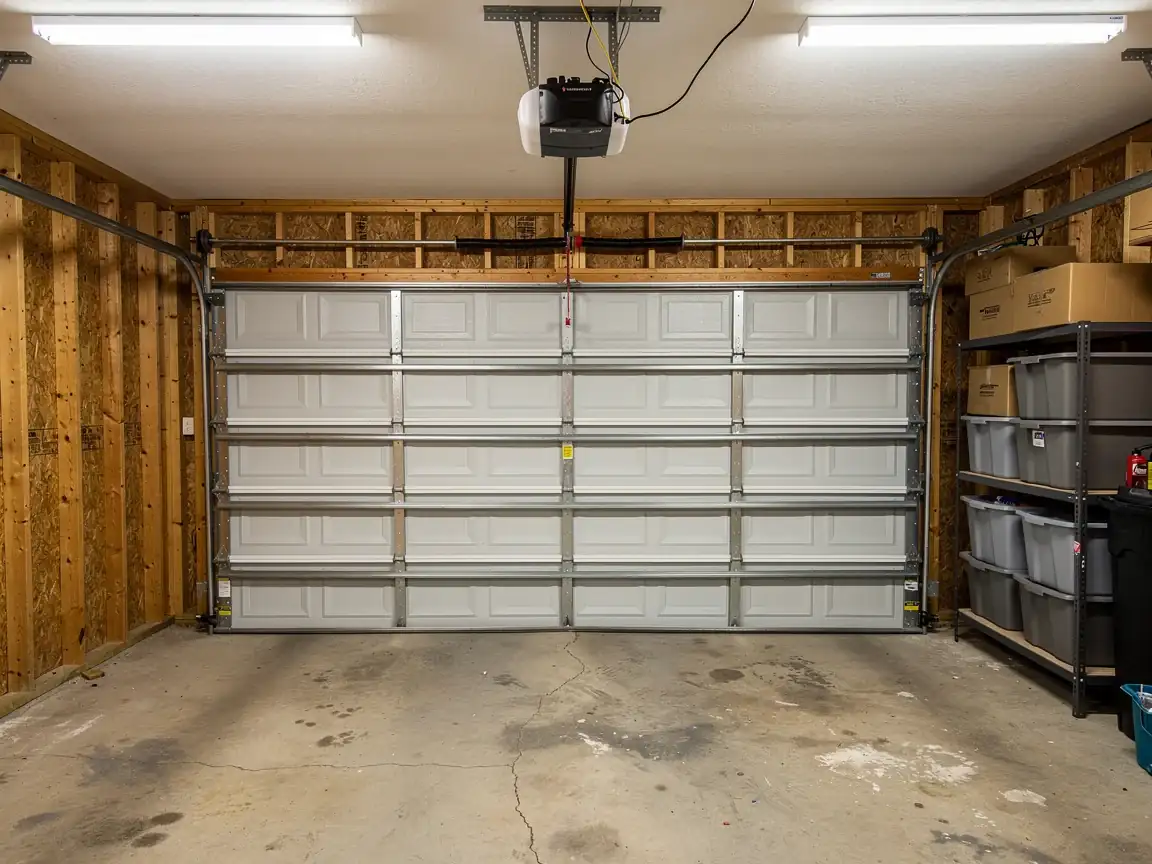
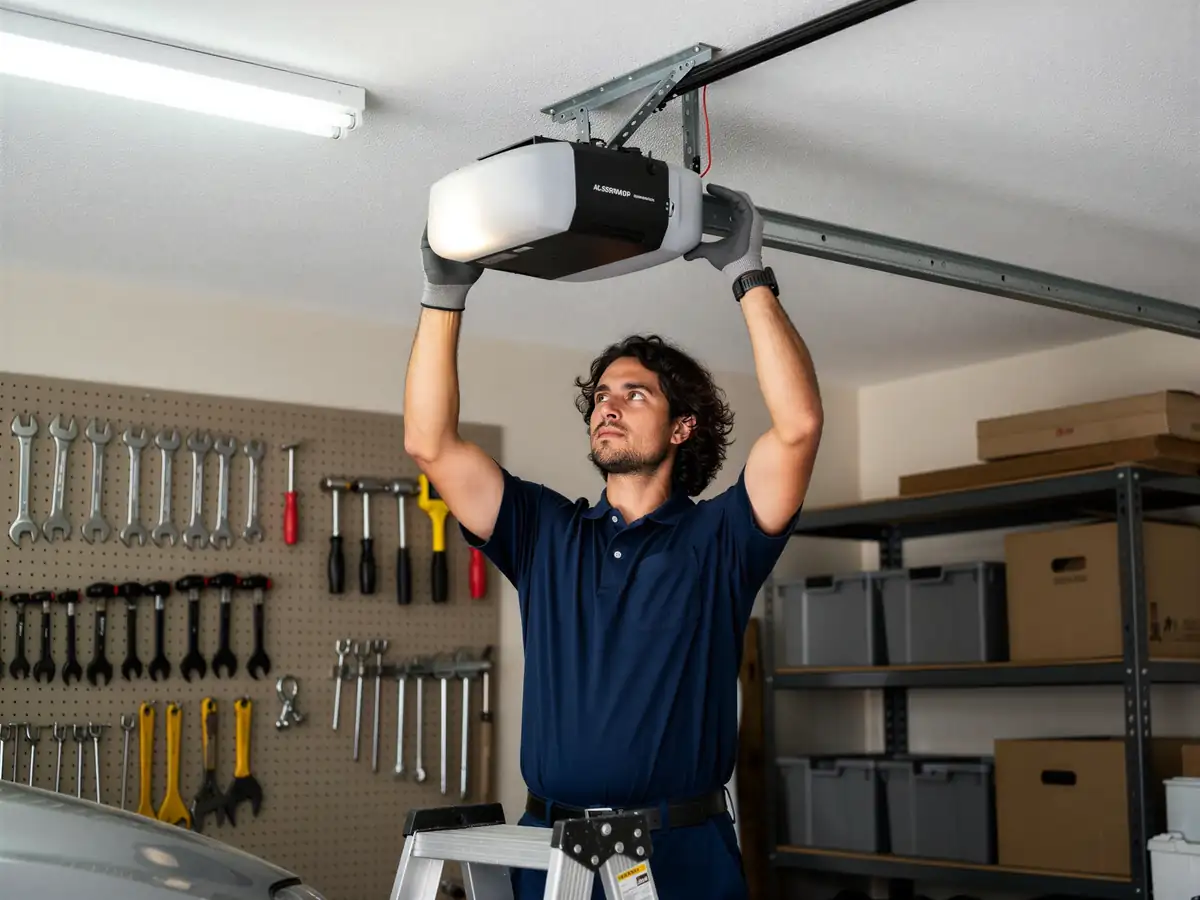
We start by looking at what's already on the door, not what's in the catalog. A house with original 1960s or 70s hardware usually has a chain-drive unit on an angled rail, bolted into framing that's never been touched since the door went in. Swapping that for a belt-drive or jackshaft opener means checking the header clearance, the track radius, and whether the door itself is heavy enough to need a stronger motor than a stock 1/2 HP unit.
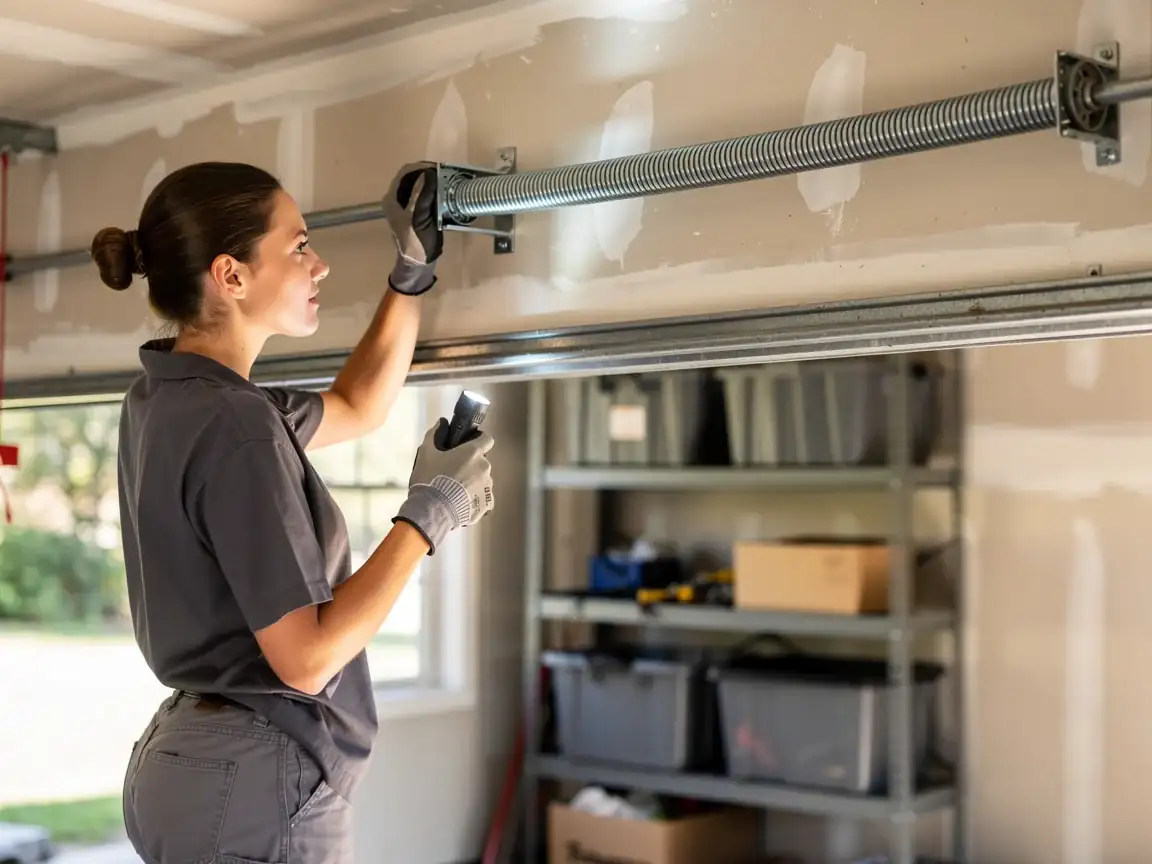
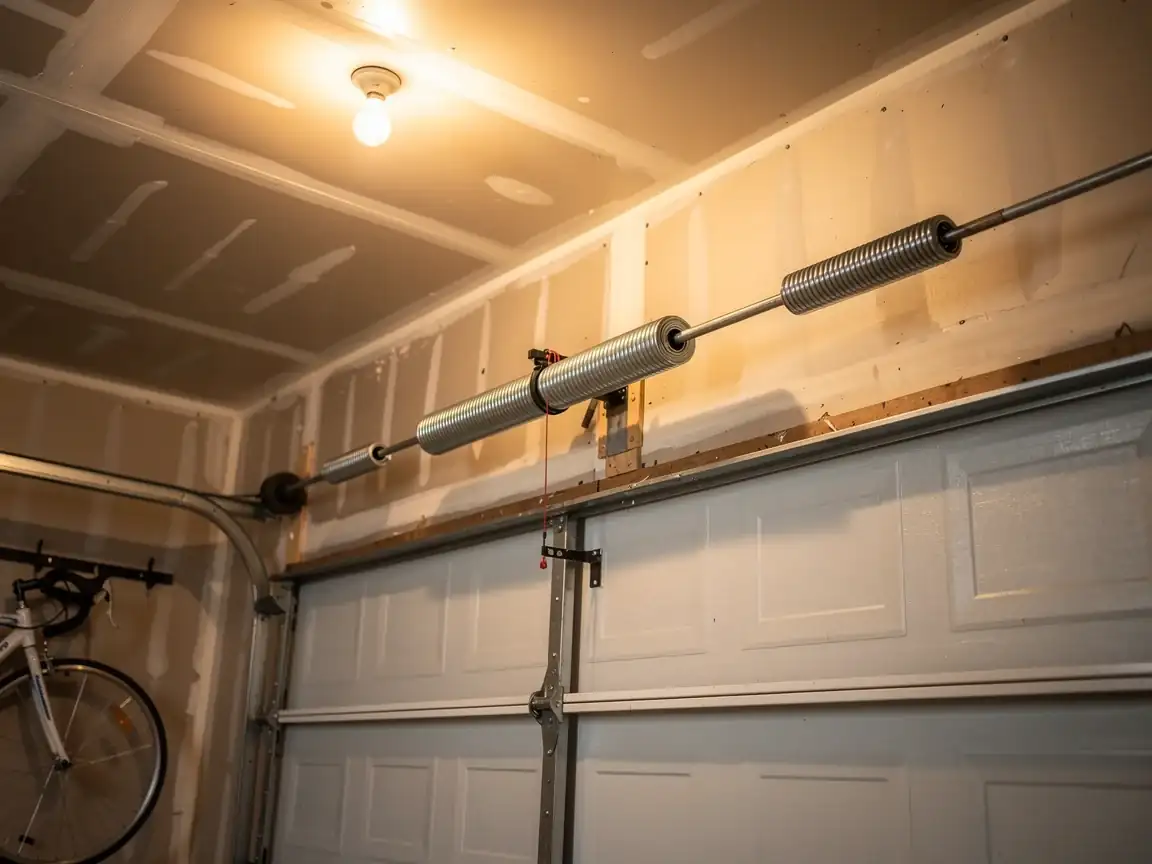
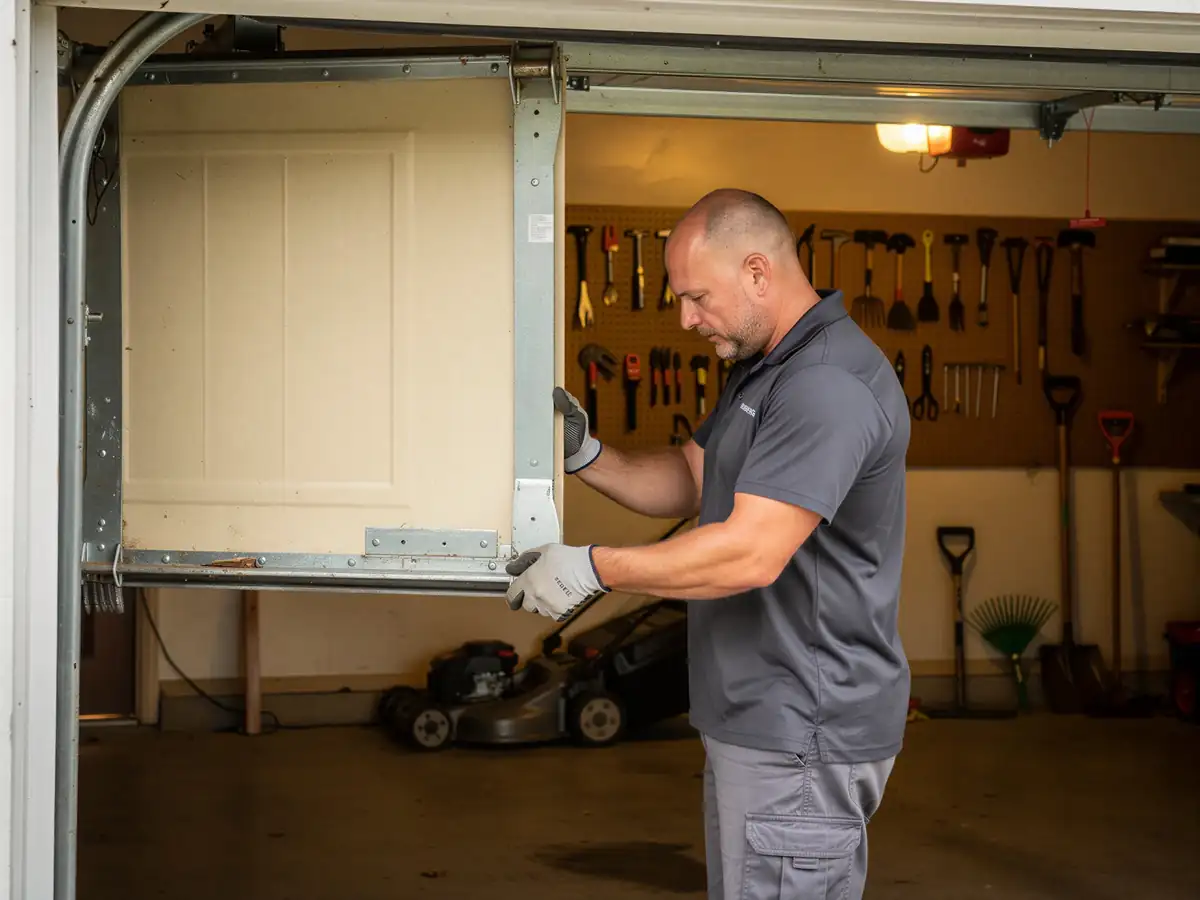
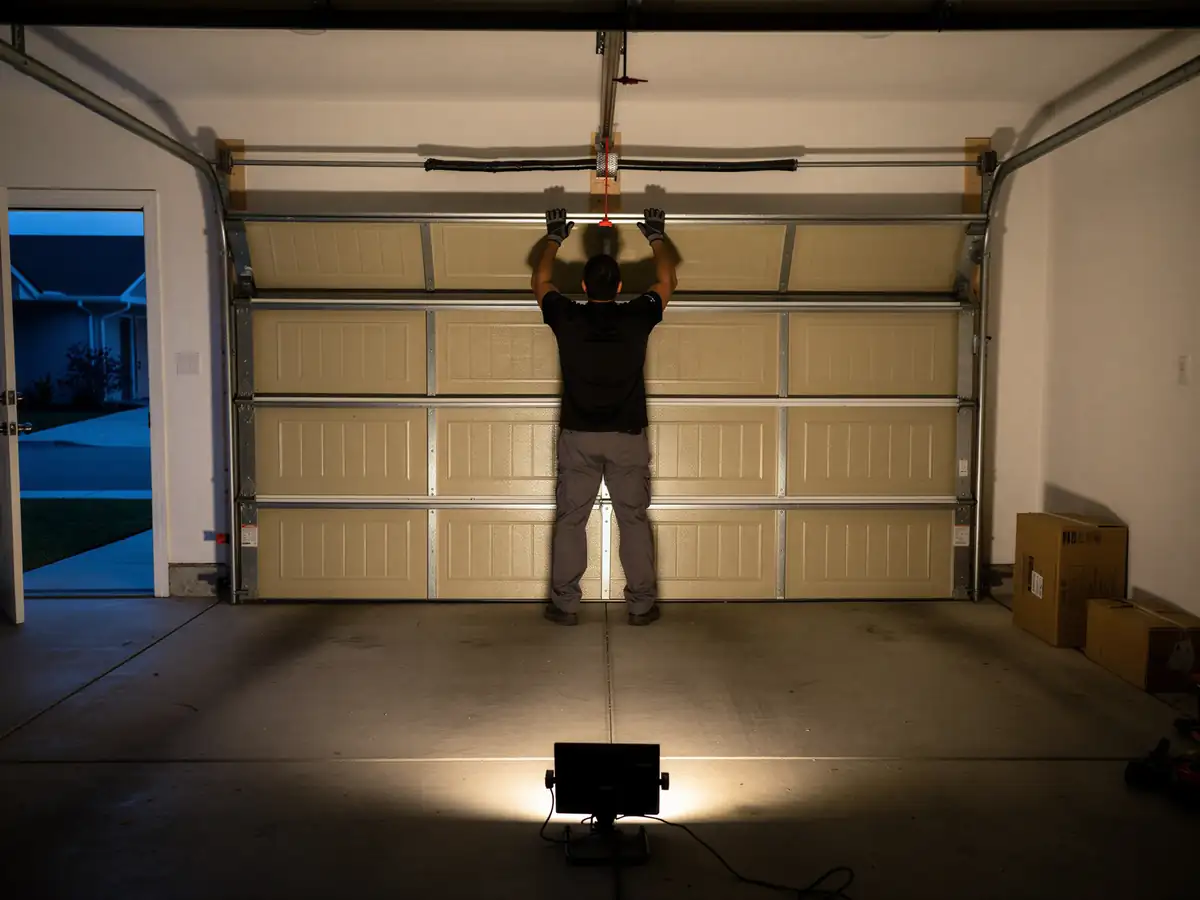
Across the Fairfield service area there are 96,495 households and 46,420 owner-occupied houses, and a lot of those garage openers are original equipment nobody has touched in decades. On older doors we test spring balance before we mount anything - a new opener fighting a door that's out of balance just burns out the gears faster, and that's a callback we'd rather not make.
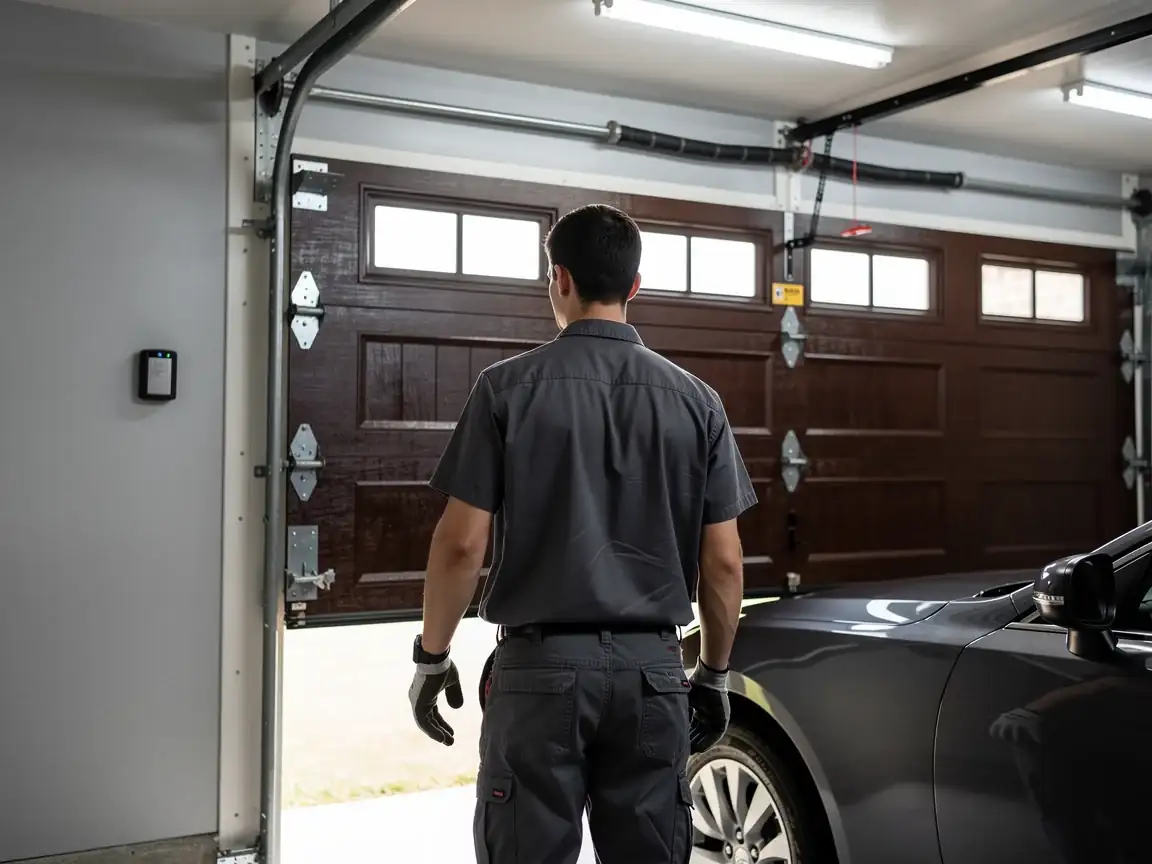
For newer builds, the job is usually simpler: standard rail length, standard bracket spacing, and a straight swap to a quieter belt drive or a smart opener with battery backup. We wire in the safety sensors to code either way, set the travel limits by hand, and test the auto-reverse before we call it done. We don't leave a job half-finished because the remote syncs - the force settings matter more than the paperwork.
What You Are Seeing
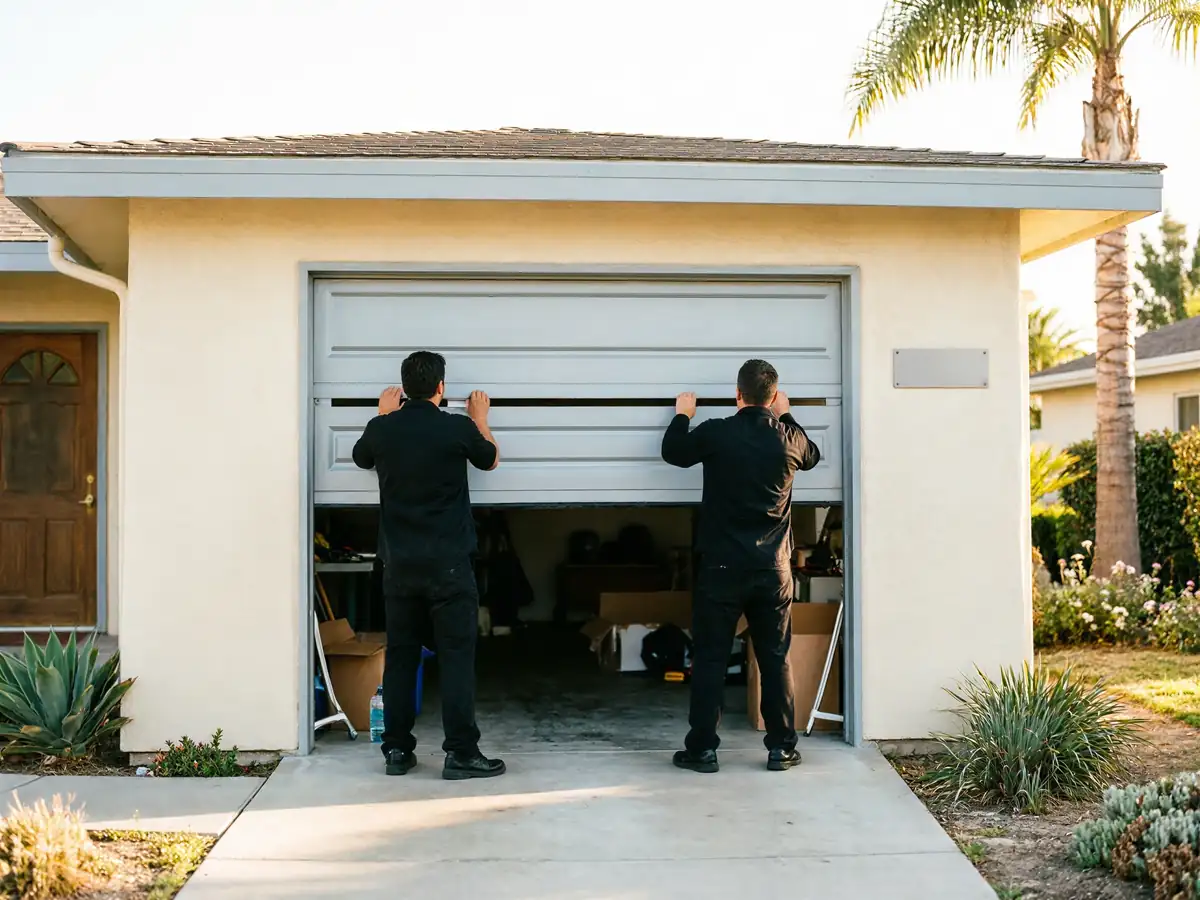
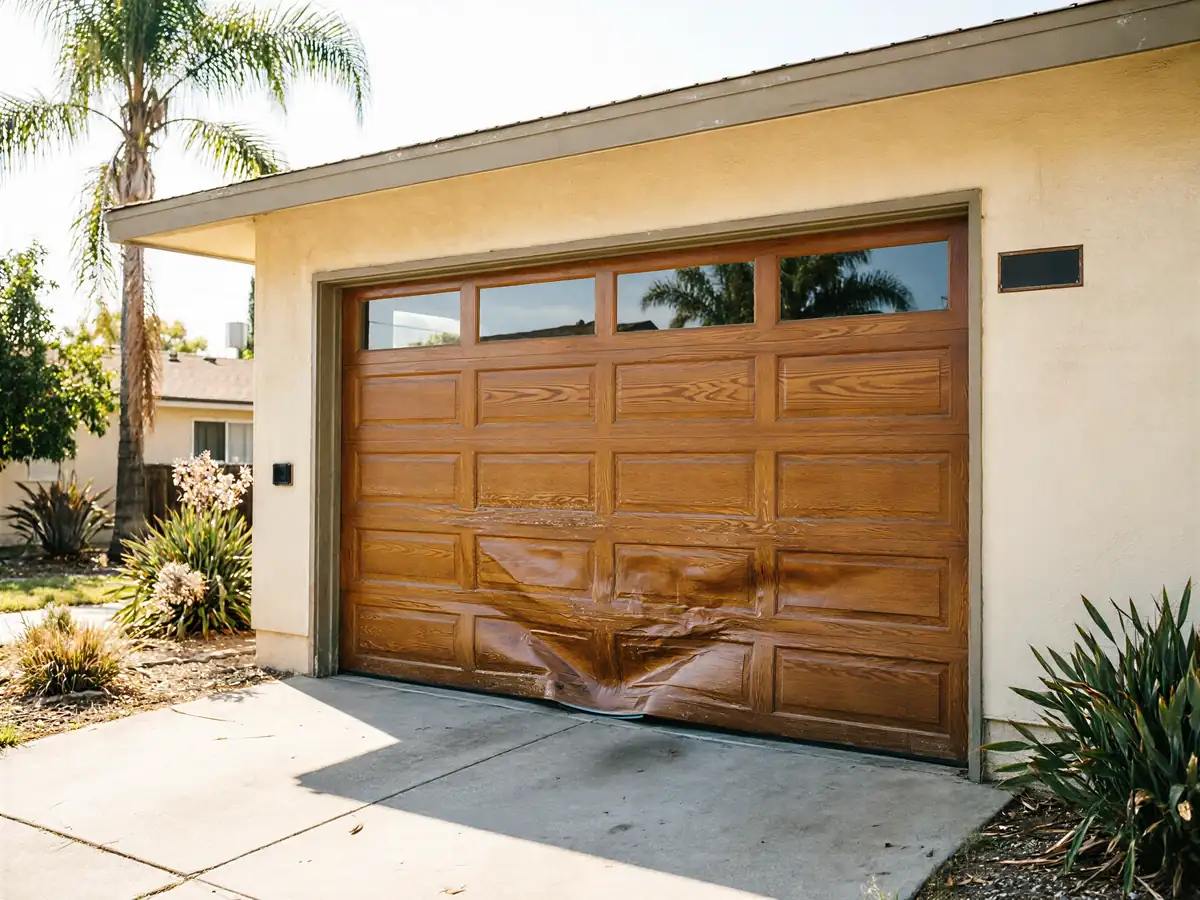
The usual complaint is a door that reverses halfway up
Or an opener that grinds and chatters right before it quits moving the door at all. On chain-drive units from the 1970s and 80s, that grinding is almost always a worn sprocket or a chain that's stretched past adjustment - not something you fix with a new remote.
Sometimes it's quieter than that
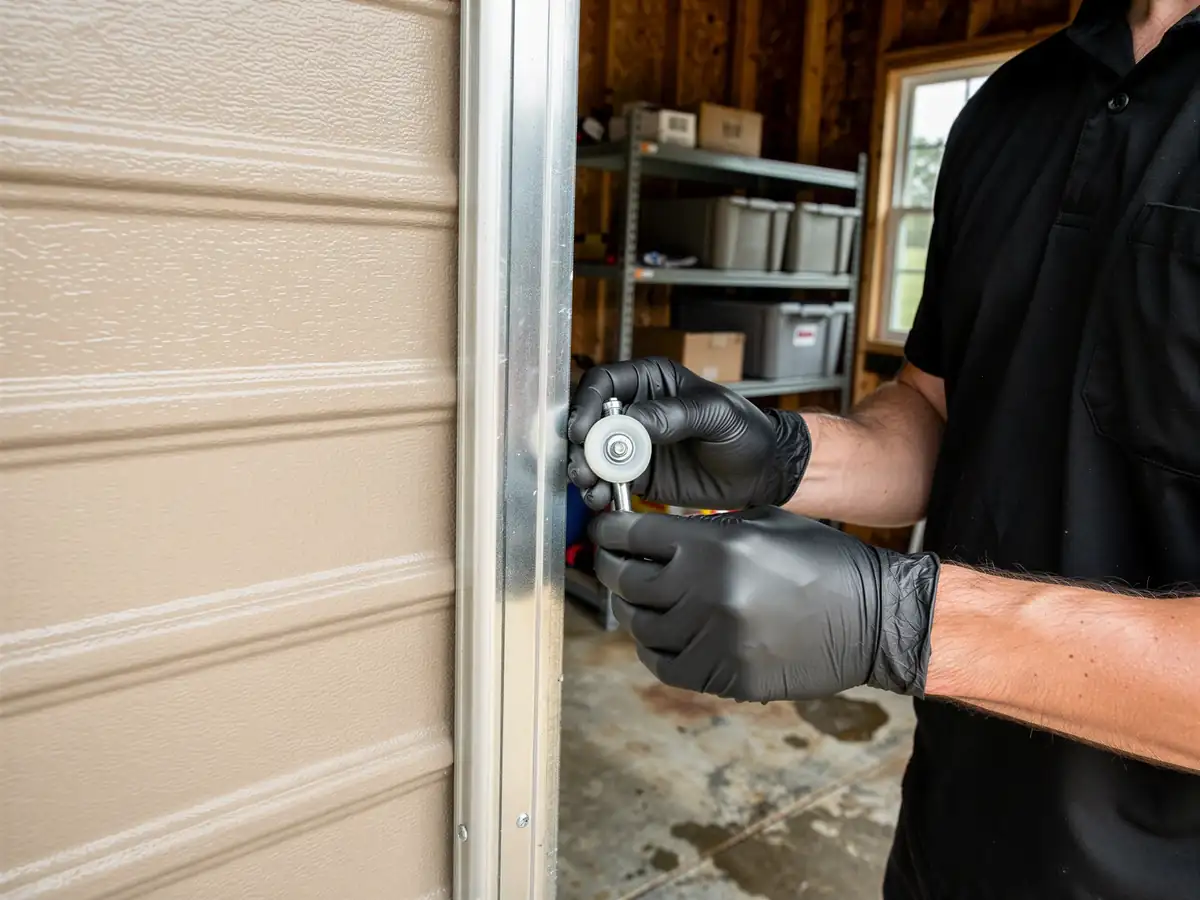
A door that used to open in four seconds now takes ten, or the light stays on but the motor hums without moving anything. That's usually a capacitor going in the motor housing, or a drive gear that's stripped its teeth - a $20 part that takes the whole unit down with it if you ignore it.
Most houses in the Fairfield service area went up between 1938 and 2002
With the median landing around 1979, so openers here range from ancient chain-drive units bolted to wood doorframes to late-90s belt drives on steel track. The older ones were built to run on 110V motors that just weren't designed to lift the heavier insulated doors a lot of owners have added since - that mismatch shows up as slow travel and a hot motor housing long before the unit fails outright.
What You Pay
We're not going to print a number here that doesn't match what shows up on your invoice, so this section is about what moves the price, not the price itself.
The door's weight and size set the floor - a single is a smaller motor than a double. Drive type is next: chain is the cheapest to buy and the loudest to live with, belt costs more up front and runs quiet, and jackshaft units cost more again but free up ceiling space for storage. Battery backup adds to the bill but matters here, since a dead opener during a power outage leaves the door stuck wherever it was when the lights went out.
At a median household income of $102,938 across the Fairfield service area, most owners we talk to choose a mid-range belt-drive unit with battery backup over the cheapest chain-drive option - not because it's required, but because it's the one that doesn't need replacing again in five years.
One honest limit: if your existing track or spring setup is bent, rusted, or undersized for a new opener, that's extra labor beyond the install itself, and we'll tell you before we start, not after.
What Causes It Around Here
Fairfield sits two miles from Suisun City and seven miles from Green Valley, inside a mild temperate climate band that spares opener gears the thermal swings that crack housings in harsher regions. That's good news for the motor itself - it's bad news for complacency, because owners here tend to run an opener for twenty-plus years without a failure forcing their hand, and by the time it does fail, the whole unit is often obsolete enough that parts aren't stocked anymore.
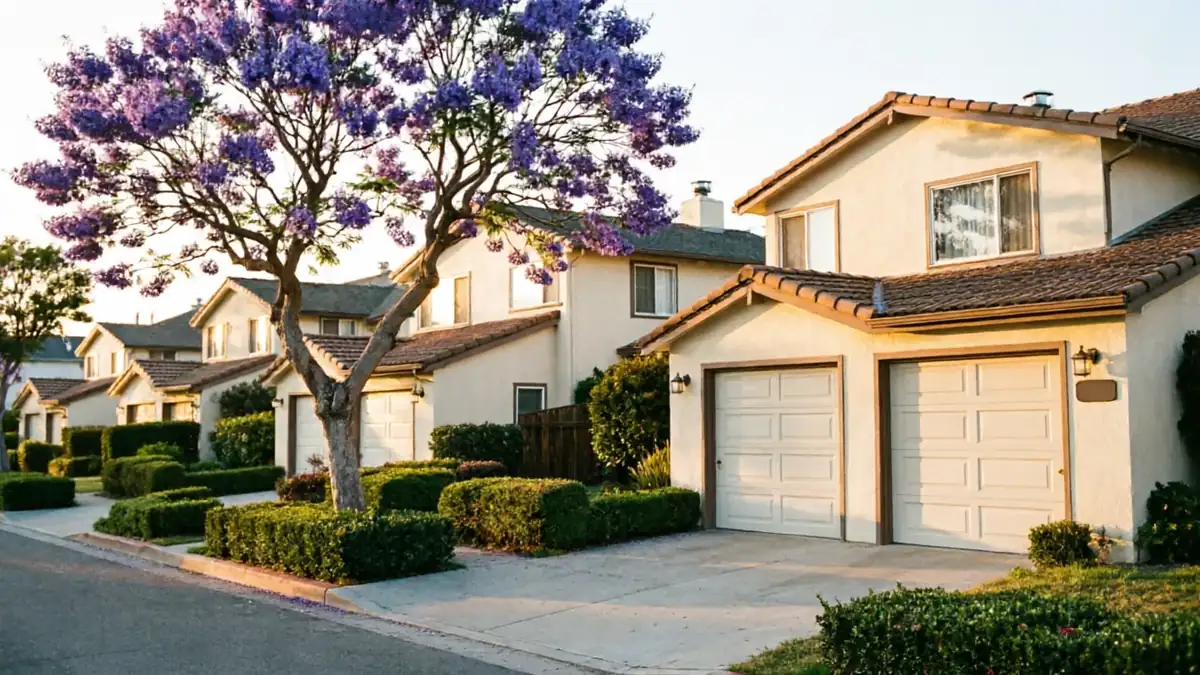
The 19 named areas around Fairfield, from Suisun City two miles out to Rodeo twenty miles away, mix 1960s-70s tract housing with newer builds, so opener mounting hardware varies block to block. A belt-drive unit that bolts straight into a 1995 build might need an adapter bracket on a house from the 1960s.
Moisture isn't the enemy here the way it is in wetter climates, but dust and temperature cycling inside an uninsulated garage still dry out lubricant on gears and chains faster than most owners expect. That's the quiet cause behind most of the grinding noises we get called out for - not a dramatic failure, just years of skipped maintenance catching up at once.