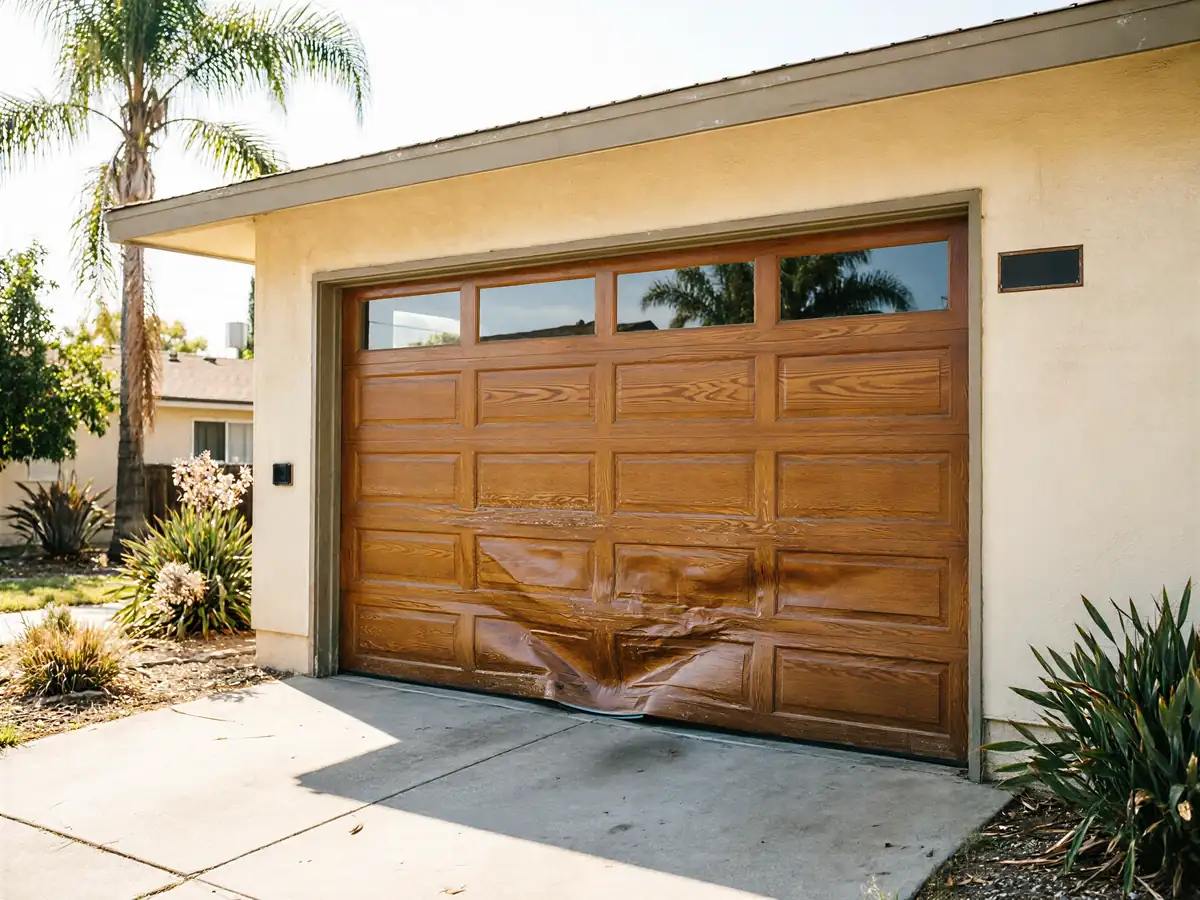
How We Fix It
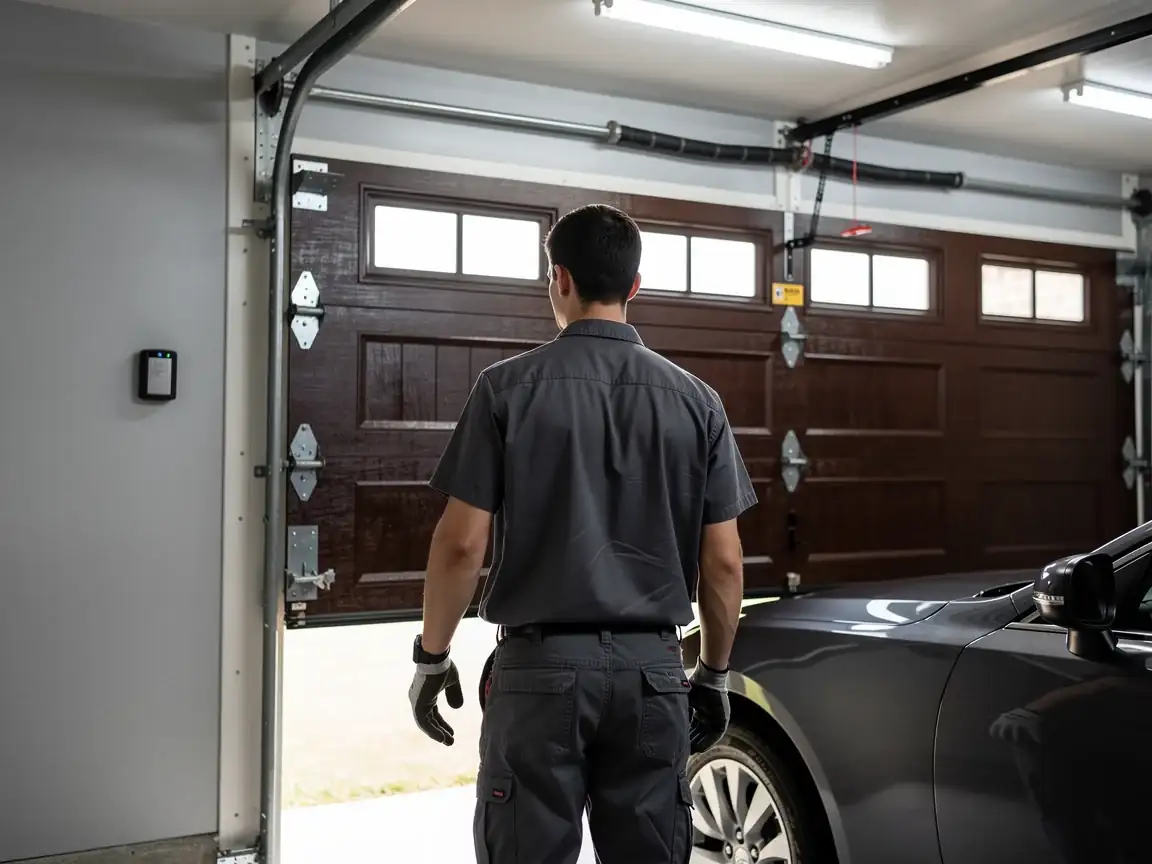
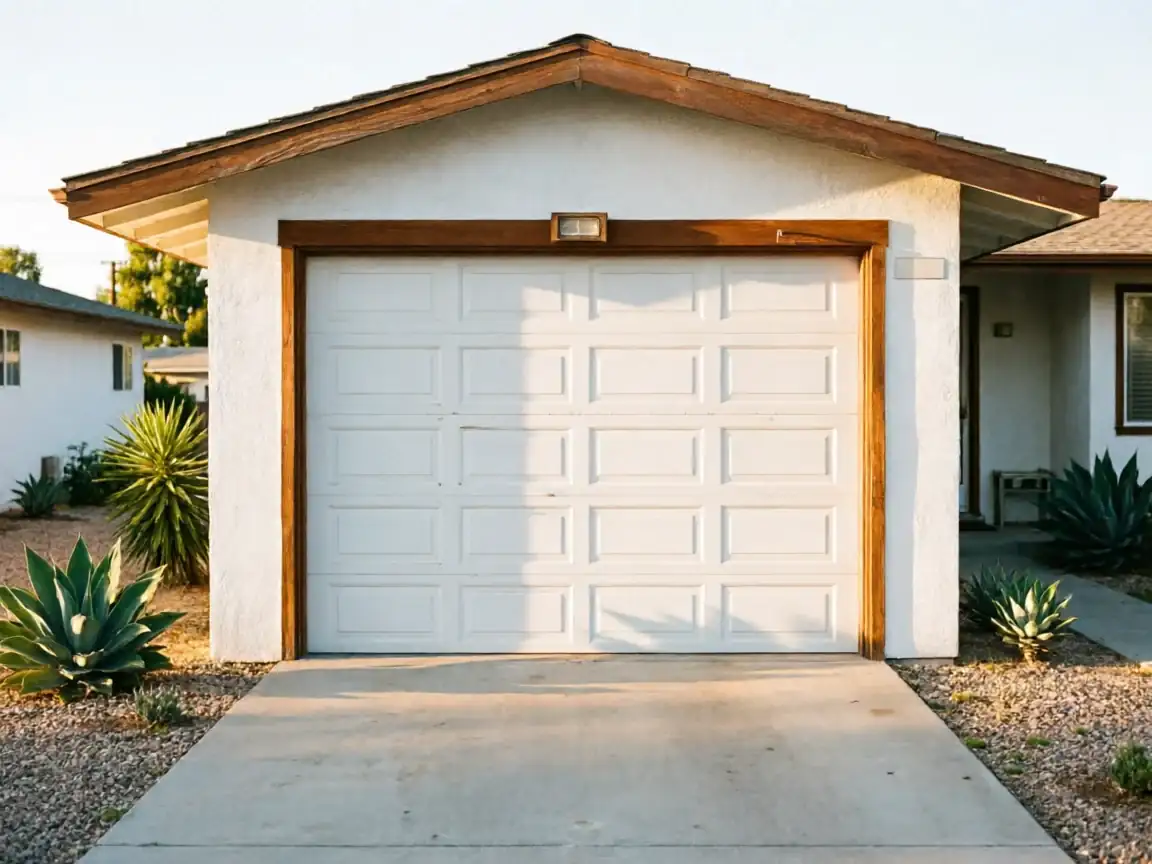
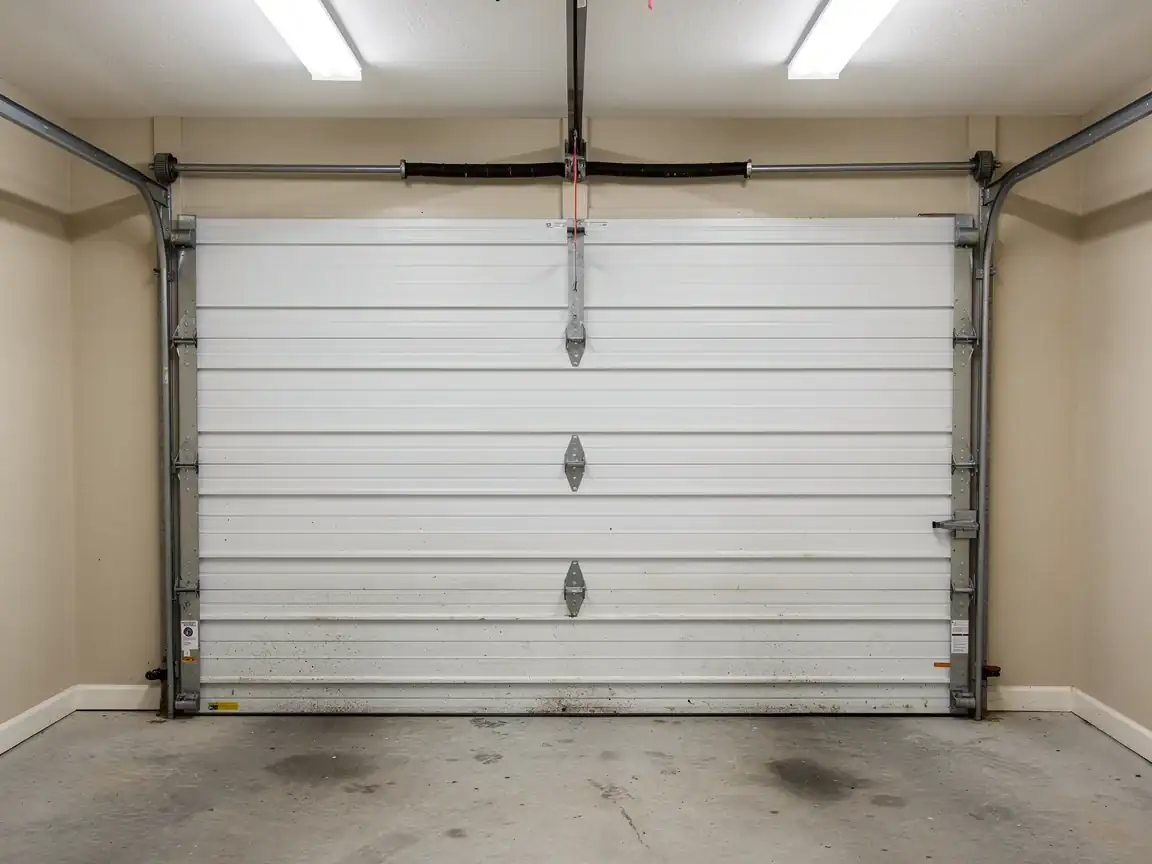
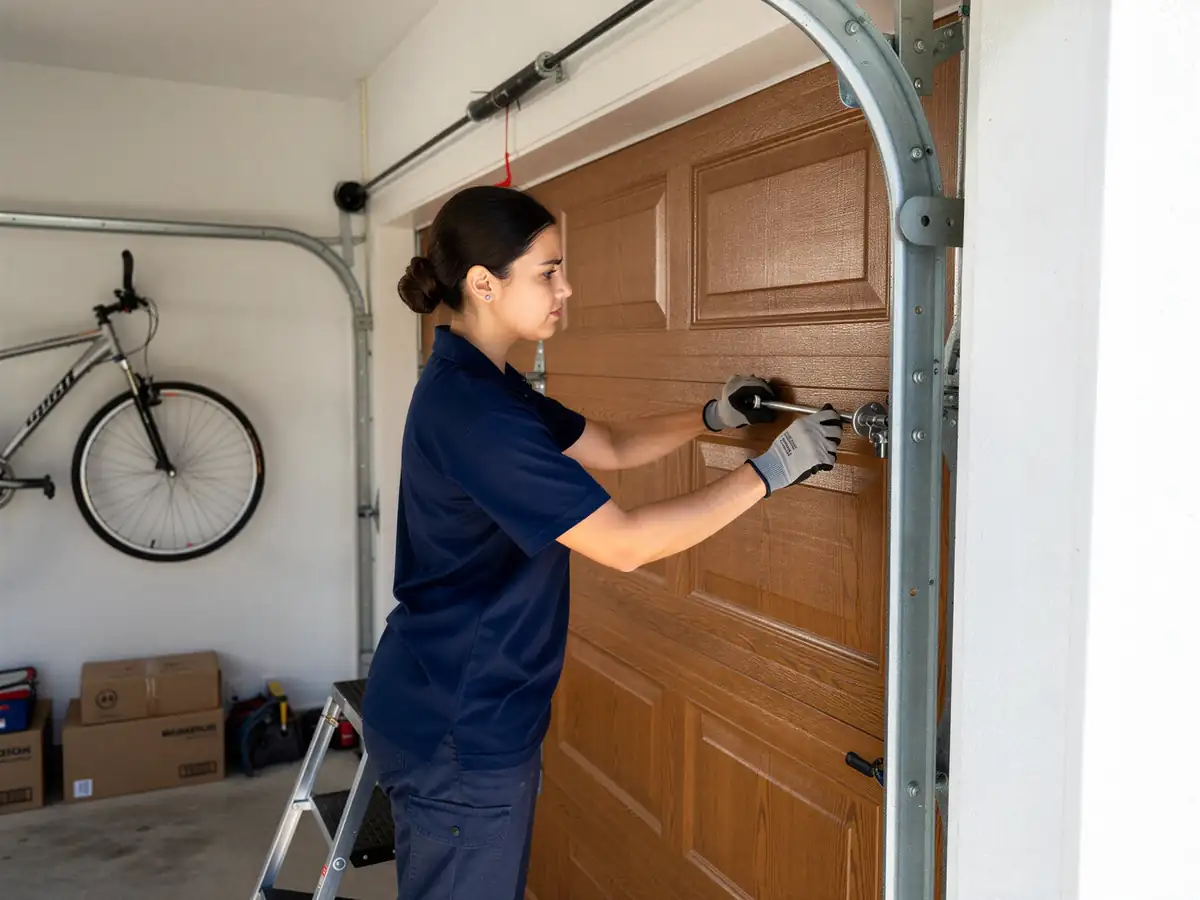
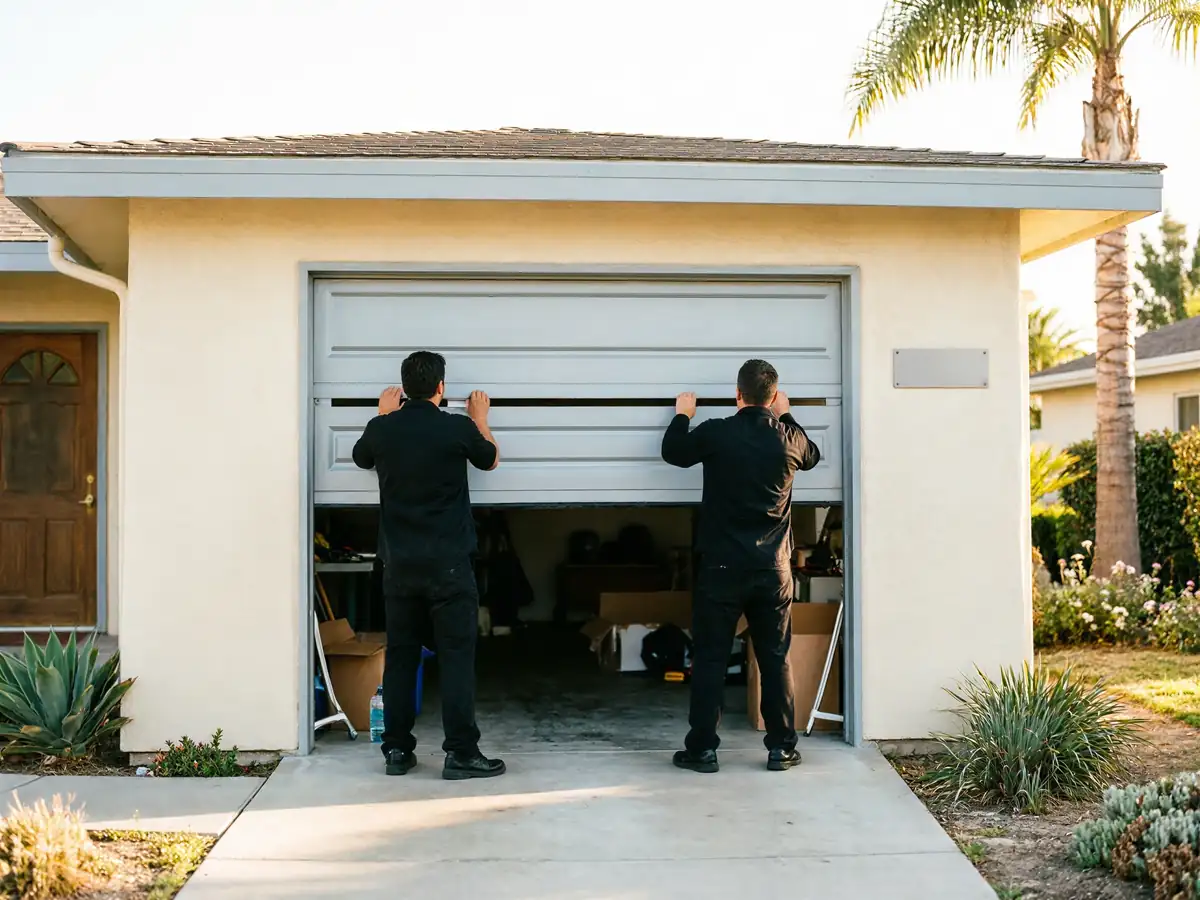
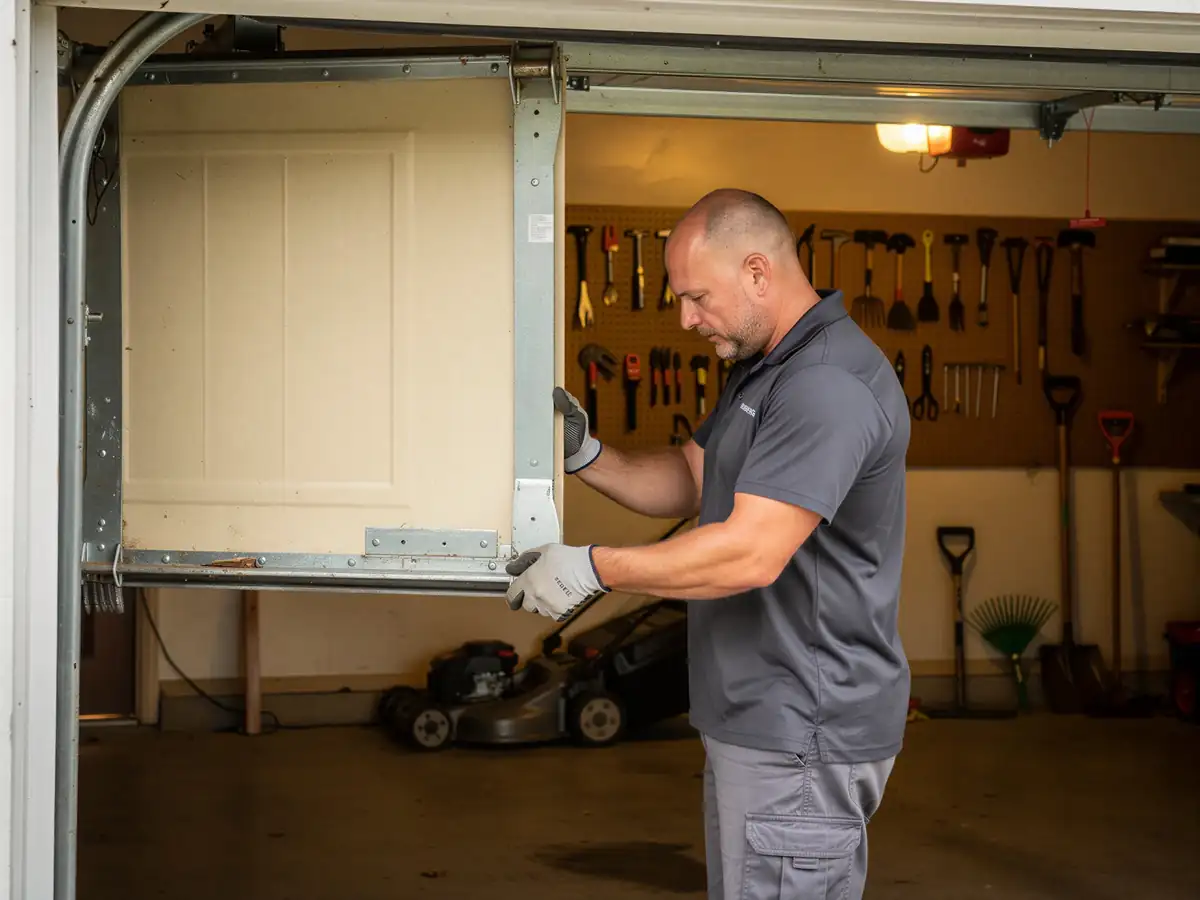
A damaged panel doesn't always mean a new door. If the frame is still square and the track hasn't bent, we pull the bad section, match the panel by brand and profile, and swap it in without touching the rest of the door. Steel sectional doors from the 1960s and 70s run are the most common match request we get, since those profiles were standardized across a lot of builders in that era.
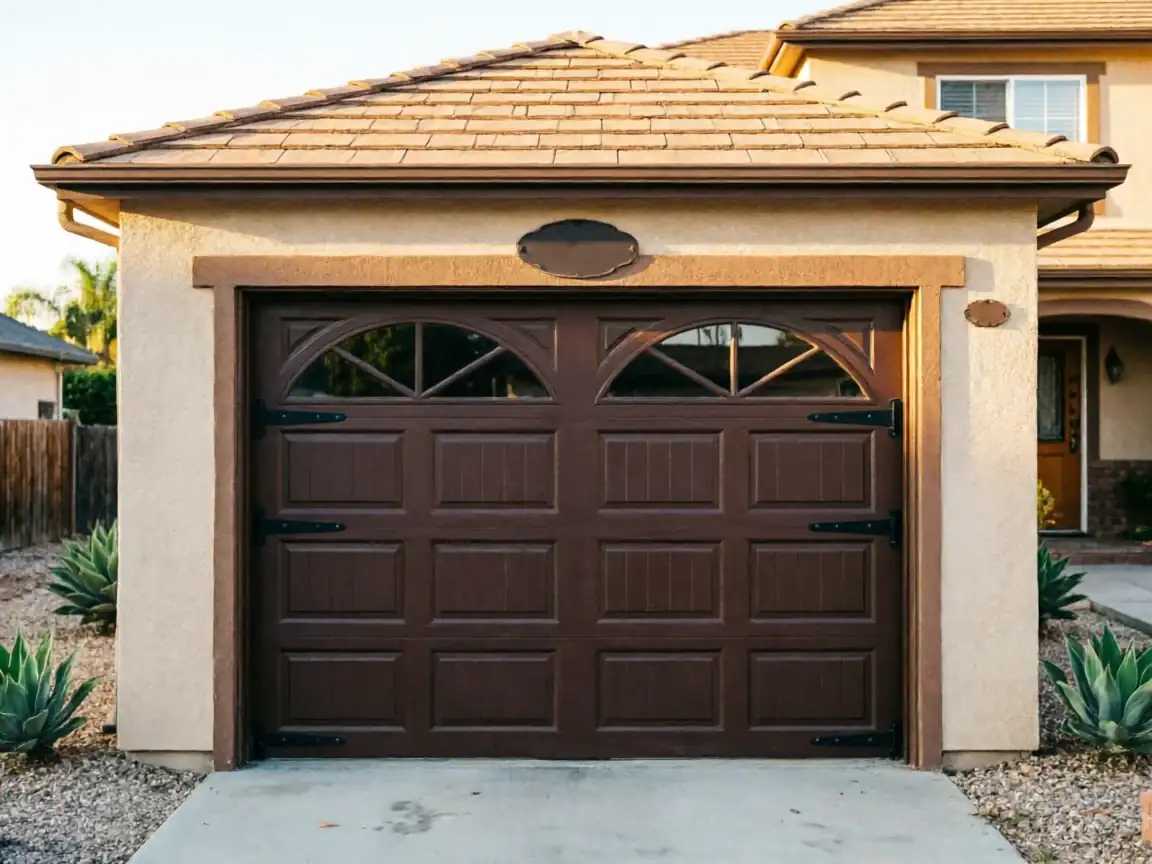
When the panel is original to a door that old, an exact match sometimes isn't available anymore. In that case we look at a close factory match on color and rib pattern, or we tell you straight that a full door replacement is the more honest fix. We'd rather say that upfront than sell you a mismatched panel that looks wrong from the driveway.
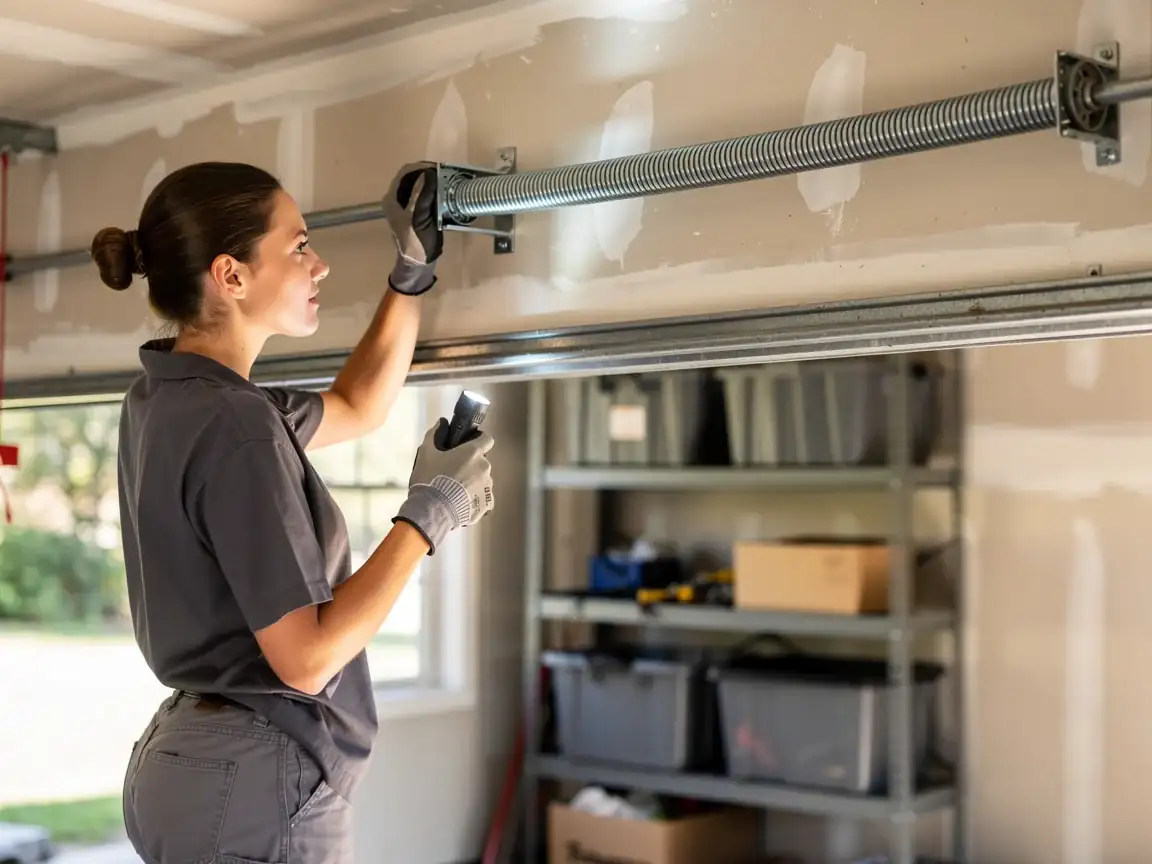
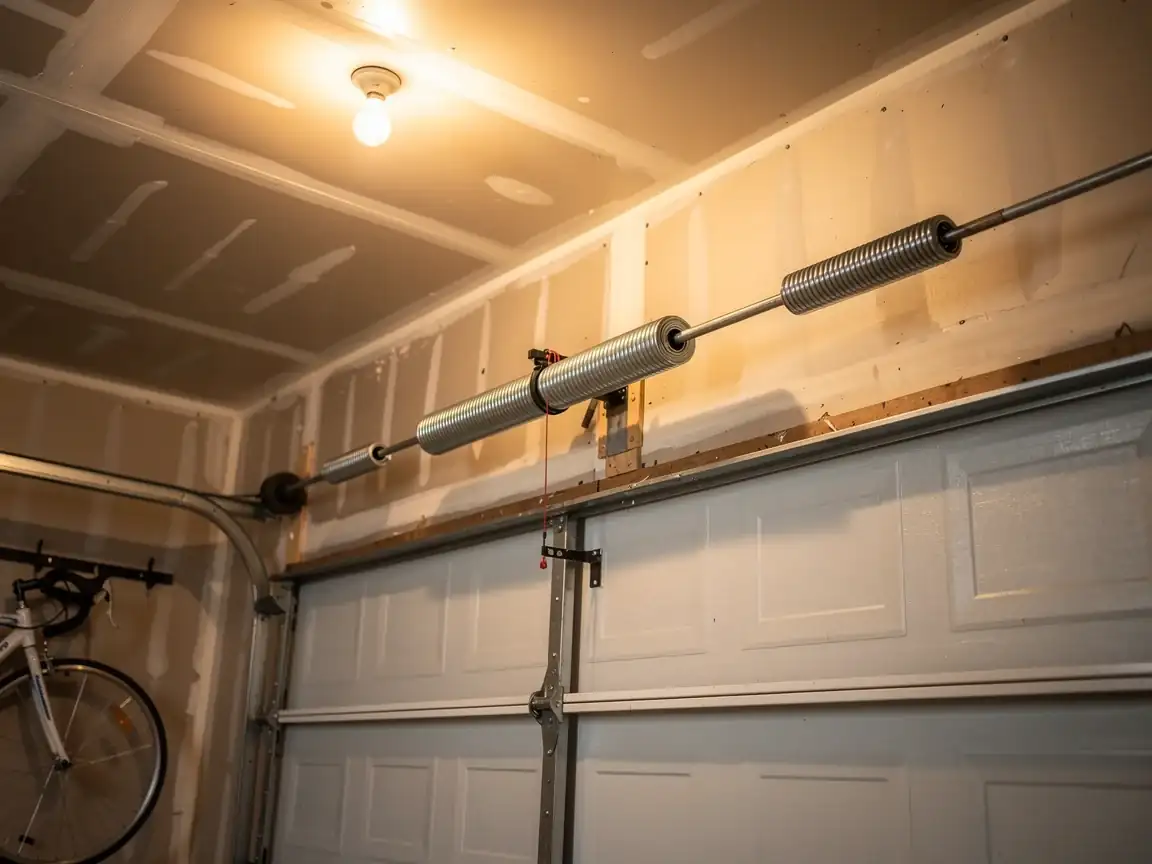
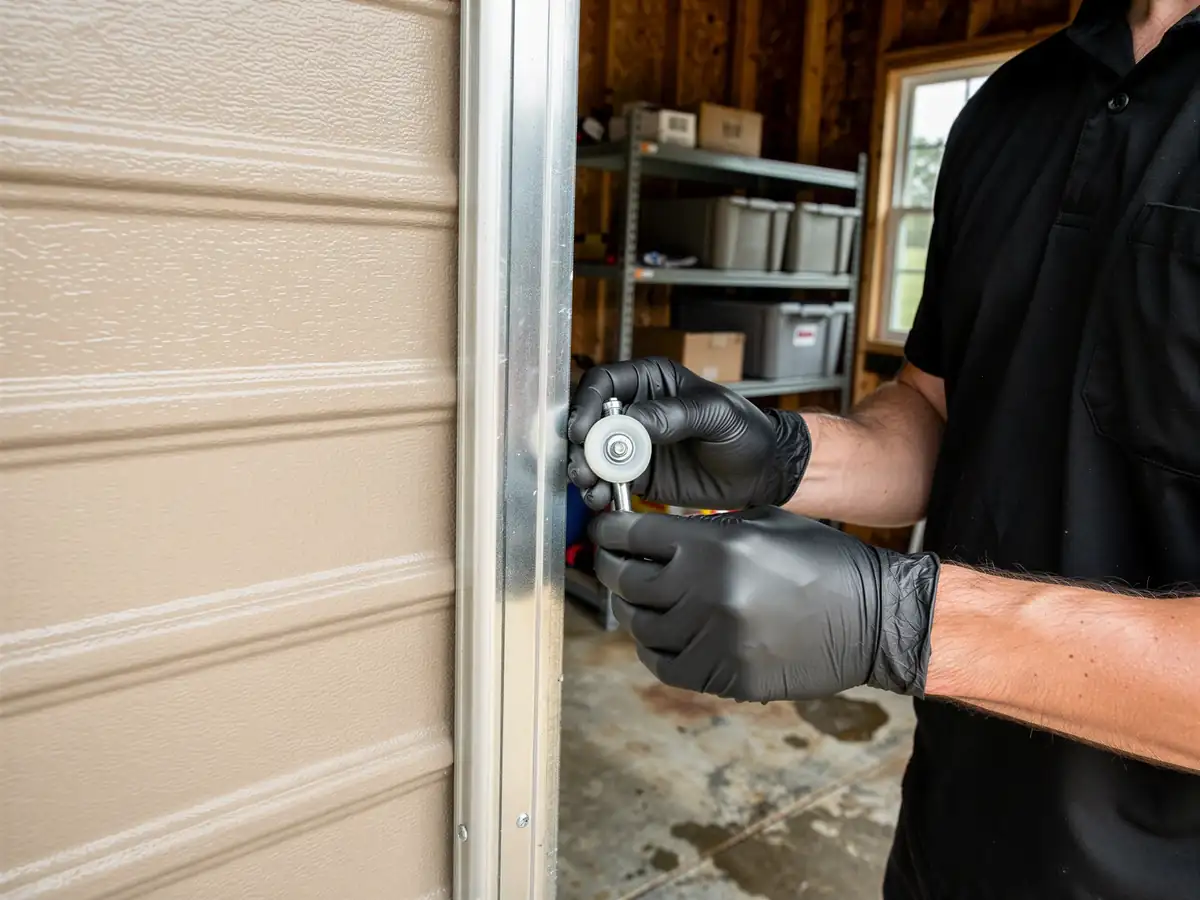
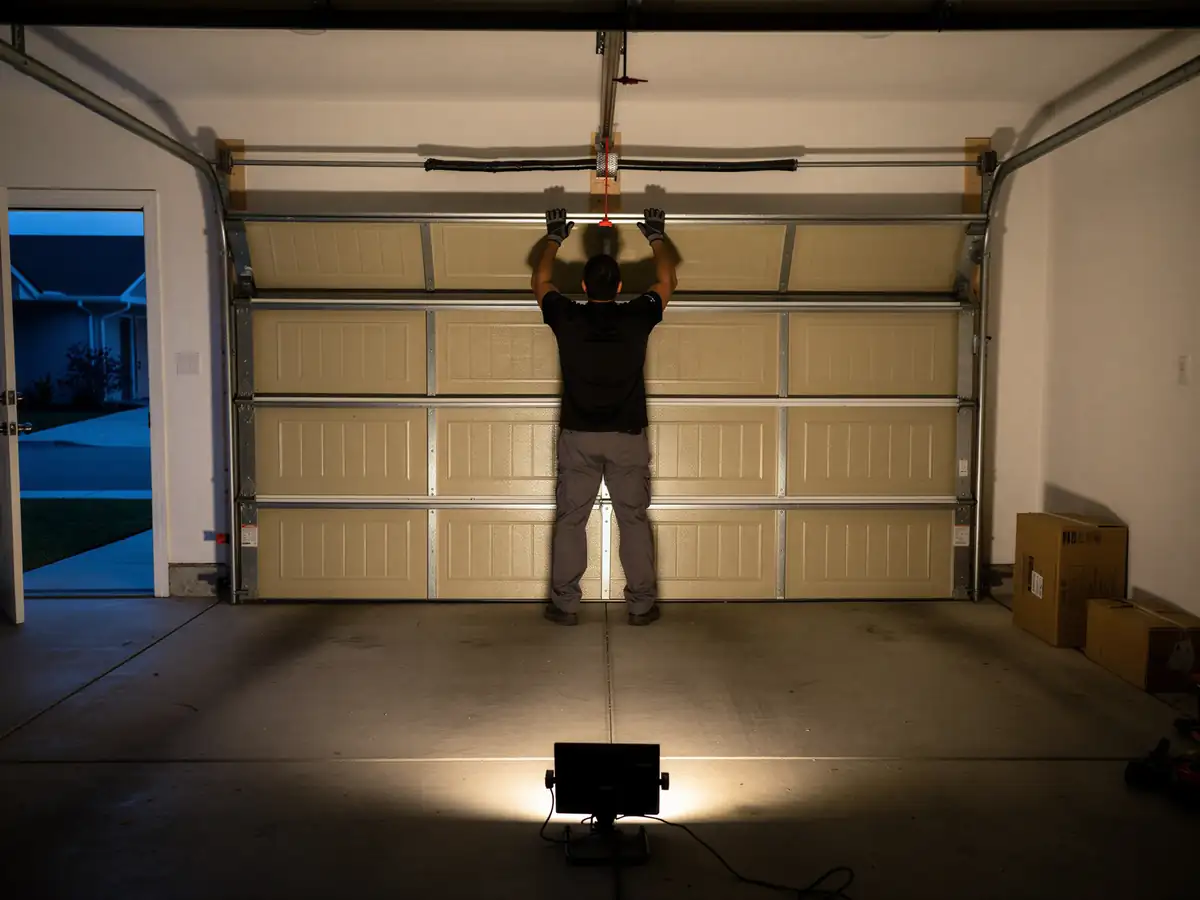
We check the hinges and rollers tied to that section while we're in there, since a bent panel often bends the hardware around it too. Torsion springs and cables get inspected but not touched unless they're actually compromised - no reason to charge you for parts that are fine.
Most single-panel jobs are a same-day fix once the part is confirmed. Full-width bottom panels on wider double doors sometimes need an extra day if the warehouse doesn't stock that width locally.
What You Are Seeing
The usual signs are a visible dent from a backed-into bumper or a trash can
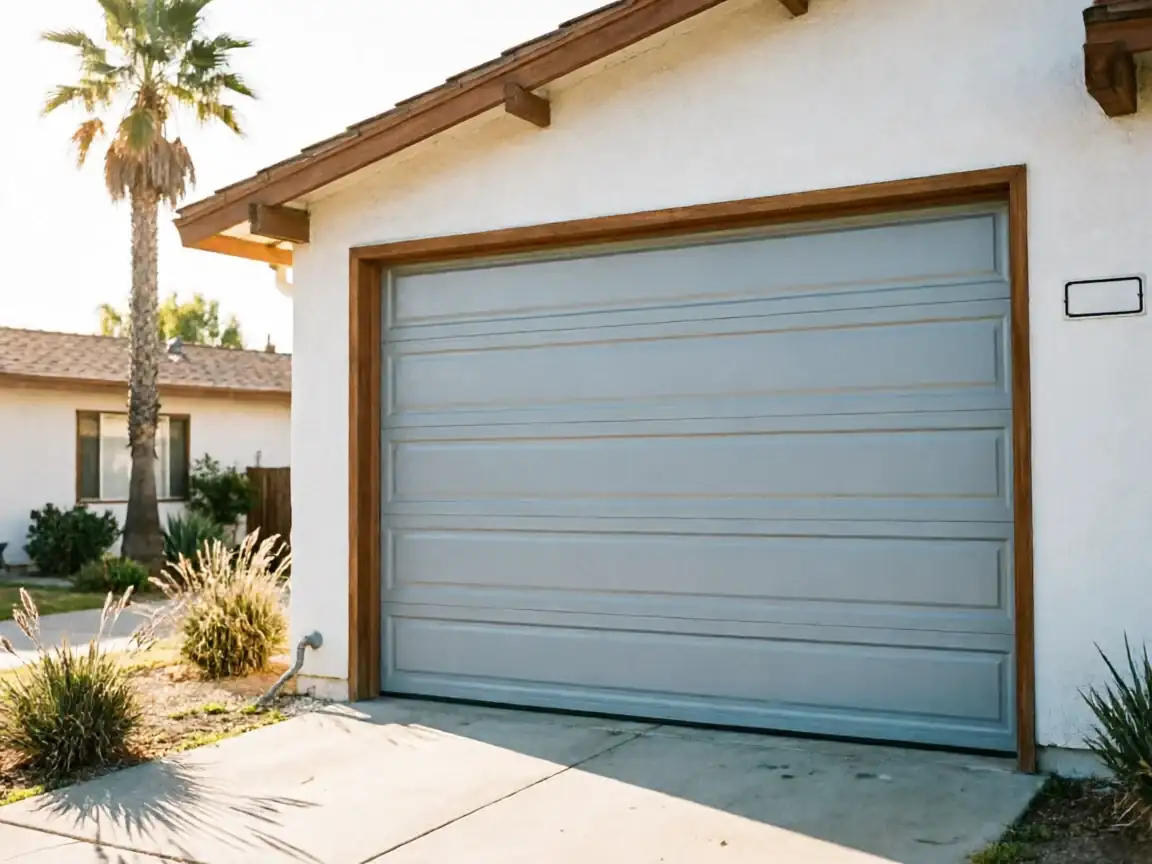
A crack along a seam where the panel's been flexing for years, or rust blooming through the paint on a steel panel near the bottom where water sits. Sometimes it's not damage at all - it's a panel that's bowed just enough that the door doesn't seal flush anymore, and daylight shows at the bottom corner.
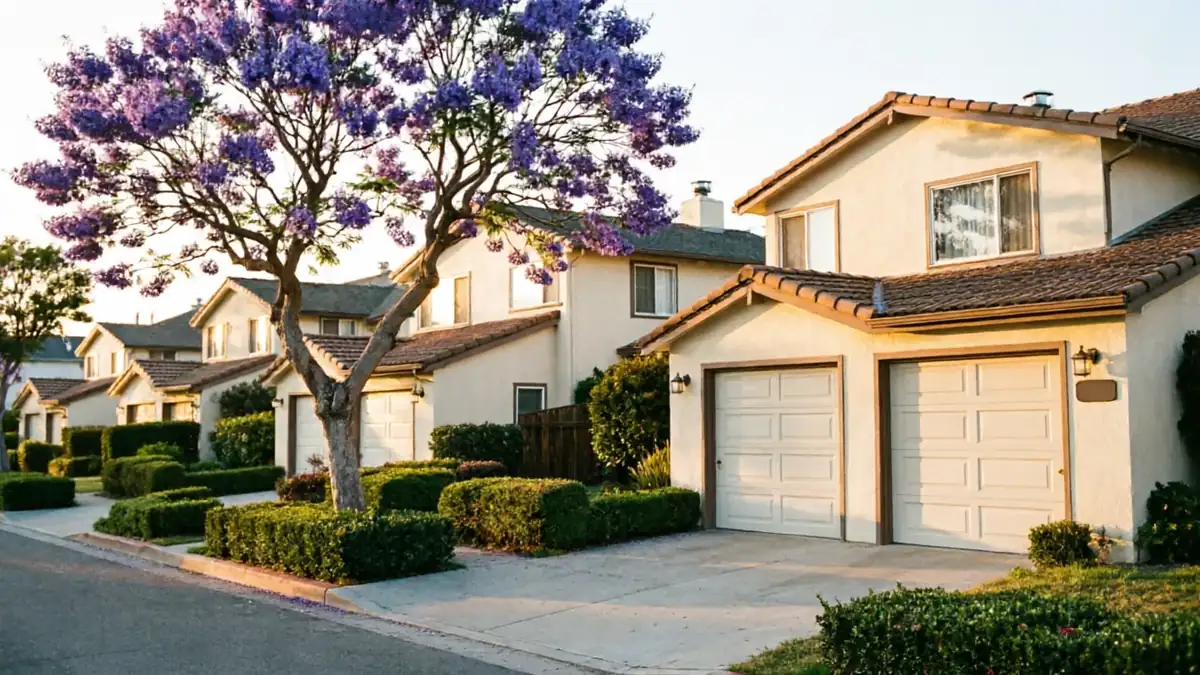
Houses in this service area were built mostly between 1938 and 2002
With the median landing around 1979, right when steel sectional doors were replacing the older wood panel doors builders used before that. That means a lot of garages here still run doors with panel profiles from that transition period, and those panels age differently than anything made in the last fifteen years.
If you're noticing the bottom panel specifically, check for daylight gaps and flaking paint at the base
That's usually moisture working at the seam over years, not sudden impact damage. Top panels crack more from age and flex than from being hit.
What You Pay
We don't have a flat number to quote here because panel cost depends on what's actually wrong and what door you have. A single bottom panel on a common width is usually the cheapest fix in the shop. A full-width top panel, or any panel on a door where the manufacturer no longer makes that profile, costs more because the part itself is harder to source.
With a median household income of $102,938 across the service area, most owners we talk to choose to replace the damaged panel rather than the whole door, as long as the frame and track are still square. That's usually the lower-cost path and the one that makes sense on a door that's otherwise sound.
We'll tell you on the first look whether a panel swap is worth doing or whether the door's old enough and worn enough elsewhere that replacement makes more financial sense long-term. We'd rather give you that answer honestly than sell a patch job on a door that's going to need replacing in two years anyway.
What Causes It Around Here
Across the 19 named areas that make up this service area, housing runs mostly 1960s and 70s stock, and that era of garage door used thinner steel skins and simpler hardware than what's built today. Thinner skins dent easier and crack at the seams sooner, especially once the original paint has worn through and rust gets a foothold.
The climate here is mild temperate, so we're not dealing with freeze-thaw cycling that splits panels the way it does in colder regions. What we do see is slow sun and moisture damage on west-facing doors, where the finish breaks down over the years and water starts working at the seams from the outside in.
With 46,420 owner-occupied houses across the area, a large share of them from that same 1960s-70s run, panel wear tied to original hardware and old paint systems is routine, not unusual. Areas close in like Suisun City, two miles out, or Green Valley at seven miles, show the same pattern - it's a housing-stock issue more than a one-house problem.
Backyard basketballs and bumper taps account for plenty of calls too, but the slow seam failure from age is the one that sneaks up on people until the door won't seal flush anymore.