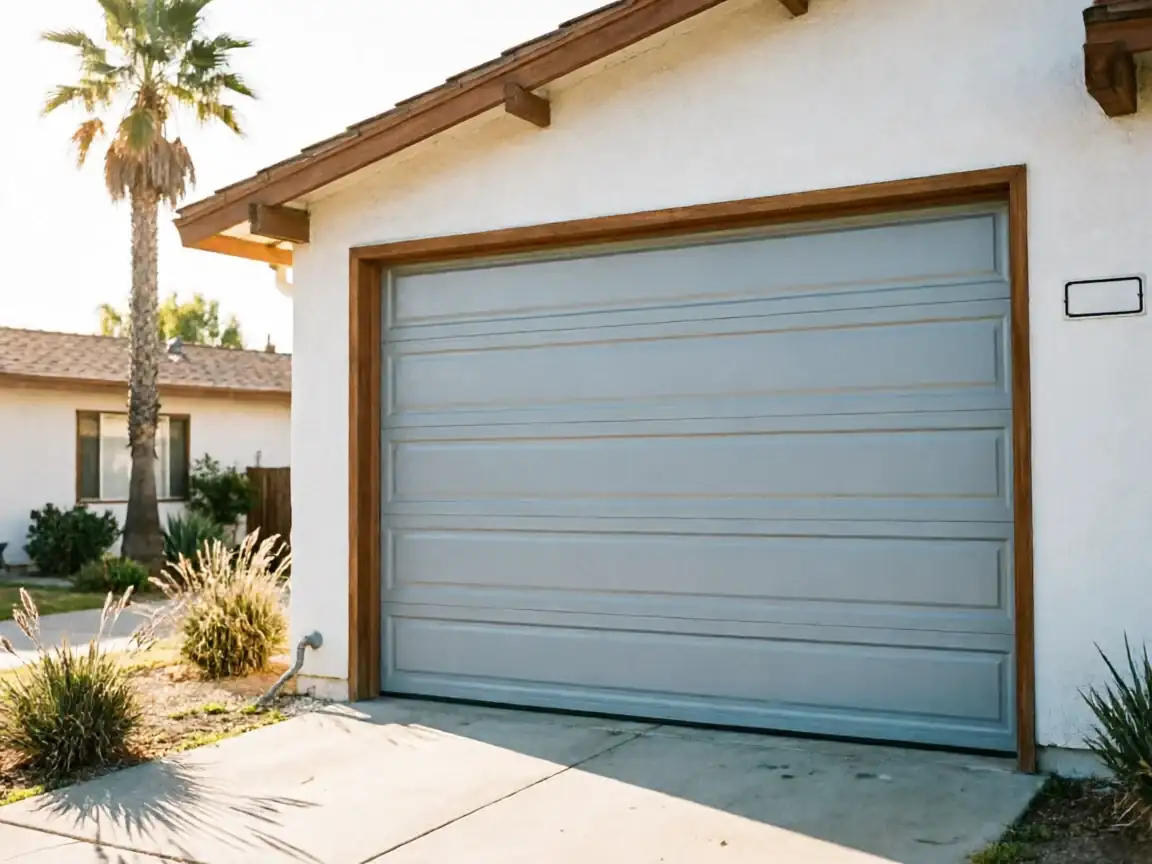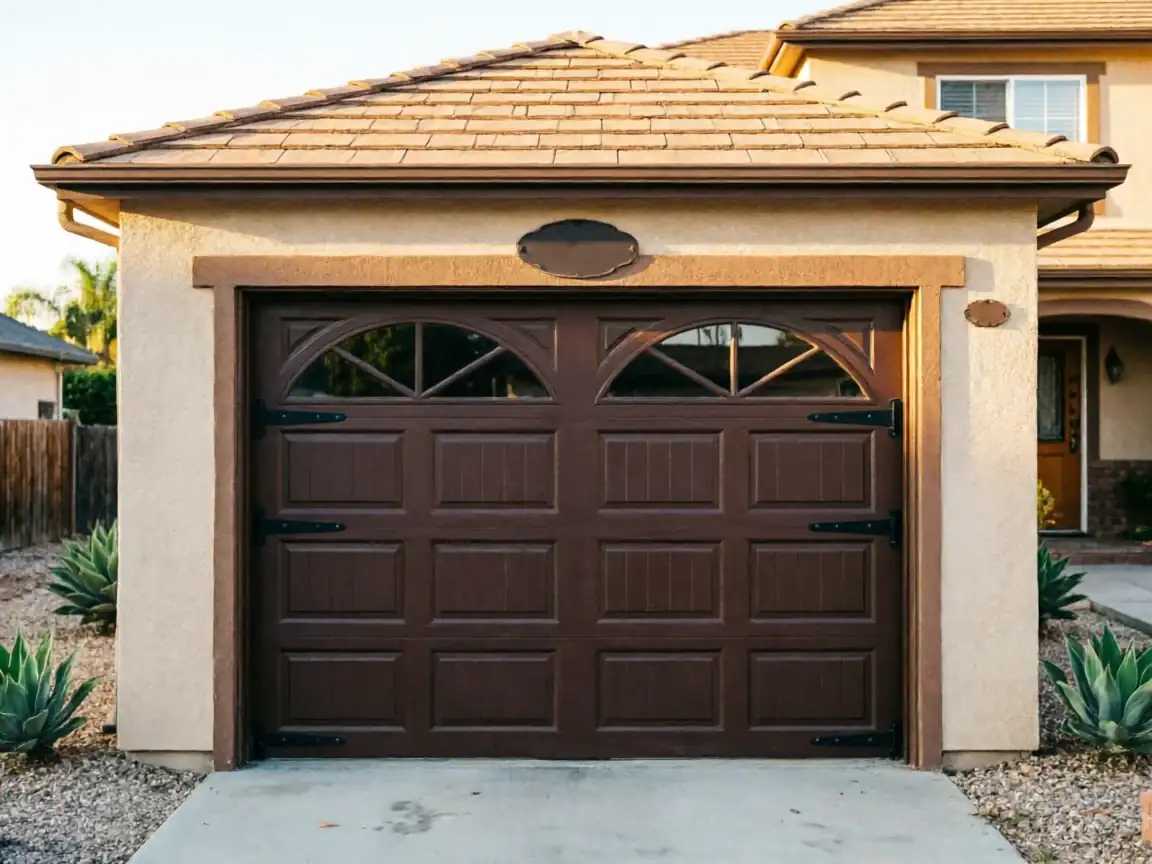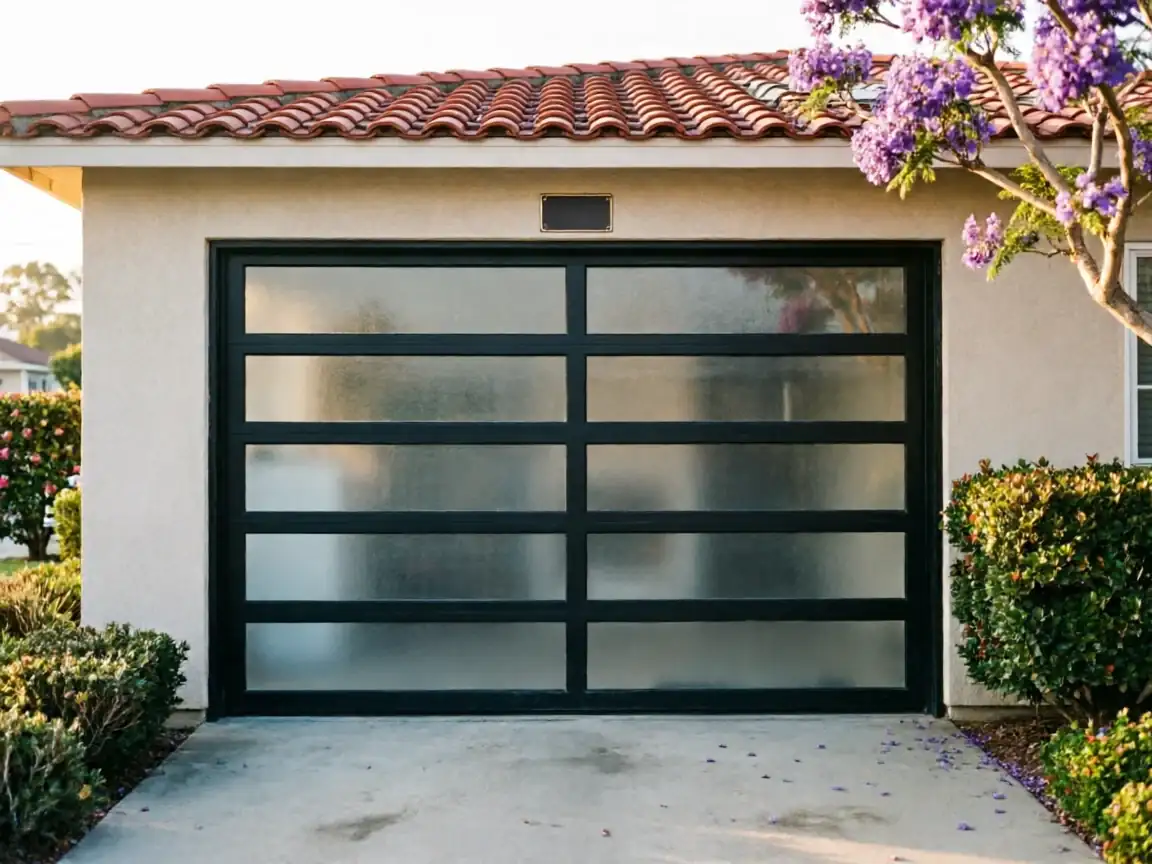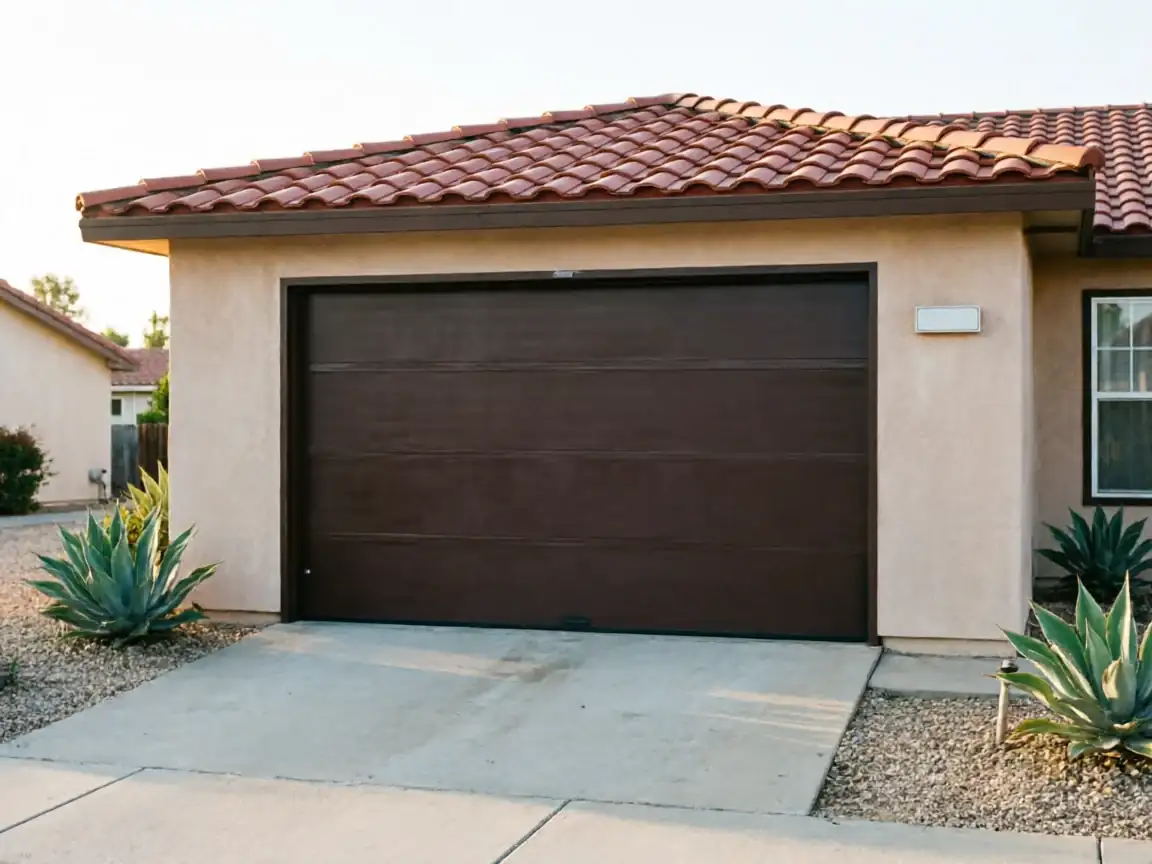
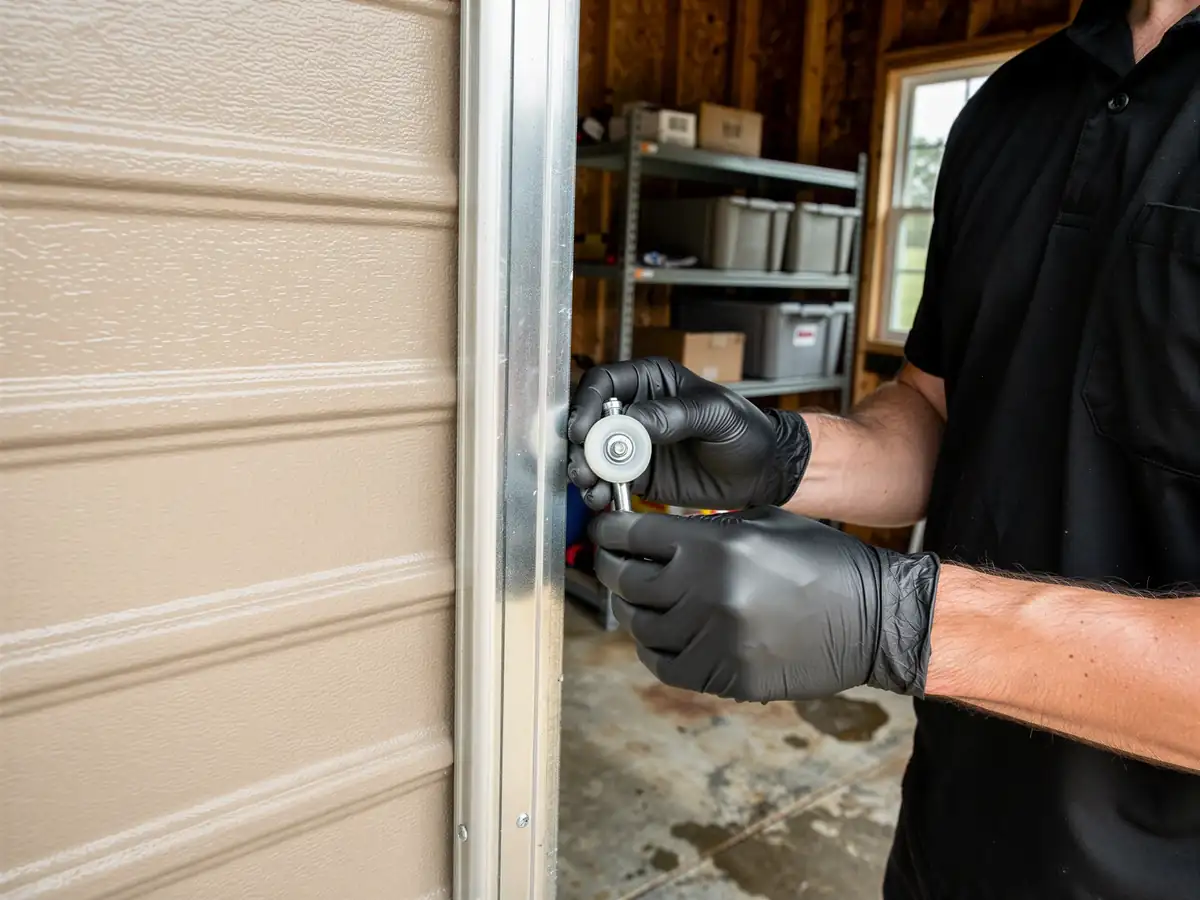
How We Fix It
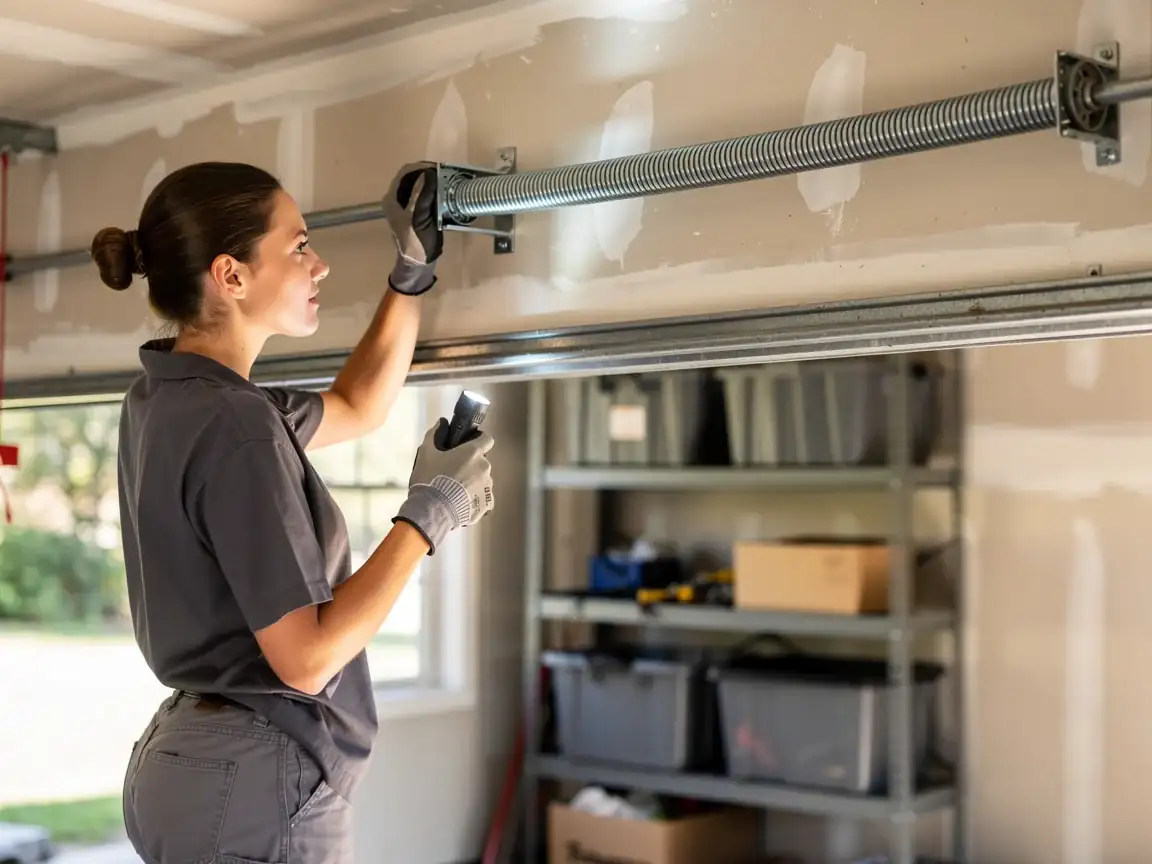
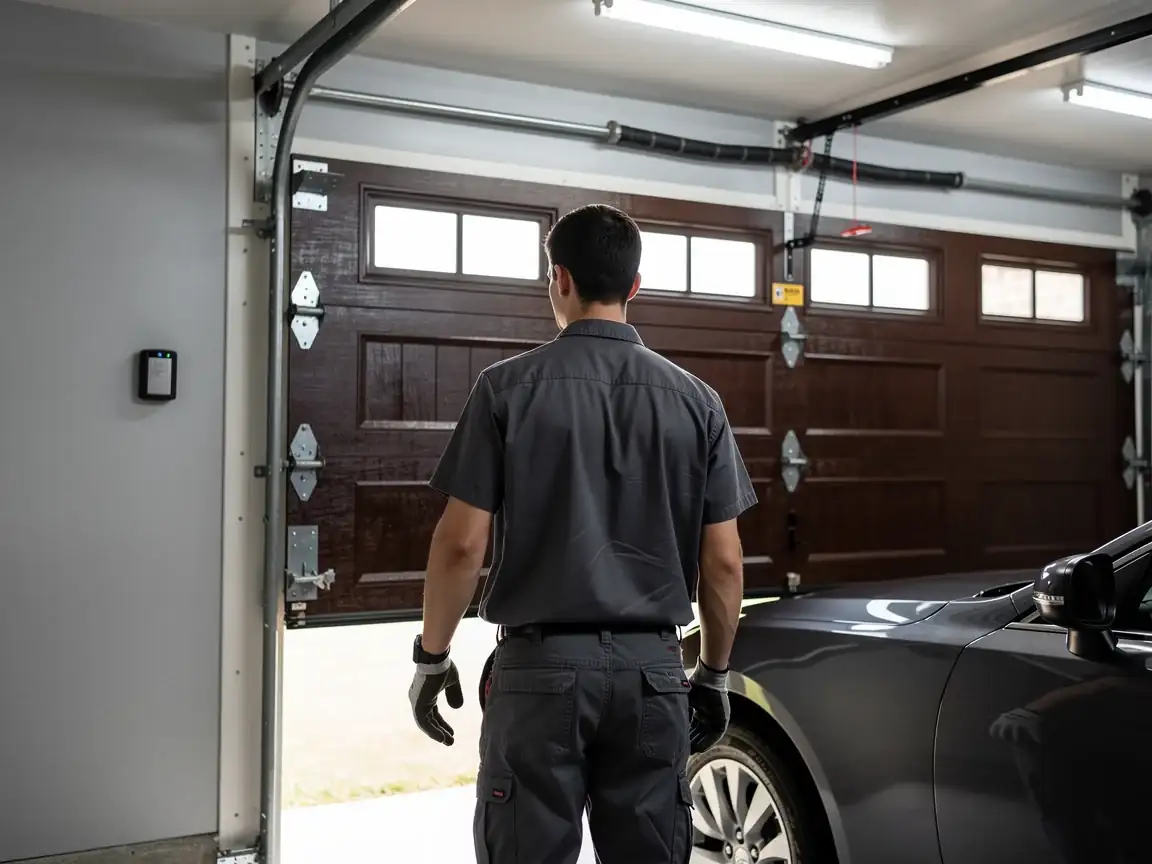
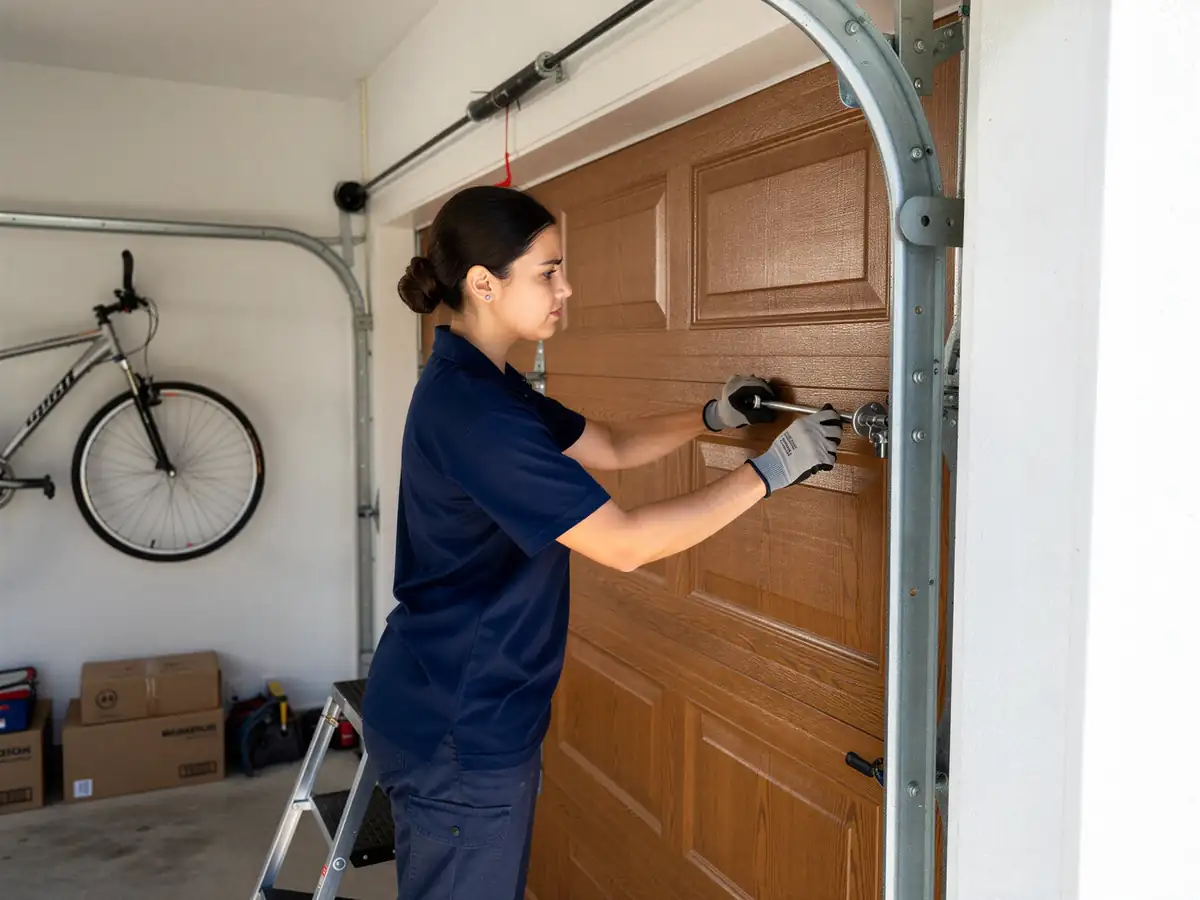
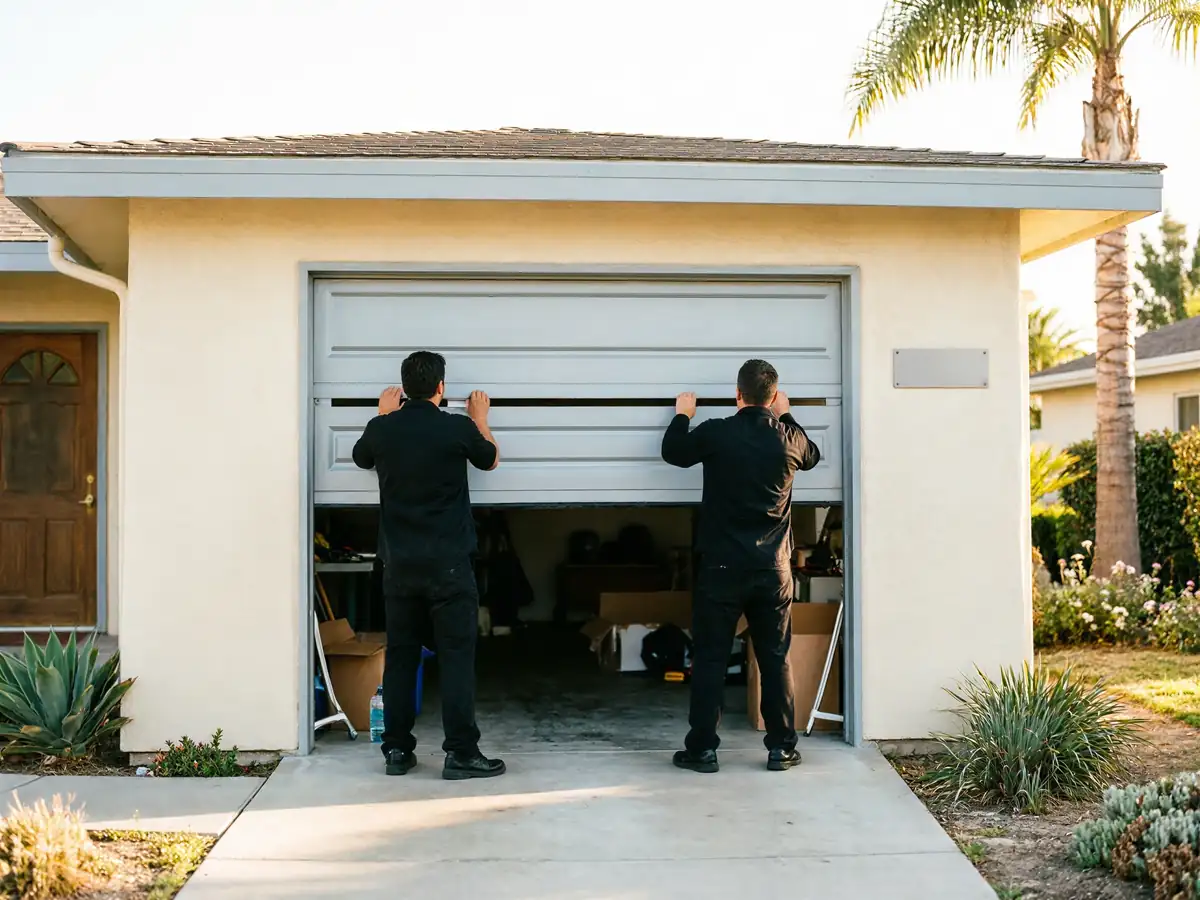
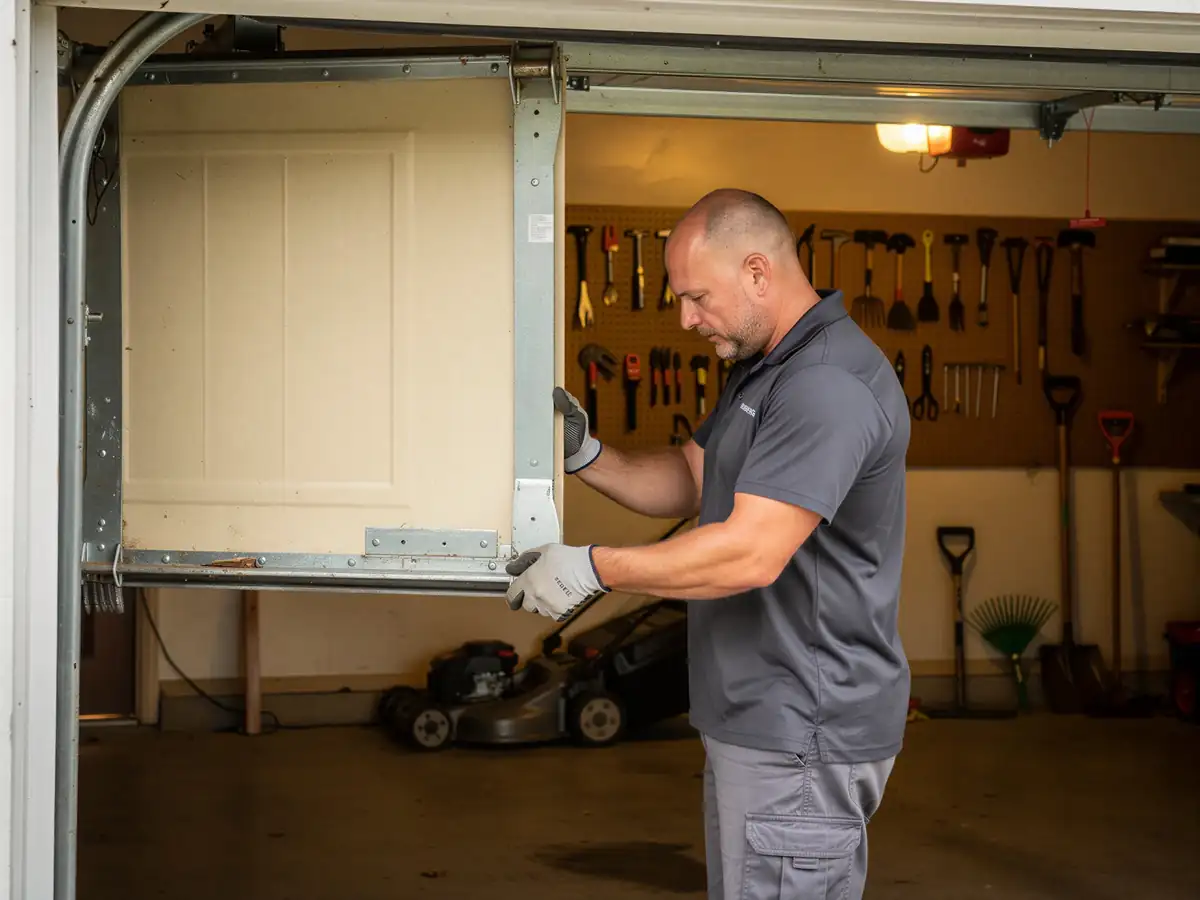
Roller replacement is a track-off job, not a quick tighten. We pull the panel, support the door, and slide the old rollers out of the hinge brackets one at a time so the door never sits unsupported. On older sectional doors - and across this service area a lot of them date back to the 1960s and 70s, with the broader stock running 1938 to 2002 - the roller stems are often a different gauge than what's sold today, so we check stem length and bracket size before anything comes off the truck.
We replace rollers in full sets, not one or two at a time. A door running on a mix of worn and new rollers still binds in the track, because the worn ones ride low and drag. If the rollers have been grinding against a bent or dented track section, we true the track or replace that section too - swapping rollers into a track that's already damaged just wears the new ones out in months.
Nylon rollers with sealed bearings are the standard swap on almost every job now. Steel rollers are still out there on older doors, and they're louder and wear faster, but we'll put steel back on if that's what the budget calls for. The one thing we won't do is replace rollers on a door whose opener or spring is also failing without flagging it first - a new roller set doesn't fix a door that's about to come down on a bad cable.
What You Are Seeing
The usual first sign is noise
A grinding or clicking as the door travels, worst right where the roller crosses from the vertical track into the curve. That curve is where the wheel takes the most side-load, and it's usually the first spot to show flat spots or chipped nylon.
Next is a door that hesitates or jerks partway up
Especially in the last foot before it's fully open or closed. That's a roller that's seized in its bearing, dragging instead of rolling. You'll sometimes feel it through the wall opener button - more resistance, a longer motor run, maybe a breaker trip on an older unit.
On houses from the earlier end of the area's building stock
We also see rollers that have simply outlived their stems - the metal pin worn thin from decades of the same door cycling twice a day. That's less a roller problem than a sign the whole roller-and-bracket assembly is original to the house and due for a full swap, not a patch.
If you see the door visibly sagging to one side while moving, stop using it
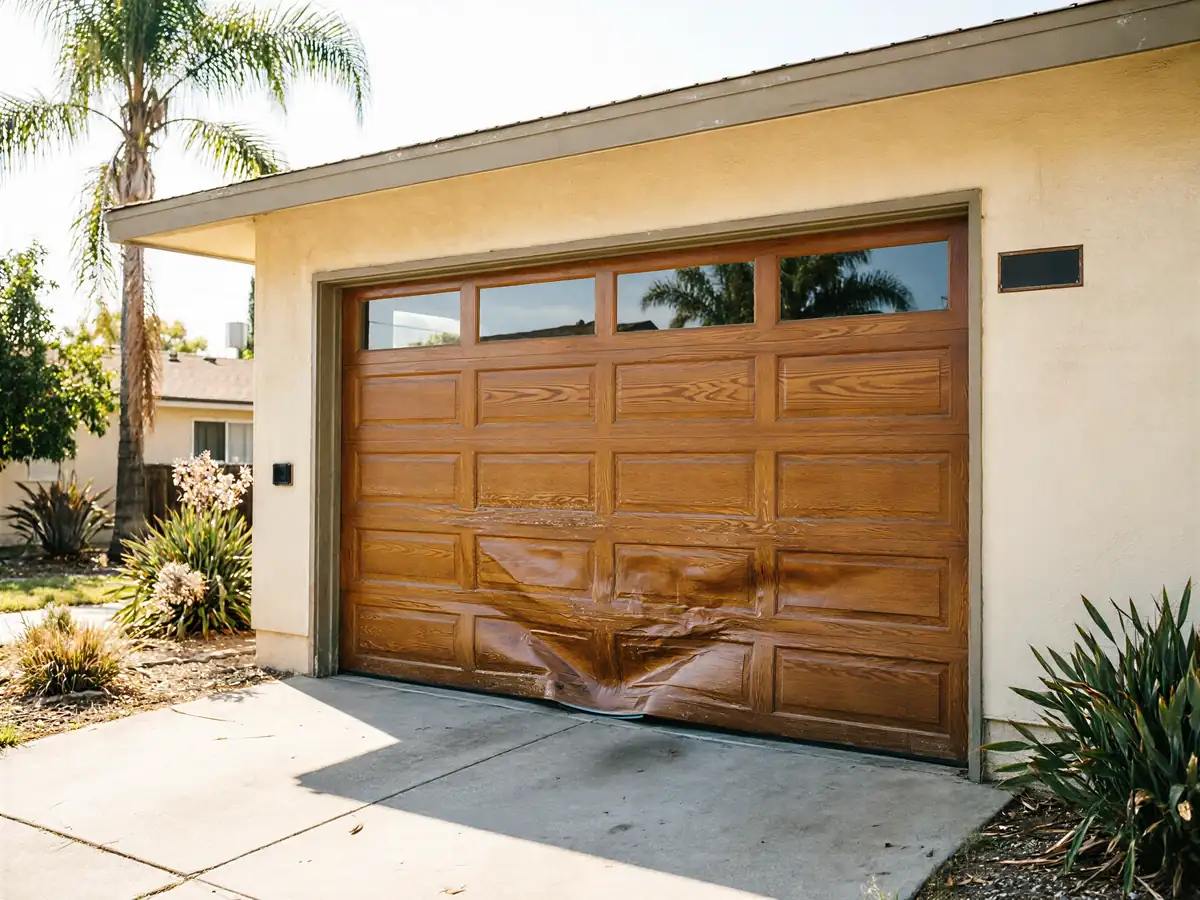
That's not a roller issue on its own - it usually means a roller has come fully off the track, and running the opener again can bend the track or pop a panel seam.
What You Pay
We don't publish a flat number here because the spread between a nylon roller set on a straight track and a full roller-and-track job on a bent or rusted rail is wide, and guessing at a price without seeing the door does nobody a favor. What we can tell you is what moves the number: roller material (nylon costs more than steel, lasts longer), whether the track needs truing or full replacement, and whether the bottom brackets are original and need the whole hinge swapped, not just the wheel.
Across the service area, which runs 96,495 households and about 46,420 owner-occupied houses, we see a fair number of owners choose to do all the rollers on a door in one visit rather than coming back twice - it saves a second trip charge and a second disruption to the opener's travel settings. With median household income here over six figures, that's often the math that makes sense, but it's a choice, not a push - a single-roller fix on a door that's otherwise sound is a legitimate, cheaper call too.
The one honest limit: if your track is bent in more than one place, replacing rollers alone won't quiet the door. We'll say so before we start, not after.
What Causes It Around Here
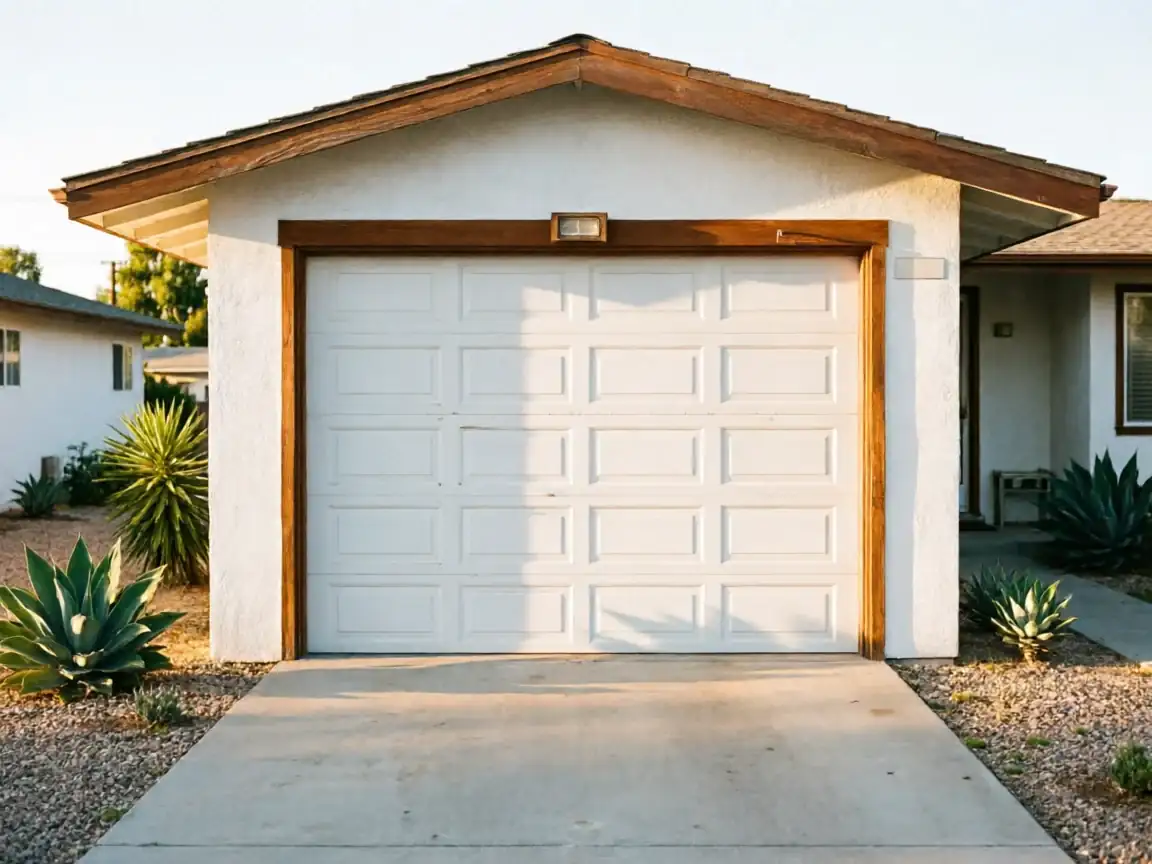
This area's mild temperate climate is easy on garage doors in some ways - no freeze-thaw cycle splitting nylon, no deep cold making steel brittle. But mild doesn't mean gentle. Years of daily UV and heat cycling on doors built before the newer sealed-bearing rollers became standard (anything original to a house from the 1938-2002 range, and especially the thick band of 1960s-70s builds across this service area) dries out the old nylon until it chips rather than flexes.
Dust is the other driver. Without heavy rain to wash tracks clean on a regular basis, grit builds up in the roller groove and acts like sandpaper on every pass. On houses where the garage sees daily use - two commutes, kids' bikes, a workshop - that grinding adds up fast, and it's almost always the rollers that show it first, well before the opener or spring.
We also see a lot of original hardware simply aging out. A house built in the 1970s that's never had the rollers touched is running 50-year-old steel on bearings that were never sealed. That's not a defect, it's just the clock running out on a part that was never meant to last this long.