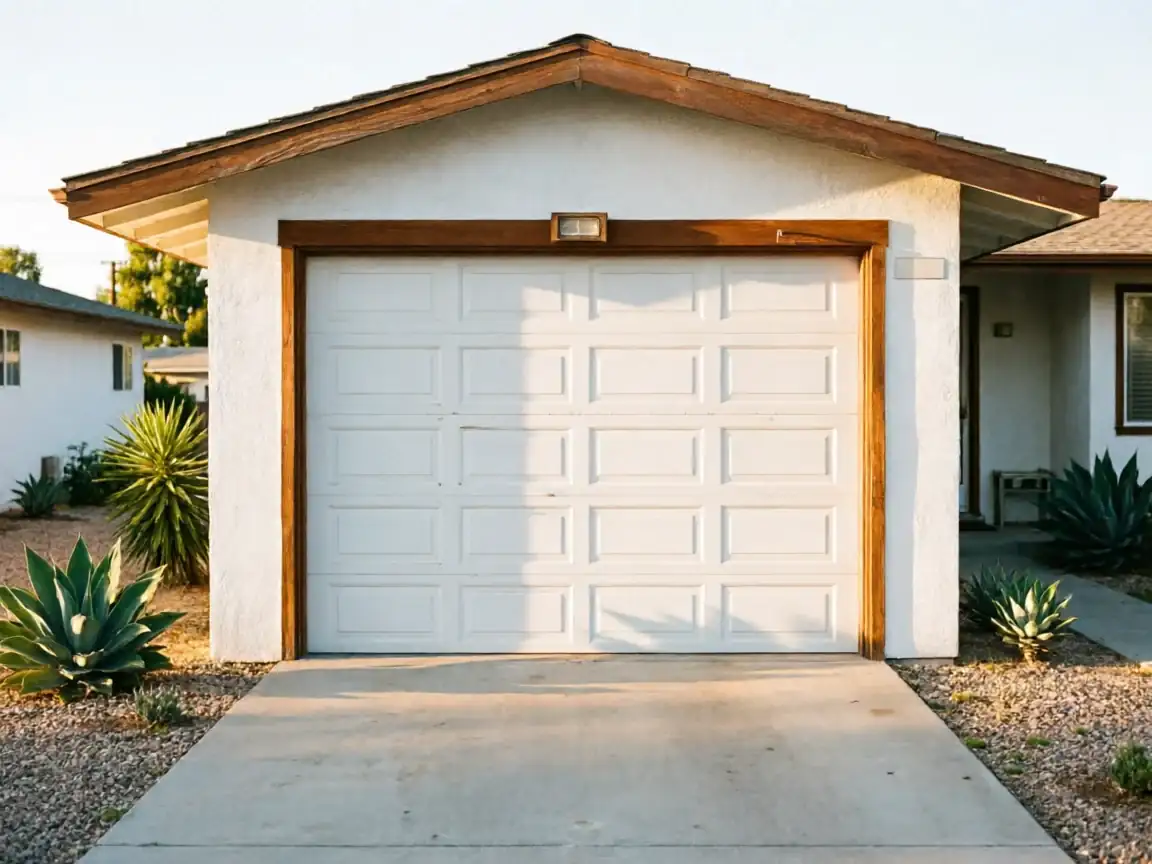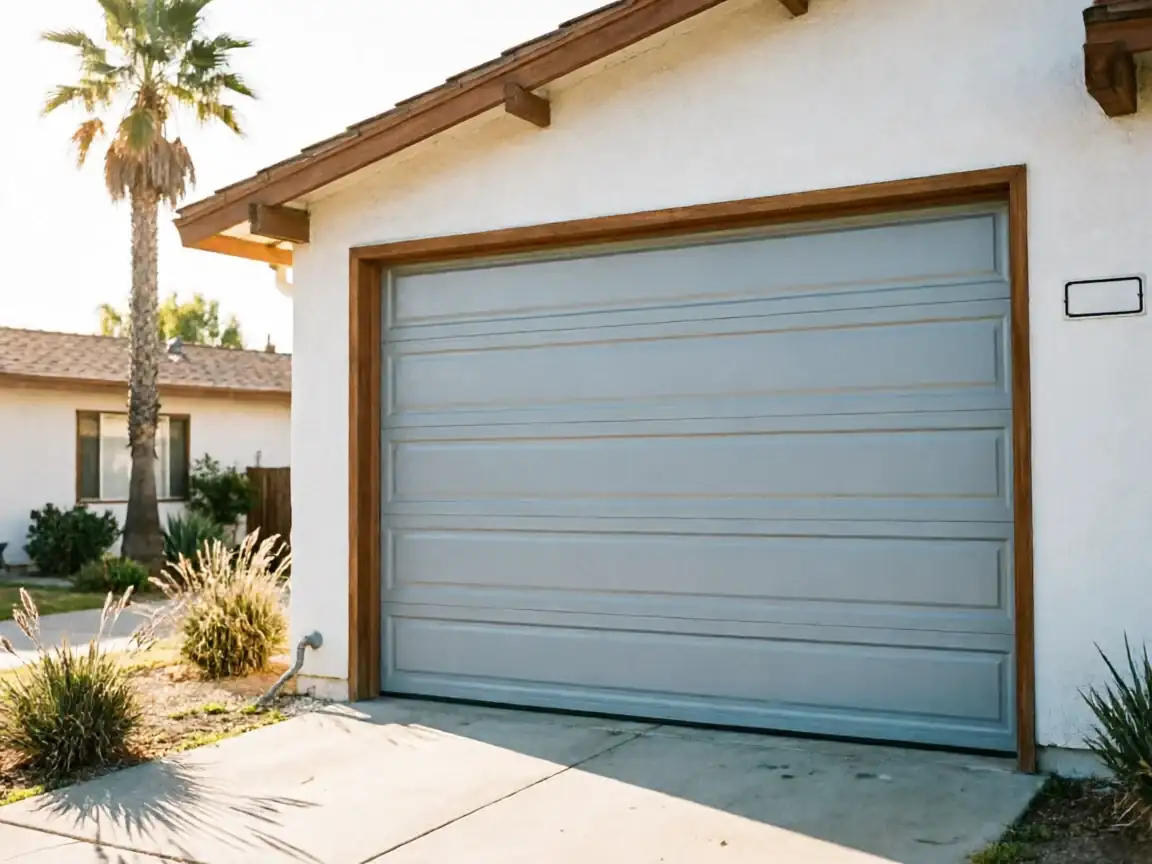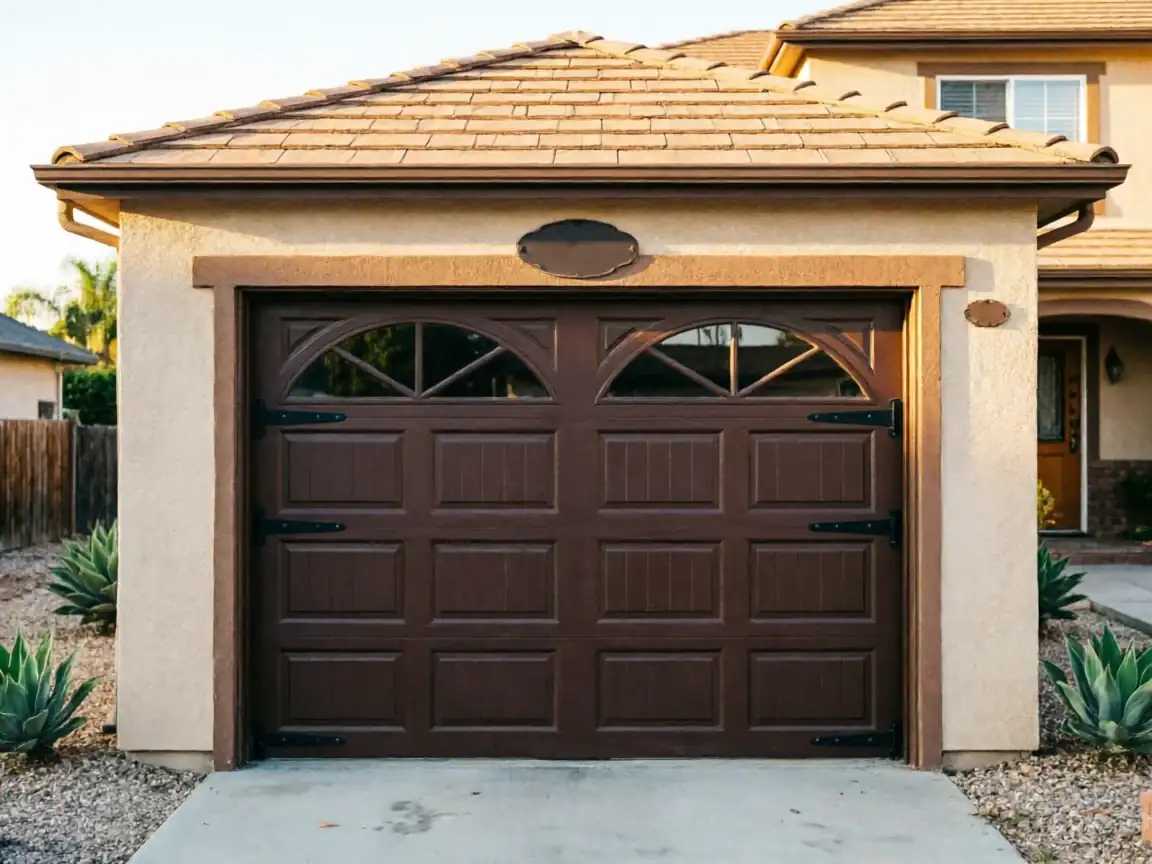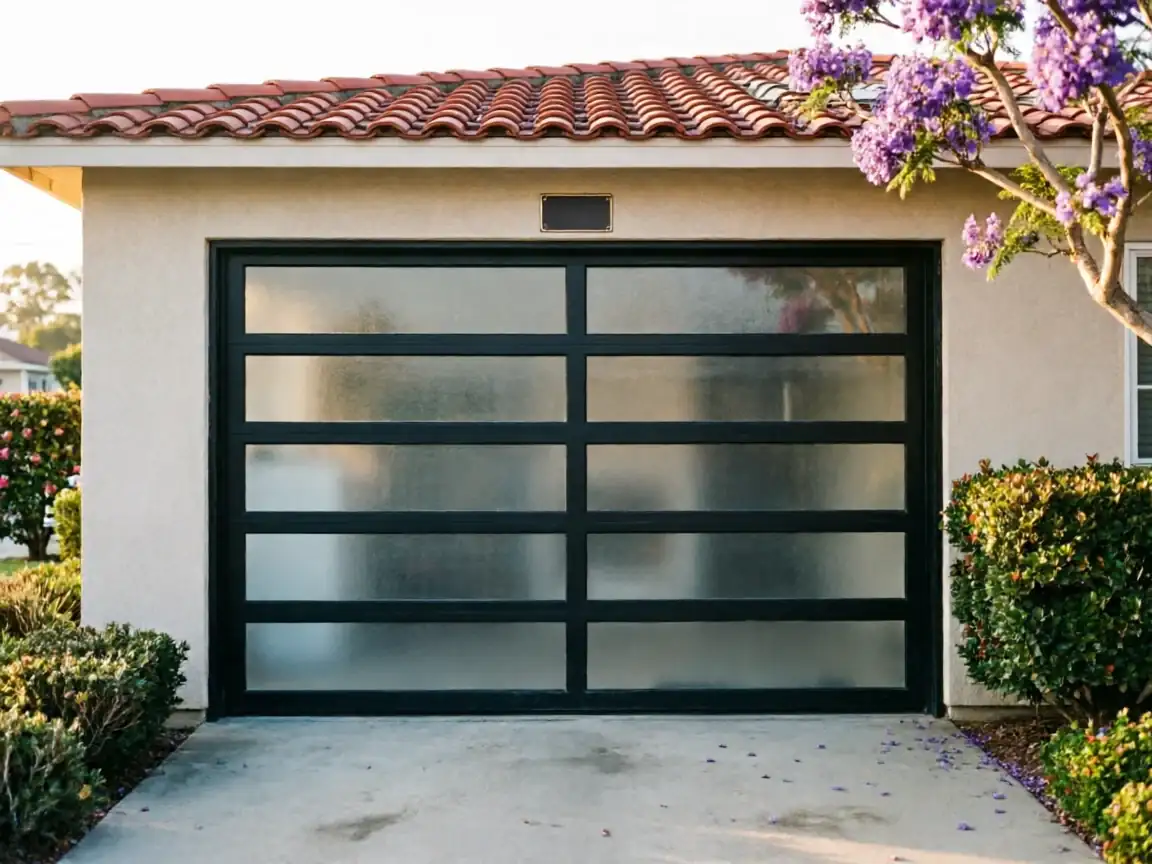
How We Fix It
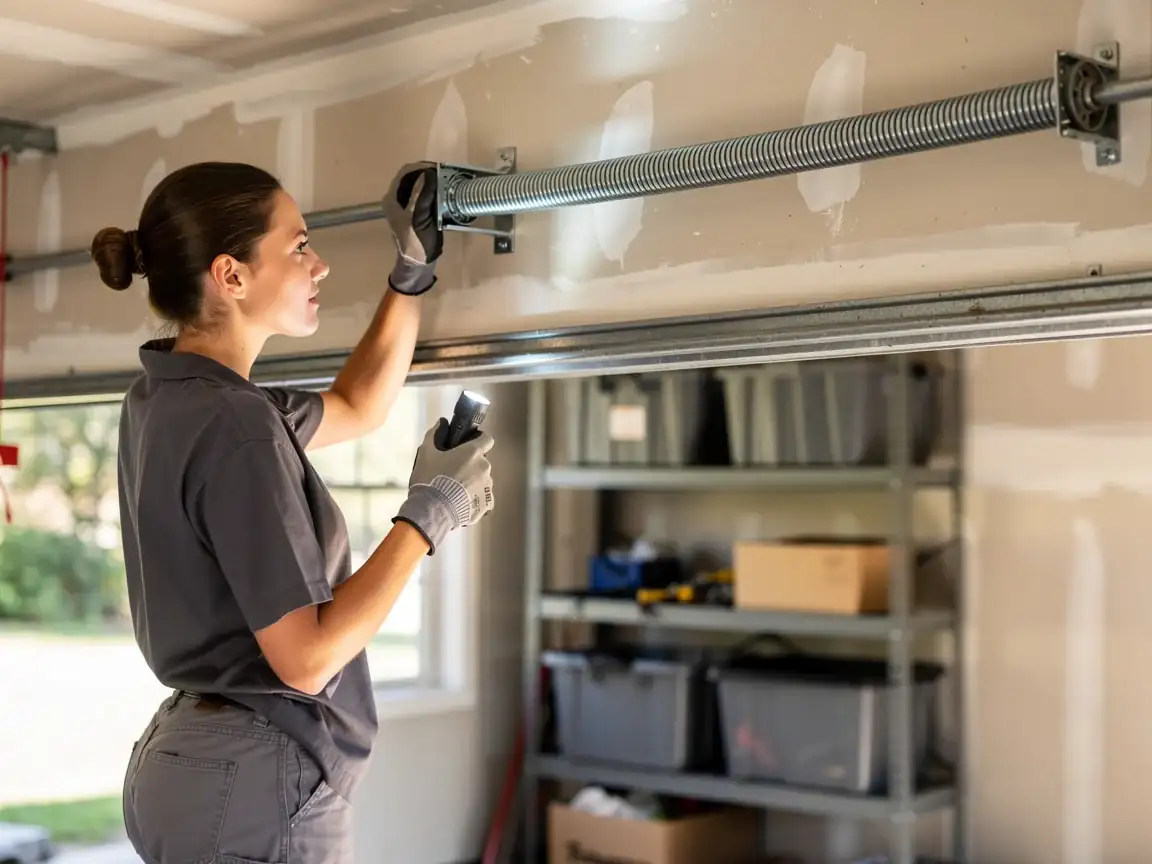
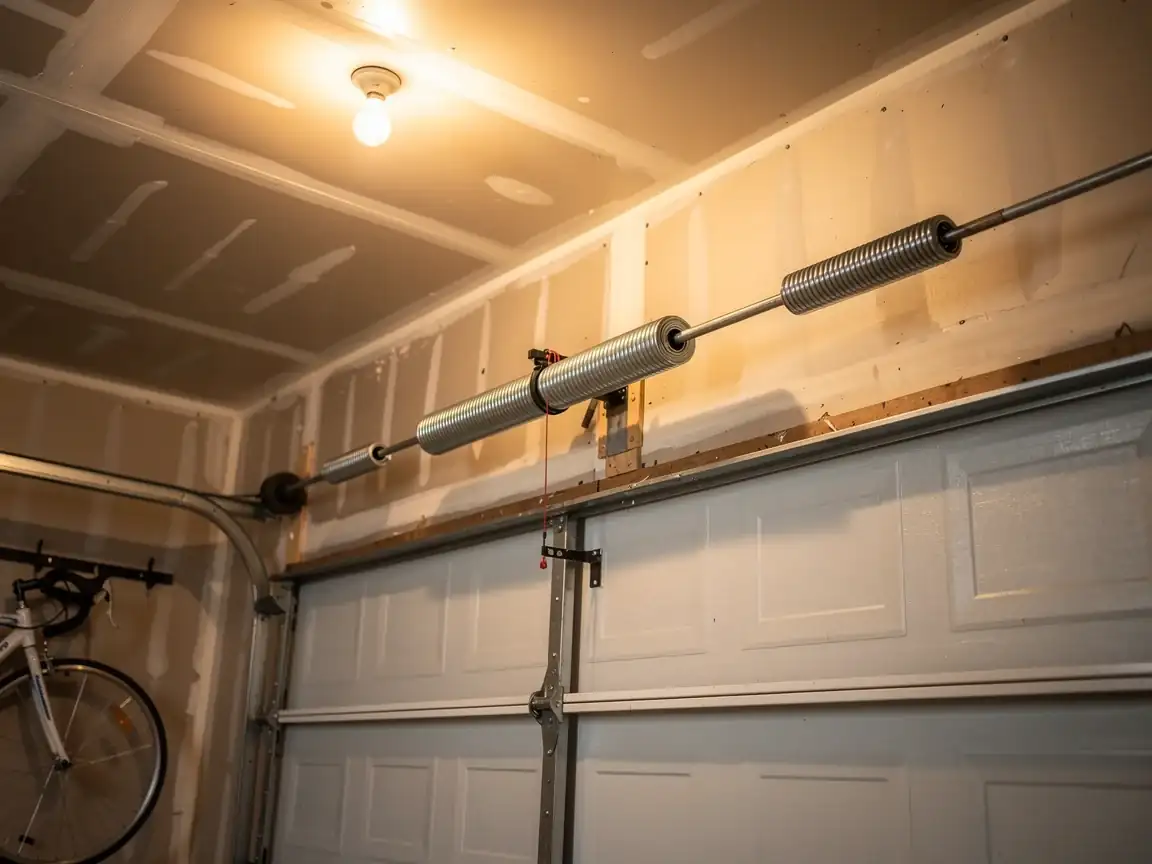
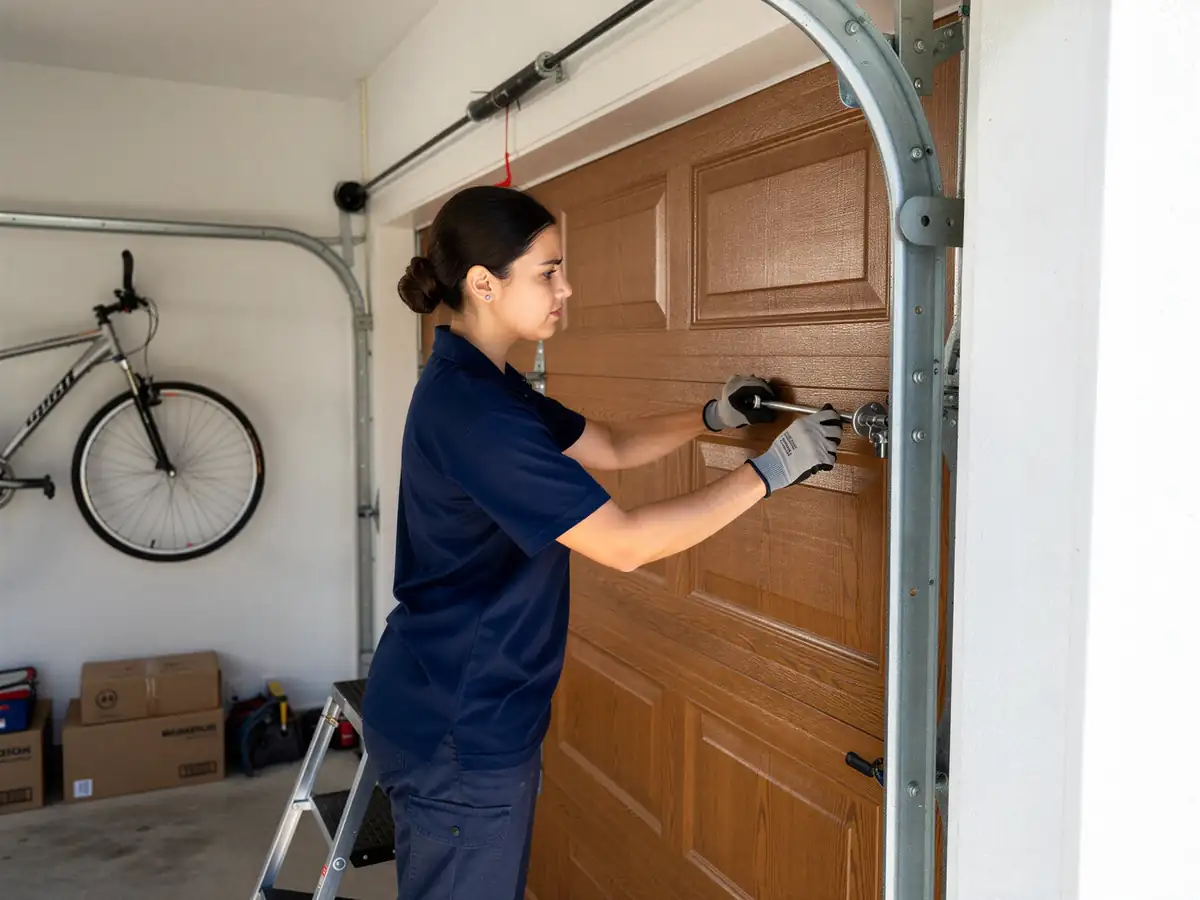
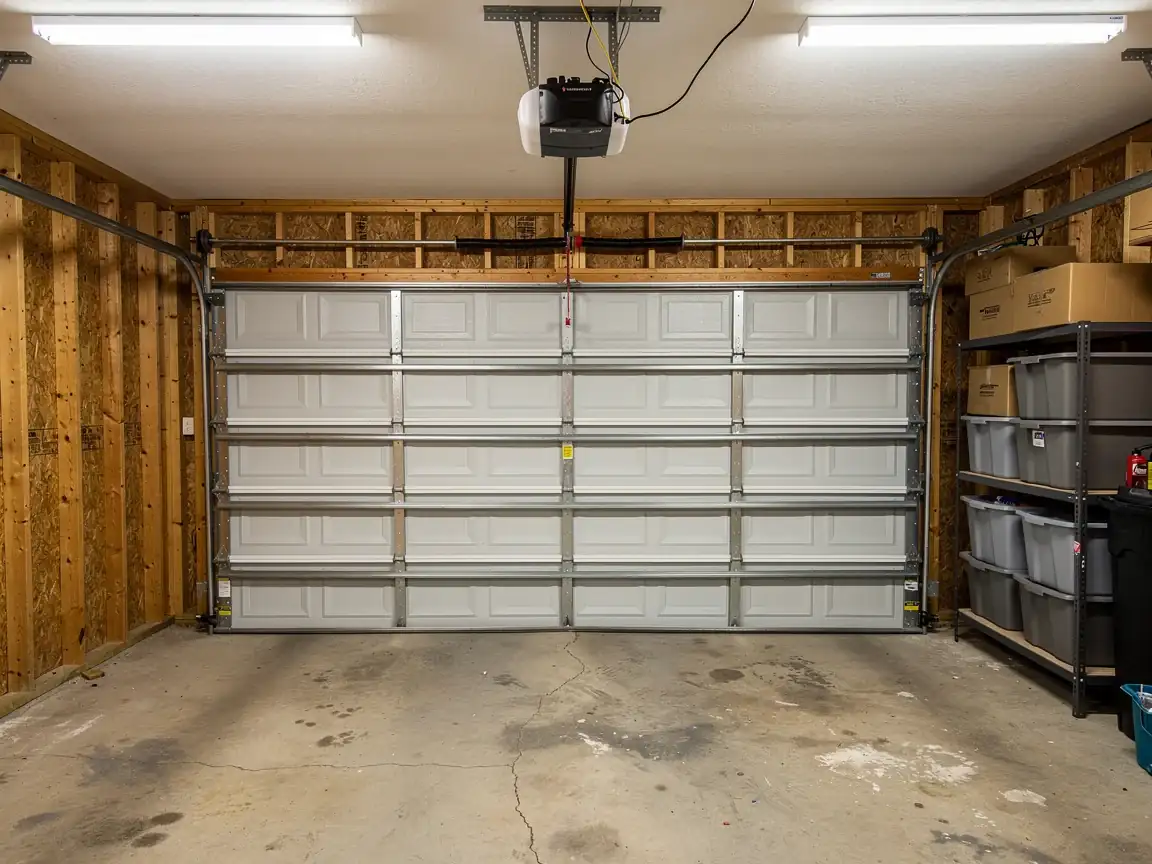
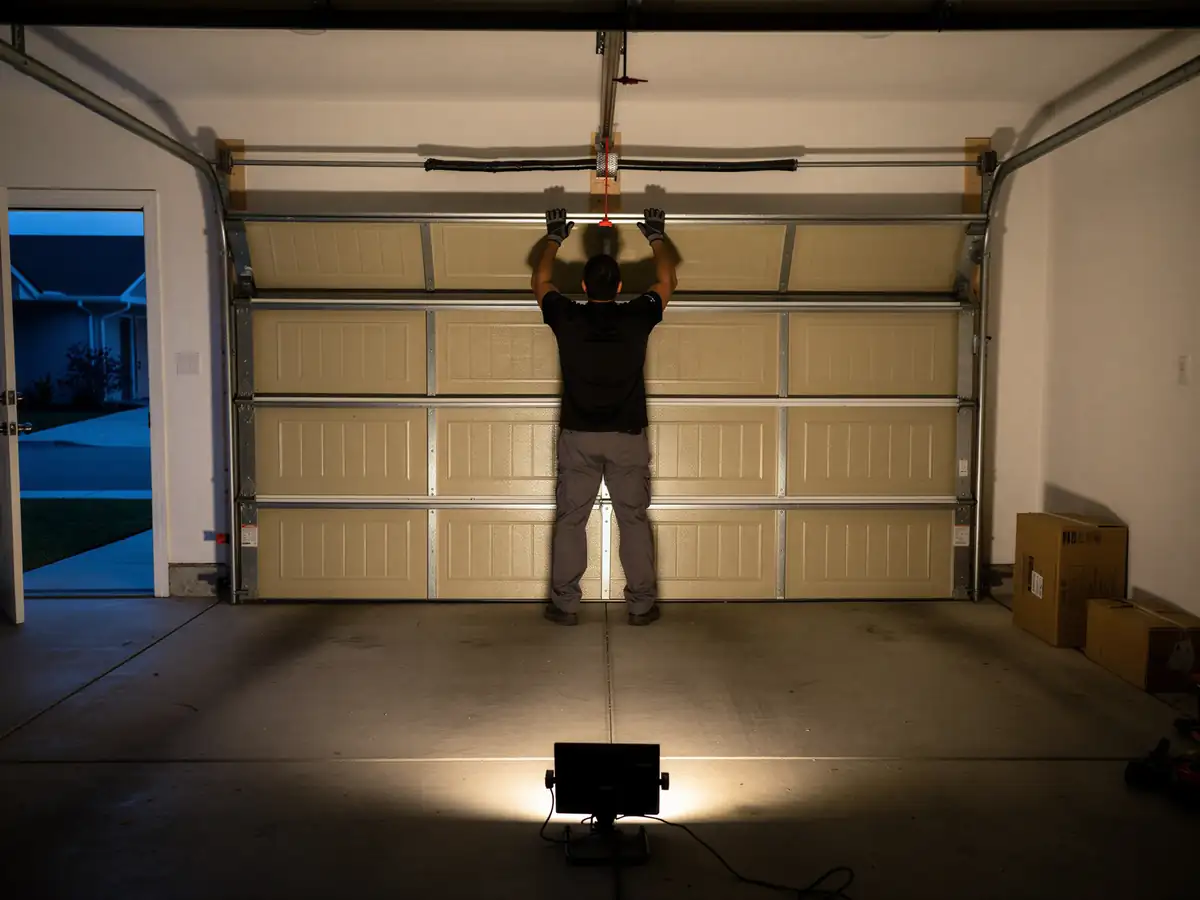
When a door won't open, won't close, or comes off track, we start with the same diagnosis every time: springs, cables, rollers, track alignment, then the opener. Most emergency calls trace back to one of two things - a broken torsion spring that's finally given out after decades of cycles, or a cable that's frayed and jumped the drum. We check both before we touch anything else.
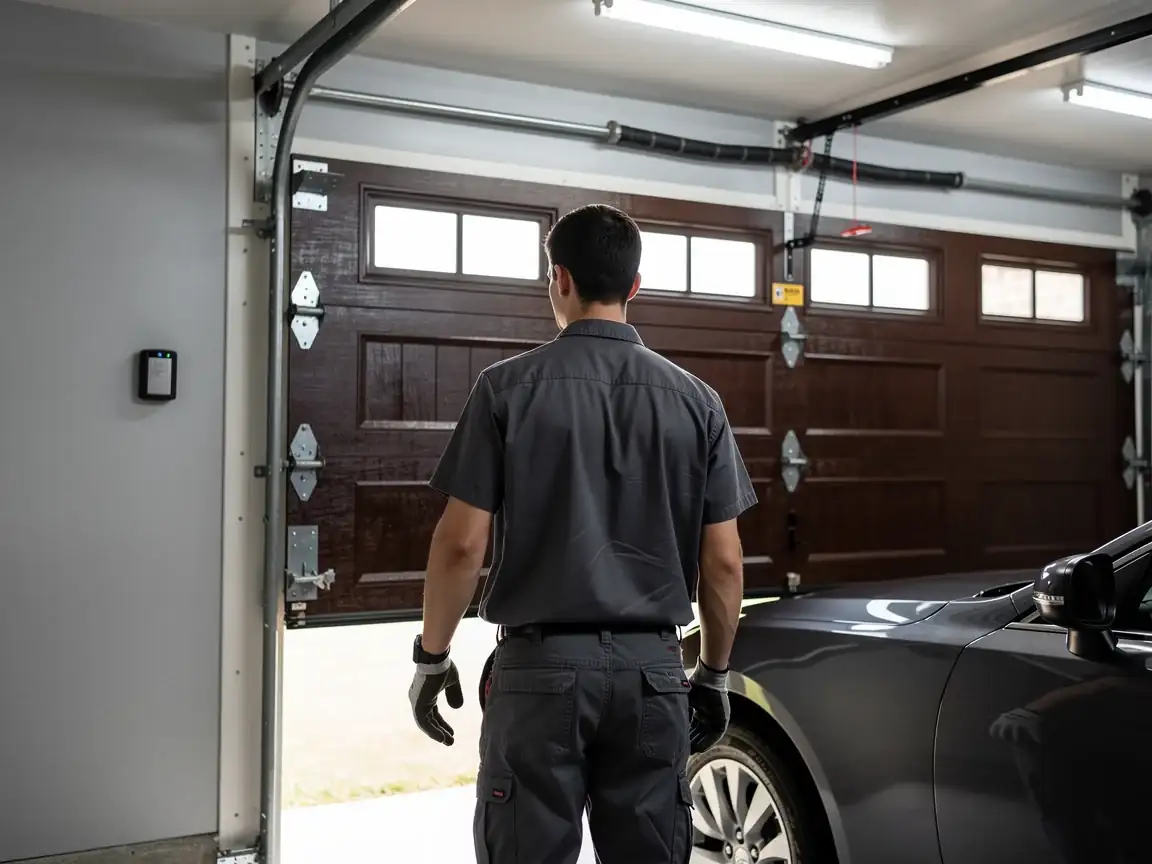
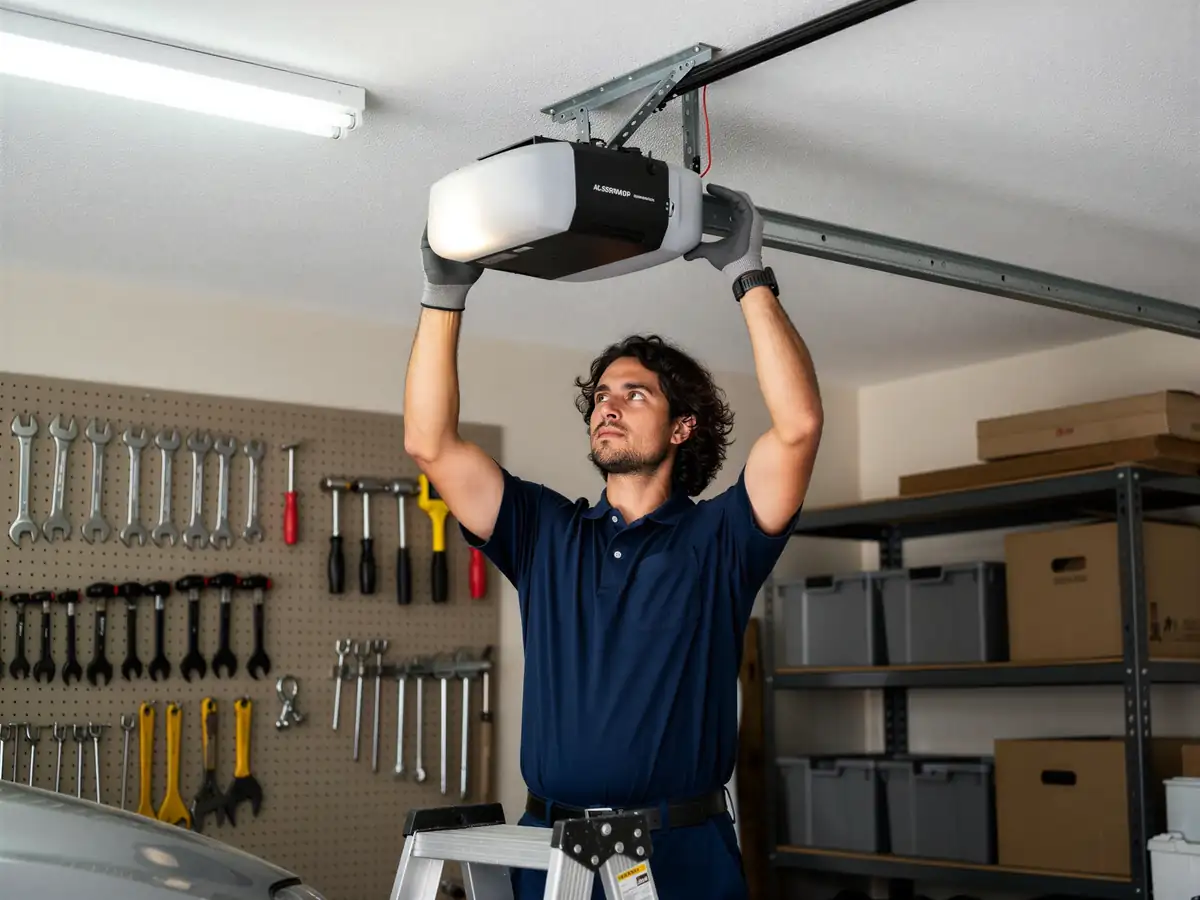
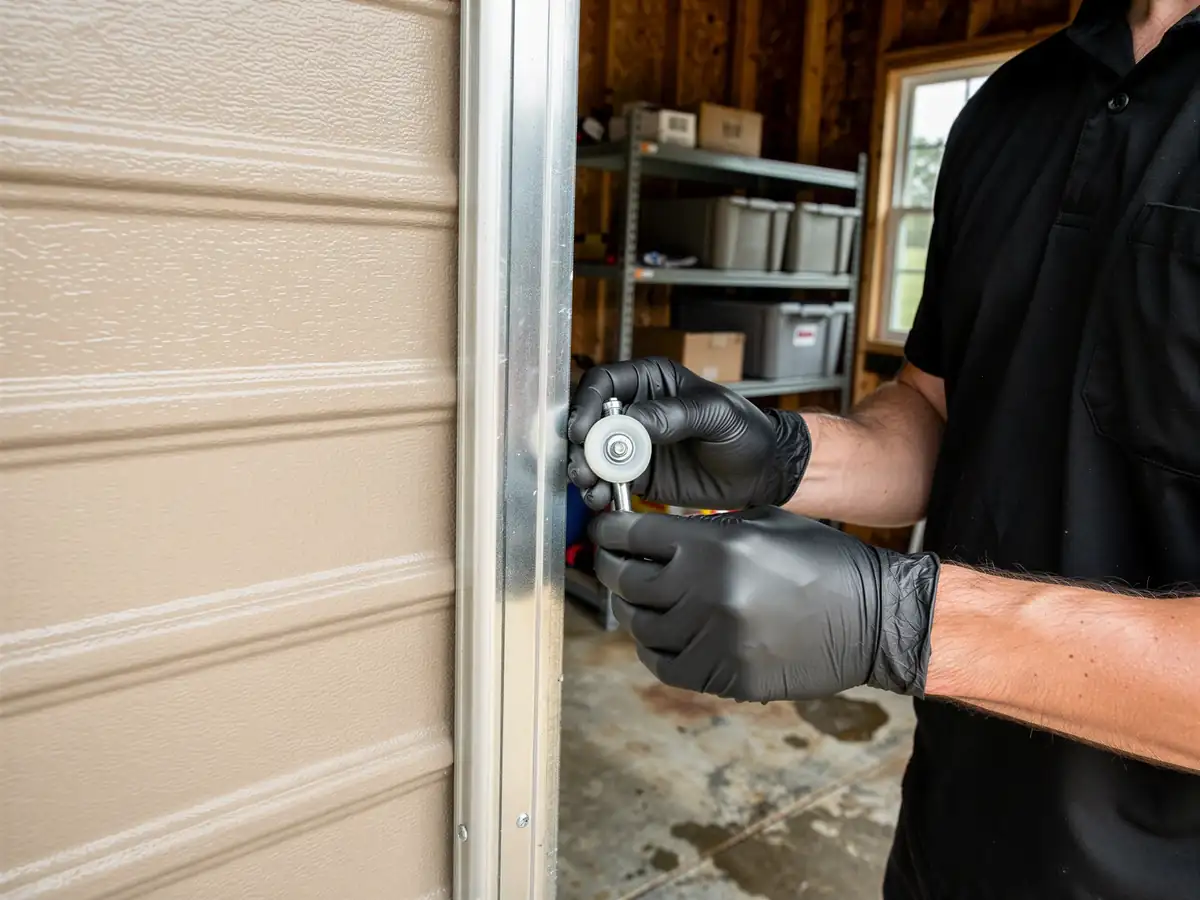
On a stuck door, we look at the track first. A door that's binding partway up usually has a bent section or a roller that's worn its bearing out. On a dead opener, we check the logic board, the drive gear, and the safety sensors before assuming the motor itself failed - a surprising number of 'dead opener' calls are actually a tripped sensor or a stripped gear, both cheaper fixes than a new unit.
We carry common spring sizes and standard rollers on the truck for same-visit repair. What we don't carry is every obsolete part for every door ever made - some of the original hardware on houses built decades back isn't manufactured anymore, and if your door uses it, we'll tell you straight whether to hunt down a match or replace the assembly. That's the one honest limit here: not every old door can be patched, and pretending otherwise just delays the real fix.
What You Are Seeing
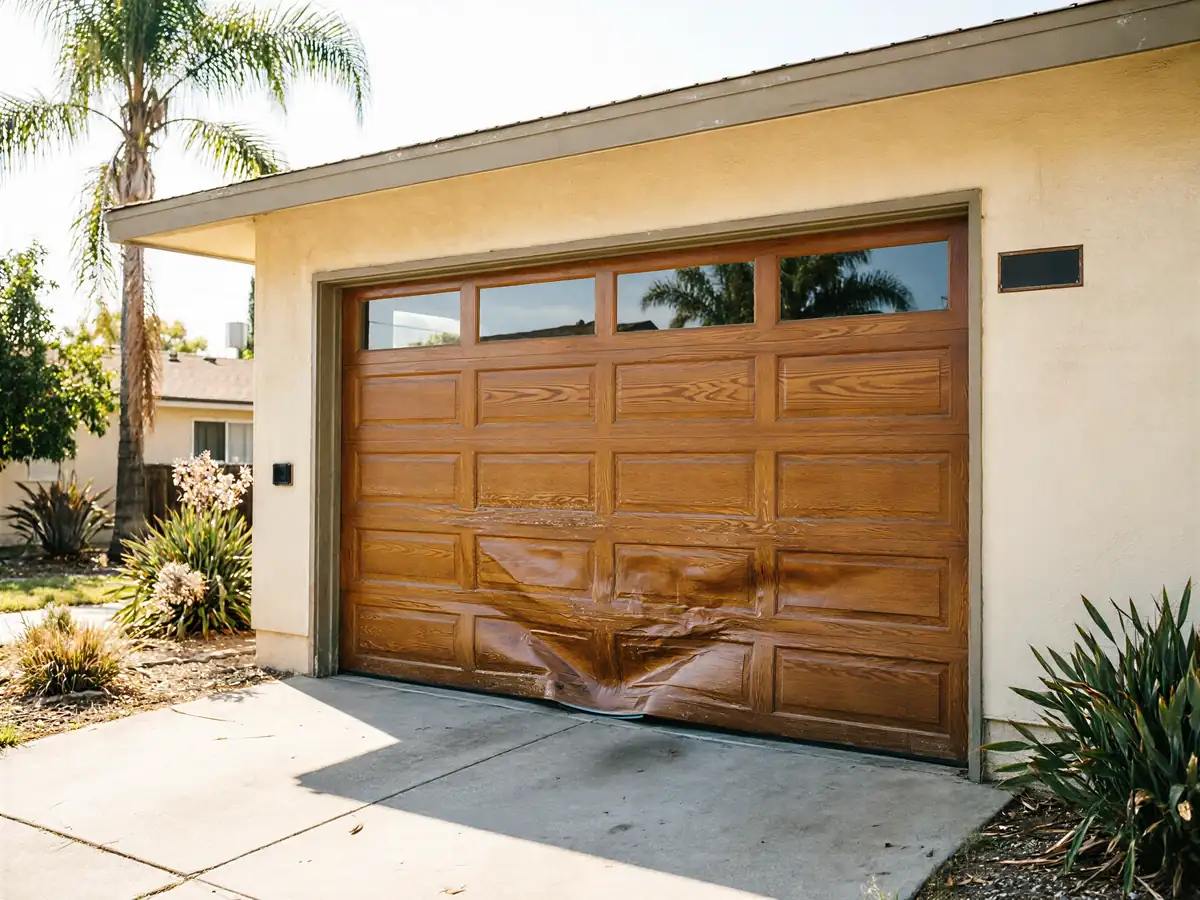
A door that's suddenly heavy to lift by hand, or won't budge at all, is almost always a broken torsion spring
You'll often hear a bang from the garage when it lets go. A door that opens partway then reverses or stalls is more likely a safety sensor misaligned or blocked, especially if nothing changed mechanically.
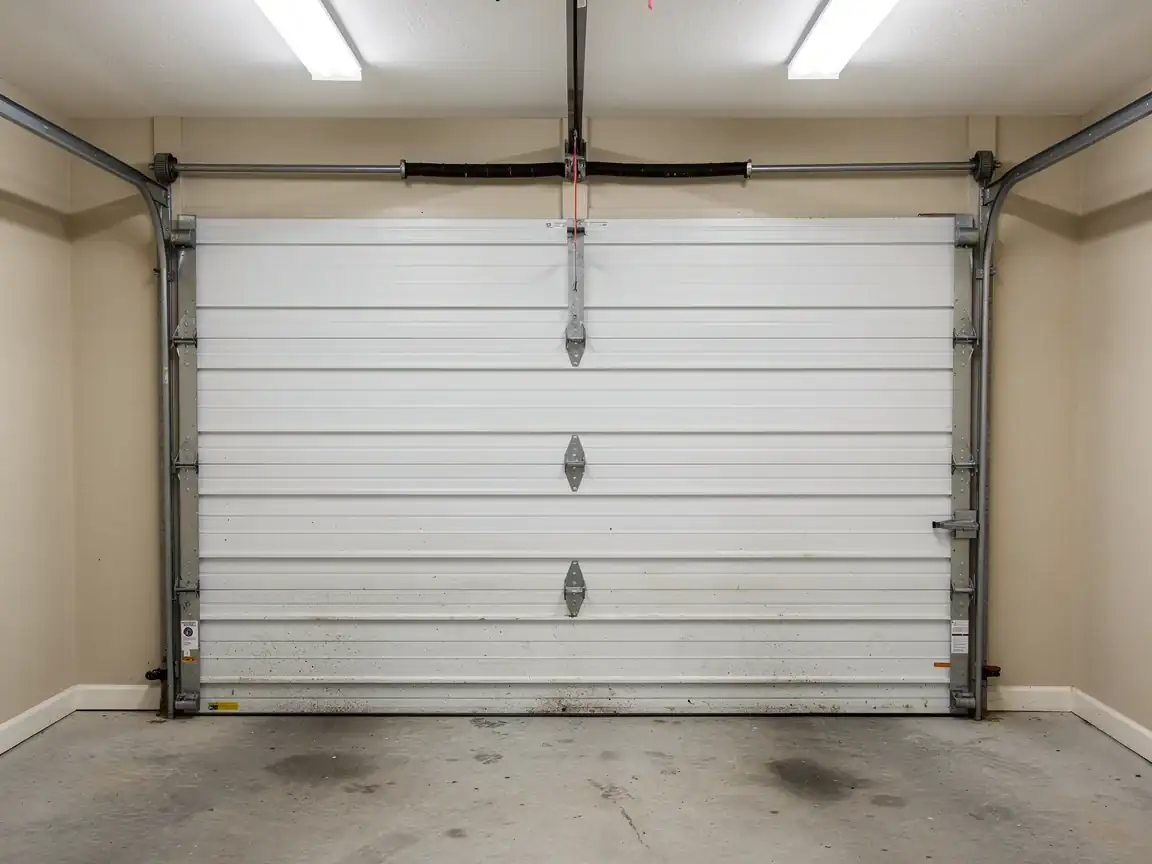
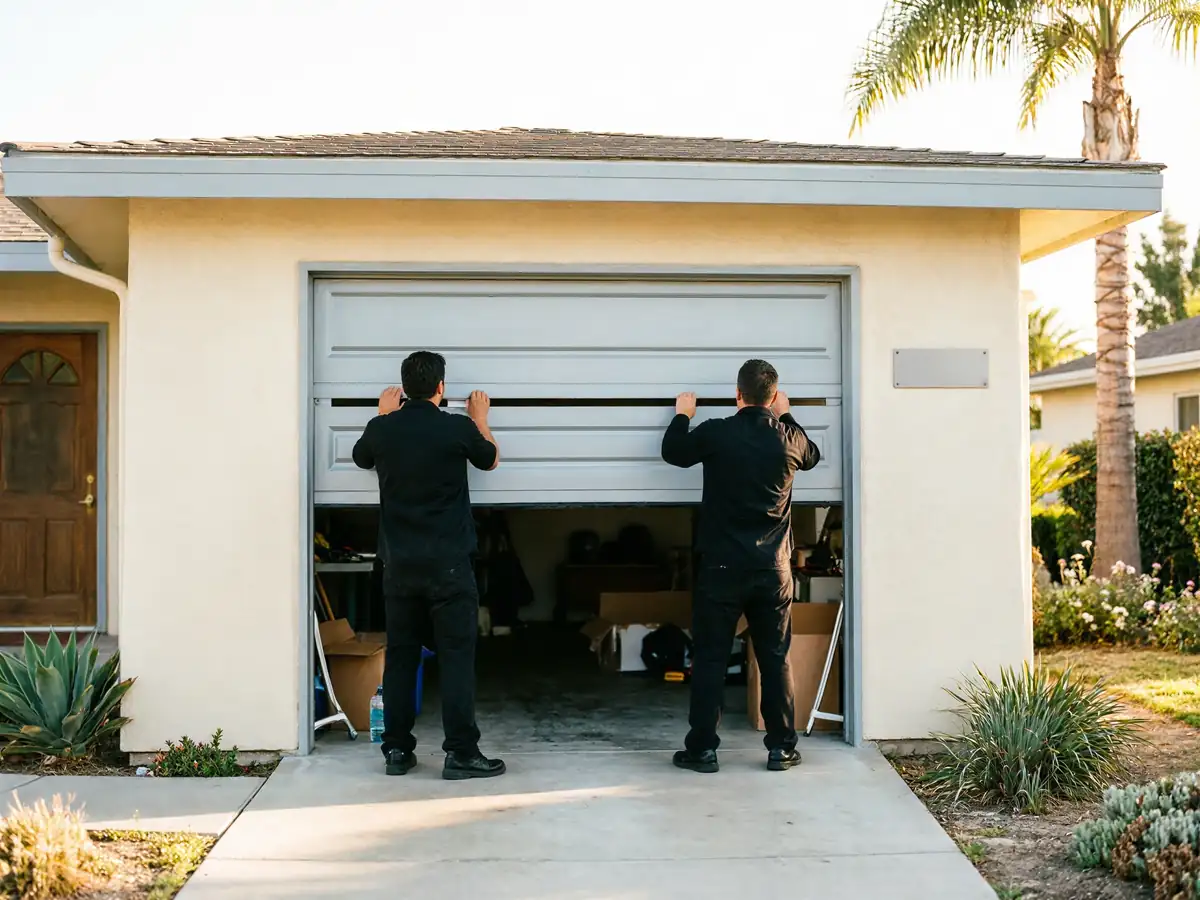
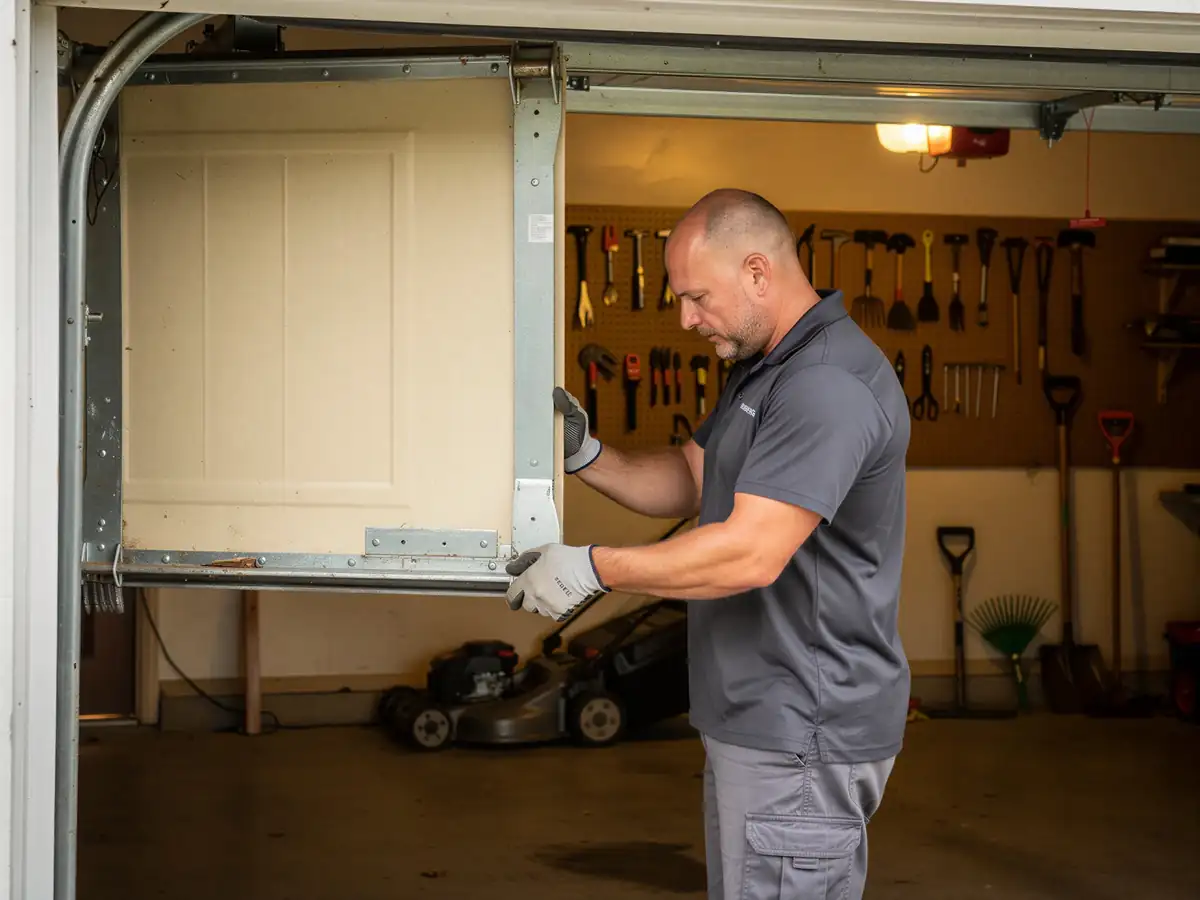
If the door comes off one side of the track, that's usually a cable that's slipped the drum or snapped outright
Don't force the opener past this point, since running it can bend the track further and turn a repair into a full track replacement.
A door that's noisy but still moves
Grinding, popping, or a shudder partway through the cycle - points to worn rollers or a bent track section, not an emergency in the same sense, but worth fixing before it becomes one. Across the houses we see, built mostly between 1938 and 2002 with a lot of stock from the 1960s and 70s, these failure patterns repeat: original hardware finally wearing past its service life, decades after installation.
What You Pay
We don't post a flat number here because the range is wide - a single spring replacement costs a fraction of what a full opener swap or a bent-track rebuild runs, and the only honest way to quote it is after we've looked at the actual door. What we can tell you is what drives the cost: whether it's a single spring or a matched pair, whether cables need replacing alongside the spring (they usually should be done together), and whether the opener itself needs parts or a full replacement.
We give you the number before we start work, not after. If a repair doesn't make sense against buying a new door - which does happen on older doors with sourcing trouble on original parts - we'll say so instead of running up a bill on a door that's past the point of economical repair. That's a judgment call, and it's one we'd rather make honestly than pad the invoice.
What Causes It Around Here
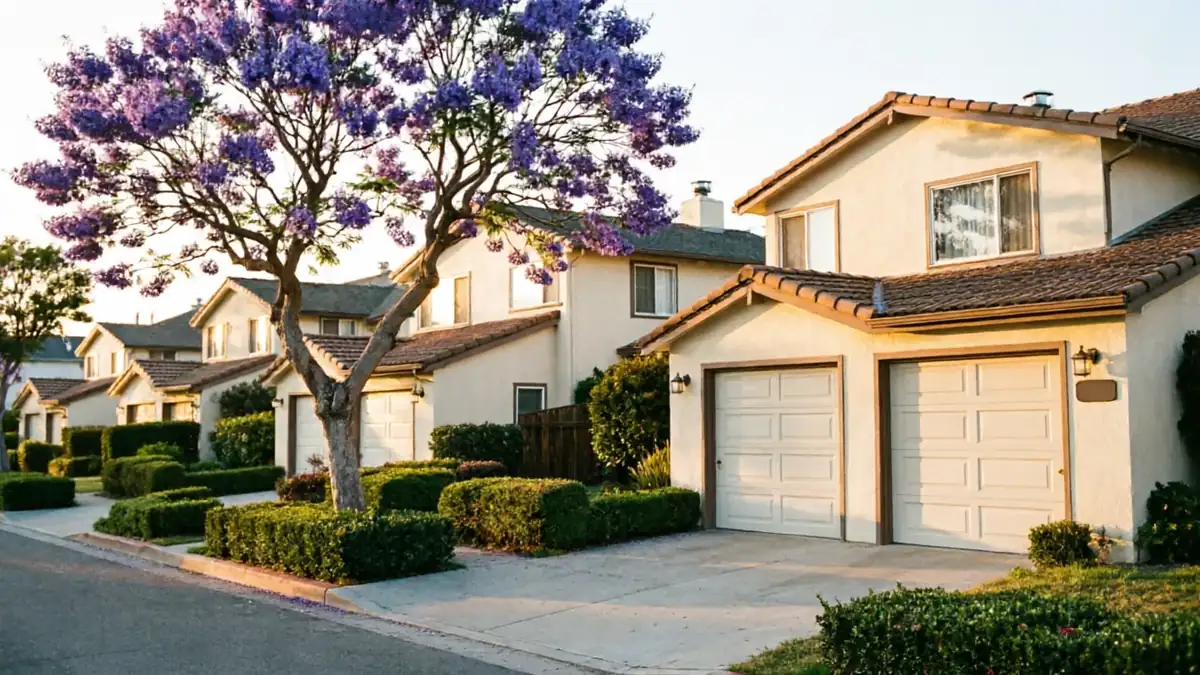
The service area runs from older postwar construction through the 1980s and 90s, with median build year landing around 1979 - across 19 named areas, that's decades of original torsion springs, cables, and track hardware finally hitting end of life around the same era. A spring rated for a set number of cycles doesn't care what year it is; it just wears out, and a lot of doors installed in that mid-century wave are due or overdue.
The mild temperate climate here doesn't put the same stress on doors that extreme heat or hard freezes do elsewhere - you won't see the wood-warping or metal-contraction failures that show up in harsher climates. But mild weather doesn't stop mechanical wear. Springs and rollers fail on a cycle count and a maintenance schedule, not on storm damage, and houses built in that 1960s-70s window are hitting that count now, regardless of how gentle the weather's been on the metal.
We cover the wider area out from Fairfield - Suisun City, Green Valley, Elmira, Hartley, American Canyon, Benicia, and the towns further out toward Dixon, Rio Vista, and Martinez - and the pattern holds across most of it: aging original hardware meeting a climate that's easy on materials but has no effect on simple mechanical fatigue.