Booking a Visit
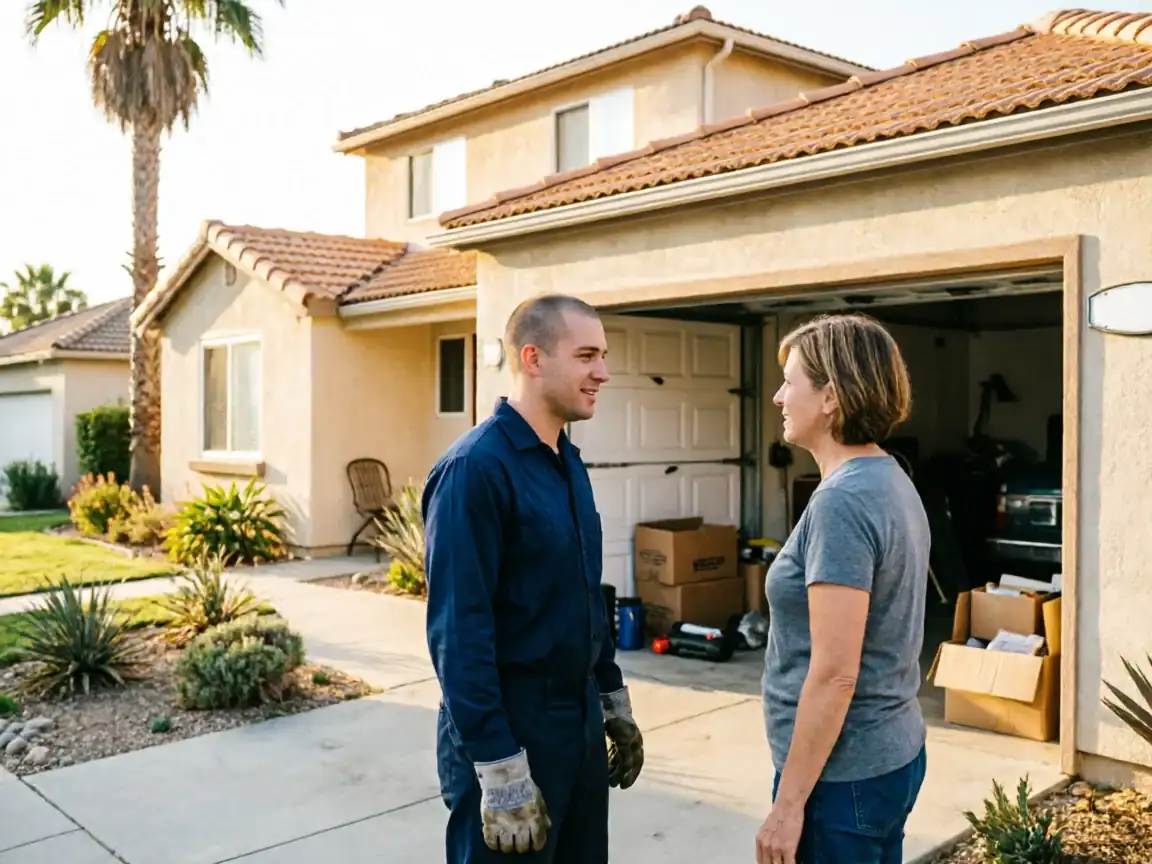
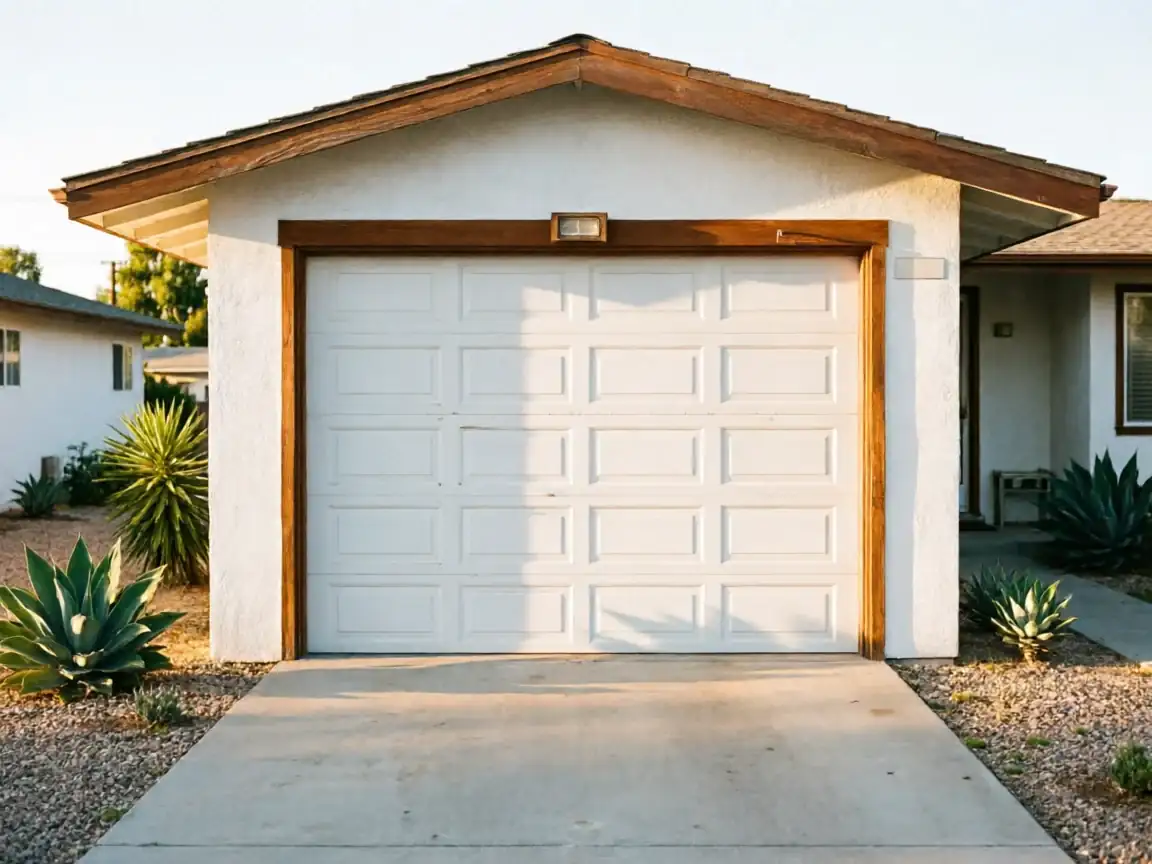
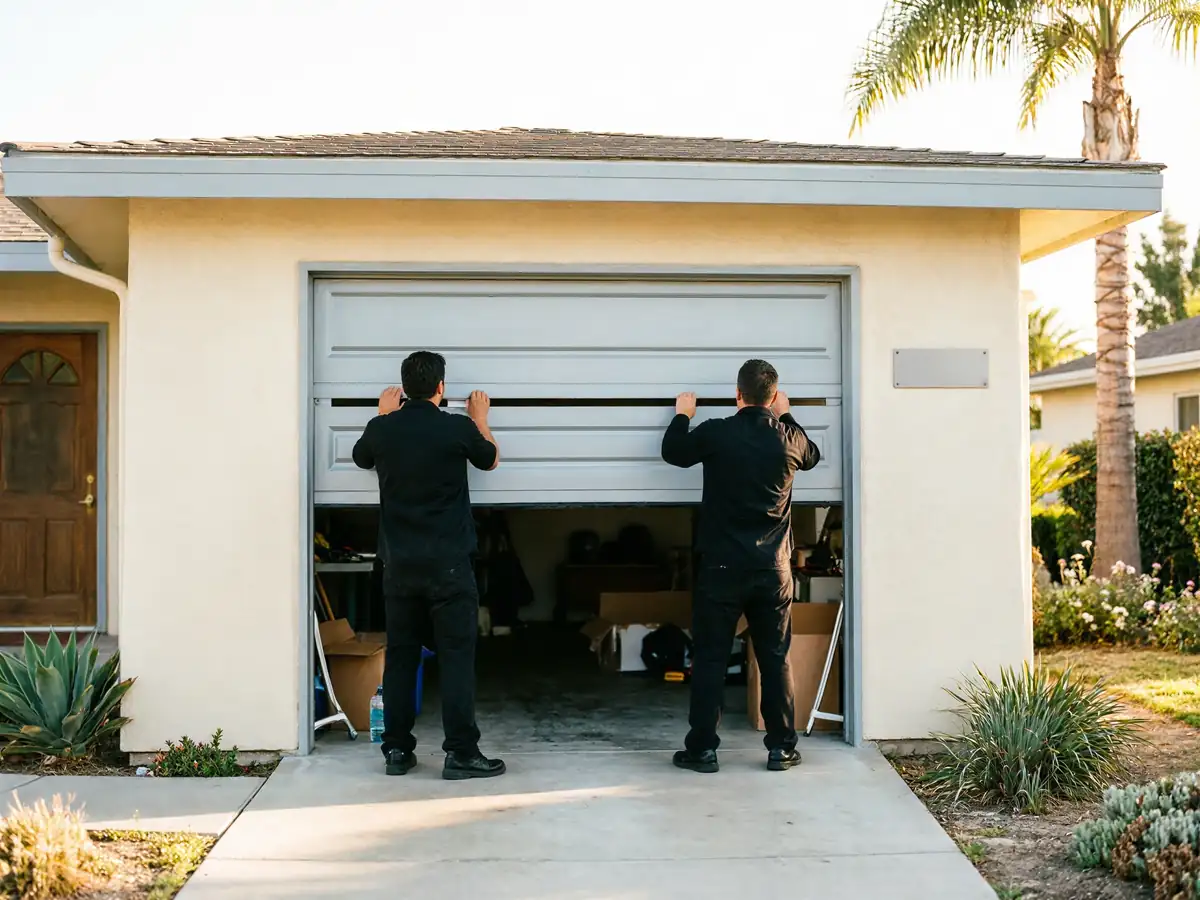
We run this route out of Fairfield, about 19 miles west, so a Martinez maintenance visit gets folded into the same trip as the other towns along that stretch rather than treated as a special trip with its own schedule. That's the honest limitation: we're not based in Martinez, so we don't offer a same-day walk-in counter here, and if you need something urgent same morning, say so when you call so we can route accordingly. What we do carry on the truck is built around the hardware this town actually has - doors that went in around the mid-1970s on steel track with torsion or extension springs sized for that era. Tell us the door's age and whether it's ever had the springs replaced, and we'll bring the right parts instead of guessing on site. A maintenance visit here is a planned stop, not a scramble, which is usually fine because most of what fails on a 1970s door is wear, not catastrophe - rollers going dry, hinges loosening, a track pulling slightly out of plumb. You can see the broader service list on our main Martinez page if maintenance isn't the only thing you need.
The Complications
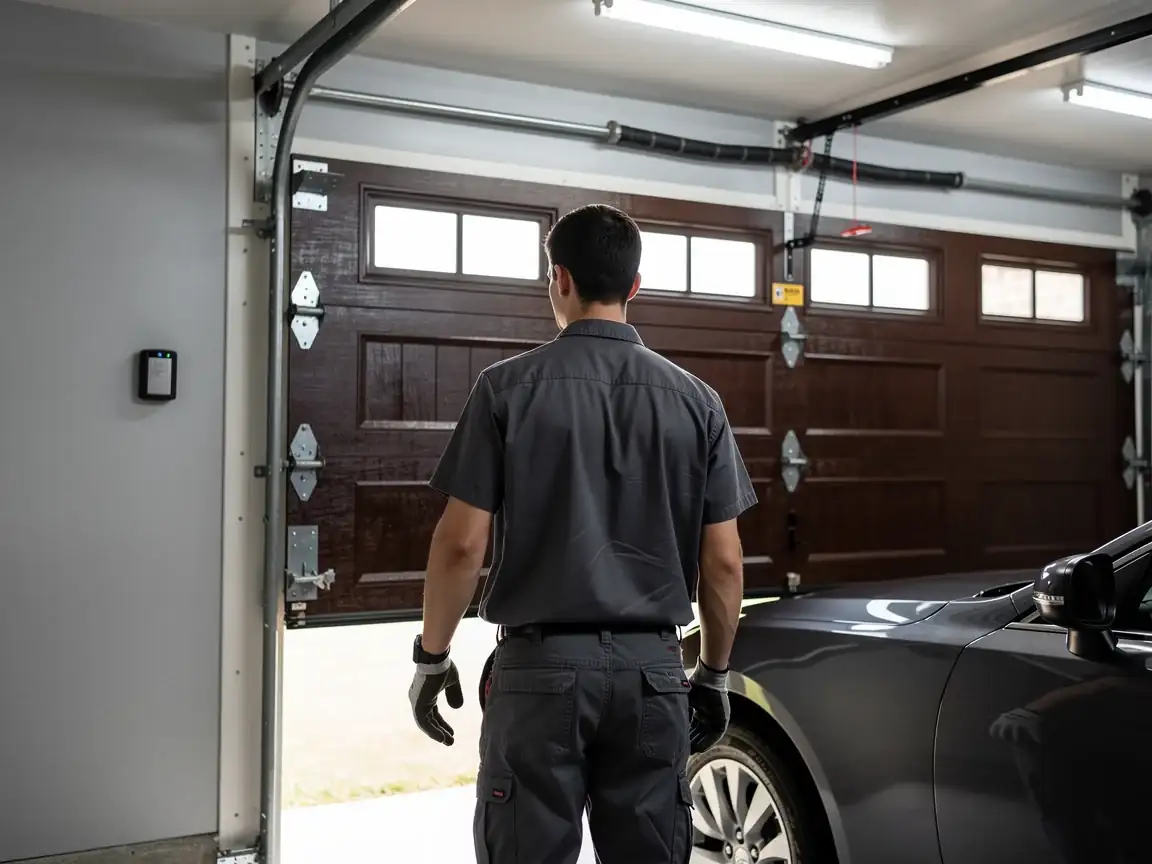
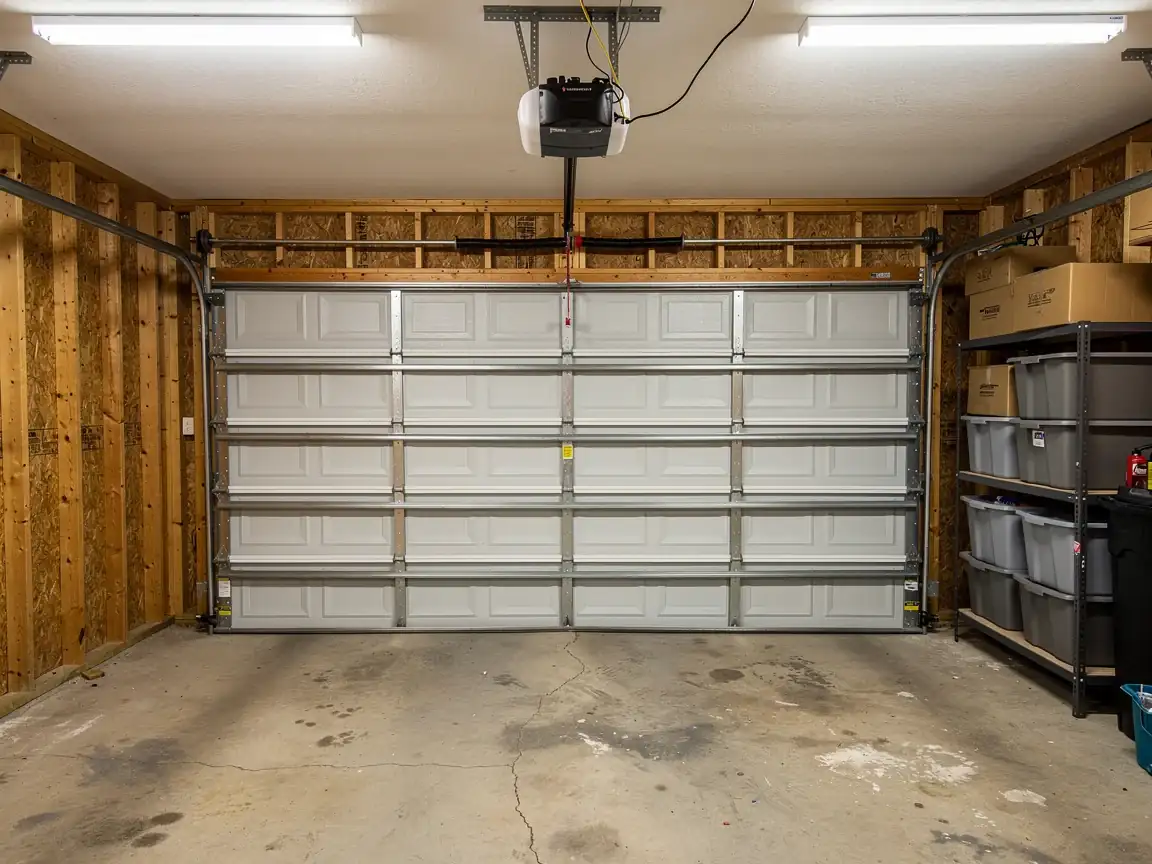
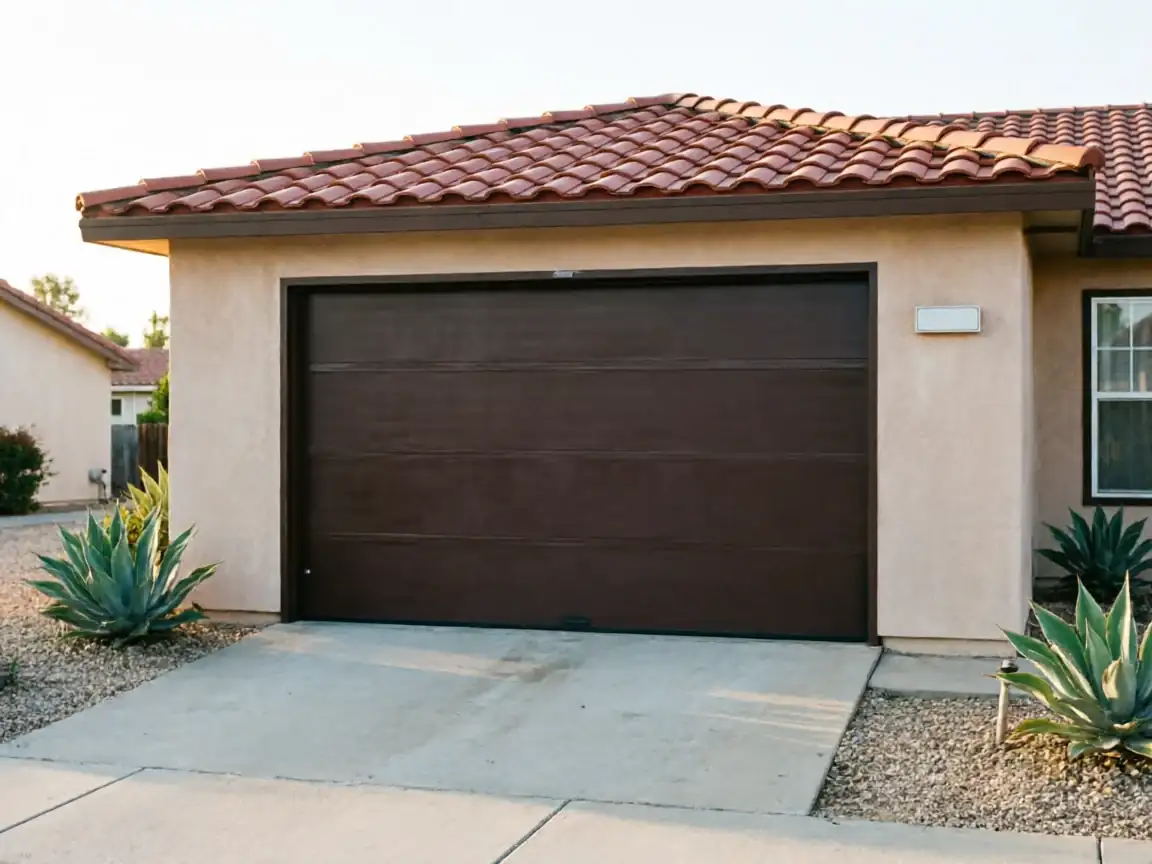
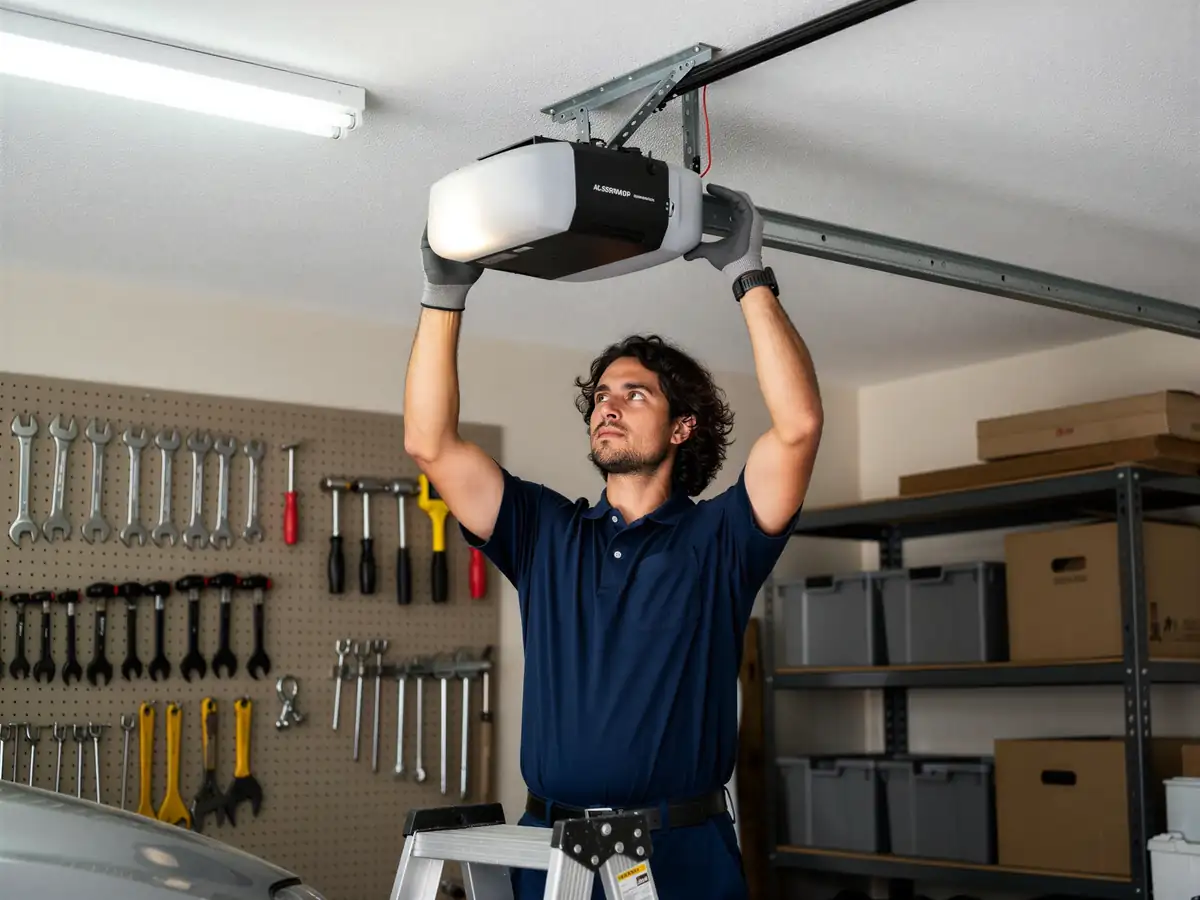
A door built around 1976 almost never has the safety-reversal sensors that became standard decades later, so if yours still runs on the original opener, that's the first thing we flag - not because the door is dangerous to maintain, but because any opener swap on a door this age needs new brackets to match hardware nobody machines to that spec anymore. The second complication is track alignment: steel track from this period was hung with lag bolts into framing that's had 45-plus years to settle, and in a mild temperate climate like this one the wood doesn't swell or shrink dramatically, but it does creep, slowly pulling brackets a few degrees out of true. You won't notice until the rollers start chewing the edge of the track. Across the wider area we serve, housing mostly dates from the 1960s and 70s, with the full range running 1938 to 2002, so this isn't a one-off problem - but Martinez's own stock clusters tighter around the mid-70s than some of the towns we cover, which means the fixes repeat more predictably here than elsewhere on the route.
Can You Do This Yourself
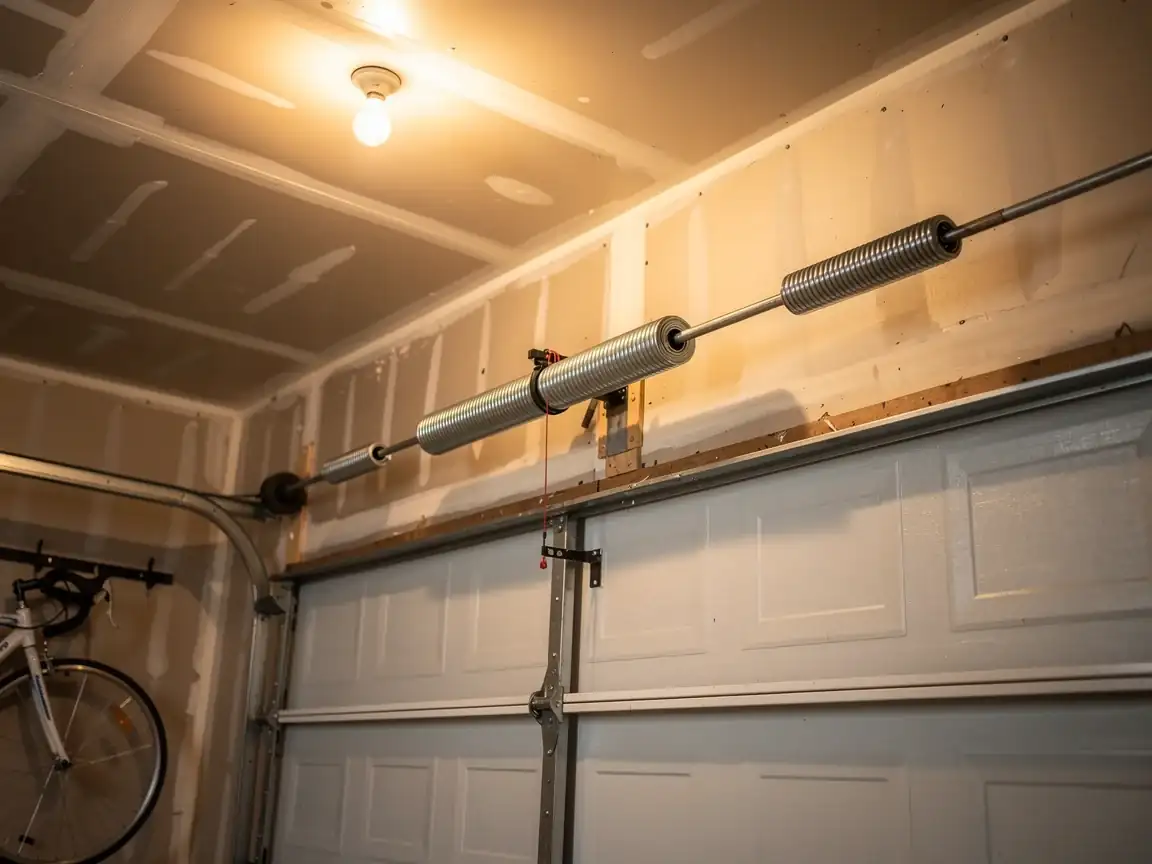
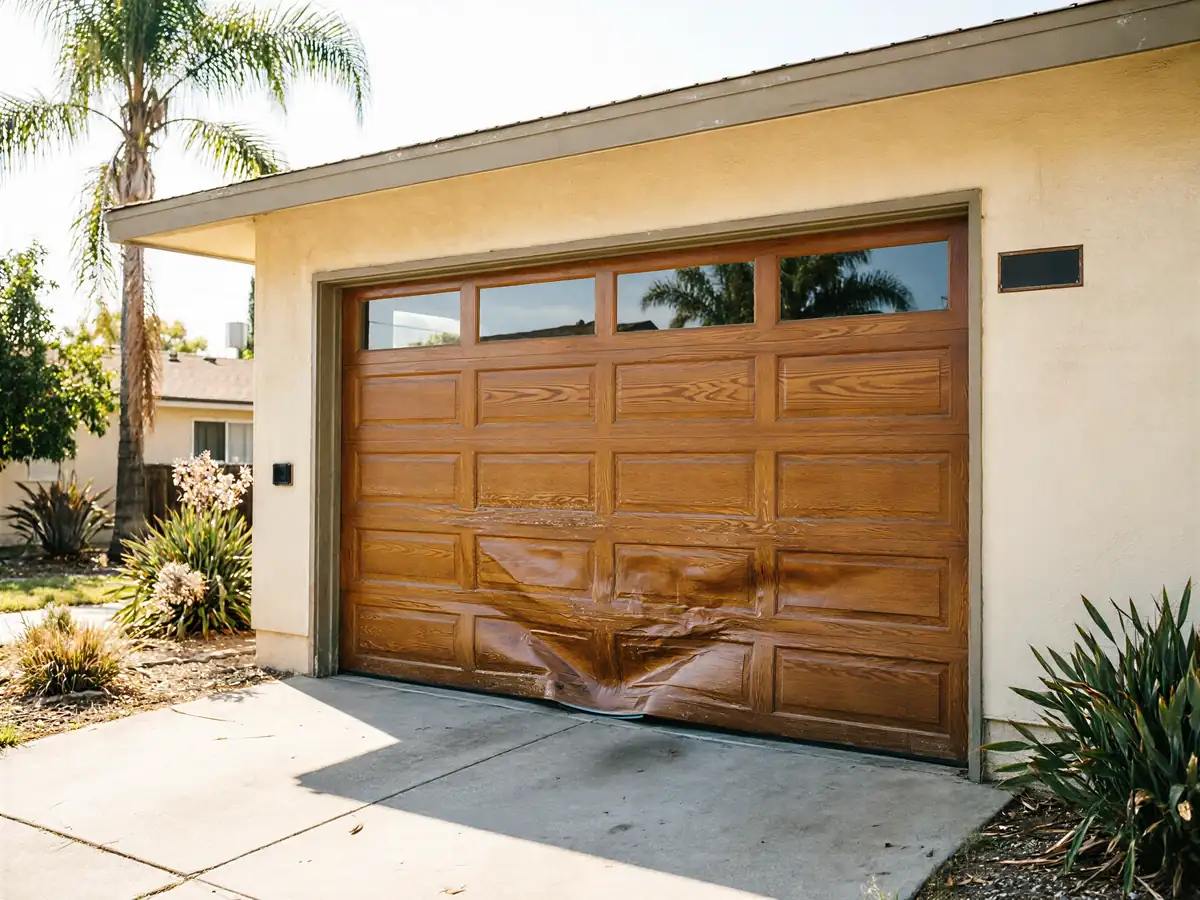
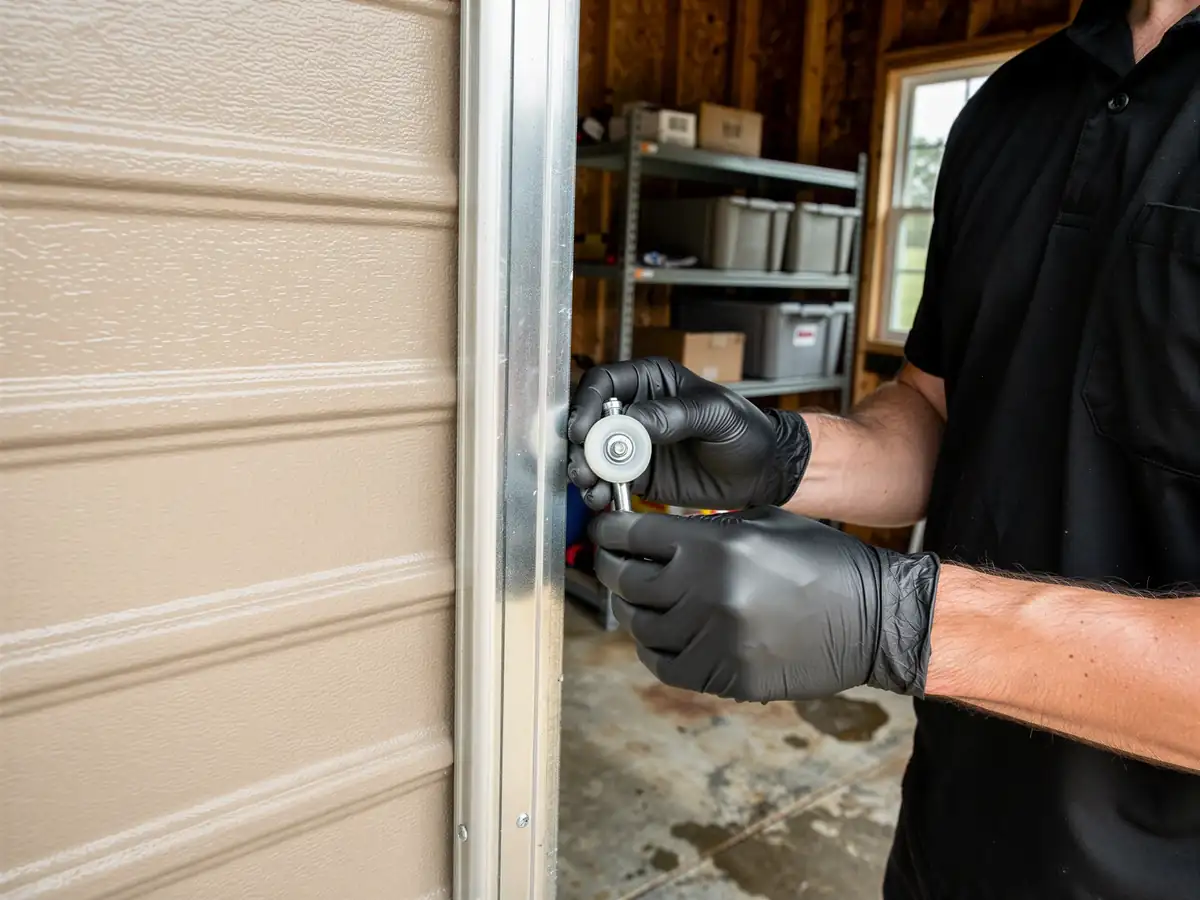
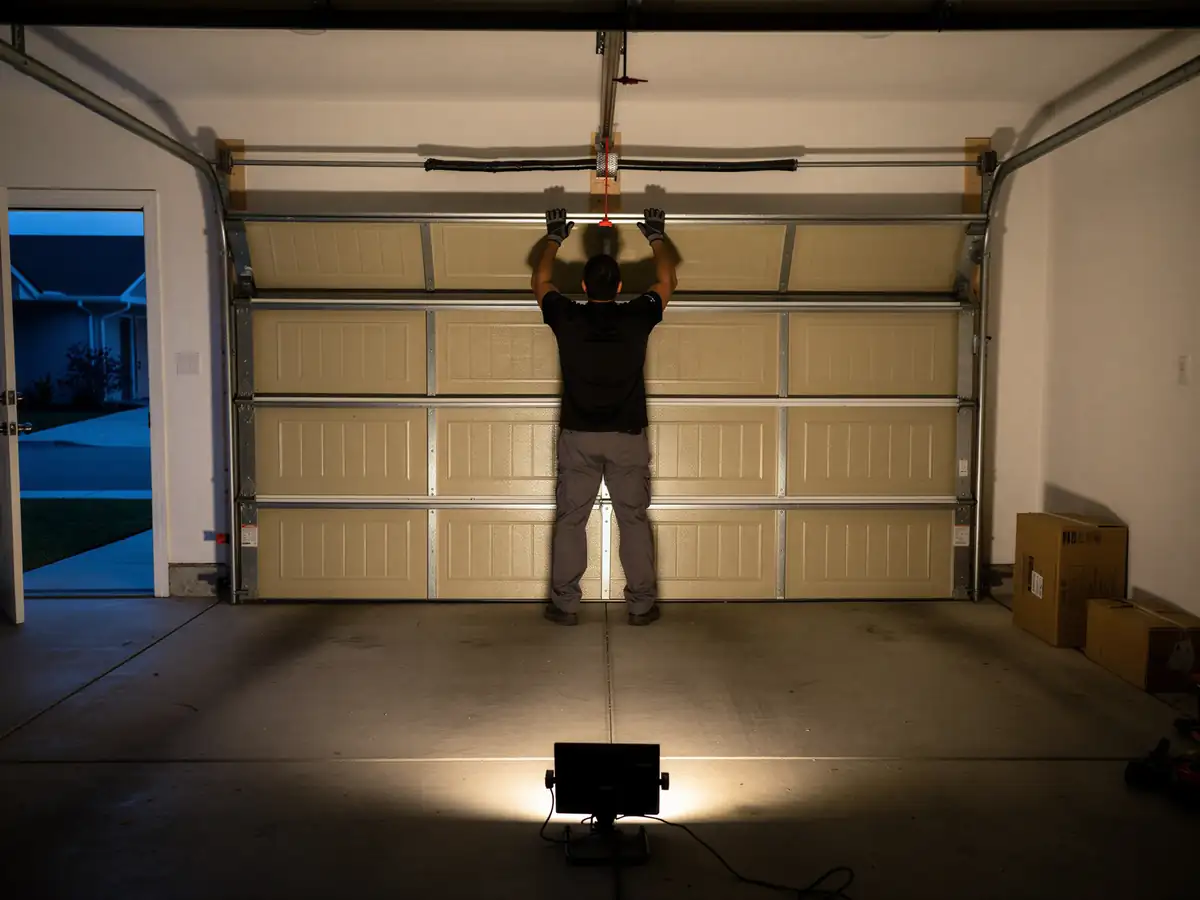
Lubricating hinges and rollers, checking that the door balances when you disconnect the opener and lift it by hand, and visually checking cables for fraying - all of that you can do yourself on a Saturday with ten minutes and a can of the right lubricant, and we'd rather you did it than waited for us. What we don't recommend doing yourself on a door this age is anything involving the spring itself. A 1976-era extension spring under tension has put people in the hospital, and the fact that it's been fine for decades doesn't mean the steel hasn't fatigued. If the door feels heavy to lift by hand, or drops instead of holding its position partway up, that's a spring telling you it's done, and that's a call, not a project.
How Long It Takes
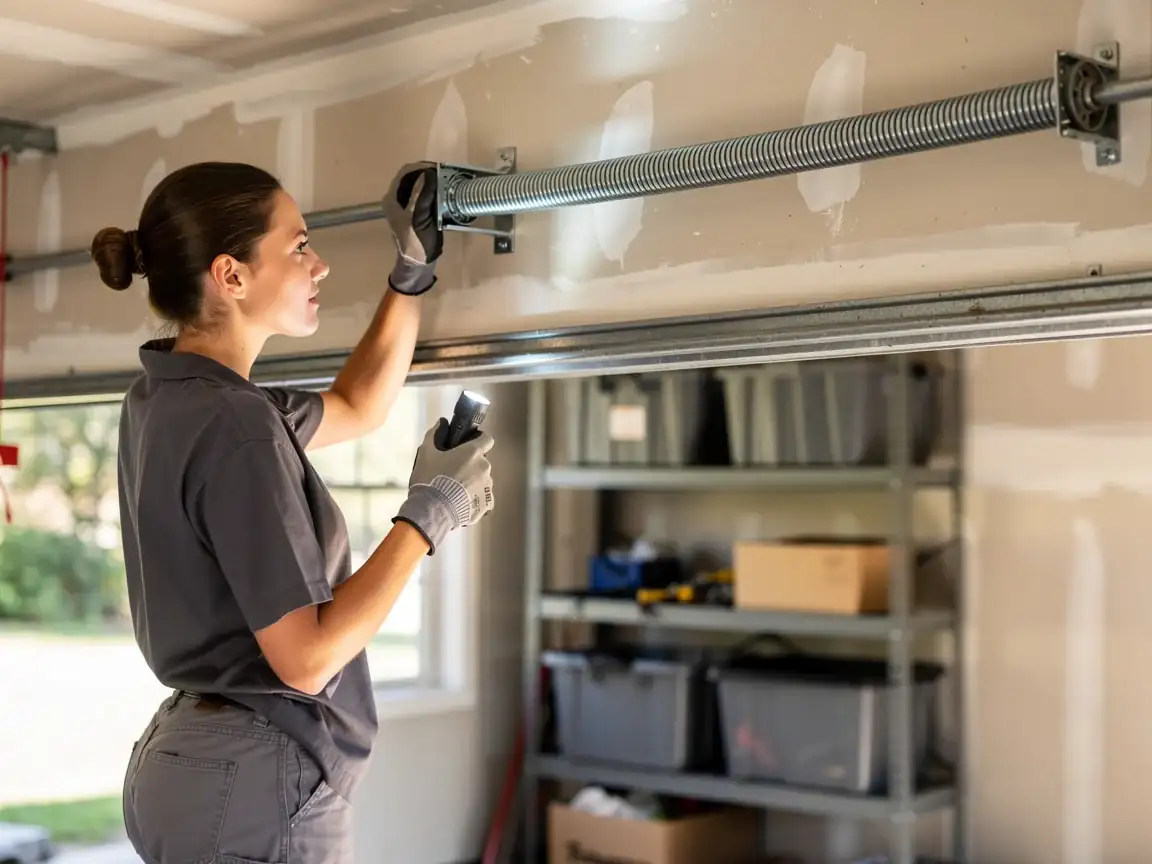
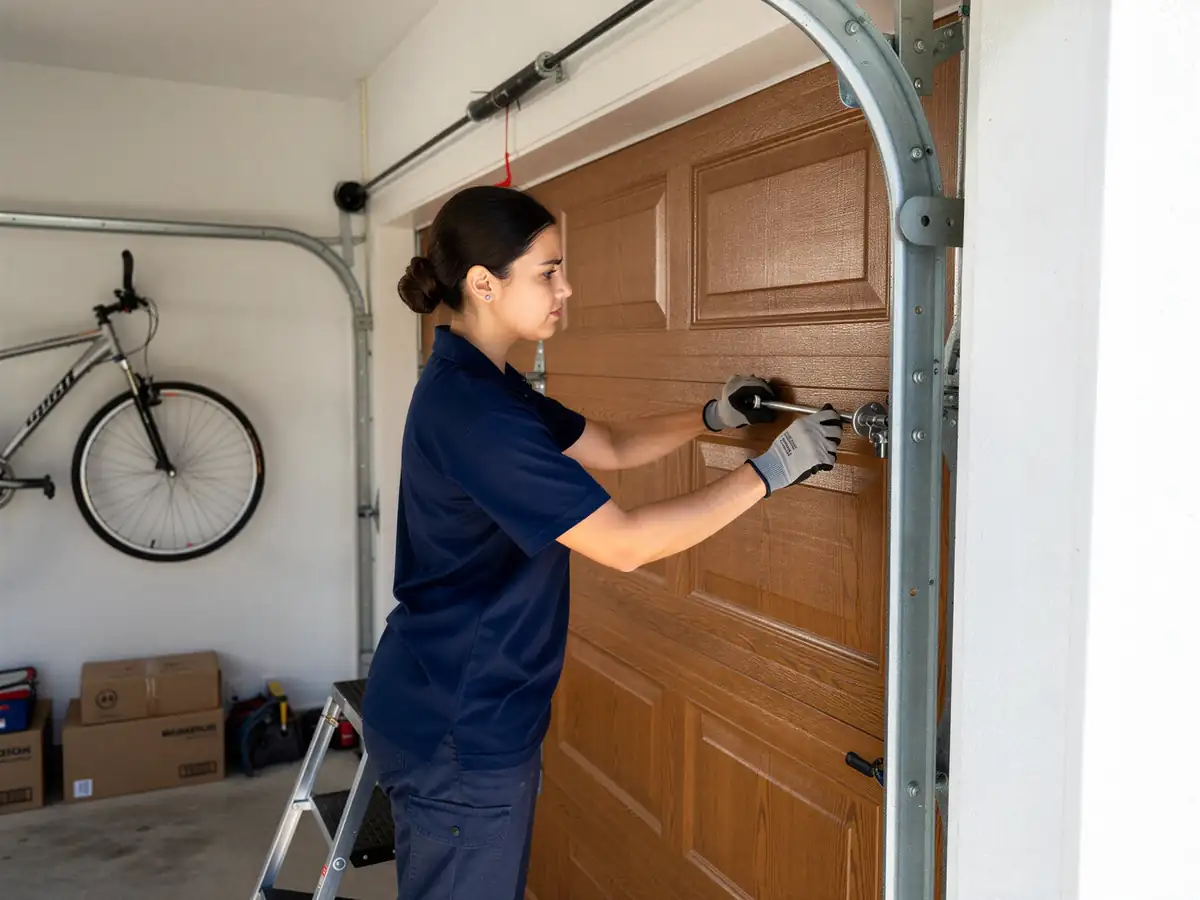
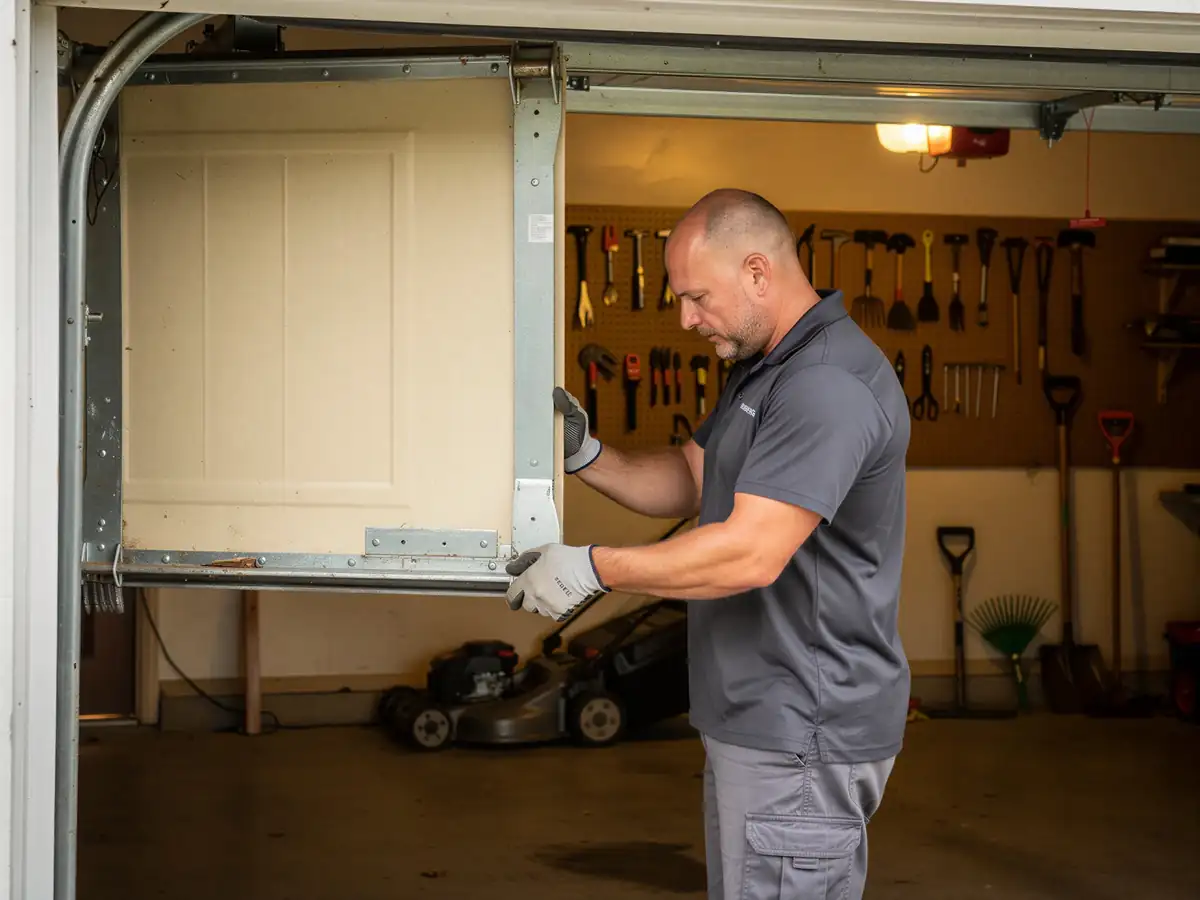
A standard maintenance pass on a single door - lubrication, hinge and roller check, track alignment, spring tension check, safety reversal test if the opener supports it - runs about the same regardless of era once we're on site, since the steps don't change, only which parts need attention. What changes the clock on a mid-1970s Martinez door is usually the track: original brackets that have crept out of plumb over the decades take longer to true up than a door installed in the last ten years. We'd rather spend the extra time getting the track square now than have you call back in six months because the door's rubbing. If you're combining maintenance with something else on the same visit, let us know when you book so we plan for it.