Booking a Visit
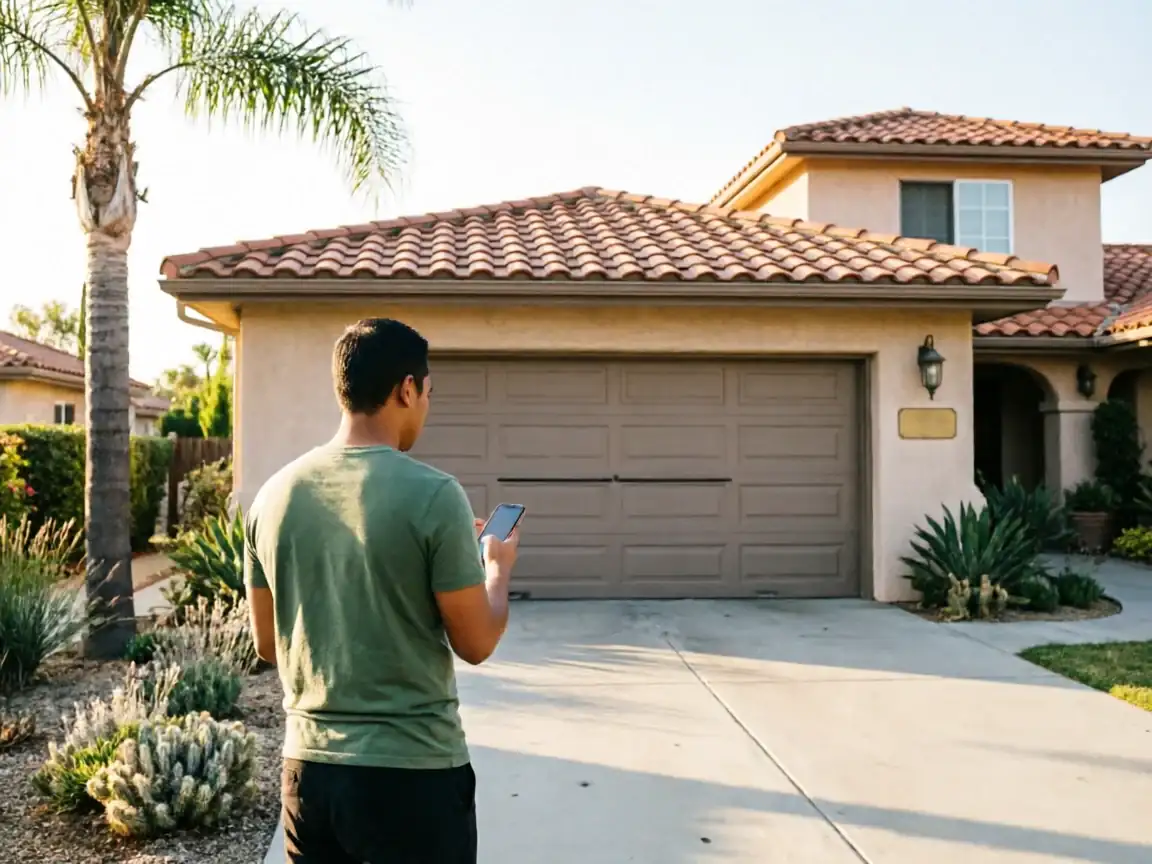
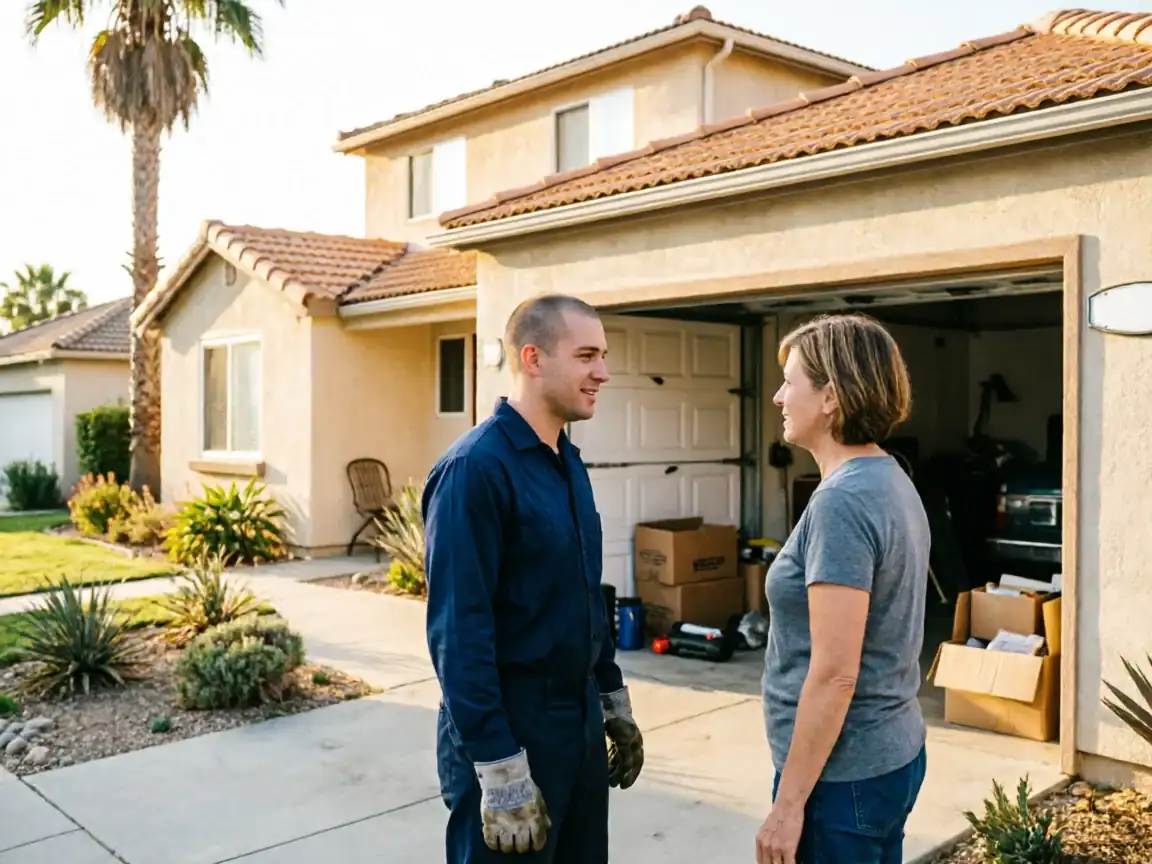
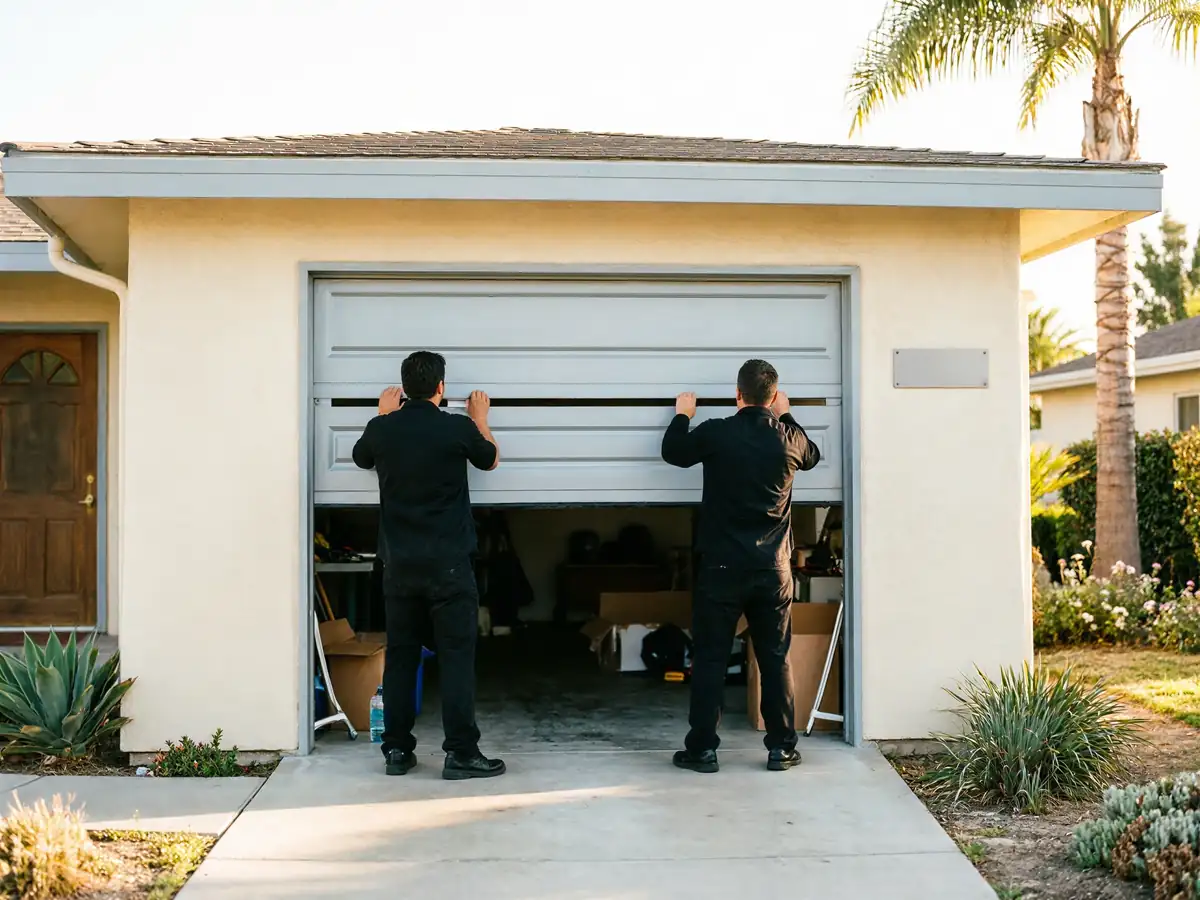
Rio Vista sits about 19 miles from our shop in Fairfield, and every job out here starts with that drive. We don't keep a branch or a stocked van parked locally, so when you call, you're booking a visit, not a drop-in. That means we ask more questions up front than a company with a crew already in your neighborhood would - what the door does, what it doesn't do, whether the opener light blinks or stays dark. The more you can tell us before the truck leaves Fairfield, the better chance we show up with the right spring, roller, or board already on hand. We'd rather ask twice on the phone than make you wait on a second trip for a part we didn't know we needed. If you want to see what we cover across the wider service area, that's on our main Fairfield garage door service page; this page is just about getting a tech out to Rio Vista itself. You can also browse our Rio Vista garage door page for more on the work we do out this way.
What Causes It Around Here
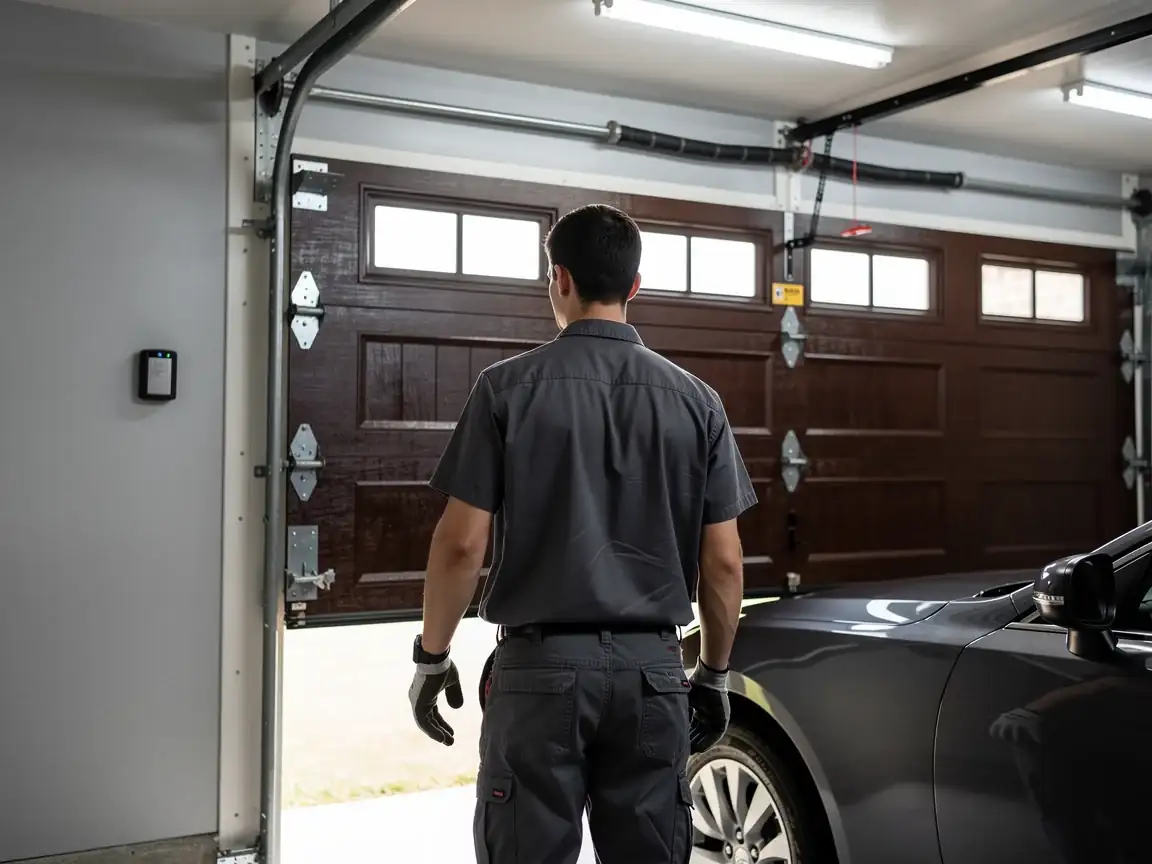
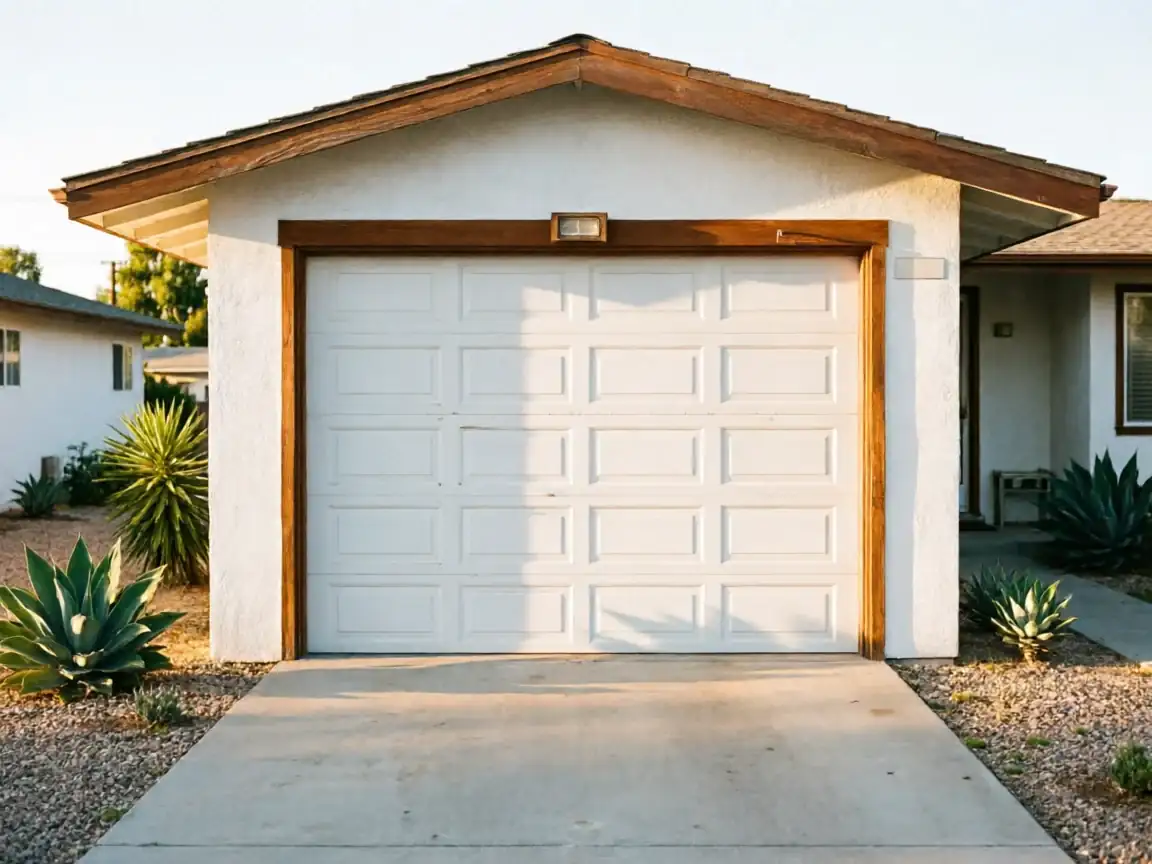
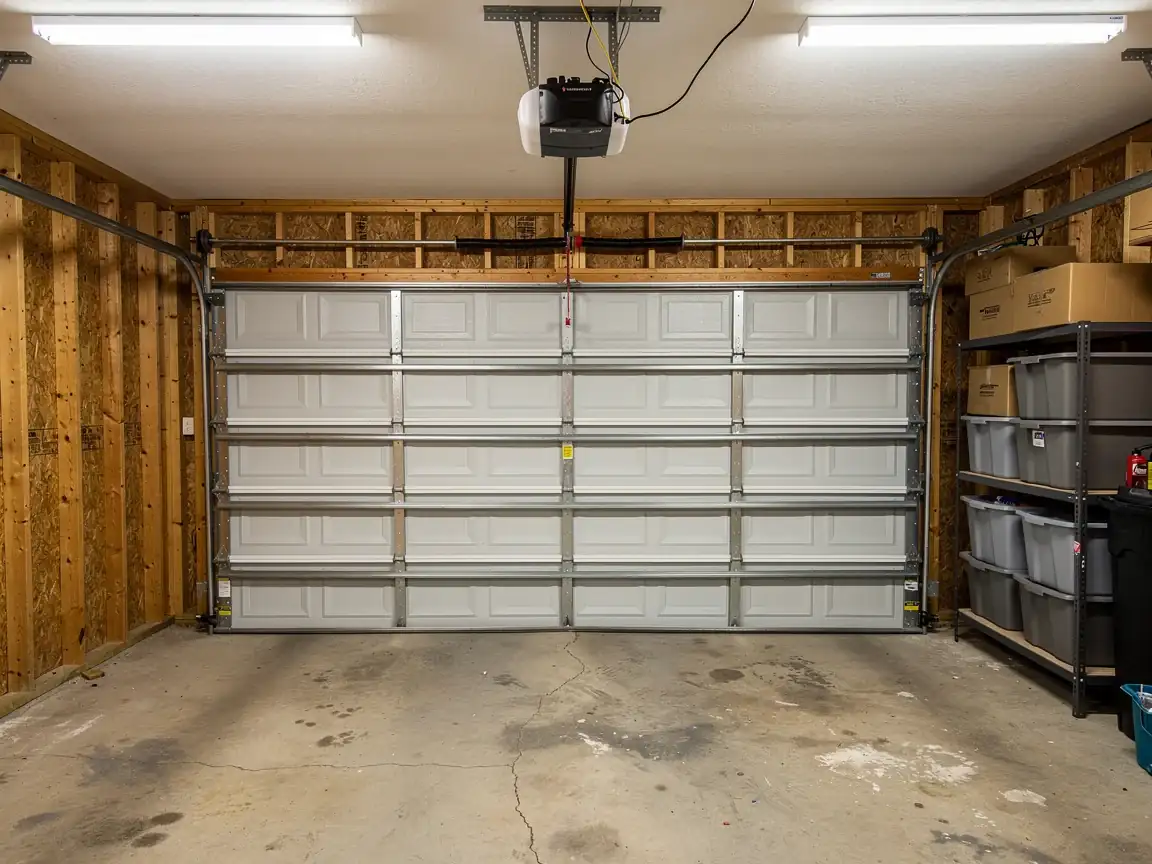
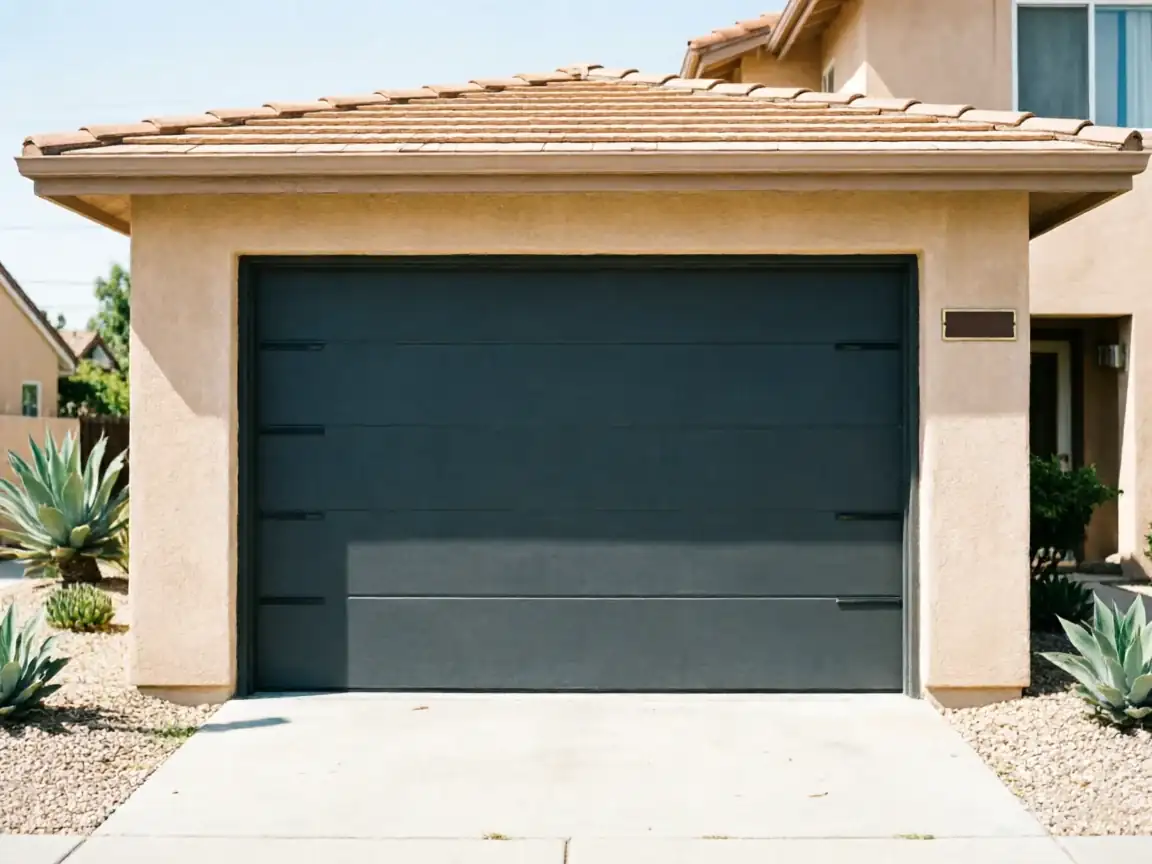
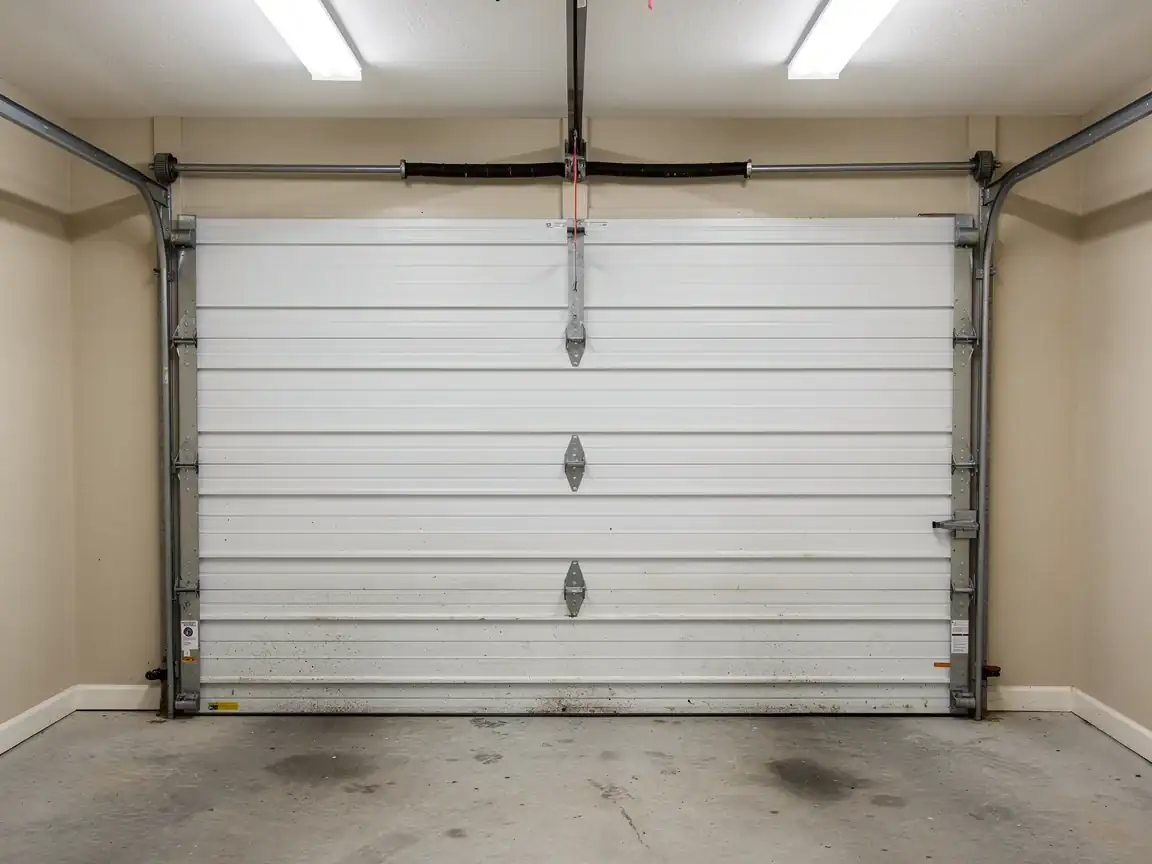
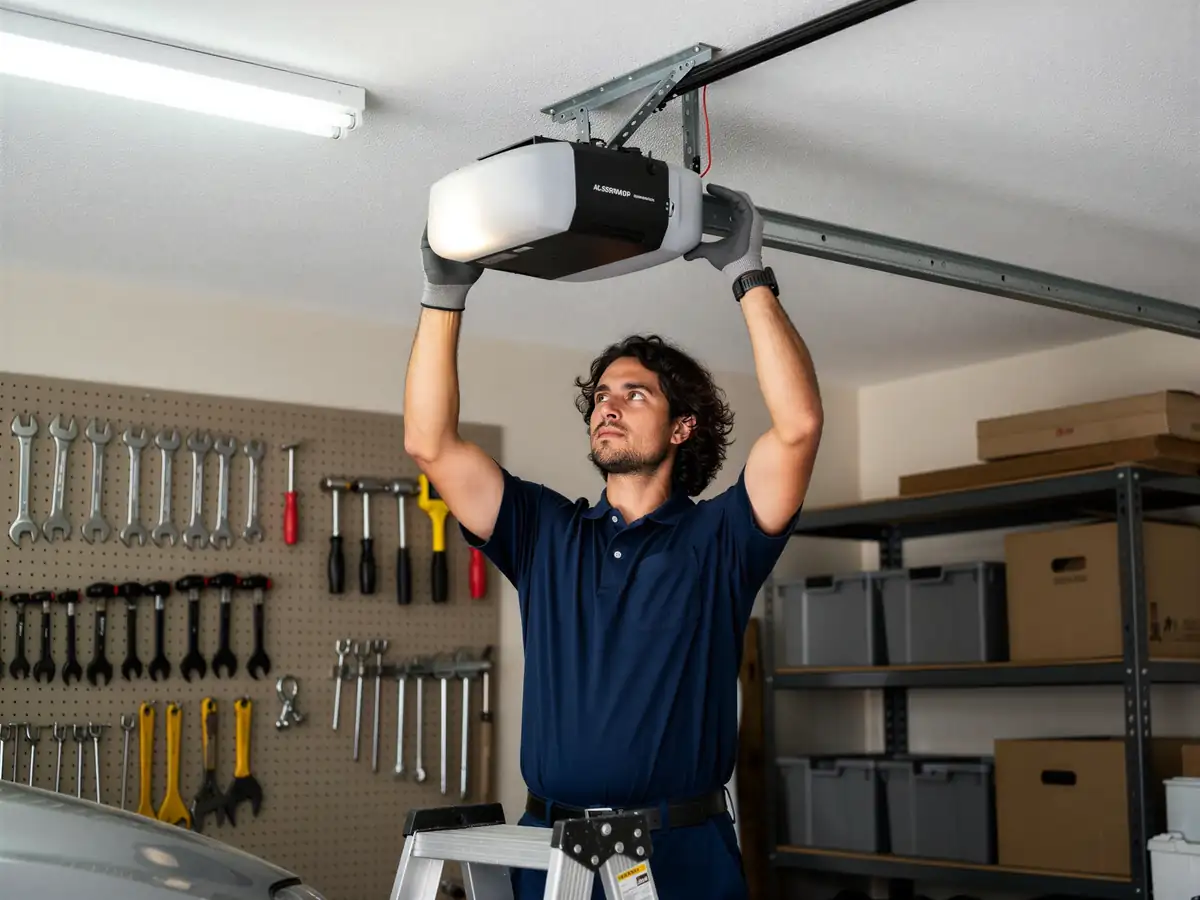
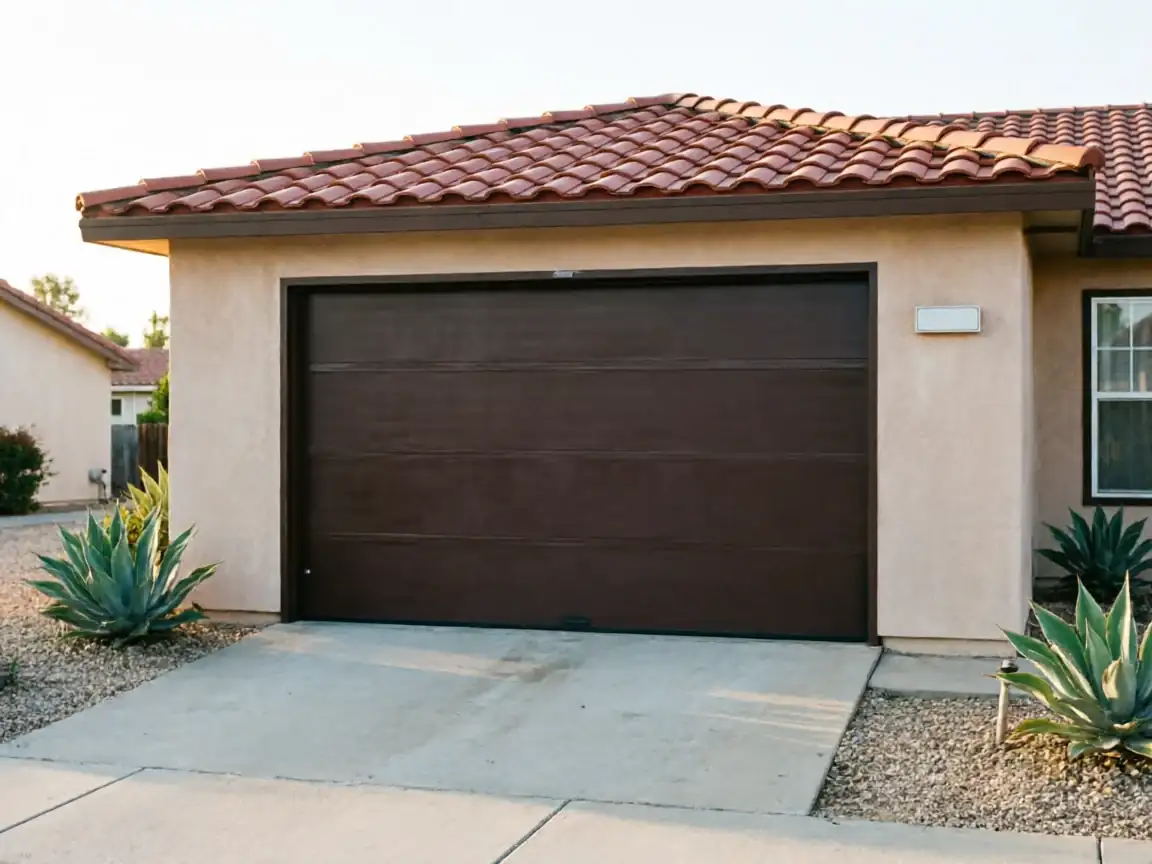
Median year built in Rio Vista is 2002, a good two decades newer than the 1979 median across the broader service area's older neighborhoods. That changes what breaks. You're not dealing with the one-piece doors and odd side-mounted torsion hardware that show up in the 1960s and '70s stock elsewhere in the area - Rio Vista's doors are mostly standard steel sectional units on extension or torsion springs, installed with garage door openers that came standard with the build. The failure pattern we see most is the opener itself: circuit boards from early-2000s units reaching the end of their service life, drive gears stripped from two decades of cycles, and safety sensors that have drifted out of alignment from settling over the years. The area's mild temperate climate doesn't add the freeze-thaw stress that cracks seals or warps wood doors elsewhere, so when something fails here, age and cycle count are the more likely cause than weather.
What You Are Seeing
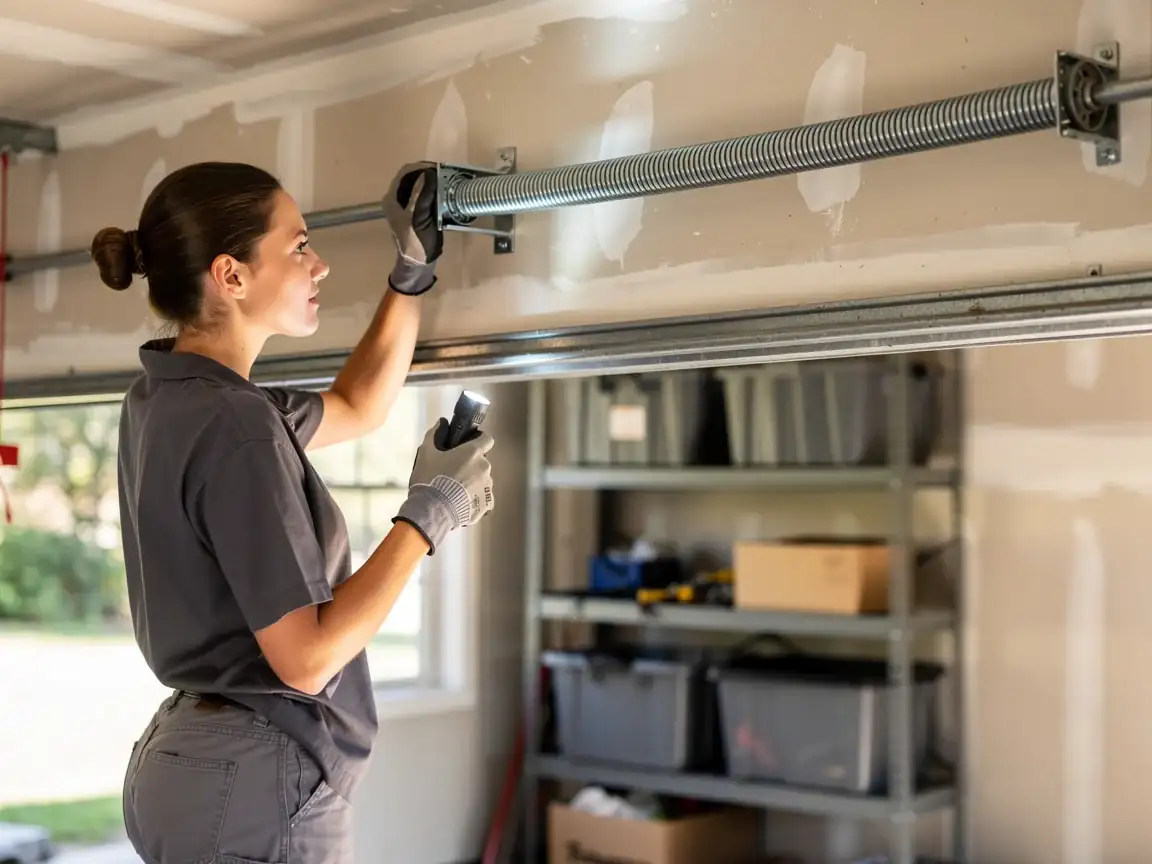
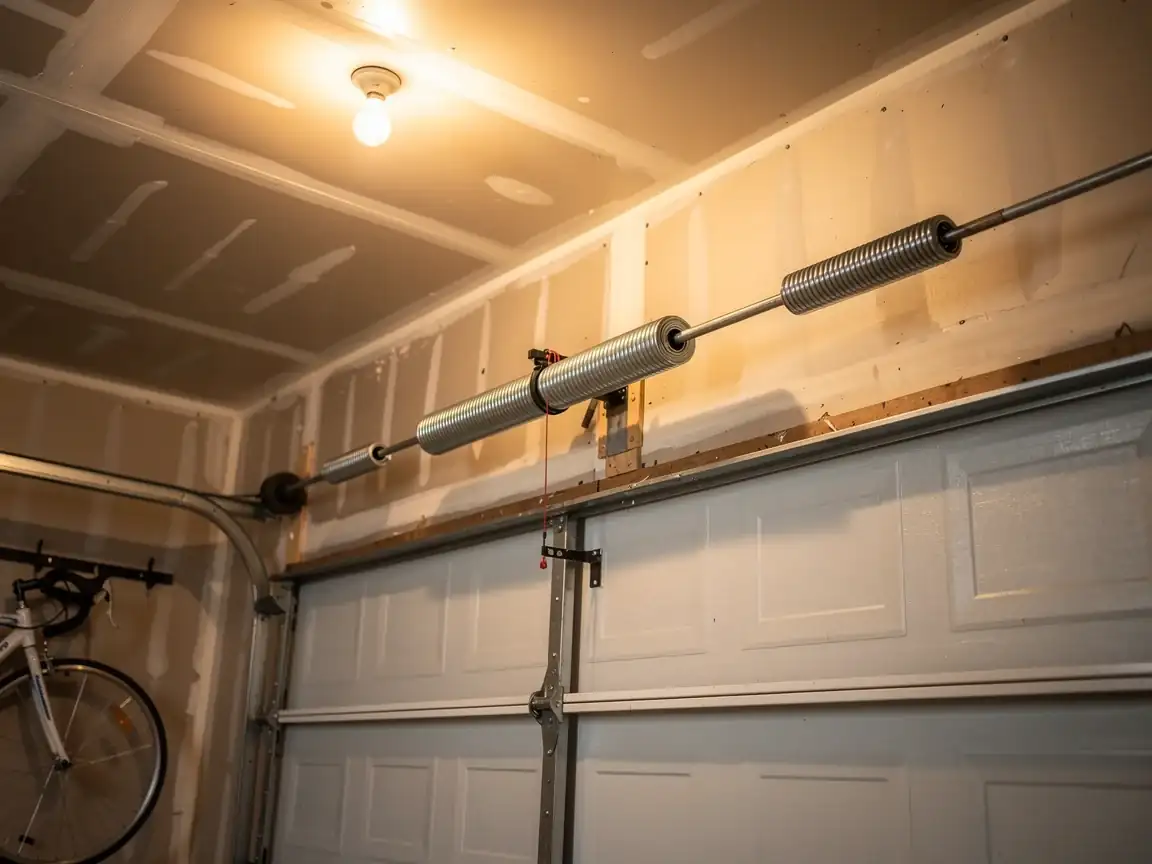
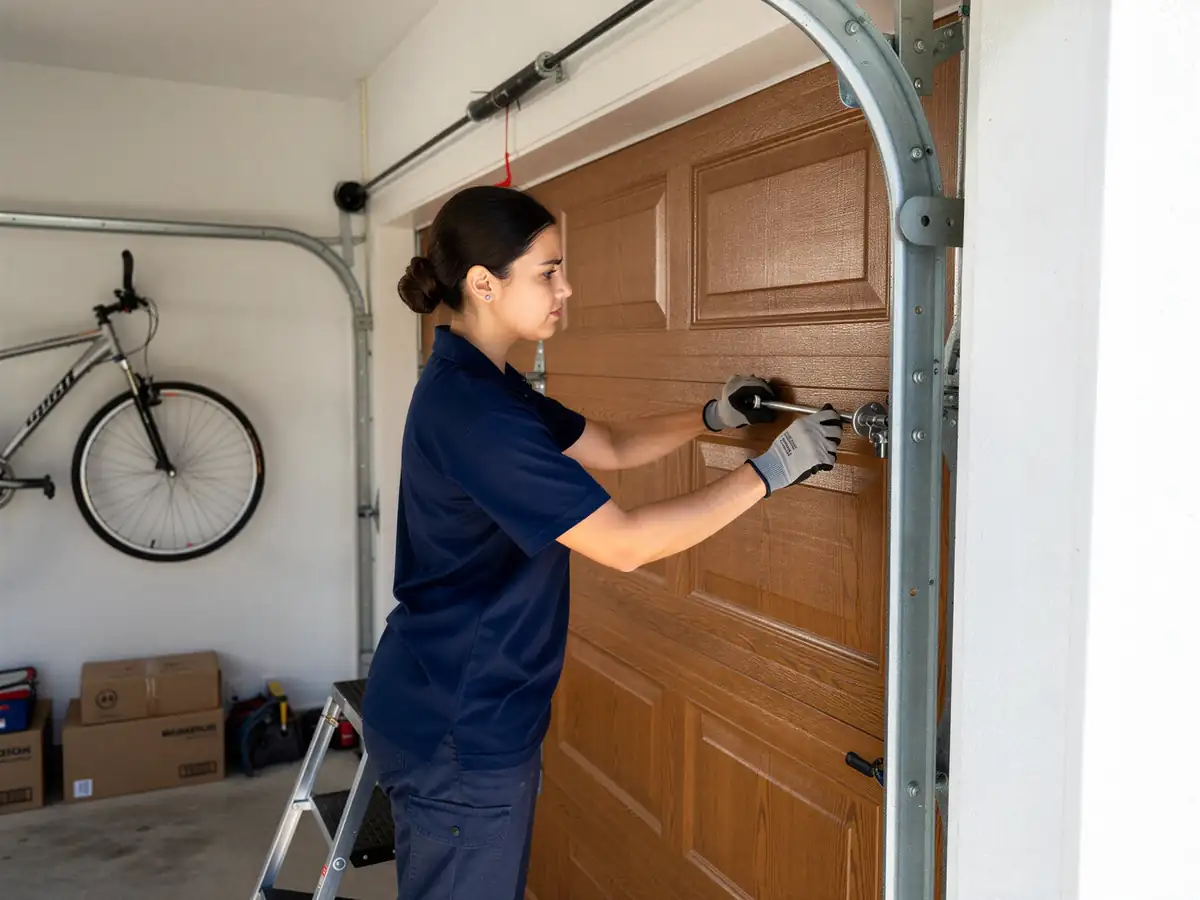
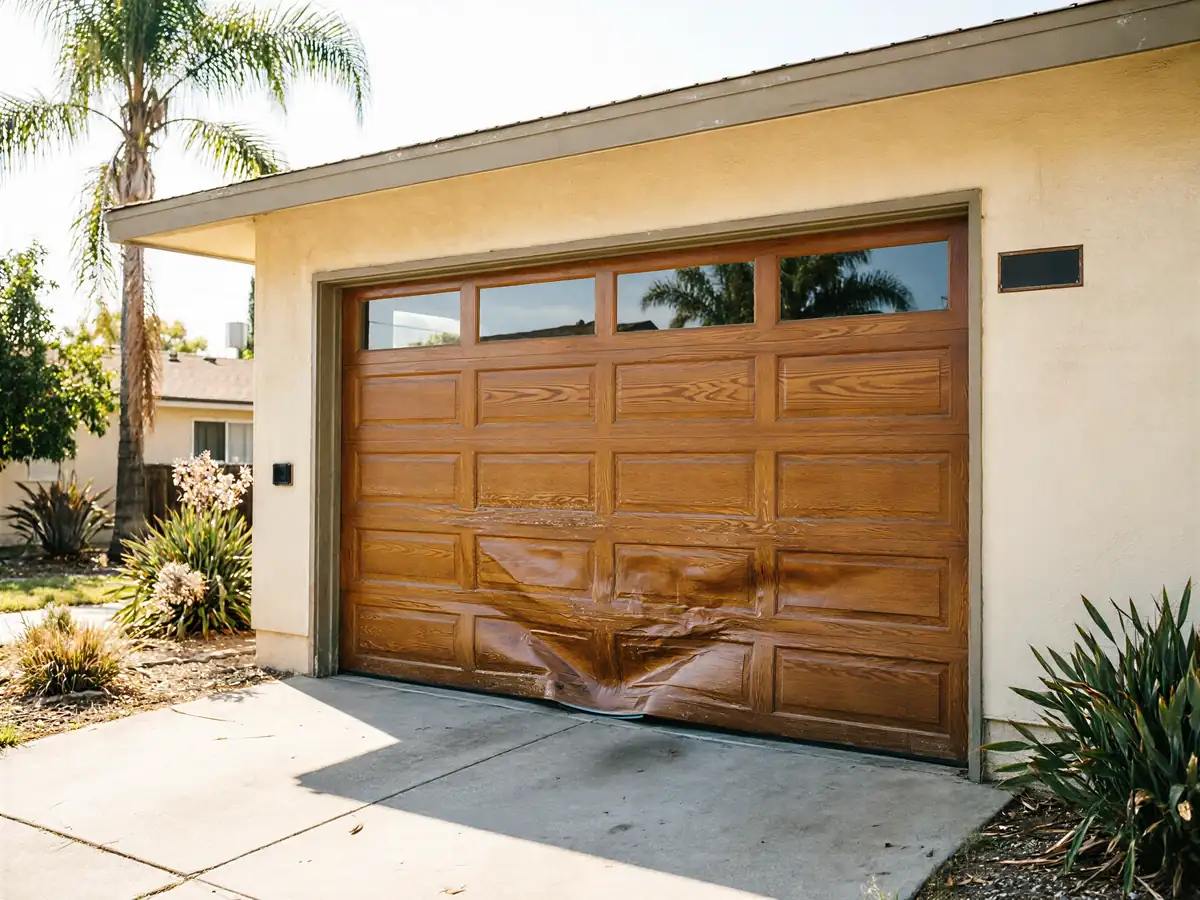
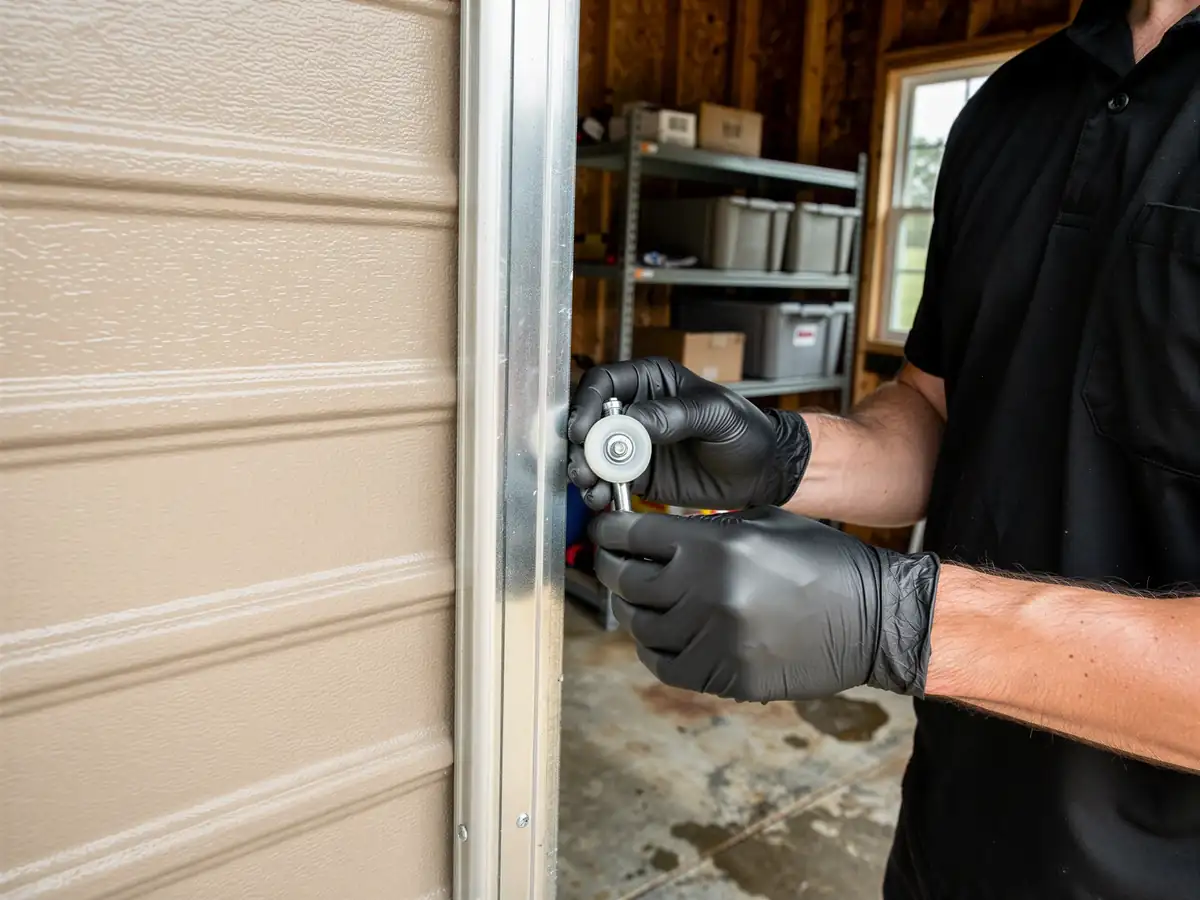
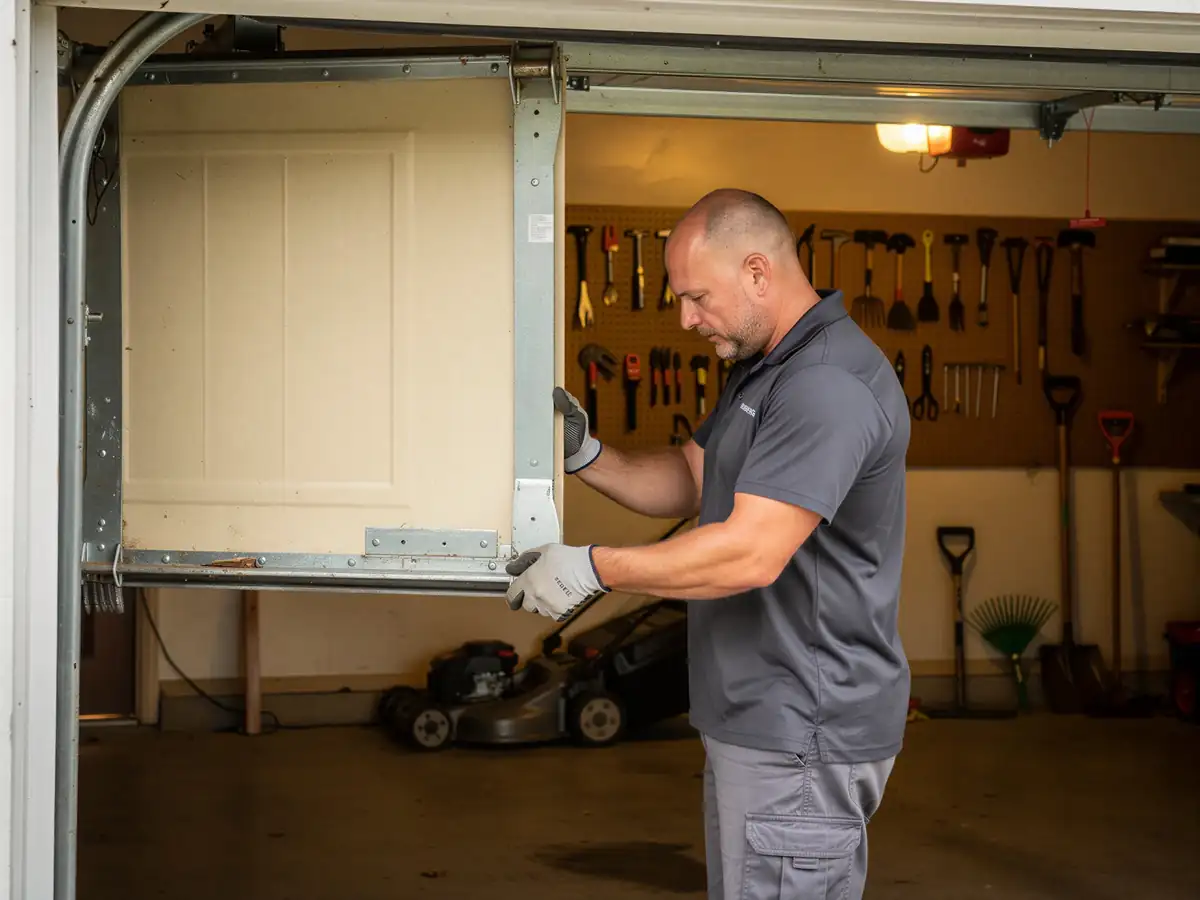
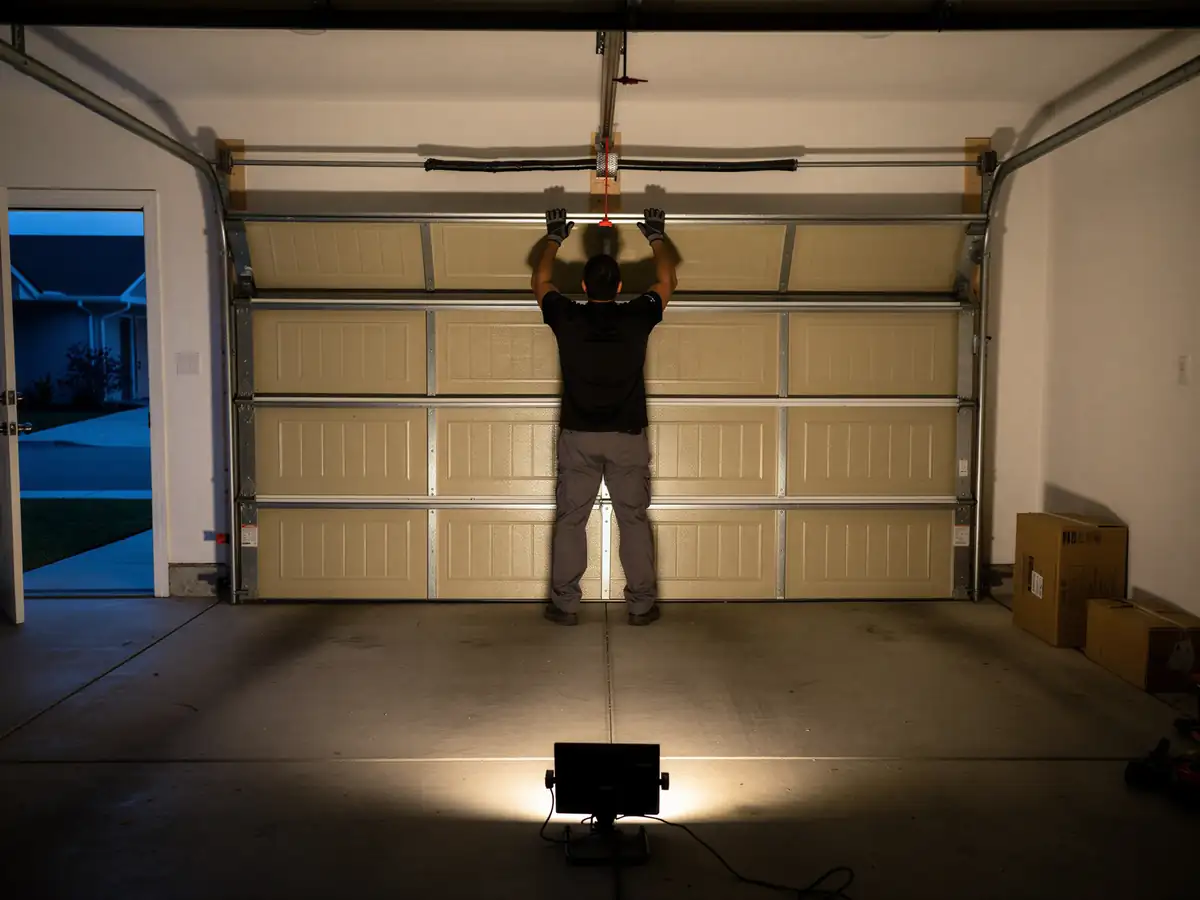
If your opener used to run quiet and now grinds, hesitates, or reverses partway up, that's usually the drive gear or the logic board giving out - not the door itself. A door that stutters only at the same spot every time points to a bent track or a roller that's worn past round, which is common once the originally-installed rollers hit the 15-to-20-year mark. Lights that blink but the door won't move almost always trace back to a sensor that's shifted out of alignment, not a sensor that's broken. A door that's heavy to lift by hand, with the opener straining audibly, is a spring question, and on a steel sectional door from this era that's almost always a torsion spring reaching the end of its rated cycle count rather than anything unusual about the install.
The Complications
The honest limitation here is parts. Because we travel in from Fairfield rather than stocking a Rio Vista location, uncommon spring sizes or discontinued opener models can mean a short wait while we source the right part, rather than a fix on the spot. Most jobs don't run into this - standard torsion springs and current opener boards are things we carry - but older or oddball hardware sometimes does. The other complication is access: on a property with a long driveway or a gated entry, let us know ahead of the visit so the trip out isn't wasted circling the block. None of this is unique to one house, but it's worth saying plainly: a 19-mile service radius means we plan the visit carefully instead of showing up and improvising, and that's a trade-off we think is worth making rather than guessing and leaving you with the wrong spring installed.