Booking a Visit
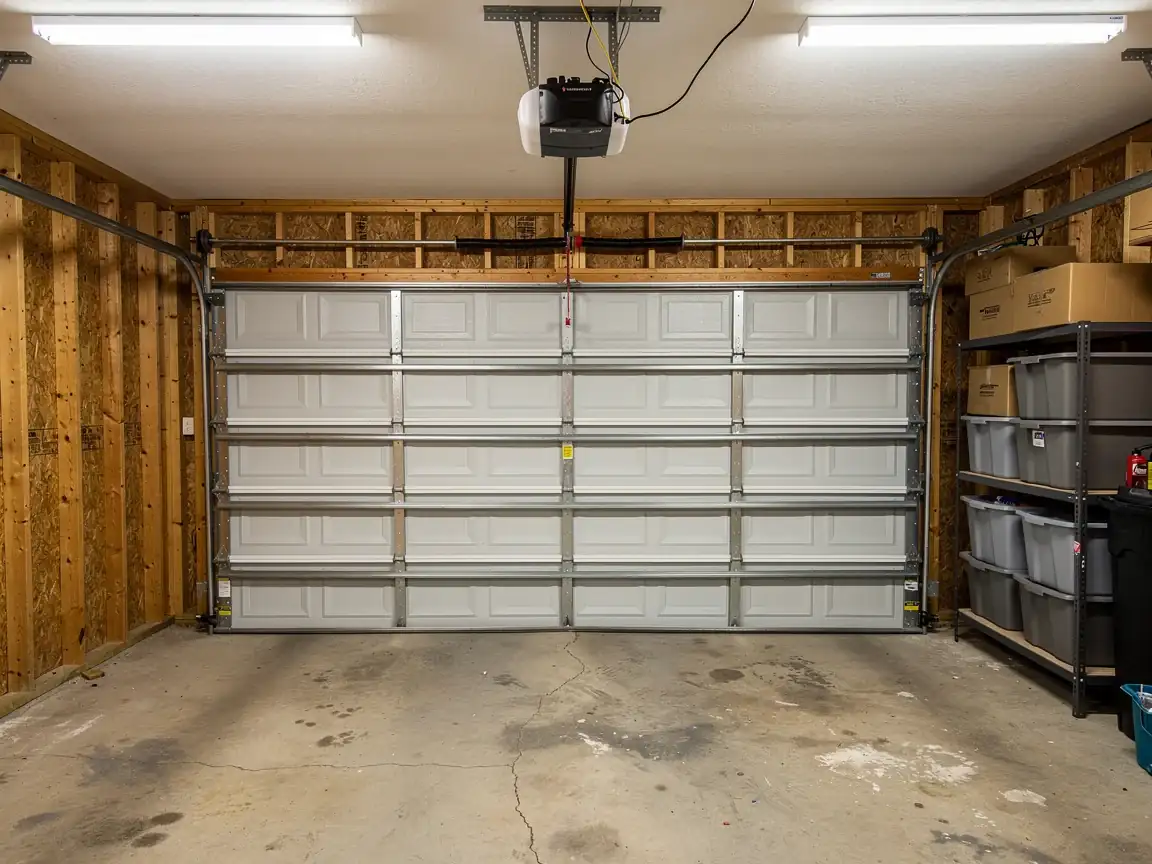
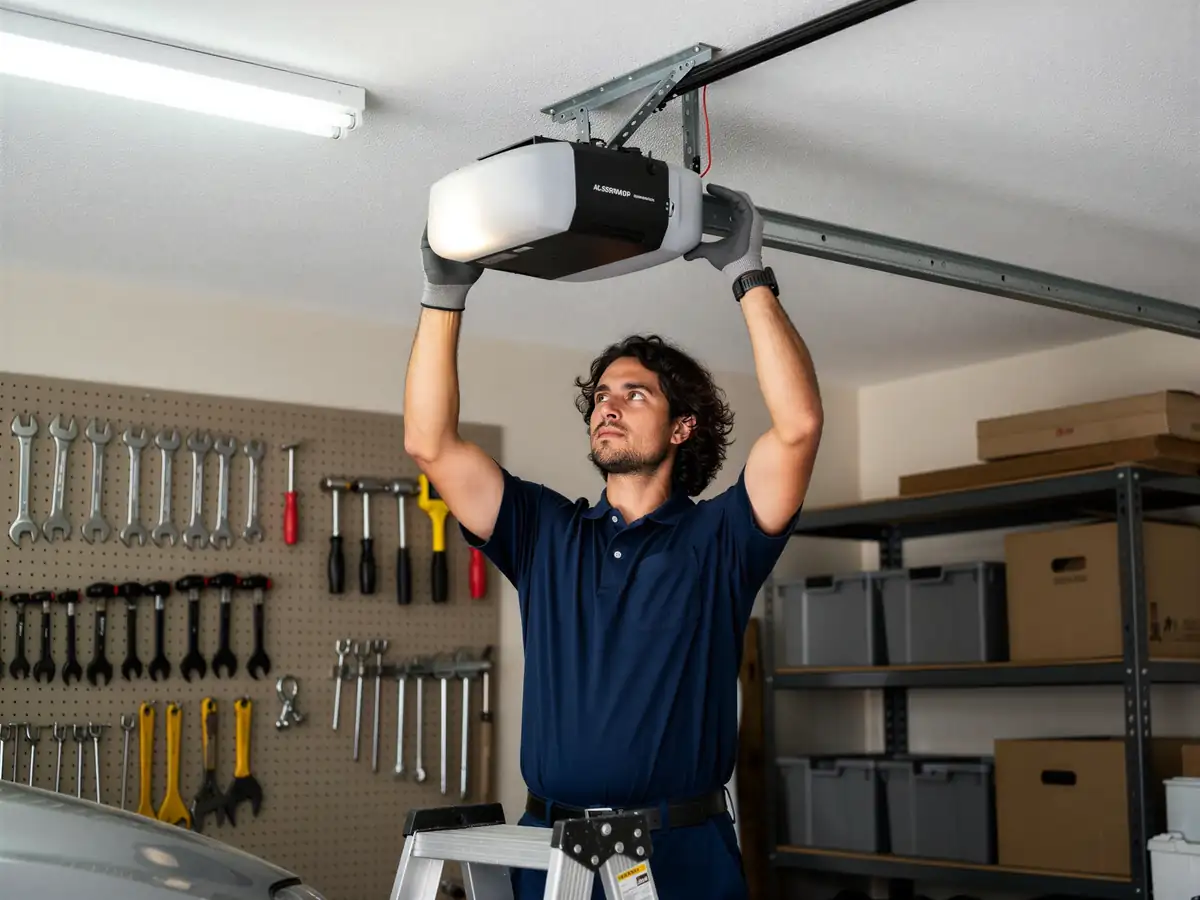
We run this job out of Fairfield, and Rio Vista is a 19-mile trip, so a visit here gets scheduled rather than slotted in same-day. When you call, tell us the door size and whether the opener you've got is original to the house - most homes in Rio Vista were built close to 2002, which is late enough that the opener is likely the factory chain-drive unit that shipped with the house, not something swapped in later. That detail changes what we bring on the truck: rail length, mounting bracket style, and whether we're matching an existing keypad or replacing the whole control setup. We'll ask a few questions on the phone before we commit to a date, because a wasted trip out here costs more than one closer to the shop.
What Causes It Around Here
The houses are the story. With a median build year of 2002, Rio Vista's stock is younger than a lot of what we service out of Fairfield, where the broader area runs 1938 to 2002 with a median closer to 1979. That means fewer of the ancient screw-drive dinosaurs and more openers from the early 2000s that are now closing in on twenty years of daily use. Motors from that era don't have rolling-code security, and a lot of them never got a battery backup added. The failure we see most isn't a dead motor - it's a gear set worn down from two decades of cycles, or a logic board that still works but can't talk to a modern keypad or phone app.
What You Are Seeing
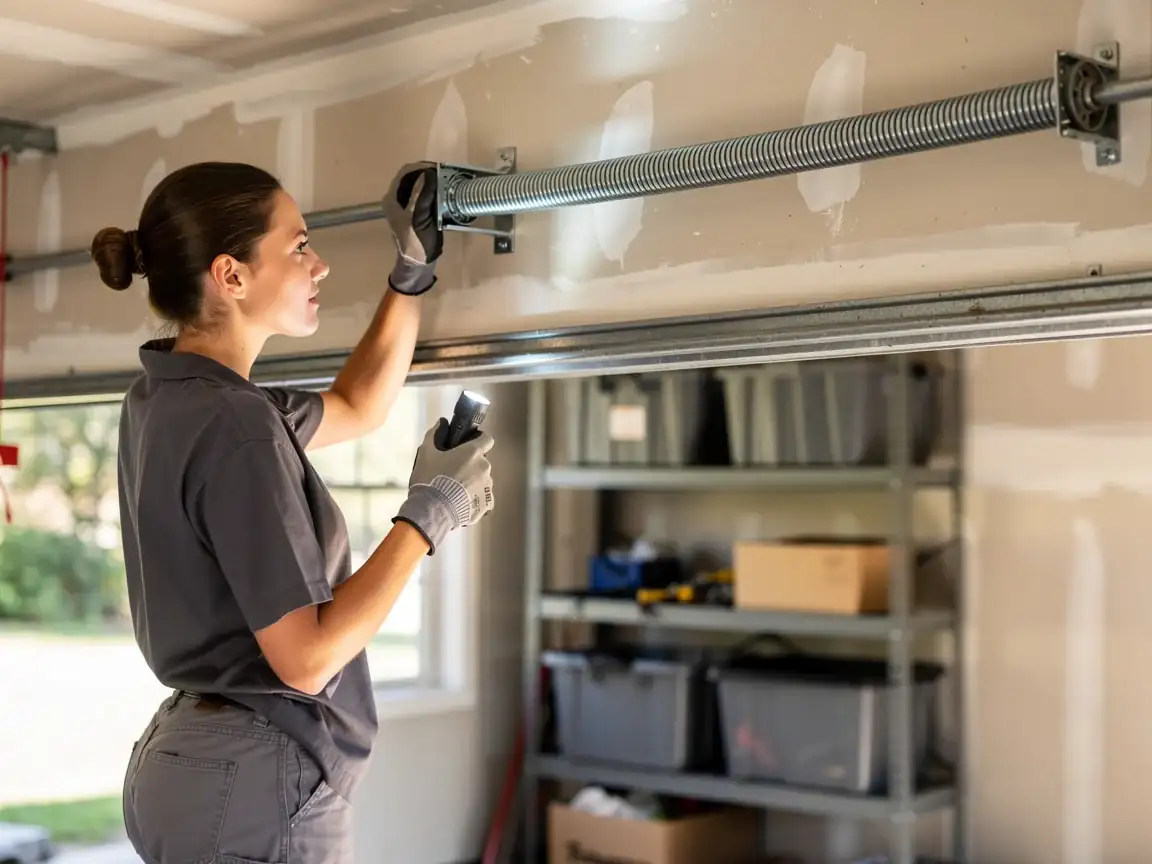
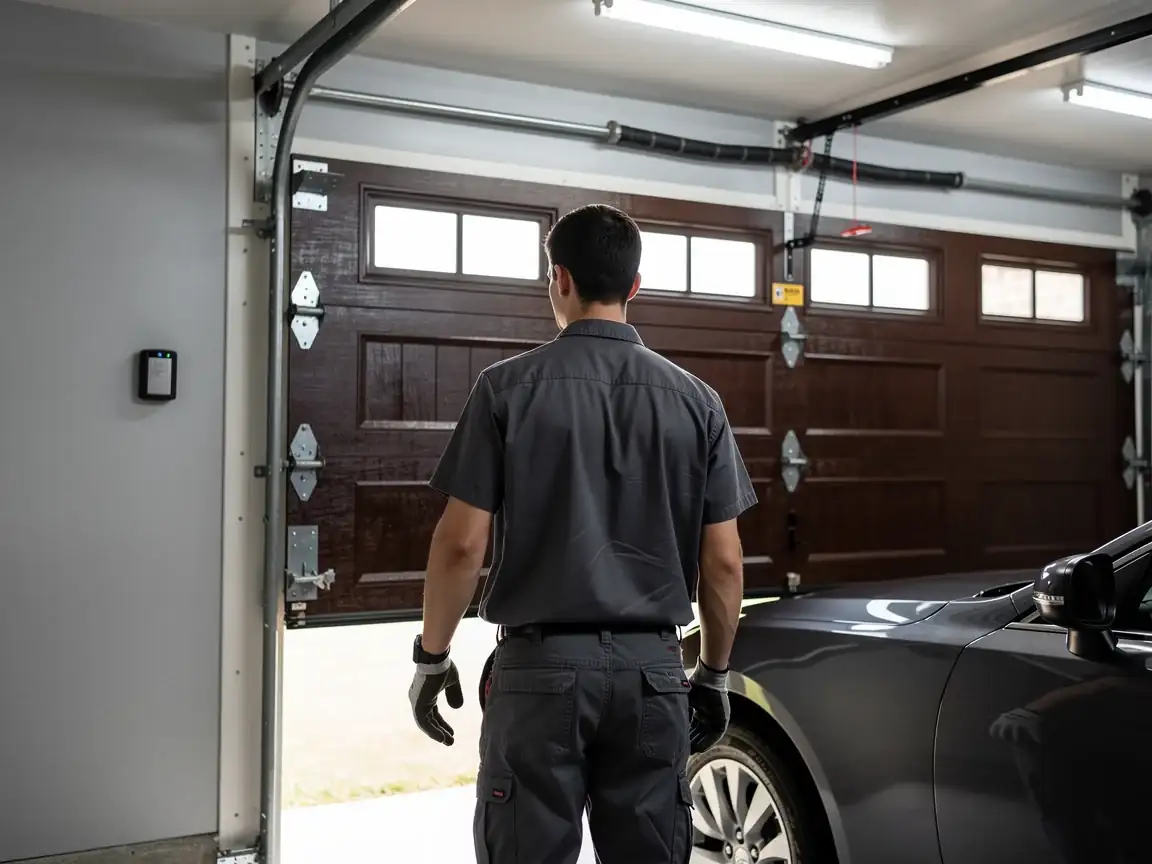
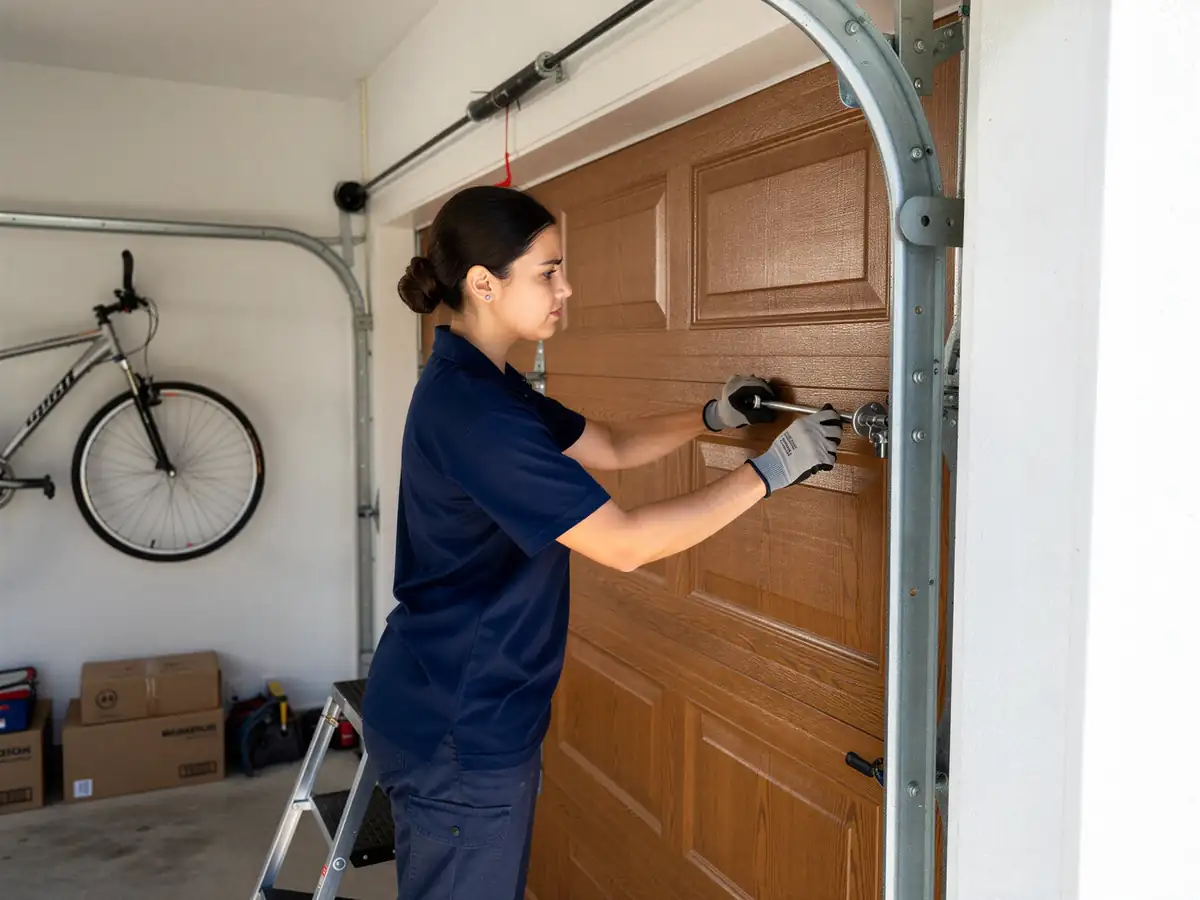
If the opener runs but the door chatters or jerks partway up, that's usually the gear and sprocket assembly giving out inside a chain-drive unit - common on a unit this age. If the light blinks and the door won't move at all, check the photo-eye sensors near the floor track first; building code has required them since before these houses went up, so every door here should have them, and a knocked sensor is the single most common no-go call we get. A remote that works intermittently, or only from inside the garage, usually points to a dying radio board, not the opener motor itself.
The Complications
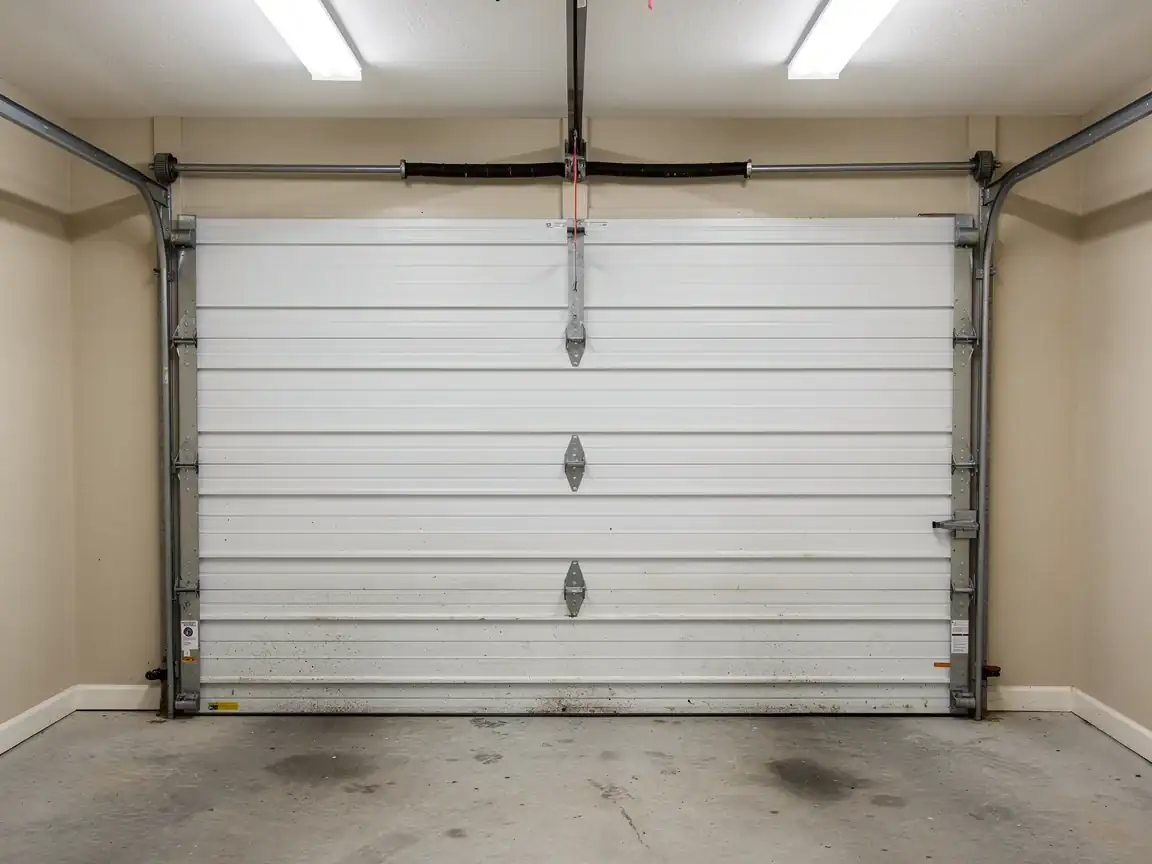
We won't pretend every job here is a clean swap. Houses built around 2002 sometimes have a reinforced steel header or an odd bracket spacing from a builder who used a different supplier than the next house over - we can't know that until we're standing in your garage. If the existing rail or mounting hardware doesn't match what a modern opener expects, that adds time and sometimes a part we don't carry on the truck, which means a second visit. One honest limit: we don't stock every bracket kit for every builder-grade setup from that era, so if yours is unusual, expect us to say so rather than force a fit that won't hold.