Booking a Visit
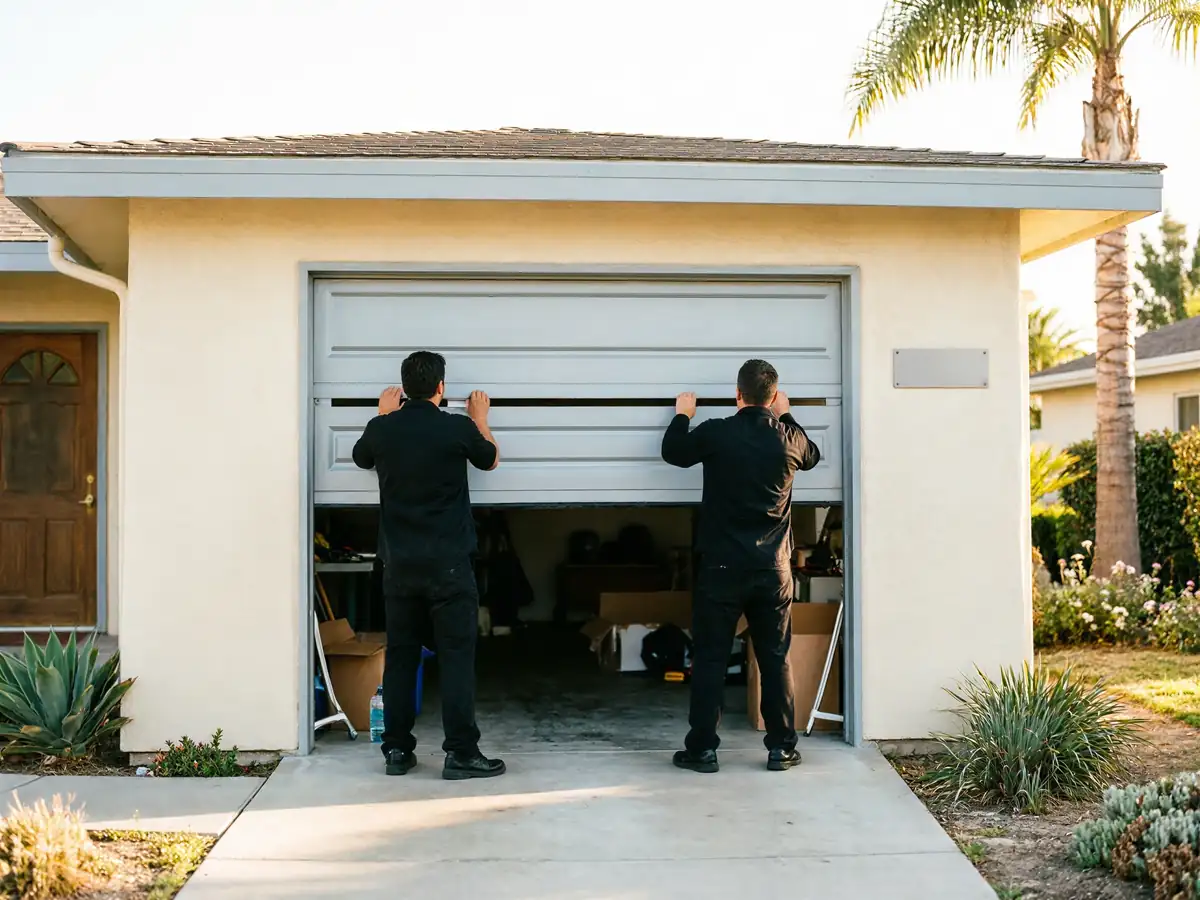
Fairfield Garage Door Pros doesn't keep a branch in Rio Vista. The crew drives out from Fairfield, about 19 miles, same as they do for the other towns on that side of the service area. That doesn't change what gets done on the door, but it does mean maintenance visits here get grouped with other calls on that route rather than squeezed in same-day on a whim.
If you're booking, say so up front that you're in Rio Vista specifically. It helps the scheduler line the visit up with other stops nearby instead of sending a truck out on its own for one job. We don't publish a guaranteed arrival window for this town, and we're not going to pretend otherwise. What we can do is give you a realistic day once the route for that week is set.
If your opener is dead or a spring has let go, that's not a maintenance call, that's a repair call. Say that instead, since it changes how the visit gets prioritized.
What You Pay
We don't have a Rio Vista-specific price list to hand you here
And we're not going to make one up. What drives the number on a maintenance visit is the door itself: how many panels, whether it's one spring or two, how corroded the hardware's gotten, and how long it's been since anyone touched it.
One thing worth knowing about this town specifically
Median household income here runs lower than the broader service area, $86,970 against $102,938 across the area as a whole. That's not a pricing policy, it's just context - we charge the same for the same job regardless of zip code. But it's part of why we'd rather quote a maintenance visit after a quick look than throw out a number that doesn't match what's actually on your garage.
If you want a real figure, ask when you book
We'll give you a range based on what you describe, then a firm number once the tech's eyes are on the door.
What Causes It Around Here
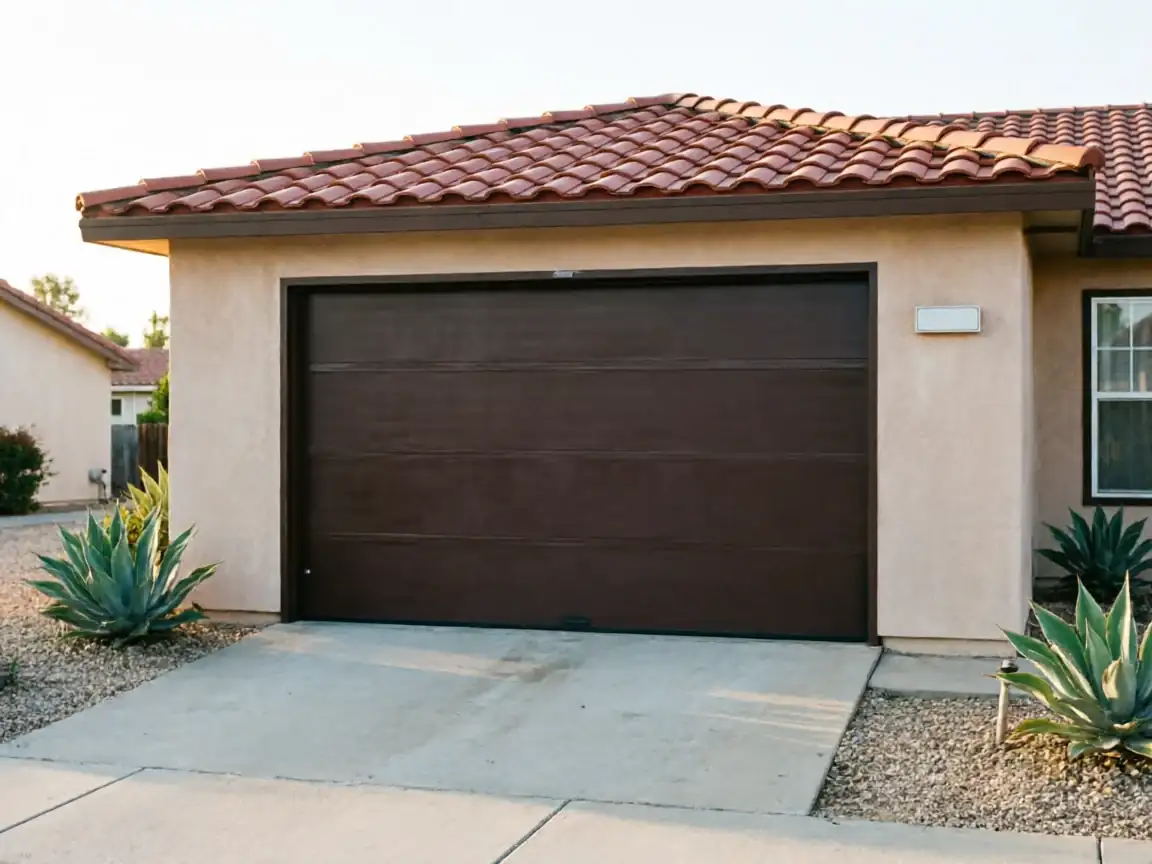
Rio Vista's housing stock runs noticeably newer than most of what this company covers. Median build year here lands around 2002, versus 1979 across the wider service area, where the bulk of houses went up in the 1960s and '70s. That's a real difference, and it means a different set of problems.
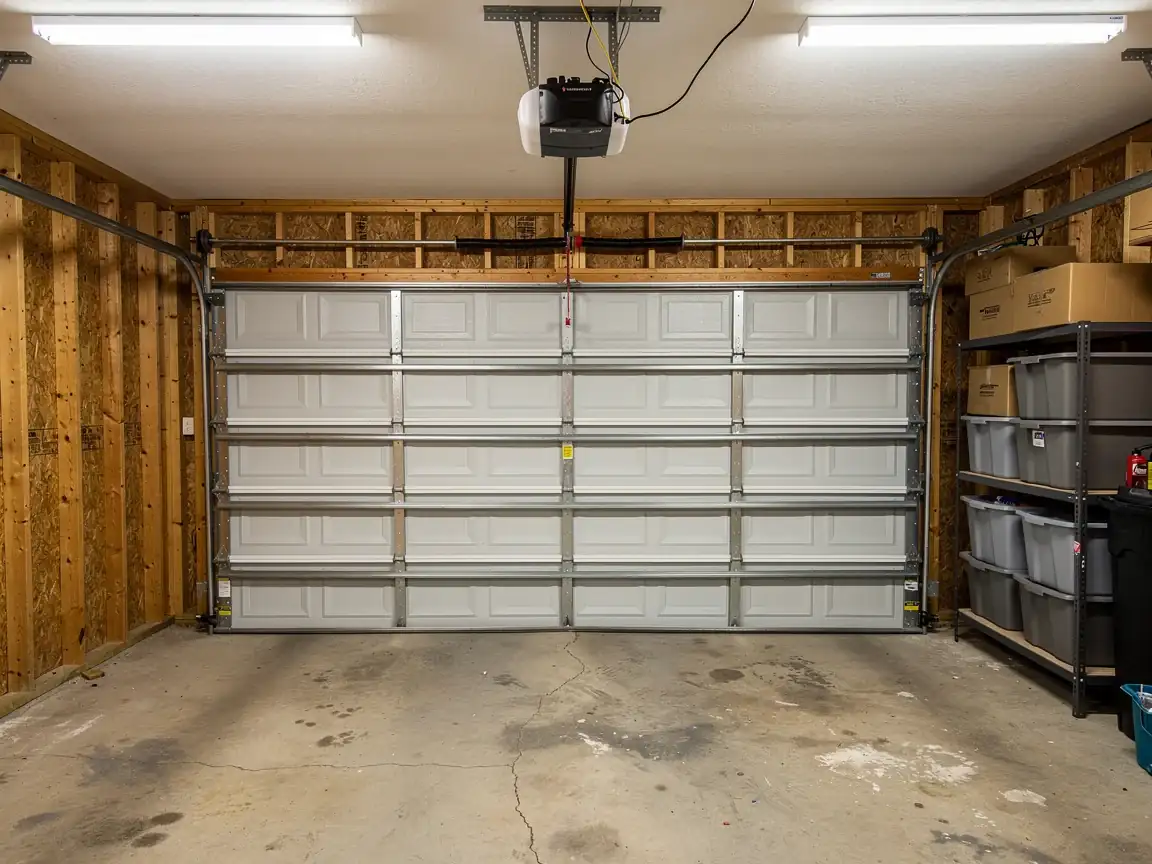
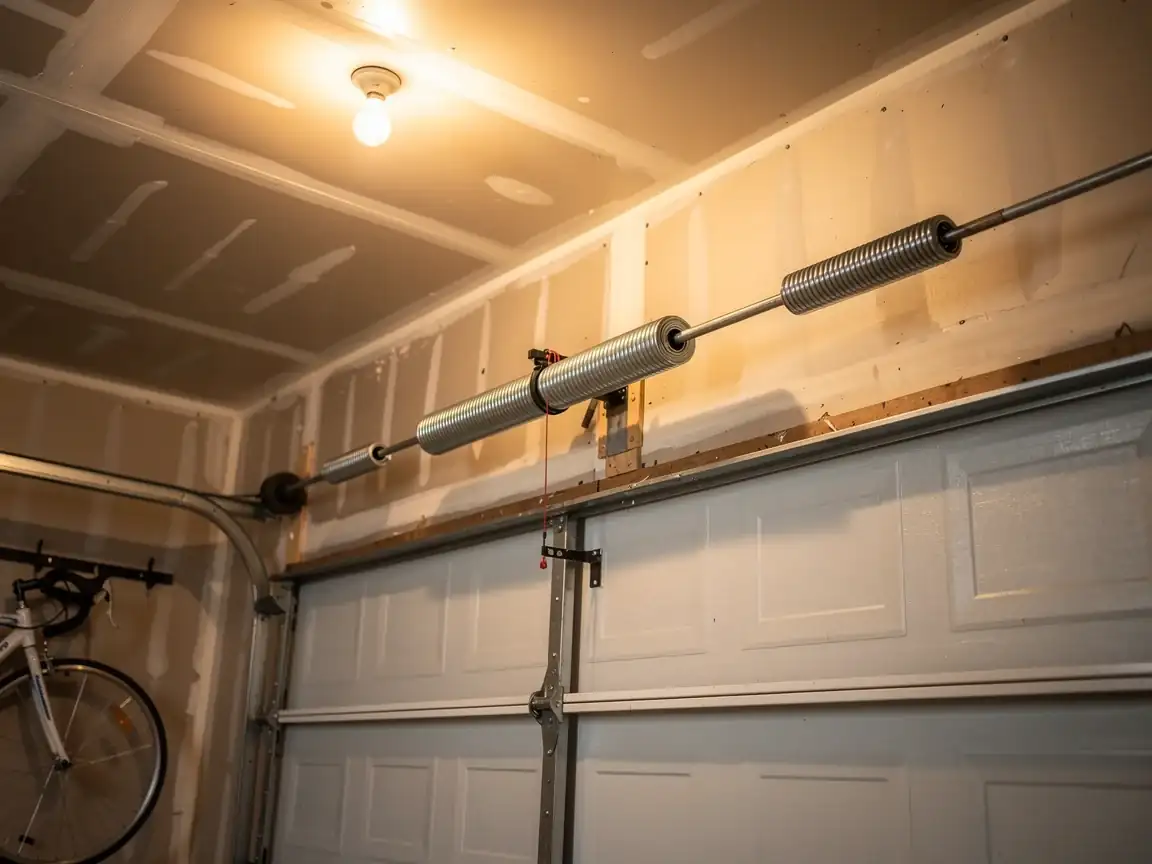
A door and opener installed when a Rio Vista house was built in the early 2000s is still, in a lot of cases, running on its original torsion spring and its original opener motor. Nobody's swapped them out yet because nothing's broken hard enough to force it. That's not a flaw in the house, it's just the math of a 20-plus-year-old mechanical system that gets cycled once or twice a day.
The climate here is mild temperate, so we're not dealing with the kind of freeze-thaw cycling or extreme heat swings that crack seals or warp panels fast. Wear here comes from age and cycle count, not weather. That's actually good news - it means most of what we find on a maintenance visit is preventable if it's caught before the spring lets go.
What You Are Seeing
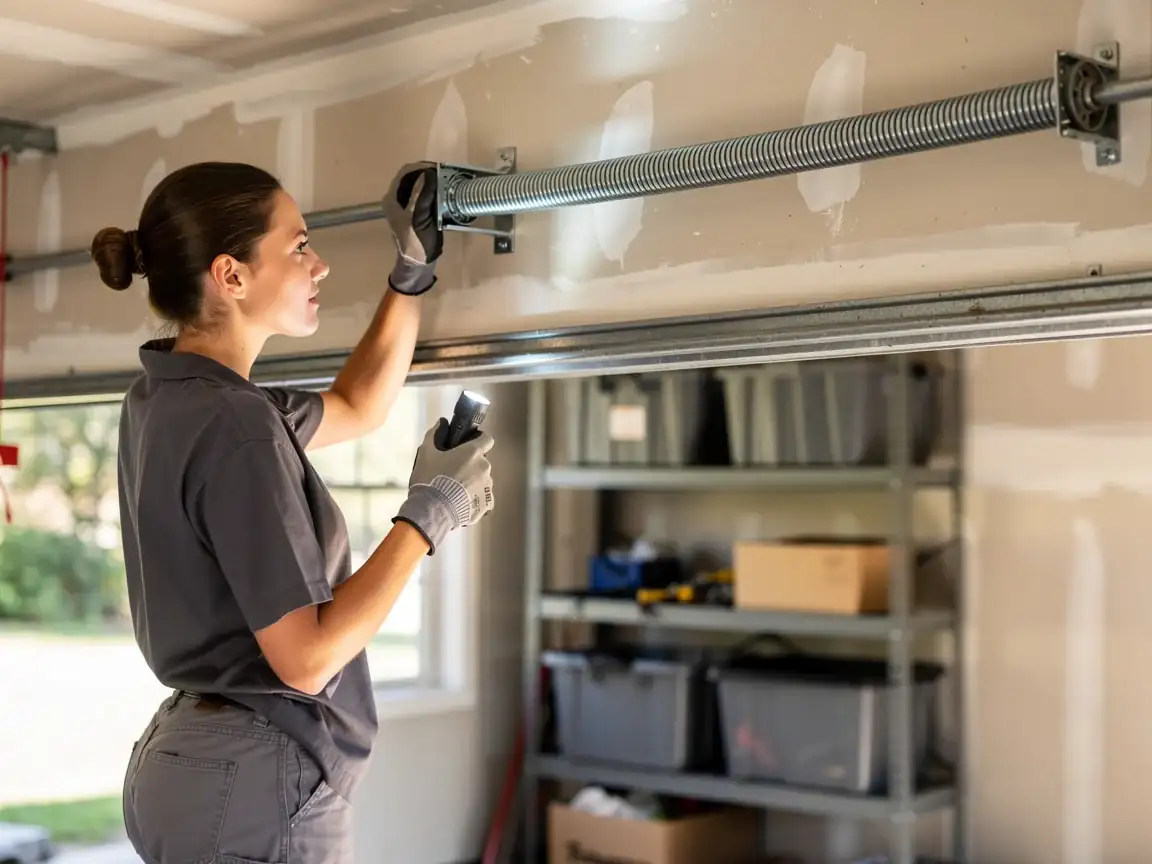
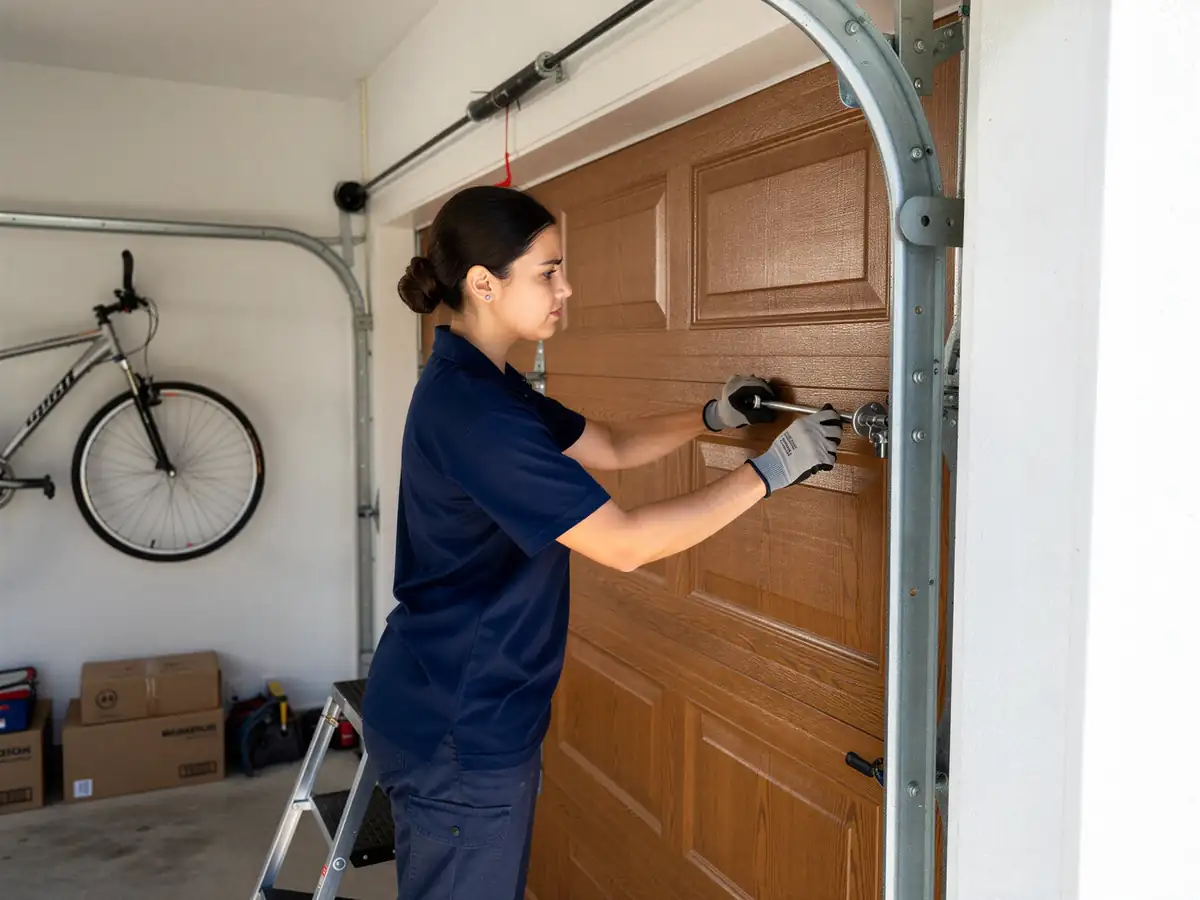
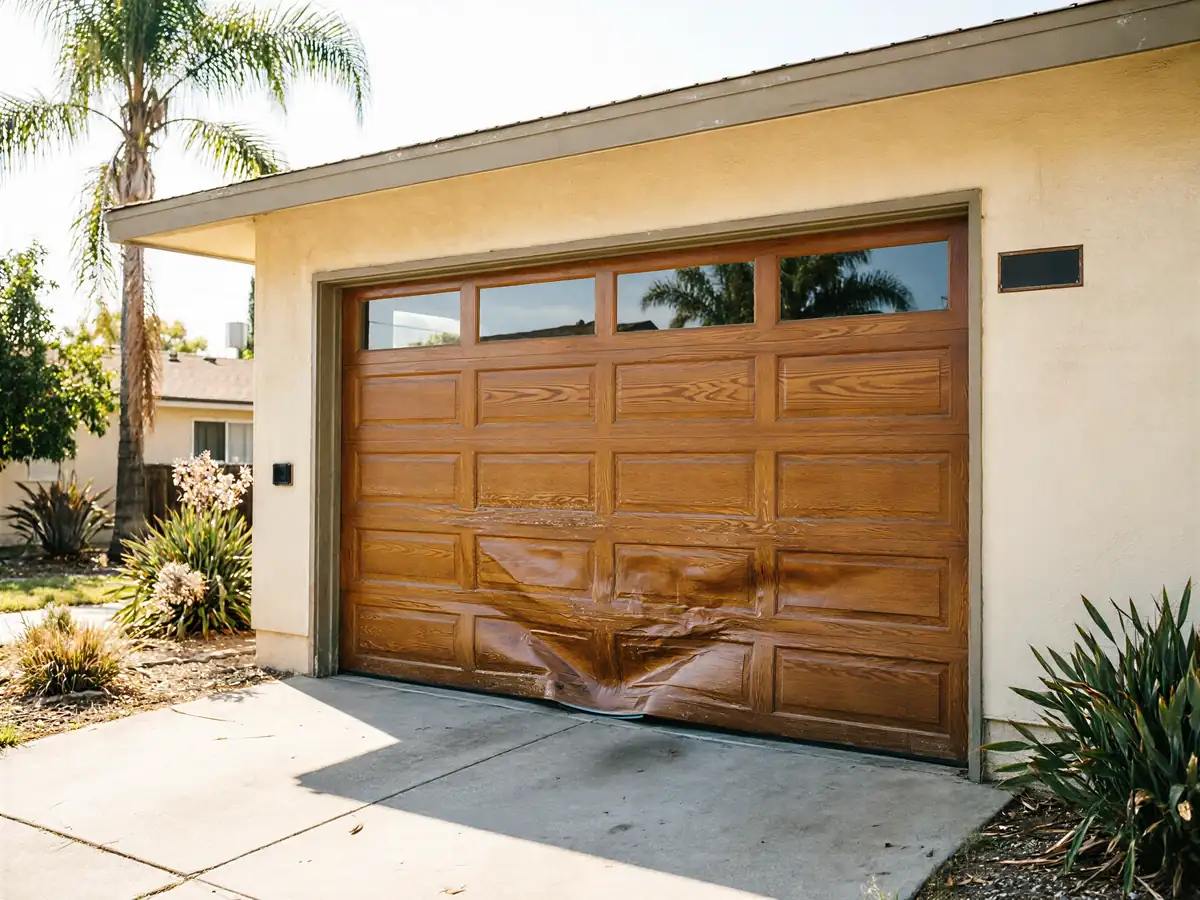
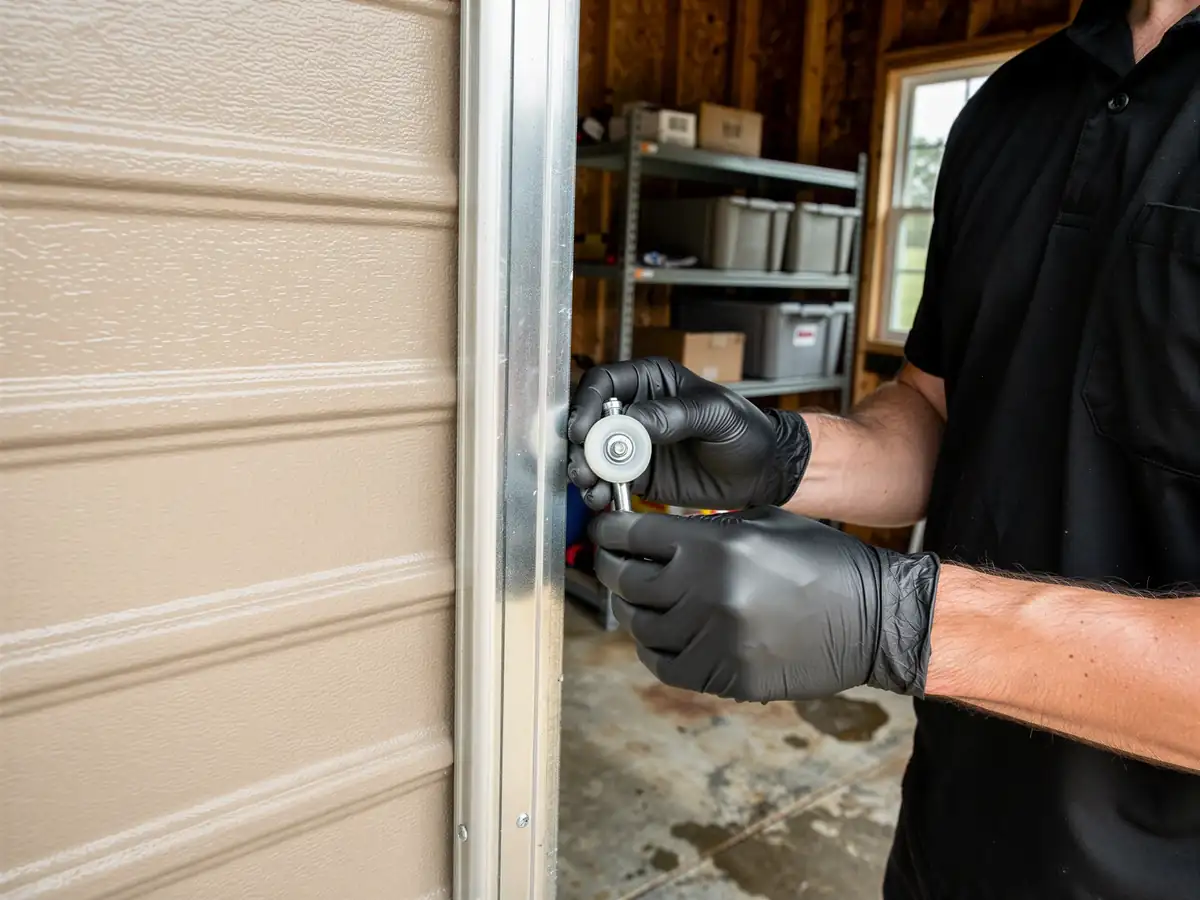
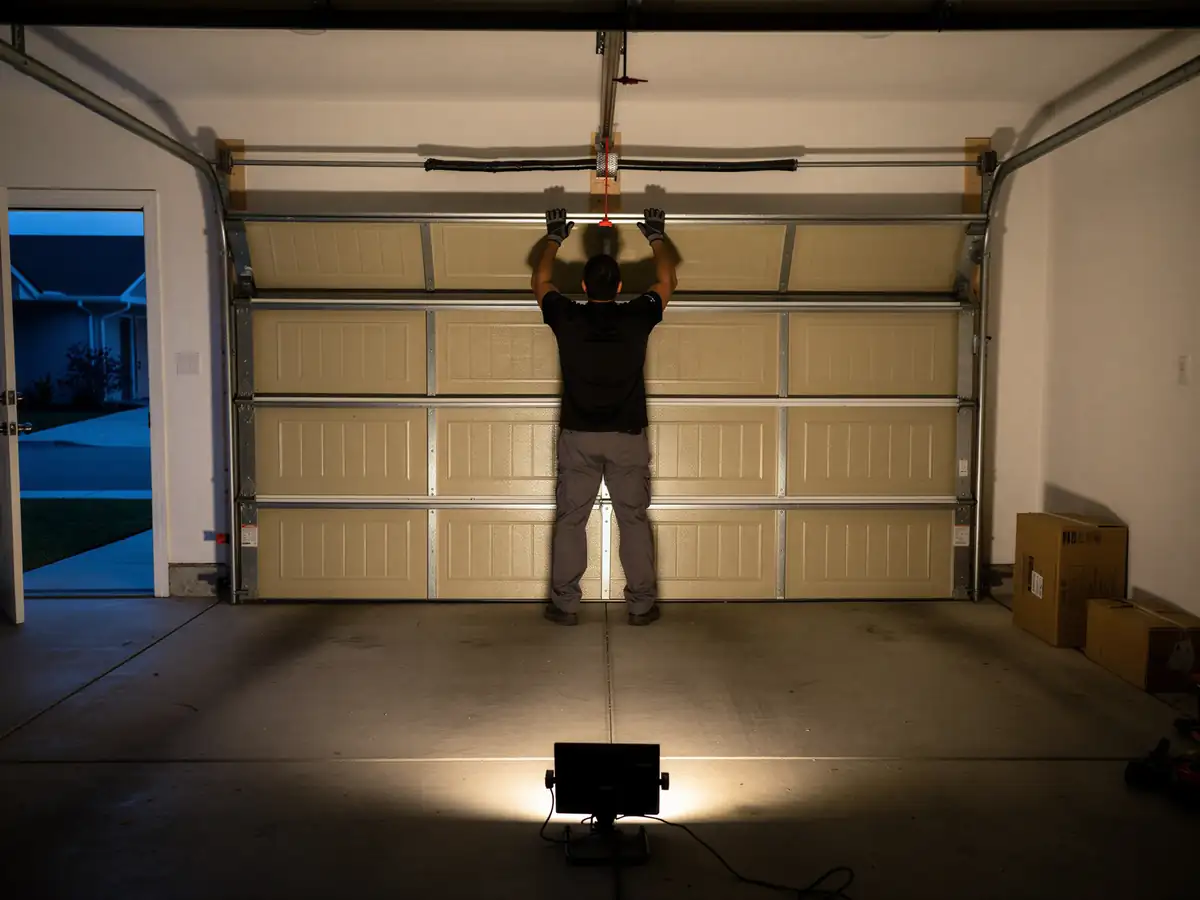
If your door is from the original build, the signs are usually quiet ones before they're loud ones. A torsion spring that's been doing its job since 2002 doesn't usually snap without warning - it starts sagging first. The door feels heavier than it used to when you lift it by hand. The opener strains a half-second longer before it catches. Rollers that have never been lubricated start to chirp on the way up.
None of that means the door is about to fail tomorrow. It means the hardware is in its late service life and a maintenance visit now catches the spring before it catches you - usually by snapping while the door's halfway up, which is the expensive way to find out.
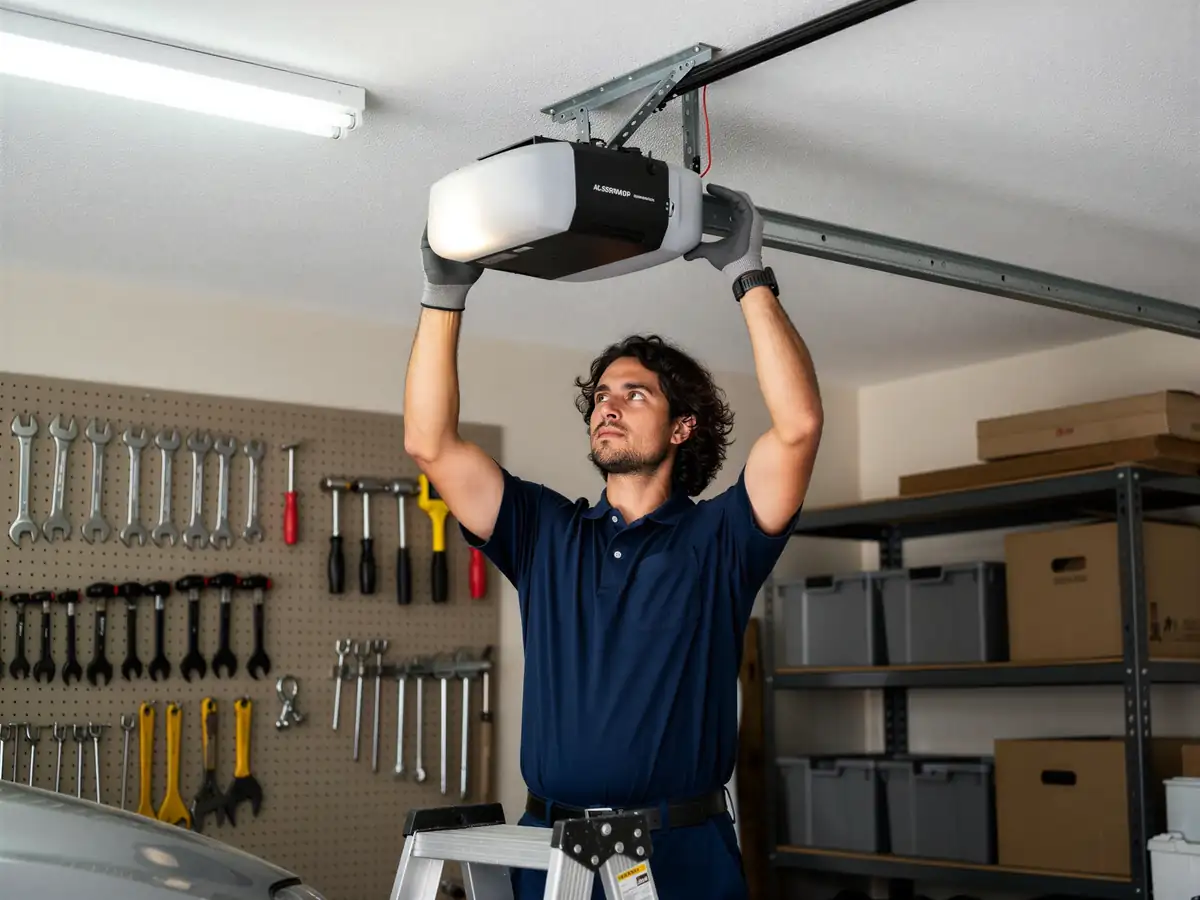
We also see openers from that era with worn drive gears or sensors that have drifted out of alignment over twenty-some years of settling. If your opener is clicking, reversing for no reason, or the light sensors aren't lining up right, that's worth a look on the same visit.
How Long It Takes
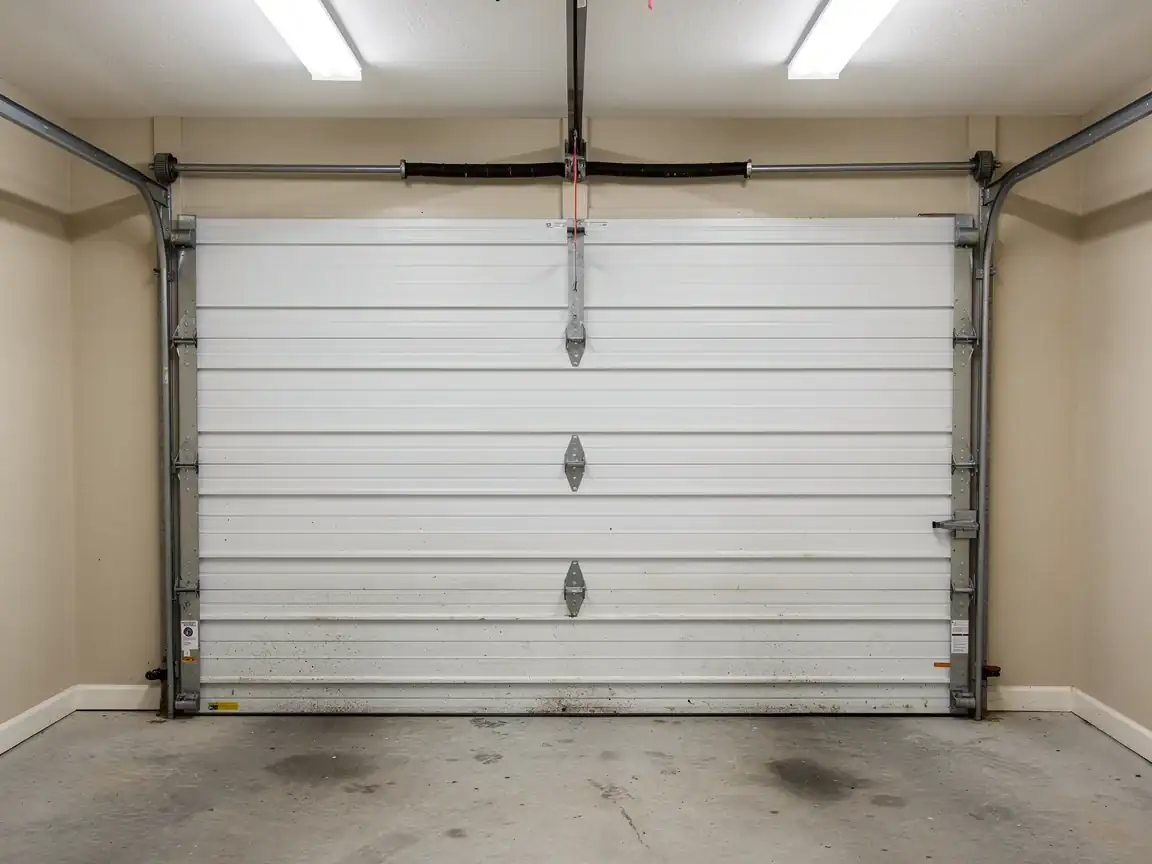
A maintenance visit on a single door with original hardware generally takes longer than one on a door that's had parts replaced in the last decade
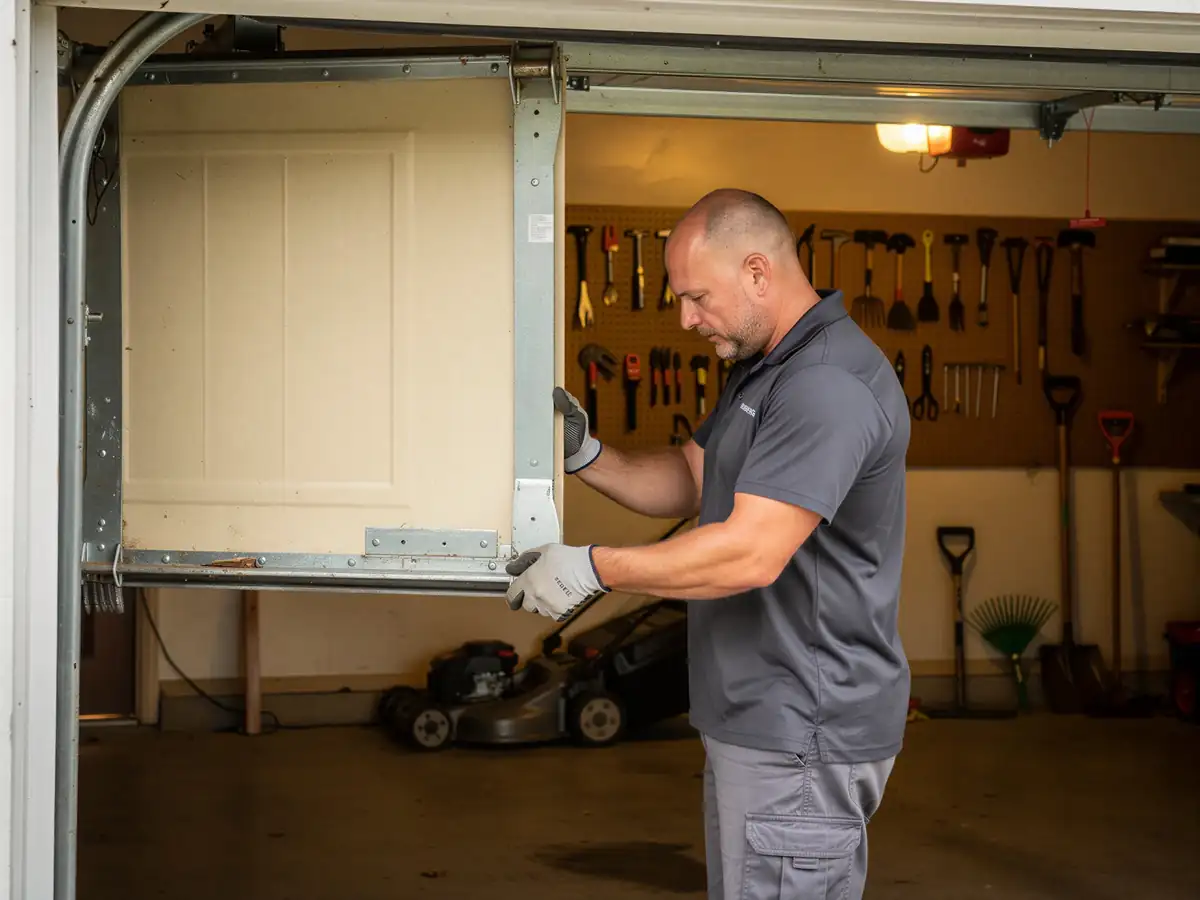
Simply because there's more to inspect and more that might need adjustment - spring tension, track alignment, opener gear wear, sensor alignment. A tech working on hardware that's two decades old isn't going to rush that inspection.
What we won't do is give you a fixed number of minutes here
Because it depends on what the door actually needs once we're in front of it. Two doors built the same year in the same subdivision can be in very different shape depending on how often they've been opened and whether anyone's ever lubricated the rollers.
What we can tell you is that if the visit turns up a spring near the end of its life or an opener gear that's stripped
That's a separate conversation about repair, not something we squeeze into the same appointment without talking to you first.
The Complications
The honest limitation here is distance. Being 19 miles out from Fairfield means Rio Vista maintenance calls work best when they're not last-minute. If a part turns out to need replacing mid-visit and we don't have it on the truck, that's a second trip, and the scheduling for that second trip depends on the route for the week, not just how fast we can turn around.
The other complication is more interesting: because so much of this town's housing stock came up around the same time, in the early 2000s, a lot of original hardware across different houses is aging out at close to the same rate. That's not a problem on any one visit, but it does mean that if your neighbor just had a spring go, yours might not be far behind, even if nothing's made a noise yet.
We don't inspect hardware we can't see. If your door's never had a cover panel off or the springs aren't visible from a straight look, tell the tech before the visit so they bring the right tools.