How Long It Takes
A new garage door is a one-visit job once the opening is measured and the door is on the truck. What changes the schedule isn't the install itself, it's the trip: Benicia sits 15 miles from our Fairfield shop, so we build the day around getting the right door, track hardware, and springs loaded before we leave rather than making a second run for a part we forgot. We don't promise a same-day window here the way we might for a stop a couple miles from the shop. If you're swapping a standard steel sectional for another standard steel sectional, the hang itself is straightforward. If you're going custom width, insulated core, or a carriage-style overlay, the door itself may need to be ordered first, and that lead time sits with the manufacturer, not with the drive. We'll tell you up front which category your job falls into before we quote a date. Weather rarely pushes an install here - the mild temperate band this part of the service area sits in doesn't bring the hard freezes or storm delays that stall jobs elsewhere.
How We Fix It
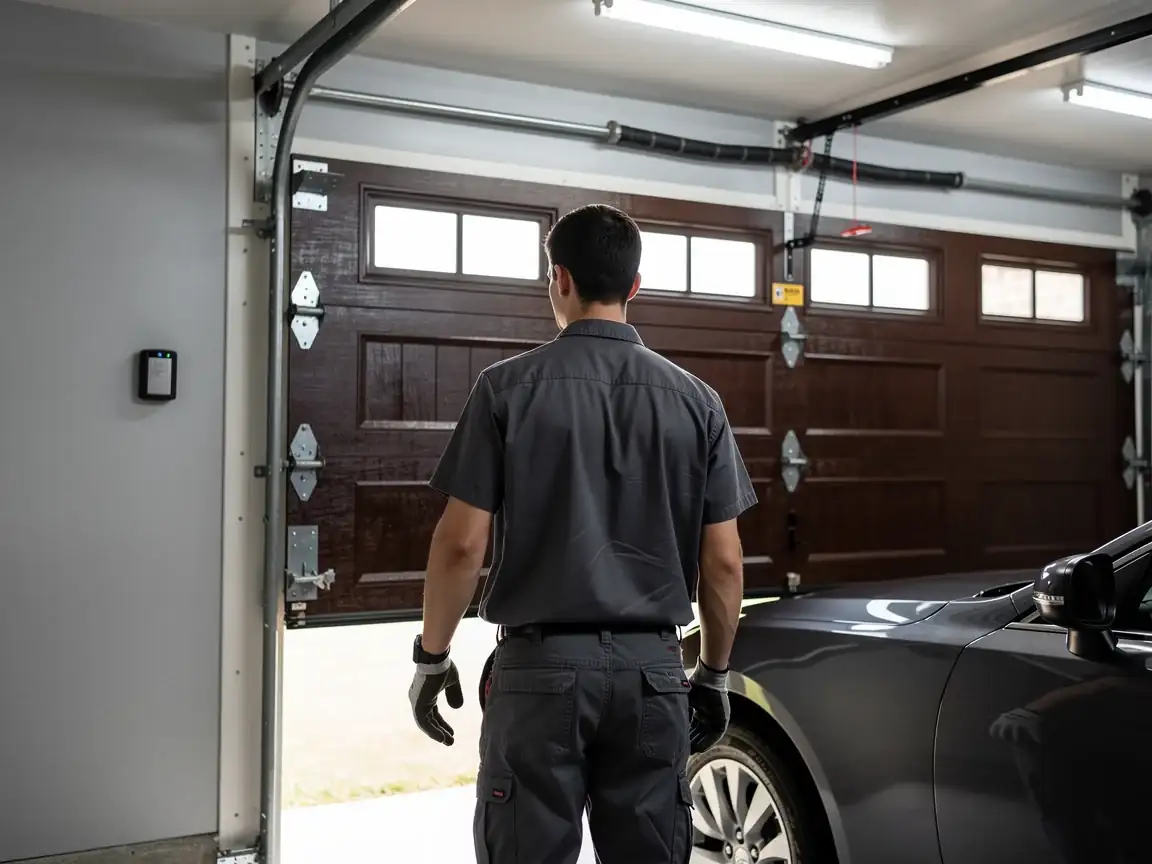
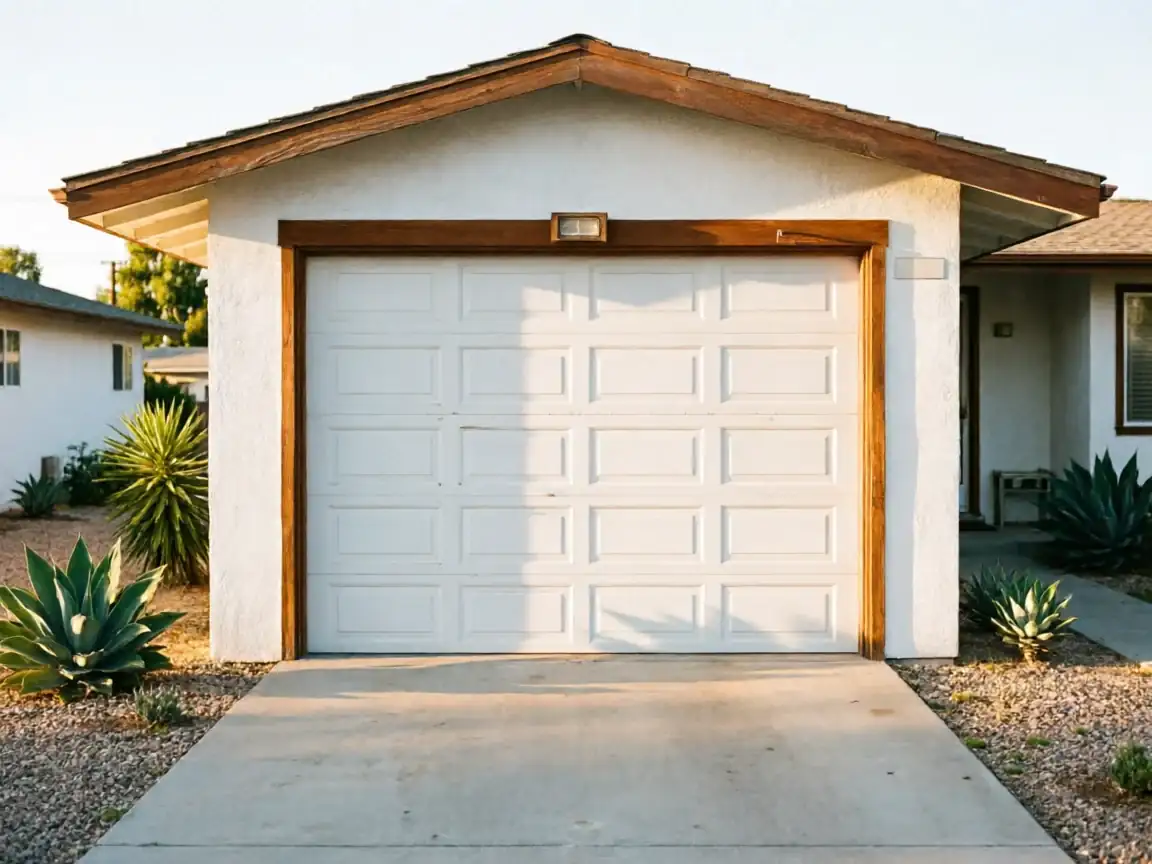
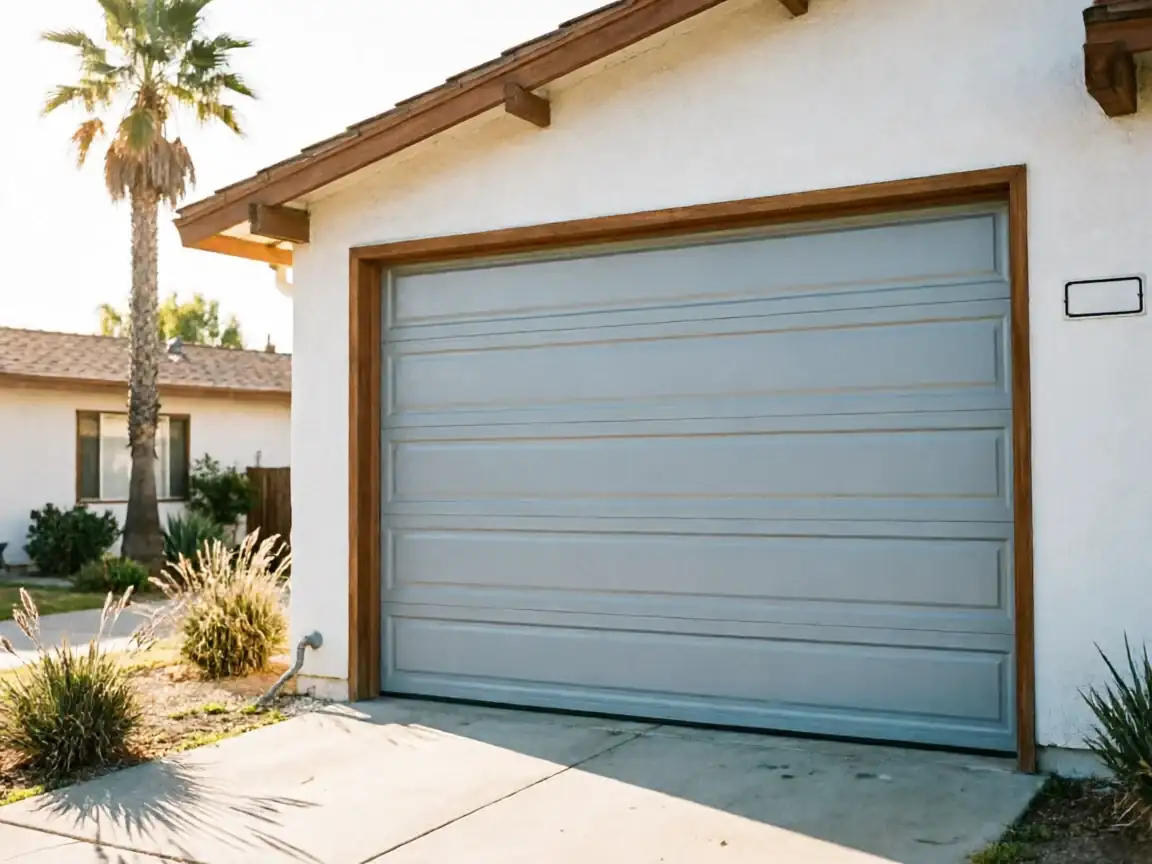
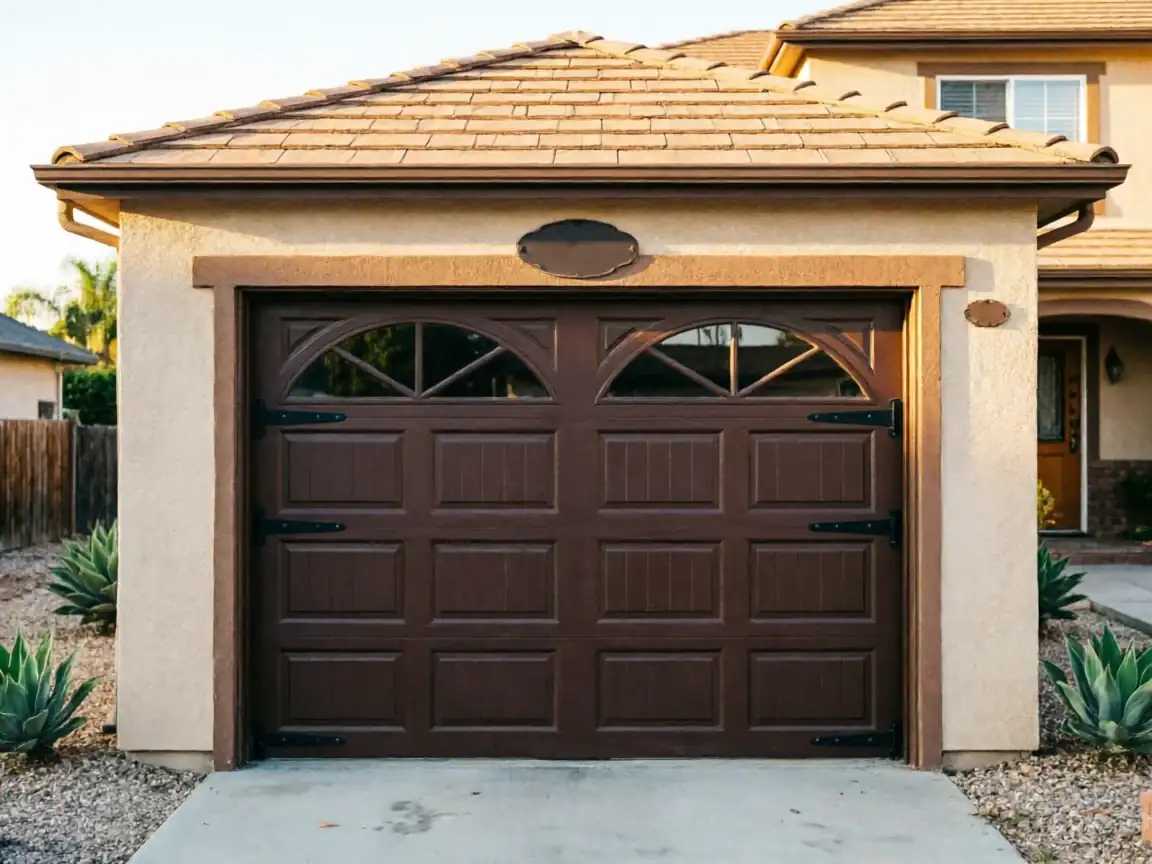
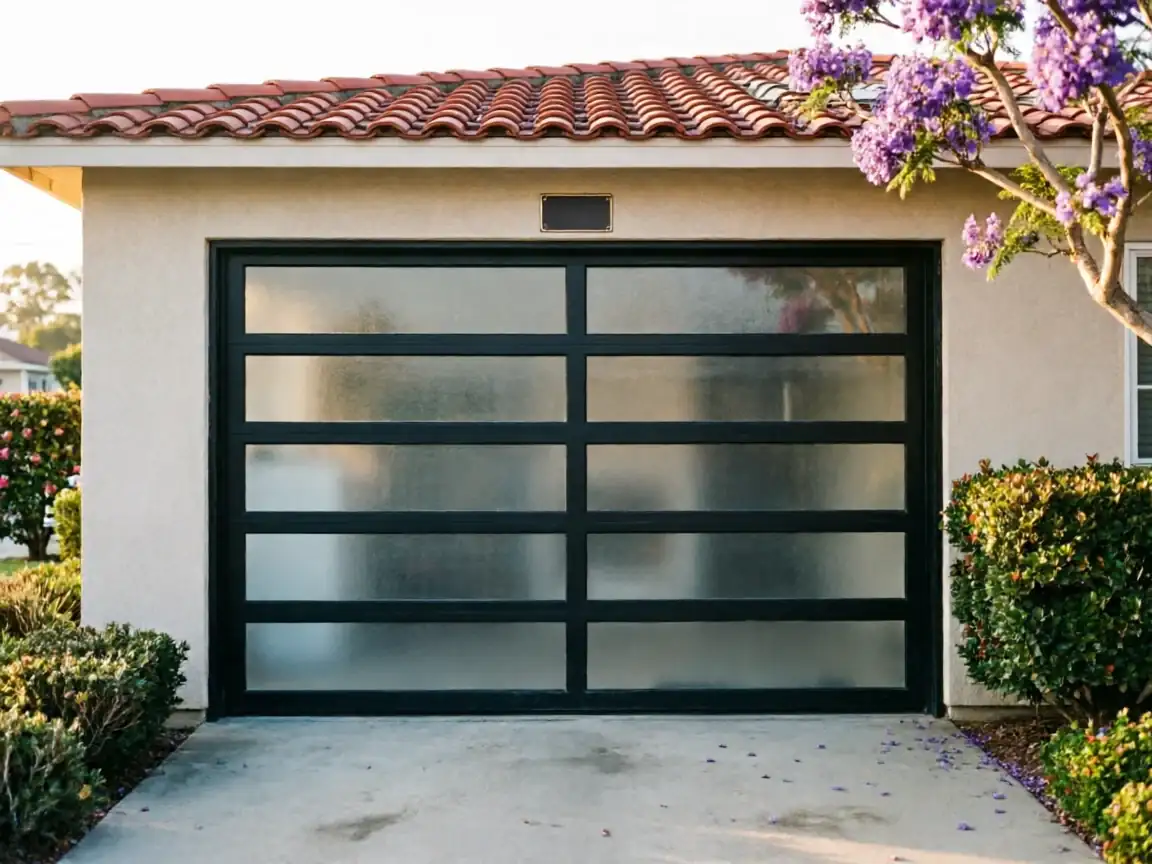
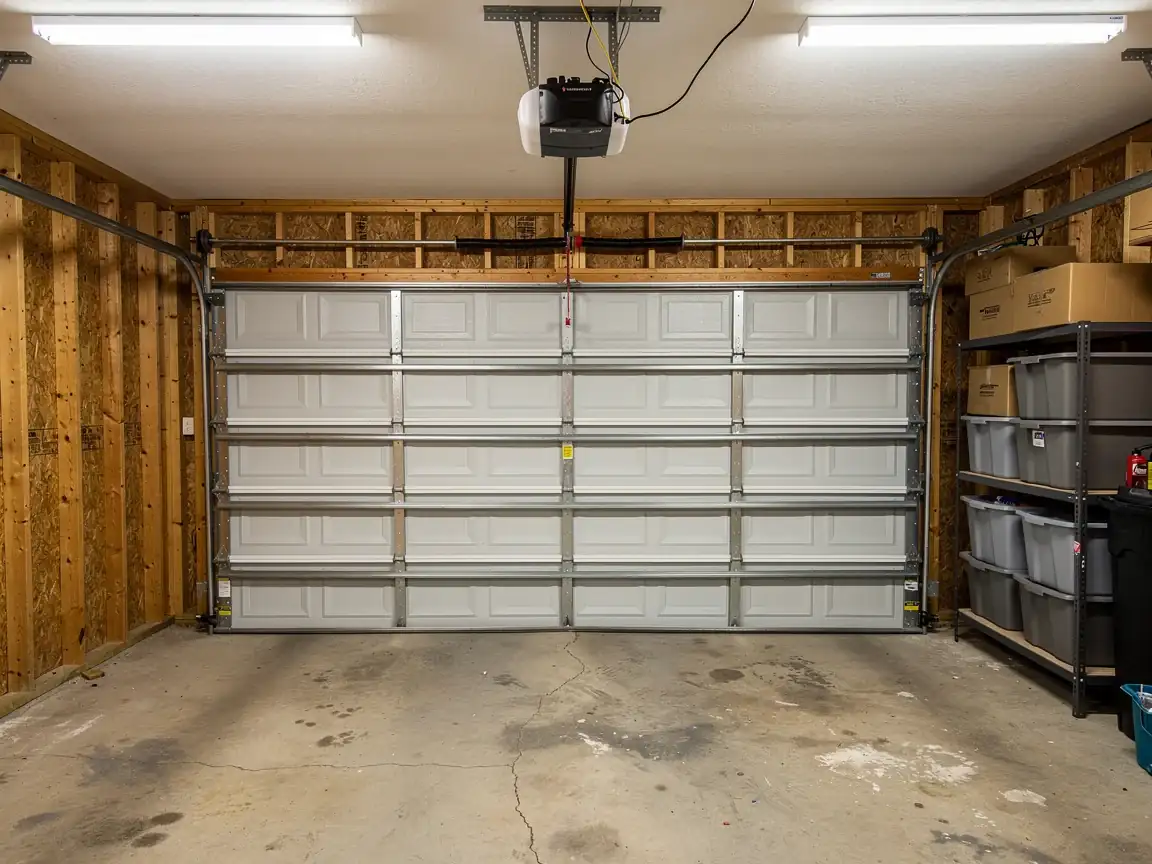
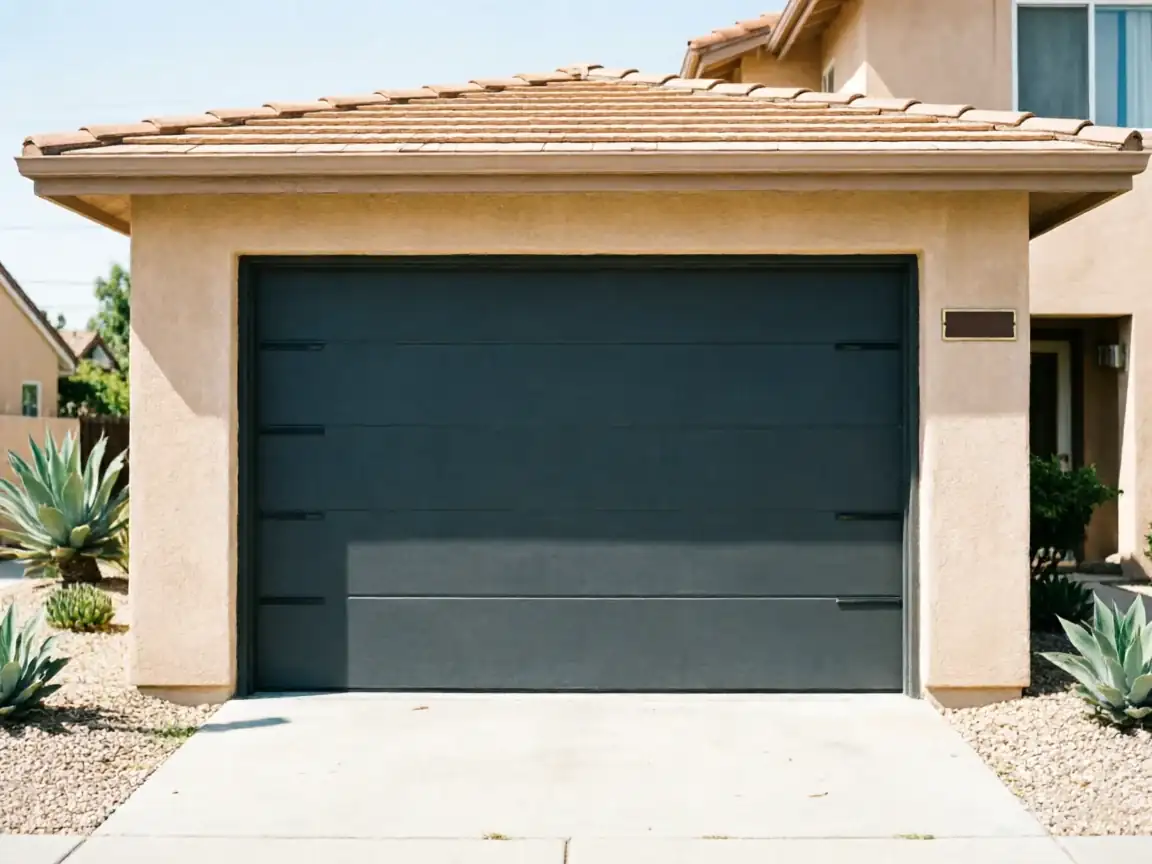
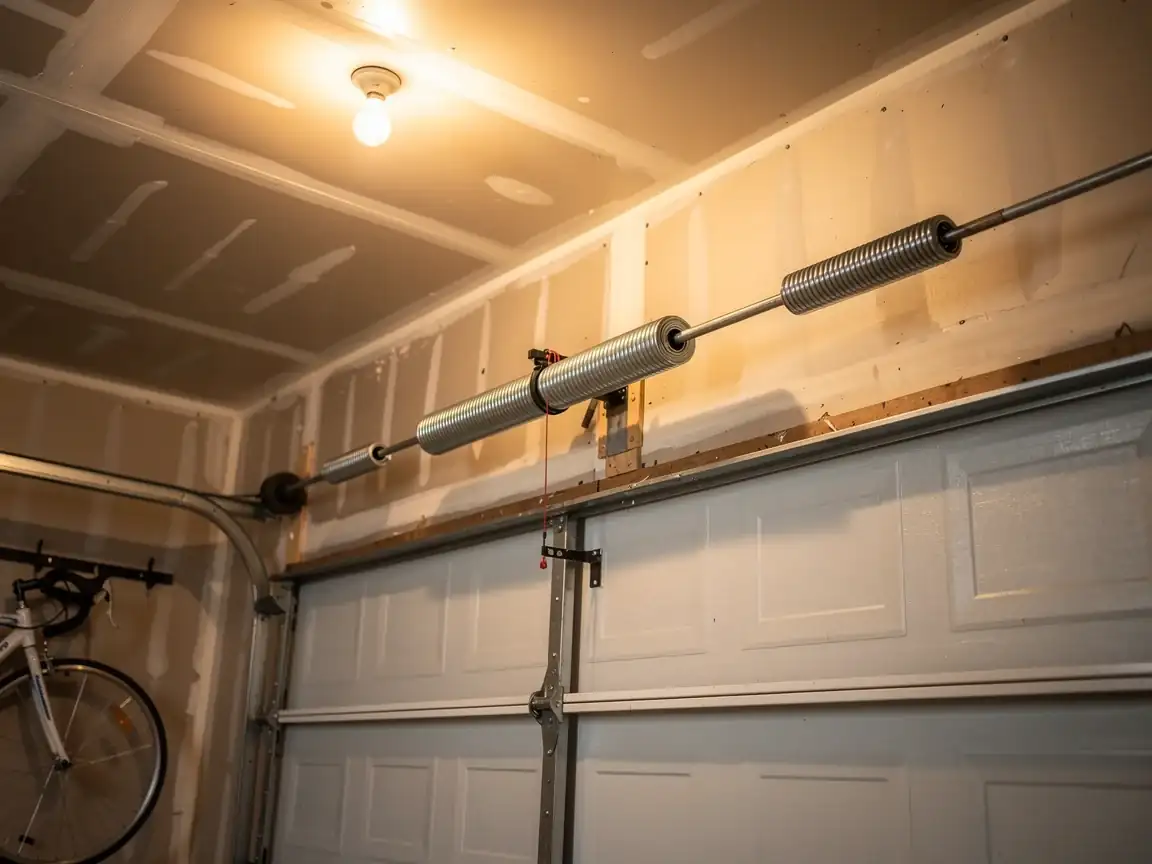
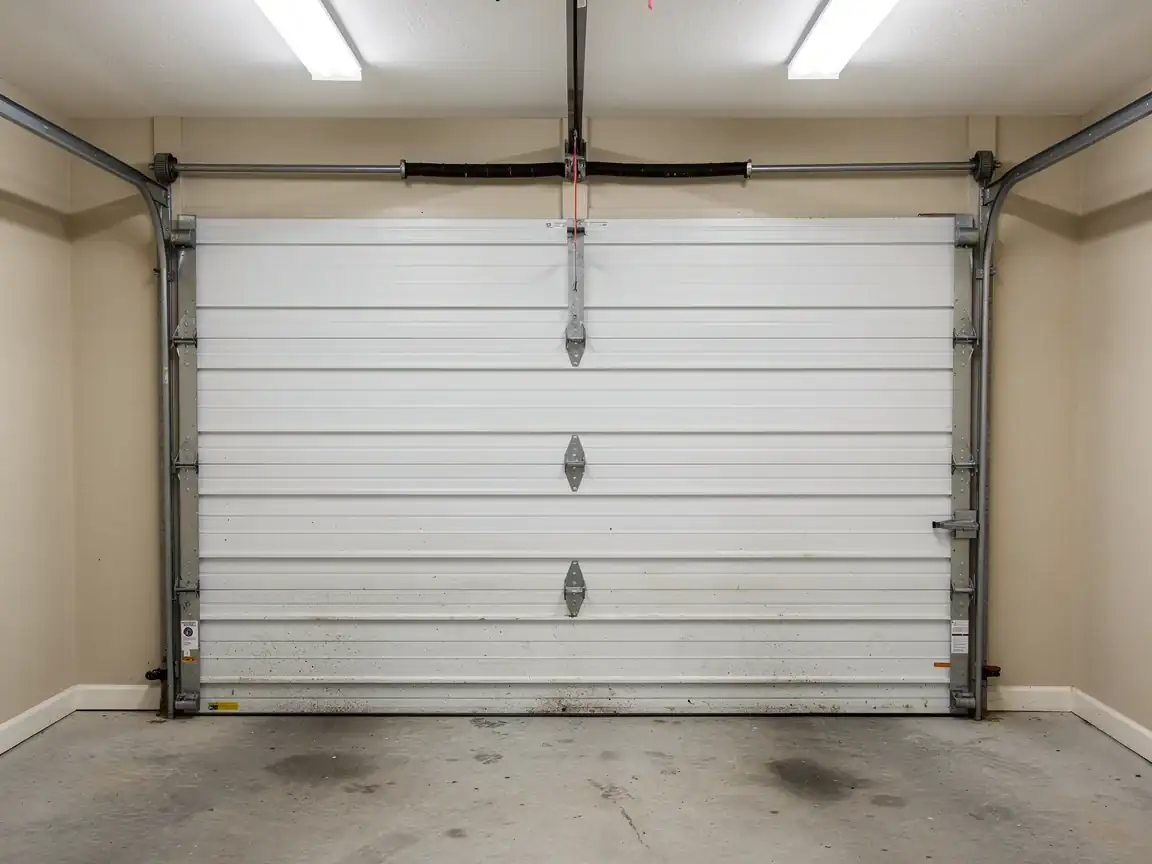
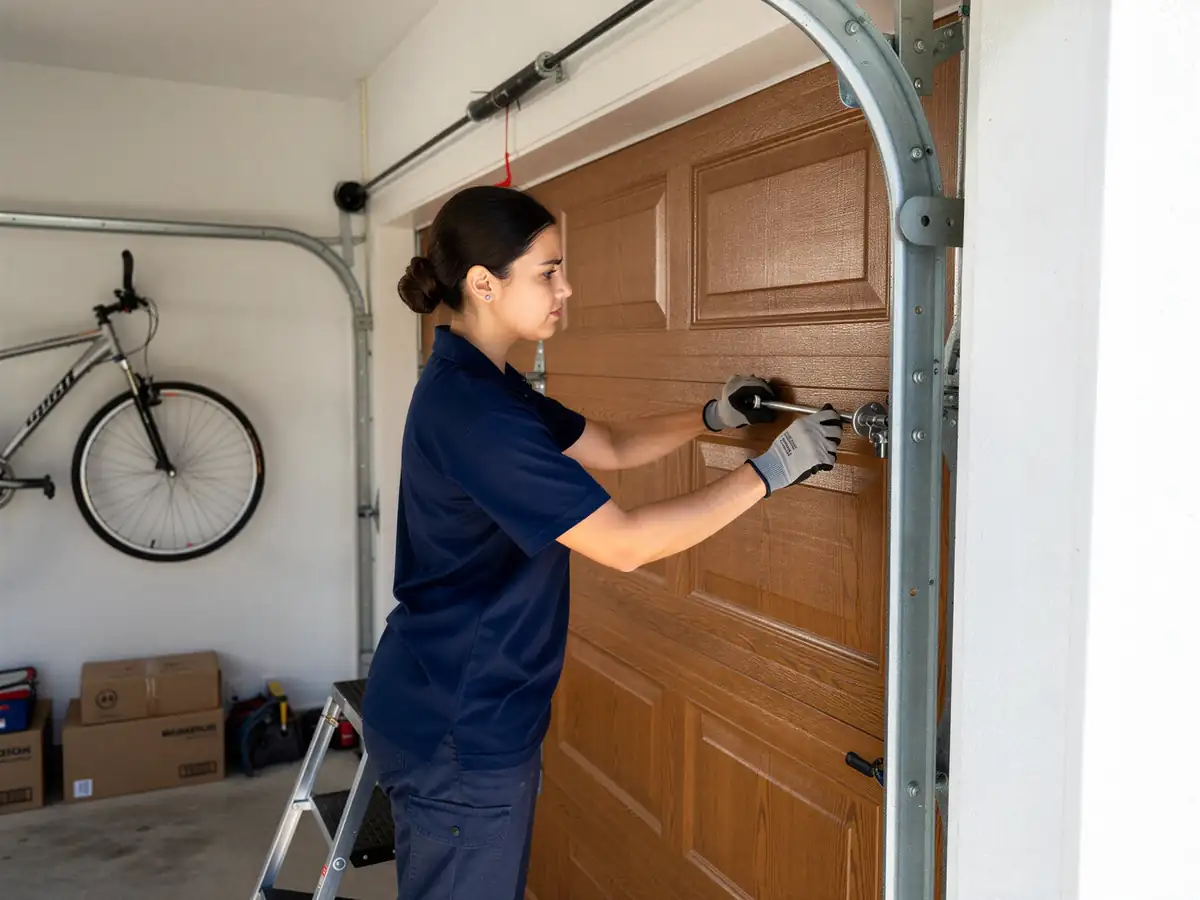
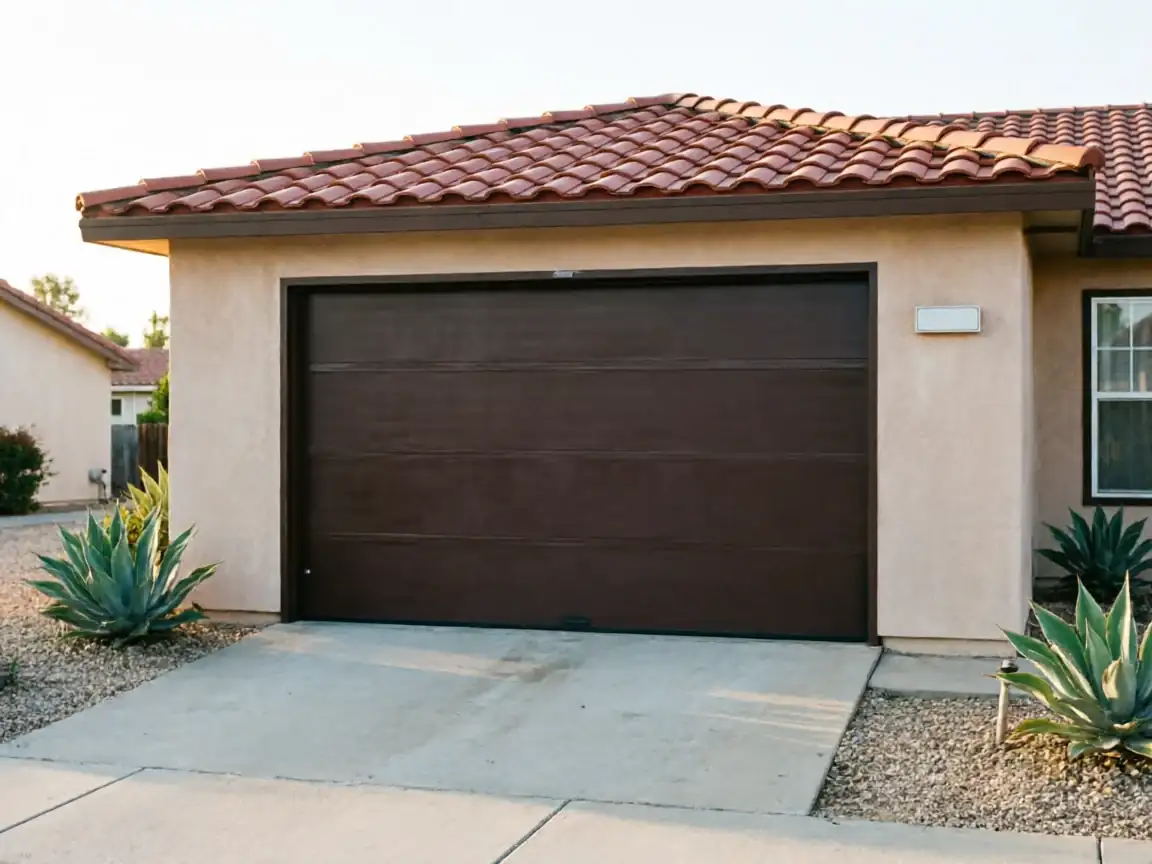
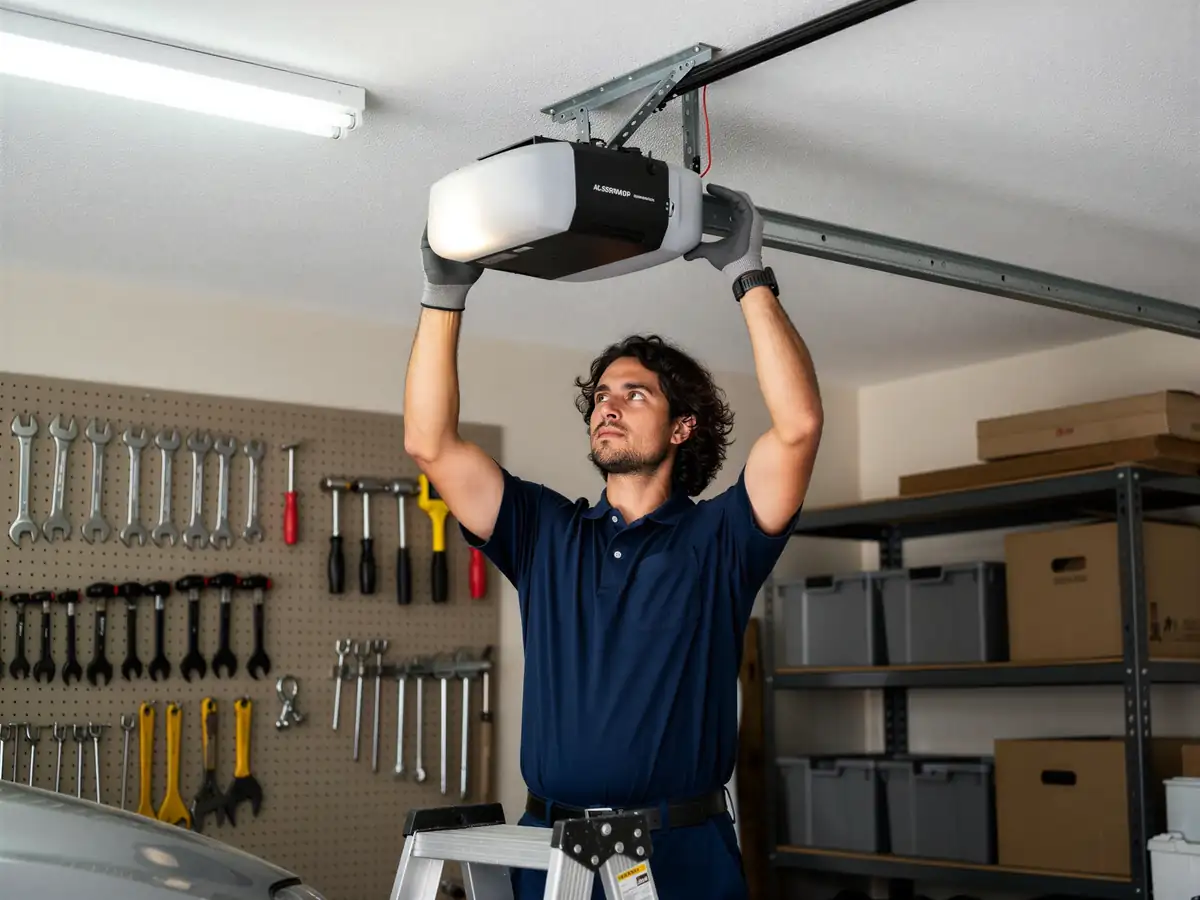
We measure the opening, note the headroom and backroom you've actually got (not what a 1981 build sheet assumed), and size the new door, track, and torsion springs as one system. For Benicia, where median household income runs well above the wider service area's $102,938, we see more requests for insulated steel and wood-look composite doors than for the bare single-layer steel that was standard when these houses were built - people are upgrading the look and the R-value at the same time they're replacing a worn-out door, not just swapping like for like. We haul the old door and hardware off the property; we don't leave it in the driveway. One honest limit: custom widths and specialty finishes are special order, and we can't compress that lead time no matter how close or far the job site is. Standard 16-foot double and 9-foot single steel doors we typically have on hand. We also check the opener while we're there - a door upgrade on an opener sized for the old panel weight is a comeback call waiting to happen, so we flag it rather than hang new steel on an undersized motor and call it done.
What Causes It Around Here
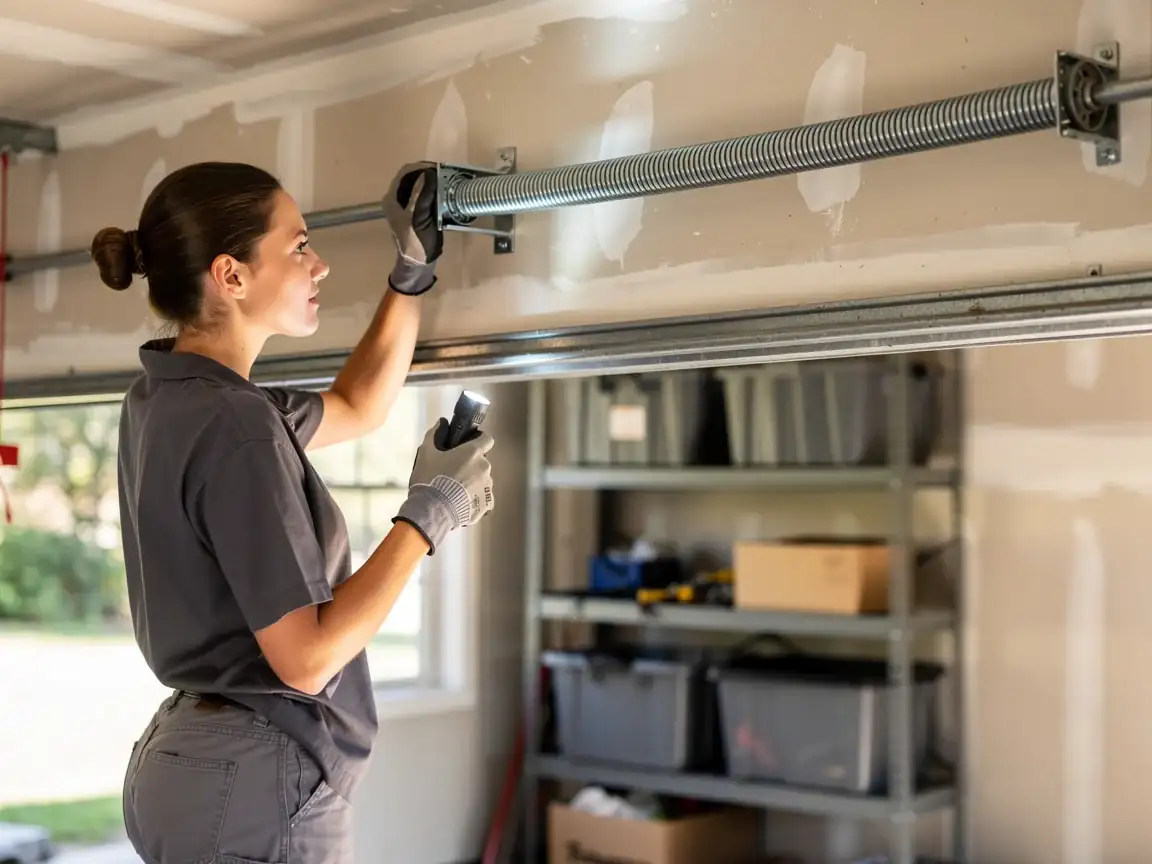
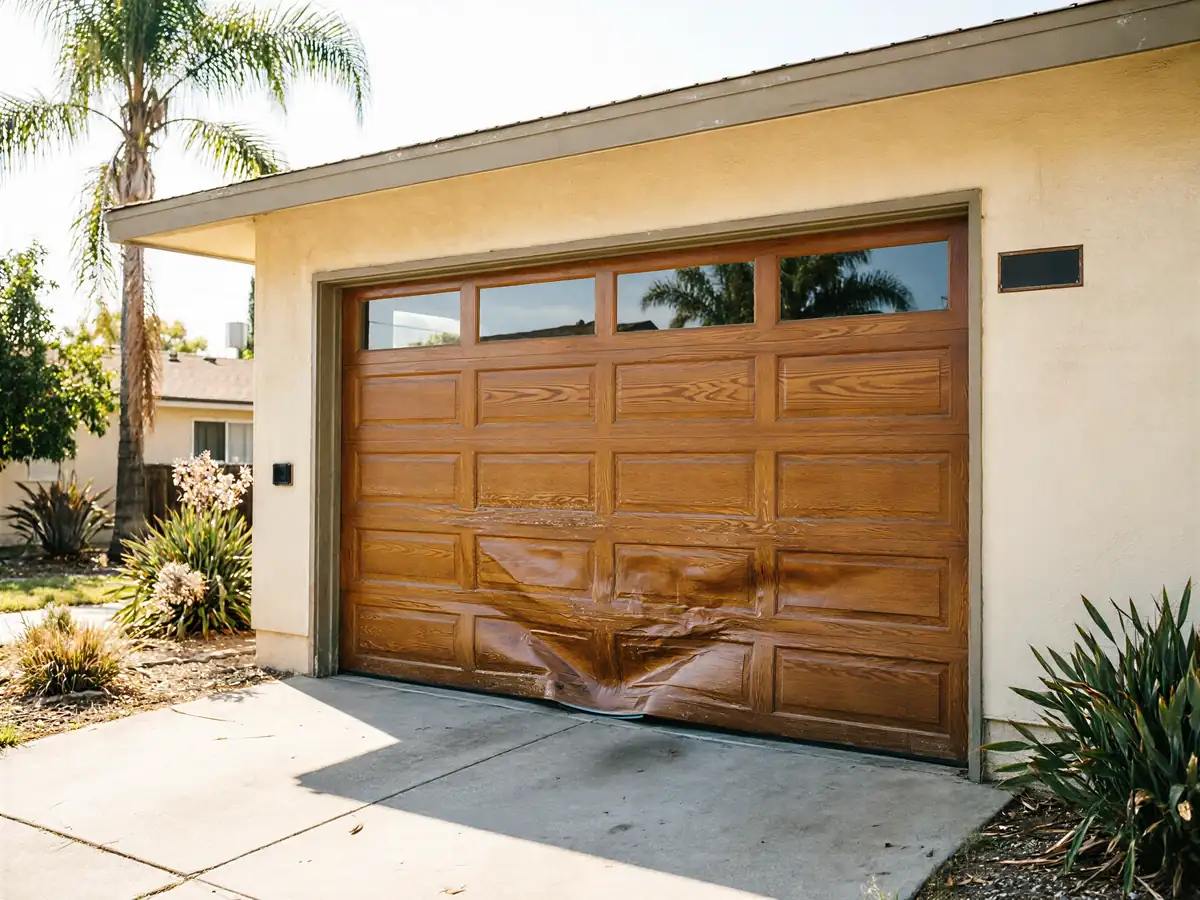
Benicia is one of nineteen communities across the wider service area, and its own numbers set it apart from the rest: roughly 10,916 households, a median build year of 1981, and household income noticeably higher than the service area's overall $102,938. That combination shows up on the job. Houses from 1981 mostly carry standard-size openings, which keeps most replacements simple on the measuring side, but the hardware on those openings is old enough that galvanized torsion springs and steel track have usually seen their working life out. The mild temperate climate across this part of the service area means we're not fighting salt air corrosion or deep-freeze metal fatigue the way a coastal or mountain town would - what fails here is mostly fatigue from age and cycle count, not weather damage. Higher household income tends to shift the replacement conversation toward insulated and better-finished doors rather than the cheapest steel panel available, which is the main reason Benicia installs skew toward upgraded product more than toward a straight swap.