How Long It Takes
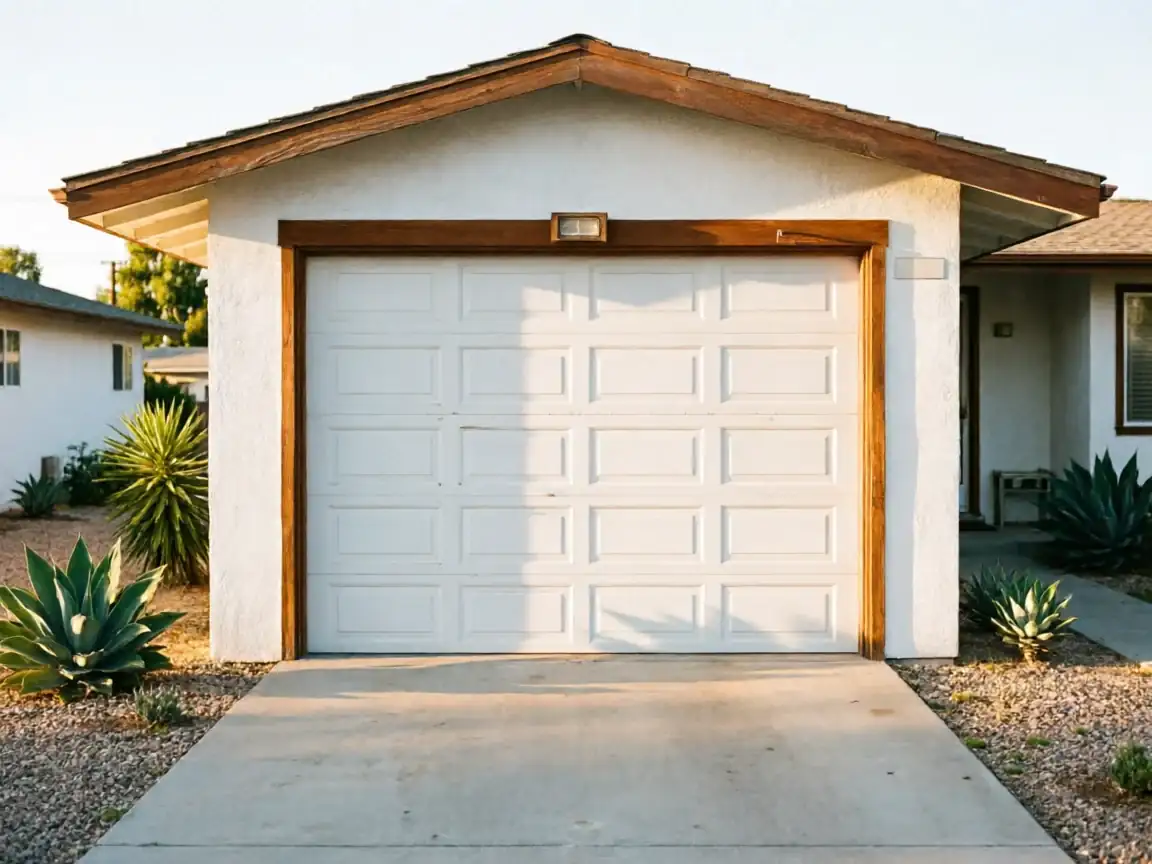
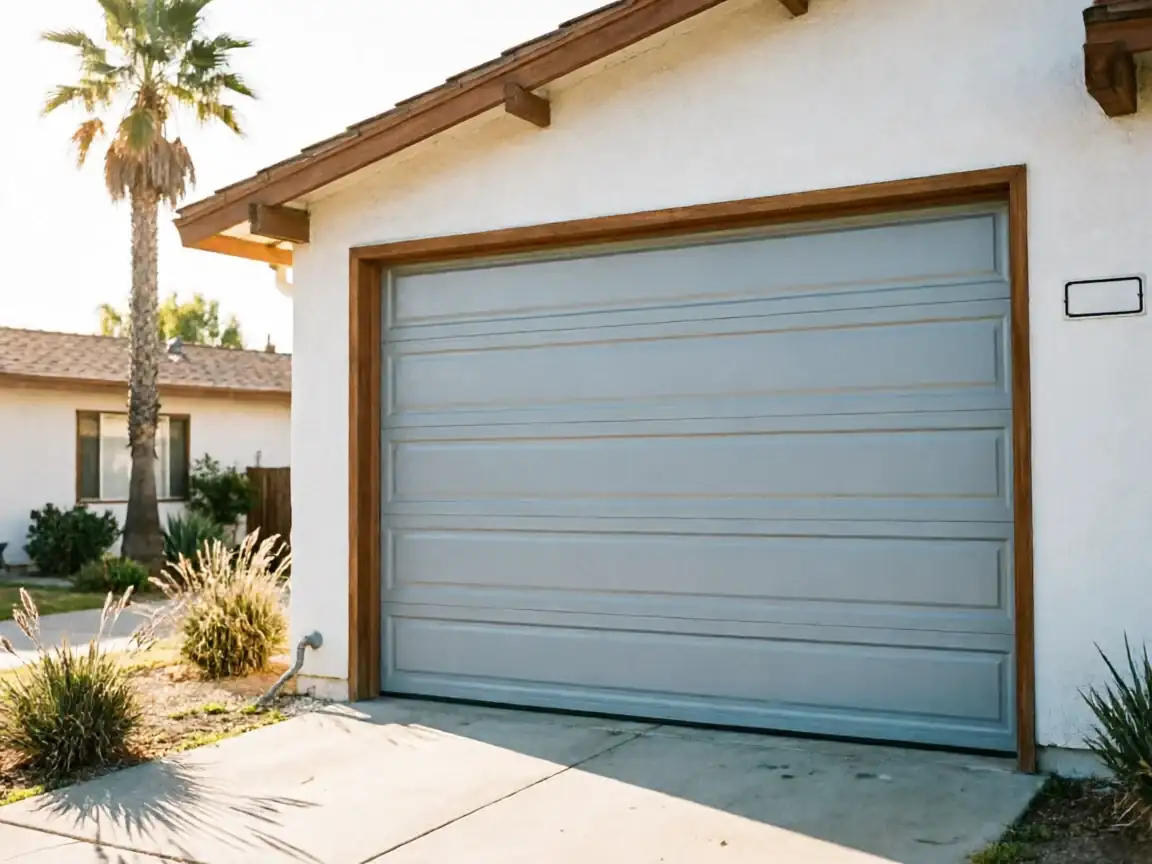
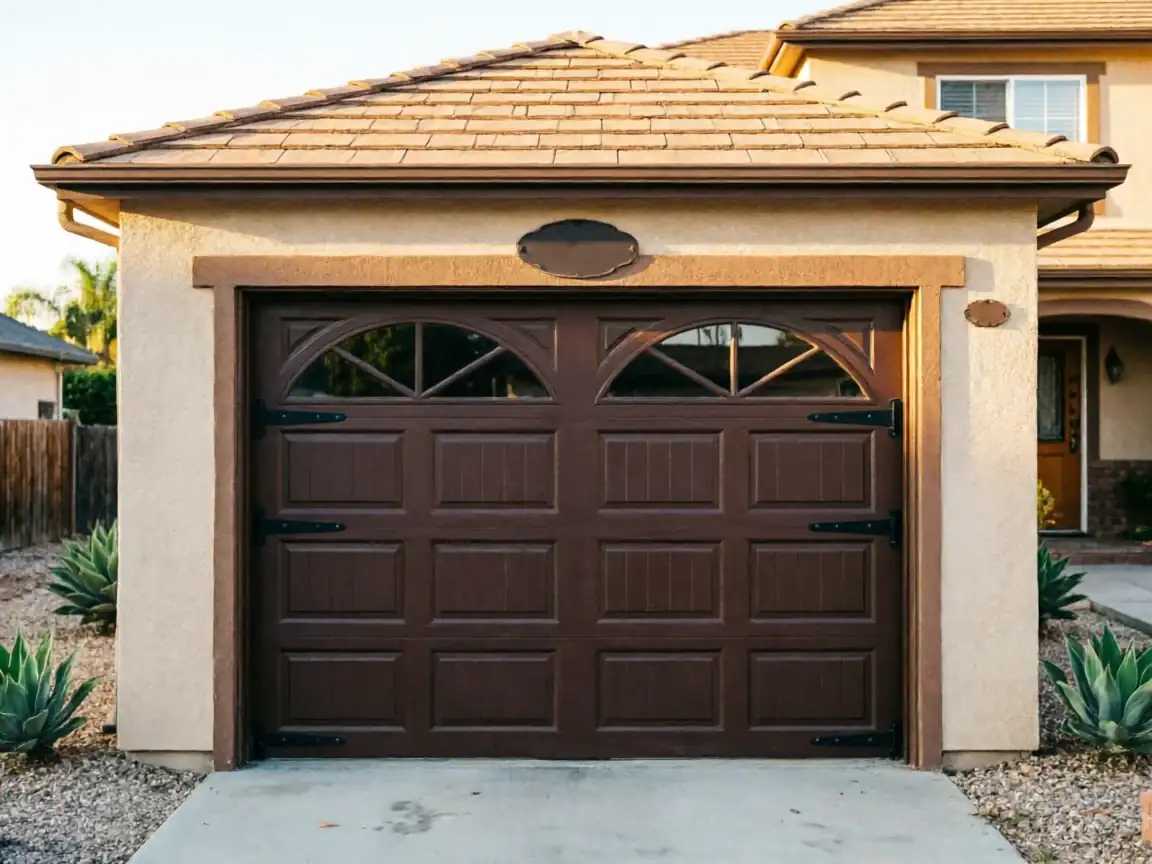
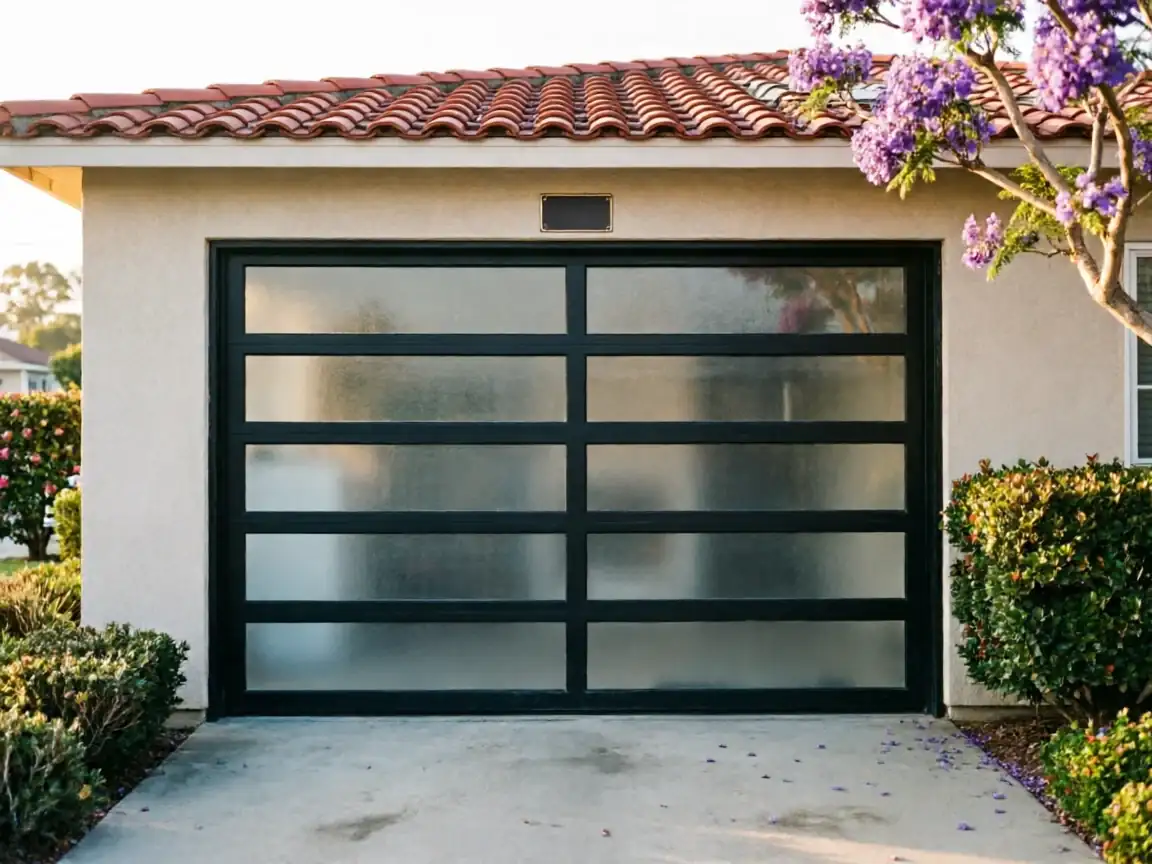
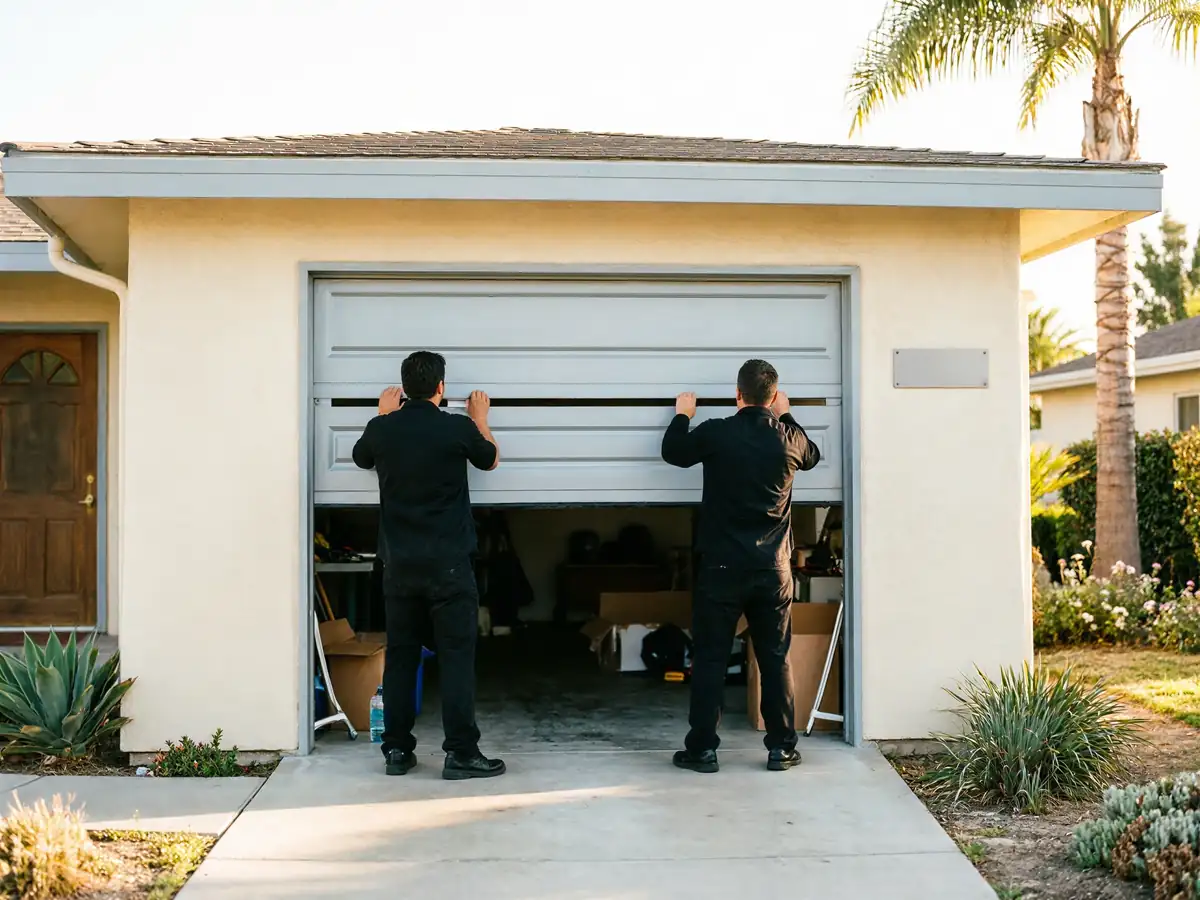
Benicia's median household income runs $125,040, well above the wider Fairfield-area service figure of $102,938. At that income level, the math on a dented or cracked panel usually favors replacement over a full door swap, as long as the door itself is sound and the track and opener are working fine. A single matching panel plus labor costs a fraction of a new door, and most homeowners here can absorb that without blinking. Where it gets slower is sourcing: a panel for a door installed when Benicia's housing stock went up (median year built 1981) sometimes means tracking down a discontinued steel profile rather than grabbing a stock part off the truck. We travel the 15 miles from Fairfield for the job, but we don't stock every panel pattern made since 1981 on the truck, so some jobs need a short order wait before we come back to install. If the panel is a common width and finish, we can often turn the job around in one visit. If it's an odd size or a color that was popular decades ago and isn't made anymore, we tell you that up front instead of guessing.
How We Fix It
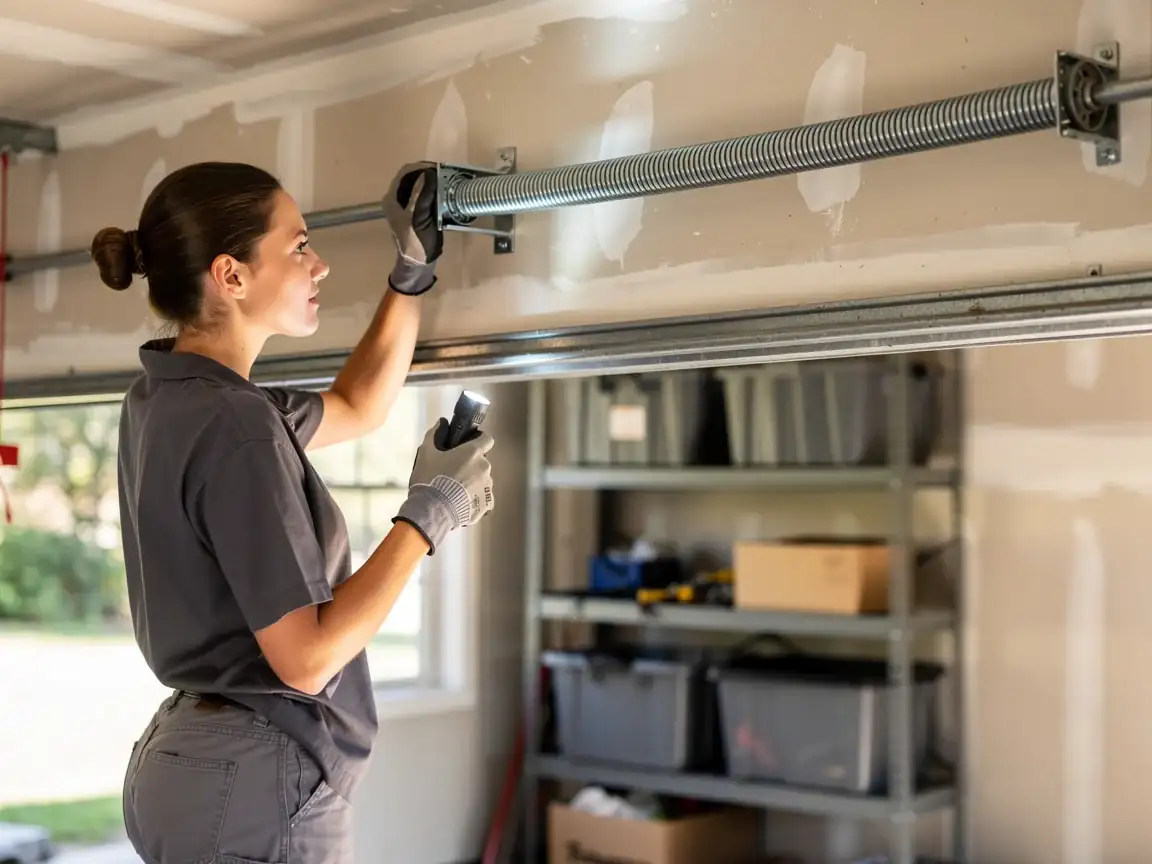
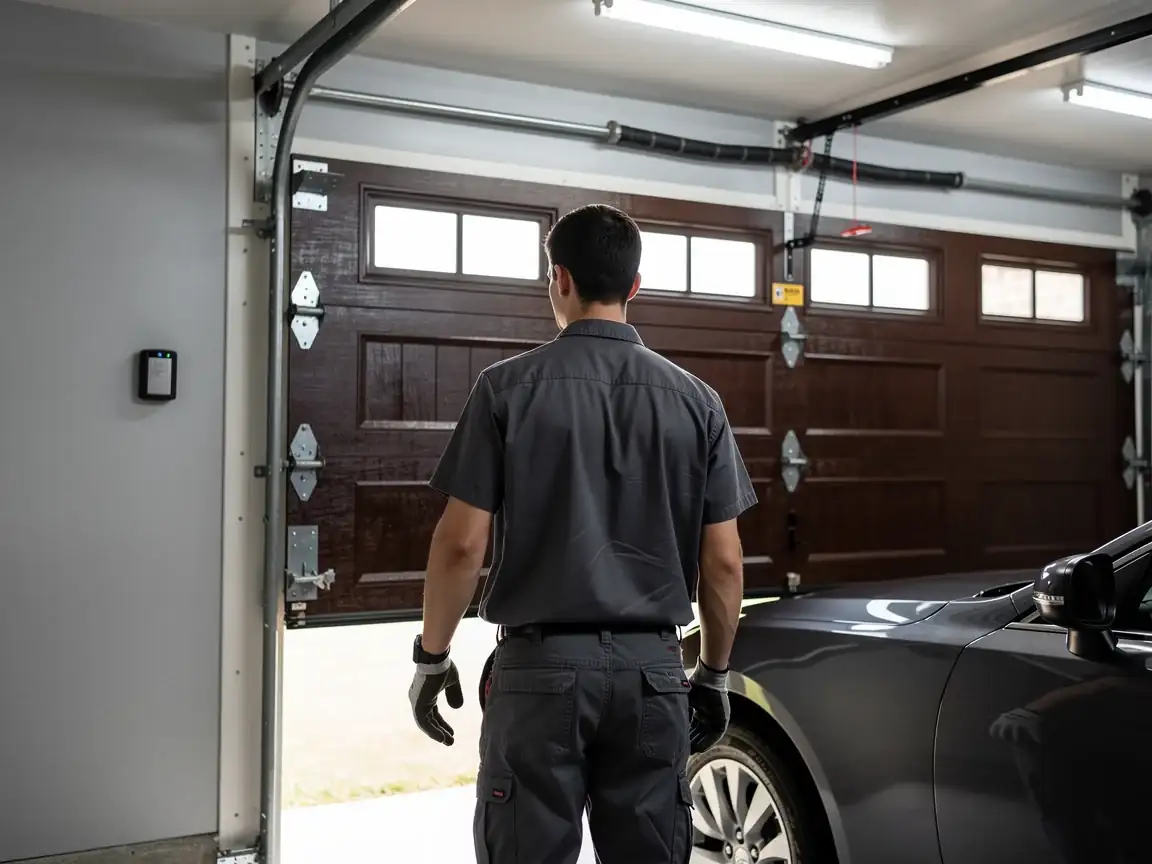
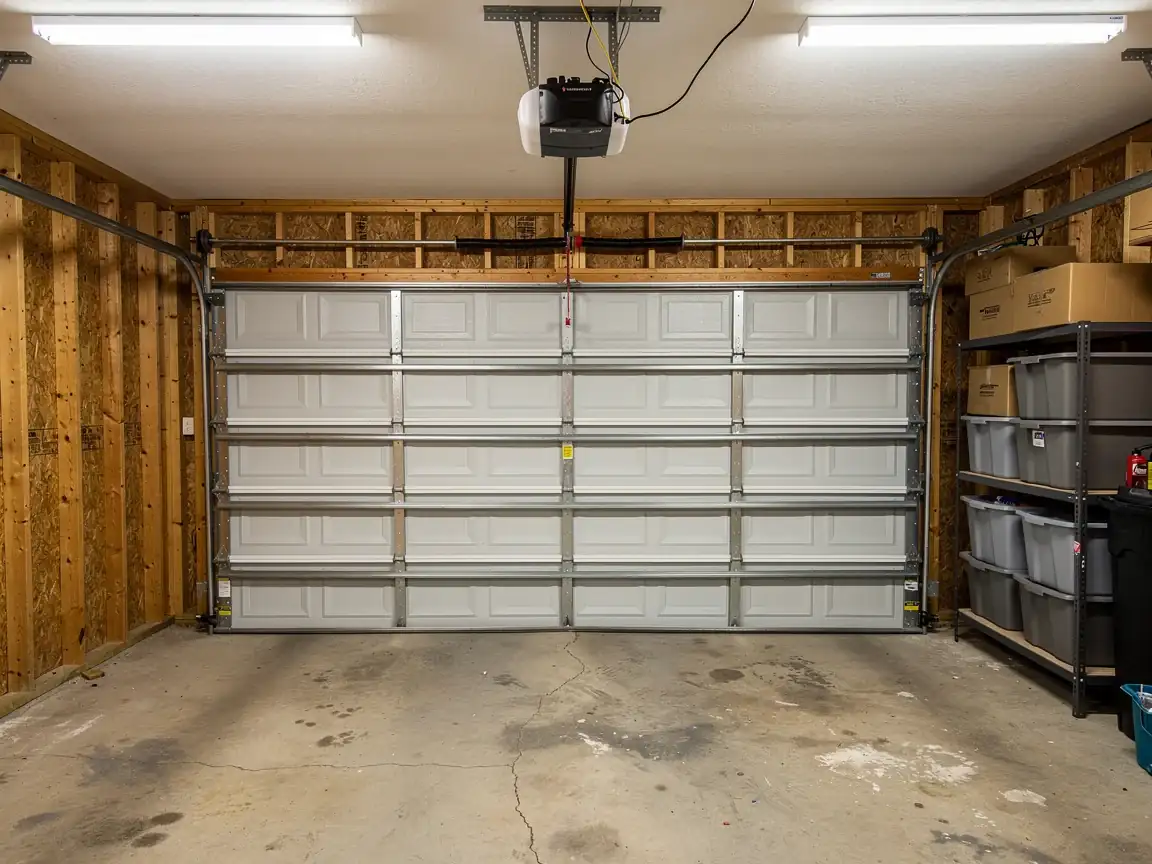
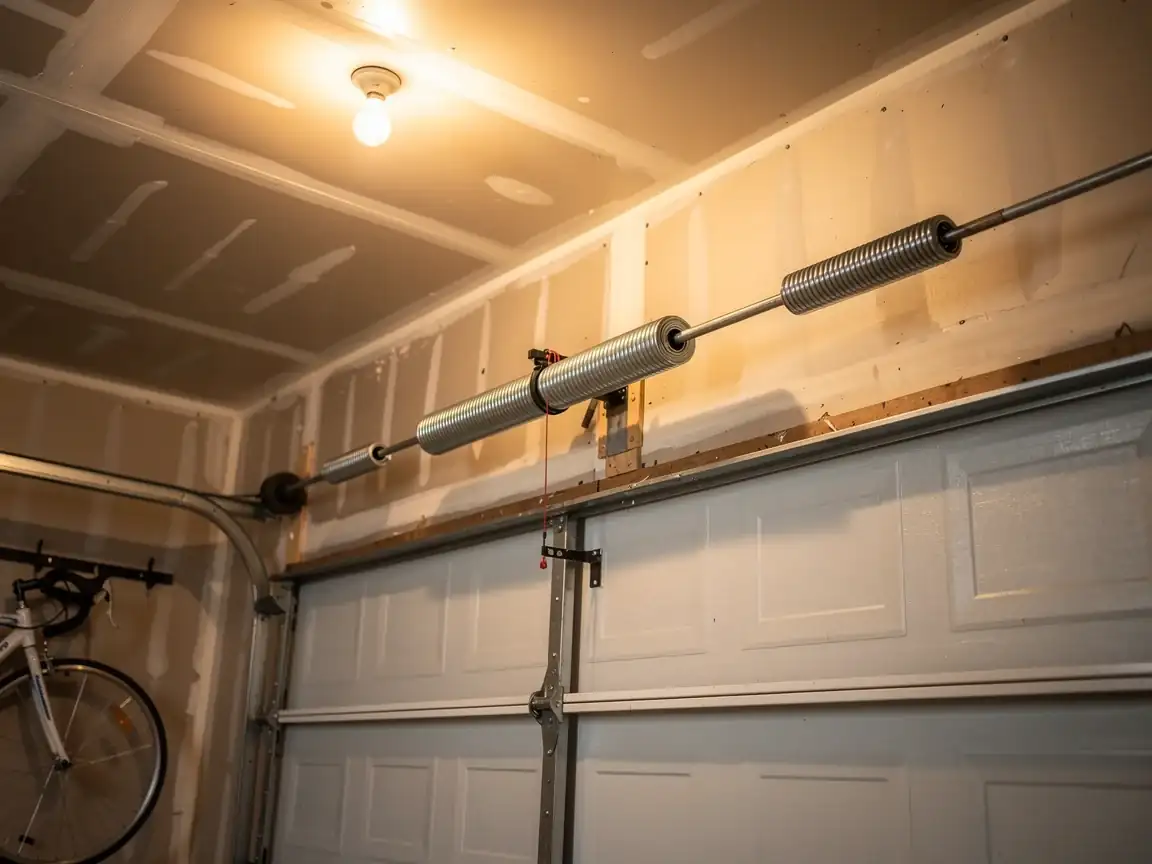
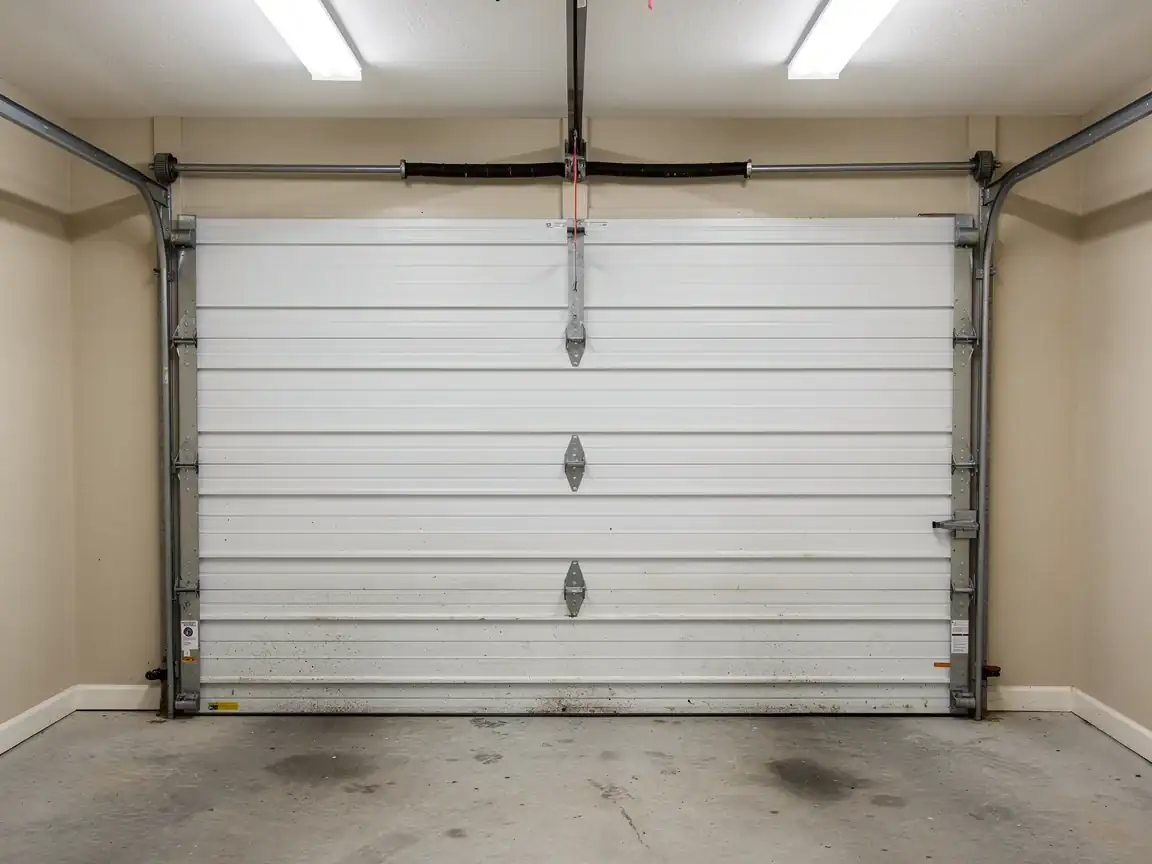
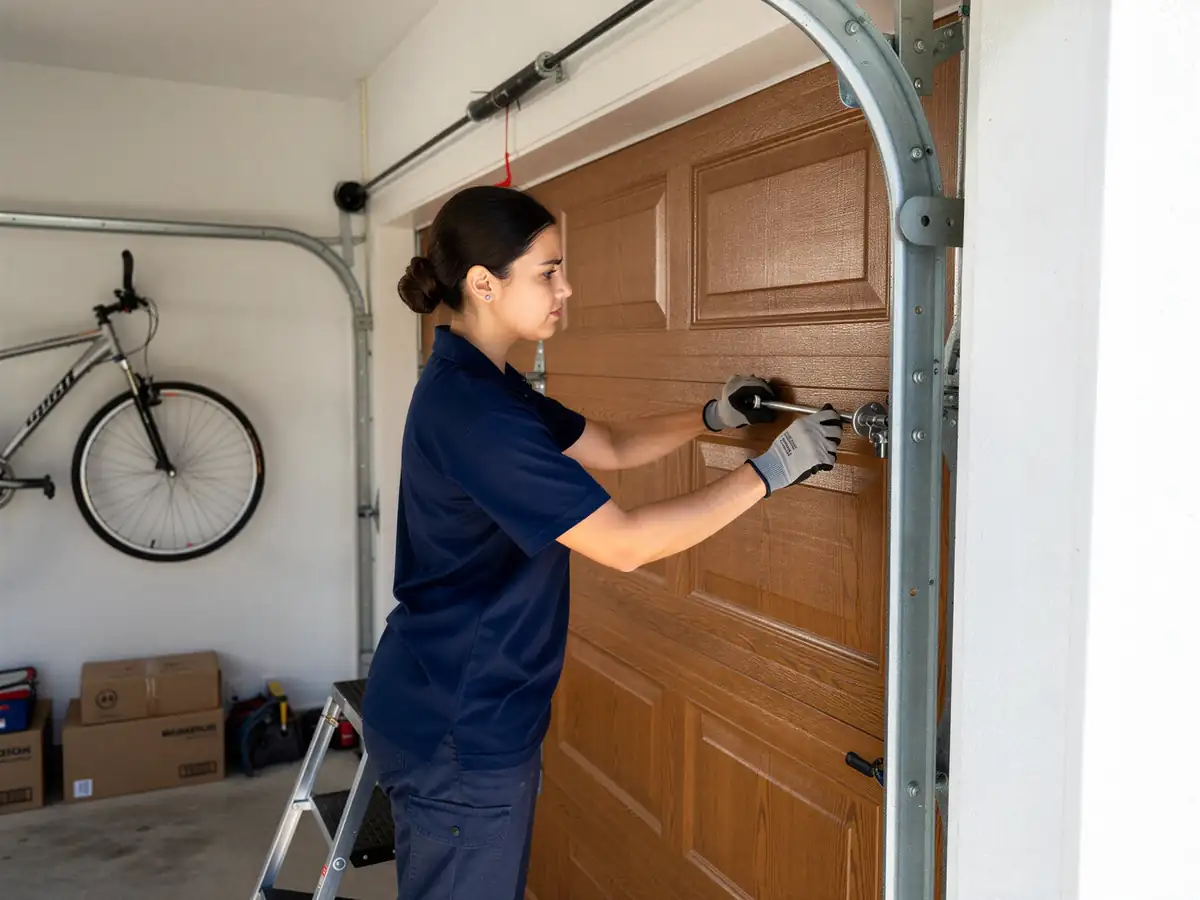
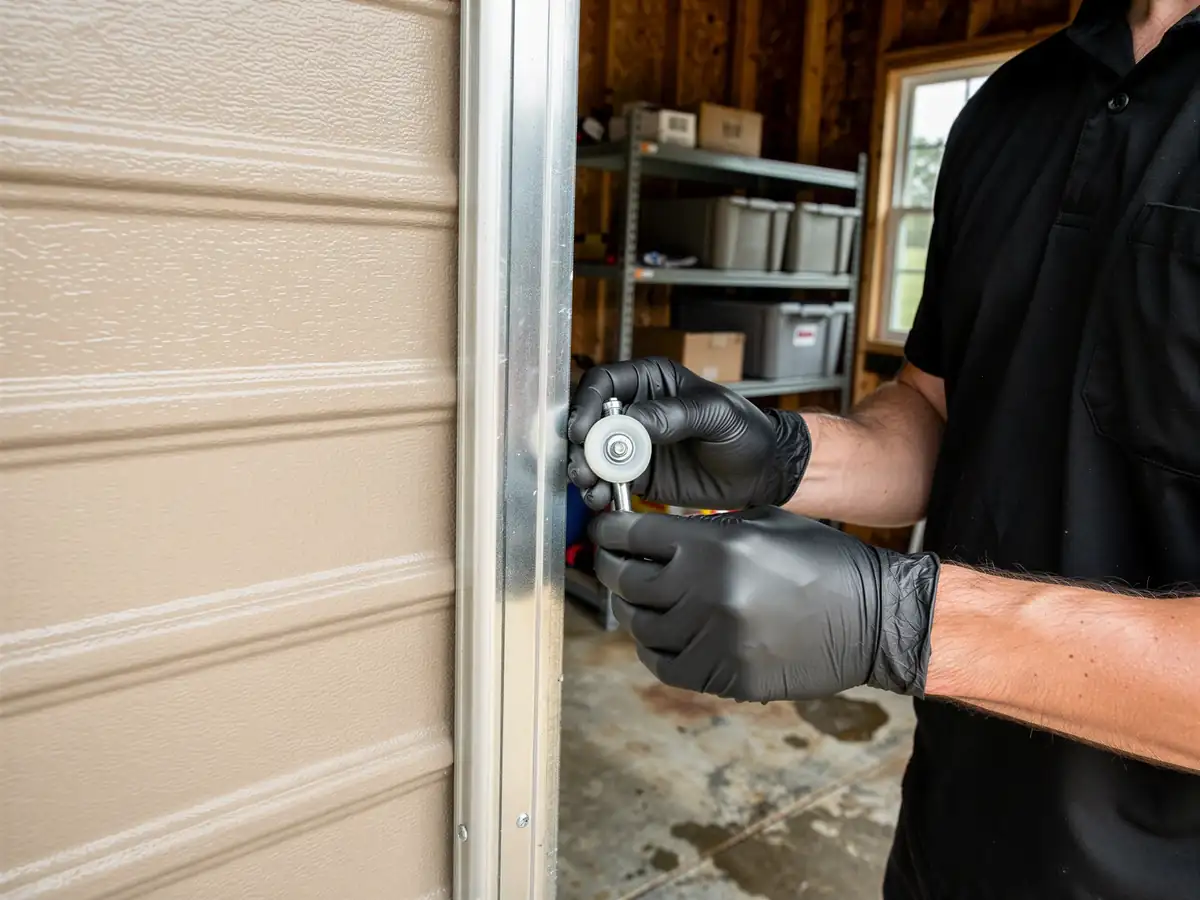
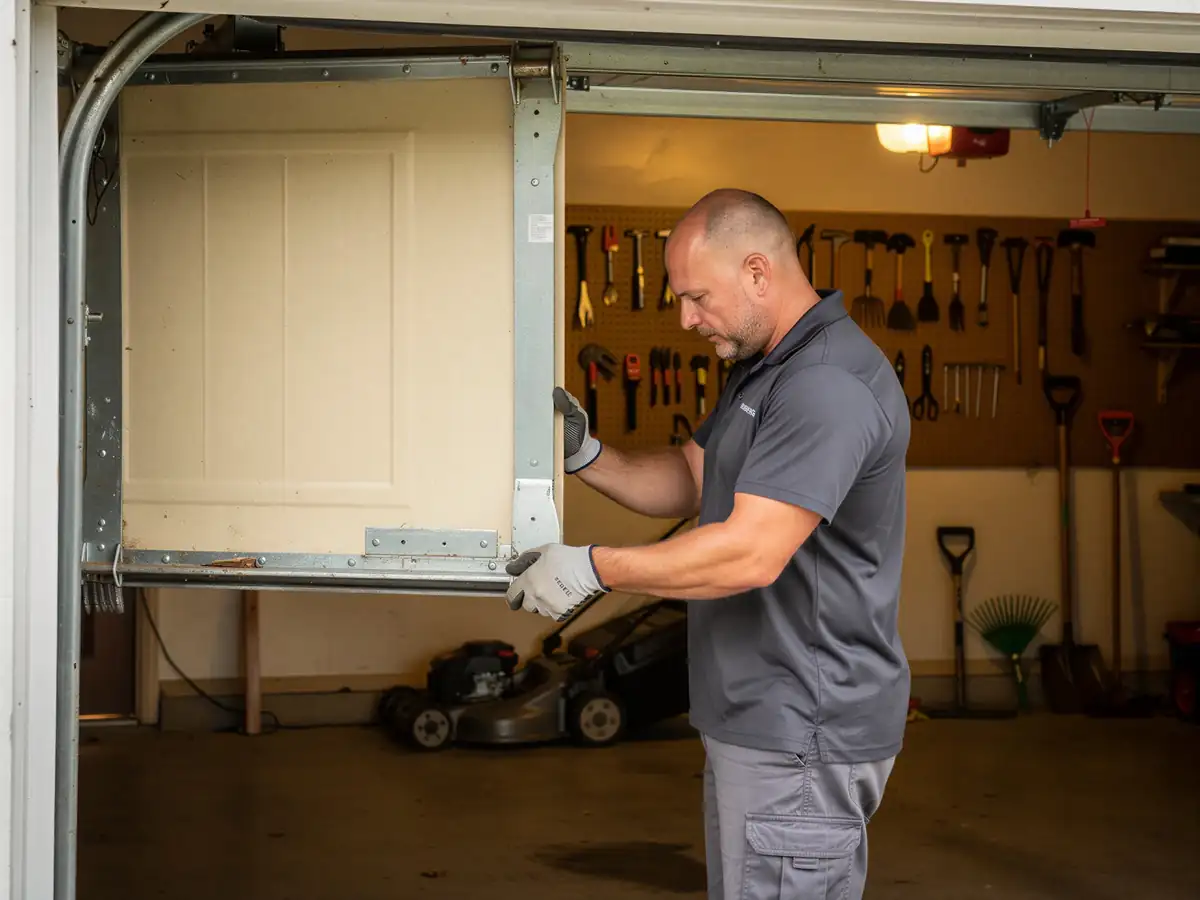
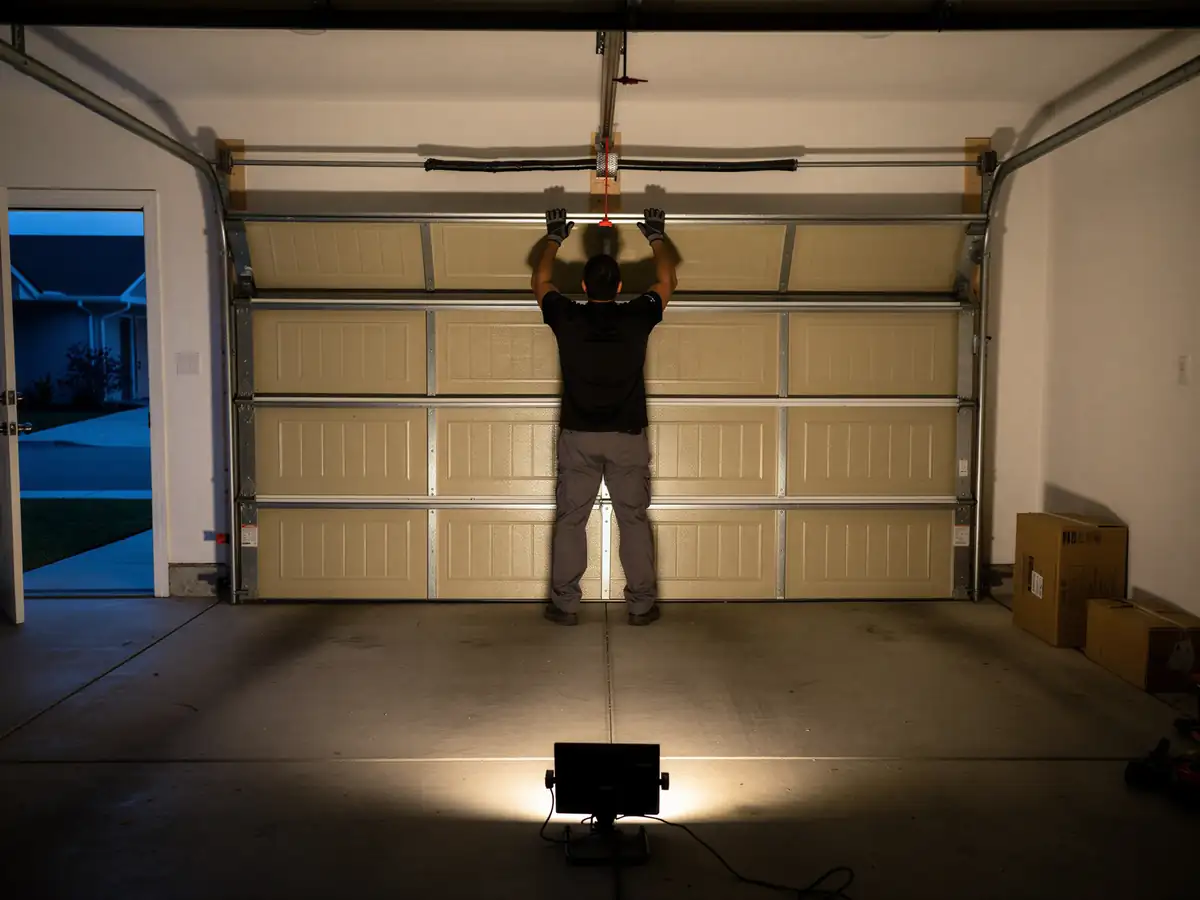
We pull the damaged panel's hinges, disconnect it from the panels above and below, and measure the exact section height and width before ordering - sectional doors from the 1981-era stock common in Benicia don't always match current stock sizes, so we confirm fit before we commit to a part. Once the replacement panel is in hand, we set it into the track, reattach hinges and rollers, and check the whole door's balance, since one new panel's weight can throw off an old spring that was tuned to the original door. We don't just screw in a panel and leave; we run the door through a full open-close cycle and check for daylight gaps at the seams. If we find the spring is already near the end of its life while we're in there, we'll say so, but we won't replace it unless it needs it.
What Causes It Around Here
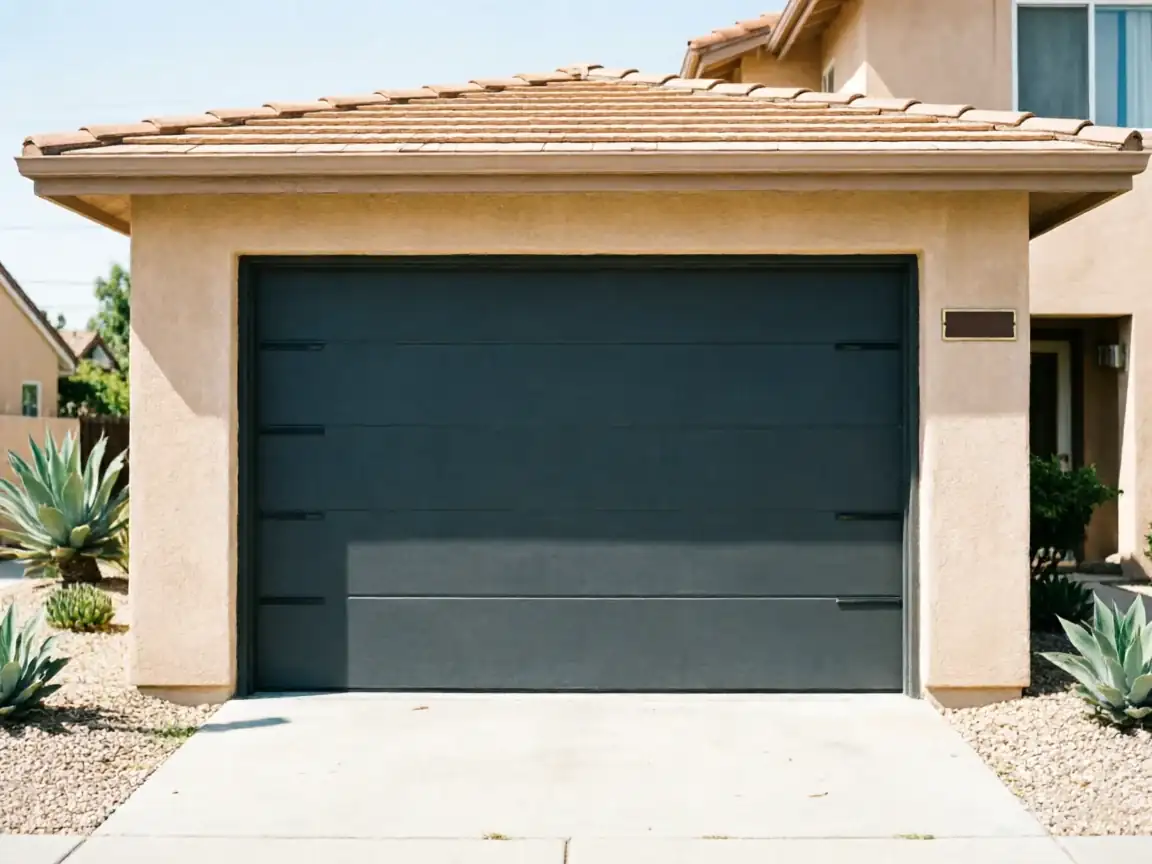
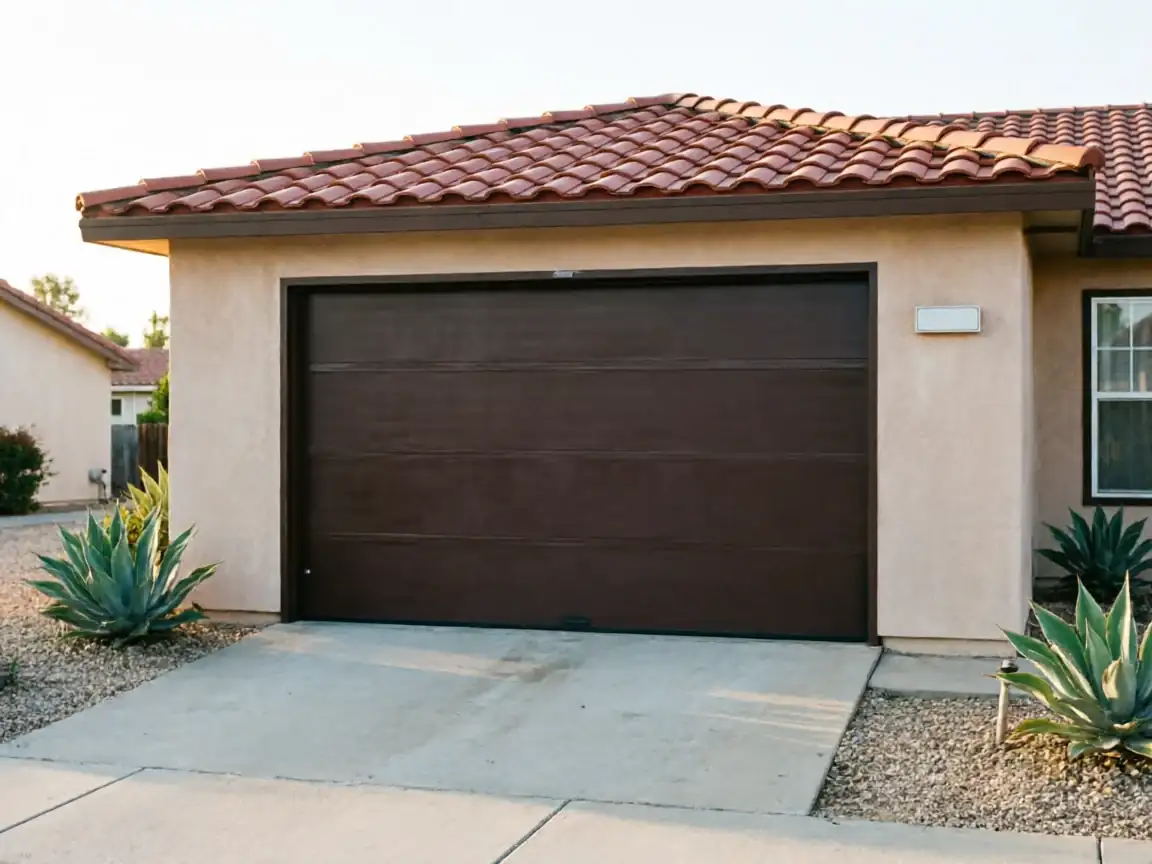
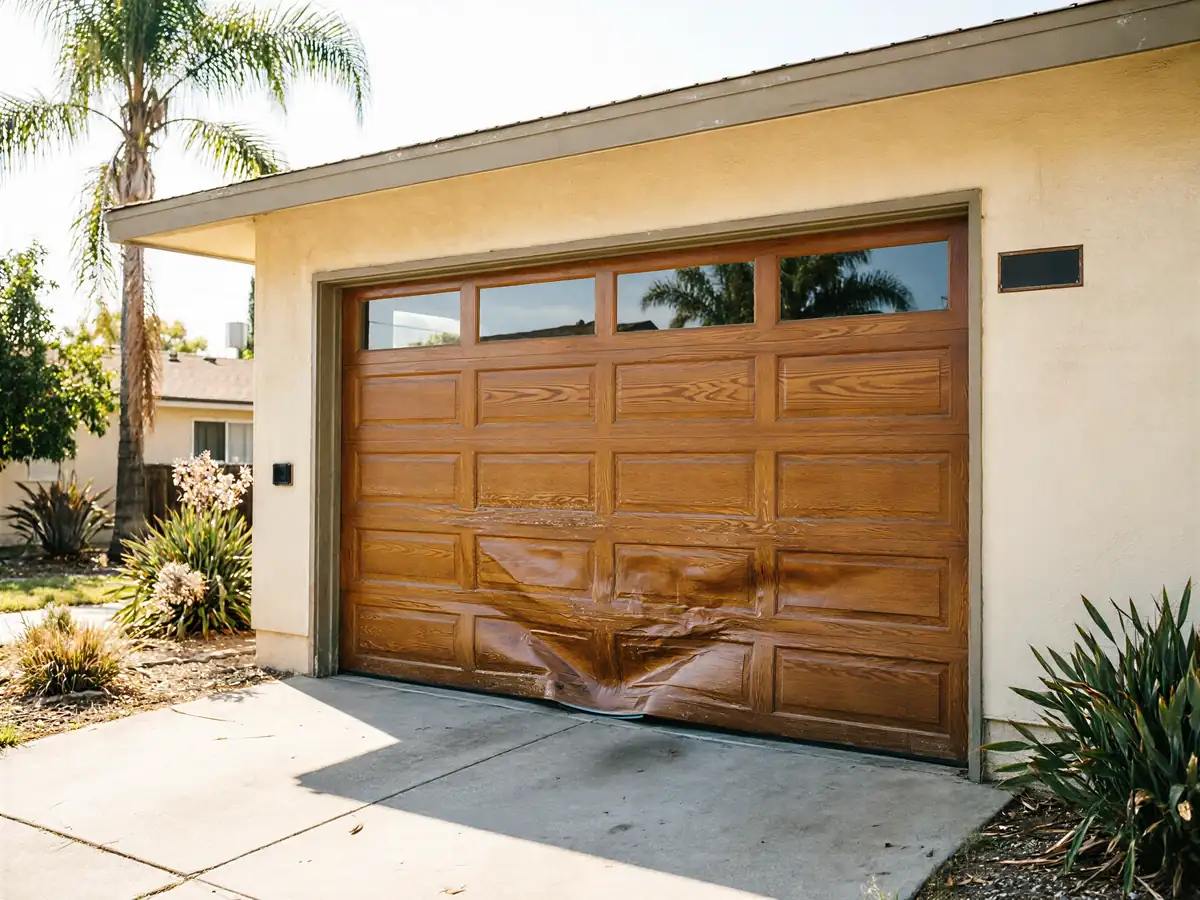
Benicia's housing stock centers on 1981, which puts most garage doors here into a window where steel panels were standard but insulation and reinforcement varied a lot by builder. The mild temperate climate means panels don't typically fail from freeze-thaw cracking the way they might inland, but years of sun exposure on south- and west-facing garages does fade paint and weaken the panel's surface coating, making dents and small impacts dig in deeper than they would on a newer door. Day-to-day damage - a basketball, a bike pedal, a car mirror - does the rest. We don't see much panel failure from age alone; it's almost always a dent, a rust spot that's spread, or a warp from heat that finally throws the door out of alignment.