How Long It Takes
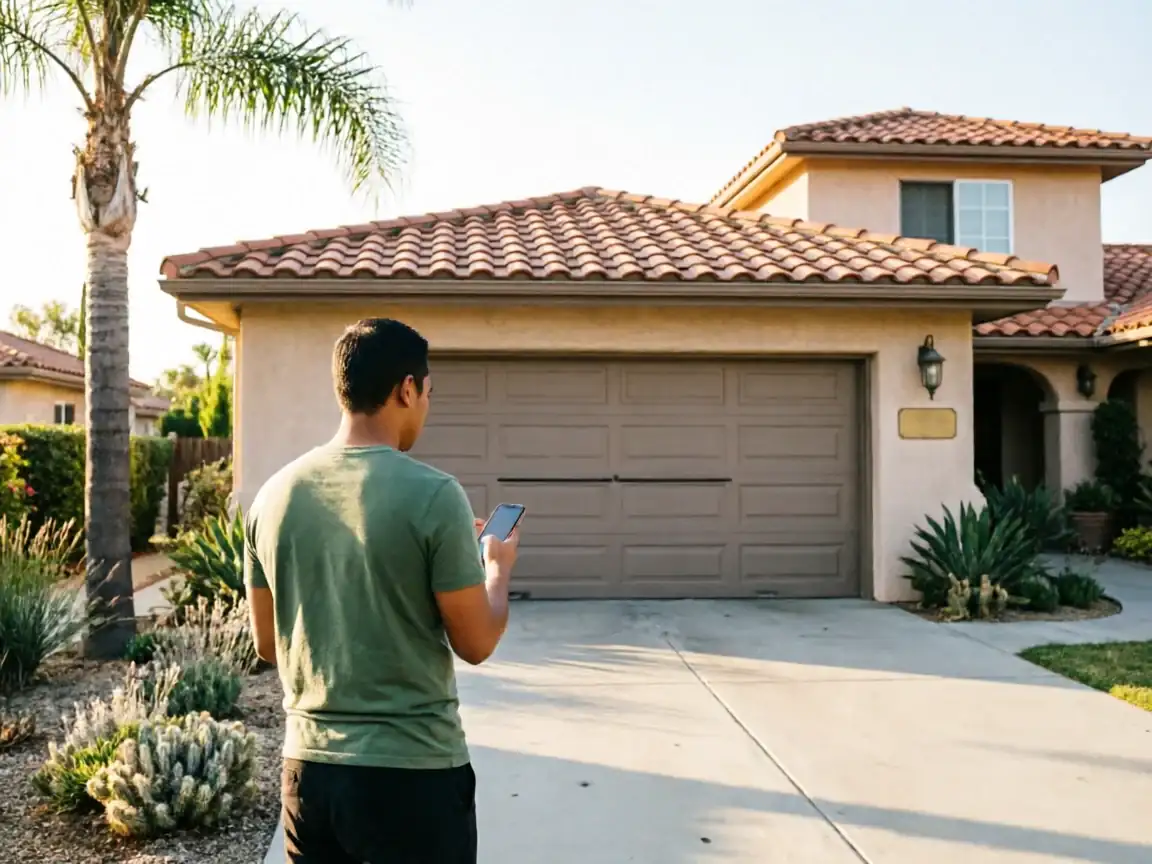
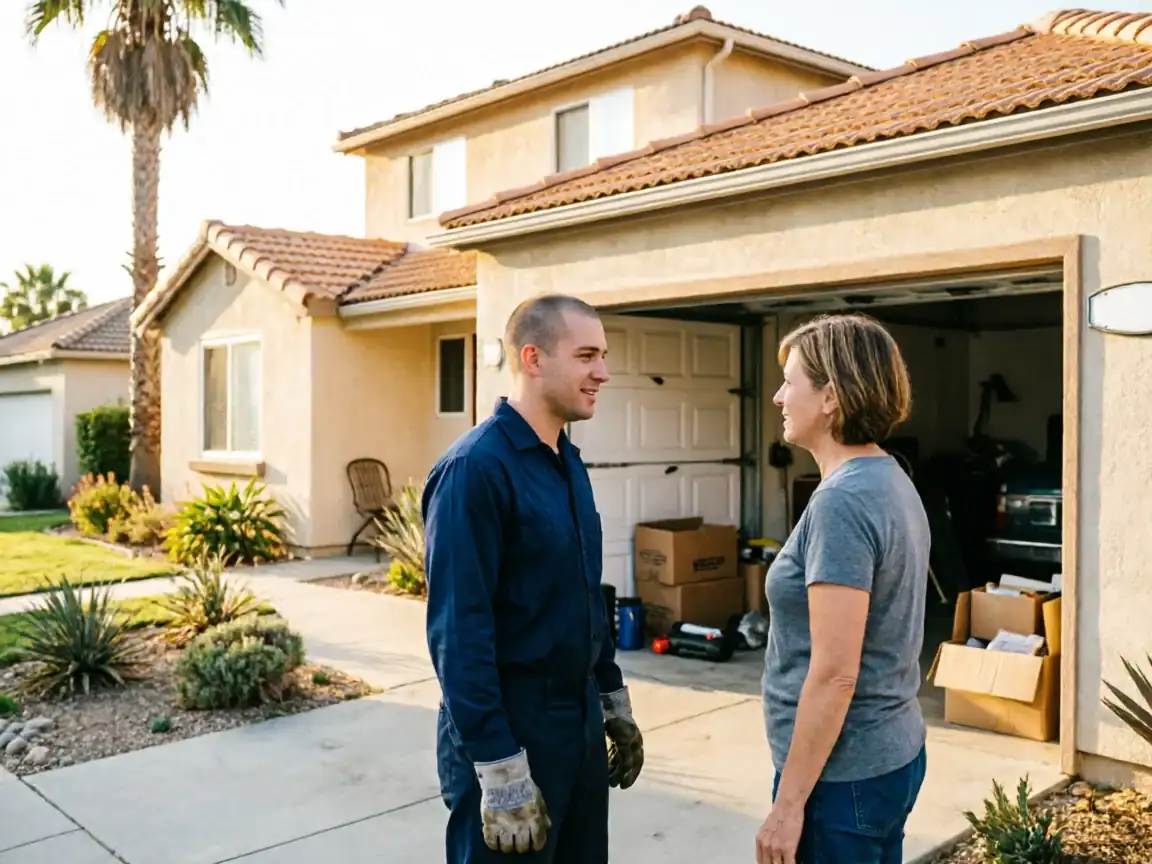
Benicia is a smaller piece of our coverage area, about 10,916 households, which means we're not rolling trucks through it all day the way we do in bigger parts of the territory. That's not a knock on the town, it just means the opener jobs we get here tend to come in clusters tied to what's actually failing in a given neighborhood's housing stock, rather than a flat daily volume. We travel the 15 miles out from Fairfield for these calls, and that drive time is built into when we can get to you rather than hidden until the day of.
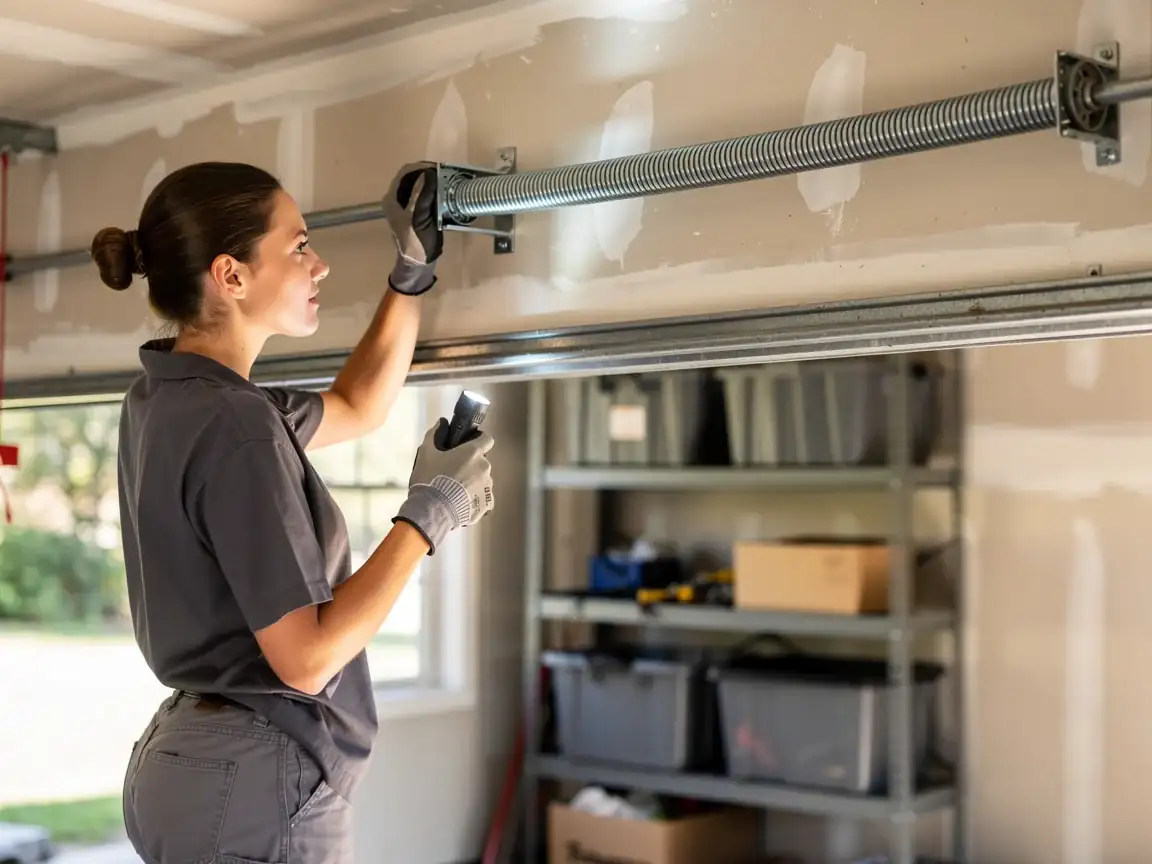
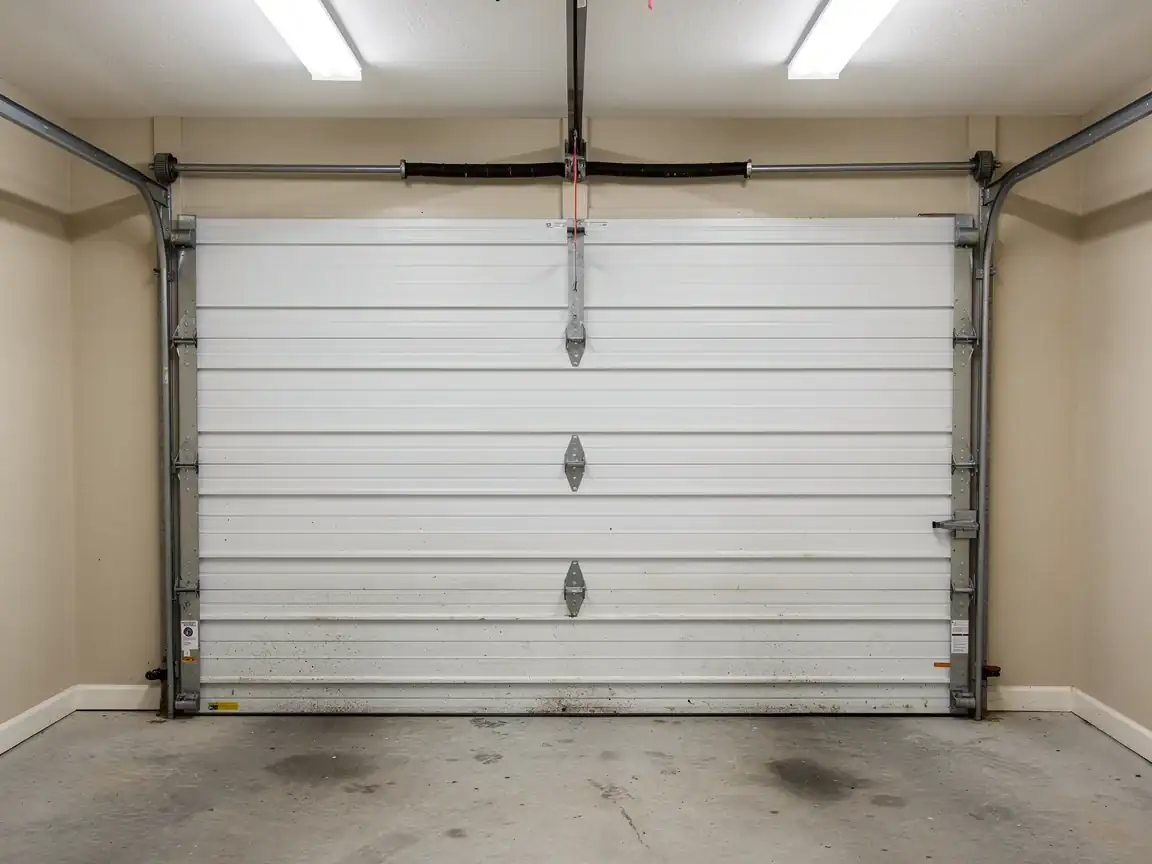
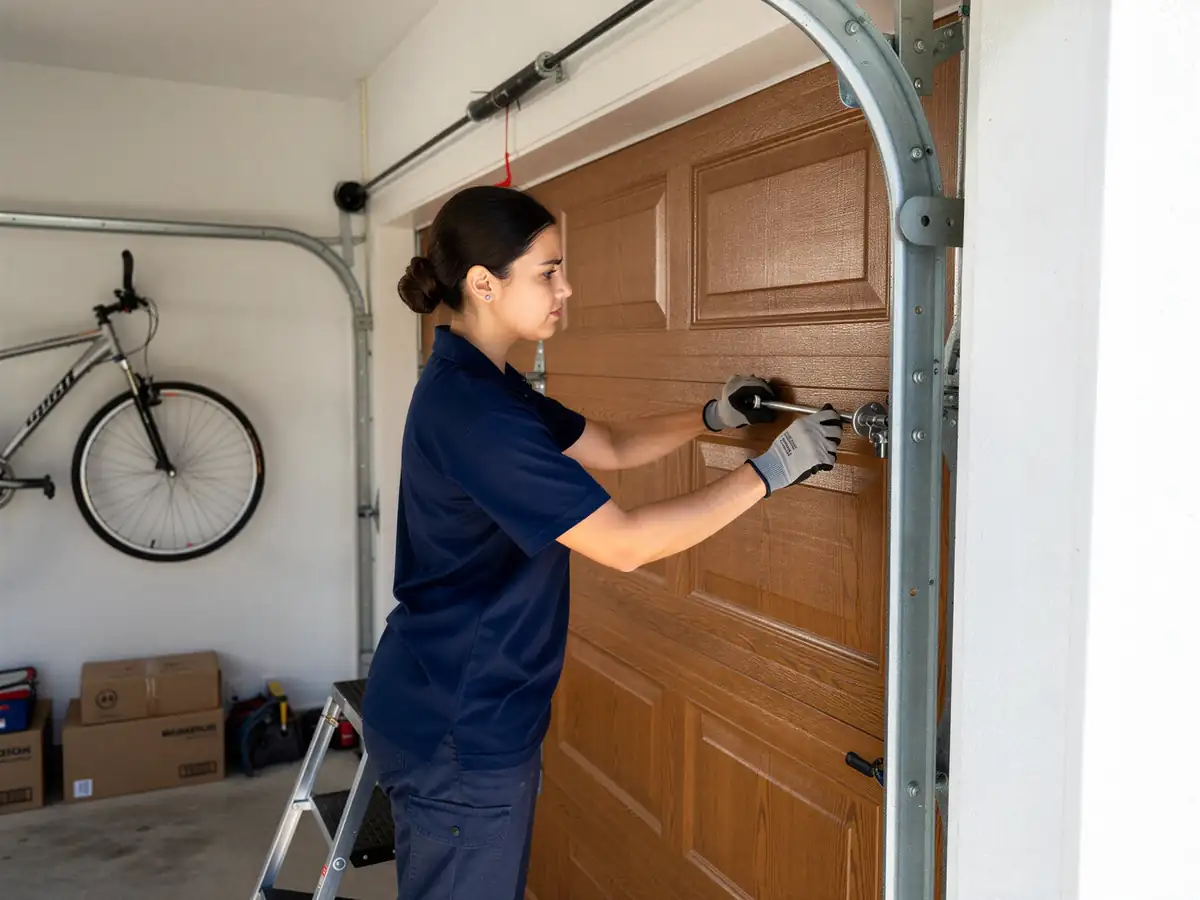
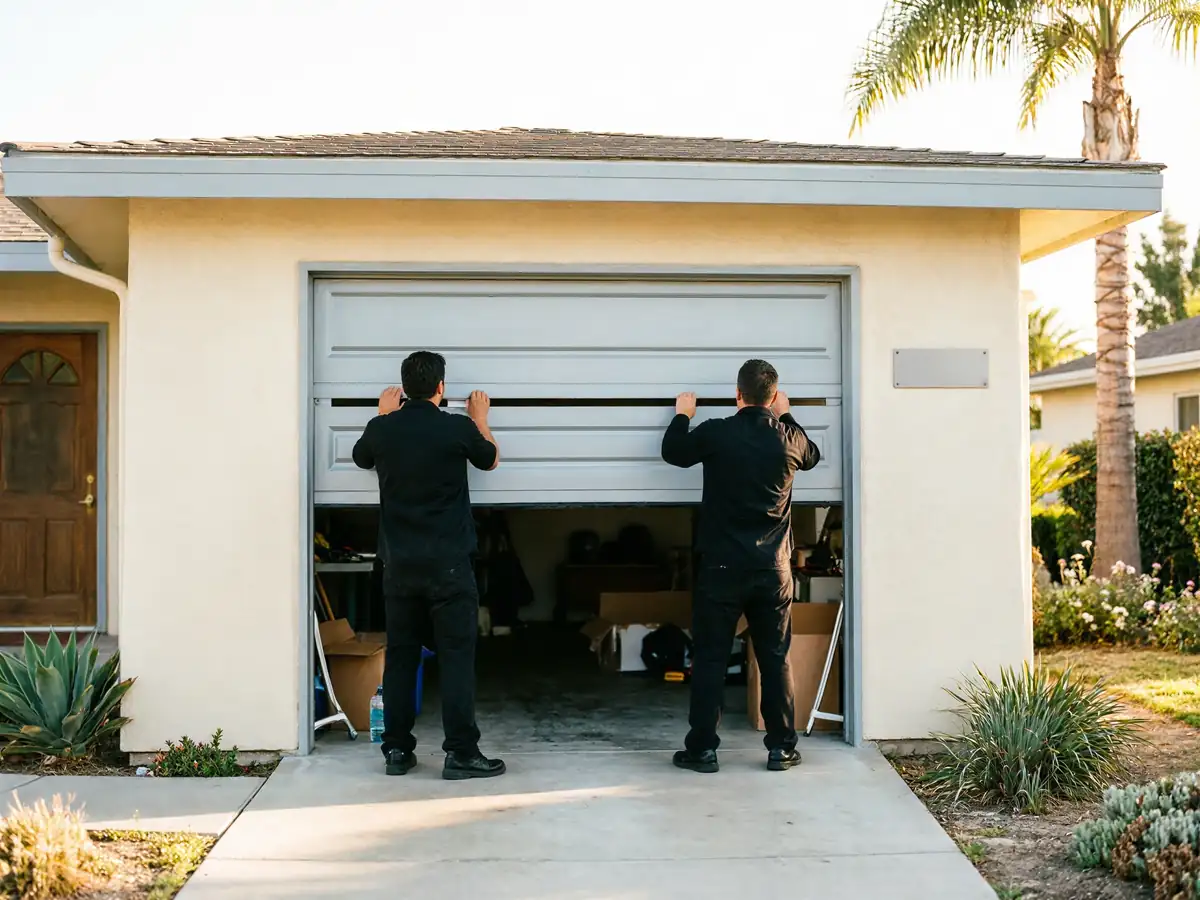
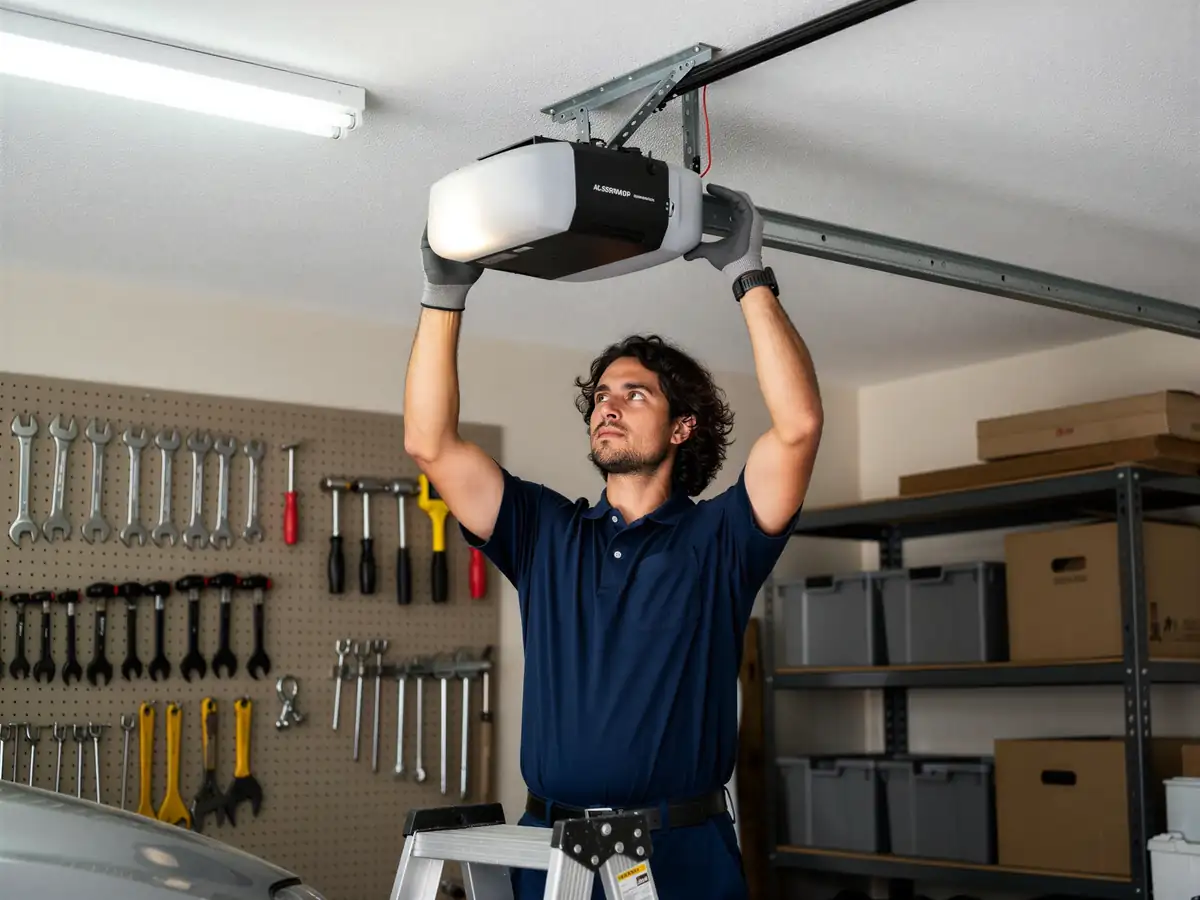
A straight swap of a single opener, once we're on site, usually runs under half a day including the safety sensor check and a full cycle test on the door itself. Jobs run longer when the existing bracket or header is rotted, when the door itself needs rework to carry a heavier unit, or when the home still has the original mounting setup from the early 1980s and nothing lines up with a modern opener out of the box. We won't quote you a same-day slot we can't actually hit from Fairfield, so expect us to give you a realistic window up front rather than a number that sounds good on the phone.
What You Are Seeing
Benicia's housing stock centers on 1981
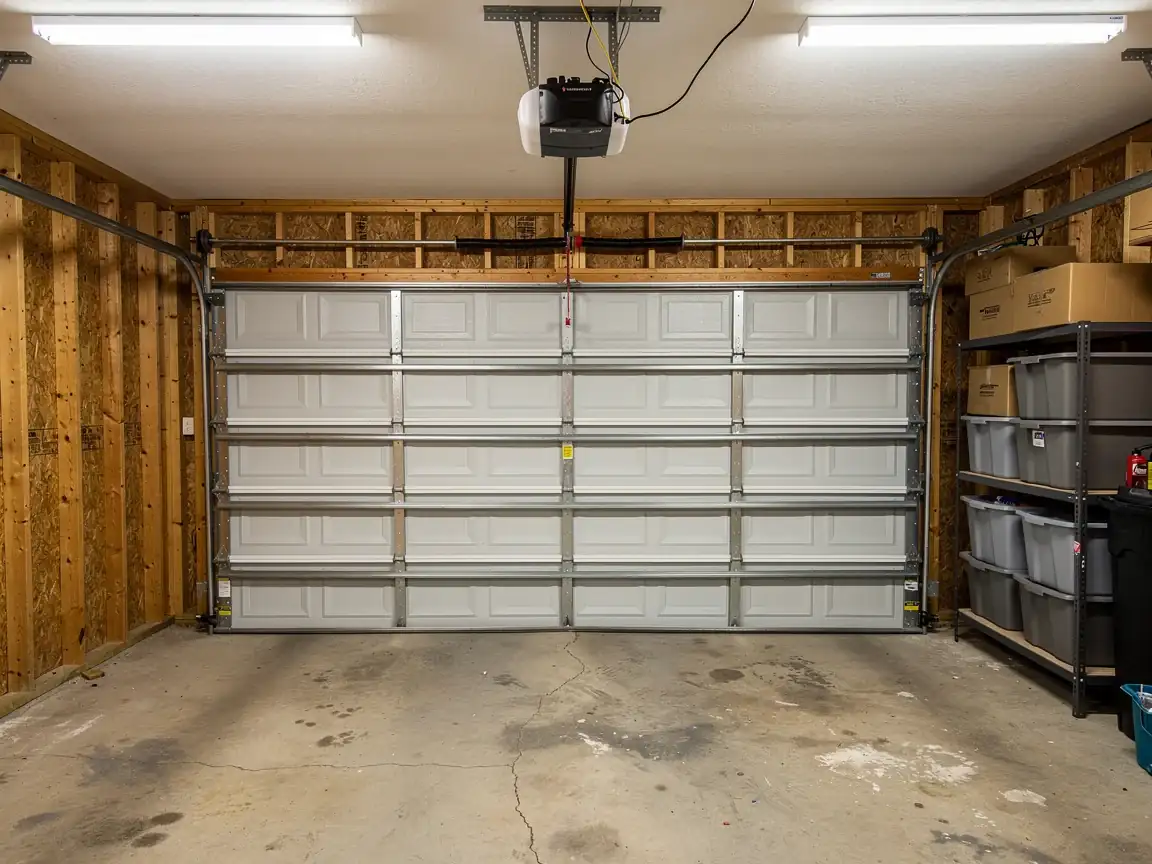
Which puts a good chunk of these garages a notch newer than the older 1960s-70s pockets found elsewhere in the service area. What that means in practice: fewer of the ancient screw-drive openers, more of the chain-drive units that were the standard build-grade choice through the late 70s and early 80s. Those units are old enough now that the circuit boards are failing, the drive gear inside the housing is stripped, or the logic board no longer talks reliably to remotes that have been swapped out two or three times over the years.
You'll also see openers that were replaced once already, sometime in the 90s or 2000s
Now reaching the end of their own run. A common symptom is a motor that hums but doesn't lift, or a door that reverses on its own partway through the cycle because the force settings have drifted out of spec on an aging board. None of this is dramatic, it's just a 40-plus-year-old mechanical and electrical assembly doing what those assemblies do eventually.
How We Fix It
For most of these calls the fix is a full opener swap rather than a repair, since parts for boards that old usually aren't stocked anywhere worth waiting on. We size the new unit to the door you actually have, not a generic one-size pick, and we re-set the travel limits and force settings from scratch rather than copying over whatever the old unit had drifted to.
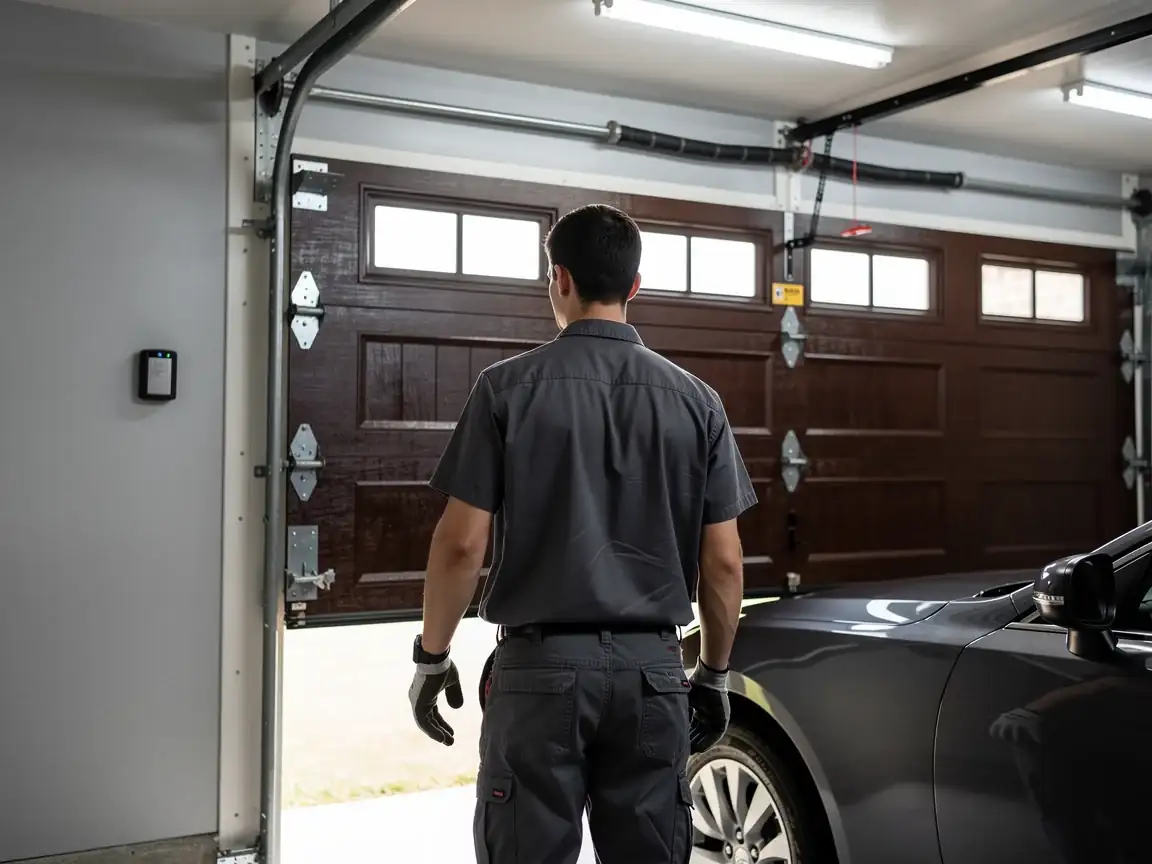
Given that household incomes in Benicia run well above the wider service area average, $125,040 versus $102,938 across the territory, we see more requests here for battery backup units and smart-phone-enabled openers than in some other towns we cover, and we carry stock to install either without a special order in most cases. We always re-pair the safety sensors and run a full reverse test before we call the job done, since that's the one step that actually matters for whether the opener is safe to leave running unattended.
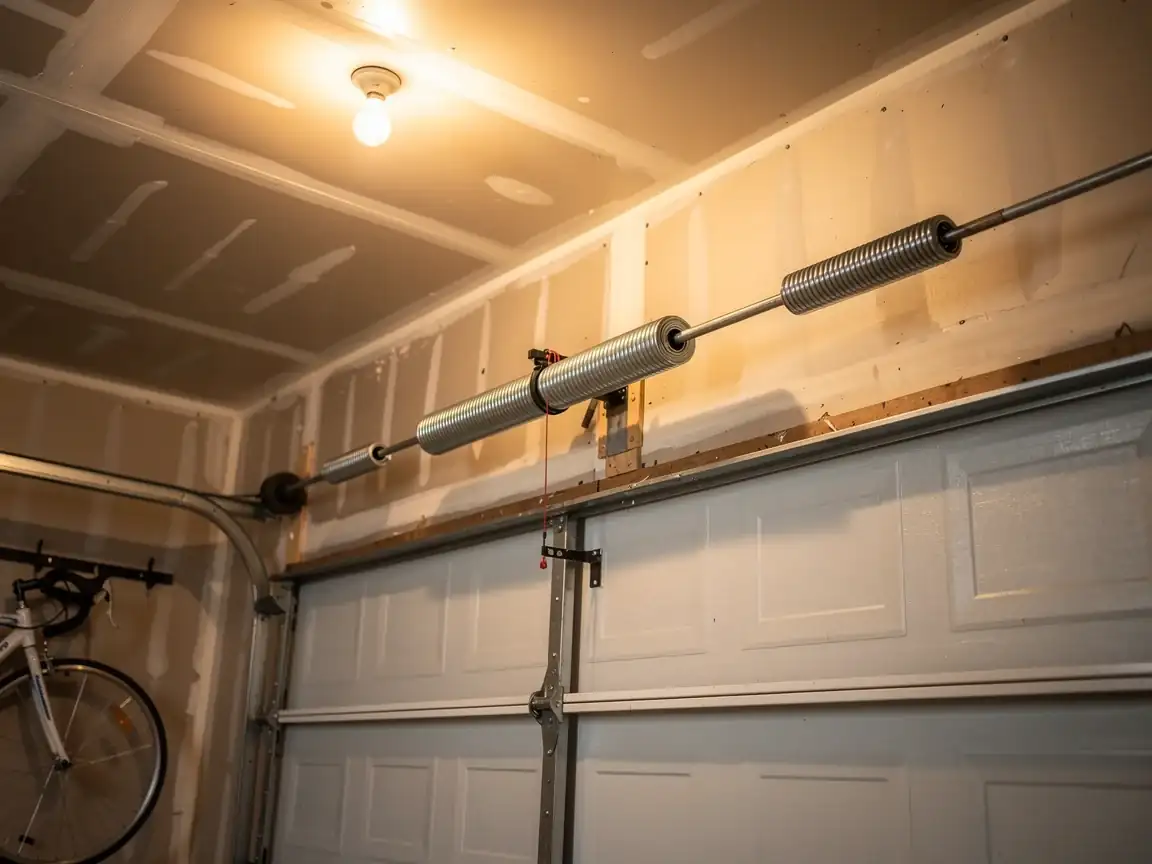
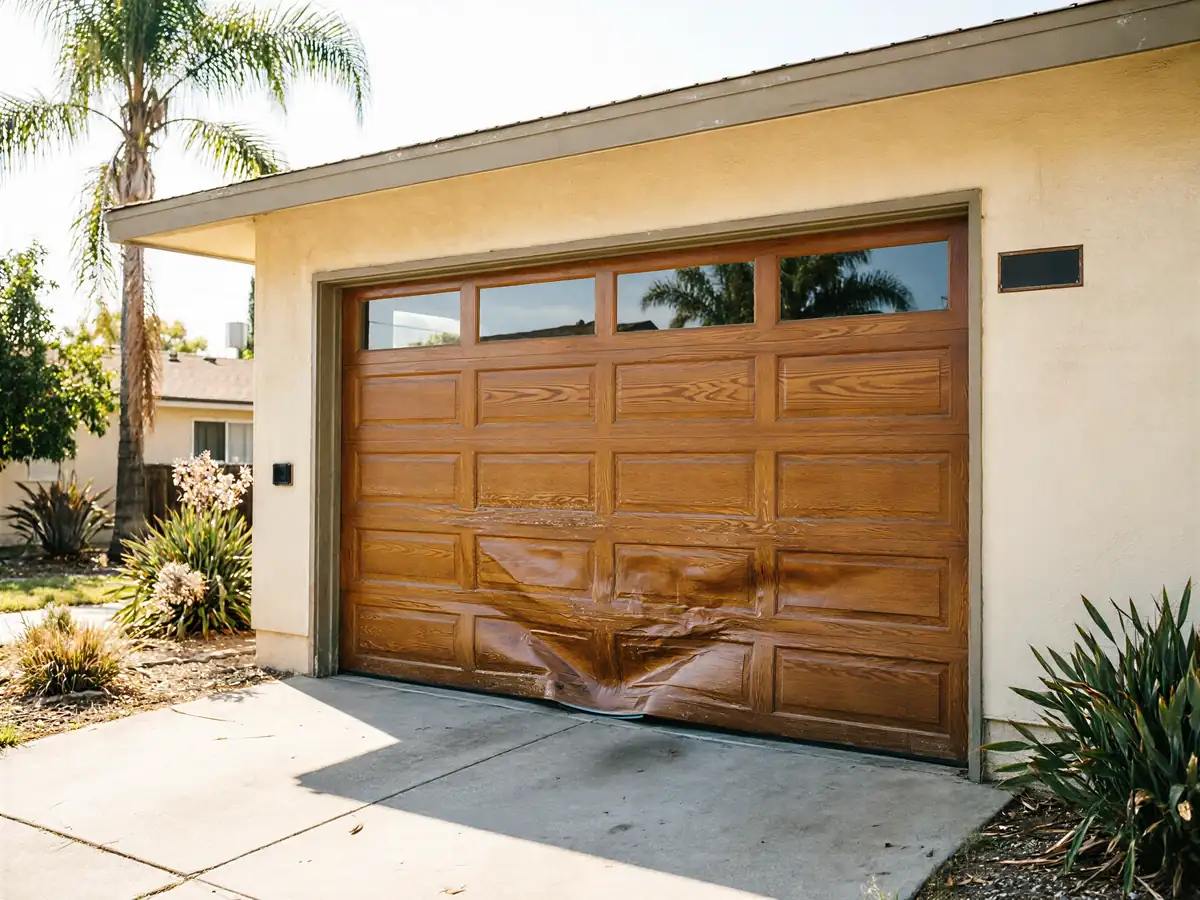
One limit worth being upfront about: if the door panels themselves are warped or the track is bent, a new opener won't fix that, and we'll tell you so instead of hanging a good motor on a door that still won't travel straight.
What Causes It Around Here
The service area sits in a mild temperate climate band, which is a mixed blessing for openers. You don't get the extreme freeze-thaw cycling that kills seals and cracks housings in harsher climates, so most of what fails here fails from age and use cycles rather than weather damage. A door that gets opened and closed several times a day for over forty years wears out its motor and gears on cycle count alone, regardless of what the thermometer does outside.
What we do see tied to the era is boards and capacitors that have simply outlived their design life, original to homes built around 1981, paired with remotes and keypads that were never designed to be reprogrammed as many times as homeowners have reprogrammed them since. It's less a Benicia-specific failure mode than a straightforward math problem: a 1981-built garage with its original or first-replacement opener is well past the point where swapping it out is the practical answer.