How Long It Takes
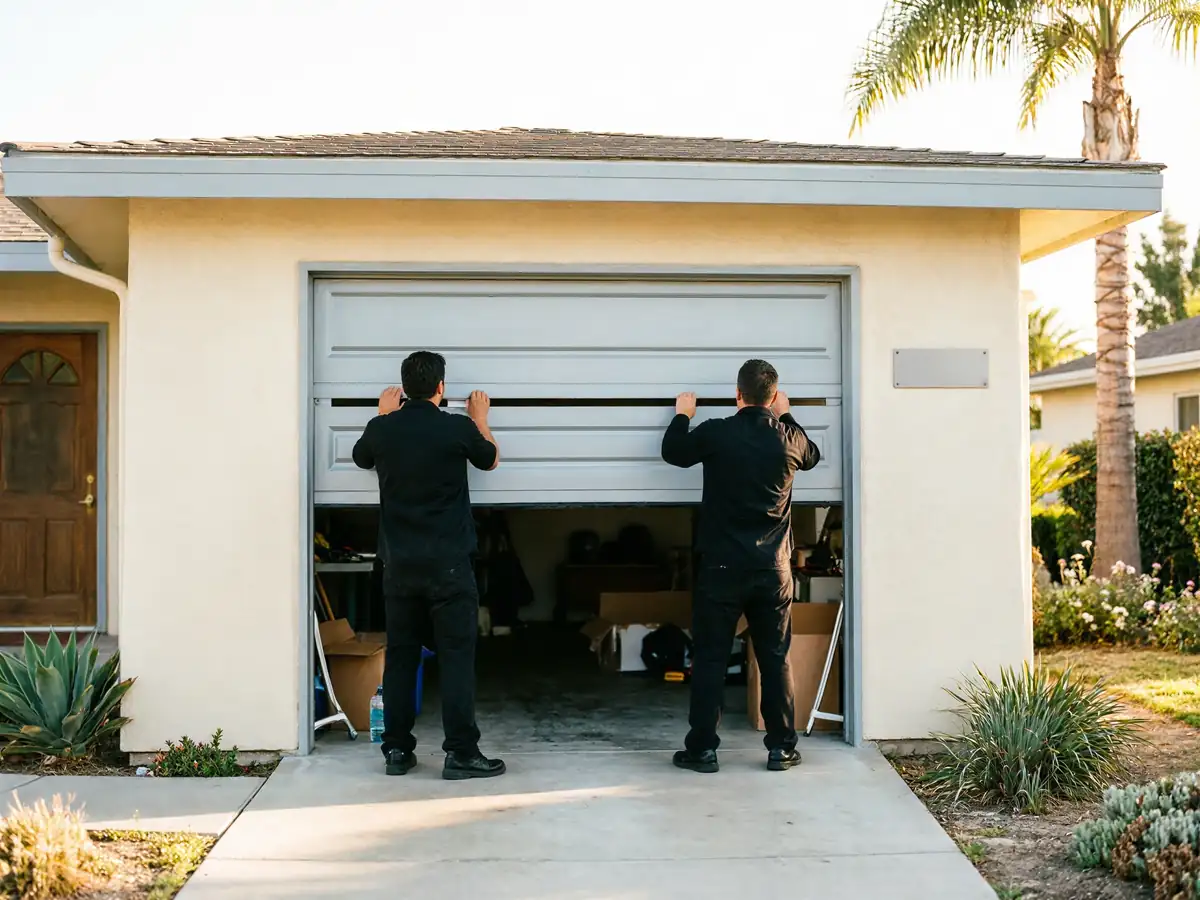
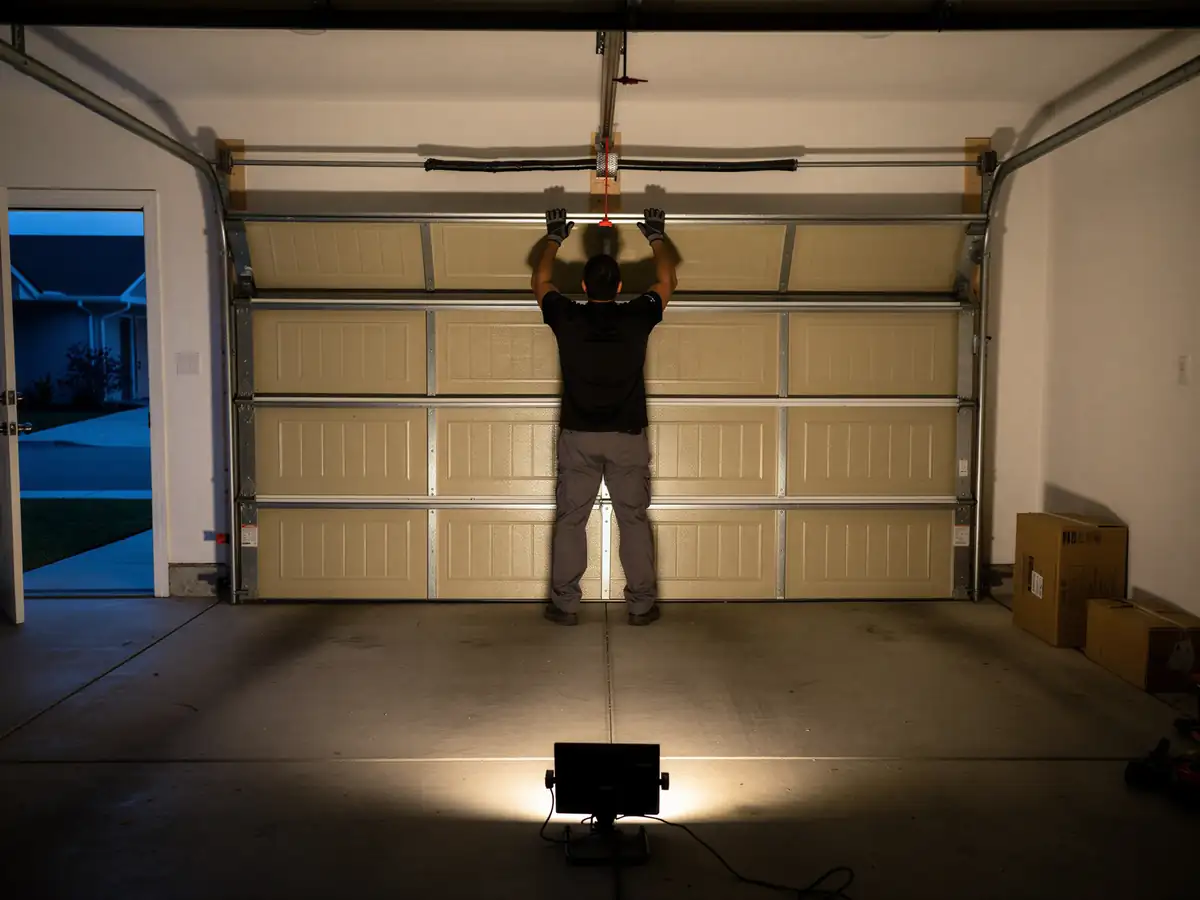
A straight roller swap on a single door, once we're on site, runs a normal residential visit - nothing exotic about the labor itself. What takes the planning is getting here with the right parts already loaded. Benicia sits about 15 miles from our Fairfield base, so this isn't a job where we run back for a part we didn't expect to need. Before we leave, we ask what year the house went up and what the door looks like, because Benicia's own median build year is 1981 - a bit later than the 1979 median across the wider service area, and later still than plenty of the 1960s stock we work on elsewhere. That gap changes which roller stem and track width shows up when we open the door. We'd rather spend five extra minutes on the phone than show up with steel rollers for a track built for nylon, or the reverse. One honest limit: if your track is bent or your opener bracket is pulling loose, roller replacement alone won't fix the noise - that's a separate repair, and we'll tell you so on site rather than selling you rollers that won't solve it.
How We Fix It
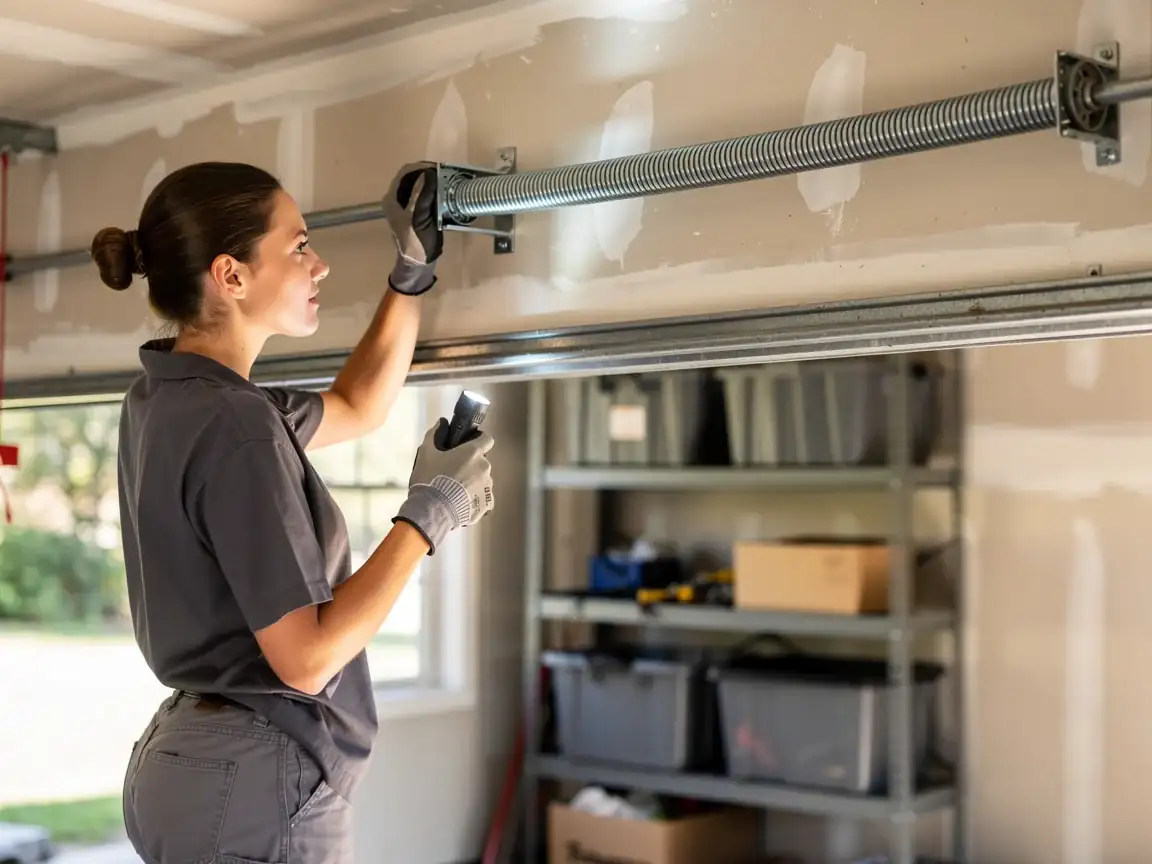
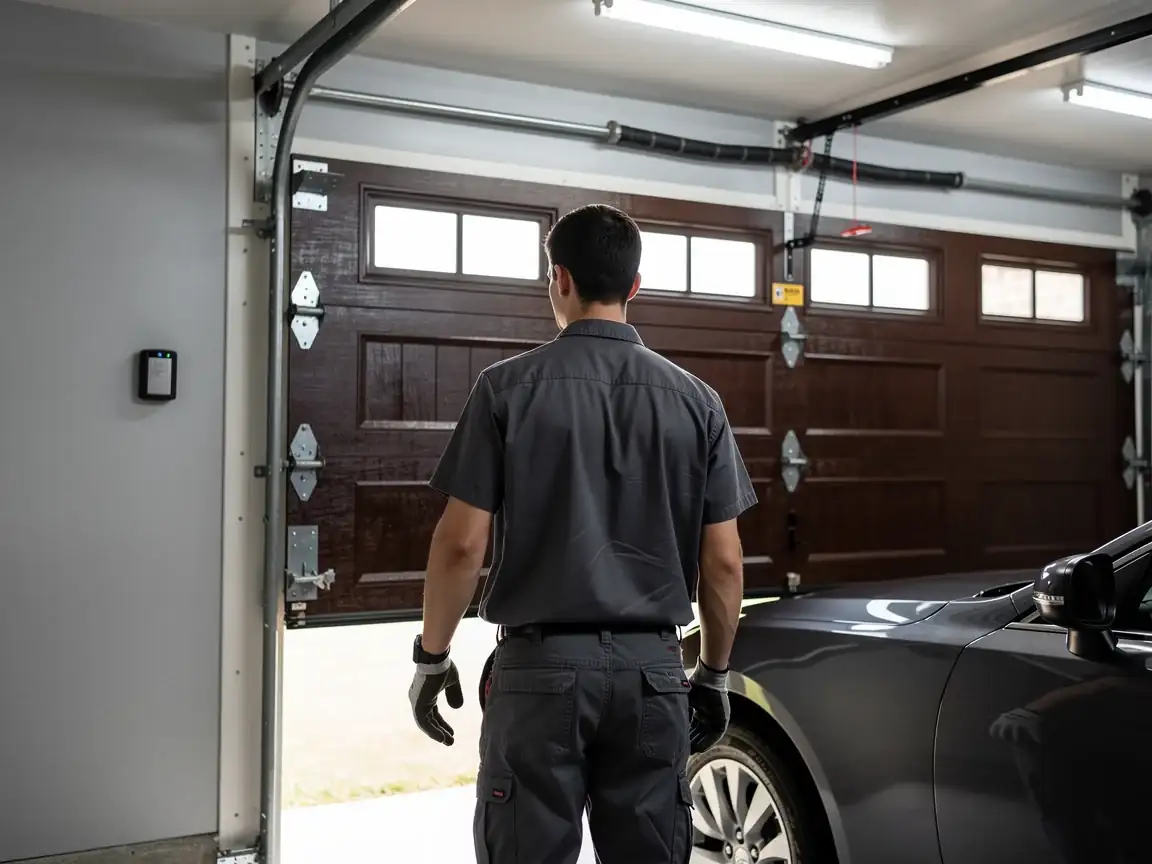
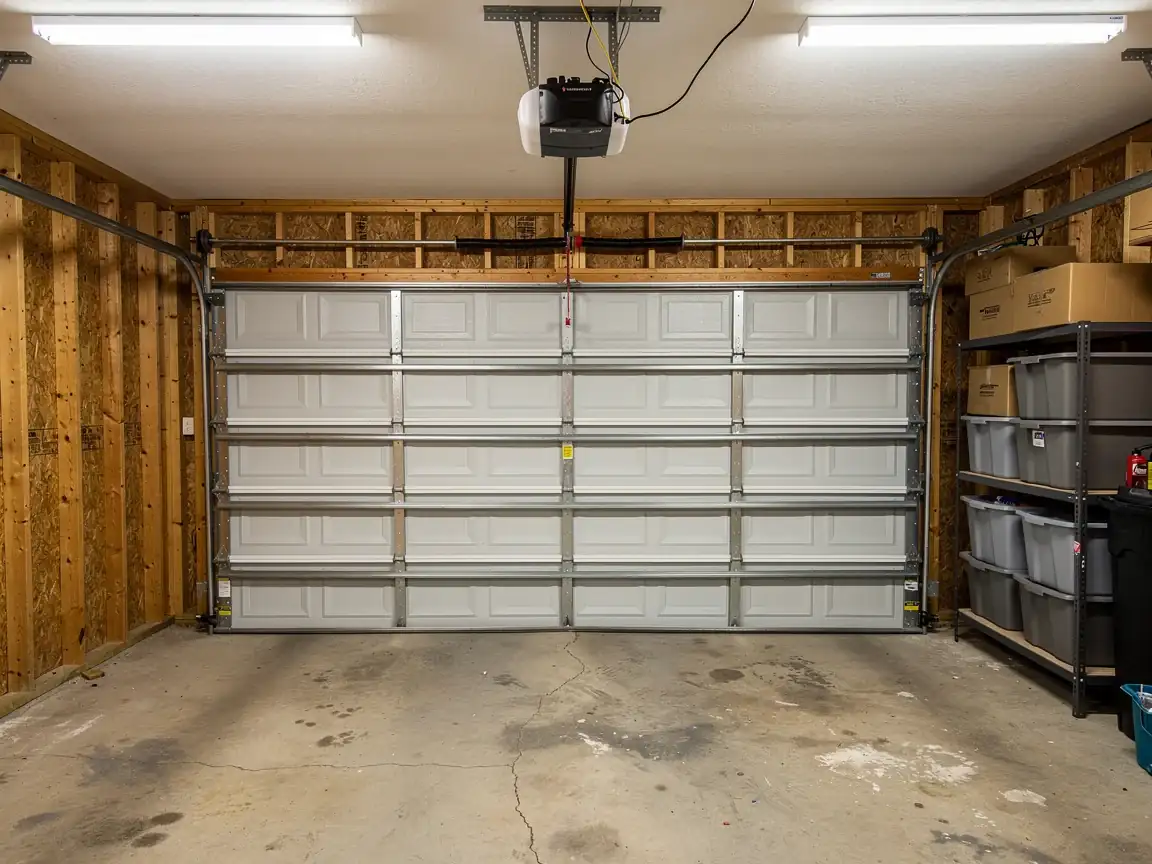
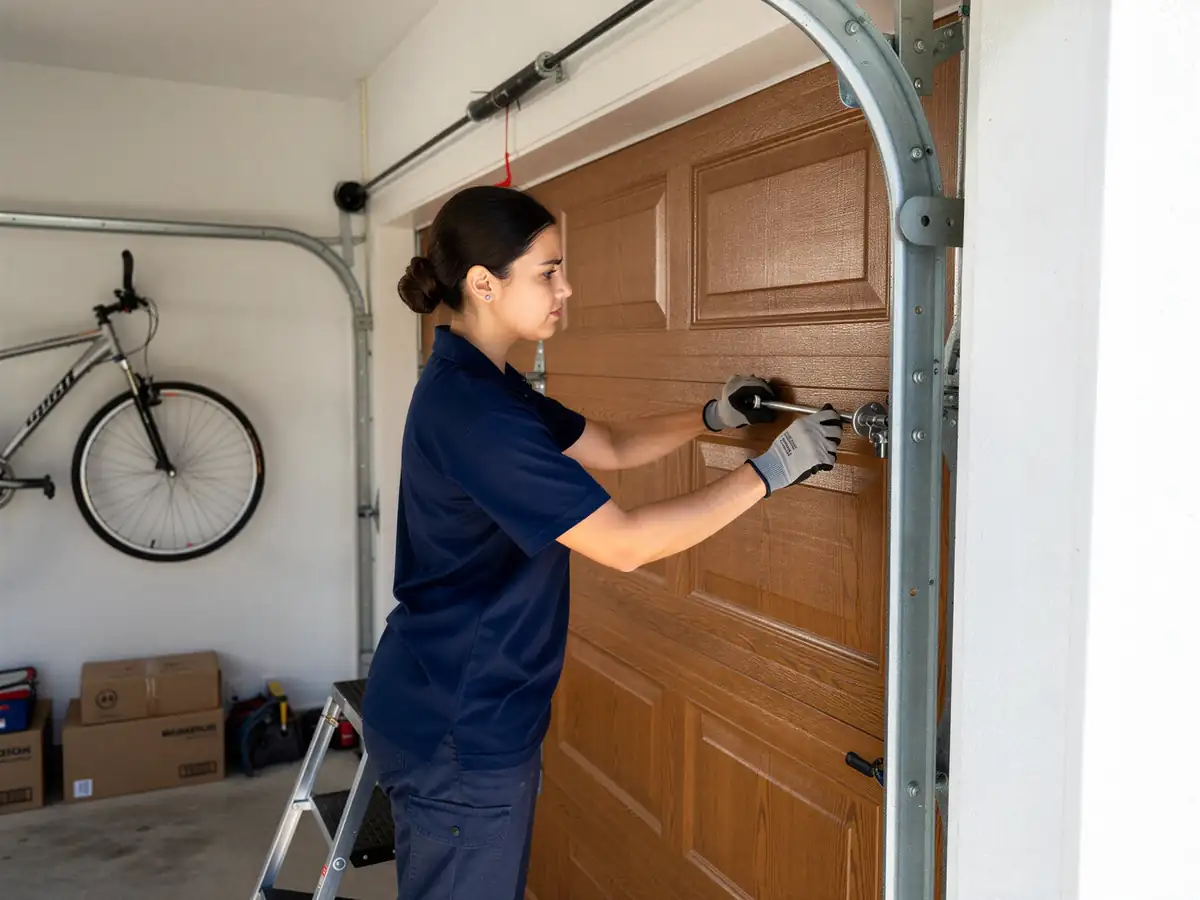
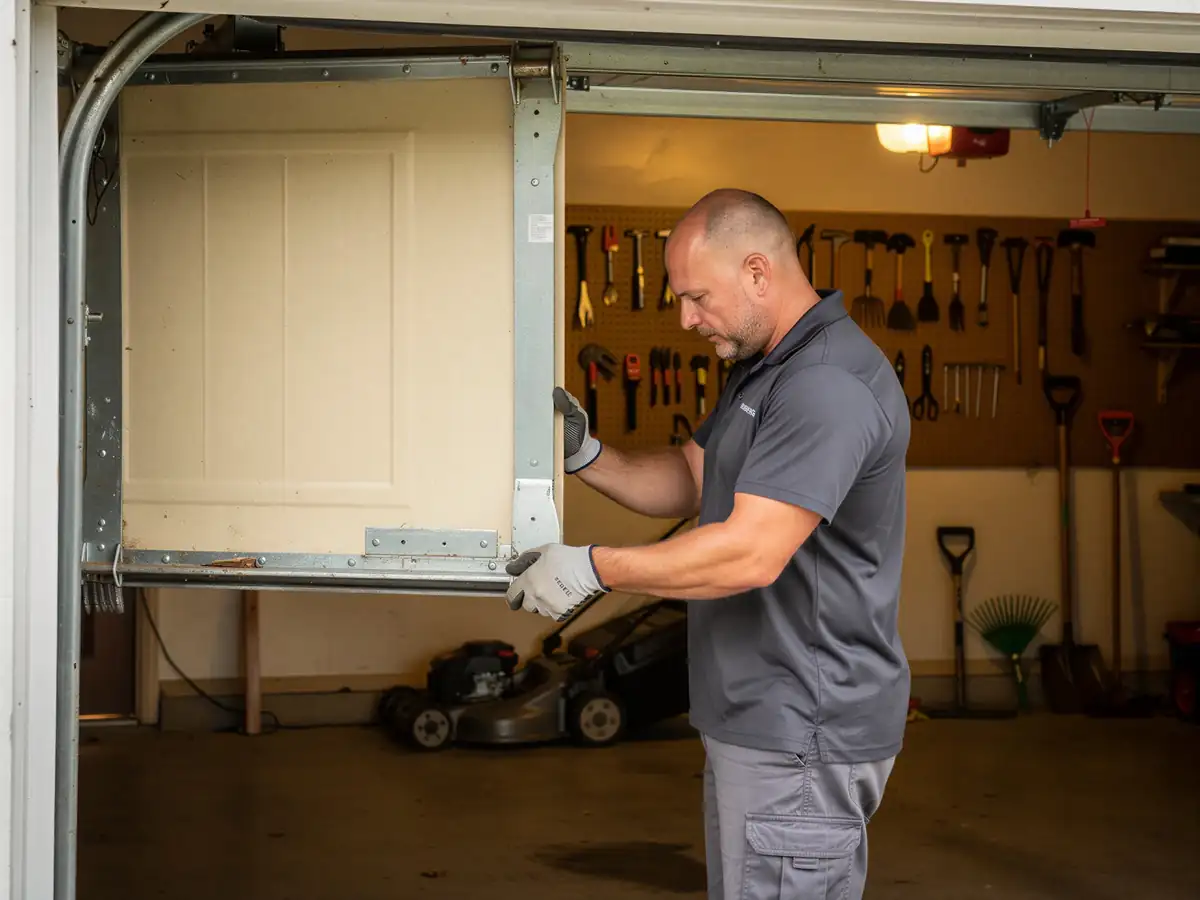
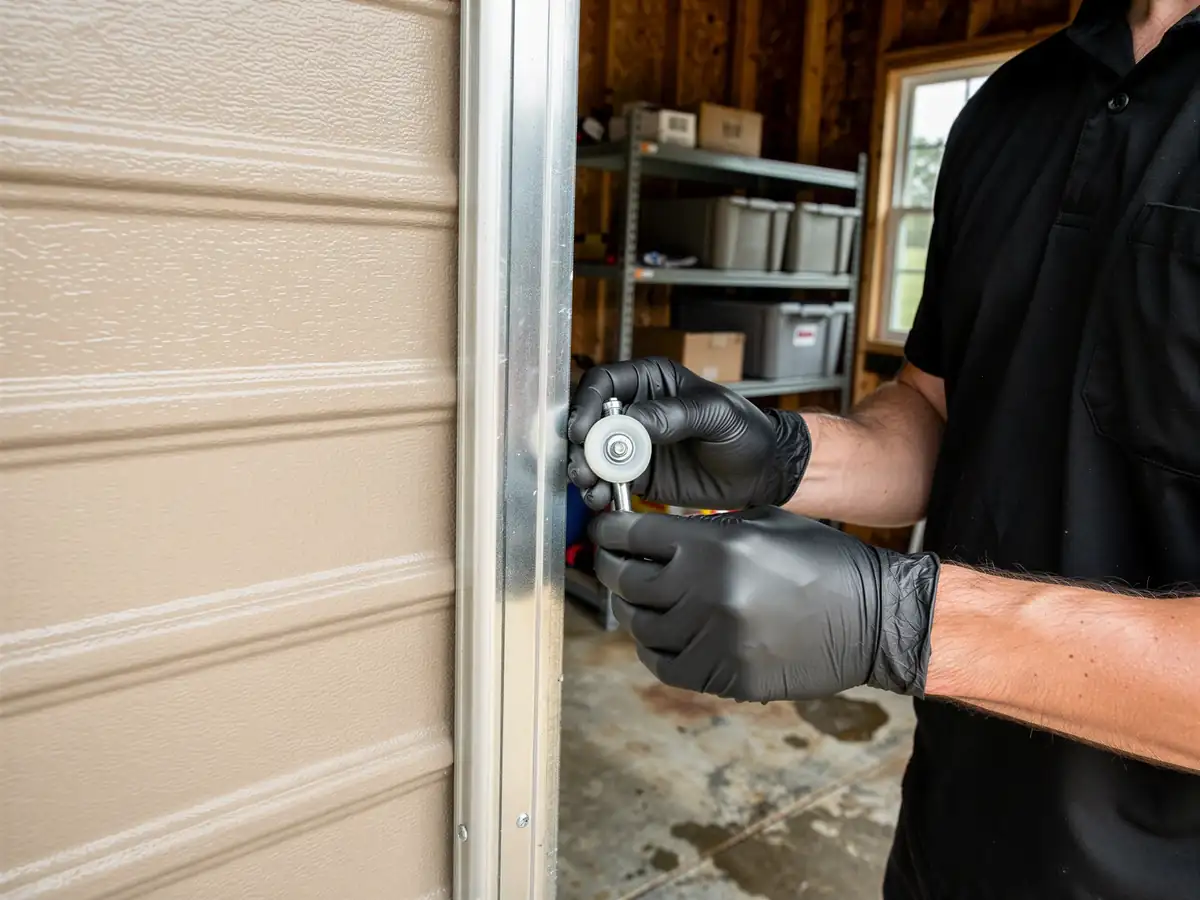
We pull the old rollers one at a time, working opposite sides of the door so it stays supported in the track the whole time - no need to pull the door off the hinges for a standard roller job. For a house built around 1981, we're typically matching to a stem length and track gauge that's common to that era's build-out, which is part of why we check the house's age before we load the truck for a 15-mile drive. Where income and household data for this part of the service area run higher than the regional average, we see more owners choose sealed nylon rollers with steel ball bearings over the base steel option - quieter, and they don't need periodic lubrication the way open-bearing steel does. We check each hinge and bracket while we're in there, since a worn hinge will chew through a brand-new roller just as fast as the old one. If we find the track itself is bent or out of plumb, we'll say so before we close out the job, because new rollers riding a bad track just fail again.
What Causes It Around Here
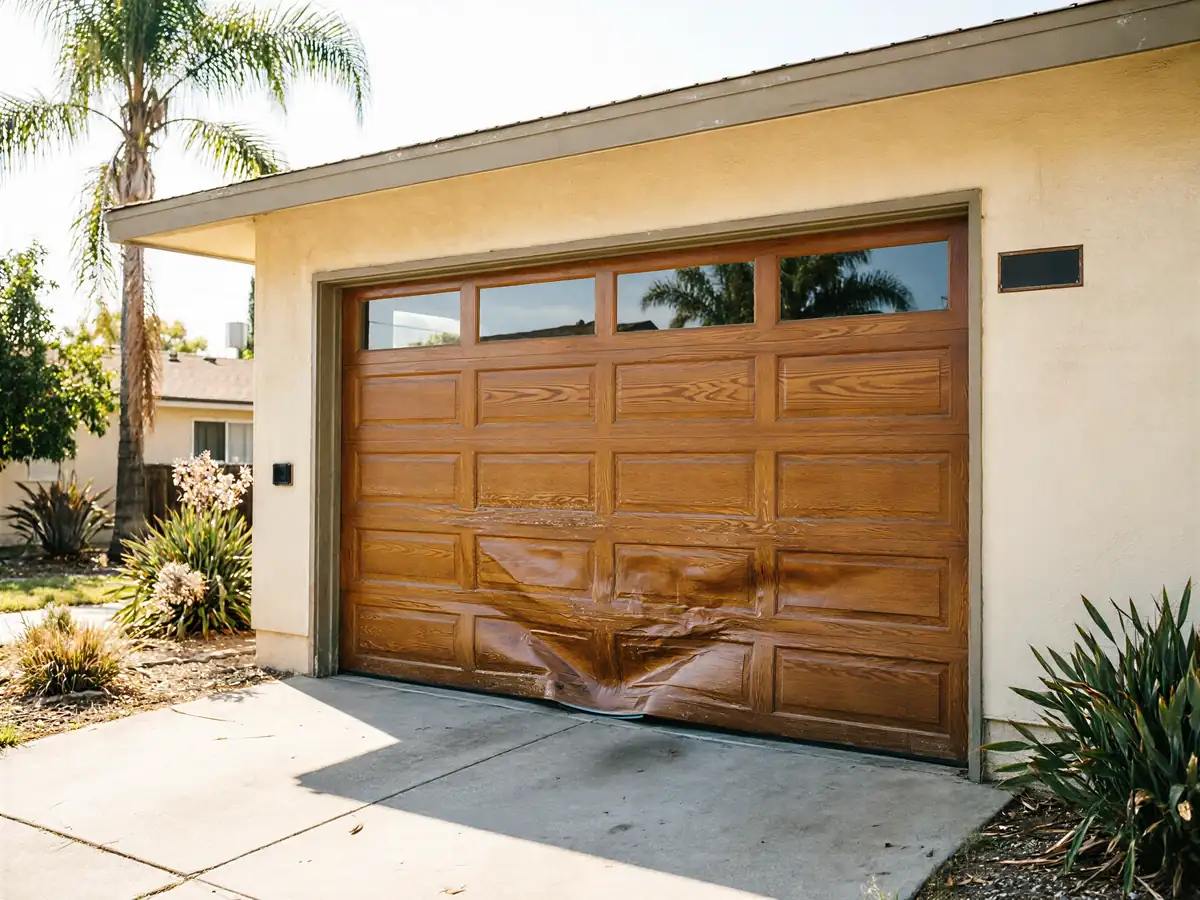
Benicia is one of 19 named areas across this service region where housing stock runs mixed - plenty of 1960s and 70s construction nearby, but Benicia's own median build year sits at 1981, later than a lot of that older stock. That later build date often means slightly different standard hardware came with the door from the factory, which is the detail that trips up a one-size roller order. Daily cycling is still the main driver of wear - a door that opens and closes twice a day for over forty years puts a lot of miles on a bearing, regardless of climate. The mild temperate conditions here mean we're rarely dealing with ice-cracked rollers or rust-frozen stems, the way a colder region would. Instead it's dry, gritty bearings and the slow flattening of a roller's contact edge from age. None of that is urgent until the day it is, which is usually when the grinding noise turns into the door sticking halfway up.