Parts We Carry
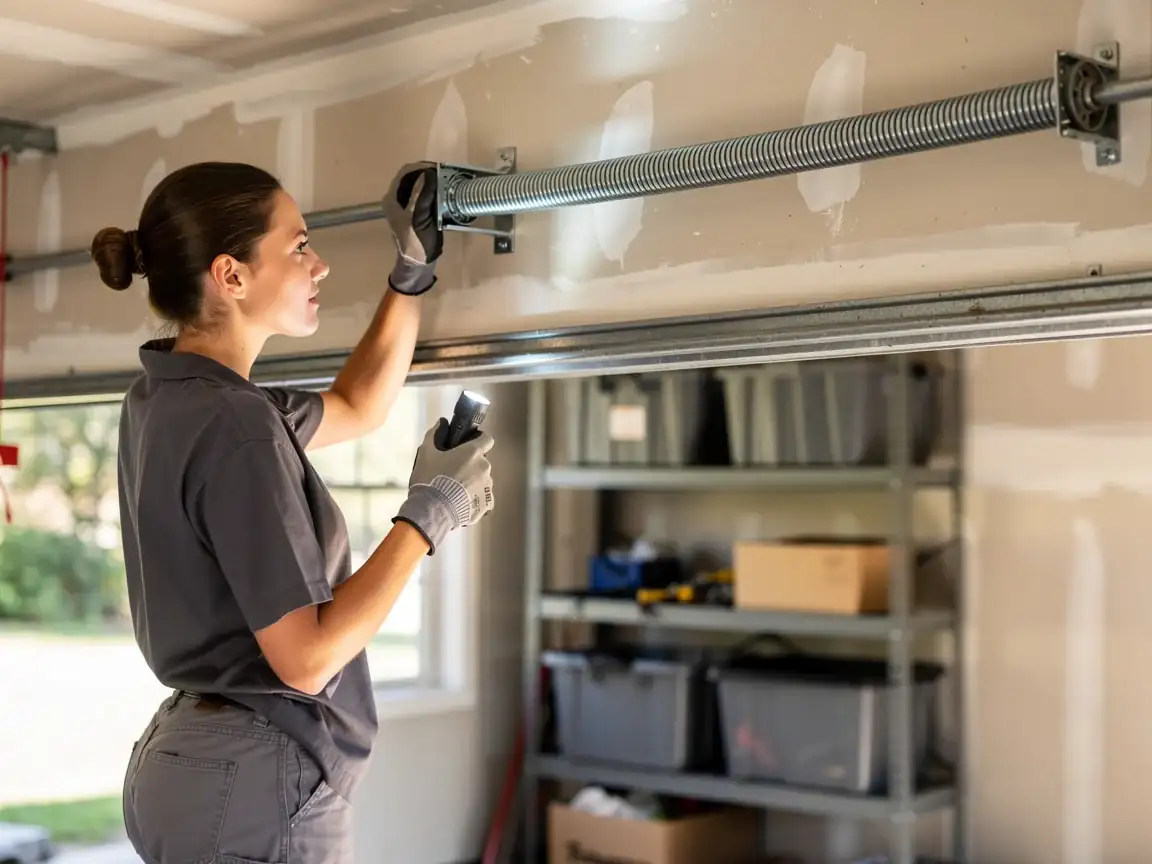
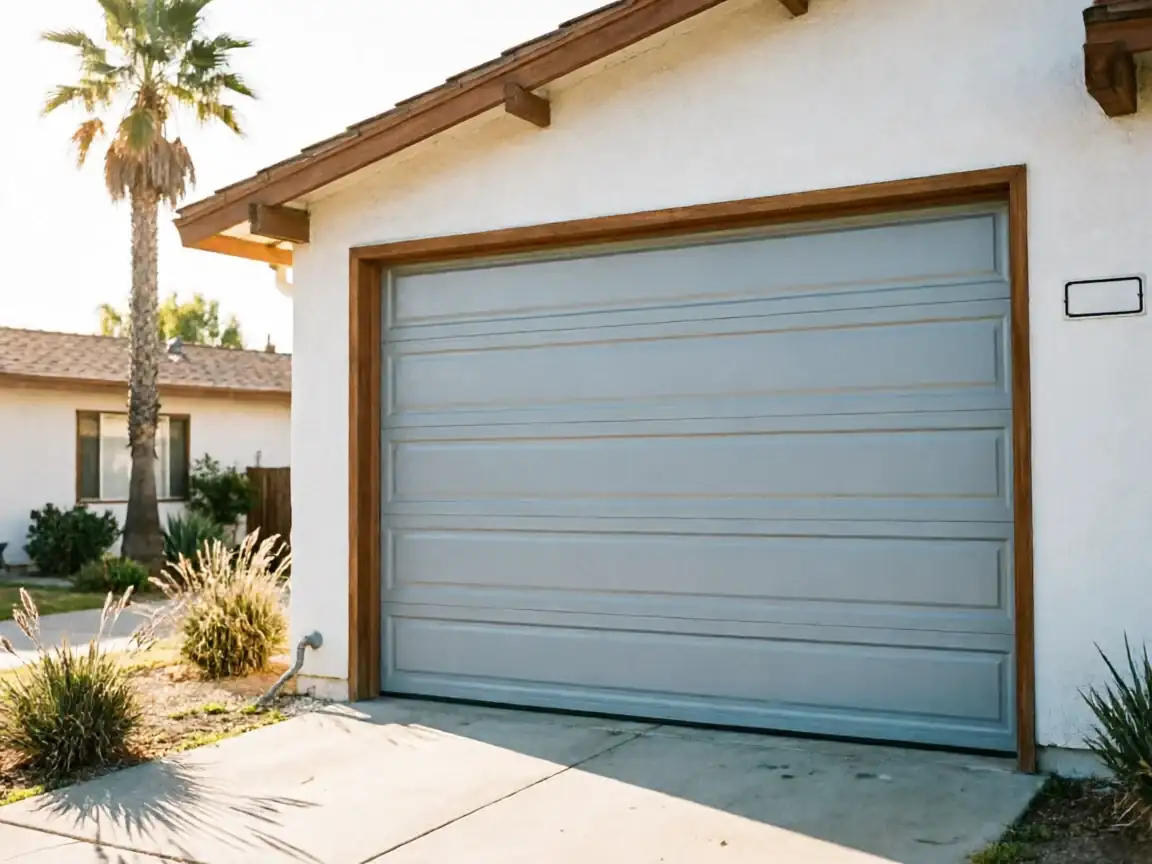
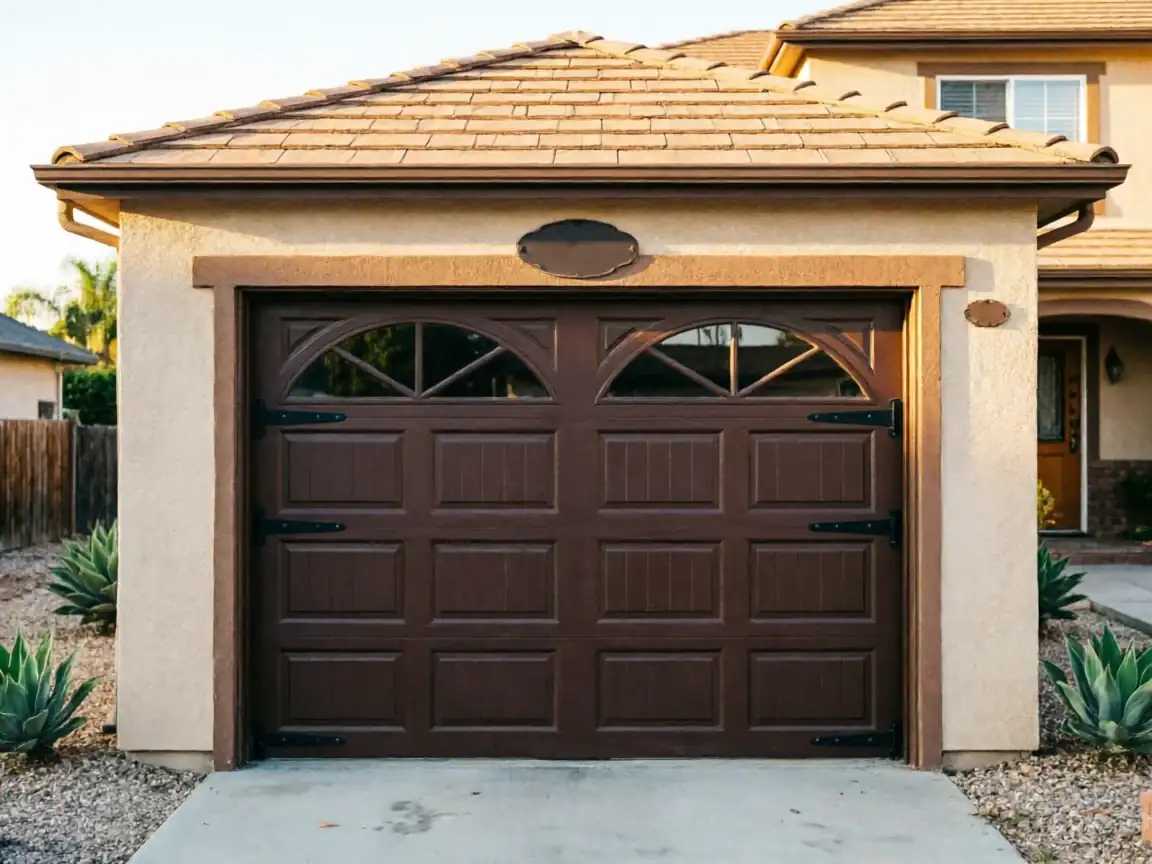
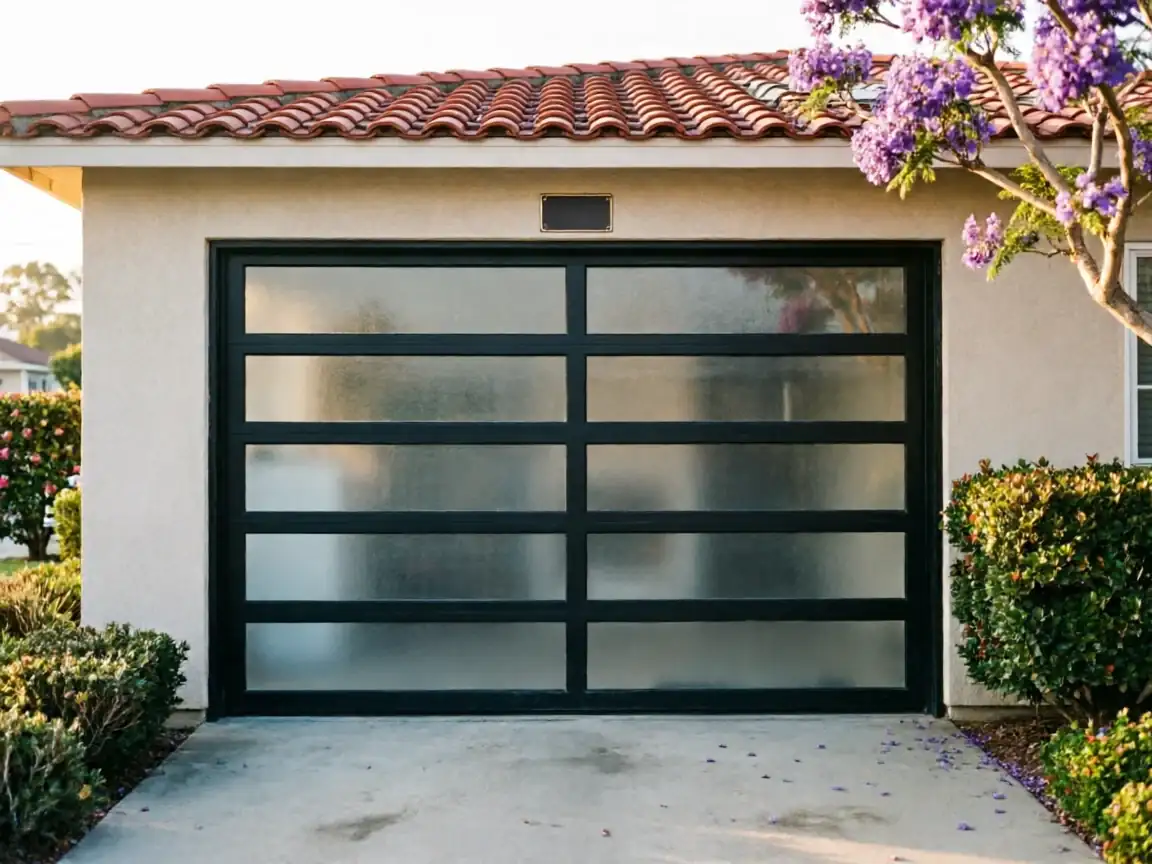
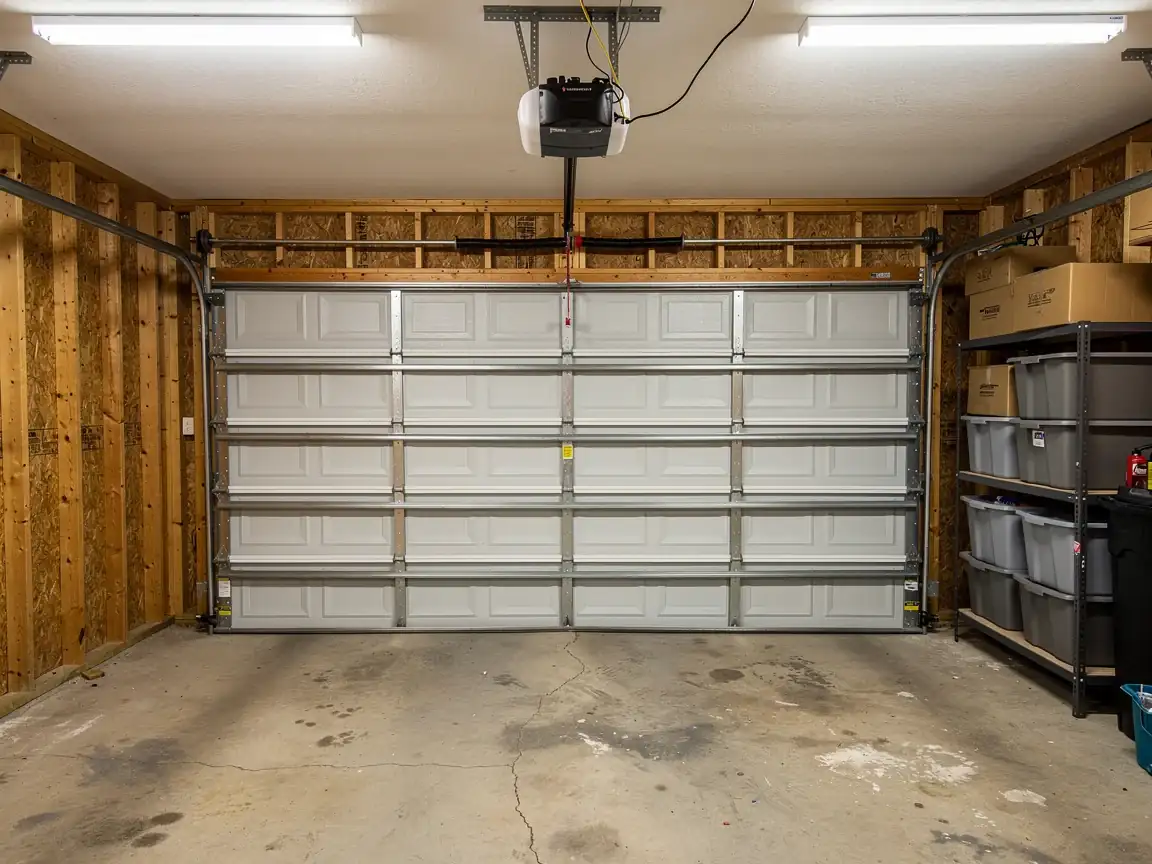
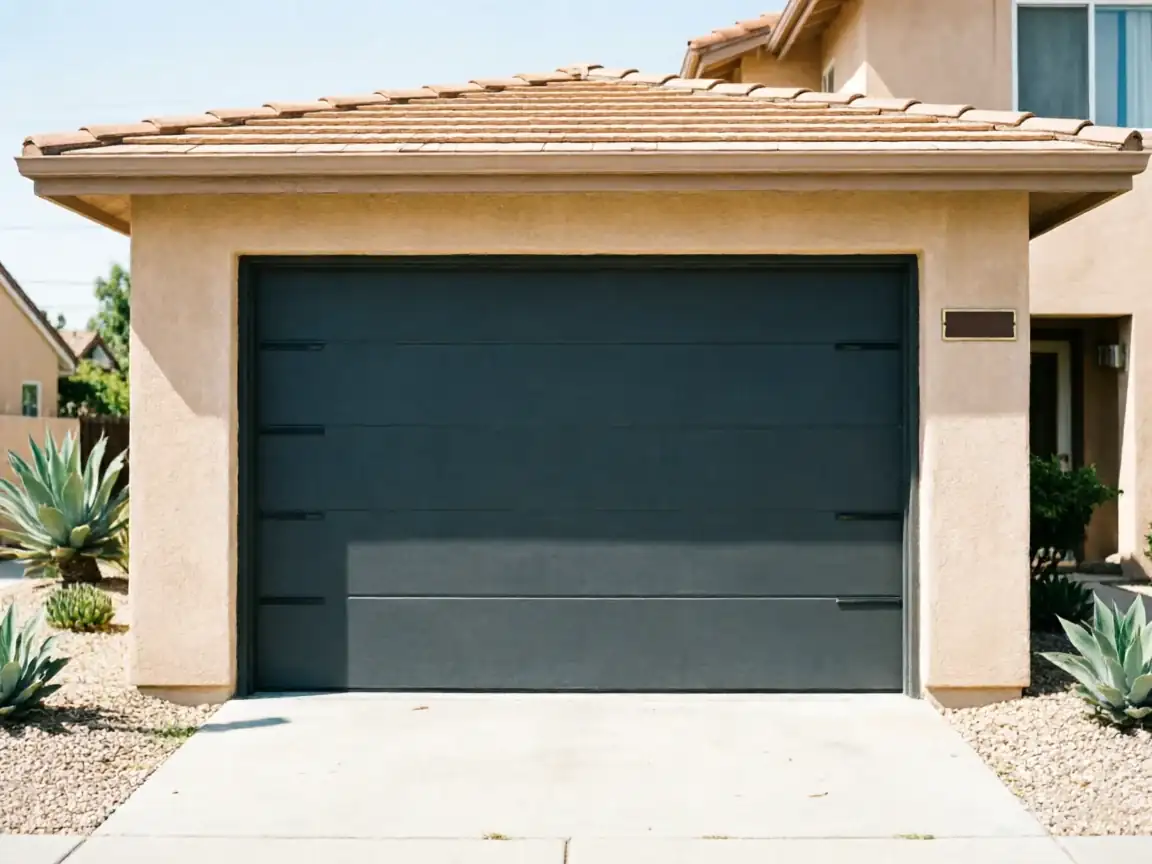
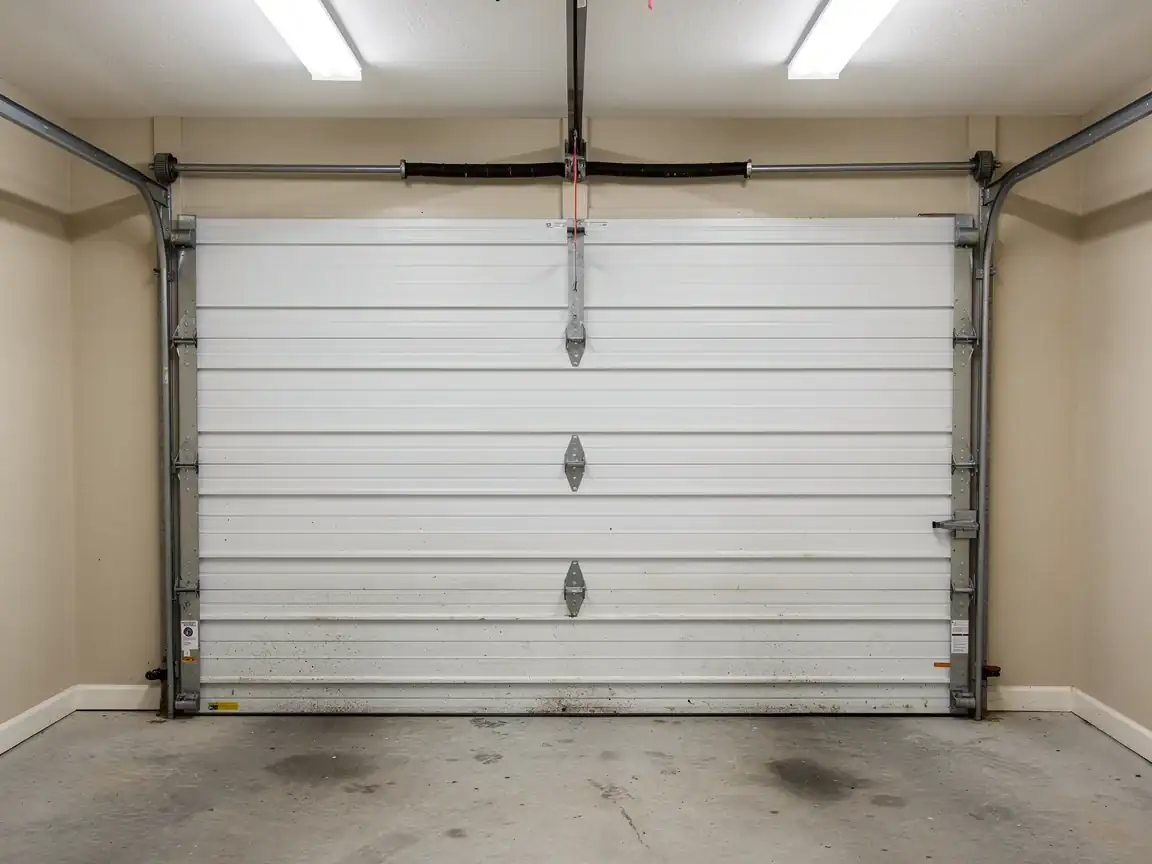
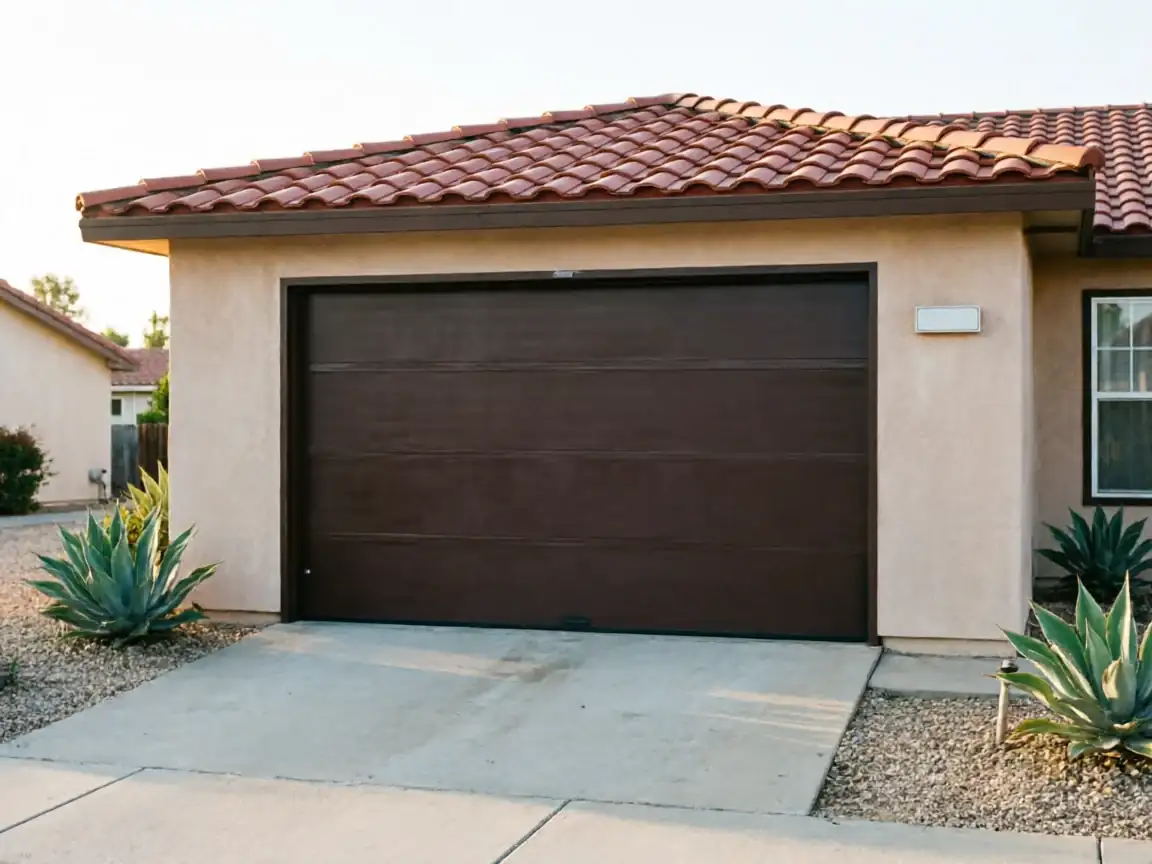
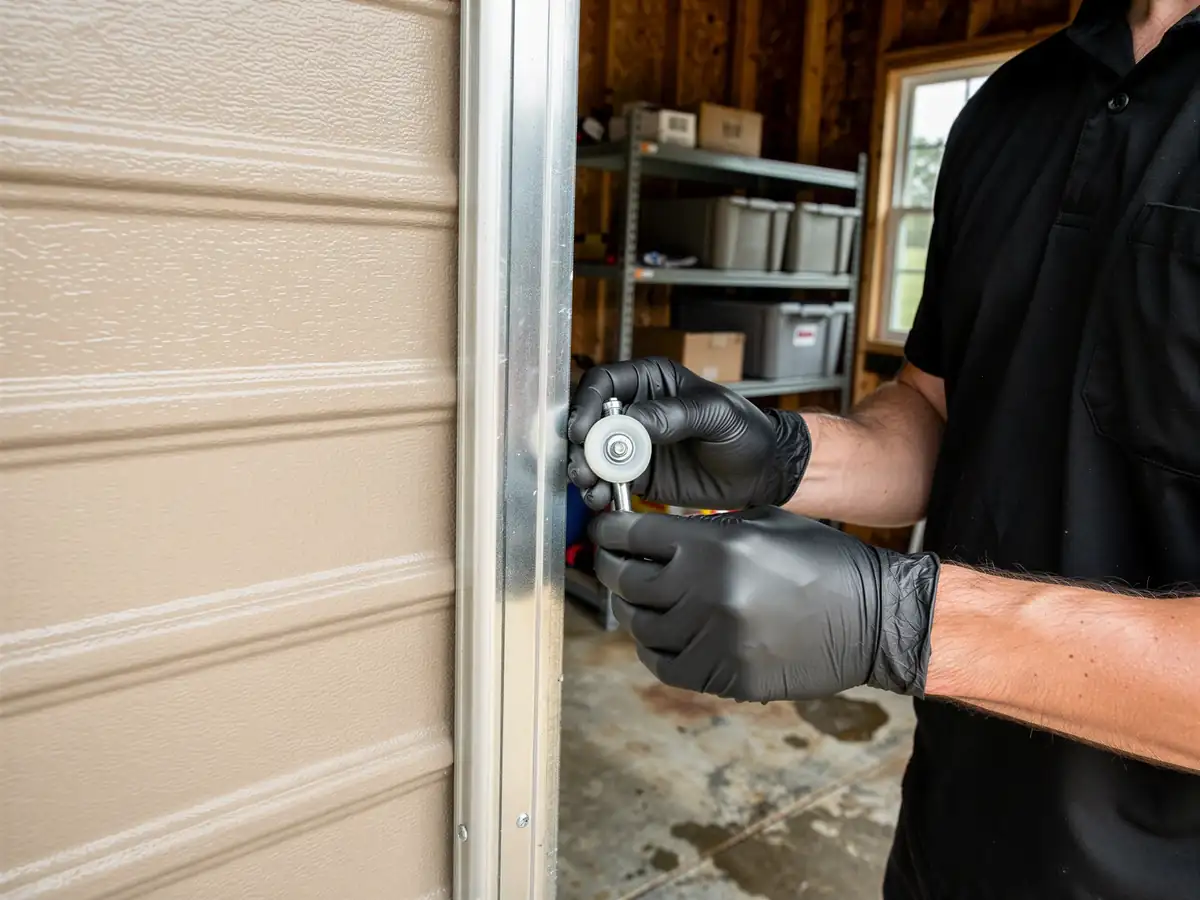
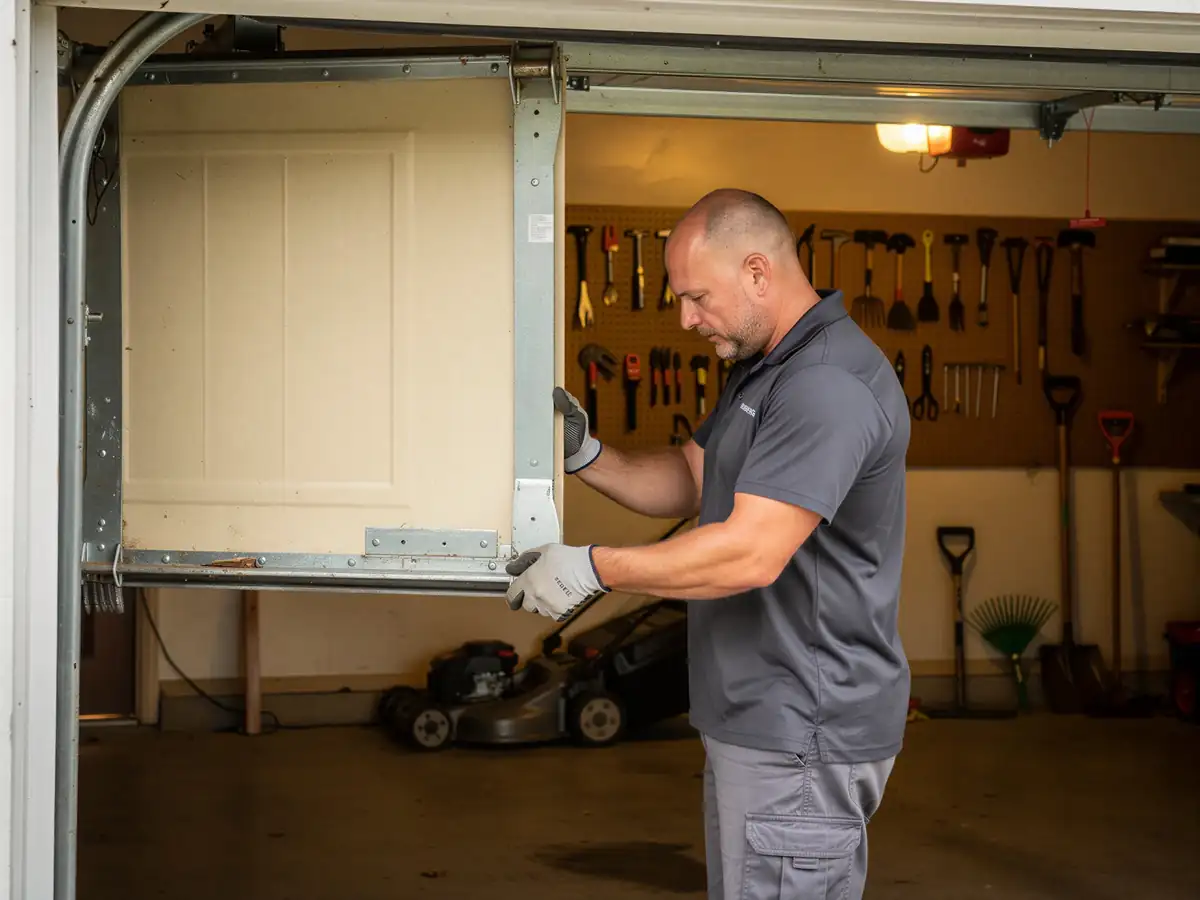
Suisun City's housing mostly dates to around 1984, which puts it a few years past the wider service area's median build year of 1979. That gap matters on a garage door call. Houses from the mid-80s typically came with steel sectional doors on extension springs running along horizontal tracks, not the torsion bar setups that became standard later. Openers from that build window often ran chain drives with simple dip-switch code settings rather than rolling code boards. We carry extension spring sets, pulley cables, and the sectional door hardware that matches 80s-era track widths, along with torsion components for the houses that were upgraded since. What we don't stock on the truck is anything discontinued by a manufacturer that stopped making a specific panel line decades back - if your door is an odd size or an old custom order, that part may need to be sourced before we can finish the job, and we'll tell you that up front rather than guess at a fix. The broader area spans 1960s and 70s stock too, so the truck carries parts for both generations, not just one.
Can You Do This Yourself
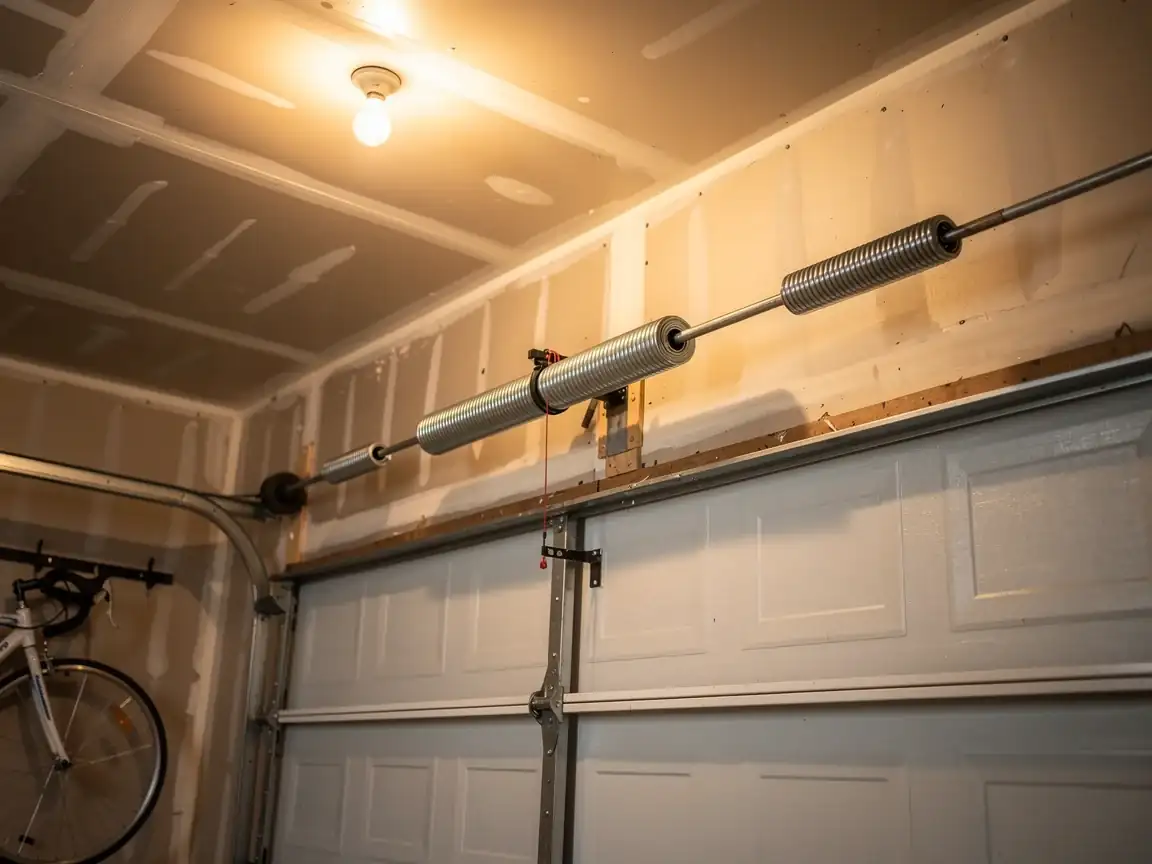
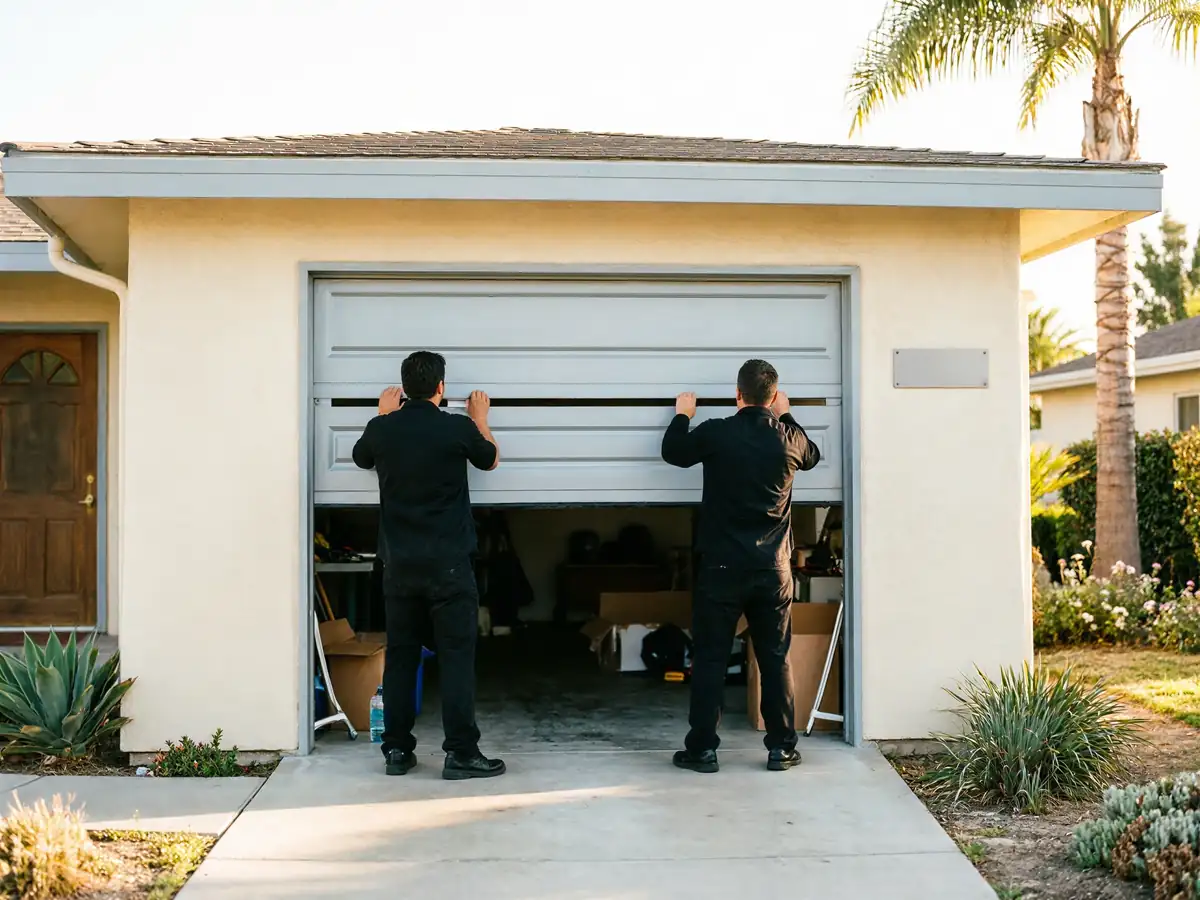
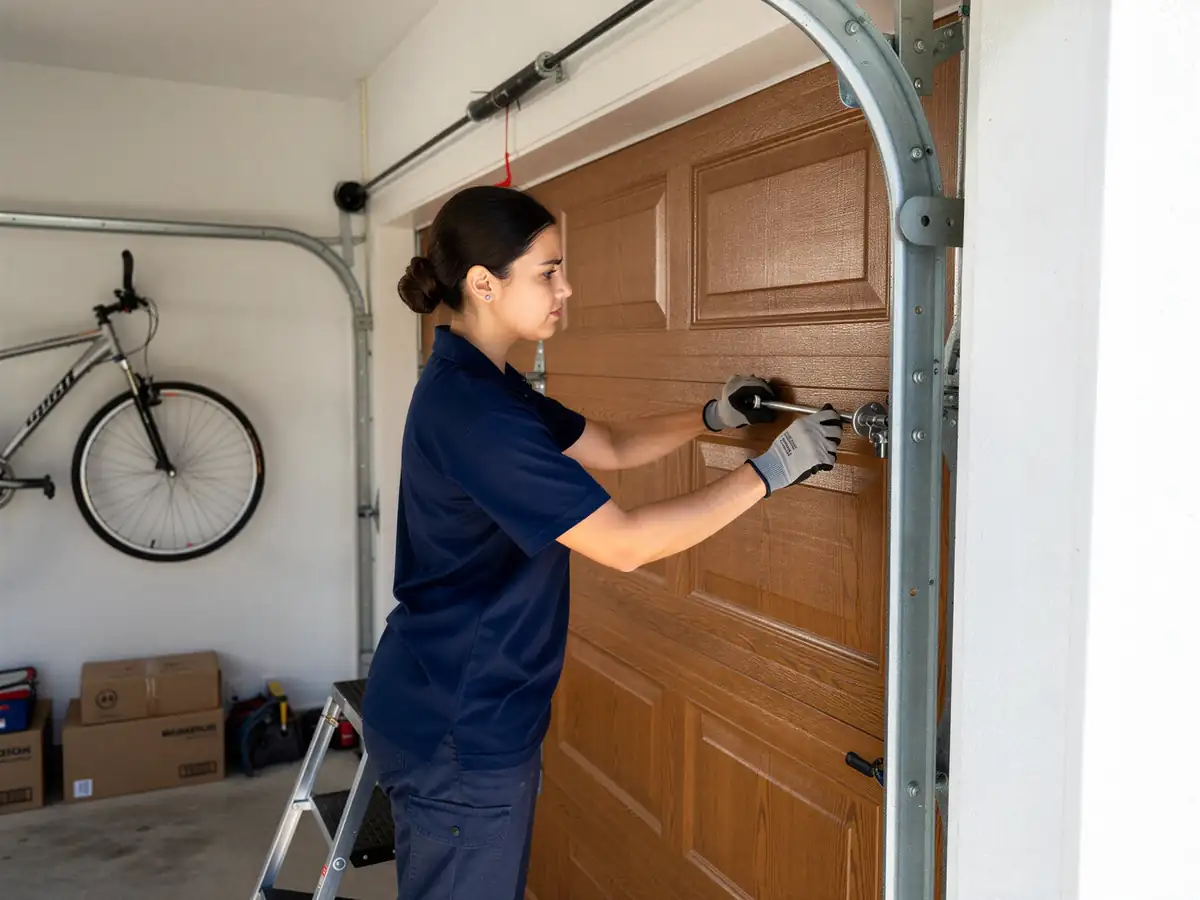
Extension springs are lower-tension than torsion springs, which is part of why 1980s-era doors used them, but low-tension doesn't mean low-risk. A spring under load that lets go while you're adjusting it can put a cable or bracket across the garage at speed. If your door is making noise but still opens and closes evenly, lubricating hinges and rollers is reasonable to do yourself. If a cable has slipped off its drum, or the door hangs crooked, or a spring has visibly separated, that's a call-a-pro situation. We're not going to tell you every repair needs a truck - some genuinely don't - but spring and cable work on these older extension-spring setups is where the self-repair math stops making sense for most homeowners.
What You Are Seeing
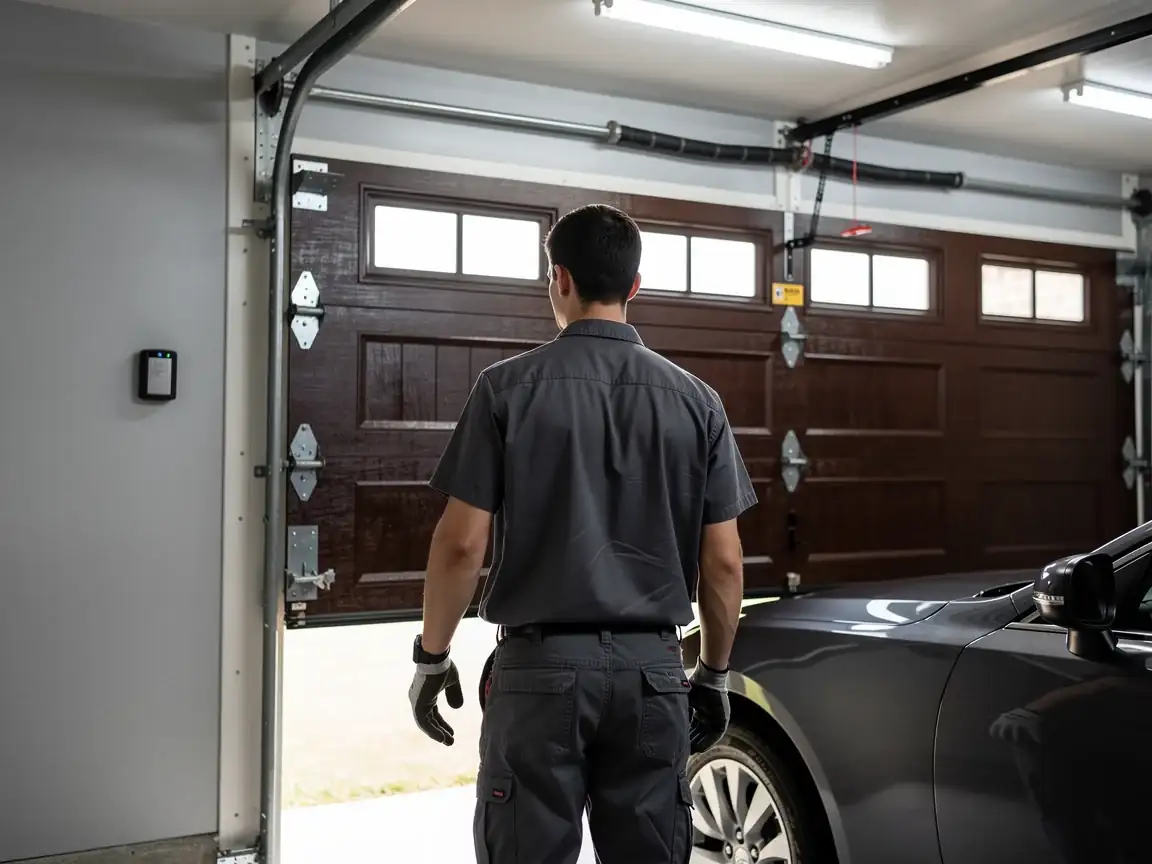
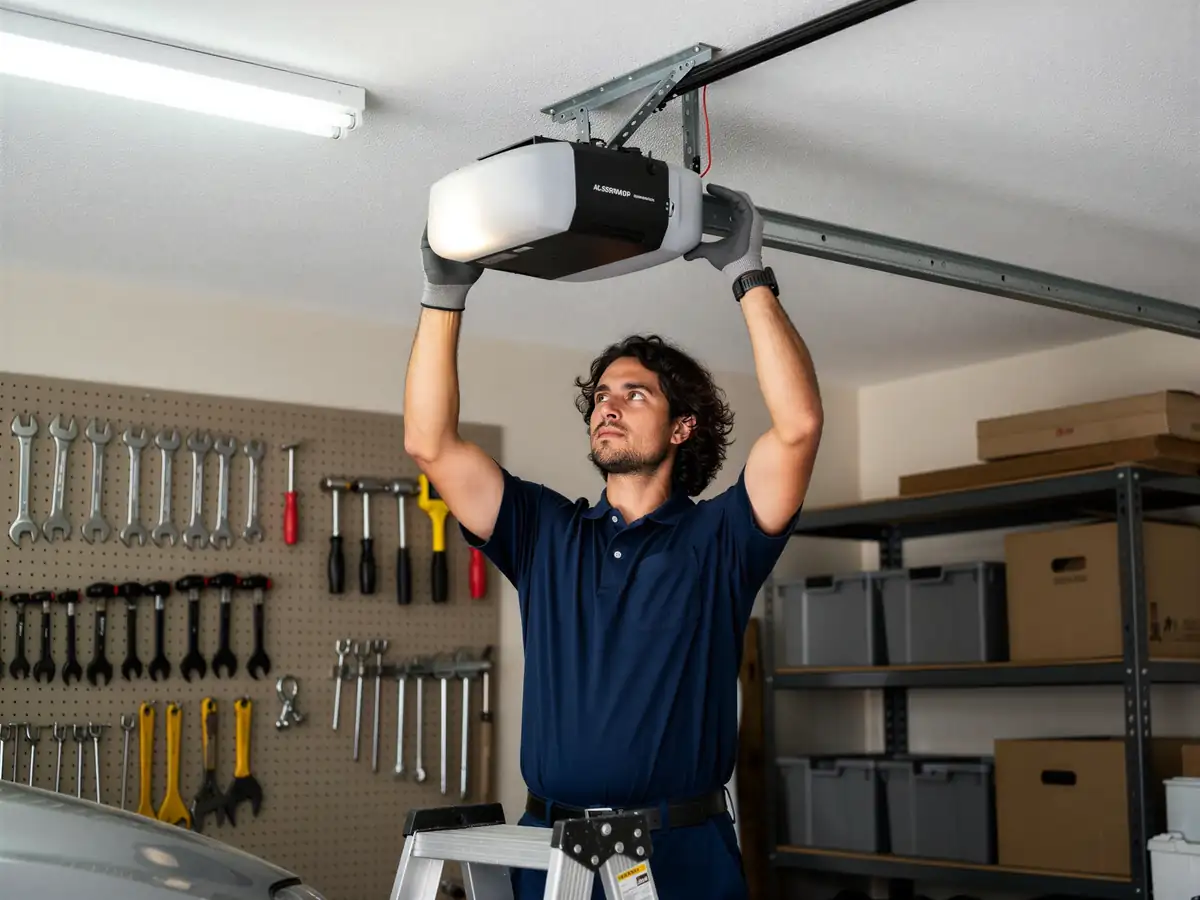
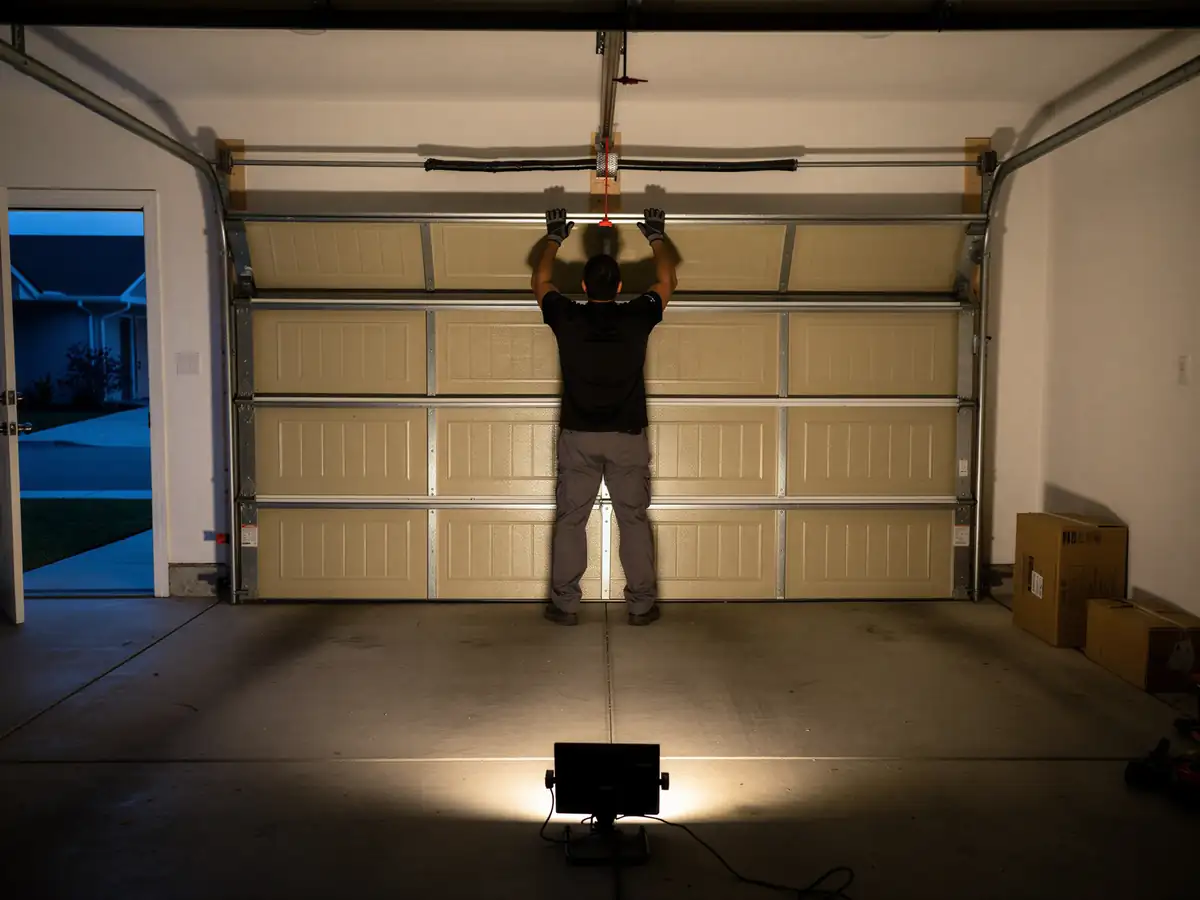
On a house built around the median year for this area, the most common failure we see is a frayed or snapped extension spring cable, followed by worn pulleys that let the door sag to one side as it opens. Chain-drive openers from that era tend to fail at the gear or sprocket before the motor itself gives out, so a grinding sound usually means a $20-$40 part, not a full opener replacement - though we won't know for certain until we're looking at it. Doors that have had a torsion conversion since 1984 show different symptoms: uneven torque, a door that reverses partway up, or a spring that's visibly unwound on one side. Knowing which era of hardware you're dealing with changes the diagnosis before a wrench ever comes out.
The Complications
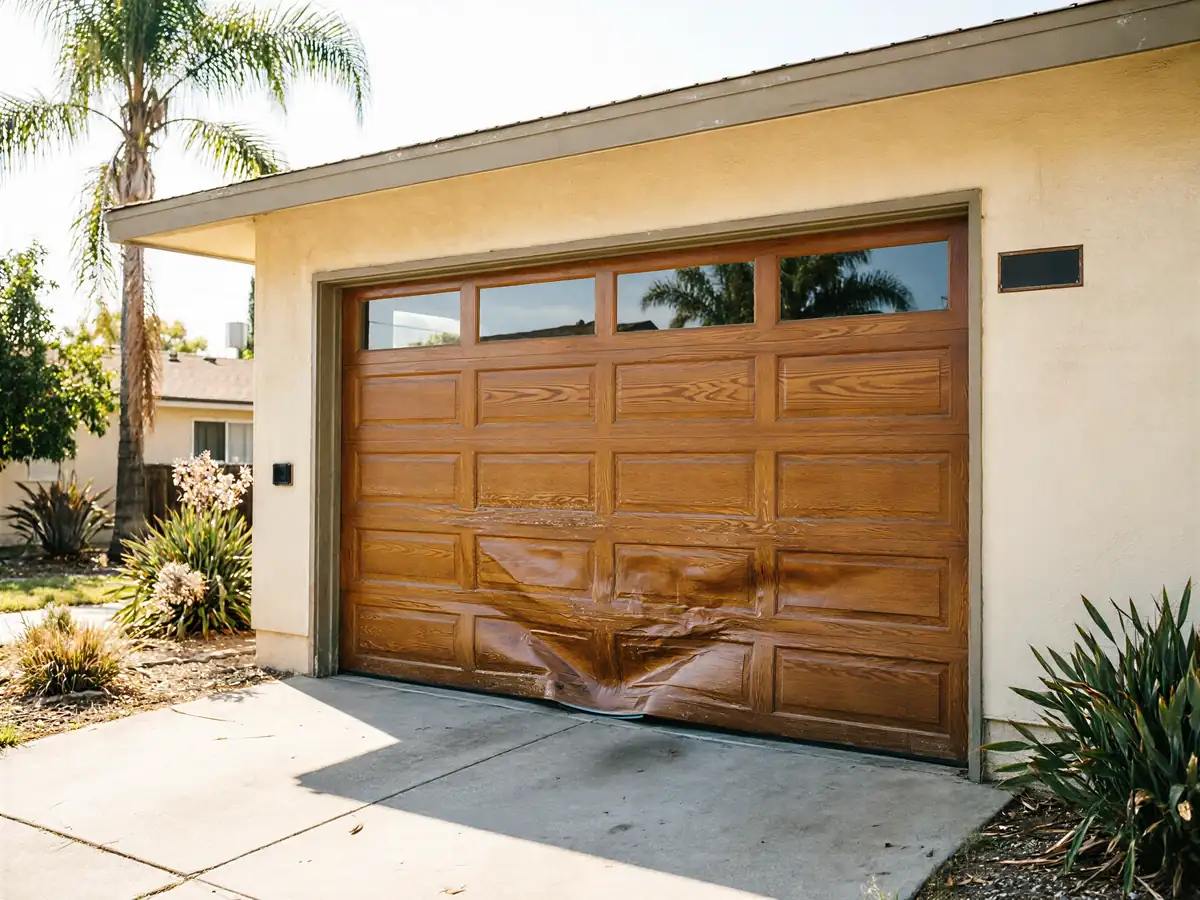
The one wrinkle specific to this area's housing age: doors from 1984 sometimes have openers that were swapped out once already in the 2000s, while the spring and track hardware stayed original. That mismatch - a newer opener bolted to 40-year-old track - causes alignment problems that look like an opener fault but are actually a track issue, and vice versa. We also run into doors where a prior repair used a panel from a since-discontinued line, which limits what we can match if a single panel needs replacing versus the whole door. With 9,561 households in Suisun City and a good number of them sitting in that same build window, this isn't a one-off; it's a pattern we plan for before we knock on the door.