Parts We Carry
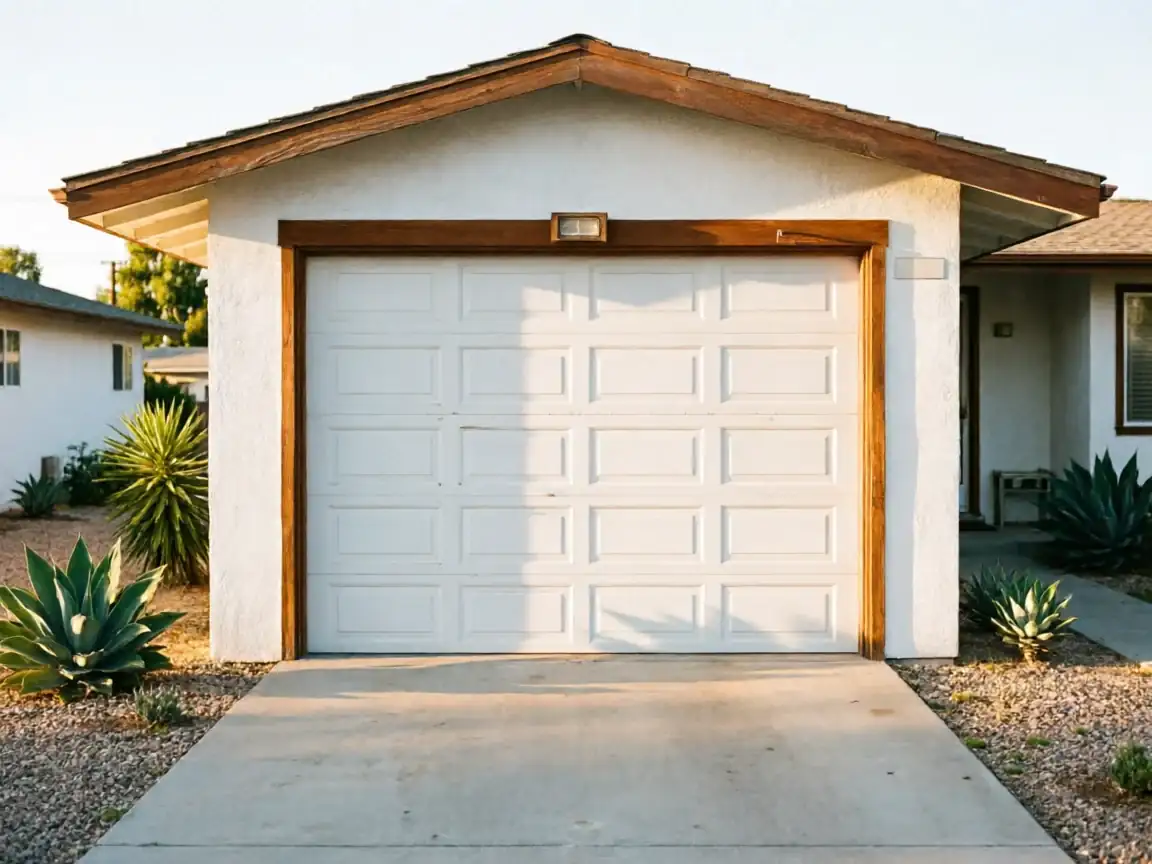
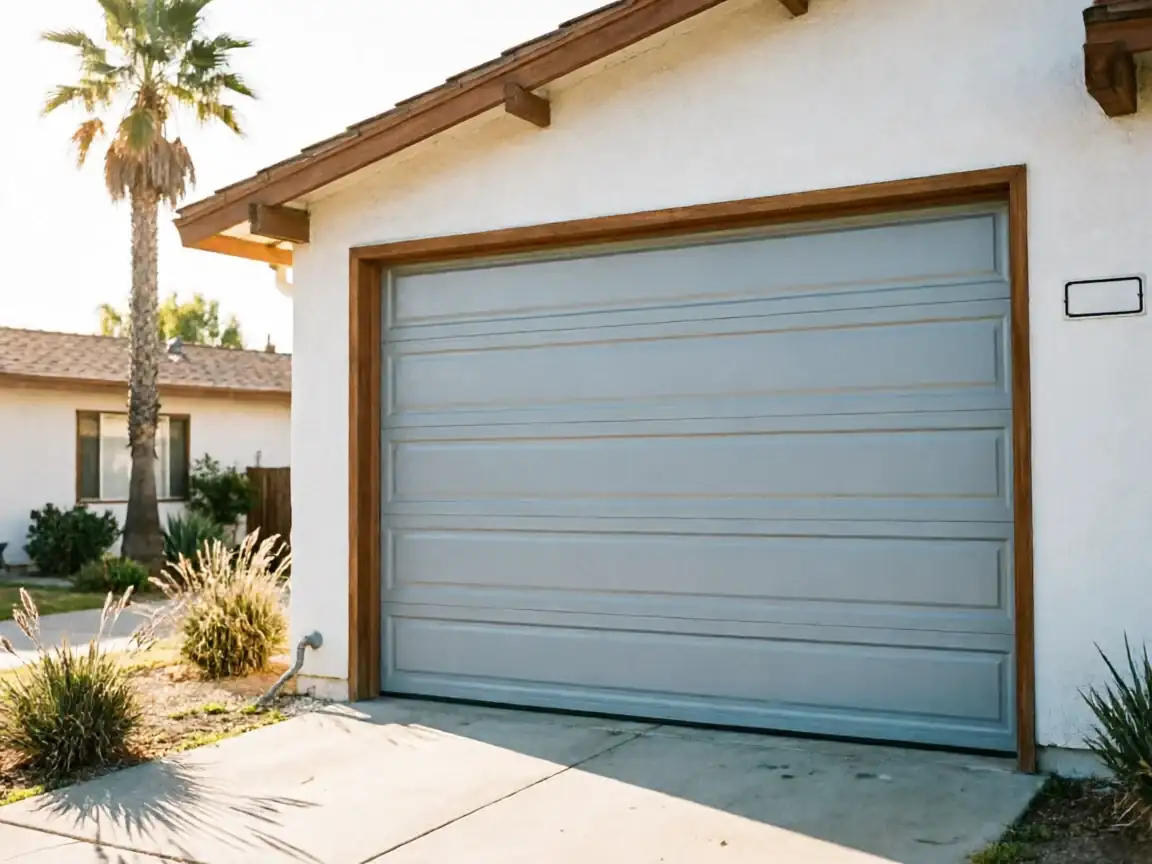
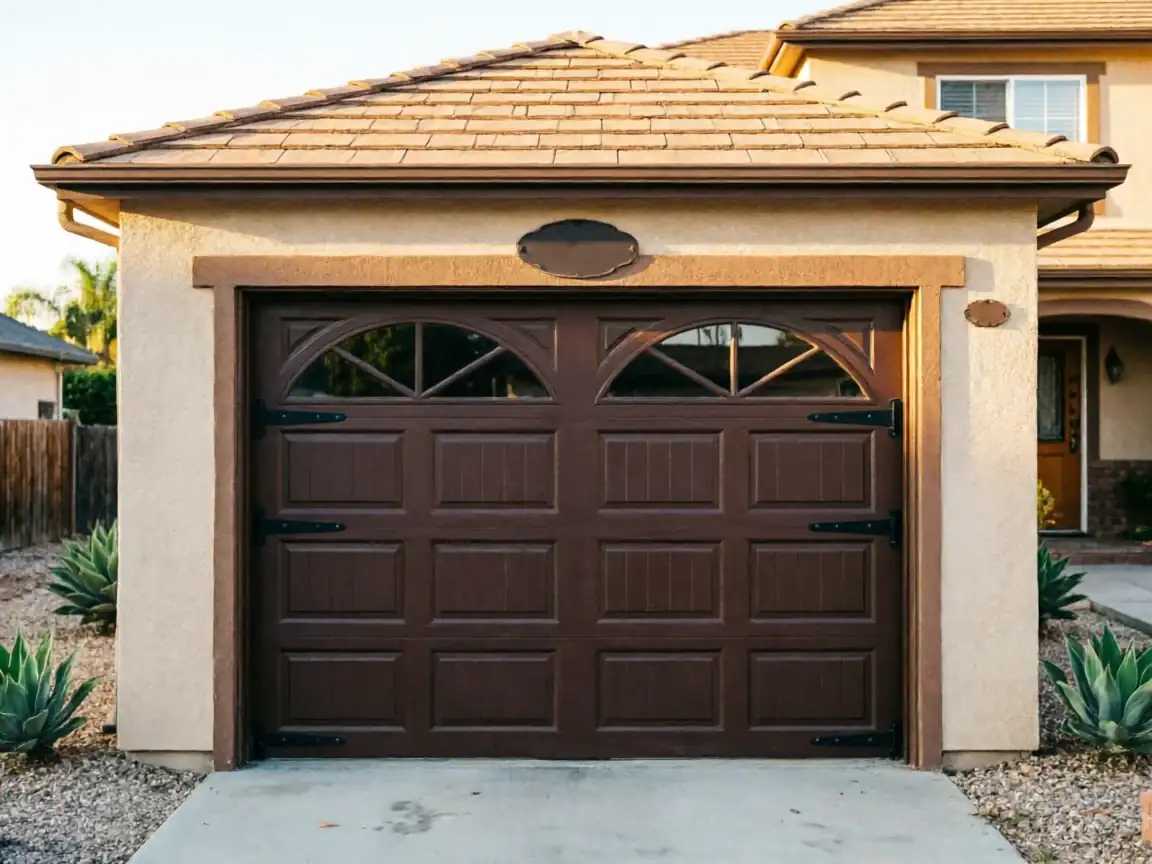
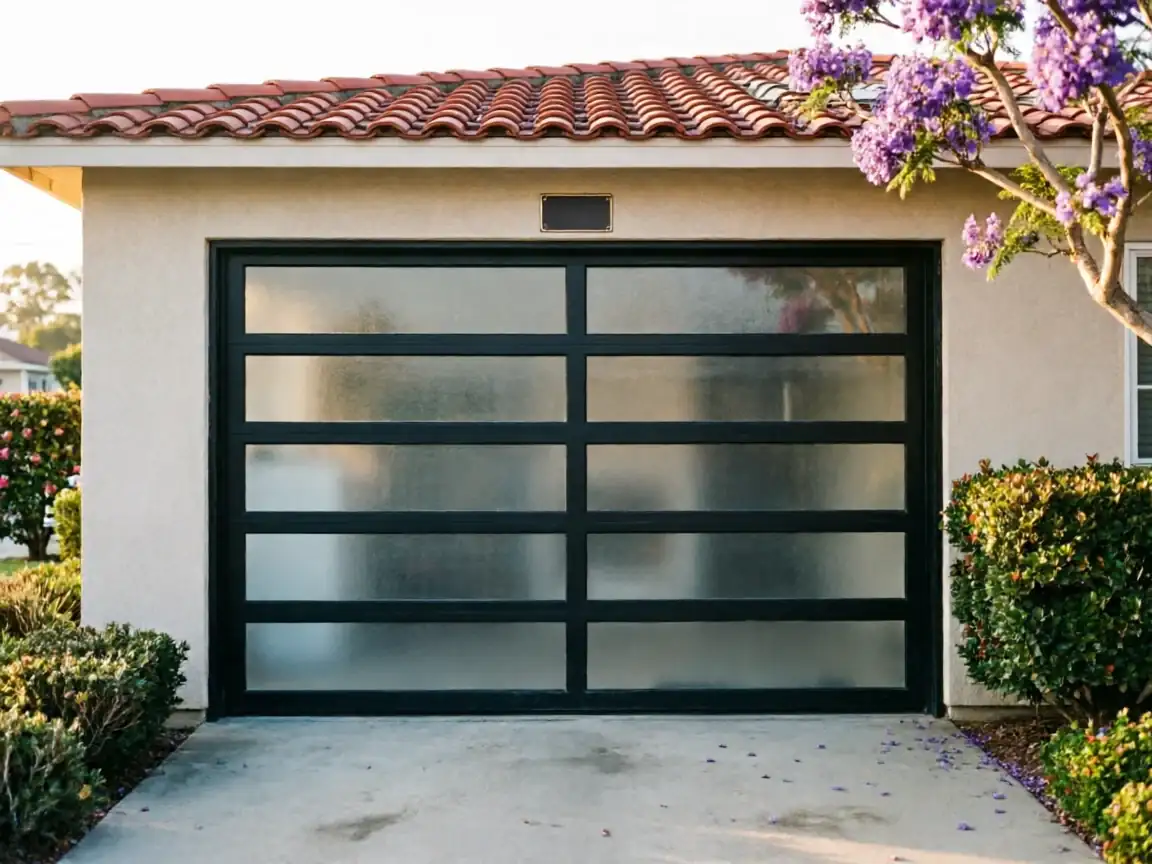
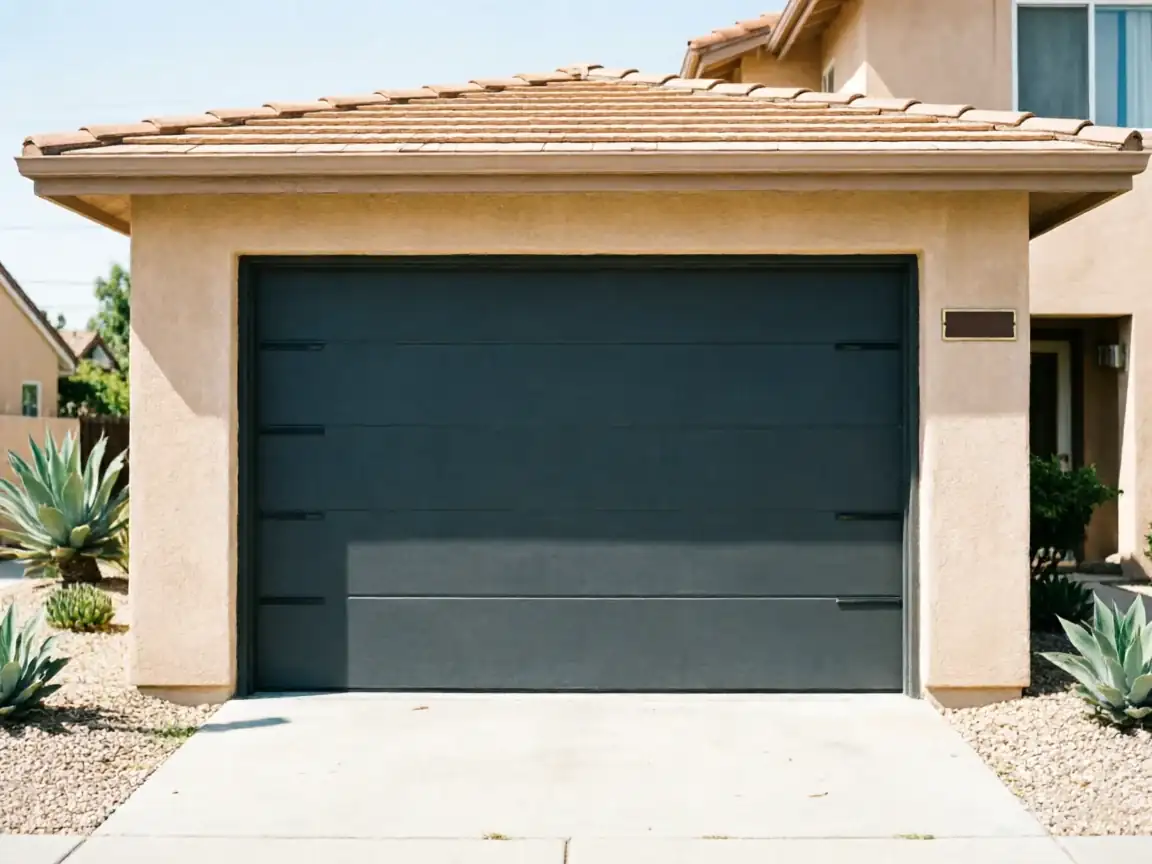
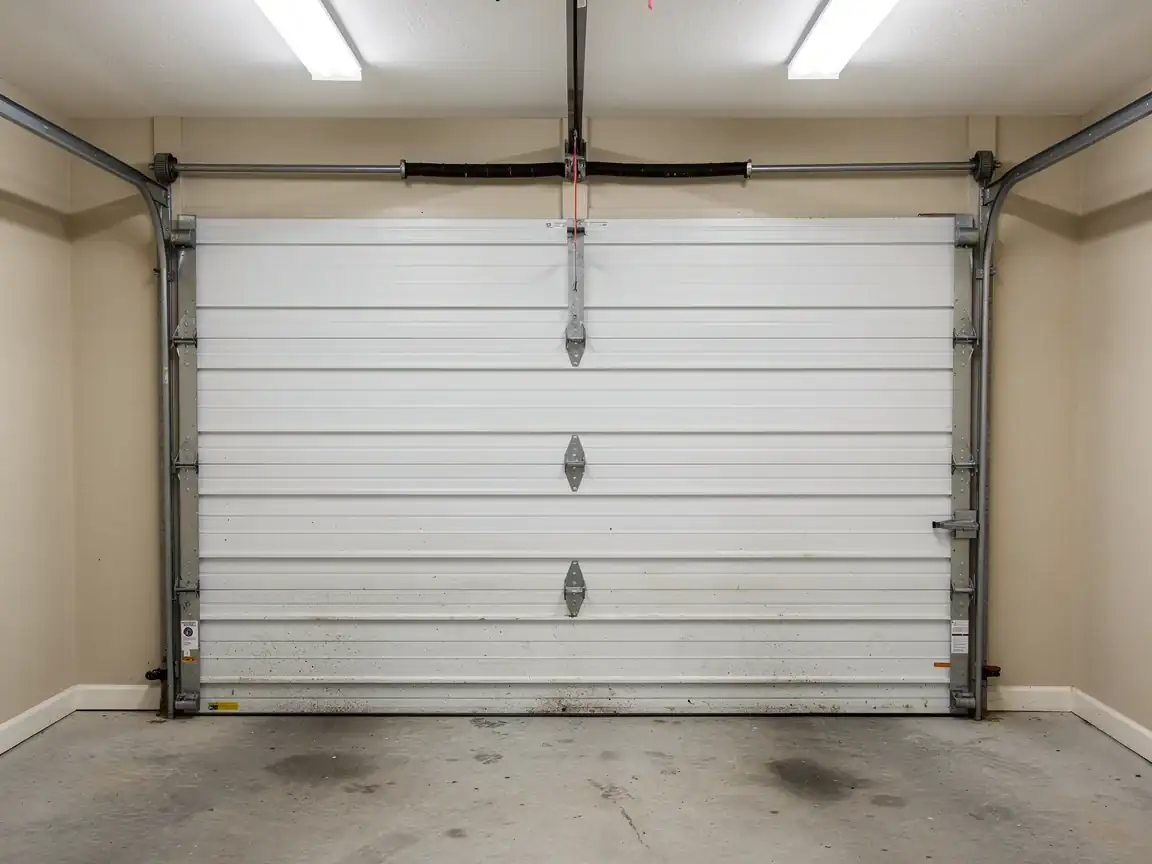
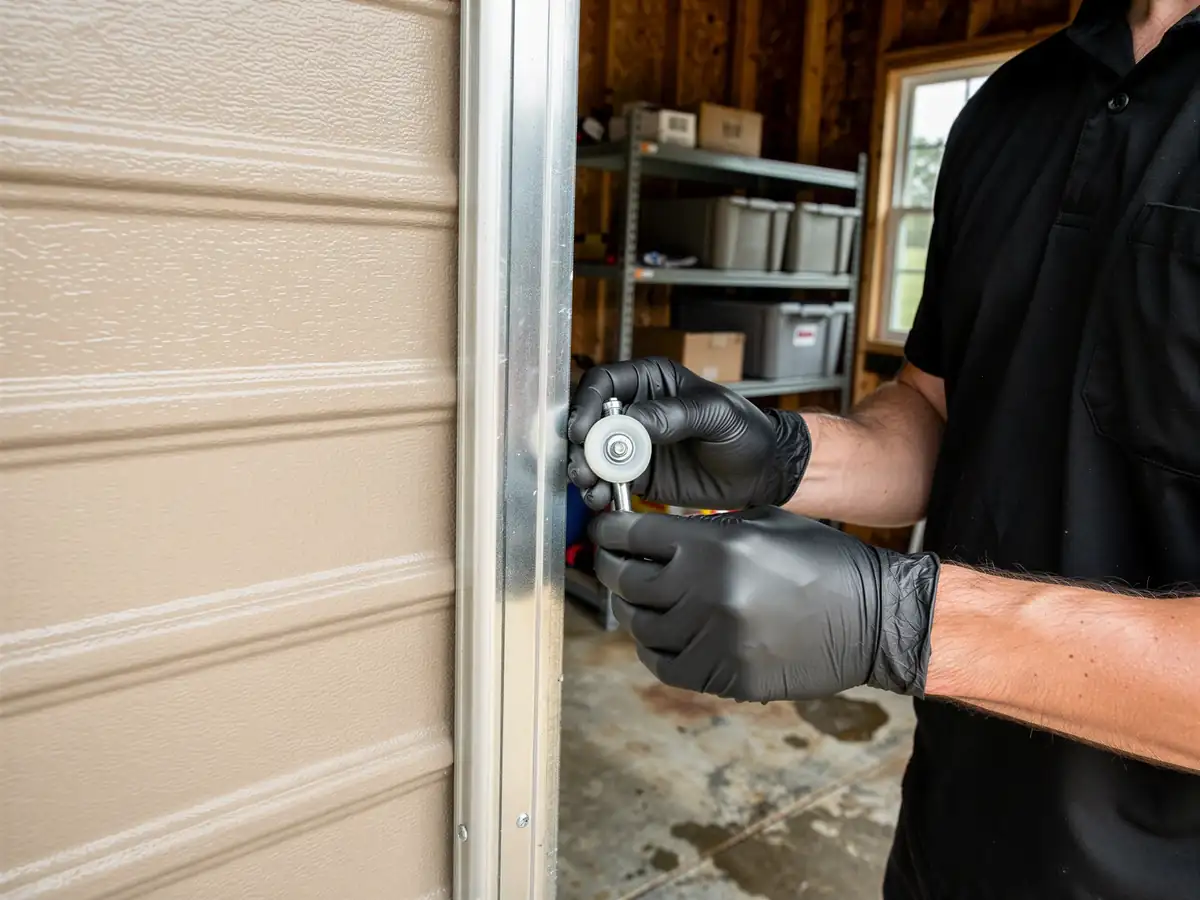
A lot of Suisun City houses went up around 1984, which puts most garage doors here squarely in the early-80s steel sectional era. That means single-layer, non-insulated steel panels in a handful of standard raised-panel profiles, usually in a flat white or almond that's long since faded or chalked. We carry replacement panels sized for those door widths and stock the common profiles from that build period, plus the hardware that goes with an original door: hinges, end stiles, and the roller brackets that were never upgraded. What we don't carry on the truck is every discontinued color or embossment pattern - some of those 1980s profiles stopped production years ago, and if your door is one of the rarer ones, we order the panel and come back rather than guess at a match. We'll tell you which situation you're in before we quote anything, not after.
Can You Do This Yourself
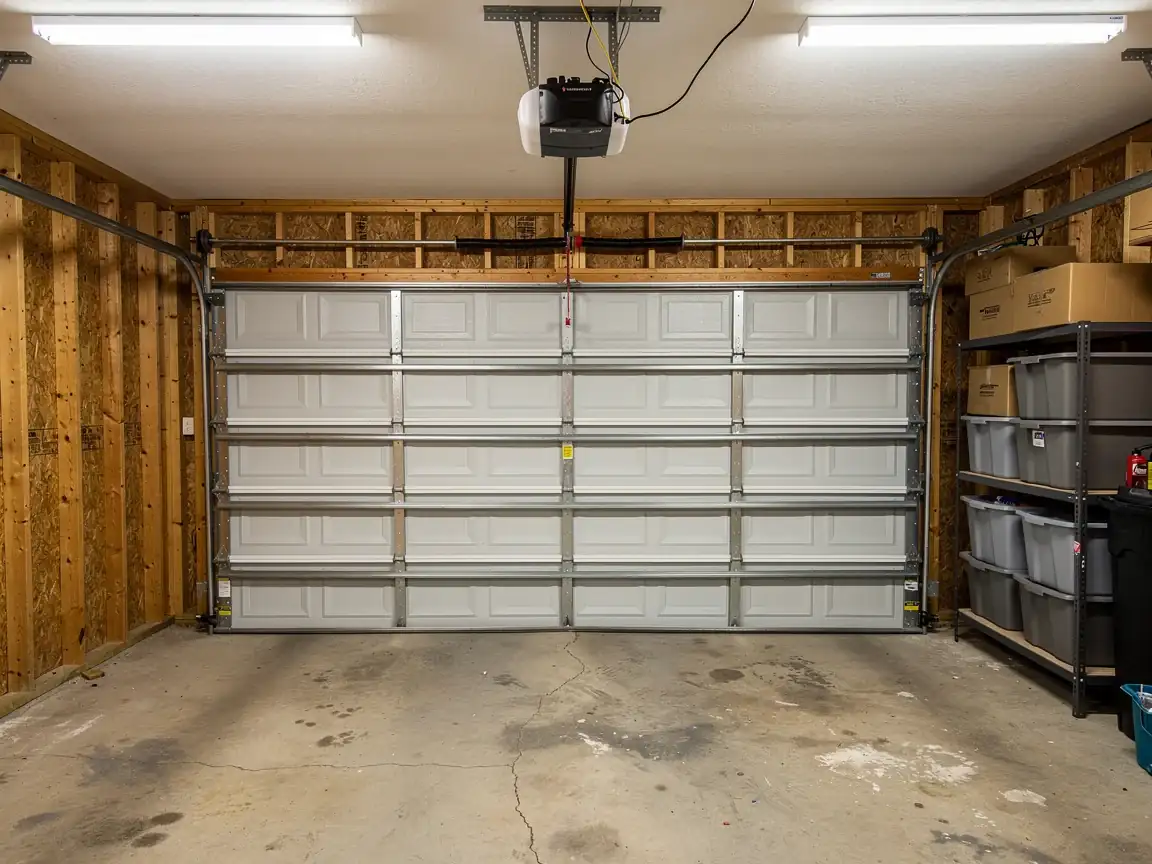
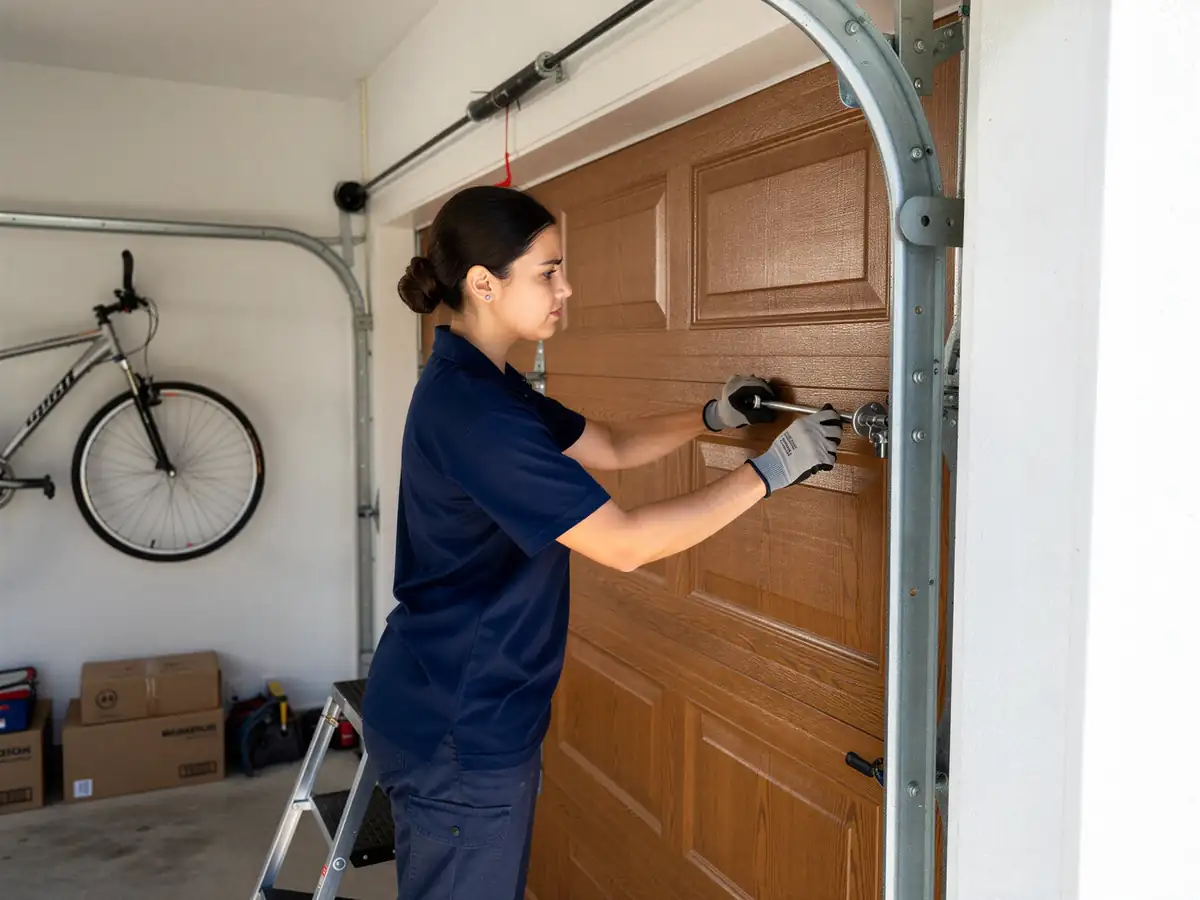
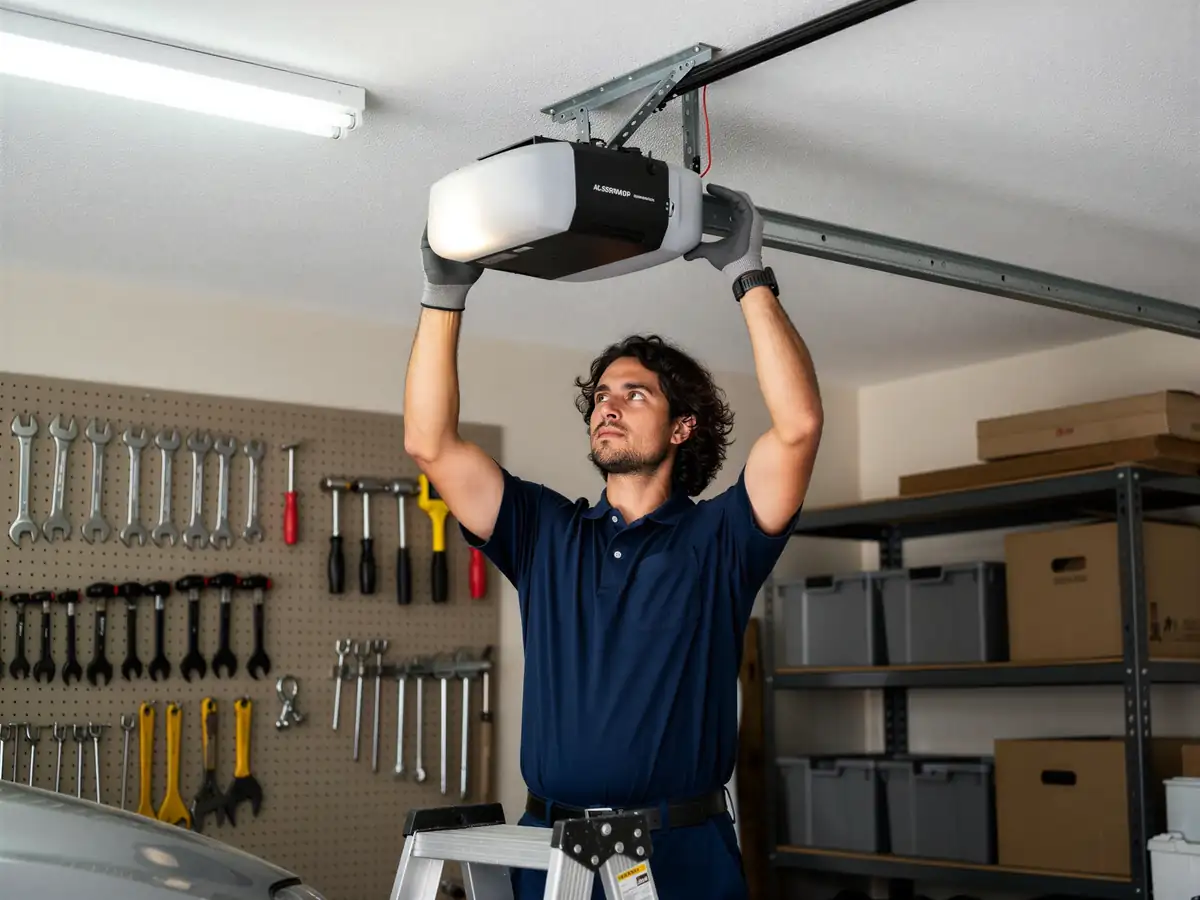
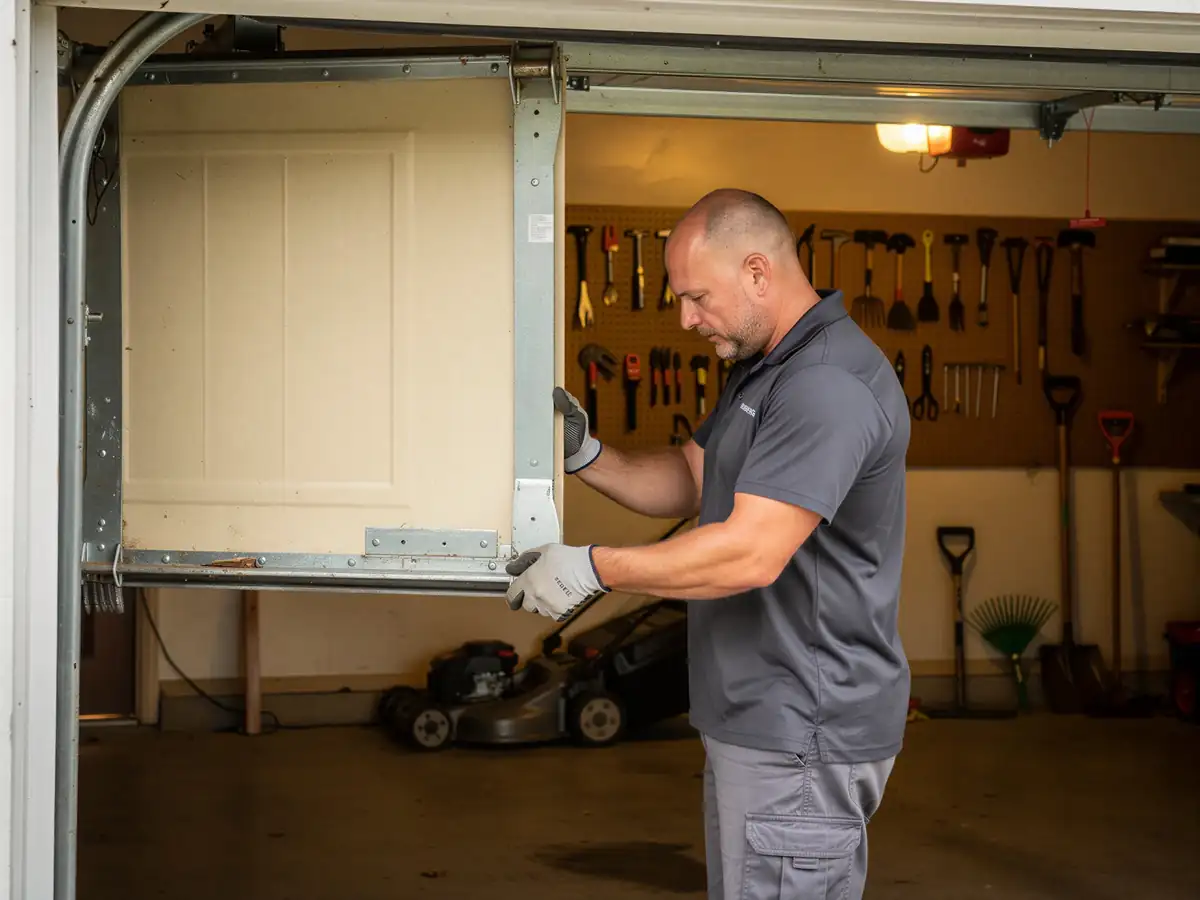
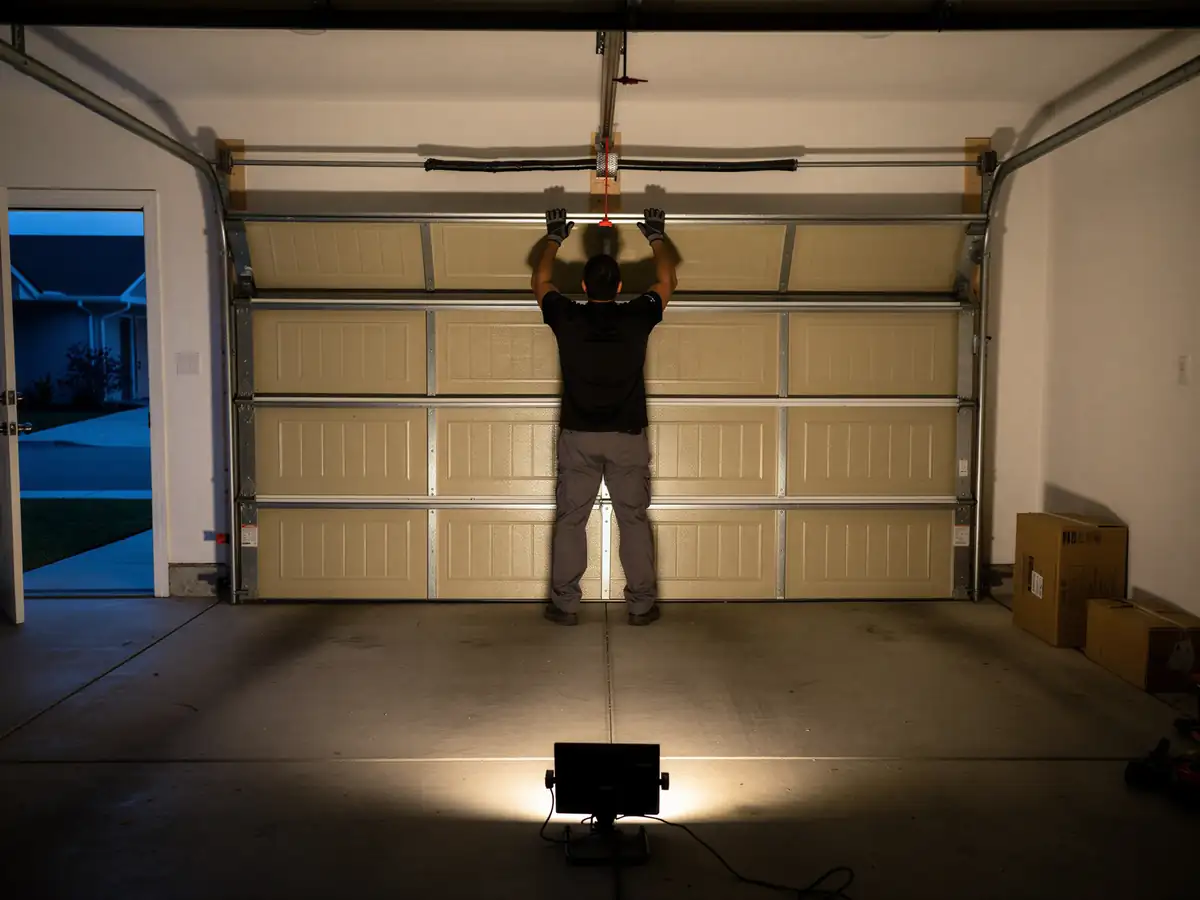
A single panel on a lightweight residential door is one of the more doable DIY repairs if you've got the right tools and a second set of hands, since the sections aren't usually reinforced the way wider commercial doors are. But a few things trip people up: lining up the new panel's hinge holes with the old ones, getting the roller tracks to seat without binding, and re-balancing the door afterward so the opener isn't straining against a heavier or lighter section than before. On a door from the early 1980s, the bigger risk is finding out mid-job that the panel profile isn't actually available anymore, which leaves you with a half-finished door and no clean way to close it. If you're set on doing it yourself, measure the panel width, height, and groove spacing before you order anything.
What You Are Seeing
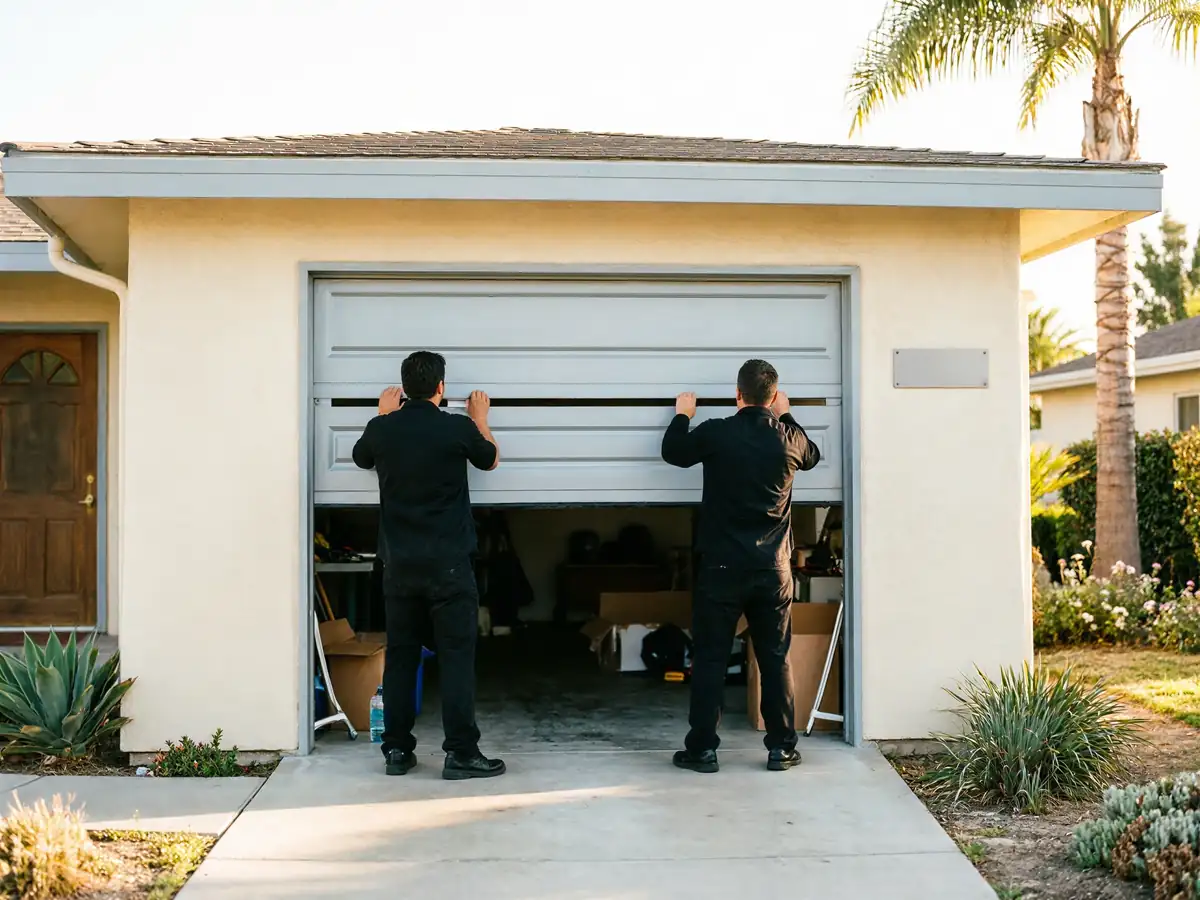
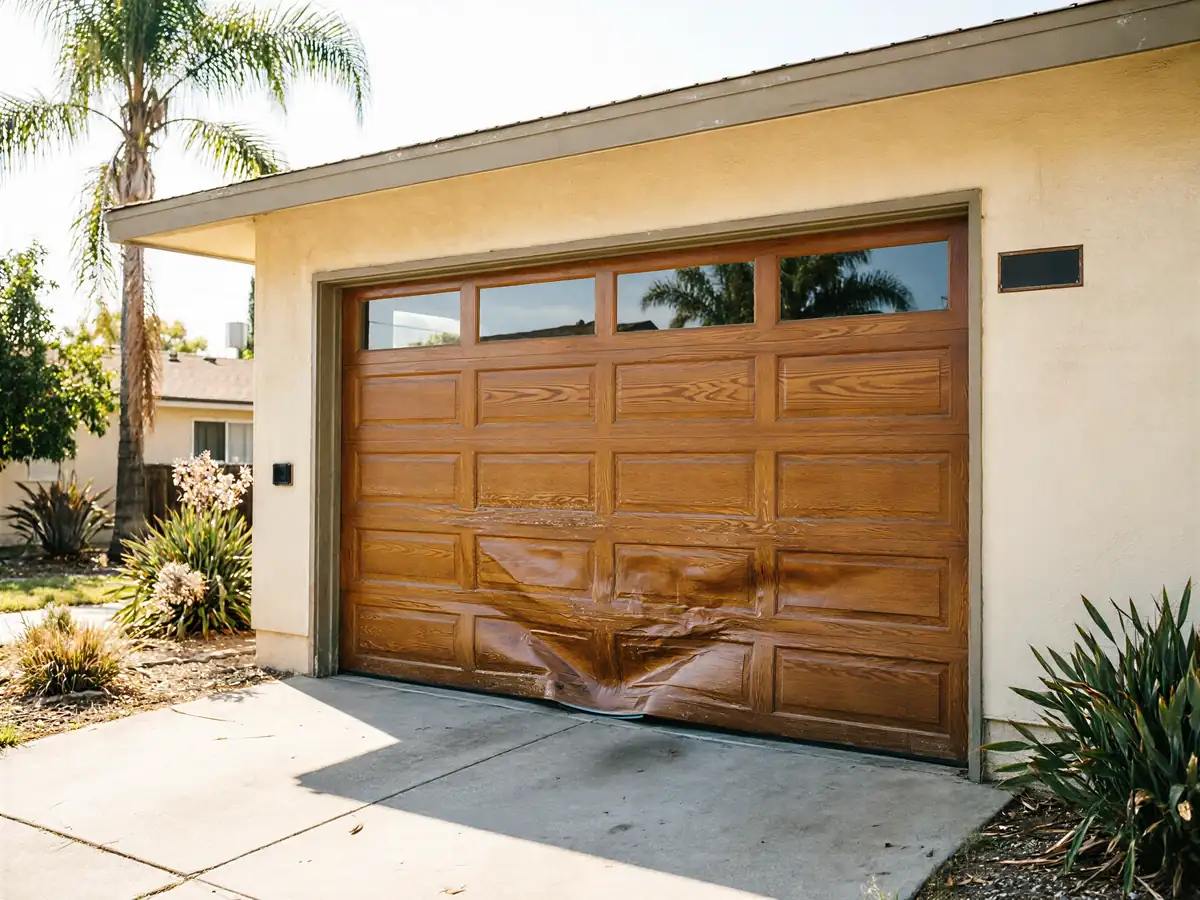
On a door built around 1984, the most common failure isn't the spring or the opener - it's the bottom panel, because that's the one that takes the hit from a bumper, a trailer hitch, or just years of moisture sitting at ground level. Look for a dent that's pushed the panel's seam out of alignment, rust blooming along the bottom edge where the steel meets the ground, or a section that's visibly bowed when the door is down. In this area's mild temperate climate, panels don't fail from freeze-thaw cracking the way they might elsewhere, but they do corrode slowly at the base over enough years, and a faded, chalky finish on an otherwise sound panel is just UV wear rather than a structural problem. If only one section shows damage and the rest of the door still operates smoothly, panel replacement is almost always cheaper than replacing the whole door.
The Complications
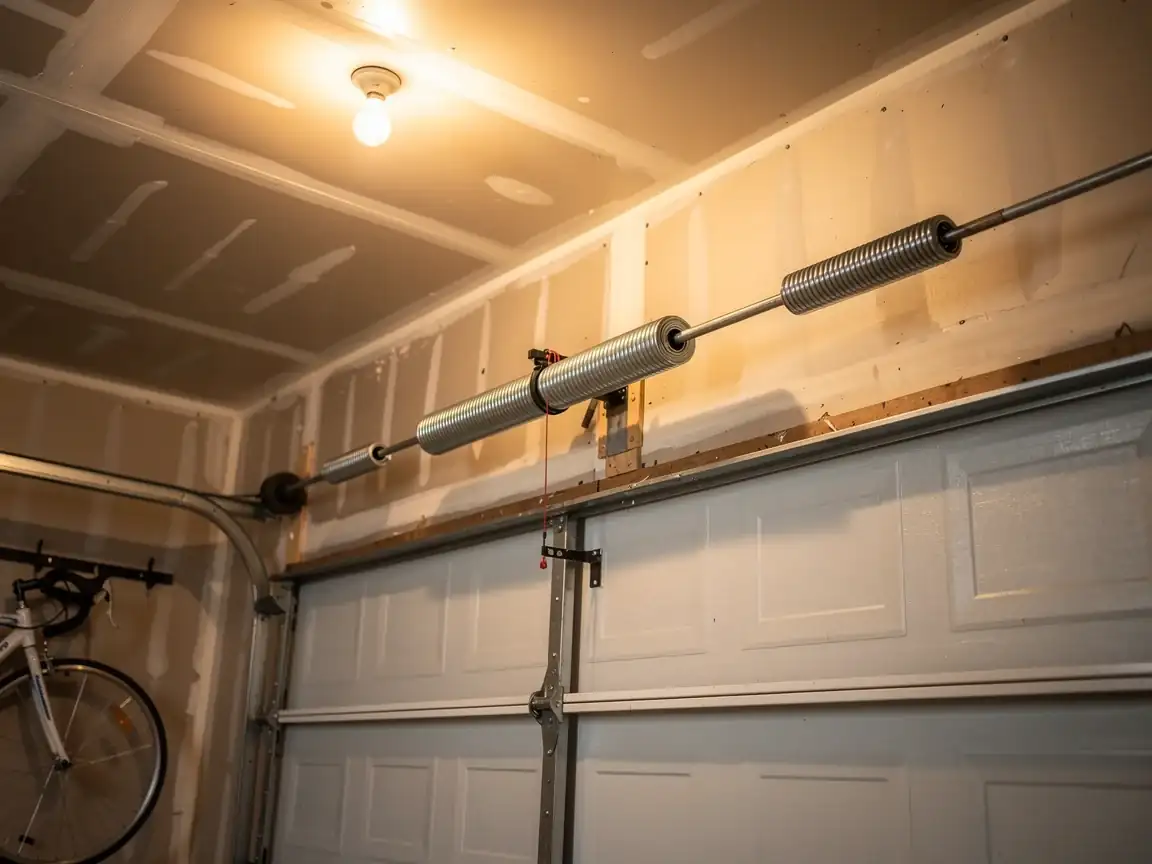
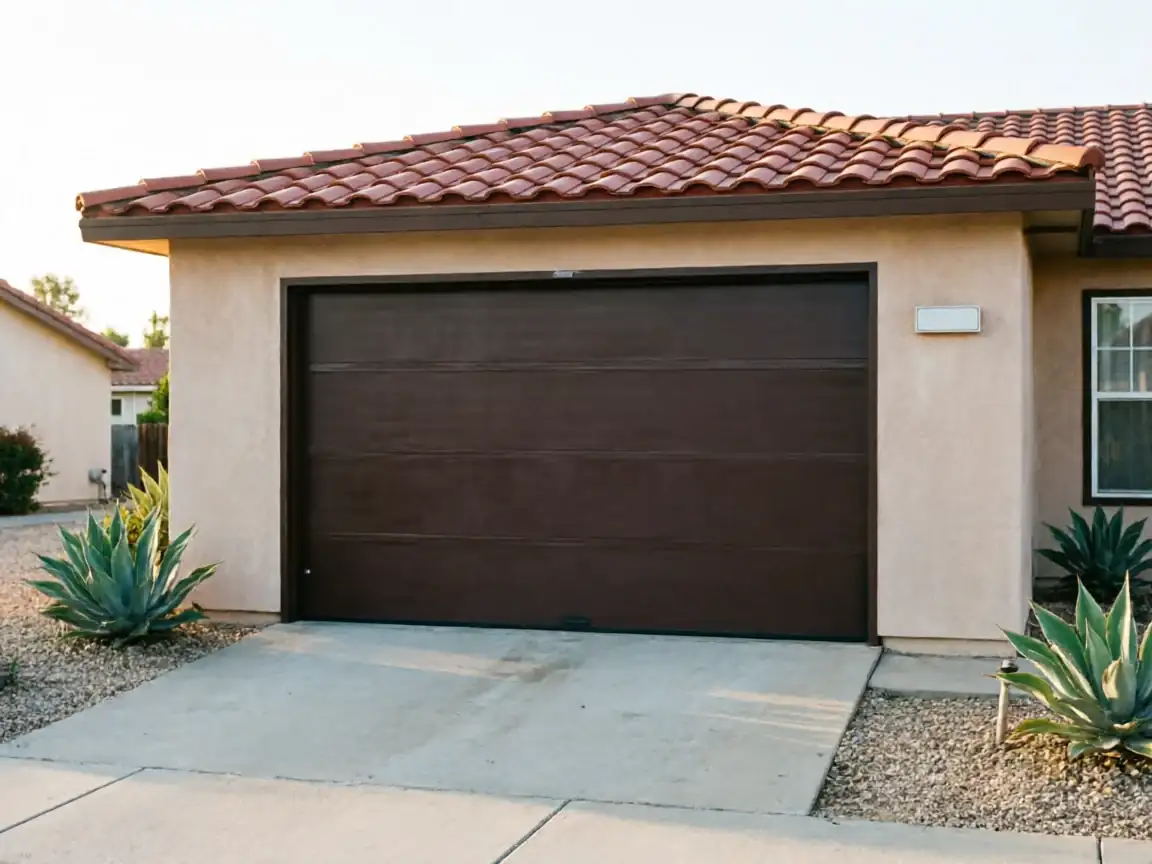
The main complication on doors from this era is color and profile matching. A panel made in the early-to-mid 1980s may not be an exact match to what's currently manufactured, even from the same general style family - the groove spacing or panel height can be slightly off, which shows up as a visible seam mismatch even after paint. Sometimes the honest answer is that a perfect match isn't available, and the choice is between a slightly visible new panel or replacing the whole door so everything's uniform. We also run into doors where the track or spring hardware is original and worn enough that swapping one panel exposes a balance problem that was already there, just masked by the damaged section. We'll flag that before we start, not after the new panel's in and the door still doesn't sit right.