Parts We Carry
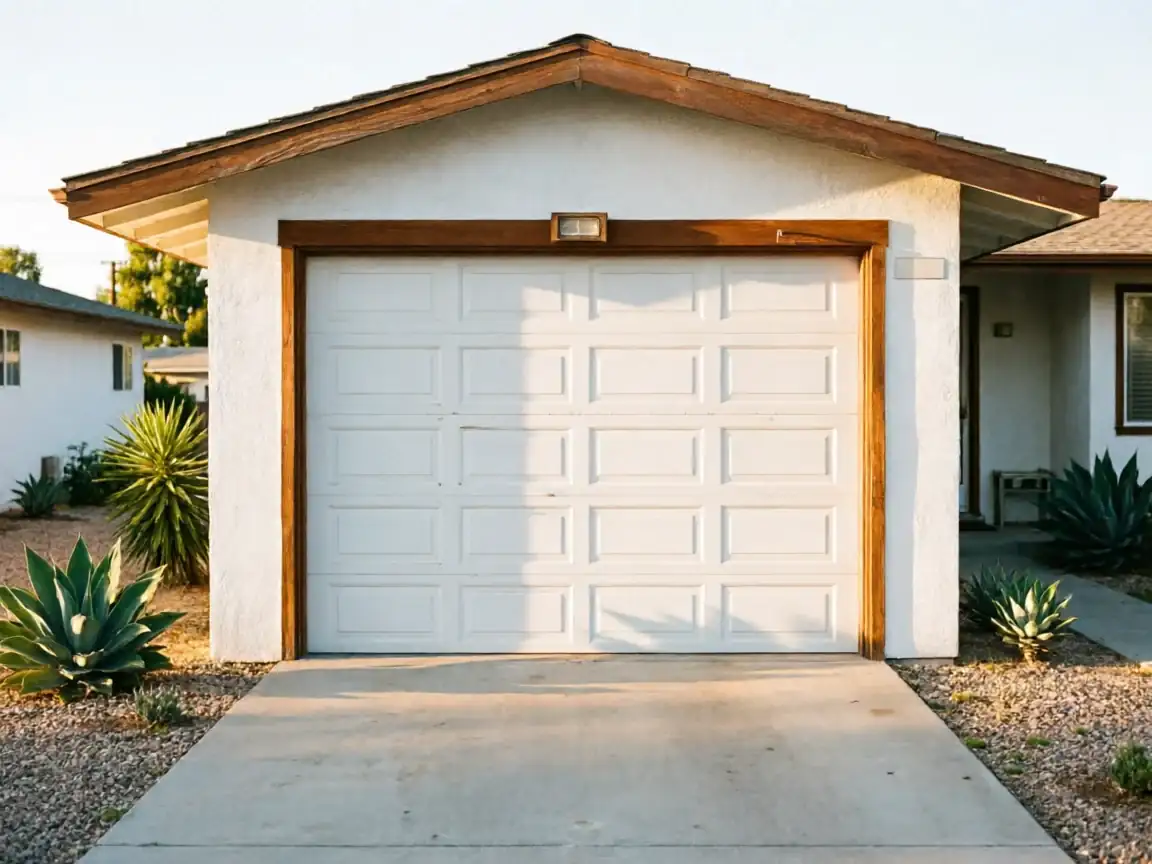
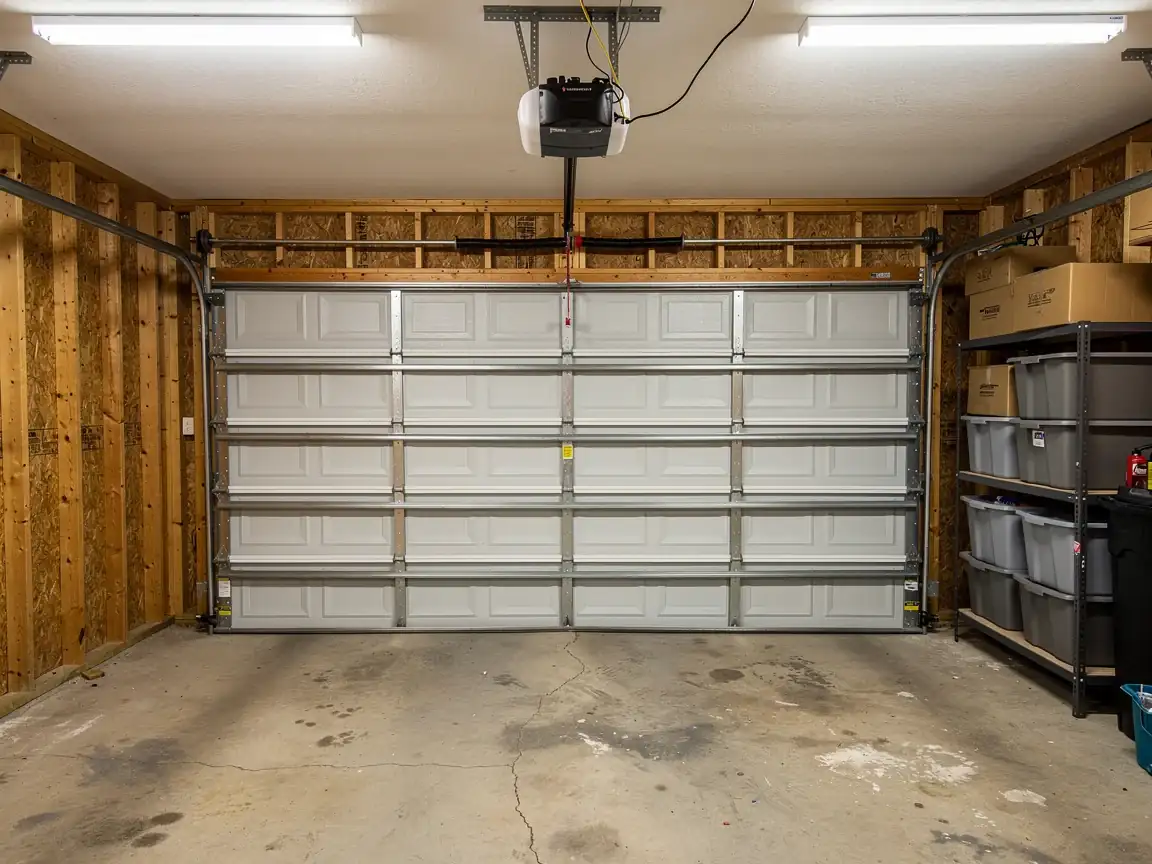
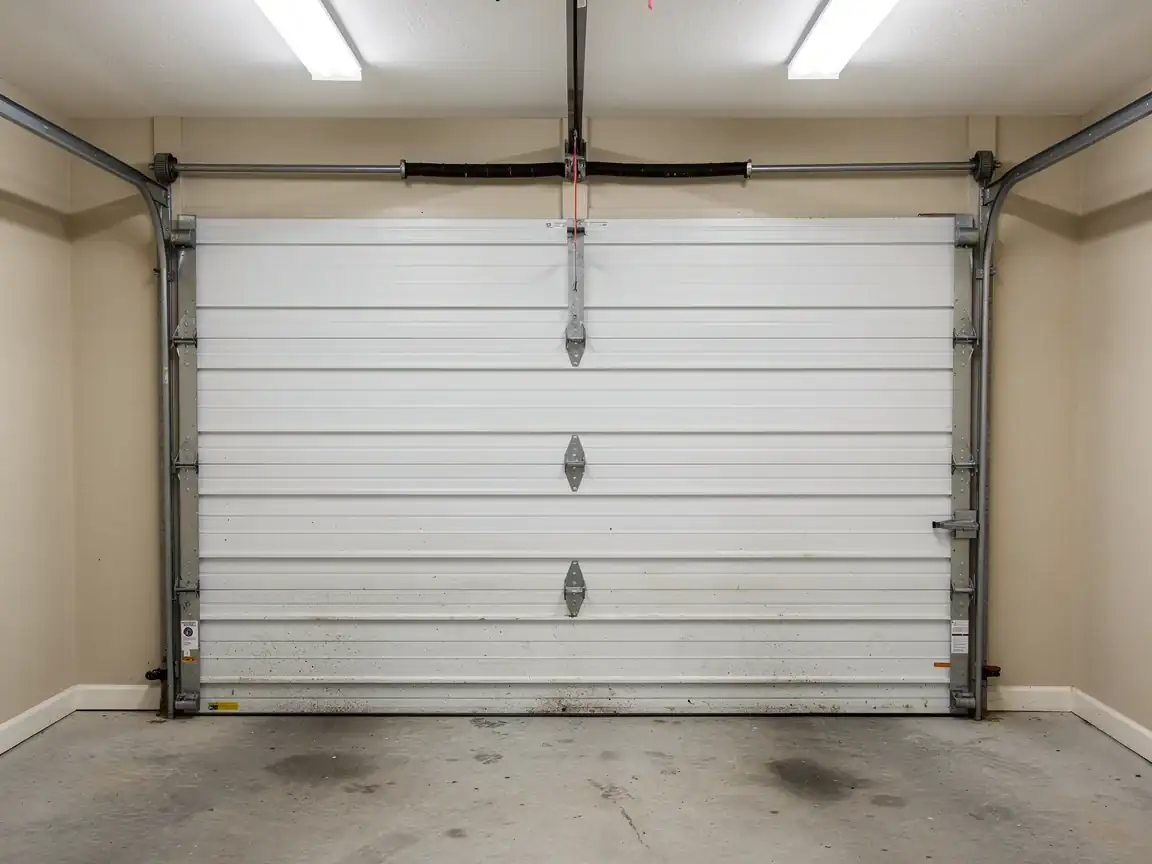
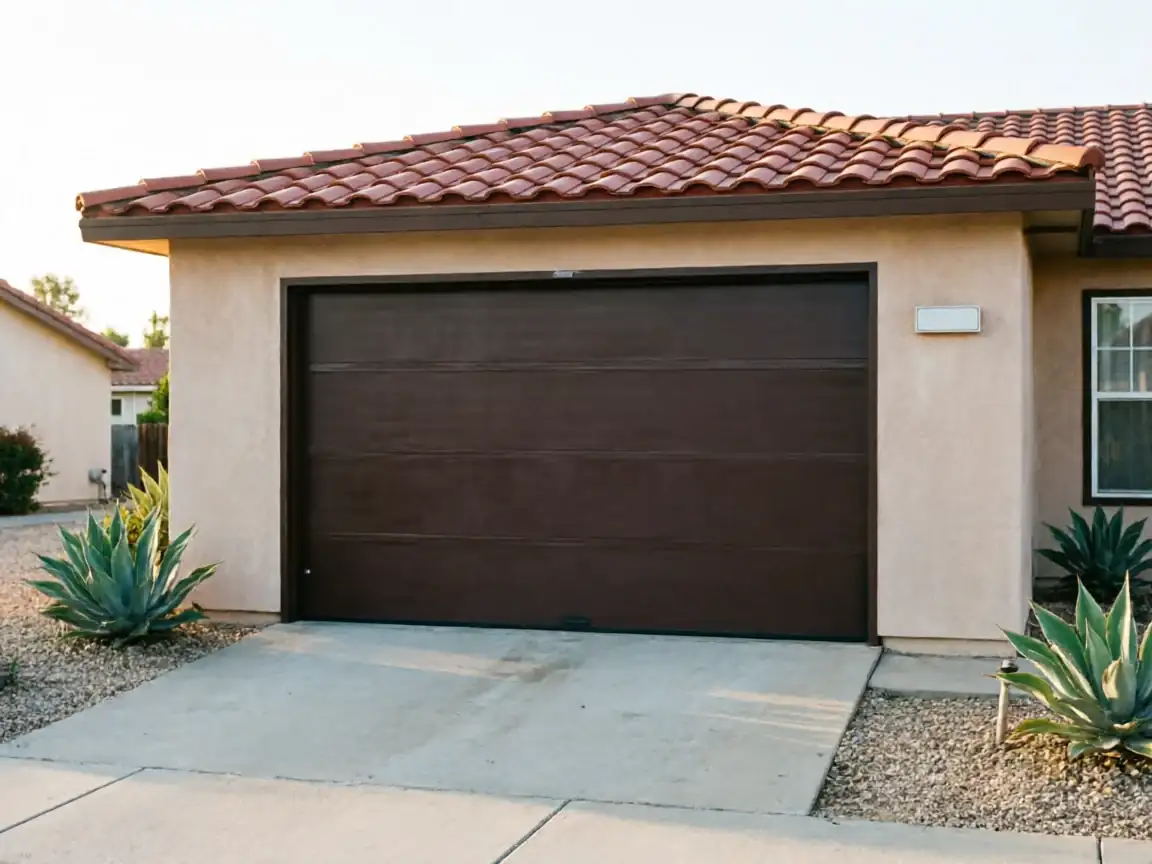
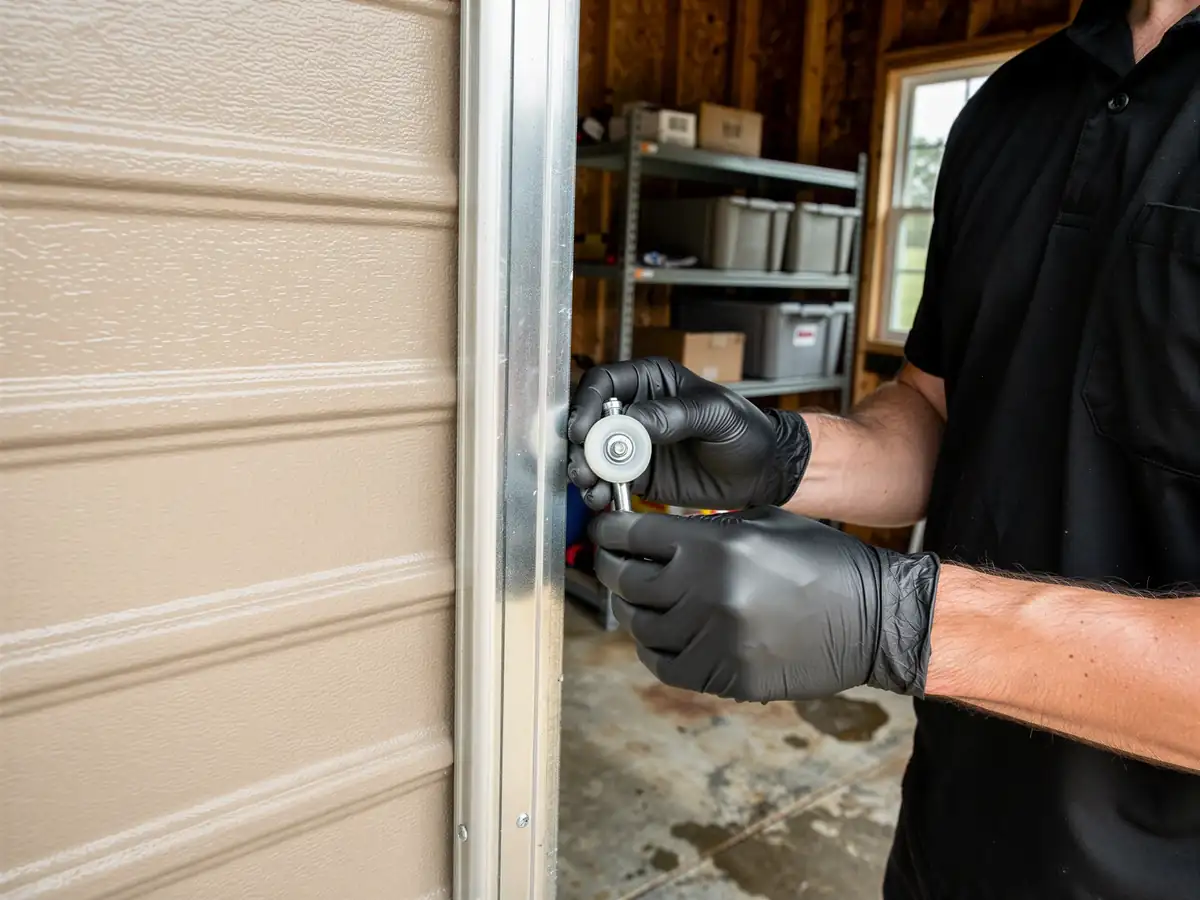
Most garage doors in Suisun City went up around 1984, which puts them square in the steel sectional era - not the old wood panel doors from decades earlier, and not the heavier insulated doors builders started using after 2000. That middle period means steel rollers on standard galvanized track, usually 2-inch or 2-inch stem rollers depending on the track gauge the builder used. We carry both steel ball-bearing rollers and nylon rollers in the stem lengths that fit this track, plus the matching hinges, since a worn roller almost always means a worn hinge hole on the same panel. What we don't stock is every oddball roller from a door that's been swapped out or modified since it was built - if your door's been retrofitted with a different track system, we may need to order that specific stem length before we can finish the job.
Nylon rollers run quieter and don't need lubrication the way steel ones do, which matters if the garage sits close to a bedroom wall. Steel ball-bearing rollers cost less and last under heavier daily use. Either one bolts into the same hinge on a standard 1984-era door, so the choice is about noise and budget, not fit.
Can You Do This Yourself
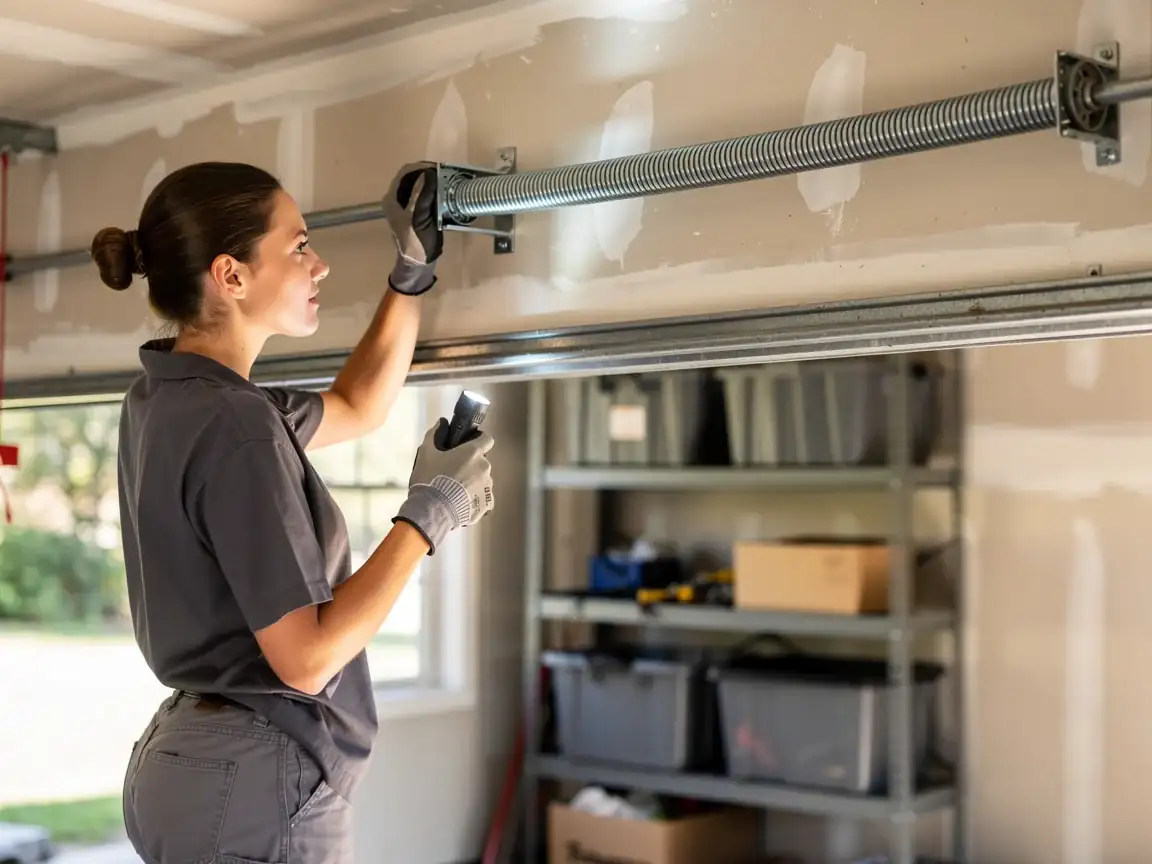
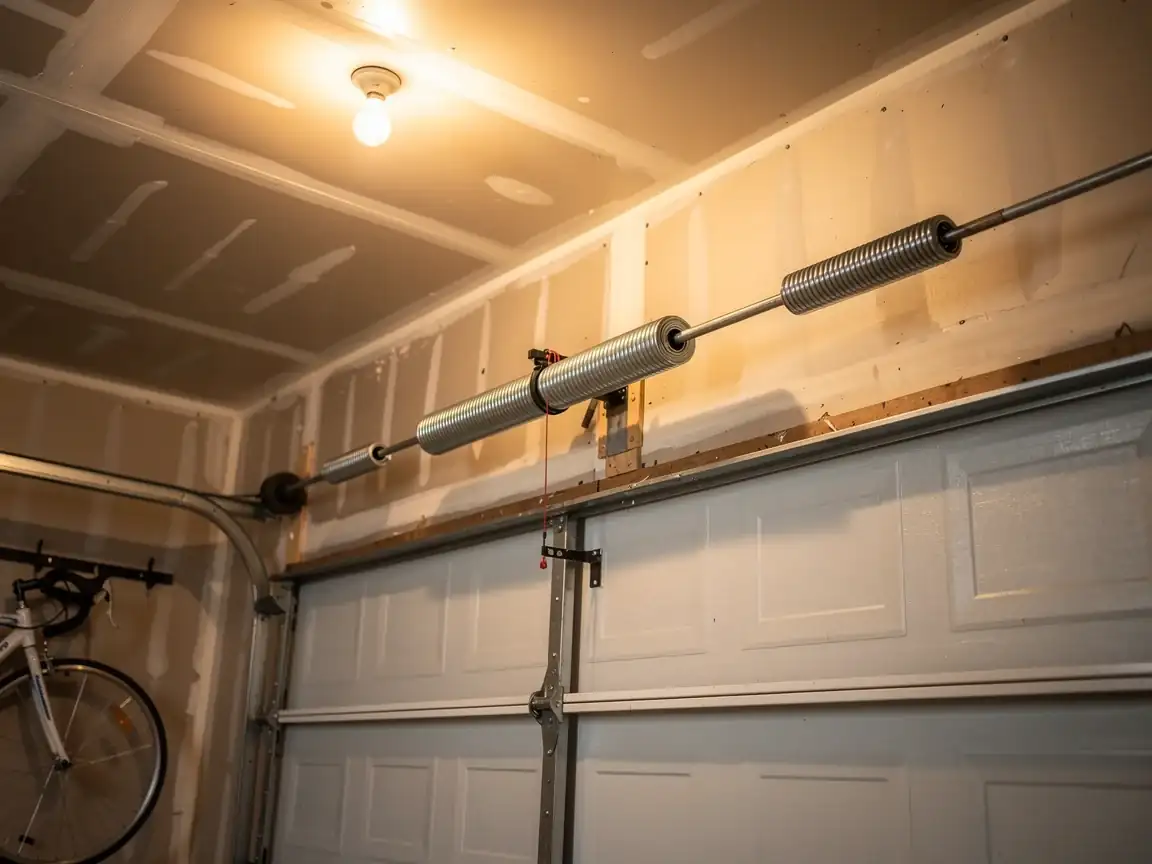
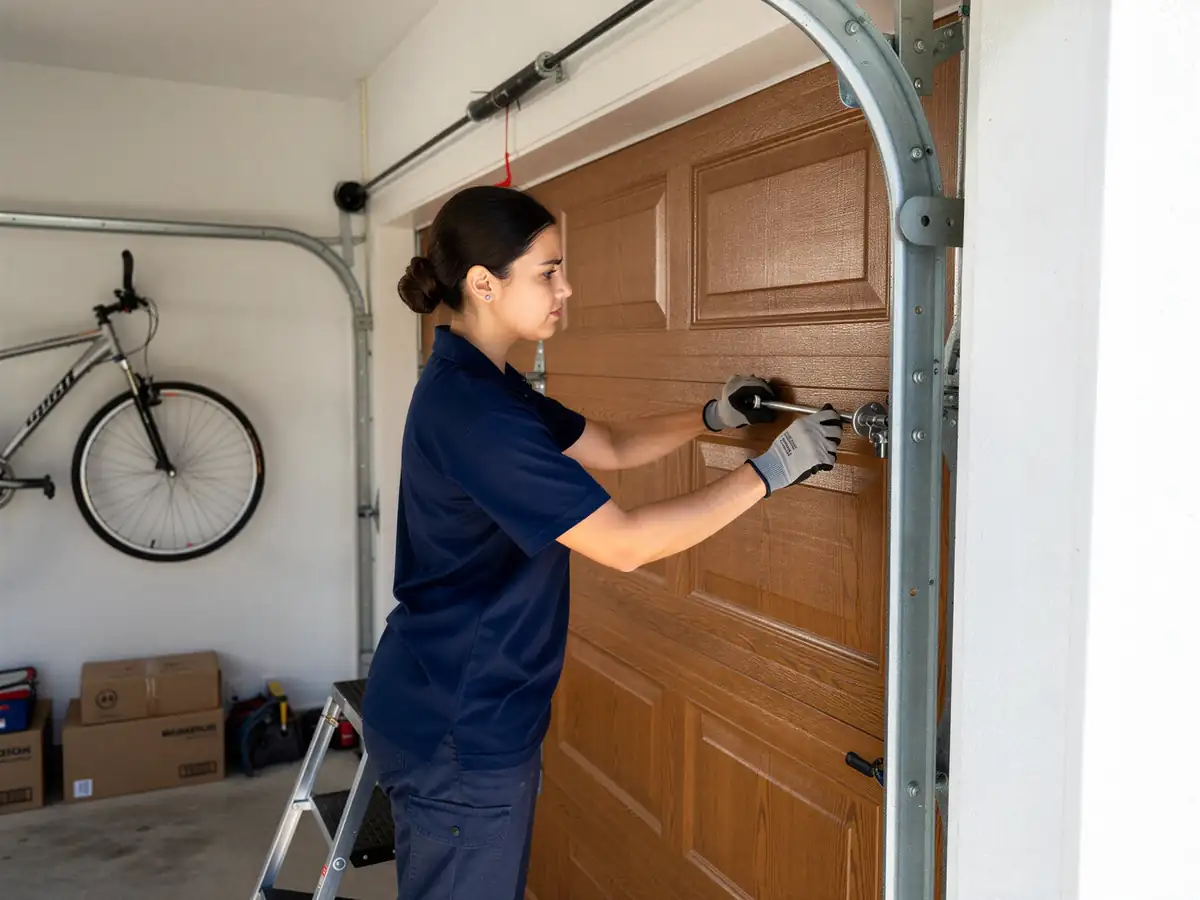
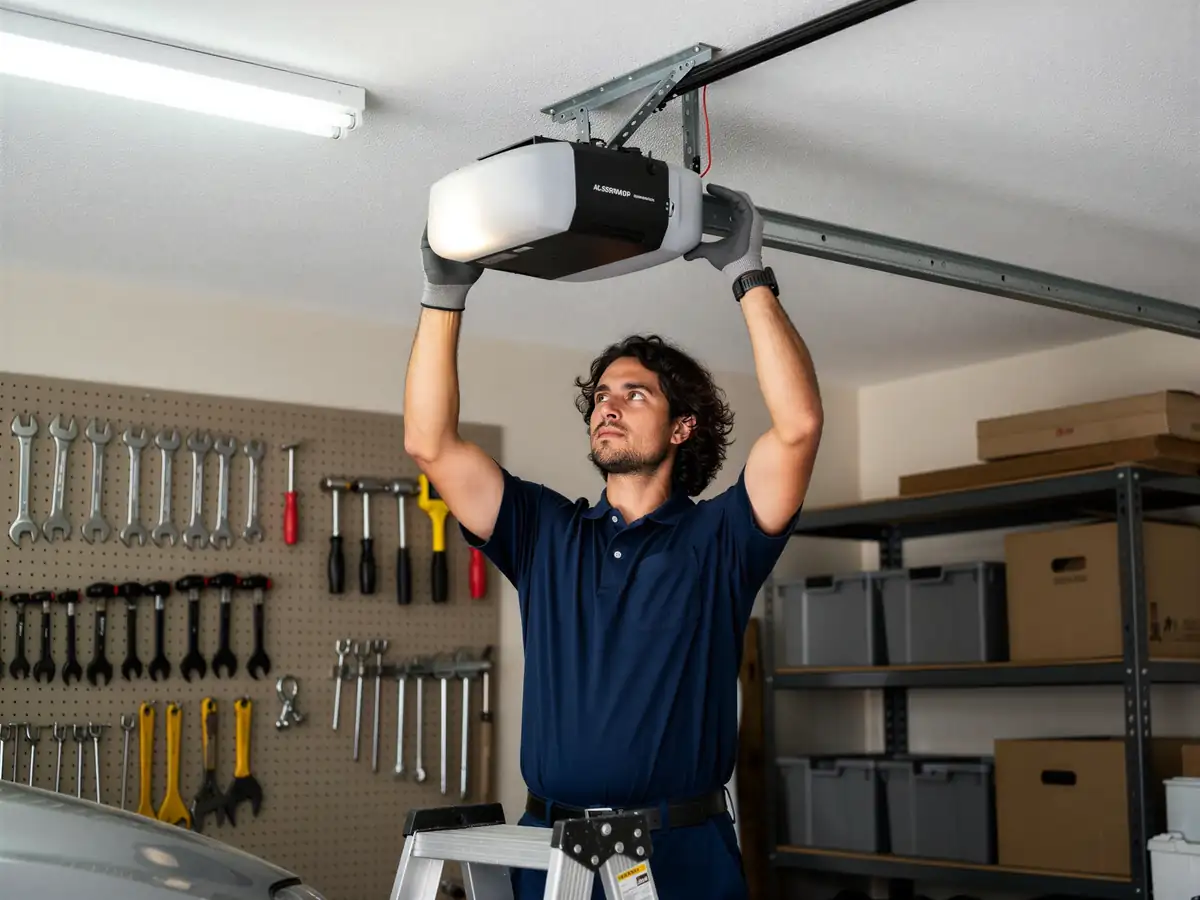
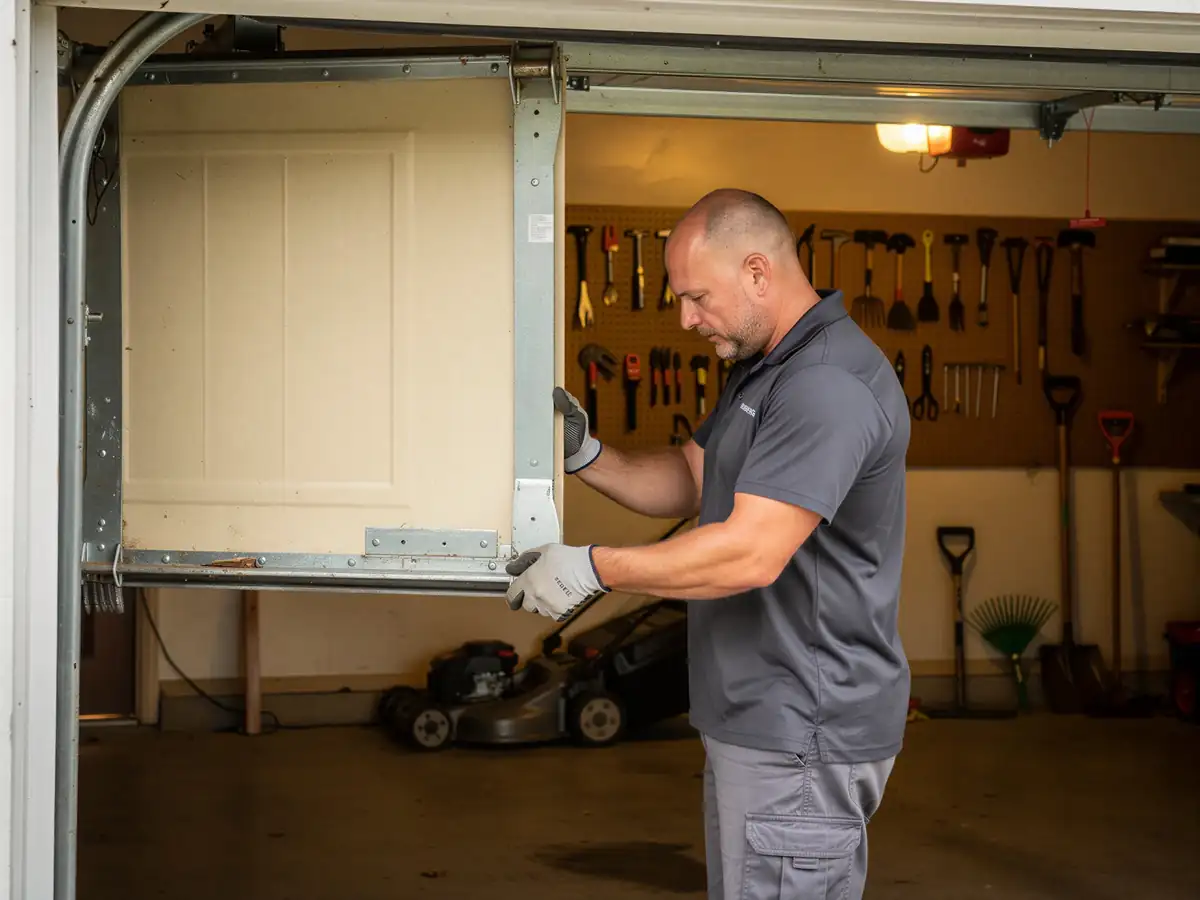
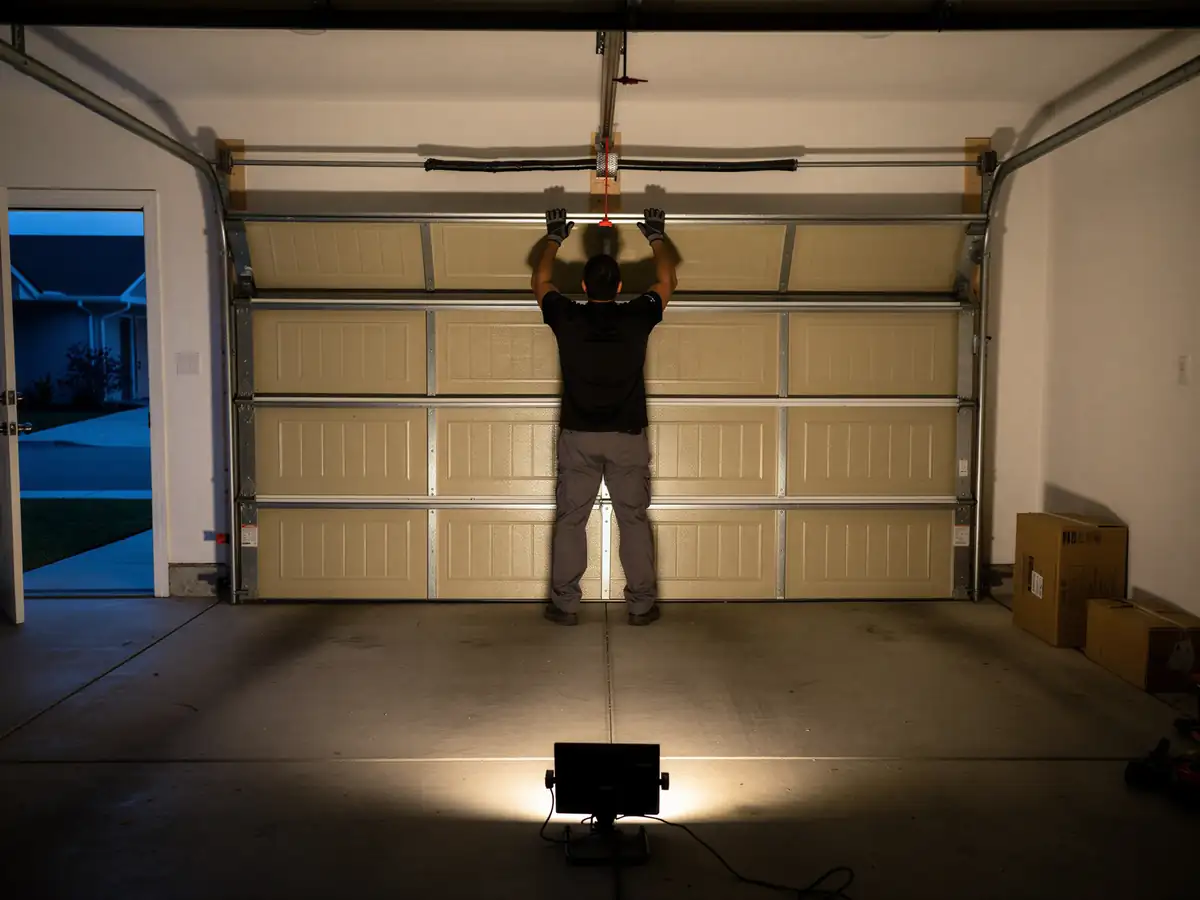
Rollers are one of the more doable DIY jobs on a garage door, if you can get the door off the ground safely and the door isn't under spring tension while you're working low on the track. The risk isn't the roller itself - it's the torsion spring above it, which is under enough stored force to cause real injury if you're not used to working around it. If you're only replacing the bottom rollers with the door down and the opener disconnected, that's a reasonable weekend job for someone comfortable with hand tools. If a roller near the top has come off the track, or the door won't move at all, that's not a roller problem anymore - it's likely a spring or cable problem, and that's where we'd tell you to call rather than push on it yourself.
What You Are Seeing
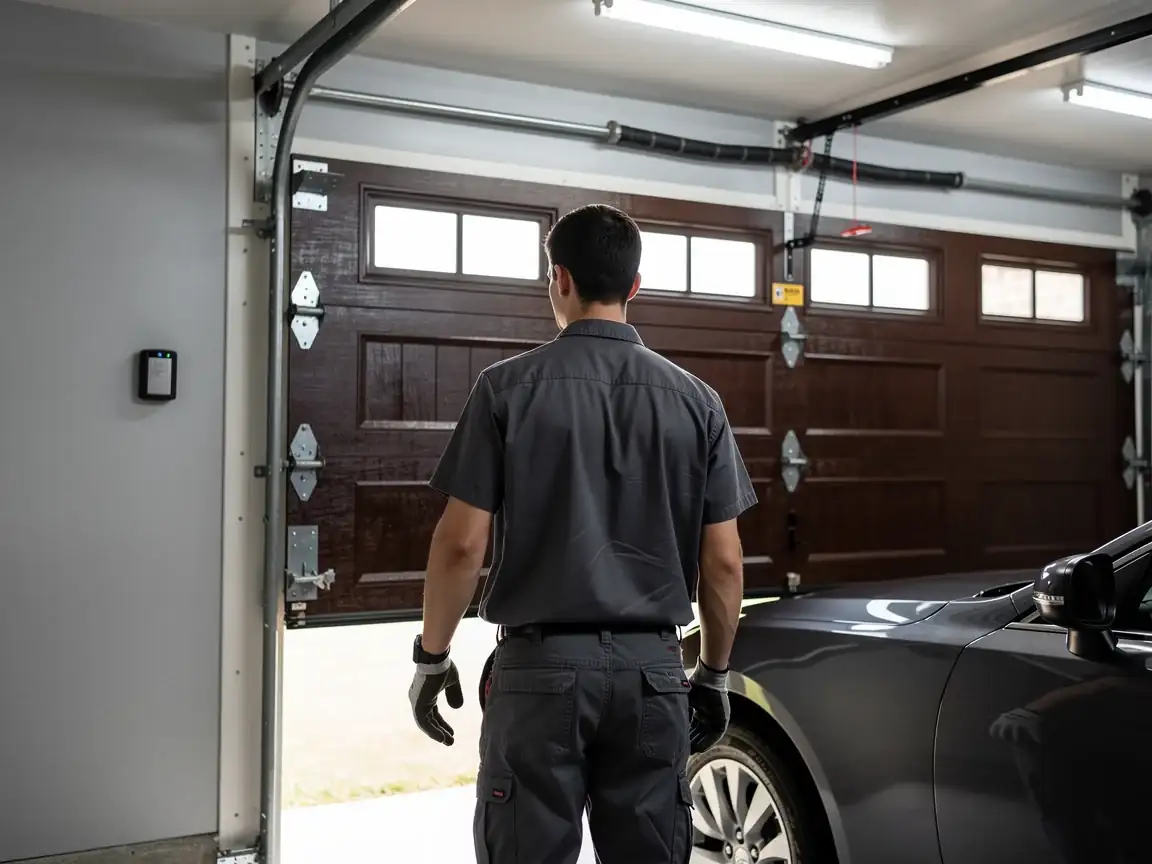
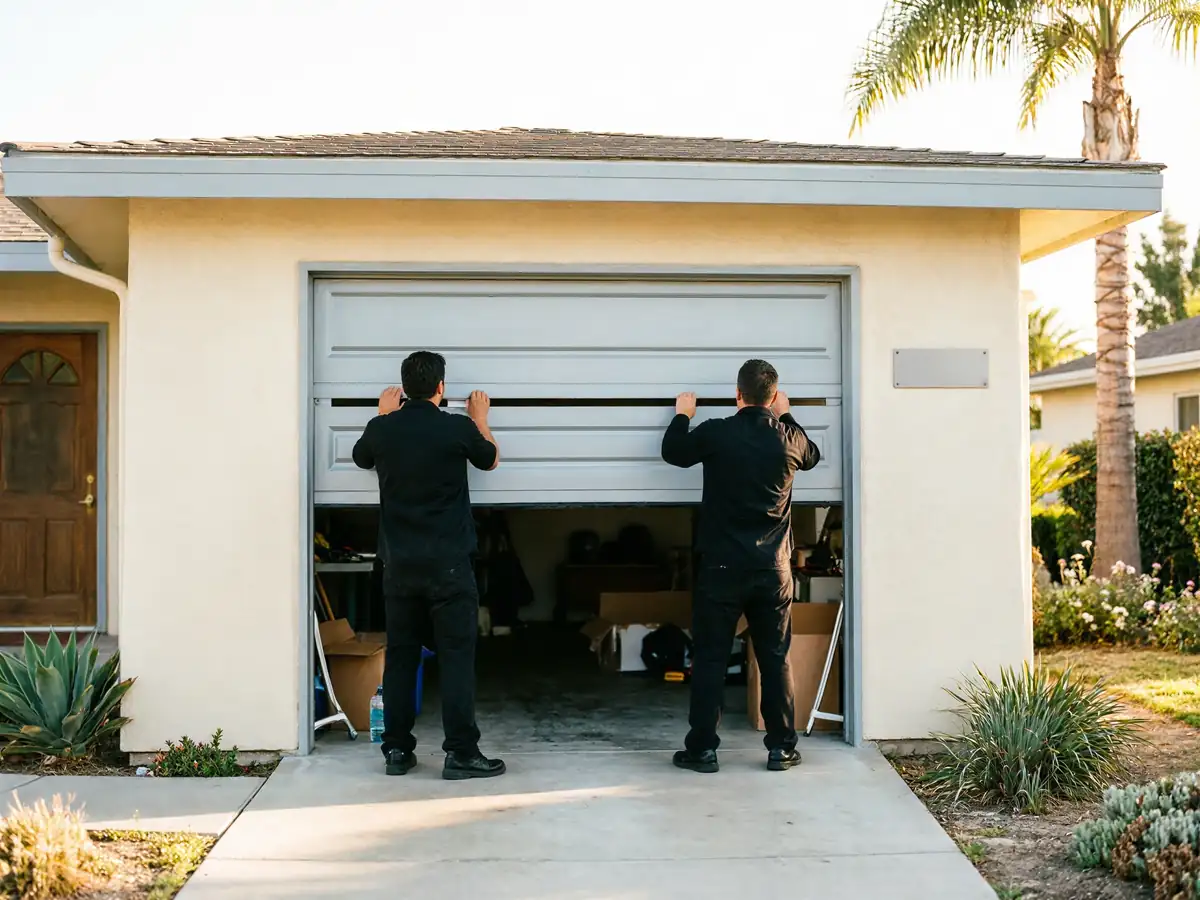
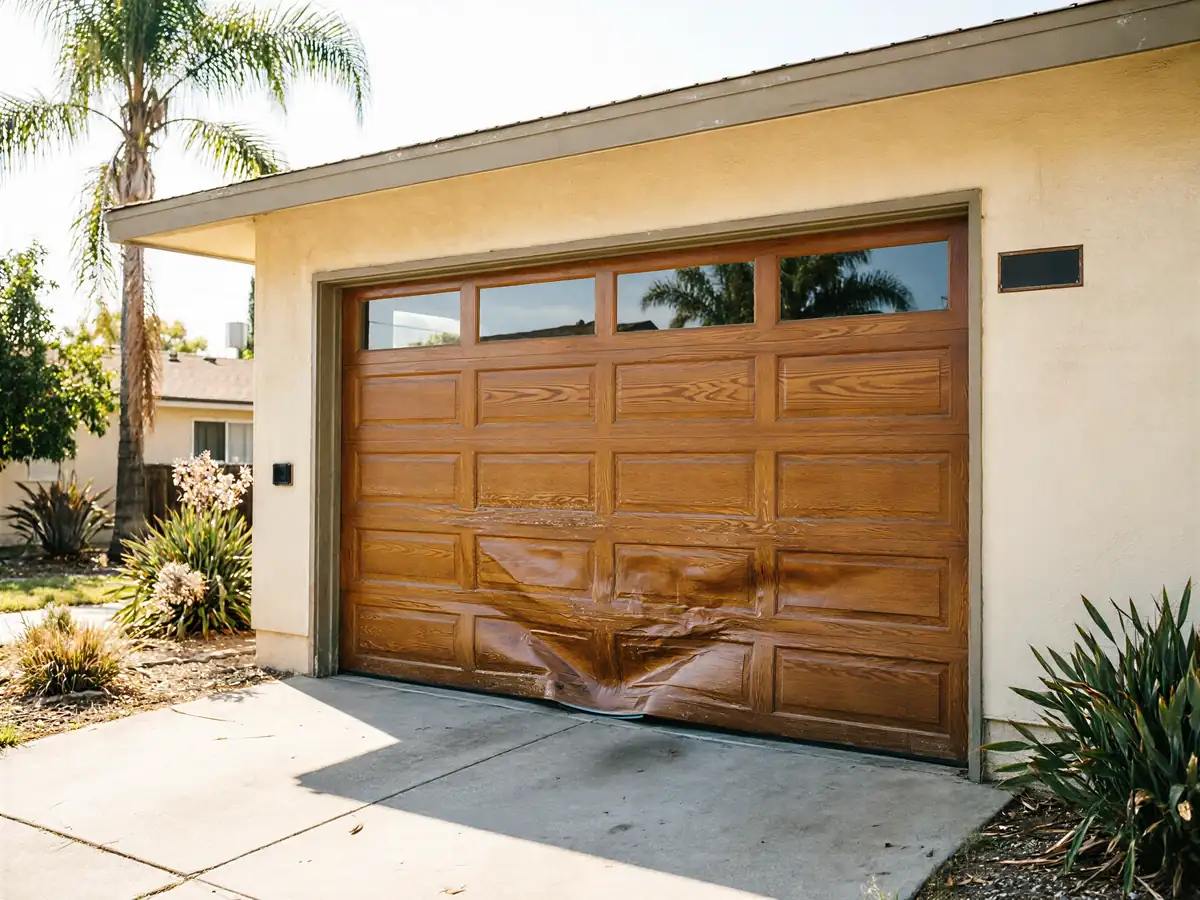
A grinding or scraping noise as the door moves, especially near the top or bottom of the track, is the most common sign of a roller going bad. On doors from this era, the failure is almost always the roller bearing drying out or the nylon wearing down to the stem, not the track itself - the galvanized track from the 1980s tends to hold up fine even as the rollers riding in it wear out. If the door jumps or shudders at the same spot every time it opens, that's usually one specific roller, not the whole set, though we'll generally recommend replacing rollers in sets since the others aren't far behind. A door that's come off the track entirely on one side is a different issue - stop using the opener and call before you force it back on.
The Complications
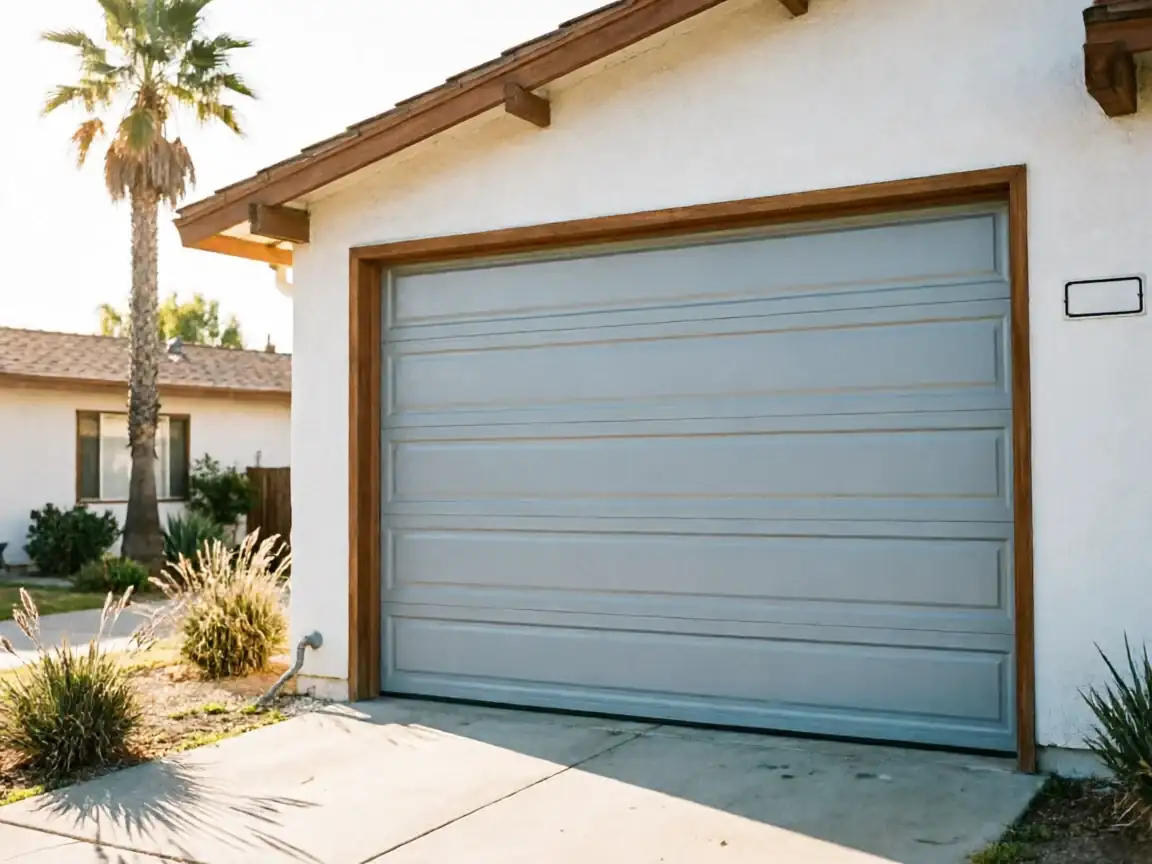
The main complication on doors from this build era is track condition, not roller condition. A door that's been rolling on worn-out bearings for years puts extra strain on the track brackets, and by the time the noise gets loud enough to call about, sometimes the bracket has started pulling away from the framing above the door. That's a repair beyond roller replacement, and it's worth knowing going in that a roller job can turn into a bracket or track job once we're looking at it directly. The service area overall has housing stretching from the late 1930s through the early 2000s, so the specific fix depends on which decade your door actually belongs to - a 1984 door and a 1960s door on the same street can need different parts entirely.