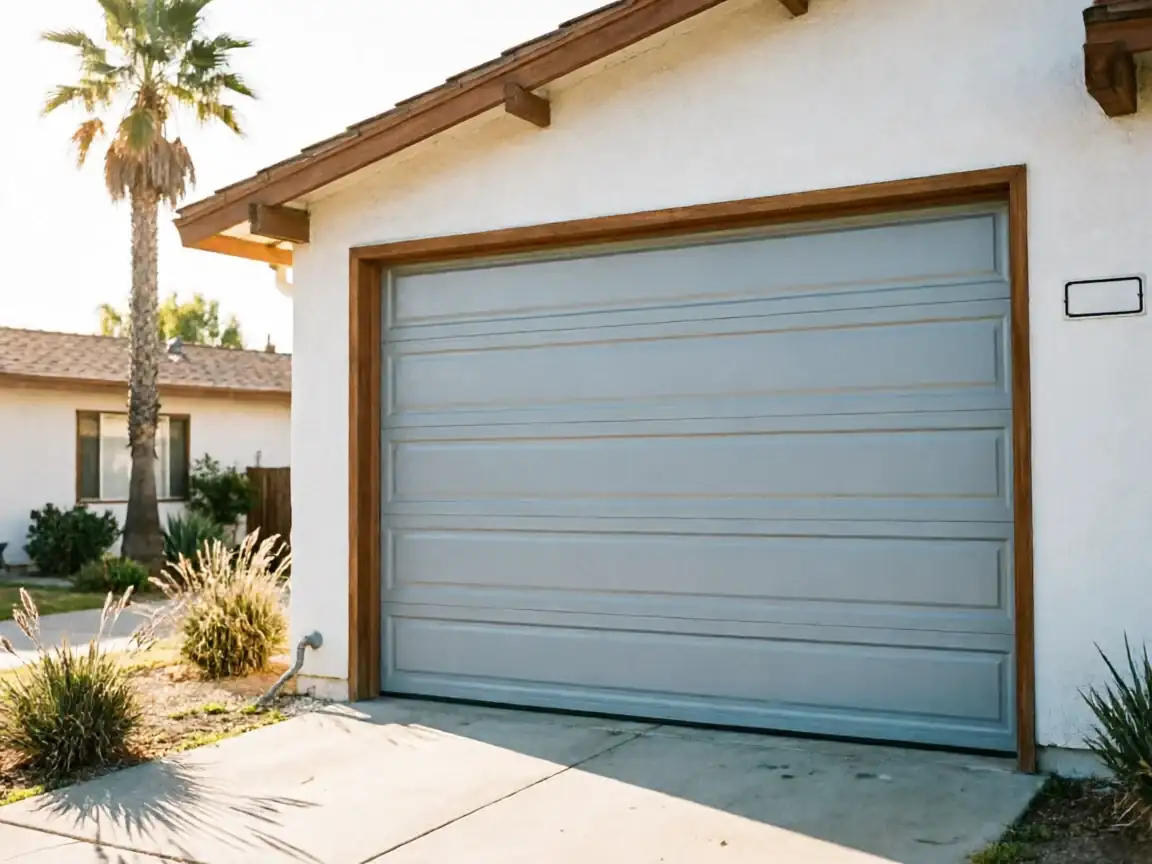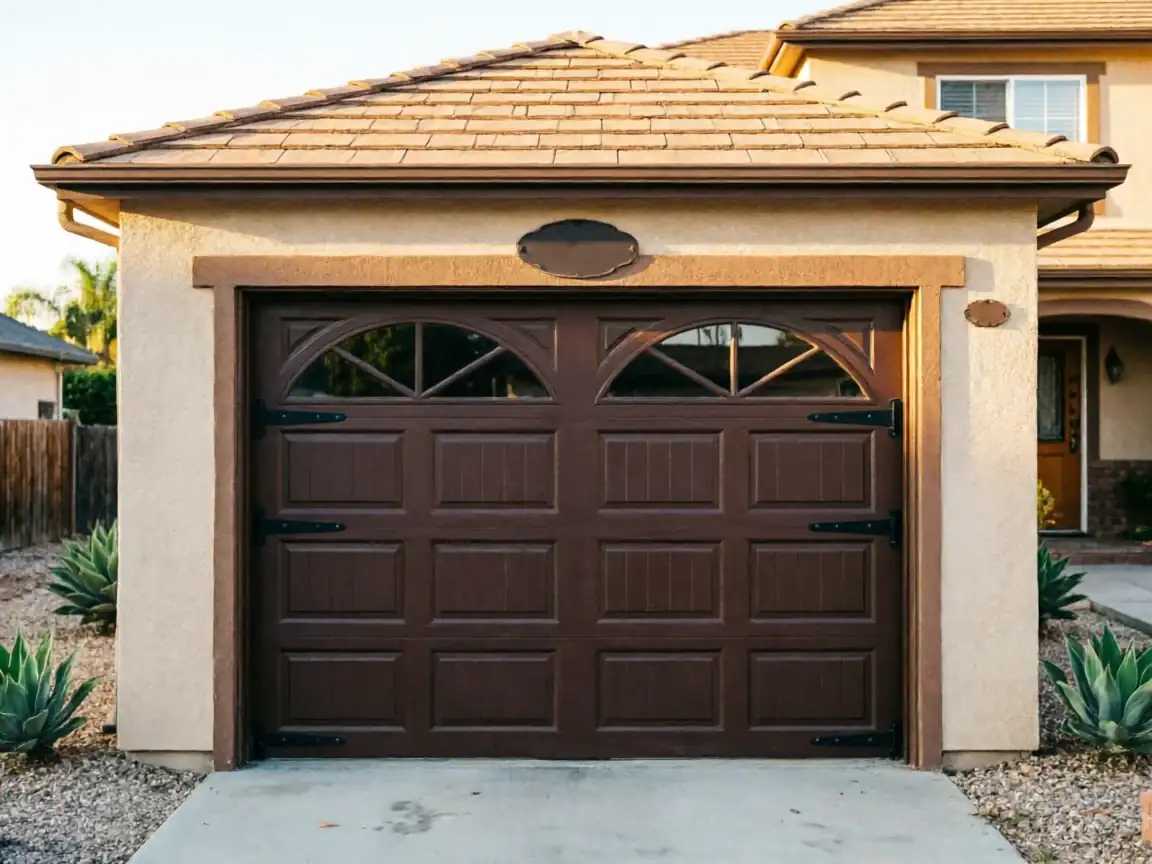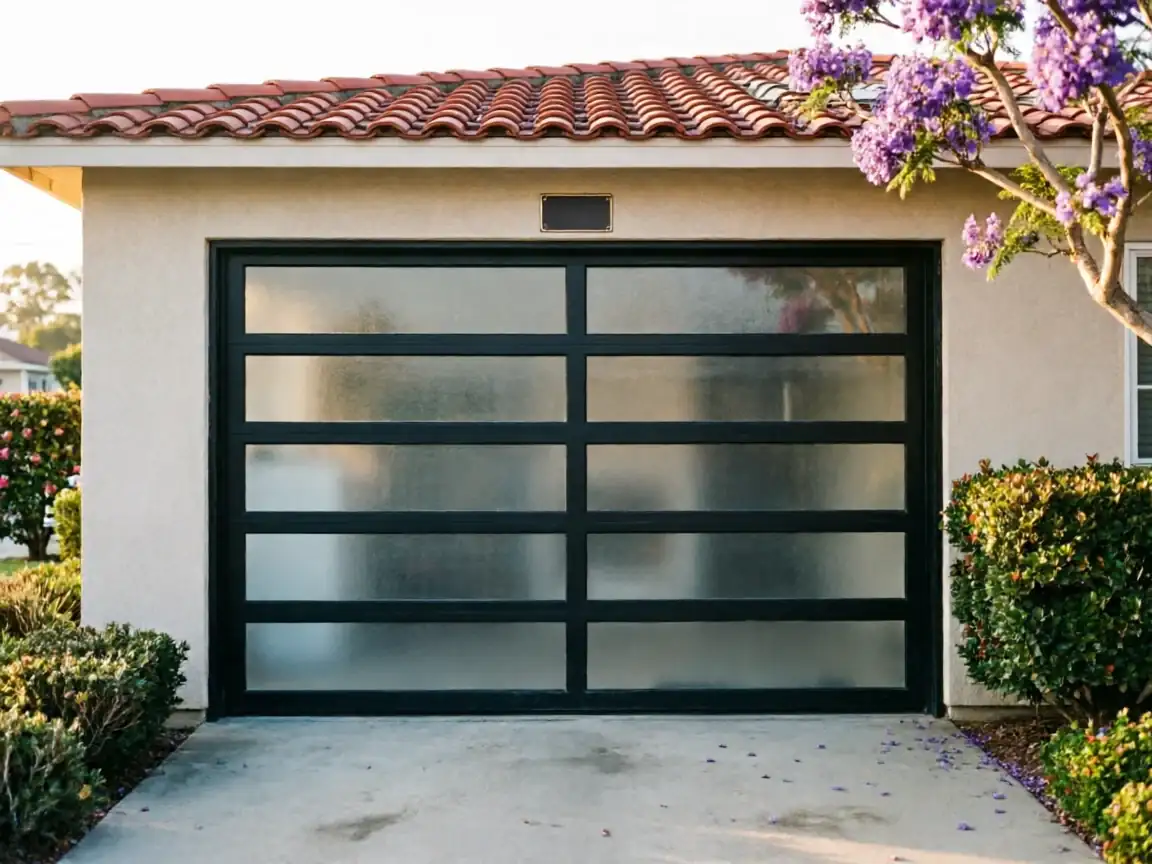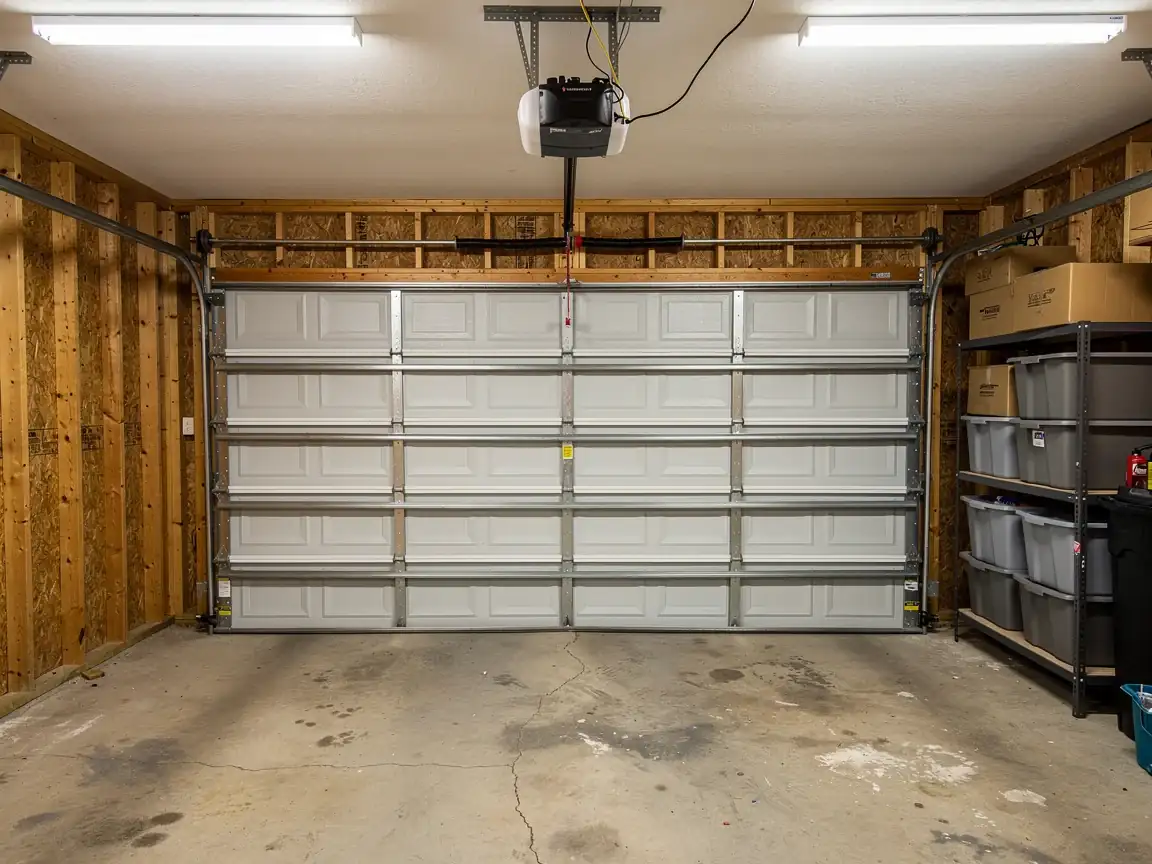
Parts We Carry
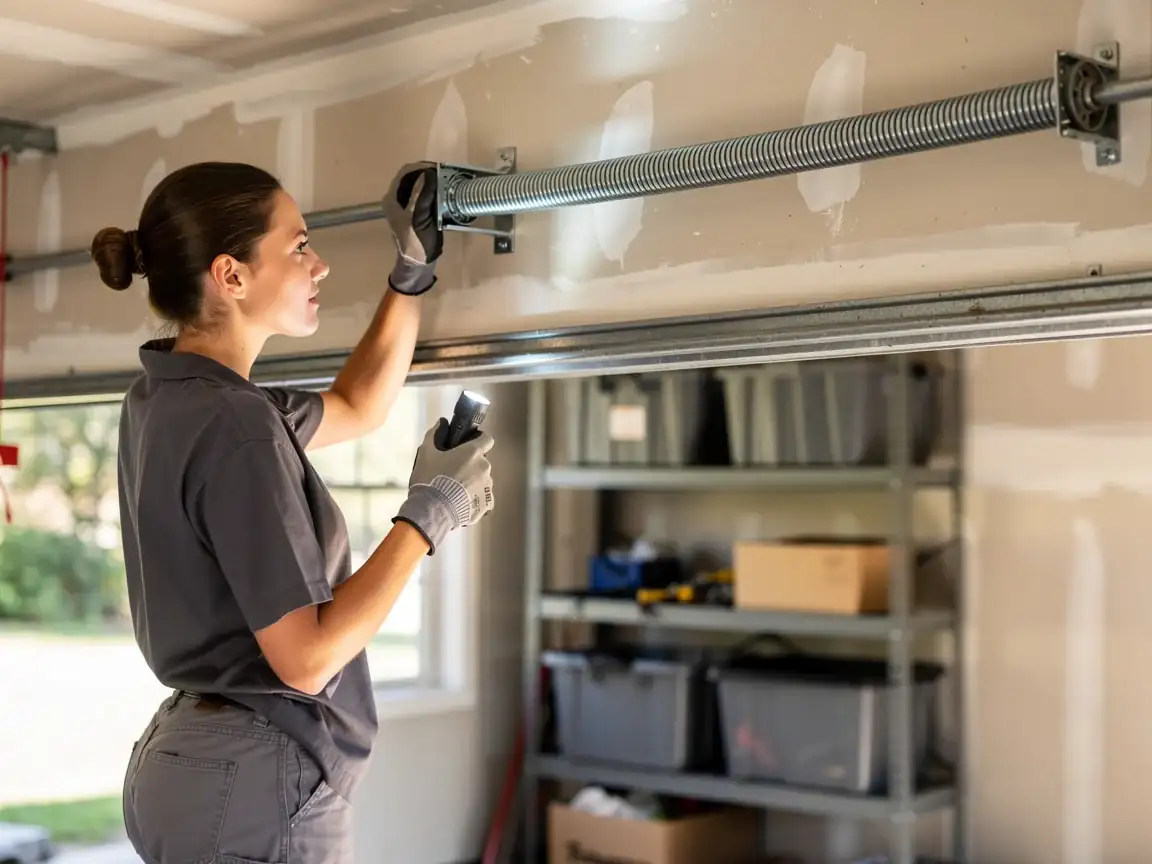
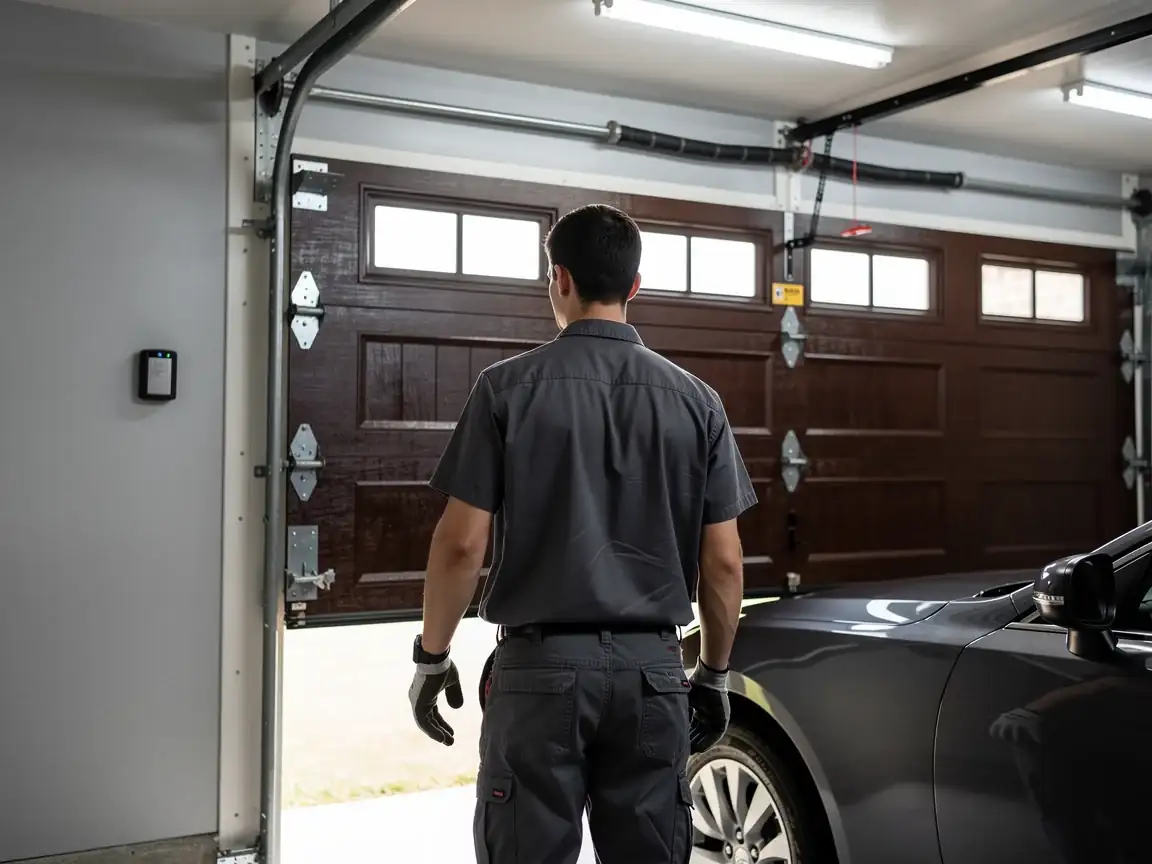
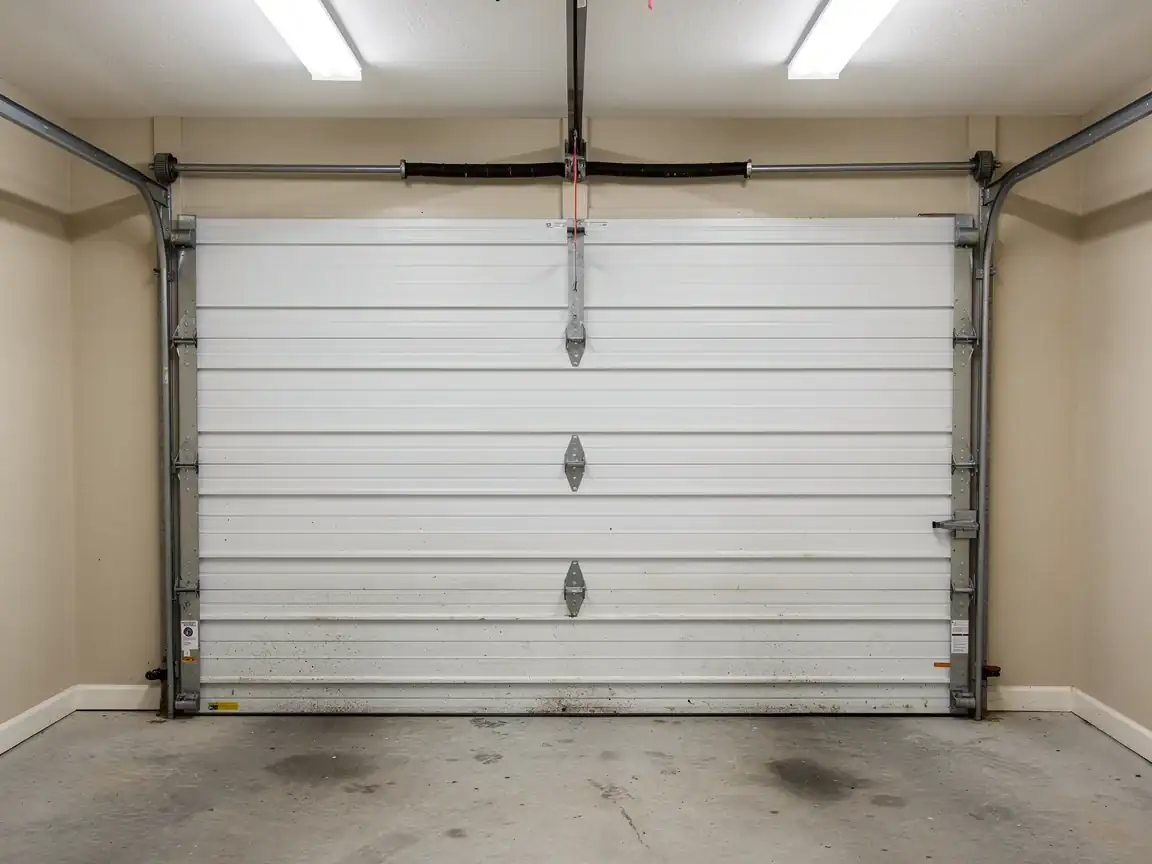
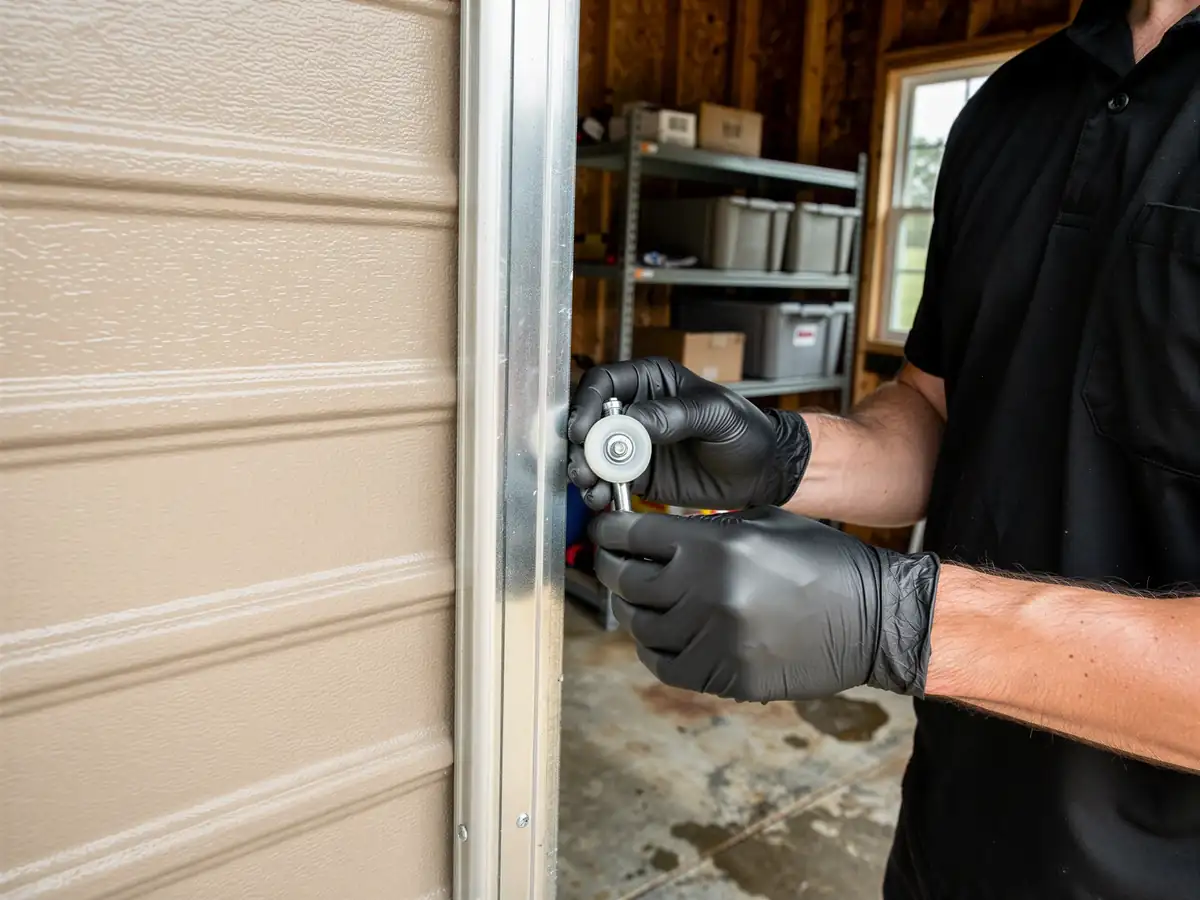
Suisun City's housing mostly went up around 1984, which puts it a few years newer than a lot of what we see across the wider Fairfield service area, where the median build year runs closer to 1979. That gap matters for maintenance because it usually means standard torsion springs, steel-track rollers, and extension-spring setups that are still in production - not the oddball one-piece doors or side-mounted hardware you find on houses built before 1960. On a Suisun City tune-up we're usually dealing with 7x16 or 8x7 sectional doors, nylon or steel rollers, and galvanized lift cables sized to common residential openers. We carry the springs, cables, rollers, and hinges that fit this era of door on the truck. Where we run into trouble is older torsion hardware from houses built before the 1960s stock showed up elsewhere in the service area - those parts aren't something we stock and can mean an extra trip once we special-order them. For a Suisun City home from the early-to-mid '80s, that's rarely the problem. The honest limitation: if a door's been swapped out for something custom or the opener's an older chain-drive unit nobody's serviced in years, we may need to order a part rather than carry it same-visit.
Can You Do This Yourself
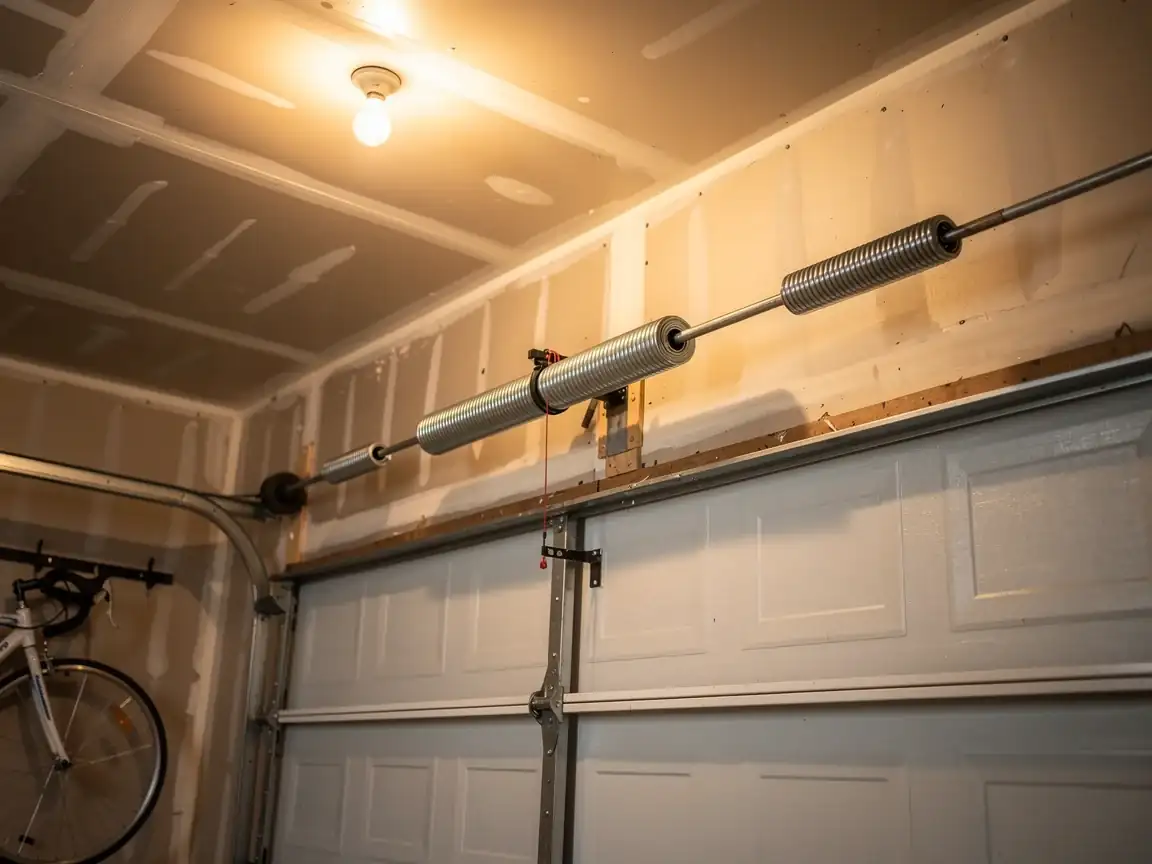
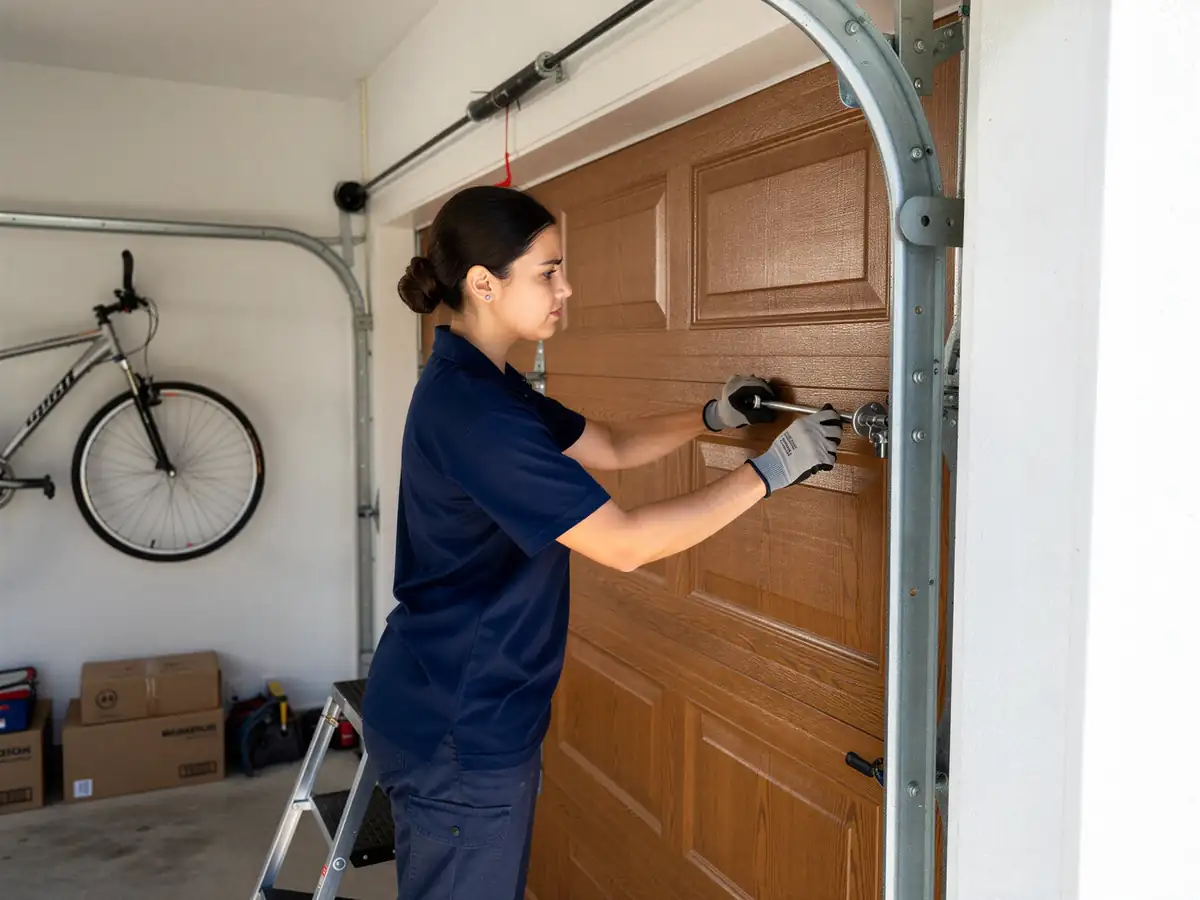
Some of it, yes. Wiping down and lubricating rollers and hinges with a garage-door-specific lubricant, checking that the auto-reverse safety feature still stops the door on contact, and listening for new grinding or popping noises are all things an owner can do without tools beyond a step stool. What you shouldn't touch: the torsion spring. It's under enough tension to cause a serious injury if it lets go while you're adjusting it, and on a 1980s-era door that spring has likely never been replaced - meaning it's closer to the end of its life than a newer one. Track alignment and cable tension are also better left to someone who does it regularly. If your door is sagging on one side, binding partway through its travel, or the opener strains and reverses on its own, that's a sign the spring or cable is compensating for wear, not a sign to grab a wrench.
What You Are Seeing
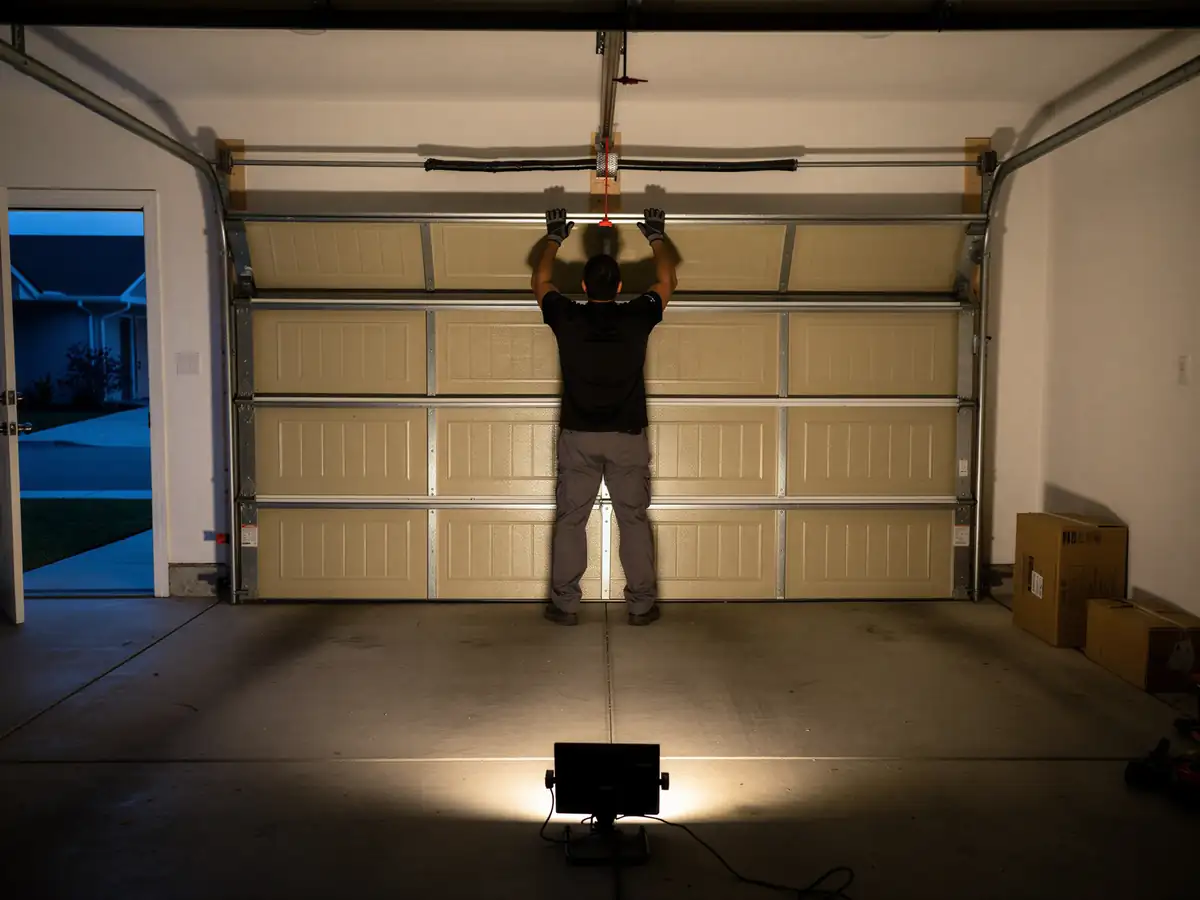
In a mild temperate climate like this one, garage doors don't fight the freeze-thaw cracking or extreme humidity swelling that cause trouble elsewhere - wood door panels here tend to hold up well, and metal hardware doesn't corrode from road salt or deep cold. What we do see on Suisun City's 1980s-era stock is wear from straightforward use: rollers that have worn down to the point of rattling in the track, torsion springs that have lost tension and make the opener work harder than it should, and weatherstripping at the bottom panel that's cracked from UV exposure rather than cold. If the door seems heavier to lift by hand than it used to, or the opener motor runs longer before the door starts moving, that's usually tension loss in the spring - not something to leave for next season.
The Complications
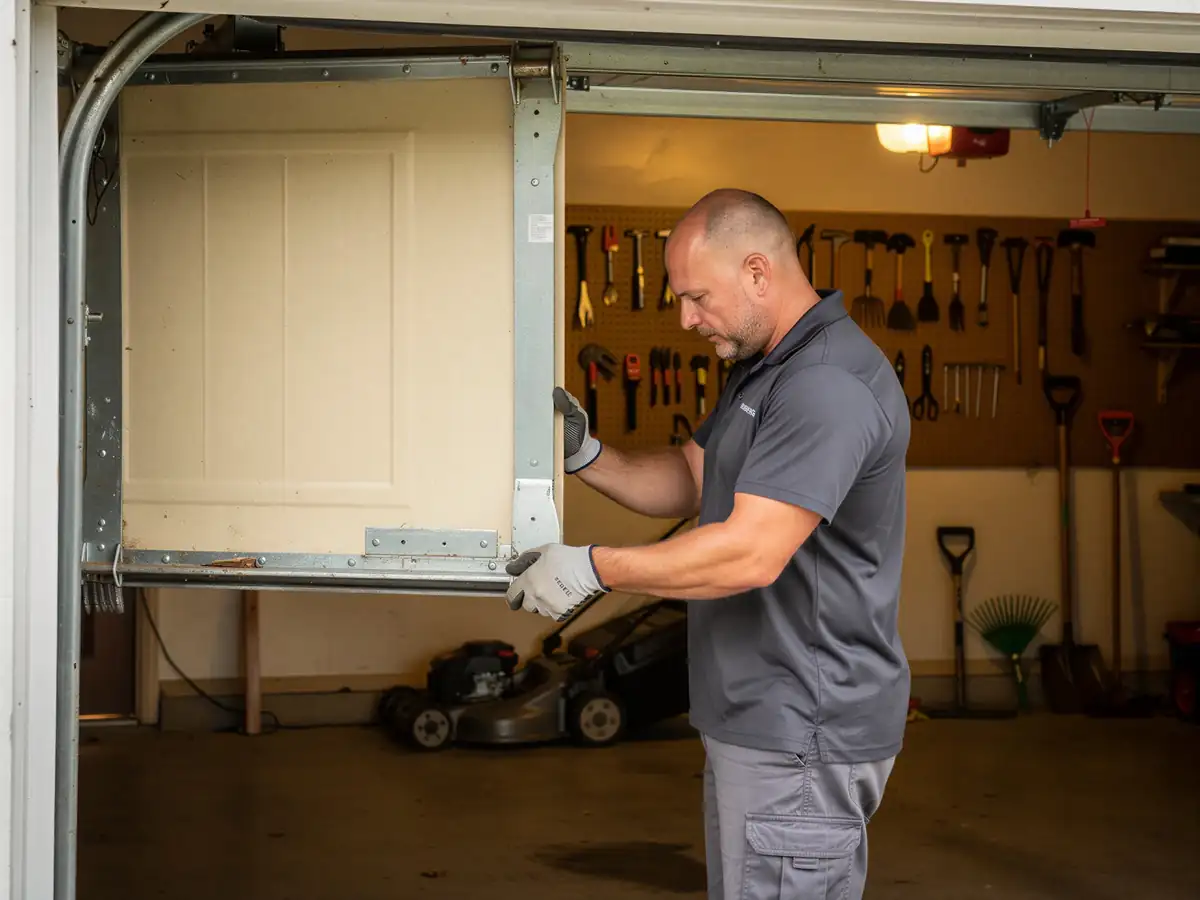
Not every Suisun City door fits the 1984 pattern. Infill construction and remodels mean some houses have newer doors with composite panels and belt-drive openers, which need different lubricants and have sealed bearings that don't take grease the way older steel rollers do. Others have had a door replaced at some point without the opener being updated to match, which can throw off the force settings and cause the safety reverse to trip too easily or not at all. We also don't do emergency same-day spring replacement as part of a routine maintenance call - if we find a spring that's about to fail during a tune-up, we'll tell you and schedule the repair separately rather than take the door apart on the spot. That's a judgment call based on what's safe to do with the tools and time we've got on hand that day, not a sales pitch.