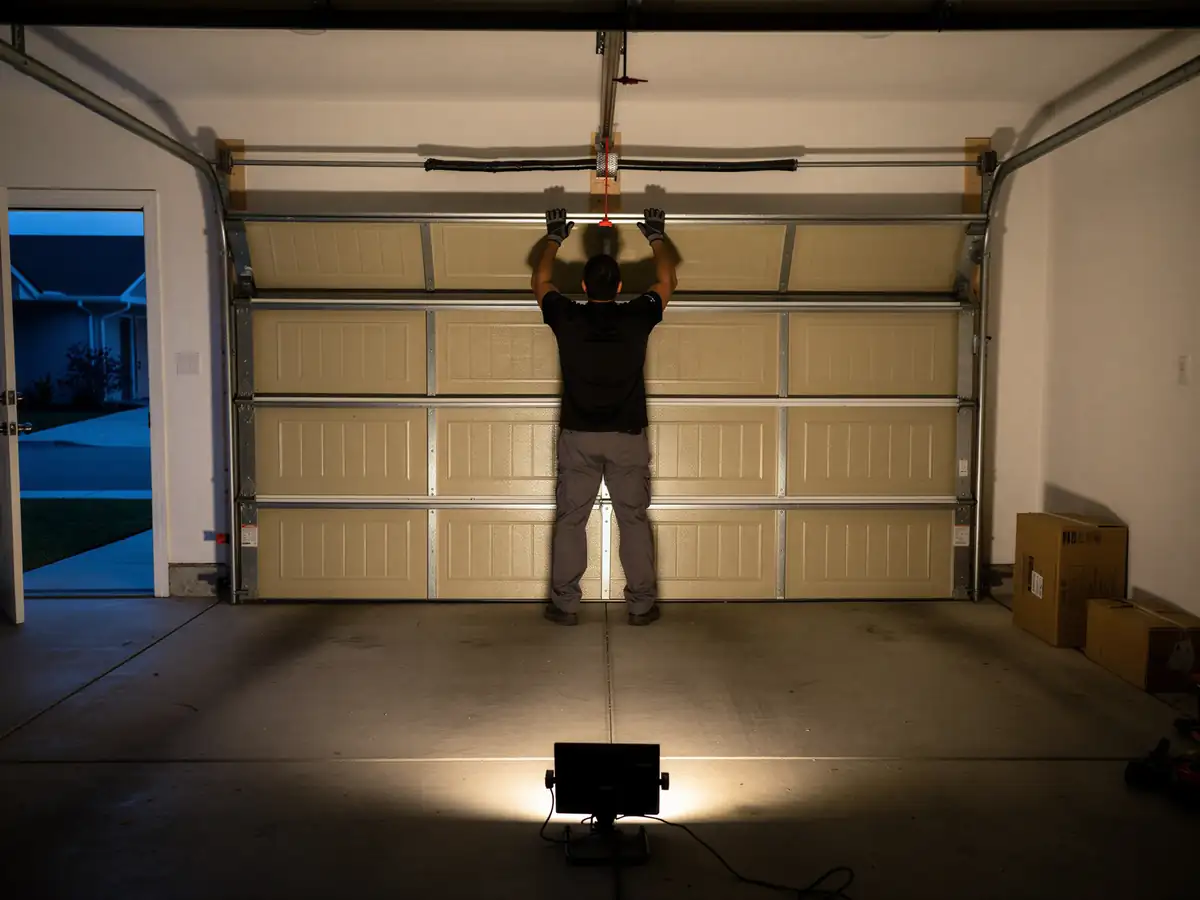
Can You Do This Yourself
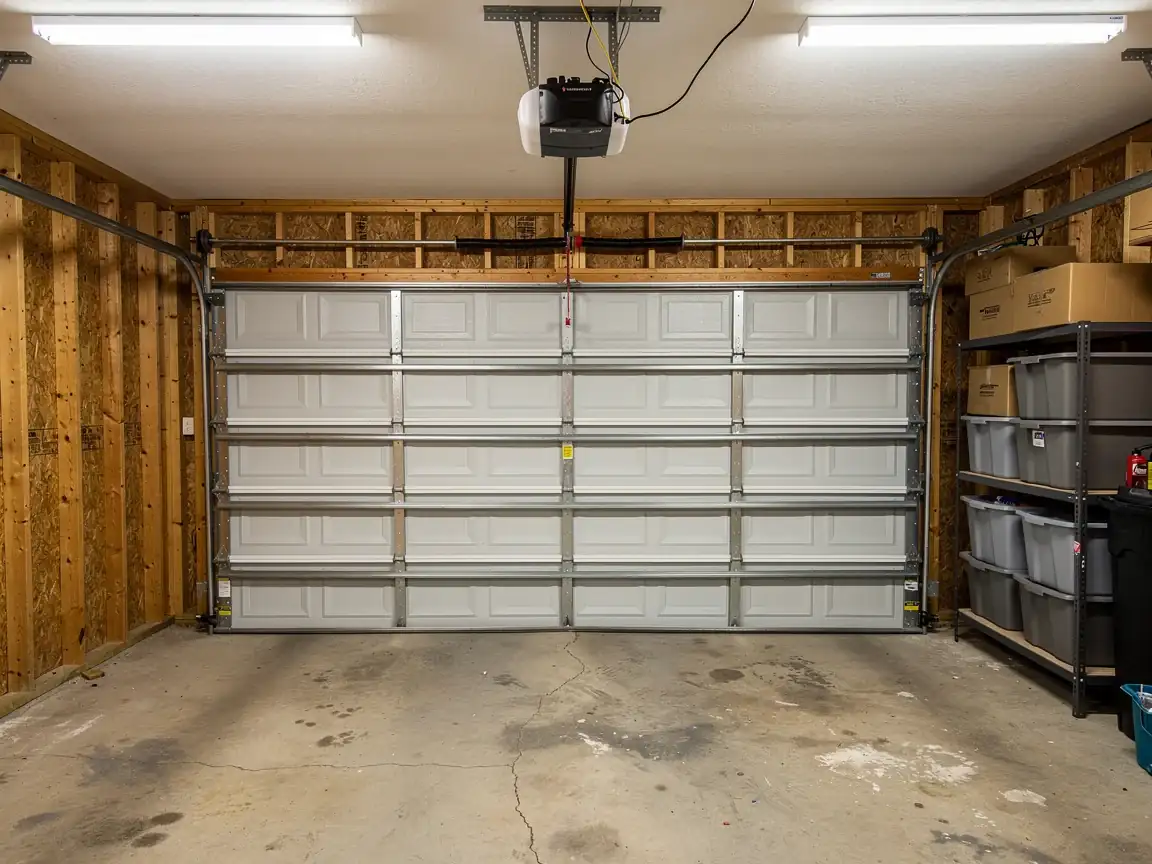
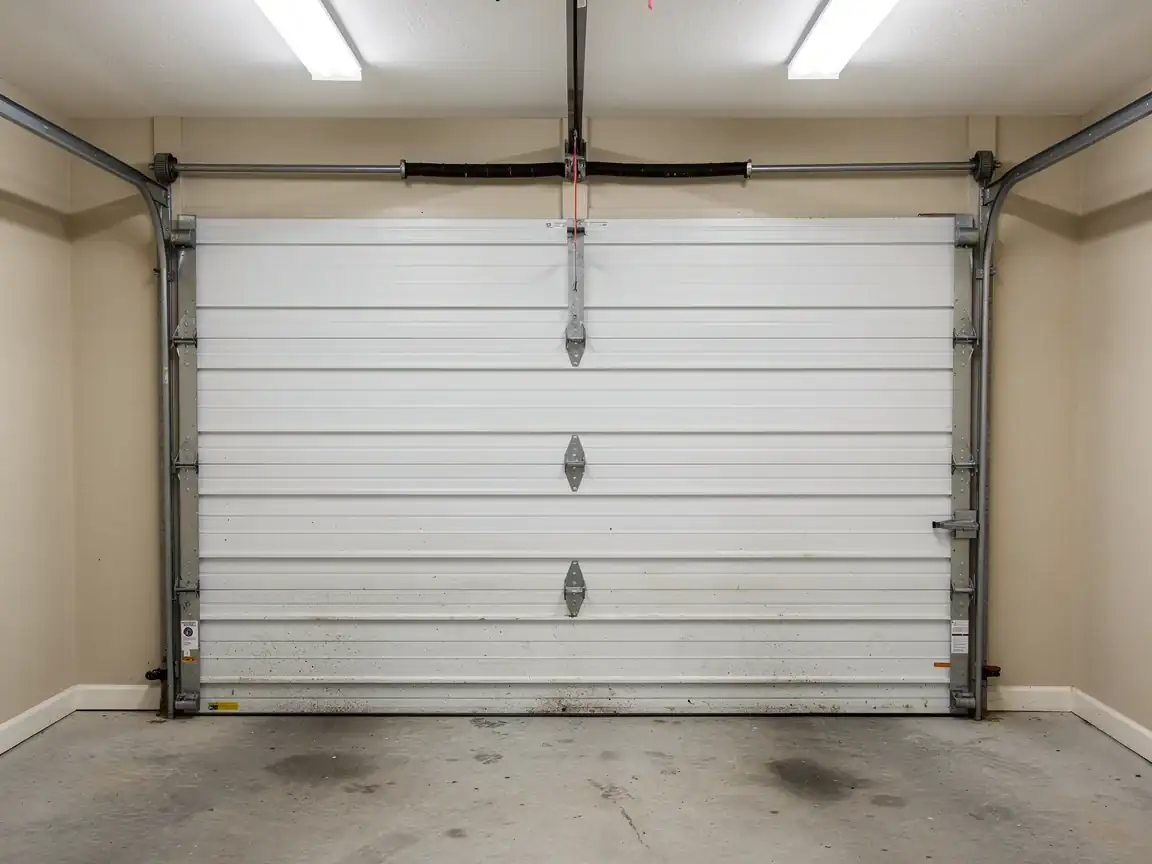
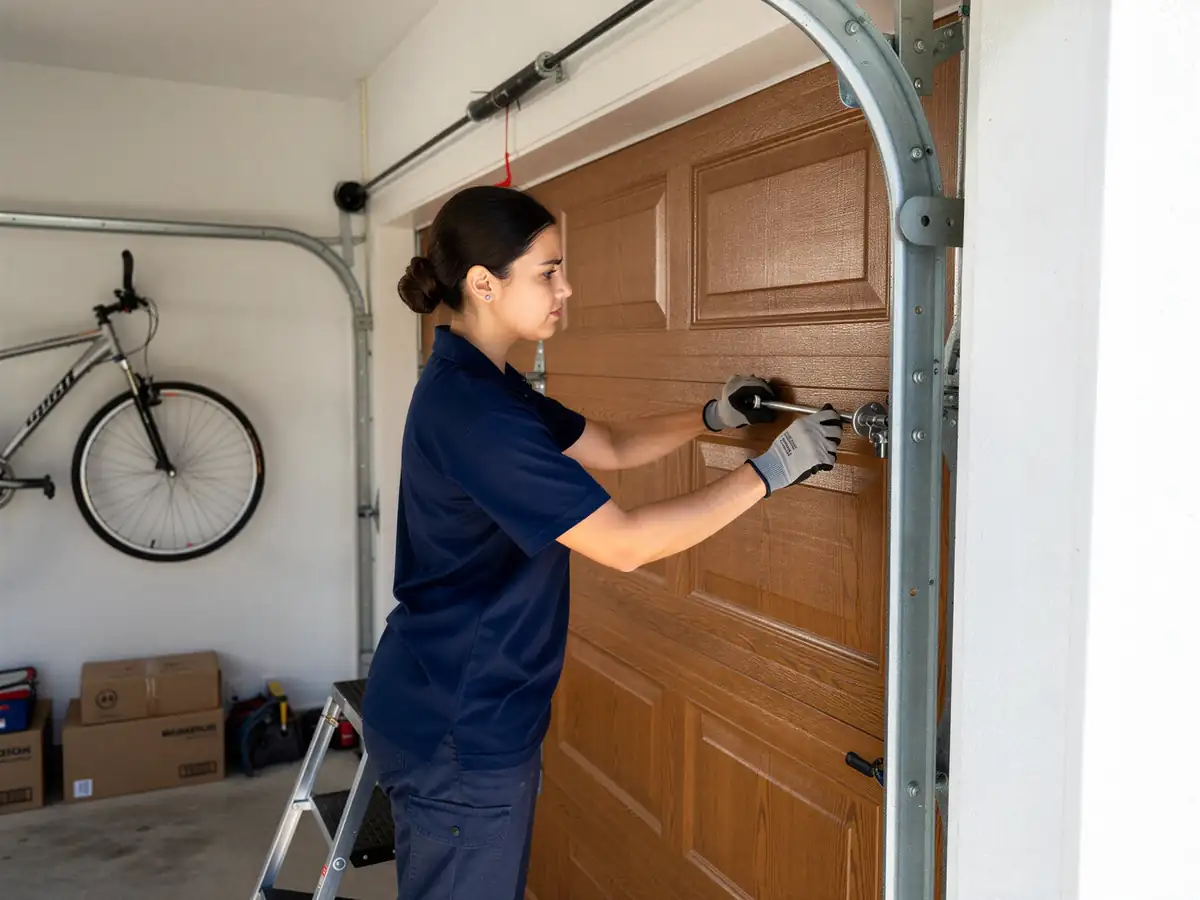
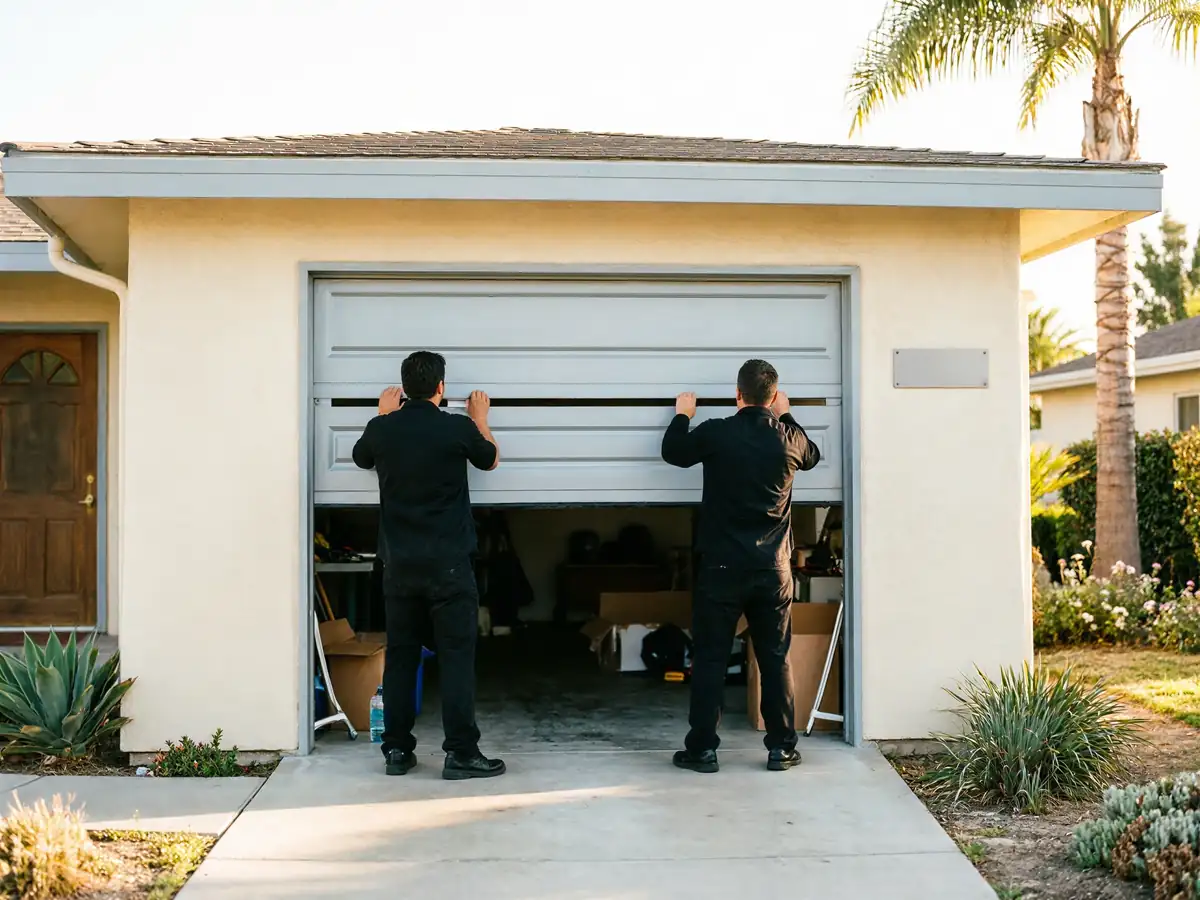
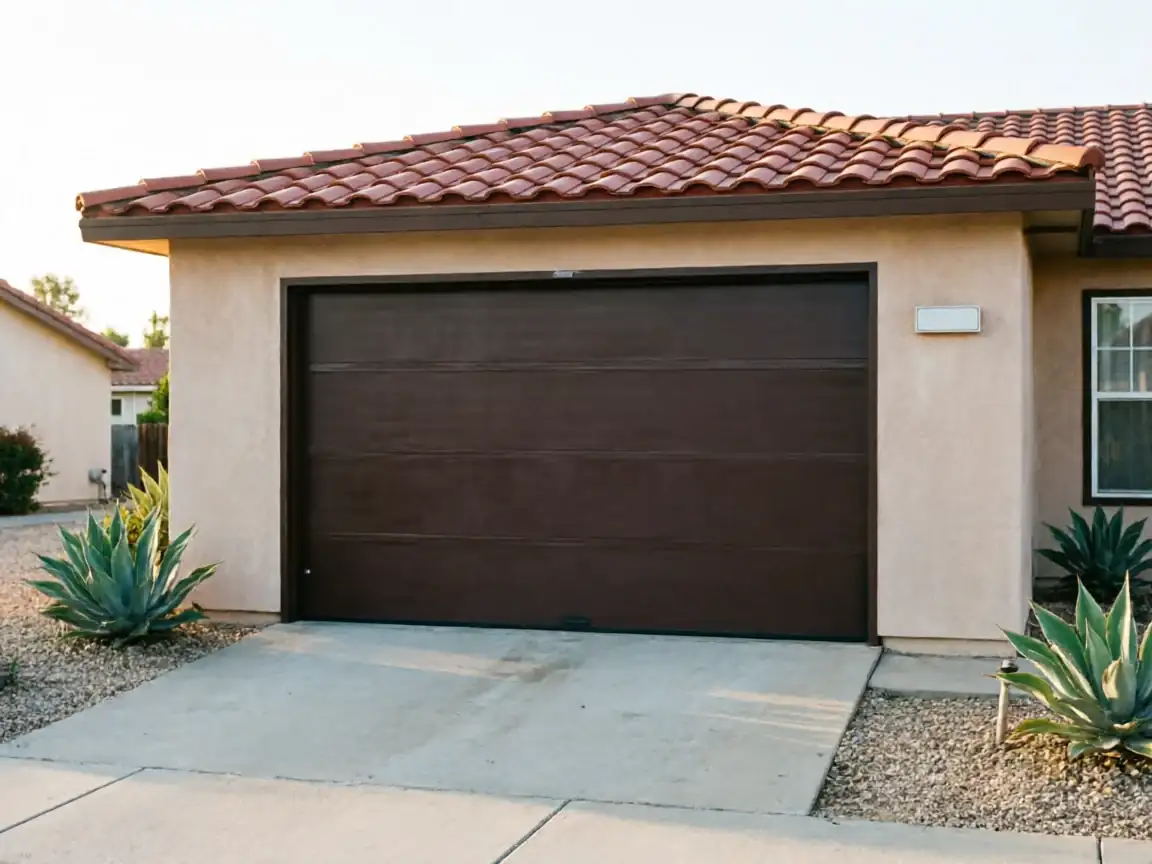
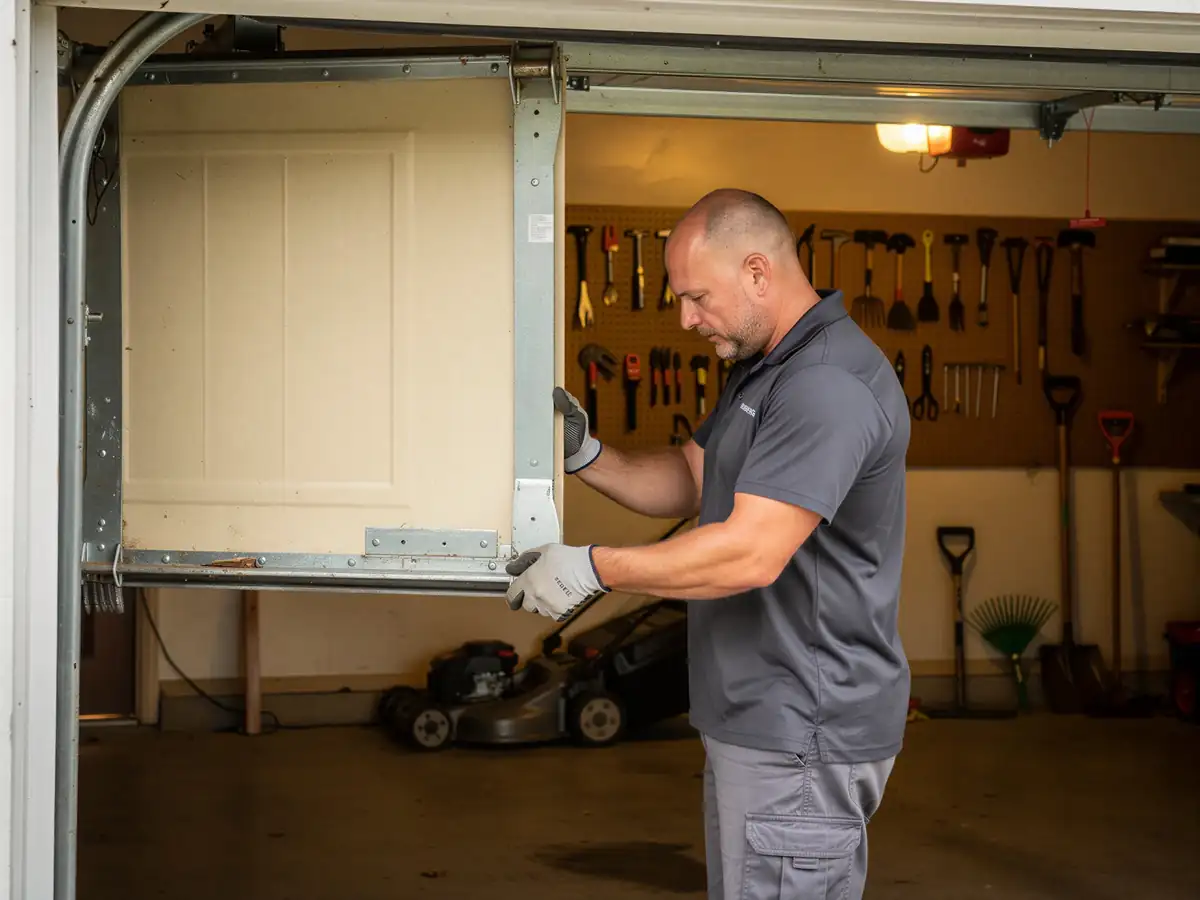
If the door is stuck halfway and the opener motor is still humming, kill the power at the wall first. That's the only truly safe DIY step on a broken spring or snapped cable. Most of American Canyon's housing went up well after the 1979 median year for the wider Fairfield service area - this is closer to a mid-1990s build pattern - which means you're dealing with factory steel sectional doors on standard torsion hardware, not the mismatched extension-spring rigs you find on older stock. That's actually good news for you: parts are common, not scarce. Still, a torsion spring under tension can put someone in the ER, and a door that's come off its tracks can drop without warning. If a cable has jumped the drum, or a panel is bent and binding against the track, don't force the opener past it - you'll strip the gears or tear the bracket loose from the jamb. Call it in. The honest limit here: we're a 14-mile drive out of Fairfield, so there's no walk-in counter in town and no loaner door sitting in a yard nearby. What there is: a truck stocked for exactly the hardware this town runs."
What Causes It Around Here
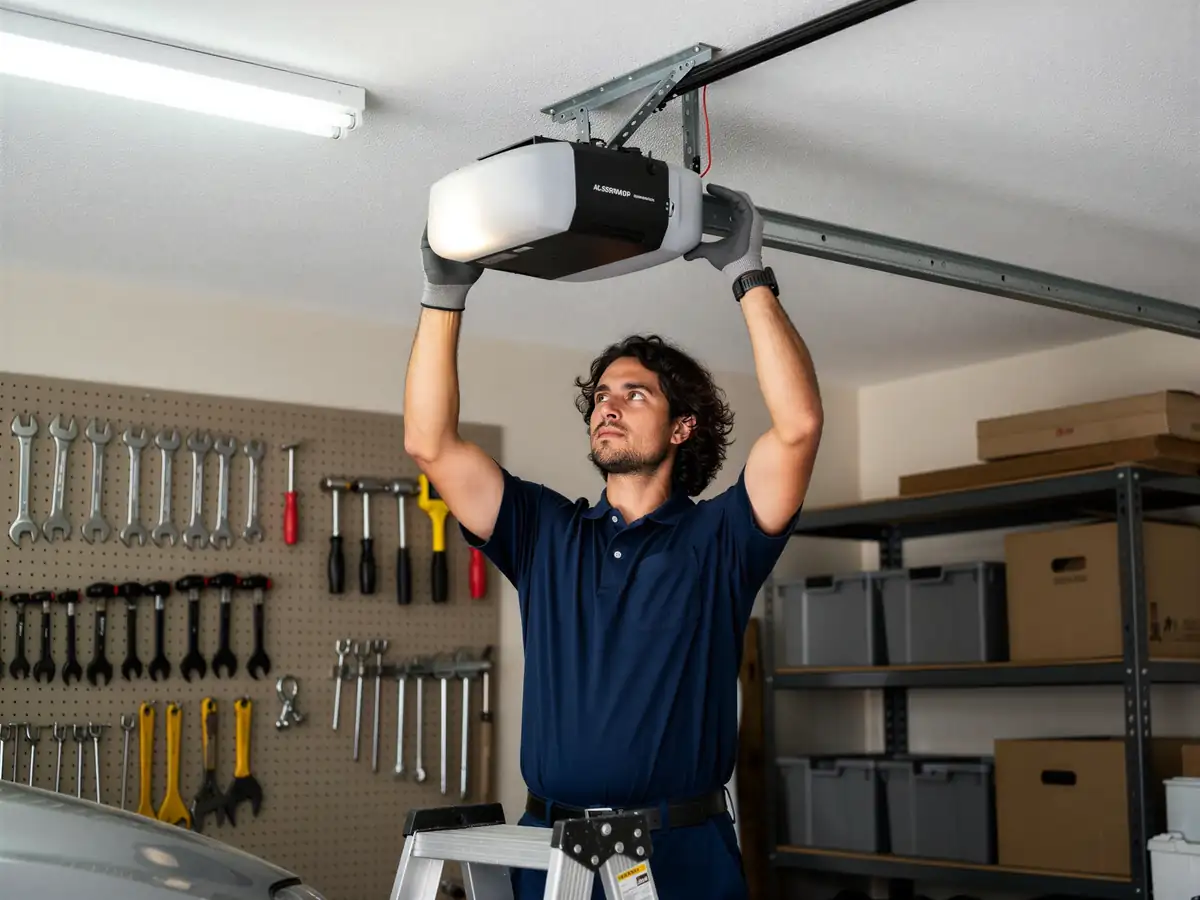
This area sits in the same mild temperate band as the rest of the region - no hard freezes, no monsoon season - so you don't get the ice-jammed tracks or heat-warped panels that cause emergency calls elsewhere. What you do get is wear from daily cycling. A household with two cars in and out twice a day puts a torsion spring through roughly the same cycle count regardless of climate, and with newer construction running steel doors on standard torsion bar setups, the predictable failure point is the spring itself, rated for a set number of cycles and due to snap once it's spent. Garage doors here also tend to run on openers original to the house, meaning a lot of them are now old enough that logic boards and gear-and-sprocket drives are reaching end of life around the same time as the springs. We don't see much storm damage here. What we do see is simple mechanical fatigue: a cable fraying where it wraps the drum, a roller seizing in its track, a sensor knocked out of alignment by a parked bike or a stored ladder.
How Long It Takes
A spring replacement on a standard residential door is usually a same-visit job once the truck is on site - we don't carry the dilemma of sourcing an obsolete part for an older door, since the local stock runs newer, standard-size hardware. Opener repairs vary more: if it's a board or sensor, that's quick; if the motor itself is shot, we'll tell you straight whether replacement makes more sense than repair, because an old opener with a failed motor and a cracked gear is often not worth chasing with parts. What we won't do is promise a fixed number of minutes before we've seen the door - a bent track takes longer to true up than a snapped cable takes to re-seat. The 14-mile drive from Fairfield is built into how a call here gets scheduled; it's a known, fixed distance, not a variable, so once a truck is routed out this way the clock on the actual repair starts right away.
What You Are Seeing
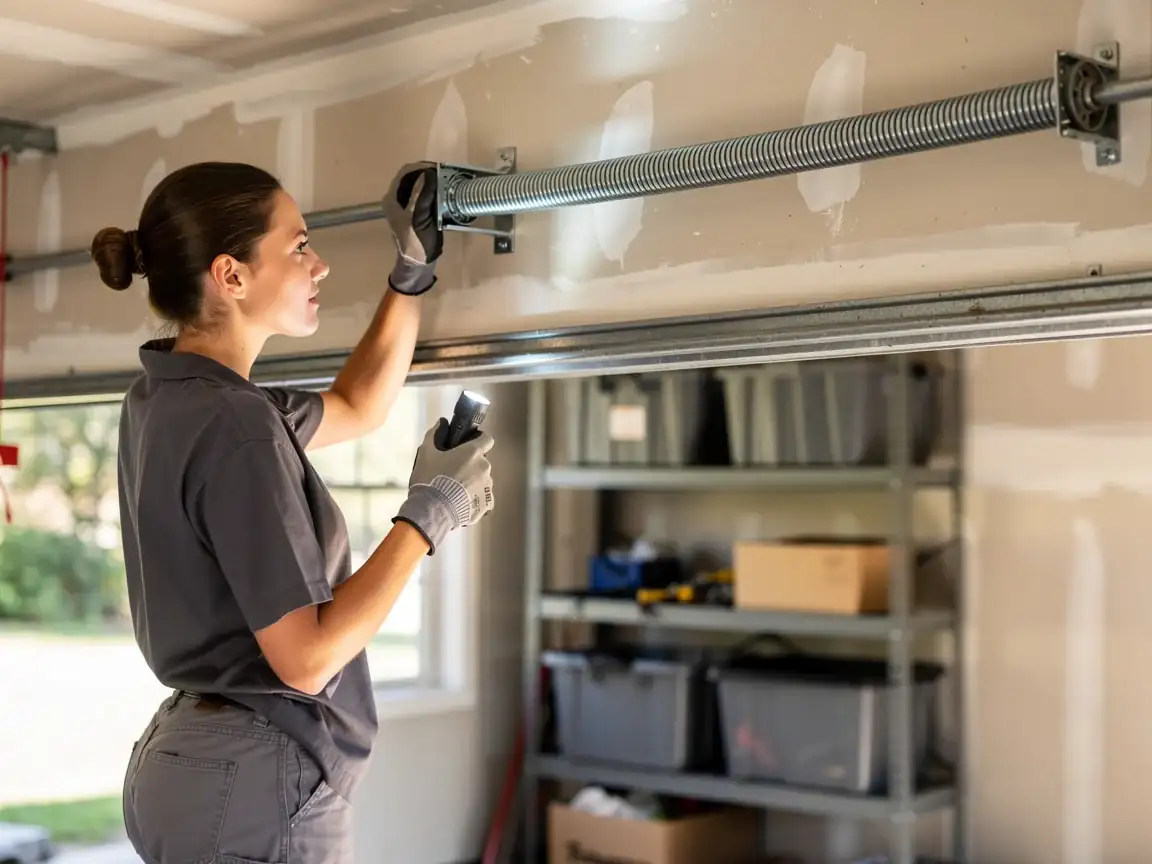
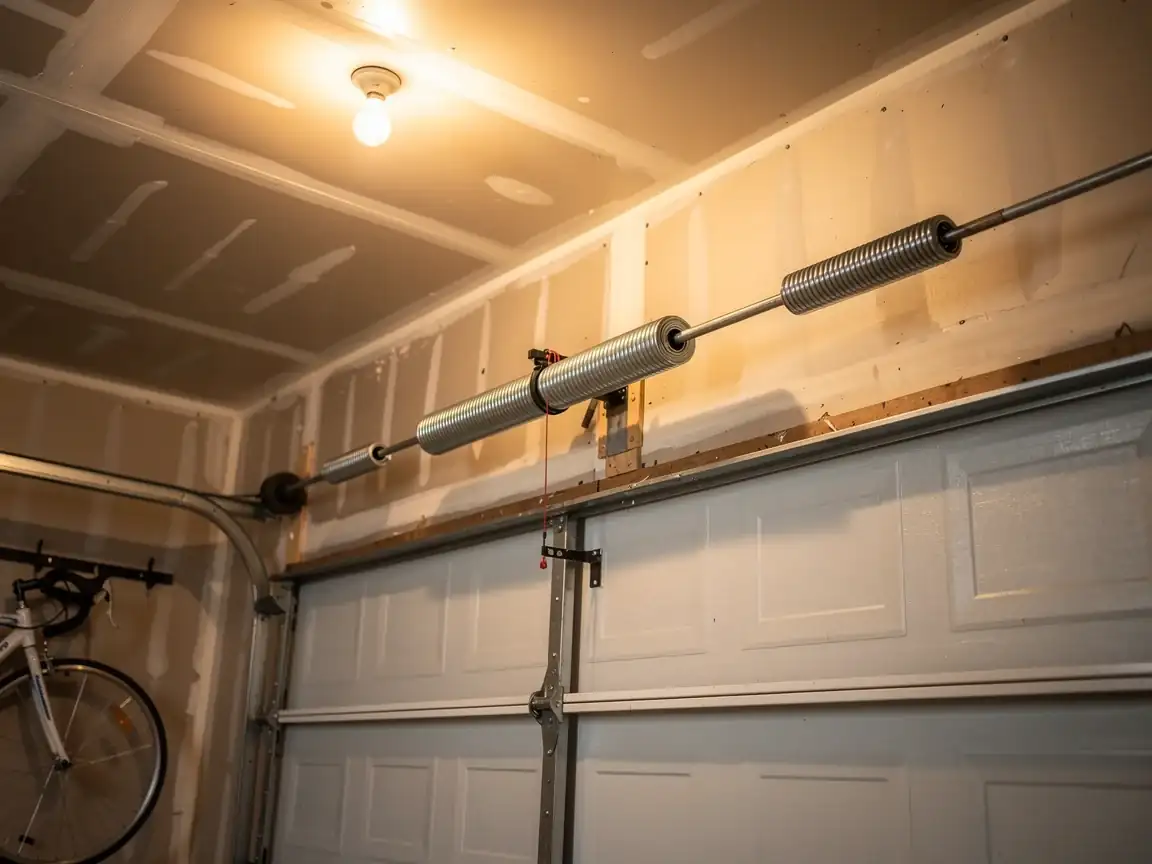
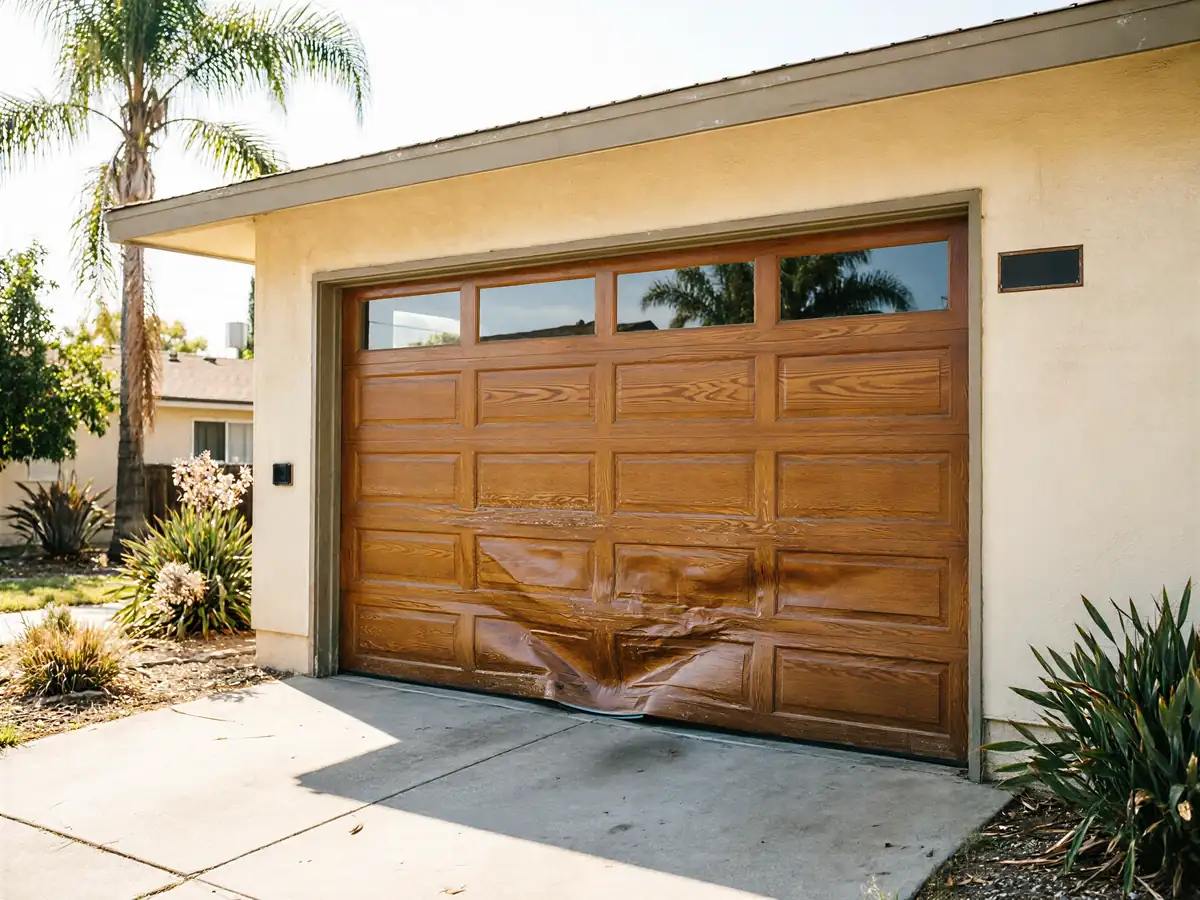
A door that won't budge past a few inches, usually means a broken spring taking the weight off the cable system - the opener isn't strong enough to lift a sectional door on its own once the spring's gone. A door that reverses right after closing is almost always a sensor misaligned by a few degrees, not a failing motor. Grinding or a loud bang followed by the door refusing to move is the signature of a snapped torsion spring; you'll often see the coil hanging loose and split on the bar above the door. A door that's crooked, lower on one side, points to a cable that's jumped the drum or frayed through, and it needs the drum and cable both checked, not just the cable. If the opener motor runs but the door doesn't move, check the trolley carriage hasn't disconnected from the chain or belt before assuming the motor's the problem. None of these are weather-driven here; they're wear patterns tied to how many cycles the door and opener have logged.