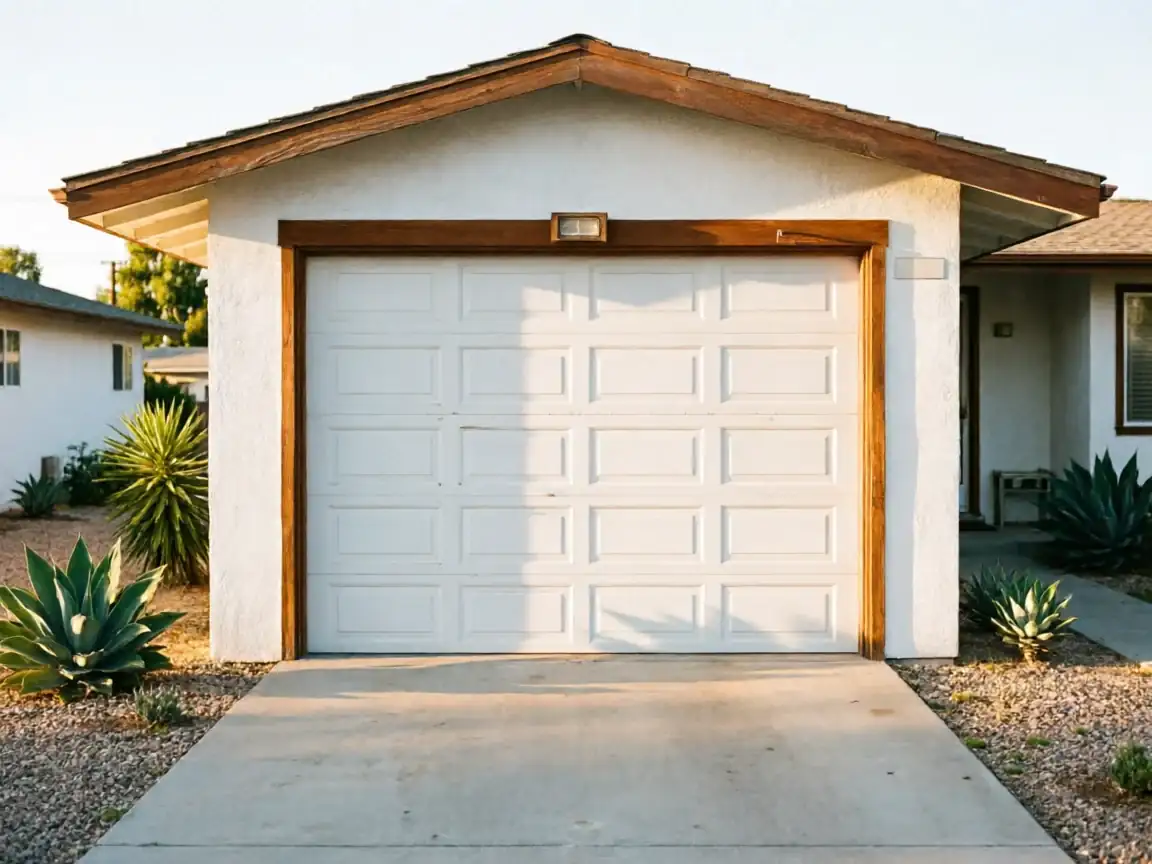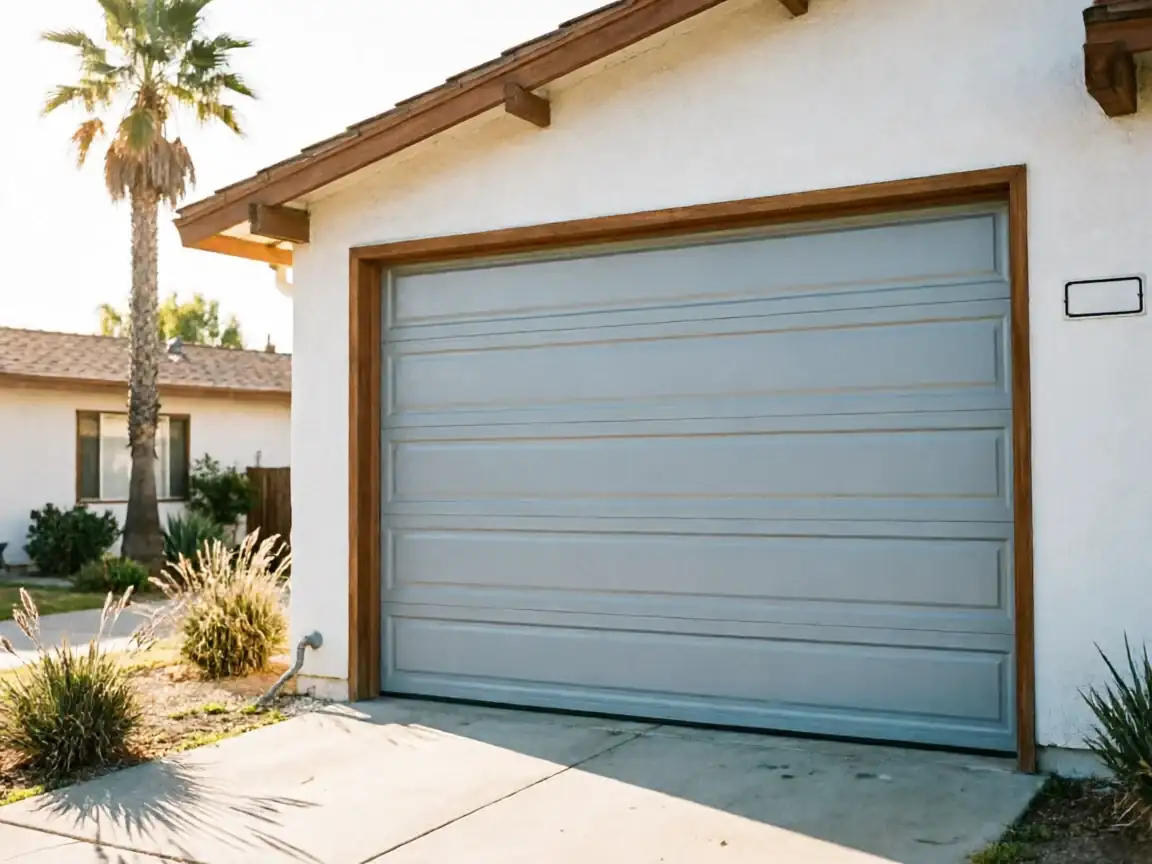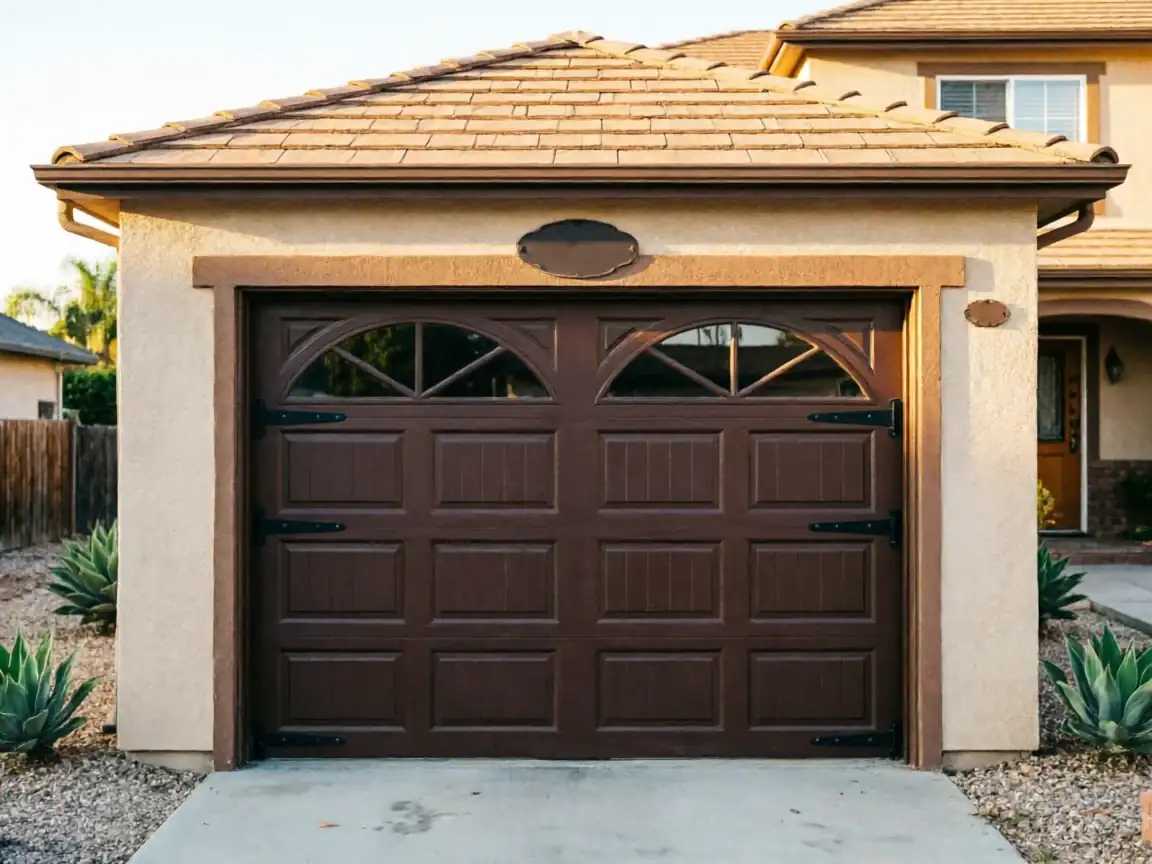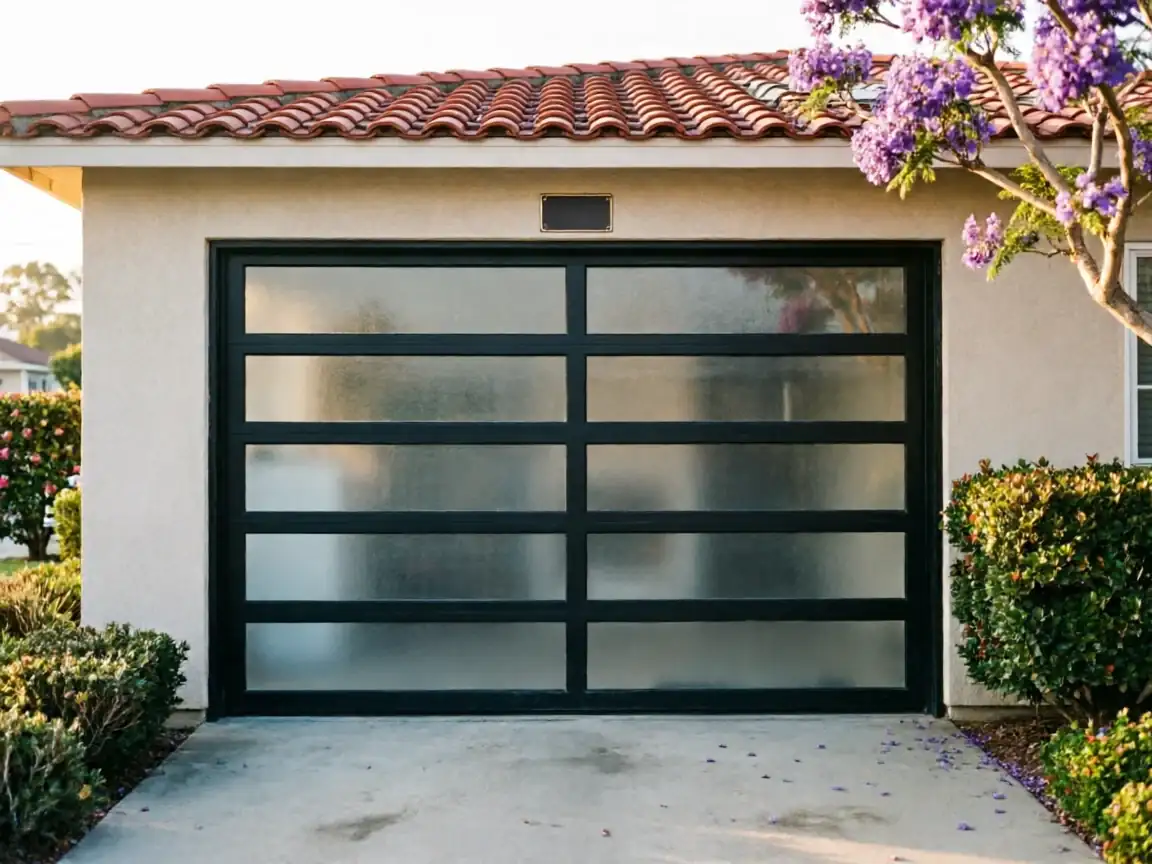
Can You Do This Yourself
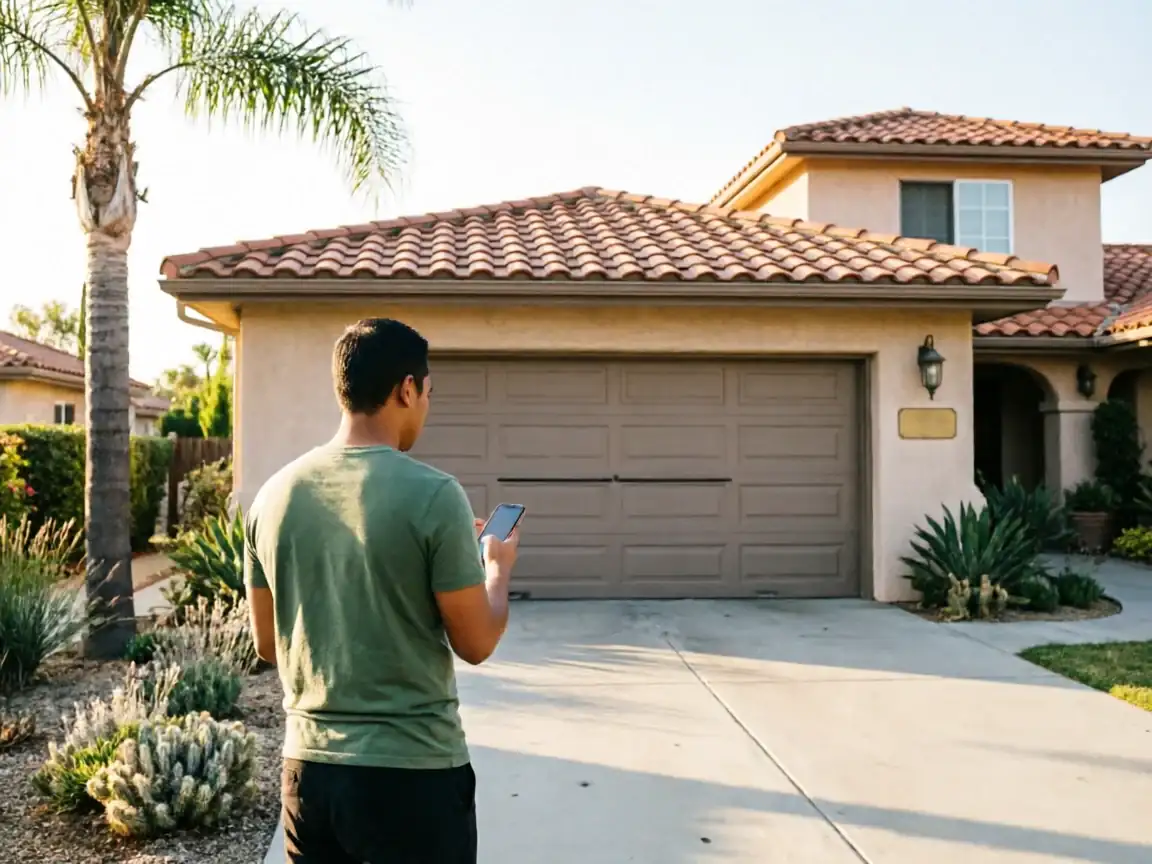
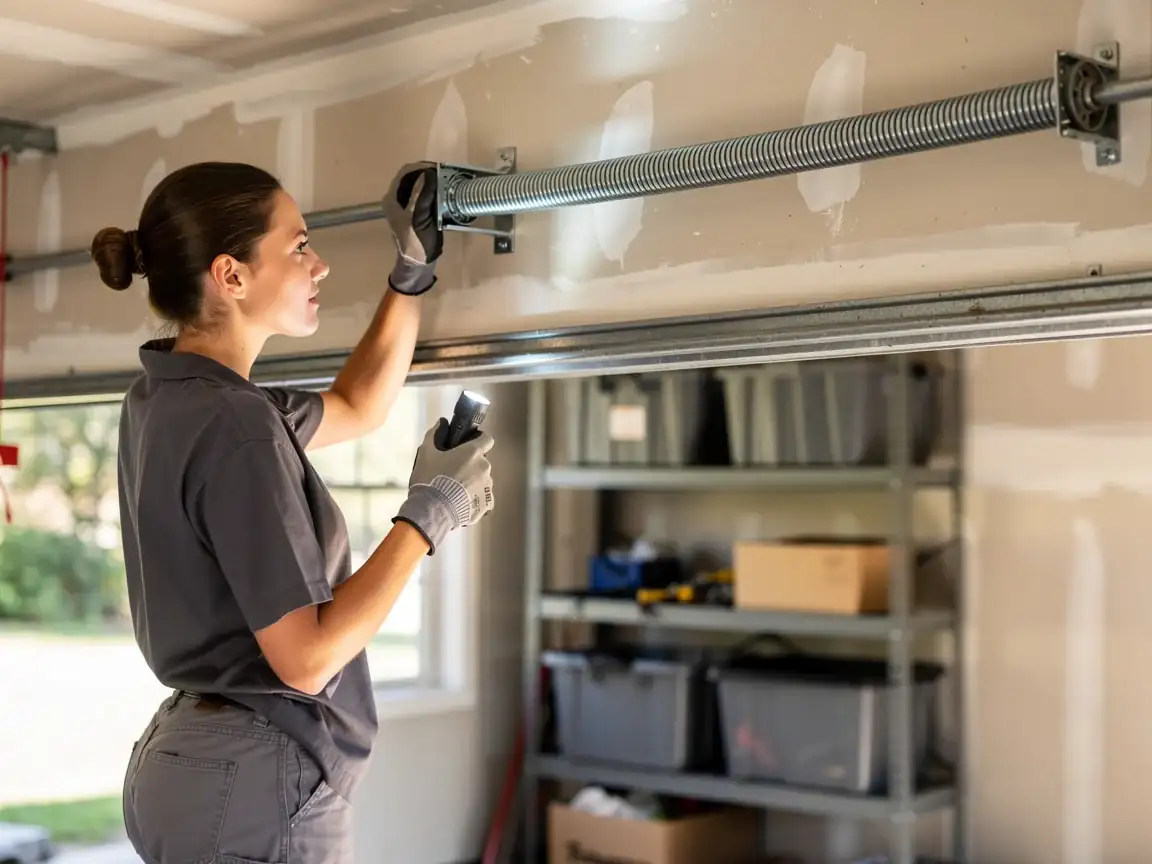
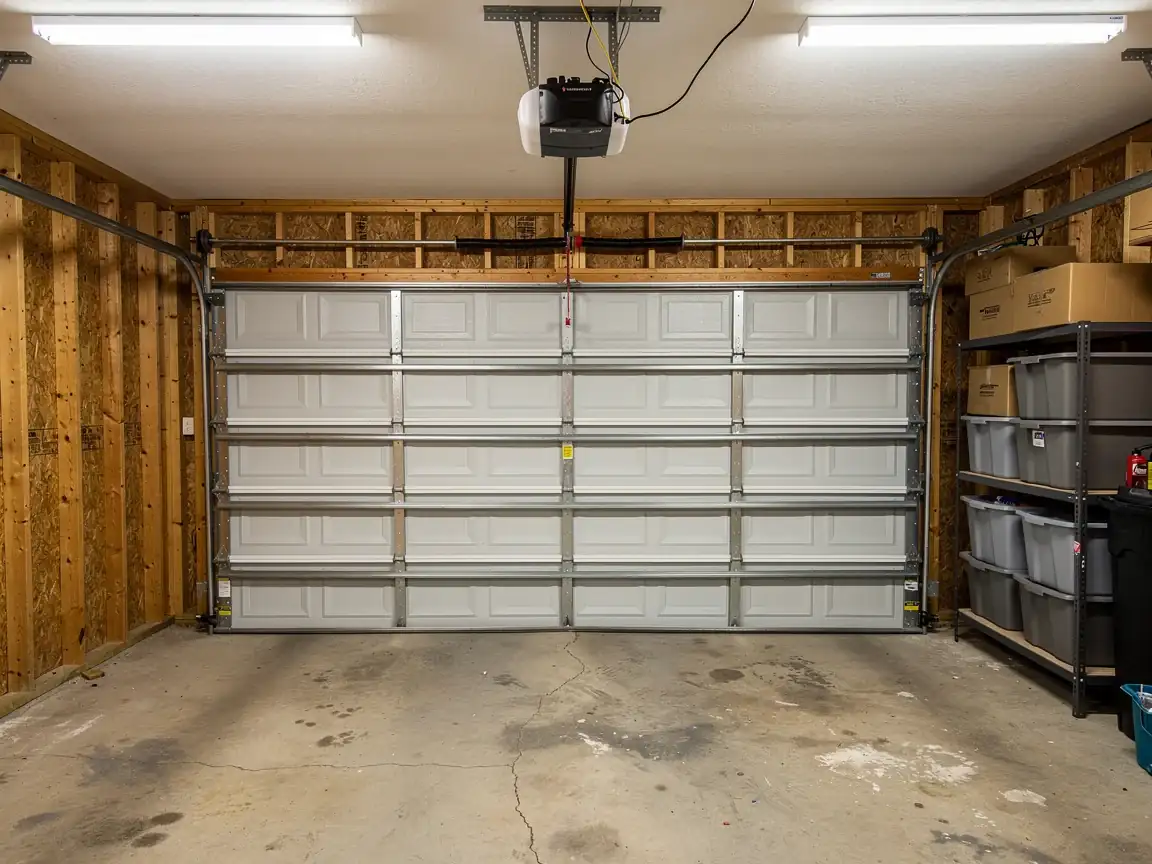
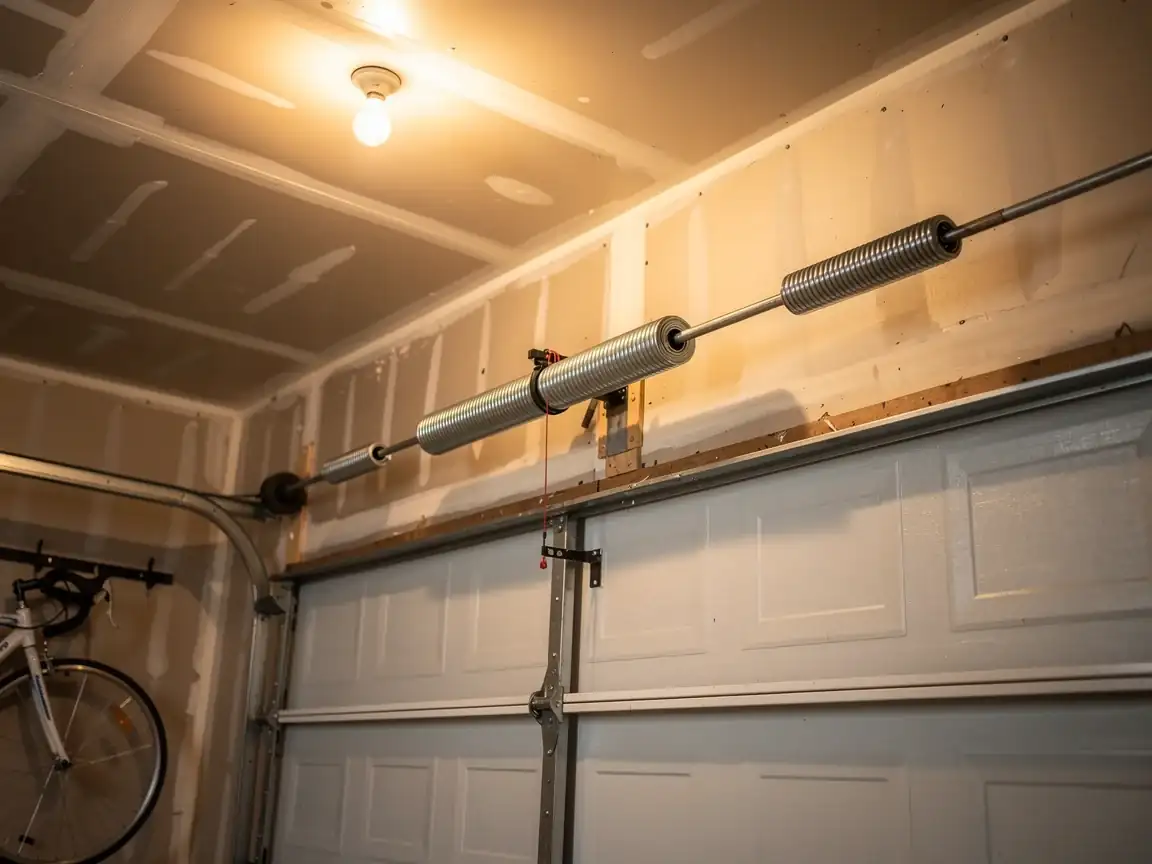
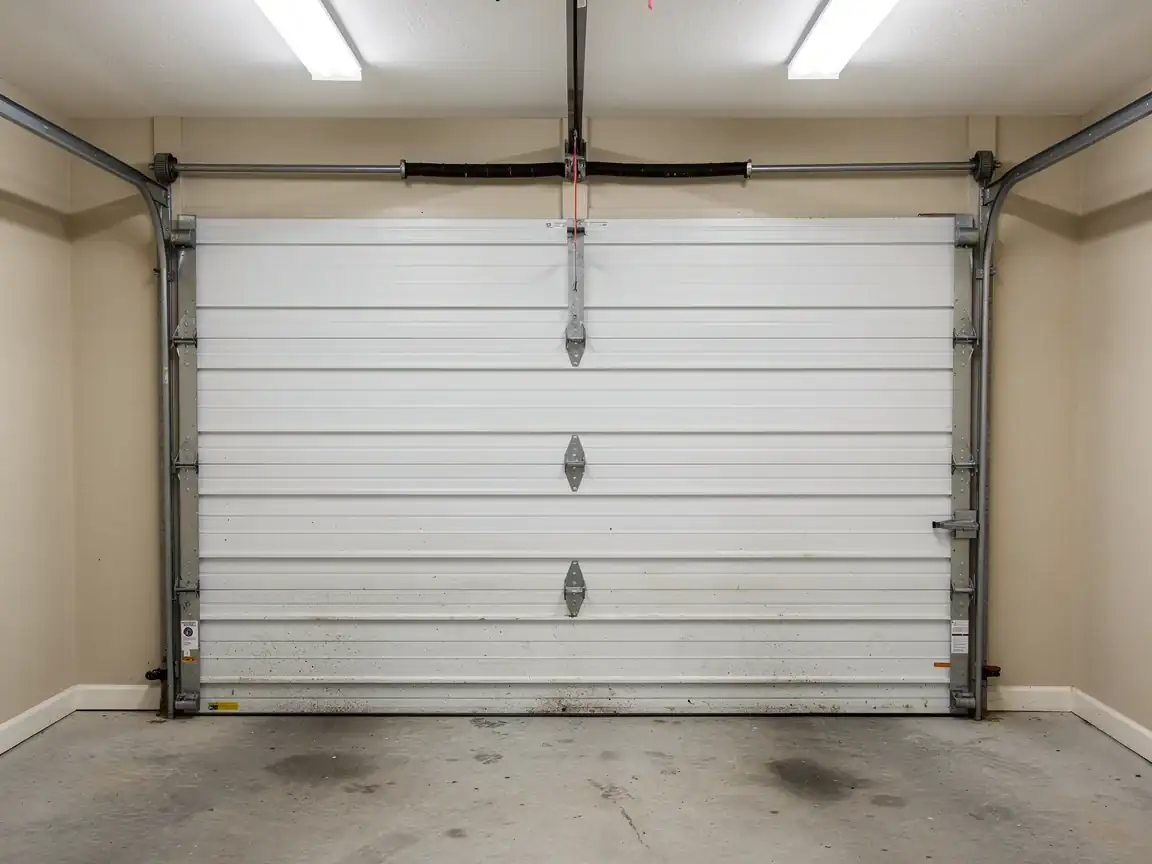
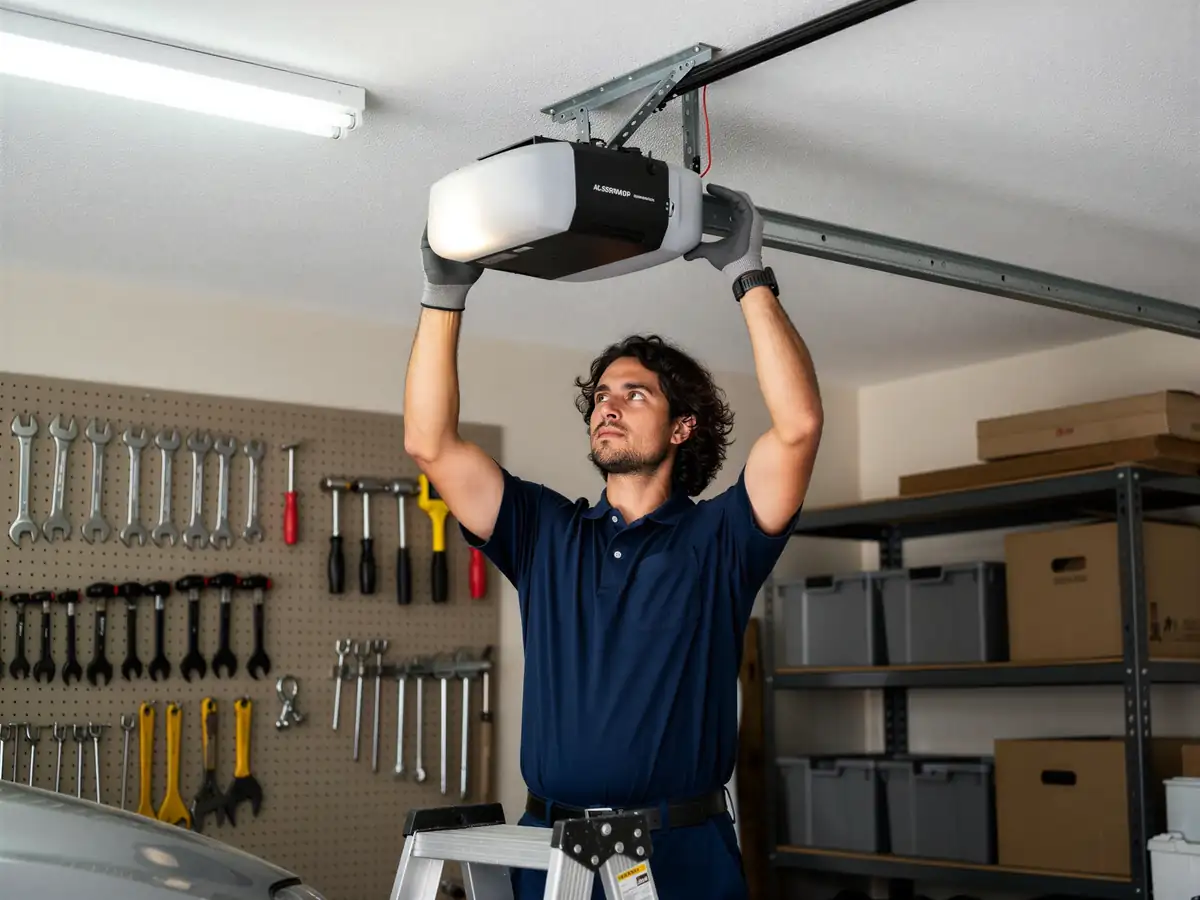
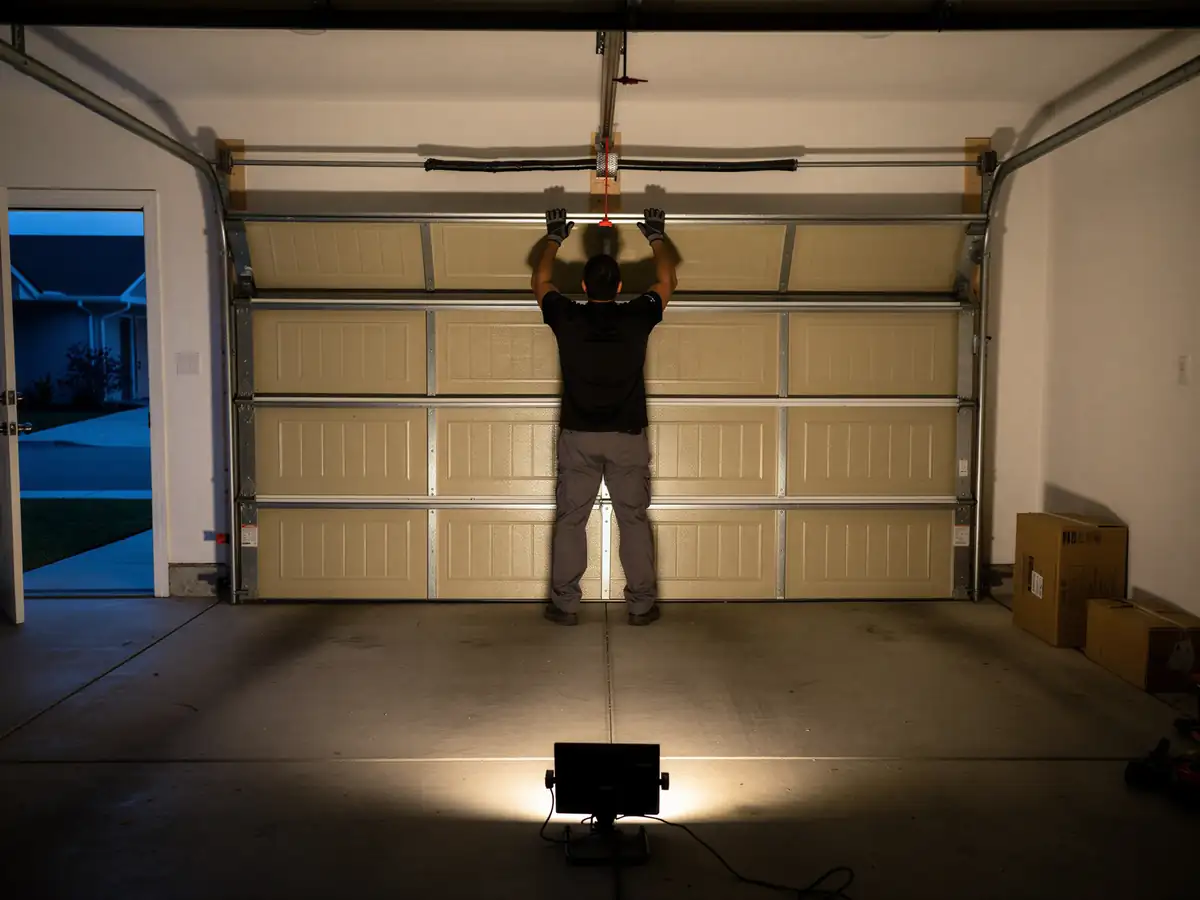
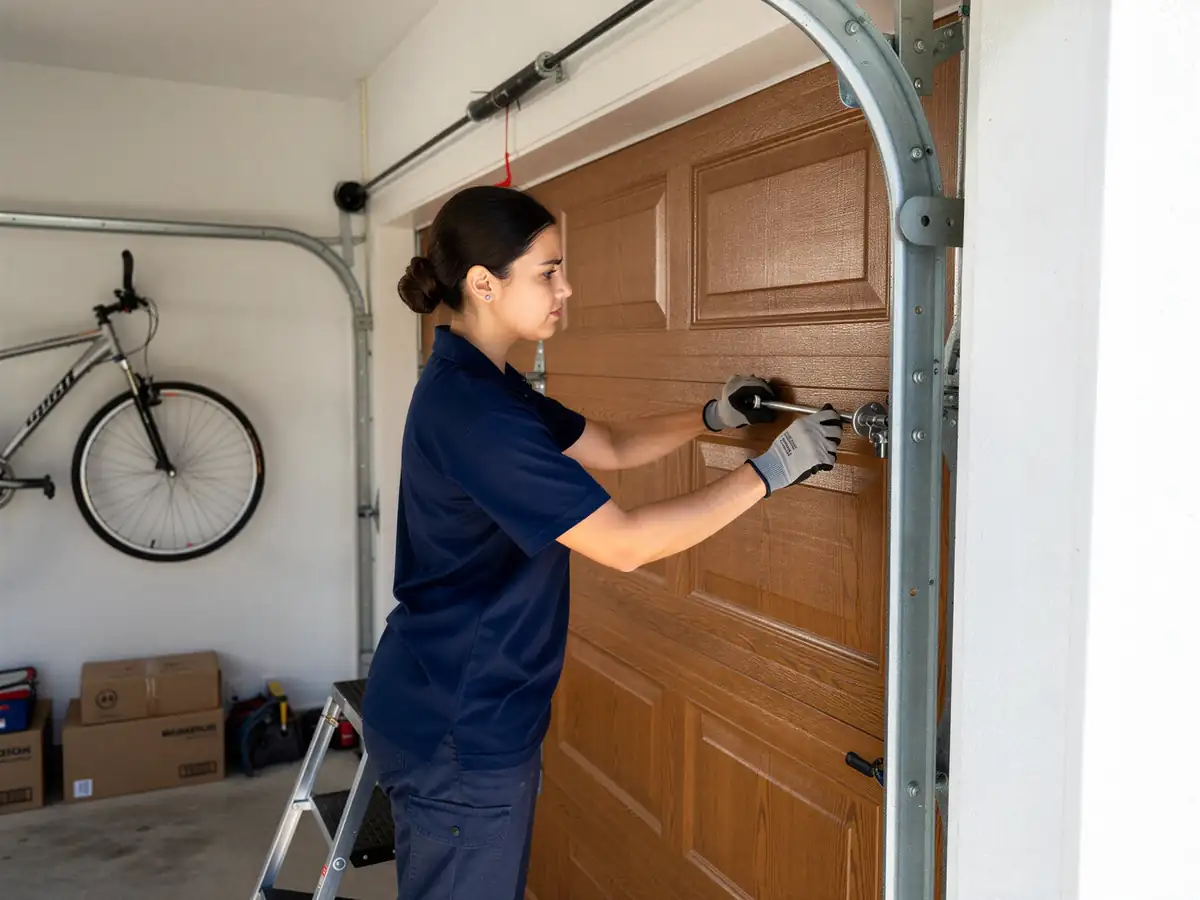
If your house in American Canyon went up around the mid-90s, which is typical for this area, you've got a torsion spring system on steel track, probably still the original opener with a chain or belt drive and a circuit board instead of the older relay-and-capacitor units from Fairfield's older neighborhoods. Swapping a remote battery or re-aligning a photo-eye sensor is a ten-minute job most owners can handle with a screwdriver and the manual. Winding or unwinding a torsion spring is not. These springs store enough energy to break a wrist or worse, and a 1996-era door with its original spring has had almost thirty years of cycles on it - if it's original, it's due, maybe overdue. If the door won't open, reverses on its own, or the cable looks frayed at the drum, that's a call, not a weekend project.
What Causes It Around Here
American Canyon's housing is newer than most of what we service out of Fairfield - median build year sits around 1996, well past the 1938-2002 range and later than the 1960s-70s stock common across the wider area. That means less wear from decades of salt air or extreme heat cycles, since this whole region sits in a mild temperate band, but it also means openers are hitting the age where circuit boards and drive gears start failing rather than the mechanical cable-and-pulley problems older doors get. Garage doors here tend to fail at the opener first, the spring second - the reverse of what we see on houses built before 1980.
How Long It Takes
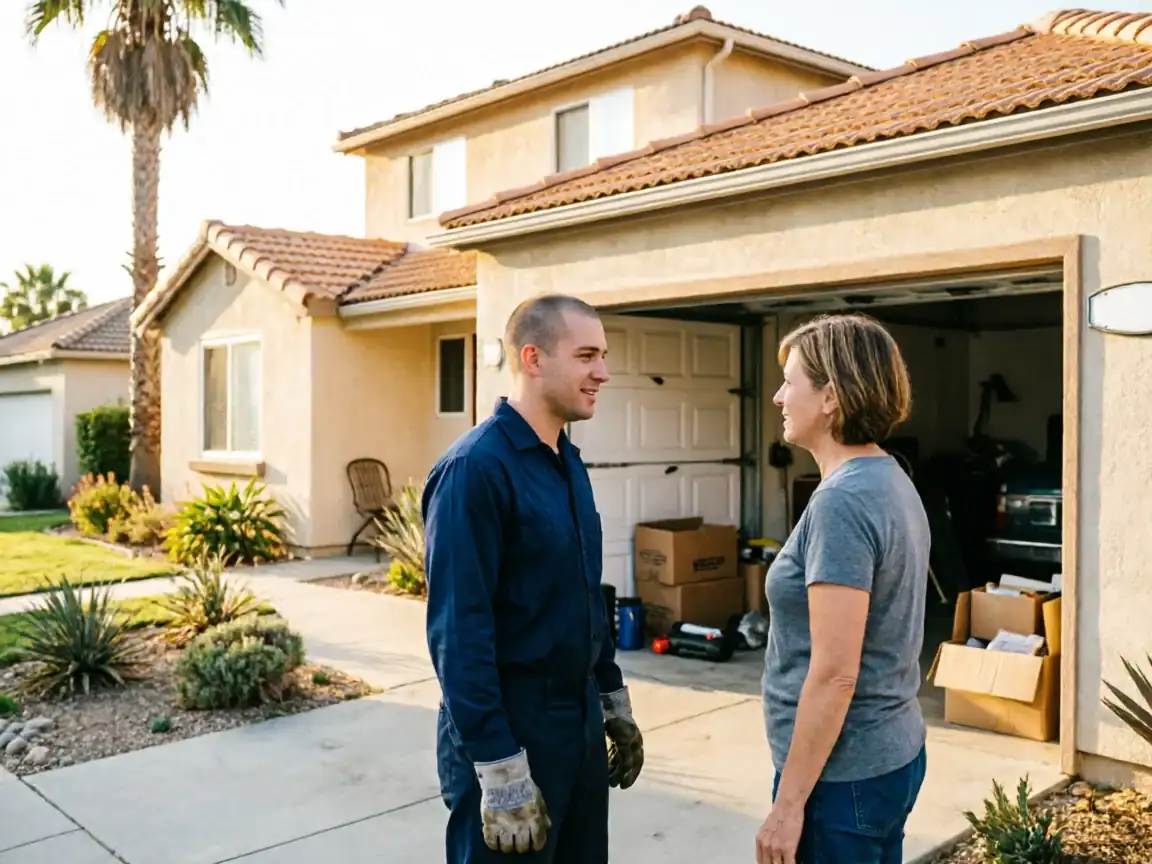
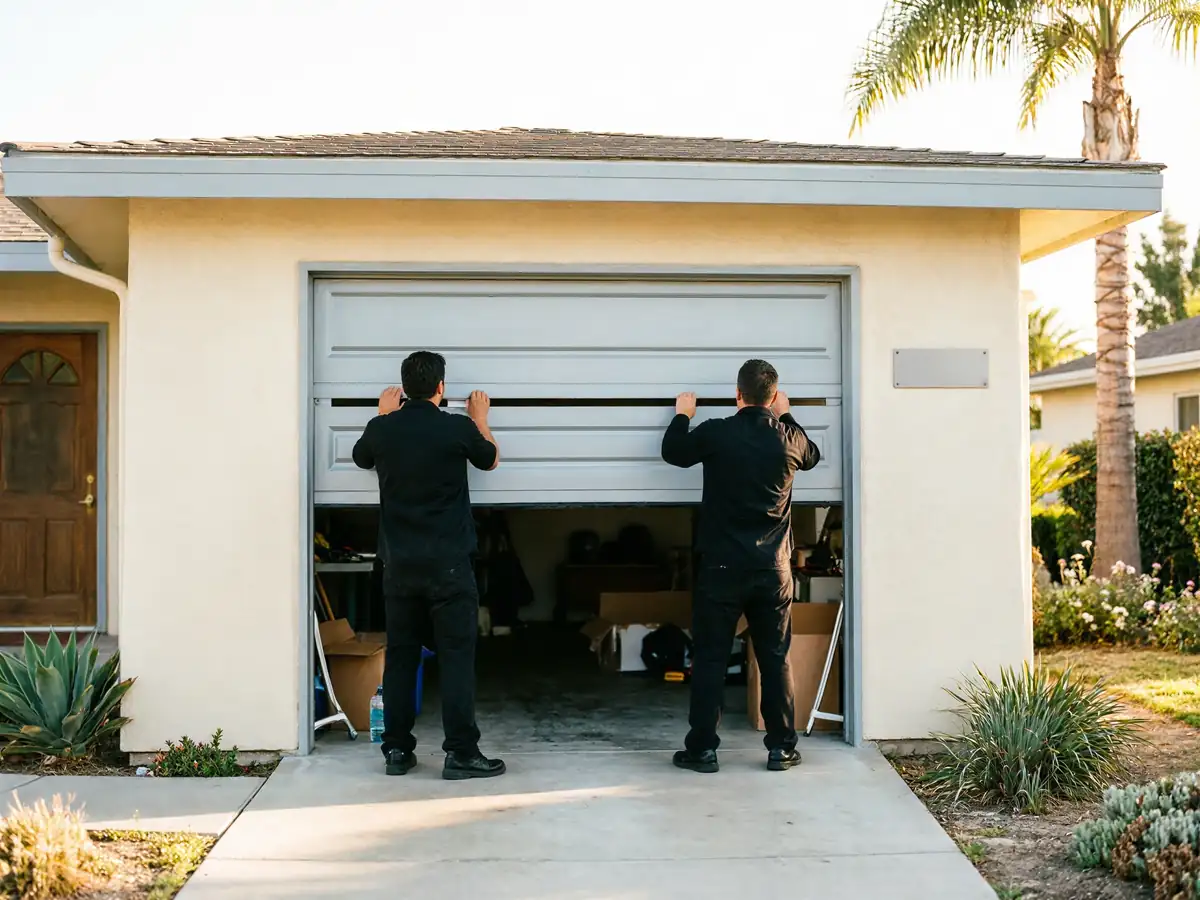
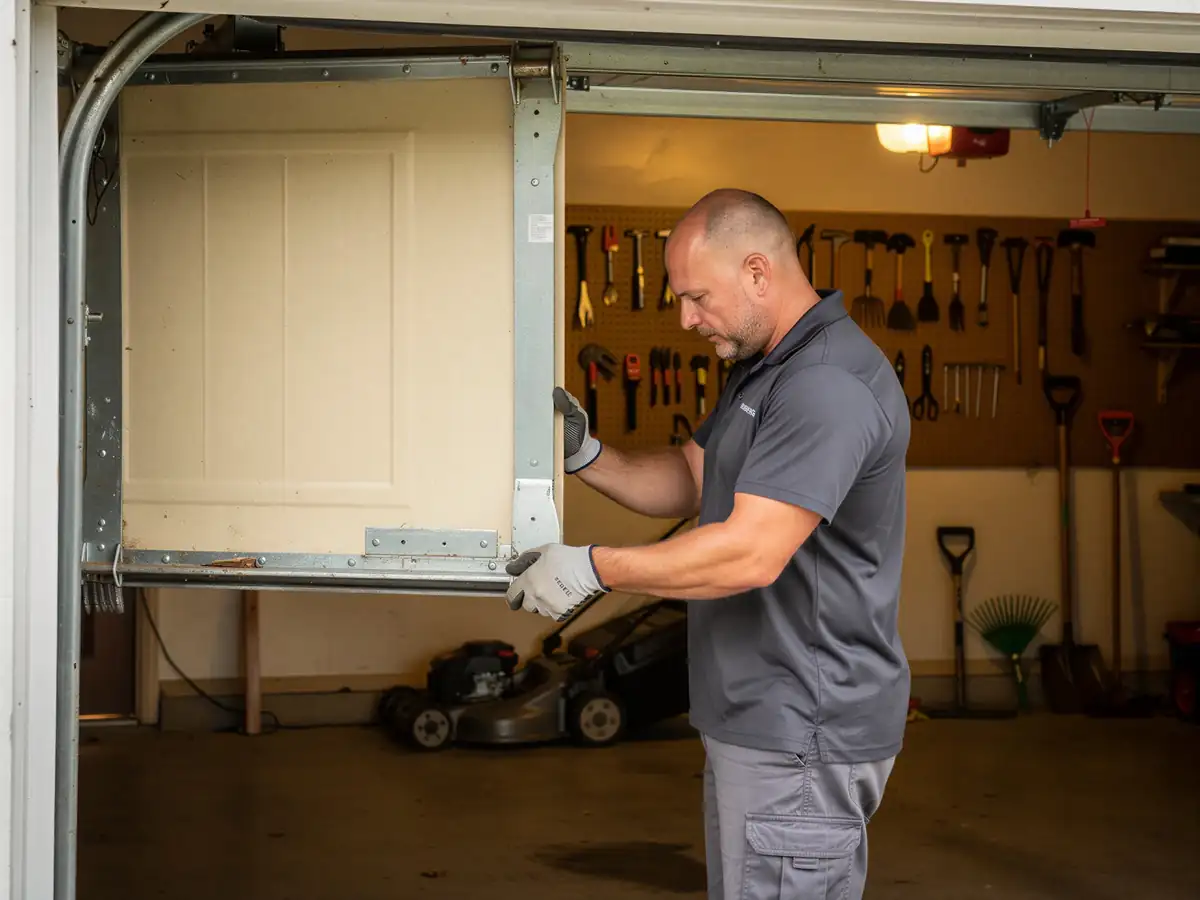
A spring swap or opener board replacement on a standard double door usually runs under two hours once we're on site, parts in hand. Add the 14-mile drive from Fairfield into your scheduling window - we're not based in American Canyon, so same-day depends on route and what's already booked that morning. A full opener replacement, if the board's unavailable for your model, takes longer because we're installing new rail and mounting hardware, not just swapping a part.
What You Are Seeing
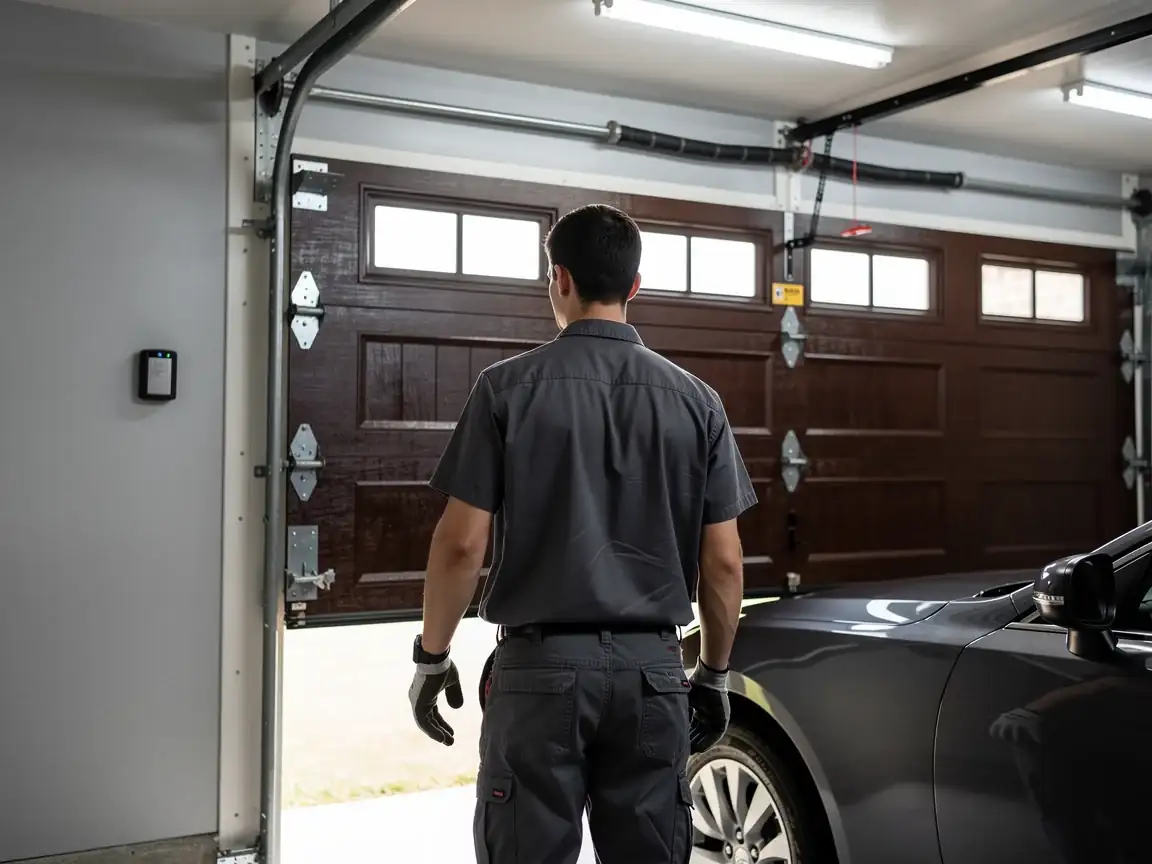
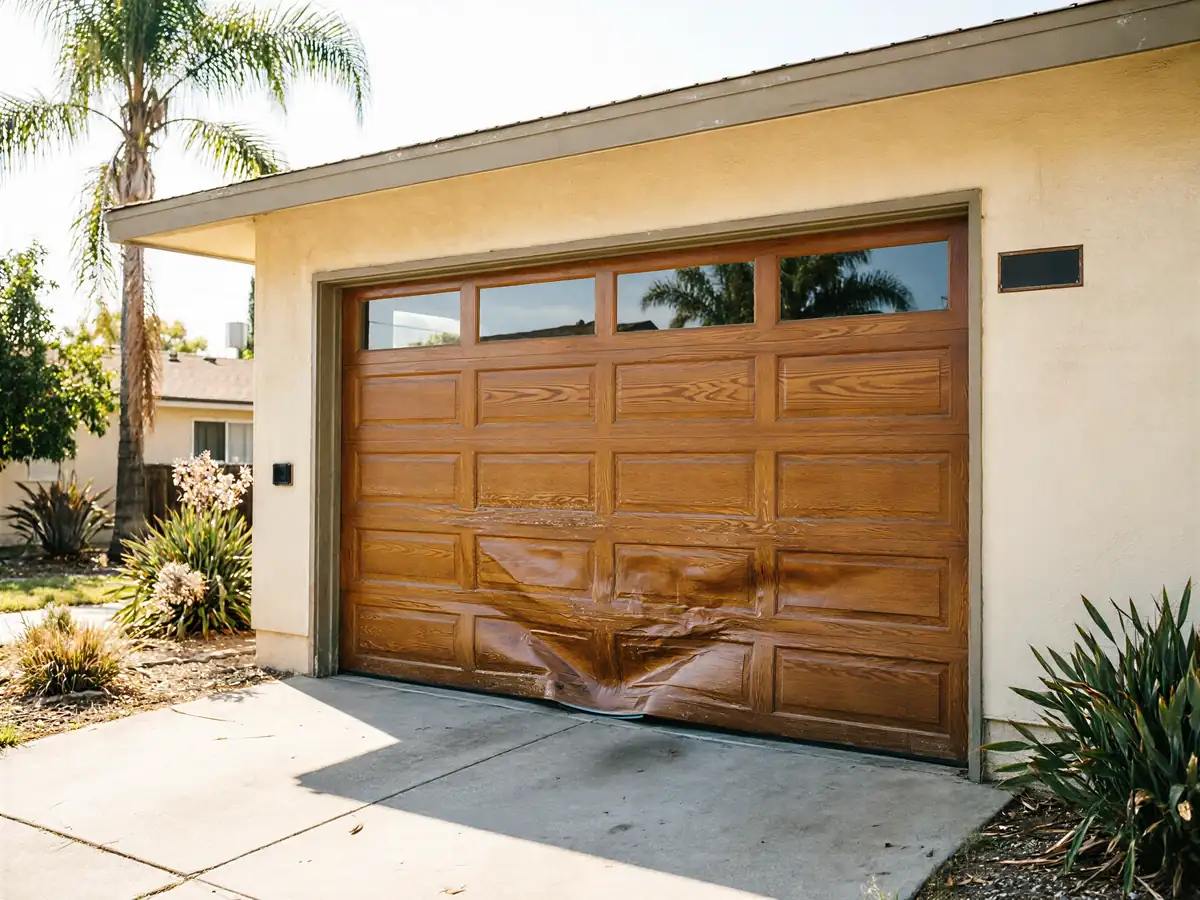
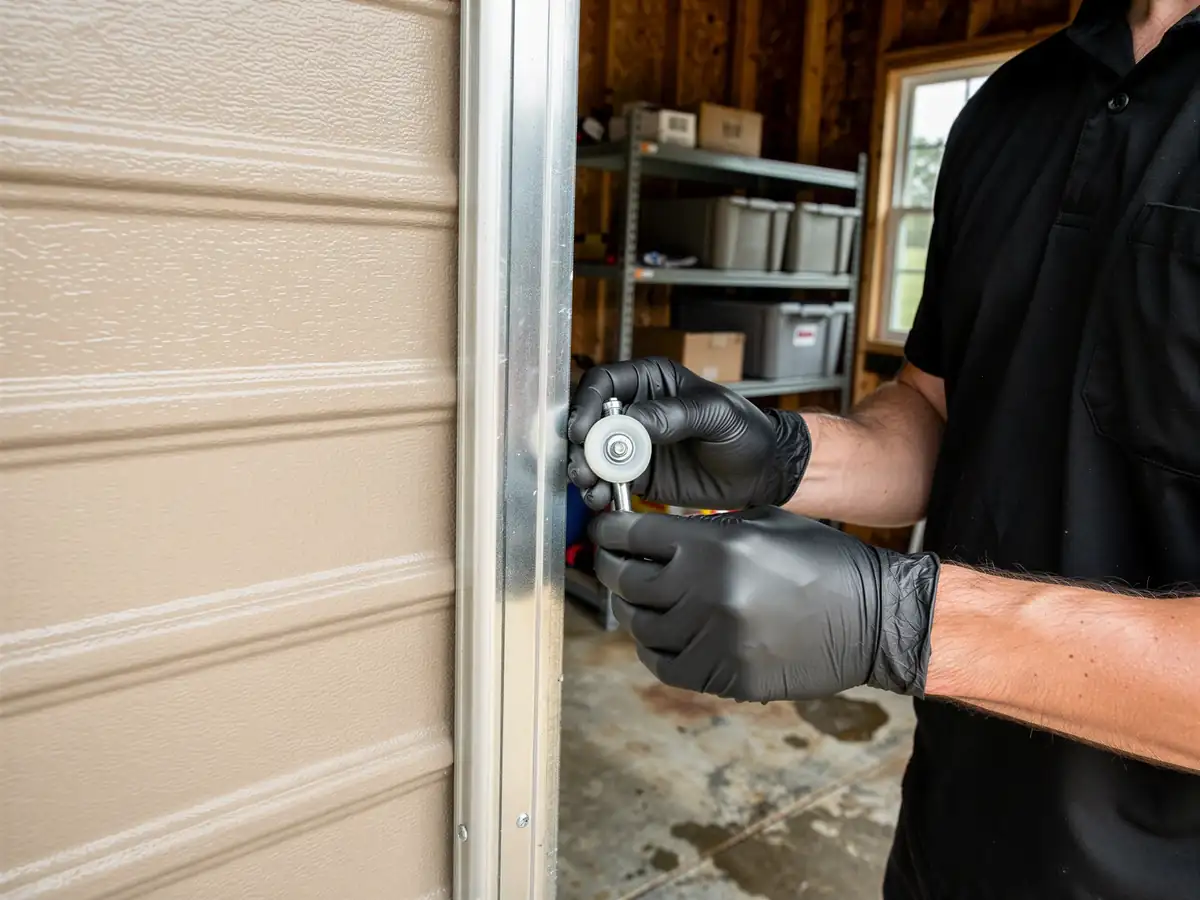
A door that reverses halfway up, or won't respond to the wall button but does respond to the remote, points at the opener's logic board or a loose wire at the switch - common on doors from the mid-90s where the original board is still in place. A door that's heavy to lift by hand, drops fast, or makes a loud bang when it releases points at the spring, and on a house built around 1996 that spring has likely never been swapped. Grinding or popping from the track usually means rollers worn past their life, not a serious structural problem, but worth catching before a cable goes next.