Can You Do This Yourself
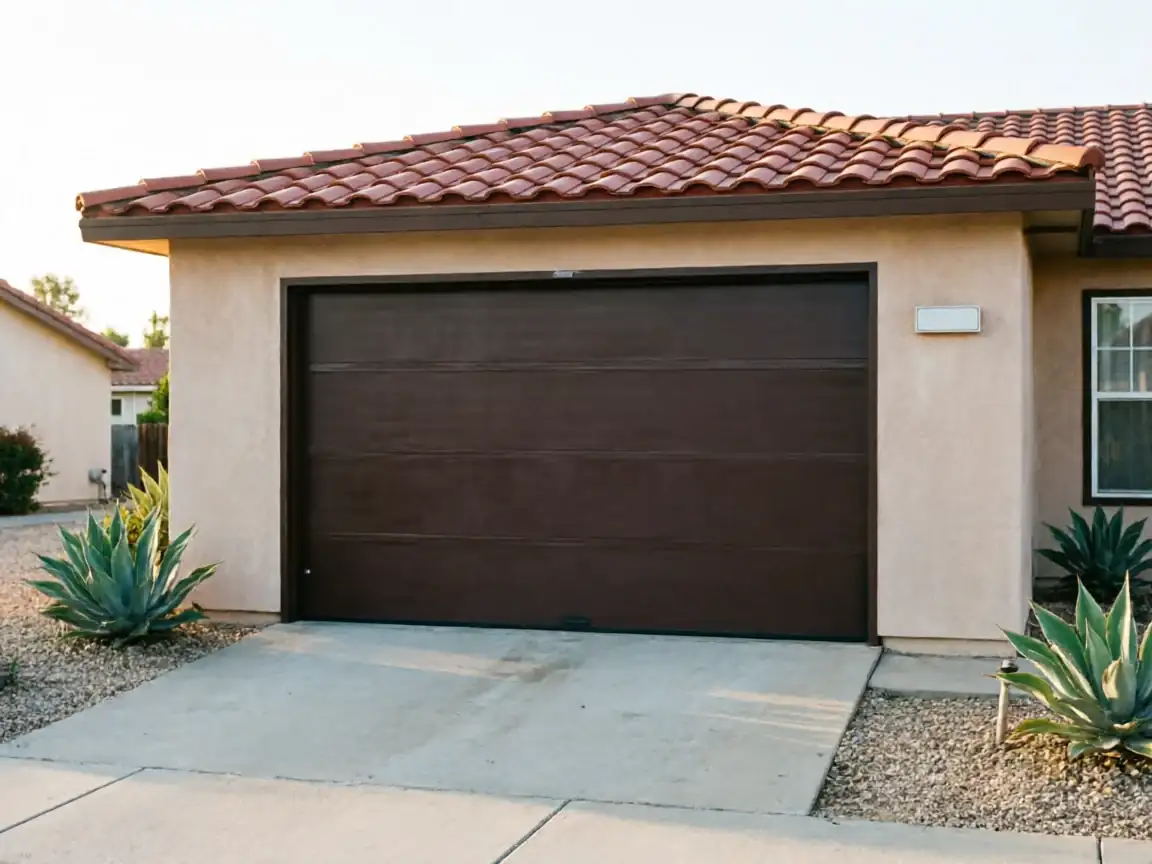
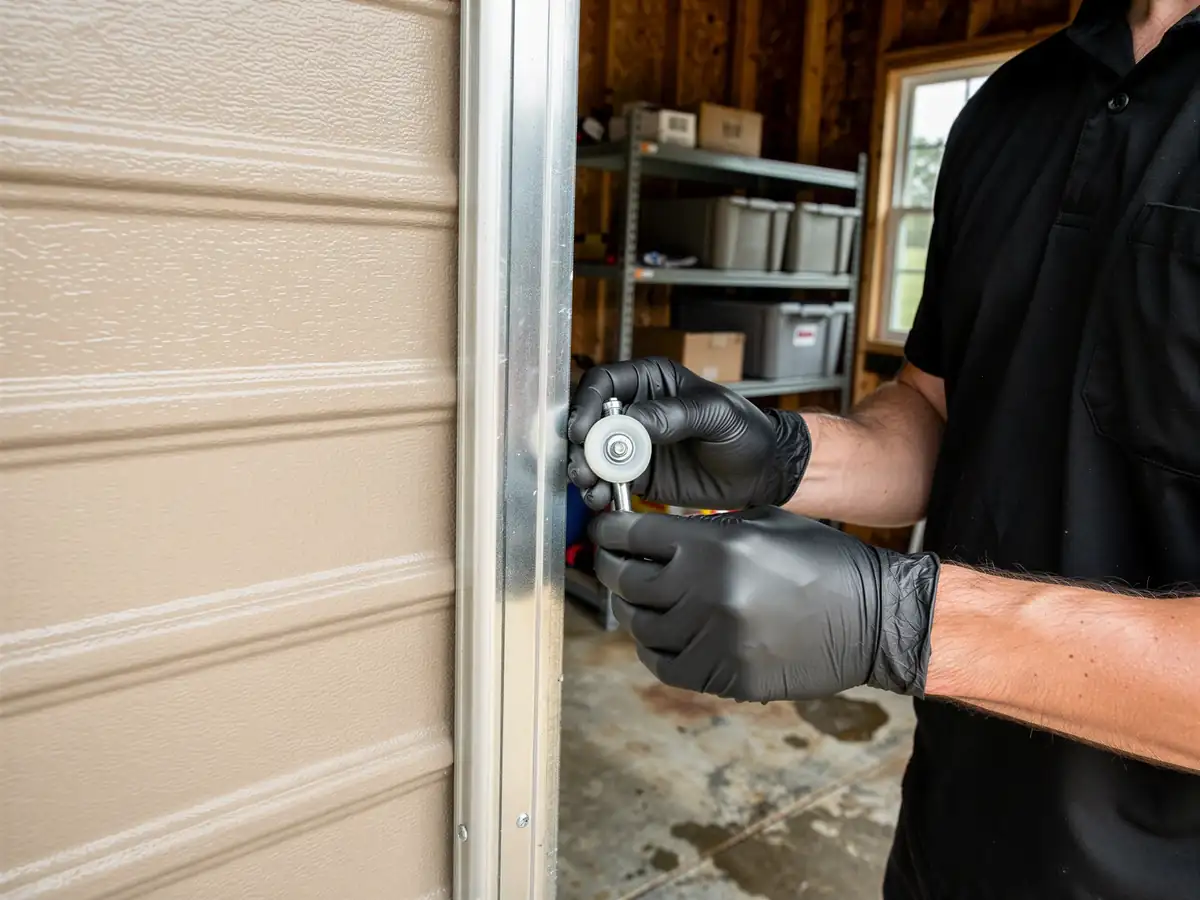
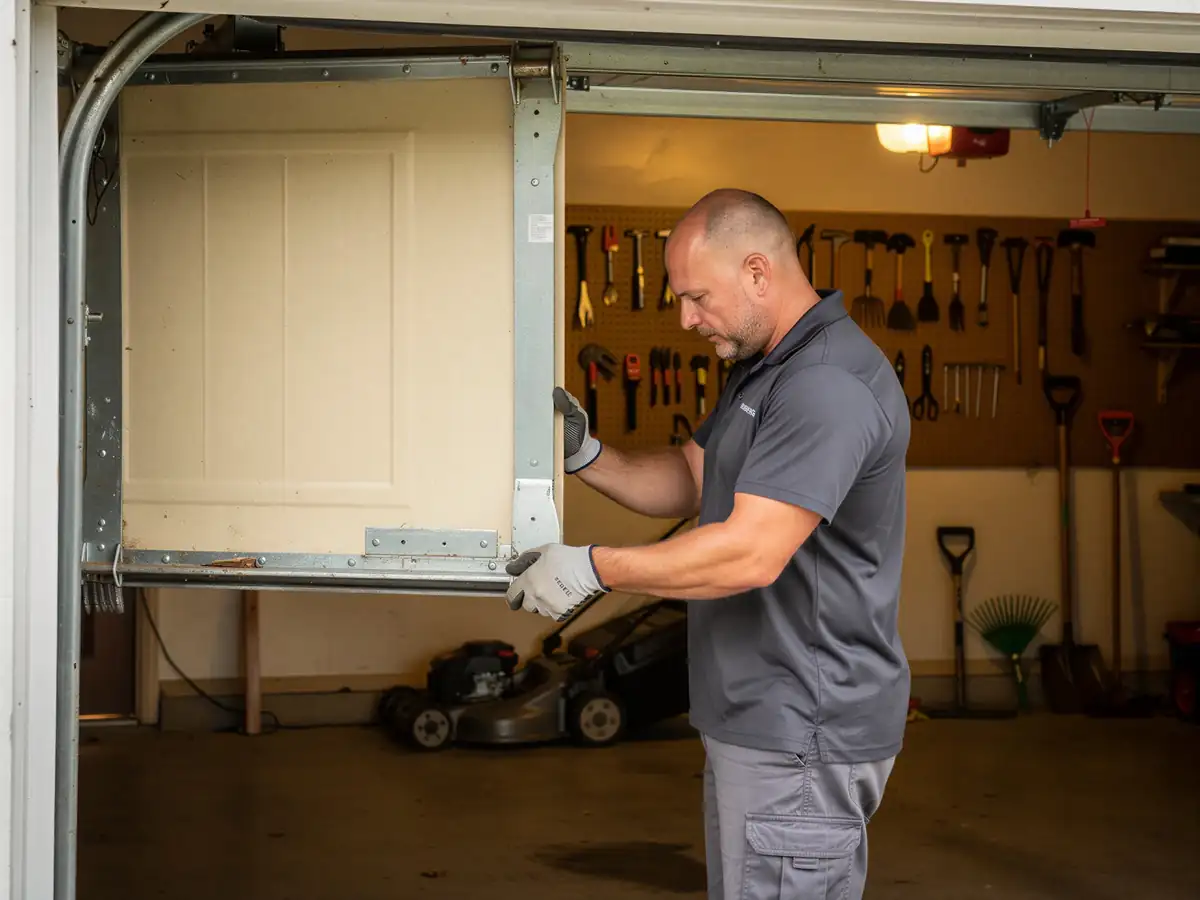
American Canyon's houses mostly went up around 1996, newer than the 1938-2002 range we see across the rest of the service area, where the median build year sits closer to 1979. That matters here because newer construction means steel sectional doors with factory powder-coat finishes, not the older wood or fiberglass panels you find on 1960s and 70s stock elsewhere. Swapping one dented panel on a door like that is doable if you can find an exact match in gauge, rib pattern, and color, and if the hinges and rollers aren't bent from the same impact. The hard part is rarely the bolts. It's sourcing a panel that doesn't look patched next to the rest of the door. If more than one panel is damaged, or if the track is bent along with the panel, you're usually better off pricing a full door against the cost of hunting down a matching discontinued color. We'll tell you straight if that's where you are instead of selling you a panel that won't blend in.
What Causes It Around Here
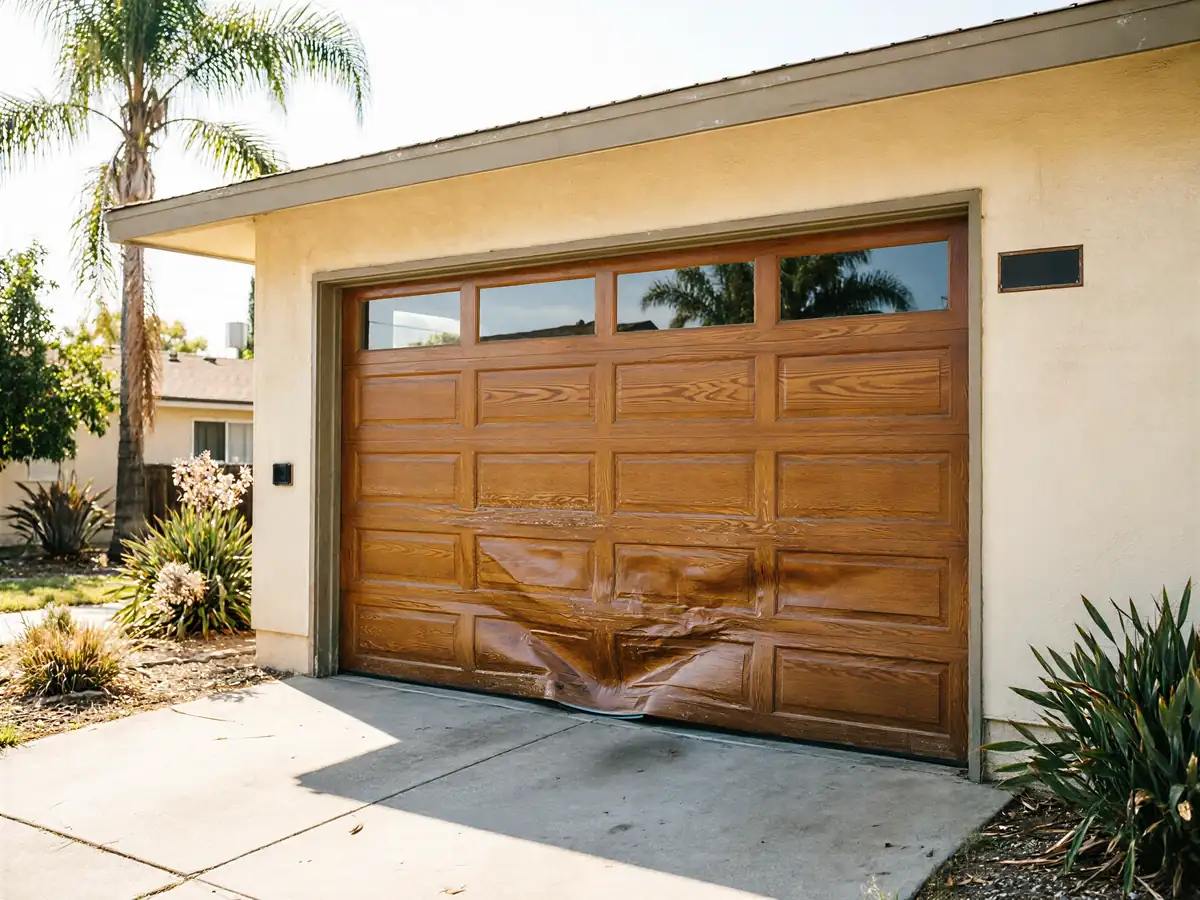
Most of the panel damage we see on doors from this era isn't weather. The climate here runs mild temperate, so you're not dealing with the freeze-crack problems that show up in colder parts of the country, and a 1996-built door hasn't had decades to rust through at the bottom panel the way older stock sometimes has. What we find more often is impact damage: a car backed in too fast, a trailer hitch catching the bottom panel, a basketball or bike pedal denting a middle section over years of driveway use. Newer tract homes in this area tend to have shorter, straighter driveways than the older lots closer to Fairfield, which puts the door in the direct line of whatever's backing up. The steel used in doors from this period dents cleanly rather than cracking, which is actually good news for a panel swap since the surrounding sections usually stay straight and bolt up fine.
How Long It Takes
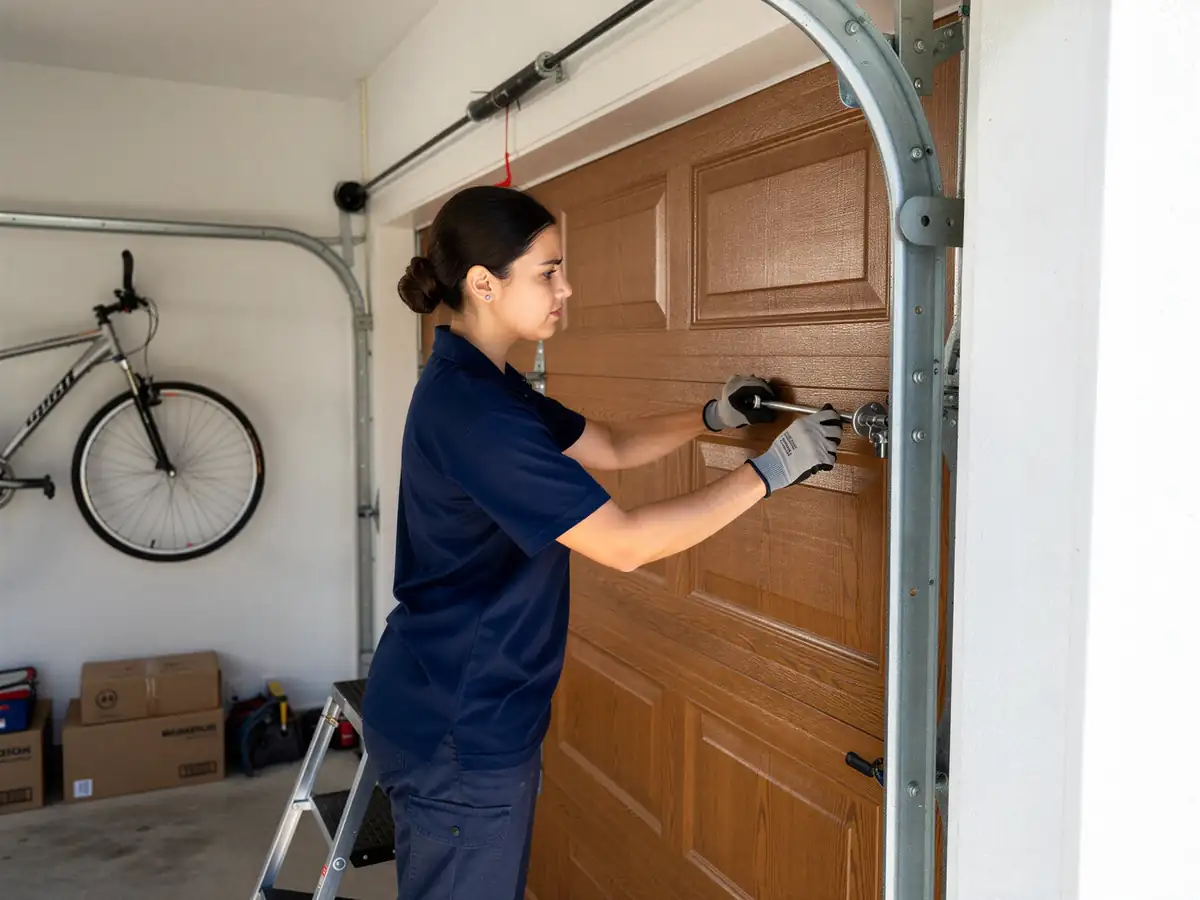
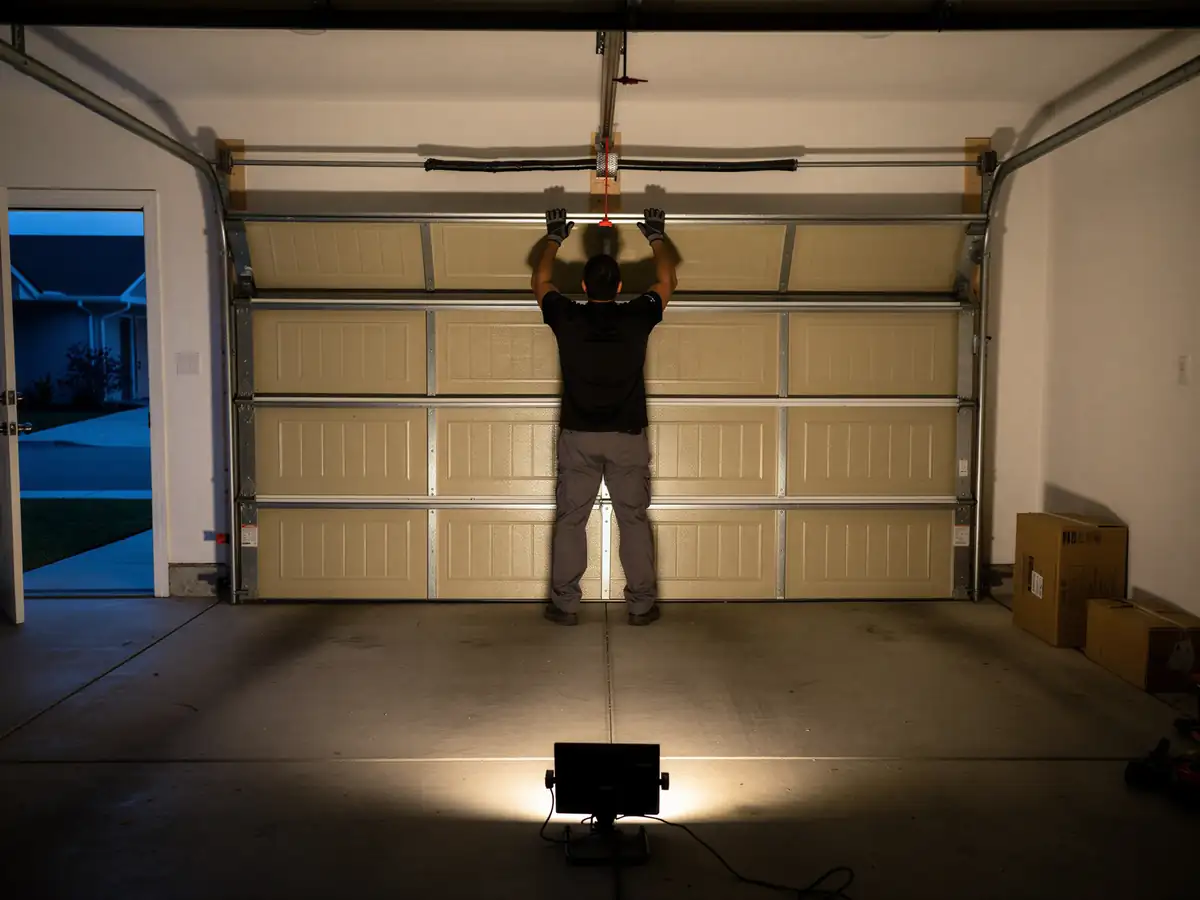
A single dented panel on a door this age, once the matching part is in hand, is usually a one-visit job: pull the old panel, move the hardware over, set the new one, check balance. The time that varies is the part sourcing, not the install. If the panel color or rib profile has been discontinued by the manufacturer, which happens more with builder-grade doors from the mid-90s than with current stock, finding an exact match can push the schedule out past the install day itself. We won't quote a install window until we've confirmed the part is actually available, because a wrong promise on timing is worse than no promise. Multi-panel jobs or ones where the track needs resetting take longer, simply because there's more to true up before the door runs smooth again.
What You Are Seeing
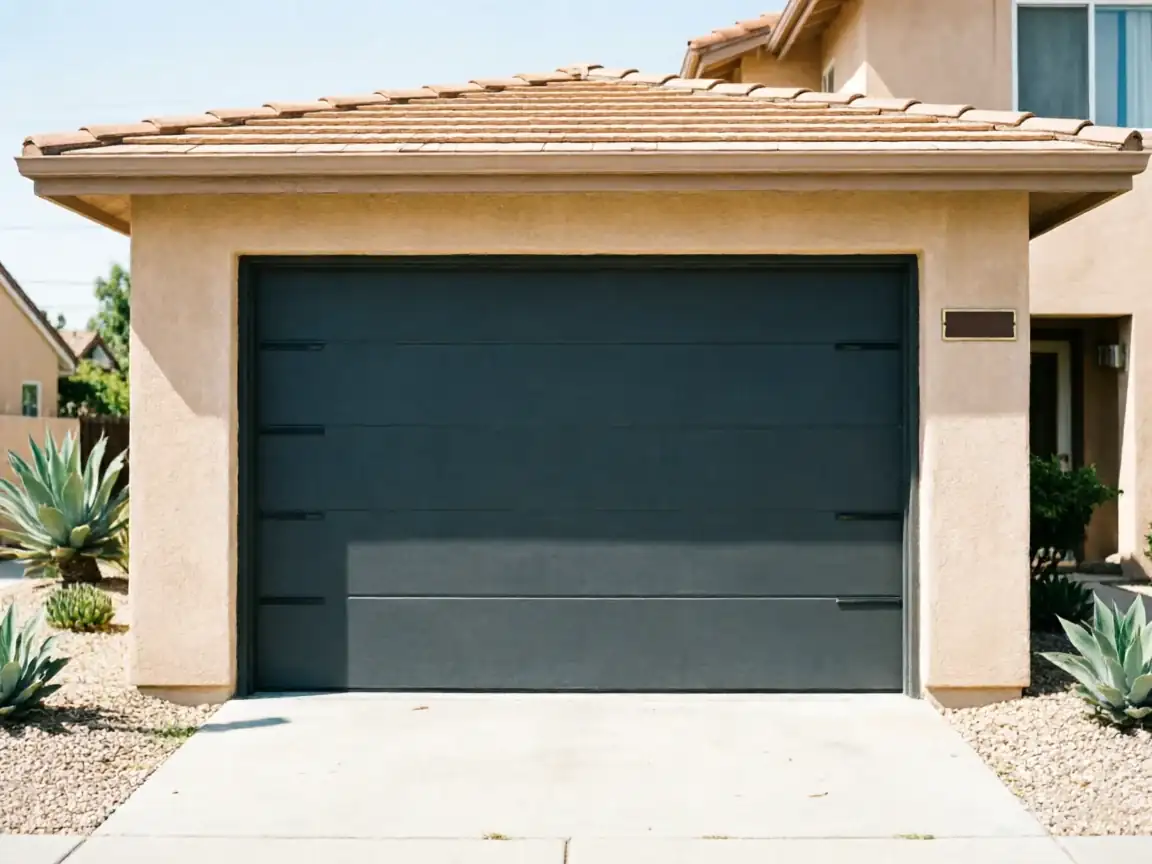
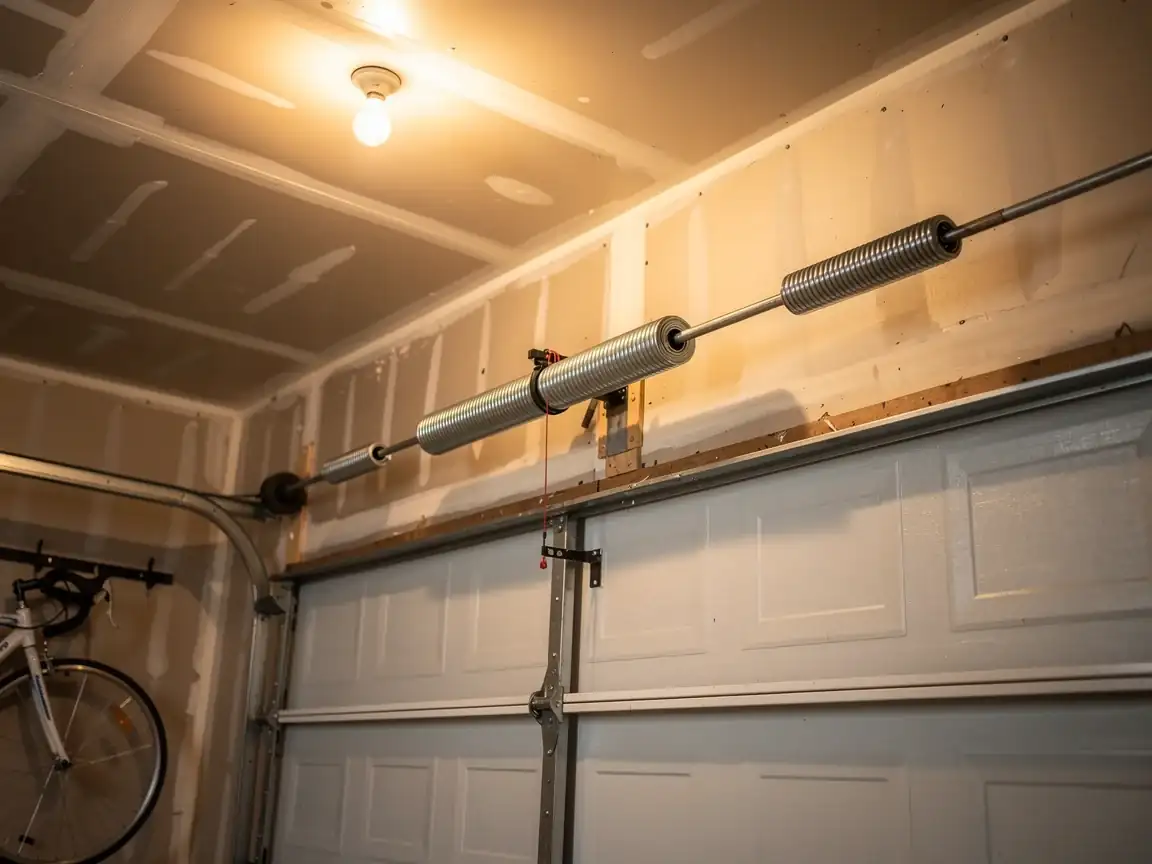
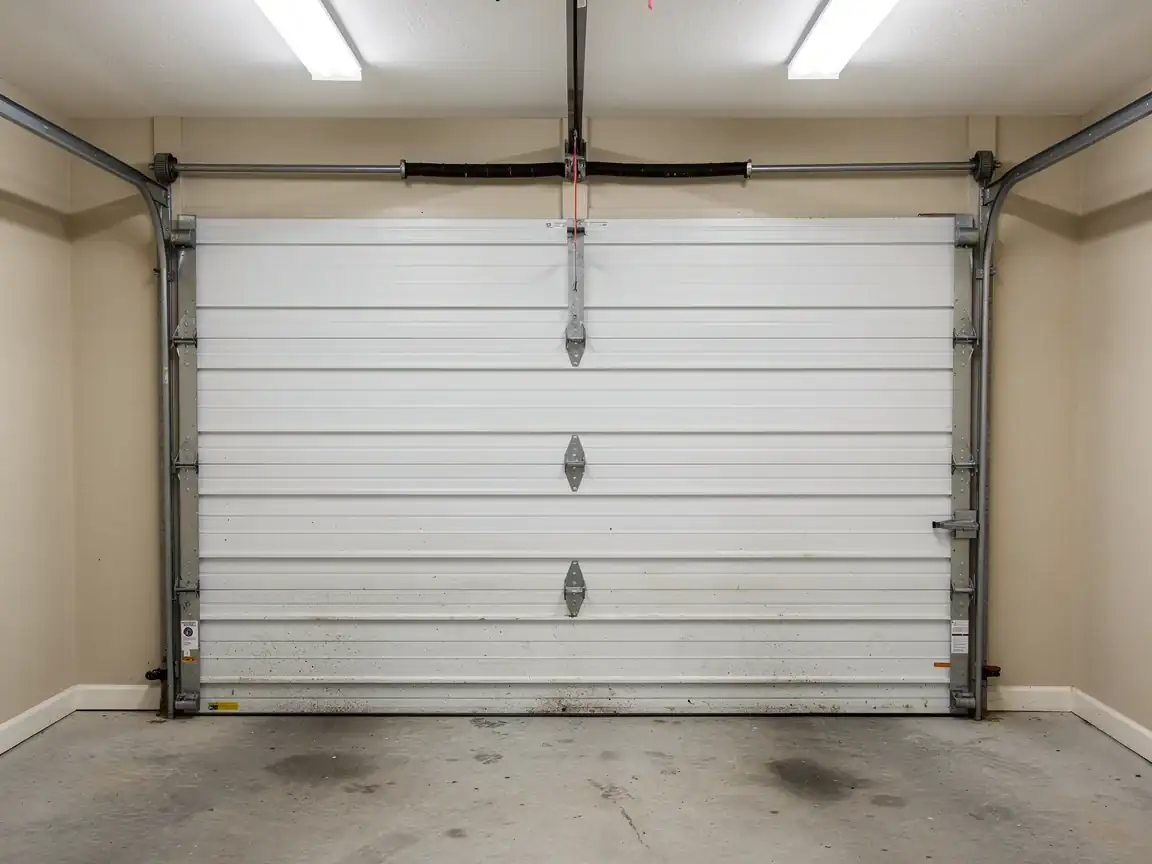
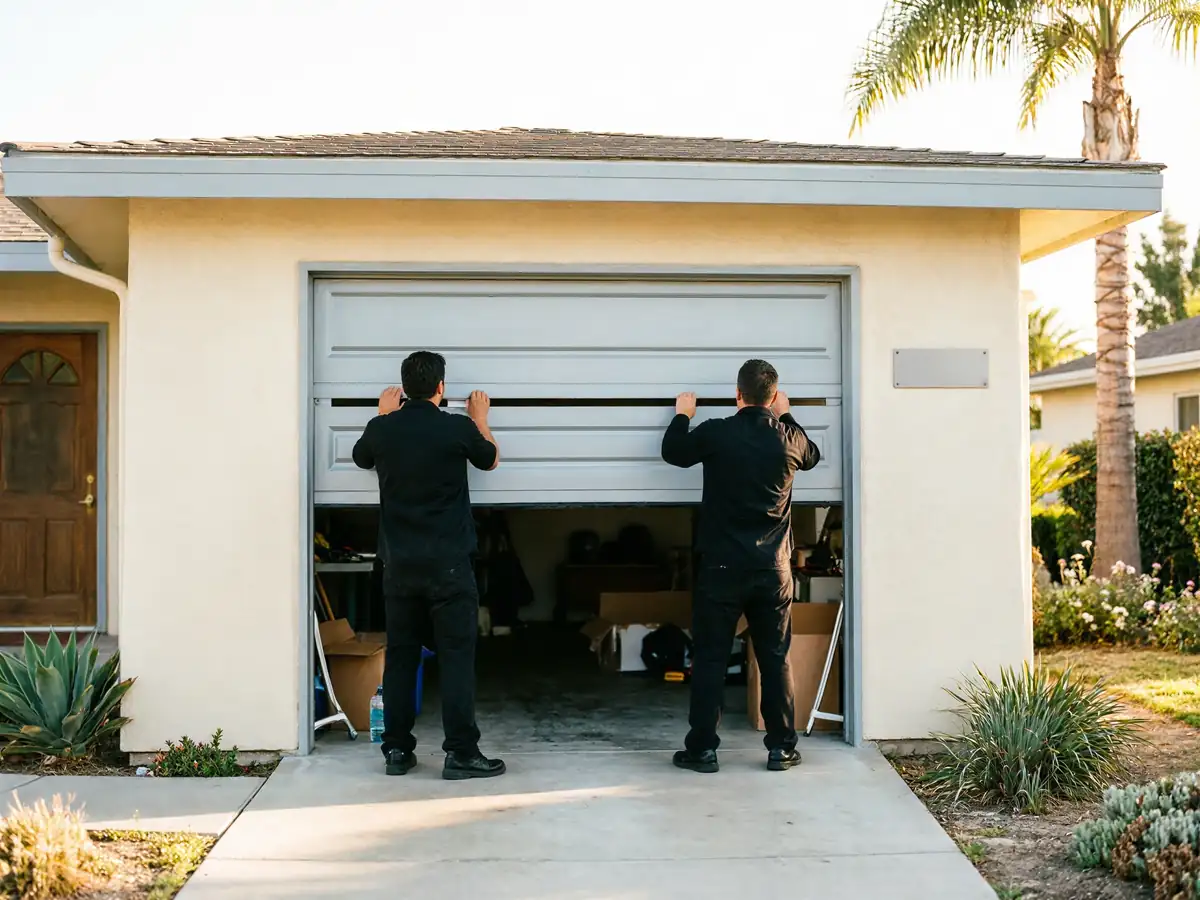
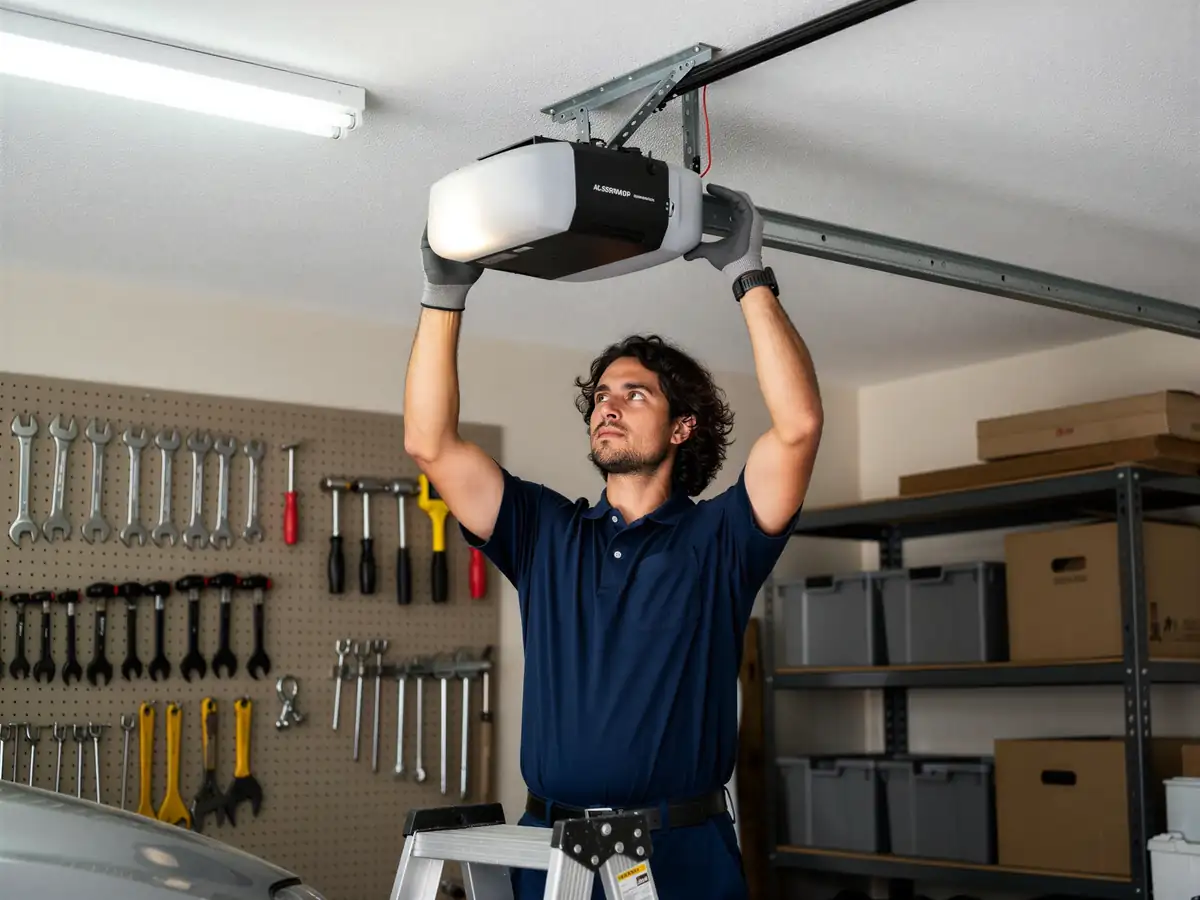
If you're looking at a caved-in section on an otherwise straight door, a crack along a seam, or a panel that's popped loose from its roller bracket, that's panel damage, not a door that needs full replacement. On a door built around the 1996 median for this area, you'll usually see a clean dent rather than rust-through or warping, since the steel is newer and the climate here is mild enough that moisture damage isn't the usual culprit. Watch for daylight gaps where the panel doesn't sit flush against its neighbors, or binding when the door runs past that section, since both point to bent hardware riding along with the dent. A door that still opens and closes smoothly aside from the cosmetic damage is a straightforward panel swap. One that's started to bind or drop unevenly needs the track and spring checked at the same visit.