Can You Do This Yourself
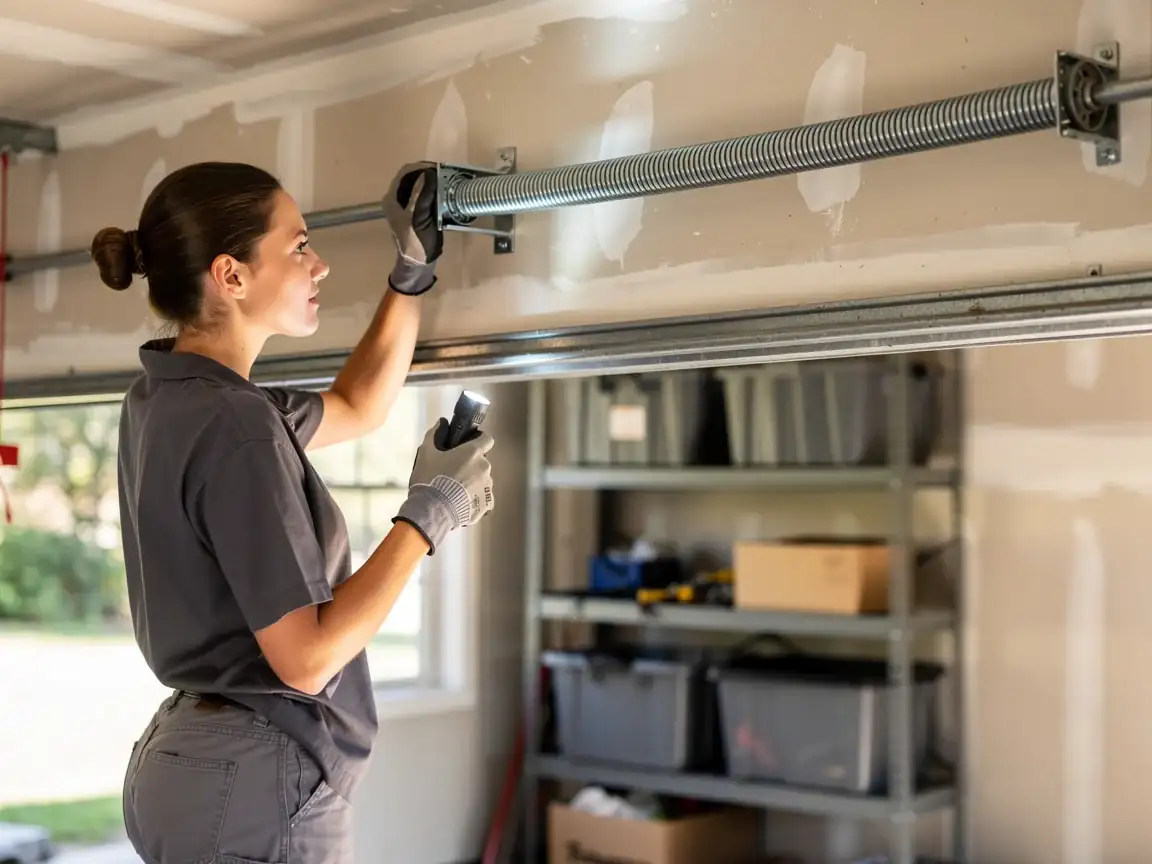
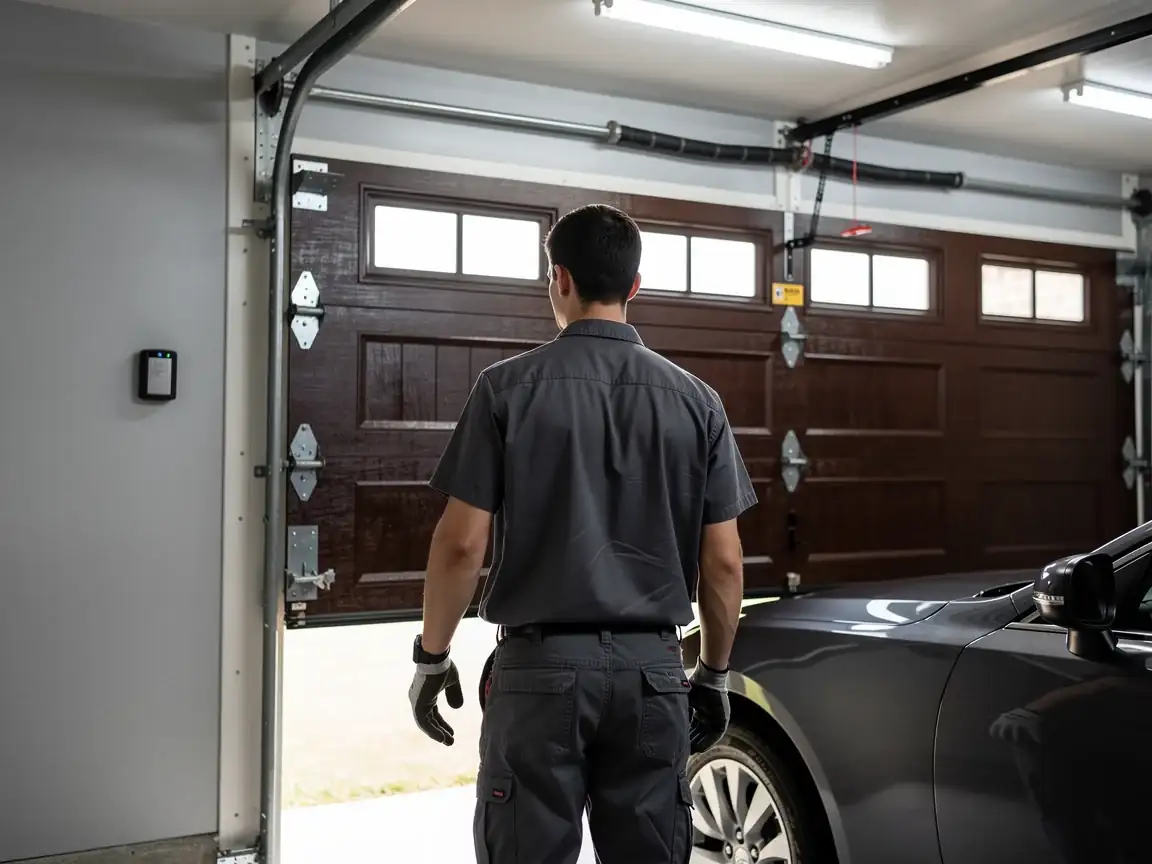
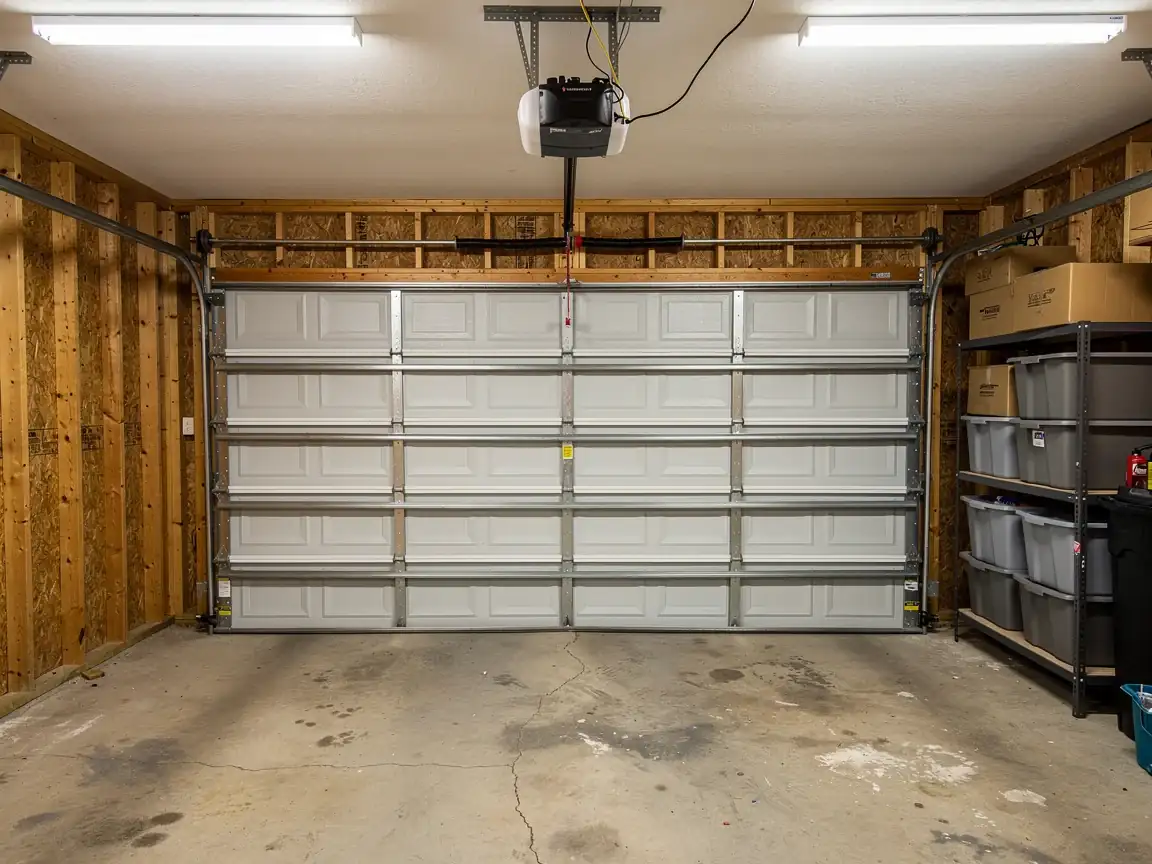
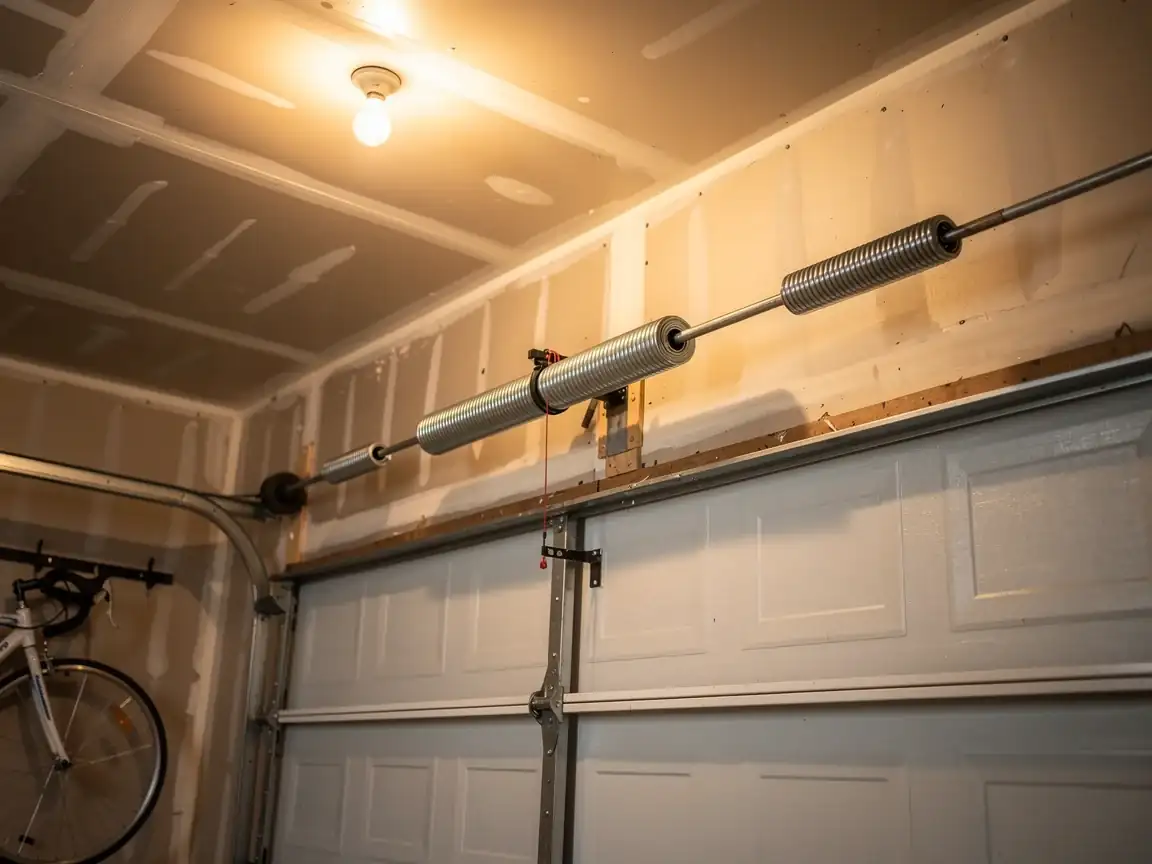
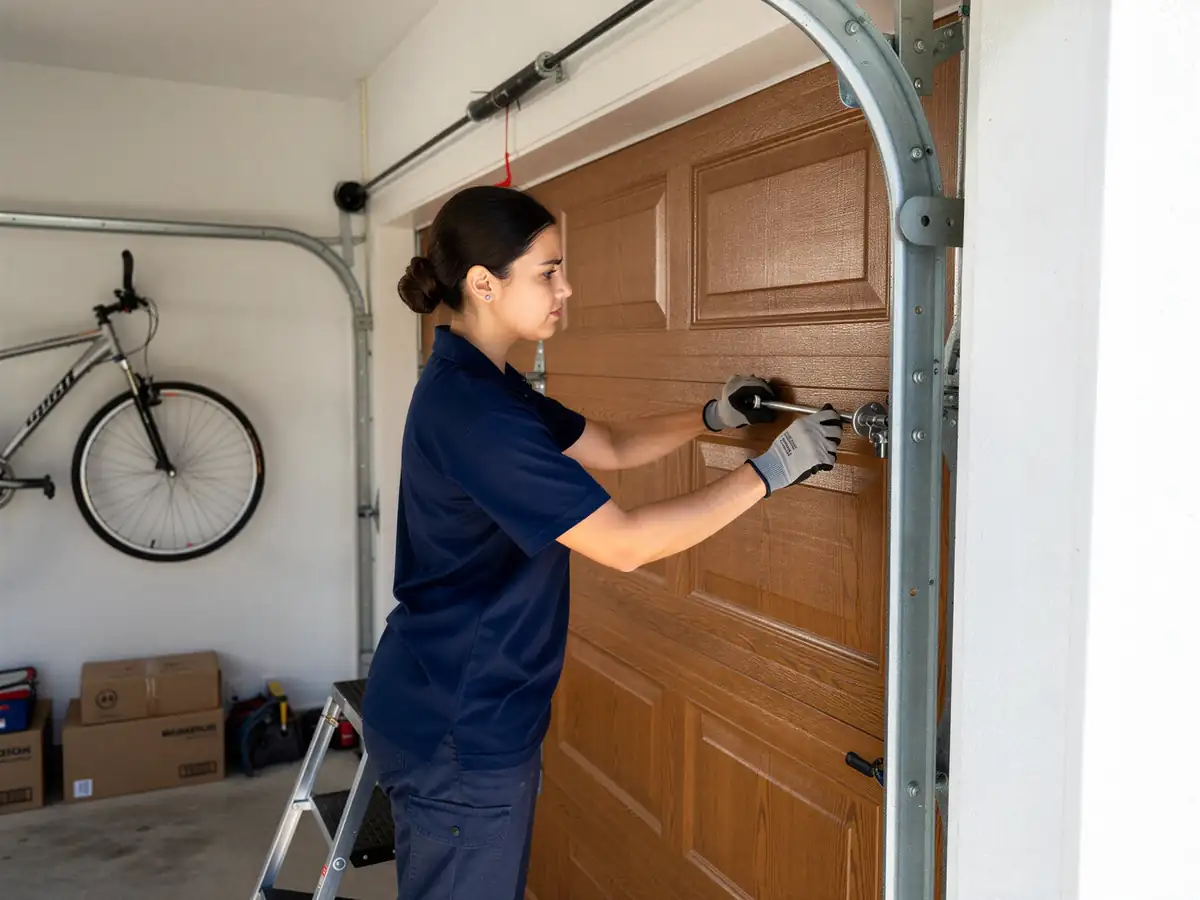
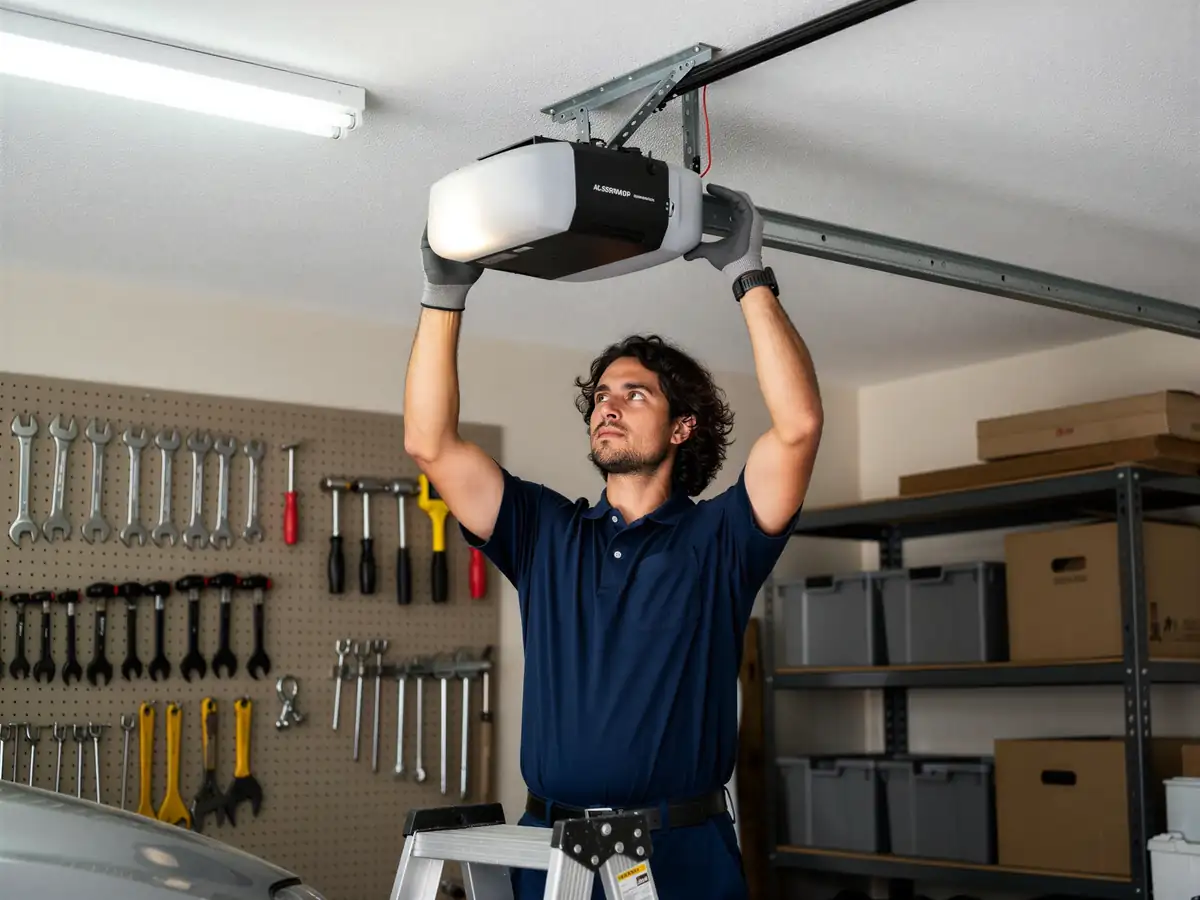
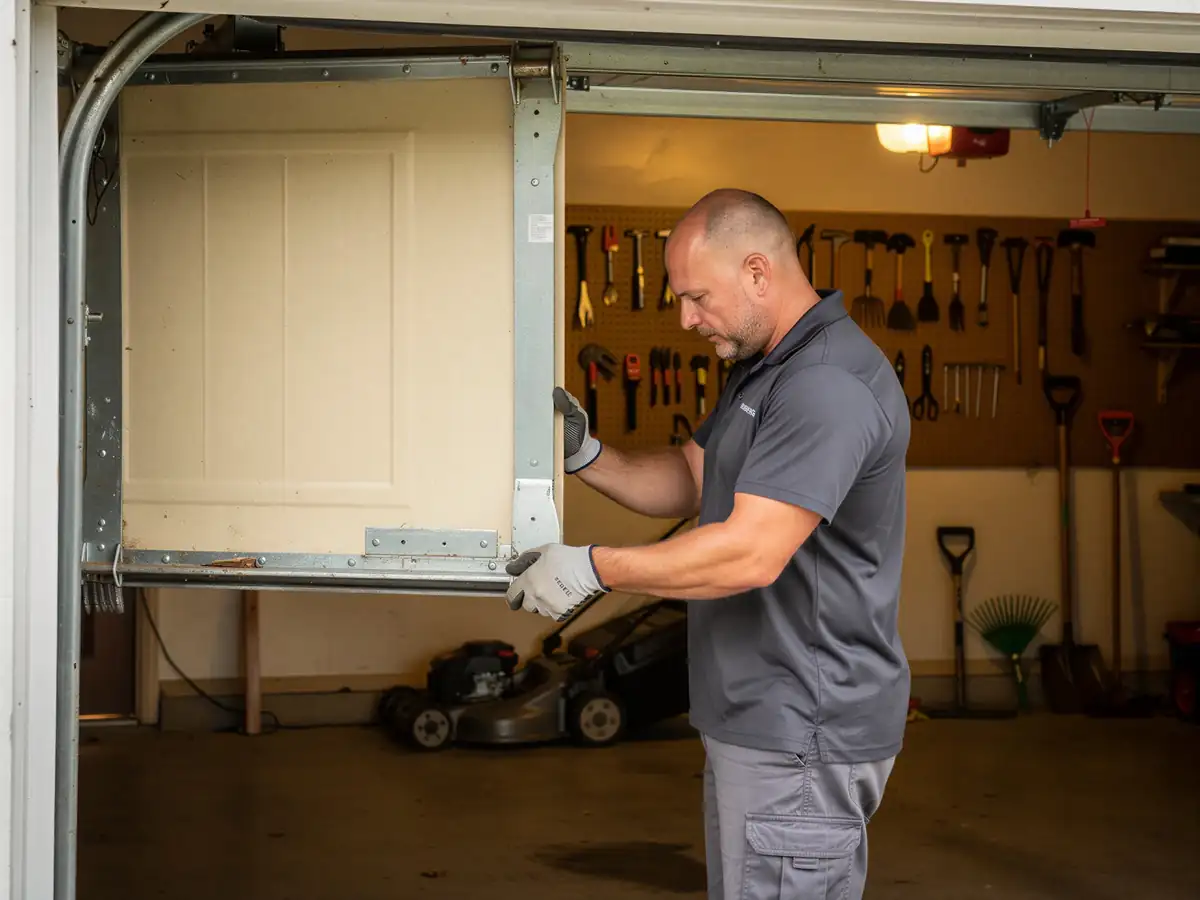
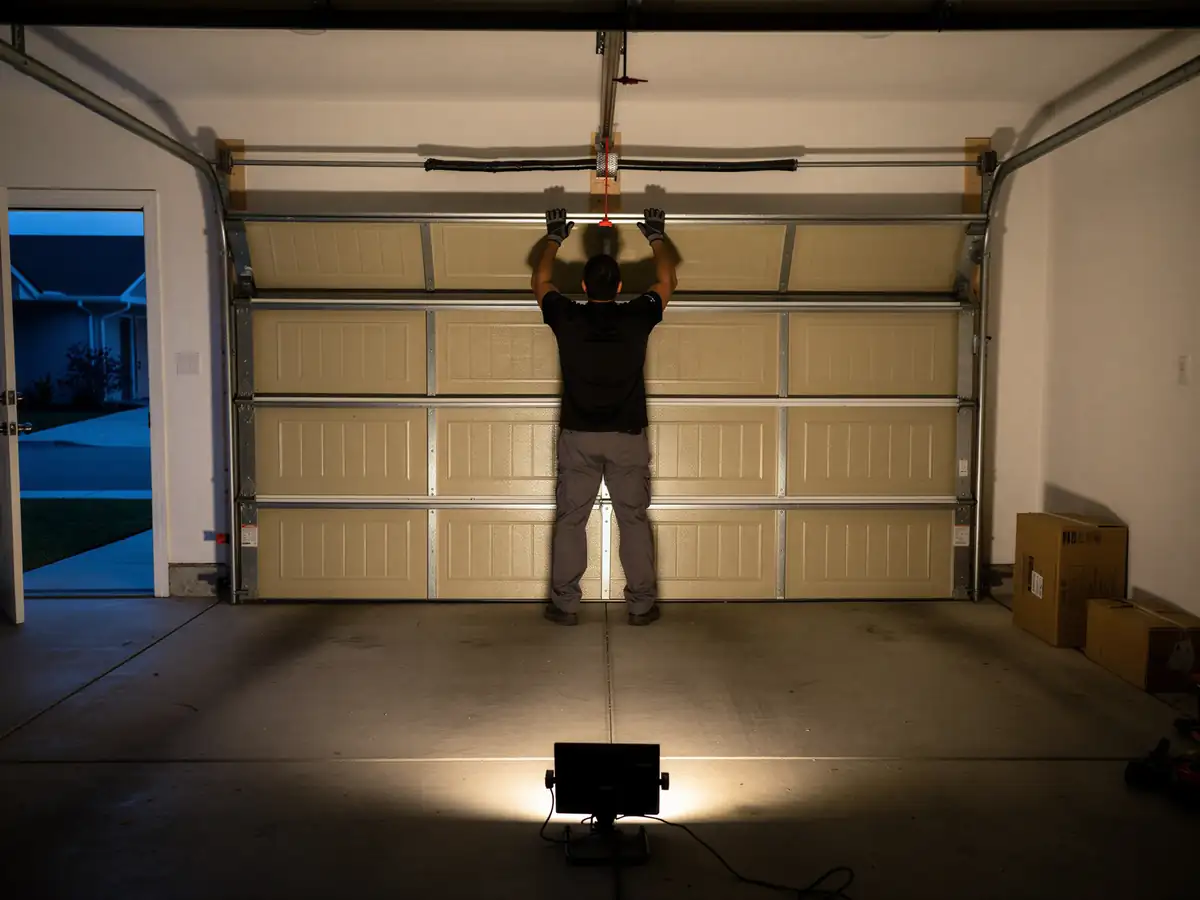
A garage door looks like a weekend project until you've got a 16-foot double panel half-raised and a torsion spring wound to 30 pounds of stored tension a few inches from your face. That spring is the part that puts people in the ER, not the panels. If you're swapping a single flush door on a shed, fine, go ahead. A full install on a house built in the mid-1990s usually means matching a 7-foot opening, resetting the track plumb against a stucco jamb, and balancing a spring system rated for the new door's weight, which almost never matches the old one. We'll say plainly: if you don't own a winding bar and you've never set spring tension before, this is the one garage job worth paying someone to do. We're not going to pretend otherwise to sell a visit - but we also won't talk you out of calling if the old door is original to the house and just worn out.
What Causes It Around Here
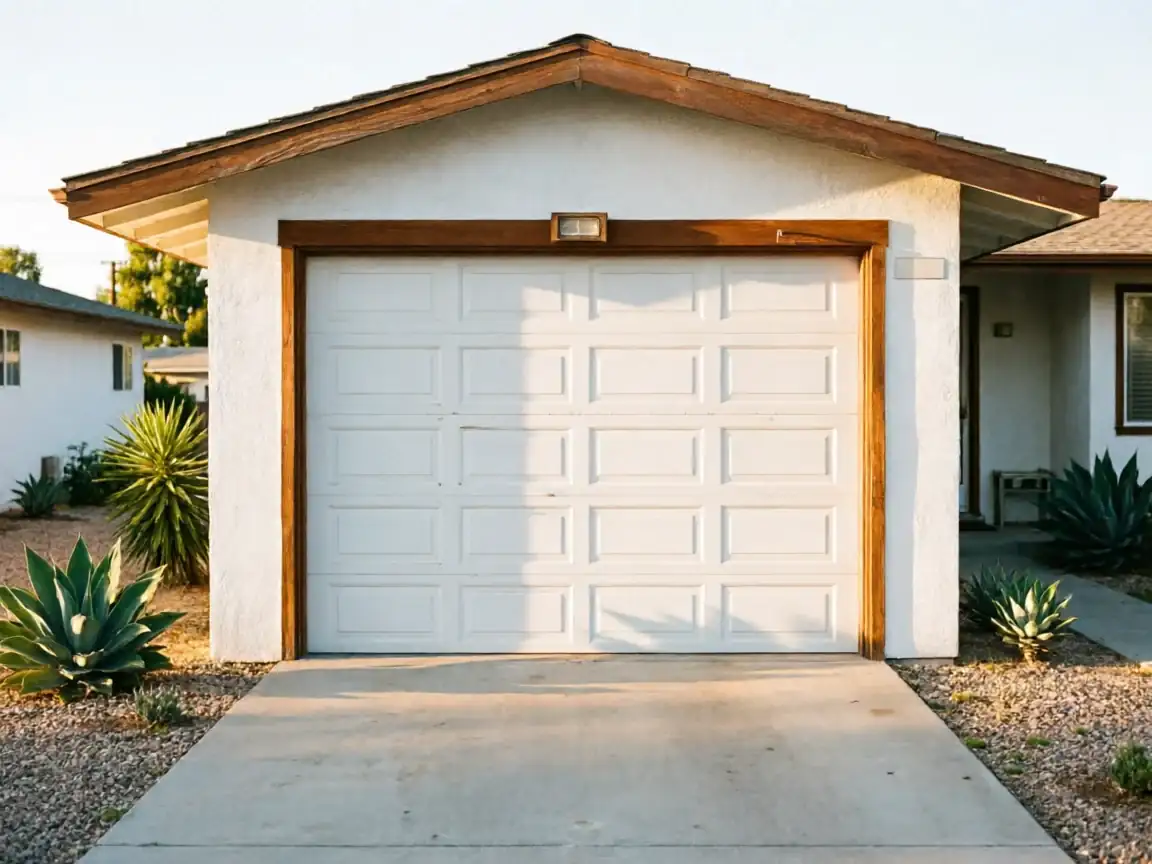
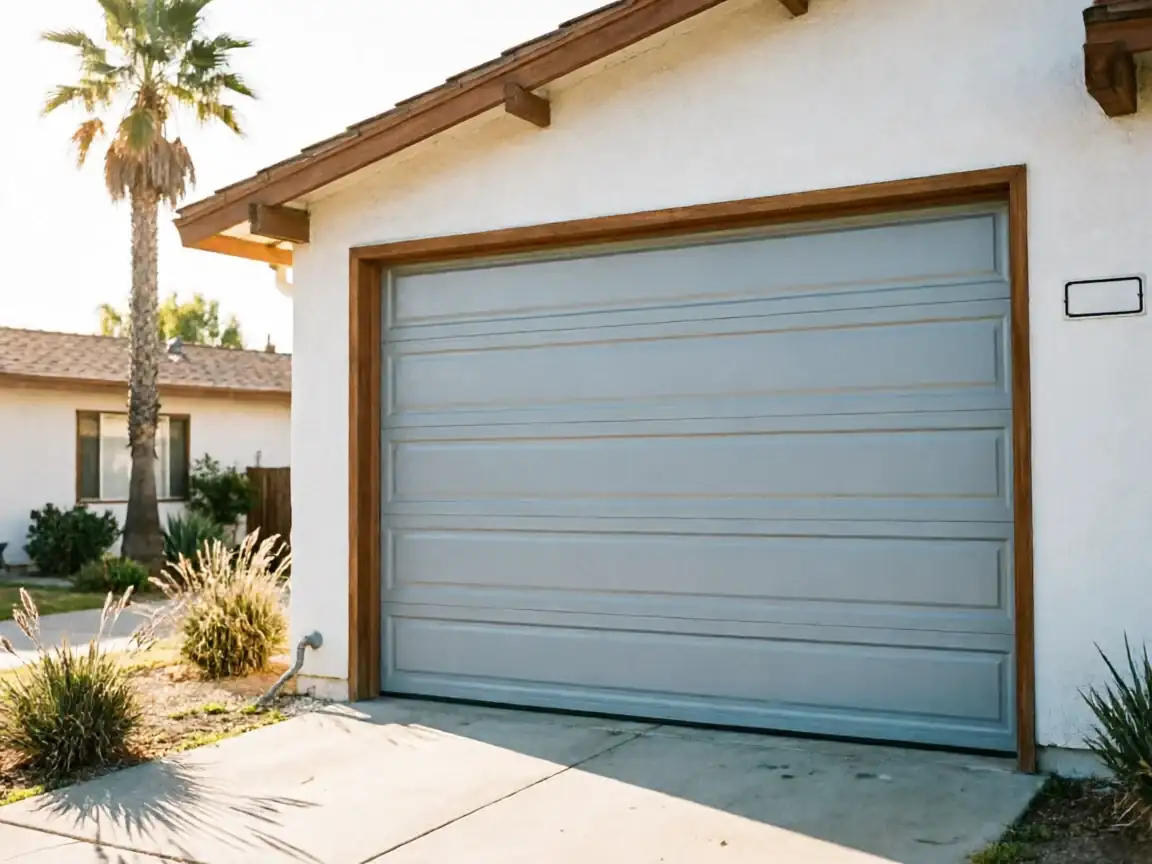
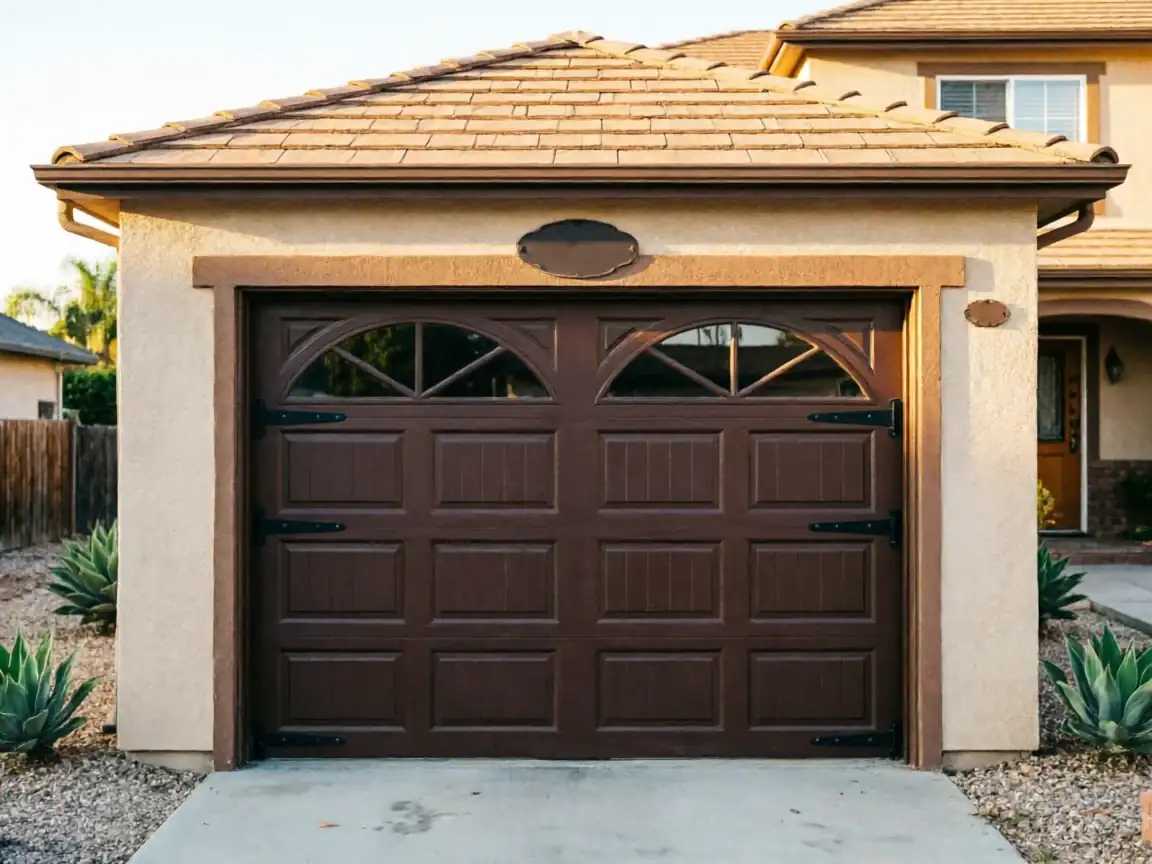
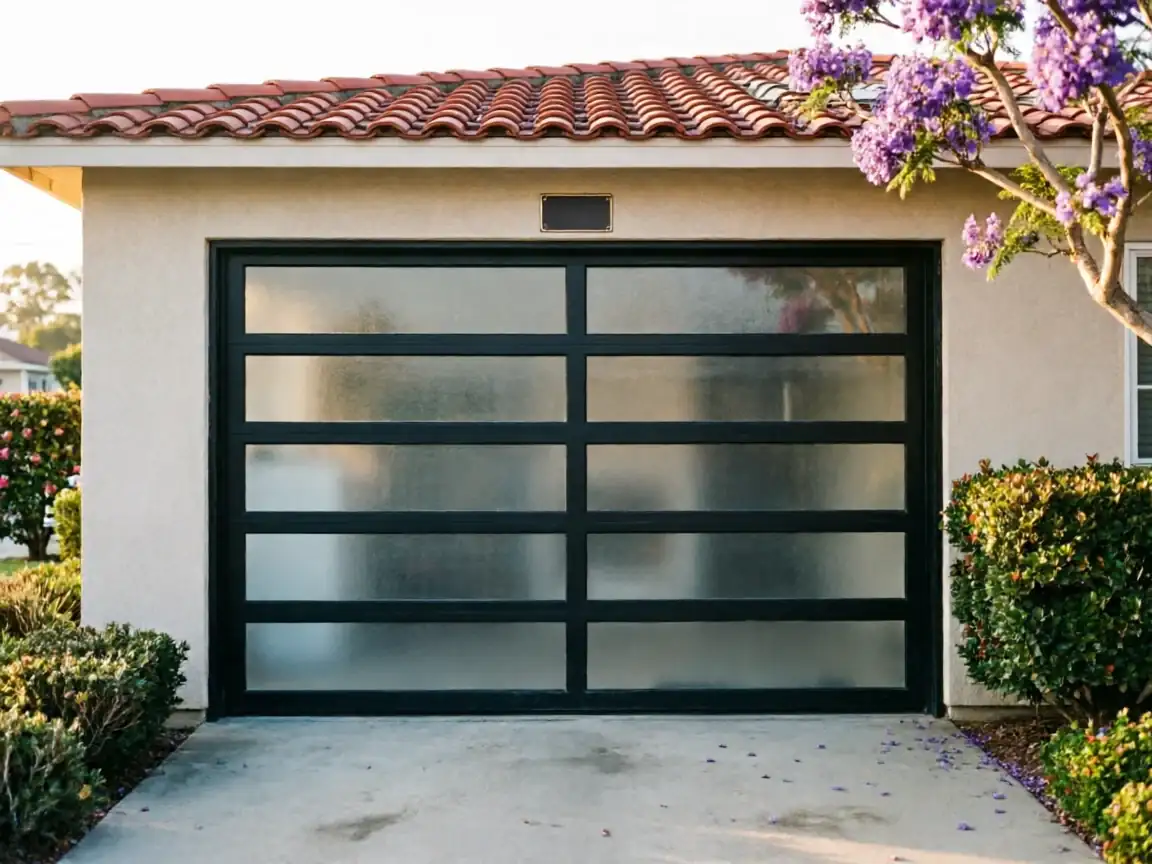
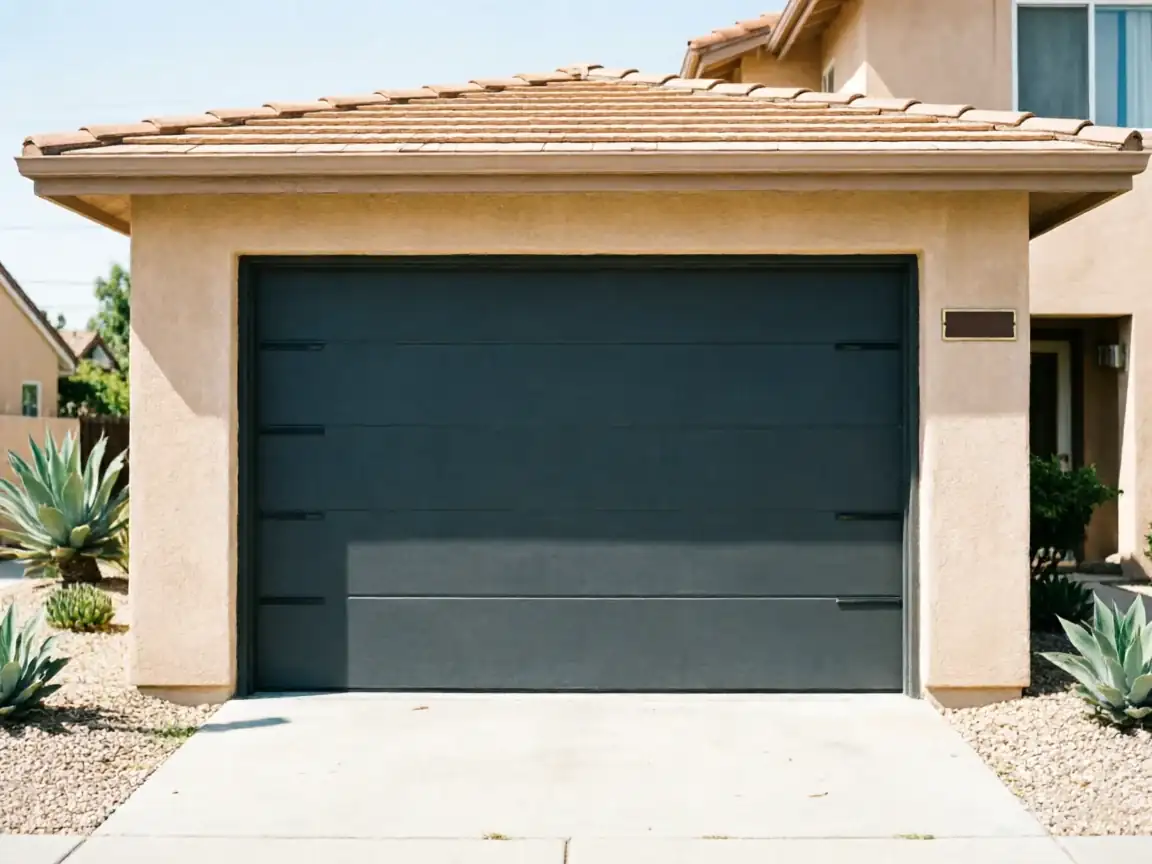
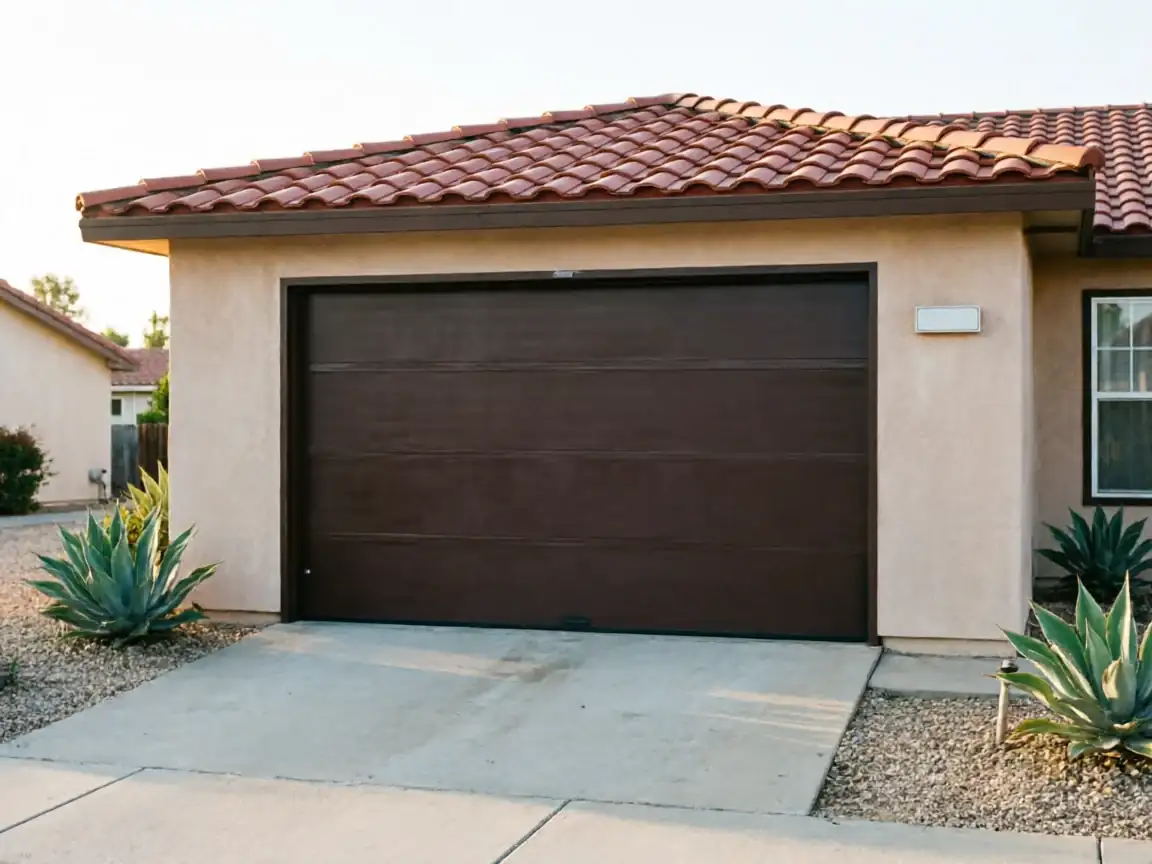
American Canyon's housing mostly went up in one stretch - the mid-1990s build-out, well after most of the wider Fairfield service area's median year of 1979. That means fewer of the old one-piece wood doors you find on older stock, and more mass-produced steel sectional doors that were standard builder-grade at the time: single-layer panels, light-gauge rollers, basic torsion springs sized to a price point, not to 30 years of daily cycling. The region sits in a mild temperate band, so rust isn't the main killer here the way it is in wetter climates. What gets these doors instead is plain fatigue - springs that have cycled tens of thousands of times, and thin steel panels that have taken three decades of direct sun and flexed enough to bow at the seams. With median household income here at $123,935, well above the broader service area's $102,938, we're seeing more owners choose insulated two-layer doors as a replacement rather than another bare steel panel.
How Long It Takes
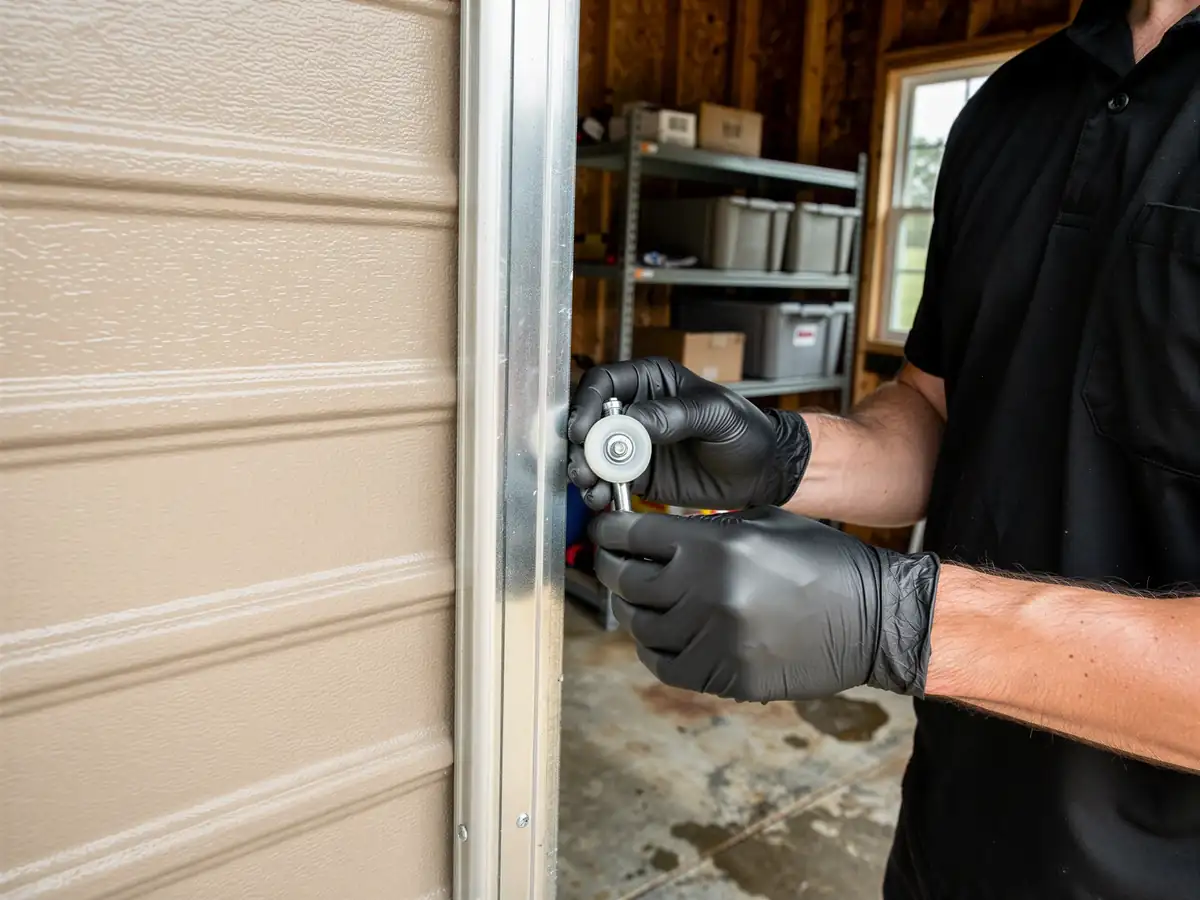
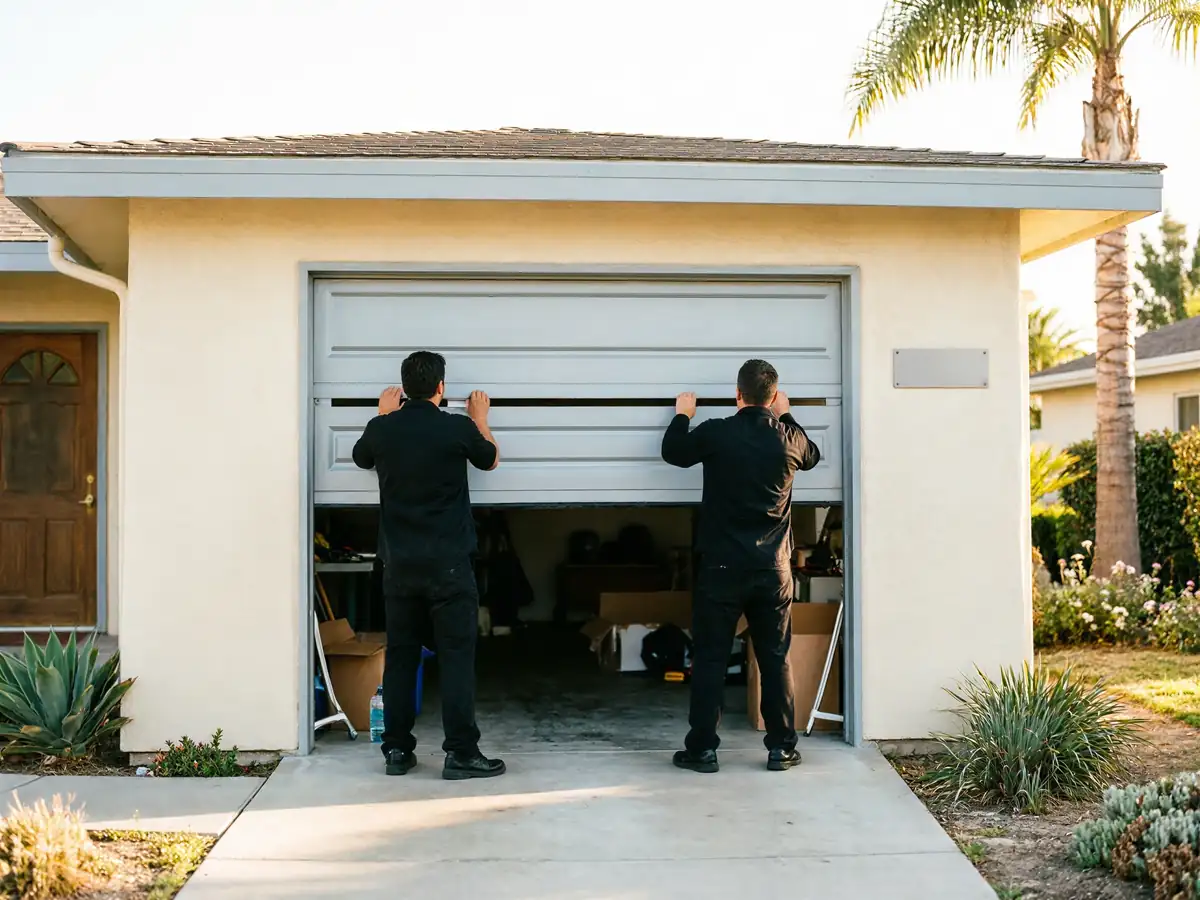
We can't promise a same-day slot from Fairfield - we're routing a truck 14 miles out, not working from a local yard, so scheduling runs on the day's route rather than a fixed response window. Once we're on site, a straight swap on a standard double opening, where the track and framing are in decent shape, is usually a half-day job. Add time if the old spring system needs a full redo rather than a reuse, which is common on doors original to the mid-1990s construction, or if the opening has settled slightly and the track needs re-plumbing. We'd rather tell you it'll run long than rush a balance and have the door slam on the floor three weeks later.
What You Are Seeing
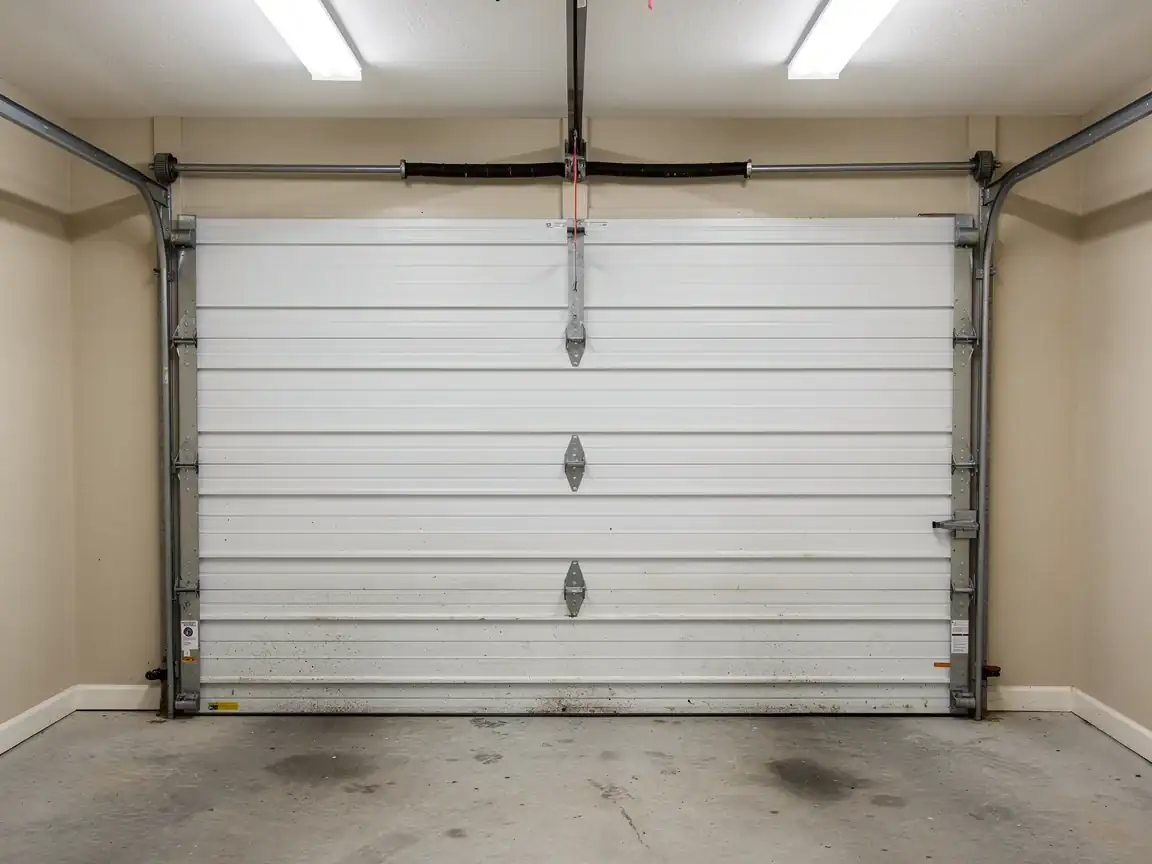
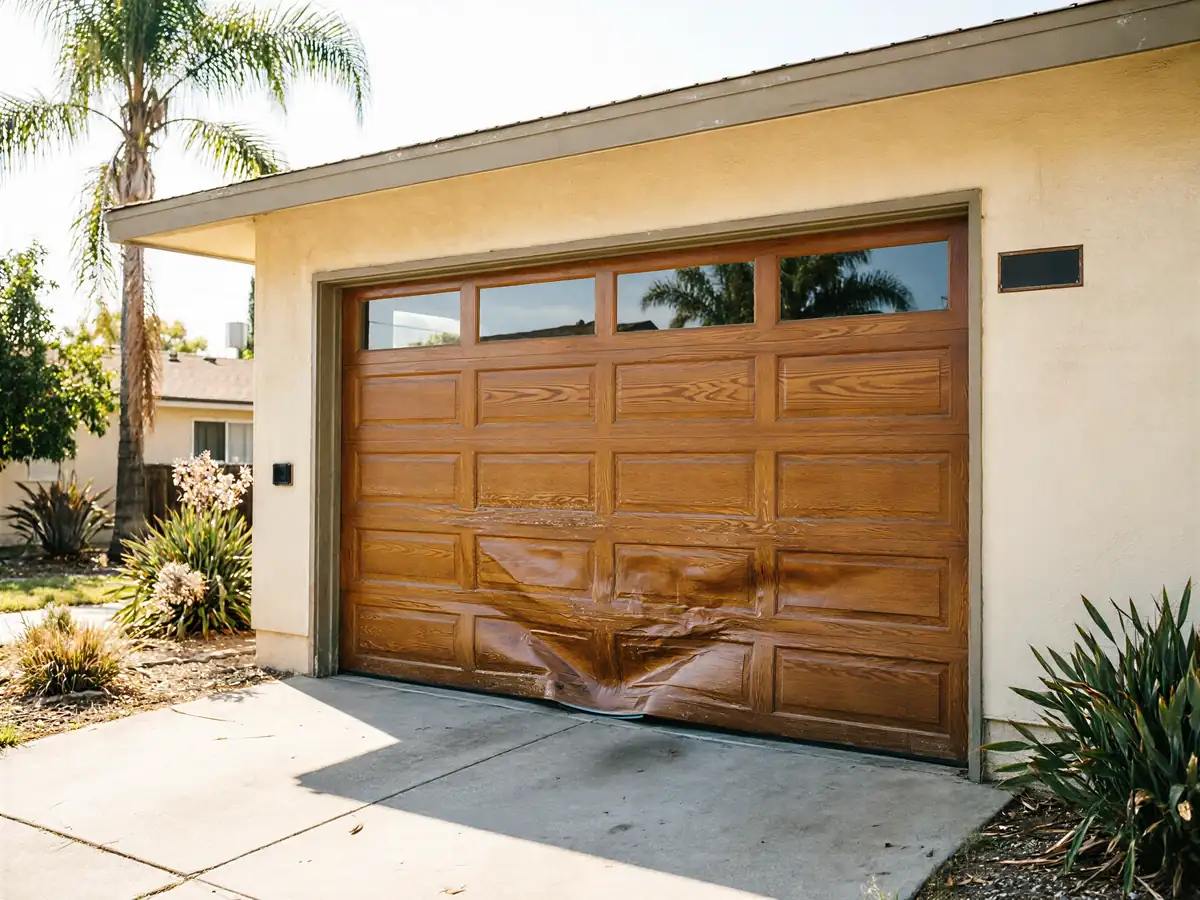
If the door sags visibly in the middle when it's down, or the panels have a slight wave to them when the sun hits at a low angle, that's thin steel from the 1990s builder-grade run starting to fatigue - not rust, since the mild climate out here mostly spares you that. A door that shudders or jumps partway through its travel usually means the original spring has lost tension after years of daily cycles. If the opener strains and groans before the door even starts moving, the door itself is likely heavier than the spring was ever balanced for, which points to a full new system rather than a patch. None of these on their own mean you need a whole new door - but on a house from this build era, they often show up together.