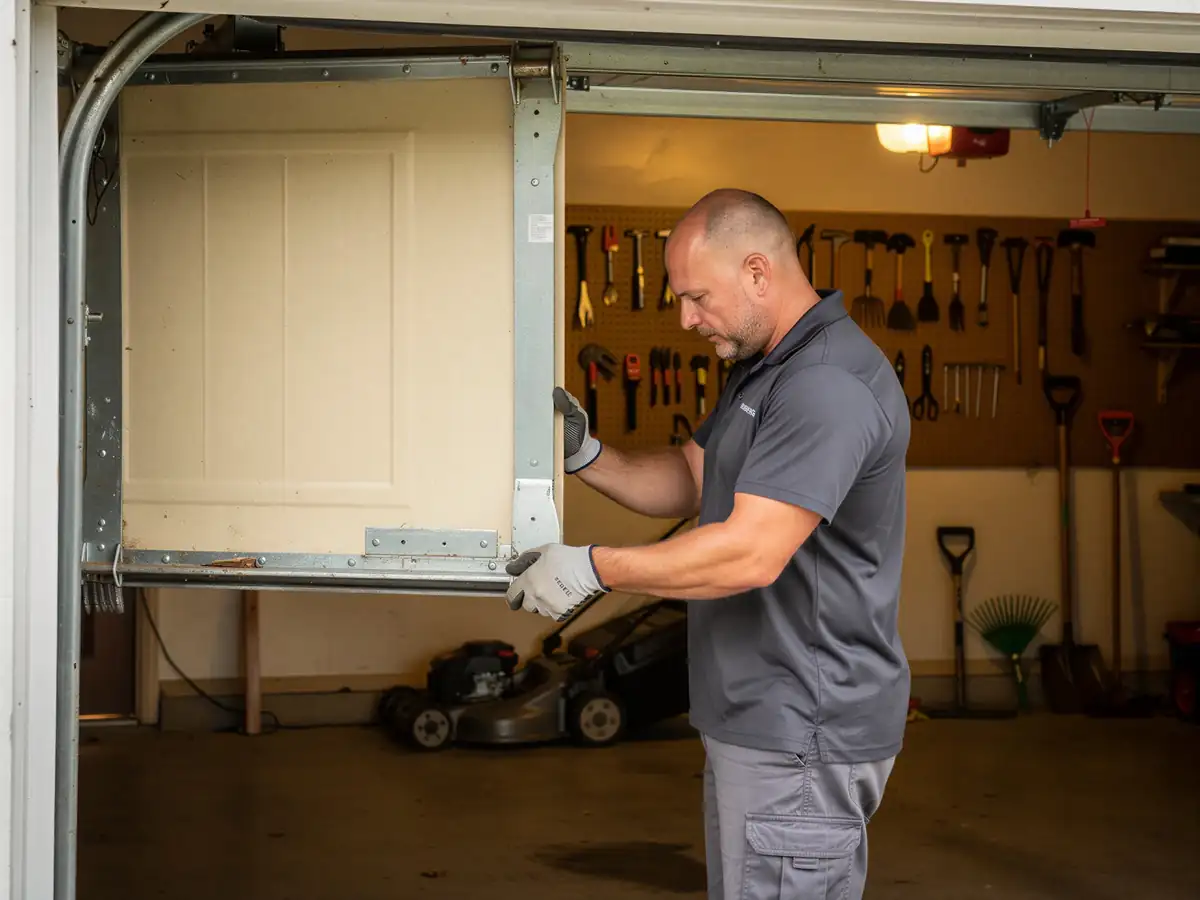
Can You Do This Yourself
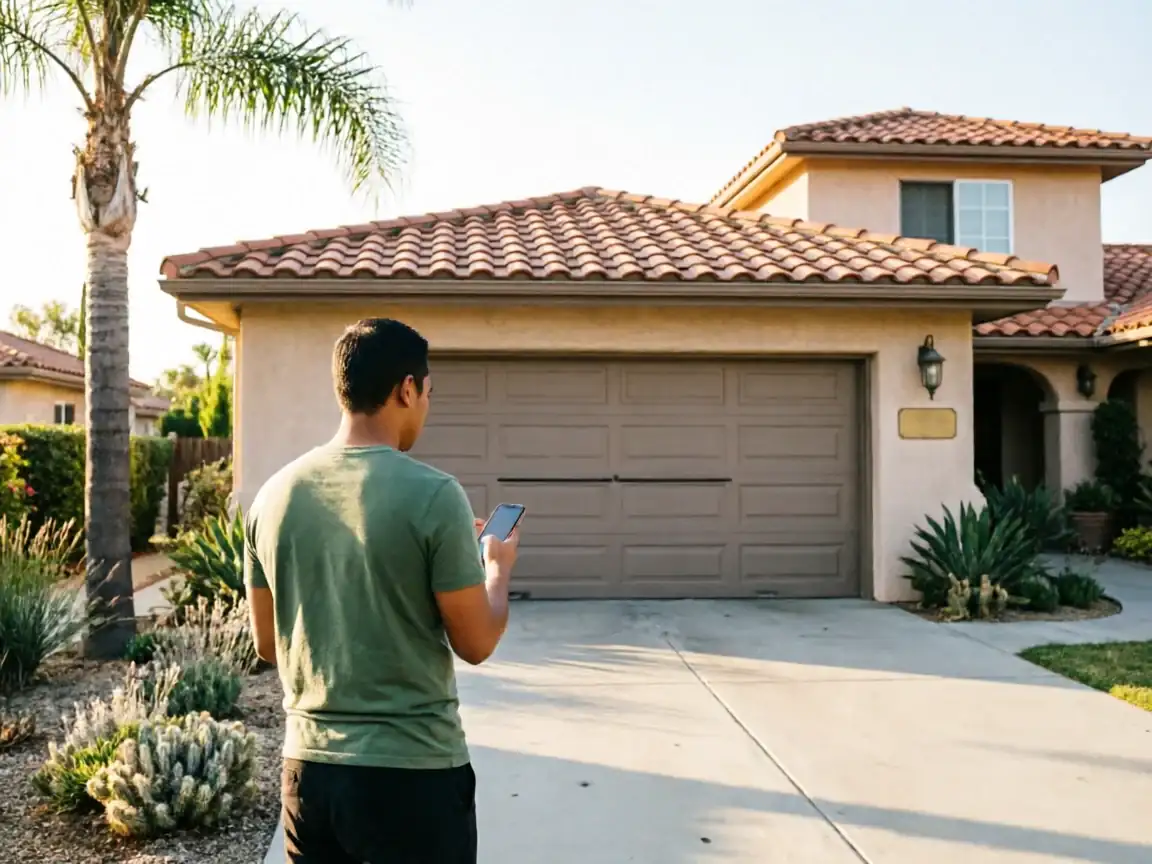
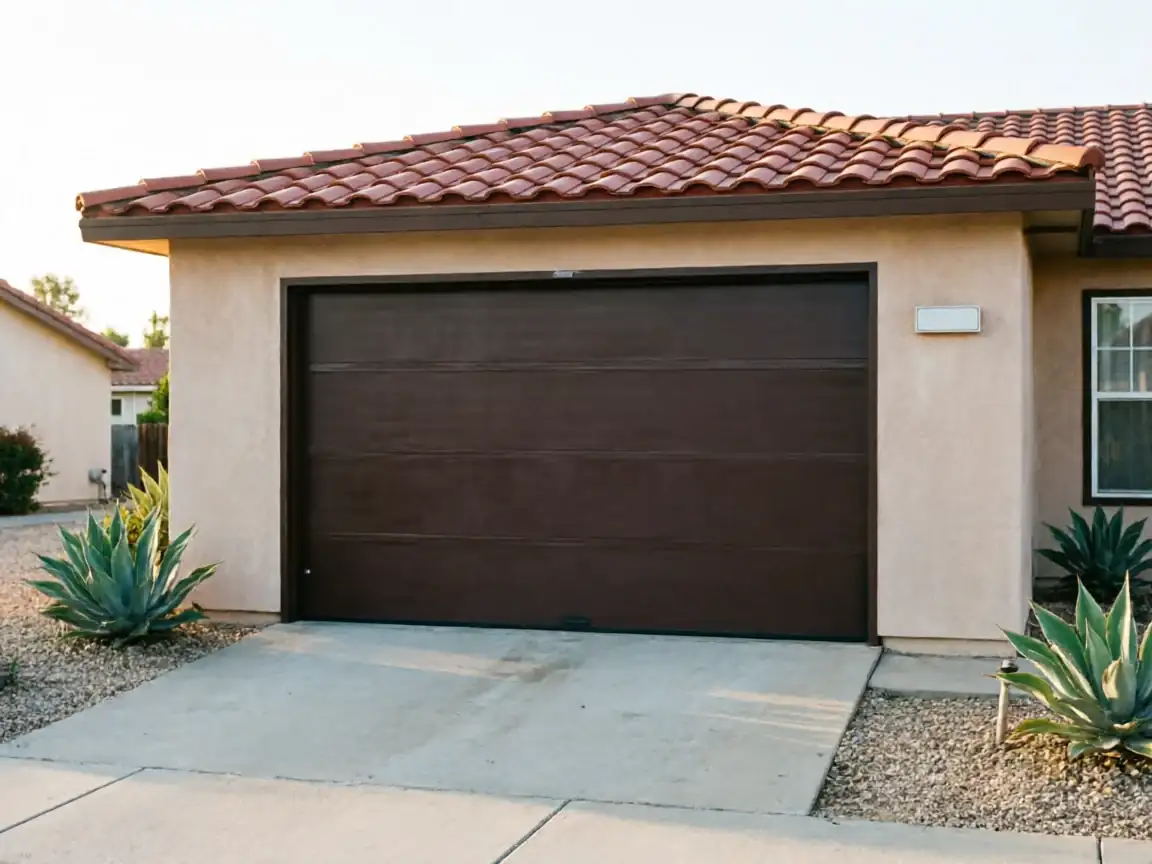
American Canyon is a smaller town than a lot of what we cover out of Fairfield - about 5,897 households, tucked into one of the newer corners of the 19 areas on our route. That size matters for maintenance: you don't get the wild mix of door ages you'd see somewhere with housing from three or four different decades. Most garages here were built around 1996, so the lubrication, balance check, and hardware inspection you'd want to do yourself look pretty similar house to house.
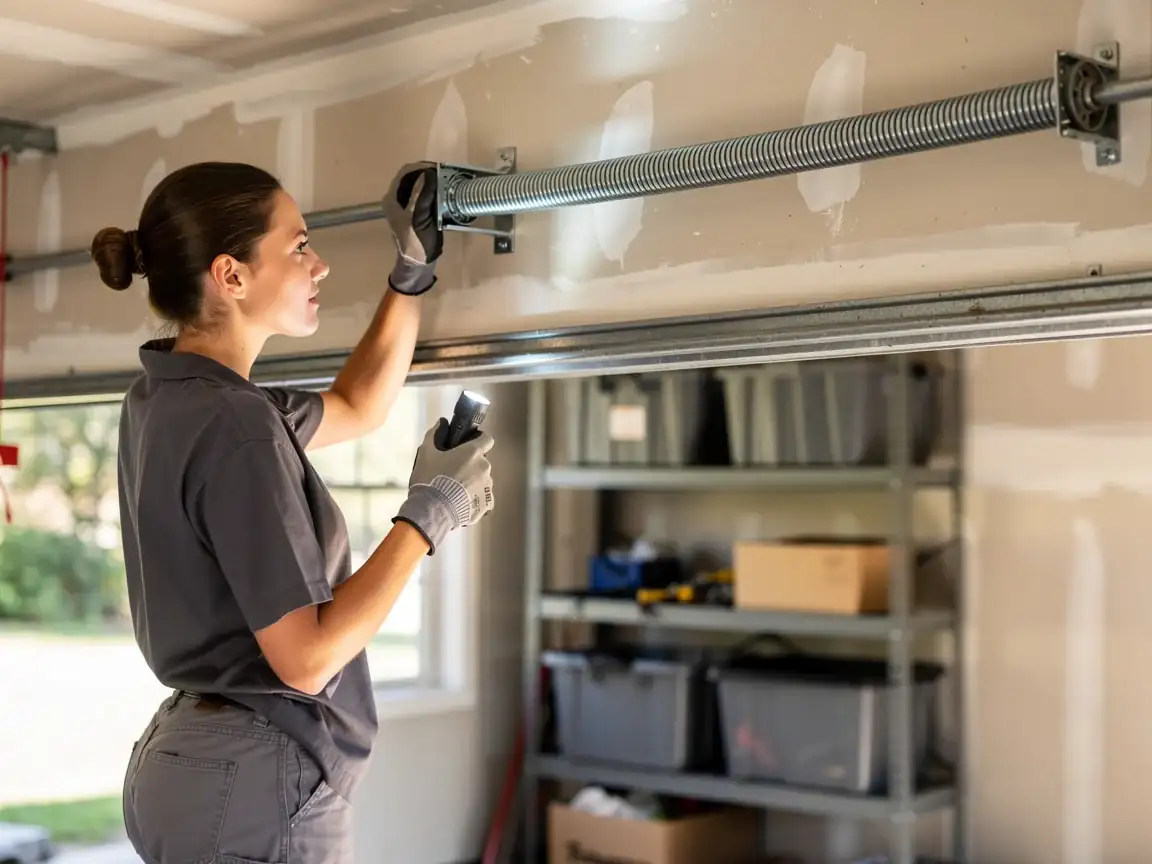
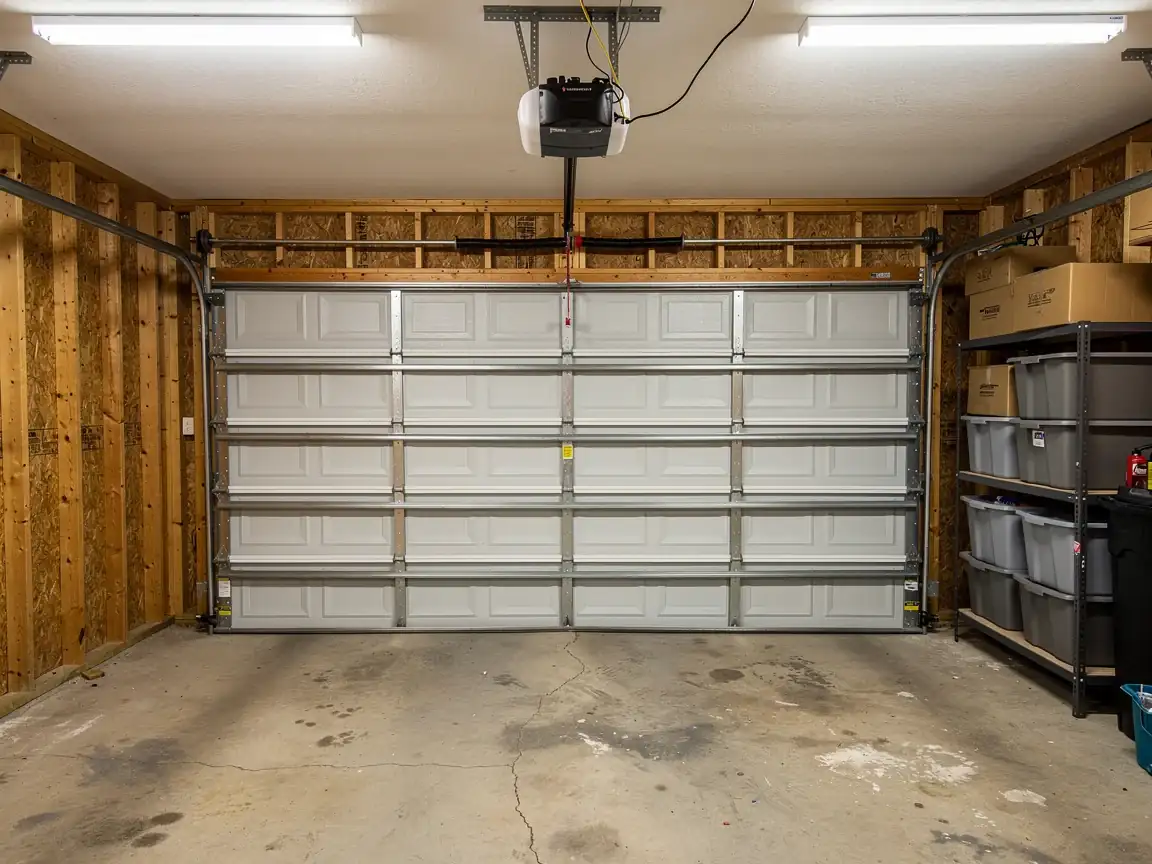
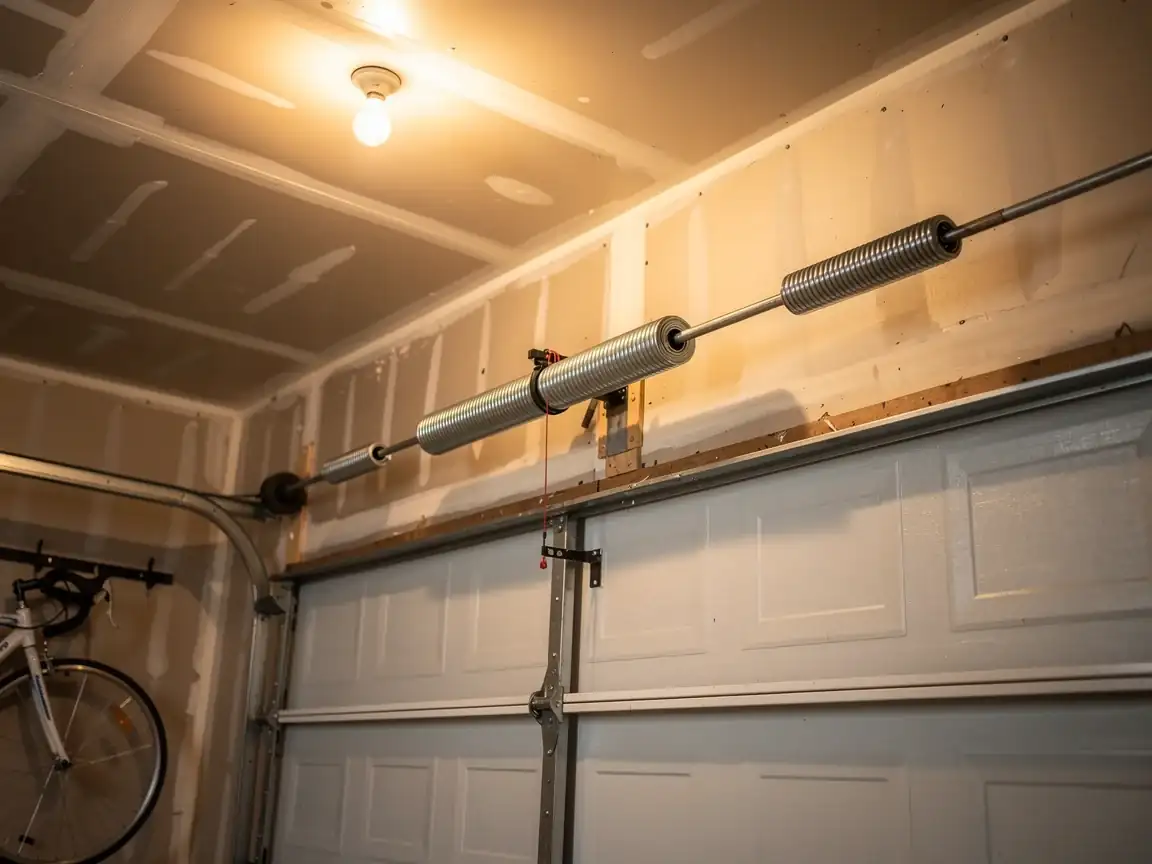
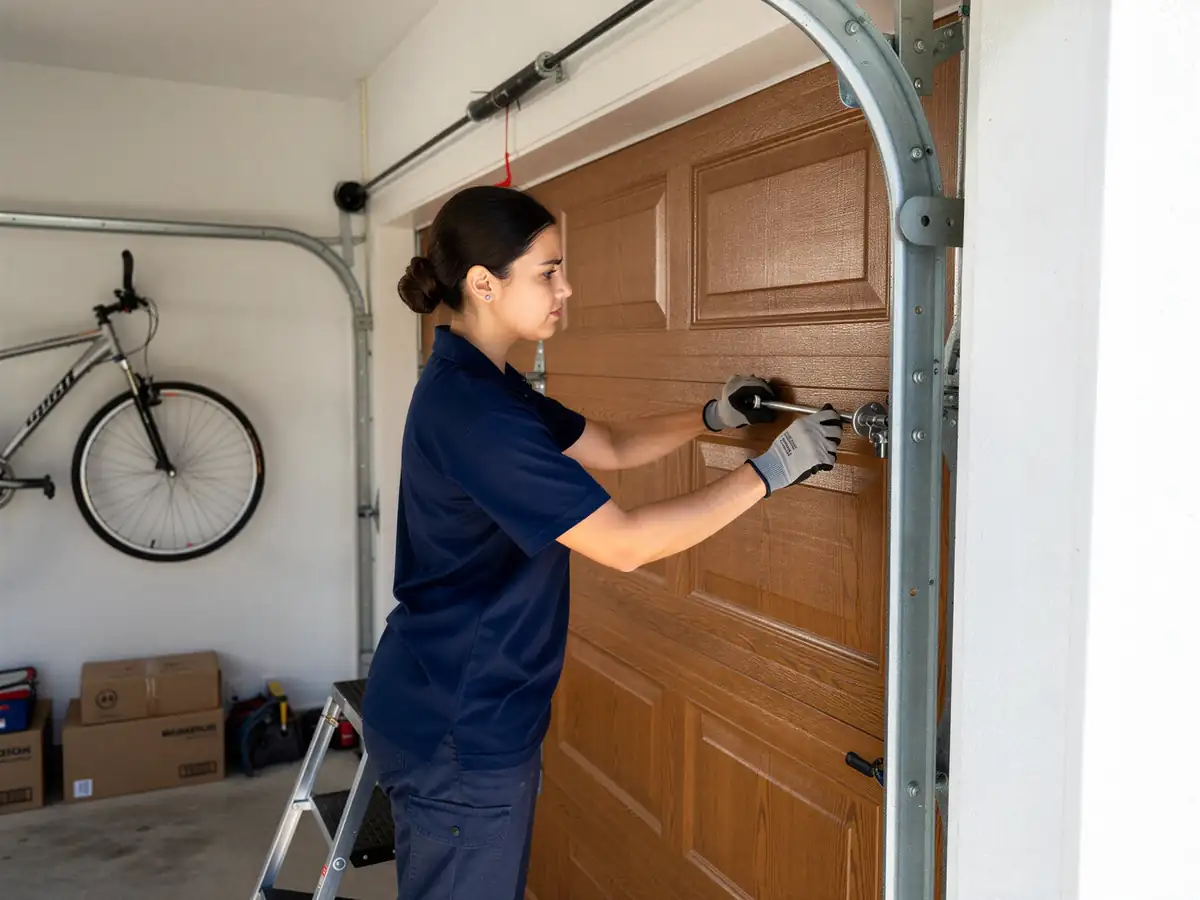
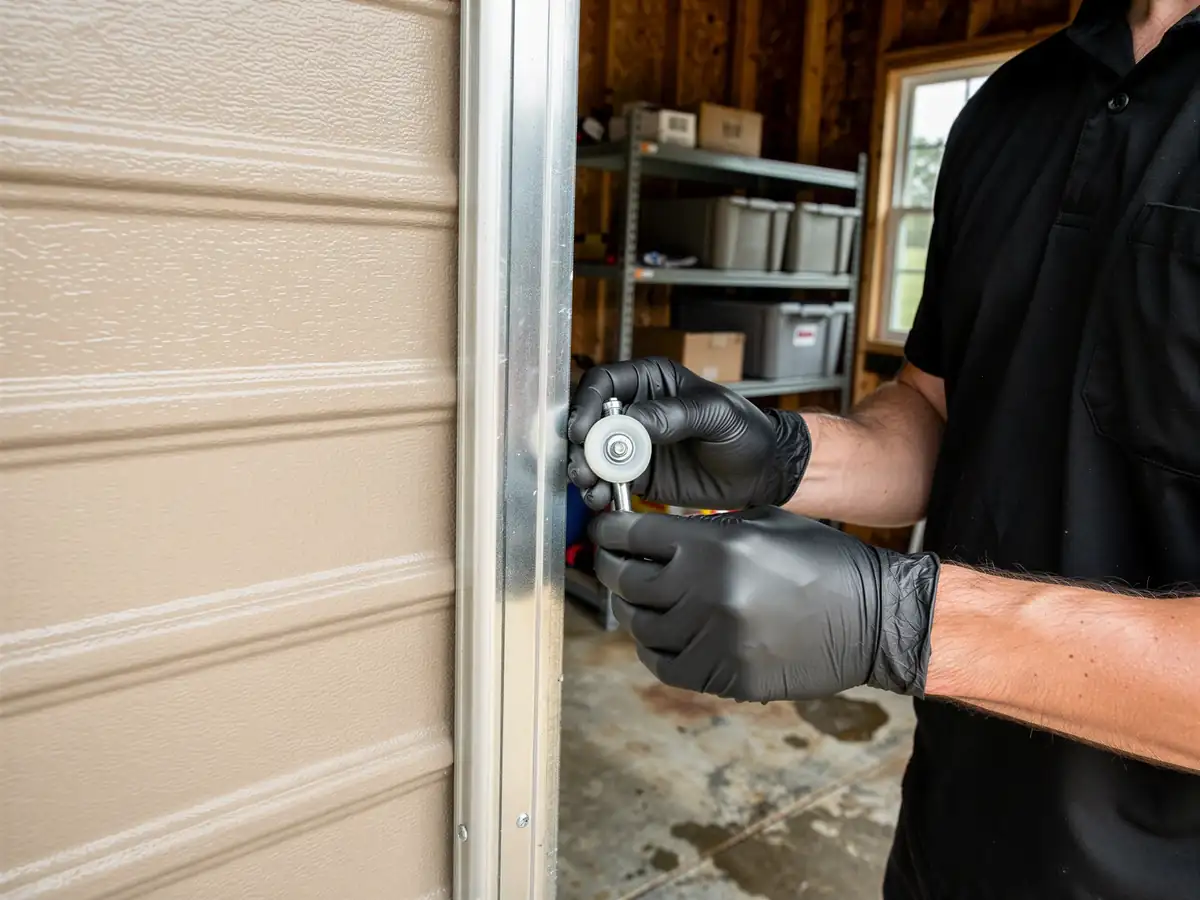
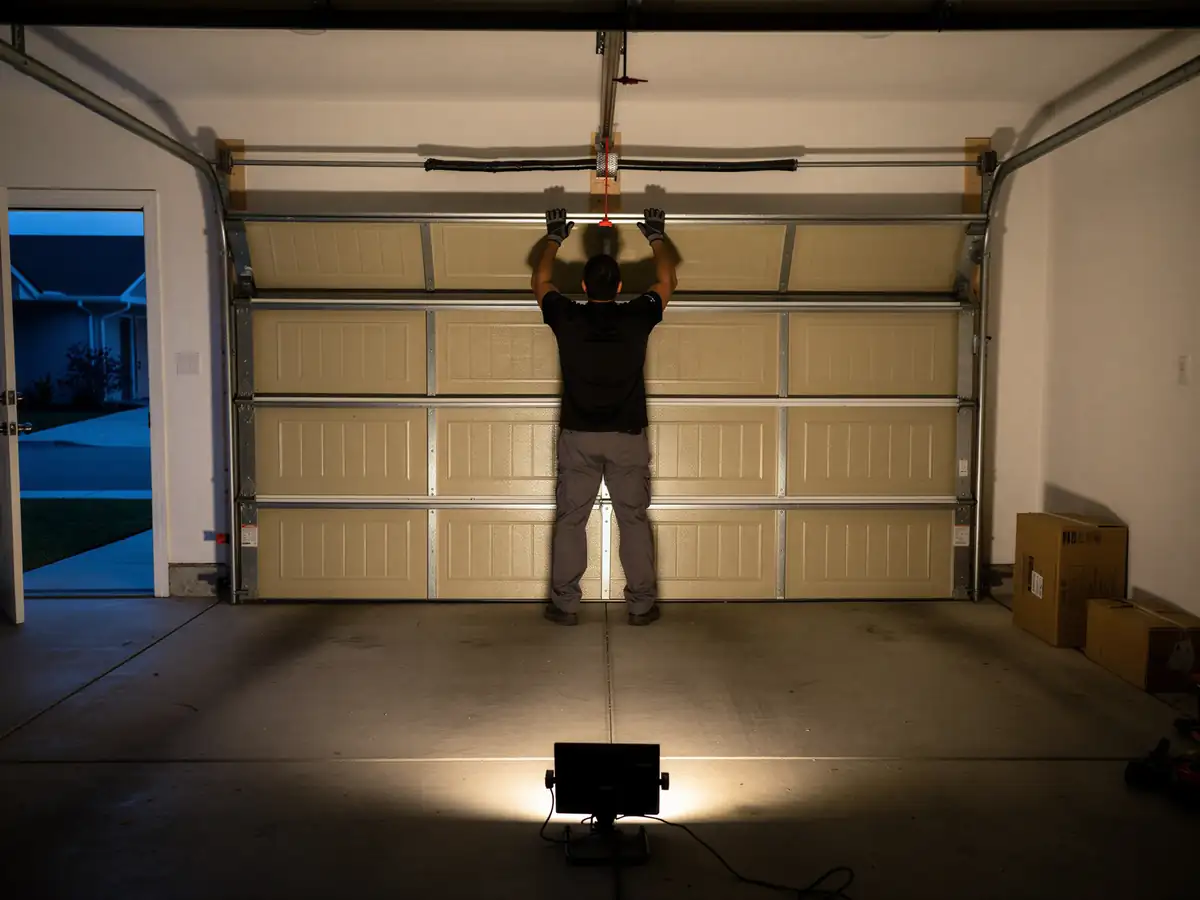
You can handle the basics without a truck showing up: wipe down and lubricate the rollers and hinges twice a year, check that the door reverses when it hits an object, and look at the cables for fraying. What you shouldn't do yourself is touch the torsion spring - those are wound under real tension and a slipped winding bar has put people in the hospital. If your opener's safety sensors are misaligned or the door is off its track, that's also a call-it-in job, not a weekend project.
How We Fix It
We come out from Fairfield, about 14 miles up the road
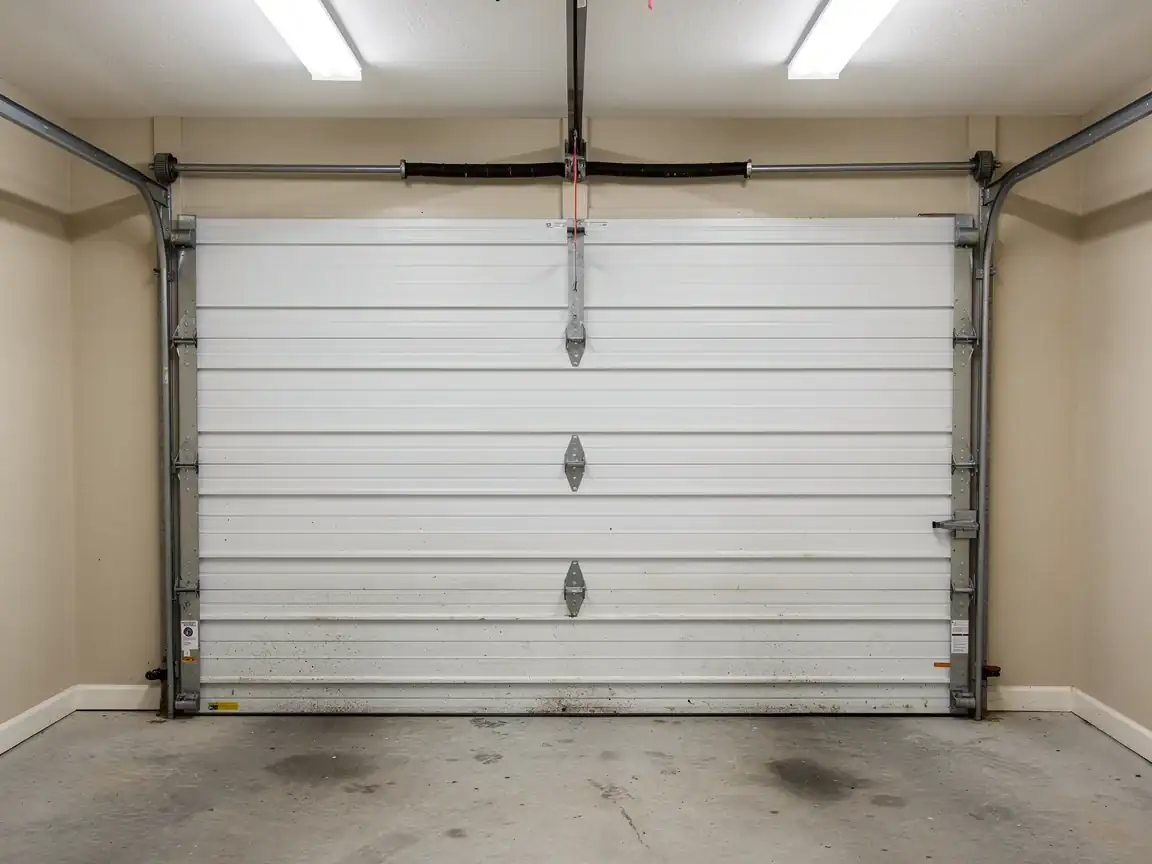
So a maintenance visit here is a planned trip, not a drop-in. On the door itself: we check spring tension and balance, inspect cables and rollers for wear, tighten the track mounting hardware, and lubricate the moving parts with the right grease for the weight of the door - steel panel doors common in a build year like 1996 run heavier than the old wood doors from earlier decades.
- 14 miles
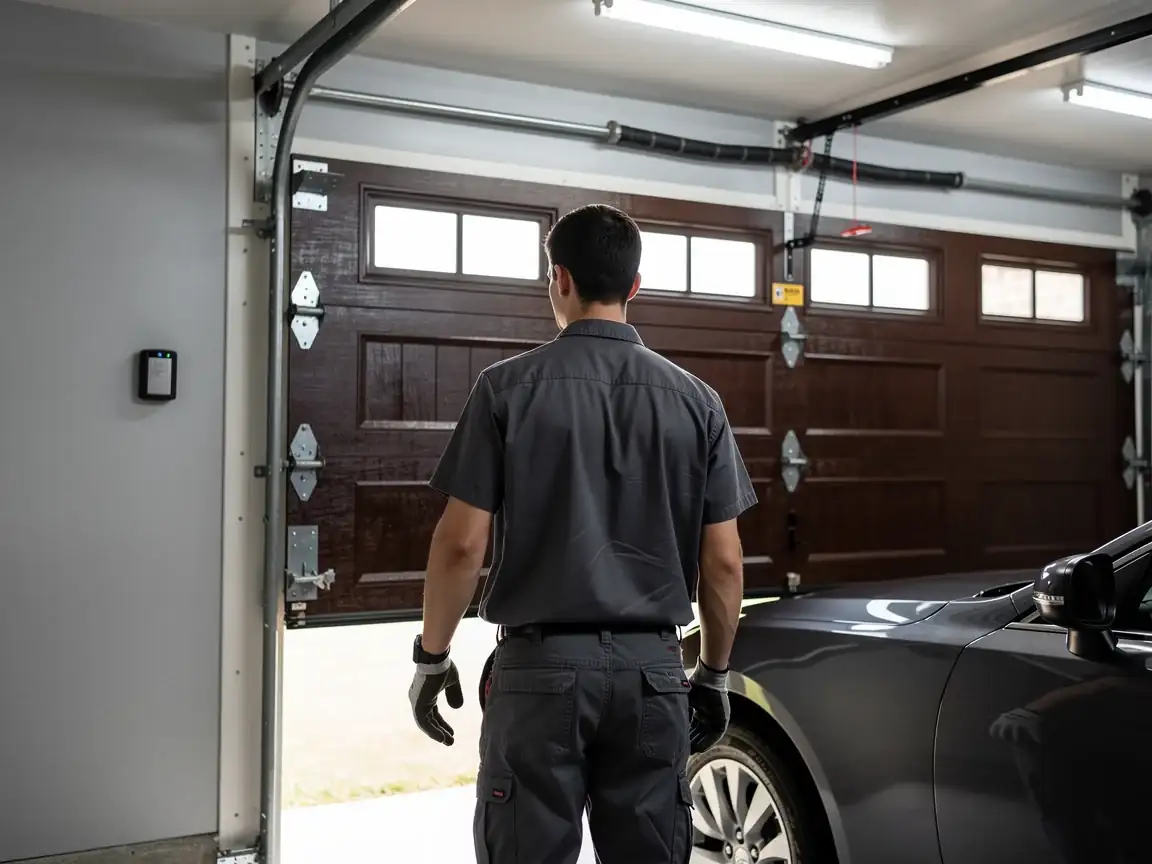
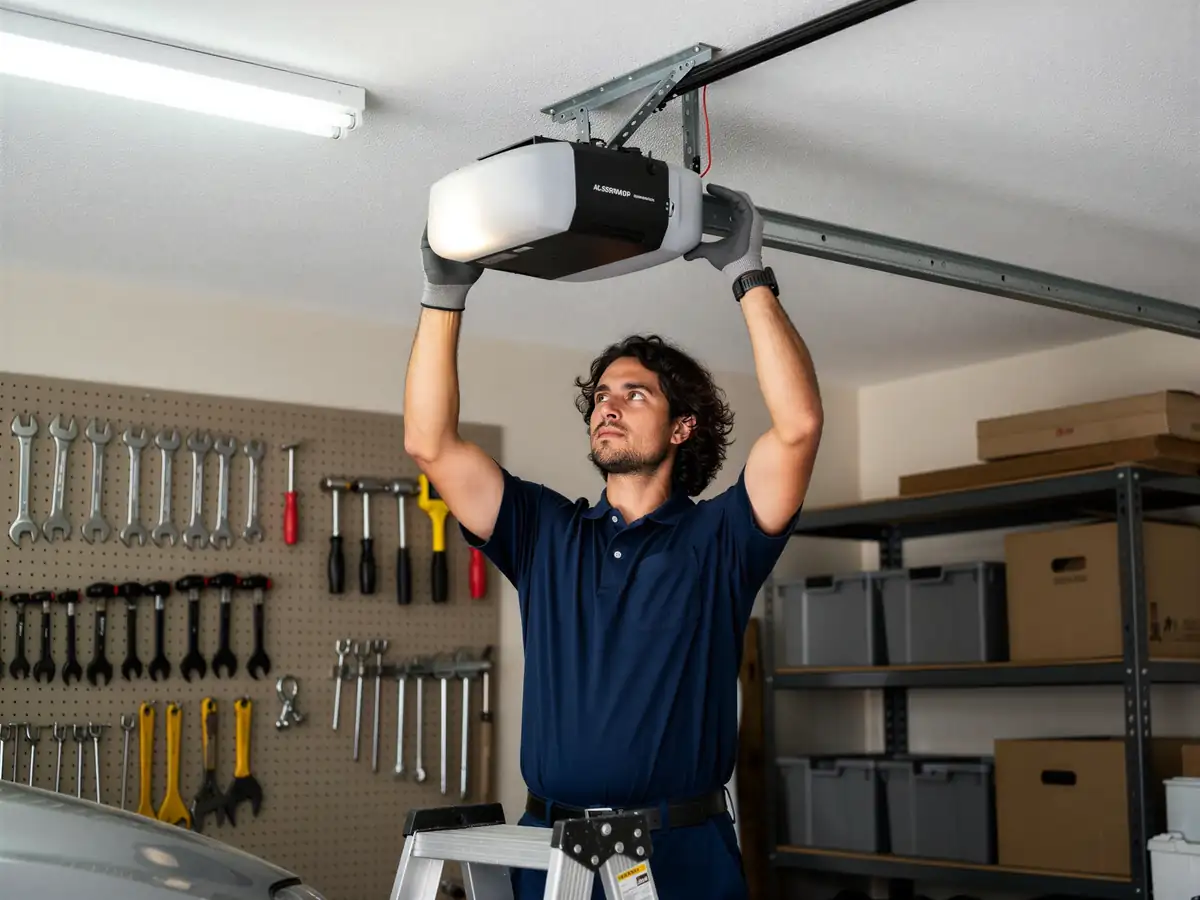
On the opener side, we test the force settings, the photo-eye alignment, and the manual release
Newer construction here usually means the opener and door were matched at install, which simplifies the check - we're not guessing at mismatched retrofits the way we sometimes are on older housing stock elsewhere on the route.
What Causes It Around Here
The area's housing median sits at 1979 across the wider Fairfield service area, but American Canyon's own stock is newer, built mostly around 1996. That seventeen-year gap matters: doors here are hitting the age where torsion springs, worn rollers, and stretched cables start showing up, rather than the deeper structural issues - rotted wood panels, undersized original hardware - that show up on 1950s and 60s stock elsewhere in the 19 areas we serve.
The climate here falls in a mild temperate band, so we don't see the extreme heat-cycle cracking or heavy snow-load stress that drives maintenance schedules in harsher regions. What we do see is routine wear: springs losing tension after two to three decades of cycles, and opener gear sets wearing down from steady daily use. Median household income in the area runs higher than the broader Fairfield service area average, and that tends to show up as more owners scheduling maintenance ahead of a failure instead of waiting for the door to quit.
How Long It Takes
A standard maintenance visit - spring check, lubrication, hardware tightening, opener test - runs shorter than a repair call, since we're not disassembling anything major. Add travel time from Fairfield into the schedule; it's a 14-mile trip each way, so we batch American Canyon visits when we can rather than making single runs.
If the inspection turns up something that needs parts we don't have on the truck, that becomes a second visit. We'd rather tell you that up front than rush a fix that doesn't hold.
Parts We Carry
We stock the rollers, hinges, cable, and lubricant that cover routine maintenance on the door types common to newer construction
Steel sectional panels, standard torsion springs sized for a two-car door. We also carry basic opener parts: photo-eye sensors, remote batteries, and belt or chain tensioning hardware.
What we don't always have on the truck is a specific spring size for an unusual door width
Or a discontinued opener logic board. Those we order and come back for. If your door is original to a 1996 build, the hardware is common enough that parts aren't usually a holdup.
What You Are Seeing
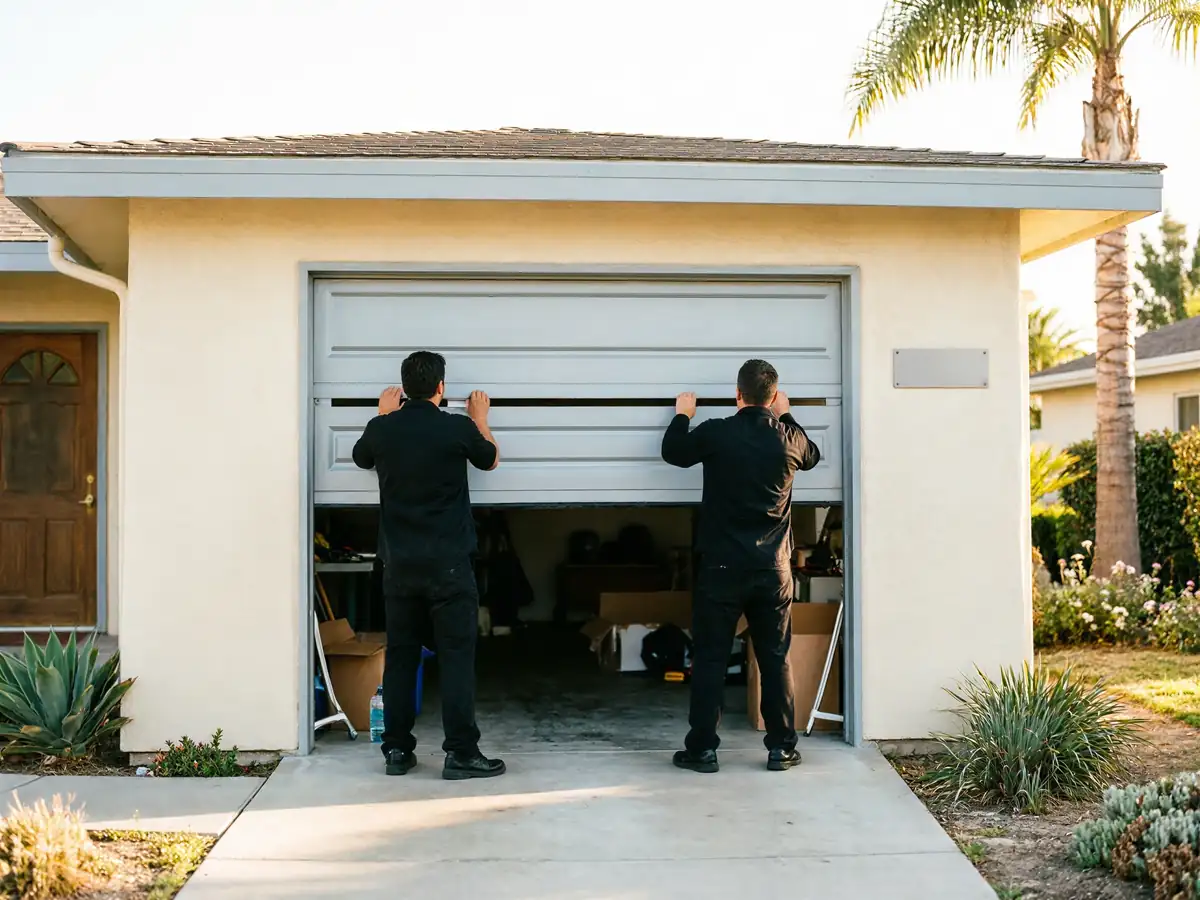
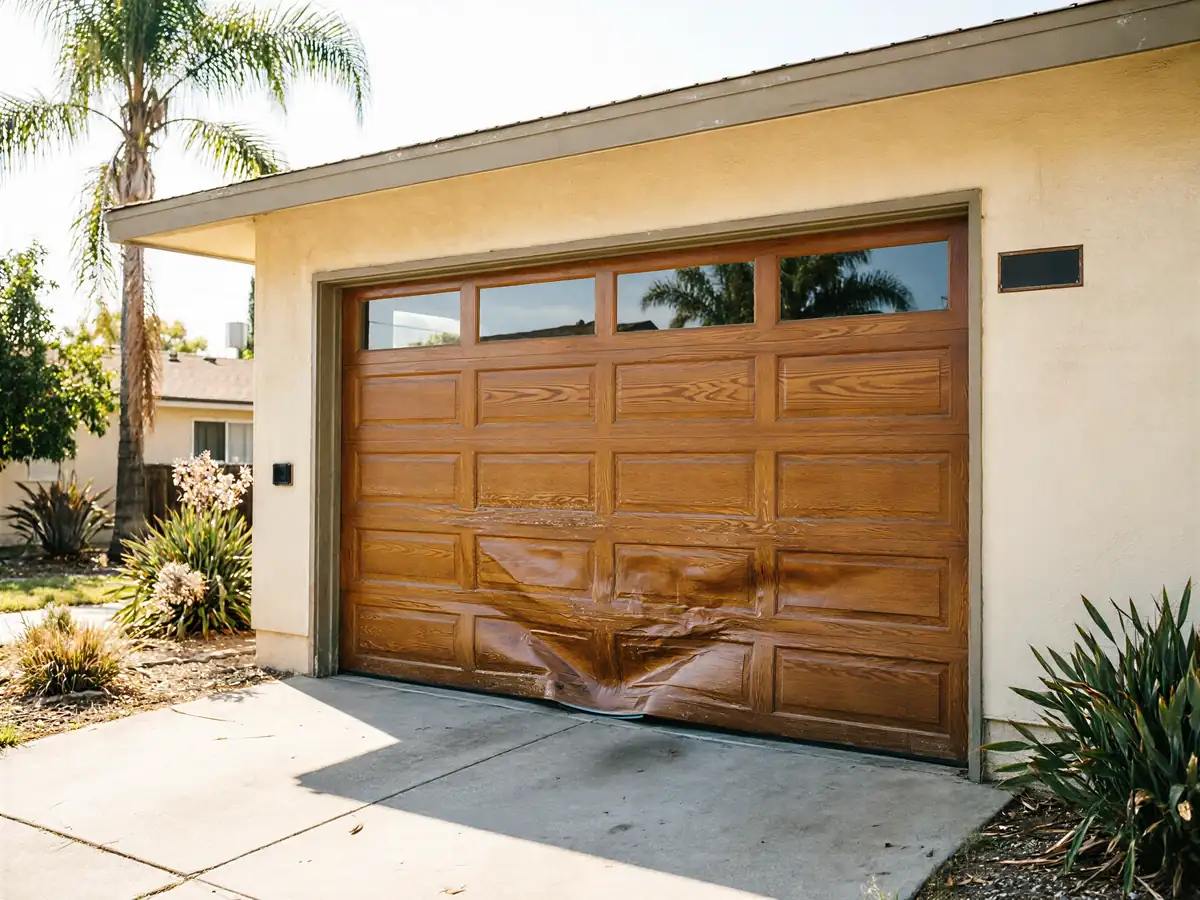
A door that shudders or jerks partway through its cycle usually points to a spring losing tension or a roller binding in the track - common on doors now closing in on three decades of use, which fits a lot of what's out there in American Canyon. A loud bang followed by the door refusing to move is almost always a broken spring, not a motor problem.
If the opener light blinks and the door won't close, check the photo-eye sensors first - they're a frequent, cheap fix. A door that closes then reverses on its own usually means the sensors are misaligned or dirty, not failing outright. Grinding or scraping sounds along the track point to a roller or hinge that needs lubrication or replacement before it wears the track itself.