Can You Do This Yourself
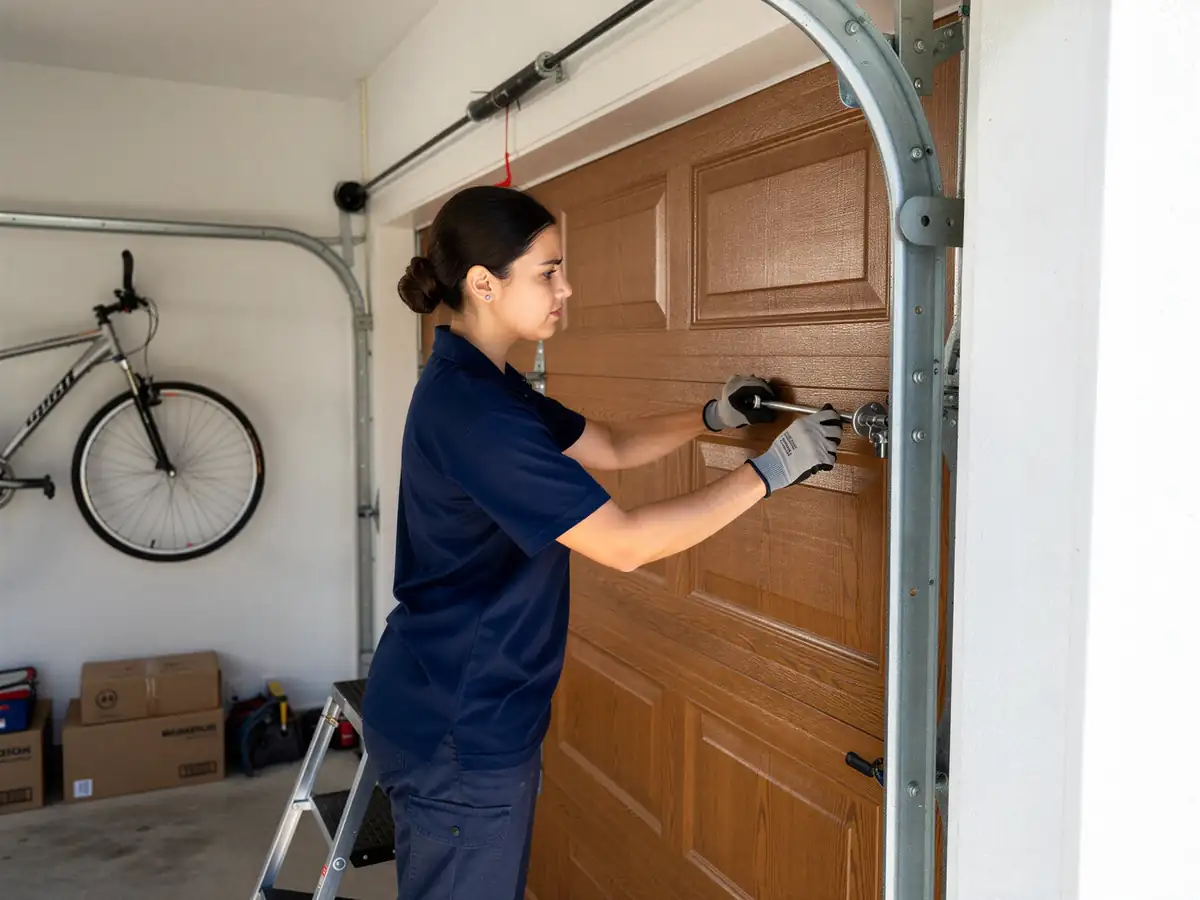
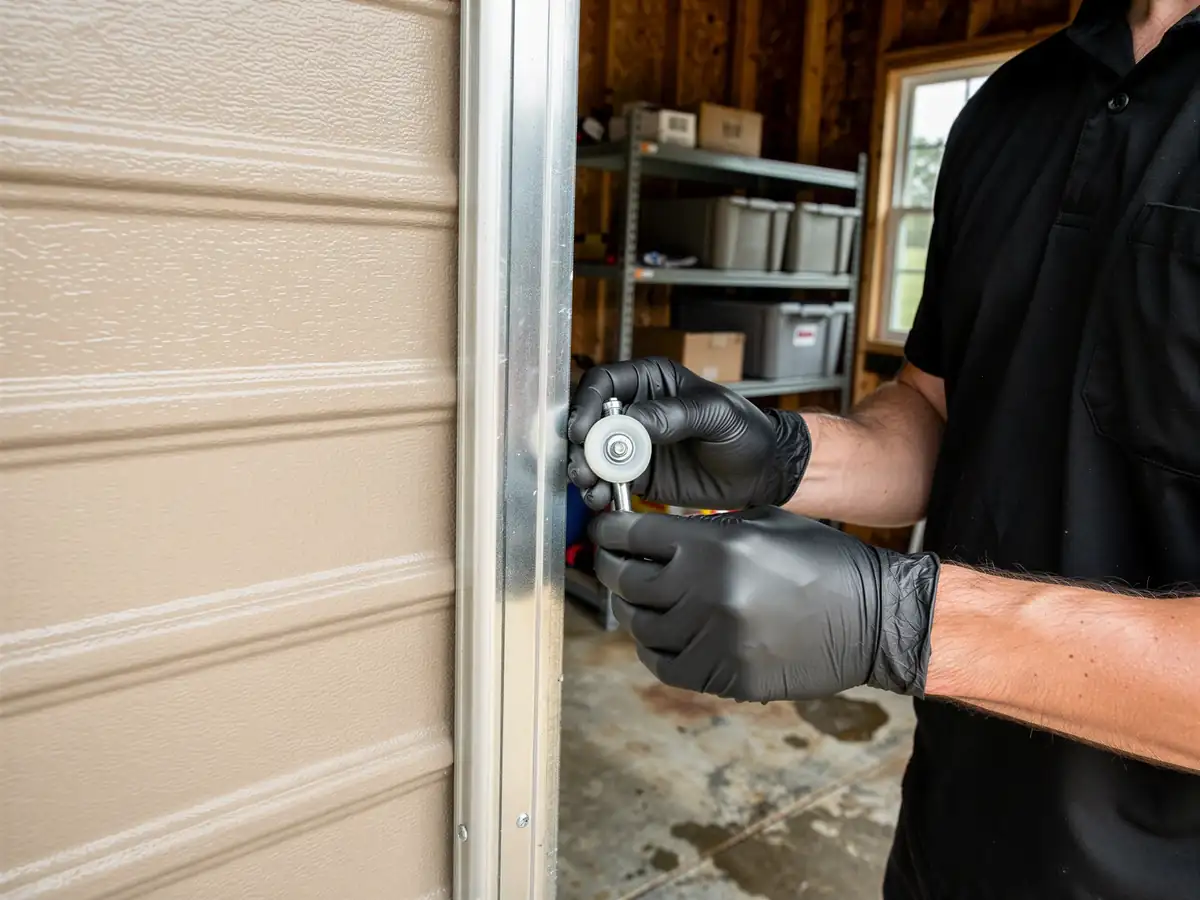
Swapping rollers is one of the more doable garage door jobs for a homeowner, provided the door is disconnected from the opener and you're not touching the springs. On a home built around 1996, which covers a lot of American Canyon, you're usually dealing with nylon rollers on steel stems set into a track that hasn't been touched since the house was framed. The track gauge and the roller stem length have to match or the door rides rough and chews up the track edge.
Where people get hurt is the bottom bracket, which is under spring tension even with the opener unplugged. If a roller near the bottom section looks worn, that bracket is not a DIY removal point - leave it. For the rollers in the middle and top sections, a basic job with the right stem length and a vice grip clamp to hold the door in place is within reach for most people who are comfortable on a ladder. If the track itself is bent or the door is noticeably off-level, that's past roller replacement and into track or cable territory, and that's when a call makes more sense than a second trip to the hardware store.
How We Fix It
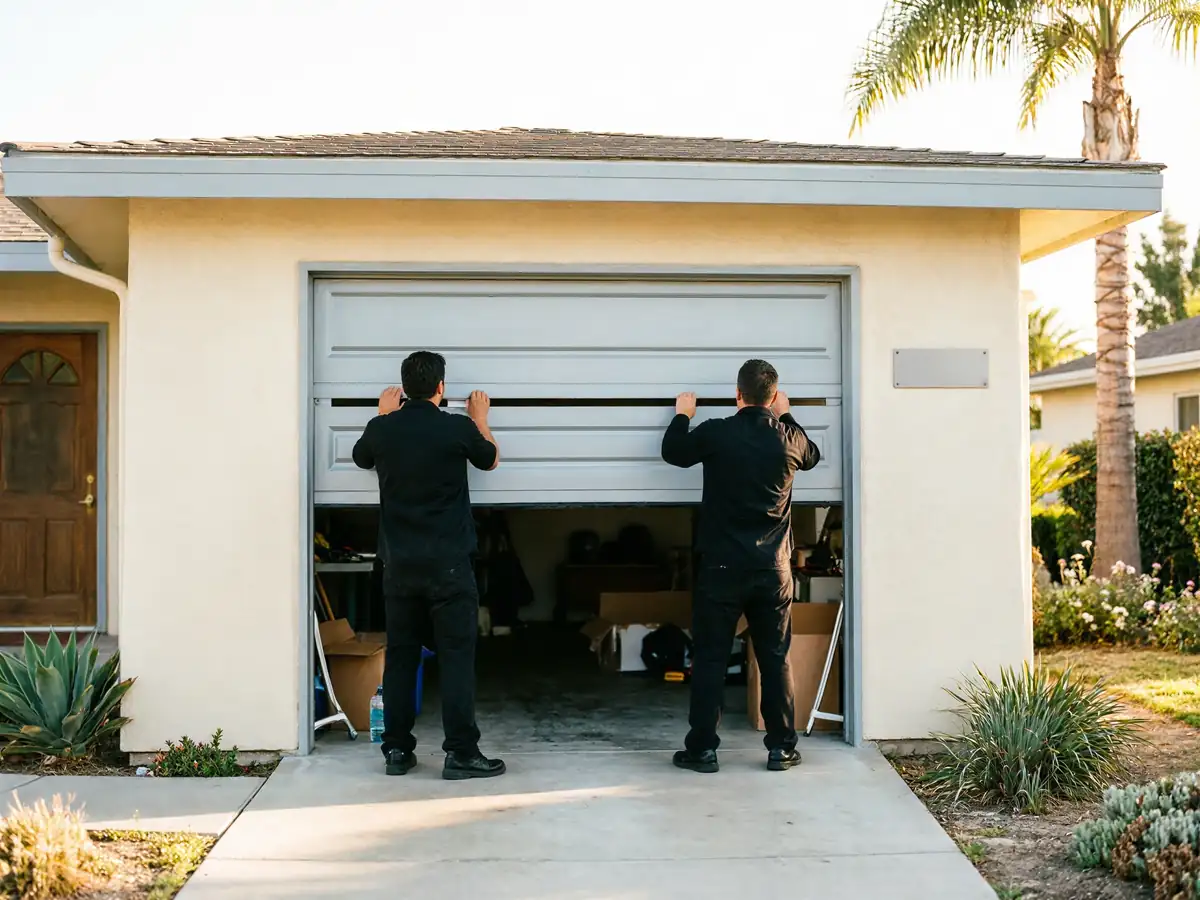
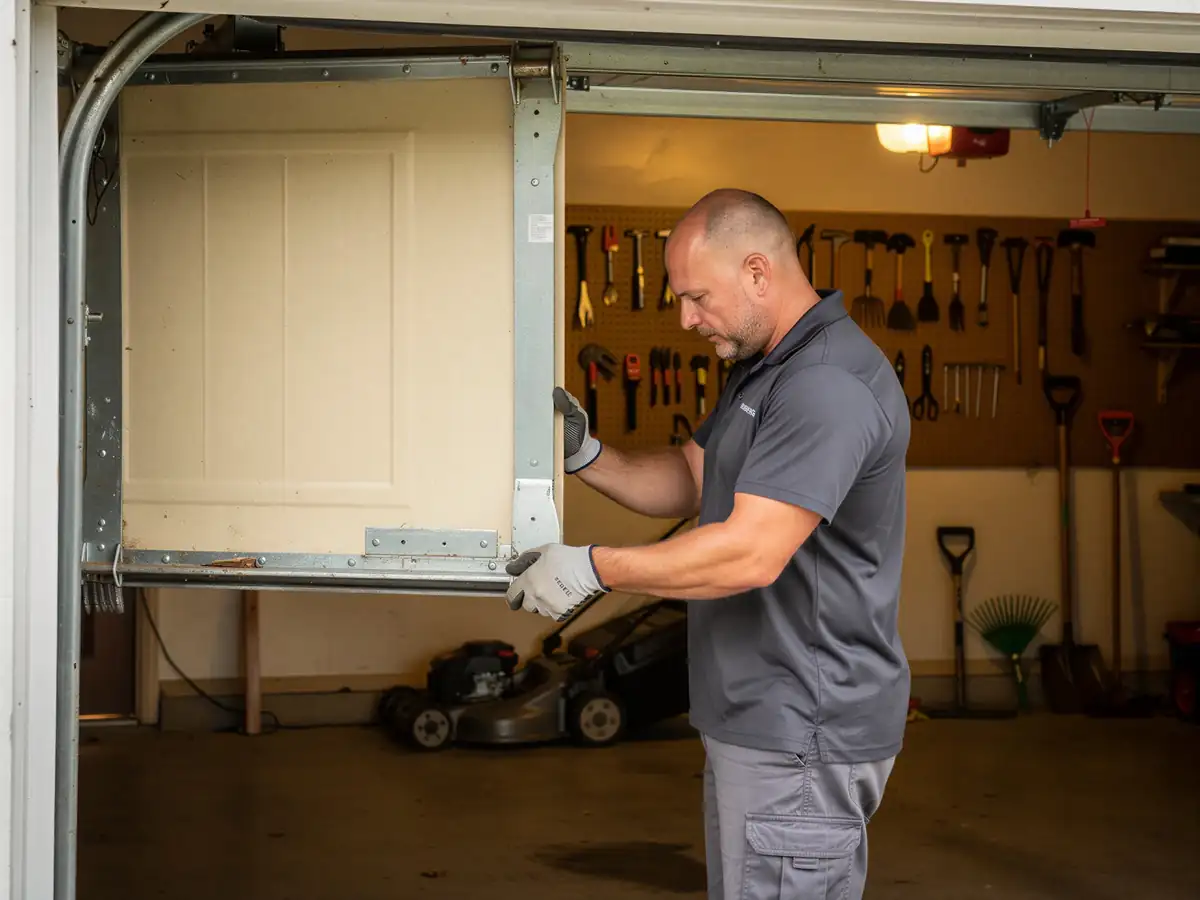
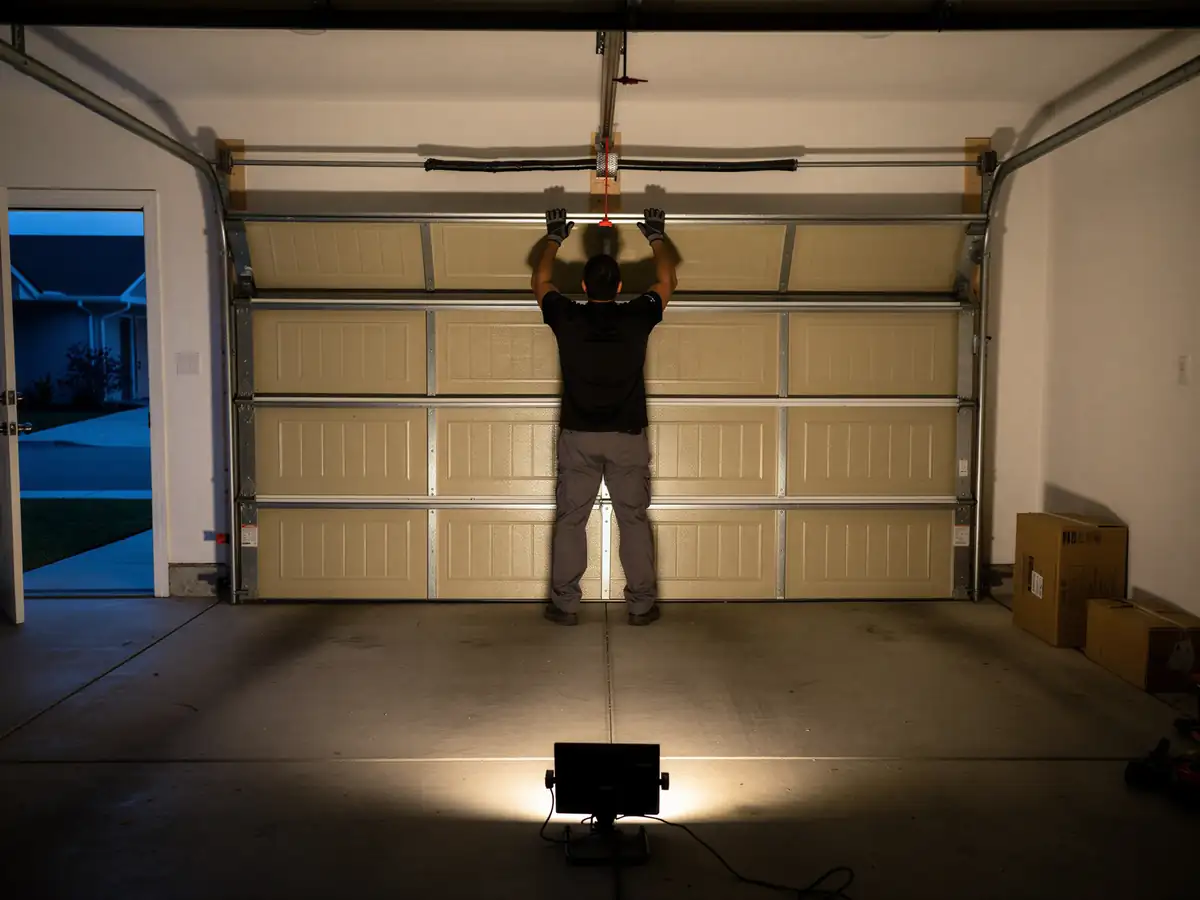
We pull the door down, support it so it can't drop
And work one section at a time rather than yanking every roller loose first - that keeps the door aligned in the track while we go. Each old roller gets checked against the stem length and track gauge before the new one goes in, because a mismatch is what causes the next set to wear unevenly within a couple of years.
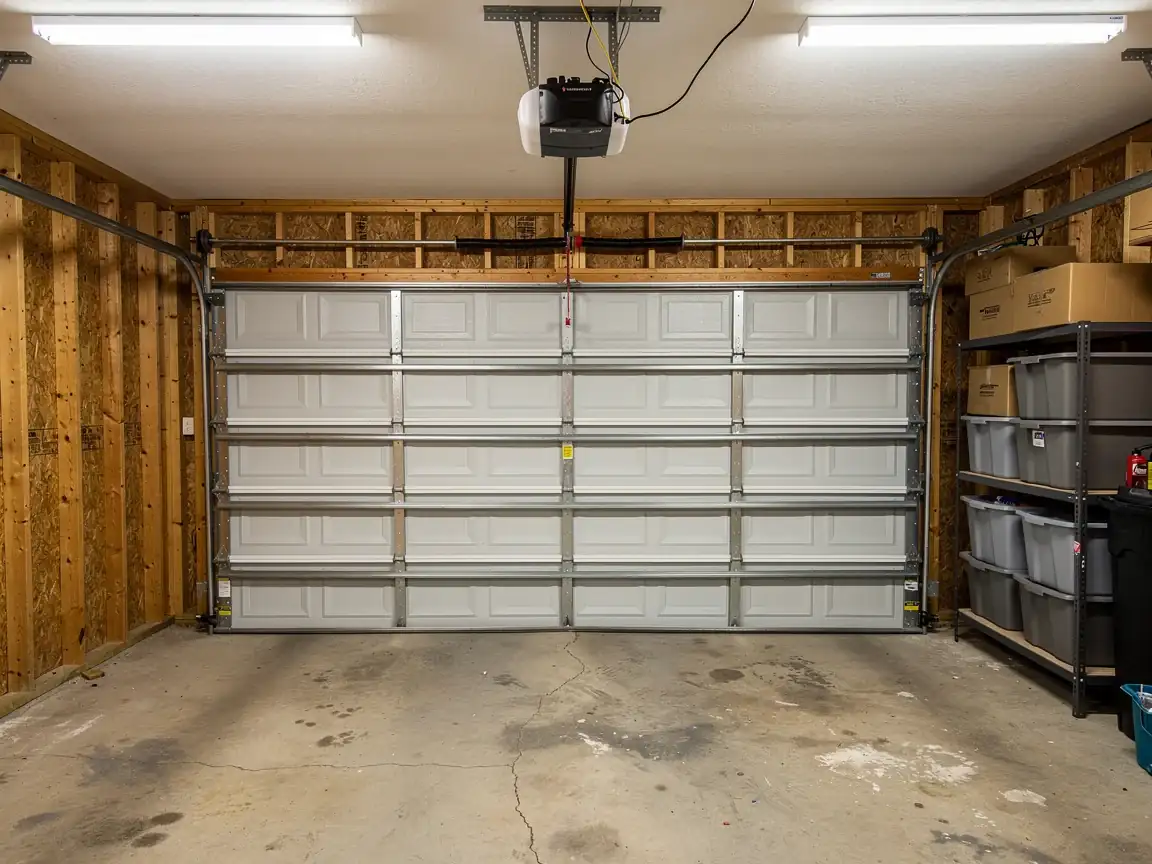
We check the track brackets at the same time
On the 1990s-era doors common through American Canyon, the brackets are original and the screws have usually backed out a quarter turn or more over the years, which is part of why the door sounds rough even with fresh rollers. We snug those down, re-square the track, and run the door through a full cycle by hand before reconnecting the opener. If a cable or bottom bracket needs attention, we'll say so and price it separately rather than bundling it into a roller job you didn't ask for.
What Causes It Around Here
The housing stock in this suburb centers on a median build year of 1996, which puts most original doors and hardware right around the 15-to-25-year mark where nylon rollers start to crack, flat-spot, or shed their nylon jacket off the steel core. That's not a climate failure the way cold-climate towns see - this area sits in a mild temperate band - it's straightforward material fatigue from thousands of open-close cycles.
Because the housing here is newer than a lot of what we see closer to Fairfield, the fault we find most in American Canyon isn't the heavier wear patterns of 1960s-70s stock - it's rollers reaching the end of their factory lifespan on doors that are otherwise in good shape. That's actually a simpler fix: the track and opener underneath are usually fine, so the roller swap on its own solves the noise and the binding without a bigger repair tacked on.
How Long It Takes
A straight roller replacement, all ten rollers, on a door that's otherwise square and tracking right, is a shorter job than most people expect - most of the time goes into working carefully rather than wrestling parts. If we also find a bracket that needs re-seating or a track that's slightly bowed from age, that adds time on site since we're not going to leave a door that still binds after we close it up.
We travel to American Canyon from Fairfield, about 14 miles out, so the appointment window accounts for that drive - we don't keep a local branch here, which is worth knowing if you need same-day. For most roller jobs we can quote the parts over the phone once we know the door type, which keeps the in-person time focused on the install instead of diagnosis.
Parts We Carry
We carry nylon rollers in the stem lengths that fit standard residential track
Which covers the great majority of doors built through the 1990s construction wave in this area. Sealed-bearing nylon rollers are the upgrade we recommend over the open-bearing originals - quieter, and they don't need the periodic grease that the factory rollers wanted.
We don't stock every specialty steel roller for heavier commercial-style doors
And if a house has a custom or imported door we may need to order a specific stem size rather than install off the truck that day. That's an honest limit - most of American Canyon's housing uses standard track widths, but we'd rather tell you upfront than force a part that doesn't fit.
What You Are Seeing
A grinding or rattling sound as the door moves, especially louder on one side than the other, usually means a roller has flat-spotted or the nylon has worn through to the steel stem. If the door jerks or hesitates at the same spot every time it opens, check that spot on the track - a worn roller often leaves a visible groove or chip in the nylon that you can see without taking anything apart.
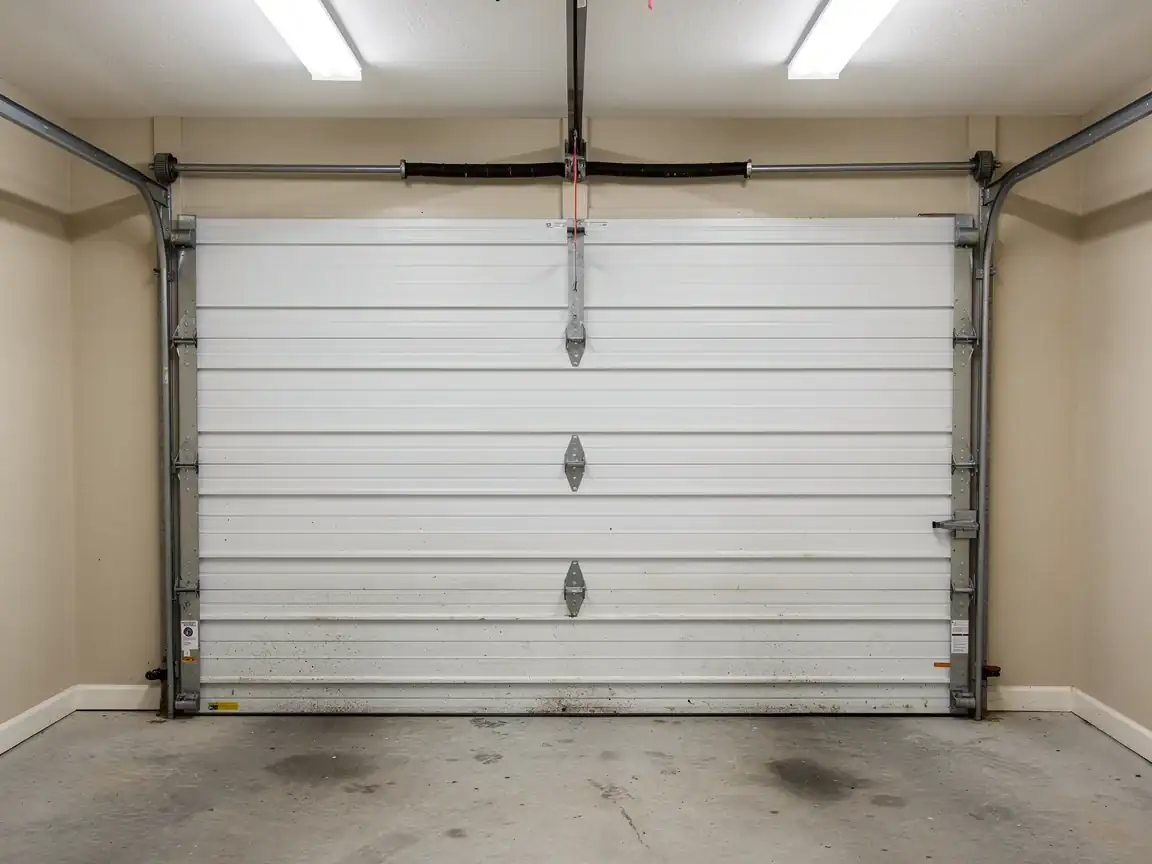
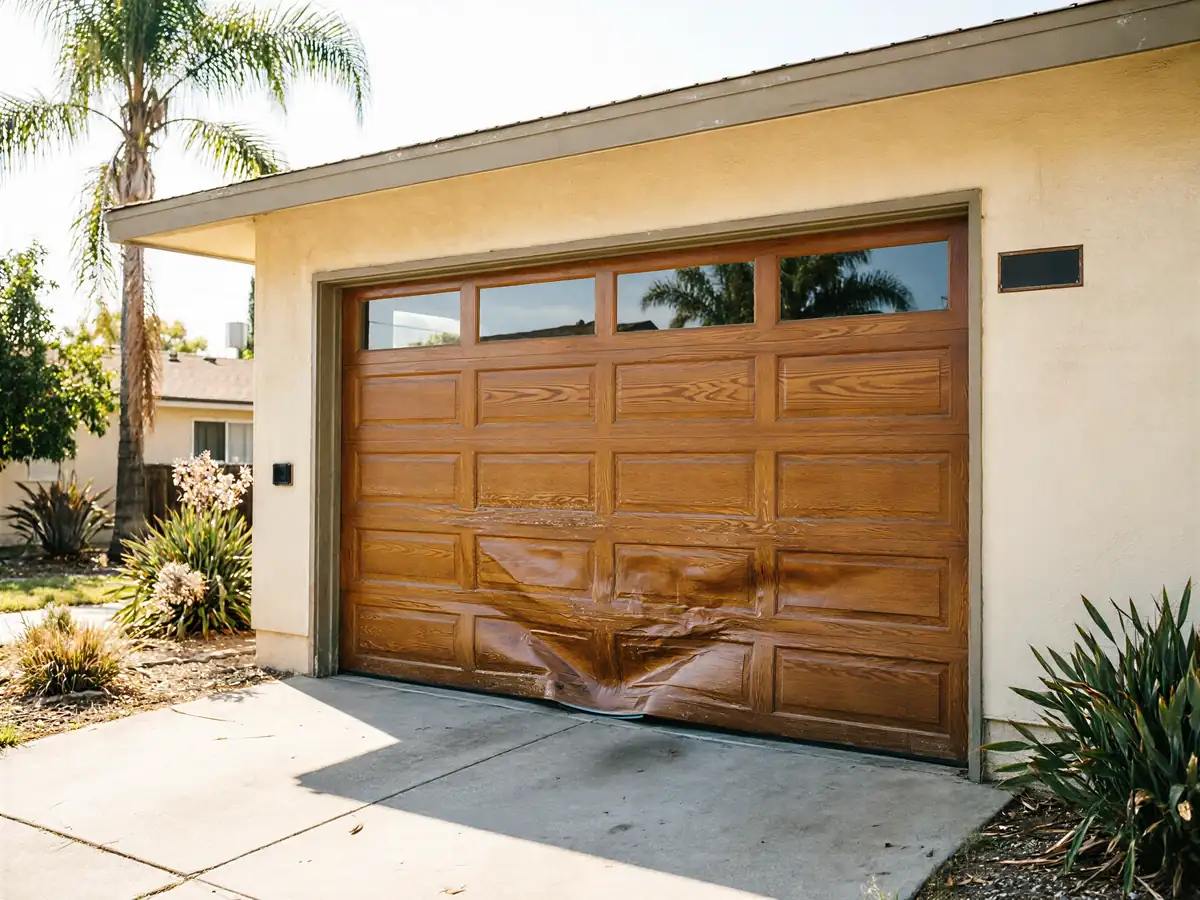
A door that looks like it's riding slightly crooked in the track, or that's started catching partway up, is also consistent with roller wear rather than a bigger structural problem, particularly on a door in the age range common to this suburb's housing. If the door is also sagging on one side or the cable looks frayed near the bottom roller, that's beyond a roller swap and worth a second look before anything gets reinstalled.