Can You Do This Yourself
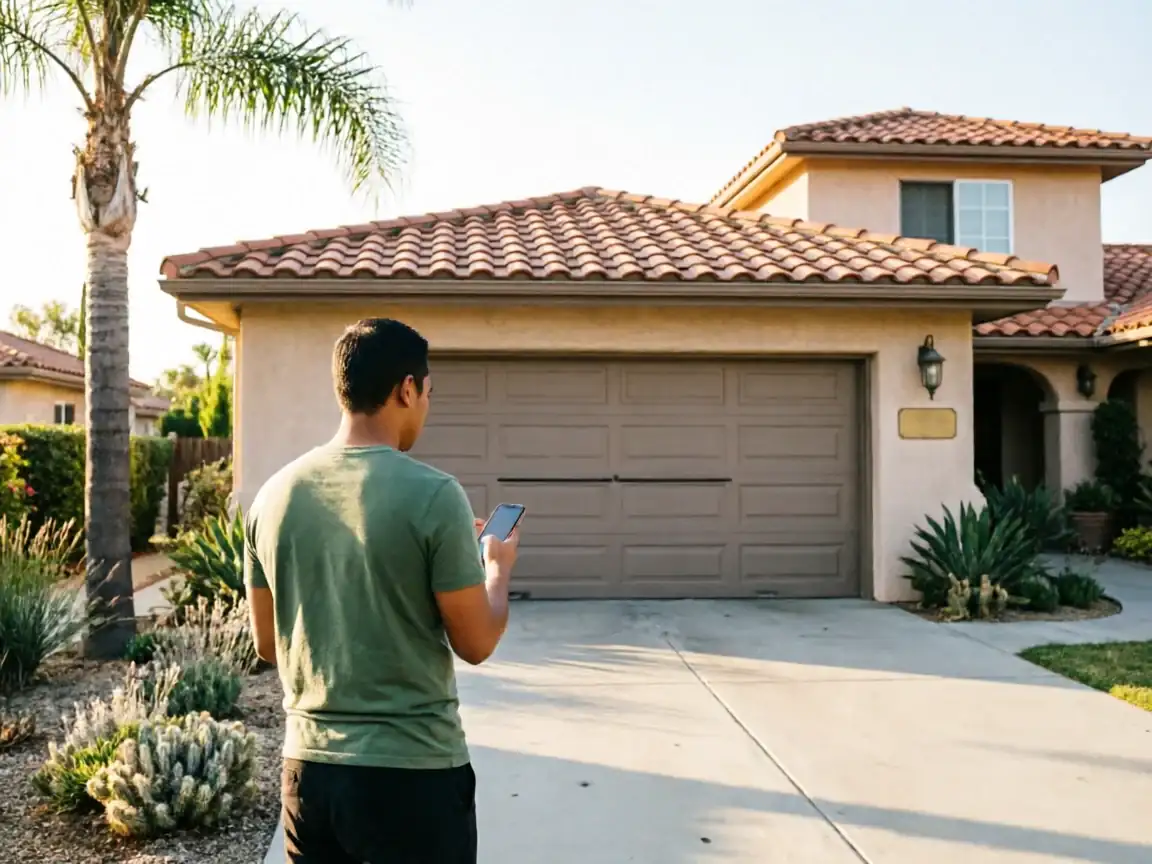
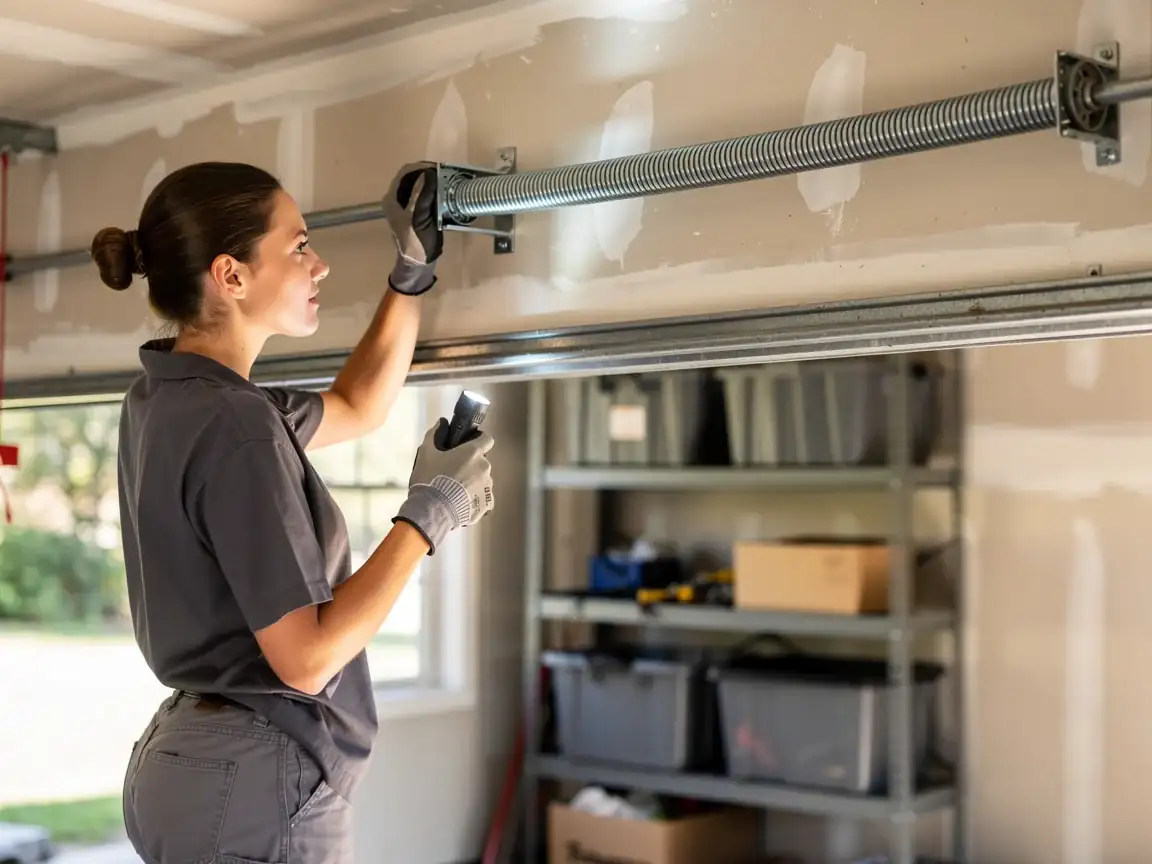
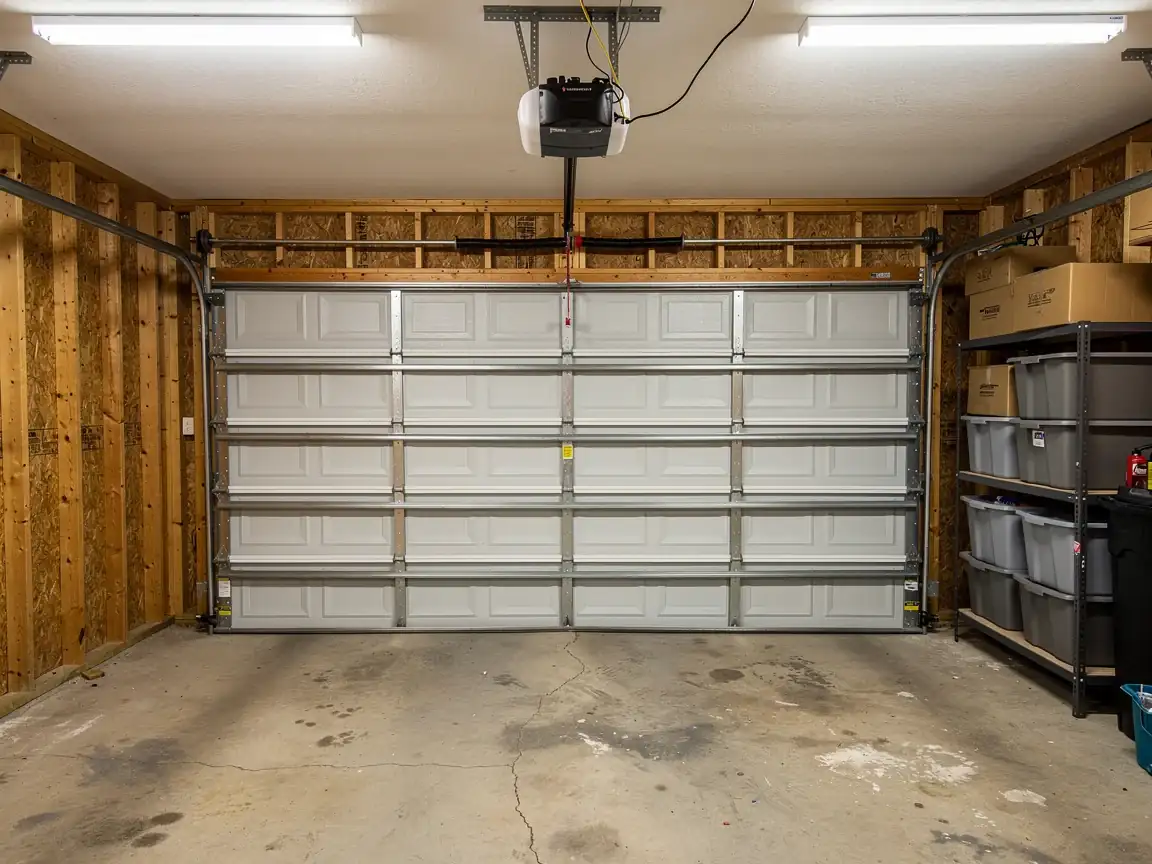
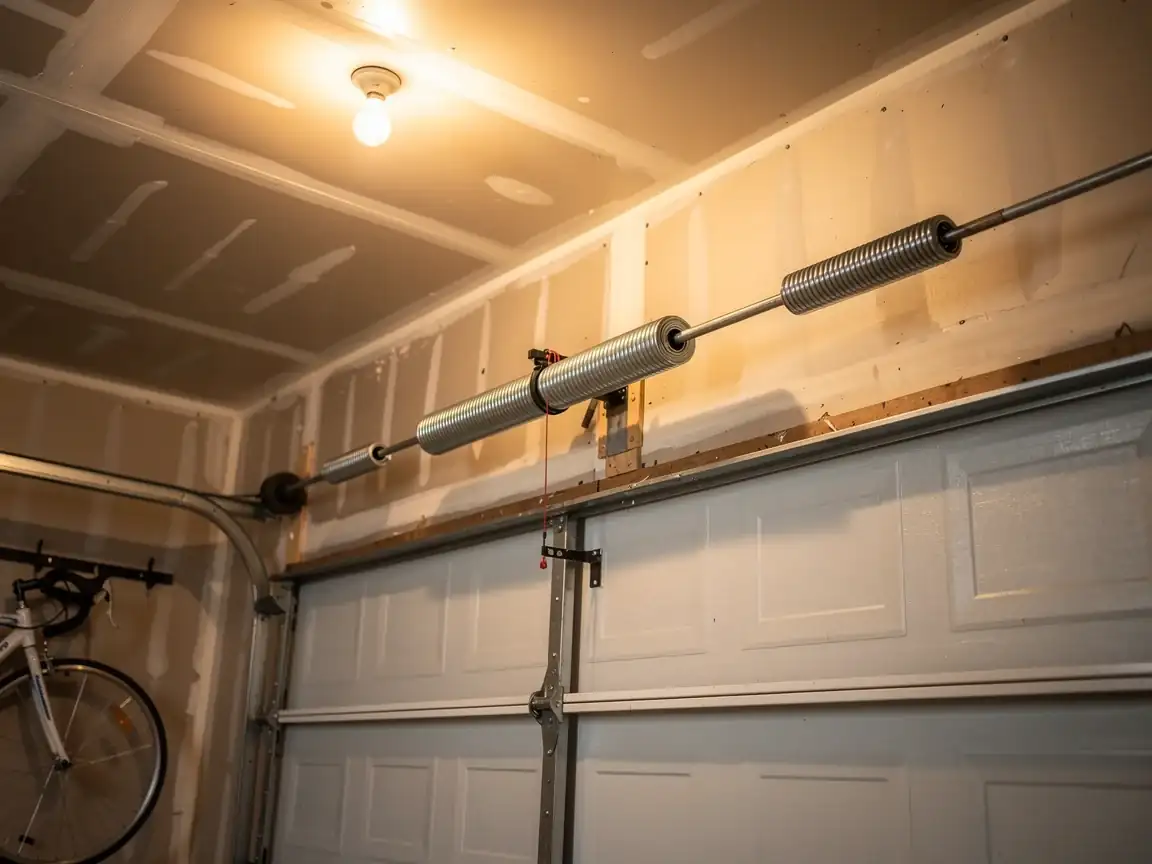
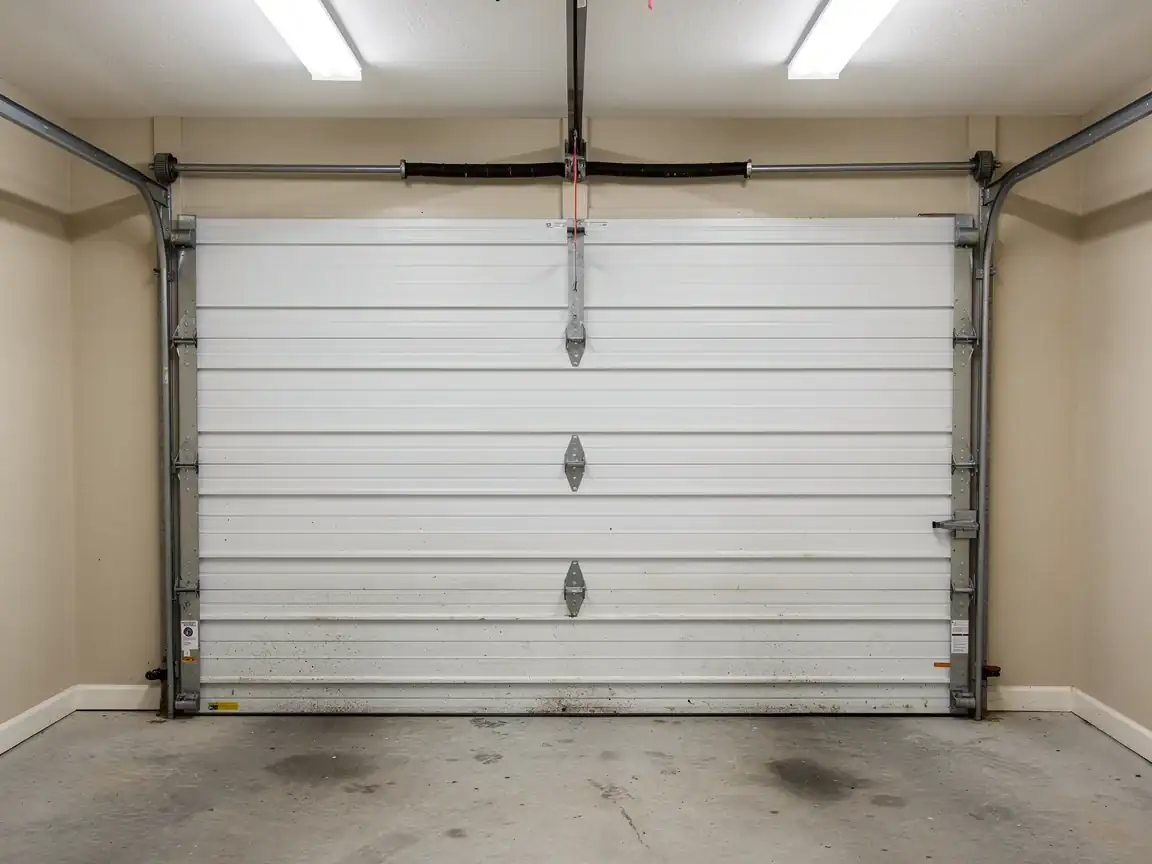
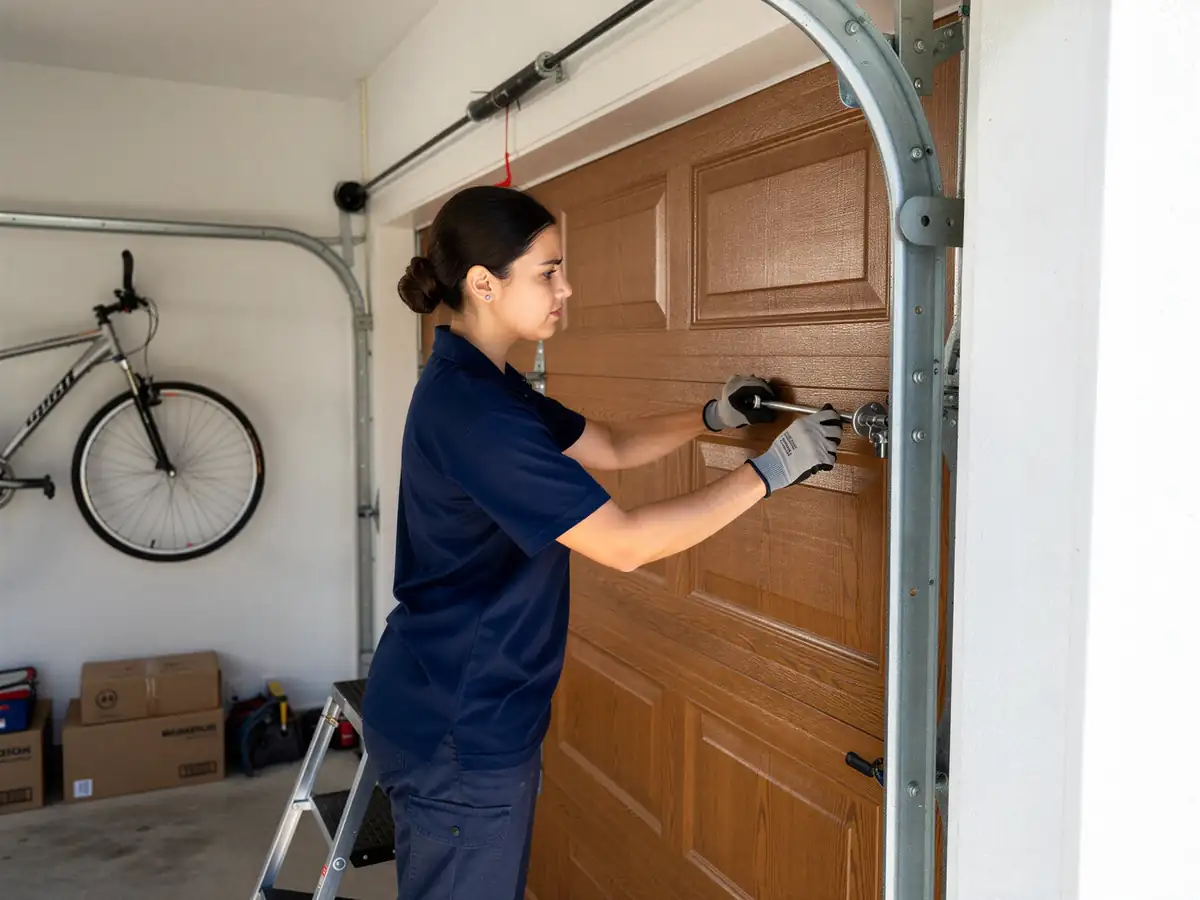
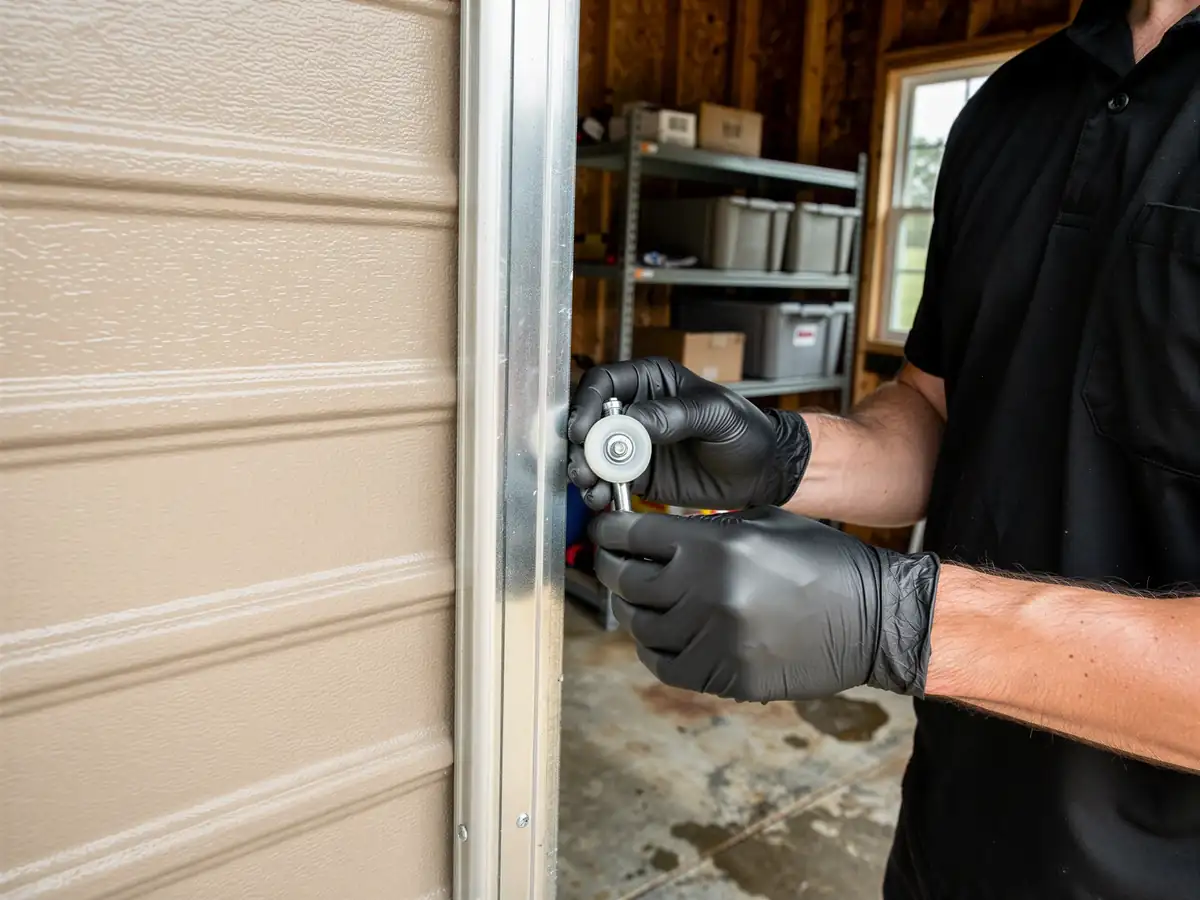
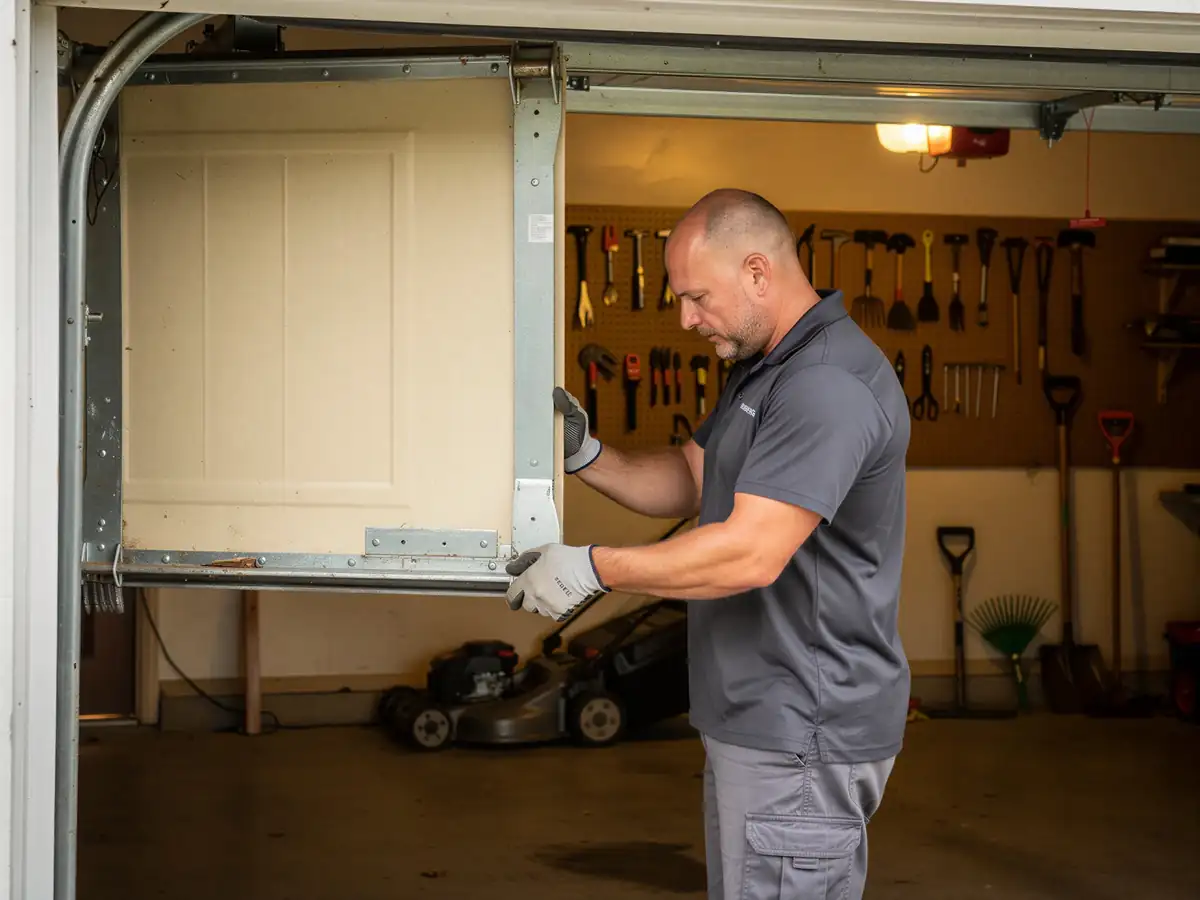
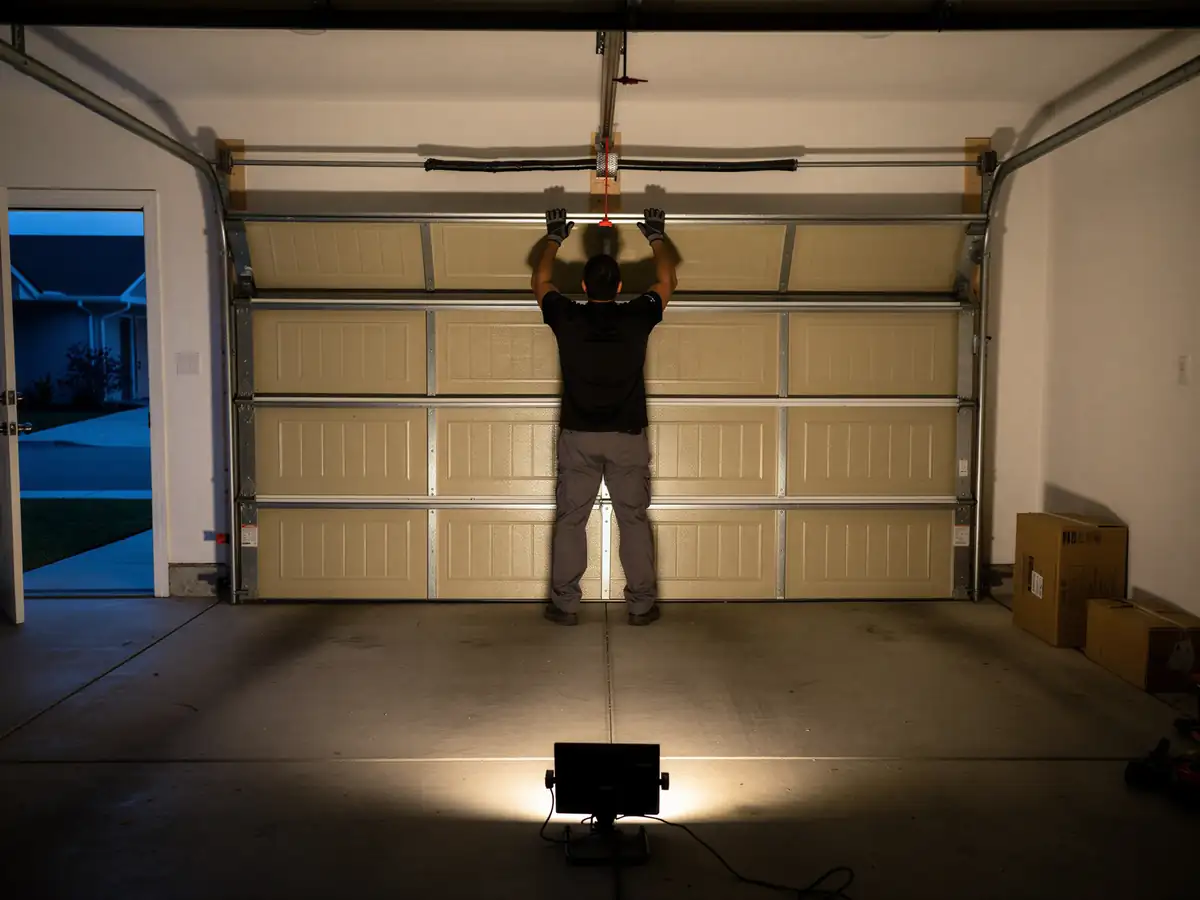
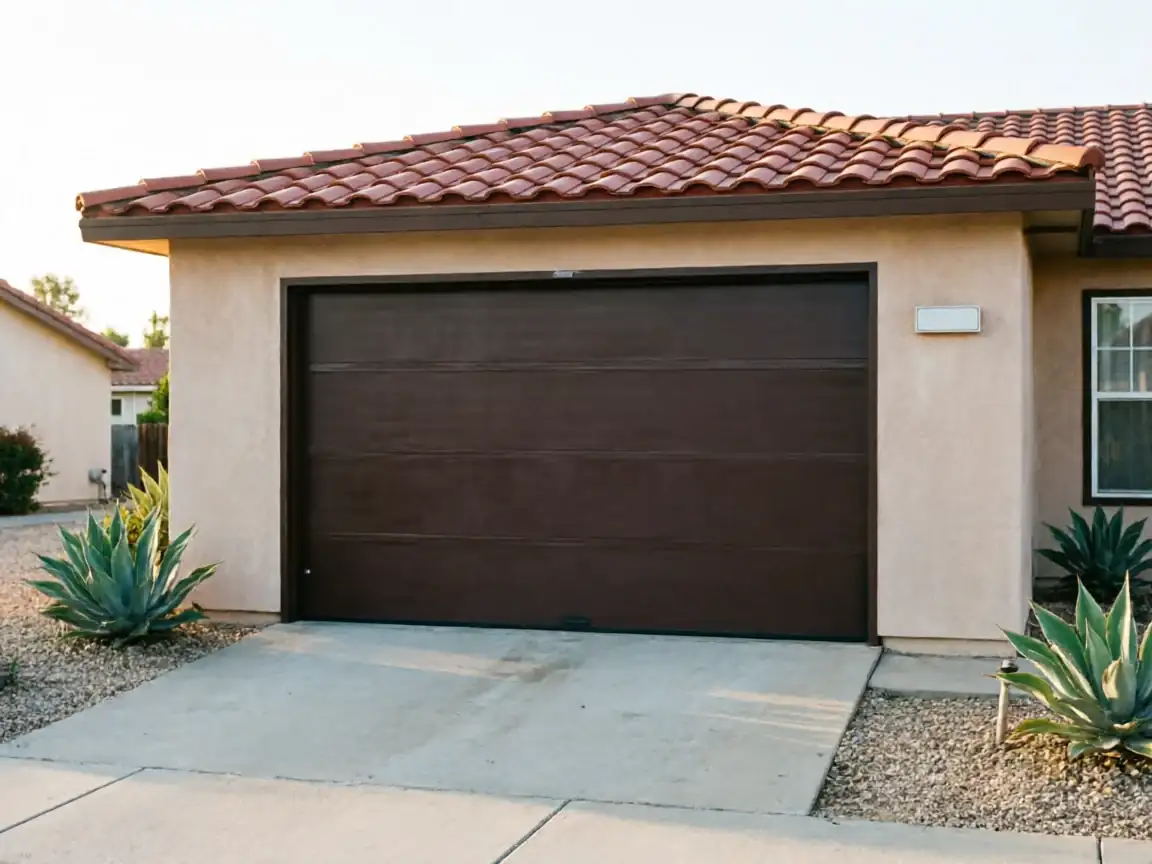
Most garage doors in American Canyon went up around 1996, during the city's main building push - well after the 1979 median across the wider Fairfield service area. That matters because these are factory-built steel sectional doors on torsion springs sized to code at the time of construction, not the single-panel or wood doors you still find in older parts of the service area. If your door is sticking, loud, or slow to open, some of it you can handle: wipe down and lubricate the rollers and hinges, check that the tracks are free of debris, and swap worn weatherstripping along the bottom. What you should not touch is the torsion spring itself. A door this size holds real stored tension in that spring, and the tools to wind or unwind it safely aren't something most garages have lying around. We've seen plenty of self-inflicted injuries from homeowners trying it with a pair of vice grips and a ladder. If the opener's logic board is throwing error codes, that's also not a DIY fix - those boards are proprietary to the opener brand and year, and guessing wrong can fry the unit.
What Causes It Around Here
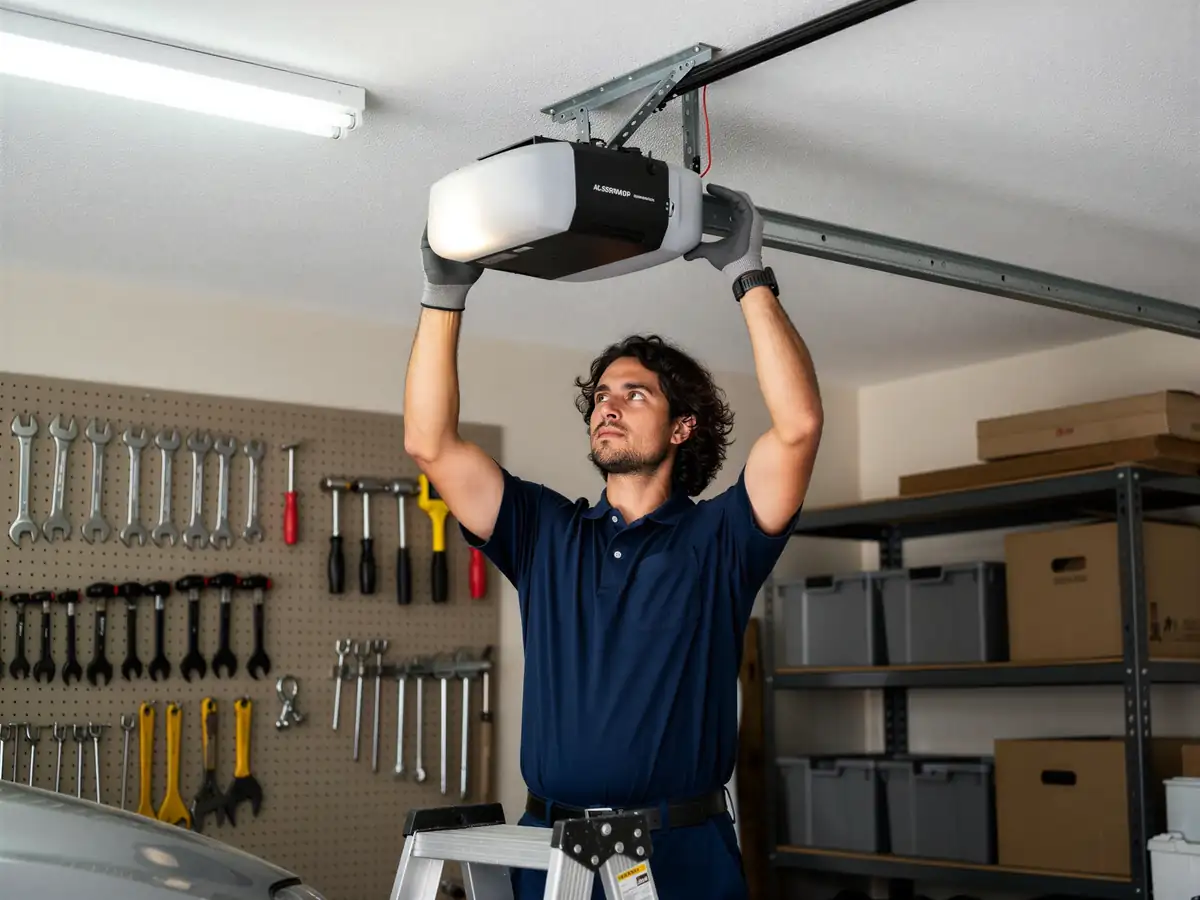
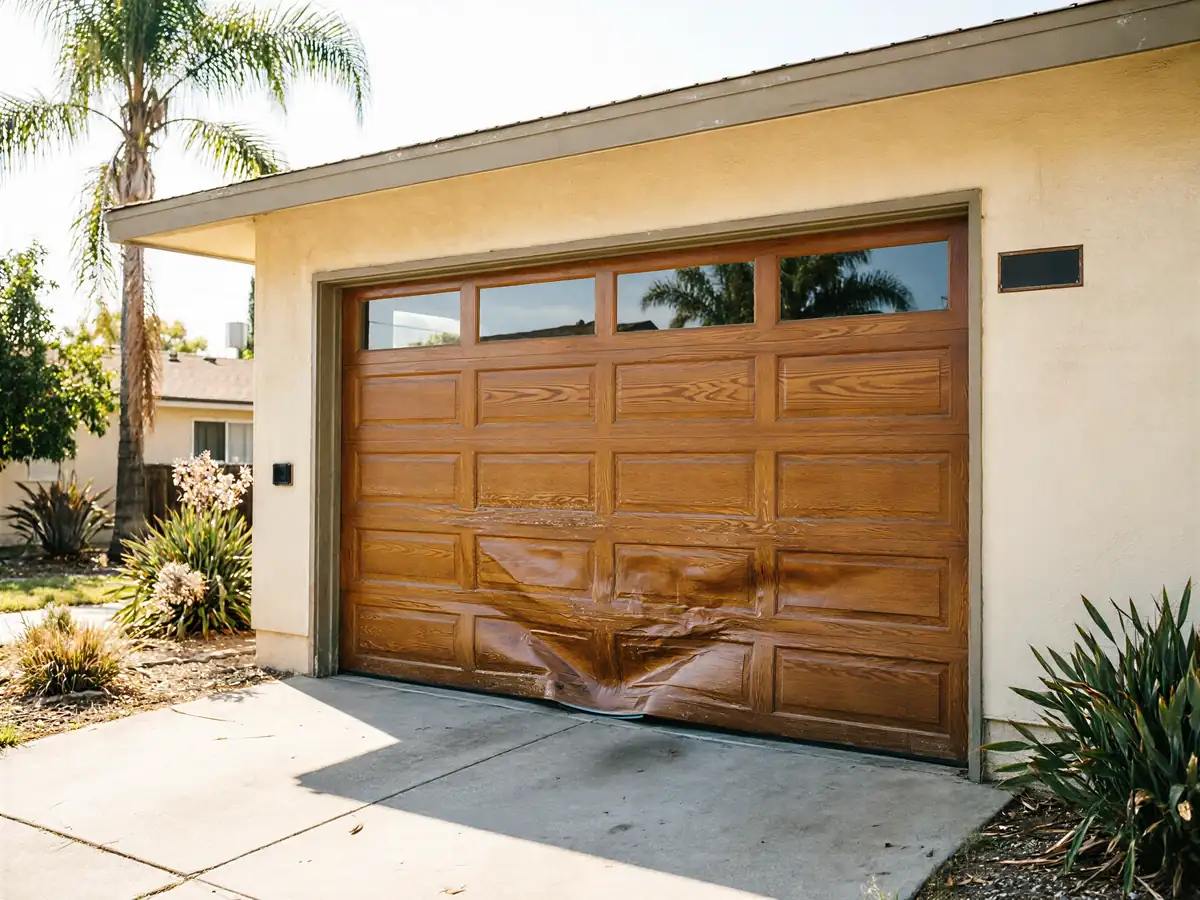
The climate through this part of the service area stays mild - no deep freezes, no extreme heat swings - so we don't see the cracked panels or warped wood sections that show up in harsher climates. What we do see in American Canyon is wear tied to the age of the original installs. Openers put in when these tracts were built in the mid-1990s are now 25 to 30 years old, past the point most manufacturers expect them to last, and circuit board and logic board failures are the most common call we get from this part of town. Springs holding up original steel sectional doors are also reaching the end of their rated cycle count around now, which shows up as a door that's suddenly harder to lift by hand or an opener straining on every cycle. None of this is storm damage or foundation settling - it's just hardware reaching the natural end of its service life at roughly the same time across a whole neighborhood built in the same few years.
How Long It Takes
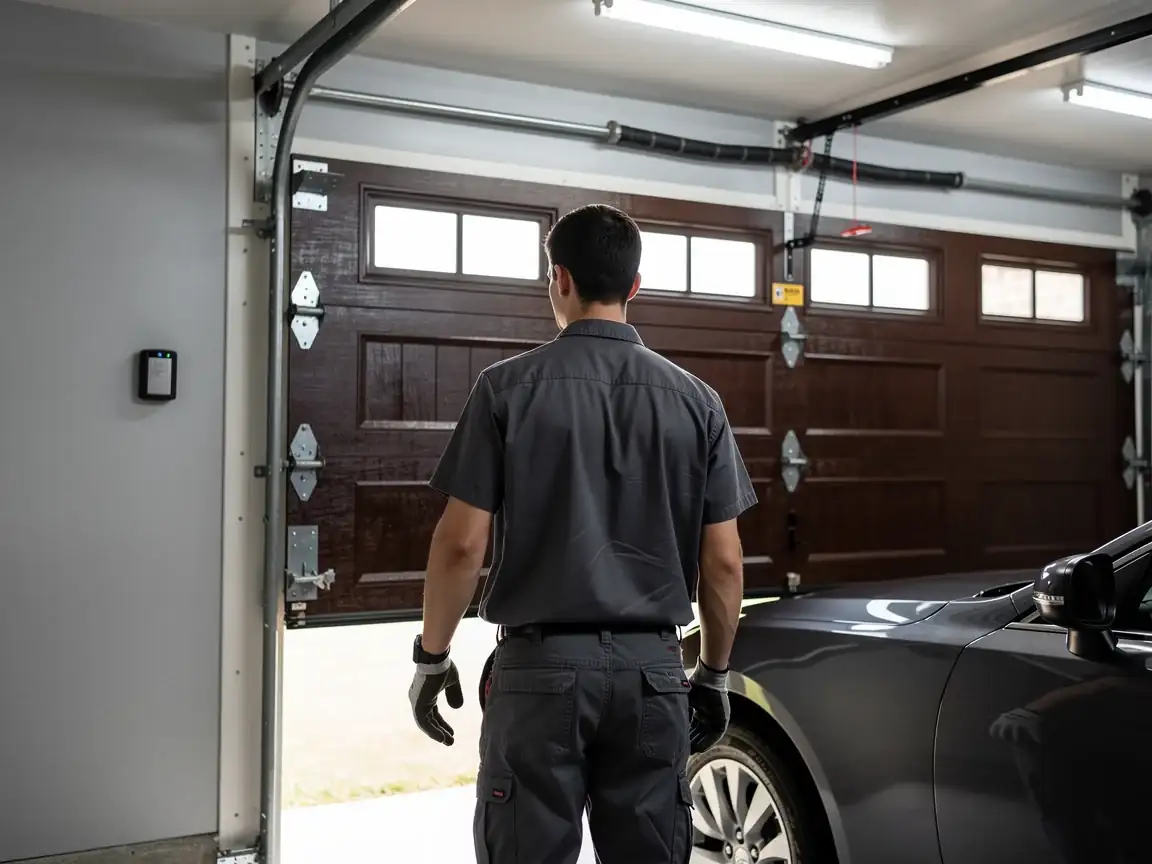
A straightforward torsion spring replacement on one of these doors usually takes under two hours once we're on site. Opener repairs vary more - if the fix is a sensor alignment or a worn drive gear, that's quick; if it's a dead logic board and we don't have the matching replacement on the truck, you're looking at a return trip once the part comes in. Because we're routing from Fairfield rather than keeping a crew stationed in American Canyon, we build the 14-mile drive into how we schedule the day, which means we're not always the fastest same-day option for a single stuck door - we're straightforward about that rather than promising a window we can't hit. For anything involving a full door replacement rather than repair, measuring, ordering, and installing a new steel sectional door typically spans more than one visit.
What You Are Seeing
If your door is a steel sectional panel set installed sometime after 1996, the symptoms you're noticing usually point to one of a short list of things. A door that's suddenly heavy to lift by hand, or that an opener strains against on every cycle, points to a torsion spring losing tension. Grinding or popping during travel usually means a roller assembly is wearing out, not the track itself. An opener that runs but won't fully close, or that reverses partway up, is often a sensor alignment issue rather than a motor failure. Across American Canyon's roughly 5,897 households, in a pocket of the service area built mostly in a tighter window than most, we tend to see these failures clustering by age rather than by weather - doors from the same few build years failing for the same reasons within a year or two of each other. That pattern is useful: if a neighbor on your street just replaced a spring, yours may not be far behind.