The Complications
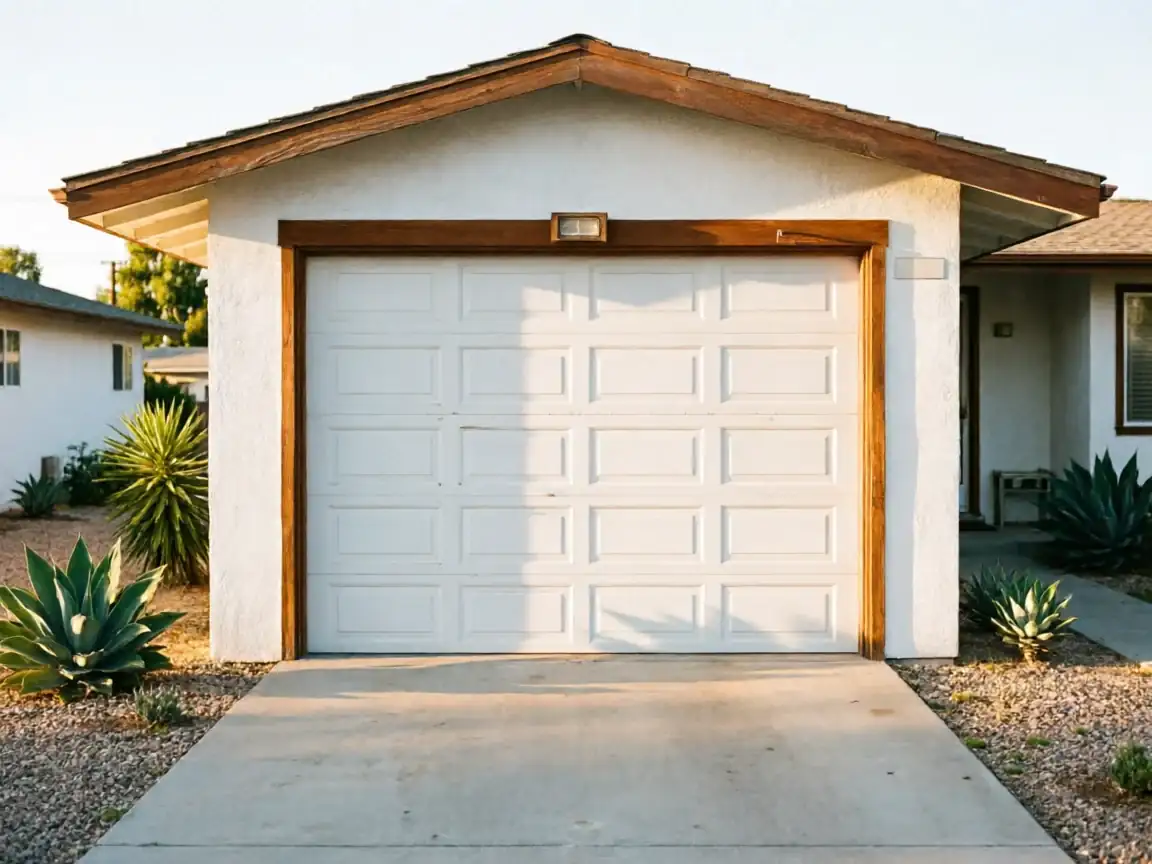
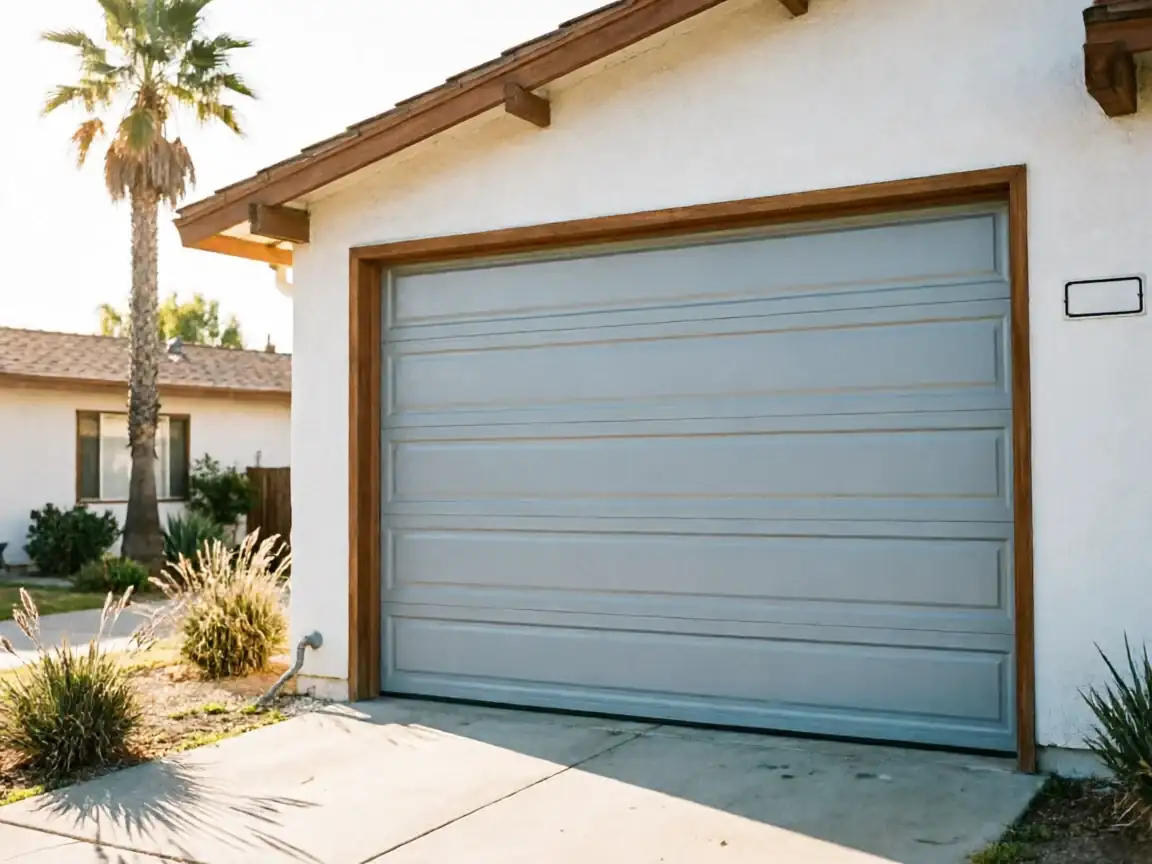
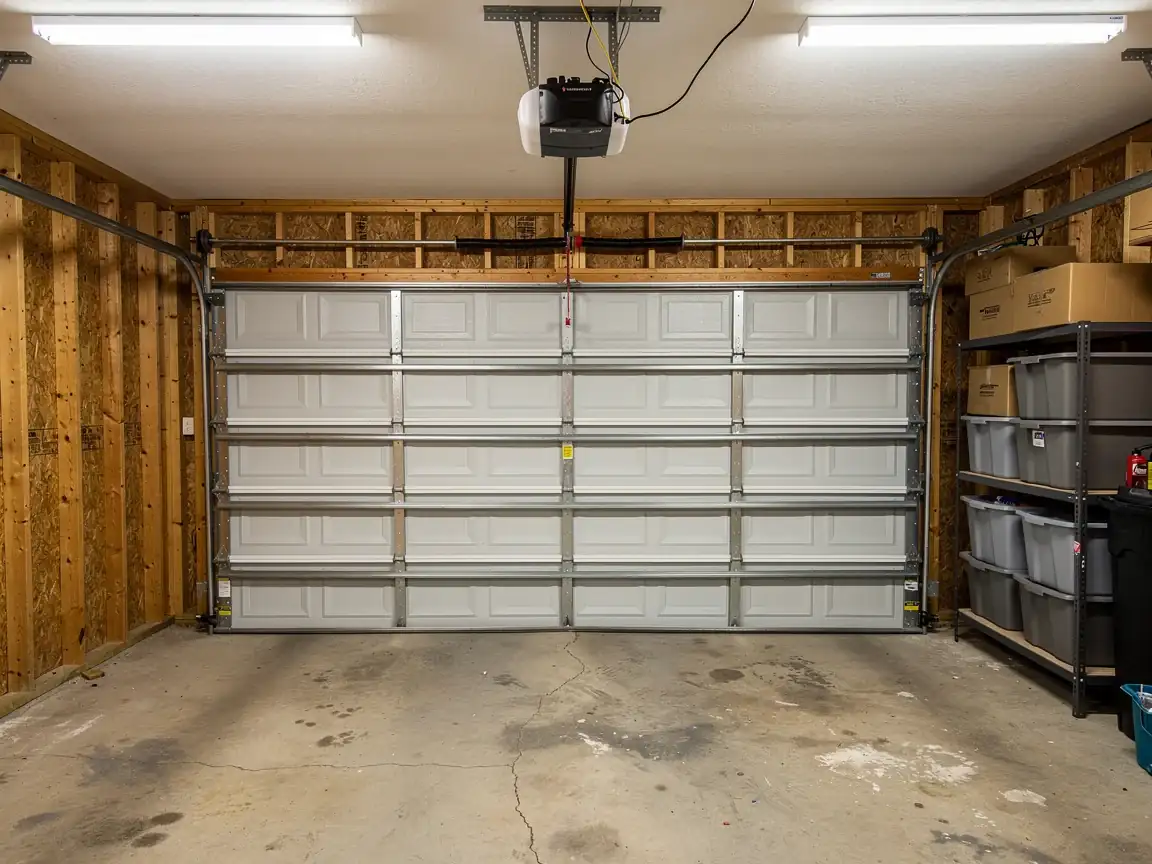
Most of the breakdown calls we get from this side of the hill trace back to the same thing: a door that's been doing its job quietly since the house was built, and a build year that sits right around 1974. That's older than a lot of what we see closer to Fairfield, where the broader stock runs 1938 to 2002 with a median near 1979. A door and opener installed in the mid-70s has usually been through two or three openers but still has its original track and hardware, because nobody tears out a working track.
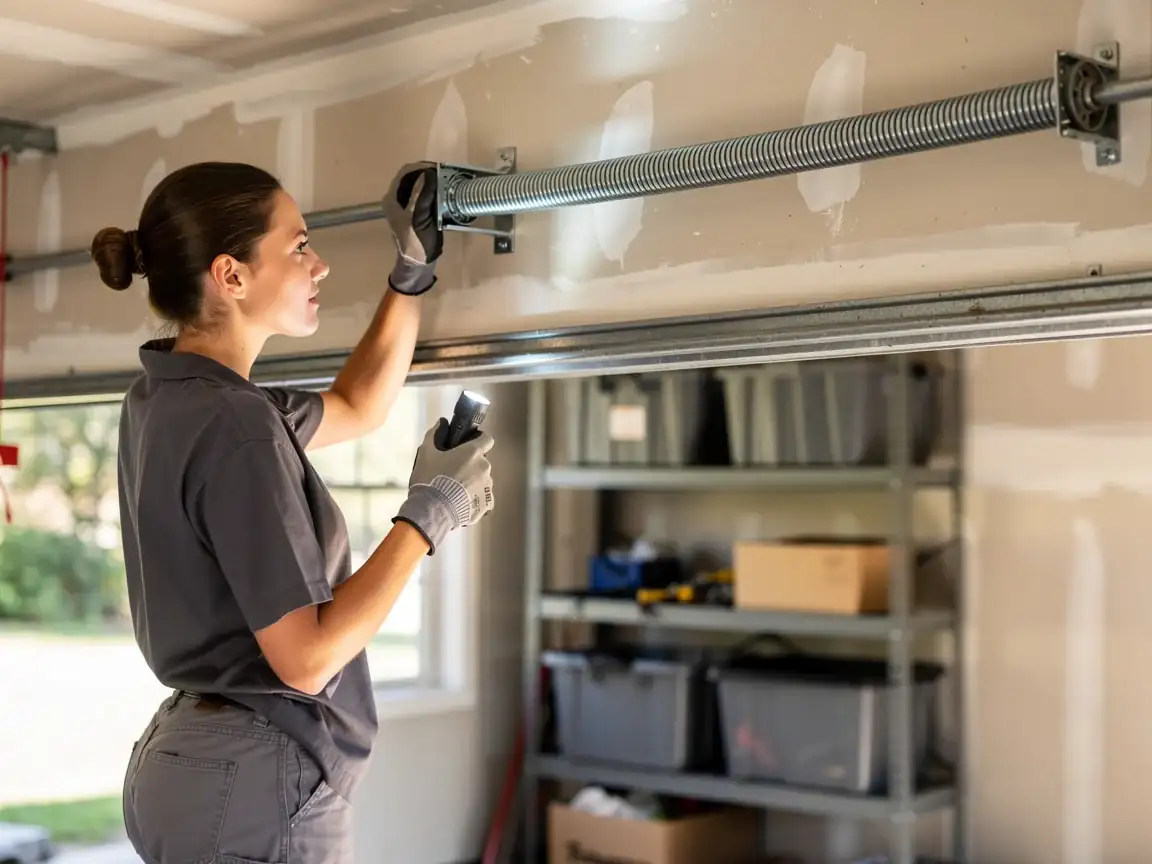
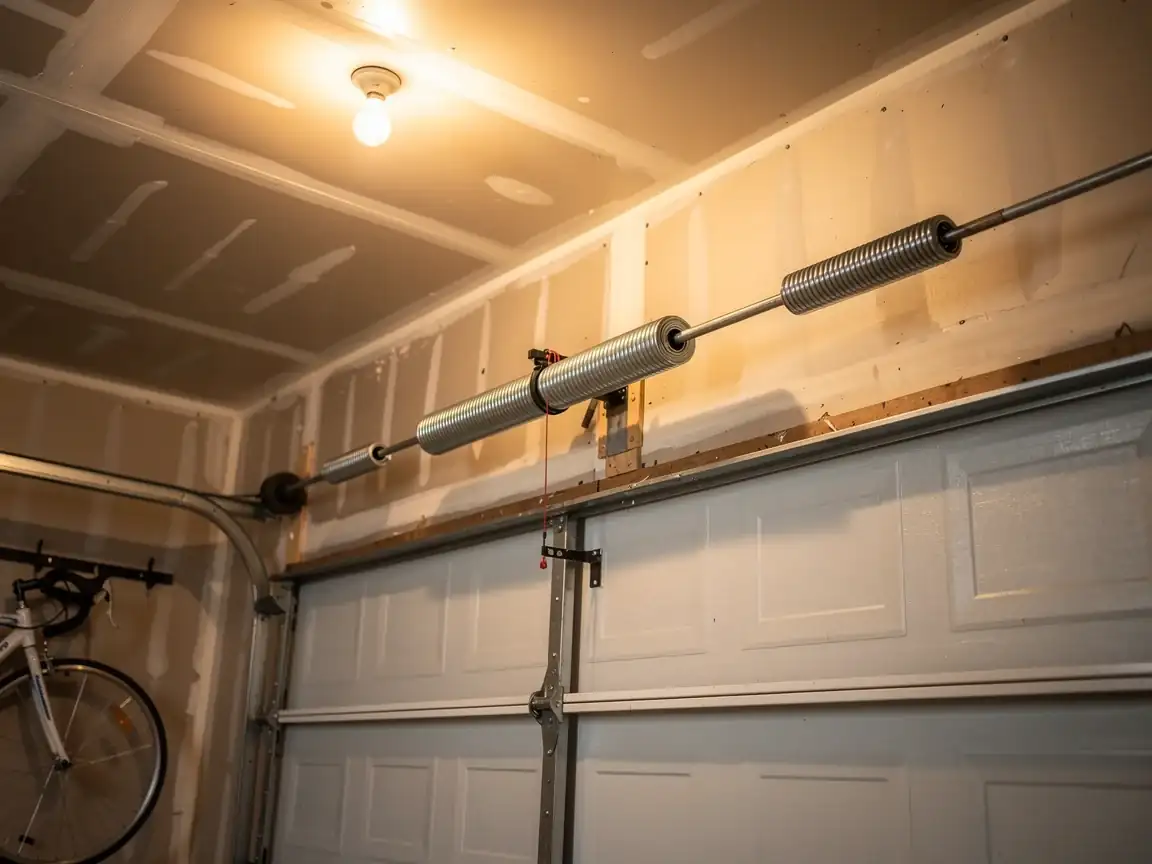
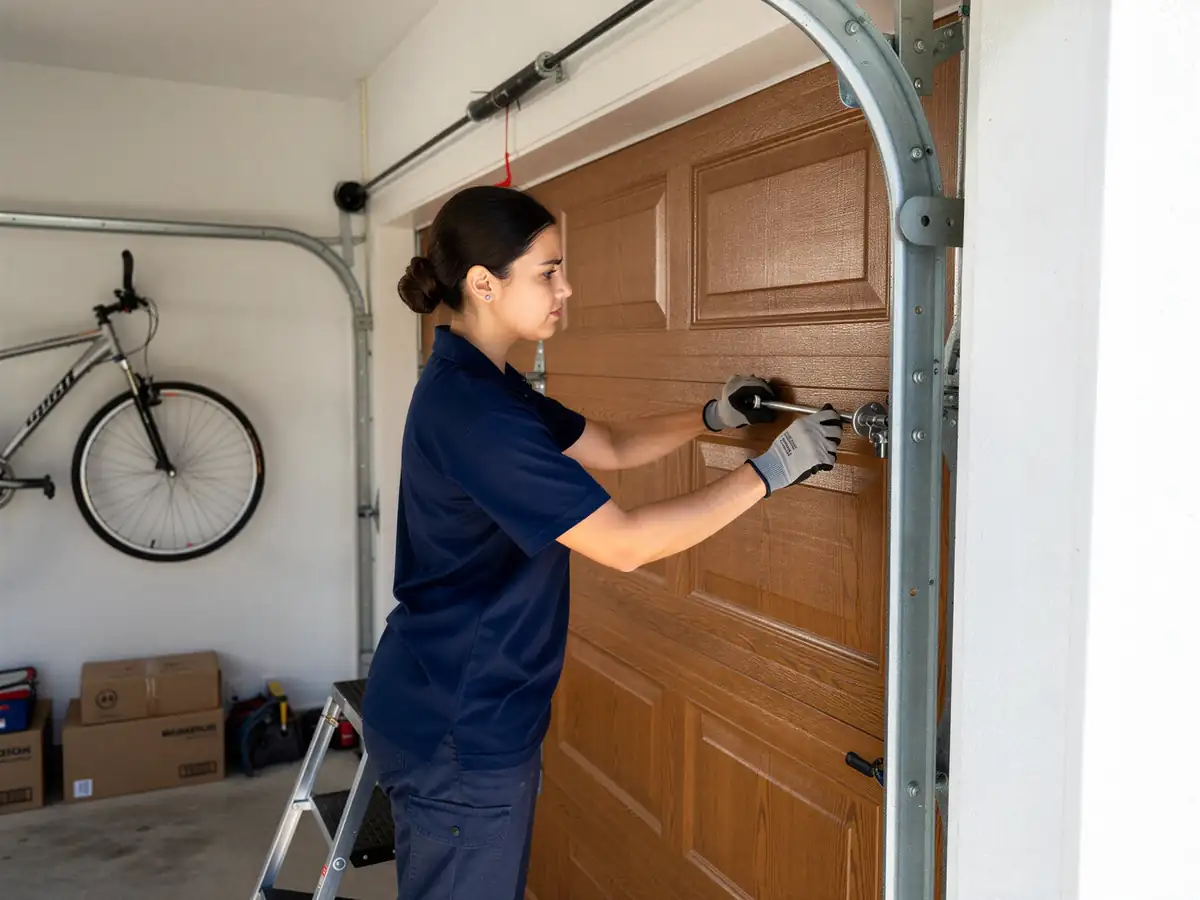
When that hardware finally lets go, it tends to go all at once. A torsion spring that's cycled for fifty years doesn't fray, it snaps, usually on a cold morning or after the door's been run hard. The cable on the other side is just as tired, and if one side fails, the other is close behind. We also see brackets that were installed to a spec that predates the lighter-gauge steel doors sold today, which means a straight swap-in part doesn't always fit square. None of this is exotic. It's just old, and old parts fail on their own schedule, not yours.
Can You Do This Yourself
If the door won't move and the opener light is blinking, you can usually rule out the easy stuff yourself
Check that the opener is plugged in, check the manual release hasn't been pulled, check nothing is sitting in the photo-eye path. That takes five minutes and costs nothing.
What you should not do is touch a torsion spring or the cables wound around it
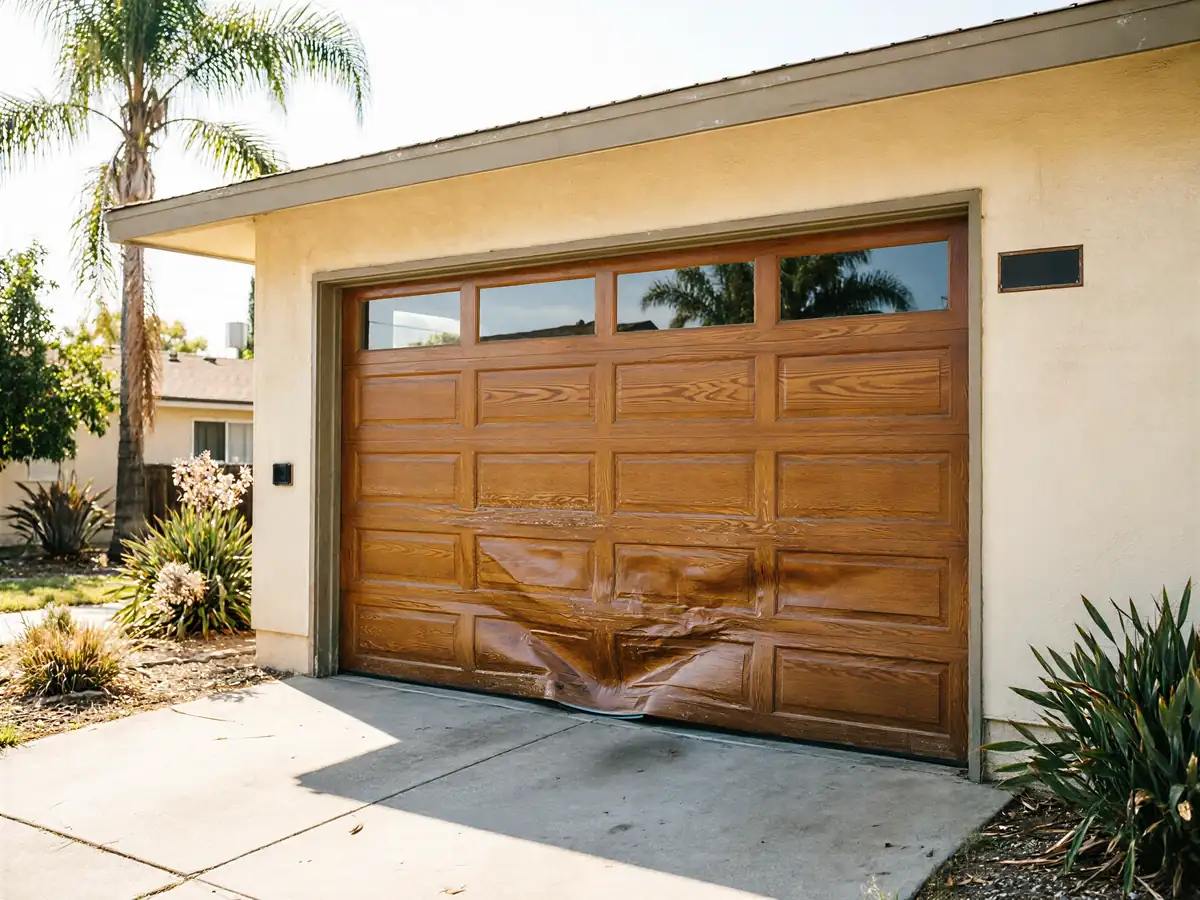
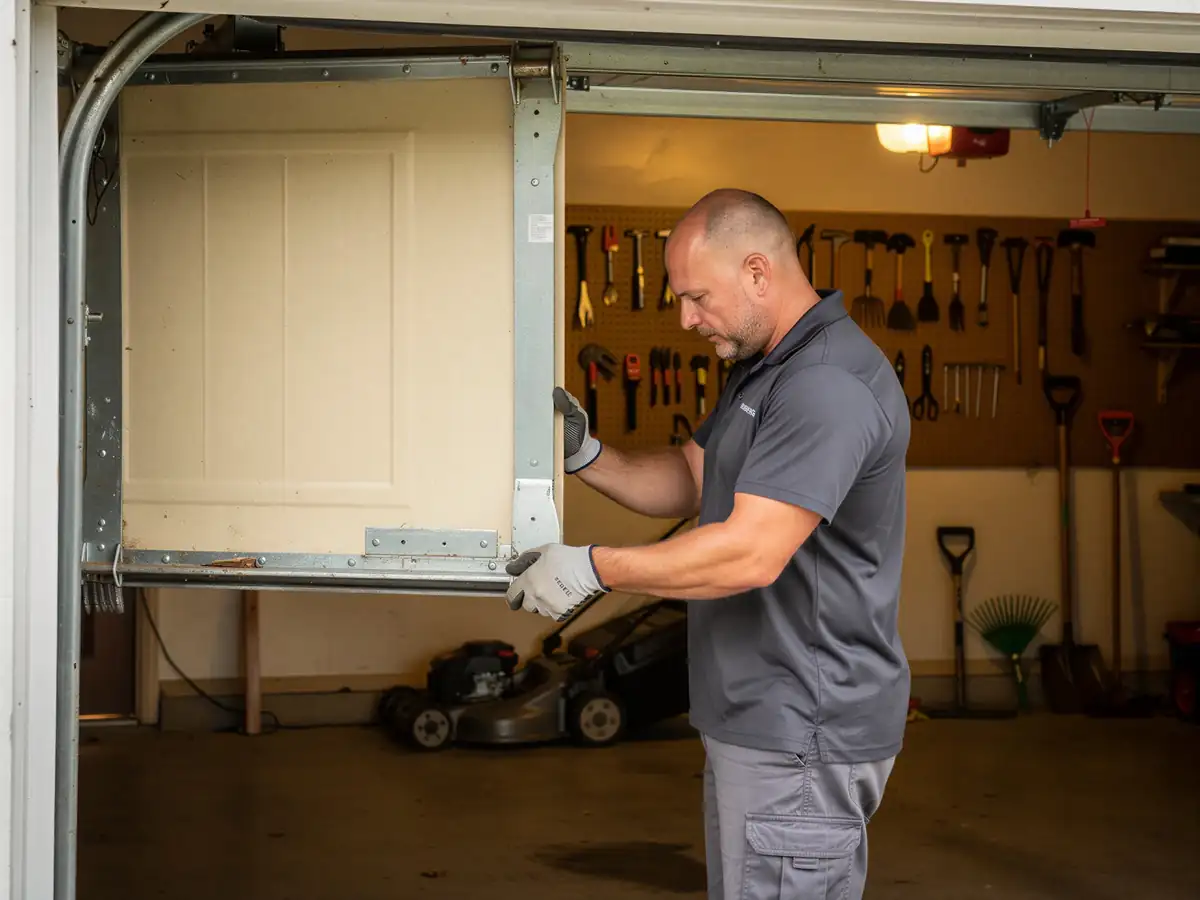
A broken spring on a door this age is under real tension, and the bracket it's mounted to may be fifty years old and not rated for anyone to be working near it without the right bars. We'd rather you call and wait than open that cabinet yourself. If a panel is just dented or a roller's come off track, that's a smaller job and more forgiving to leave alone until we get there - just don't force the door with the opener engaged.
Parts We Carry
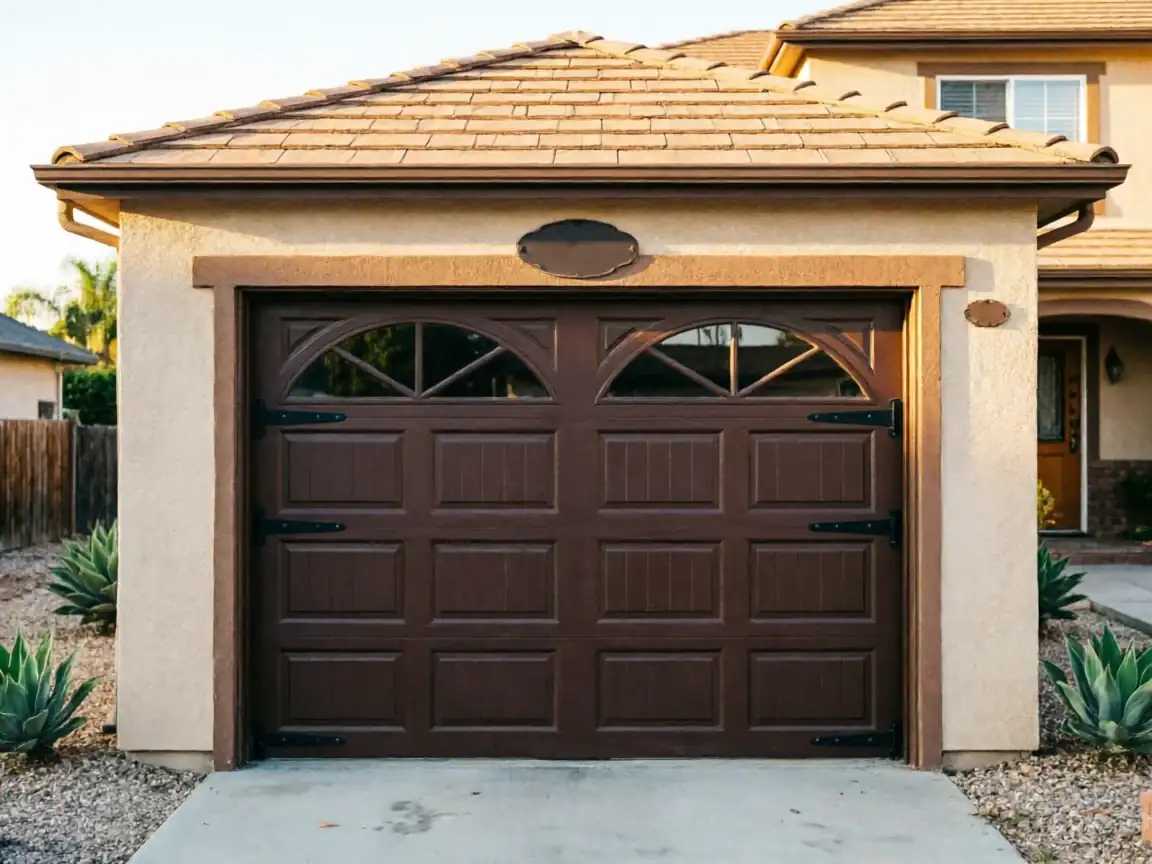
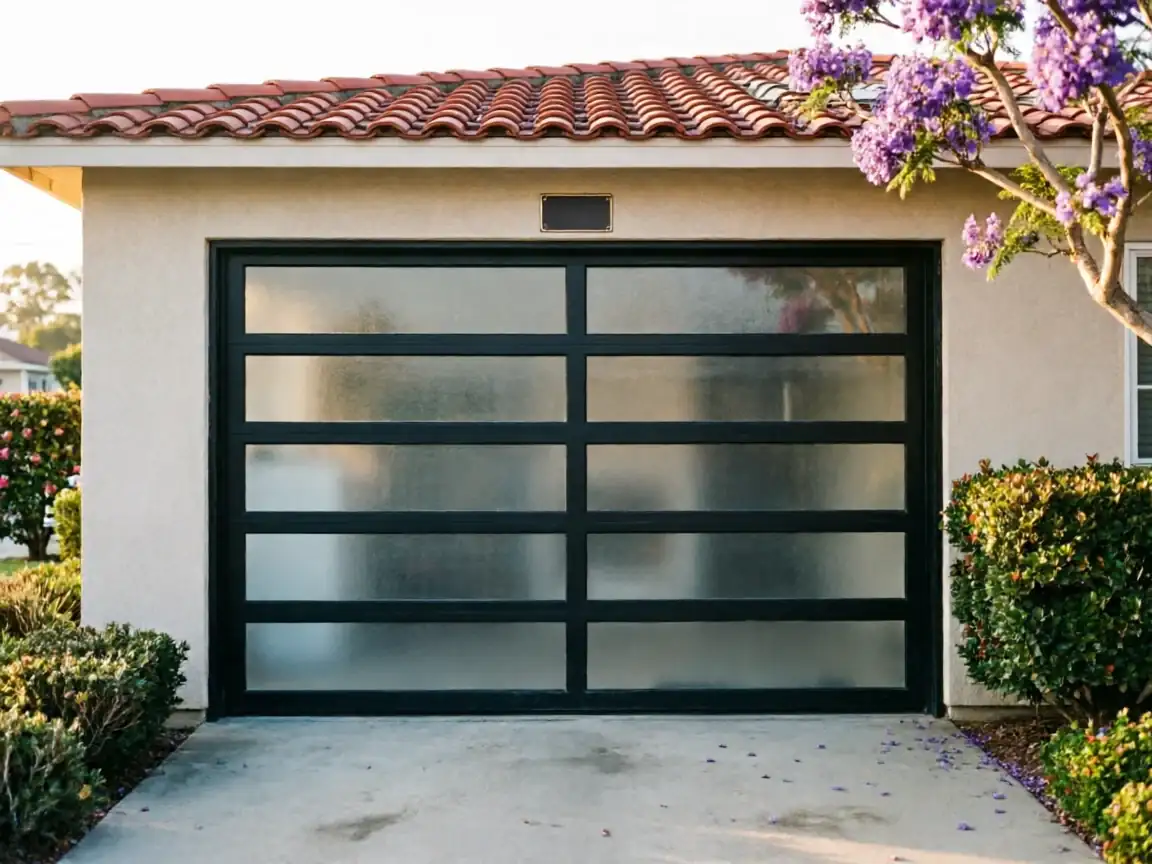
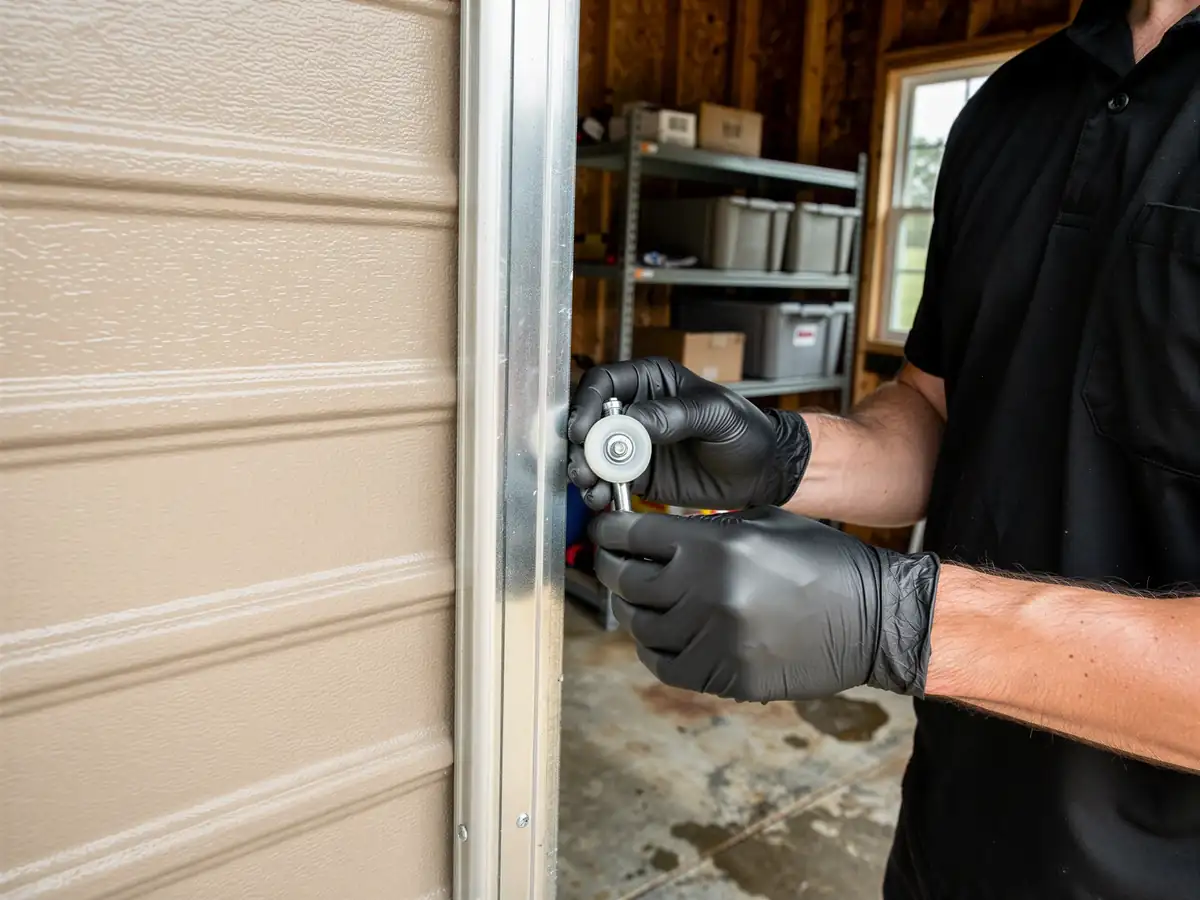
We stock torsion springs and extension springs sized for the openings common on homes built through the 1970s, along with standard-lift cable and the galvanized rollers that replace the originals without needing a bracket swap. Where we run into trouble is the first-generation steel doors themselves - 1970s panel profiles aren't made anymore, and a cracked or badly dented panel from that era sometimes has to be special-ordered or the whole door replaced rather than patched, since a mismatched panel looks worse than the dent did.
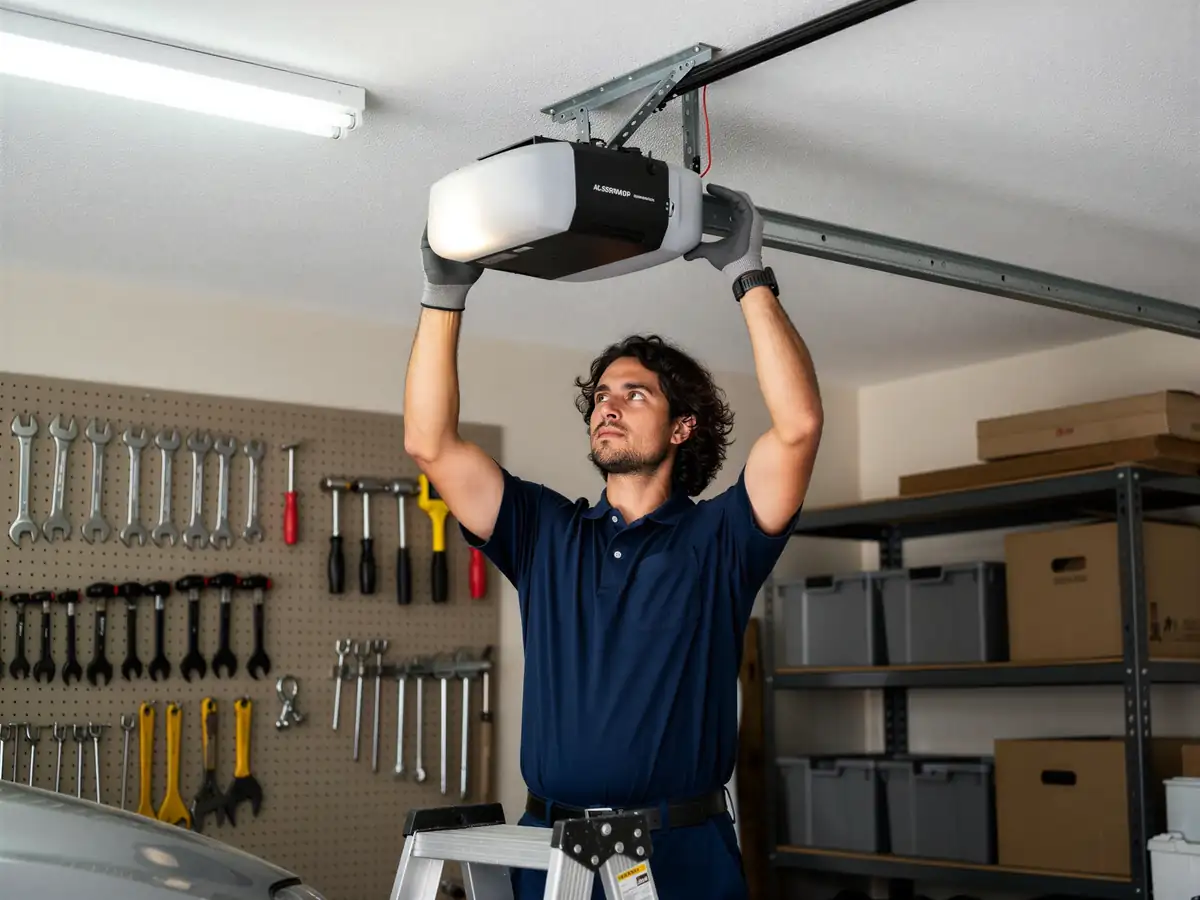
We carry opener logic boards and travel modules for the mid-range residential openers that replaced most original chain-drives out here, plus the safety sensors that didn't exist on the earliest installs and often get added during a repair. We travel from Fairfield, about 7 miles out, with this stock already on the truck rather than ordering after we've seen the job.
What You Are Seeing
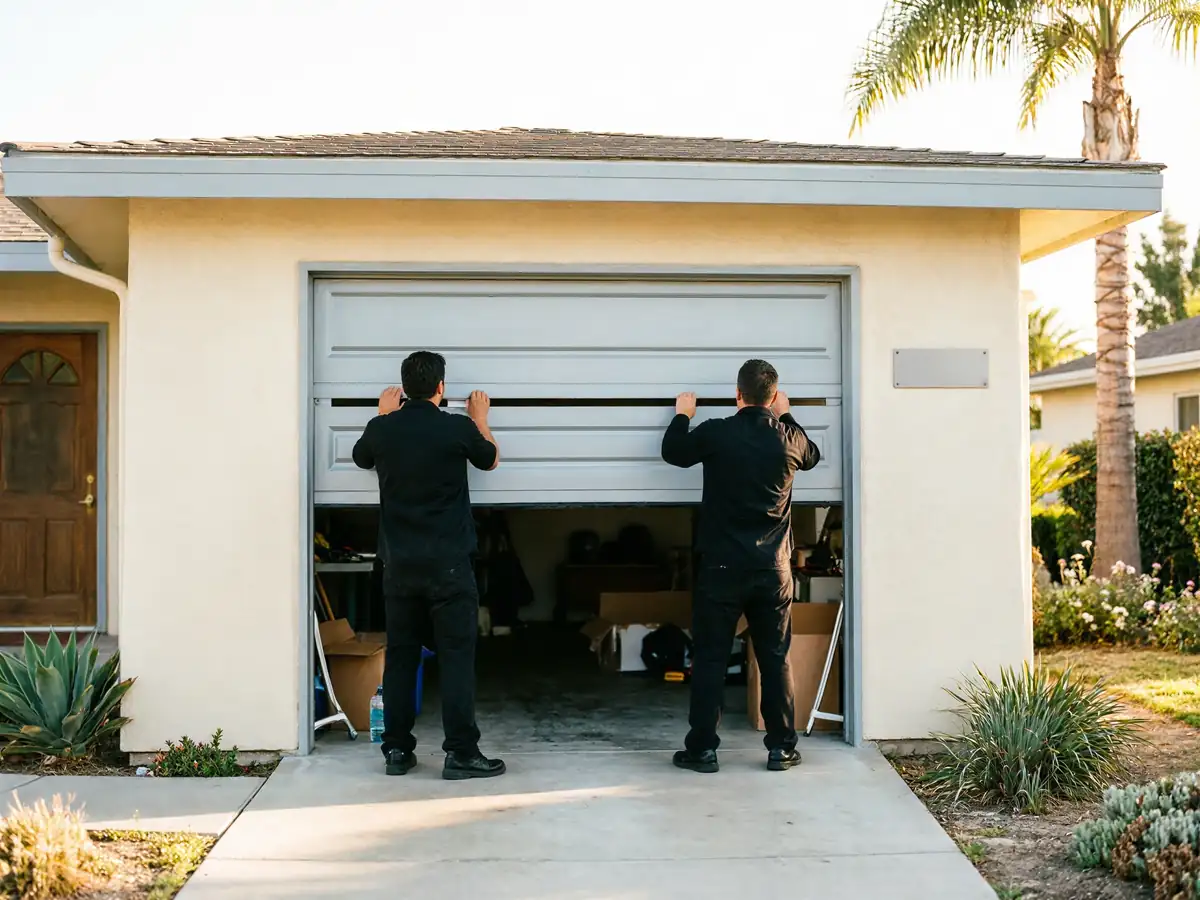
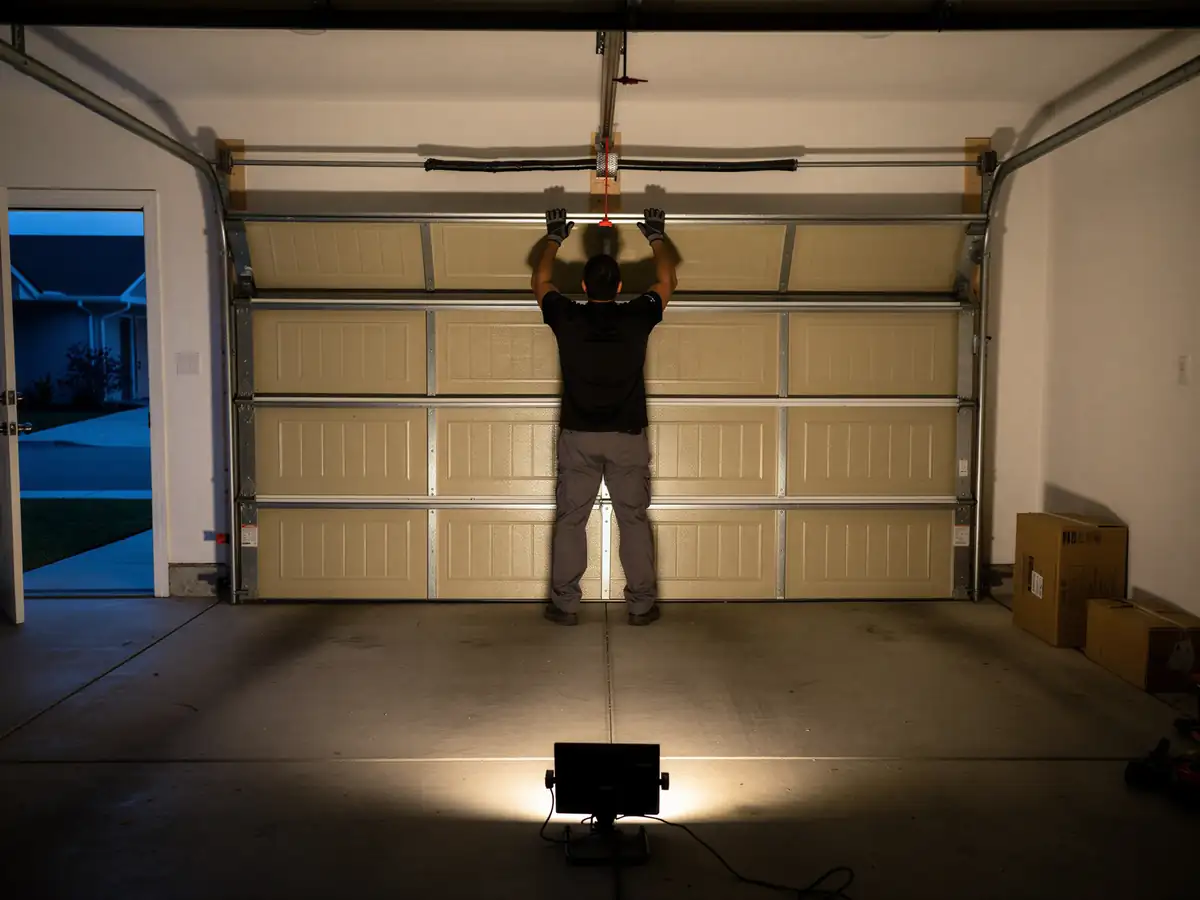
A door that reverses halfway up, then slams back down, is almost always a spring that's lost tension - not an opener problem, even though the opener is what's straining. A door that's dead silent and won't budge, opener light on, usually means the spring already broke and the opener has nothing to lift against. If you hear a loud bang from the garage and then the door won't open at all, that's the spring letting go, and it's common enough on houses from this build year that we treat it as the first thing to check, not the last.
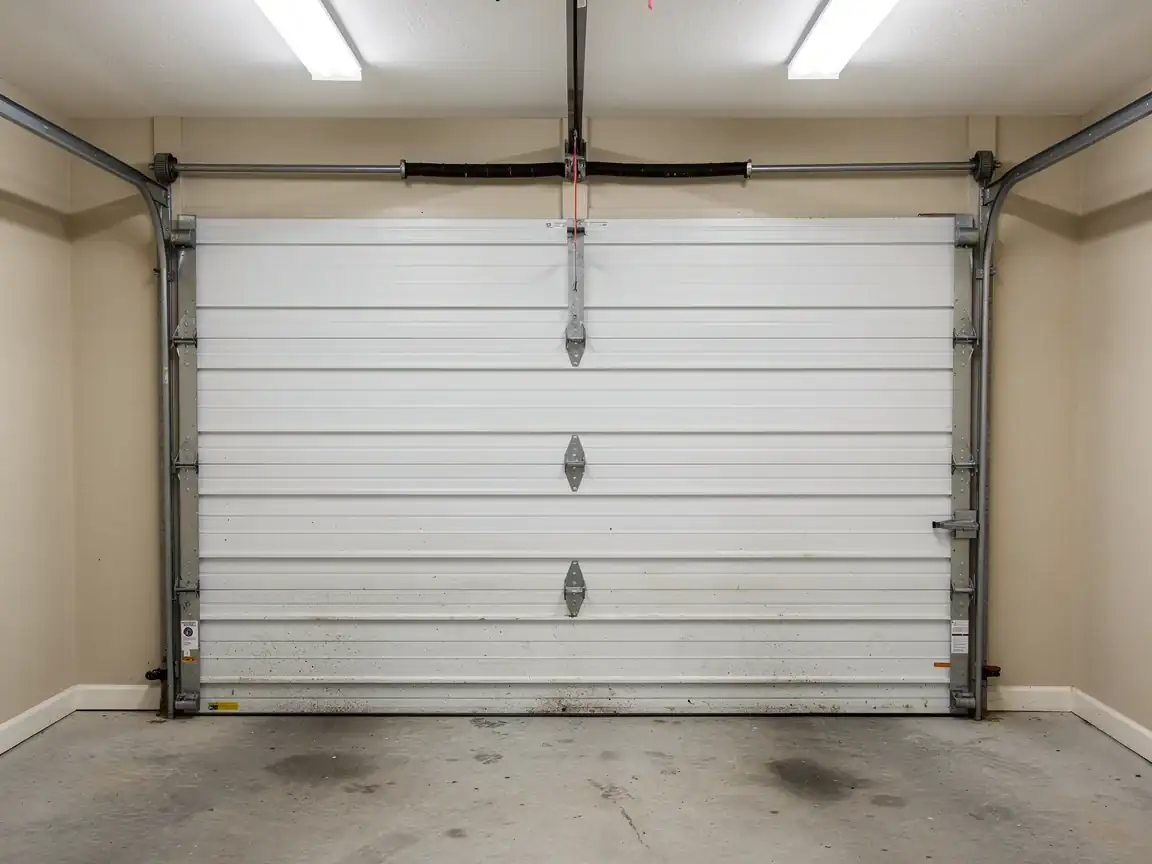
A door that drifts down a few inches after you've closed it, or hangs crooked on one side, points to a cable that's stretched or slipping off its drum - frayed strands near the bottom bracket confirm it. None of these are safe to force past with the opener; forcing it usually turns a spring job into a spring-and-track job.