The Complications
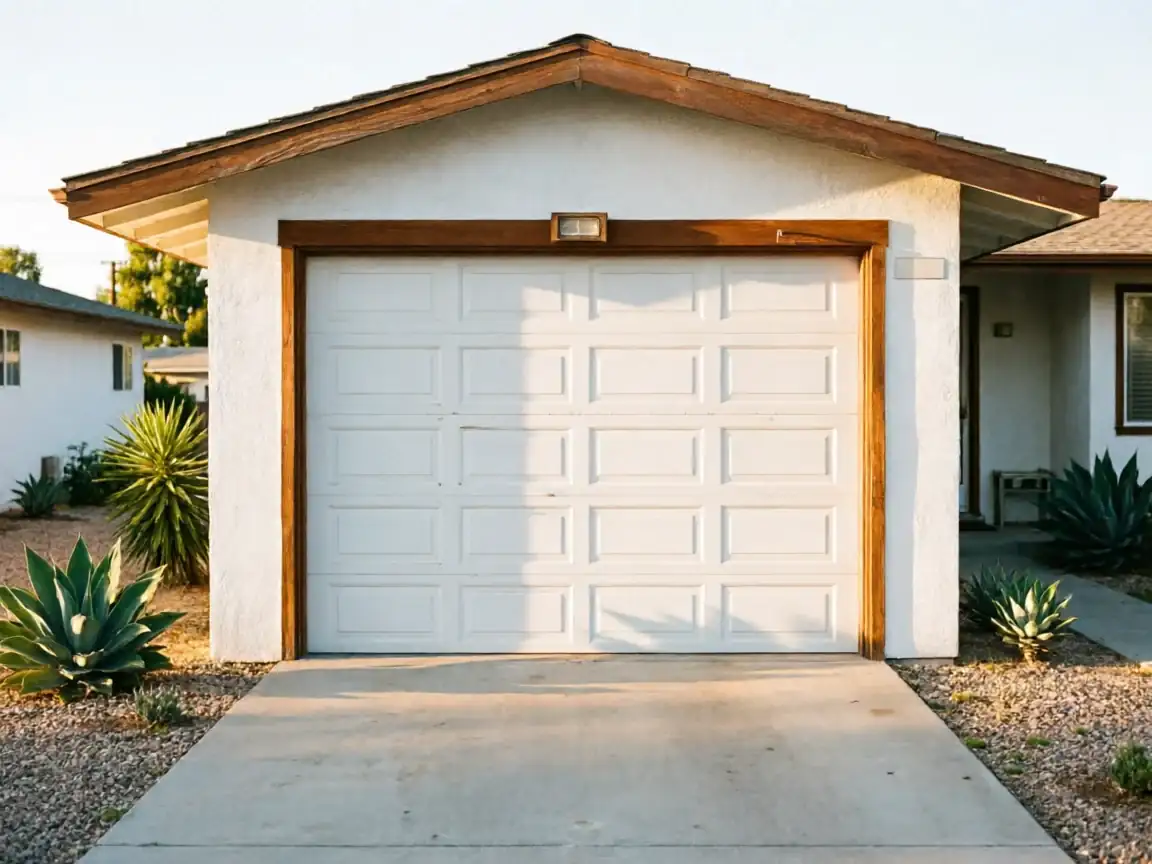
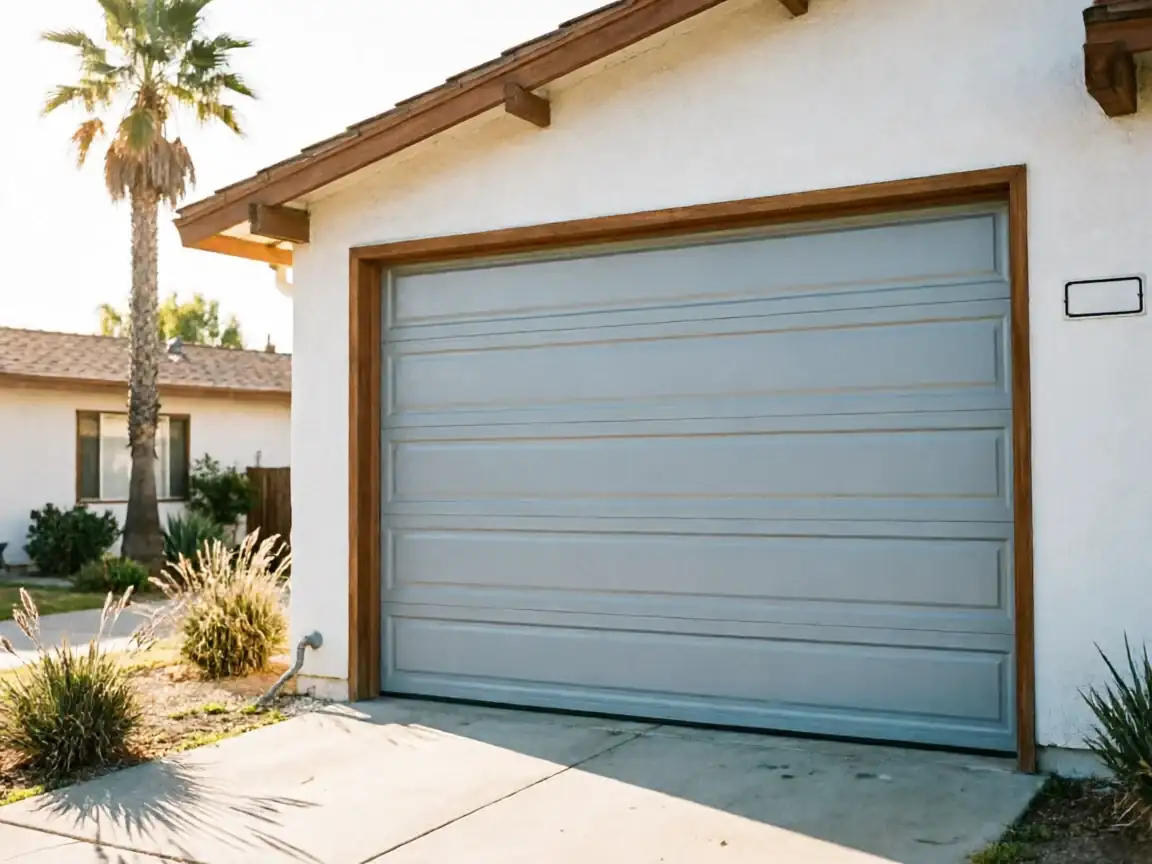
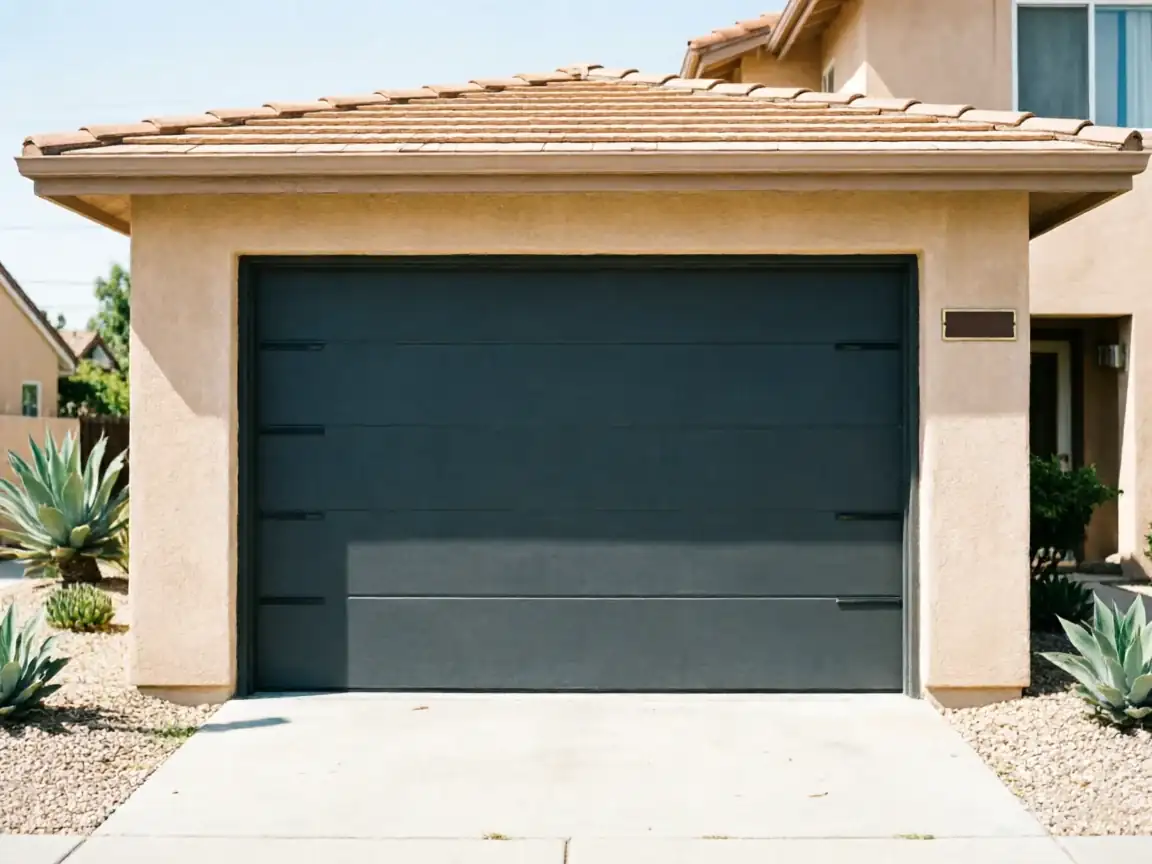
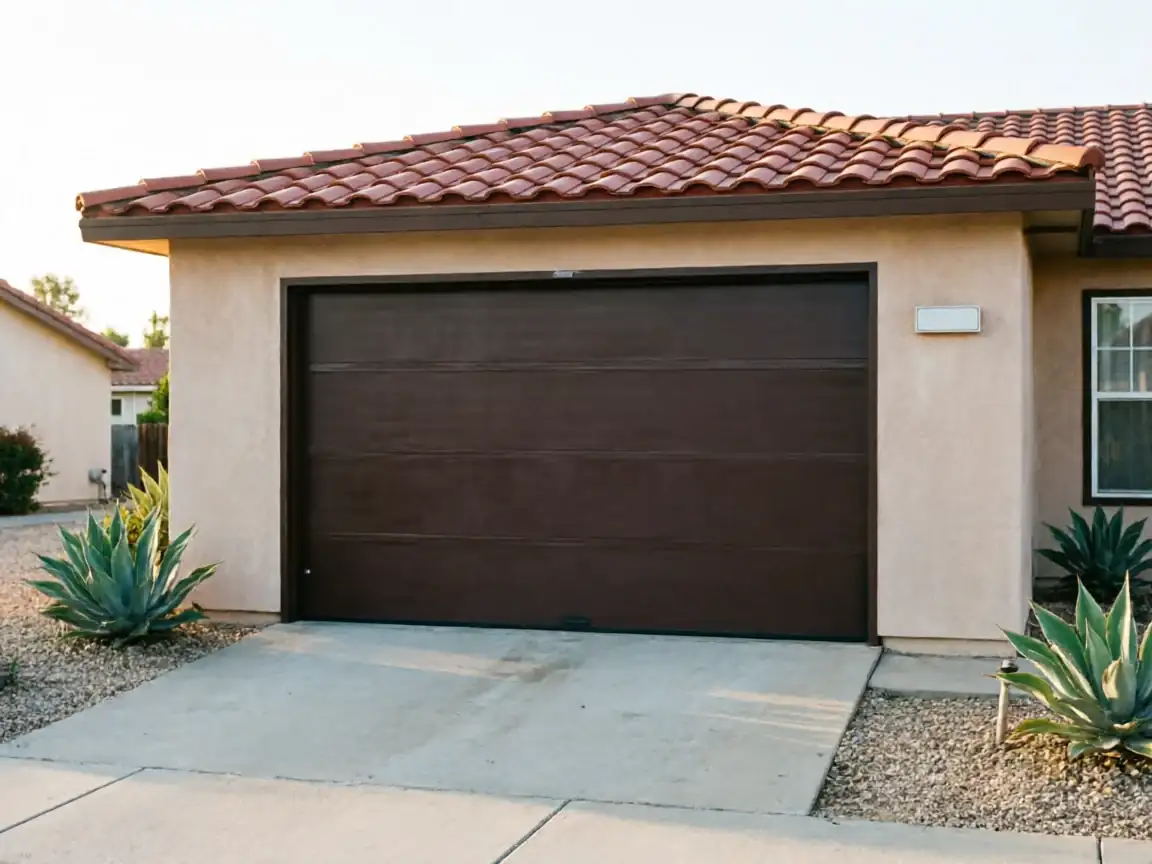
Green Valley's housing stock centers on 1974, a few years ahead of the broader Fairfield-area median of 1979 (houses here run from 1938 to 2002). That gap of five years sounds small until you're standing in front of the opening with a tape measure. Early-1970s garages were framed to different rough-opening standards than the late-70s tract builds that make up more of the wider service area, and headroom above the opening tends to run tighter. A new door that drops in clean on a 1979 frame can bind on a 1974 one if nobody checks the header clearance first.
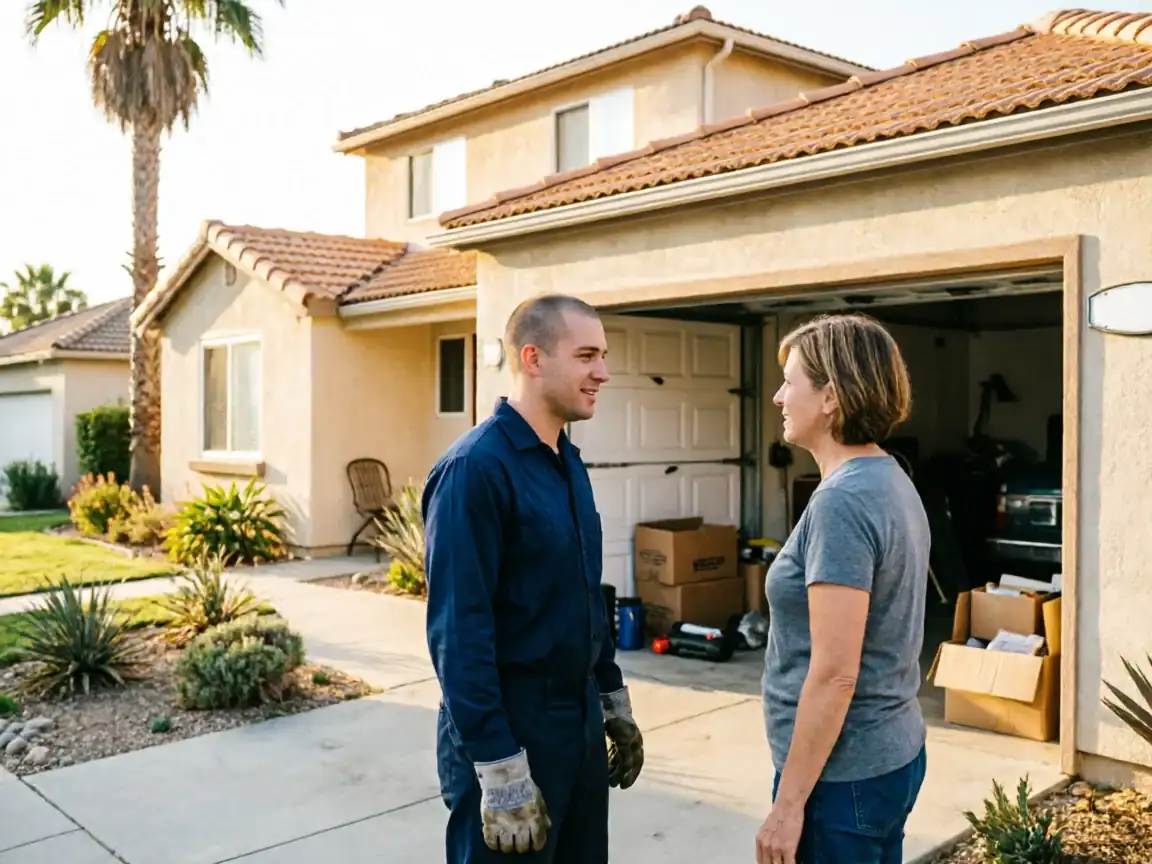
We drive out from Fairfield for every job here, about 7 miles each way, so there's no walk-up estimate - we quote off photos and a phone call first, then confirm measurements on site before we order anything. The area has 558 households, smaller than the 46,420 owner-occupied houses across the full service footprint, and that scale matters: fewer of these garages have ever had the opener swapped or the track replaced, which means more of them are still running original rail and drum hardware from the build year.
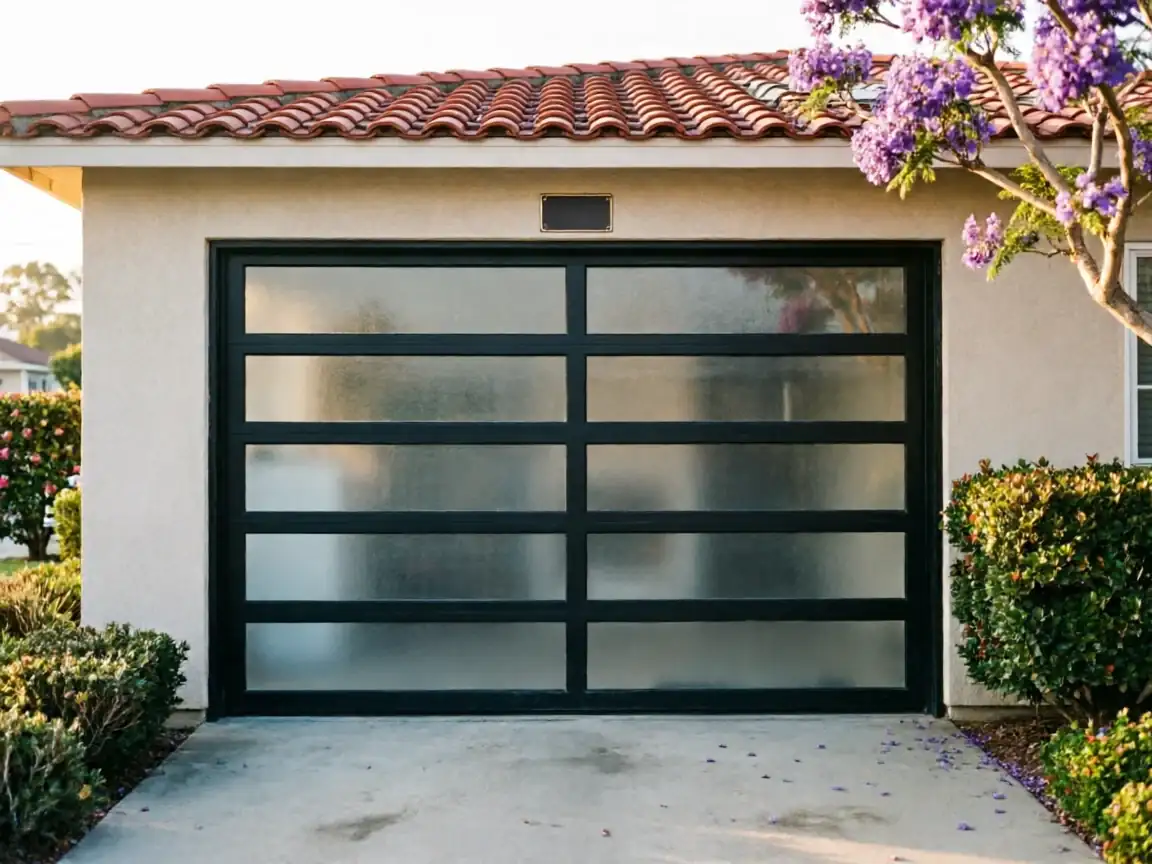
Income here runs higher than the area median ($114,500 against $102,938 region-wide), and we see that show up in the spec sheet - more requests for insulated steel doors and quieter belt-drive openers, fewer bare single-layer doors going back in.
Can You Do This Yourself
A new door install is not a weekend bolt-together job
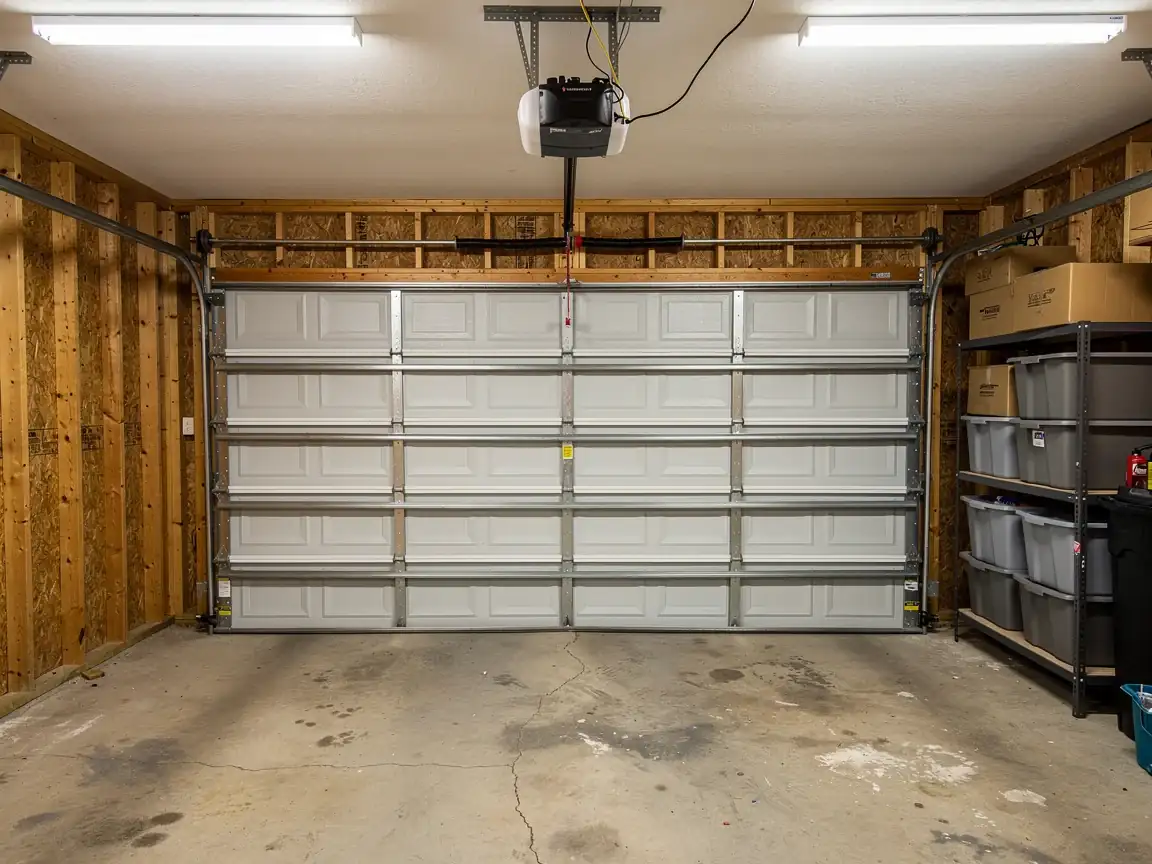
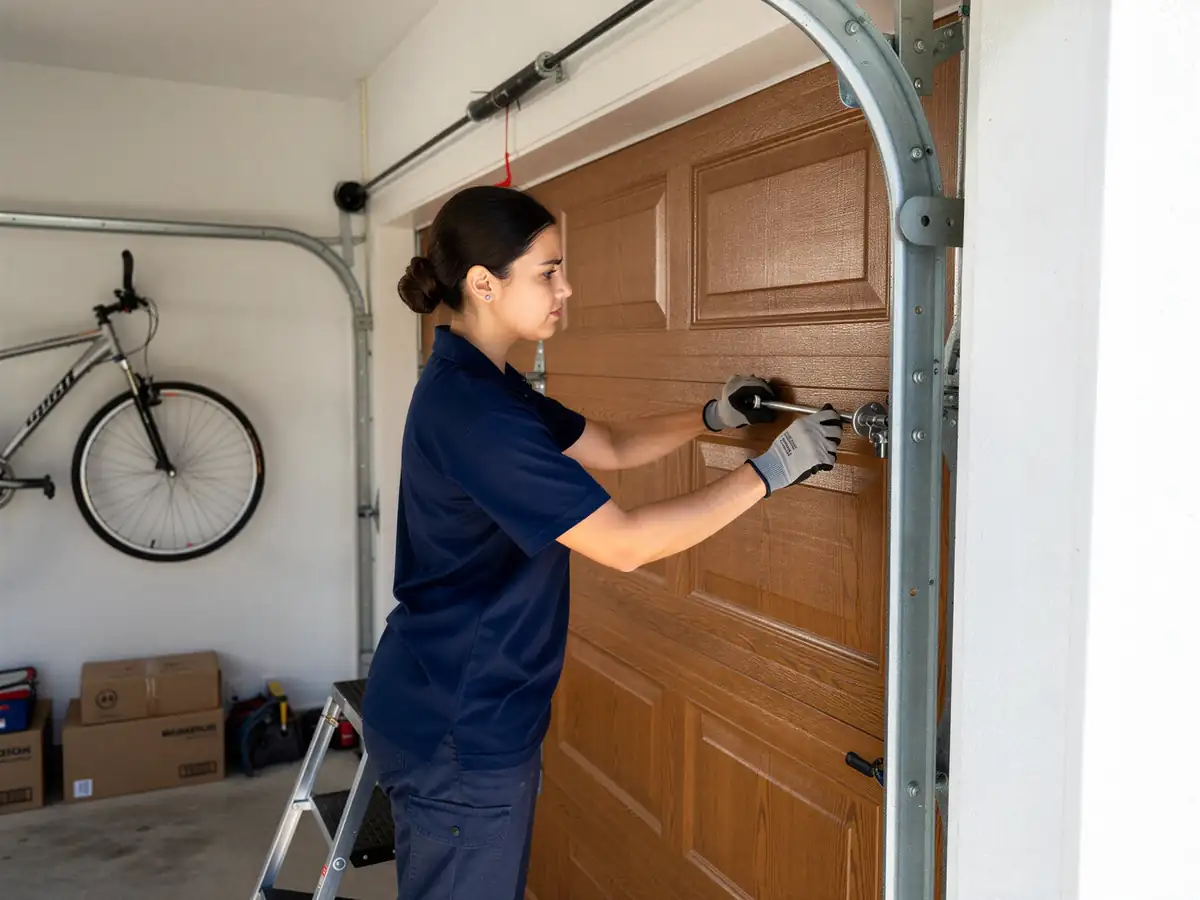
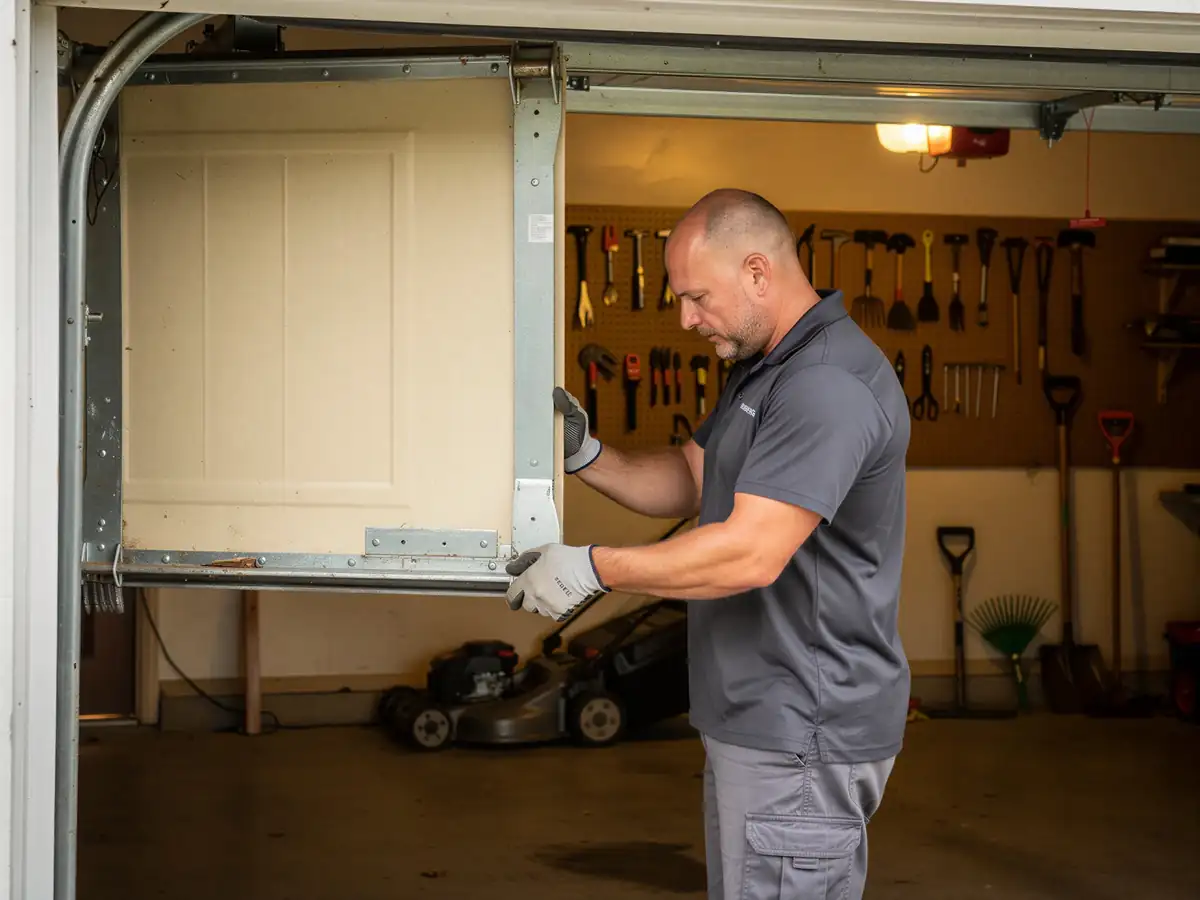
And the 1974-era framing in this part of Green Valley is exactly where DIY kits run into trouble. The track brackets, the header reinforcement, the torsion tube length - all of it was sized for the opening as it was framed almost fifty years ago, and generic kit hardware doesn't always match without shimming or re-drilling. Get the spring tension wrong on a double door and you're not looking at a wasted Saturday, you're looking at a cable or spring that can take a finger off.
If you're comfortable with framing carpentry and have pulled a permit before
Swapping a door panel set on track that's already square is within reach. Setting a new opening, squaring old framing, or converting from extension springs to torsion is not something we'd talk a homeowner through over the phone. We'll always tell you straight if a job is a DIY-reasonable swap or one that needs a crew - we'd rather lose the sale than have you call us back with a hand injury.
Parts We Carry
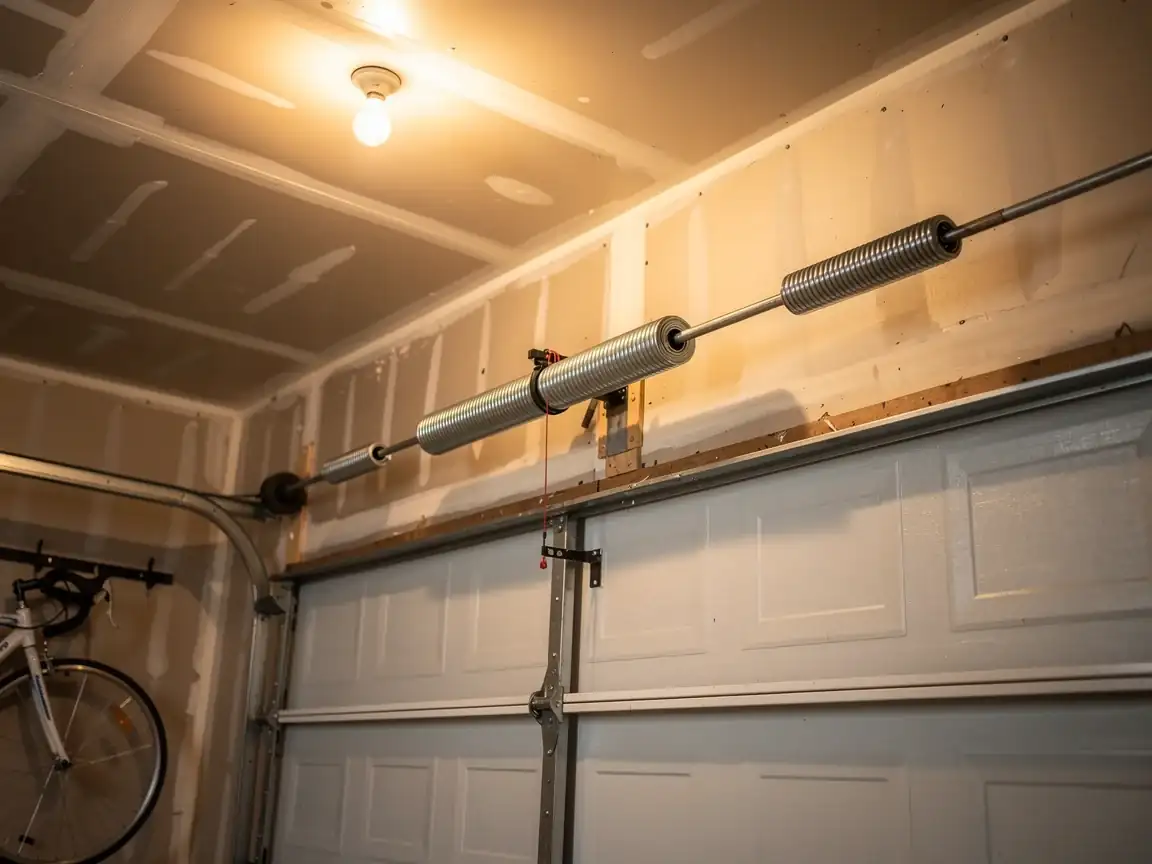
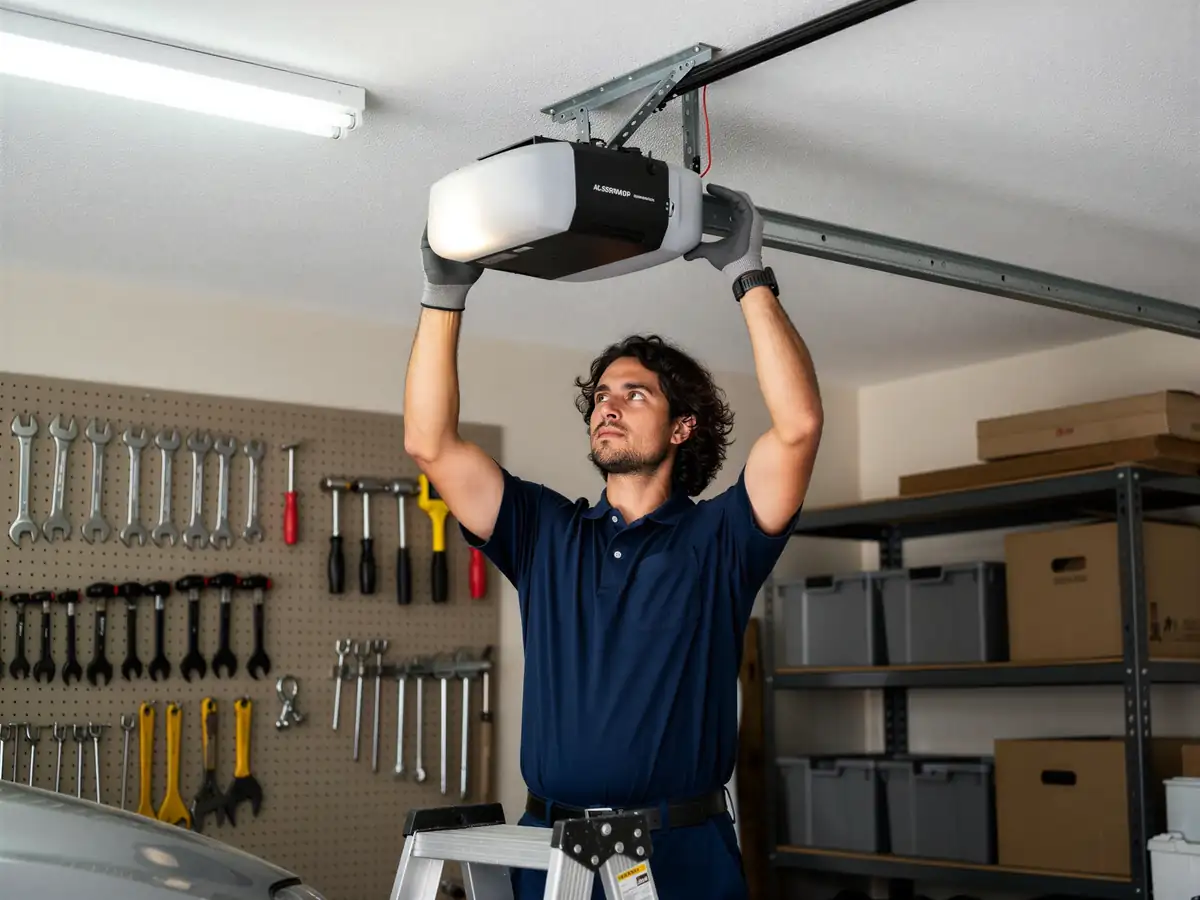
For the climate here - mild temperate, no hard freeze cycles, no extreme heat swings - we don't stock anything built for frost-line sealing or heavy thermal break hardware, because this area doesn't need it. What we carry on the truck instead is sized to match what's actually out there: torsion springs cut for the shorter rough openings common on 1970s-built garages, standard-lift track for single-car bays, and both belt and chain-drive openers depending on how close the garage sits to a bedroom wall.
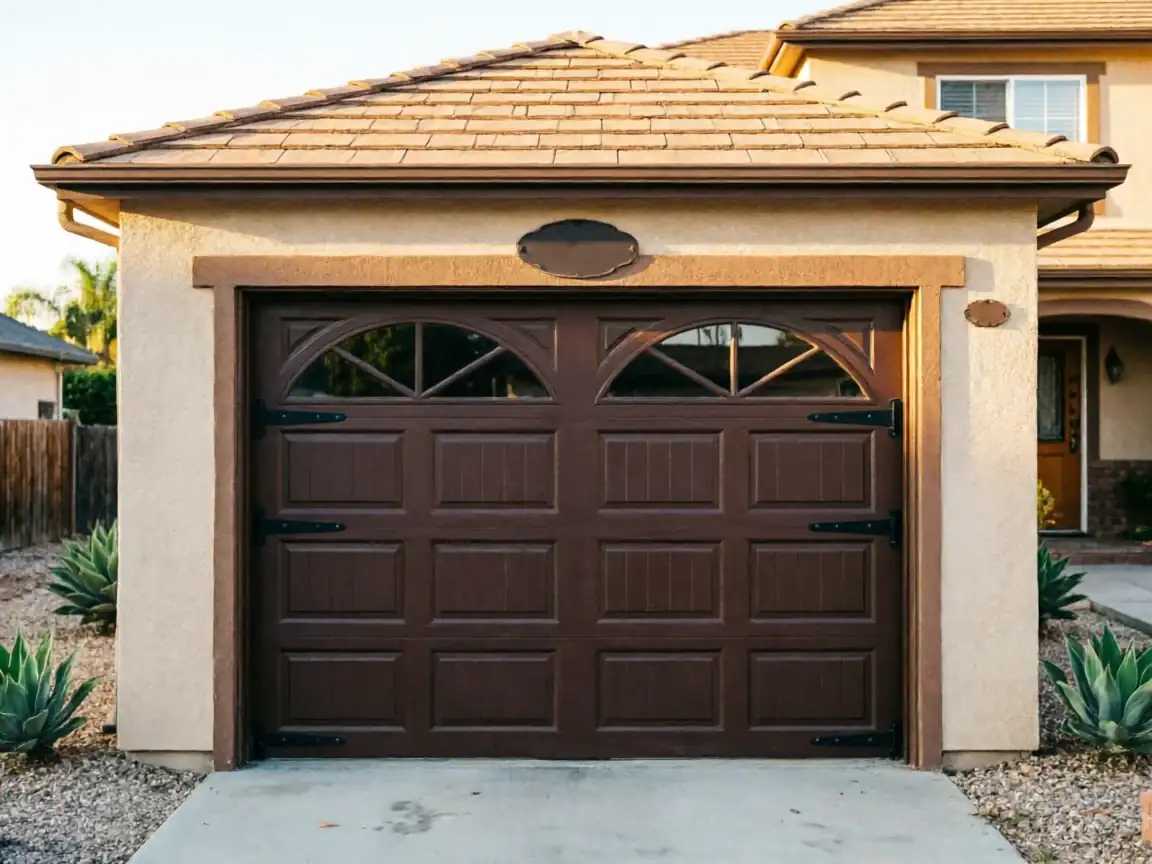
We stock steel doors in the insulated and non-insulated versions most often requested here, given the income profile skews toward the insulated spec. We don't carry custom wood-clad doors off the truck - those are special order, and if that's what you want, plan on a longer lead time than a standard steel swap. We'll tell you that up front rather than let you find out after you've committed to a date.
What You Are Seeing
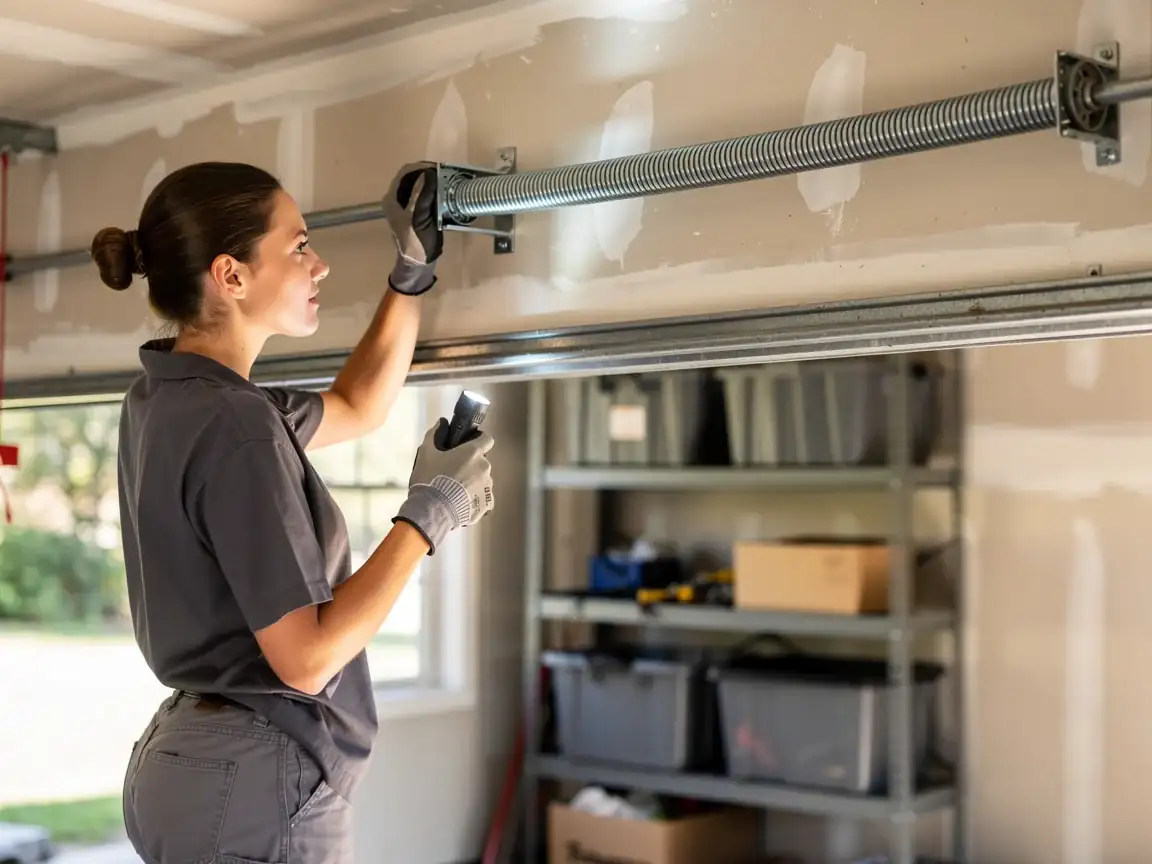
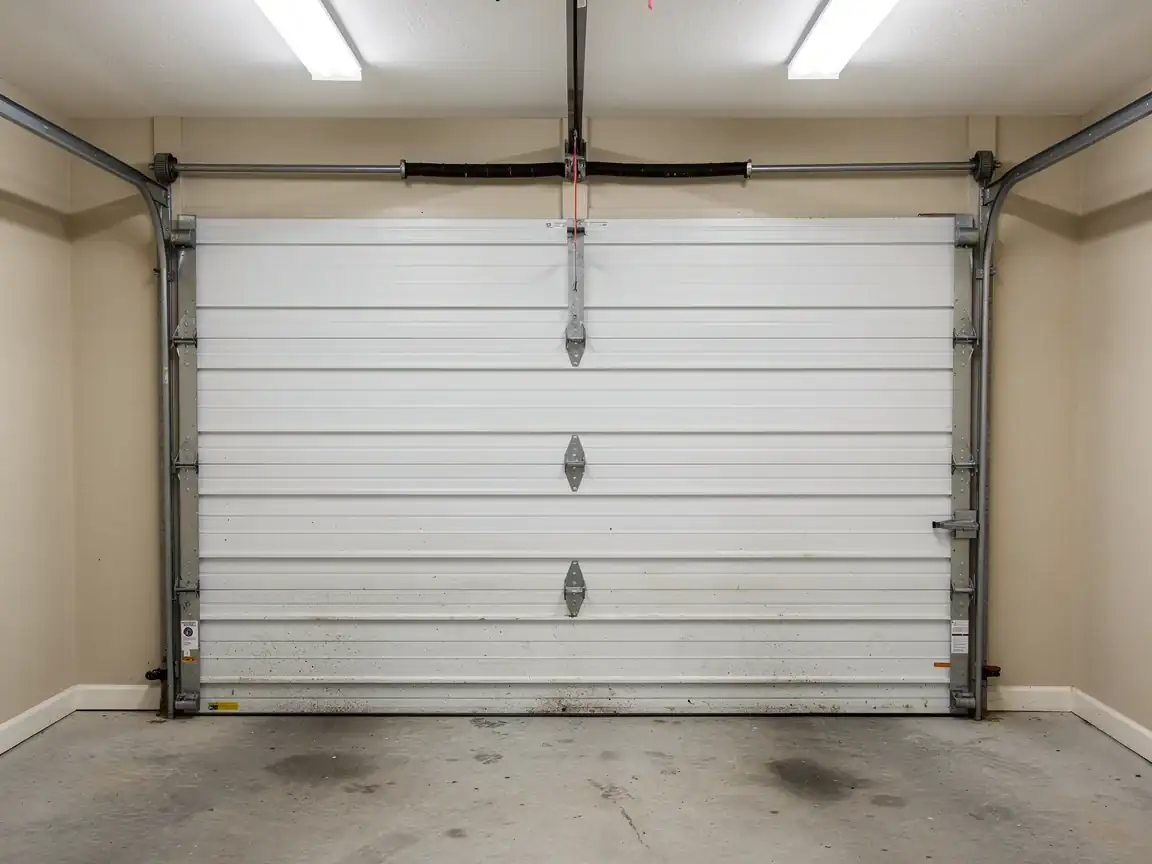
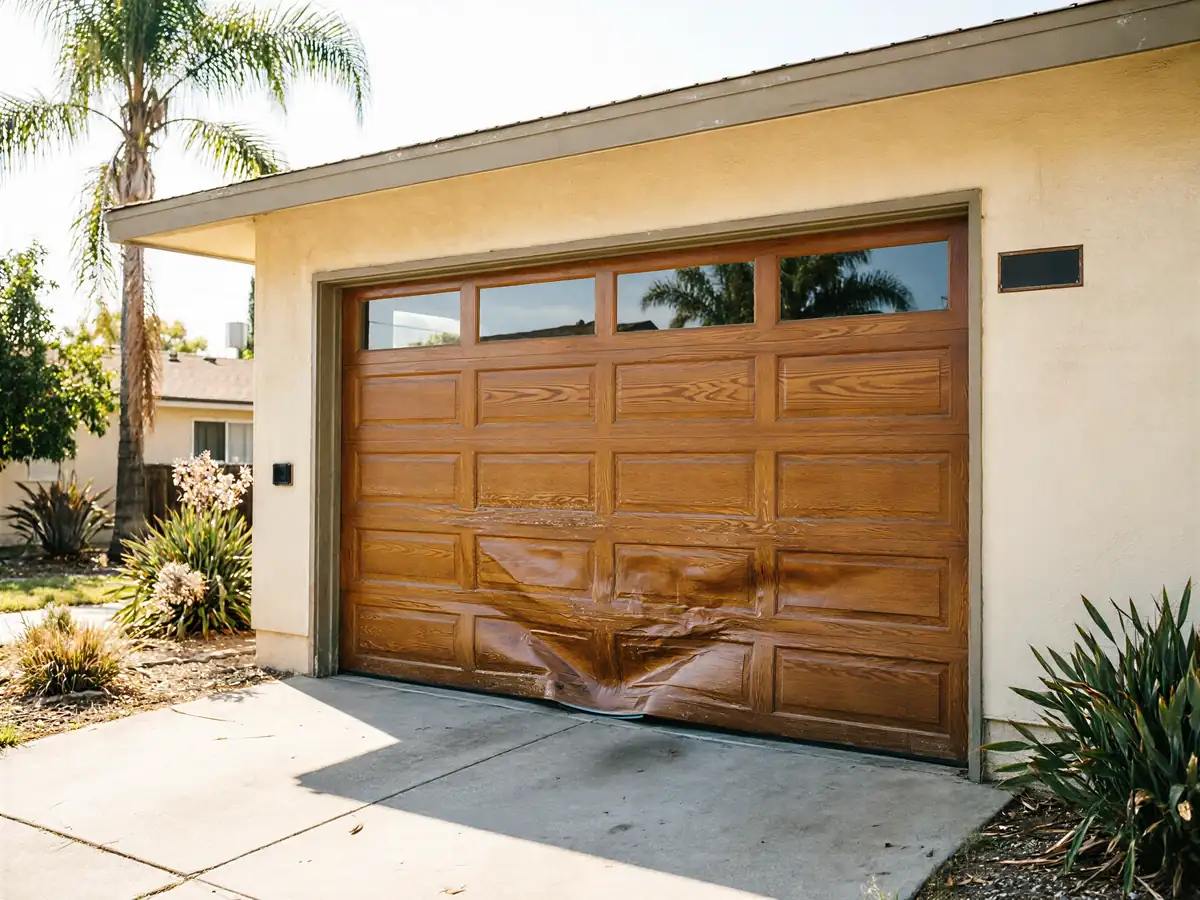
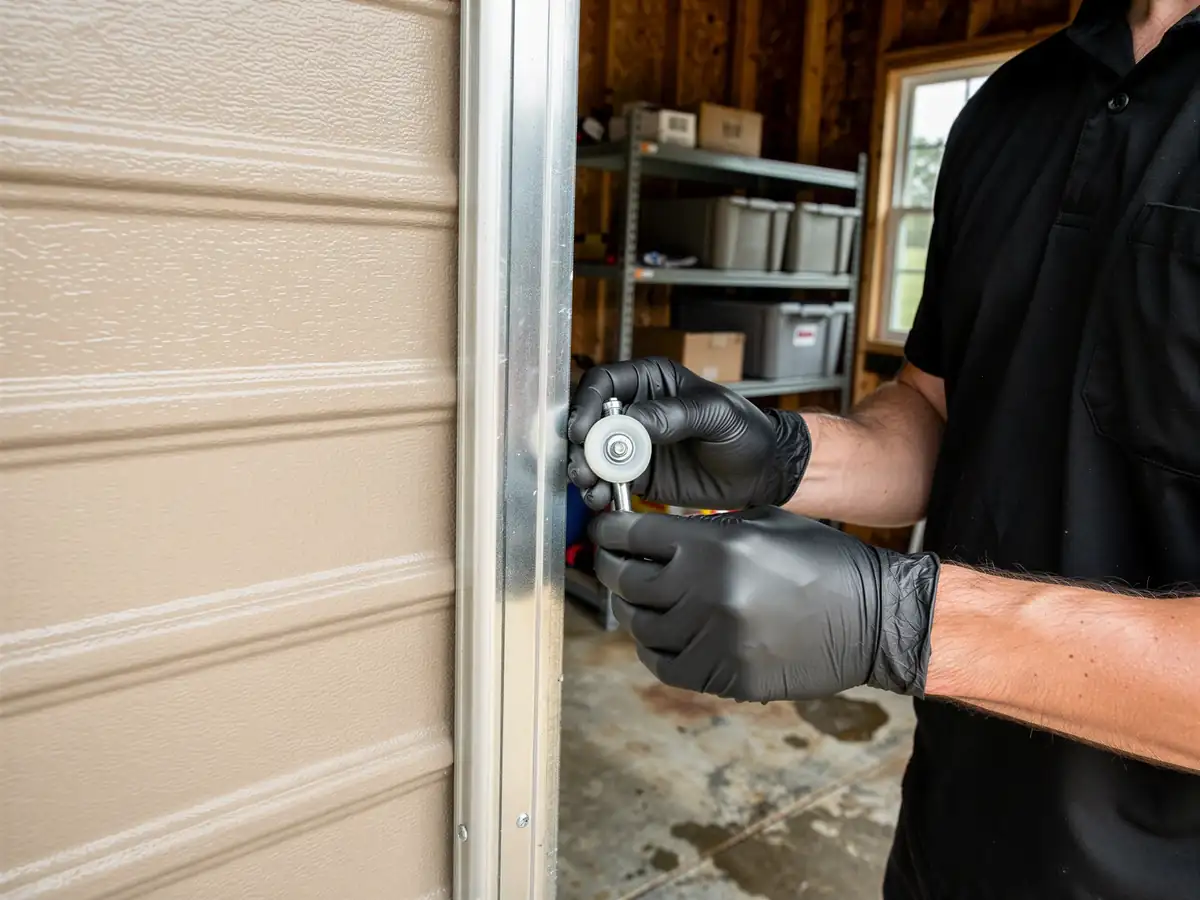
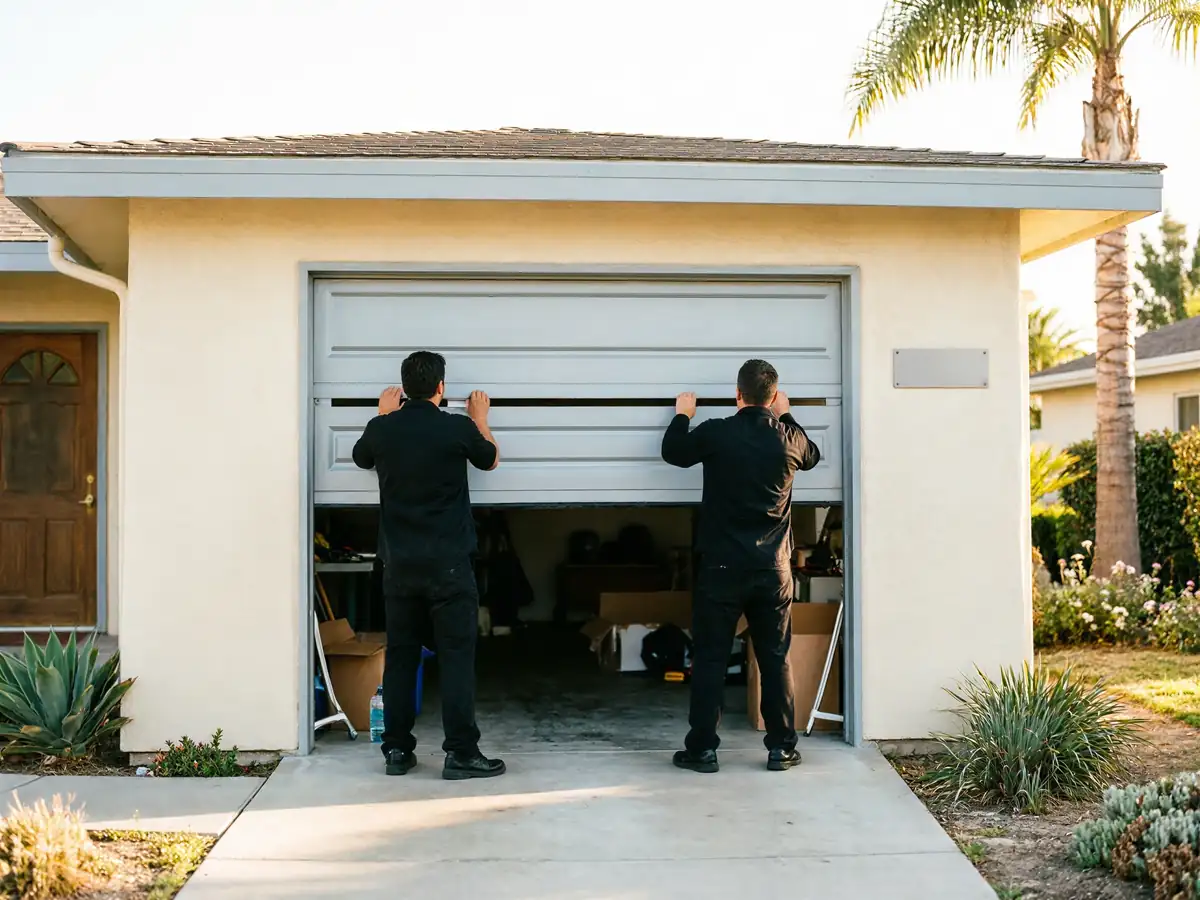
If your door is sagging in the middle, sticking halfway up, or the opener strains and reverses before it closes, that's consistent with hardware that's original to a mid-1970s build - track that's worn oval instead of round, a spring that's lost tension gradually over decades rather than snapping outright. On a door this old, replacing the opener alone often doesn't fix the underlying issue, because the opener's been compensating for worn track for years.
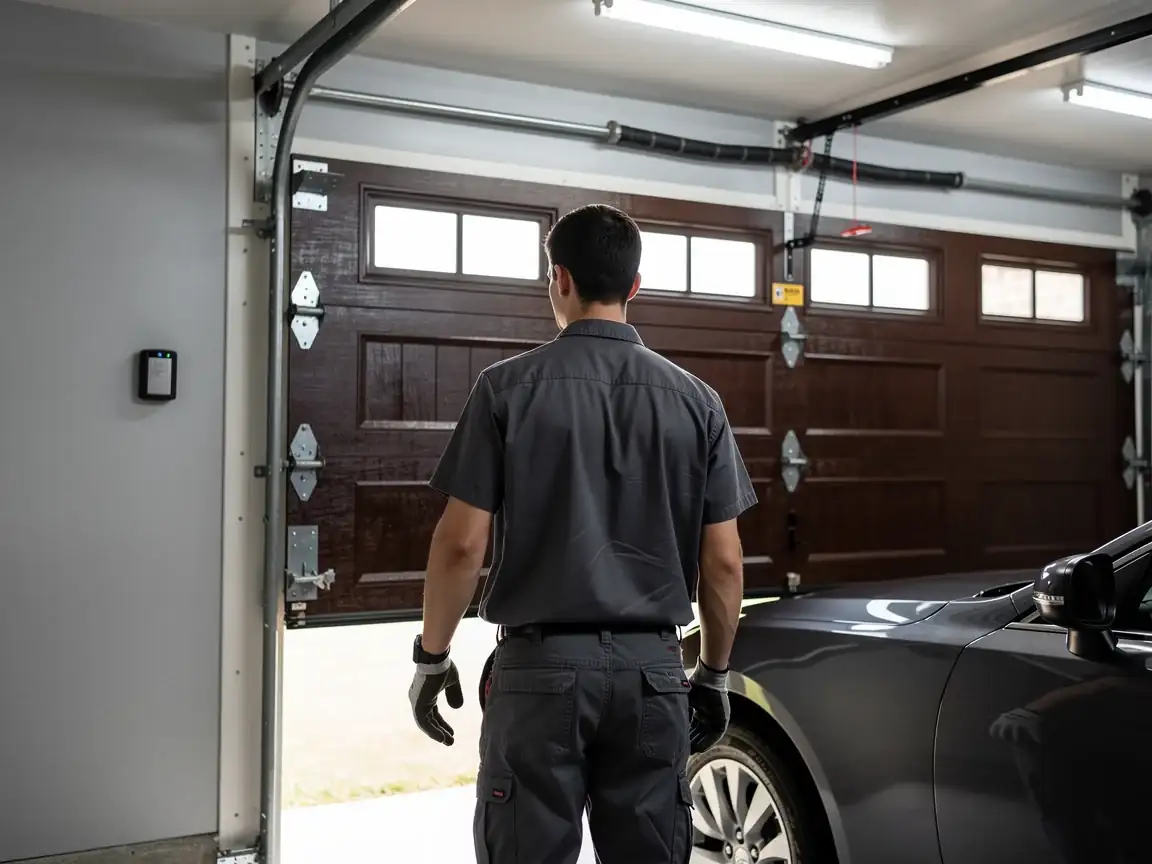
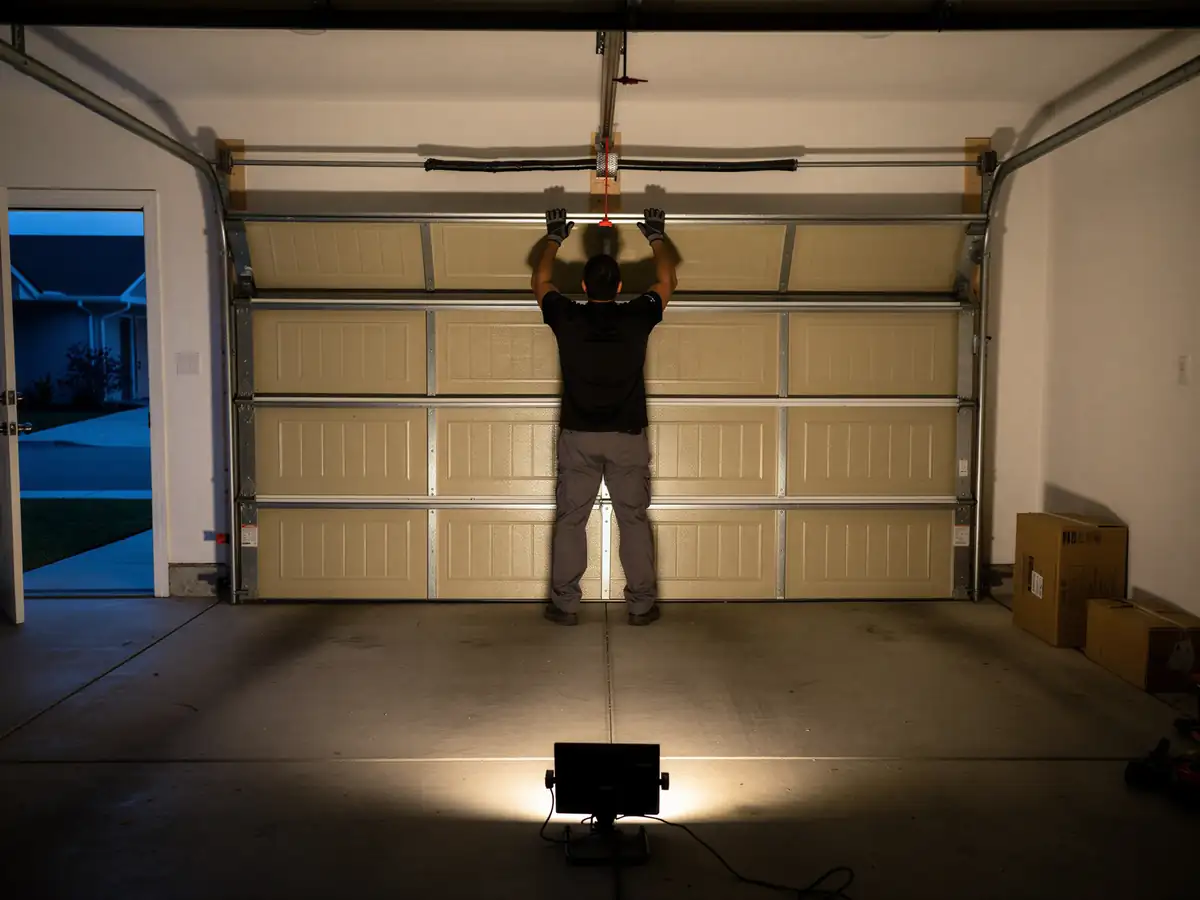
A new installation resets all of that at once: fresh track squared to the actual opening, springs rated for the door weight you're putting in rather than the one that used to be there, and an opener sized to the new door instead of straining against an old one. That's usually the more honest fix once a door's original hardware is past 40 years old, rather than patching piece by piece.