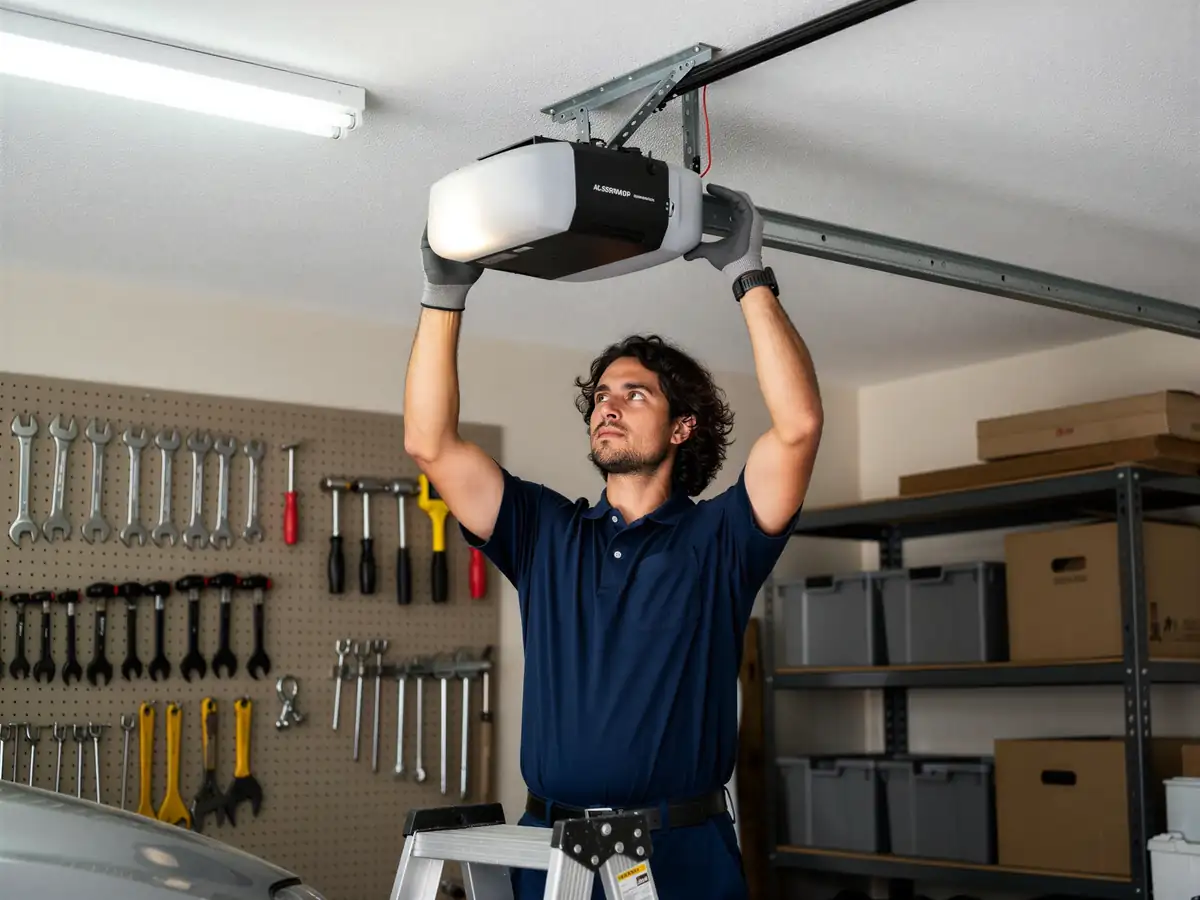
The Complications
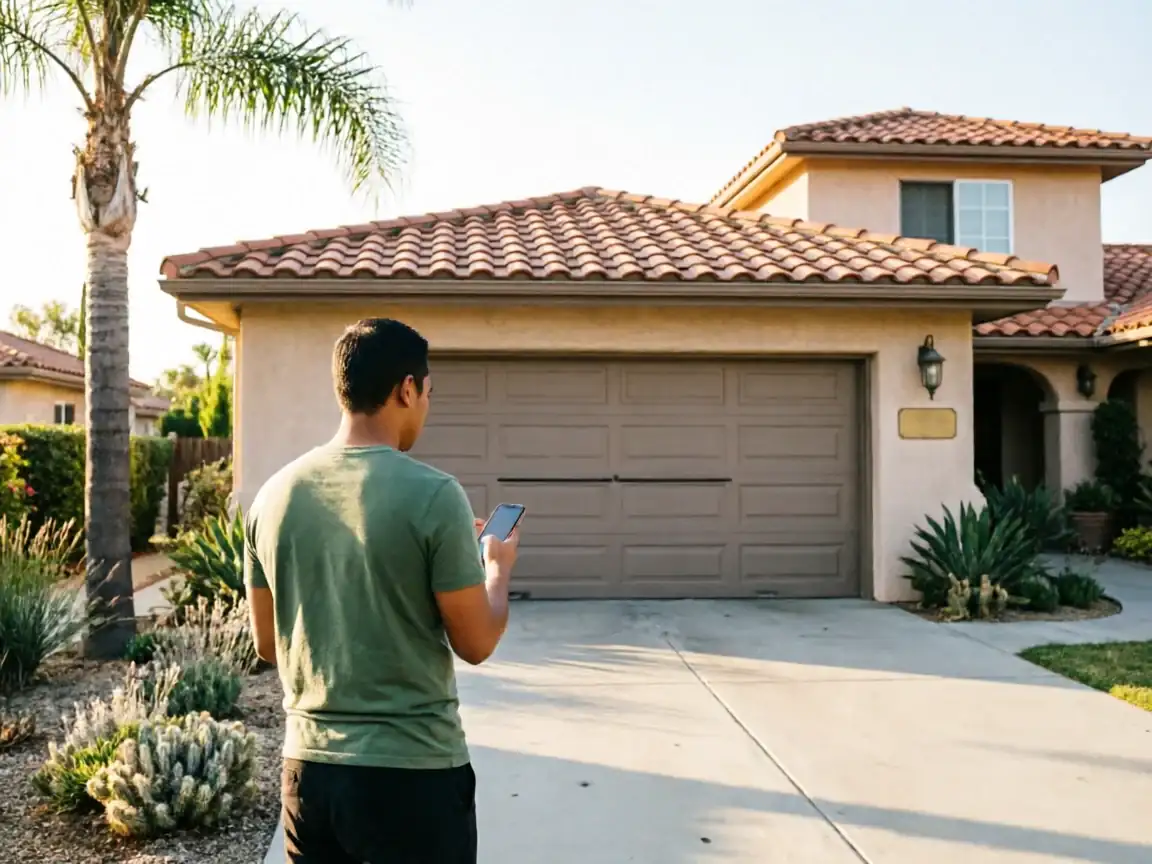
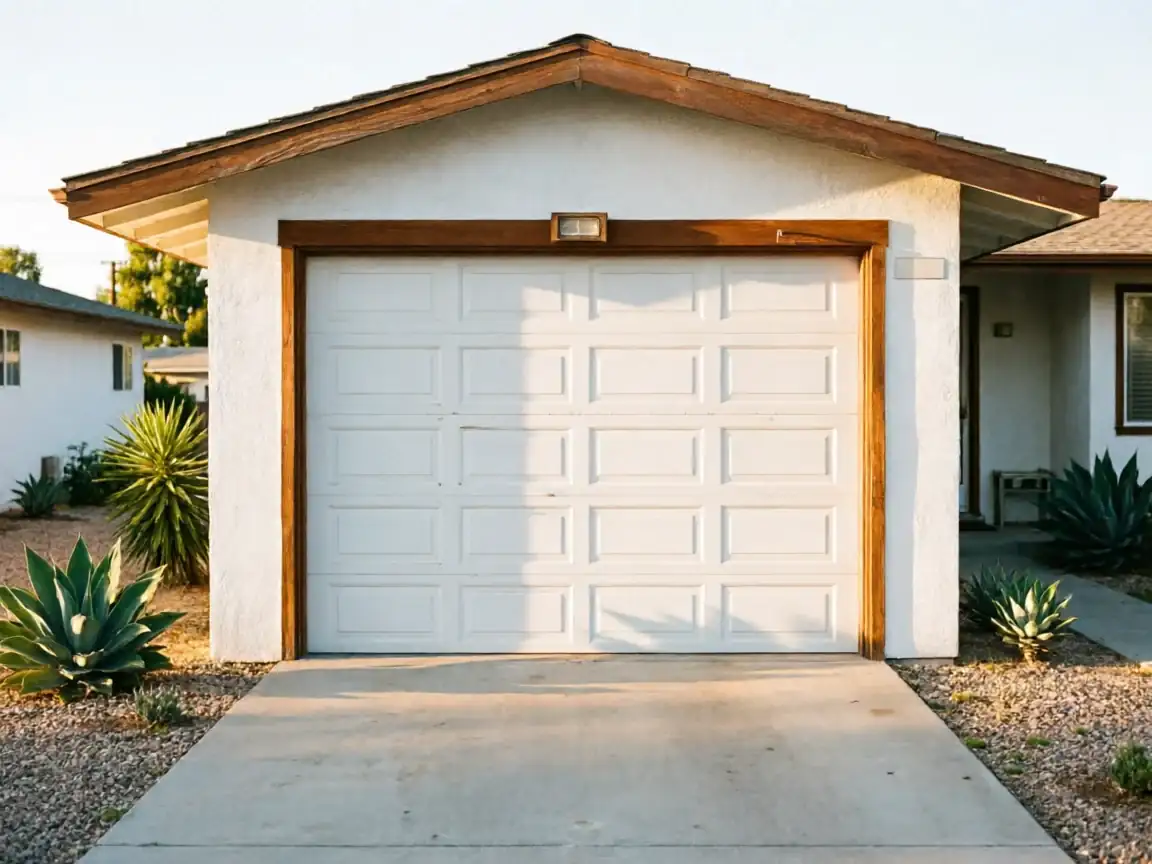
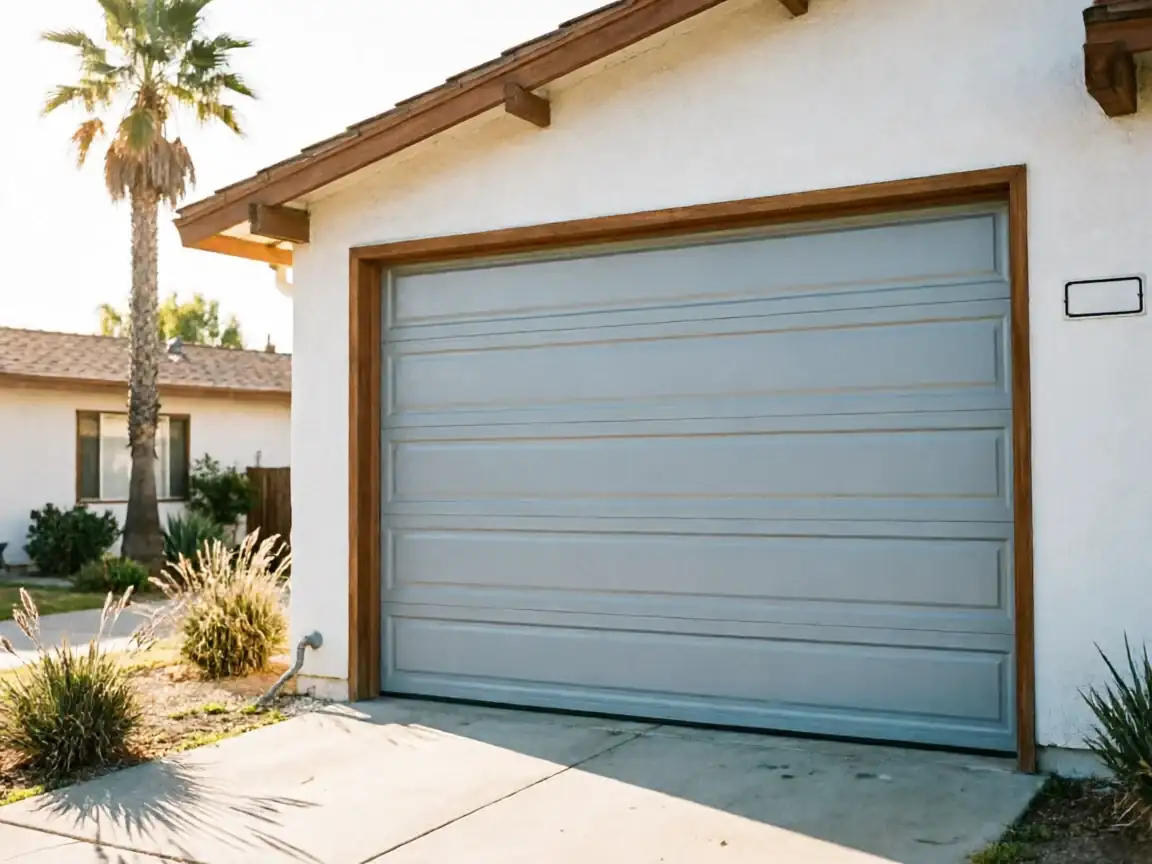
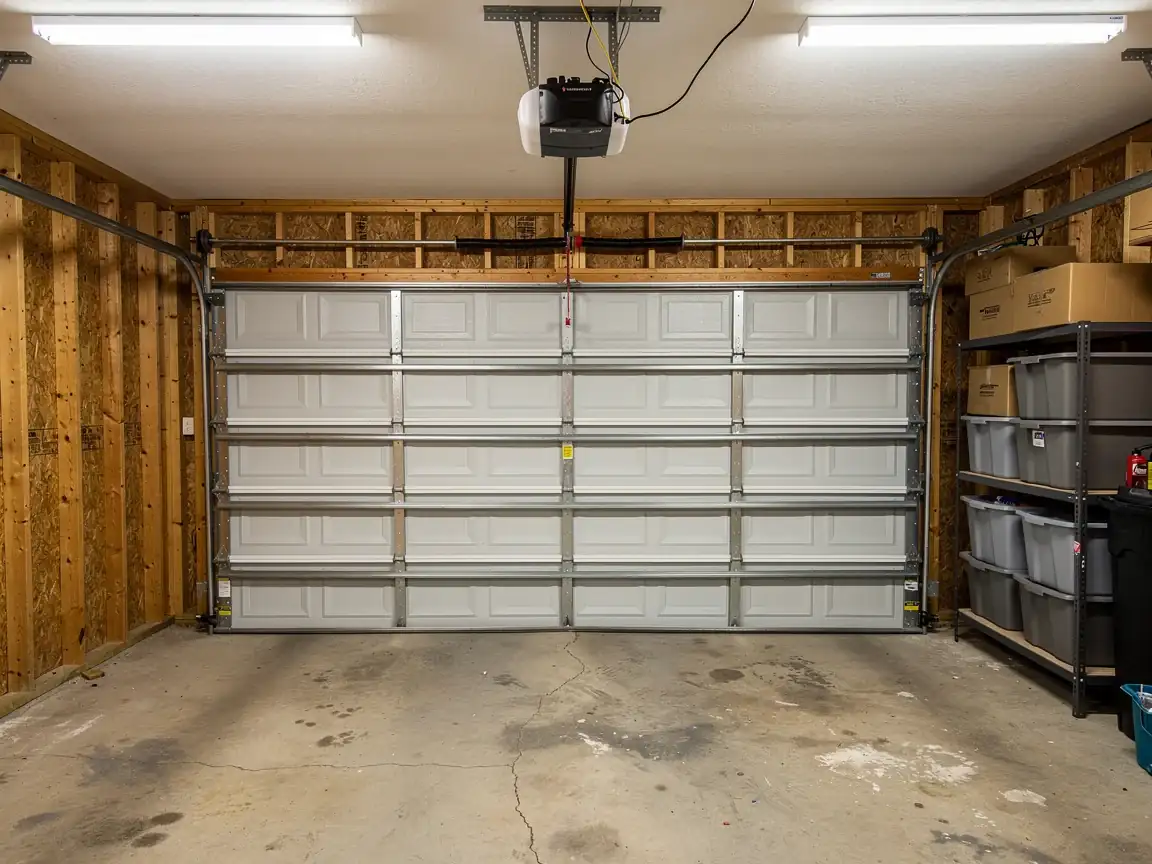
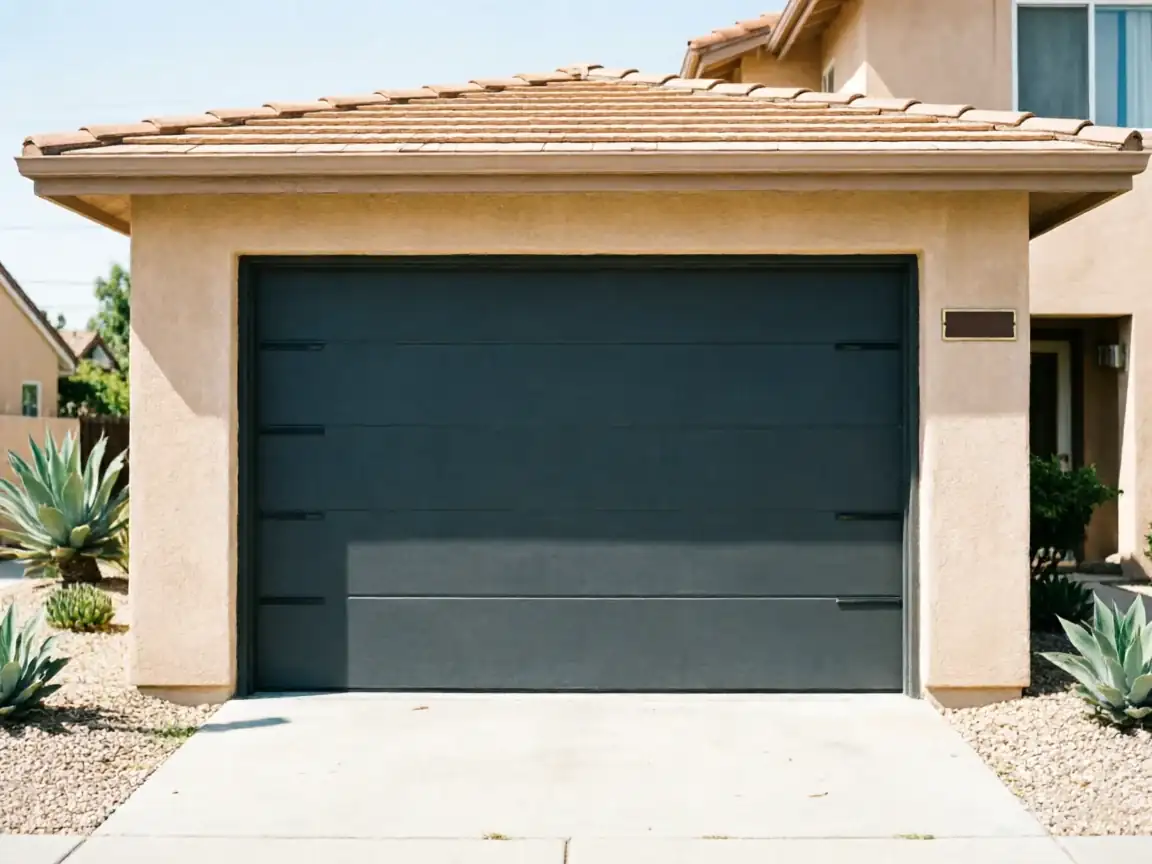
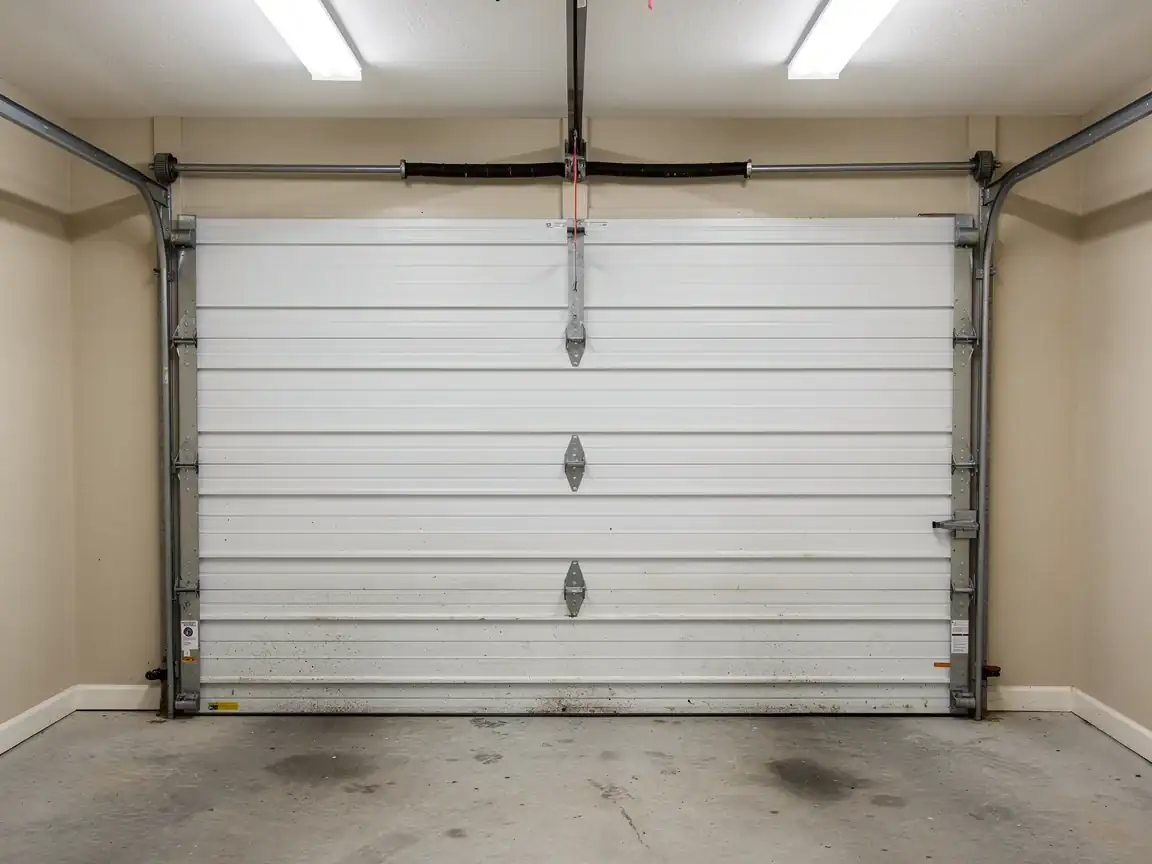
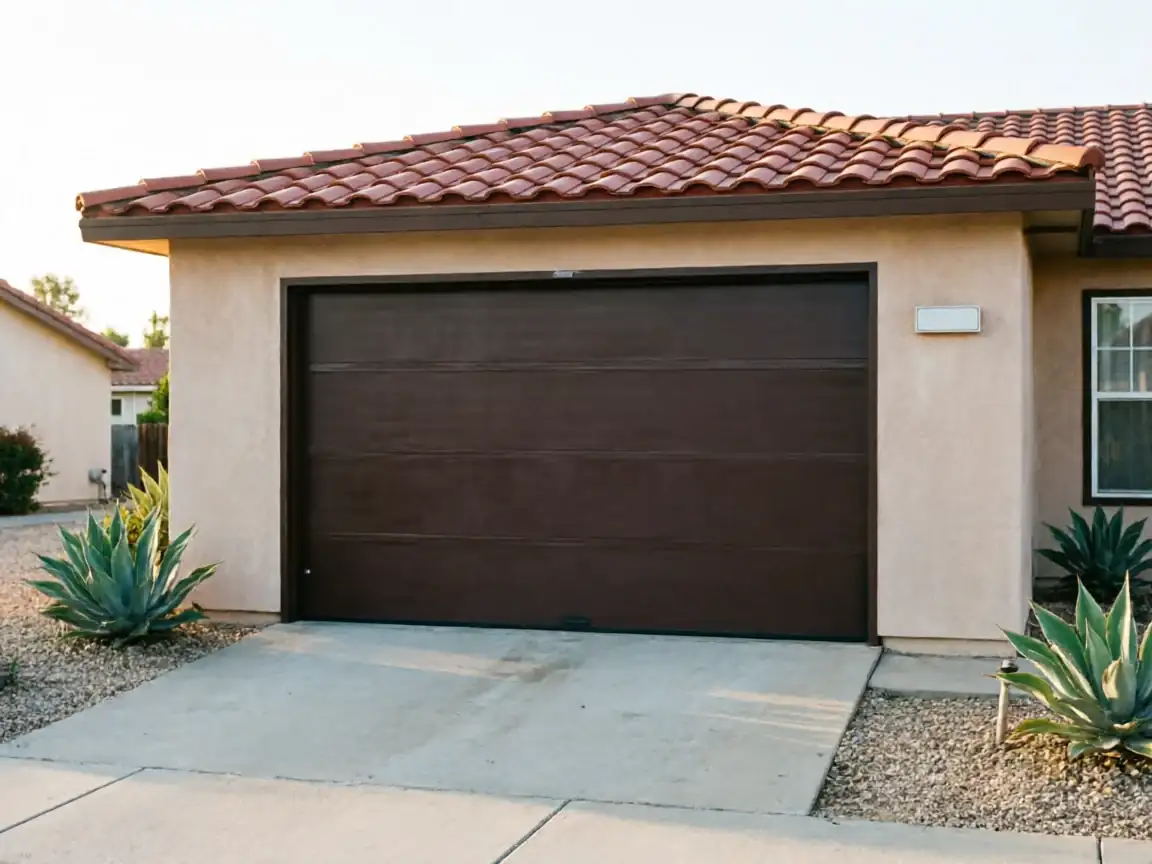
Green Valley's housing mostly dates to around 1974, which puts it squarely in the era of steel sectional doors on single-car and two-car openings, hung on standard torsion or extension springs with a chain-drive opener bolted to a wood header. Those headers were framed for a lighter door and a lighter motor than what's sold today. When a homeowner here swaps a dead chain-drive unit for a new belt-drive or jackshaft opener, the bracket spacing is often wrong, the header needs a backer plate, and the wall button wiring predates anything with a safety-reversal circuit.
With only 558 households in this pocket, the housing stock reads as remarkably consistent - if your neighbor's opener failed last year, yours is probably the same mechanism nearing the same age. The mild temperate climate out here means we're not fighting humidity swings or deep freeze on the gearing, so failures tend to be wear, not weather: stripped gears, a dead capacitor, a logic board that's outlived its relay. That's the complication worth knowing before you shop for a replacement - the door itself usually isn't the problem, the mount is.
Can You Do This Yourself
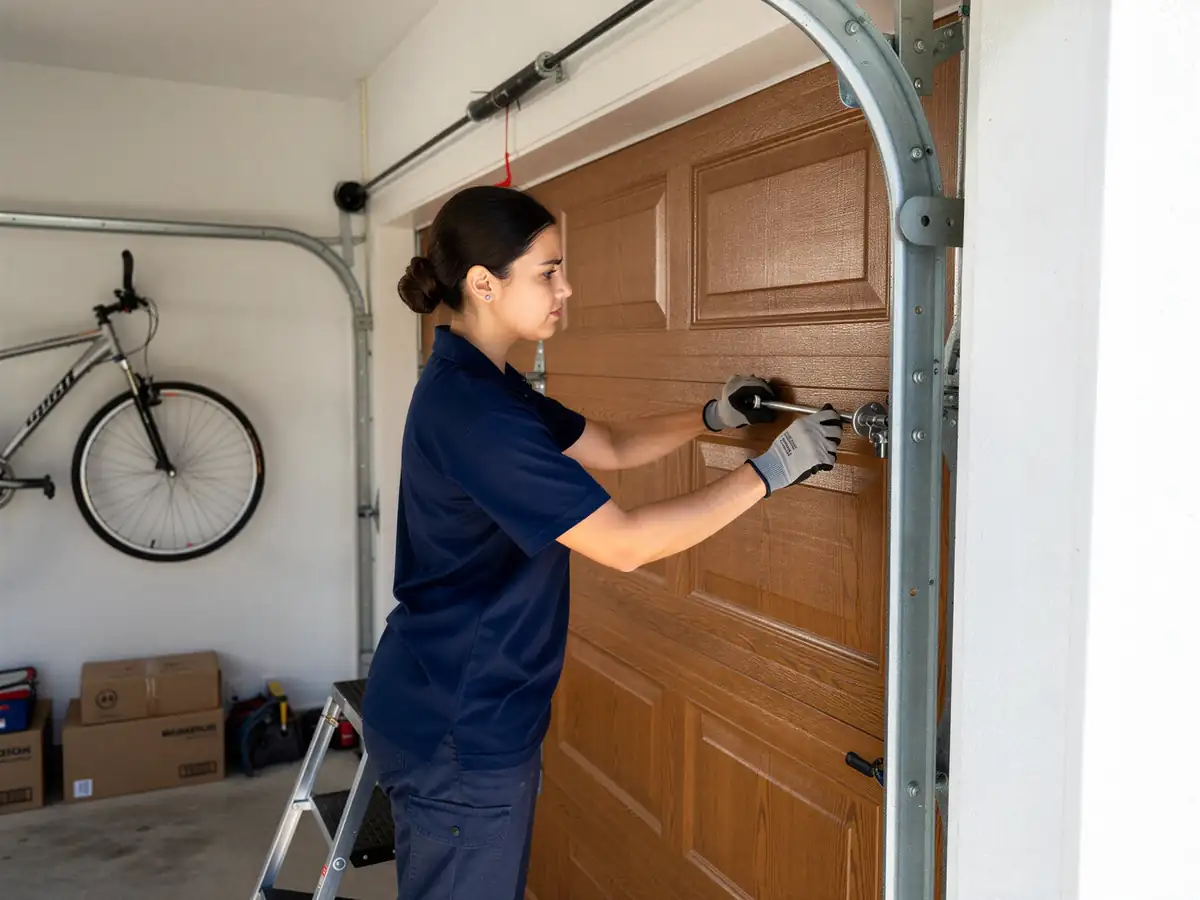
A straight opener swap on a door that's already square and balanced is a reasonable weekend job for someone comfortable with a drill and a ladder
Where Green Valley's older stock trips people up is the mounting. If your header was built for a 1970s chain-drive unit, a new belt-drive or wall-mount jackshaft motor may need different bracket placement, and getting that wrong stresses the door at the top panel every time it cycles.
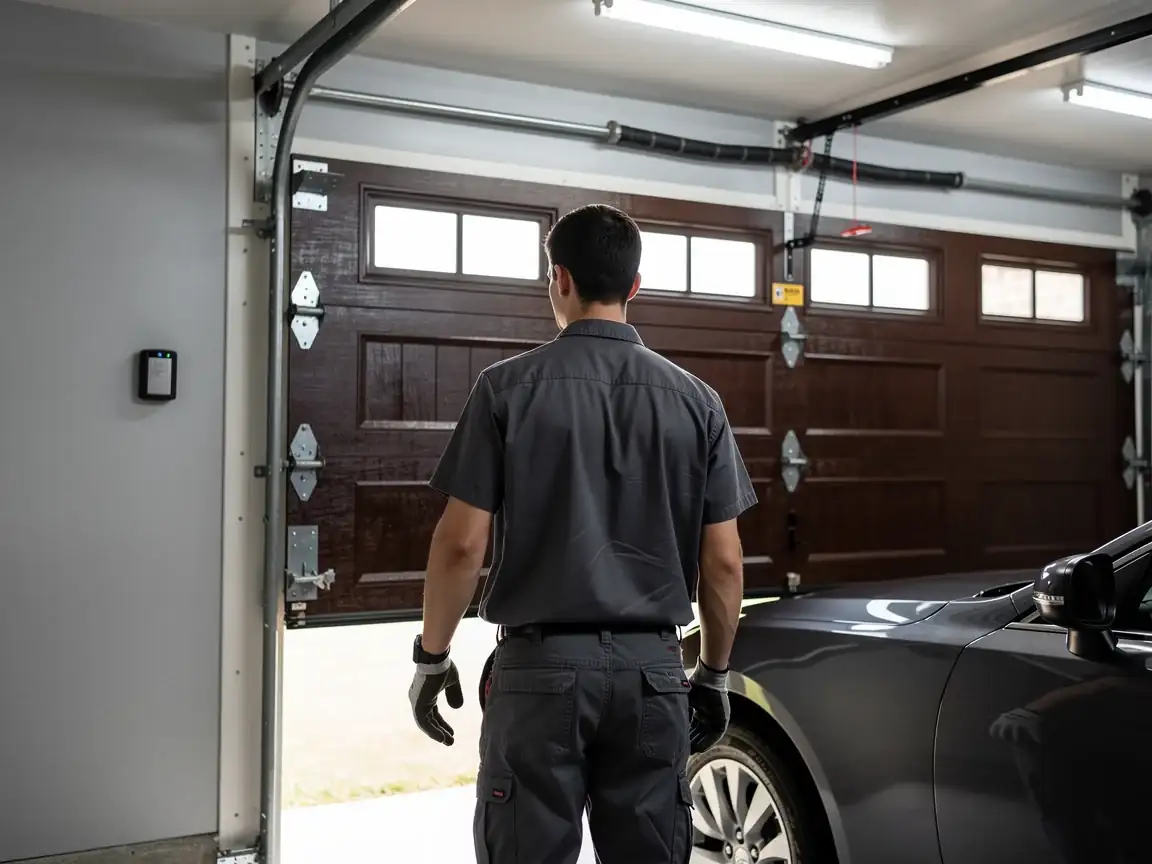
The other catch is the safety sensors
A house built in 1974 almost never has them, since they weren't required hardware at the time. Adding them means running low-voltage wire across the opening and mounting brackets low enough to clear the track supports - doable, but it's the step most DIY installs skip or rush, and it's the one that matters most if there are kids or pets around the door.
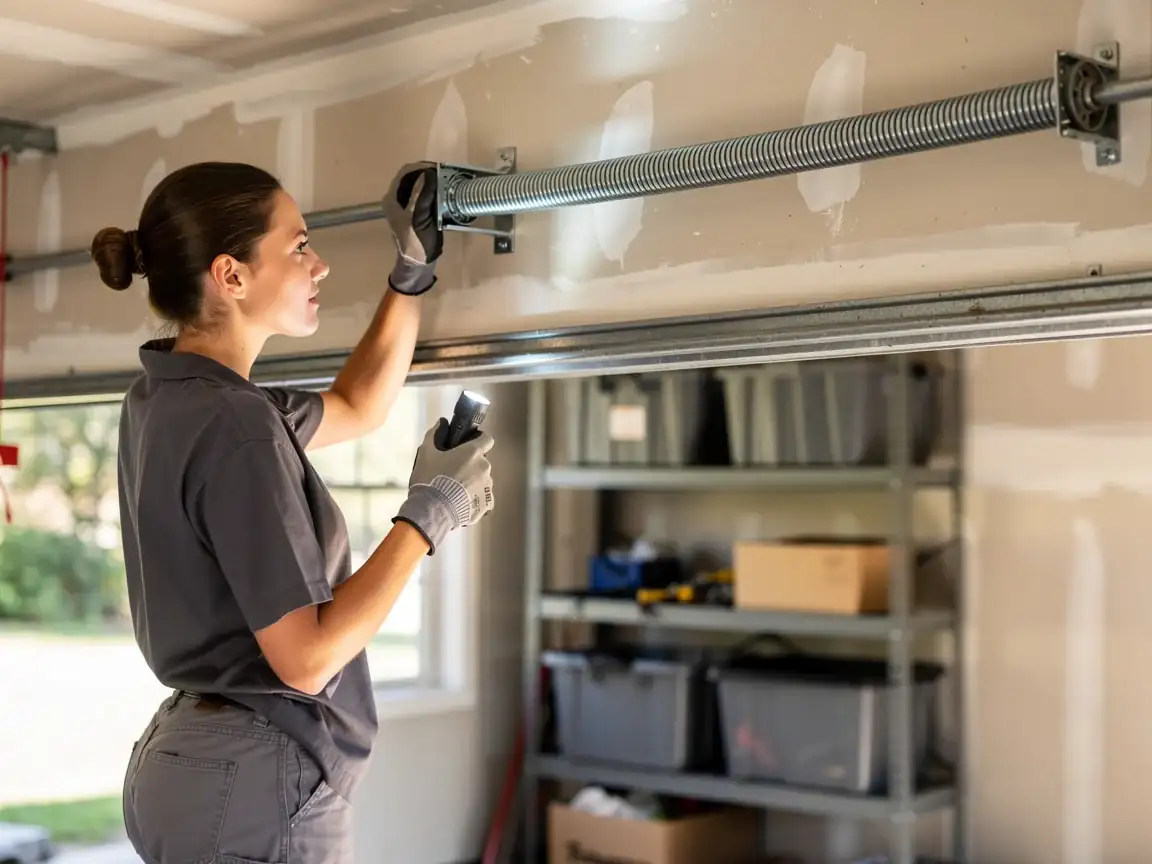
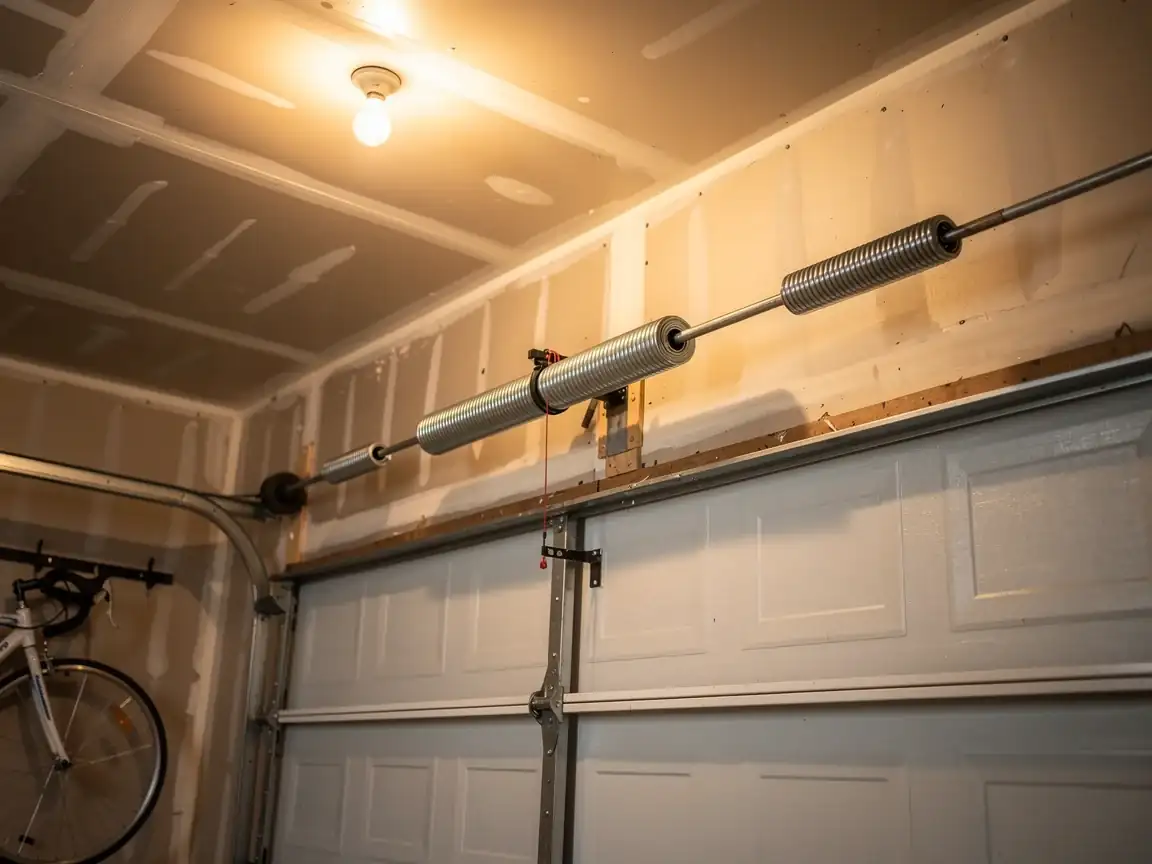
If your springs are original to the house
Swap those first or have them checked before you mount a new motor to the same old torsion bar. We won't install a new opener on hardware we think won't hold it; that's not a sale we'll make.
Parts We Carry
We carry belt-drive and chain-drive opener units sized for both the single-car and two-car openings common in Green Valley's 1970s-built homes, along with the header brackets and backer plates needed when the original framing doesn't match modern mounting specs. We stock replacement safety-sensor kits for houses that predate them, standard remote and keypad hardware, and the relay and circuit boards that fail most often on units of that vintage.
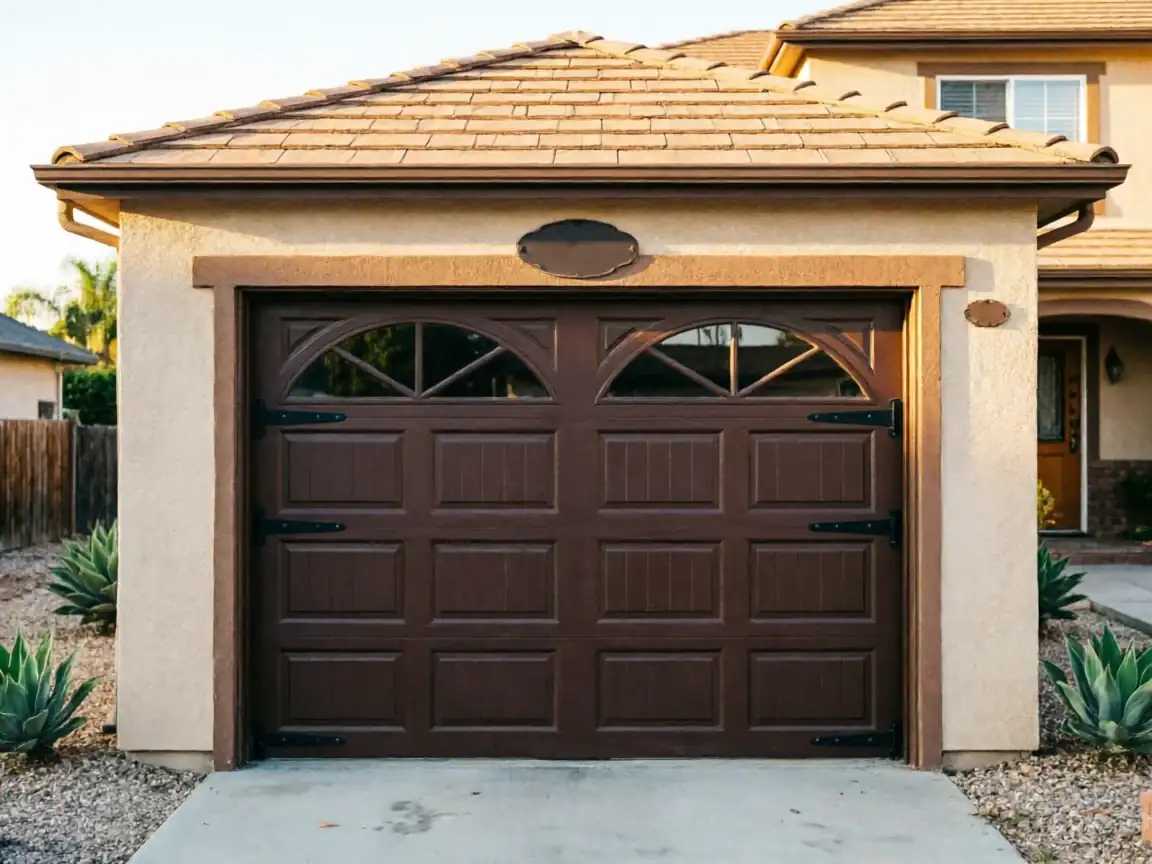
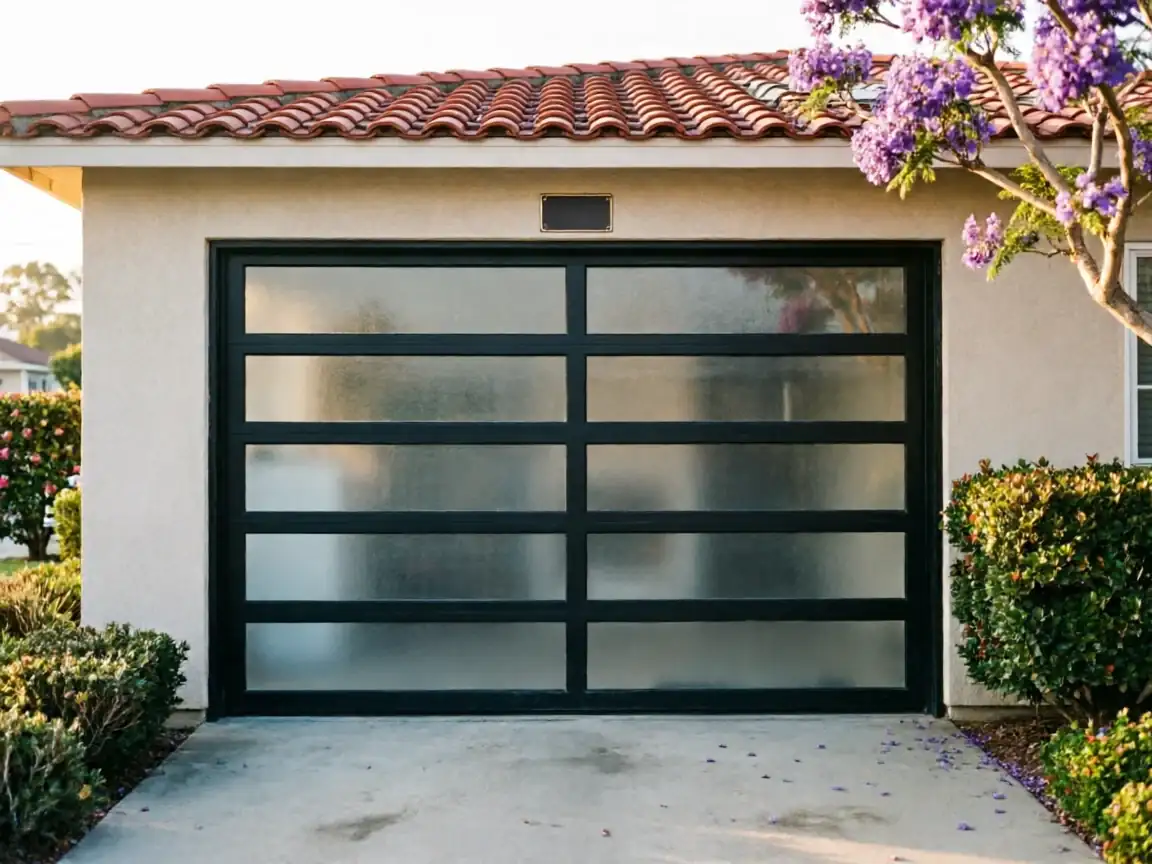
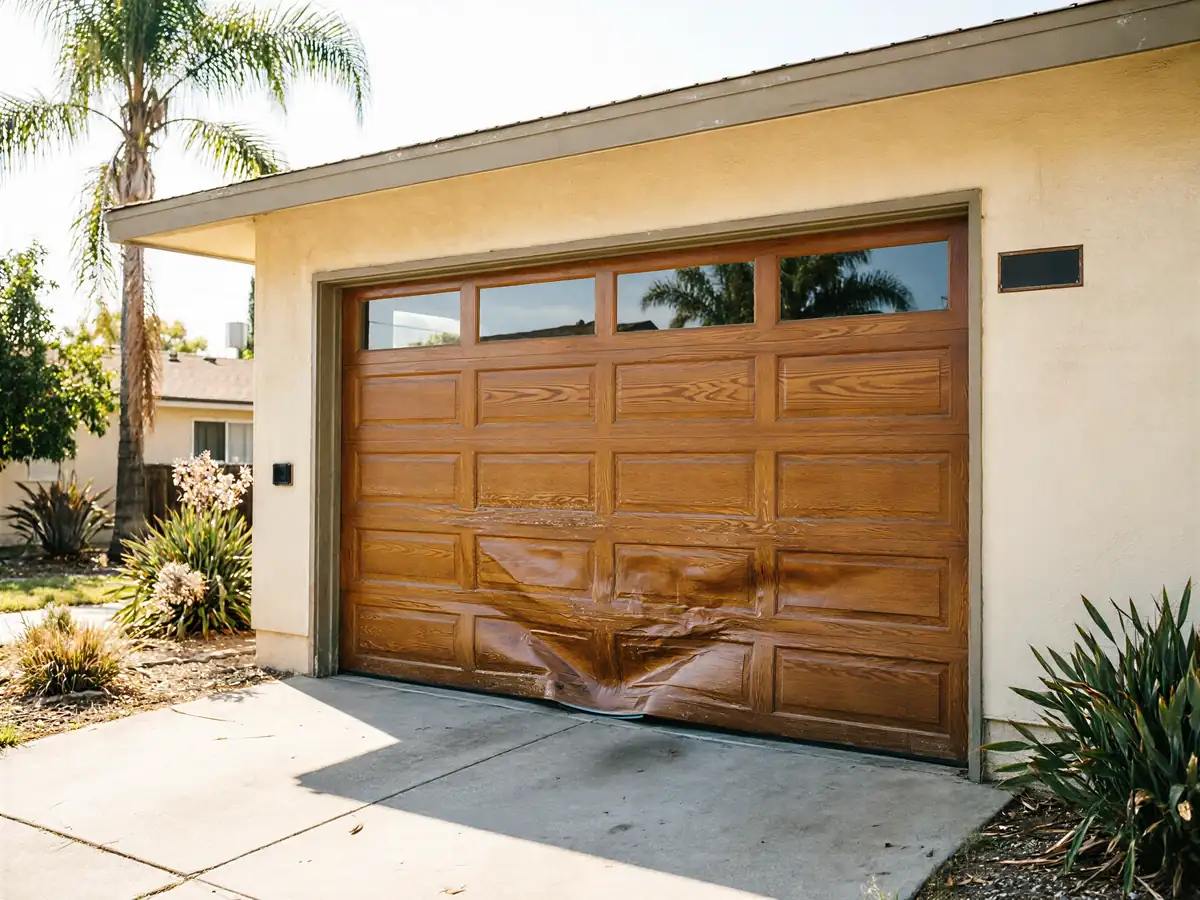
What we don't carry on the truck is anything built for a door style that never shipped out here - oversized commercial drive units or openers rated for insulated doors heavier than what this area's garages were built to carry. If your door was swapped out for something newer and heavier since 1974, tell us before the appointment so we bring the right motor the first time, not the second.
What You Are Seeing
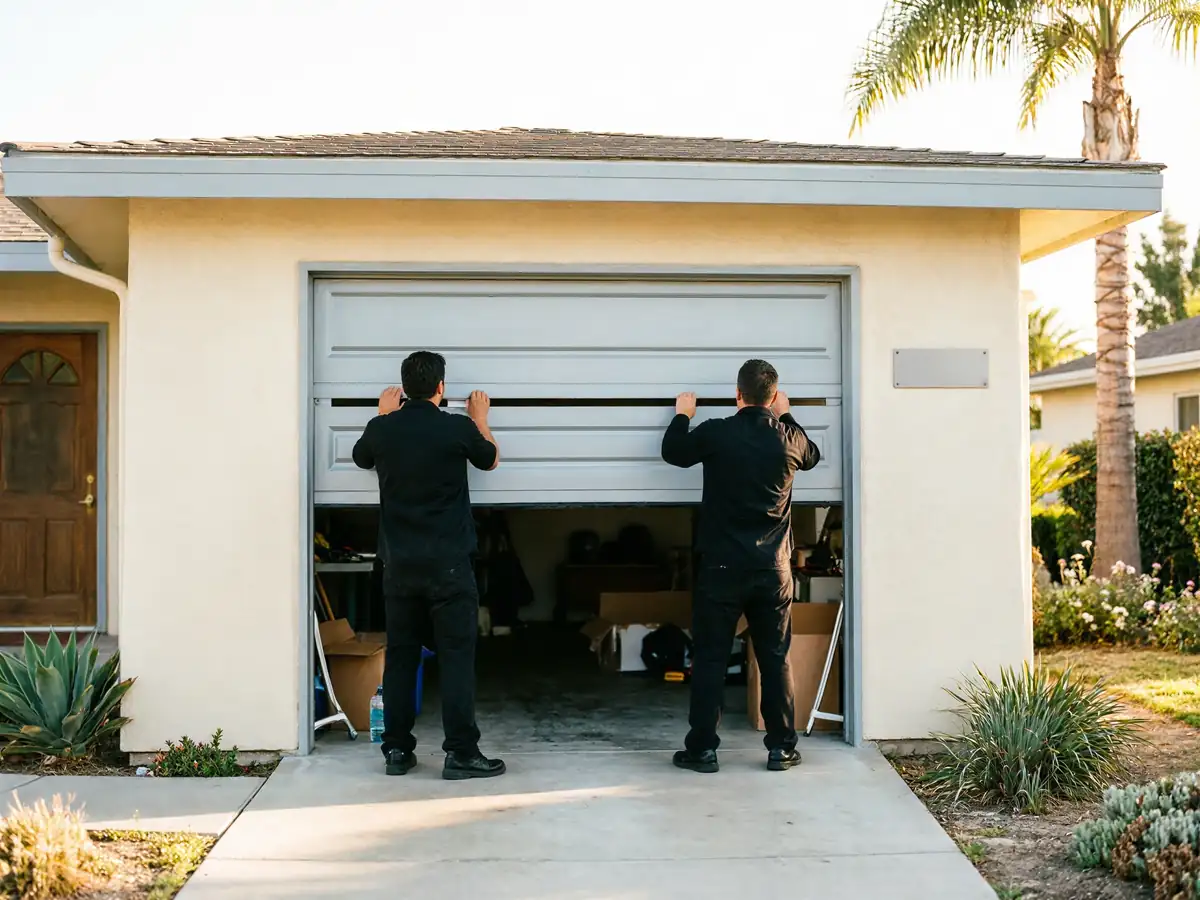
If your opener grinds, reverses halfway up, or runs the motor without moving the door, that's almost always a stripped gear in a chain-drive unit old enough to have outlived its warranty twice over - common in a neighborhood where most openers are the same age as the house. A remote that works intermittently, or only from inside the car, usually points to a failing logic board rather than the remote itself.
If the door won't close at all and the opener light blinks, check the sensors first - or wiring for them, since houses from 1974 often don't have any installed. That's not a defect, it's just the code at the time the house was built. Either way, it's a fifteen-minute diagnosis on site, and in most cases cheaper to fix the opener than to assume the door itself needs work.