The Complications
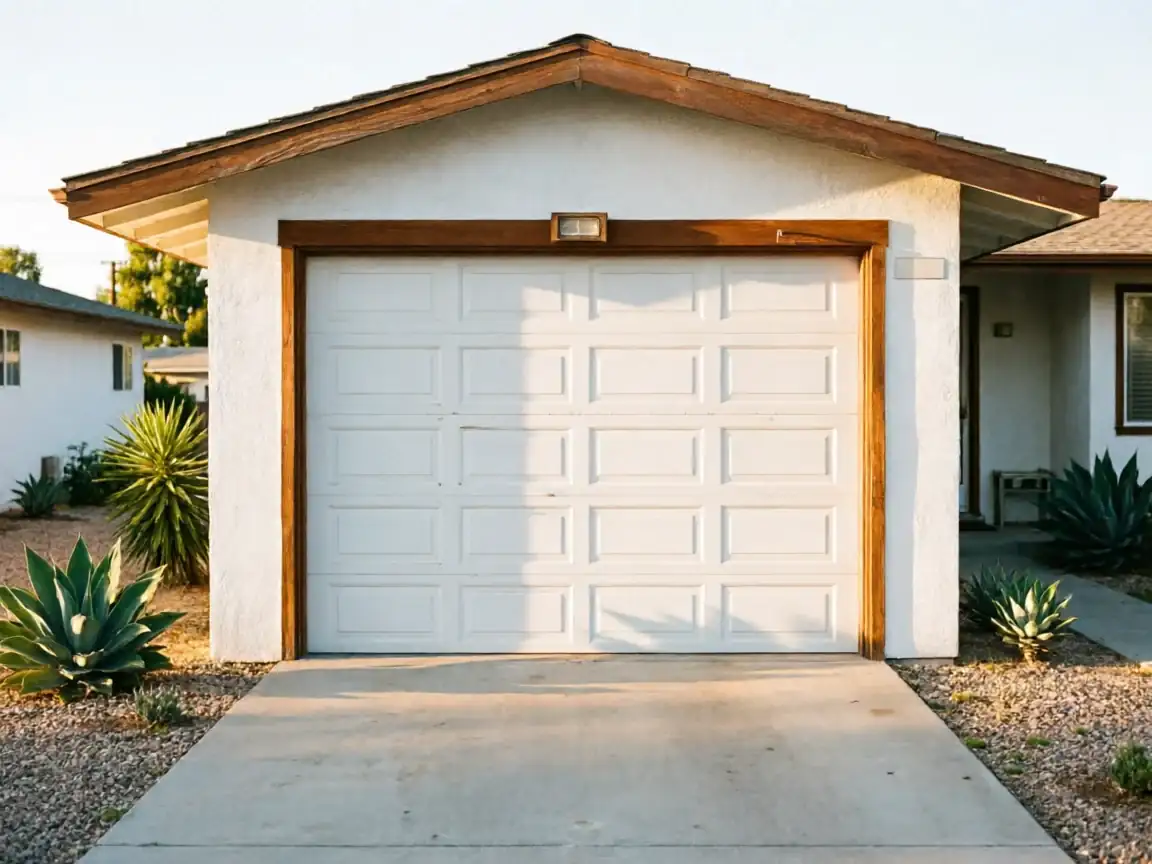
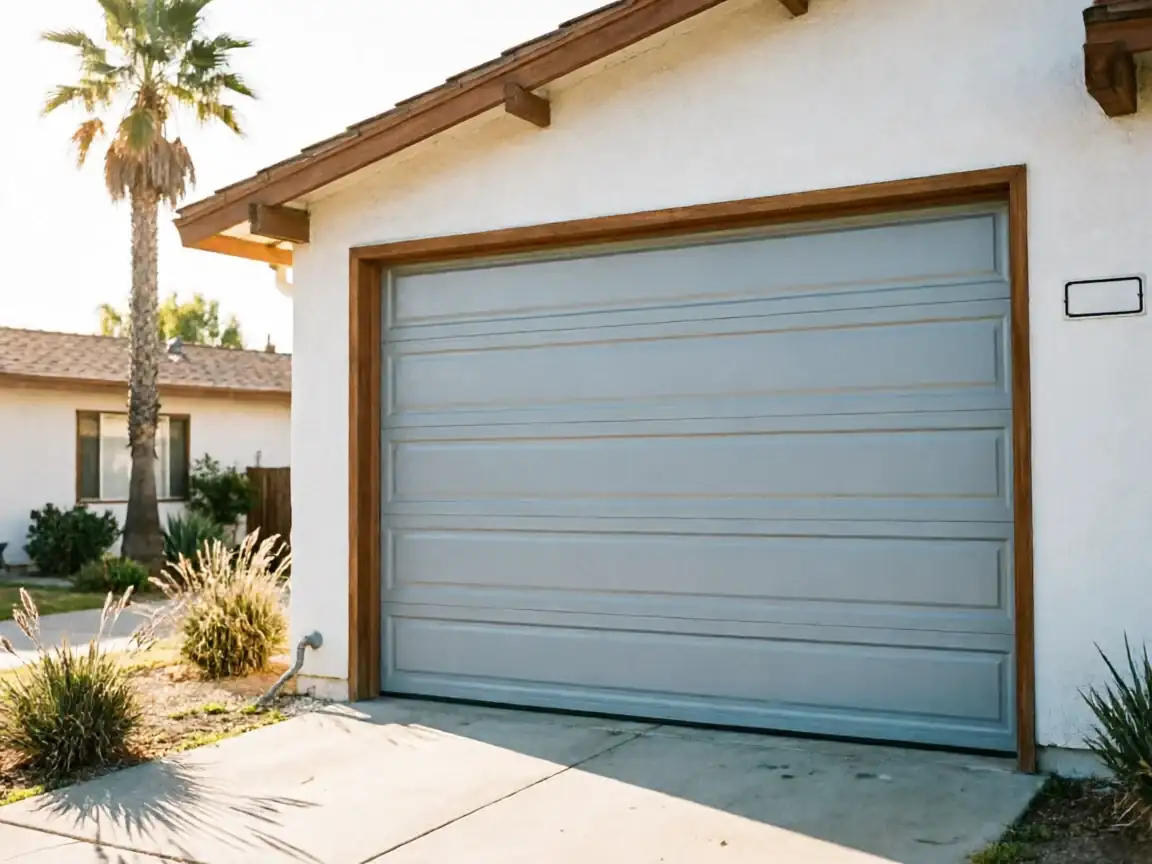
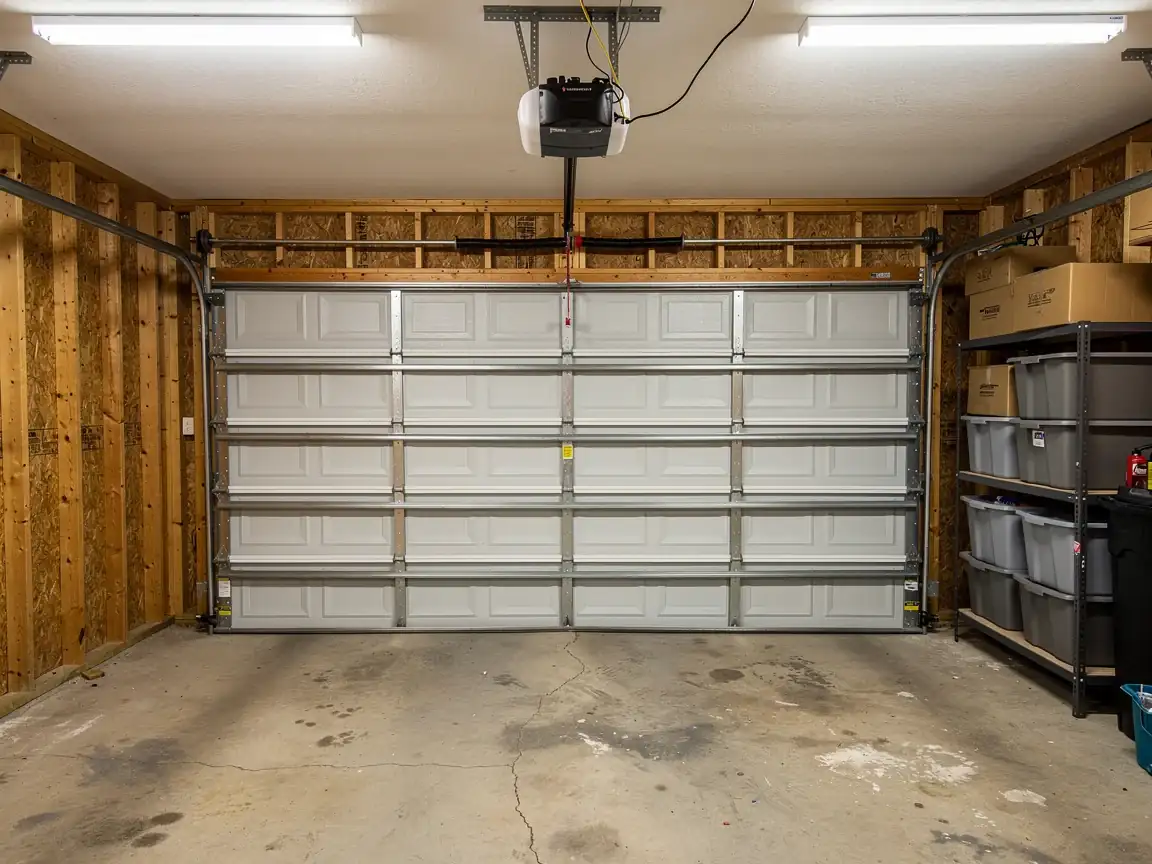
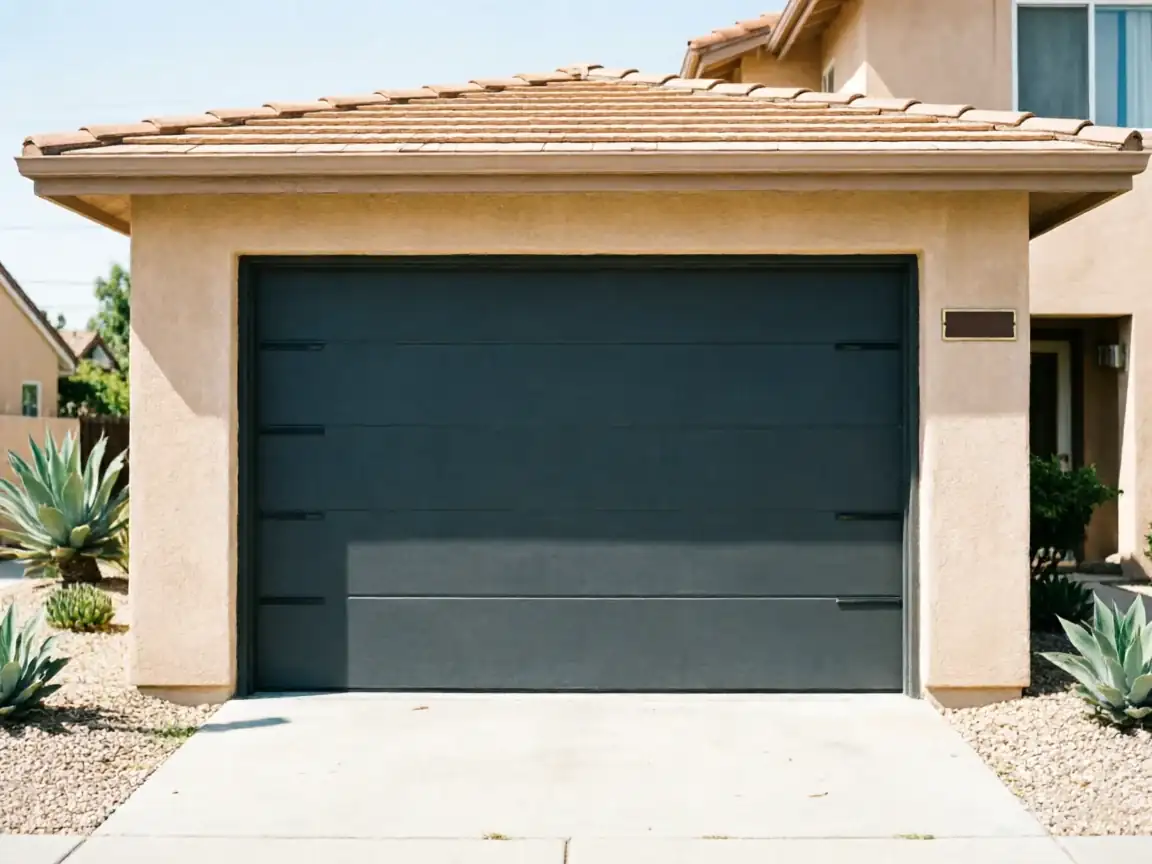
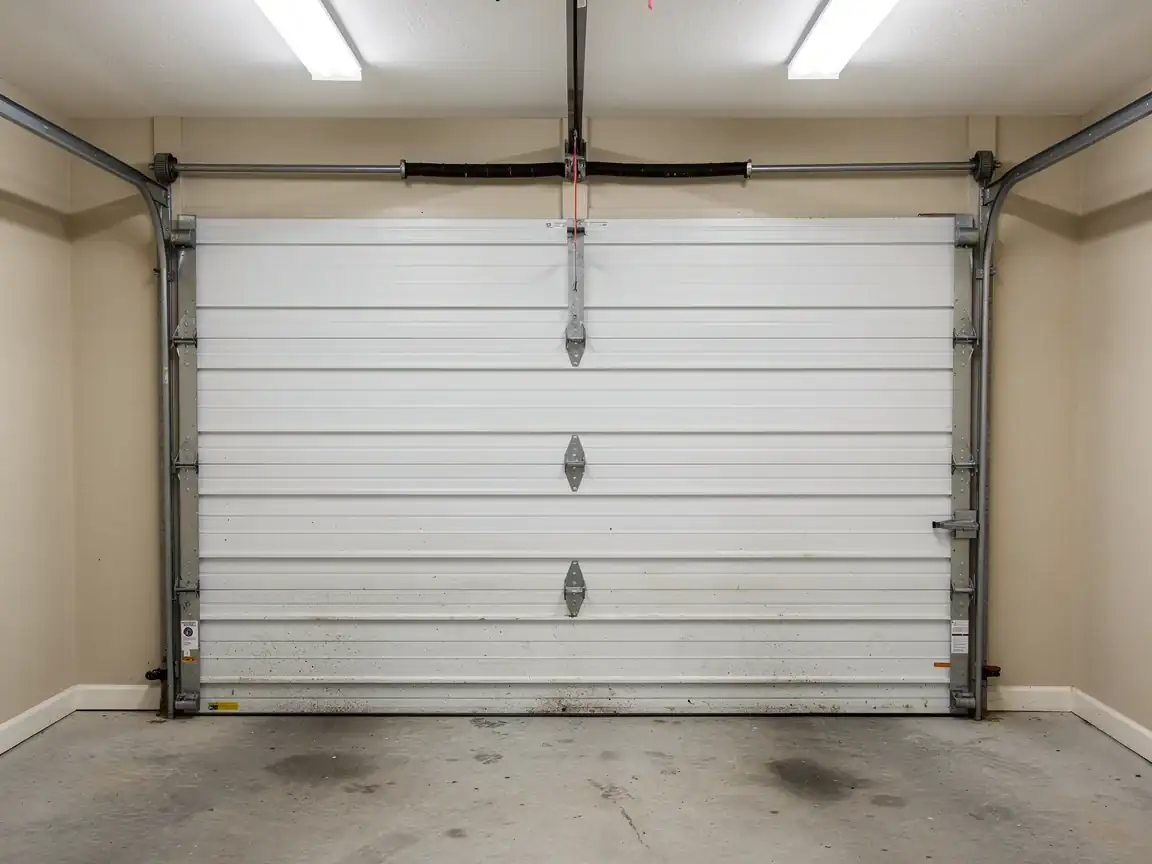
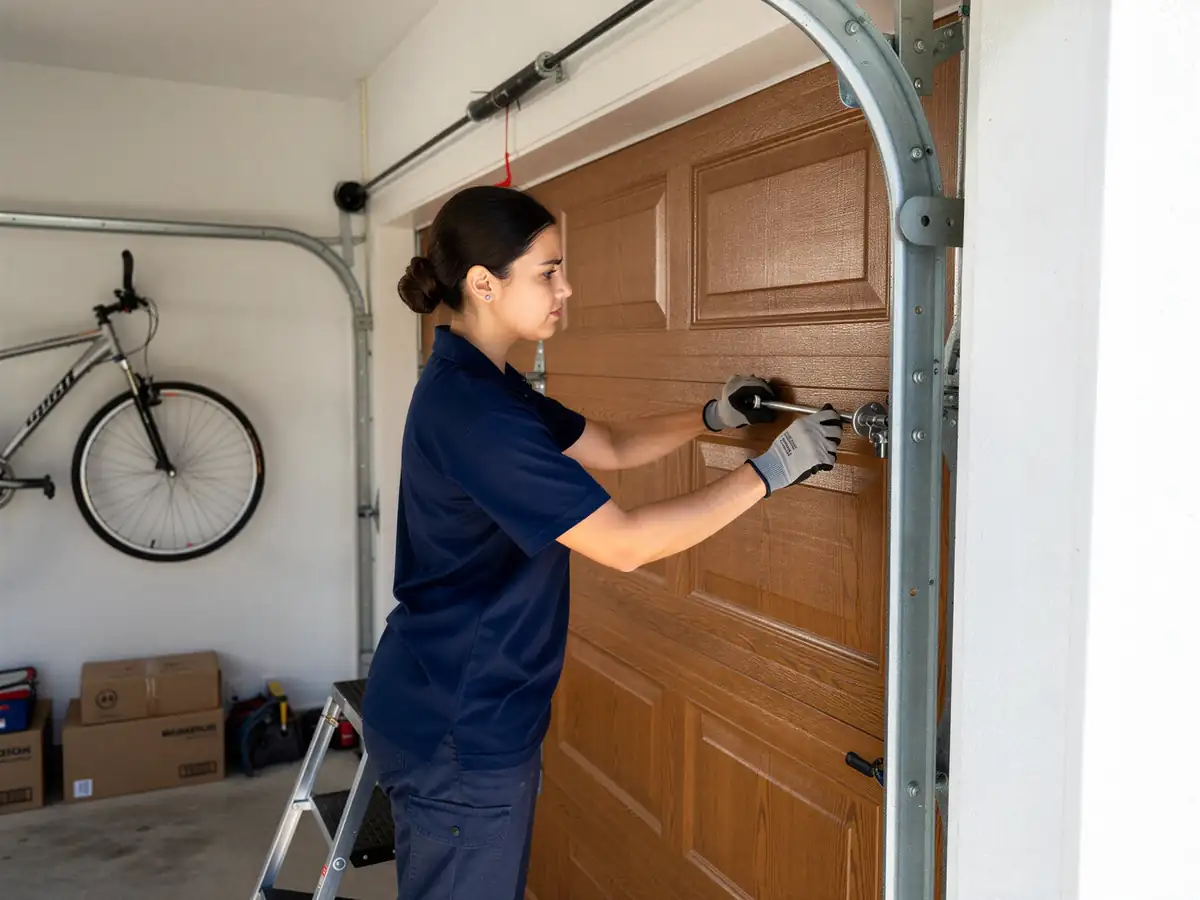
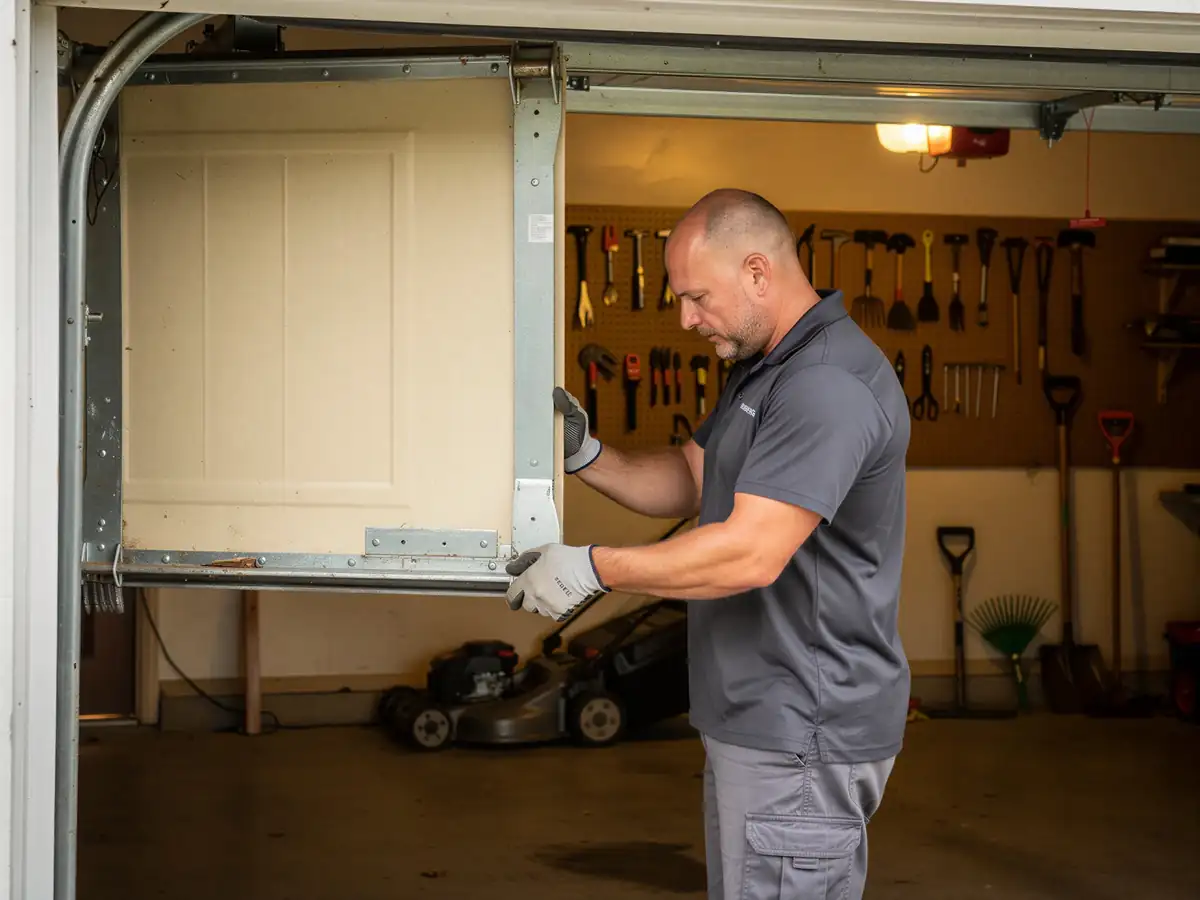
The median home in Green Valley dates to around 1974, which puts it right in the middle of the 1960s-70s building wave that shaped most of this service area. Doors from that period are almost always steel sectional, not the wood or fiberglass you'd find on a newer build or the older one-piece doors from the 1930s-40s end of the housing range. That matters for panel replacement because steel sectional panels from the 1970s came in dimensions and rib patterns that manufacturers have since changed more than once. A panel that looks like a close match at the hardware store often isn't - the screw holes land wrong, or the thickness is off by enough that the door won't seat flush. With only 558 households in Green Valley, there isn't a dedicated supply house out here; we bring panel stock with us from Fairfield, about 7 miles in. The area's mild temperate climate means we're rarely dealing with rust-through or warped panels from freeze-thaw cycling - the damage we see is almost always physical, a car bumper or a wind-caught basketball hoop, not weather rot.
Parts We Carry
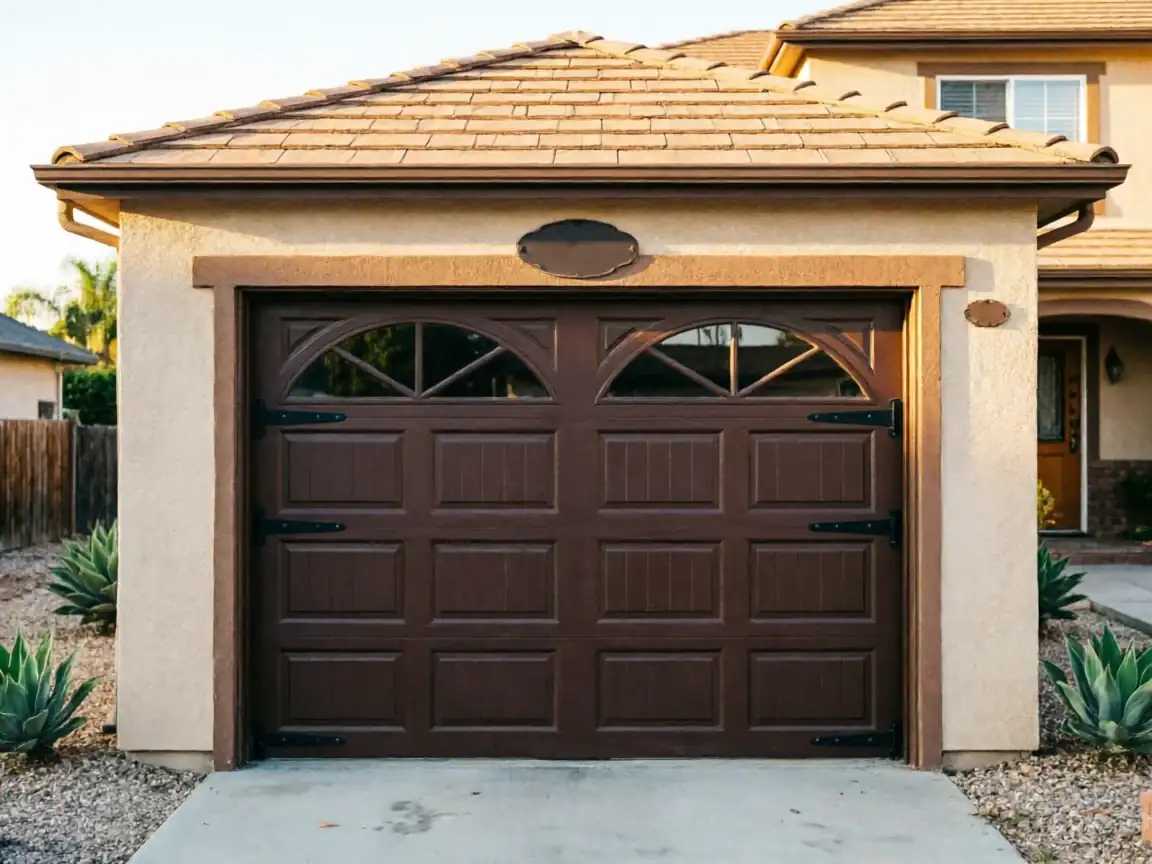
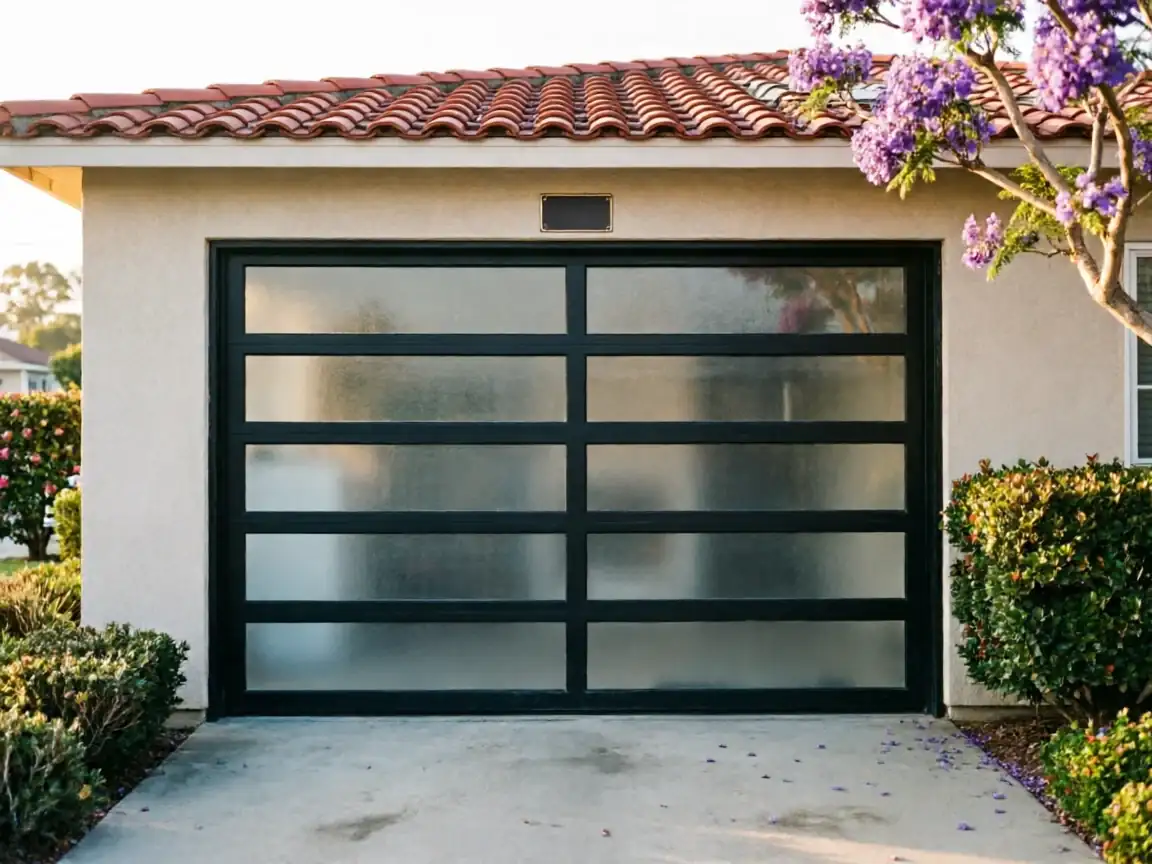
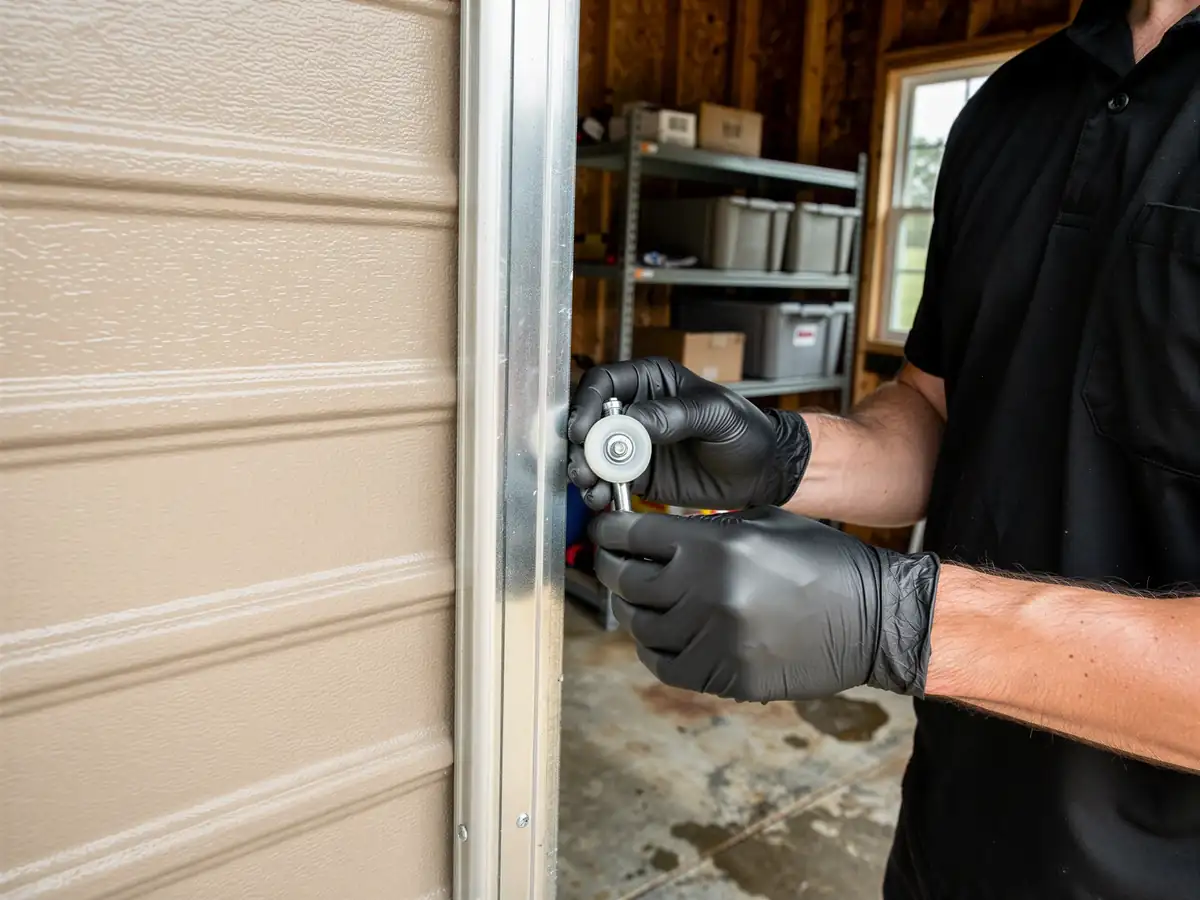
Because so much of Green Valley's housing stock sits in that 1960s-70s band, we stock steel sectional panels sized for that era's common door widths, along with the hinges, rollers, and end caps that go with them. We carry both short-panel and long-panel sectional styles since both were installed depending on the builder. For homes nearer the newer end of the 1938-2002 range, we also carry current-generation insulated steel panels, which don't interchange with the older stock but cover anything built more recently. What we don't keep on the truck is specialty wood or custom fiberglass replacement panels - those get special-ordered and the lead time runs longer than a standard steel swap. Given the area's income profile, a number of Green Valley homeowners ask about full-door upgrades instead of patch repairs; we carry pricing for both and can walk through which makes sense once we've seen the door.
What You Are Seeing
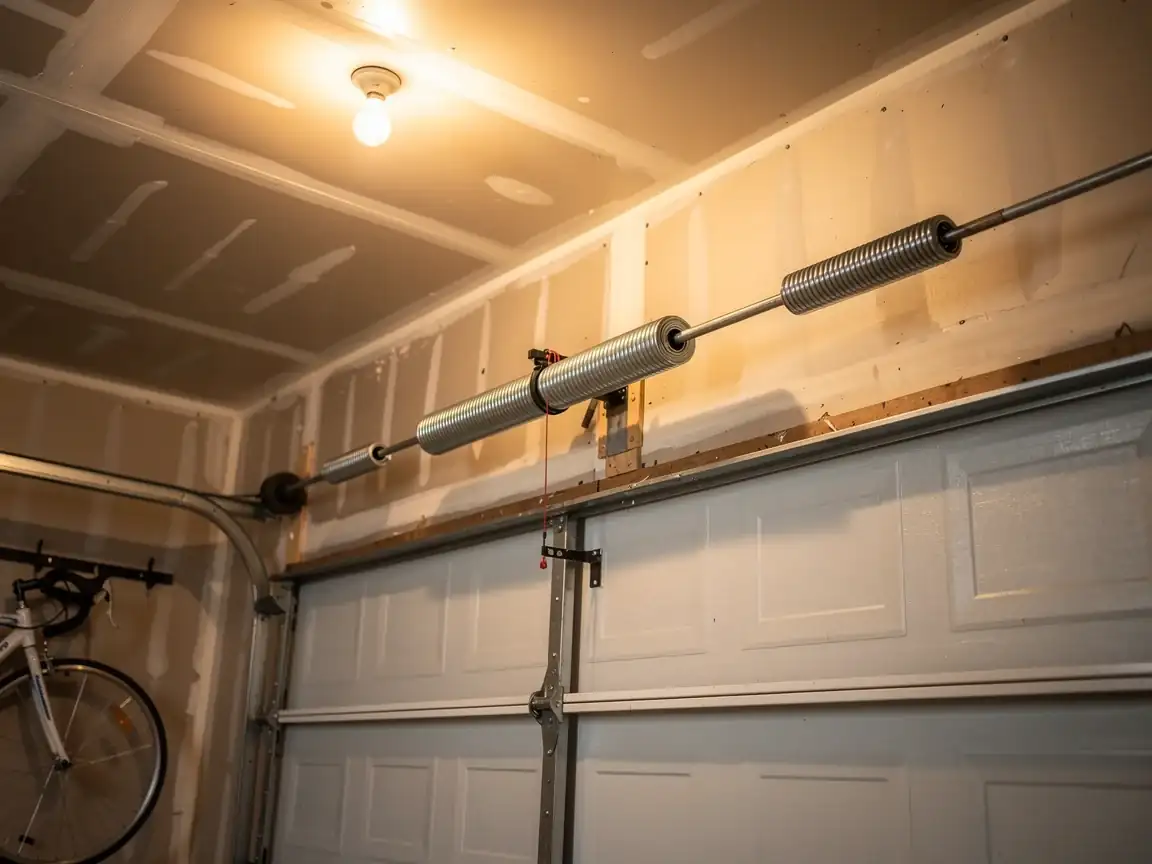
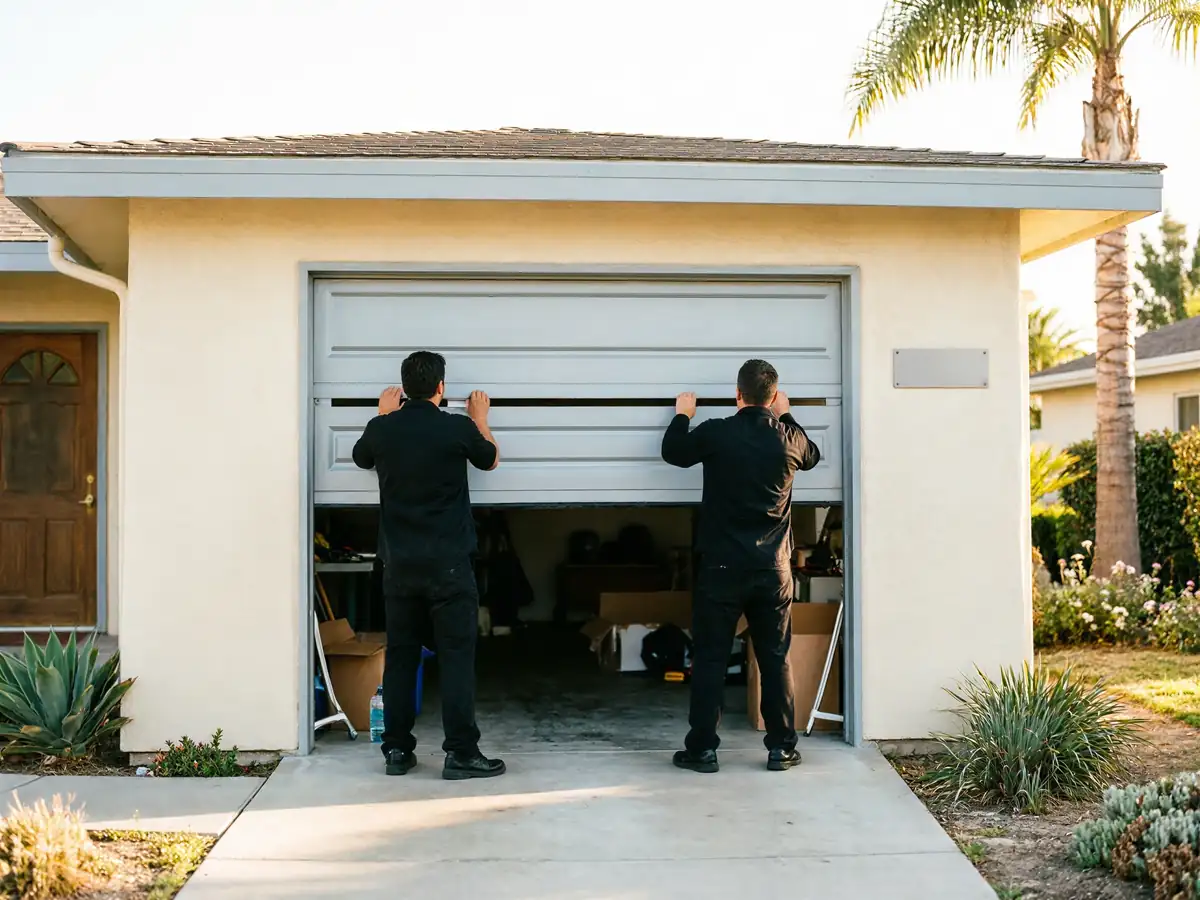
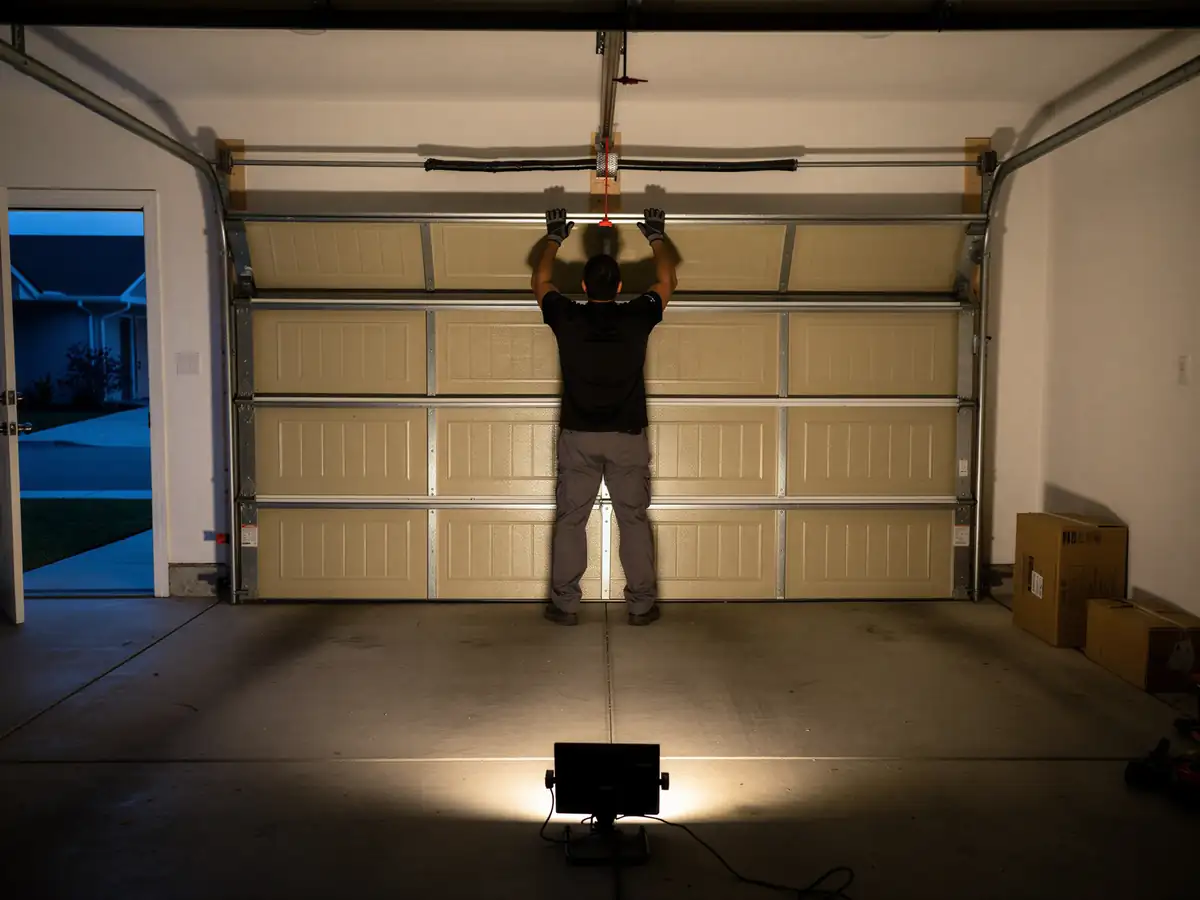
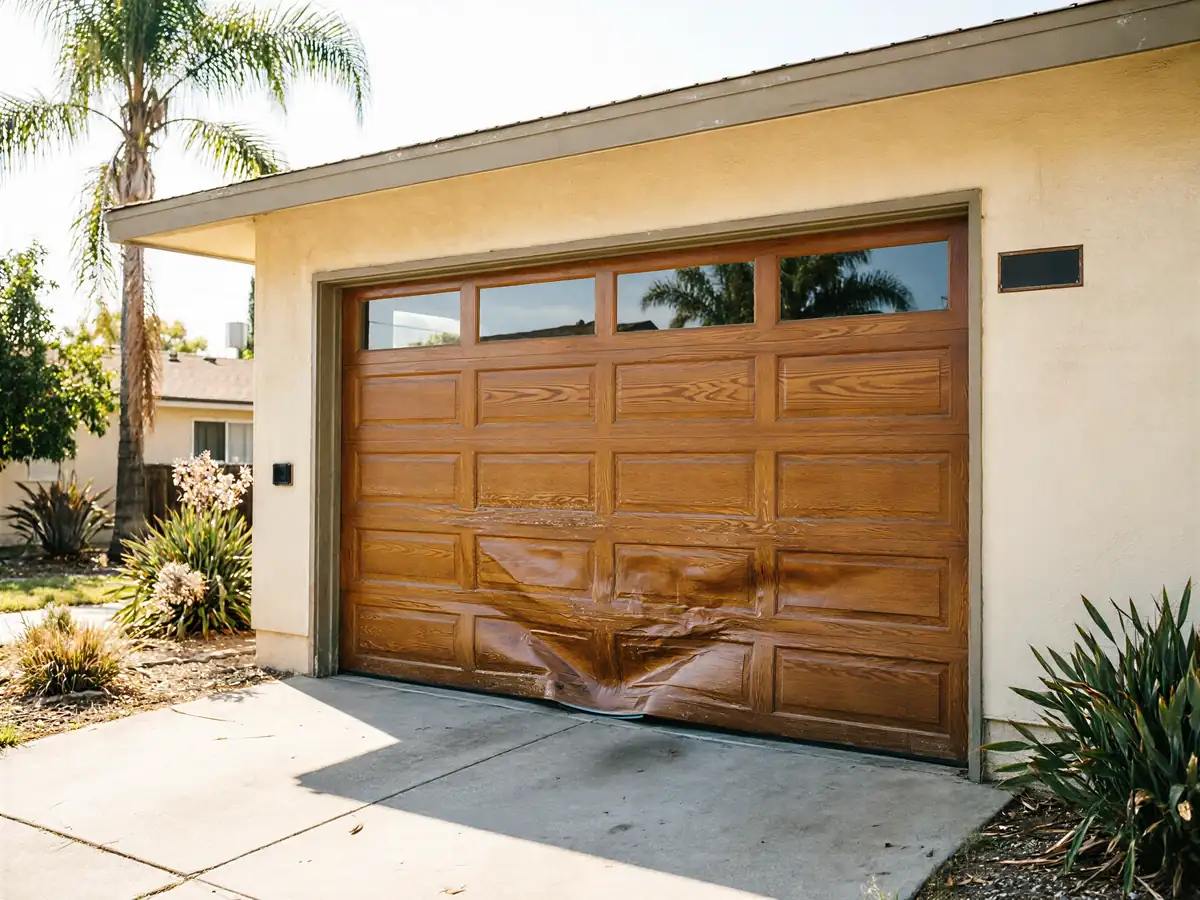
A bowed or buckled panel usually means something hit the door from outside - a car, a thrown object, or wind pressure working on a section that already had a weak seam. Rust bubbling along the bottom panel is less common here given the mild climate, but it shows up occasionally on doors facing a sprinkler line that's been hitting the same spot for years. If you're seeing daylight between panels when the door is closed, that's usually a hinge or roller issue riding on 1970s-era steel that's thinned with age, not necessarily the panel itself. And if the whole door has started sagging on one side, check whether it's one damaged panel pulling the rest out of alignment, or a track problem - replacing a panel on a door with a bent track just moves the sag to a different spot.