The Complications
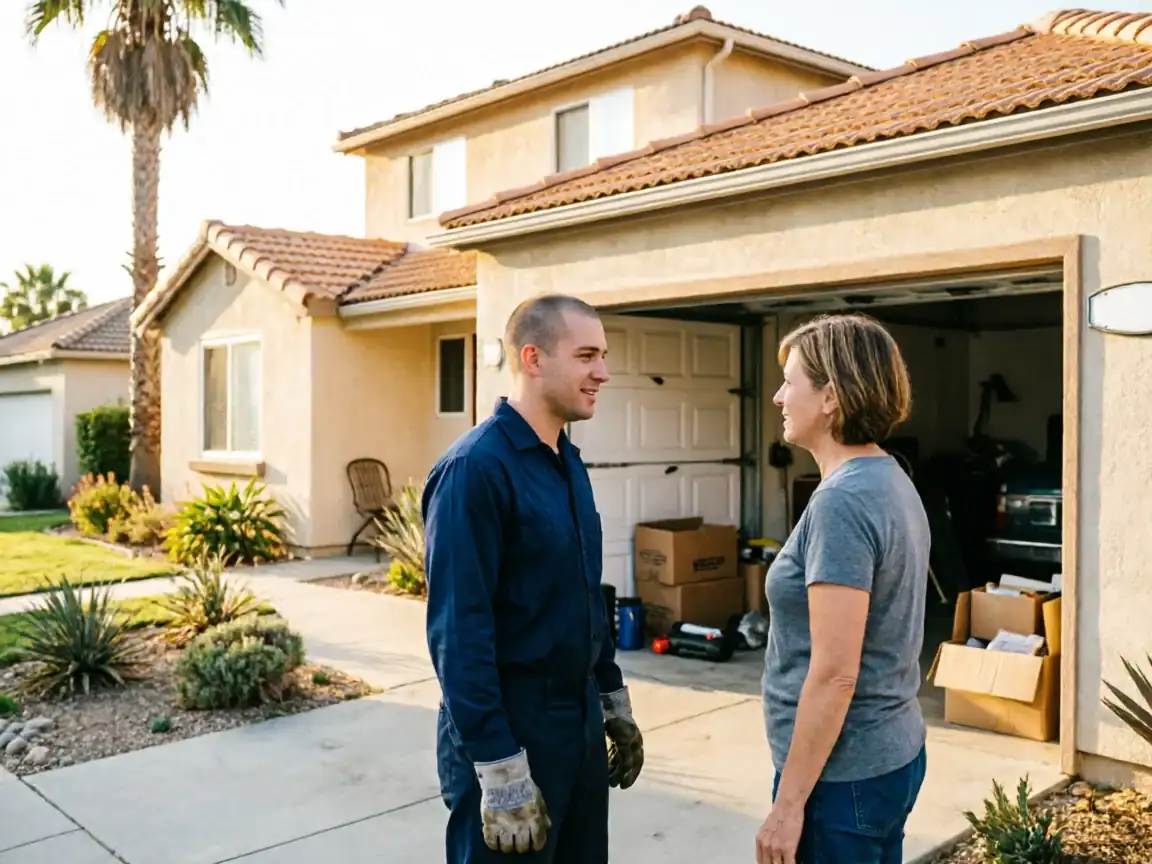
Green Valley is a seven-mile drive from the shop in Fairfield, short enough that a roller call here usually slots in next to two or three other jobs the same day. Among the places we reach, only Suisun City's two-mile hop is shorter, so a tech is rarely more than fifteen minutes out when a roller starts grinding.
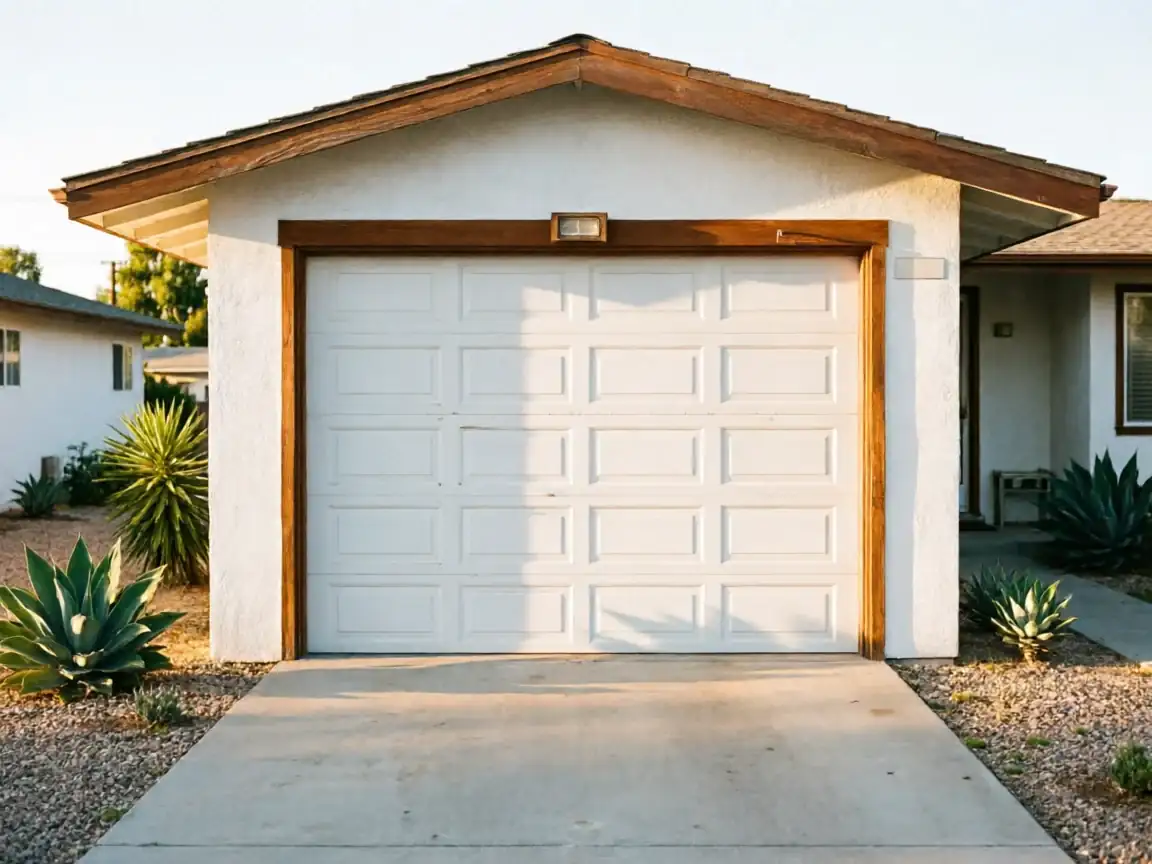
The complication isn't the drive, it's the door. Most houses in this pocket went up around 1974, a handful of years ahead of the 1979 median across the wider area we cover. Doors from that era were built for steel rollers riding directly in a bare track, no nylon wheel, no sealed bearing. Thirty-plus years of opening and closing wears the roller stem down to a point where it binds in the track instead of rolling through it, and that binding is what you hear as grinding or feel as a jolt partway up. With 558 households in Green Valley, it's a smaller pocket than some of the others on the route, but the door hardware problem is consistent house to house because the building stock went up in roughly the same window.
Can You Do This Yourself
Rollers are one of the few garage door repairs a homeowner can reasonably tackle without a torsion spring in the mix
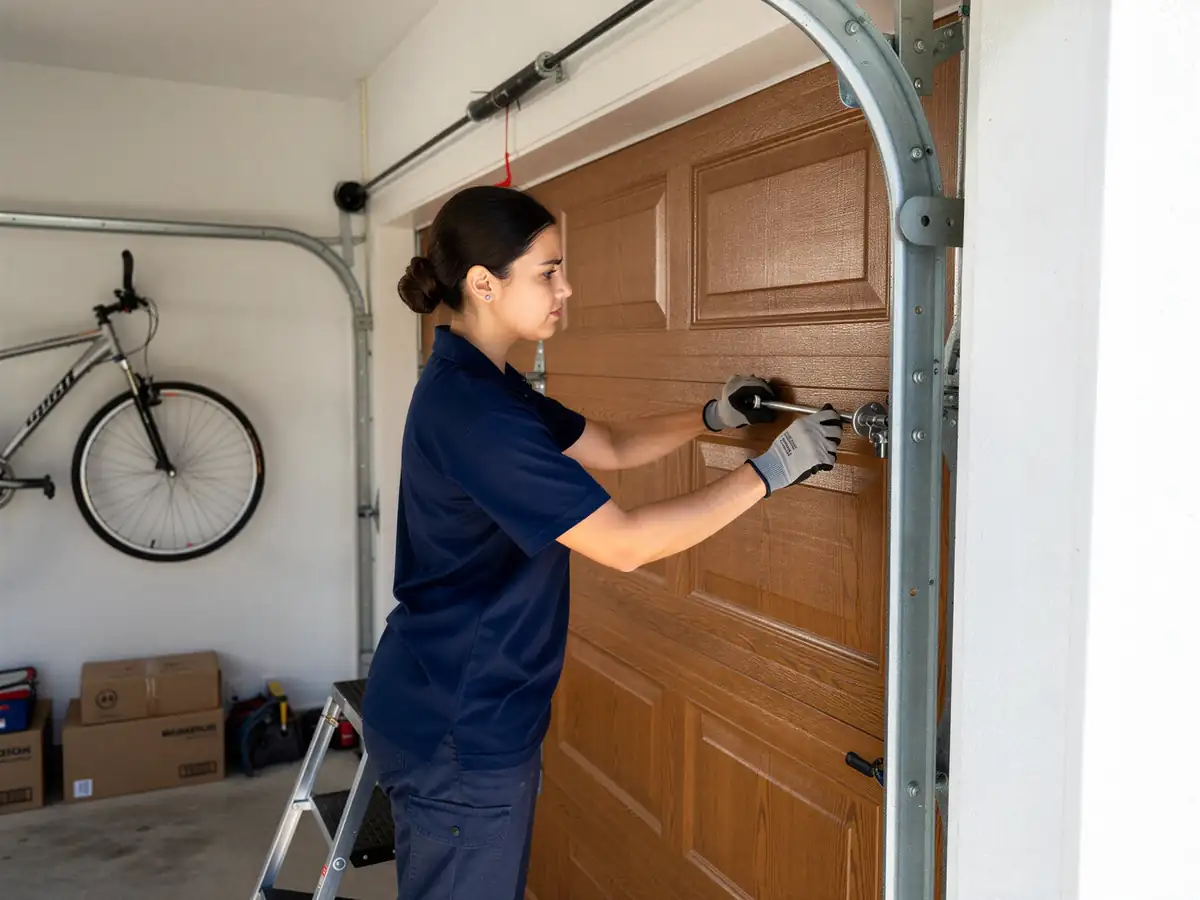
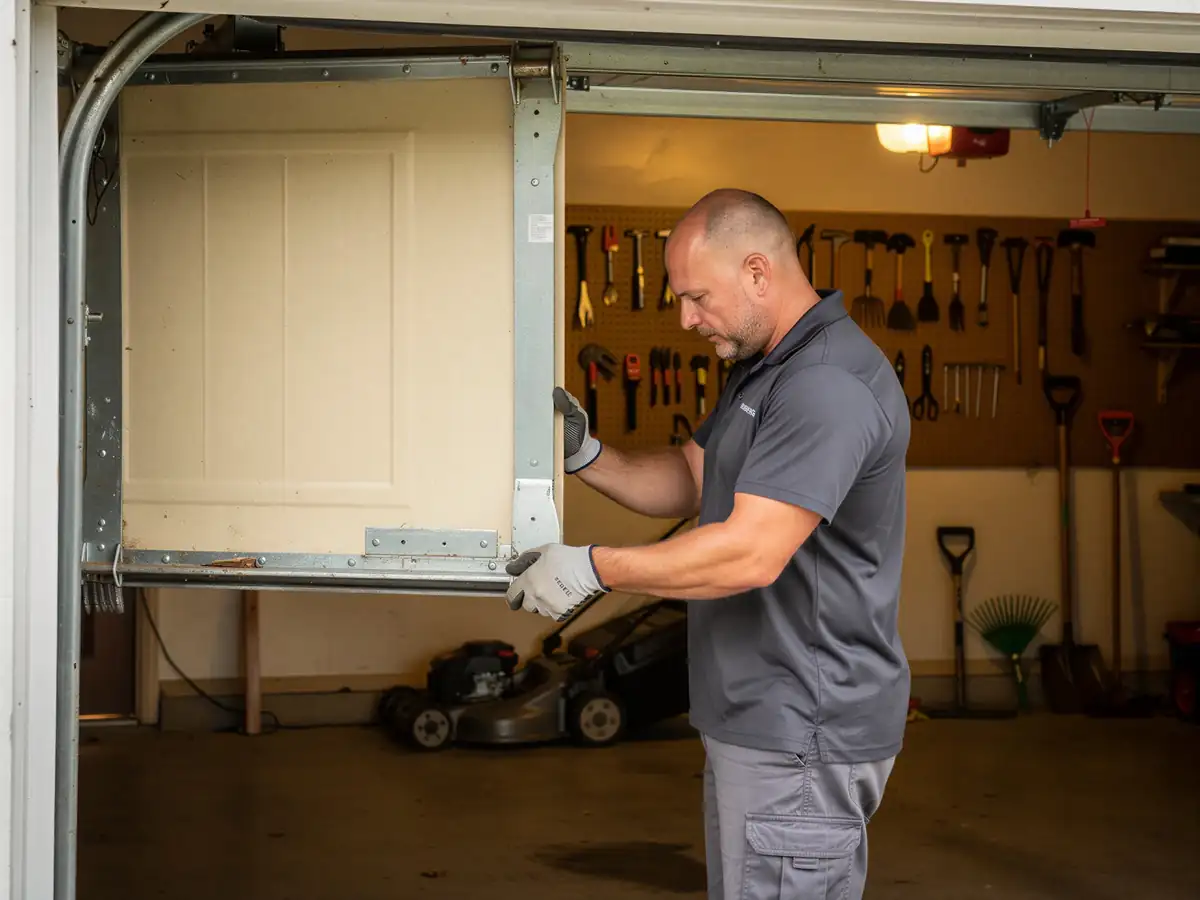
If the door is a single panel, the springs are already relaxed when the door's down, and a roller swap one at a time, leaving the others in place to hold the panel aligned, keeps the job low-risk.
Where people get into trouble is pulling more than one roller per panel at once
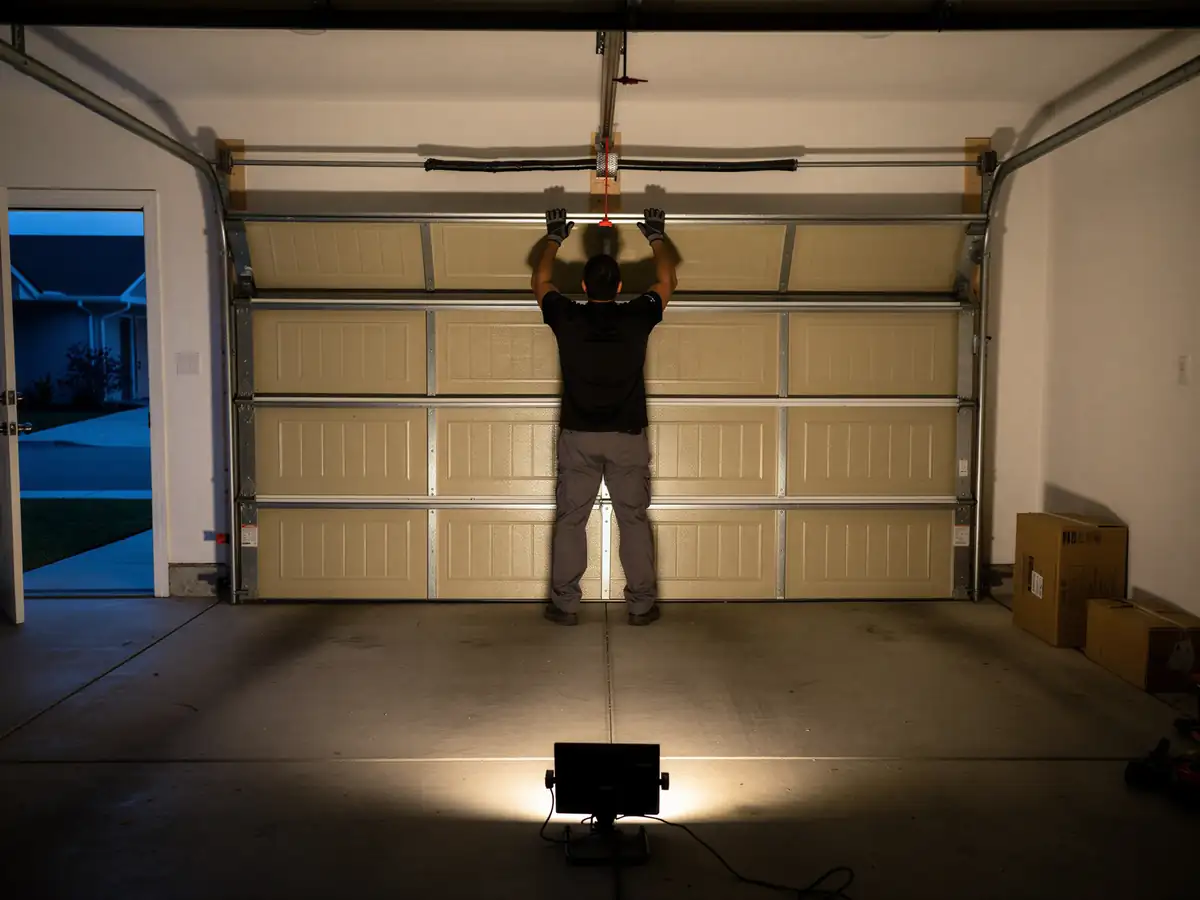
Which lets the section sag and jump the track, or using the wrong stem length for the hinge, which looks fine until the door racks sideways on the next cycle. If your door has a high-cycle opener spring or the bottom section rollers are also carrying cable drums, that's past a weekend fix and into spring territory, which we don't recommend doing yourself. At $114,500 median household income here, most owners we talk to would rather pay for a half-hour roller job than risk a trip to urgent care over a dropped panel.
Parts We Carry
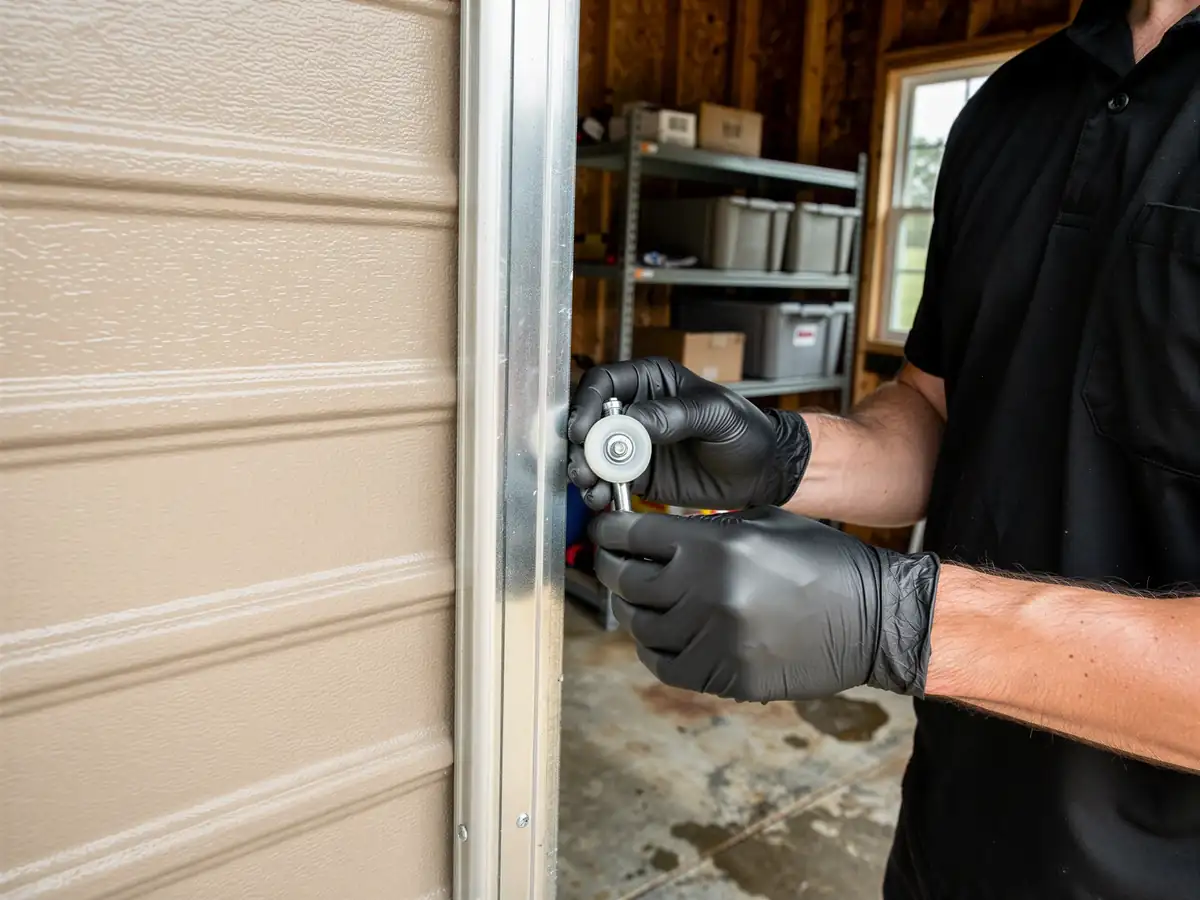
The truck carries both 7-ball steel rollers and sealed nylon rollers in the stem lengths that fit the 1960s-through-80s torsion and extension hardware common across this part of the service area, including the doors typical of Green Valley's 1974-era housing.
Steel rollers are cheaper and still show up stock on a lot of these doors, but they're also the loudest part of the door once the bearing wears, and in a quiet neighborhood that's the complaint that gets the call placed. Nylon rollers cost more per roller but run quieter and don't need the same lubrication schedule, which matters less here than it would in a harsher climate but still cuts down on one more thing to remember. We don't stock oddball proprietary rollers from newer import door brands - if your door takes one of those, we'll tell you on the first visit rather than making a second trip.
What You Are Seeing
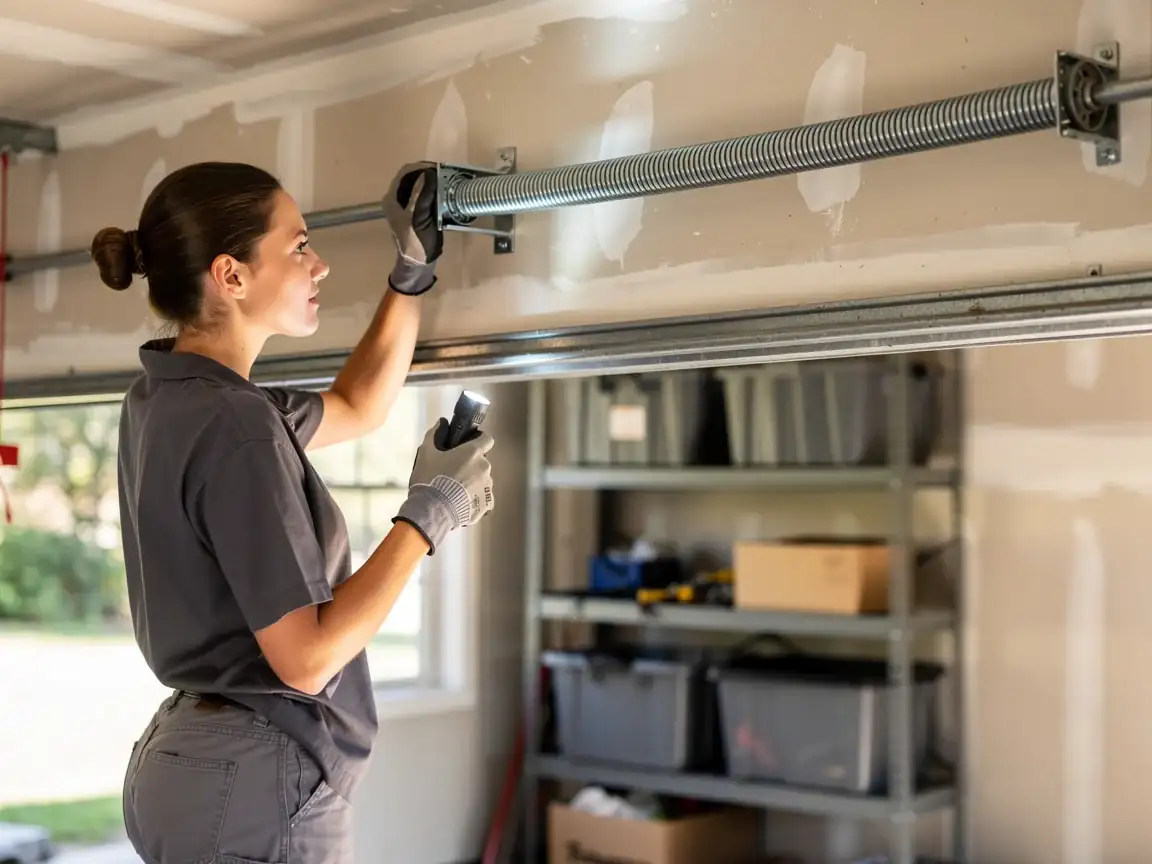
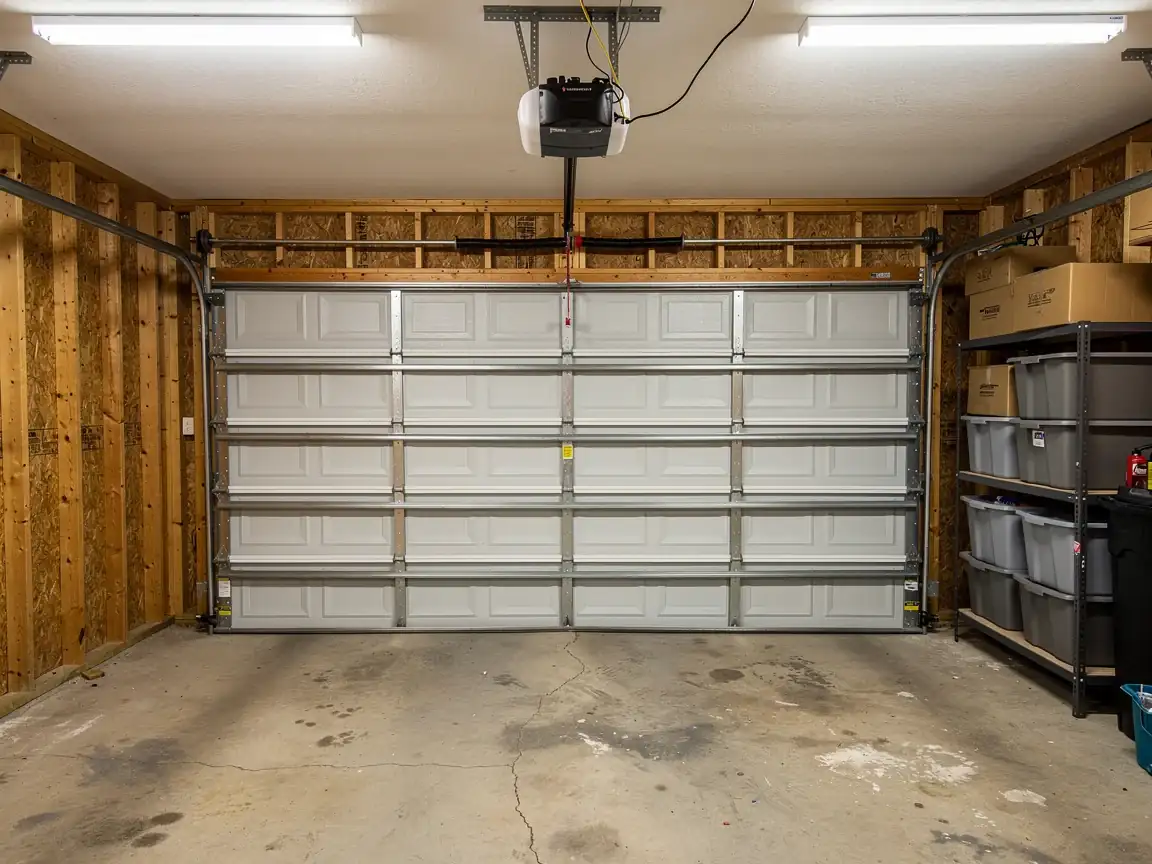
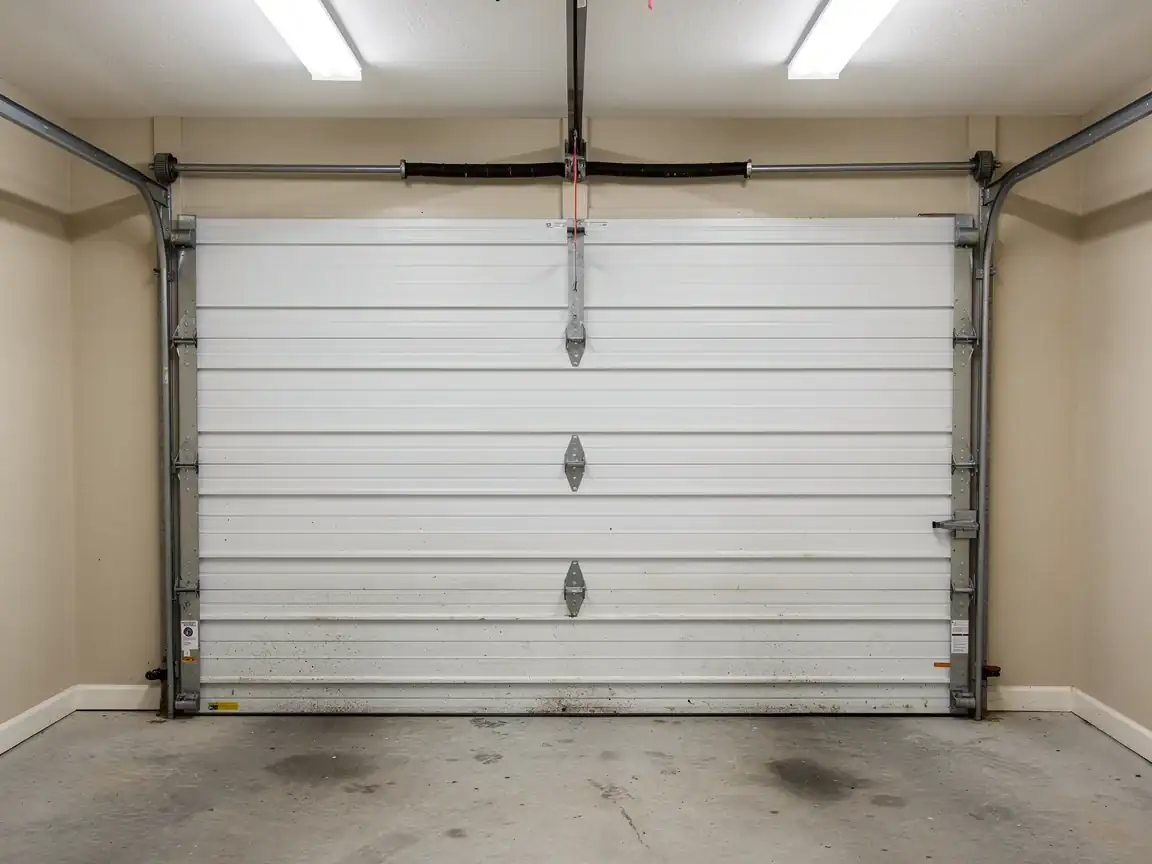
A grinding or rattling sound as the door moves, worse at the top or bottom of travel, is usually a roller stem wearing in its bracket rather than anything wrong with the track itself. If the door visibly jumps or hesitates at one spot every time, that's often one roller that's cracked clean through and no longer riding in the channel at all.
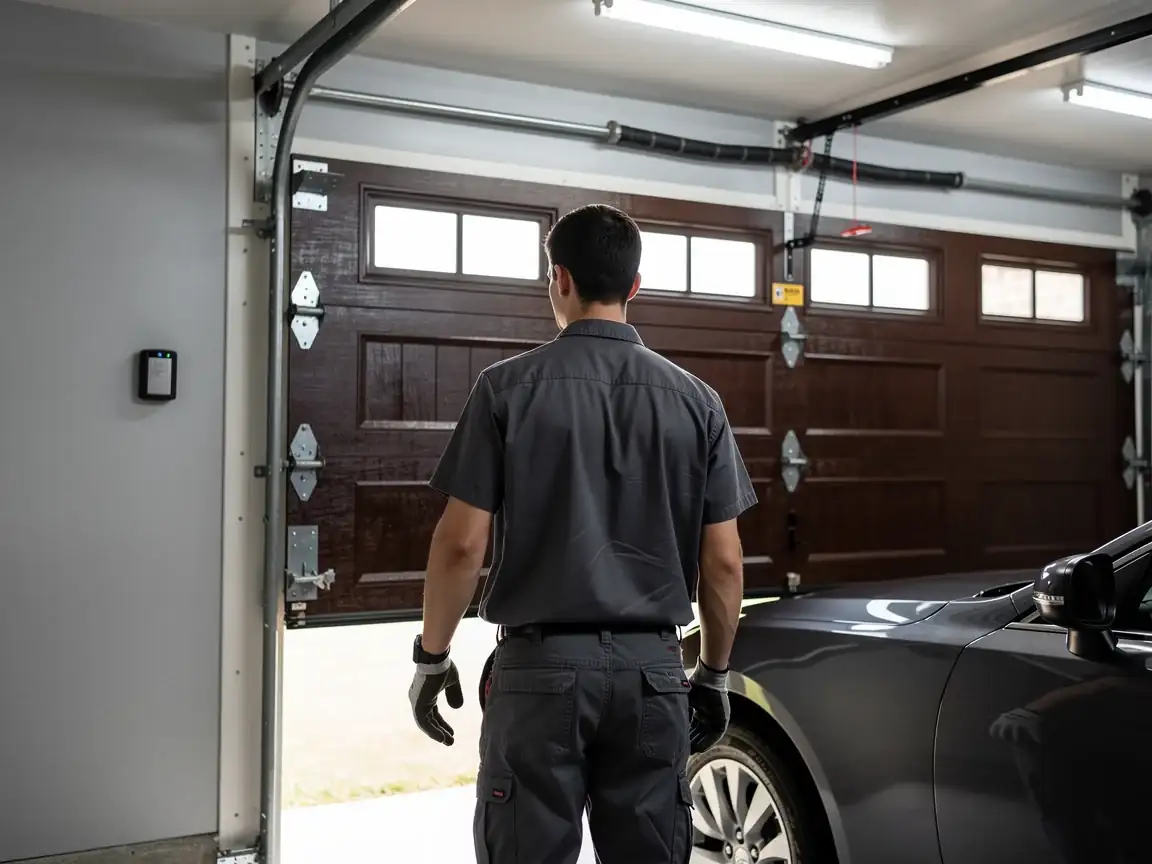
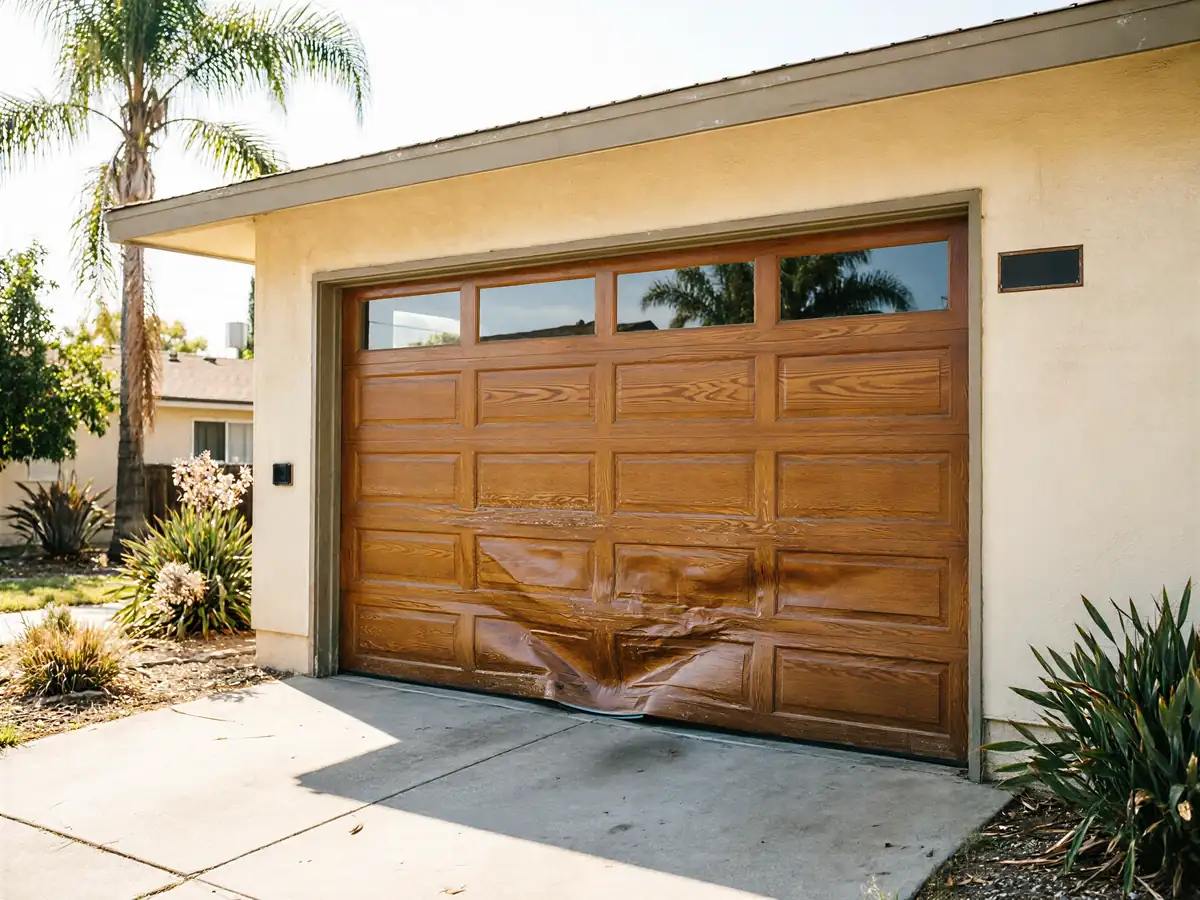
A door that pulls slightly off-square as it closes, so one bottom corner touches the floor before the other, points to uneven roller wear rather than a track that's bent - on a 1974-era door that's more common than people expect, since the original rollers have usually never been replaced. If you see metal shavings on the floor under the track, that's a steel roller shedding its bearing, and it's worth a call before it seizes completely and takes the track with it.
See our Green Valley garage door page for other common issues on these doors, or the roller replacement page for Fairfield for how the job runs at the shop.