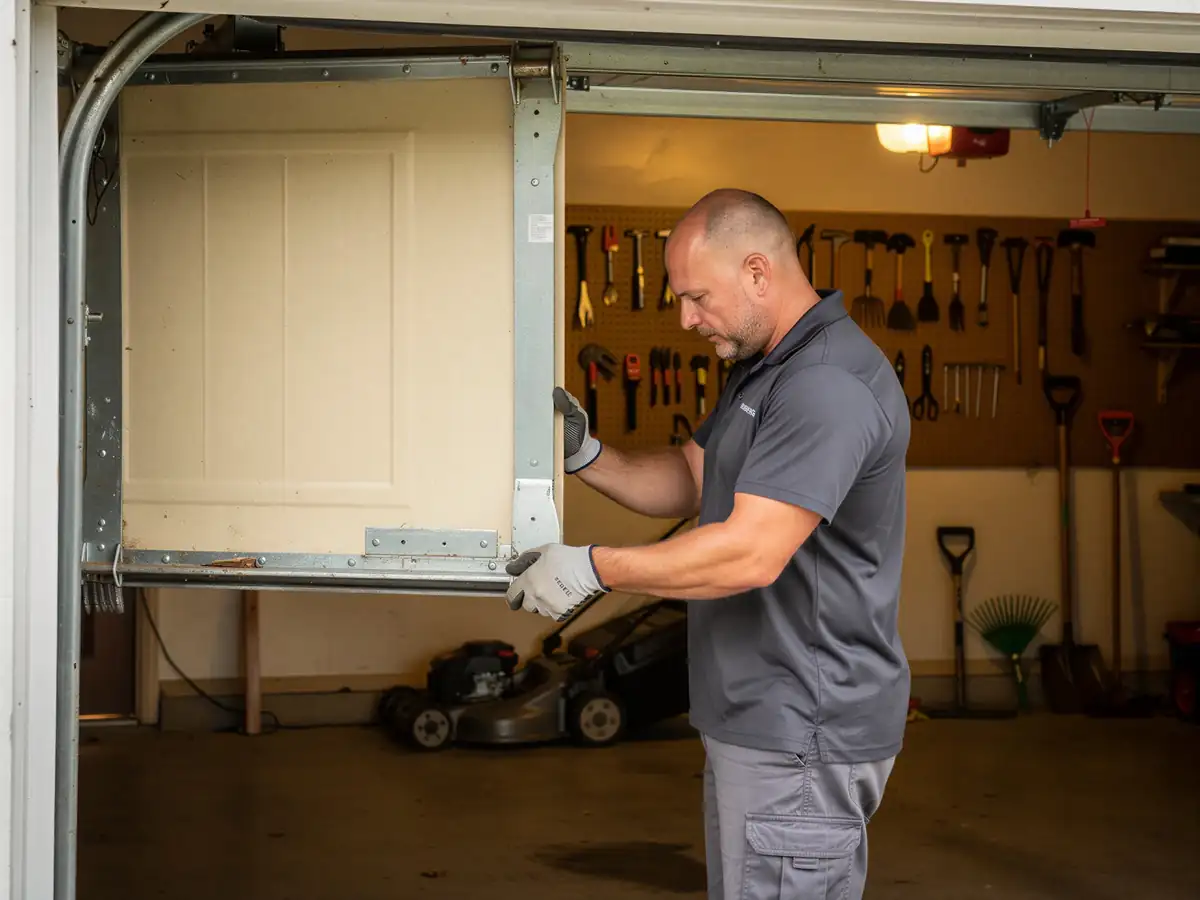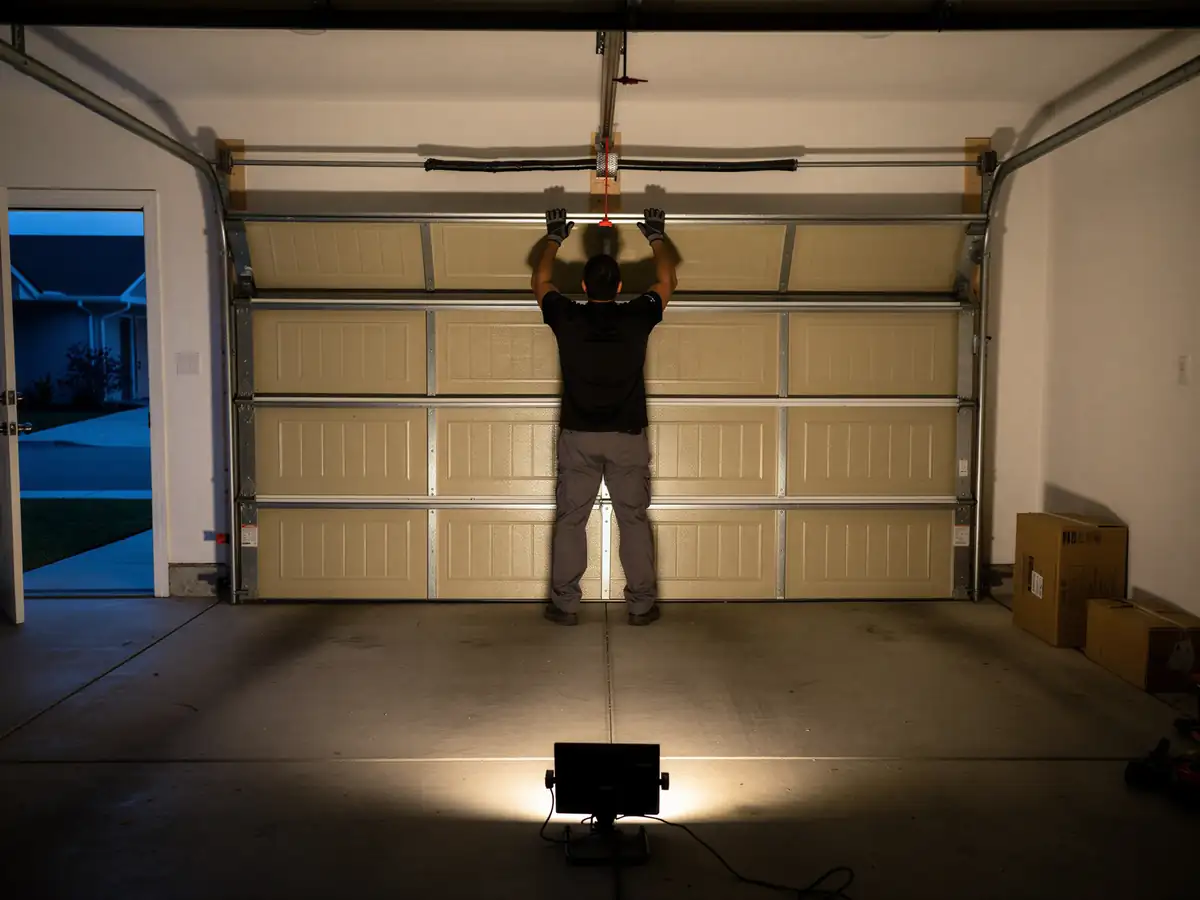
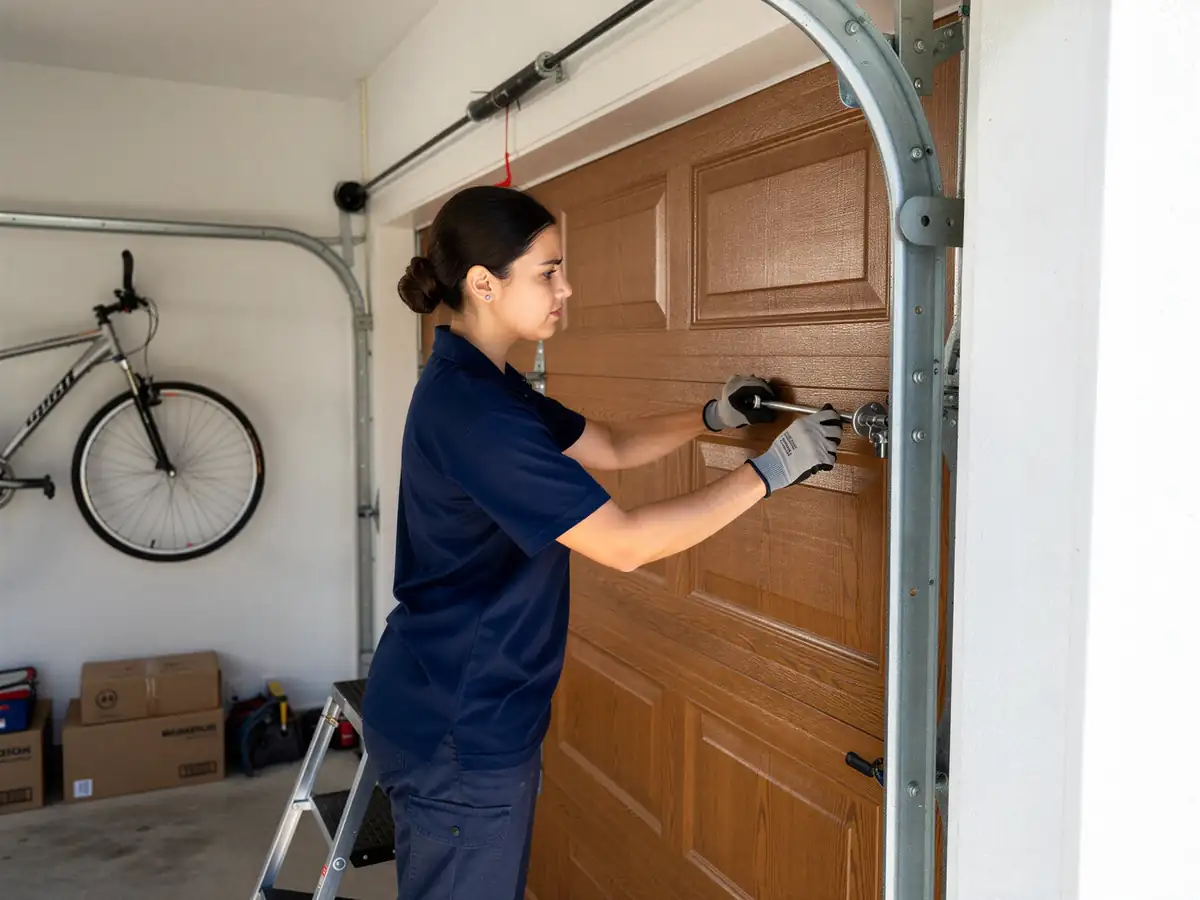
The Complications
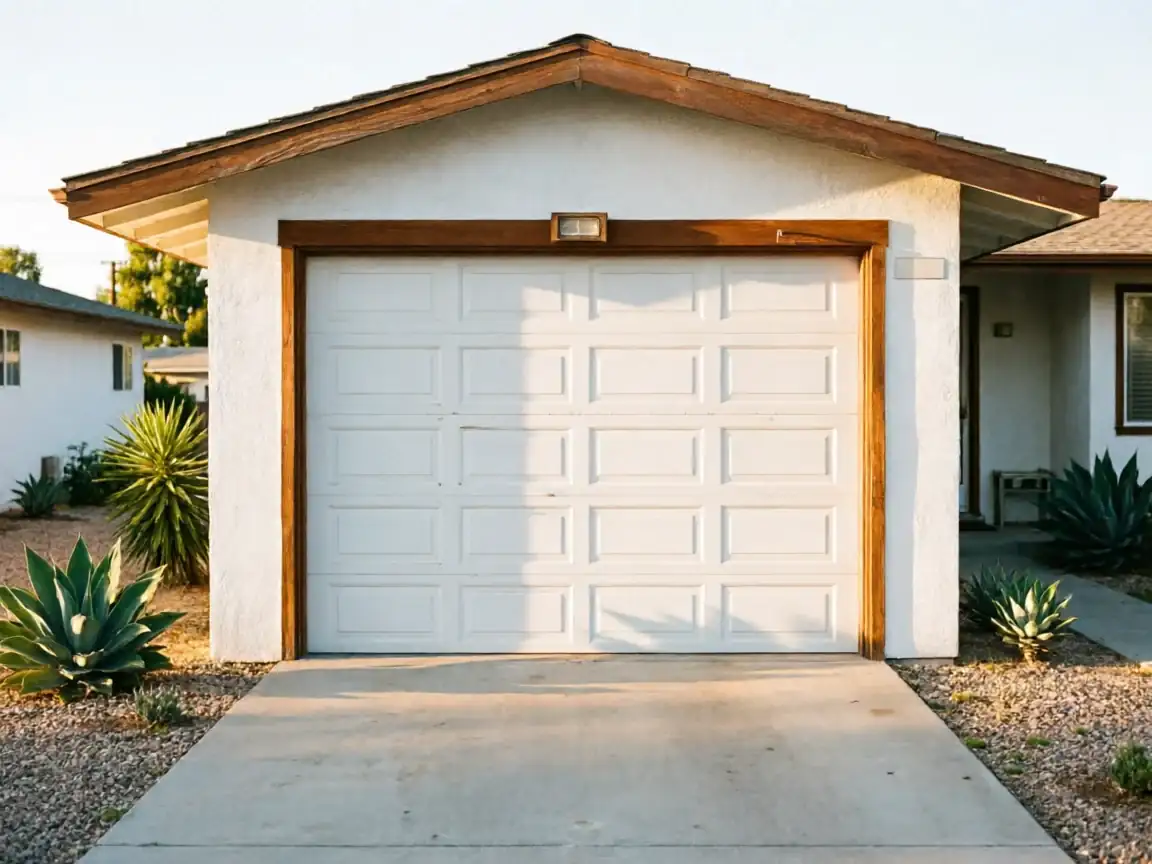
Green Valley is small - about 558 households by the last count, tucked 7 miles out from our Fairfield shop. That size matters more than people expect. A neighborhood this compact doesn't generate the call volume of a bigger grid, so a lot of the doors here have sat with the same spring, the same opener, the same rollers since they went in. Nobody's had a reason to think about the door until it stops working.
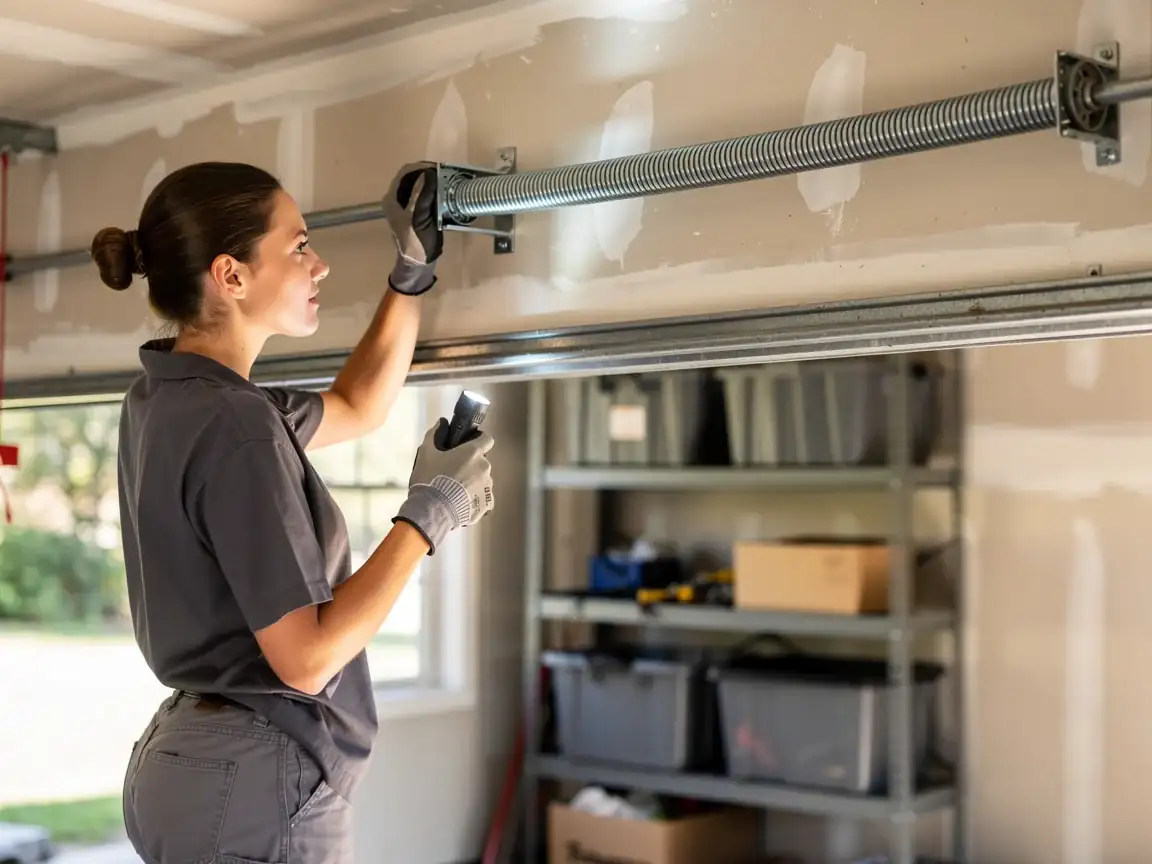
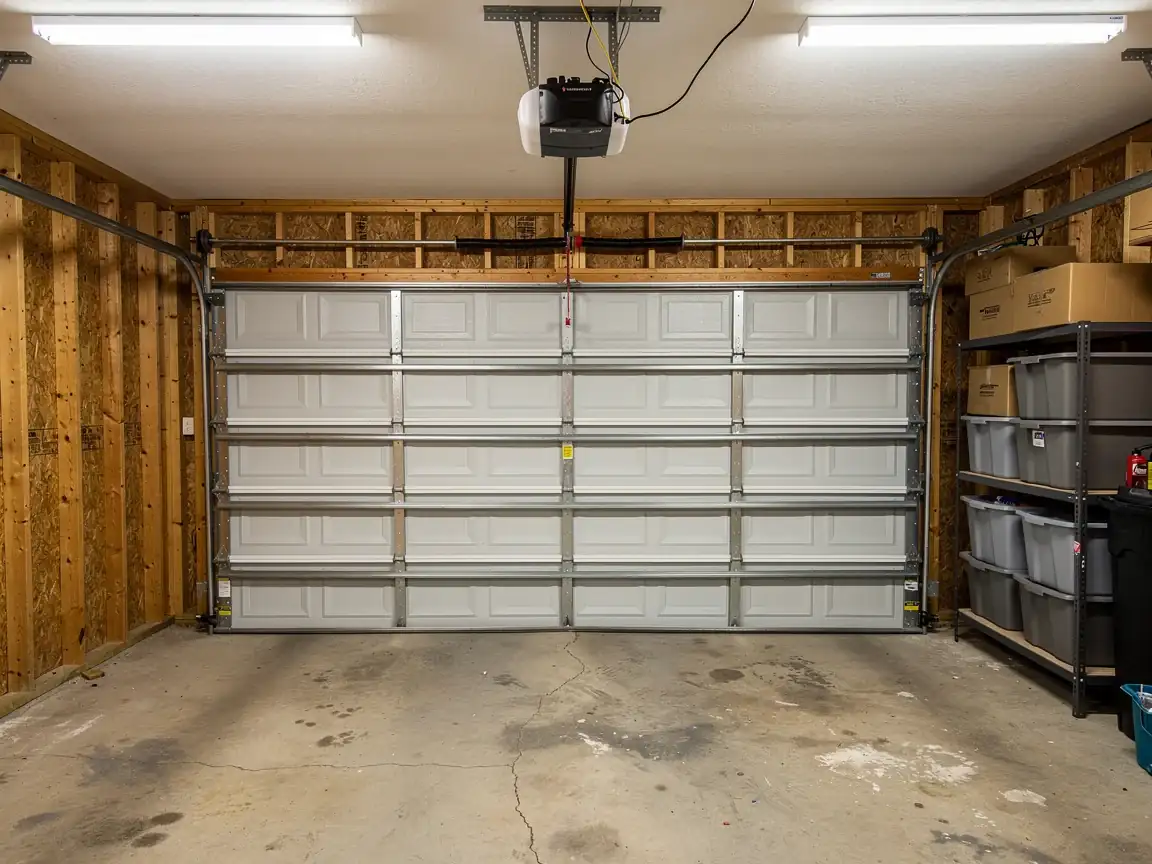
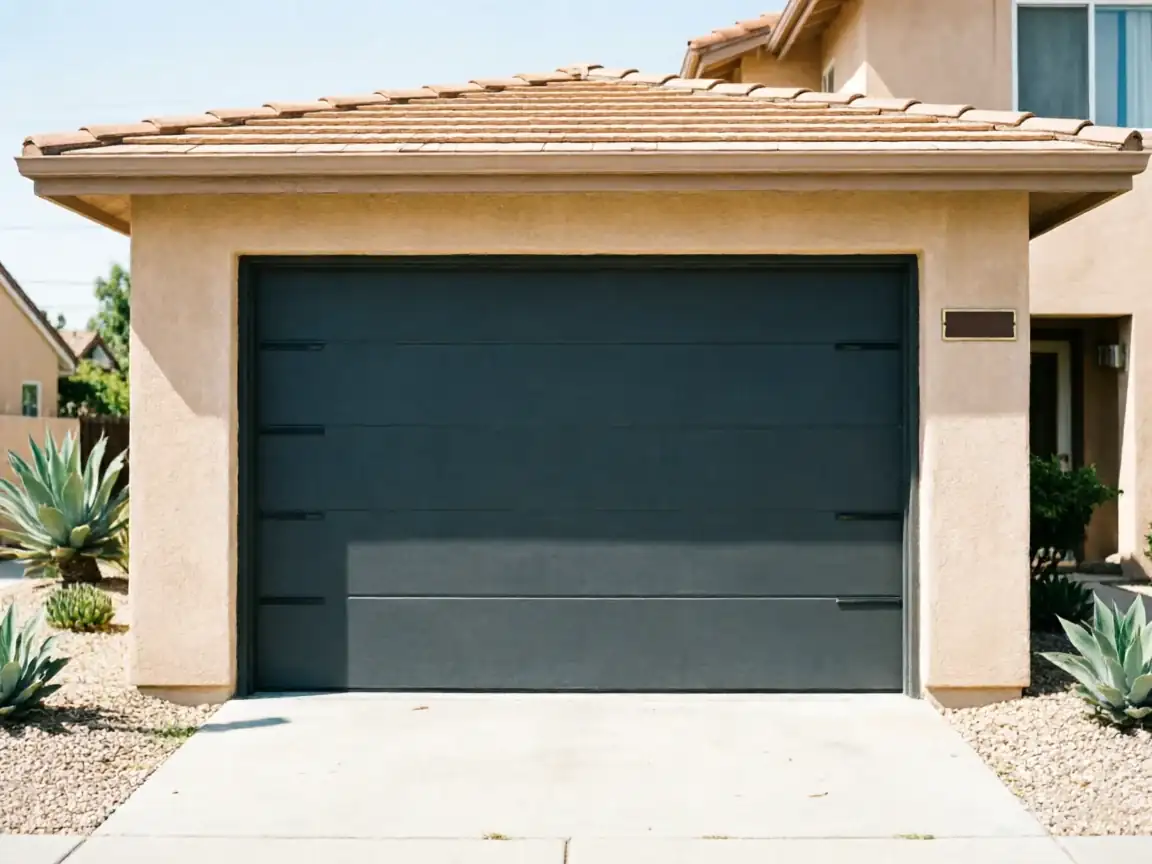
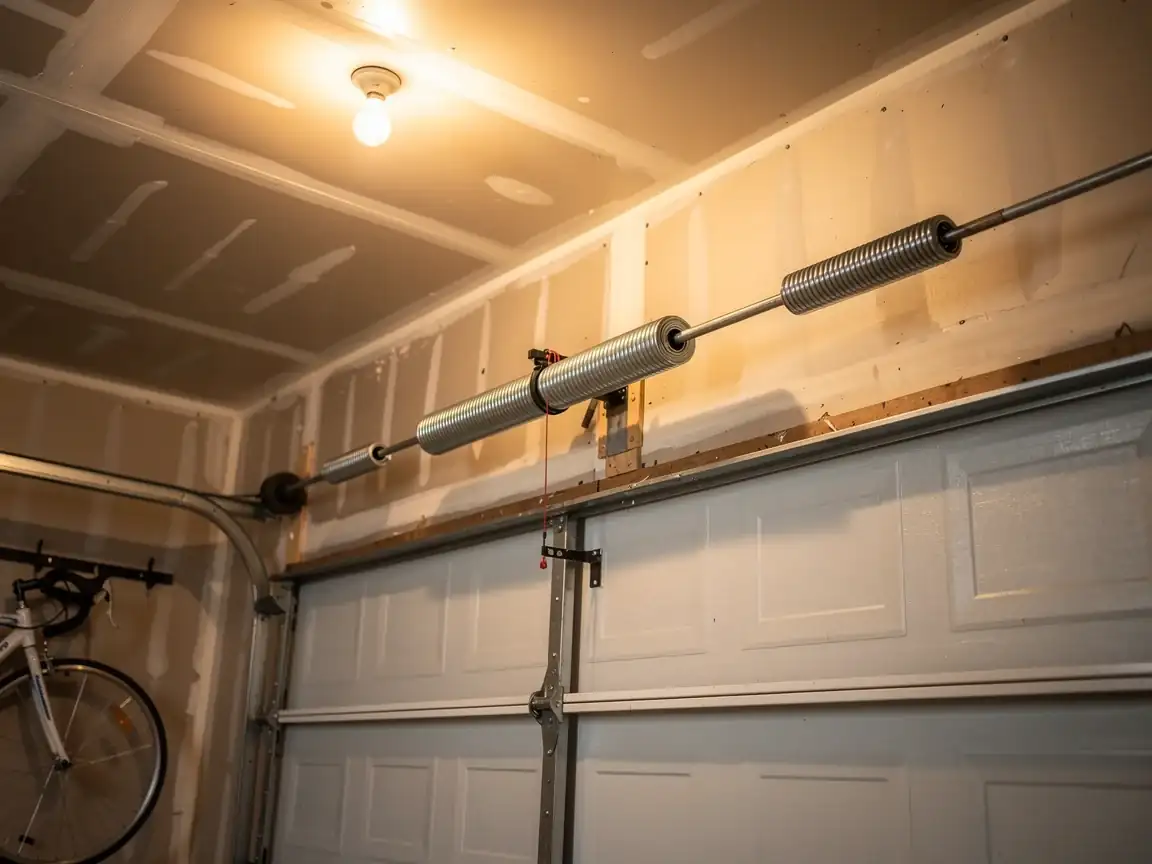
Most of these houses were built around 1974, which puts the garage doors and openers squarely in the era of single-point locking bars and openers without modern safety sensors. If yours hasn't been touched, the odds are good you've got original or close-to-original hardware carrying forty-plus years of cycles on it. Torsion springs rated for that era weren't built to last this long - they were built to last about 10,000 cycles, and a daily-use door hits that well before year forty.
The mild temperate climate out here is one thing working in your favor. You're not dealing with the freeze-thaw cycling that cracks seals and warps panels in colder regions, so the failures we see tend to be mechanical wear rather than weather damage - a spring that's finally given out, a cable that's frayed through, rollers that have worn their track grooves oval instead of round.
Can You Do This Yourself
Some of it, yes
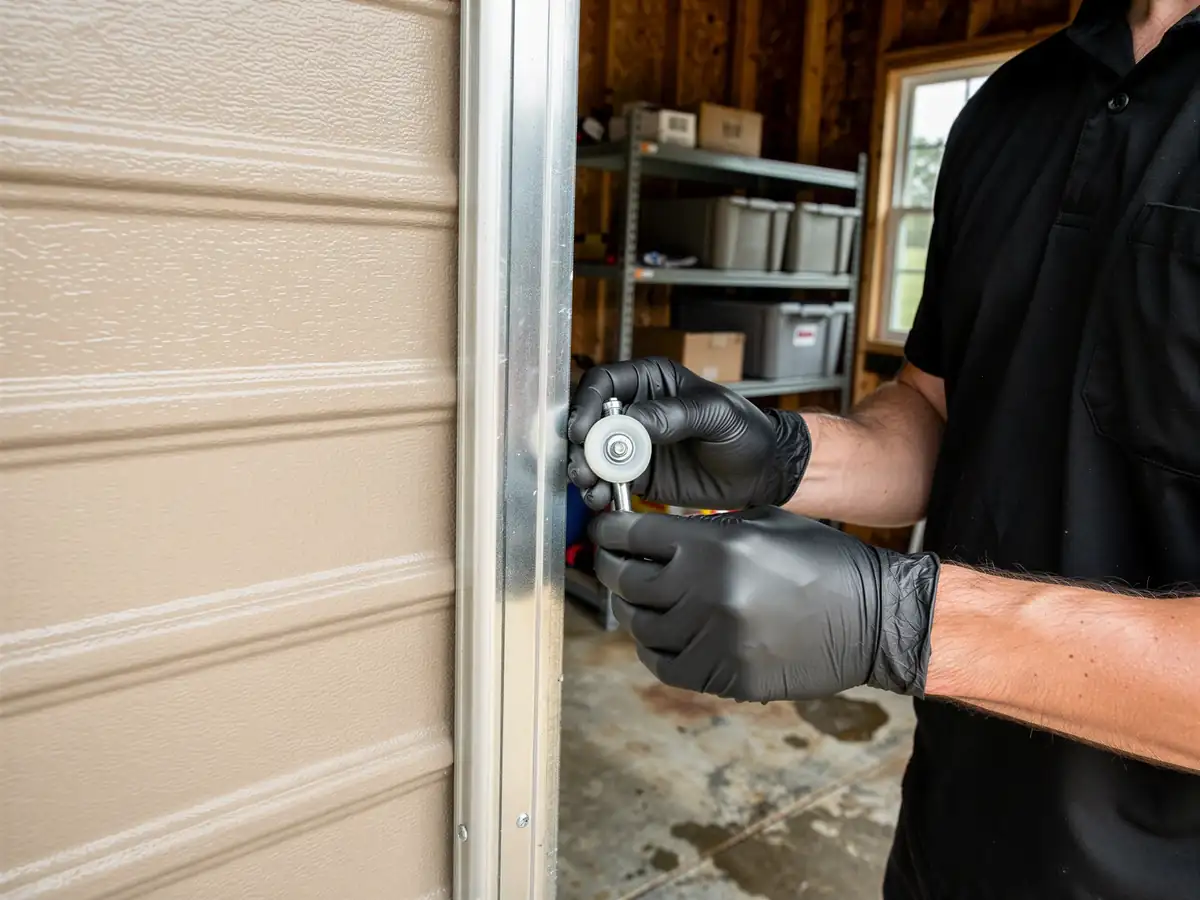
Lubricating hinges and rollers, tightening loose bolts on the track brackets, replacing worn weatherstripping along the bottom - those are reasonable weekend jobs if you're comfortable on a ladder.
A broken torsion spring is not on that list
Springs on a door this age are under enough tension to break a hand or worse if you don't know the winding procedure, and the bars and winding cones made for 1970s-era doors aren't always the same as what's sold off the shelf today. If the door won't open, won't stay open, or one side is visibly lower than the other, that's a spring or cable problem, and it's a call-us job, not a YouTube job.
Opener issues are more mixed
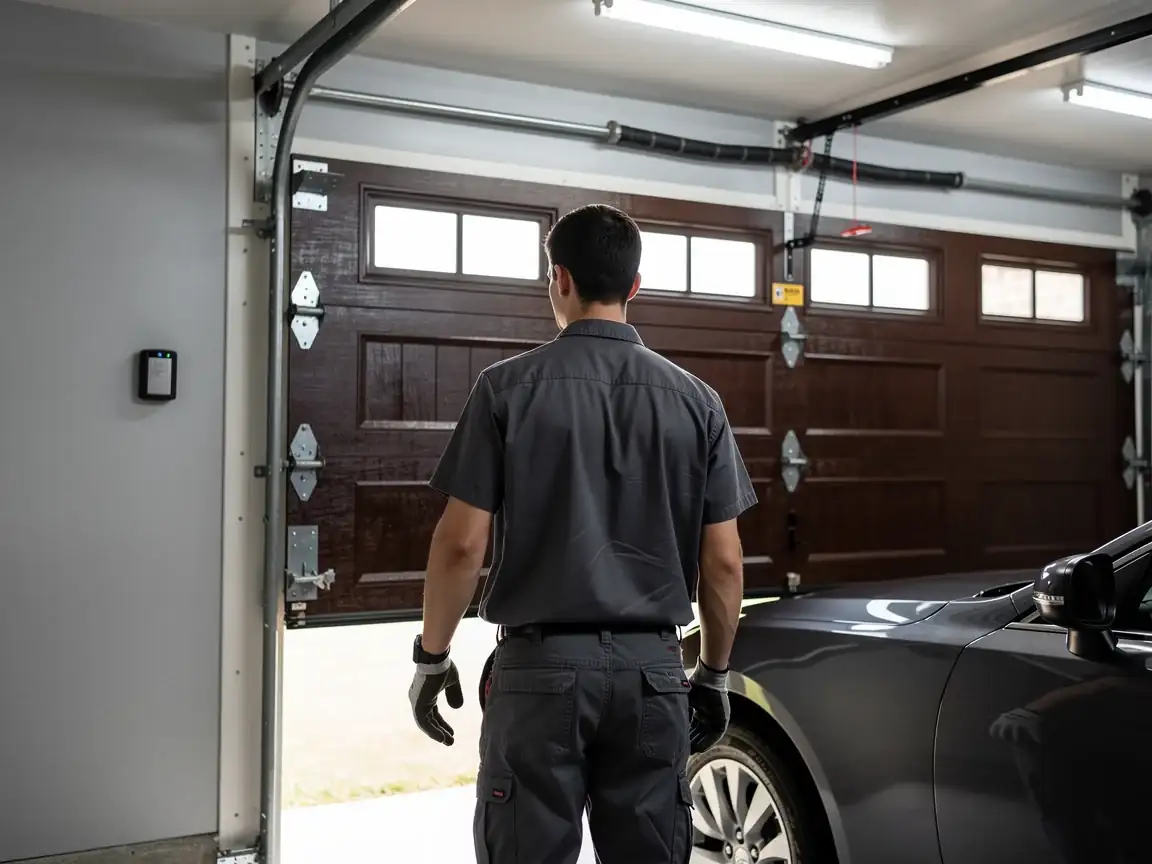
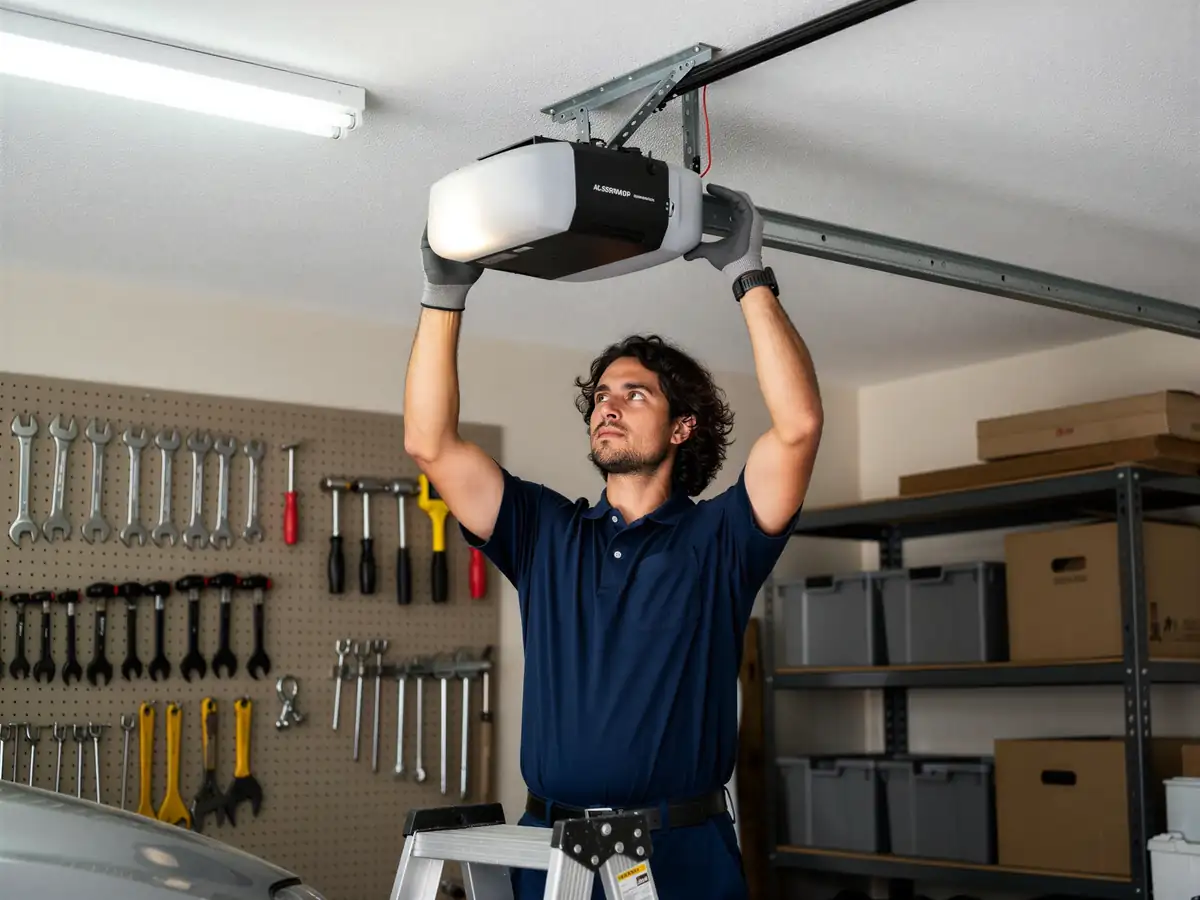
A dead remote battery or a misaligned safety sensor you can usually sort yourself. But if the opener is original to a 1974 build, it likely predates the photo-eye safety sensors required on anything manufactured after 1993 - and at that point you're not troubleshooting, you're looking at a full opener swap for safety reasons, not convenience.
Parts We Carry
Because the housing stock in this area skews to the 1970s rather than newer construction, we keep stock geared toward that generation of hardware: torsion springs sized for the wider range of door weights common in that era, extension spring kits for the older low-headroom setups some of these garages still use, and steel rollers to replace the nylon ones that have usually already failed by now.
We also carry standard track hardware, cables, and bottom brackets that fit doors from this period, along with openers that meet current safety-sensor requirements for anyone replacing an original unit. What we don't stock is anything custom - if a door has a non-standard width or a discontinued panel style, that part may need to be special-ordered, and we'll tell you upfront what the lead time looks like rather than promise same-day on something we don't have on the truck.
What You Are Seeing
If your door is slow to respond, drops suddenly partway down, or makes a loud bang followed by the door going dead weight in your hands, that's almost always a spring failure - common on doors from this build era that have never had the springs replaced.
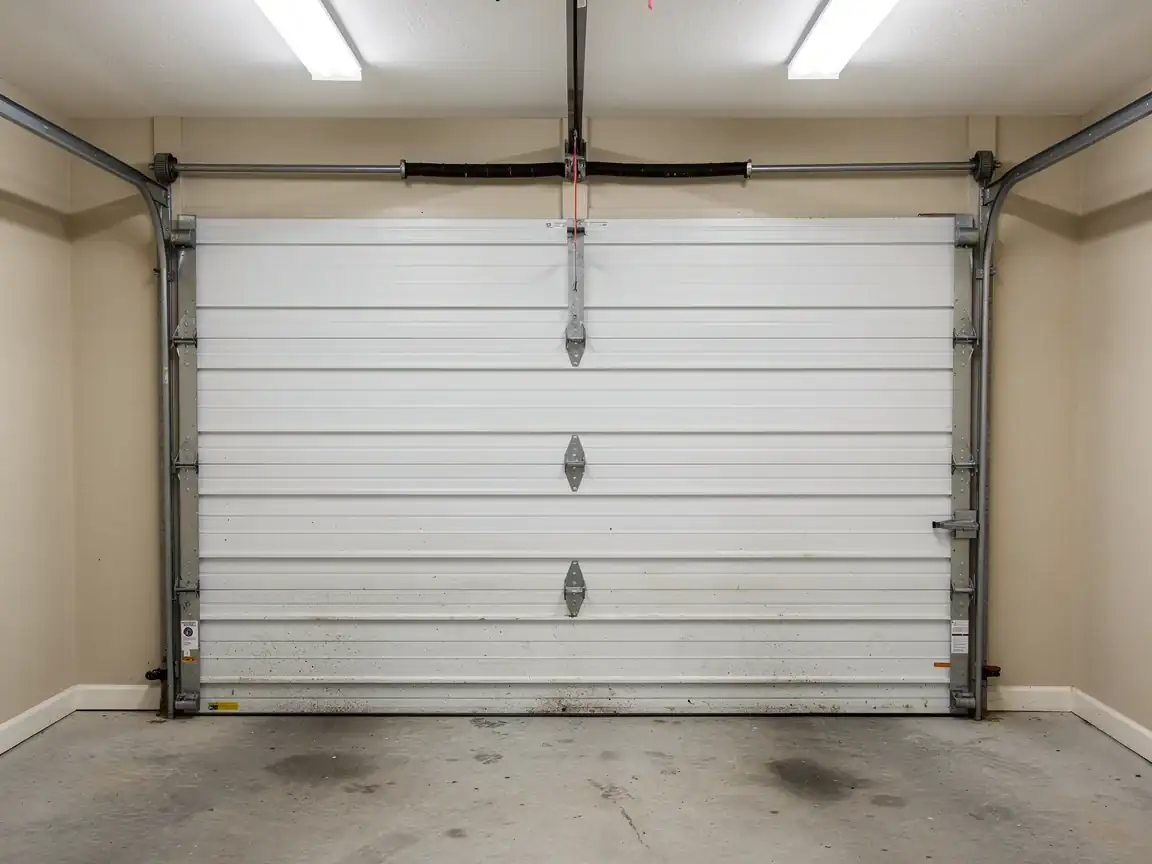
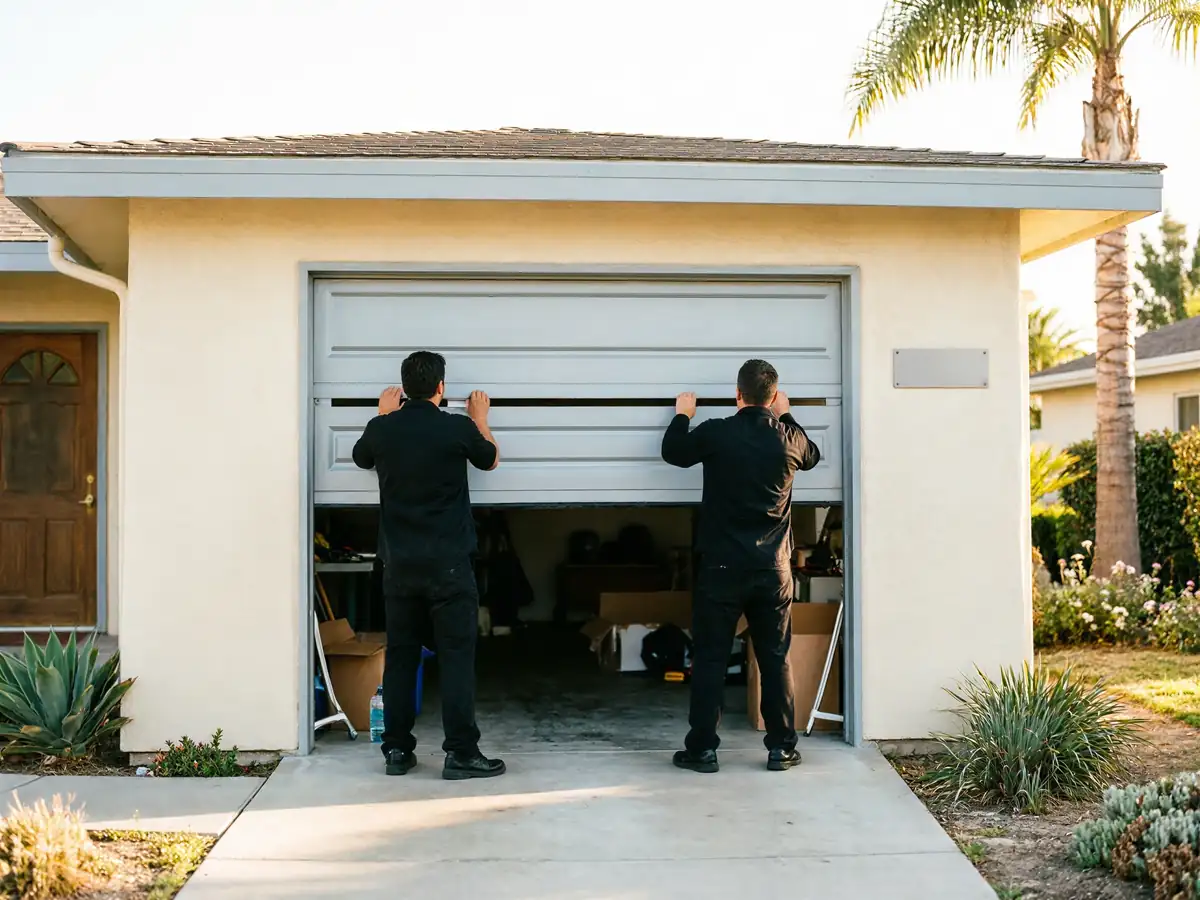
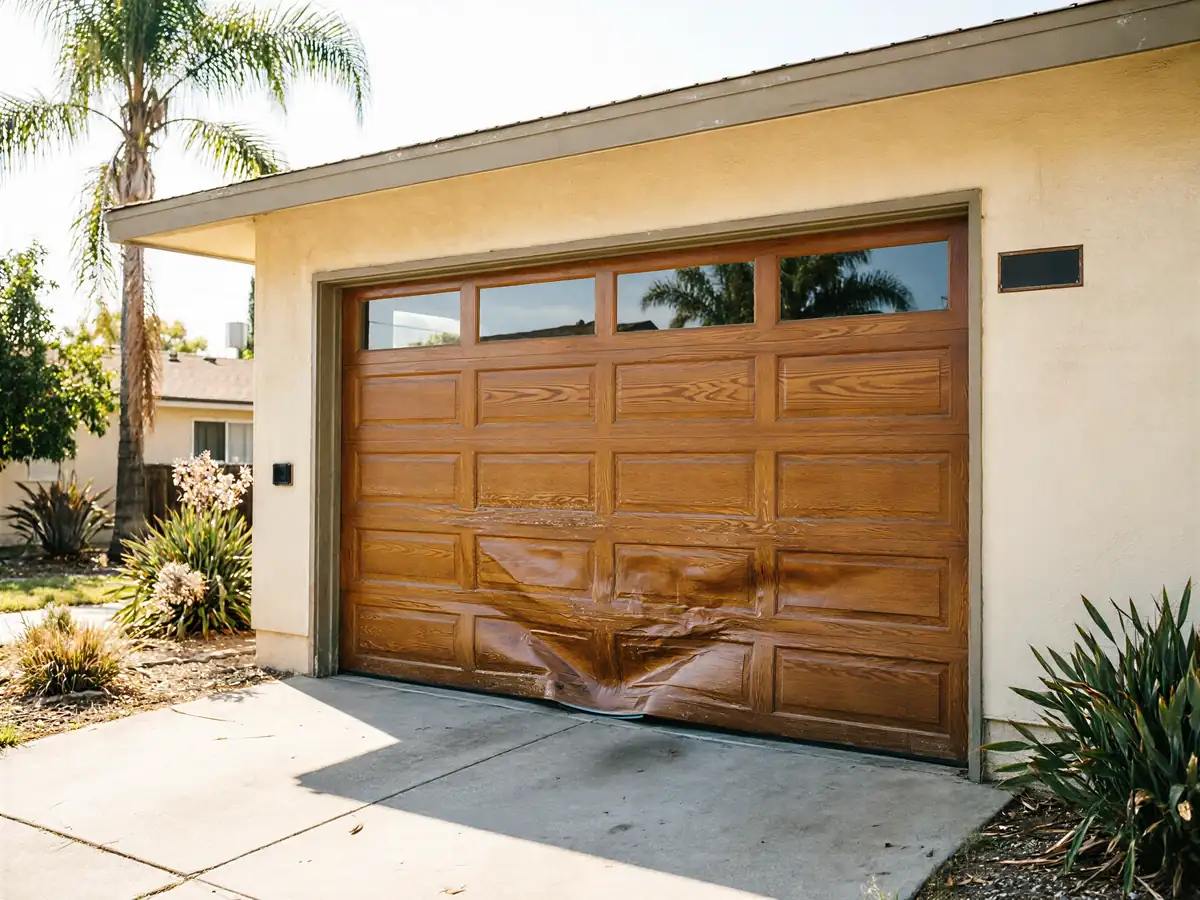
A door that opens unevenly, with one side higher than the other, usually points to a cable that's stretched or frayed on one side rather than a motor problem. Grinding or popping noises from the track are typically worn rollers, especially if the original nylon rollers are still in place.
If the opener runs but the door doesn't move, or only moves a few inches before stopping, check the manual release cord first - on some 1970s-era doors it's easy to accidentally pull this during normal garage use. If that's not it, you're likely looking at a gear or capacitor failure inside an opener that's well past its expected service life.