The Complications
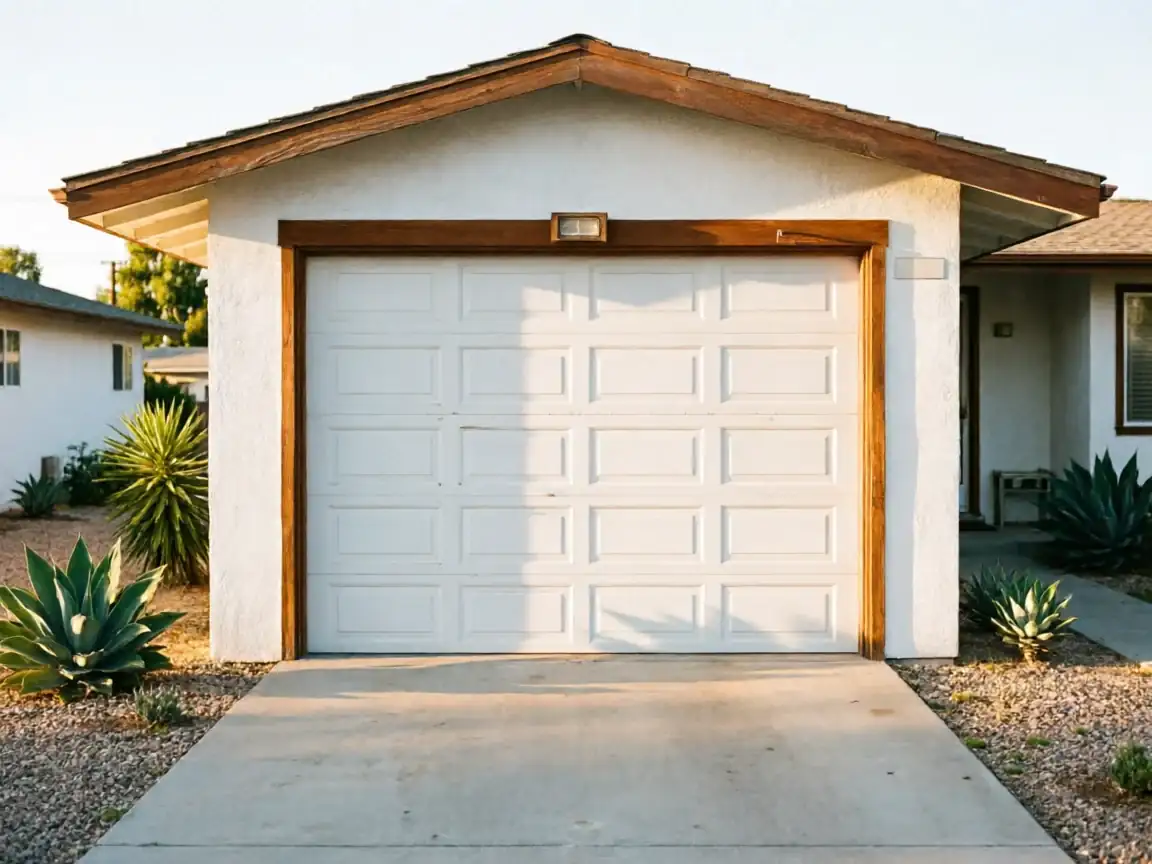
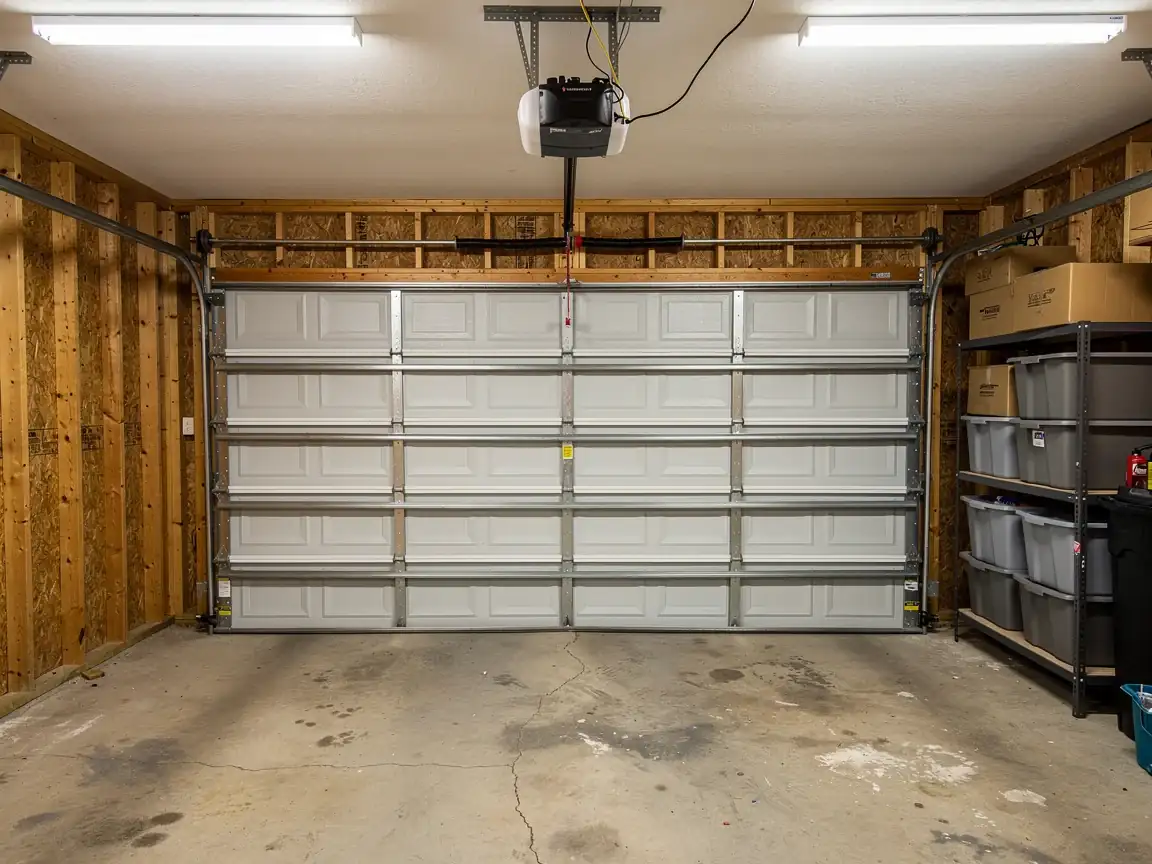
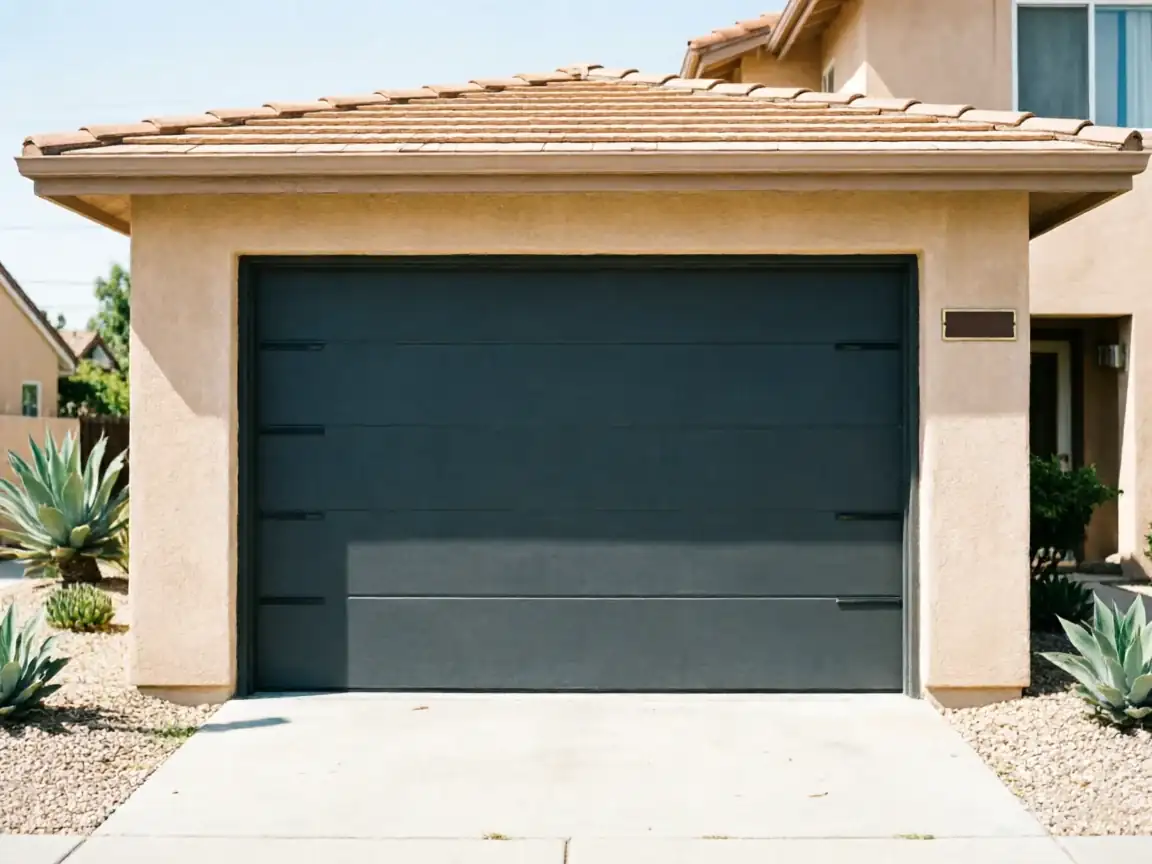
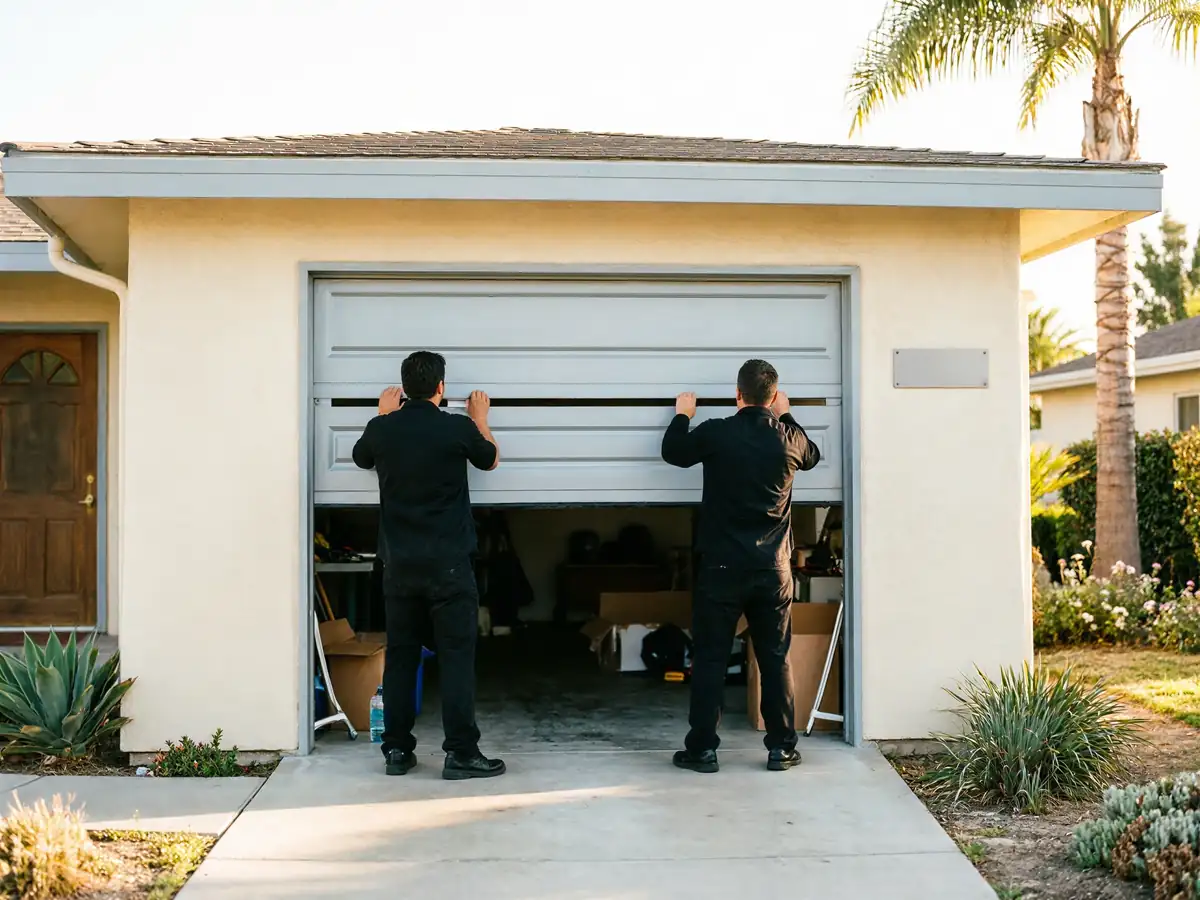
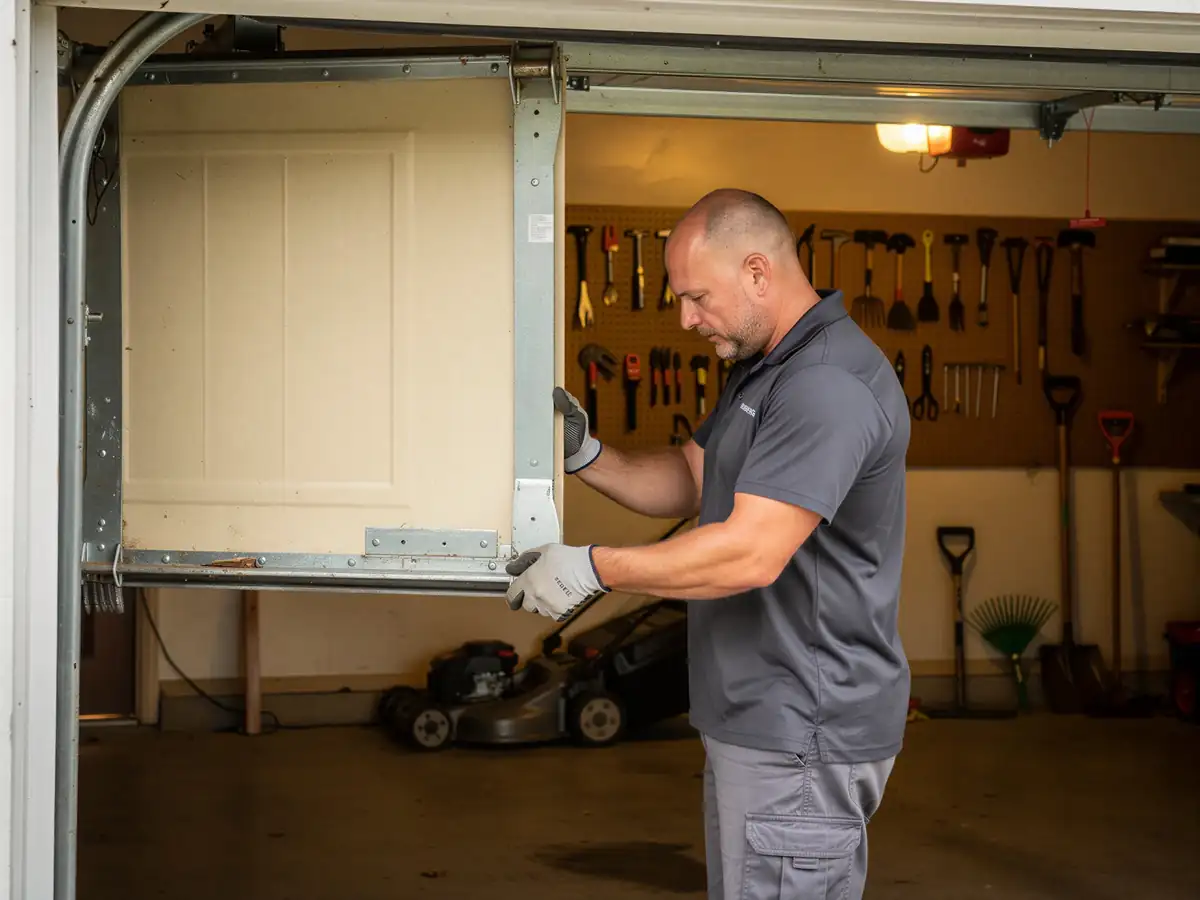
Green Valley's median year built is 1974, which puts a lot of these doors and their hardware at roughly fifty years old. That's not a guess about the neighborhood - it's the midpoint, which means plenty of houses here never had a reason to call anyone. The original door closed and opened fine for decades, so the rollers, hinges, and the end bearings in the torsion system never got swapped out. They just wore down slowly, a little more each winter, until the door starts sagging on one side or the opener strains on the last two feet of travel.
With only 558 households in Green Valley, this isn't a tract with thousands of identical units built by one crew in one year. It's a smaller pocket, and the hardware variation we see reflects that - some doors got a replacement opener in the 90s or 2000s, some never did. The mild climate here hasn't been hard on the steel the way freeze-thaw regions are, which is the one thing working in your favor. But fifty-year-old lubricant and a fifty-year-old spring count are still fifty years old, climate or not.
Can You Do This Yourself
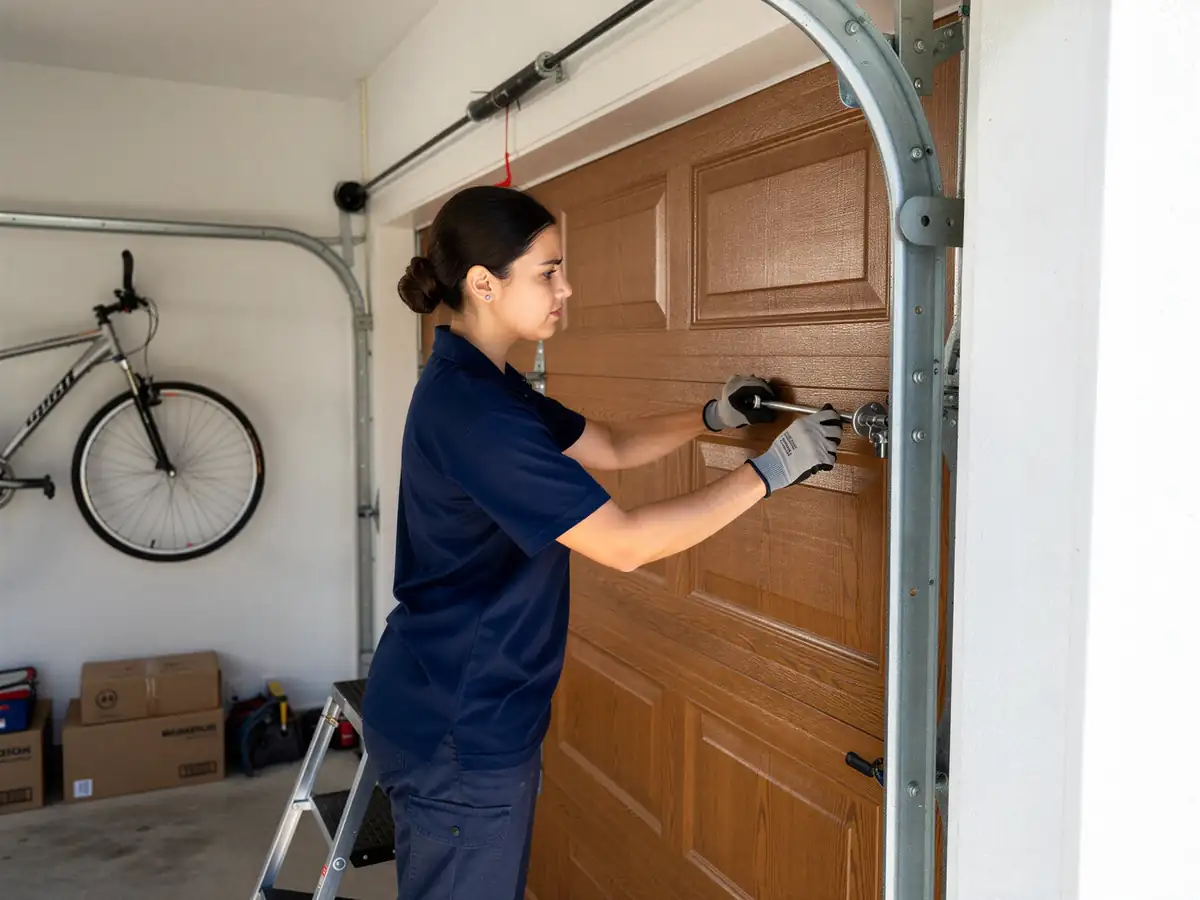
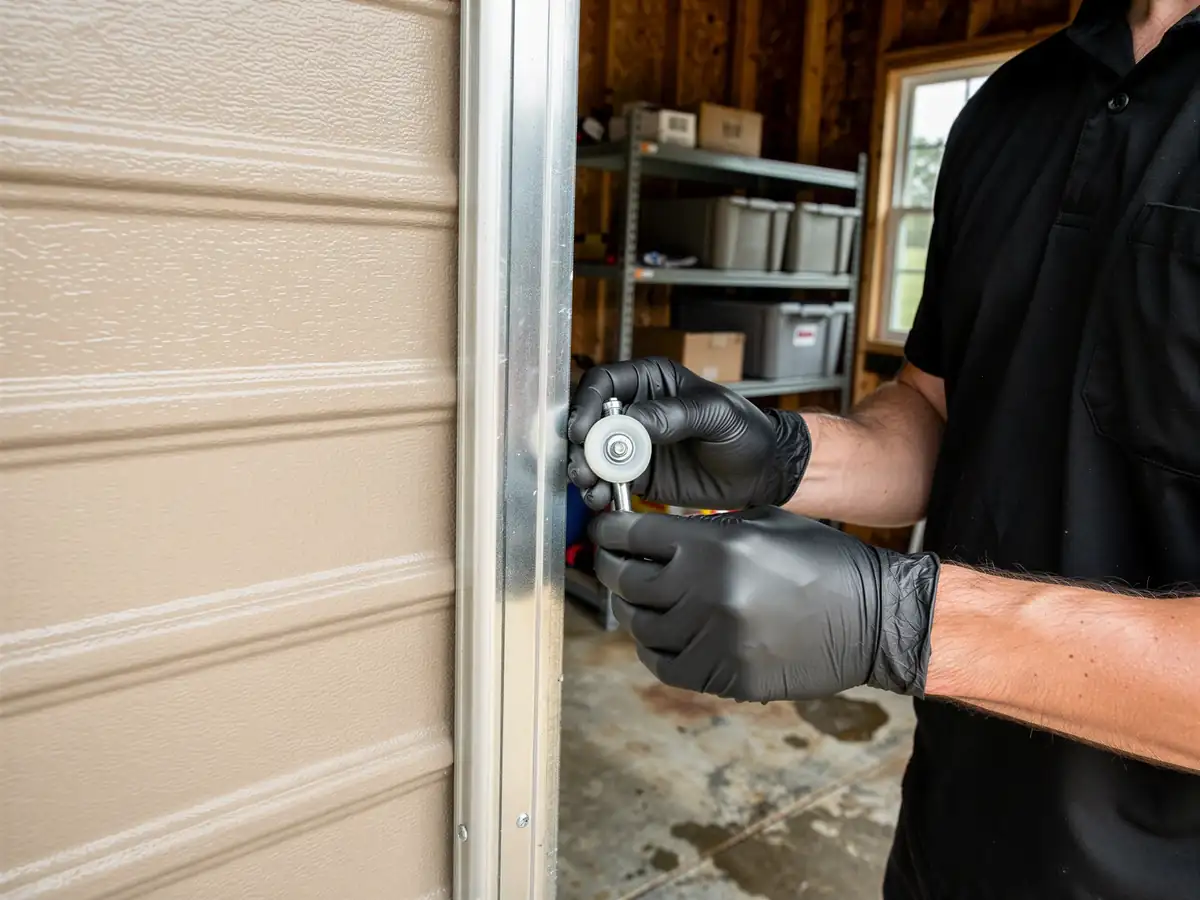
Lubricating hinges and rollers, checking that the auto-reverse still catches on an object
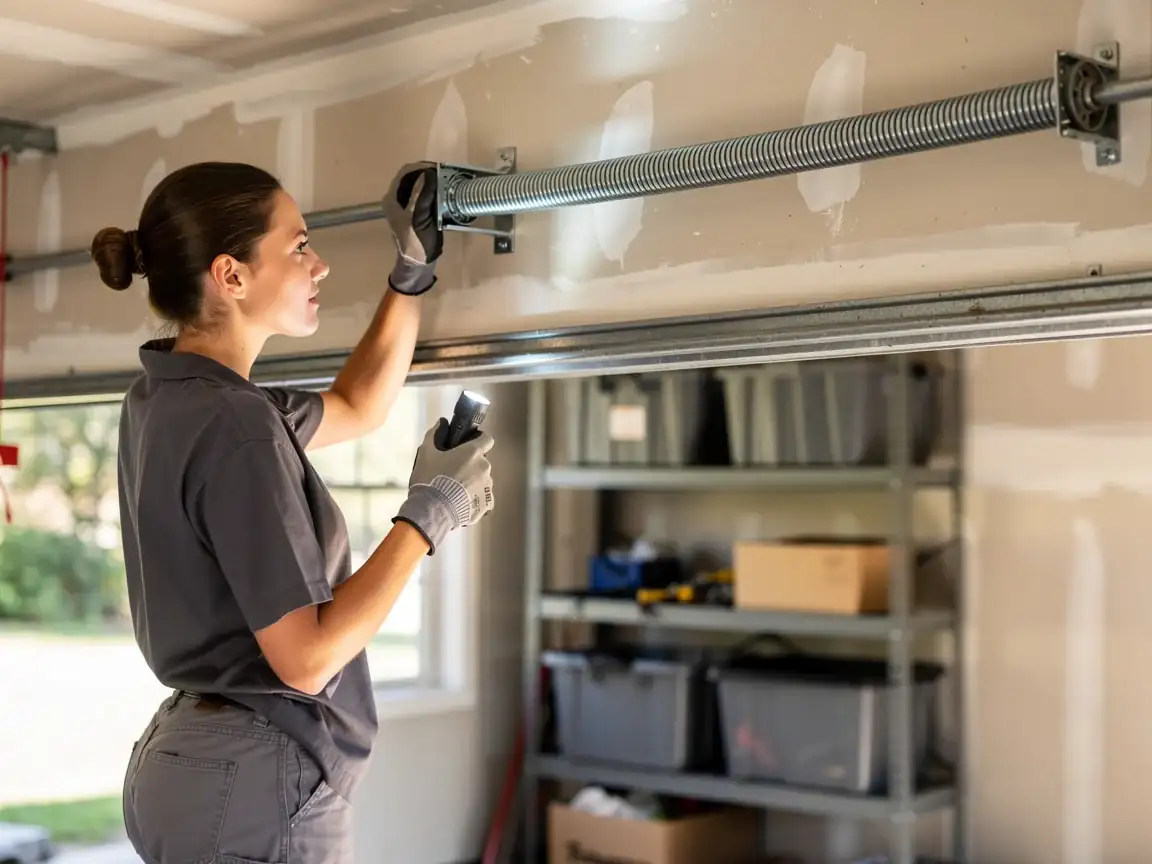
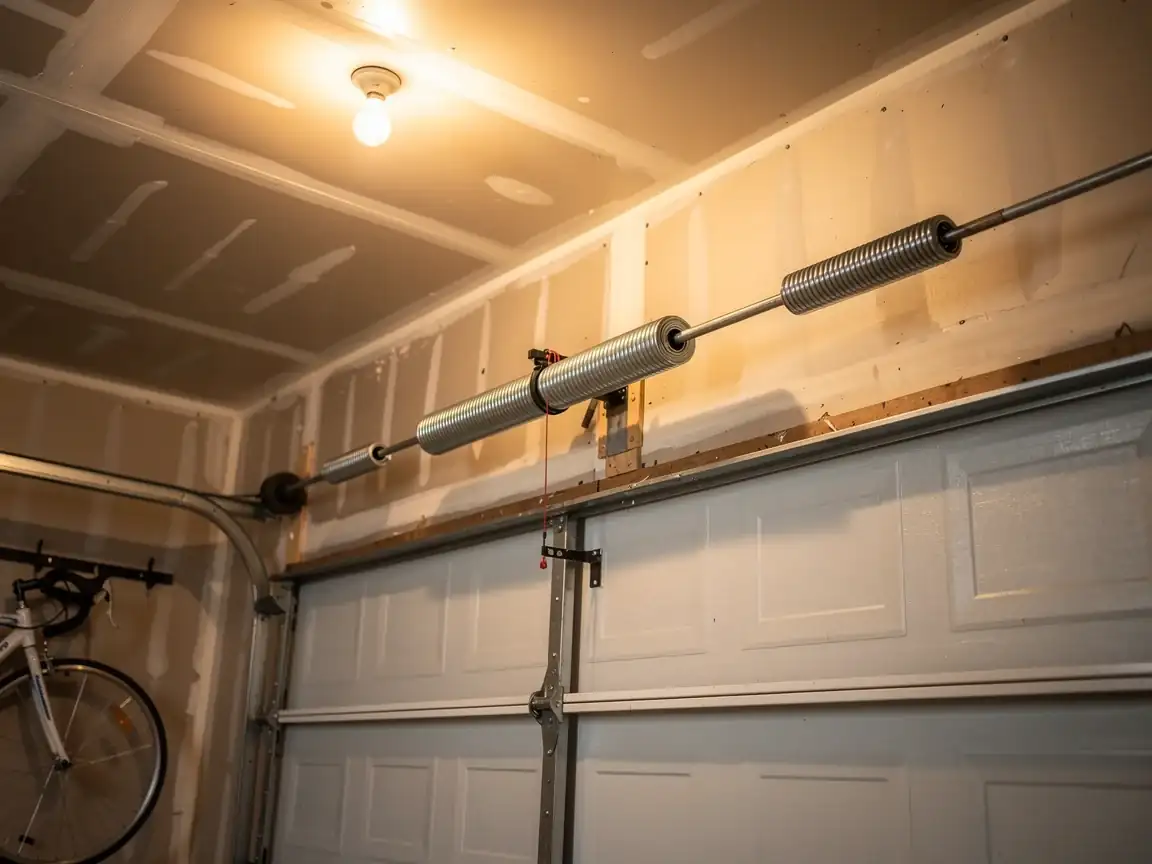
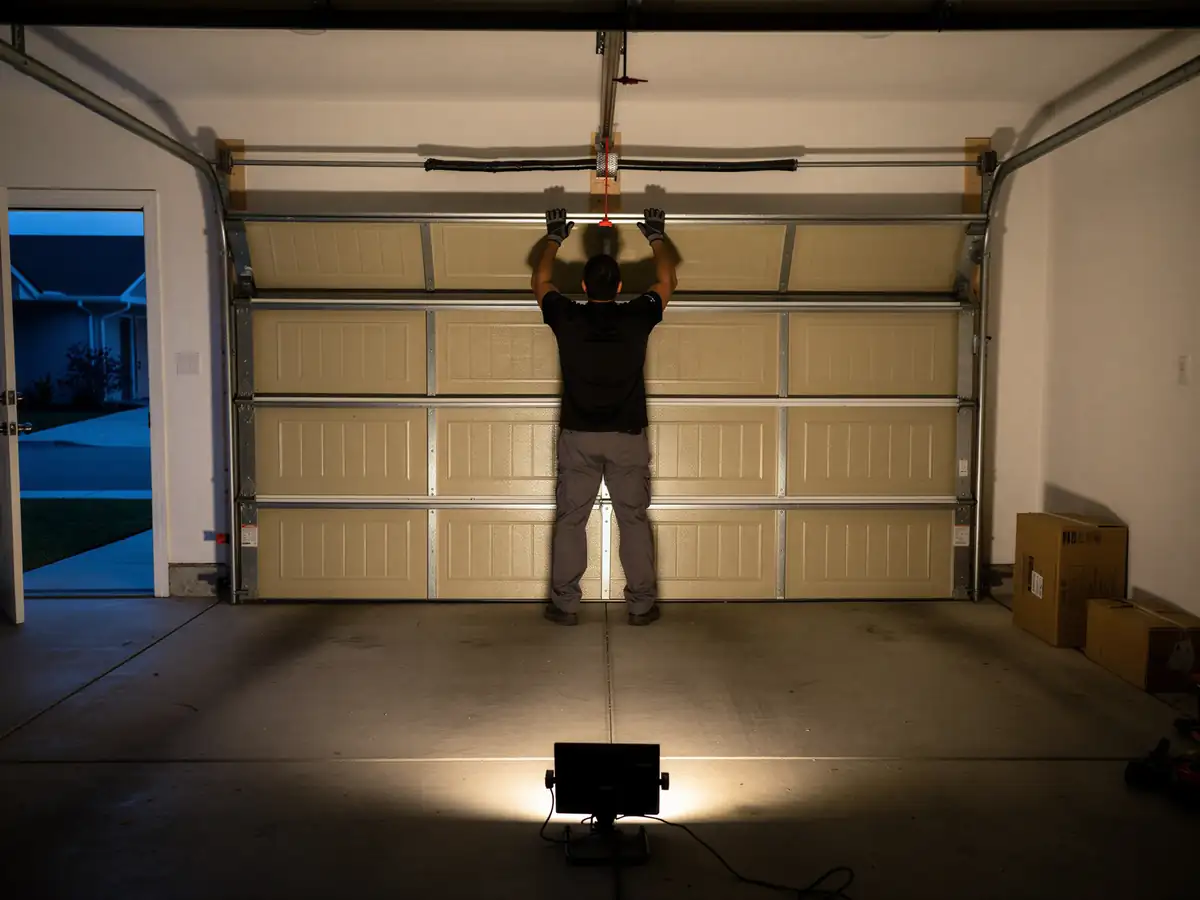
And tightening loose bolts on the track brackets are all fine to do yourself, and we'd rather you did than paid someone to do it. What you shouldn't touch is the torsion spring or anything under tension - on a door this age, the spring has likely never been replaced, and a spring that's fifty years old and finally lets go does it violently.
We don't offer a callout time for Green Valley specifically
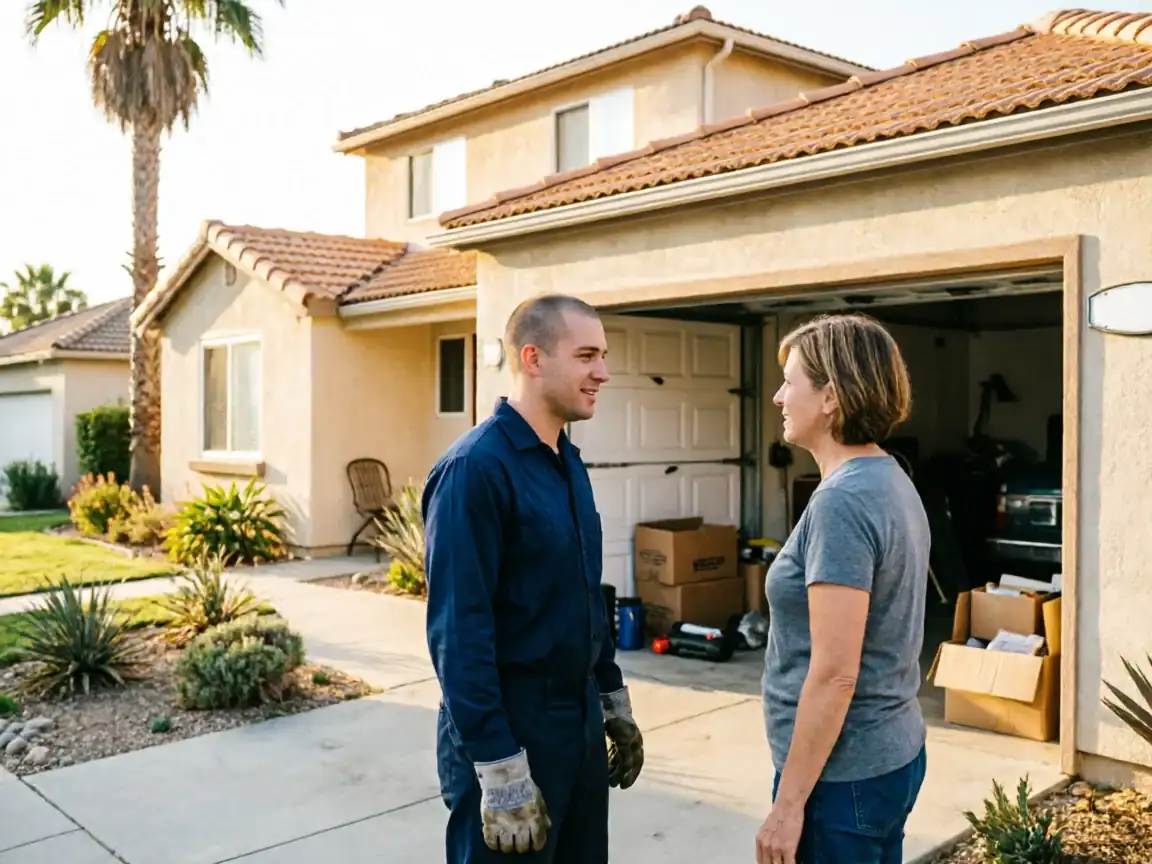
We work out of Fairfield, about 7 miles away, and maintenance visits here get scheduled, not rushed same-day. If a spring breaks and the door won't move, that's a different kind of call than a tune-up - plan the maintenance visit ahead rather than waiting for the failure.
- 7 miles
Parts We Carry
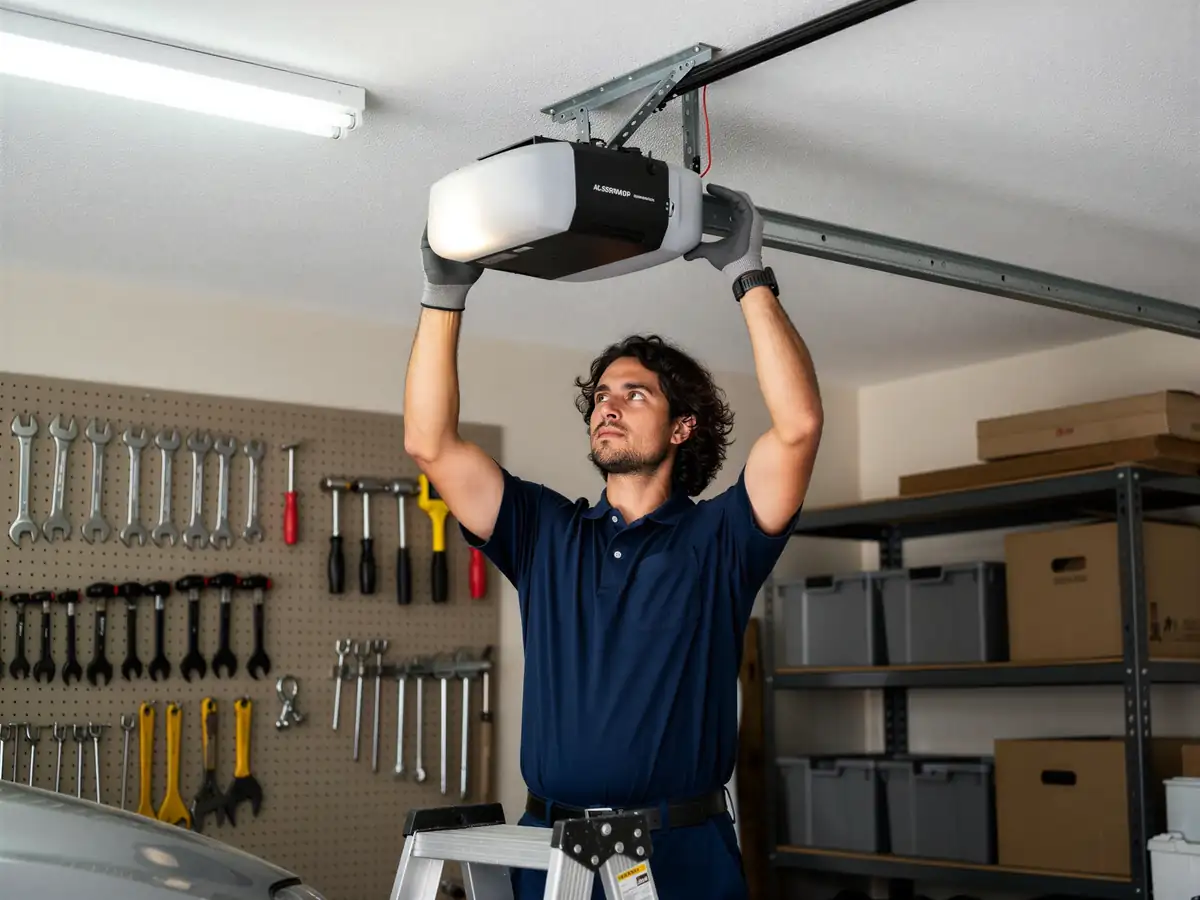
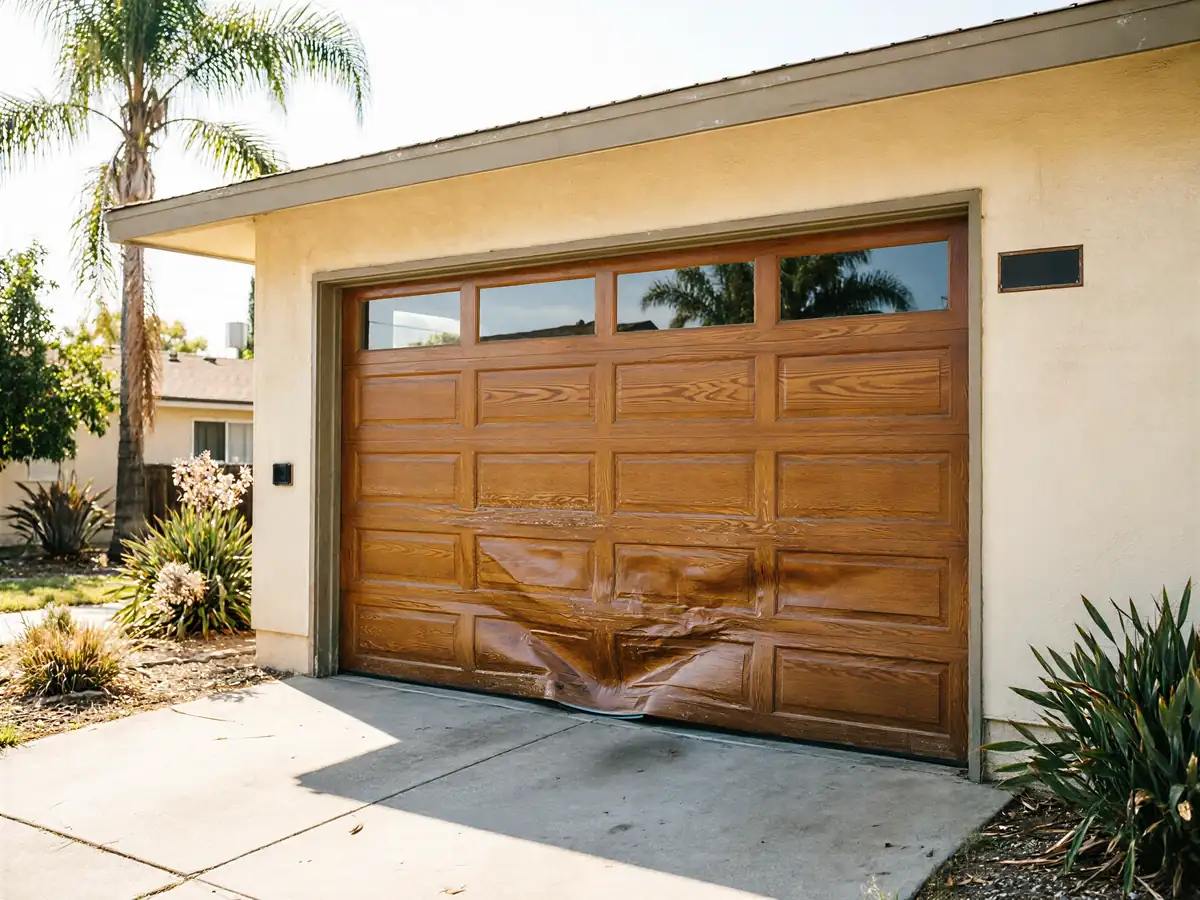
On a door built around 1974, we're not expecting to match factory parts - nobody's making the exact bracket from that era anymore. What we carry on the truck covers the wear parts that fail regardless of the door's age: standard-gauge torsion springs sized to the door weight, nylon and steel rollers, hinges in the common gauges, and cable sets. If a panel is dented or the track itself is bent out of true, that's less likely to be a stock-part fix and more a conversation about whether patching it or replacing the section makes more sense.
We don't stock obsolete opener logic boards or discontinued trim kits, so if your opener is an older model with a proprietary part, there may be a wait on that piece specifically. Everything else - springs, rollers, cables, hinges - we carry out with us.
What You Are Seeing
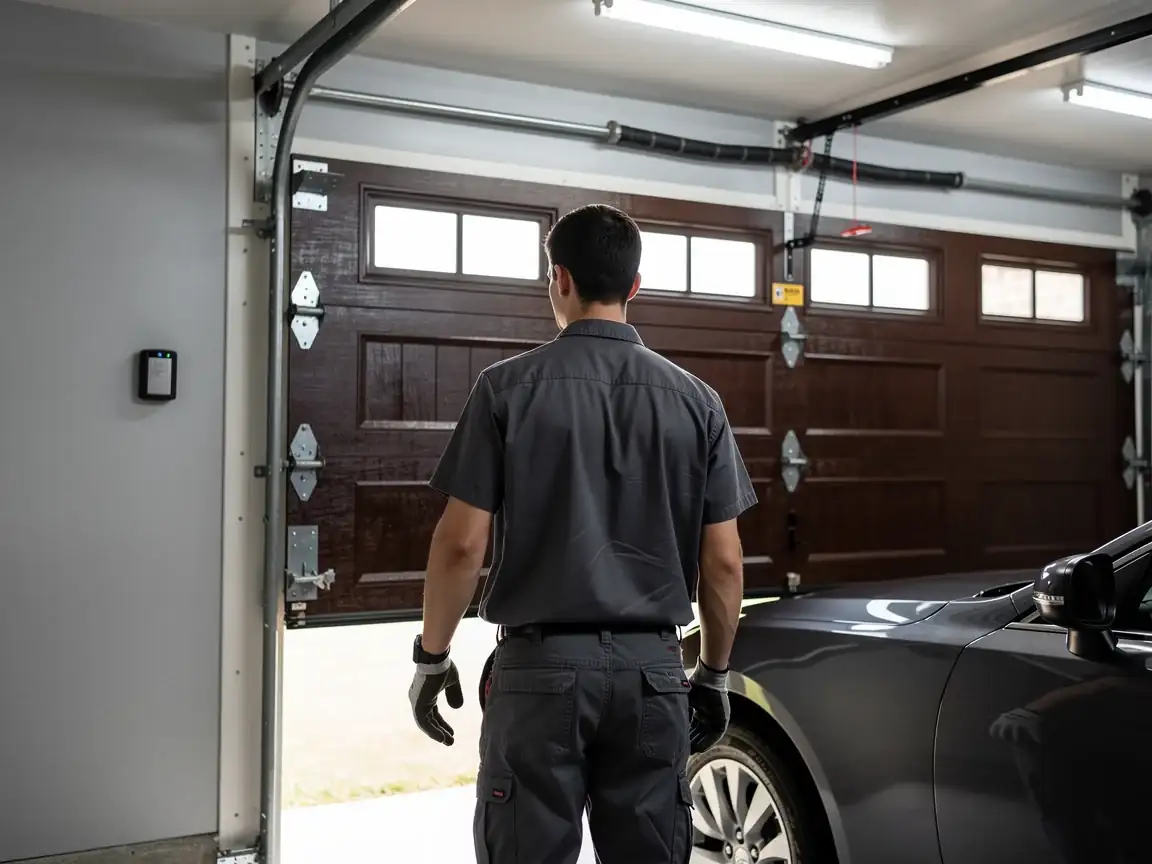
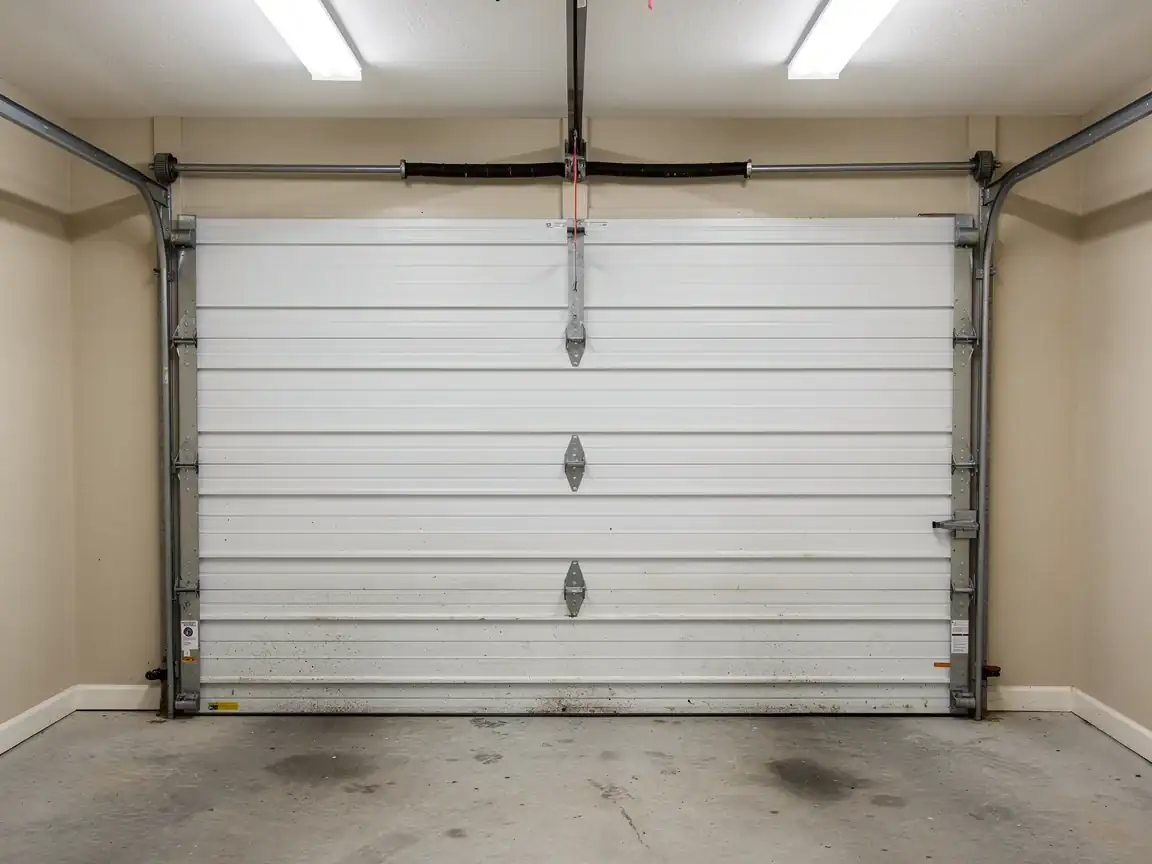
A door that used to open quietly and now grinds or squeals partway up is usually just dry rollers and hinges - the kind of wear you'd expect on hardware that's never been serviced. A door that drifts to one side as it closes, or that the opener strains against near the top, points to spring tension that's worn uneven over the decades, not a new problem.
Green Valley's median household income is $114,500, higher than a lot of the areas we cover from Fairfield, and we mention that only because it changes the math on repair versus replace - a full torsion system overhaul on a 1974 door is often the better call here than patching it piece by piece, since the original door has already outlasted its expected service life by a wide margin. That's a judgment call we make on-site, not something to decide from a phone estimate.